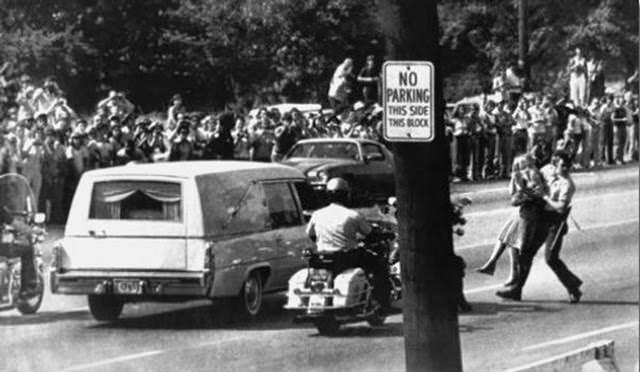
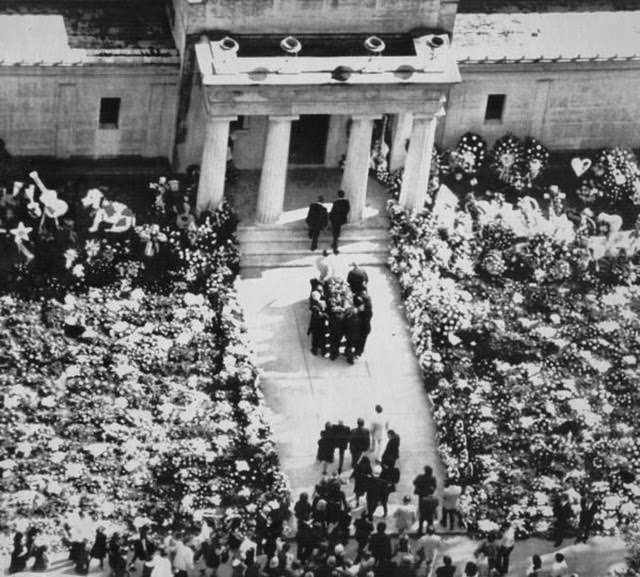
In the early morning of August 16, 1977, Elvis Presley attended to the final details of his upcoming concert tour. He spent time relaxing with family members and his staff inside his Memphis home. The schedule required him to fly to Portland, Maine, that evening for a performance on the 17th. Around 7:00 AM, he retired to his master suite to sleep before the flight. This rest period was intended to prepare him for the demands of the road.
The Medical Emergency
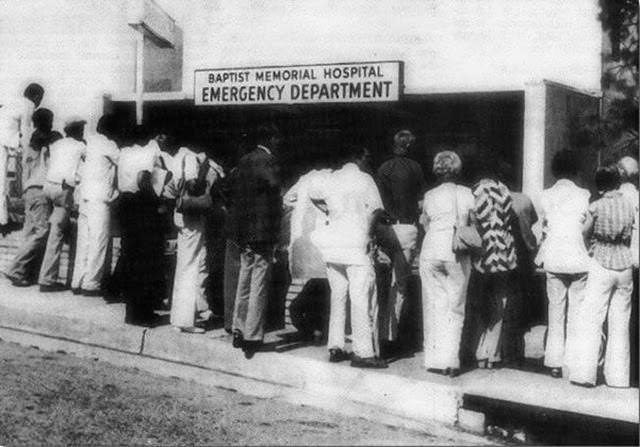
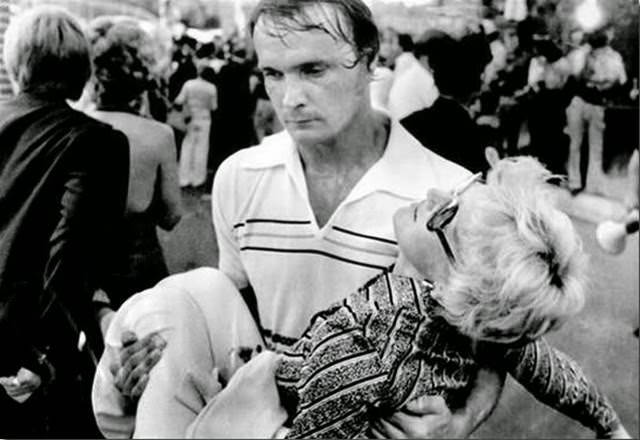
By late morning, the situation in the master suite turned critical. Staff members found him unresponsive and immediately called for emergency assistance. Paramedics arrived at the mansion but failed to revive him at the scene. They rushed the 42-year-old singer to Baptist Memorial Hospital for advanced treatment. Doctors there continued resuscitation efforts, but they could not restart his heart. His personal physician, Dr. George Nichopoulos, pronounced him dead. The doctor recorded the official cause of death as cardiac arrhythmia, a condition characterized by an erratic heartbeat.
Radio Waves Break the News
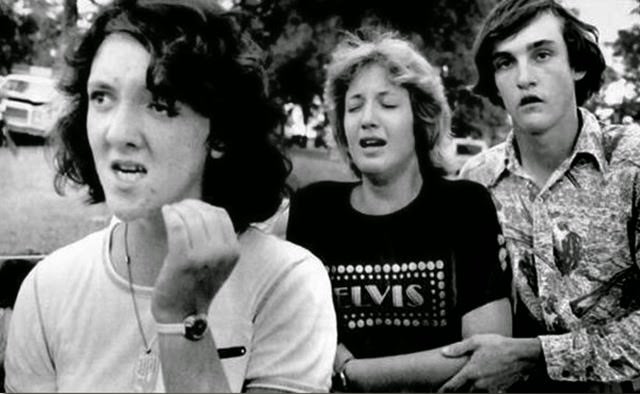
Radio stations across the United States interrupted their regular broadcasts to deliver the bulletin. DJs immediately cleared their schedules to play his records continuously. Some stations organized instant on-air tributes, while others simply responded to a flood of listener requests. Fans called into their local stations to express their shock. They shared stories about the first time they heard his voice and spoke about what his music meant to them, using the airwaves to connect with others in their grief.
Read more
A Moment Frozen in Time
The announcement stopped people in their tracks. Most fans remember exactly where they were when they heard the news, similar to the collective memory surrounding the death of President John F. Kennedy. Mick Fleetwood, the drummer for Fleetwood Mac, was driving back from the mountains when the report came over his car radio. He was listening to a medley of Elvis songs, enjoying the music, when the DJ cut in with the announcement. Fleetwood described the news hitting him “like a ton of bricks.”
Television Ratings Spike
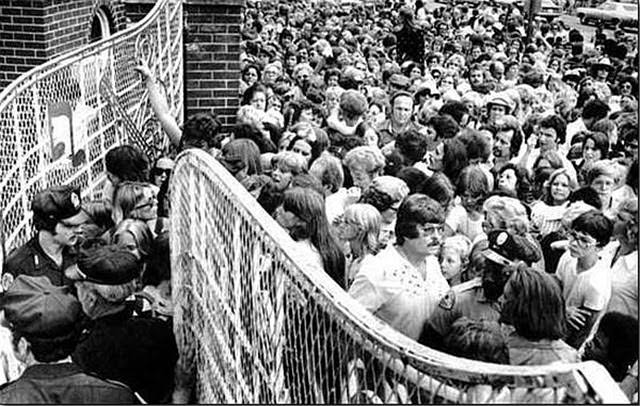
Major television networks altered their evening programming to cover the event in detail. This shift in the schedule reflected the massive scale of public interest. Data from the television-ratings service Arbitron showed a sharp increase in viewership that night. The number of televisions tuned to evening news programs surged as millions of Americans sought visual confirmation of the reports coming out of Memphis.