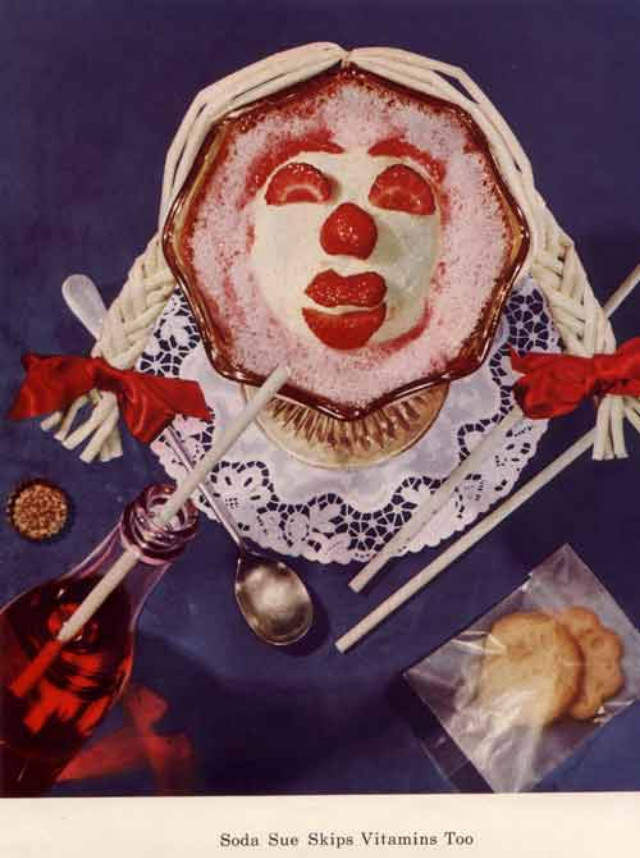
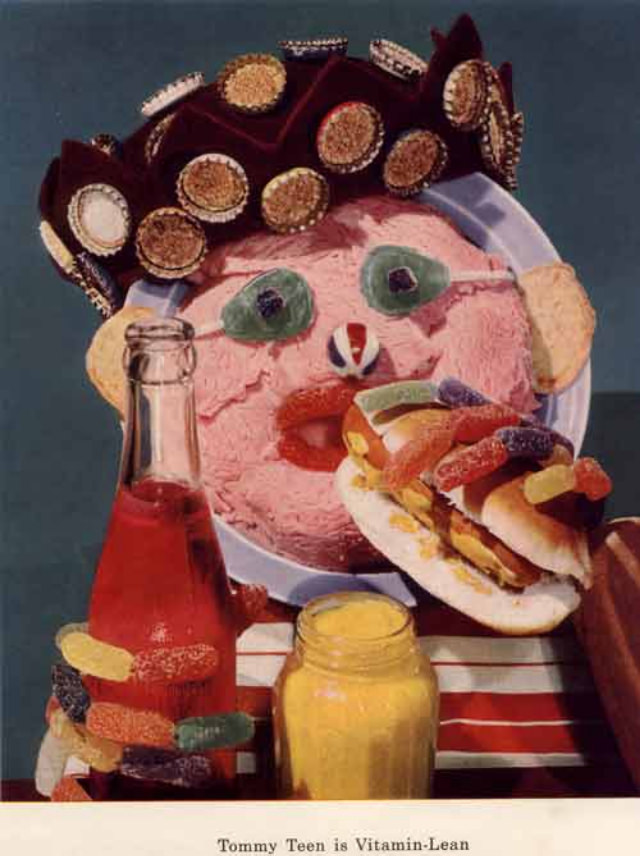
In the 1950s, Abbott Laboratories released one of the strangest advertising campaigns in medical history. The product was Dayalets — a daily vitamin supplement marketed as “the people’s medicine.” The ads were unlike anything doctors or patients had seen before. They featured bizarre, unsettling mascots built from food, candy, and cigarettes, and they were designed to hang on the walls of doctors’ offices across the country.
Dayalets were positioned as a fix for the nutritional damage caused by typical American lifestyles of the era. Heavy meat-and-potatoes diets left people short on essential vitamins. Add to that the widespread habit of heavy cigarette smoking, and Abbott Labs saw a clear market. Dayalets, they argued, could correct what bad eating and nicotine intake had done to the body.
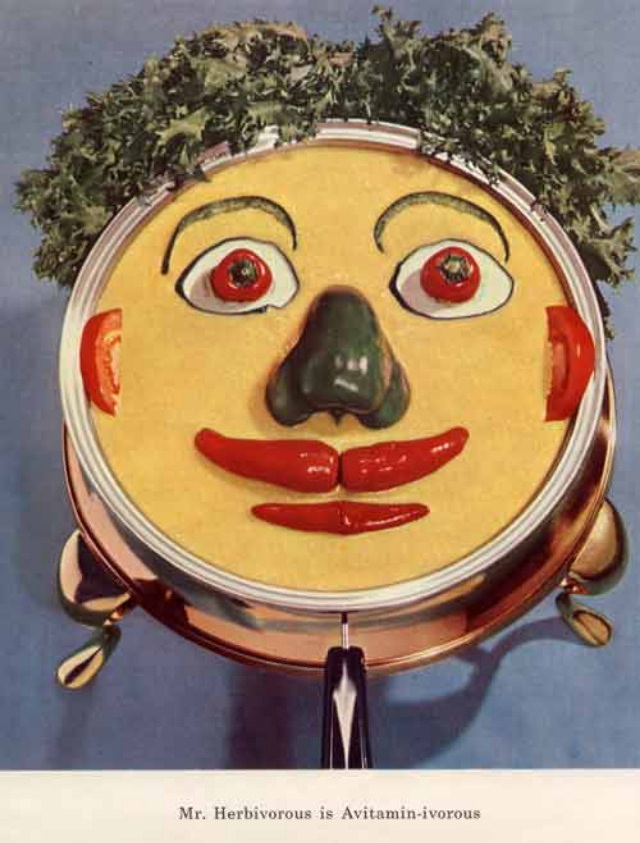
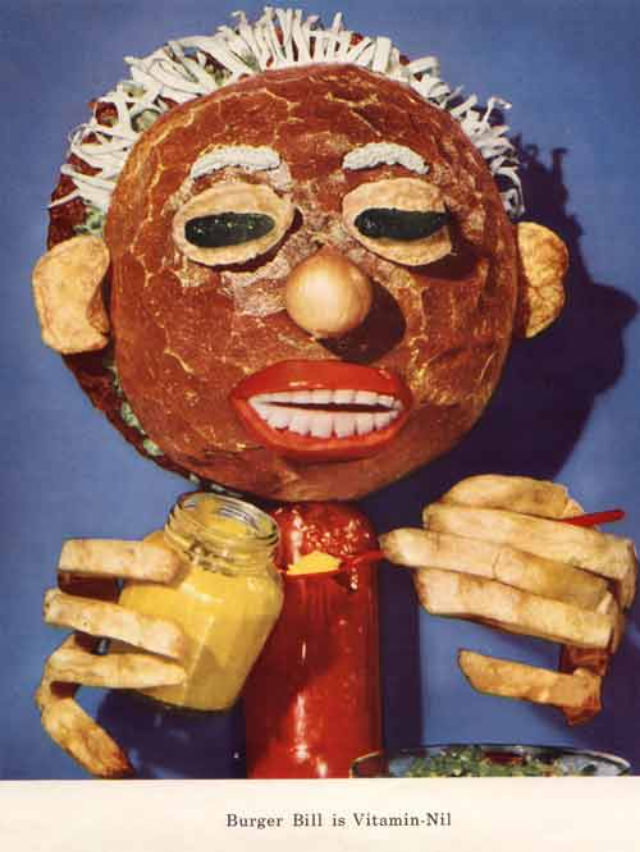
The mascots themselves were the campaign’s most striking — and disturbing — feature. Abbott’s artists constructed grotesque characters out of everyday items like hot dogs, lollipops, and cigarettes. These figures weren’t cheerful or friendly. They were deliberately unsettling, meant to show patients the hellish consequences of ignoring proper vitamin intake.
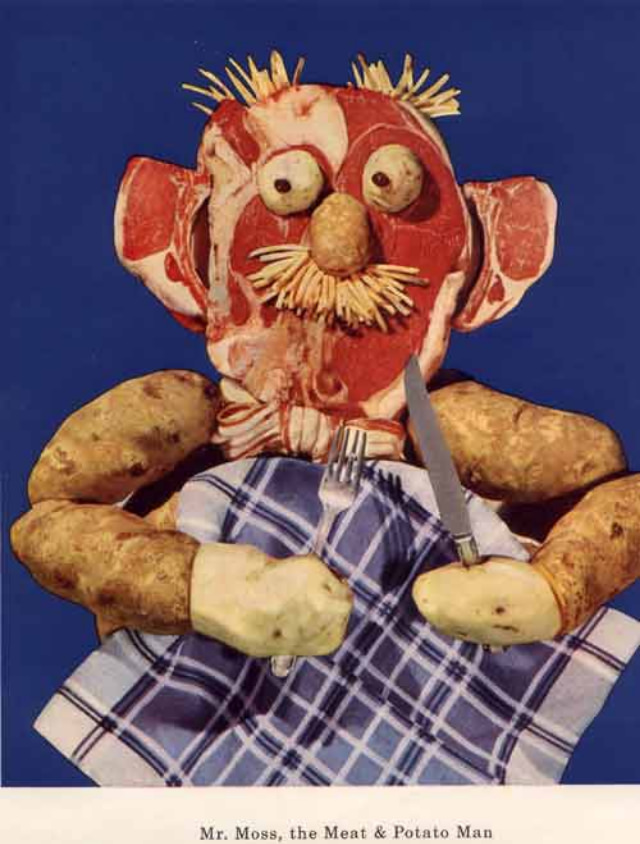
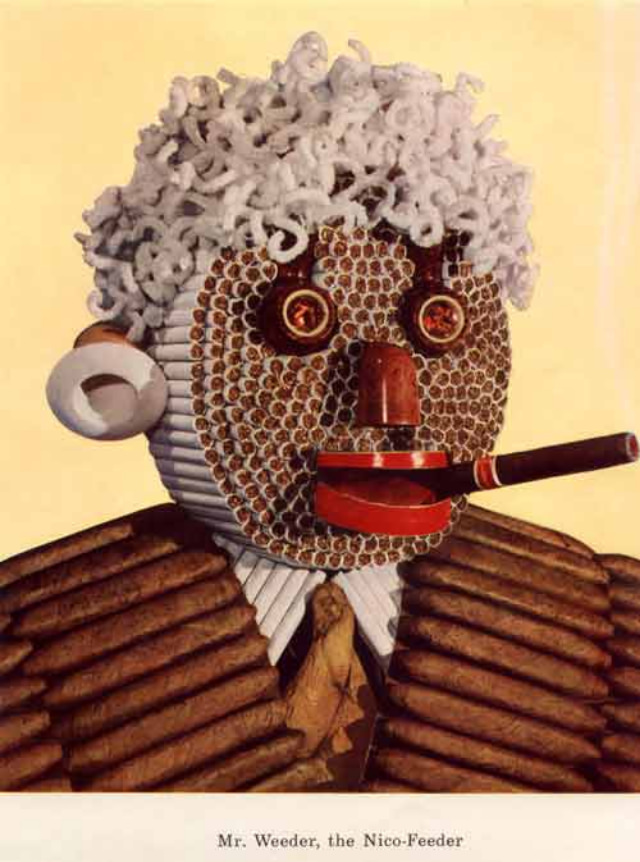
The ads carried a dark, ironic tone. Each one depicted the grim fate waiting for people who didn’t correct their vitamin deficiencies. Rather than using gentle encouragement, Abbott leaned into horror. The message was clear: ignore your vitamins, and something awful follows.
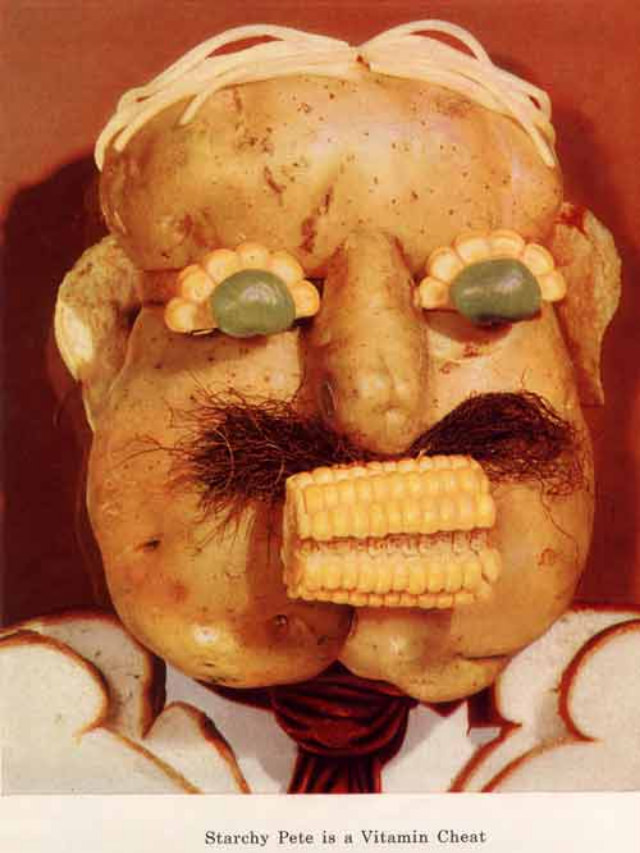
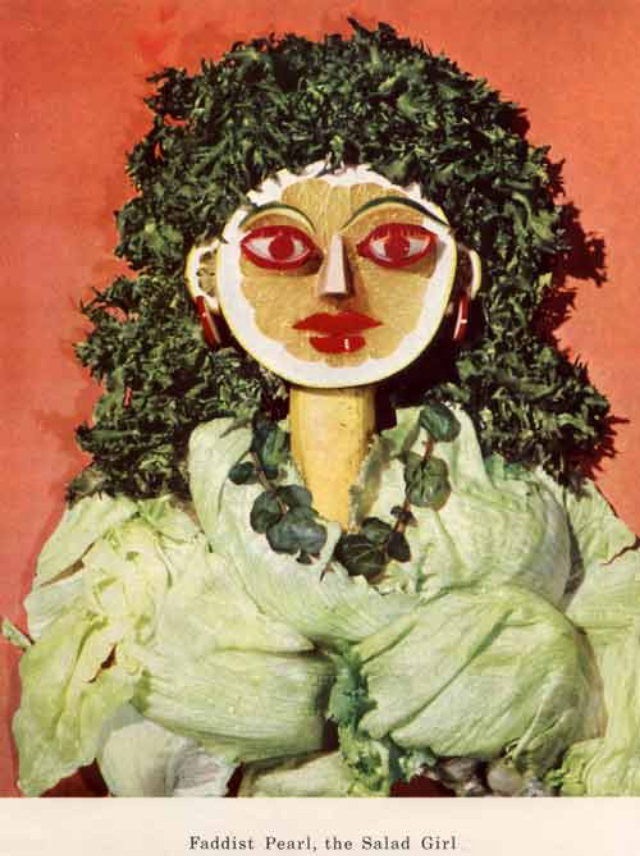
Physicians responded enthusiastically. After the ads first appeared in Abbott’s standard advertising materials, doctors began requesting copies to display in their waiting rooms and examination offices. The demand was high enough that Abbott published full-color reproductions specifically suited for framing — turning medical advertising into something closer to wall art.
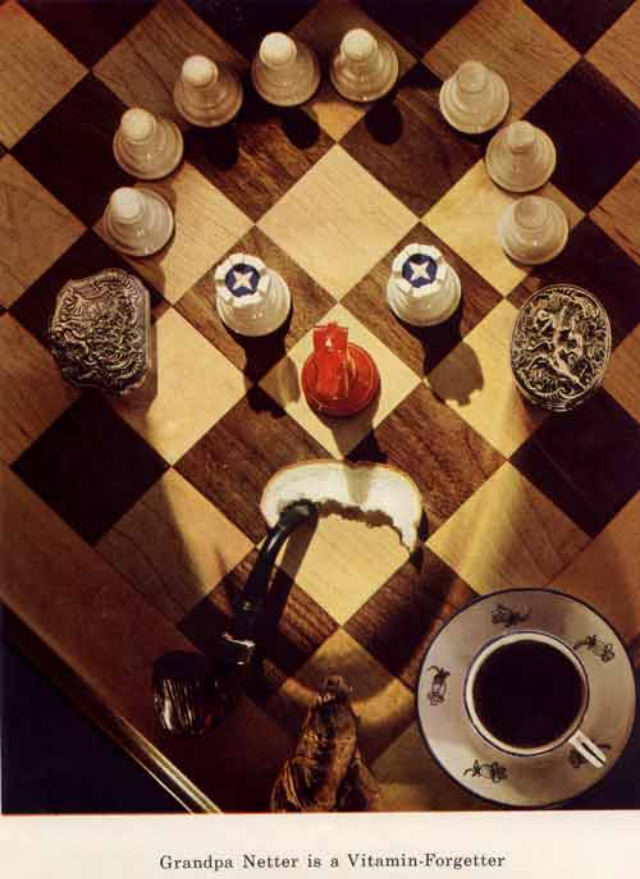
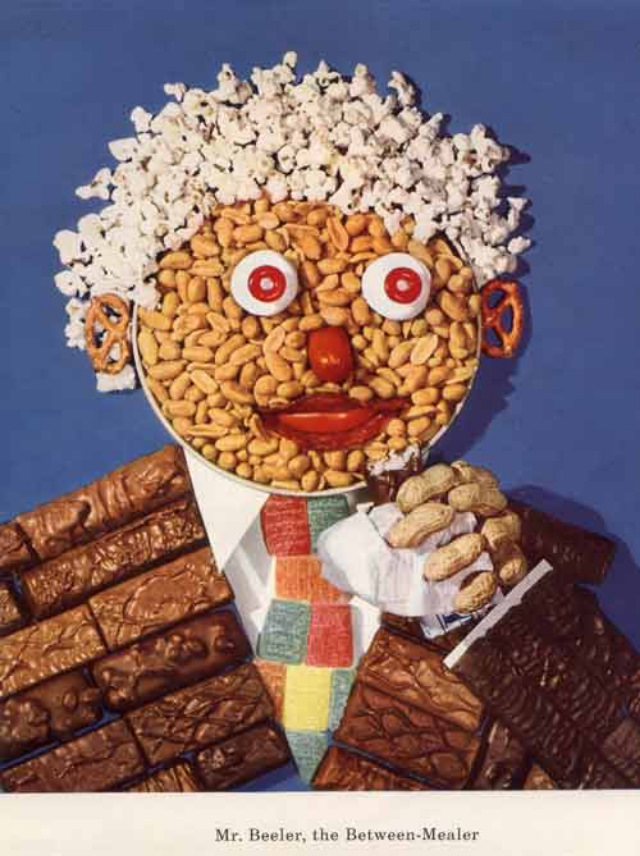
That framing detail says a lot about the era. Doctors weren’t just tolerating these images — they were proud to display them. The ads blended medical authority with pop culture shock value, and the combination worked. Patients sitting in waiting rooms were confronted with vivid, strange visuals that made Dayalets hard to forget.
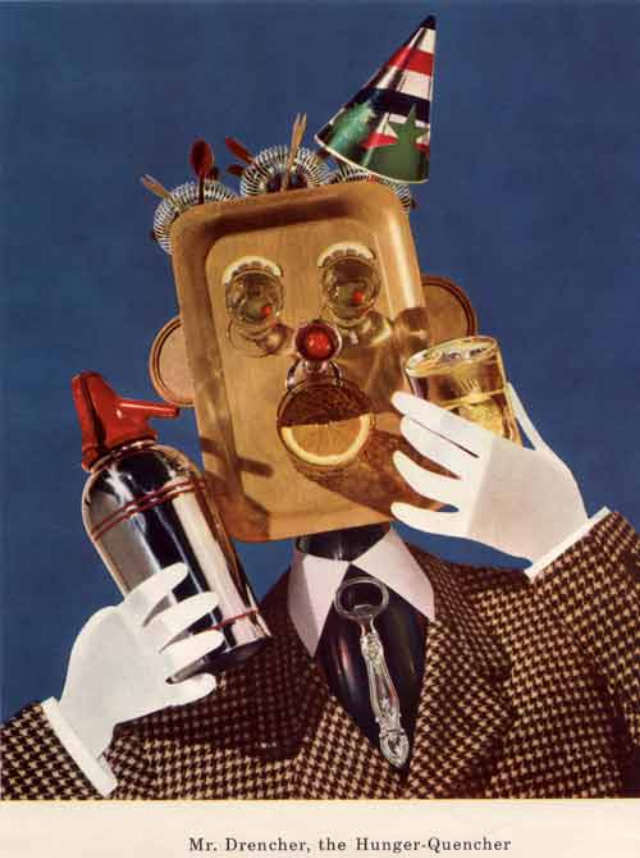
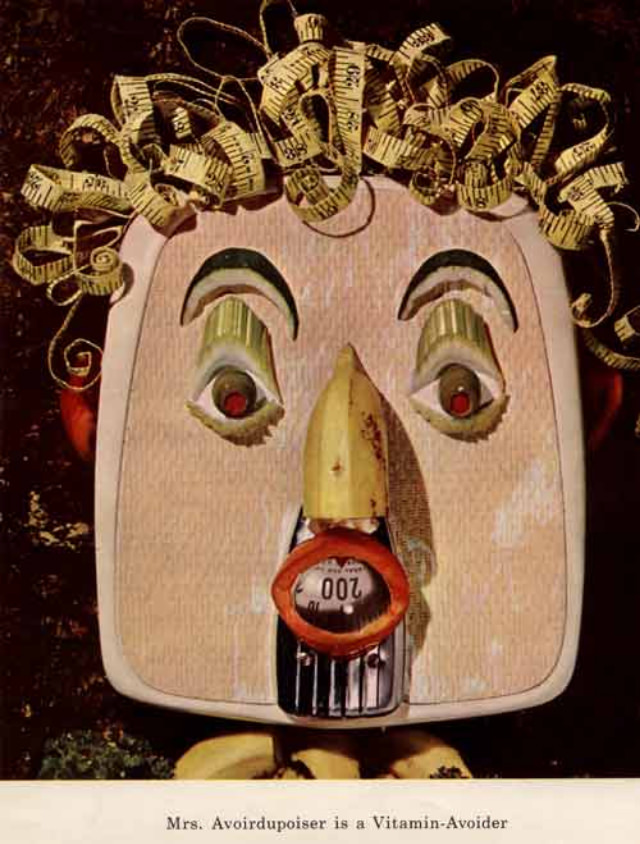
Abbott released the framed reproductions months after the original ads ran, citing the many requests from physicians as the reason for the print run. Each piece was a color reproduction of the original mascot artwork, polished enough to serve as a decorative item while still delivering Abbott’s pointed nutritional warnings.
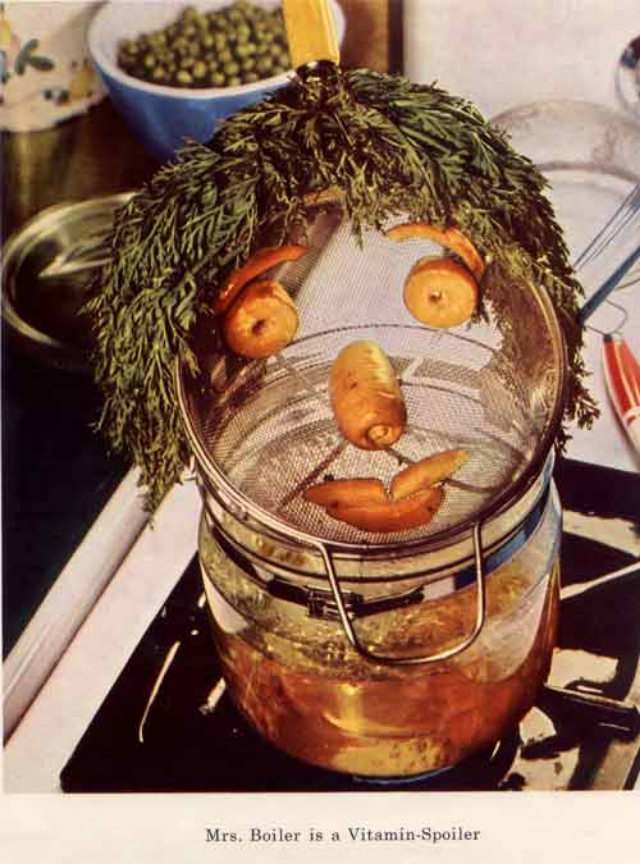
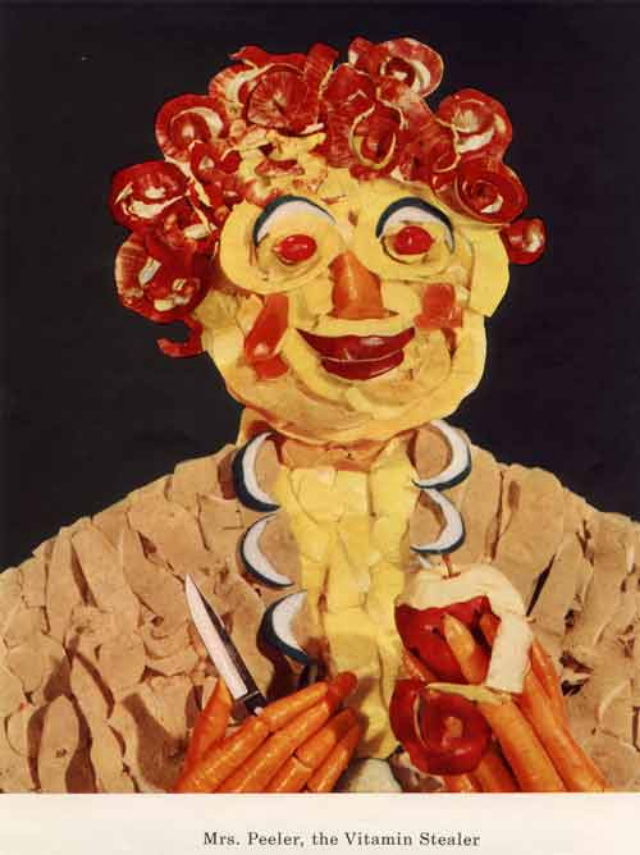
Looking at the Dayalets mascots today, the contrast between their purpose and their appearance is striking. These were vitamin ads — routine health products — dressed up as something out of a carnival nightmare. Abbott Labs took the mundane act of recommending a daily supplement and turned it into a gallery of edible monsters with a deeply unsettling sense of humor.