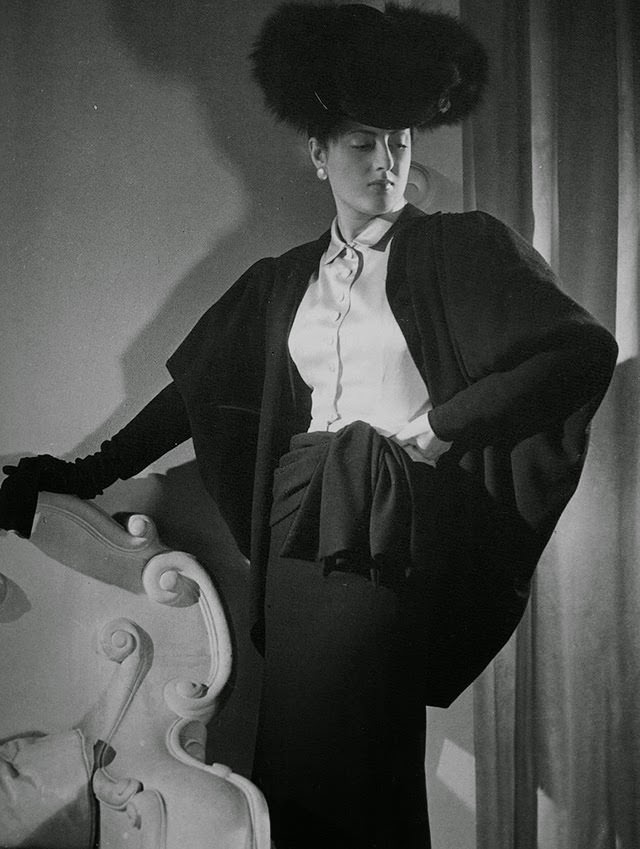
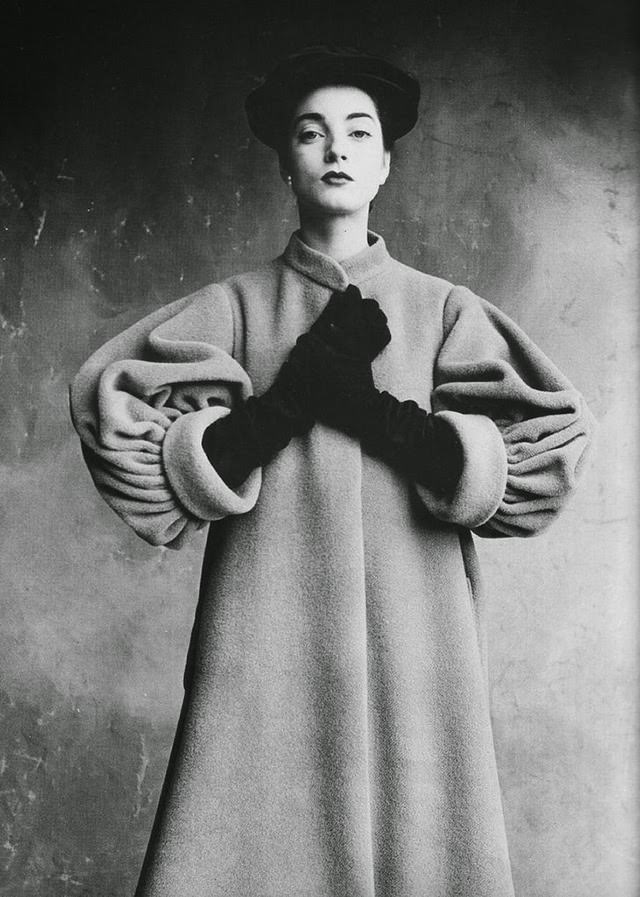
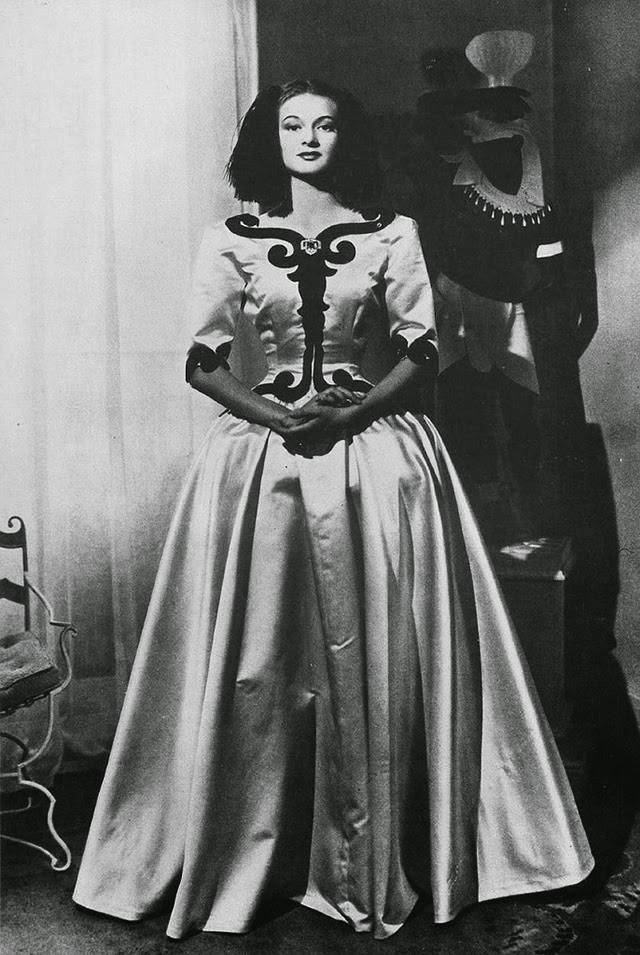
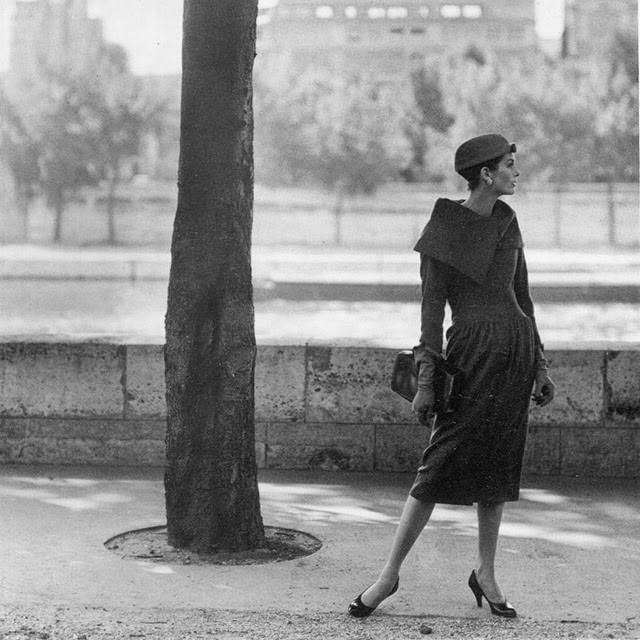
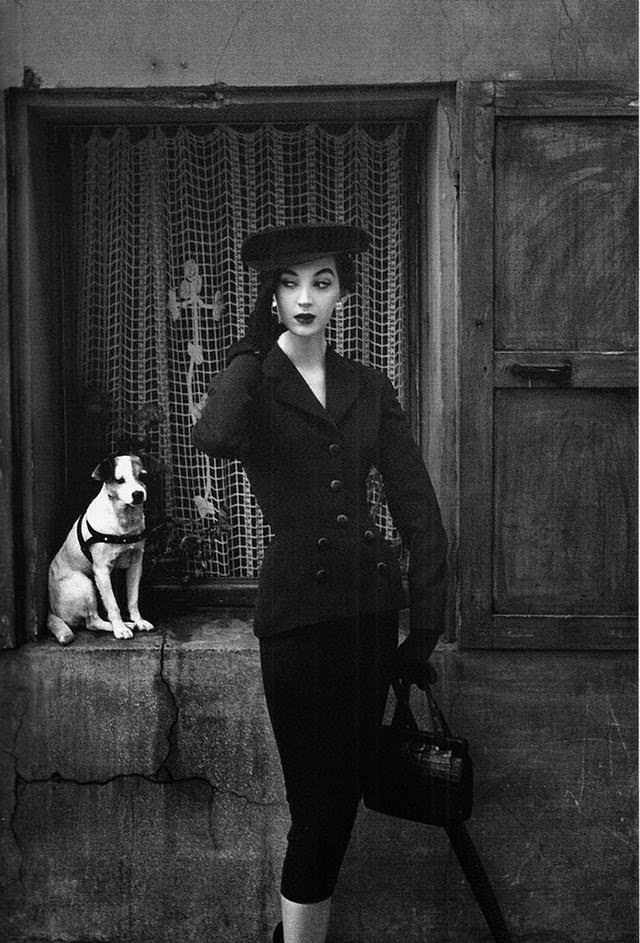
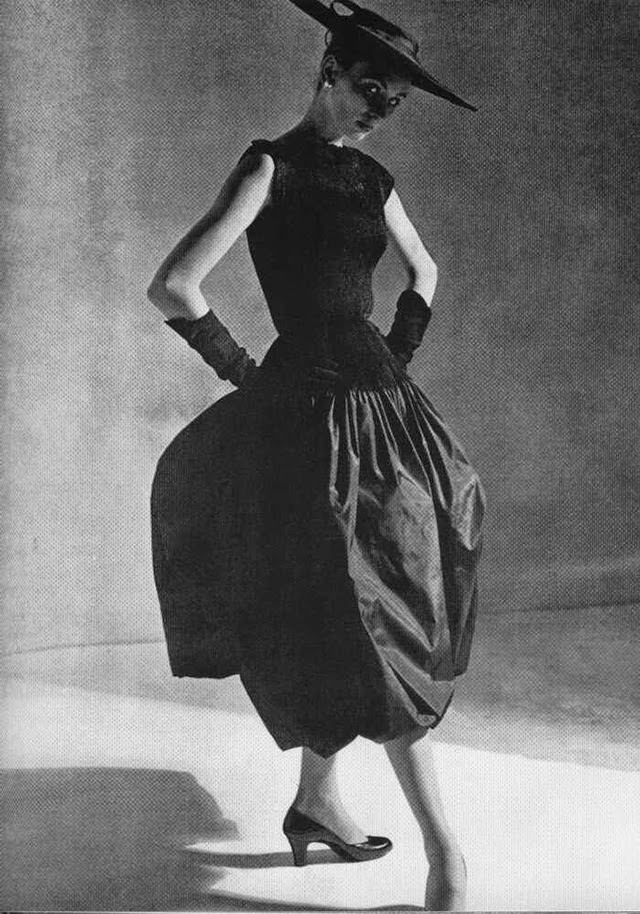
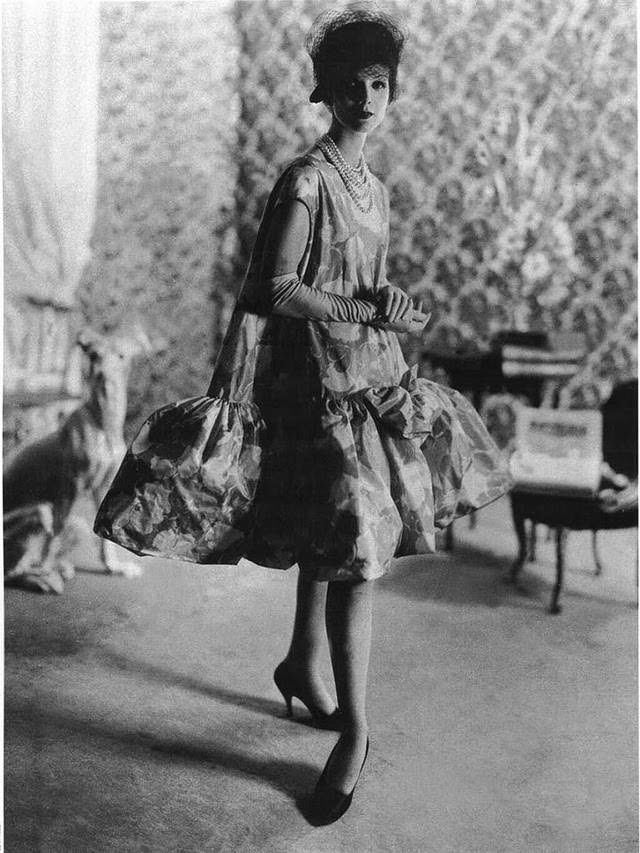
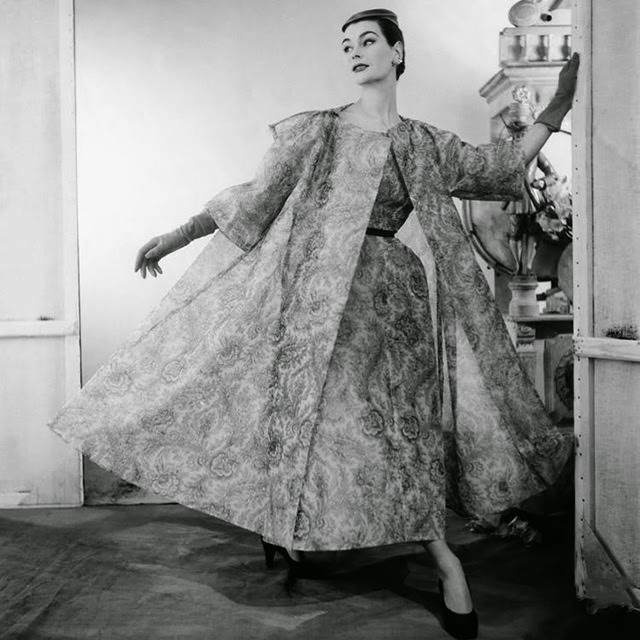
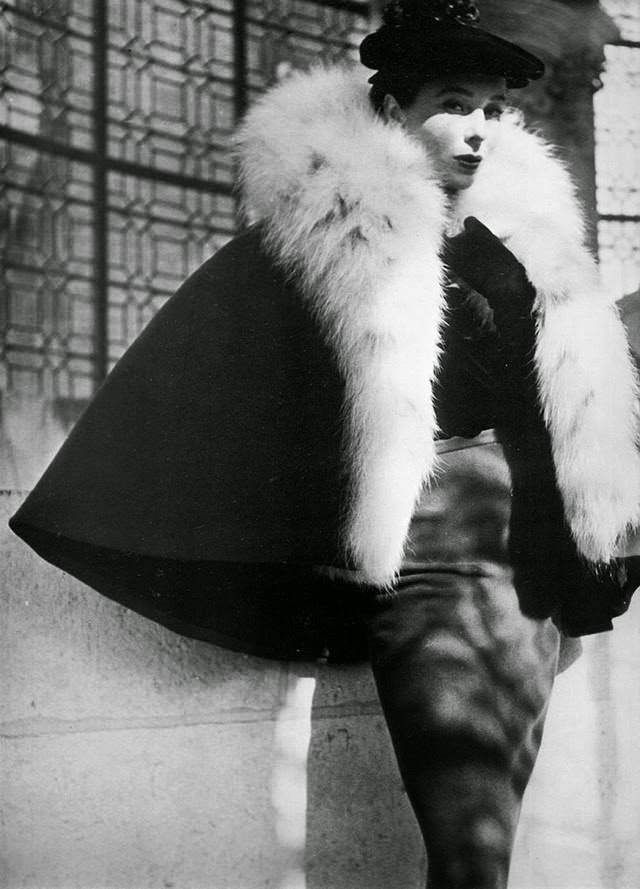
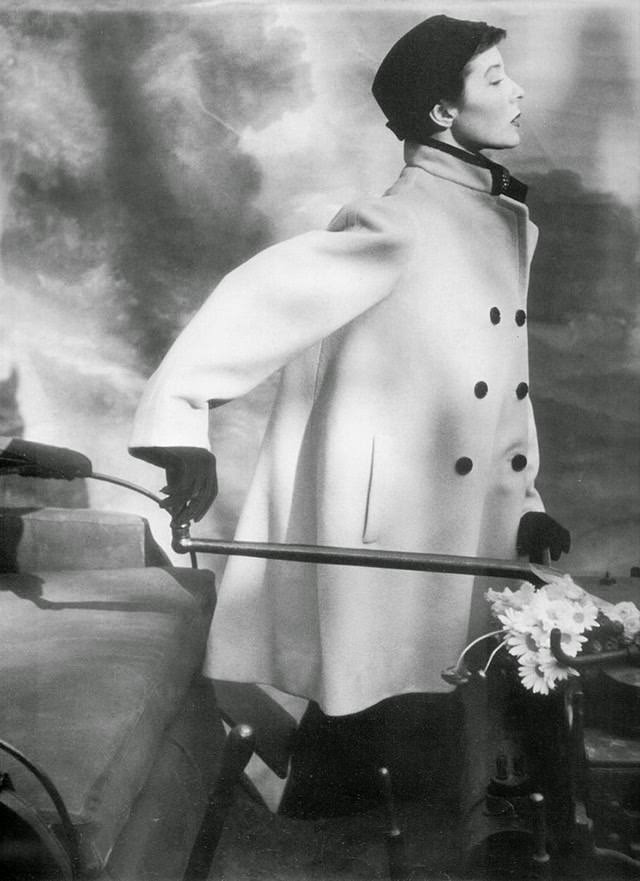
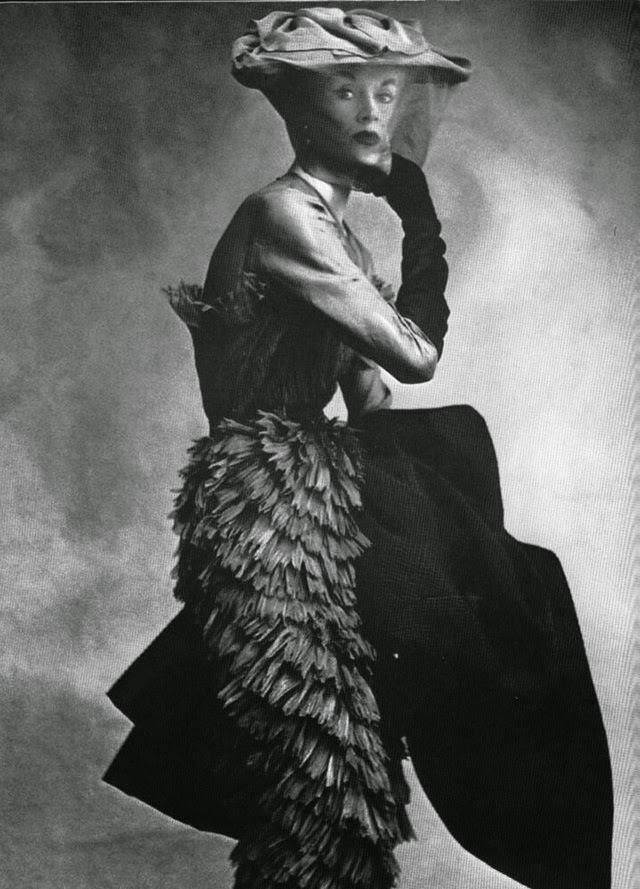
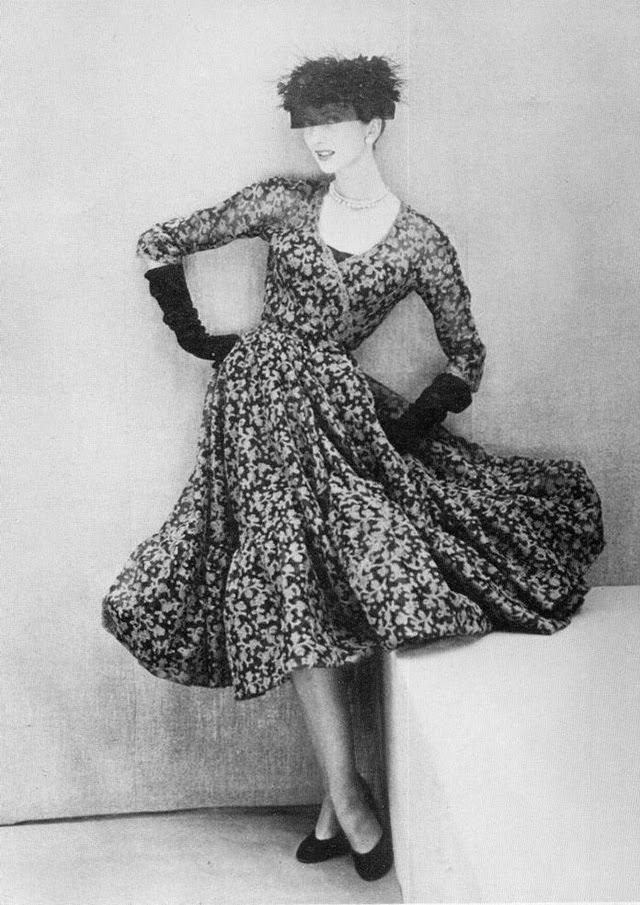
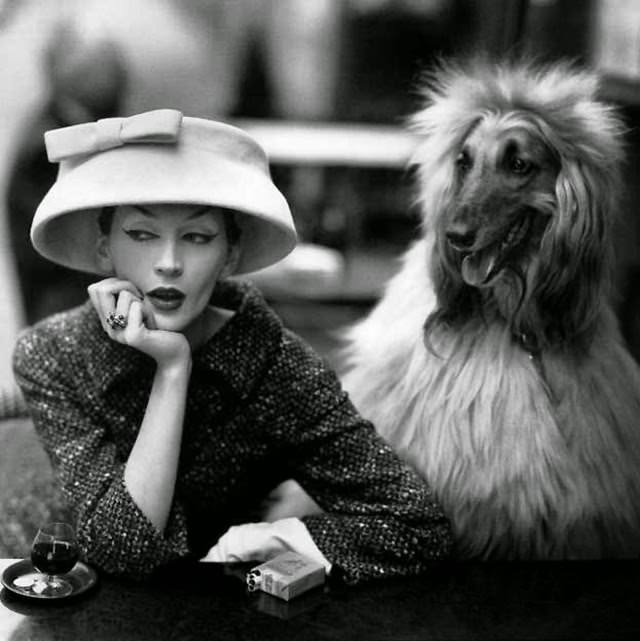
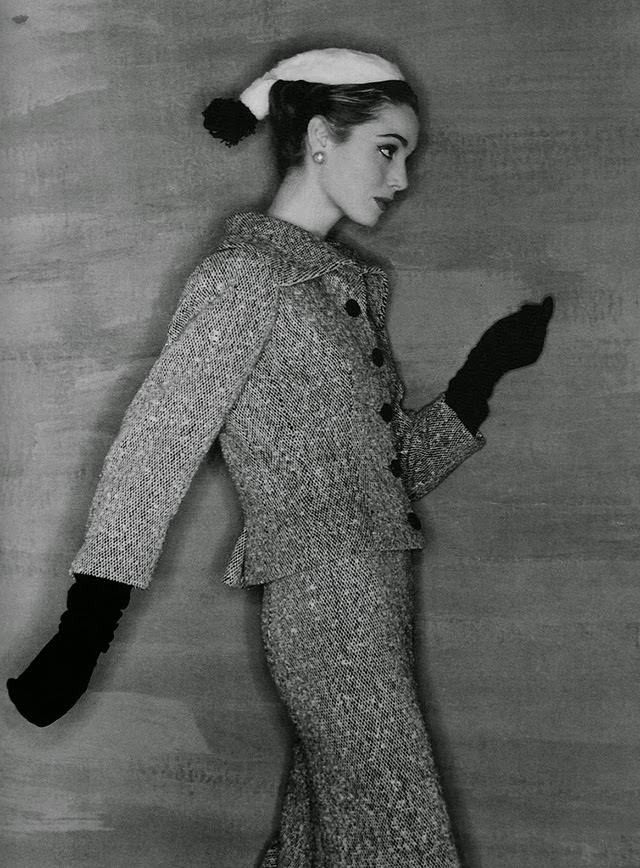
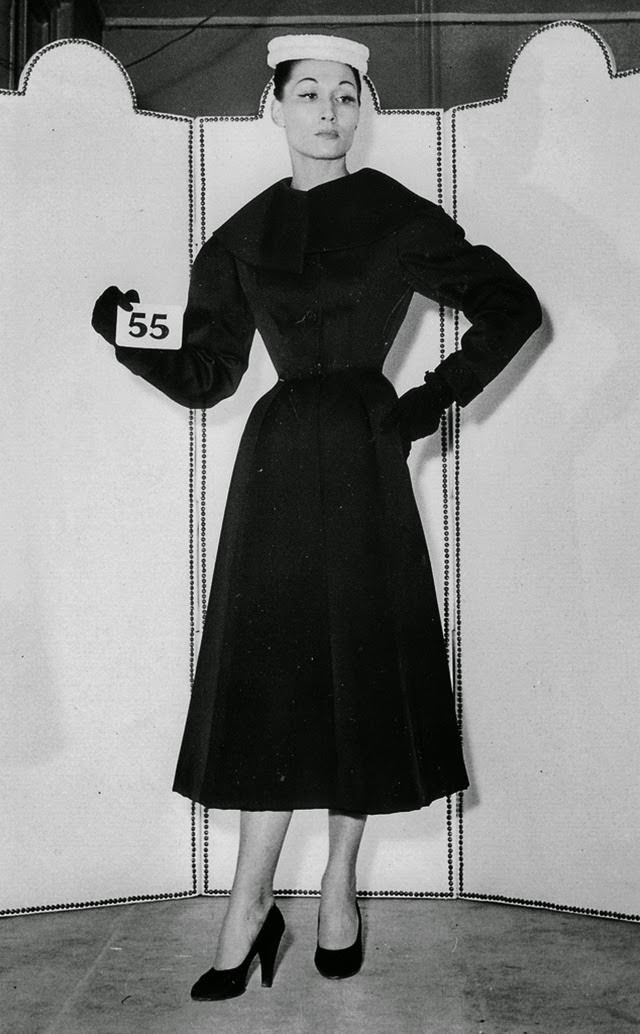
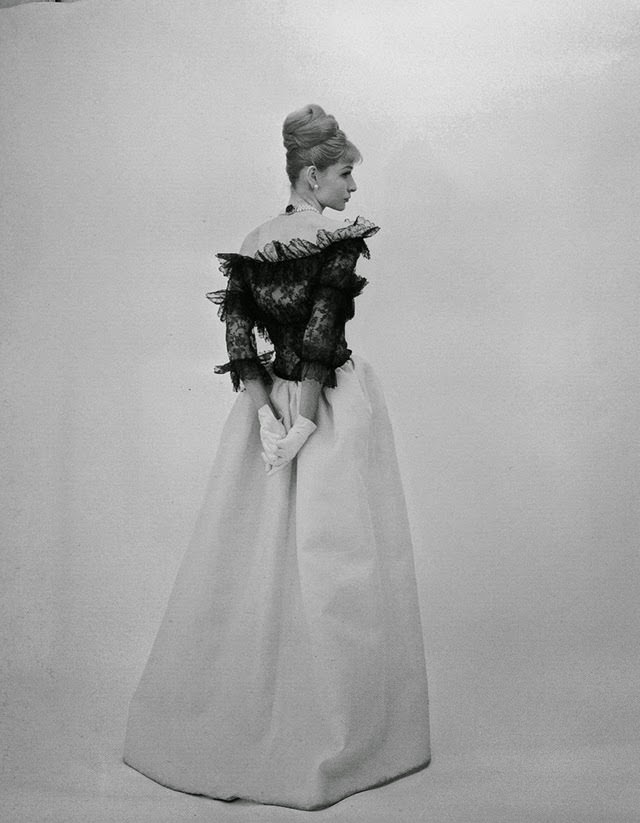
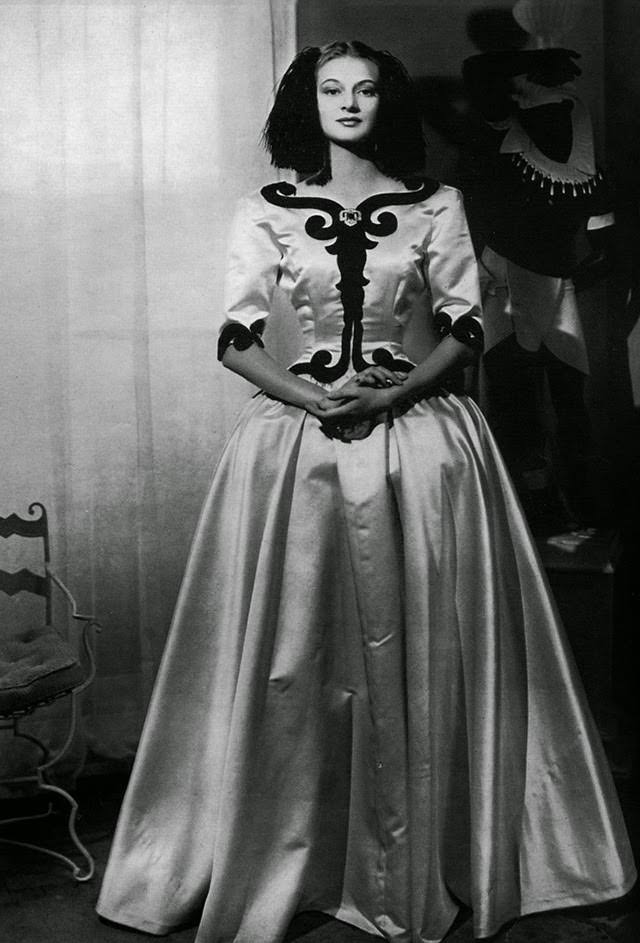
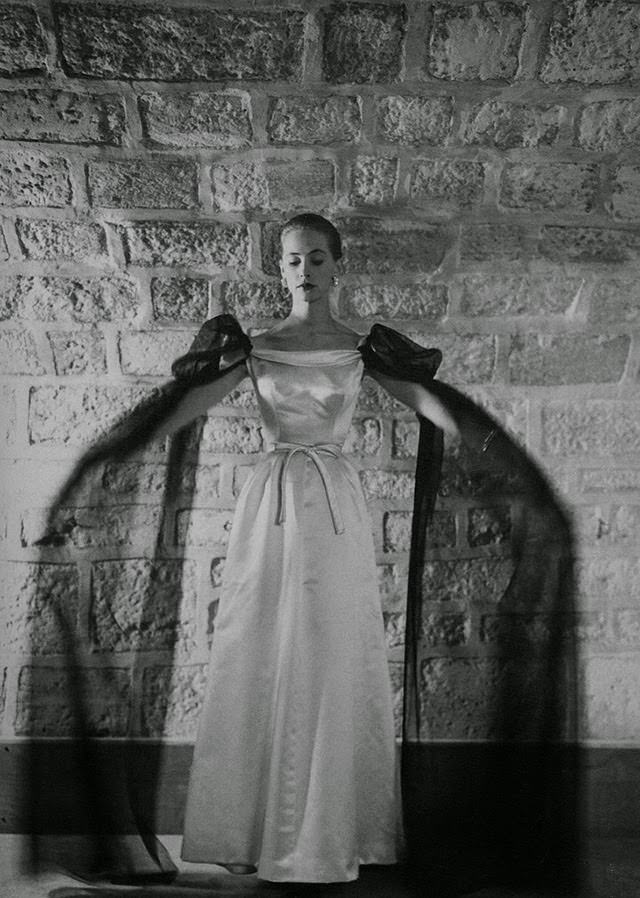
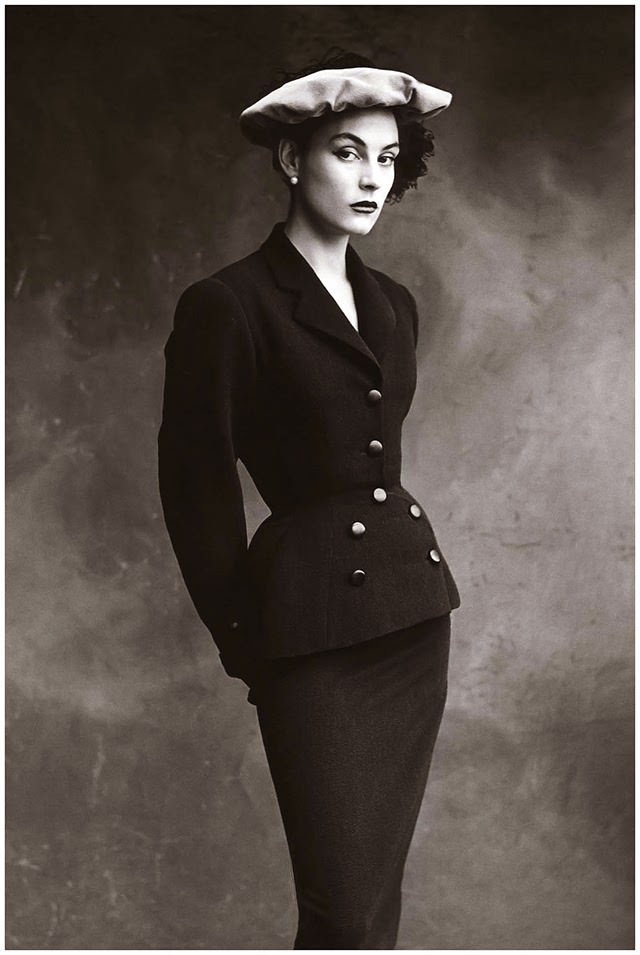
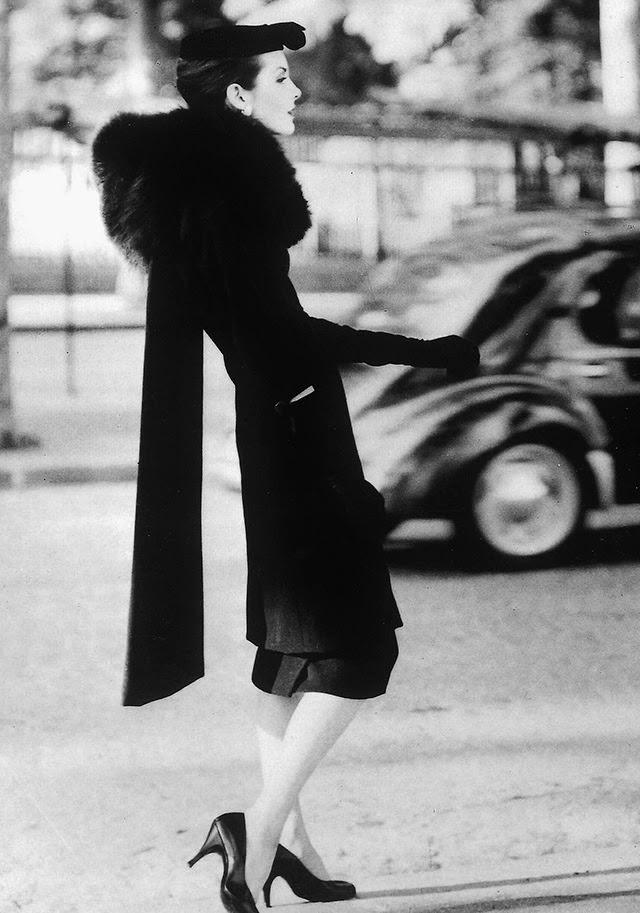
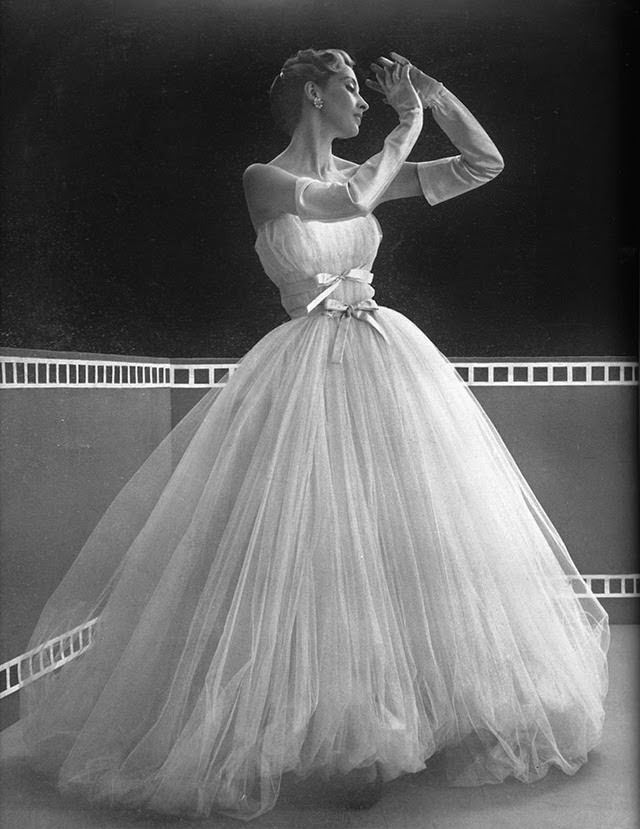
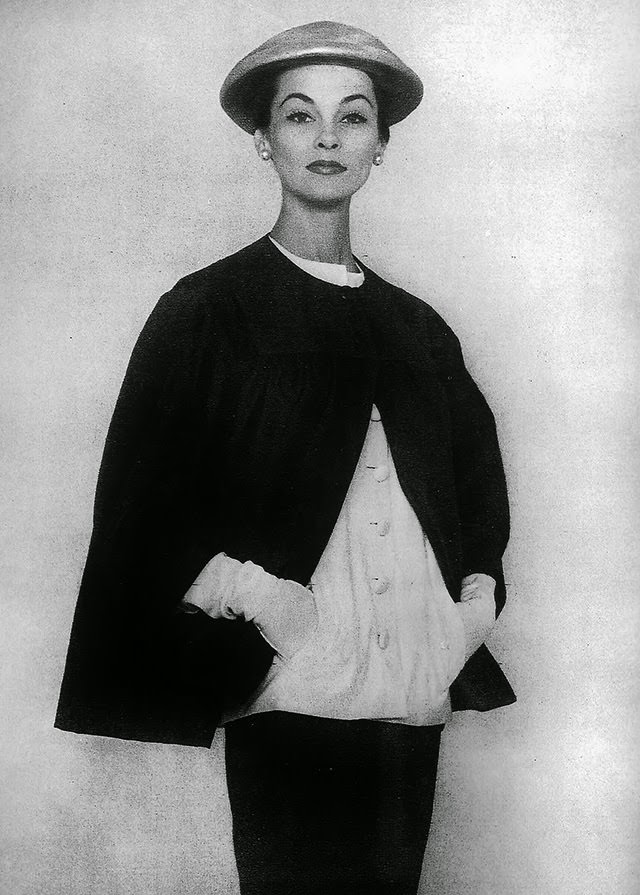
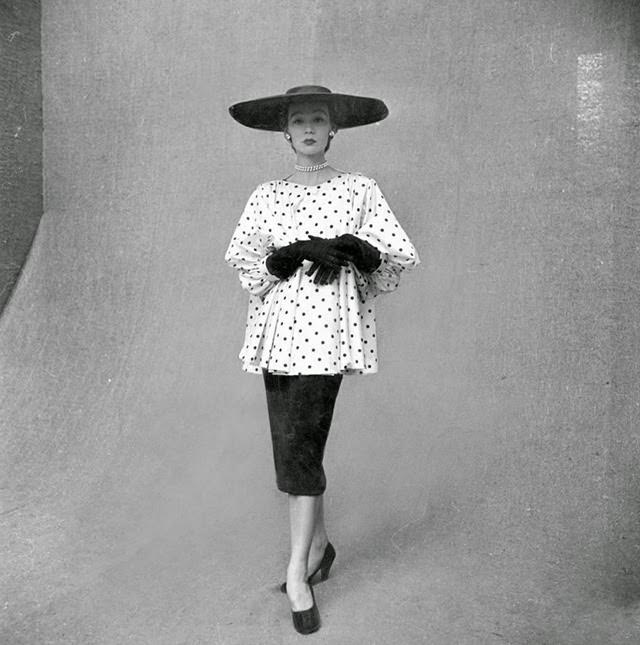
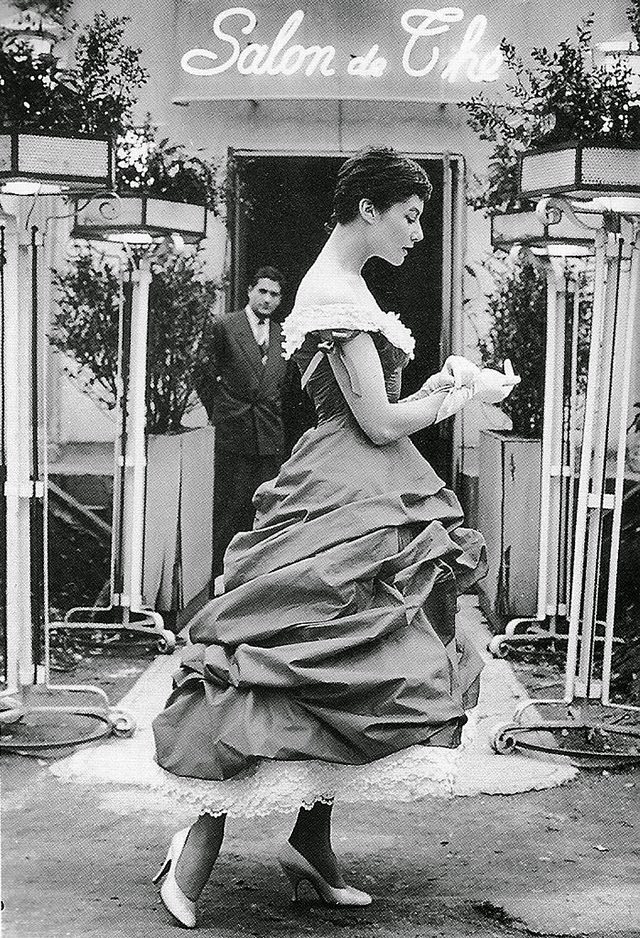
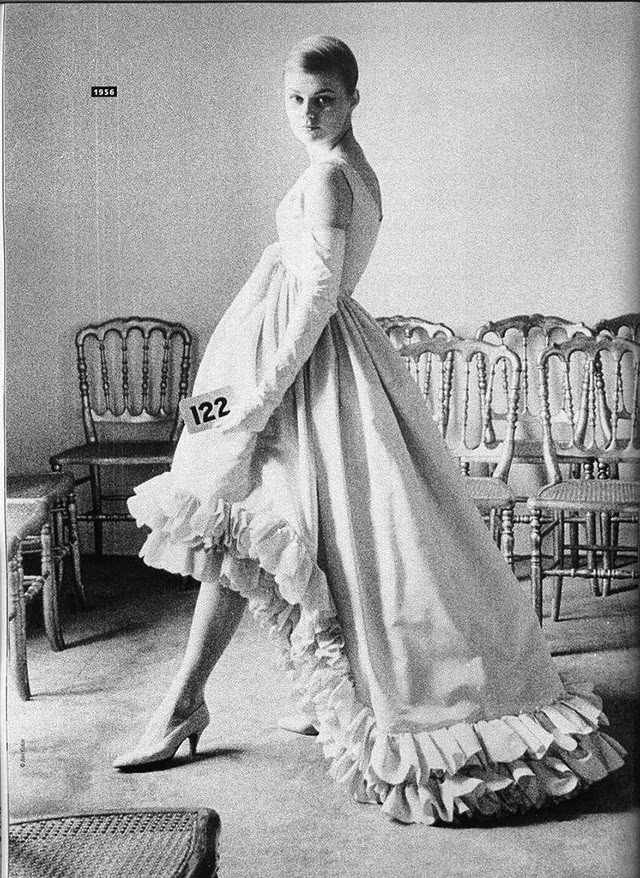
Cristóbal Balenciaga approached fashion design with the mind of an engineer rather than a decorator. While other designers in the late 1940s focused on cinching waists tight to exaggerate the female figure, Balenciaga began to do the opposite. He loosened the fit, creating a space between the fabric and the body. In 1947, he introduced the “Barrel” line. This silhouette curved outward at the back and tapered at the hem, completely ignoring the natural waistline. The clothes did not rely on the woman’s body for support; instead, the body moved freely inside the structured garment.
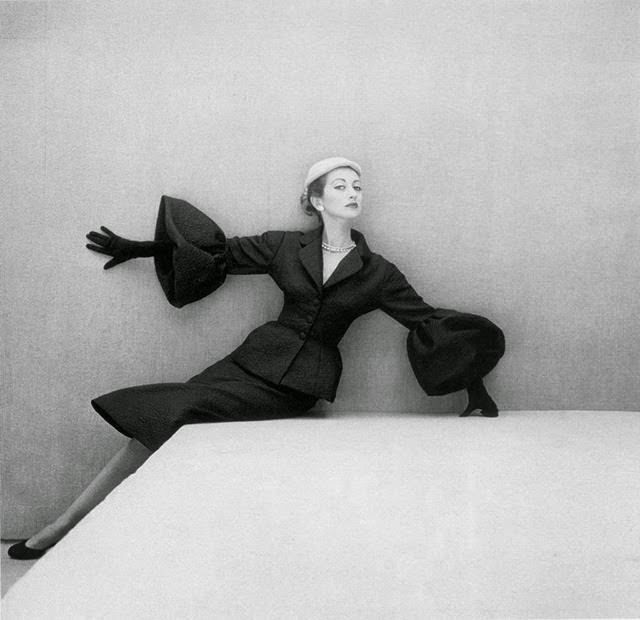
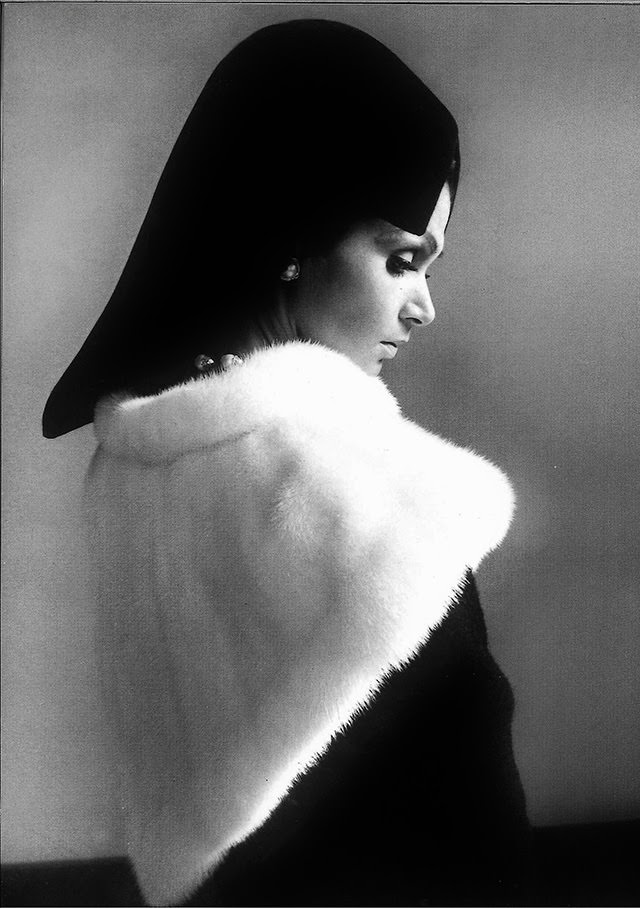
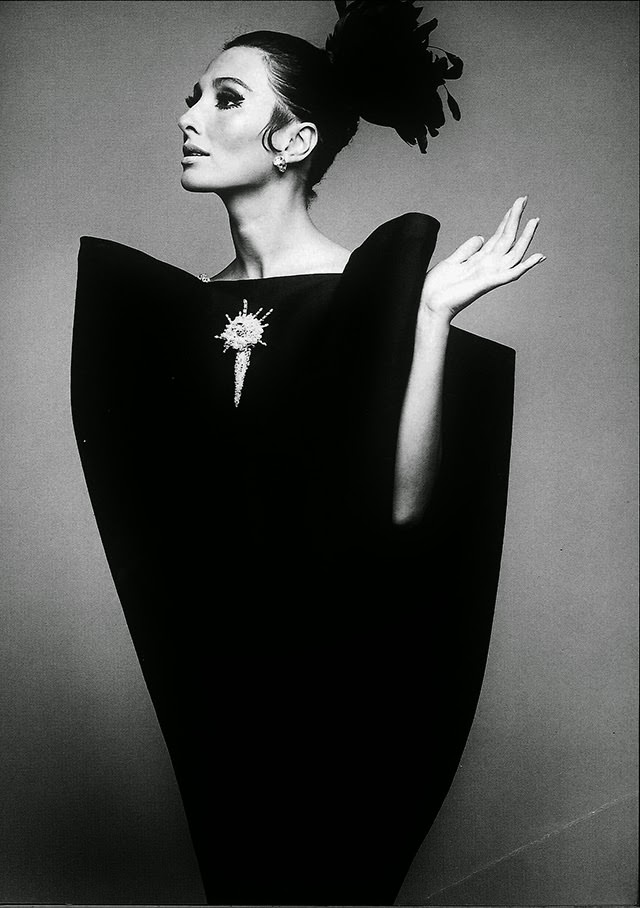
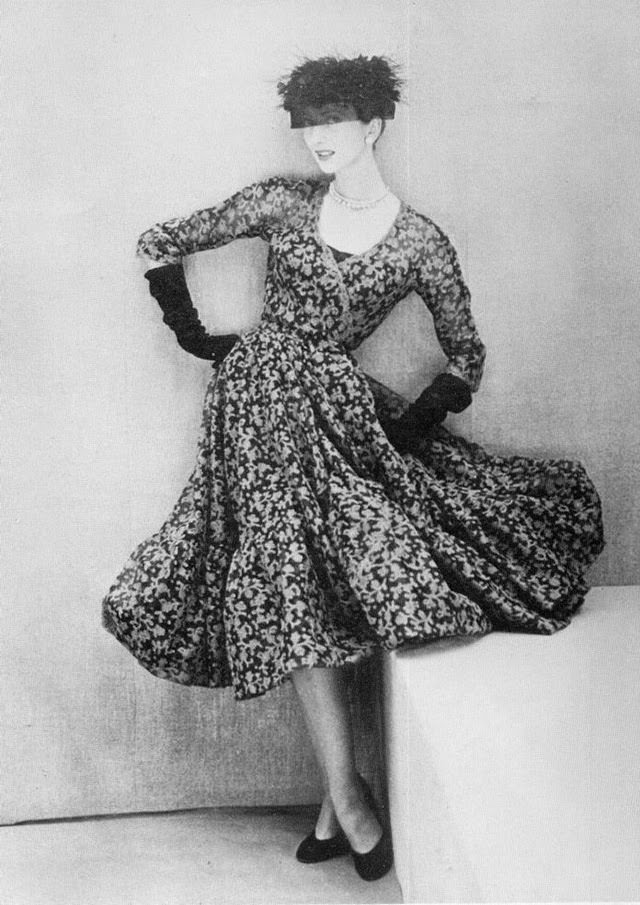
The designer manipulated the proportions of the neck and wrists to change how a woman looked. He invented the “stand-away” collar, a neckline that rose up and pulled away from the throat. This specific cut created an optical illusion that made the neck appear longer and more elegant. For the arms, he cut sleeves to a specific three-quarter length. These became known as “bracelet sleeves” because they ended just short of the wrist, allowing women to display heavy jewelry or long gloves. This design choice forced the eye to focus on the wearer’s hands and accessories rather than her shoulders.
Read more
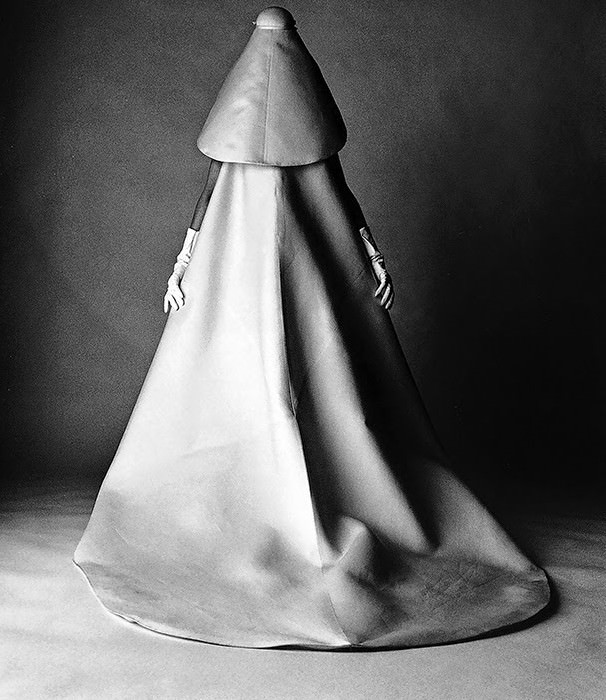
Balenciaga demanded fabrics that could hold a shape without collapsing. He worked with fabric manufacturers to develop stiff, heavy materials that acted almost like flexible cardboard. One of his favorites was silk gazar, a fabric with a high-twist double yarn that possessed significant structural strength. Using this material, he built coats and dresses that maintained their volume even when the wearer stood still. He treated these textiles like building materials, using few seams to keep the surface smooth and uninterrupted.
The color palette of the house reflected the designer’s Spanish heritage. He frequently used a deep, stark black that absorbed light, known as “Spanish Black.” This lack of color forced the observer to look strictly at the cut and line of the garment. When he did use color, he chose aggressive, saturated hues like violet, pink, and turquoise. He often paired these bright colors with heavy, jet-black beading or lace, creating a sharp contrast that looked heavy and regal.
By the mid-1950s, his experimentation led to the “Sack” dress and the “Tunic” dress. These garments bypassed the waist entirely, hanging straight from the shoulders to the knees. The design shocked the public because it hid the hips and bust, which were the focus of almost every other fashion house at the time. Balenciaga constructed these loose shapes with precision tailoring. The seemingly simple sack dress required an internal structure of stiff lining and perfectly placed weights to ensure it hung exactly right, never looking sloppy or baggy.