In the 1860s, a small photograph mounted on a cardboard card changed how Americans saw themselves. The carte de visite — roughly the size of a modern business card — made portrait photography affordable for the middle class for the first time. Studios opened across the country, from New York to New Orleans, and men of every background stepped in front of the camera. What they left behind is an extraordinary record of fashion, social life, and personal identity during one of the most turbulent decades in American history.
The Civil War (1861–1865) shaped much of the visual culture of the period. Military portraits flooded the market, with soldiers posing in uniform before shipping out. But the civilian portraits are equally revealing. They show how men dressed, what they carried, how they sat, and what they chose to be remembered by. A top hat, a pipe, a favorite dog, or a pair of ice skates — each prop was a deliberate statement.
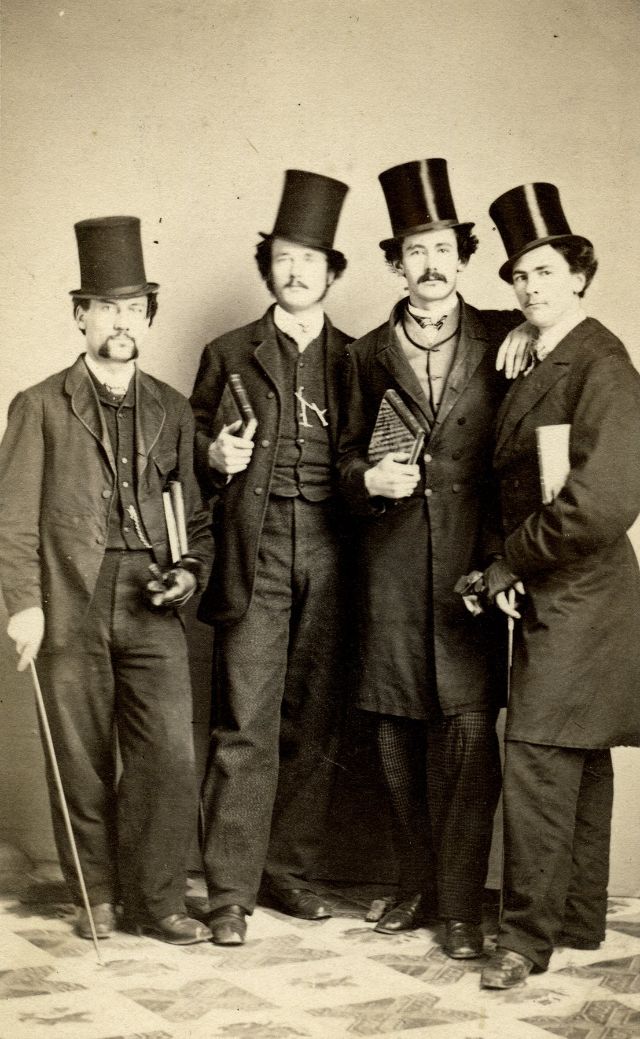
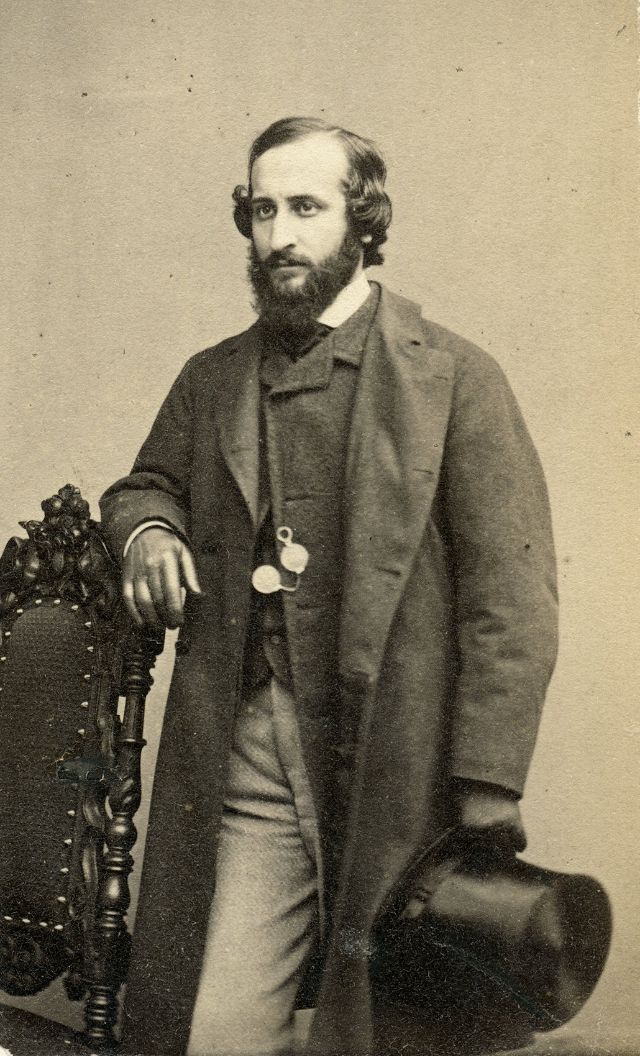
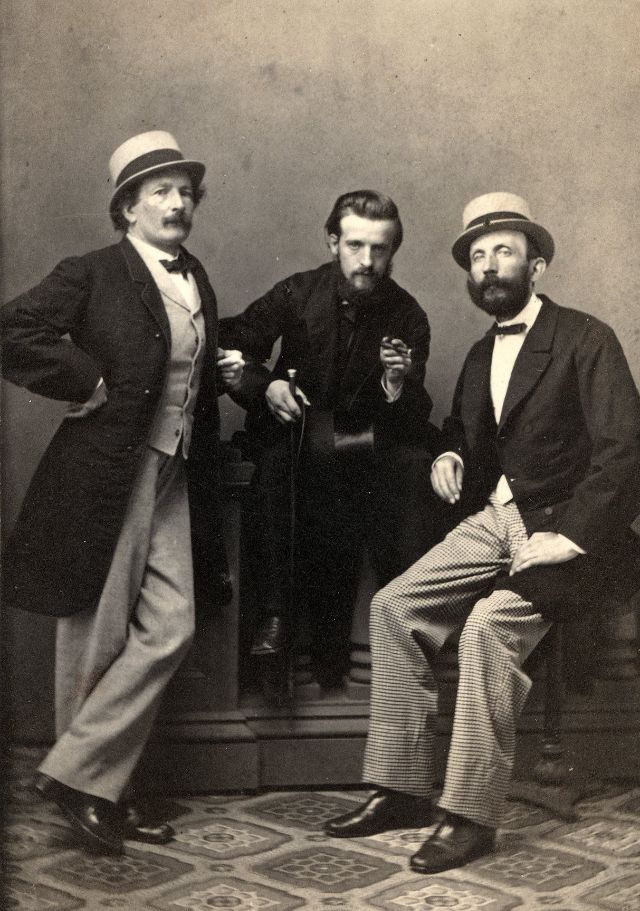
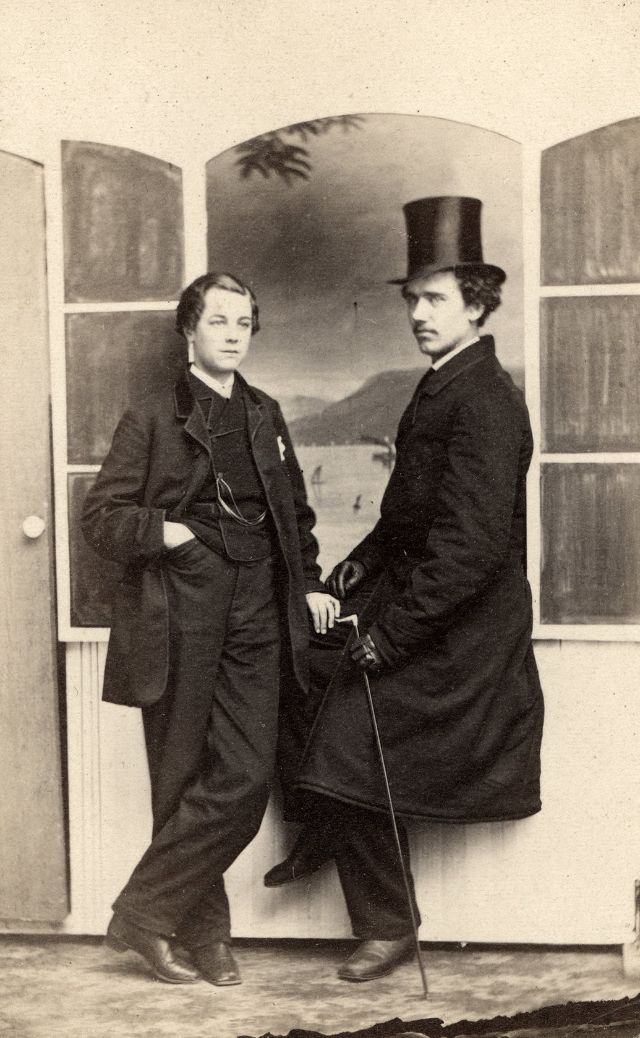
The top hat was the dominant accessory of the era for men of standing. Worn in the studio and on the street, it signaled respectability and class. Canes served the same purpose — not always as walking aids, but as props that communicated refinement. Gloves, often held rather than worn, completed the look. These were deliberate choices made by men who understood that a photograph was a permanent record.
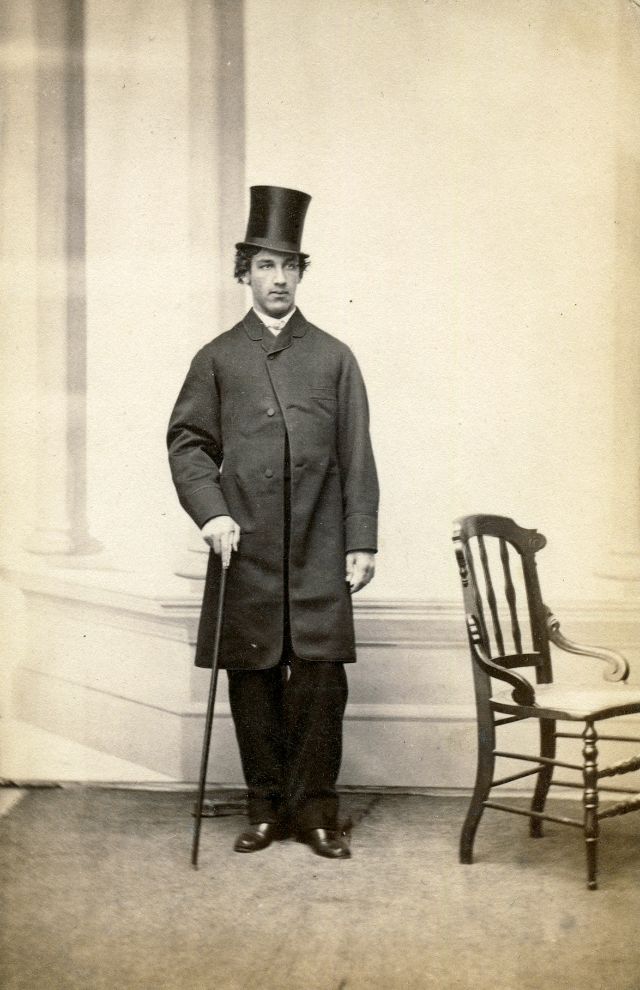
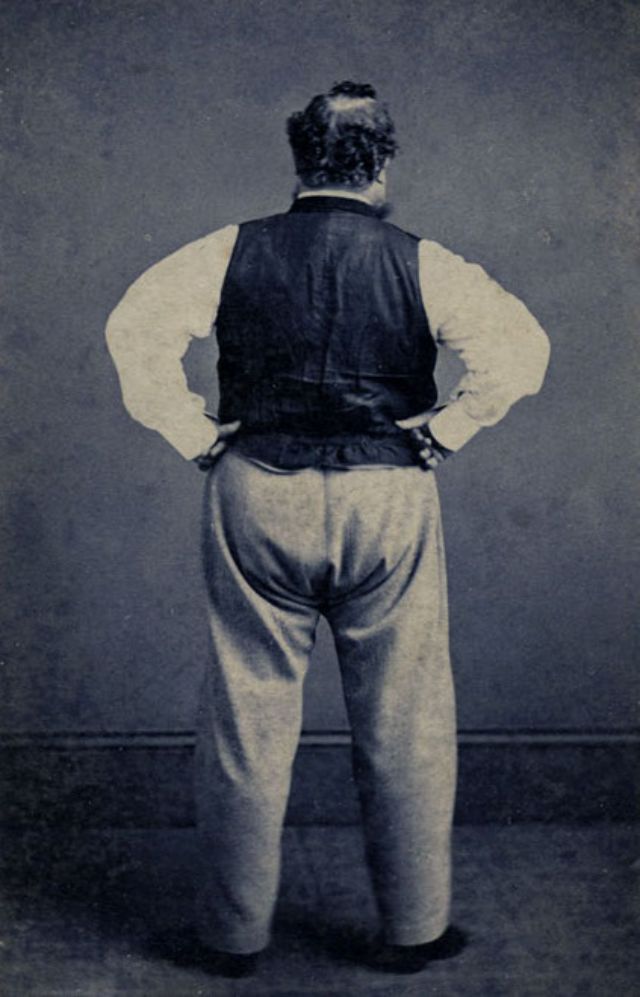
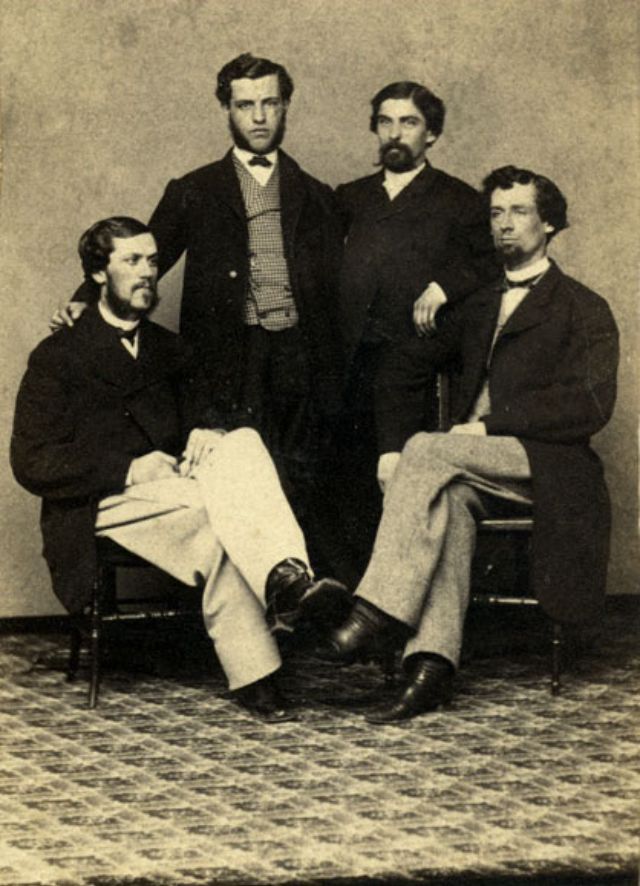
The frock coat was the standard outerwear for middle and upper-class men throughout the decade. It fell to the knee, was fitted at the waist, and was almost always dark in color. Beneath it, men wore vests — sometimes plain, sometimes striped or patterned — over collarless or high-collared shirts. Trousers were typically checked or striped, providing the one space where a man might show some pattern without breaking the rules of formal dress.
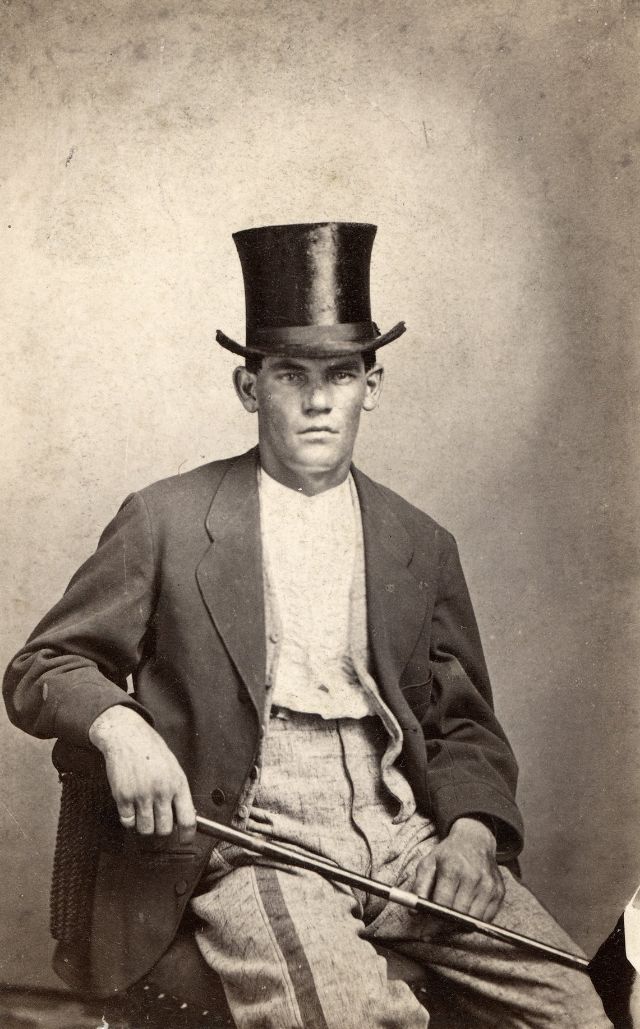
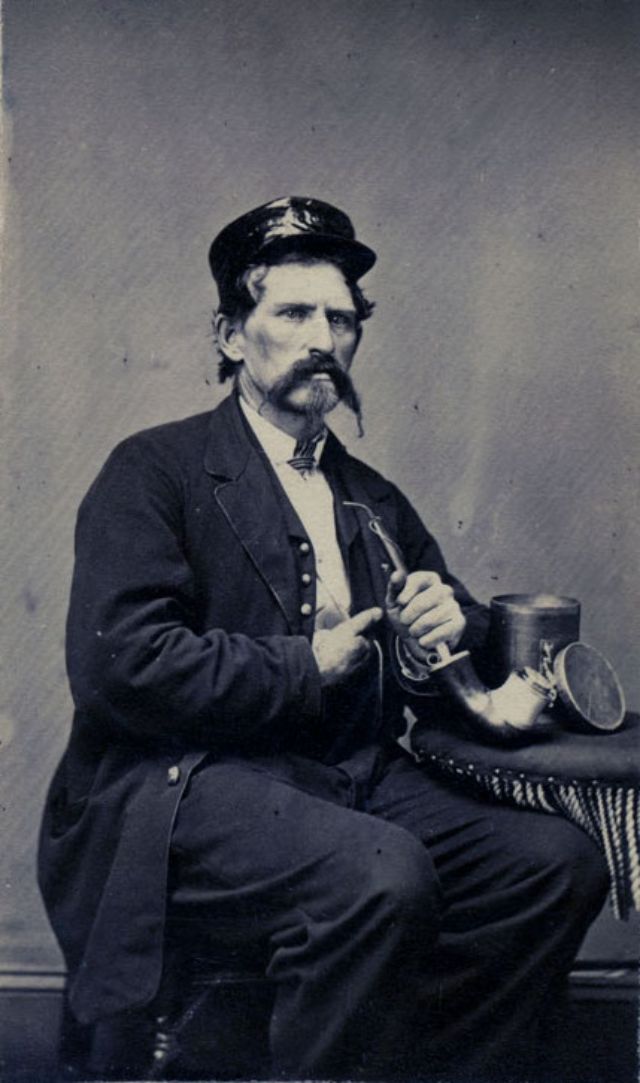
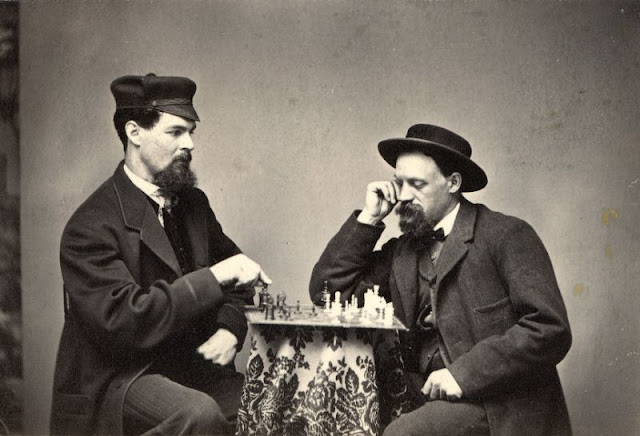
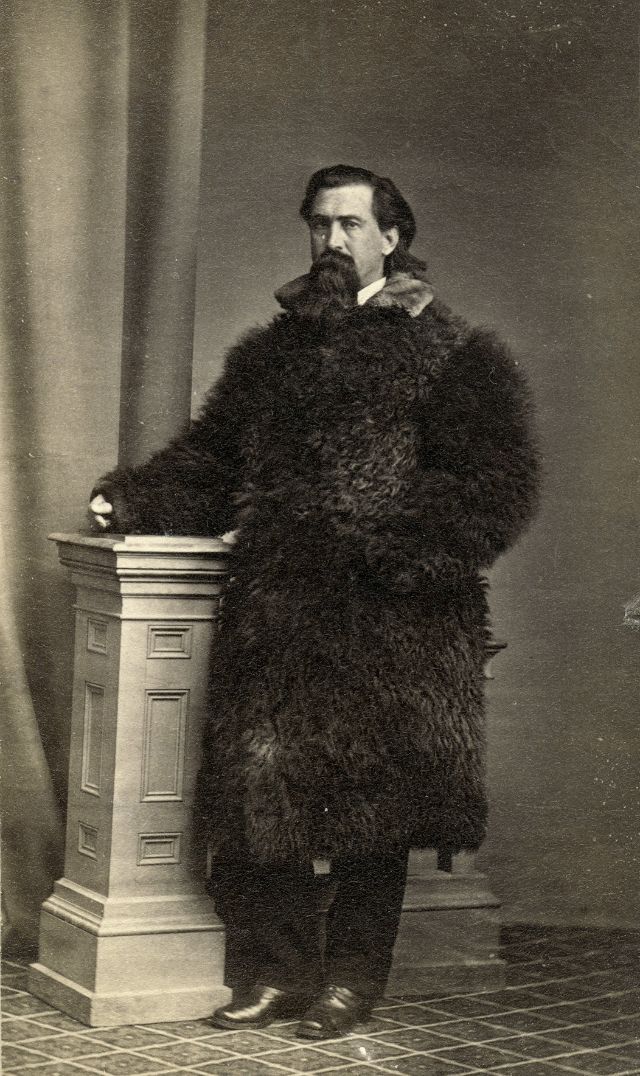
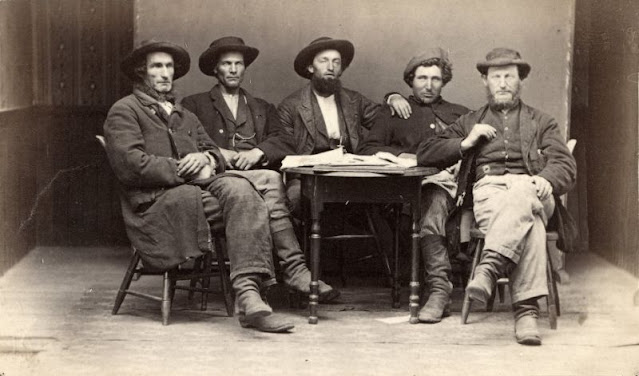
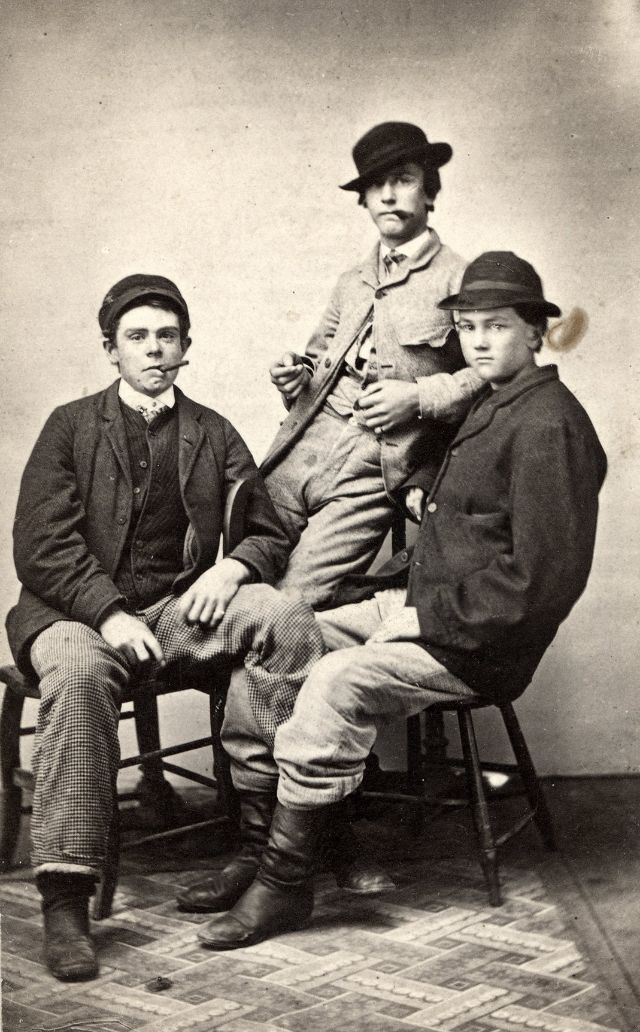
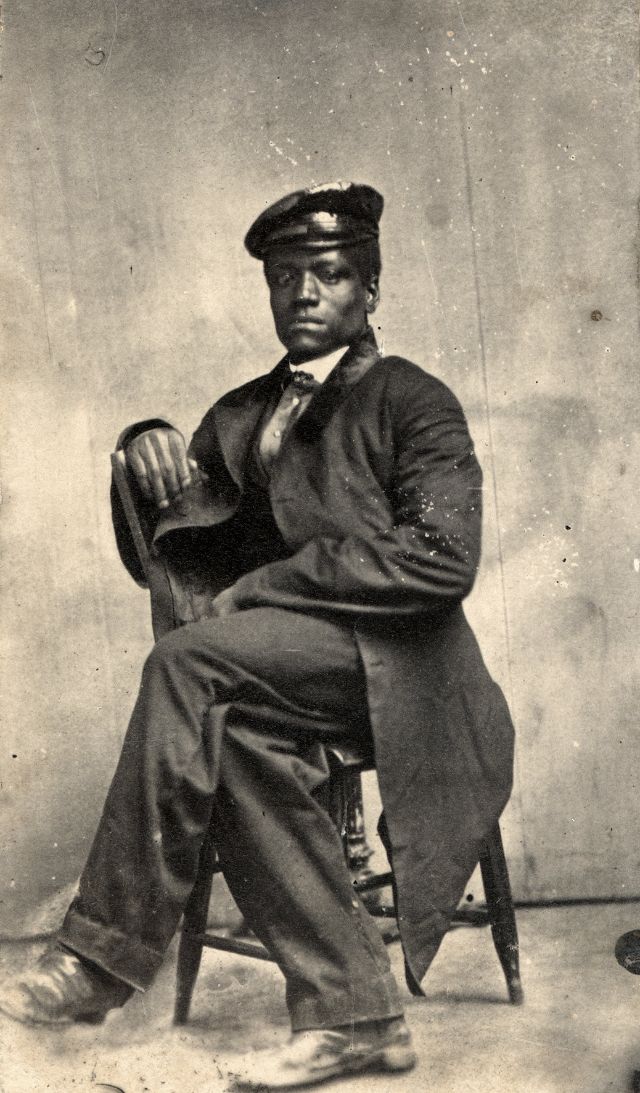
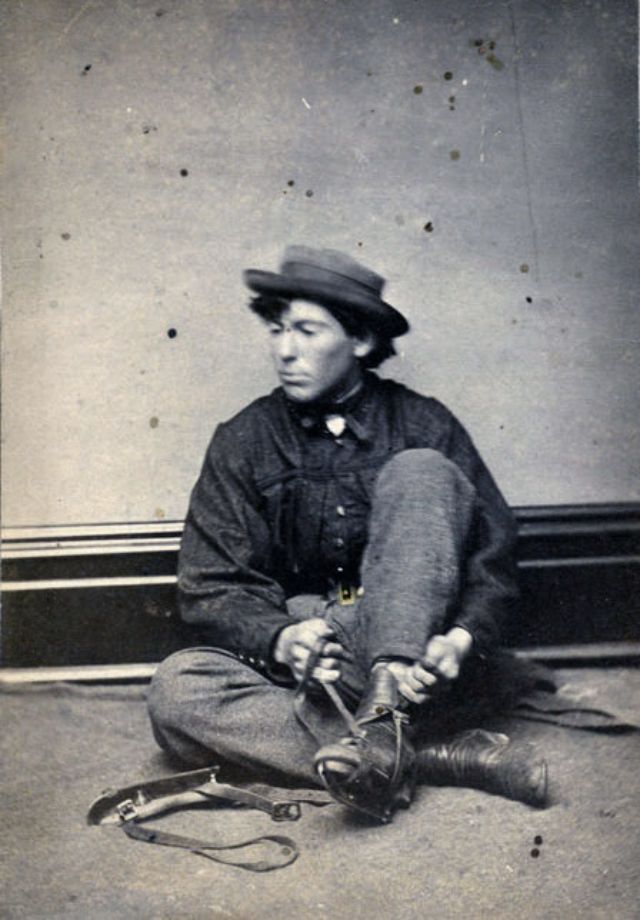
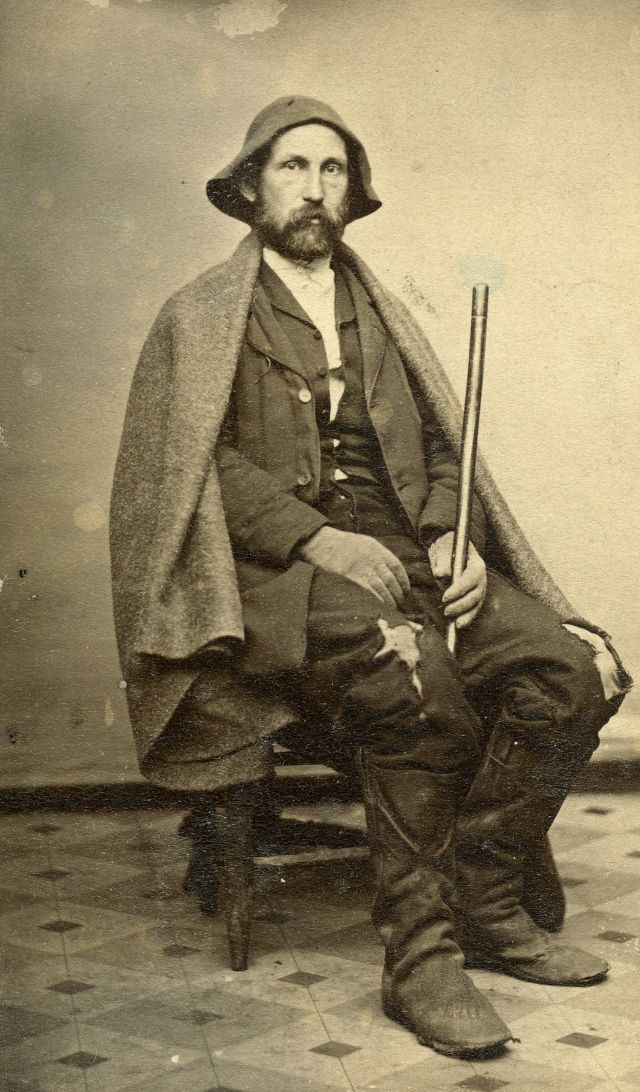
Not every man in front of the camera dressed to impress. Working men and those of more modest means wore what they had — heavy shoes worn down at the soles, waterproofed caps, and simpler jackets. These portraits are just as valuable. They capture the full economic range of men who could now afford to have their likeness taken.
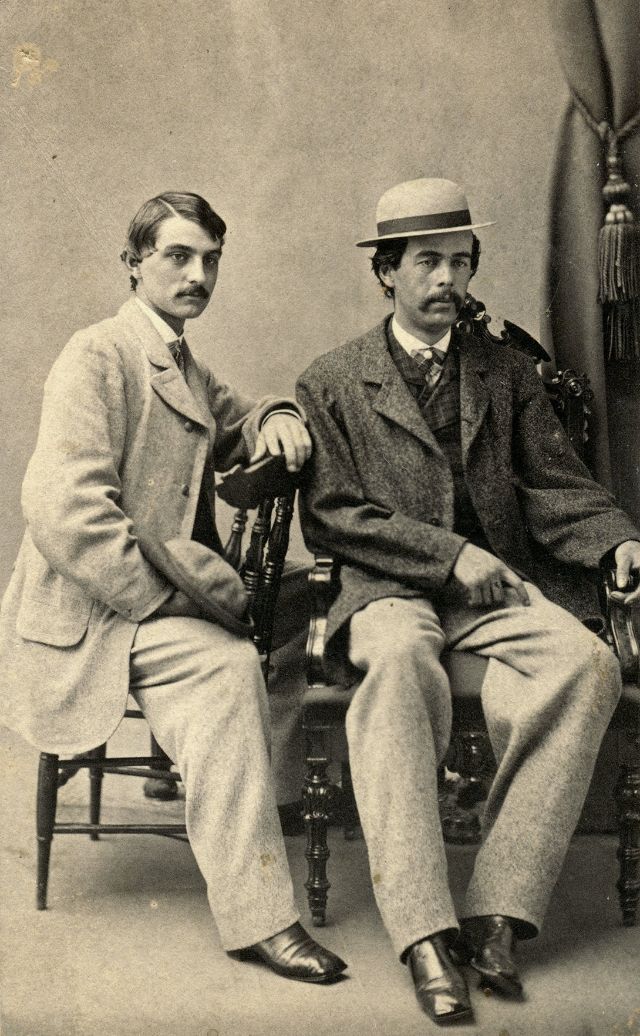
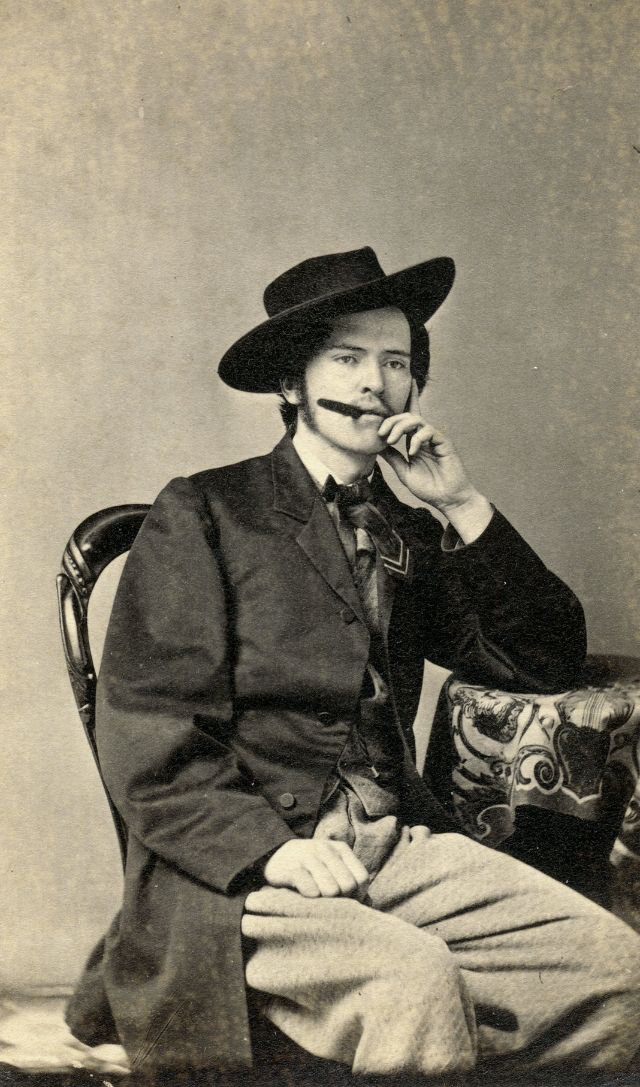
At the other end of the spectrum stood men who followed fashion closely. Known informally as “Dudes,” these were men who invested heavily in their appearance. The felt slouch hat, a pleated vest, silk tie, and a perfectly tailored frock coat were their uniform. A cigar added a final touch of ease and confidence.
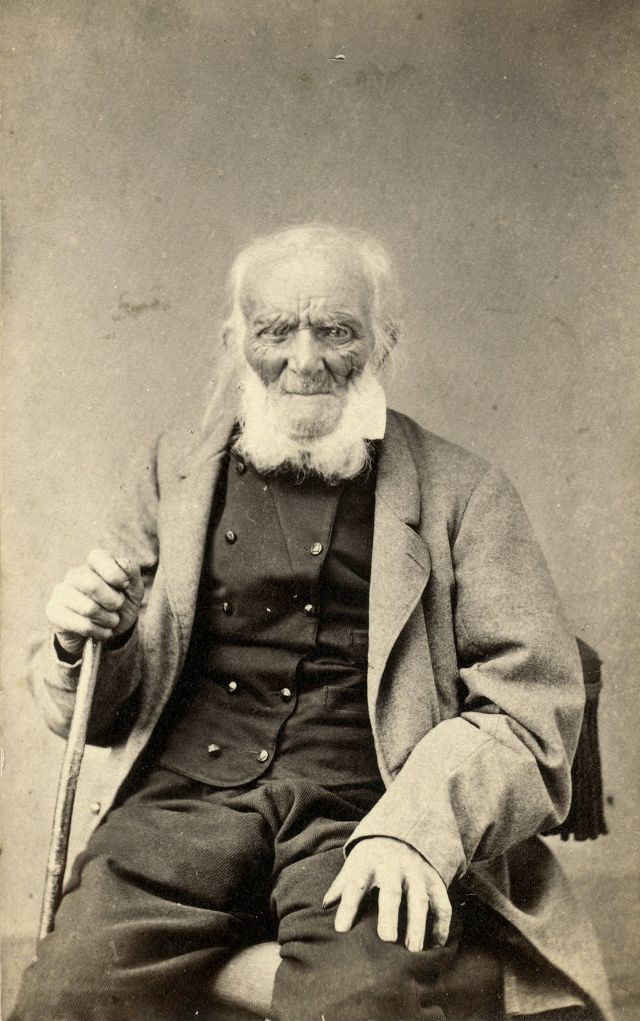
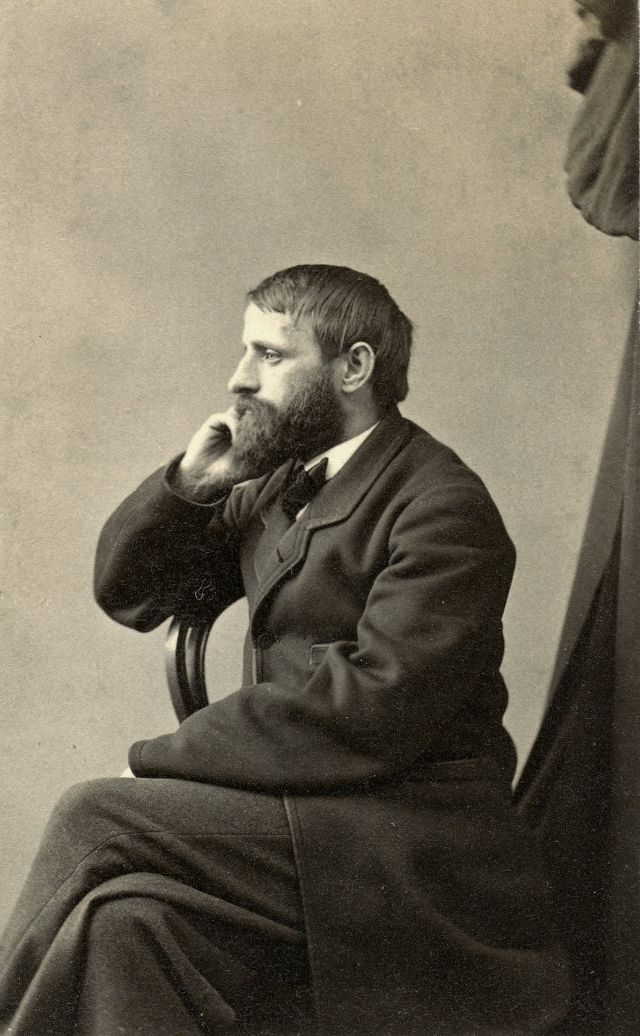
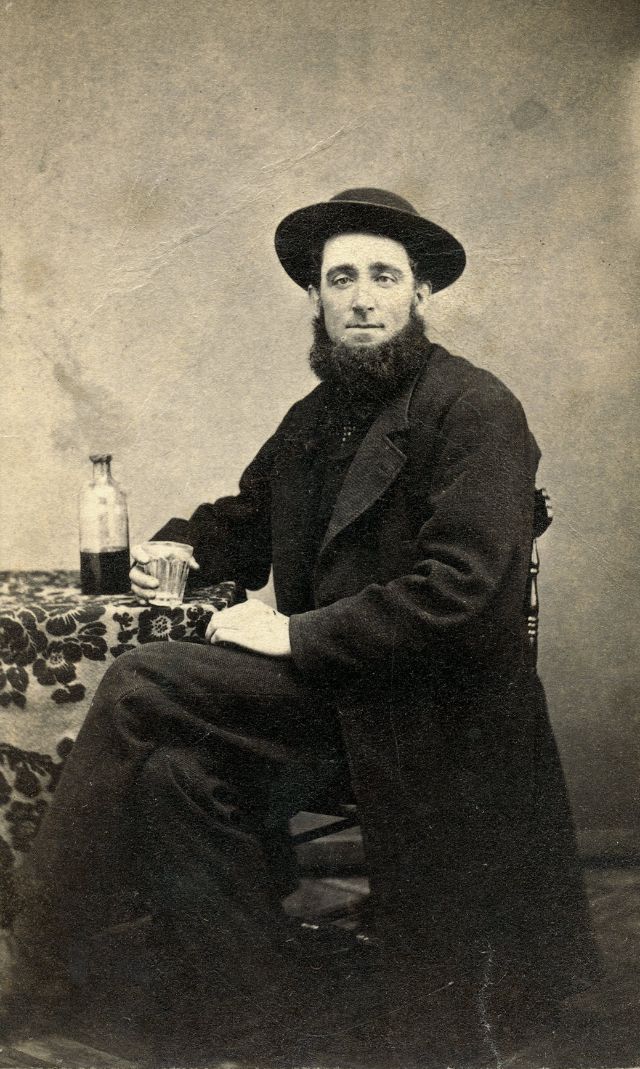
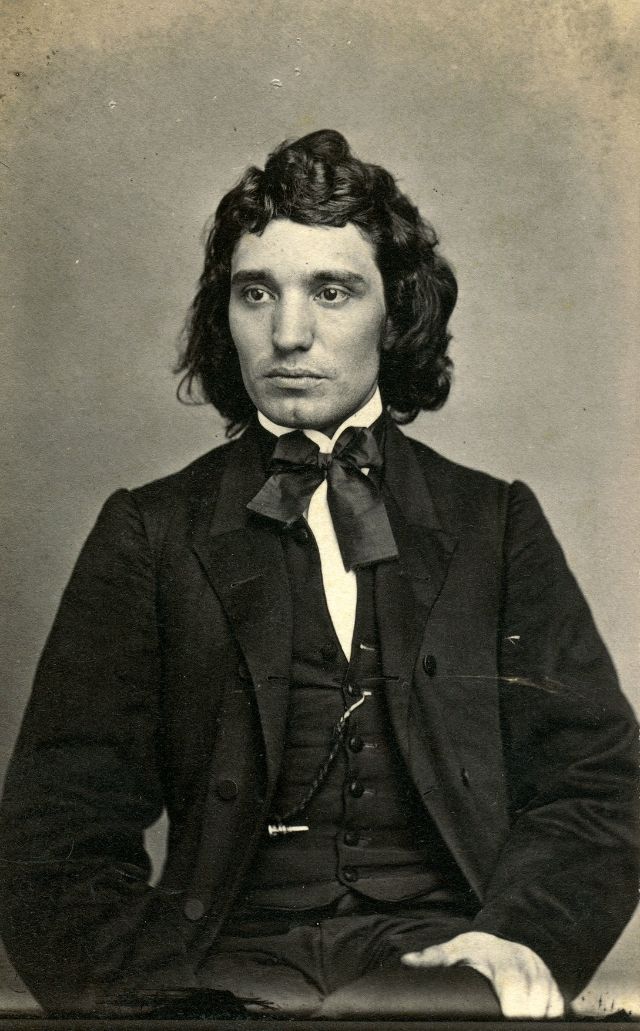
Facial hair was nearly universal among 1860s men. Full beards, thick sideburns, and mustaches of every shape appeared in portrait after portrait. Clean-shaven faces were the exception rather than the rule. Hair was worn longer by today’s standards, often swept back or parted to one side, and held in place with pomade.
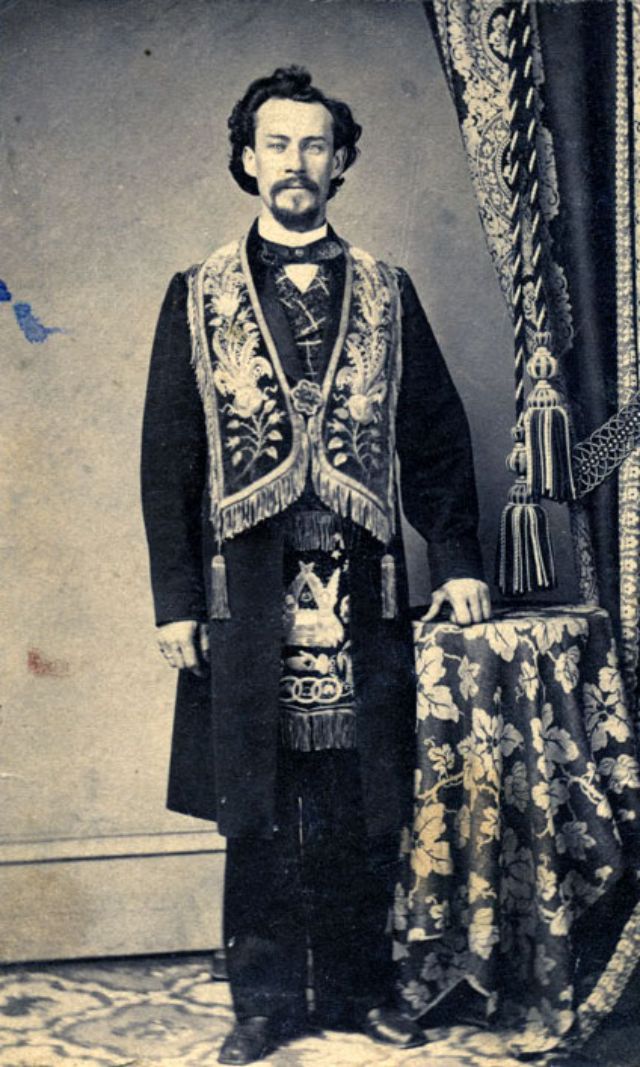
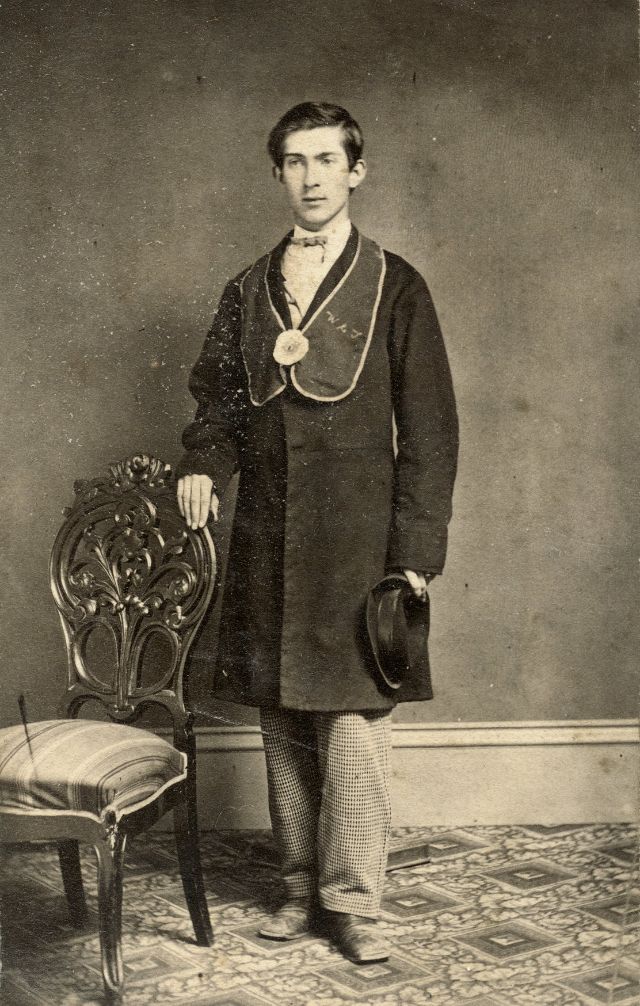
Fraternal organizations played a large role in social life during this period. The Masons were among the most prominent, and members frequently incorporated their regalia into portraits as a mark of membership and status. Embroidered sashes and fraternal pins told a story about a man’s community ties and social standing without a single word.
Tobacco was woven into the fabric of men’s daily life and appeared frequently in studio portraits. Pipes, cigars, and humidors showed up as props because men wanted them there. In New Orleans, a group of men posed with straw hats and cigars inside a studio on Canal Street. In another portrait, four gentlemen sat together with pipes clenched in their teeth, playing cards on the table and a bottle of gin within reach.
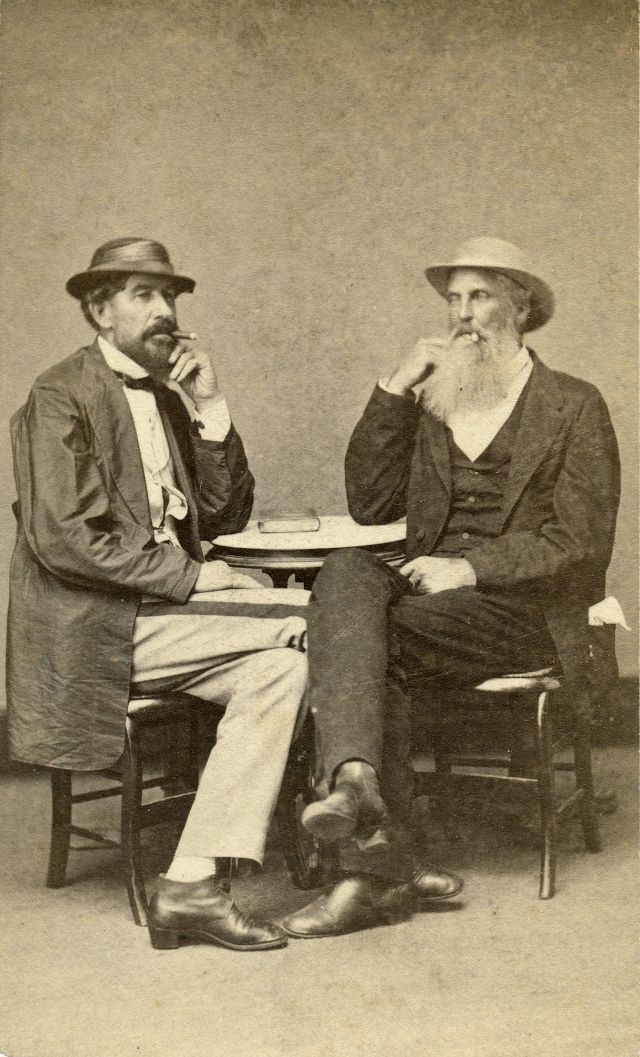
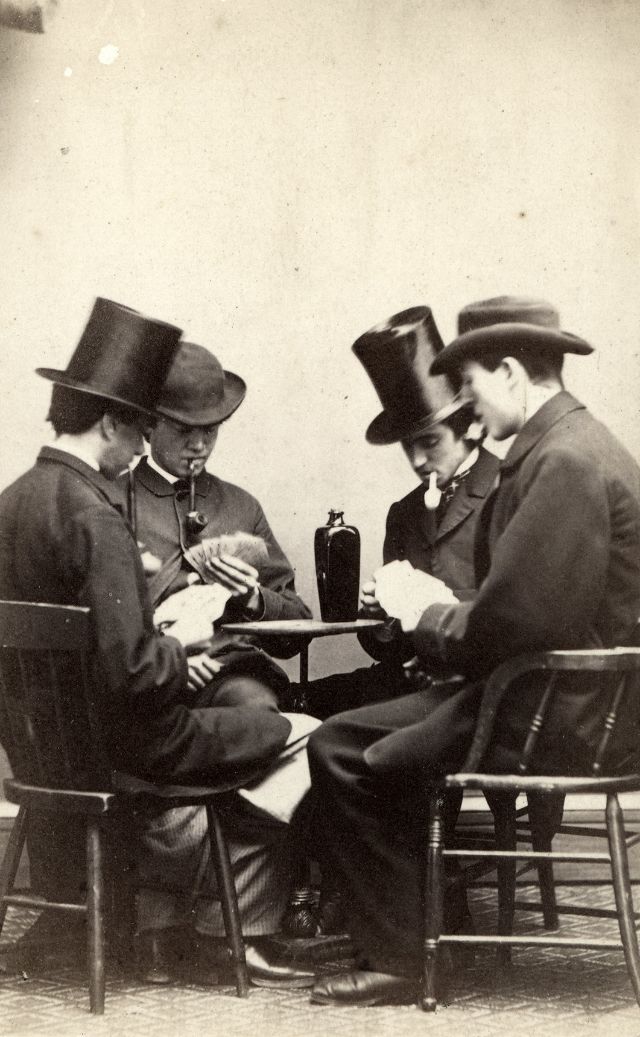
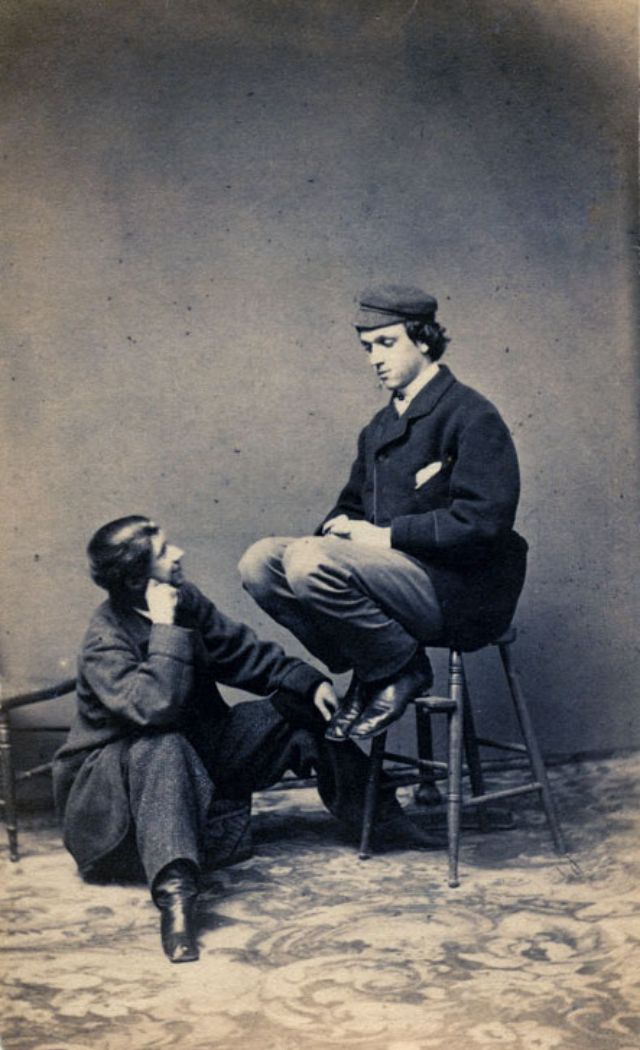
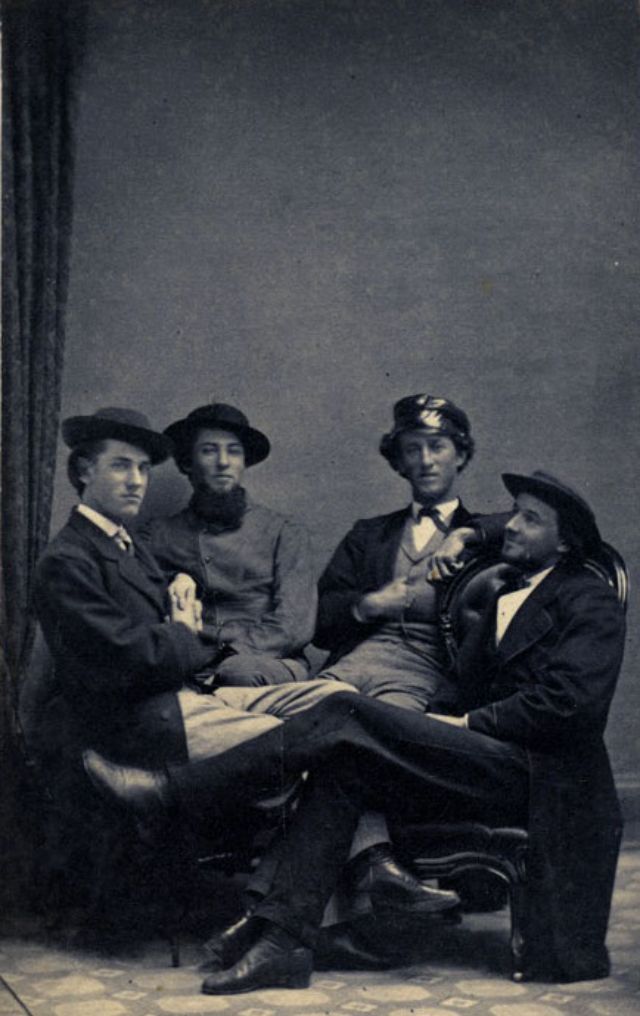
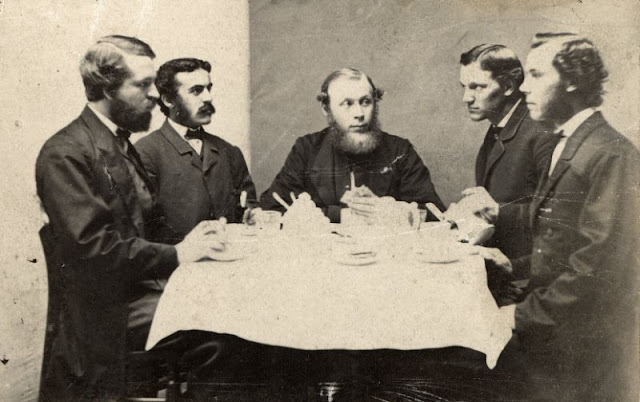
Group portraits gave photographers a different kind of challenge and men a different kind of opportunity. Gathered around a card table, a meal, or simply arranged in a studio, men used group portraits to document friendships and social bonds. The body language in these images — a relaxed arm over a chair back, a shared smile — reveals a comfort that formal solo portraits rarely allowed.
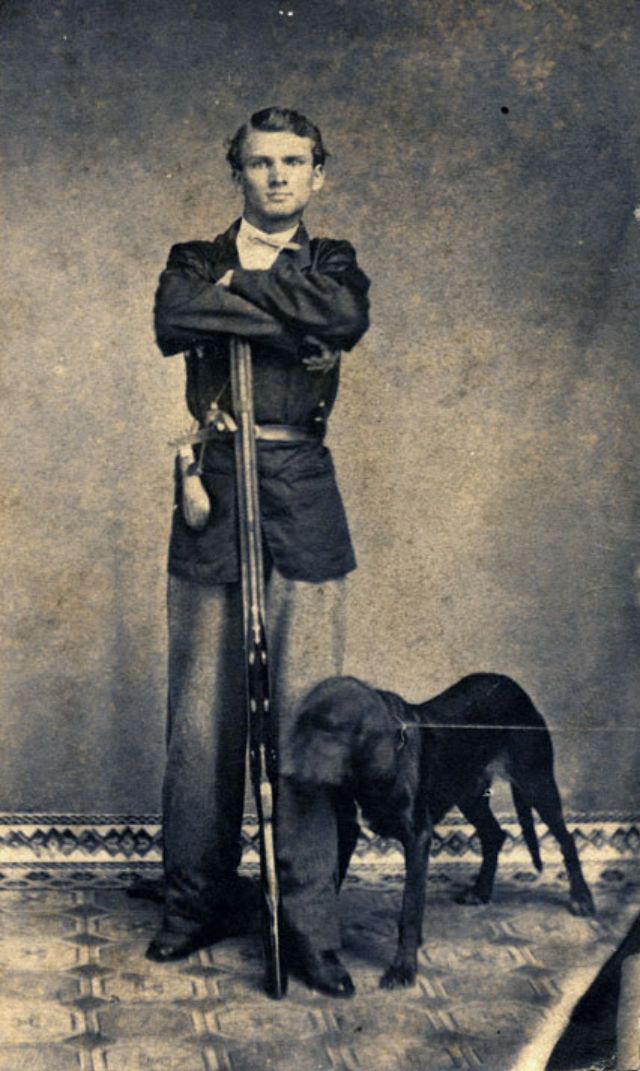
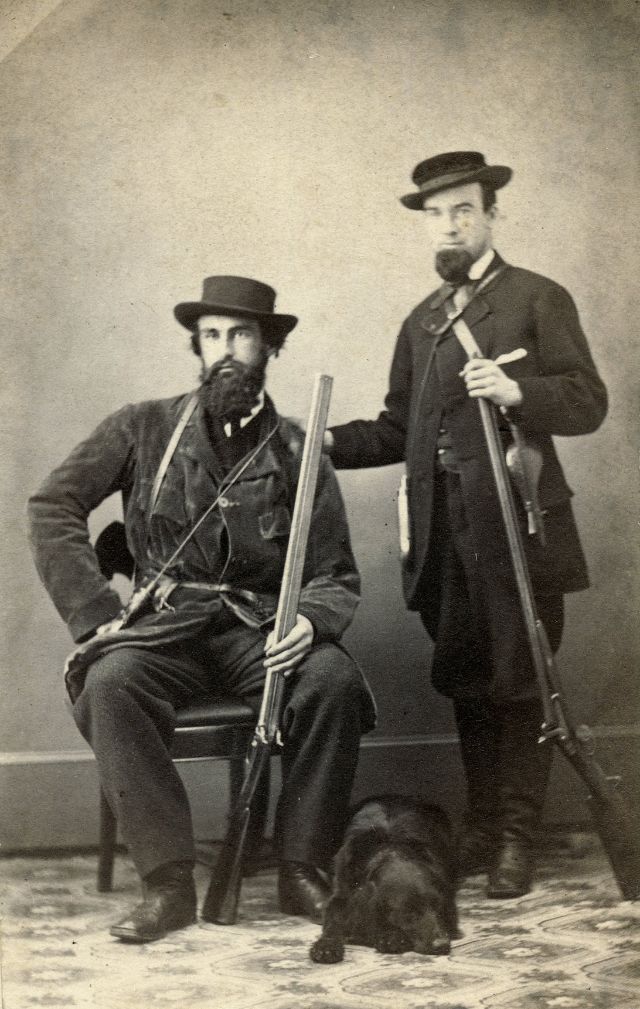
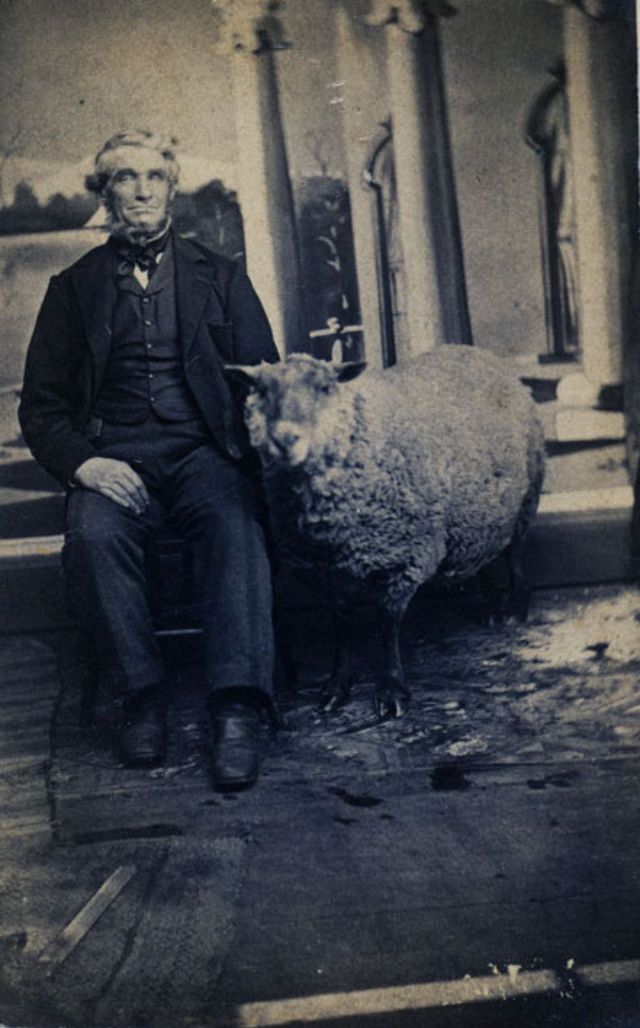
Some men brought their hobbies directly into the studio. A hunter from Pennsylvania posed with a double-barrel shotgun and his black Labrador Retriever. A young man laced up his ice skates on the studio floor. Another sat beside what appears to be his prized sheep. These portraits connected men to their outdoor lives and leisure activities in a way that pure fashion portraits never could.
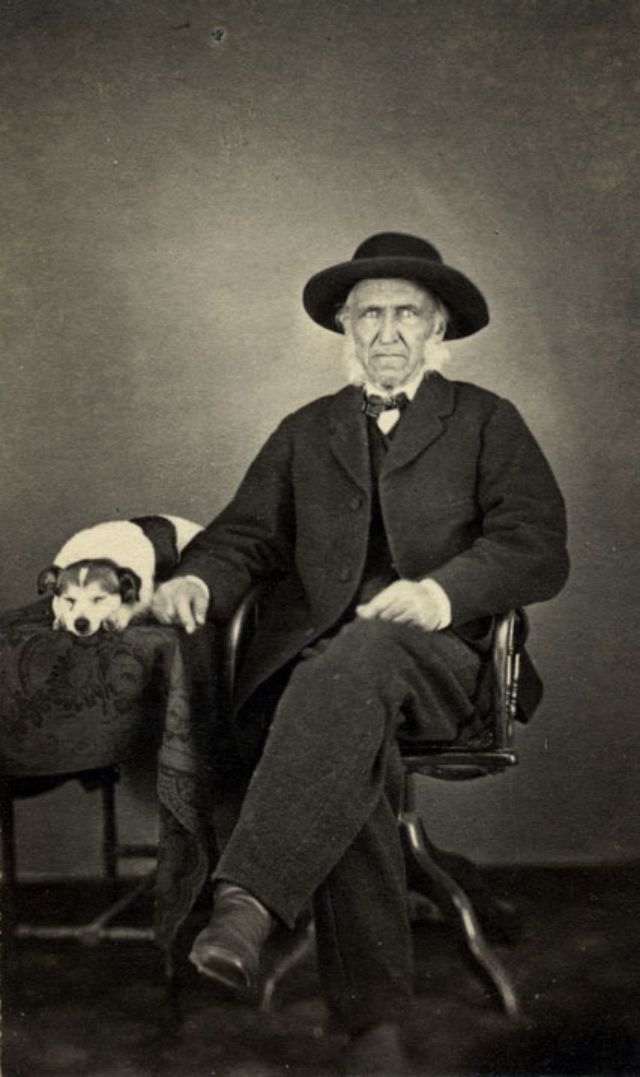
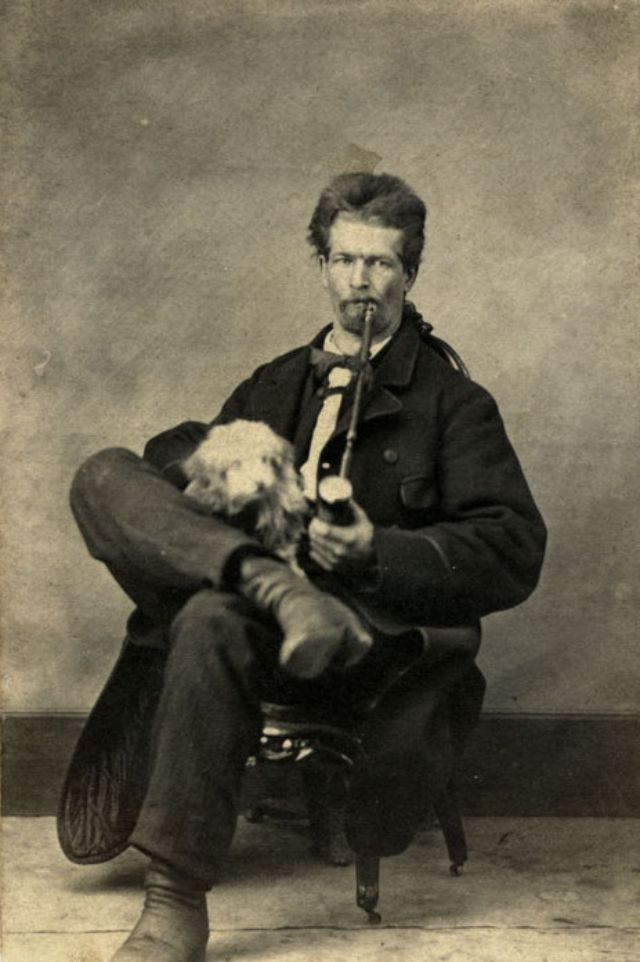
Animals appeared often as companions in these portraits — dogs especially. An elderly man rested his arm on a cloth-covered table while his dog slept beside him. A younger man sat with a puppy and a pipe. Dogs were not simply props; they were members of the household, and including them in a portrait was a meaningful choice.
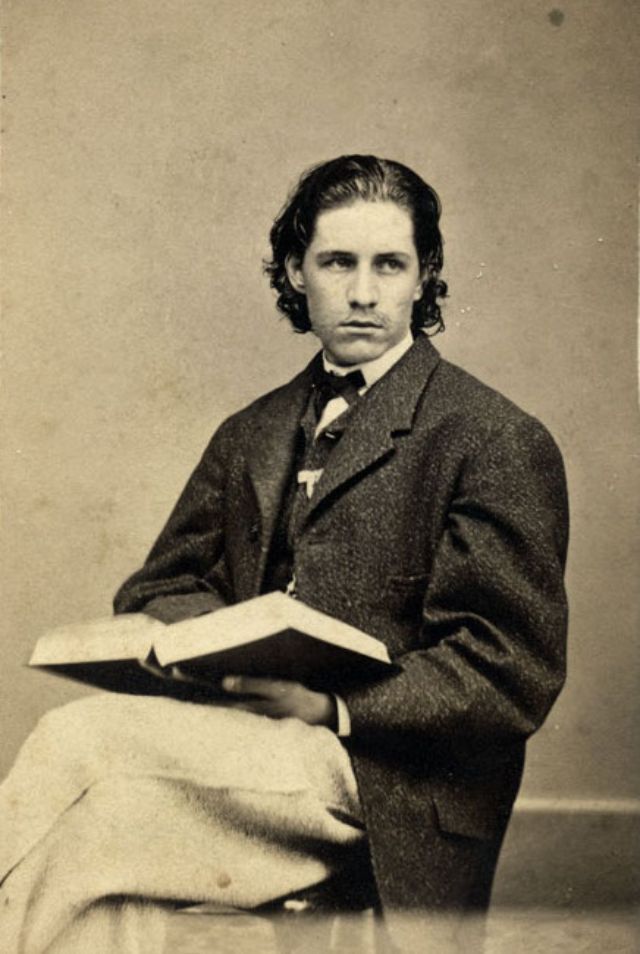
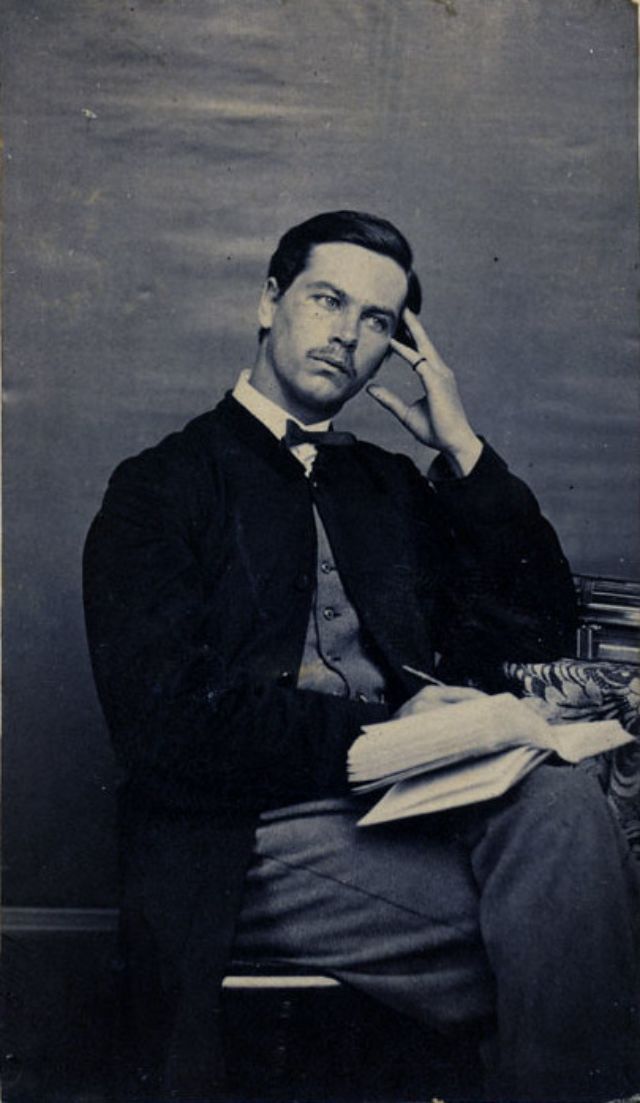
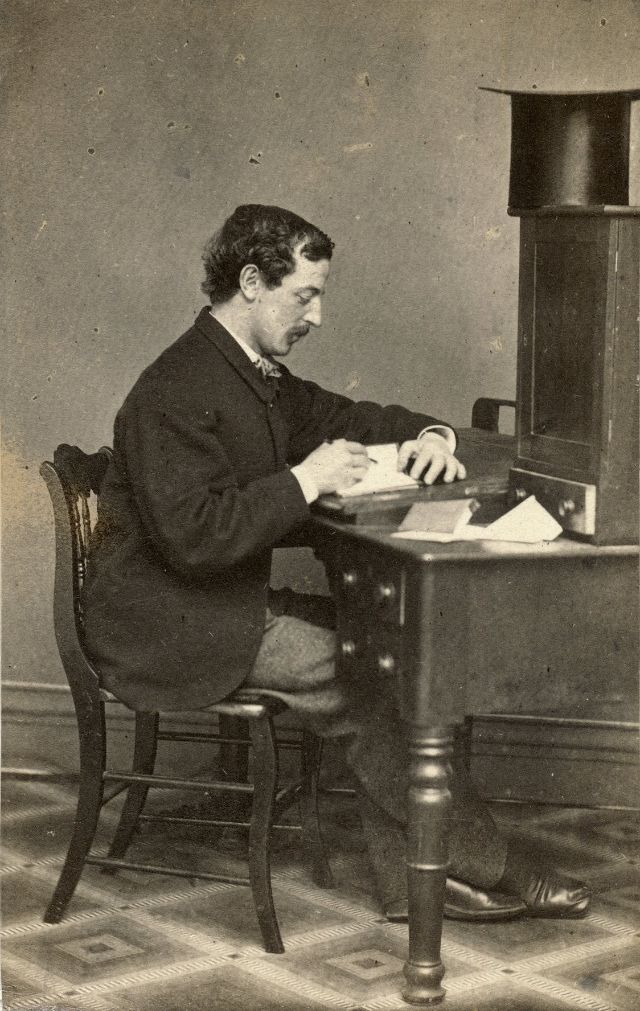
Writers and intellectuals used books and journals as their defining props. A journalist who had escaped from a Confederate prisoner-of-war camp sat for his portrait — his story written into his expression. Another man gazed away from the camera, composing his thoughts before setting pen to page. A third sat at a studio desk, top hat resting on the cabinet beside him, actively writing in a small journal.
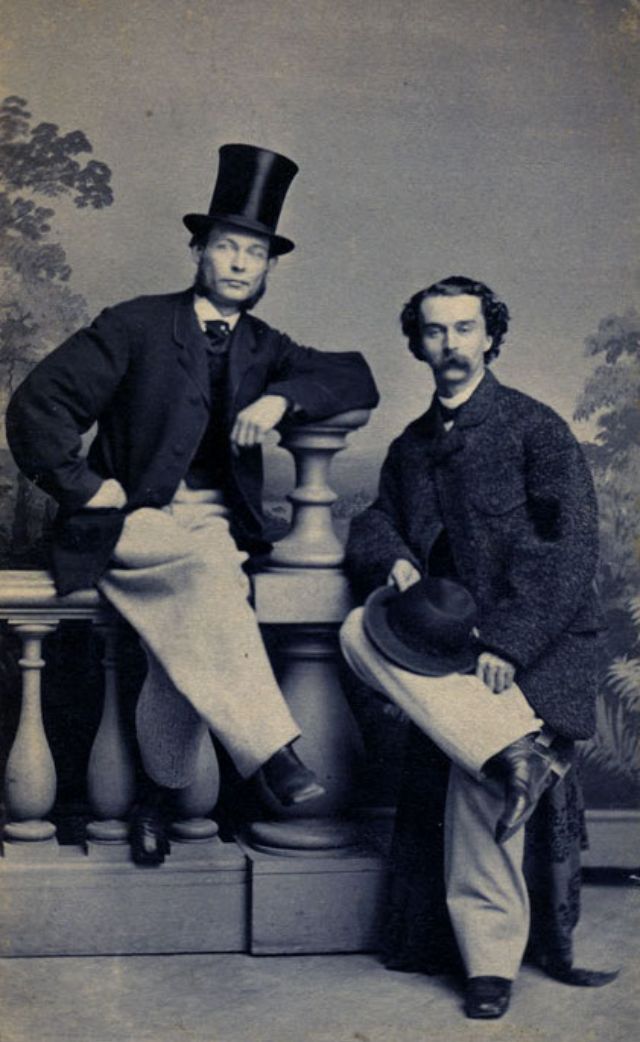
Hats beyond the standard top hat also made appearances. Beaver skin hats gave two men a jaunty, old-fashioned air as they posed on a studio balcony prop. Straw hats suited warmer climates and casual settings. Each hat choice carried its own meaning, shaped by region, season, and social aspiration.
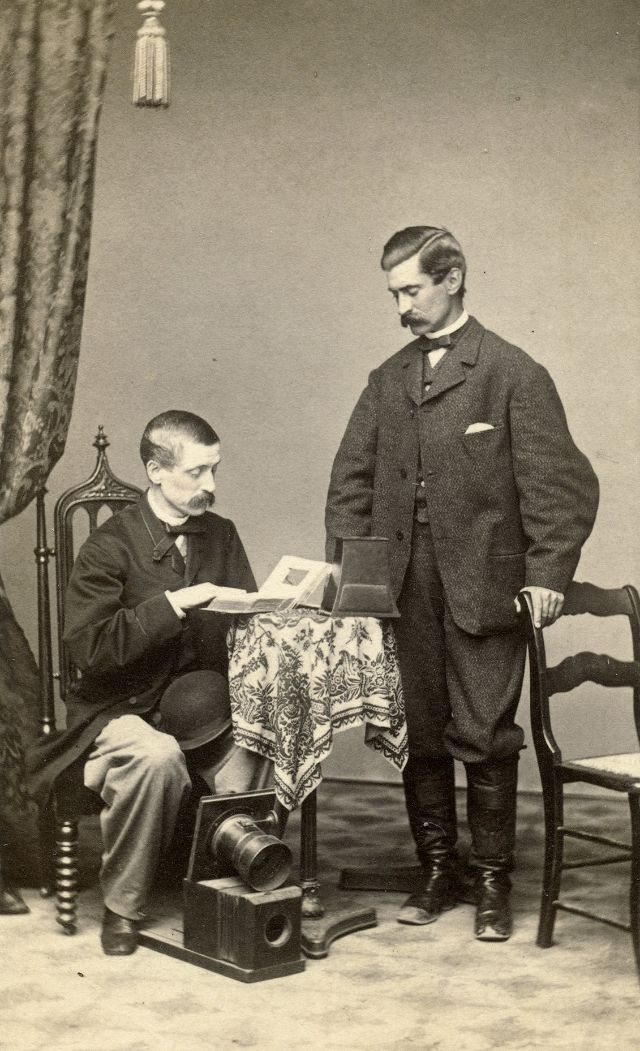
The photography equipment itself sometimes appeared in portraits. Two men posed with a wet plate camera fitted with a Petzval lens, a carte de visite album, and a stereoviewer — tools of the very trade that was documenting their era. It was a self-aware gesture, and a rare glimpse into the studio environment that produced so many of these images.
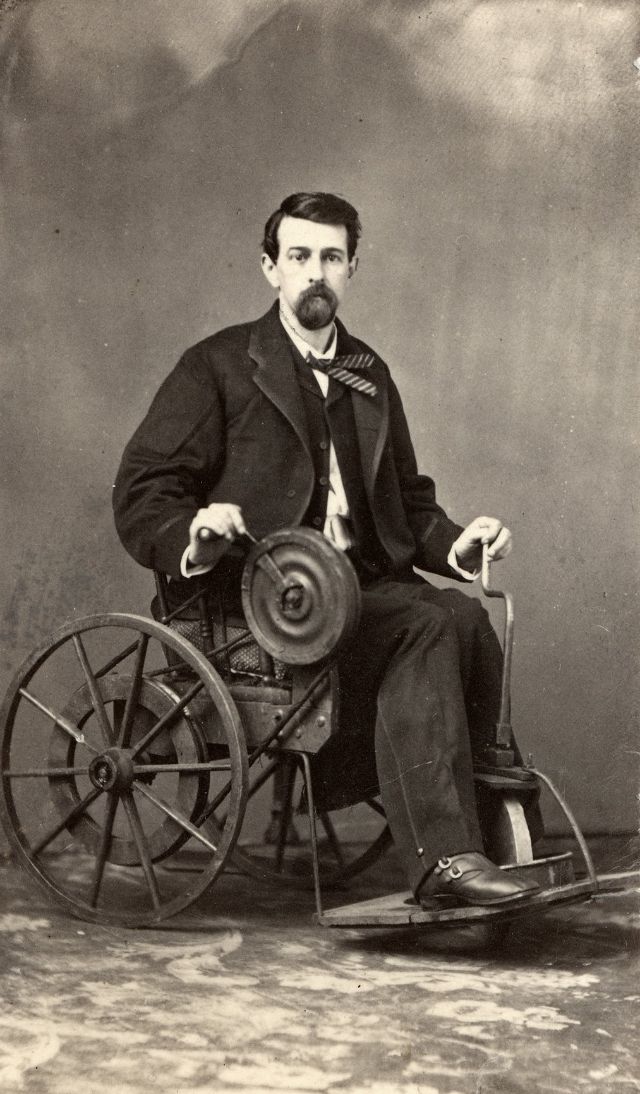
The range of men captured in these portraits extends from the very young to the very old, from the well-dressed to the plainly clothed, from the mobile to those who relied on mechanical wheelchairs fitted with hand-cranked flywheels. The carte de visite did not discriminate. It documented all of them with equal fidelity, creating a visual archive of American men in the 1860s that is still being read today.