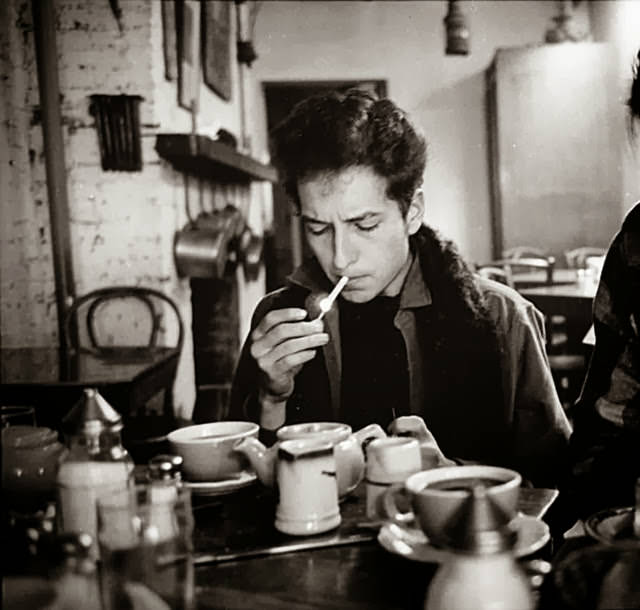
Jim Marshall didn’t just photograph rock and roll — he lived inside it. From the early 1960s through the 1970s, he built a level of access to musicians that no other photographer could match. He wasn’t stationed at the front of the stage. He was backstage, on tour buses, in recording sessions — anywhere the real moments happened. His camera caught musicians with their guard down, revealing the human beings behind the legends.
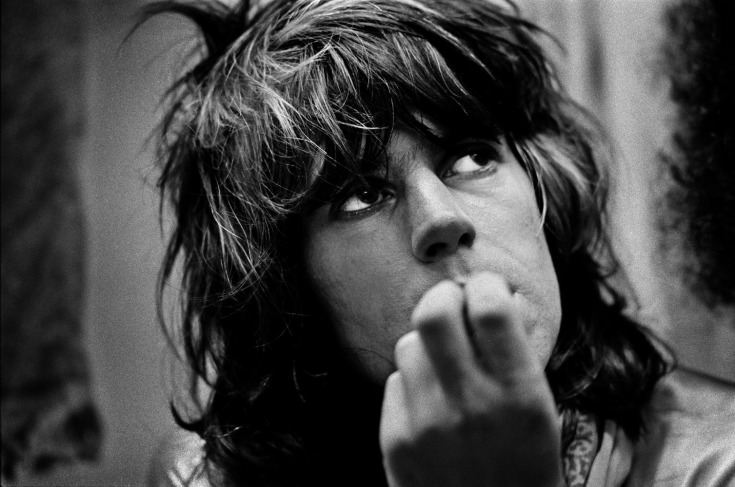
Marshall’s relationship with the Rolling Stones gave him a front-row seat to one of rock’s most creative periods. In 1972, he documented the making of Exile on Main Street in Los Angeles — photographing Keith Richards and Mick Jagger not as performers, but as artists deep in the work.
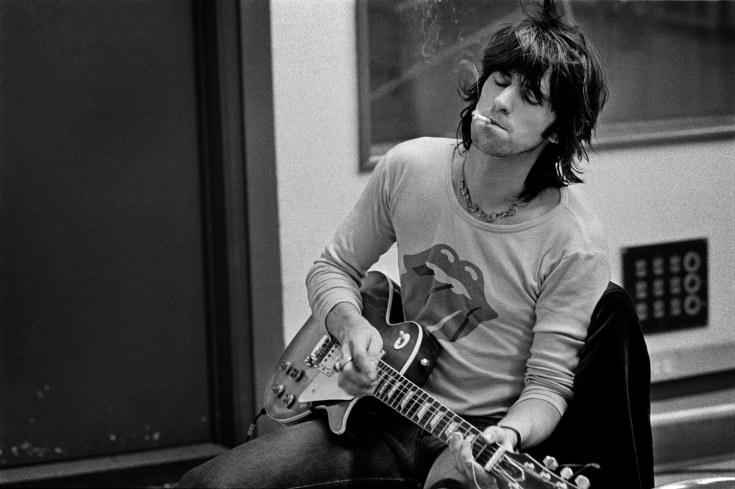
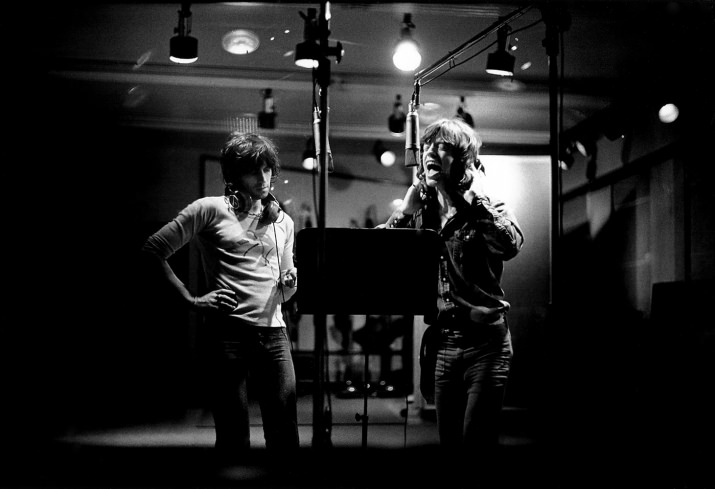
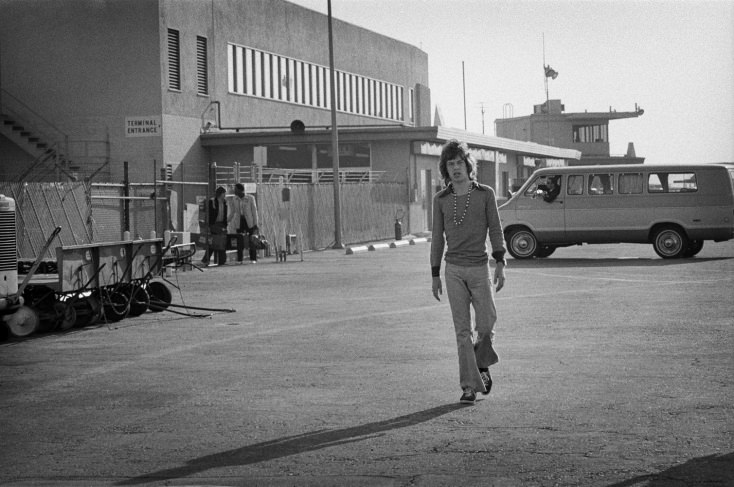
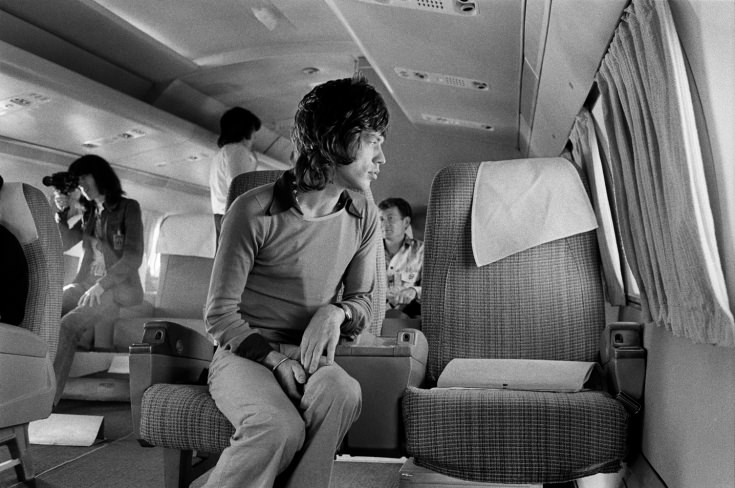
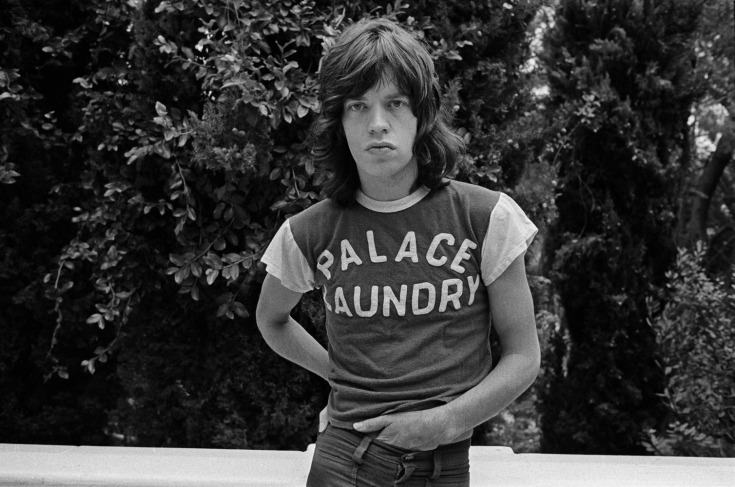
Marshall followed Jagger everywhere during that era — at airports, on airplanes, around Los Angeles. These weren’t staged promotional shots. They were candid frames pulled from the everyday life of one of rock’s biggest stars.
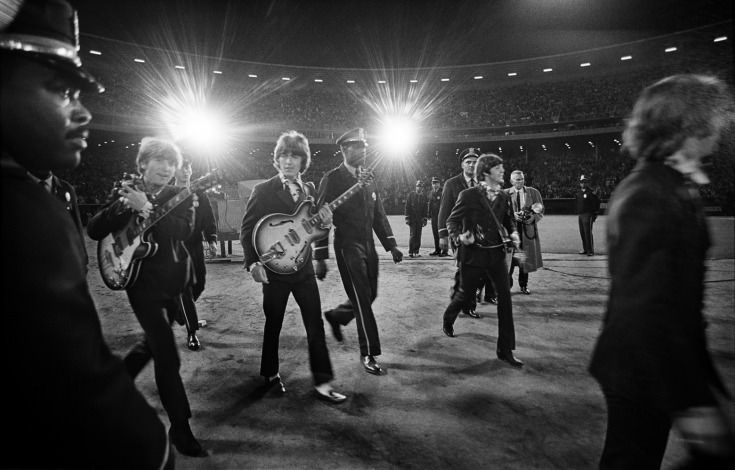
One of Marshall’s most historically significant assignments came in August 1966. He was the only photographer granted backstage access at The Beatles’ final concert, held at Candlestick Park in San Francisco. The images he took that night documented a band standing at the edge of a massive turning point — one that would end their touring career forever.
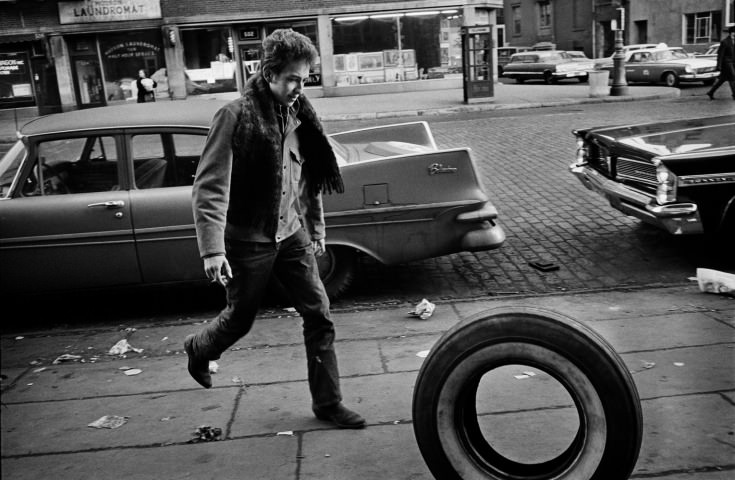
Marshall’s gift for catching quiet, unscripted moments extended far beyond the concert stage. In 1963, he photographed a young Bob Dylan on a New York street, casually rolling a tire — a scene that captured Dylan’s loose, unbothered personality years before he became a cultural icon.
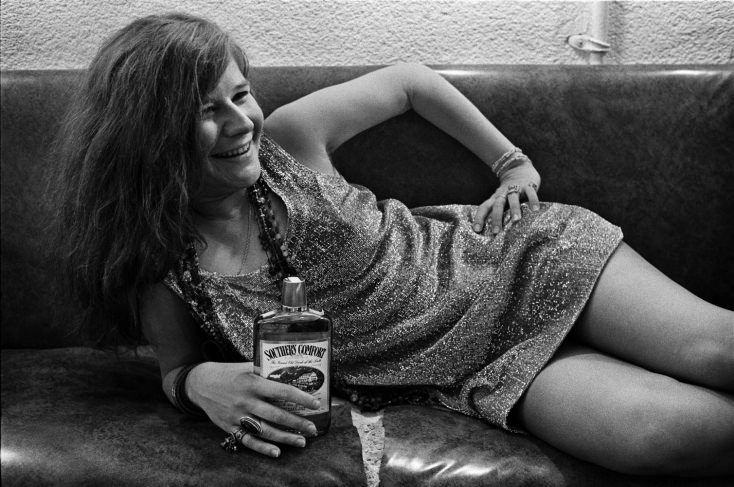
Janis Joplin was another subject Marshall photographed with striking intimacy. Backstage at Winterland in San Francisco in 1968, he captured her in an unguarded moment — raw energy held still for just a second.
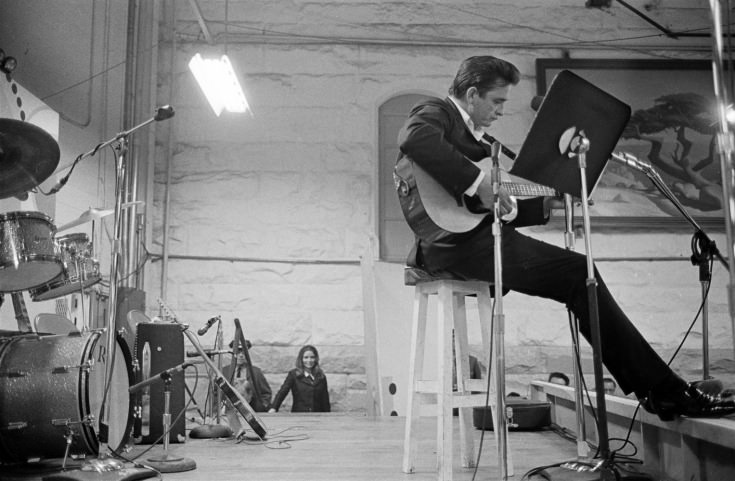
Marshall’s work at Folsom Prison in January 1968 produced some of his most memorable images. He photographed Johnny Cash and June Carter as they took the stage — a moment full of grit and authenticity that defined Cash’s outlaw image.
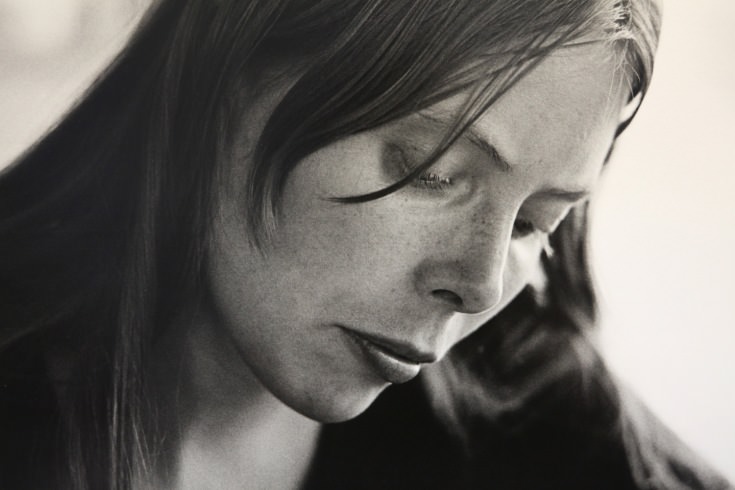
Marshall’s lens reached beyond rock and country. He photographed singer-songwriter Joni Mitchell in the relaxed setting of Laurel Canyon in 1969, capturing the folk scene’s softer, more reflective side.
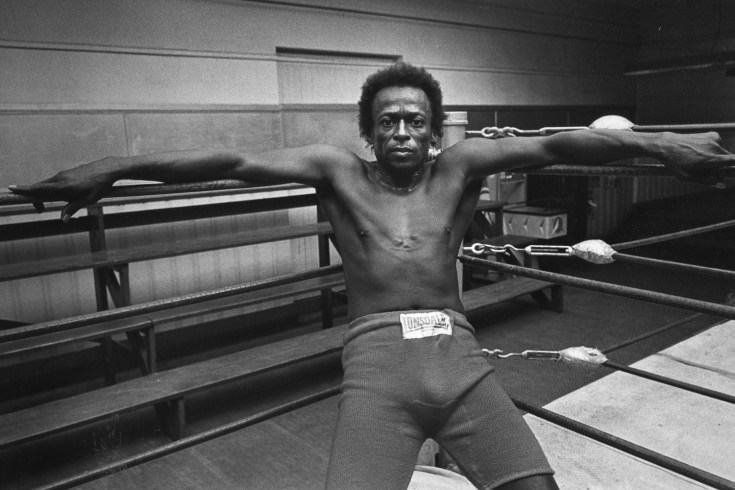
Jazz was also part of Marshall’s world. In 1971, he photographed Miles Davis training at Newman’s Gym in San Francisco — a strikingly different image of a jazz legend known for his cool, collected stage presence.
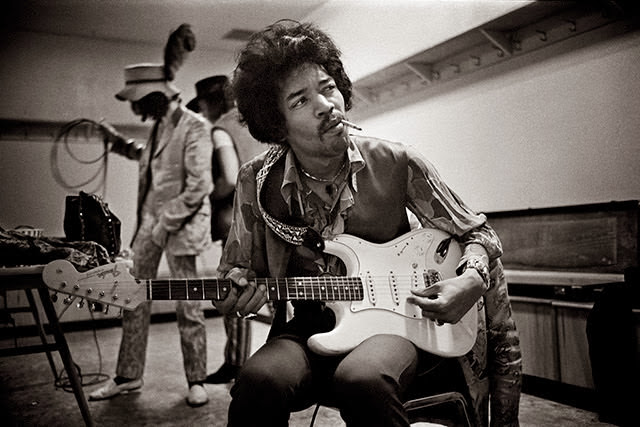
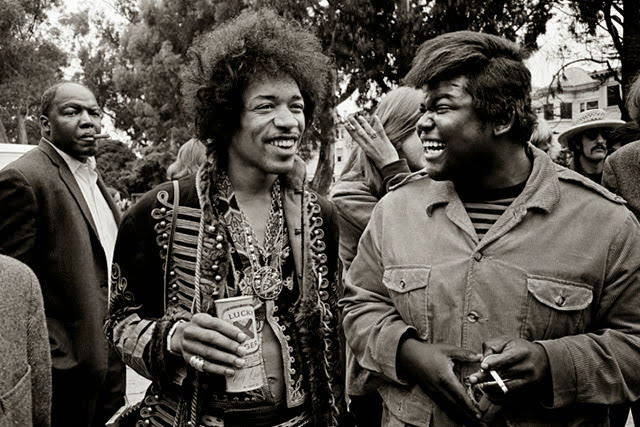
As chief photographer at Woodstock in 1969, Marshall documented the defining event of a generation. Jimi Hendrix was one of his most compelling subjects — both in performance and in the quiet moments between sets.
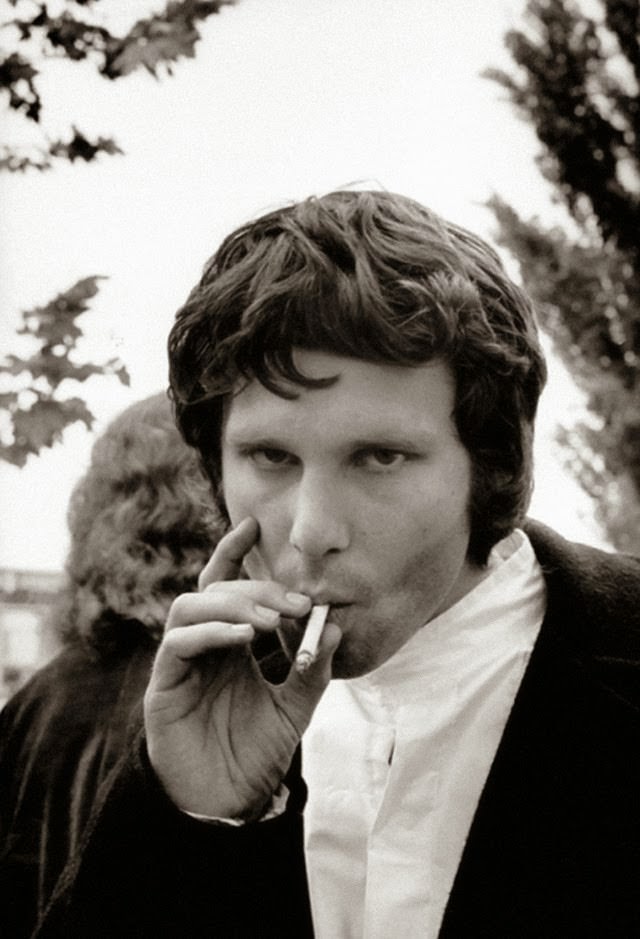
Jim Morrison, like many of Marshall’s subjects, comes alive in his photographs in a way that few concert images manage. Marshall’s portraits carry a stillness that feels personal rather than performative.
The Rolling Stones appear repeatedly throughout Marshall’s archive. Charlie Watts, often the quietest presence in one of rock’s loudest bands, is another subject Marshall photographed with his trademark eye for character.
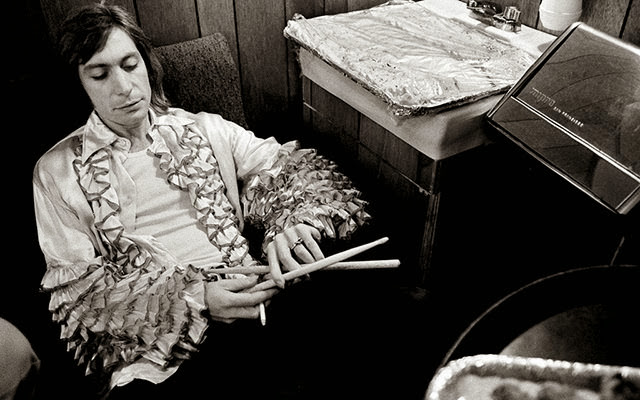
Bob Dylan surfaces throughout Marshall’s body of work across different years and settings. Each portrait reveals a different shade of the same man — intense, withdrawn, and always watchful.
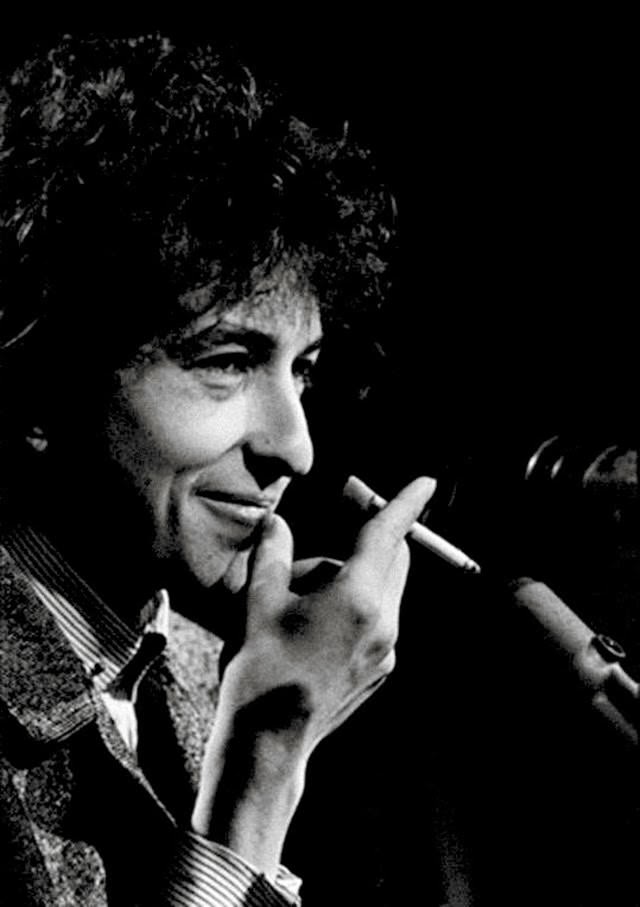
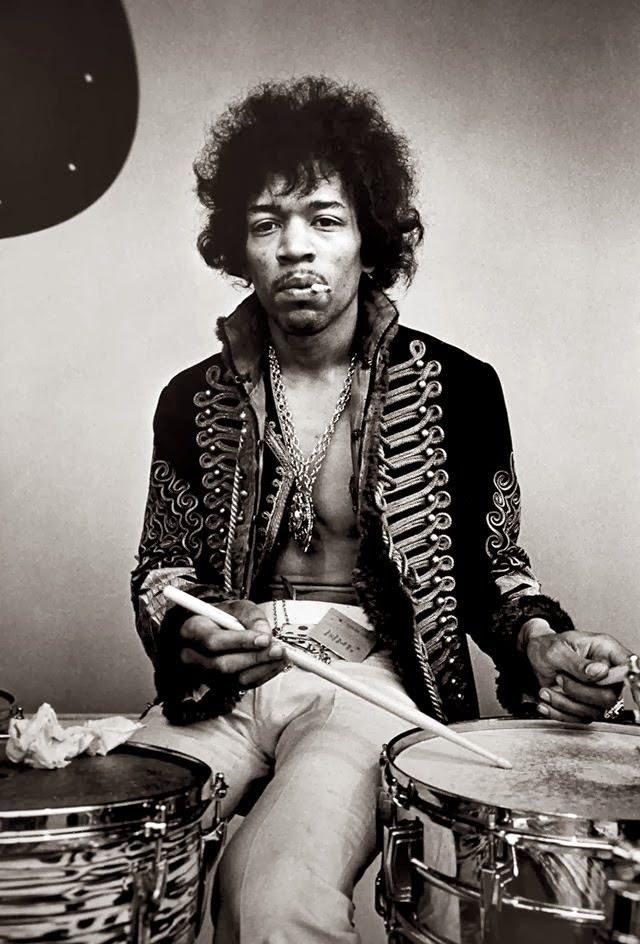
Marshall’s photographs of John Lennon place him in the same intimate frame as the rest of the Beatles archive — personal, unposed, and historically irreplaceable.
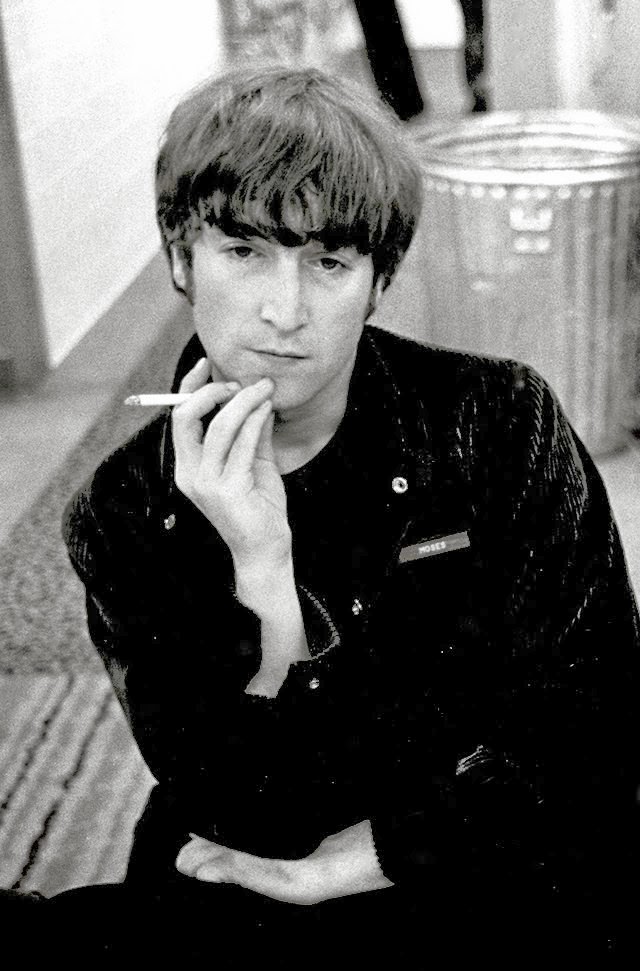
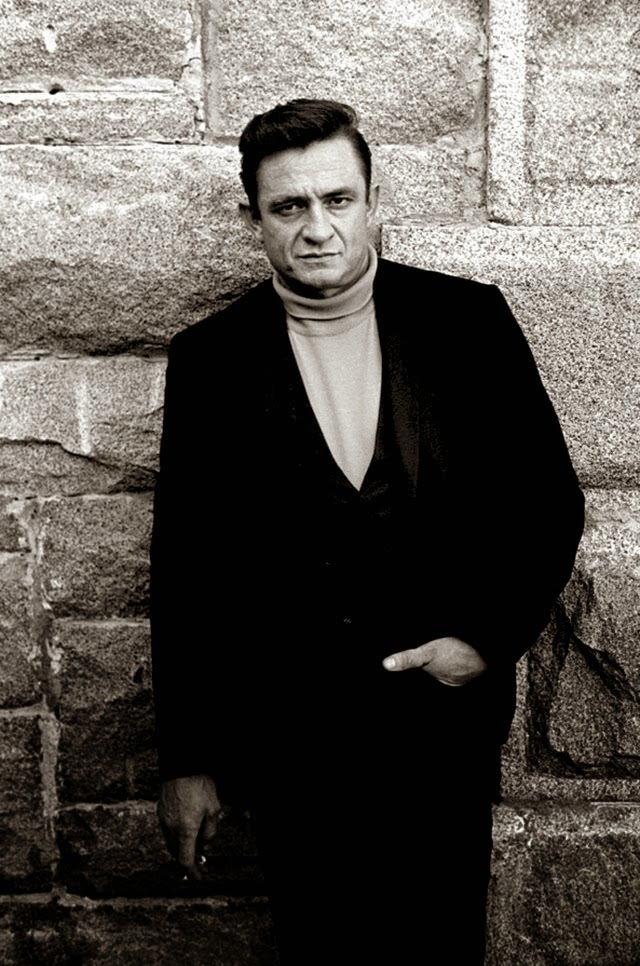
Johnny Cash appears across multiple frames in Marshall’s collection. His most famous shot — Cash flipping the middle finger at San Quentin Prison — exists because Cash trusted Marshall completely. That trust is what made the image possible: raw, defiant, and entirely real.
When Marshall died in 2010, his estate uncovered millions of unpublished negatives. Decades of unseen images — of Dylan, Cash, Hendrix, and dozens of others — remained locked away. Each one holds a moment the world never got to see.