Bruce Davidson built his reputation on gritty, honest documentary work — photographing civil rights marches, Brooklyn gang members, and subway riders. But for a stretch of the early 1960s, he also shot fashion. The results were unlike anything else in the industry at the time.
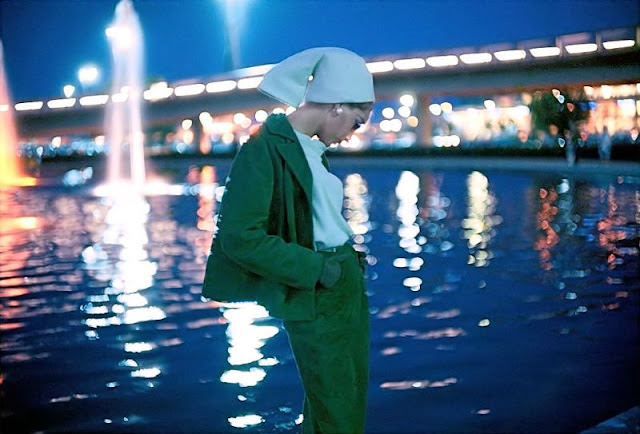
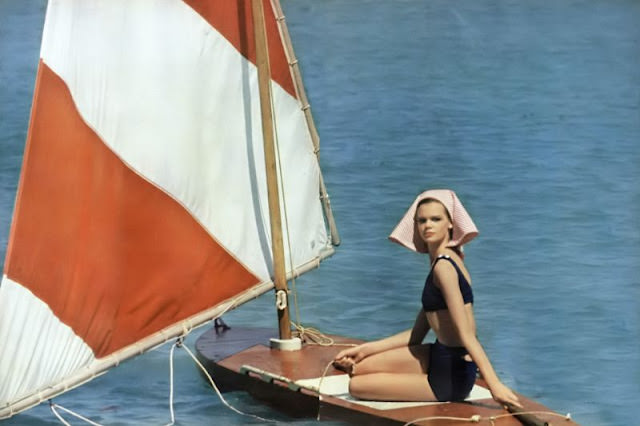
Davidson’s fashion work carried the same instincts as his street photography. He was less interested in polished poses than in real, fleeting moments. Models weren’t treated as mannequins. They were treated as people. That difference showed up immediately in his images for Vogue in 1960, where he photographed model Deborah Dixon with the kind of naturalistic energy that fashion photographers of the era rarely attempted.
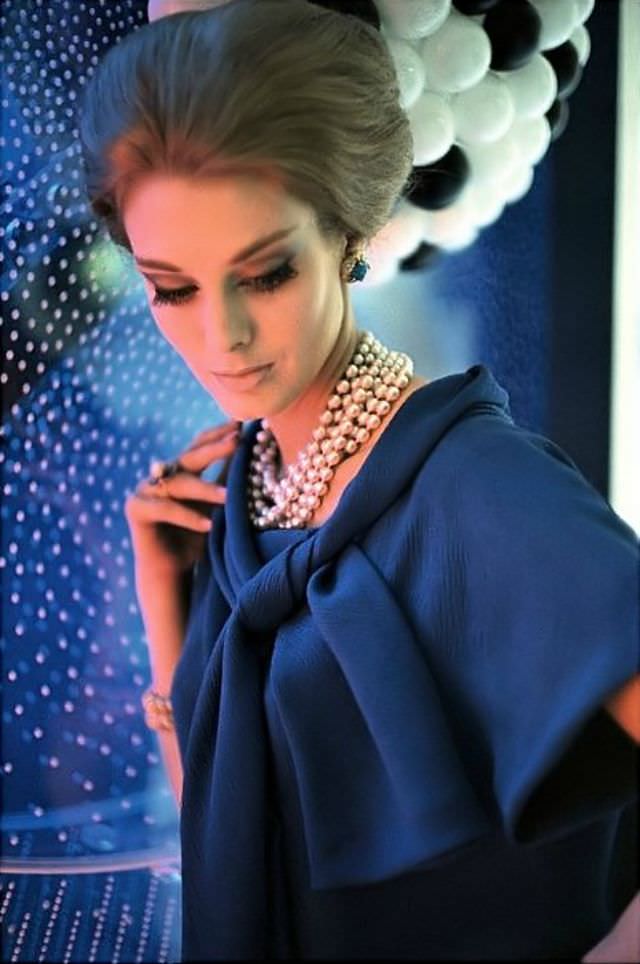
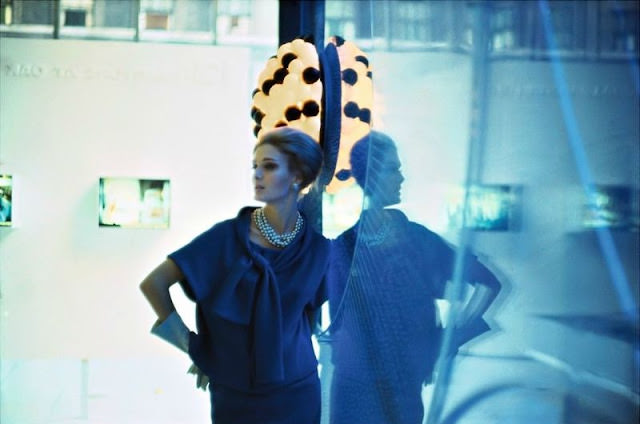
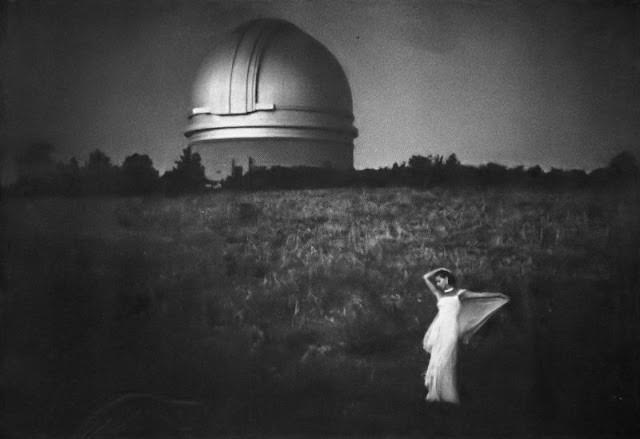
Davidson took his subjects out of the studio and into the world. He shot a model in a spiraling silk chiffon dress at the Palomar Observatory in California — a setting so unexpected it reframed the garment entirely.
Through 1961, his roster of subjects expanded. He photographed Anne St. Marie, one of the era’s top models, alongside lesser-known faces. Each image shared the same quality — the subject felt present, not performed.
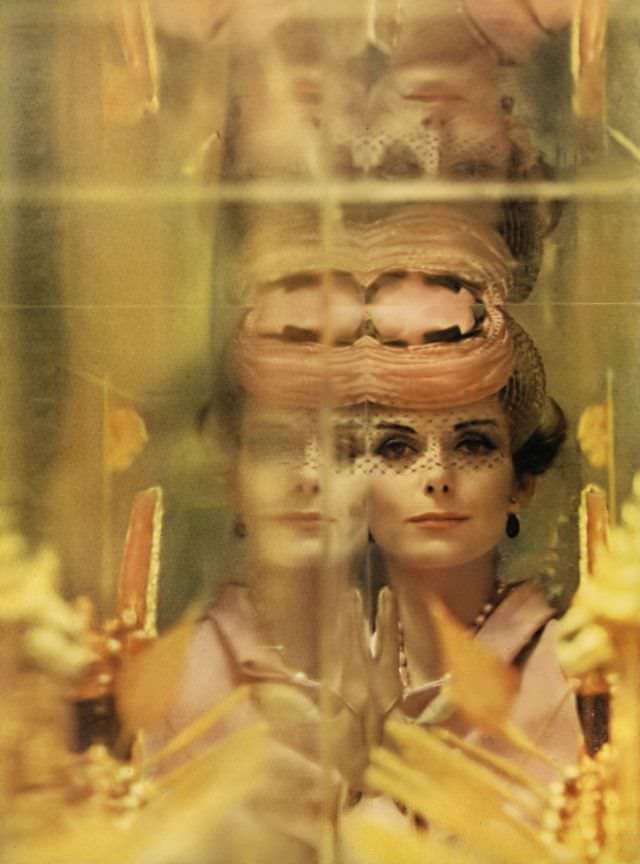
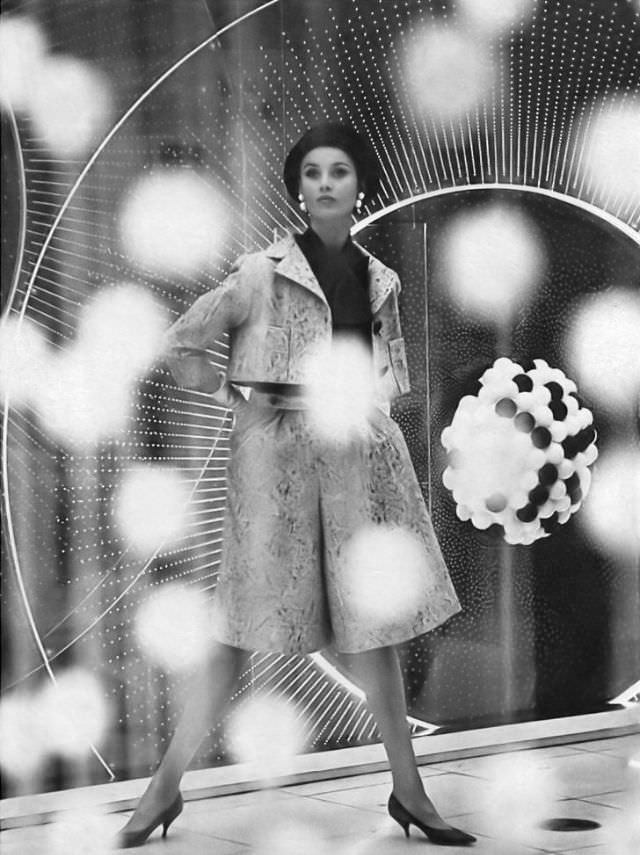
New York’s cultural landmarks served as backdrops. The Metropolitan Museum provided the setting for a silk dress and coat by Ben Zuckerman, while the streets themselves became a stage for Monique Chevalier.
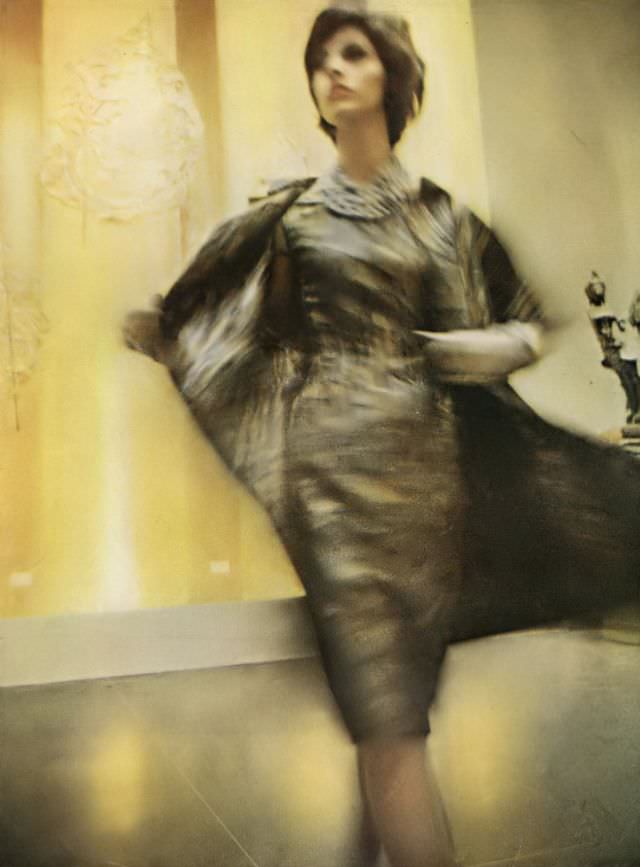
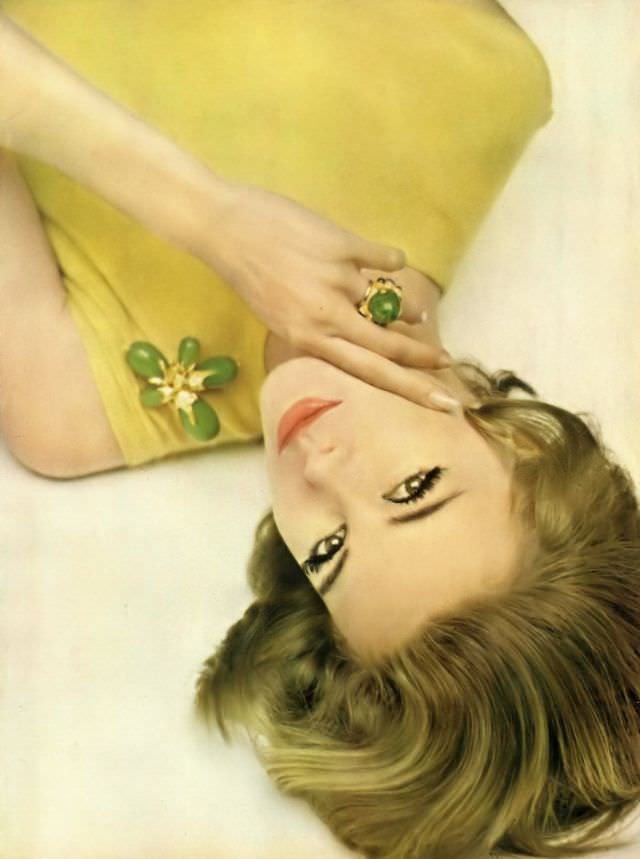
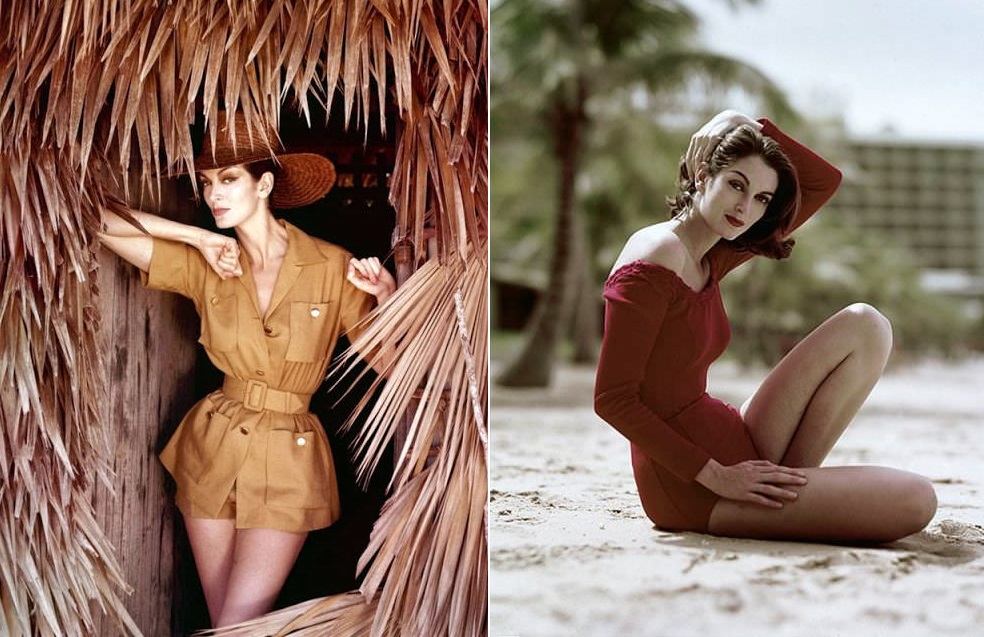
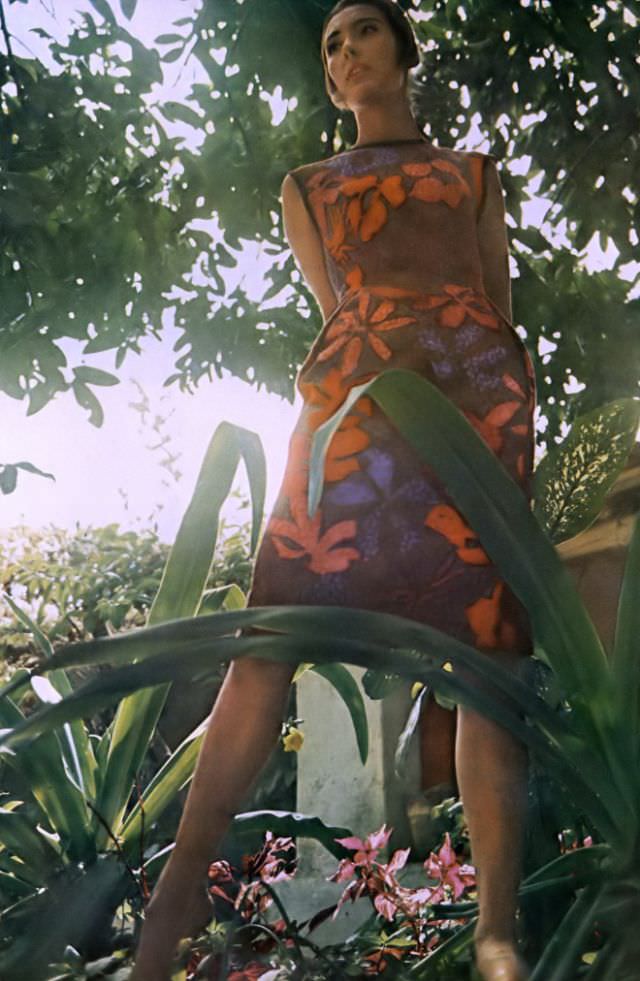
By 1962, Davidson was working with a wide range of designers — Geoffrey Beene, James Galanos, and Ben Zuckerman among them. He photographed model Marola Witt in Jamaica at the Montego Beach Hotel, bringing the same documentary eye to a tropical setting.
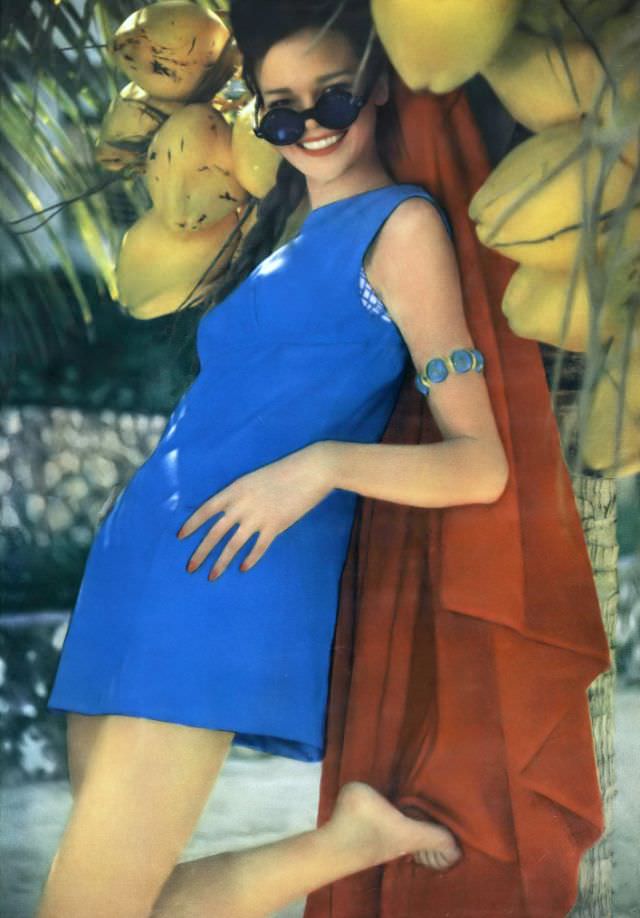
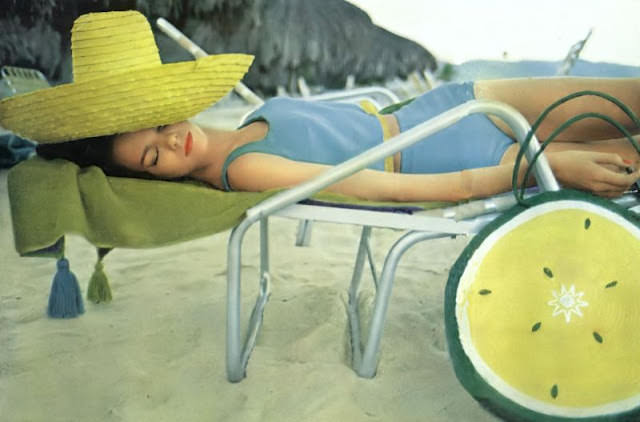
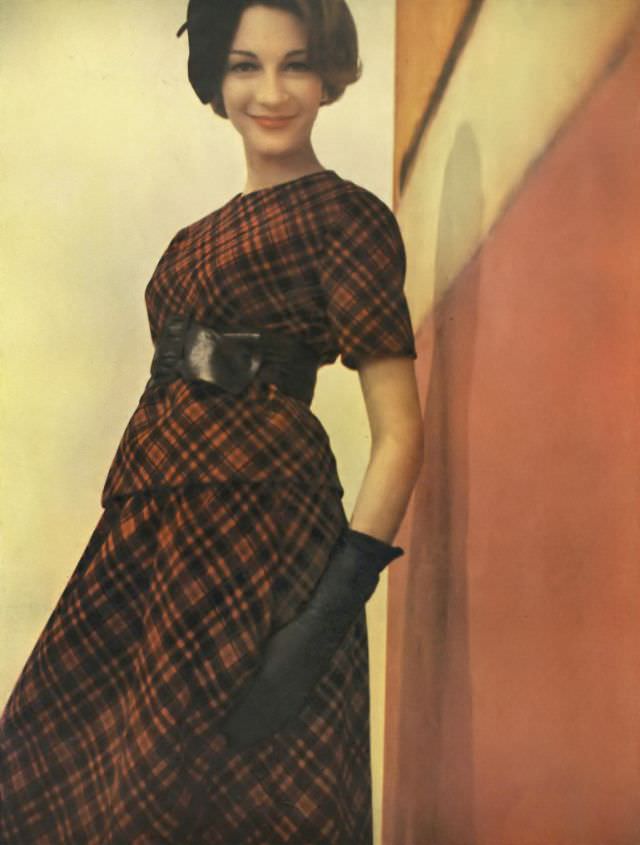
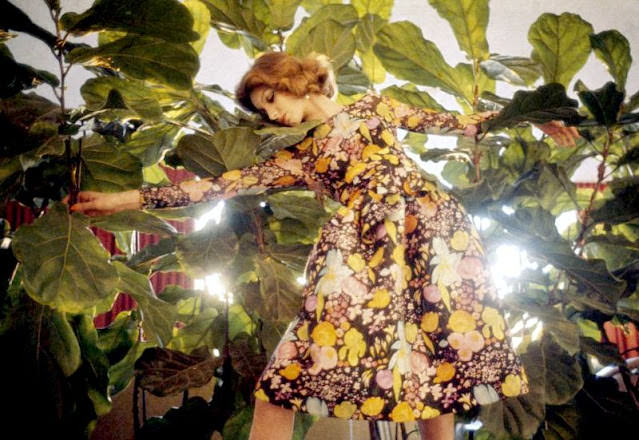
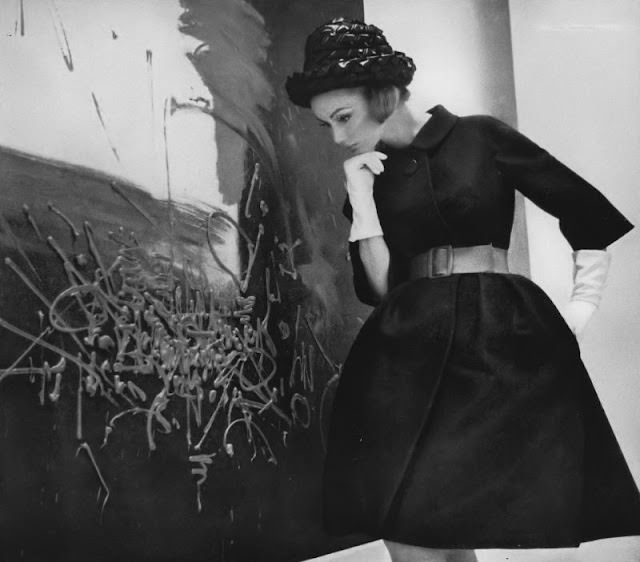
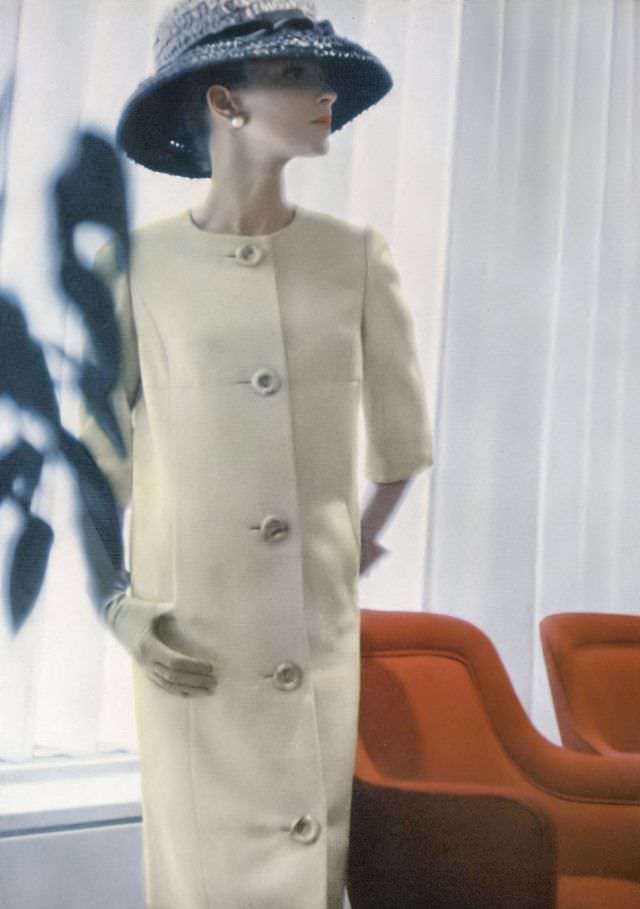
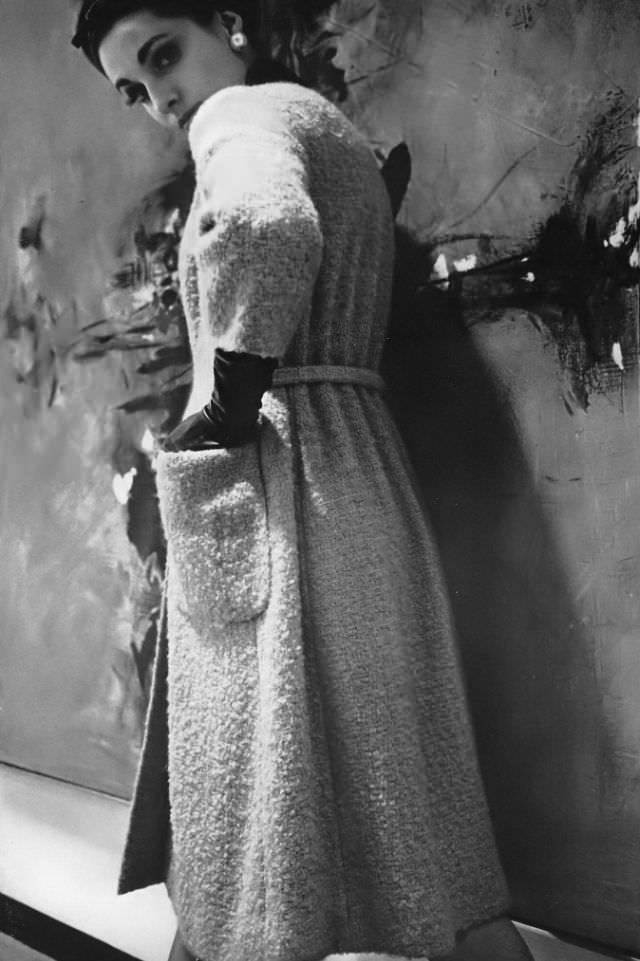
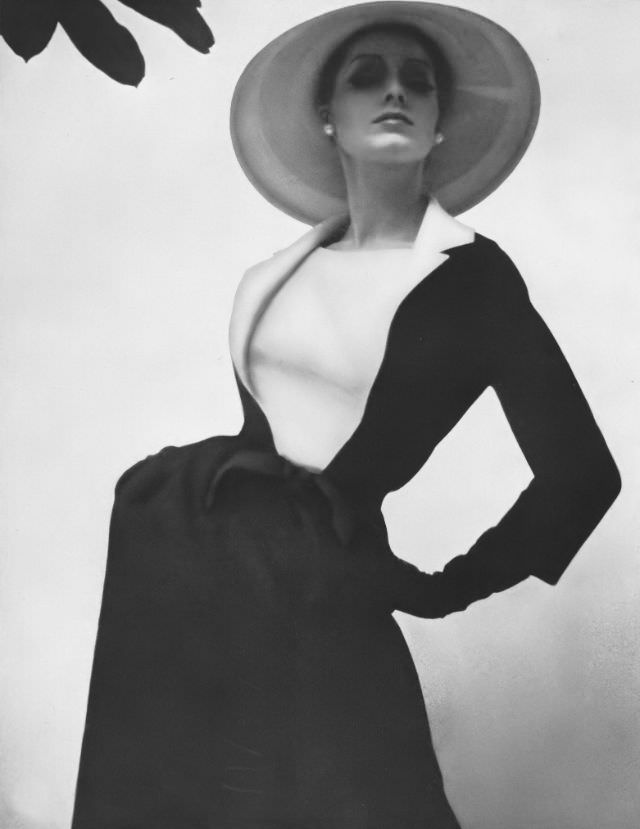
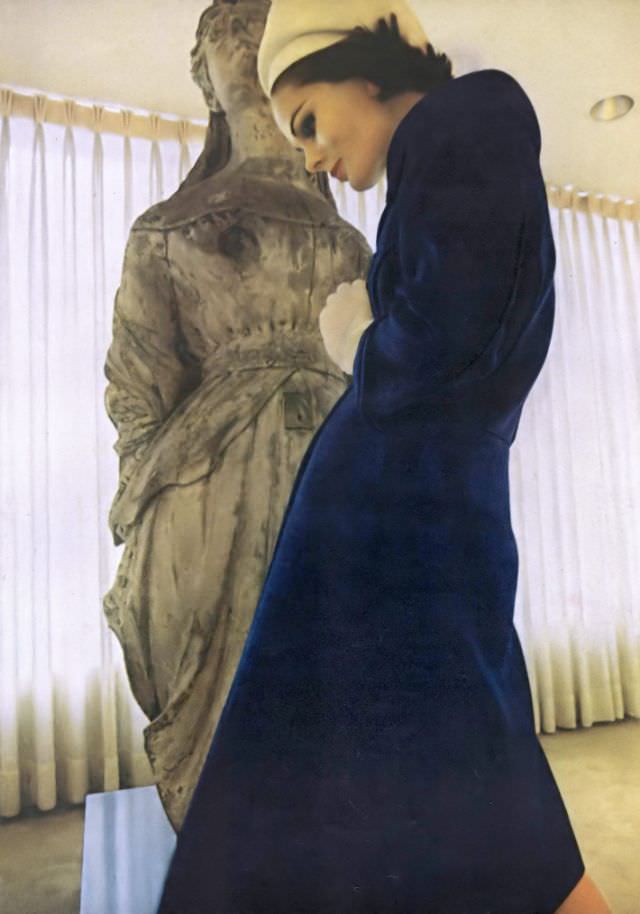
Davidson also photographed Nena von Schlebrugge and Wilhelmina — two of the decade’s most recognized models — capturing them with the same understated directness that defined all of his work.
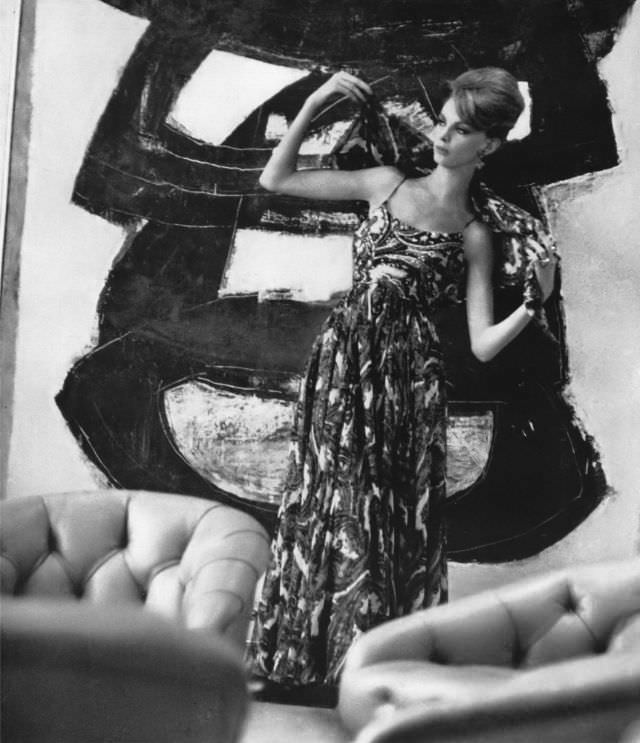
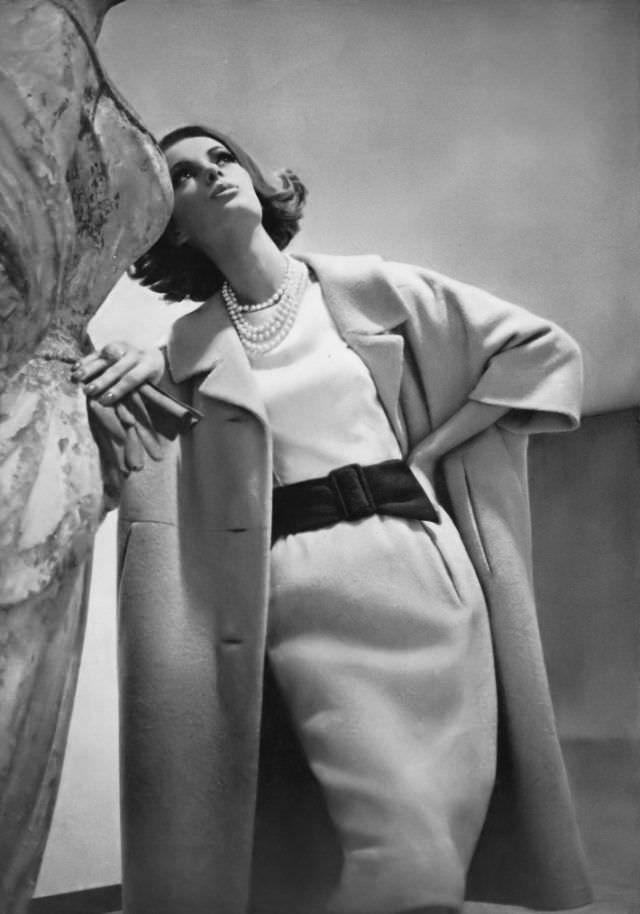
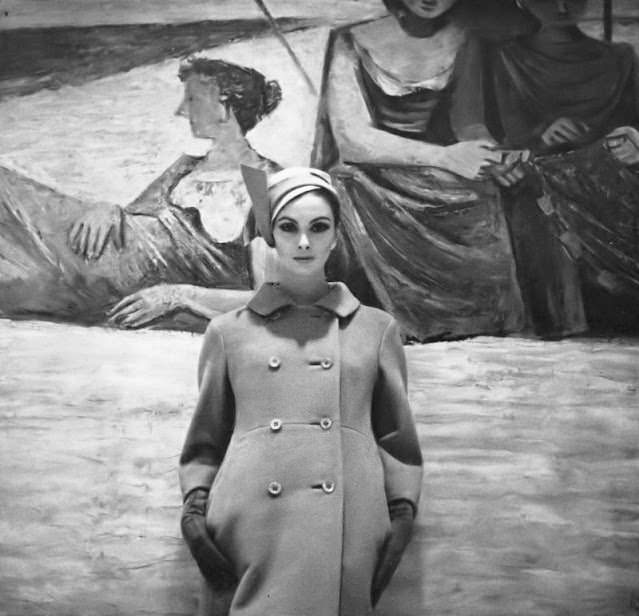
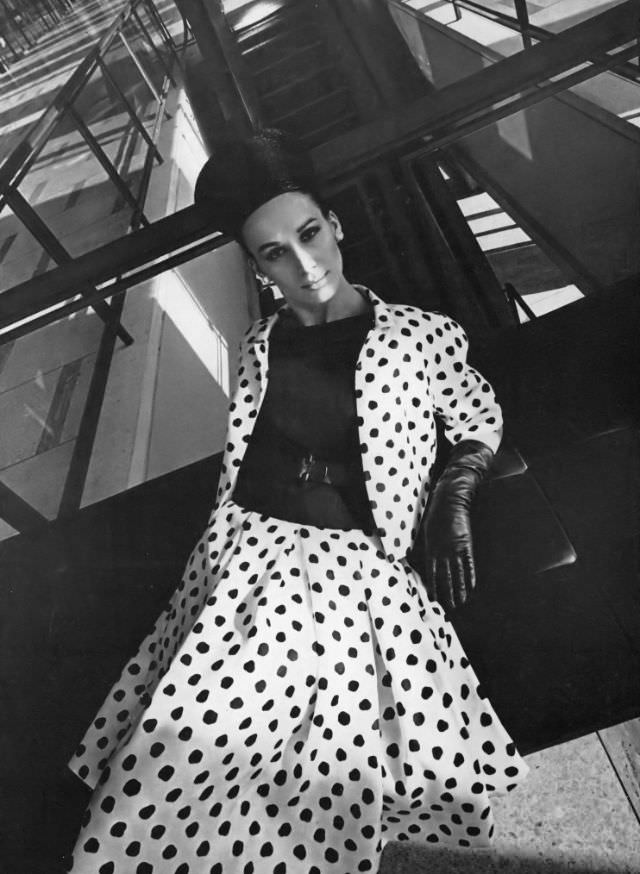
In 1963, Davidson moved his lens to Lincoln Center, then newly opened, shooting Brigitte Bauer and Wilhelmina against its modernist architecture. The pairing of contemporary design — both in fashion and in building — gave the images a sharp sense of that exact moment in time.
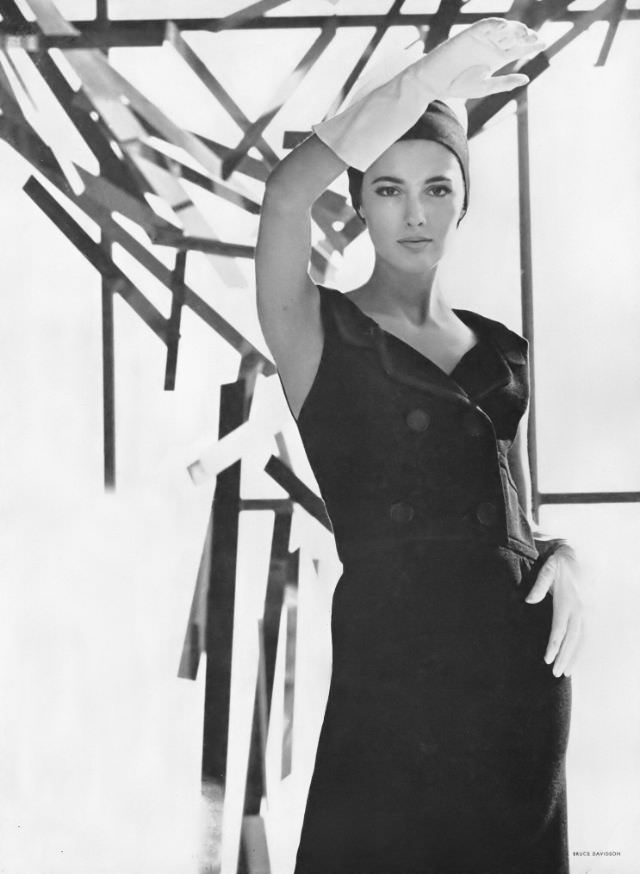
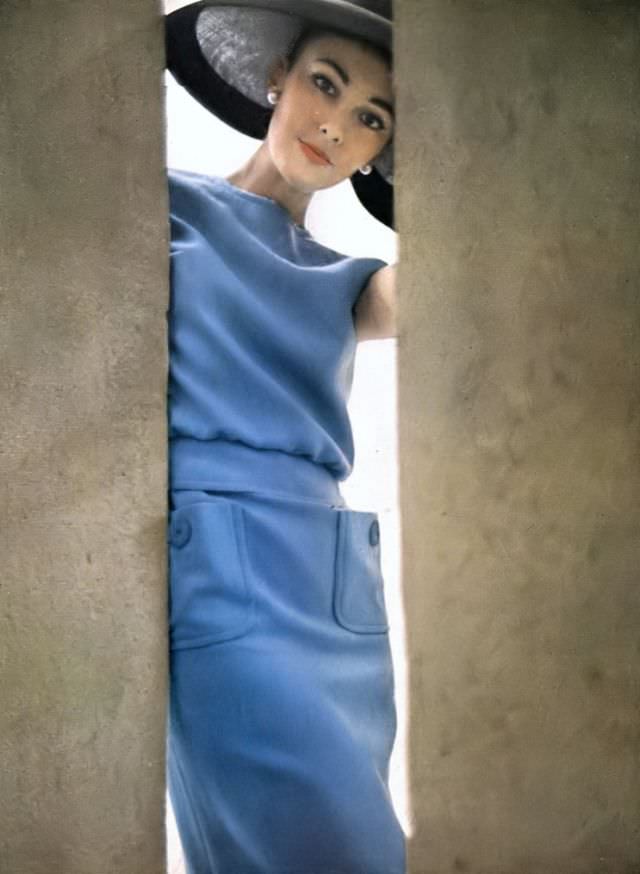
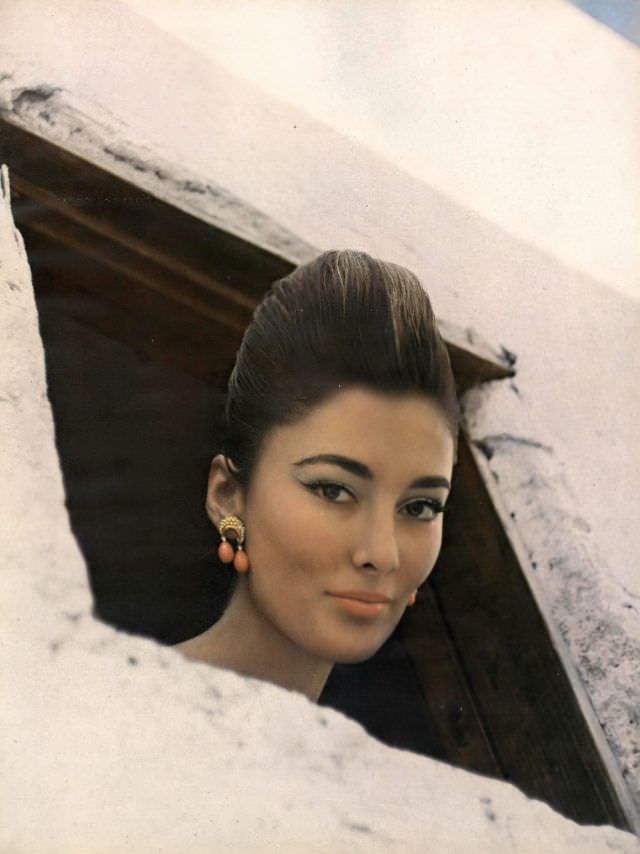
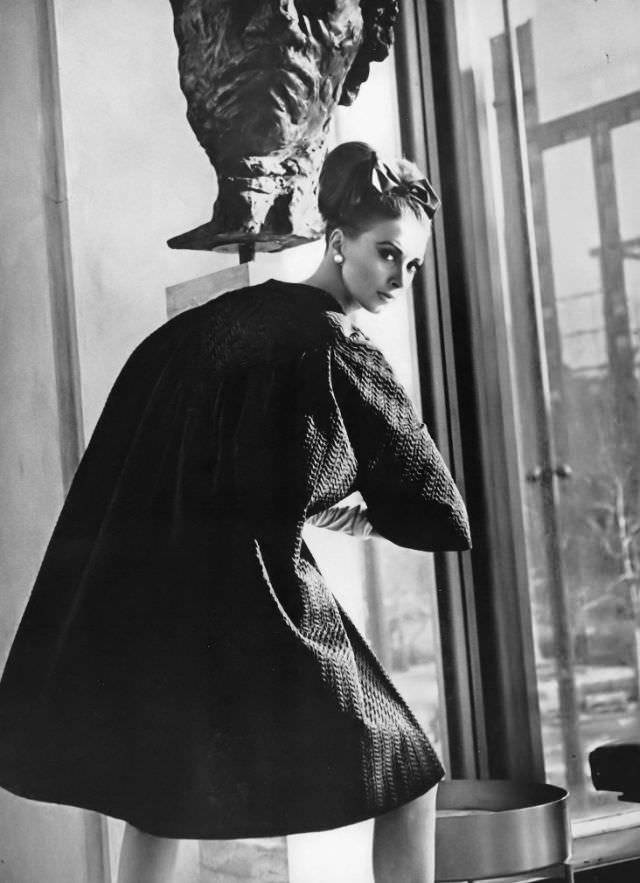
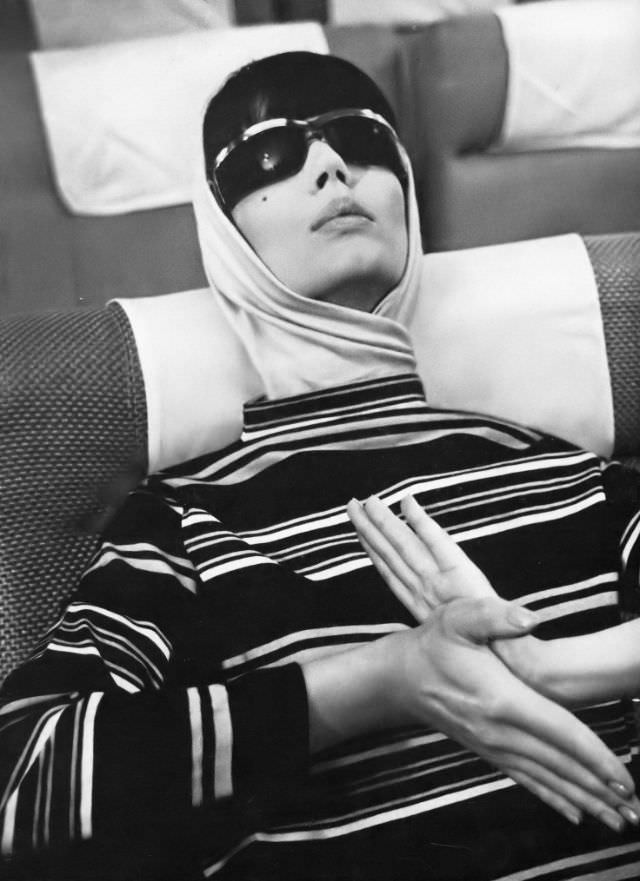
By 1964, Davidson was stepping back from fashion work to return to his long-form documentary projects. His final fashion images, including a relaxed portrait of Simone d’Aillencourt in a striped T-shirt, carried the same ease and candor as his very first.