By the early 1950s, Britain was slowly crawling out of the wreckage left by World War II. Rationing was still in place for some goods, bombed streets were a common sight in cities like London, and a whole generation of parents had lived through years of fear, loss, and hardship. Those parents had one clear wish for their children: a better life. What followed was a decade of rapid change that gave British young people something their parents never had — the freedom and the money to define their own identity.
The early 1950s saw young men and women carving out spaces for themselves in London’s bars, cafés, and street corners. They dressed sharply, moved in tight social circles, and made clear they were a new kind of Briton. The city became a stage for a generation that wanted to be seen.
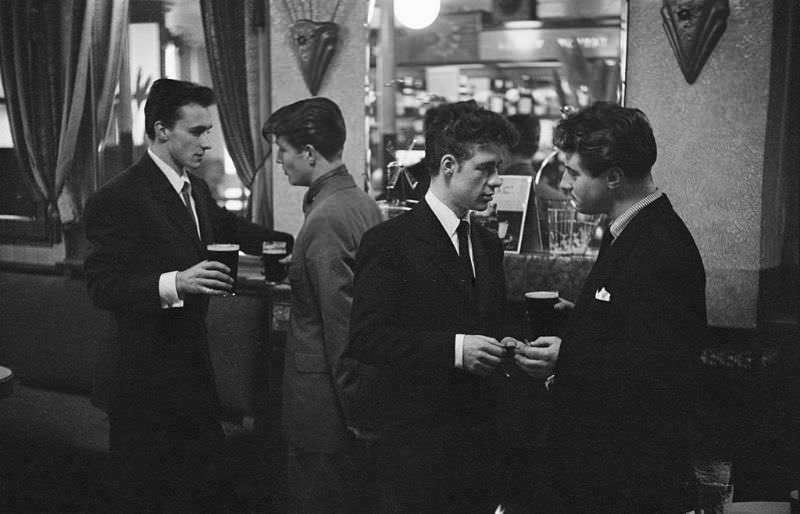
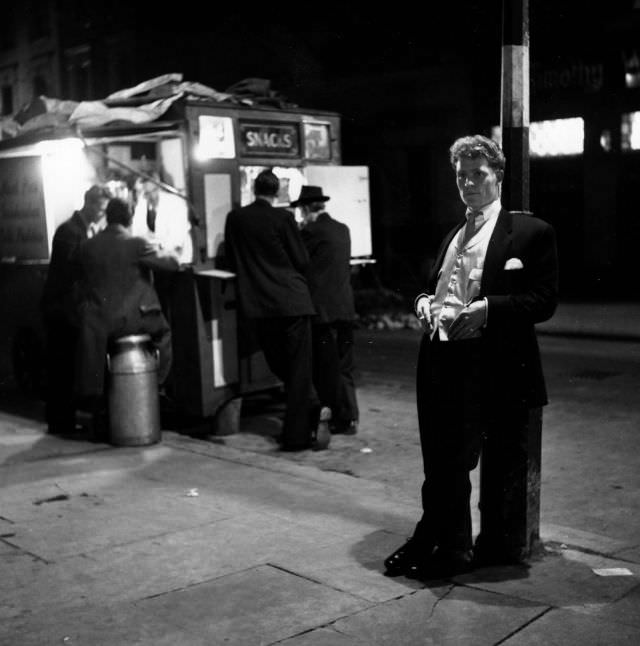
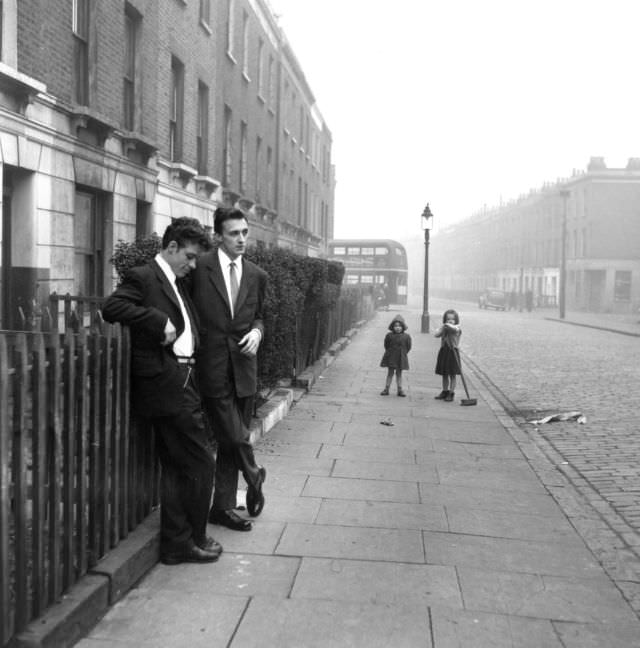
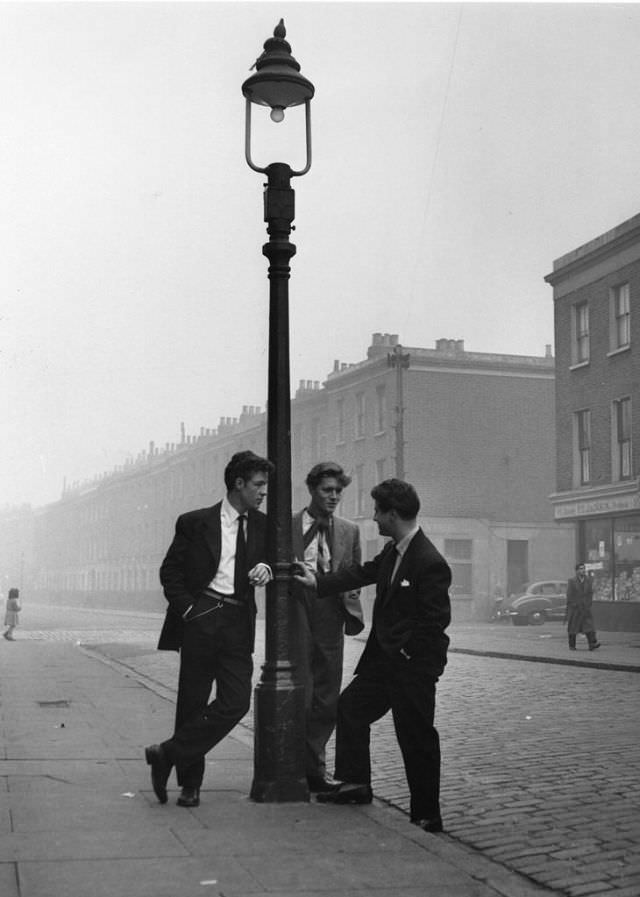
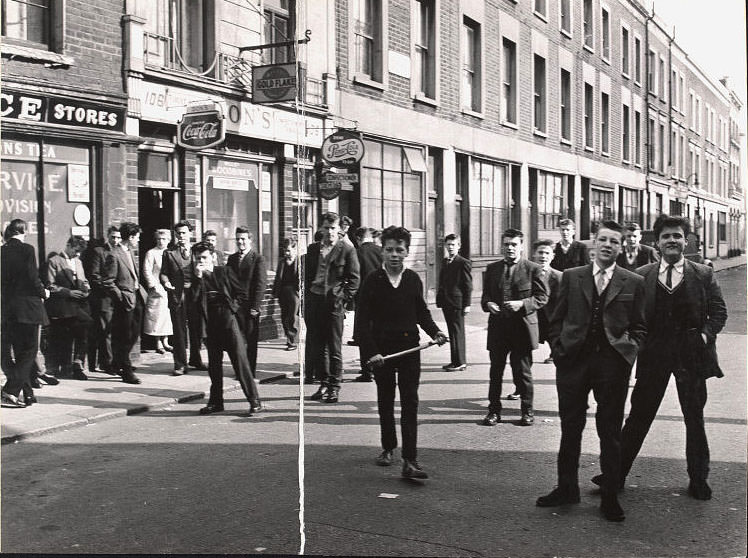
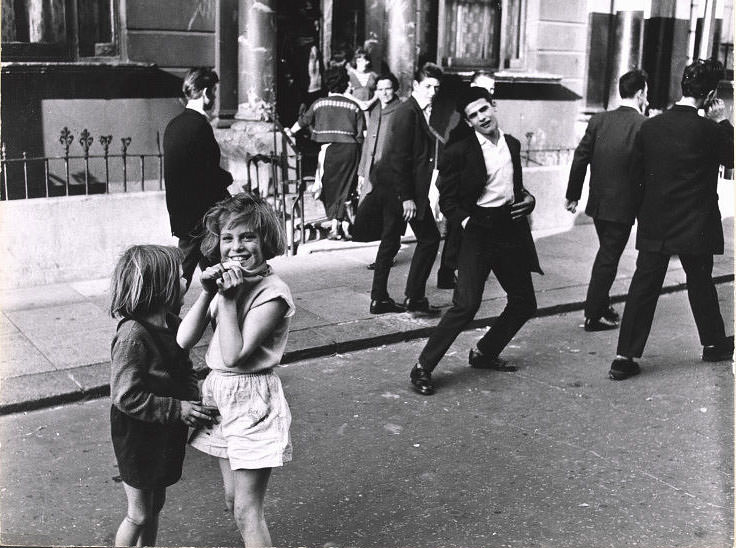
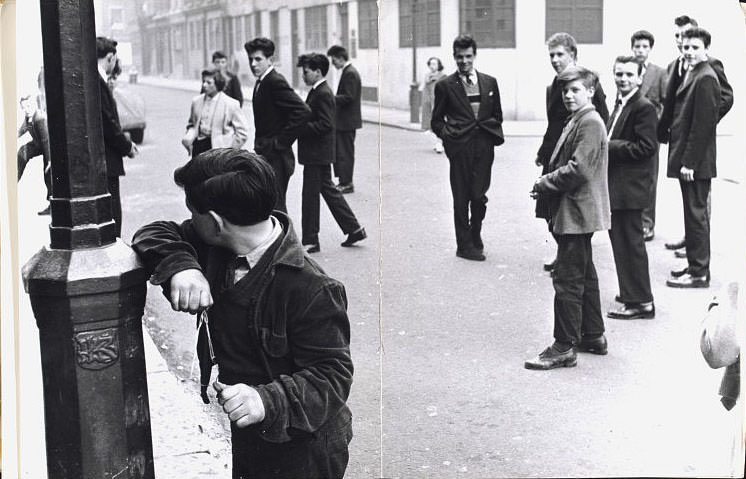
Street culture was a defining feature of early 1950s youth life. Young men gathered outside coffee stalls, on corners, and in doorways — places that cost nothing to occupy but served as the social hubs of working-class city neighborhoods.
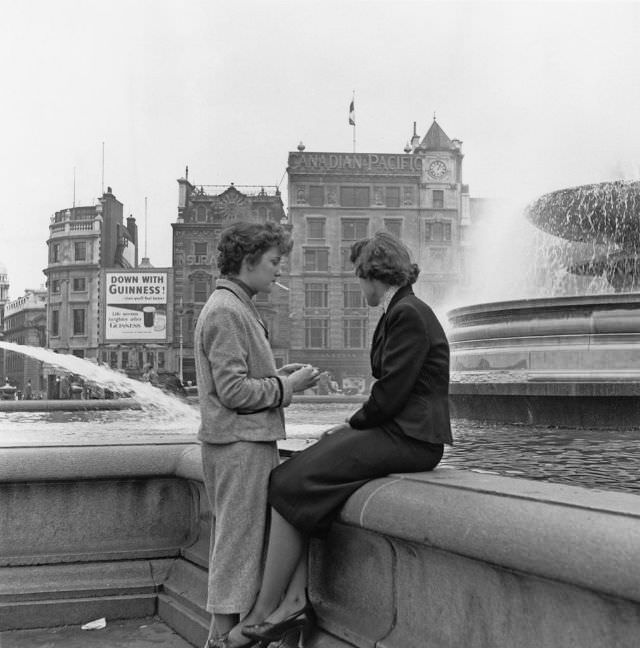
Young women were equally visible in public life. Trafalgar Square, with its fountains and open space, was a popular meeting point in central London — a place to see and be seen in the heart of the capital.
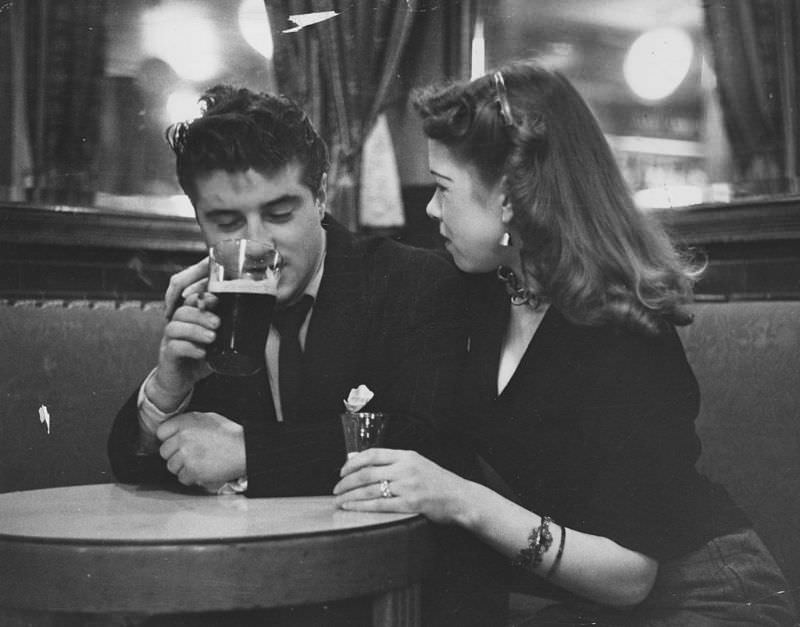
The British pub had long been a social institution, but by the mid-1950s it was increasingly a space for younger couples as well. Dating culture was shifting — young people were spending leisure time together more openly than any previous generation.
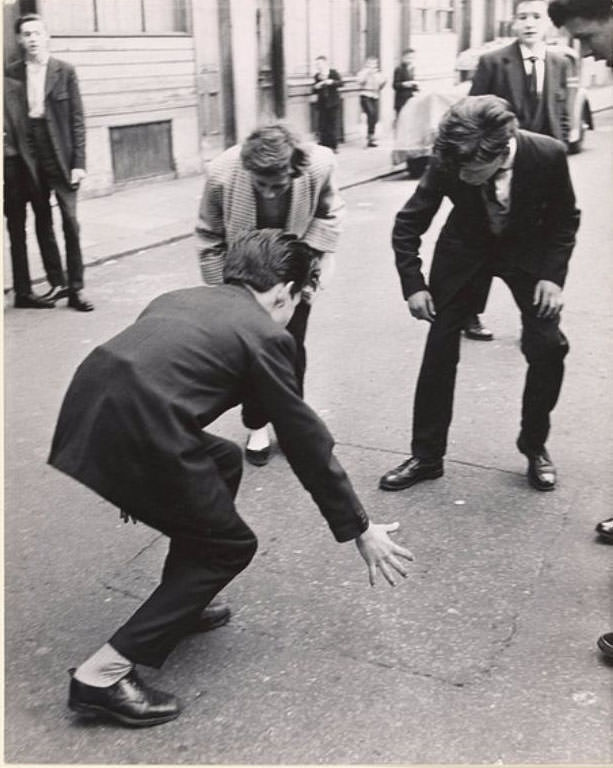
Card games, dice, and informal gambling were common pastimes for young people who had limited entertainment options but plenty of time on their hands. These gatherings were as much about socializing as they were about the games themselves.
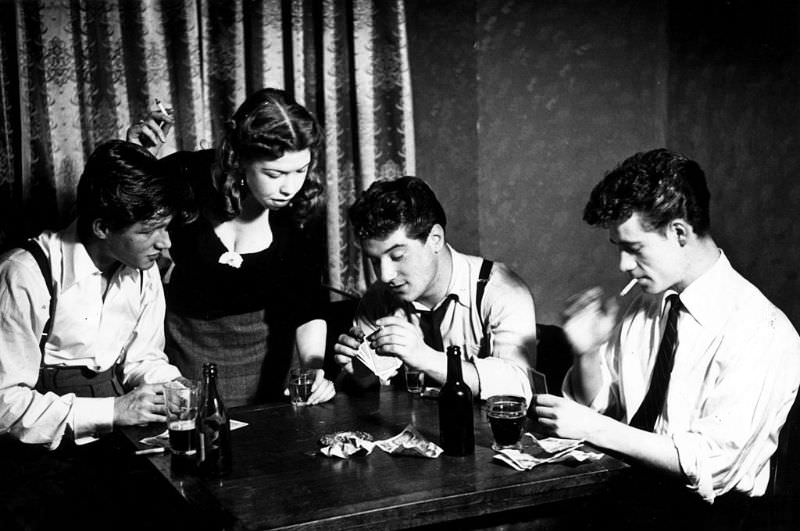
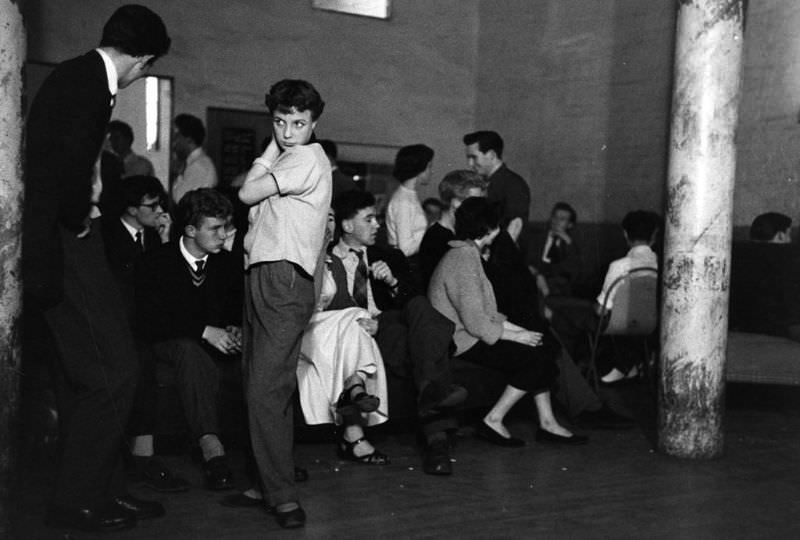
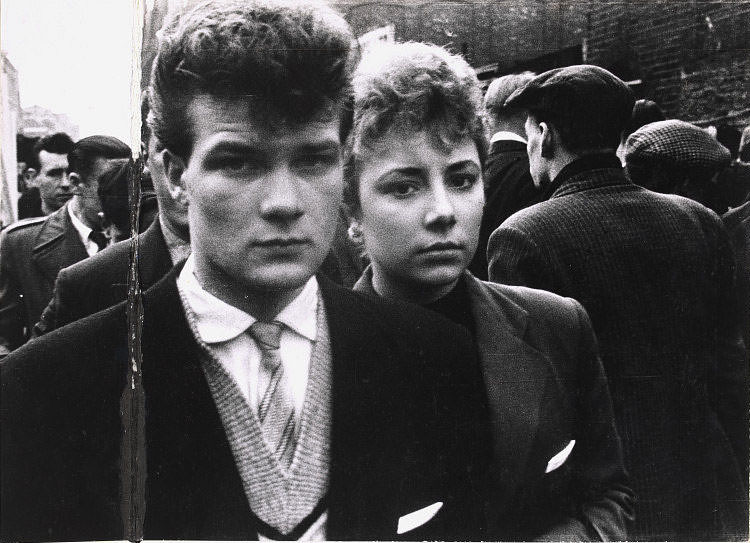
One of the most iconic youth subcultures of the era was the Teddy Boys. They took their name from the Edwardian-style drape jackets they wore — long, tailored coats paired with drainpipe trousers, thick-soled shoes, and heavily styled hair. The look was deliberate and defiant. Dance halls were their territory, and rock ‘n’ roll was their soundtrack.
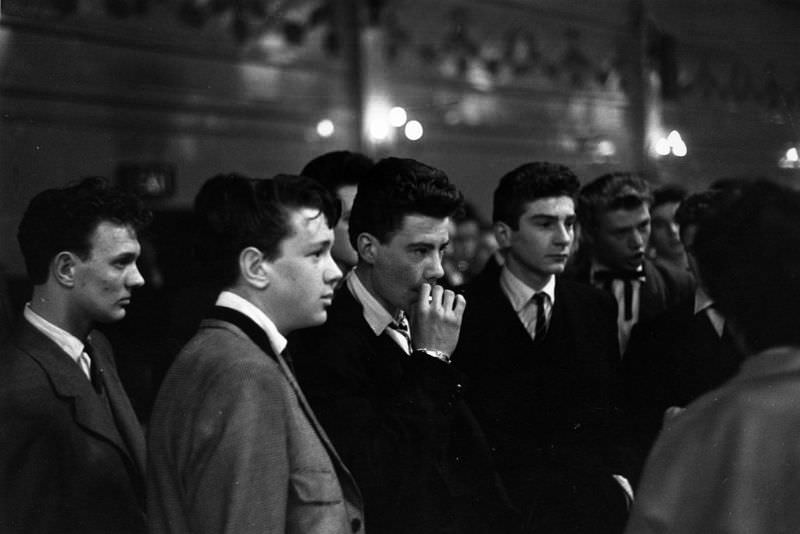
Another group that defined the era’s street culture was the ‘spivs’ — sharp-dressing young men often associated with petty crime, black market dealings, and a general disregard for authority. They were a product of post-war scarcity, operating on the edges of a society still struggling to rebuild.
Jazz clubs offered a different kind of refuge. Dimly lit and alive with music, they attracted young people drawn to American sounds that felt rebellious and sophisticated at the same time. Jazz had crossed the Atlantic and found a passionate audience in Britain’s cities.
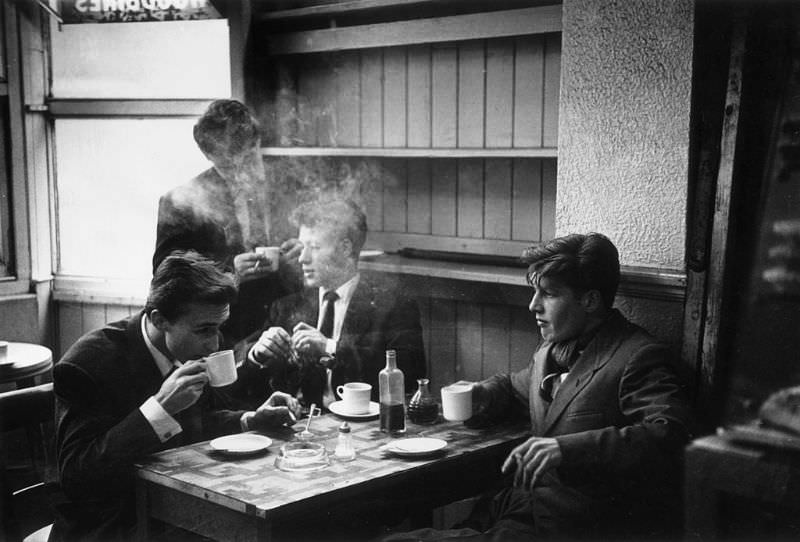
The Notting Hill Gate area of London was a particular hub for spiv culture in the mid-1950s. Local cafés served as informal meeting places where groups would spend hours talking, loitering, and watching the world go by.
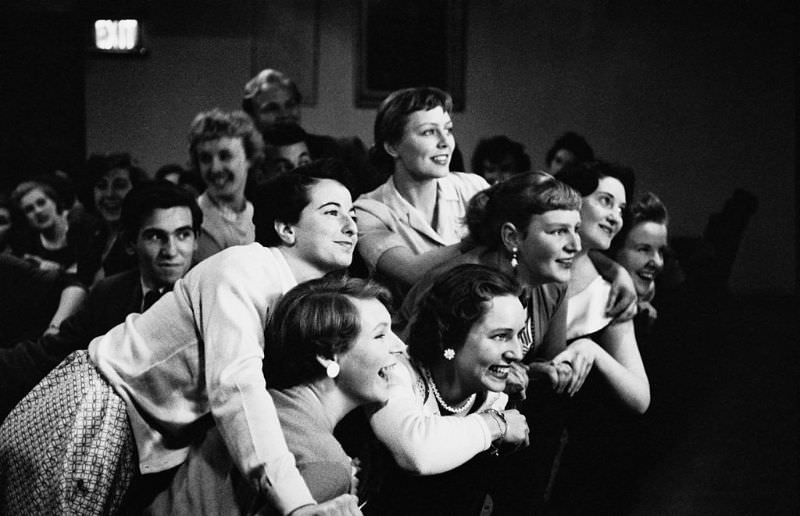
Not all youth gatherings were about rebellion. Ceremonies, community events, and formal occasions still drew teenagers together in more structured settings — a reminder that British youth culture in the 1950s wasn’t uniformly anti-establishment.
Cafés were central to youth life in London. They offered warmth, cheap food, and a place to sit for hours without spending much. For many working-class young people, the local café was as important as any club or pub.
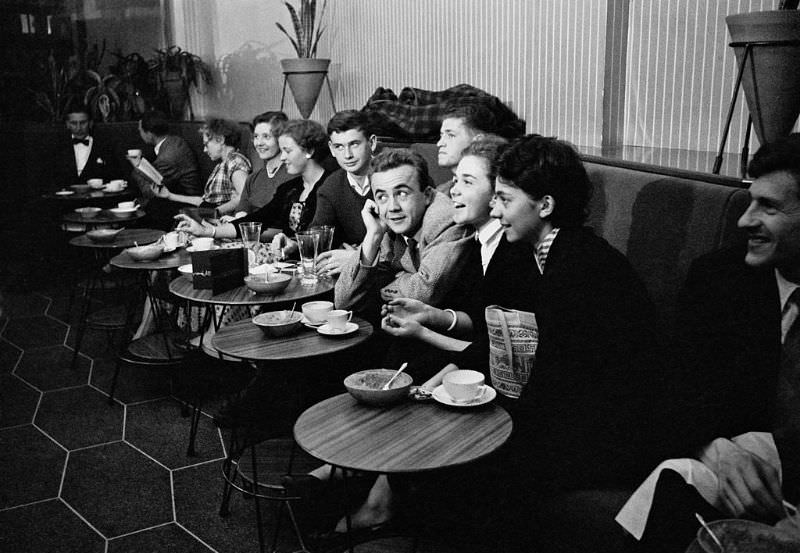
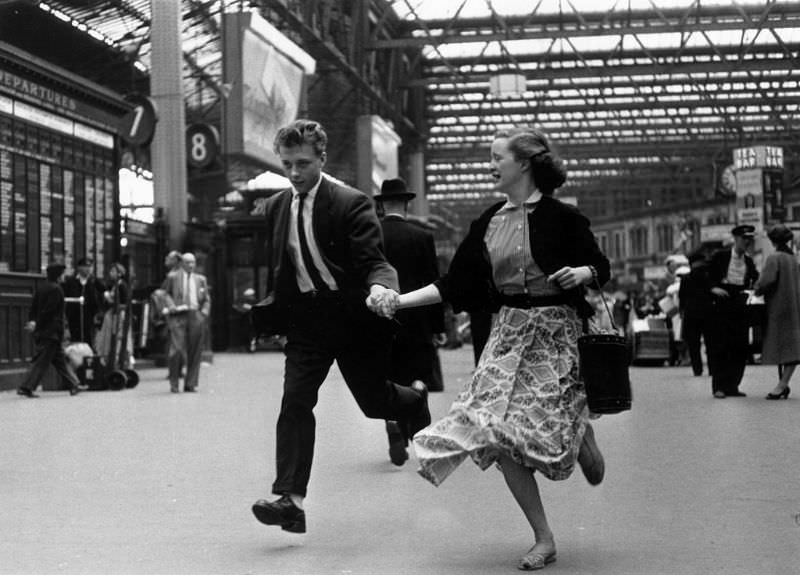
Work was still a significant part of daily life for young Britons in the 1950s. Many left school in their mid-teens and went straight into employment. Train stations like Waterloo were daily fixtures for young workers navigating the city.
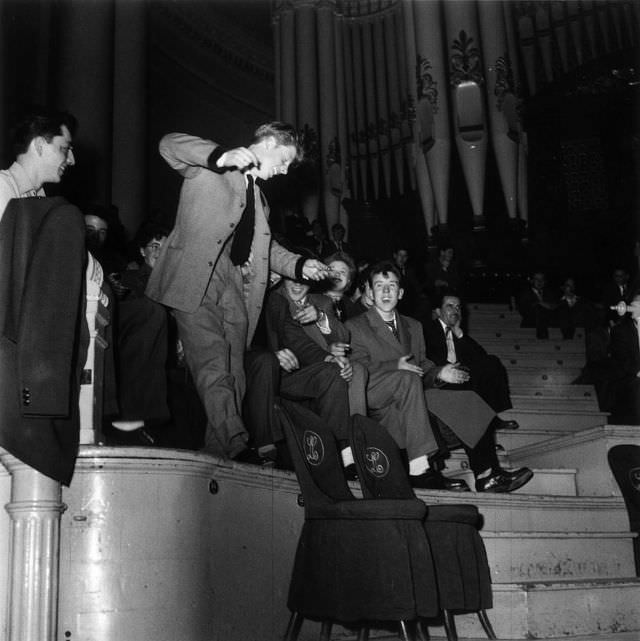
The Teddy Boy scene spread well beyond London. In cities like Leeds, Teddy boys turned up at jazz and gospel concerts, bringing their signature style and energy. Jiving — an energetic partner dance — was a key part of the culture, blending American influence with British working-class identity.
Rock ‘n’ roll arrived in Britain like a shockwave. By 1956, teenagers in cities like Manchester were dancing to it in halls and clubs. The music was loud, fast, and physically demanding — exactly what young people wanted after years of post-war austerity.
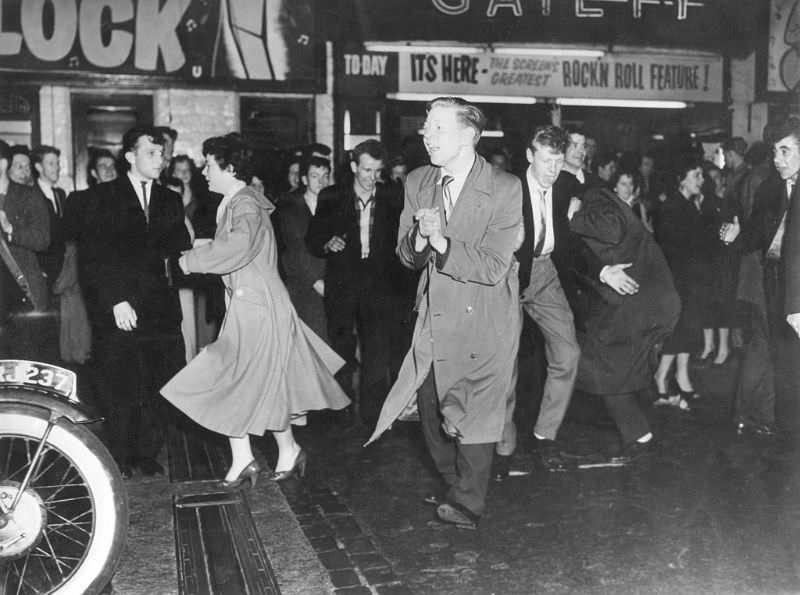
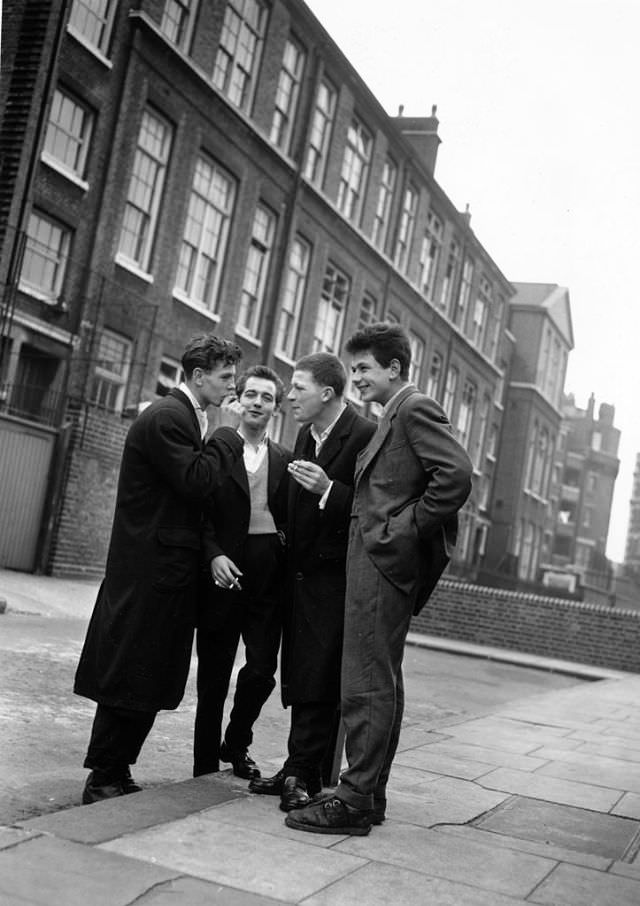
Dance halls were the beating heart of teenage social life in provincial England. In towns like Rochdale, venues like the Cotton Dance Hall gave young people a dedicated space to dance, meet, and exist entirely outside the world of their parents.
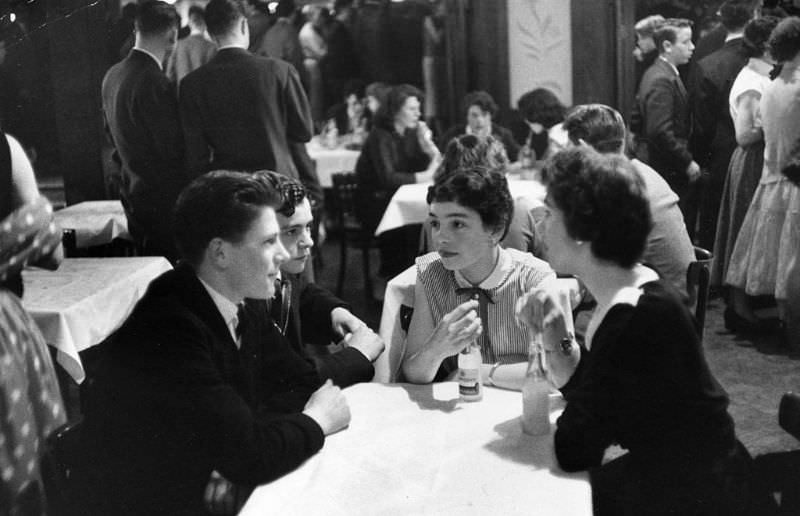
Not every young person in 1950s Britain was dancing the night away. Unemployment was a real and visible problem, particularly in northern cities like Liverpool. Teenagers who couldn’t find work spent long stretches of idle time on street corners — a stark contrast to the glamour of the dance hall scene.
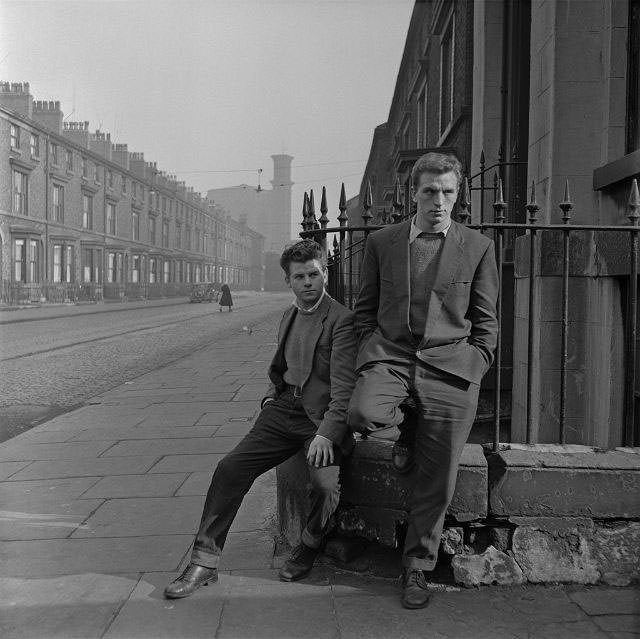
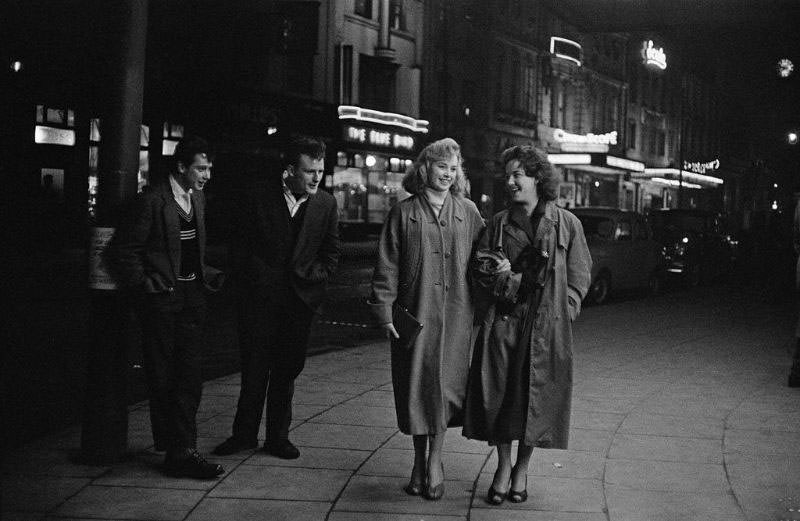
Teddy boys on Southam Street in west London became one of the most photographed subjects of 1950s youth culture. The street, located in North Kensington, was a working-class area that produced some of the era’s most iconic images of teenage life.
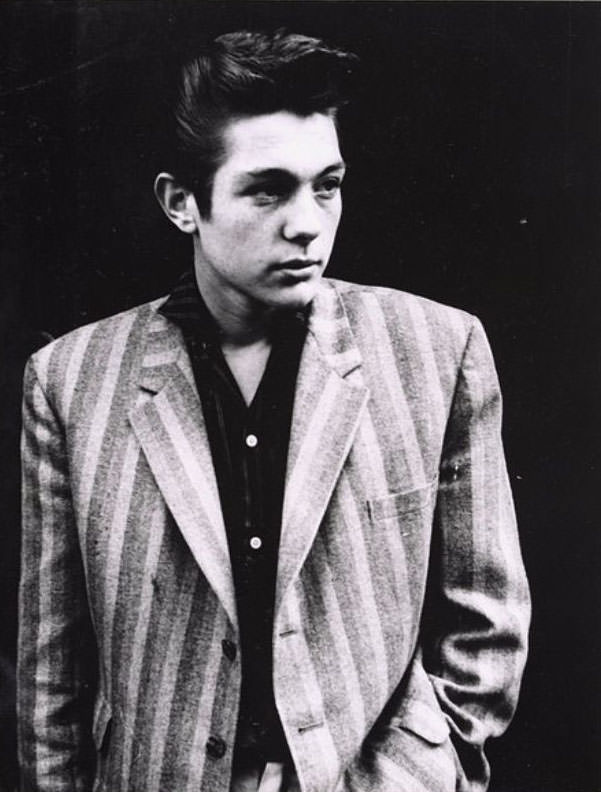
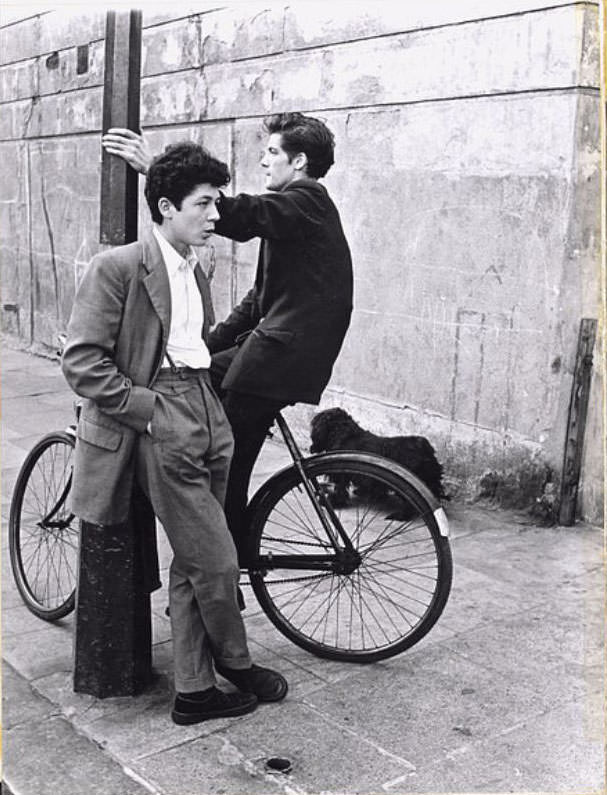
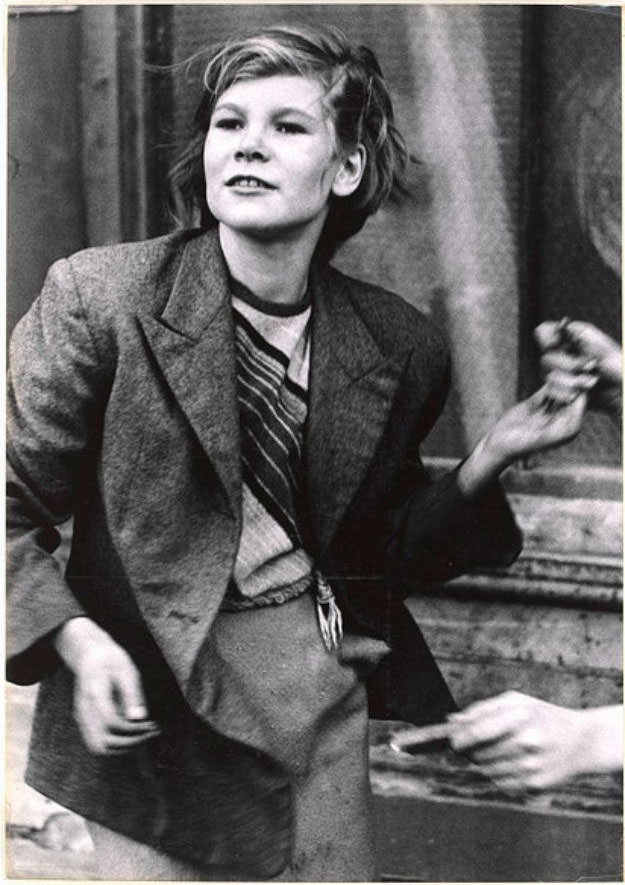
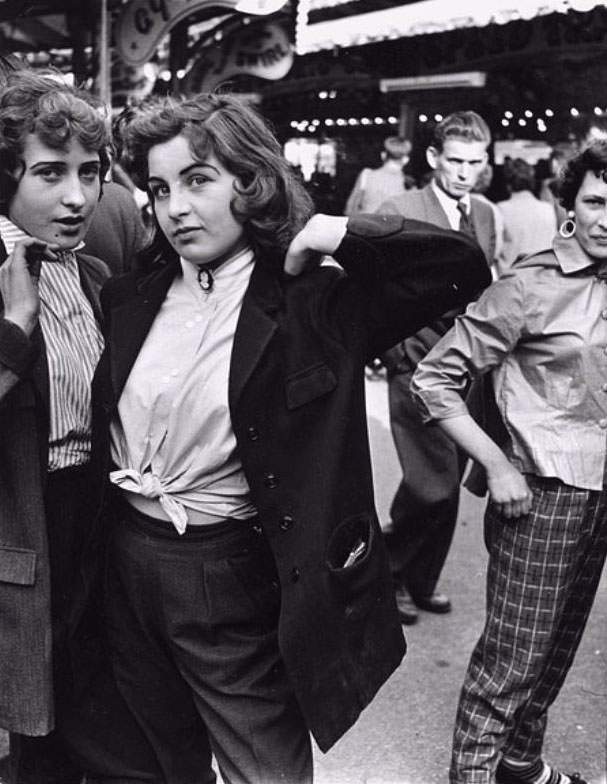
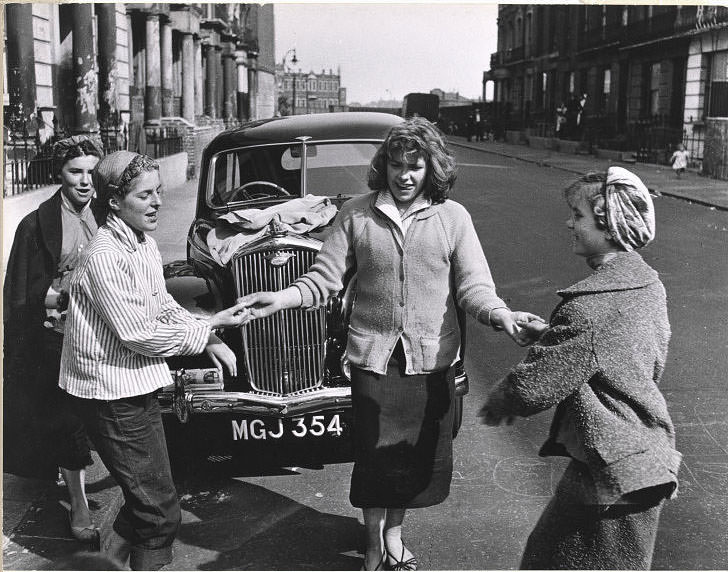
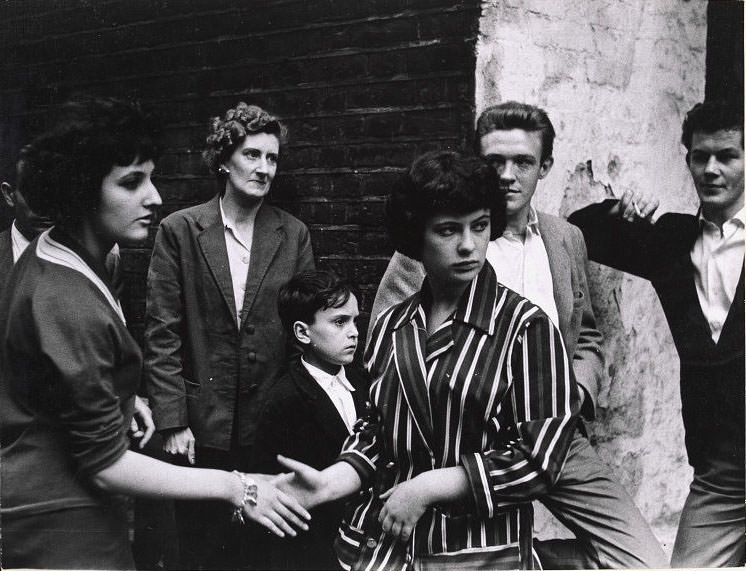
Teddy girls were the female counterpart to the Teddy boy movement, though they received far less attention from the press. They wore drape jackets, pencil skirts, flat shoes, and cameo brooches — a style that mixed Edwardian tailoring with their own working-class twist. Fairgrounds like Battersea Fun Fair were popular hangouts.
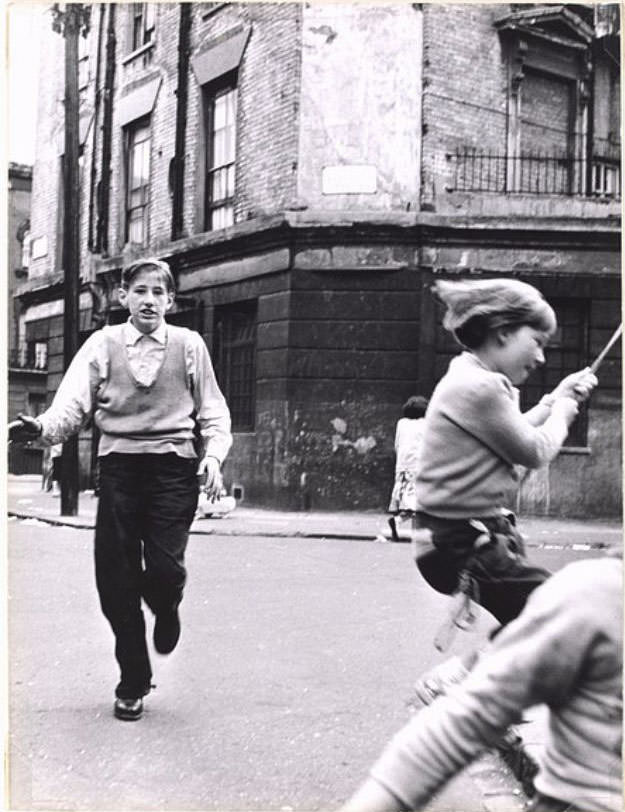
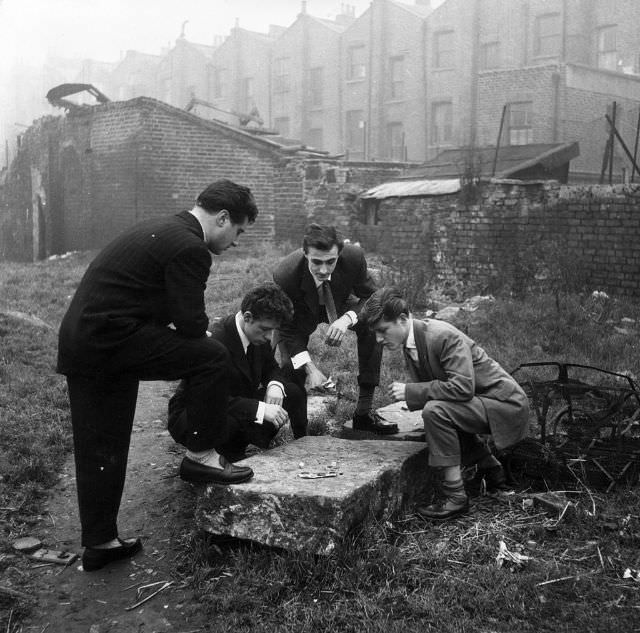
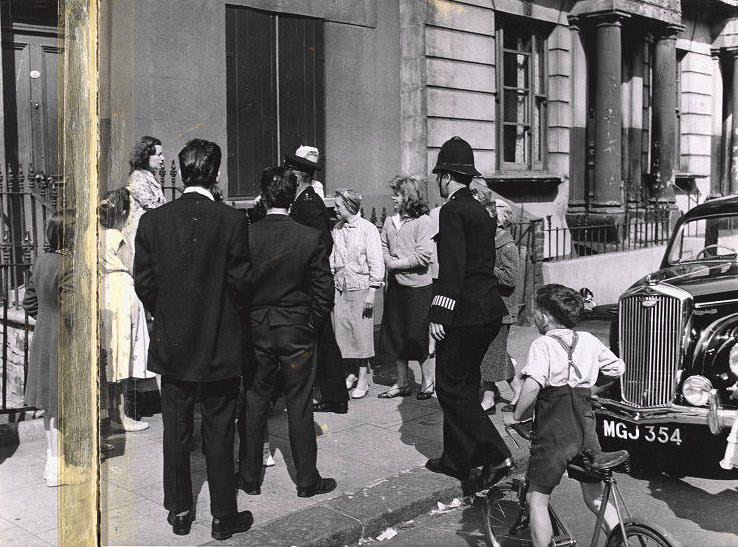
Street gambling was another common feature of working-class youth life in the 1950s. Boys shooting dice or playing cards in alleyways and on pavements drew occasional police attention, adding a low-level tension to daily life in neighborhoods like Princedale Road.
Soho in central London was a cultural crossroads — home to jazz clubs, coffee bars, and a bohemian street life that attracted young people from across the city. By the late 1950s, it had become the unofficial capital of British youth cool.
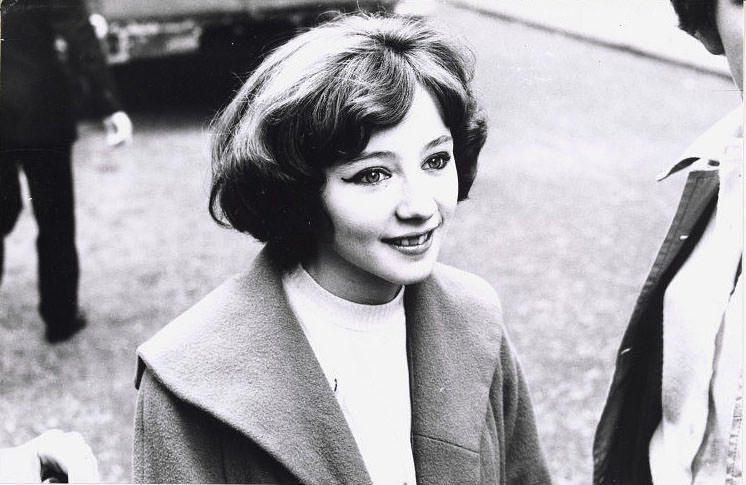
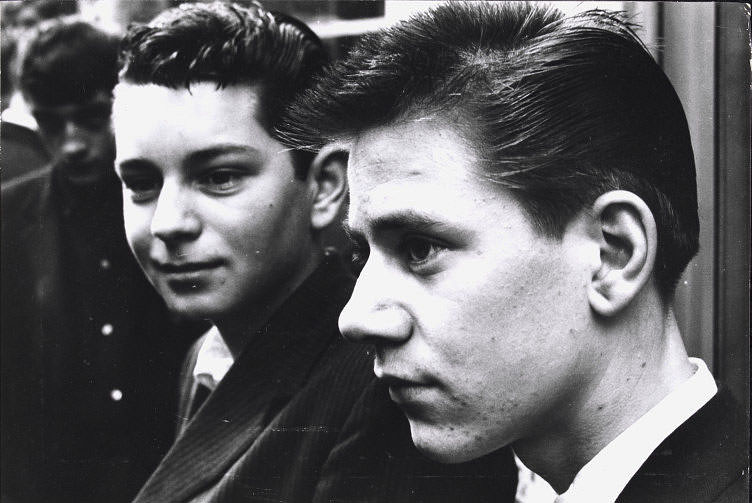
As the 1950s gave way to the 1960s, British youth culture exploded outward. Teenagers were forming bands, organizing events, and creating scenes in cities well beyond London. Sheffield’s Parkhill Estate hosted its own ‘Teenage Night’ — a sign that youth culture had become a nationwide force.
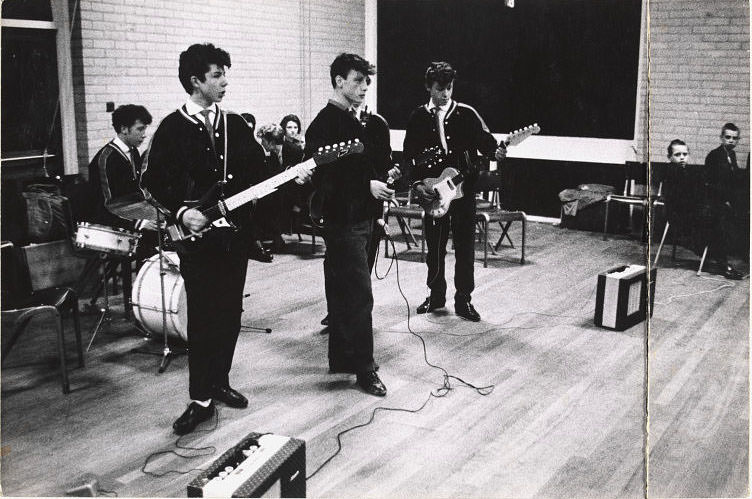
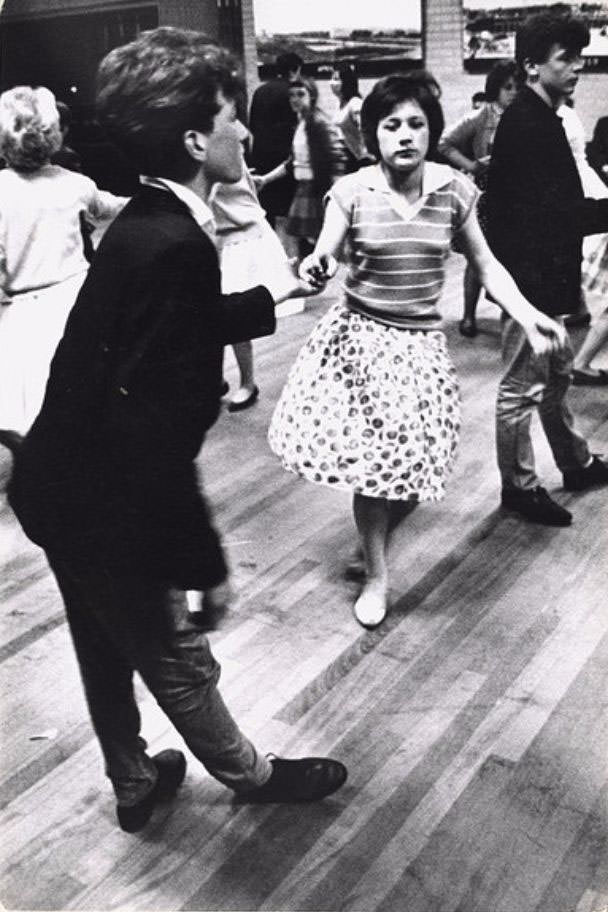
Fairs and outdoor events were essential to the social calendar of British teenagers in the early 1960s. Hampstead Heath Fair drew crowds from across London every year, offering a rare mix of cheap entertainment and open-air freedom.
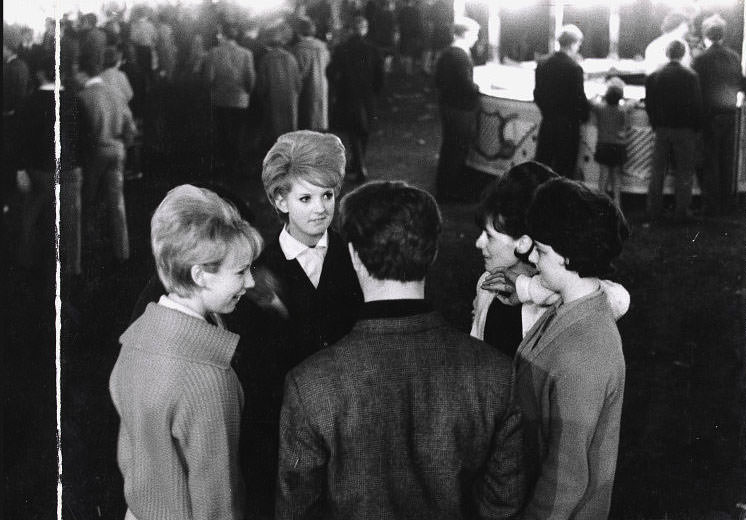
The Beaulieu Jazz Festival in Hampshire was one of the defining cultural events of the early 1960s. It drew young jazz fans from across the country and became notorious for its rowdy, passionate crowds. In 1960, the festival descended into riots — but by 1961, the atmosphere, though still charged, drew thousands of dedicated fans.
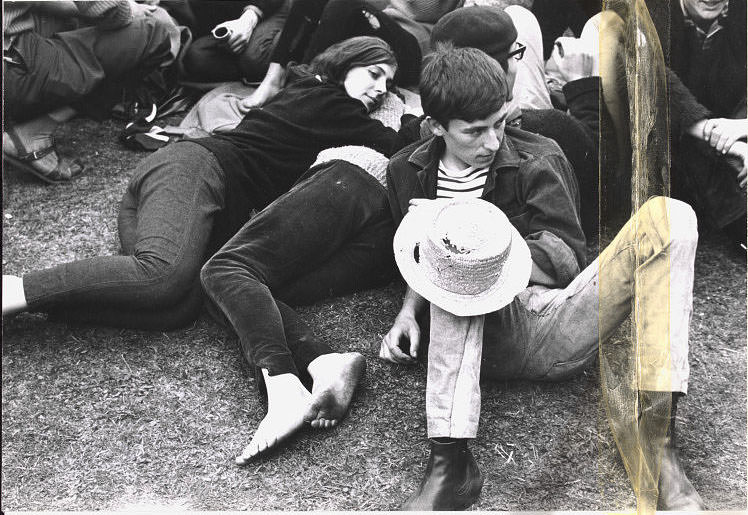
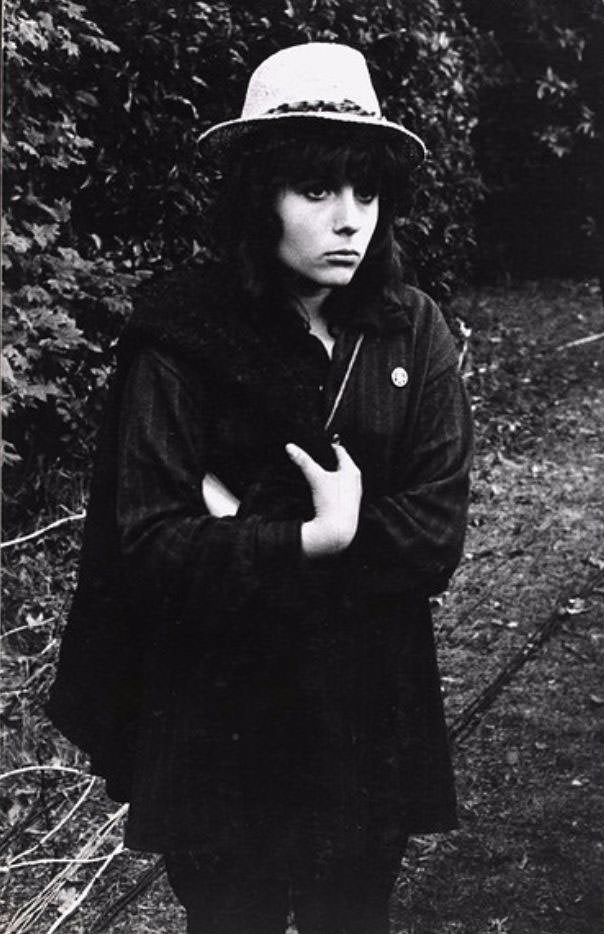
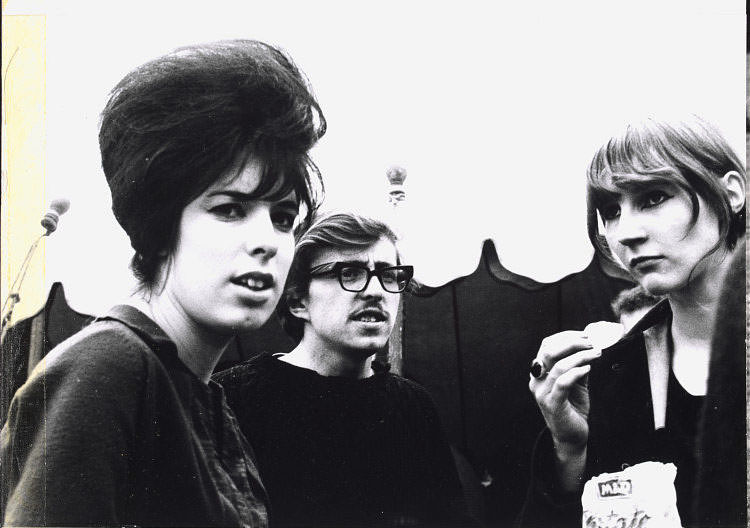
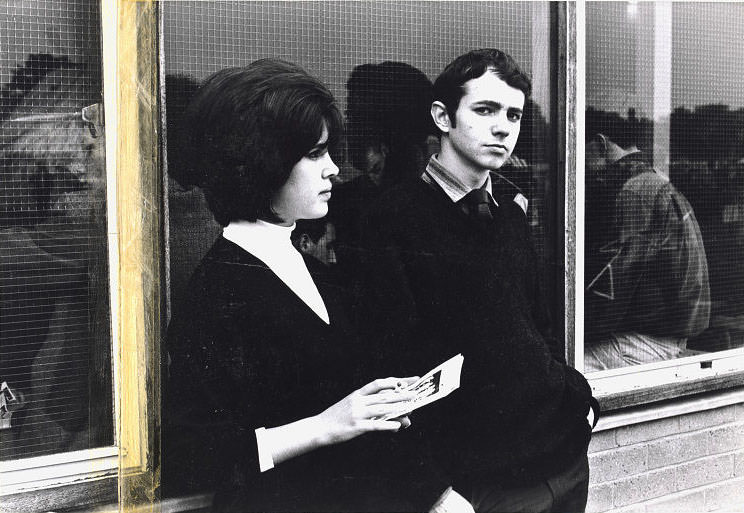
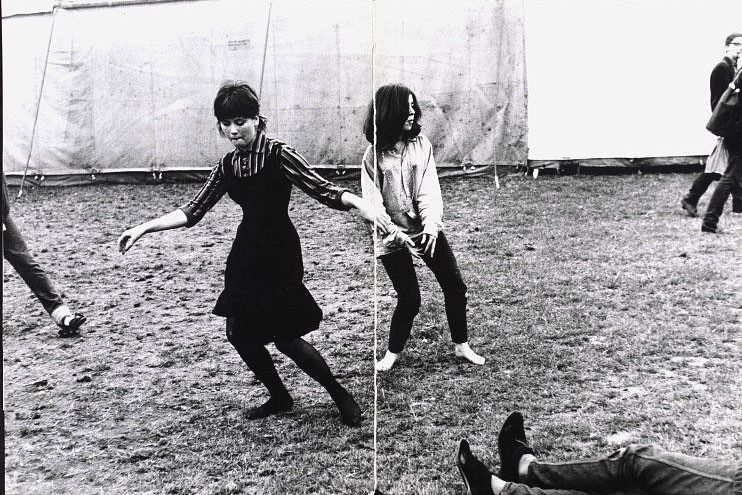
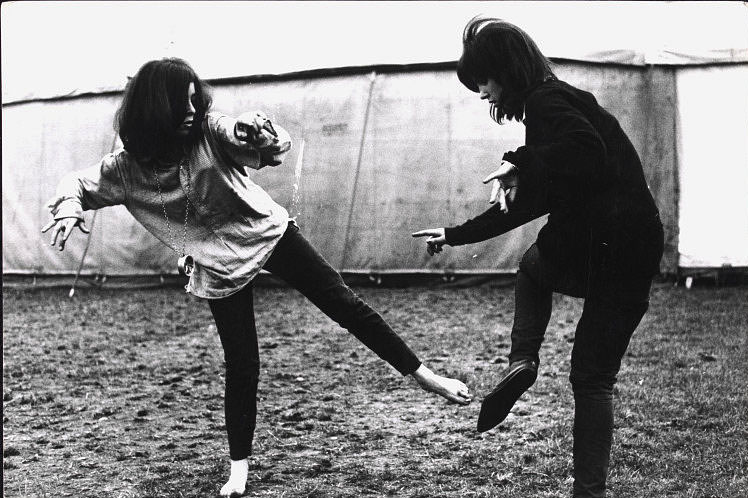
By 1962, the Richmond Jazz Festival had taken over as the premier outdoor music event for young Britons. Set along the Thames, it offered a more relaxed but equally vibrant atmosphere — and its audiences were becoming increasingly diverse in their musical tastes, laying the groundwork for the pop explosion that was about to arrive.
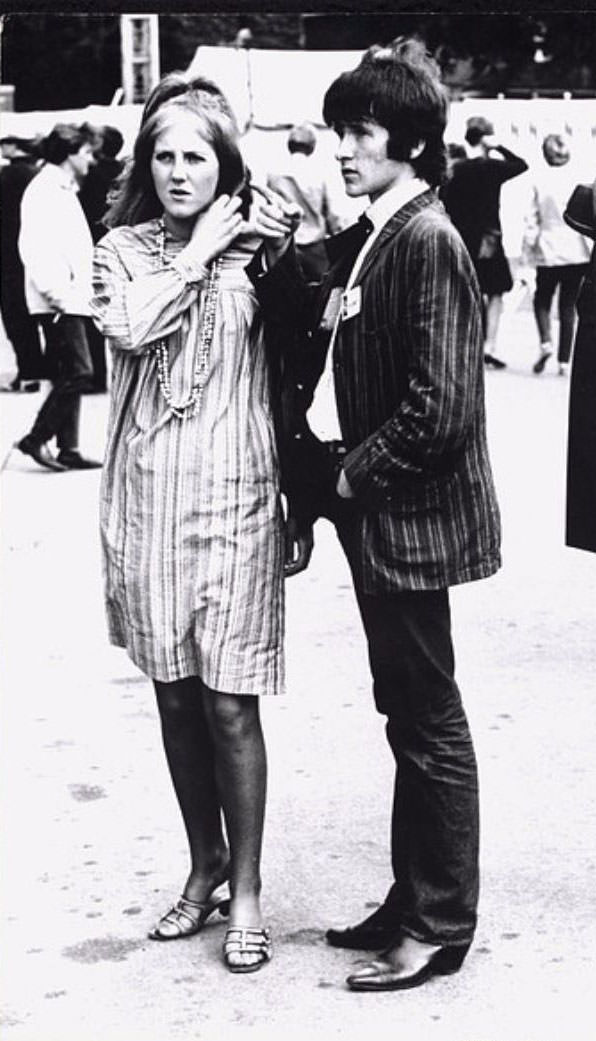
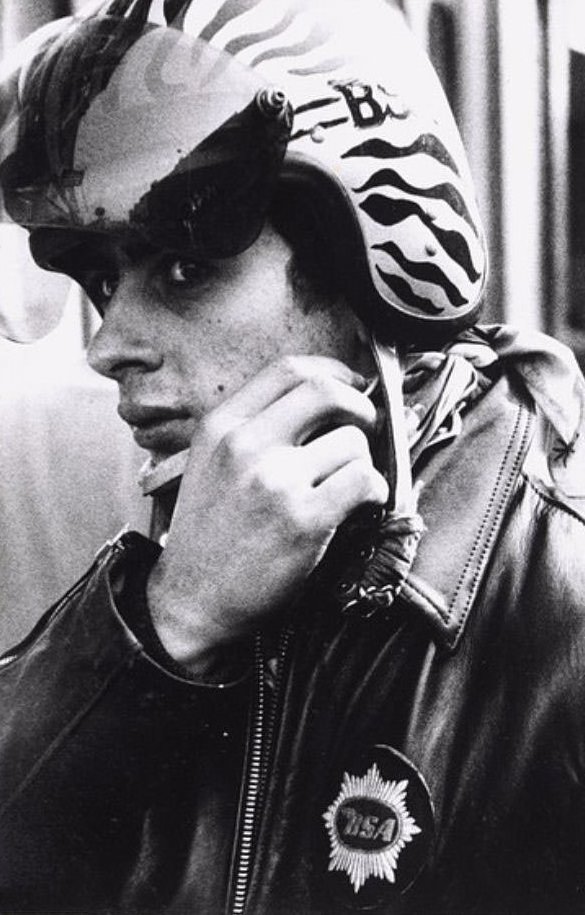
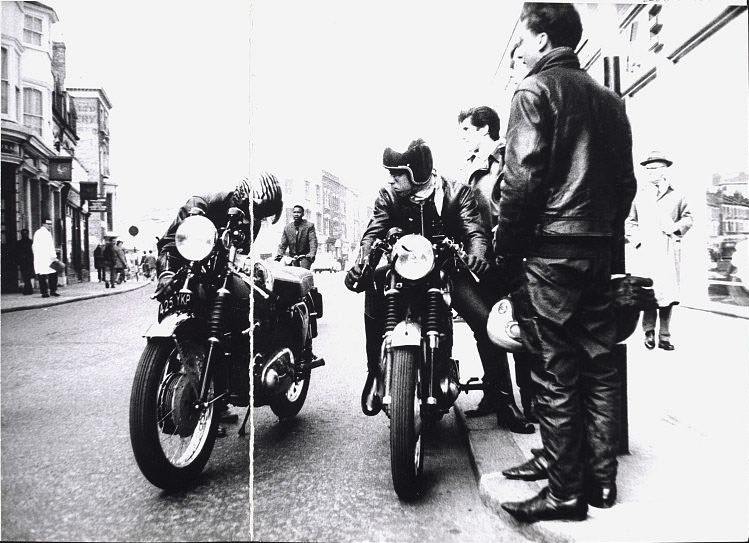
The early 1960s also saw the rise of the Rockers — a subculture built around motorcycles, leather jackets, and a devotion to early rock ‘n’ roll. In Brixton and other London neighborhoods, Rockers formed tight-knit groups that were as much about brotherhood as they were about music or style.