Zoologischer Garten Berlin opened on August 1, 1844, making it Germany’s first zoo. King Frederick William IV of Prussia donated the founding animals from the Tiergarten’s royal zoo and pheasantry. By 1913, the zoo had added a full aquarium, and a U-Bahn station opened nearby the same year, making it one of Berlin’s most accessible public attractions. At its peak before World War II, the zoo held thousands of animals and drew enormous crowds. What followed during the war years was one of the most devastating episodes in the history of any zoological institution in the world.
The first Allied bombing of the zoo area came on September 8, 1941. That strike was minor compared to what was coming. The worst destruction came on November 22 and 23, 1943. On the first day alone, 30% of the zoo’s animals were killed within just 15 minutes. Fires swept through enclosures. Explosions tore open buildings. The chaos was immediate and total.
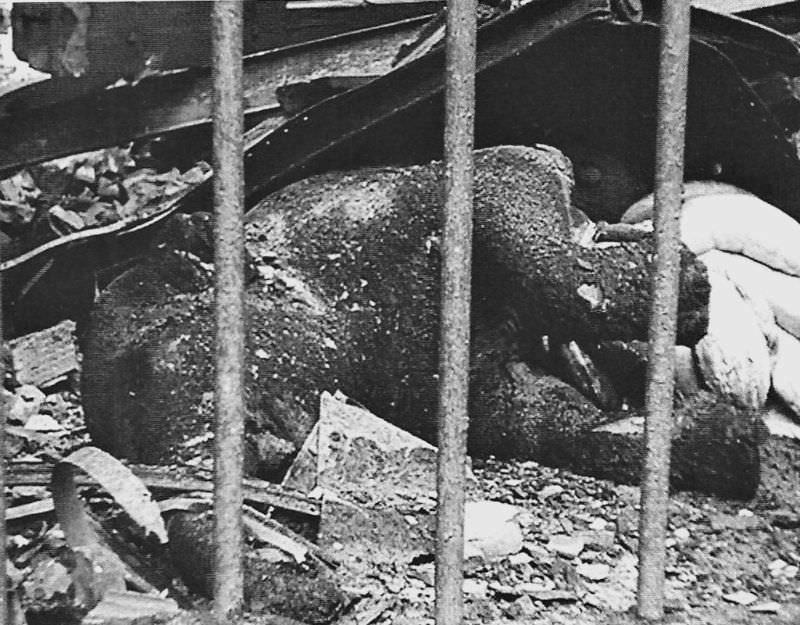
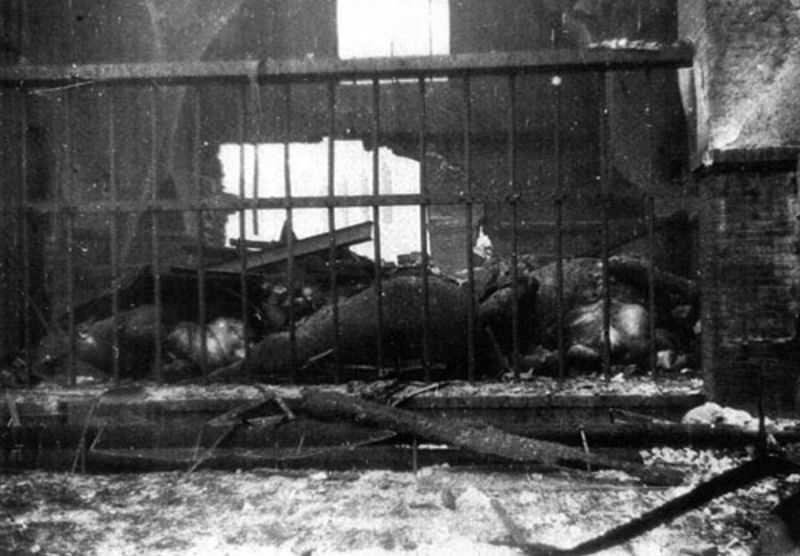
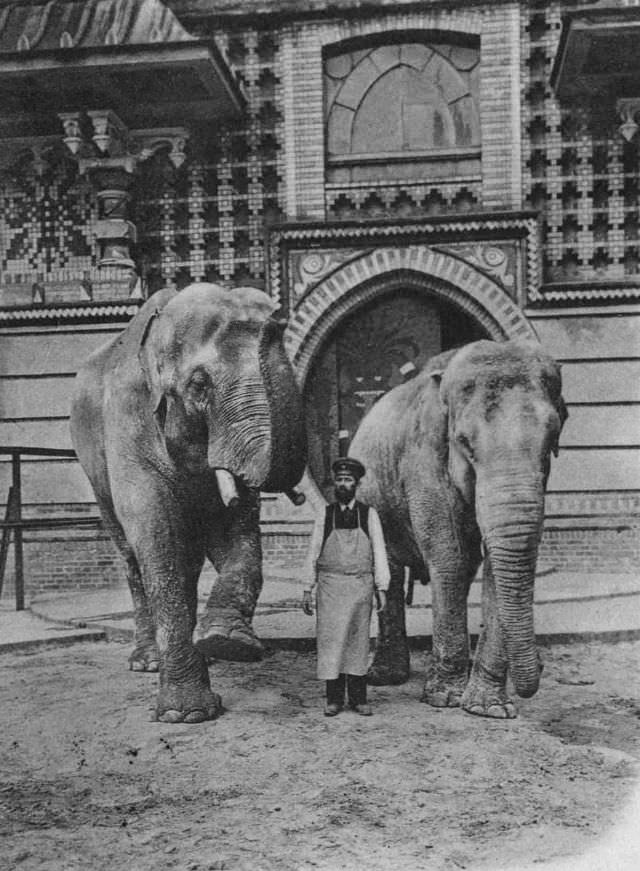
Seven of the zoo’s eight elephants died in the fires that consumed their house. The burns were severe and fatal. Only one elephant survived — a bull named Siam. The aquarium took a direct hit on the second day of the November raids, destroying the building entirely.
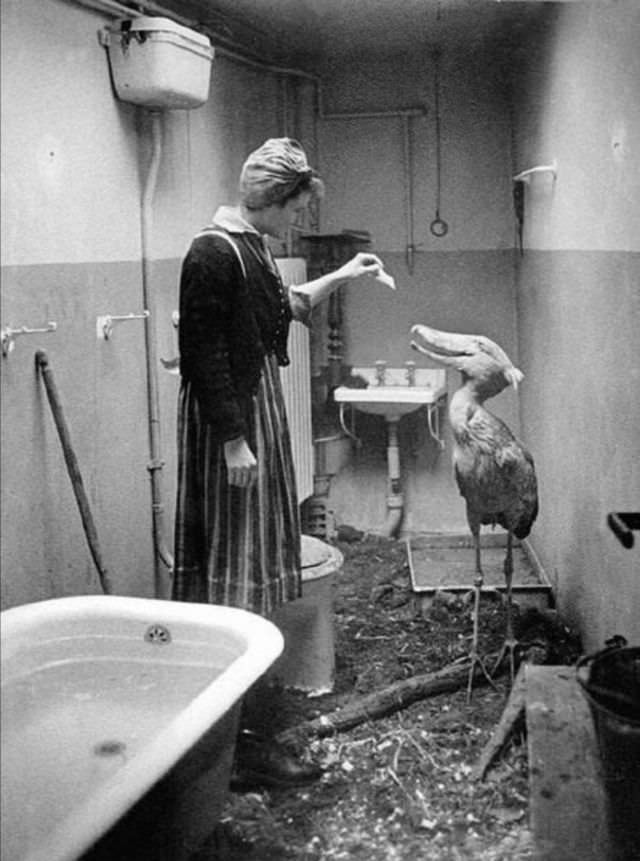
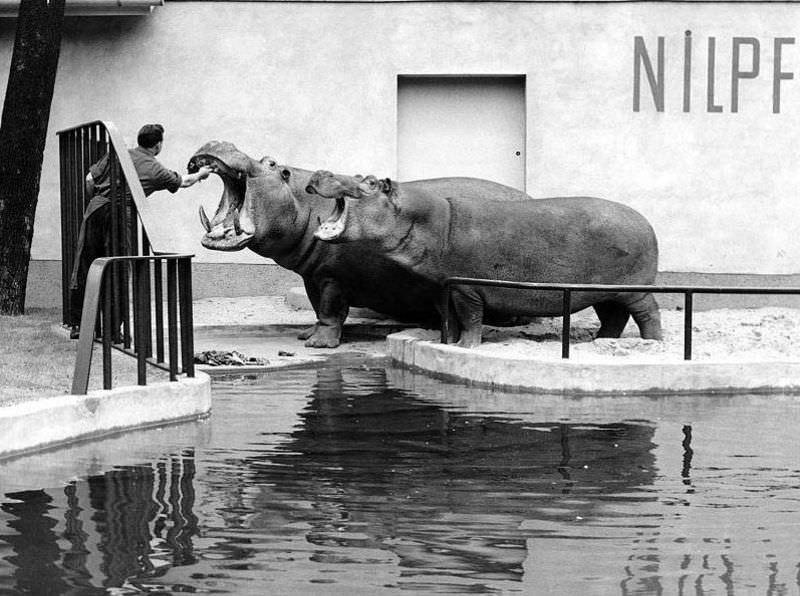
Among the animals that made it through the November bombings was a two-year-old hippopotamus bull named Knautschke. When fire broke out in his animal house, keepers managed to pull him out alive. He would go on to become one of the most recognized survivors of the entire ordeal. A shoebill stork was also among those who received direct care from zoo staff in the immediate aftermath of the raids.
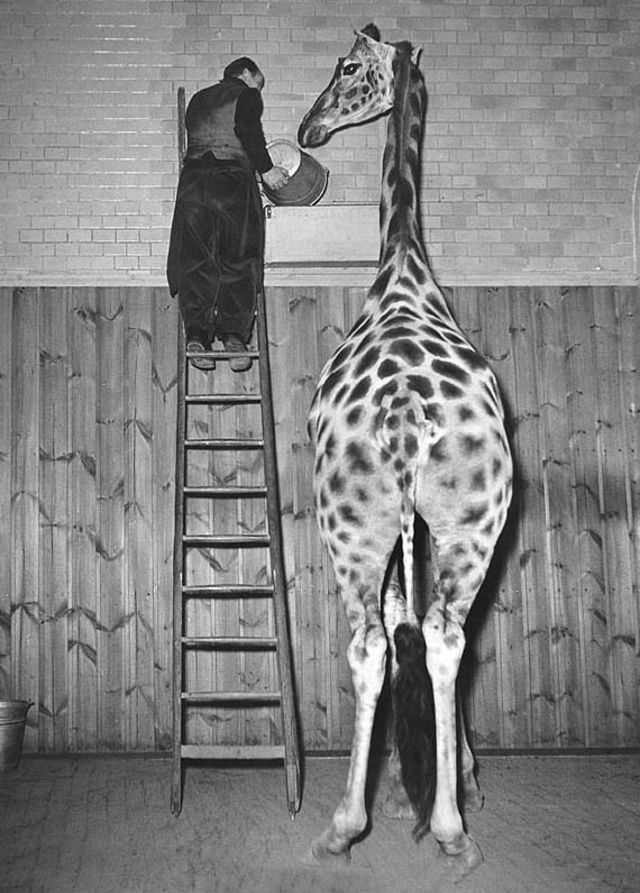
The zoo’s giraffe population was wiped out during the bombings. Animals like “Rike,” a giraffe born at the Berlin Zoo in October 1938, had been among the rarer captive-born specimens in Germany at the time. The bombing raids ended any chance of that changing.
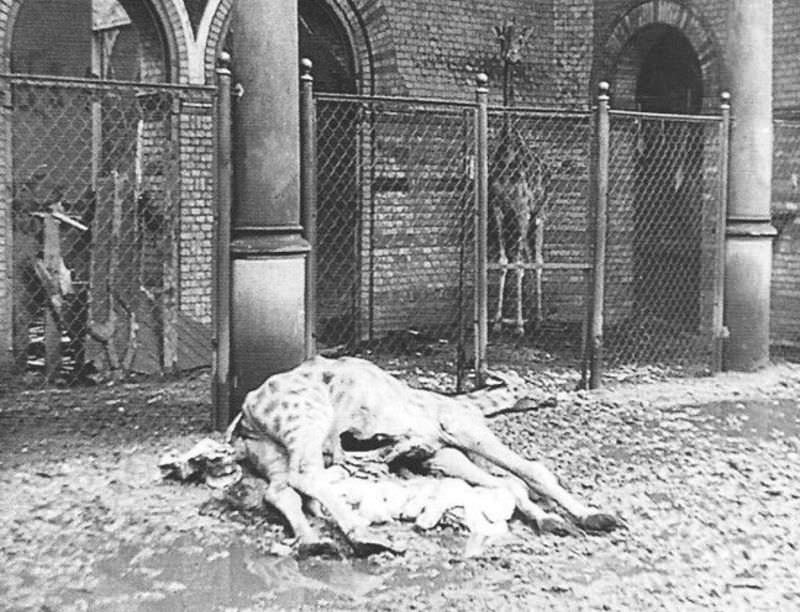
By early 1945, the Battle of Berlin brought a second wave of destruction. On April 22, 1945, the Red Army put the zoo under constant artillery fire. The fighting inside and around the zoo grounds continued until April 30. Zoo staff made the decision to kill several predators and other dangerous animals to prevent them from escaping into a city already in collapse. The zoo had been fortified as part of Berlin’s last defenses, with the Zoo Flak Tower — a massive concrete anti-aircraft gun tower — standing at its edge. Bunkers beneath and around the tower sheltered civilians. Female zoo staff and zookeepers’ wives tended to wounded German soldiers inside a small underground shelter at the zoo’s entrance. The flak tower surrendered on April 30, 1945.
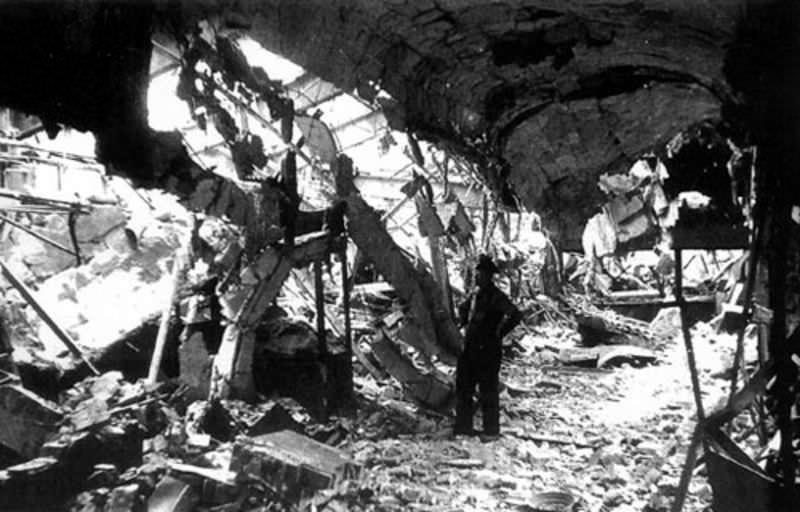
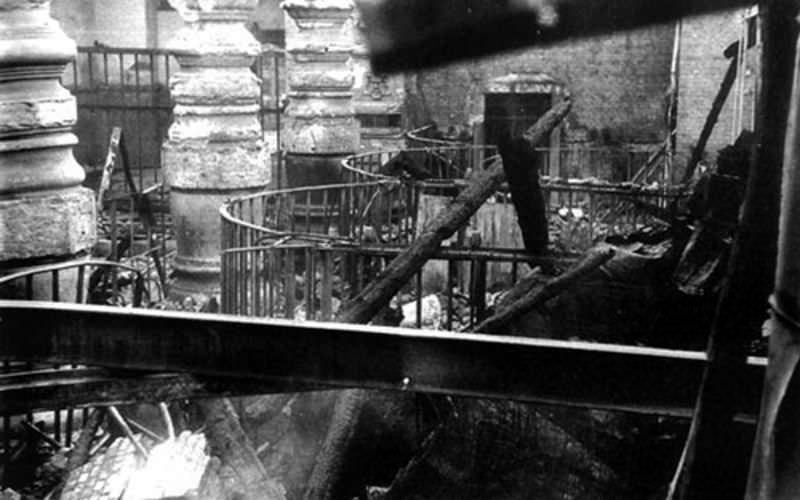
The hippo enclosure took serious structural damage during the battle. Somehow, hippo “Gretl” survived amid the wreckage of her pen. When the National Zoological Park conducted a count on May 31, 1945, just 91 animals remained alive out of thousands. The survivors included two lion cubs, two hyenas, Siam the elephant, Knautschke the hippo, ten baboons, and one chimpanzee. After the fighting stopped, Red Army soldiers killed and ate some of the surviving animals. Others simply disappeared.
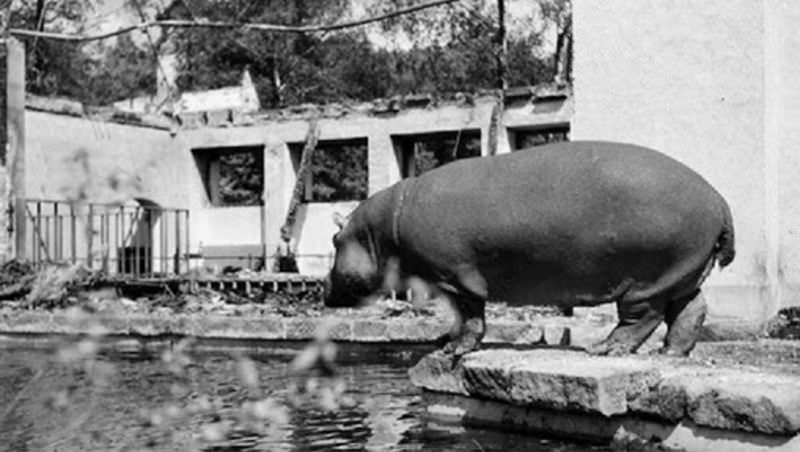
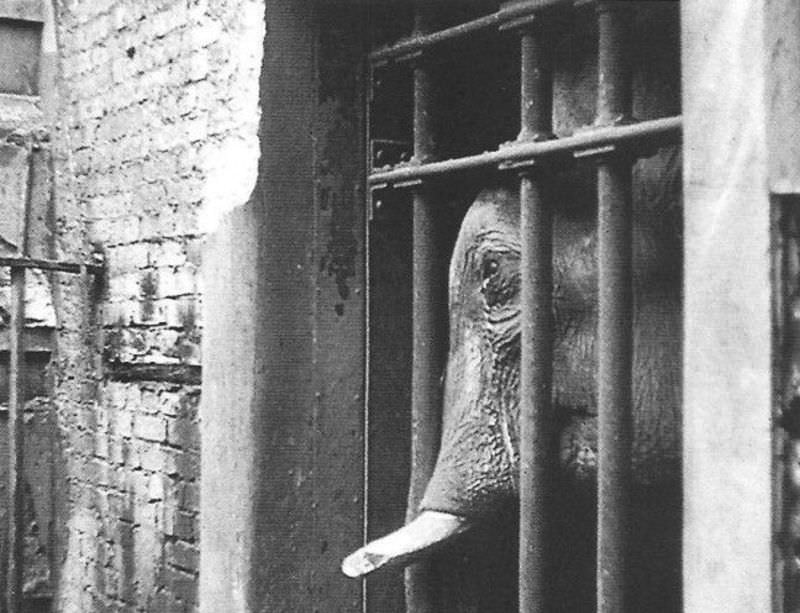
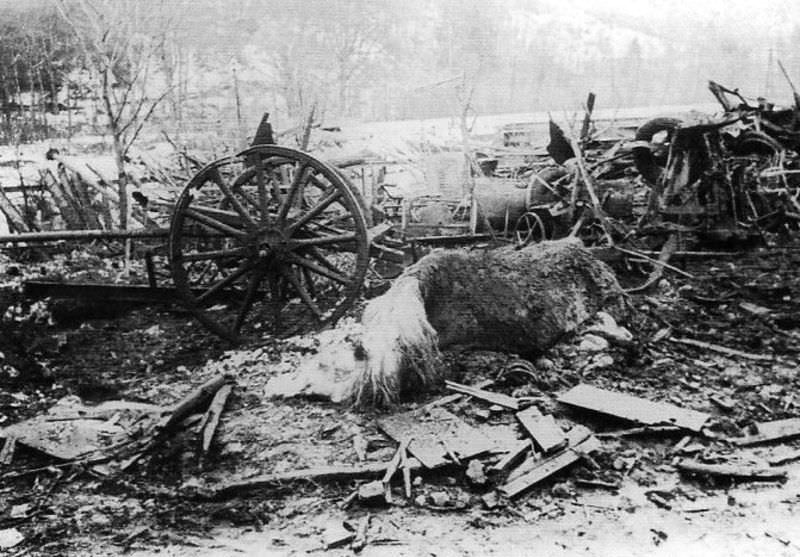
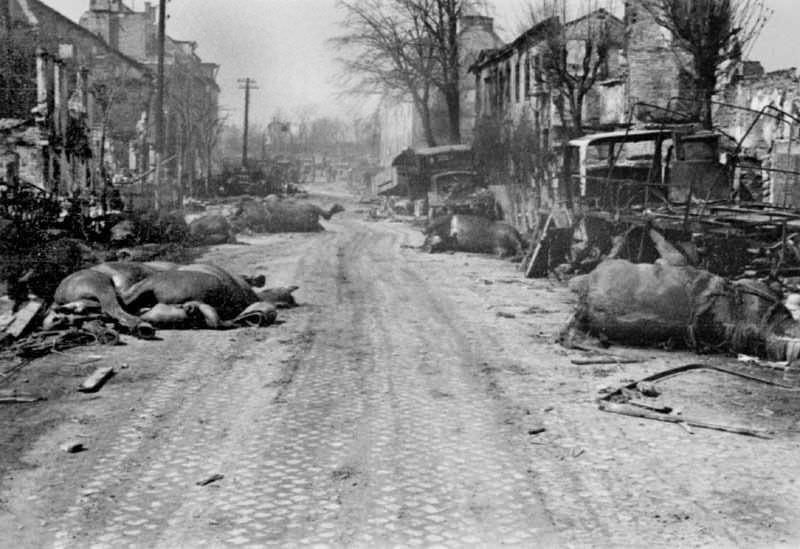
The streets around the zoo told their own grim story. Animals that had escaped their shattered enclosures were shot dead on Berlin’s roads. Starving Berliners carved meat from horses killed in the shelling — survival in a city that had been reduced to rubble. The zoo that had once been a symbol of scientific achievement and public leisure had become a front line.

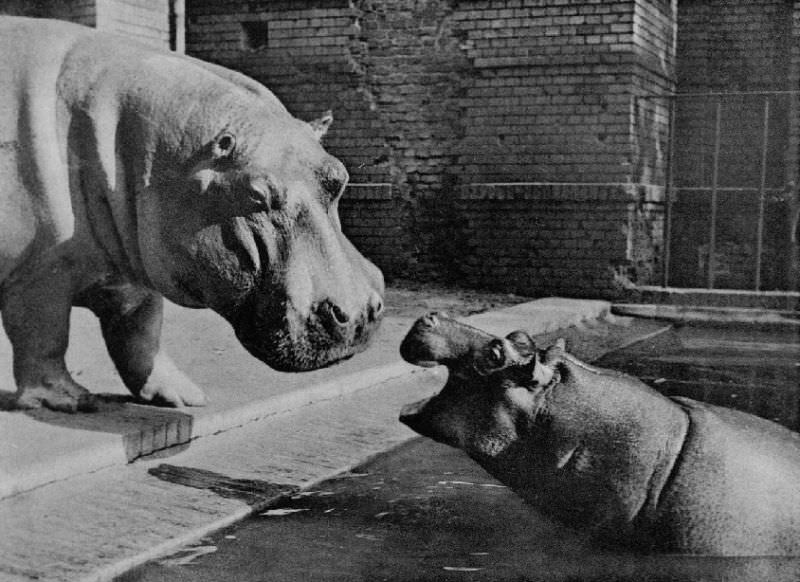
Knautschke, one of the few animals to survive from start to finish, lived on at the zoo for decades after the war. In May 1957, he was photographed with his daughter “Boulette” at the newly opened hippo house — a symbol of what the zoo had managed to rebuild. The aquarium and zoo were reconstructed using modern design principles, aiming to house animals in environments that more closely resembled their natural habitats.