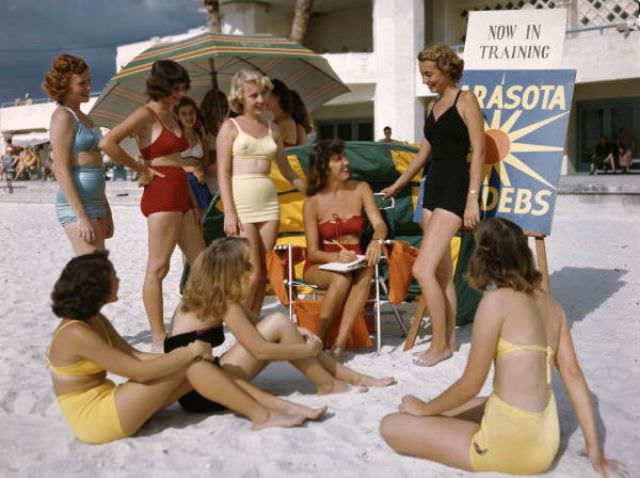
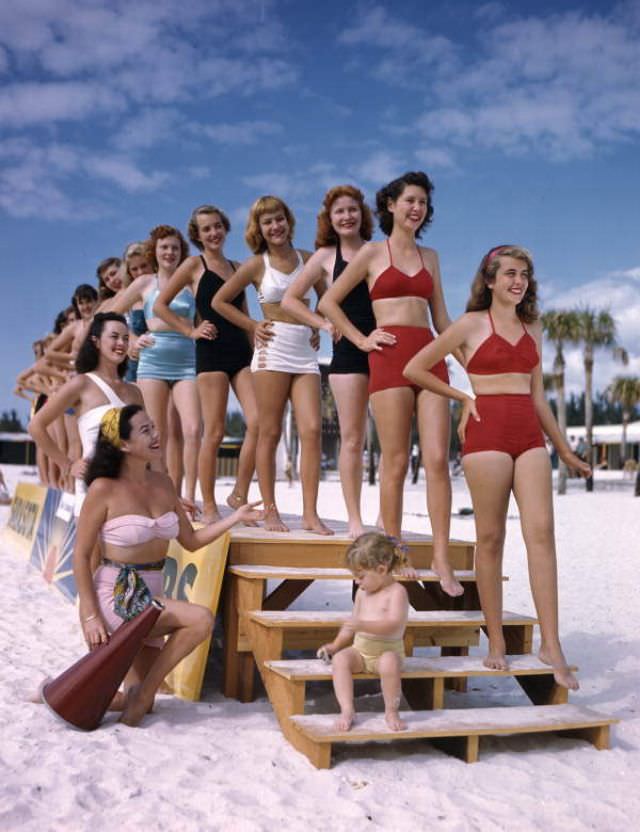
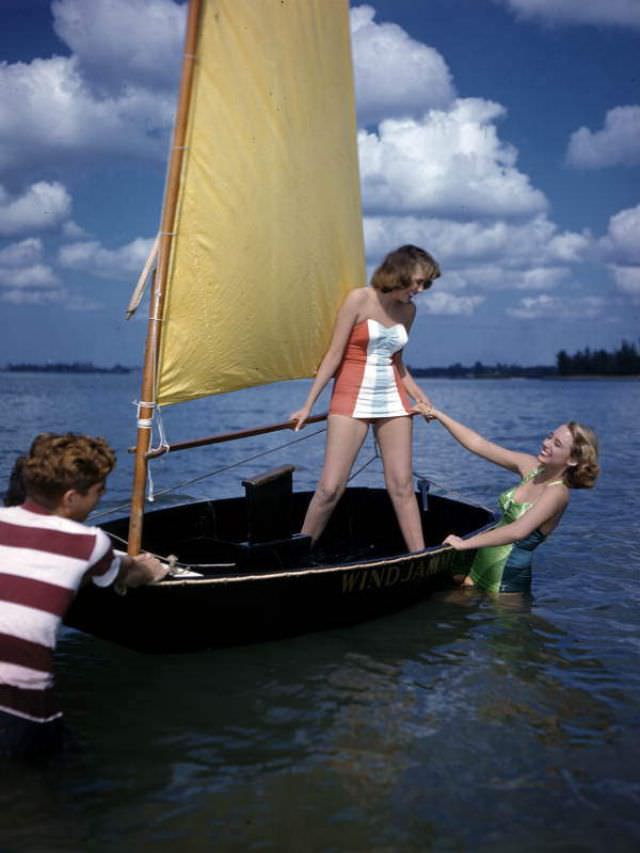
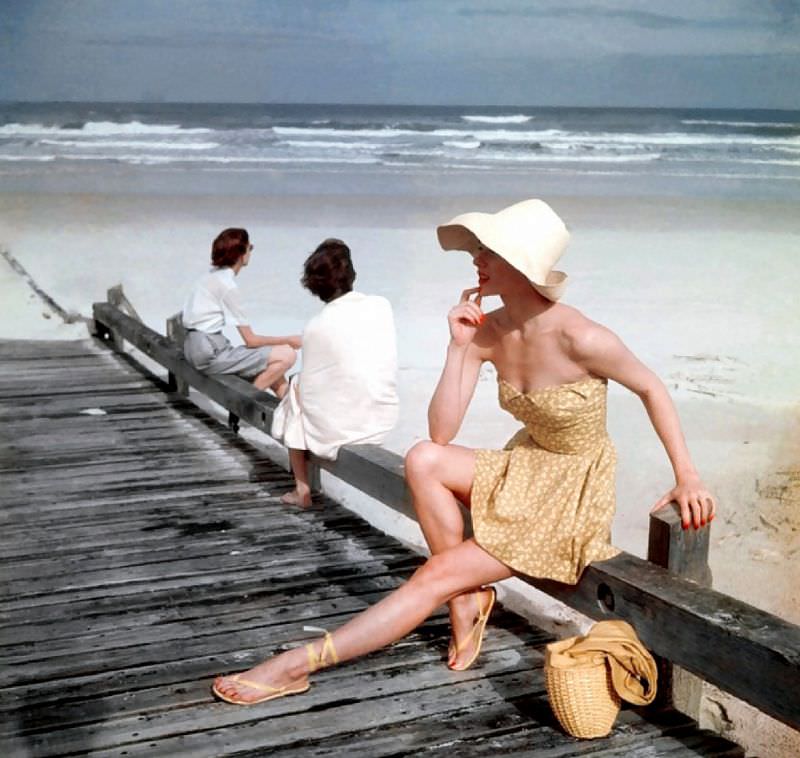
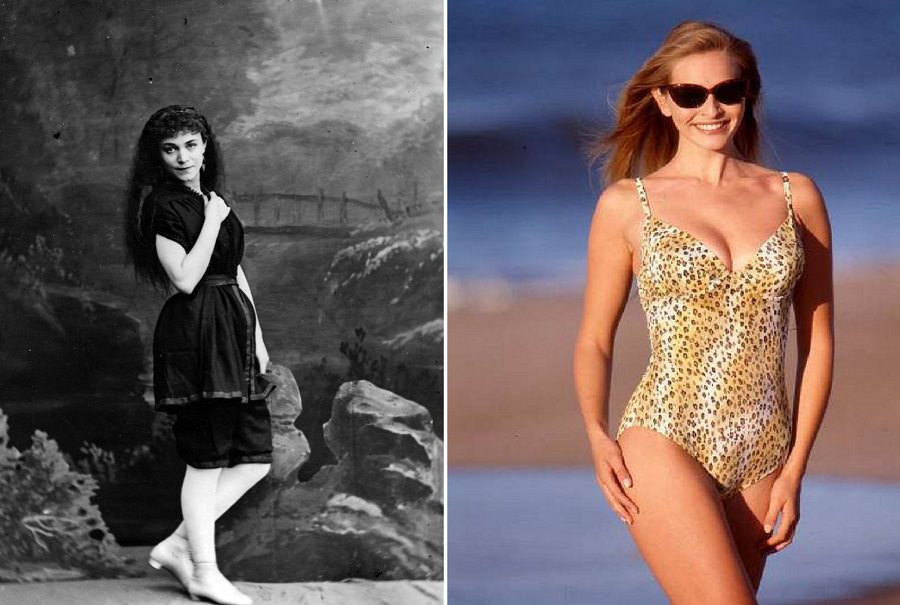
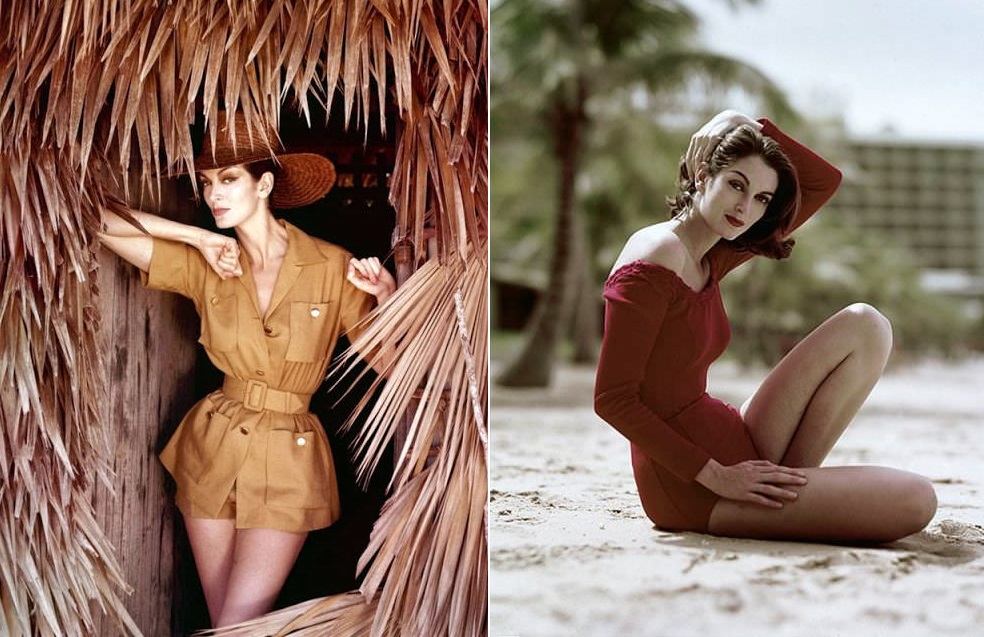
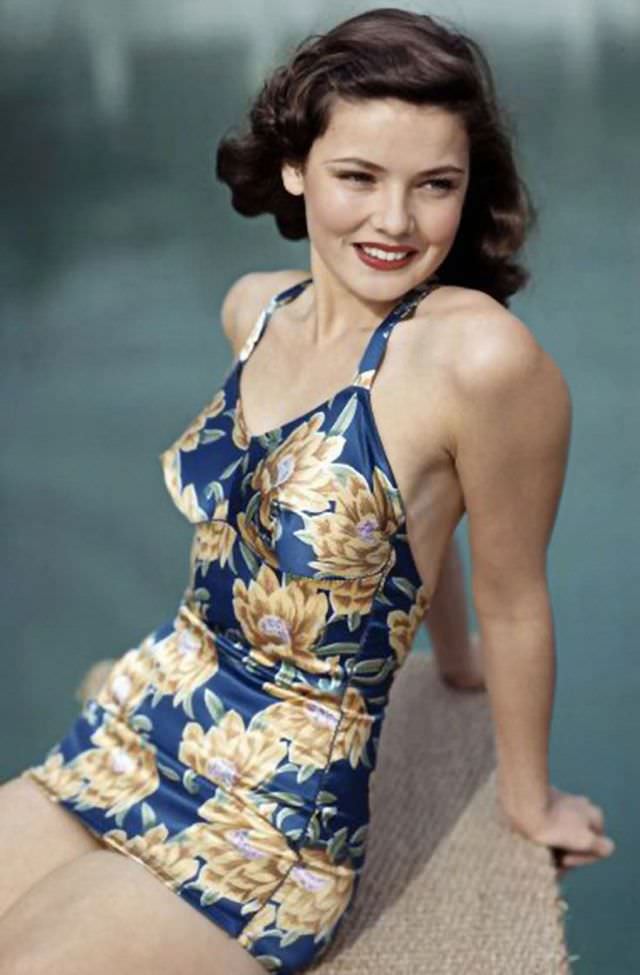
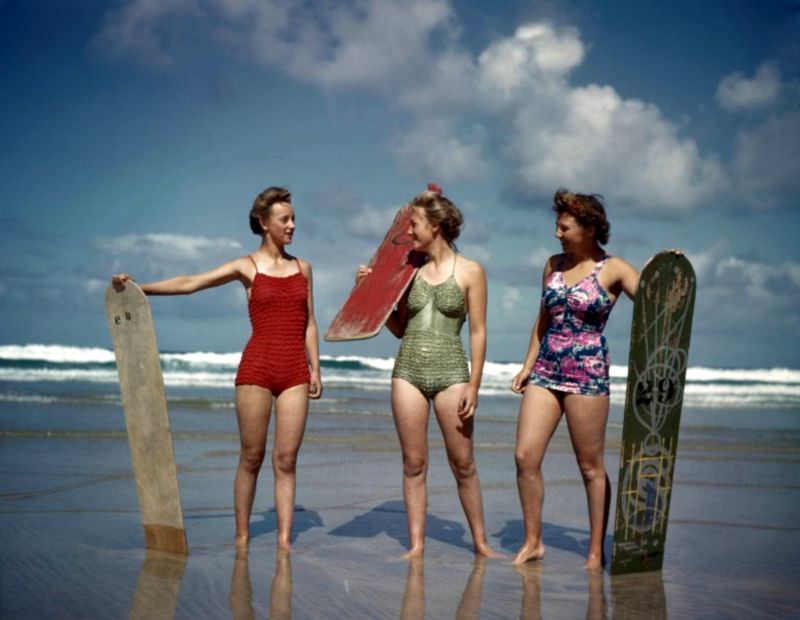
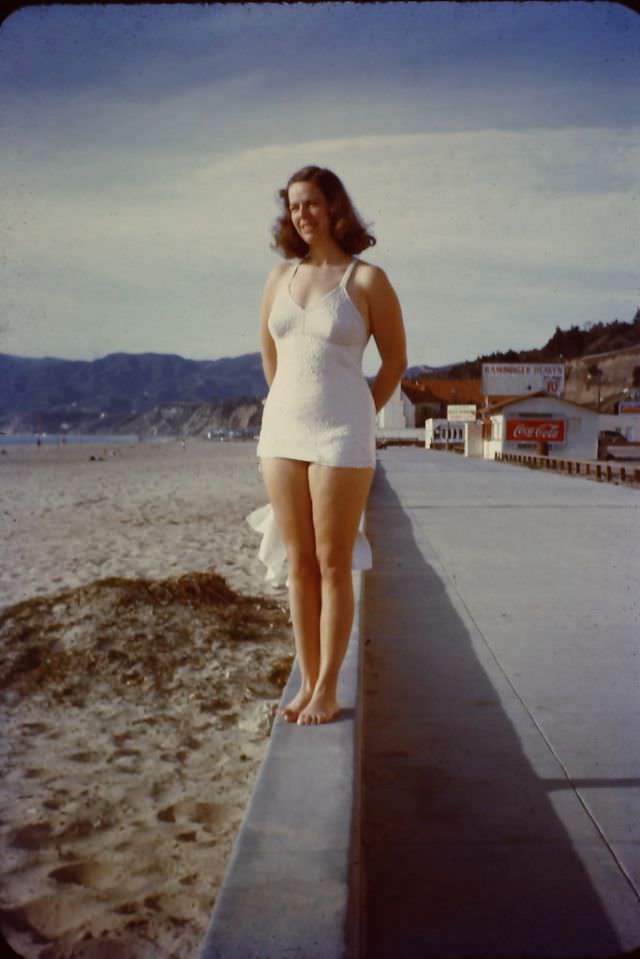
Beach fashion in the 1940s was defined by glamour, structure, and a sharp eye for detail. Women’s swimwear during this decade struck a careful balance — flattering the figure while still offering real coverage and support. Far from simple, these suits were thoughtfully designed, often featuring halter necklines, sweetheart busts, and high-waisted bottoms that became the hallmarks of the pin-up style. The goal was always the same: celebrate the female form without sacrificing modesty.
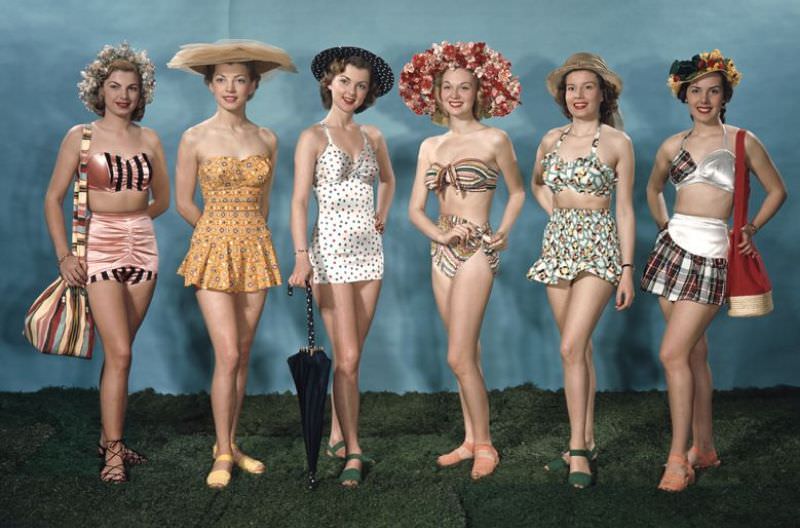
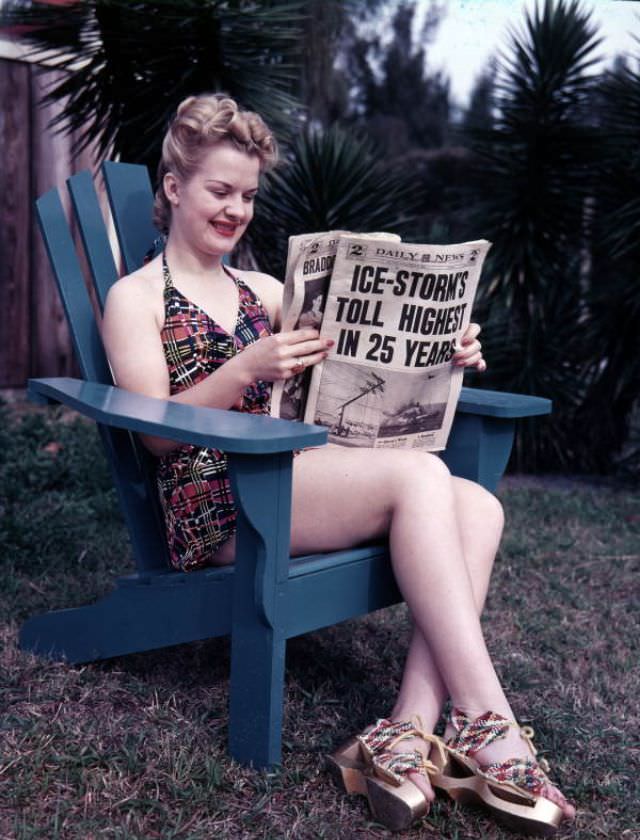
As the decade opened in 1940, new stretchy fabrics were changing what swimwear could do. These materials moved with the body, held their shape after repeated wear, and made swimming and lounging far more comfortable than older, heavier textiles. Designers took full advantage, cutting suits closer to the body and experimenting with bold tropical florals and geometric patterns that stood out against a sandy beach.
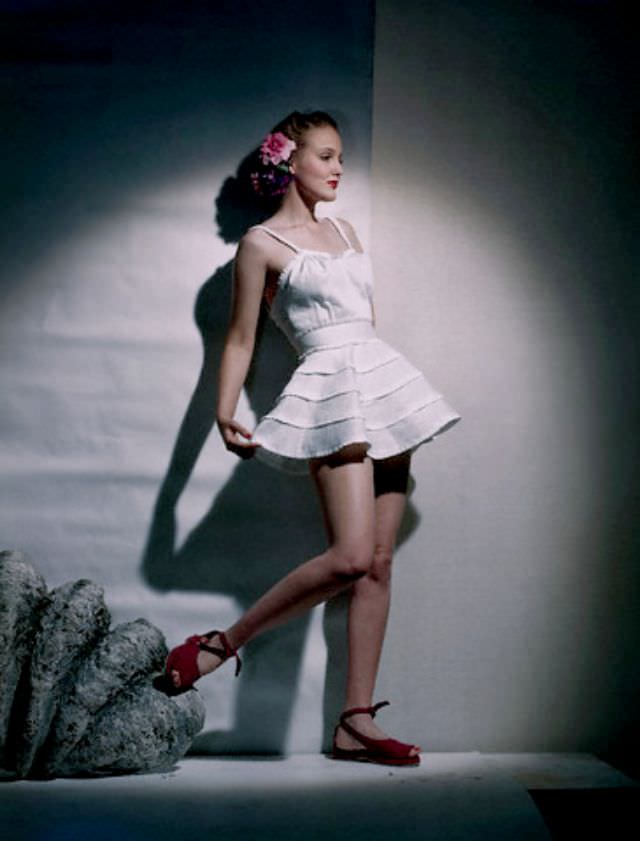
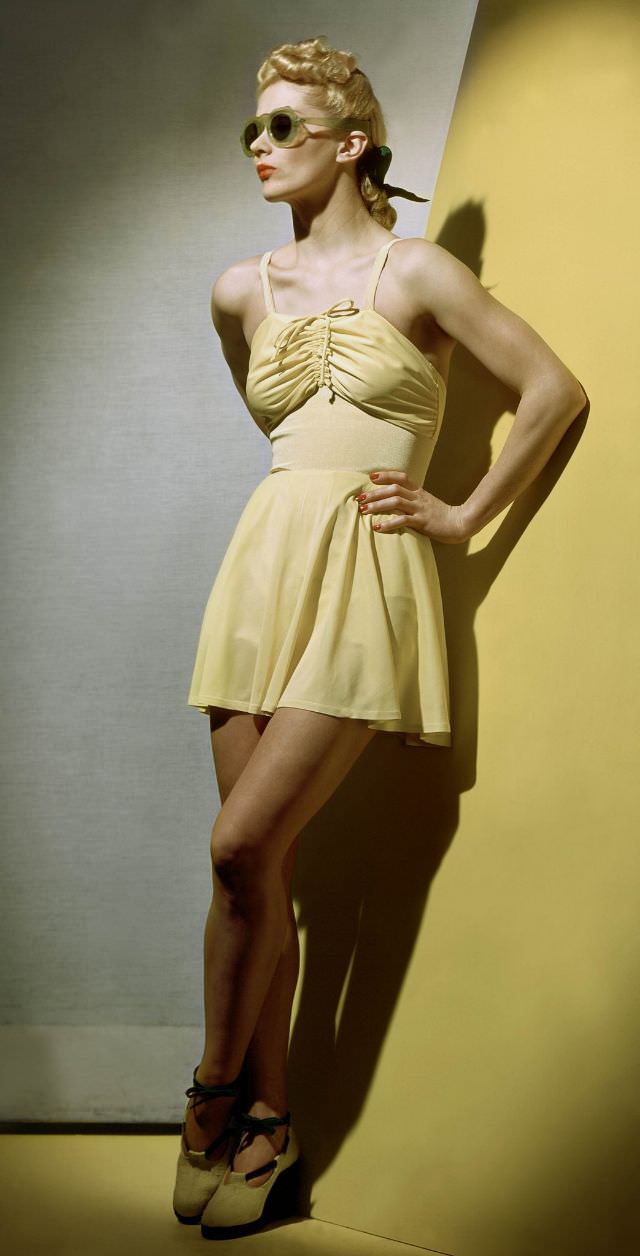
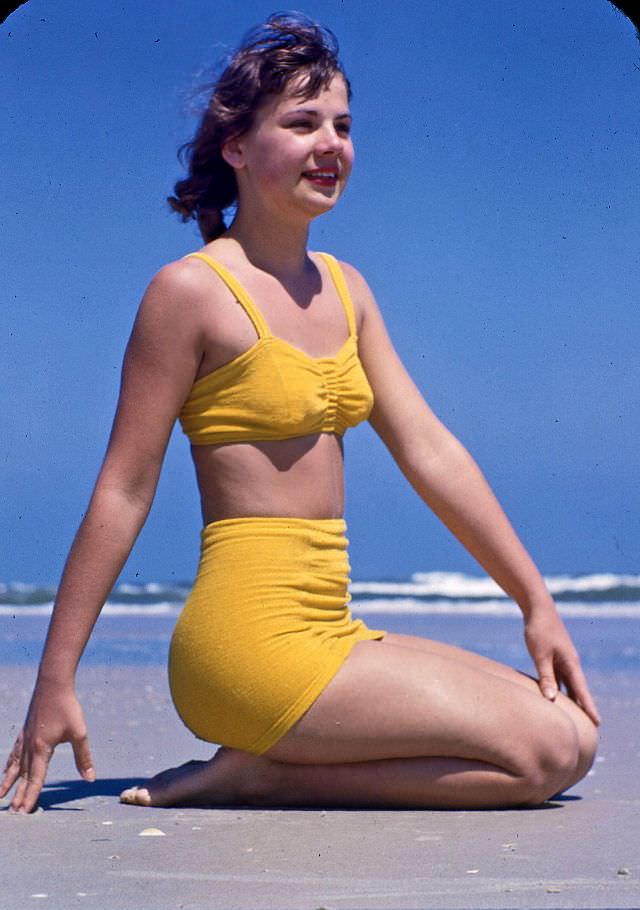
By 1941, small decorative details were becoming just as important as the cut itself. Playful accents, decorative buttons, stylish trims, and ruching were showing up across a wide range of styles. Ruching — a technique where fabric is gathered into tight folds — created a slimming, form-fitting look that was widely popular. Shirring worked similarly, adding texture while helping the suit hug the body in all the right places.
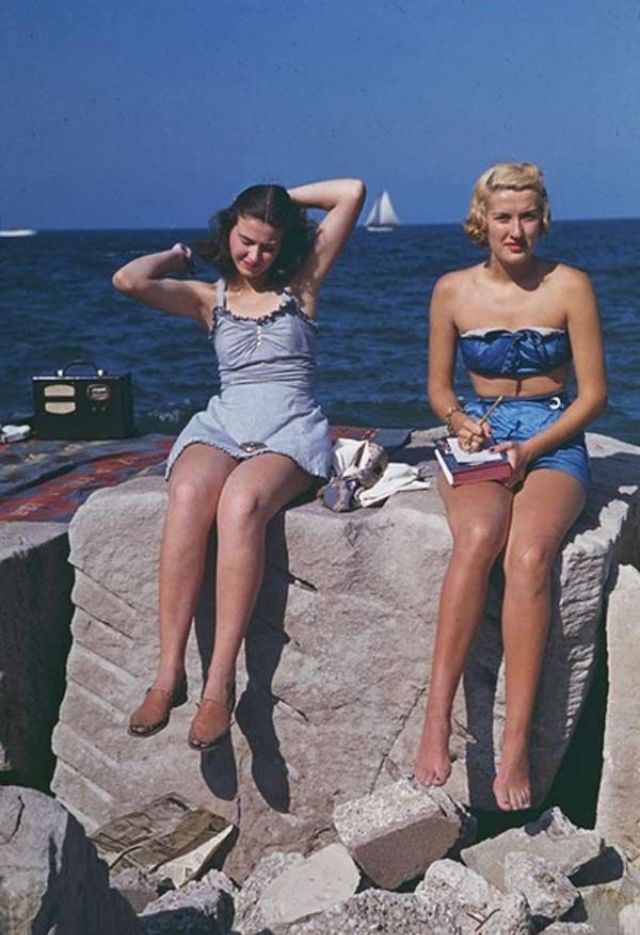

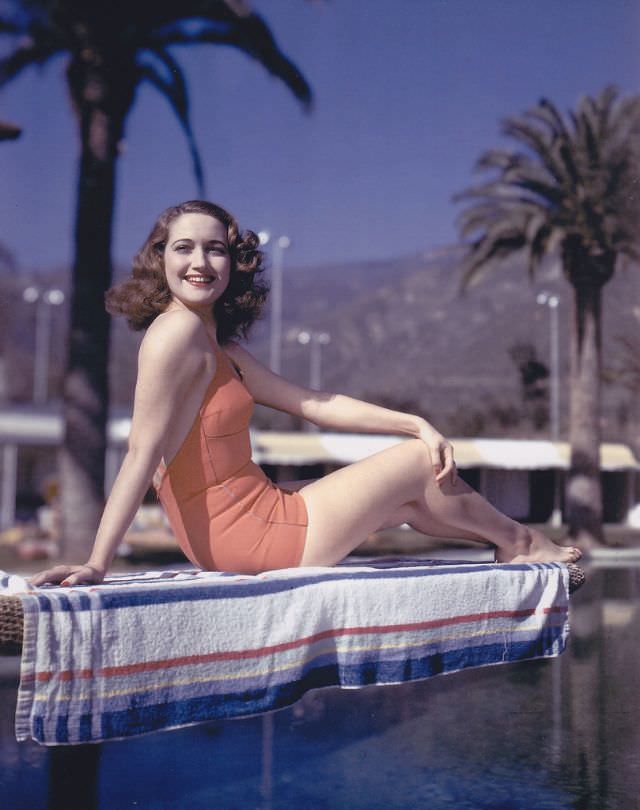
Play suits — sometimes called beach rompers — offered a more practical alternative for active days by the water. These one-piece outfits combined a fitted top with attached shorts or a short skirt, giving women more freedom to move around without worrying about a traditional swimsuit shifting out of place. They were especially popular for daytime beach activities and doubled as casual warm-weather wear.
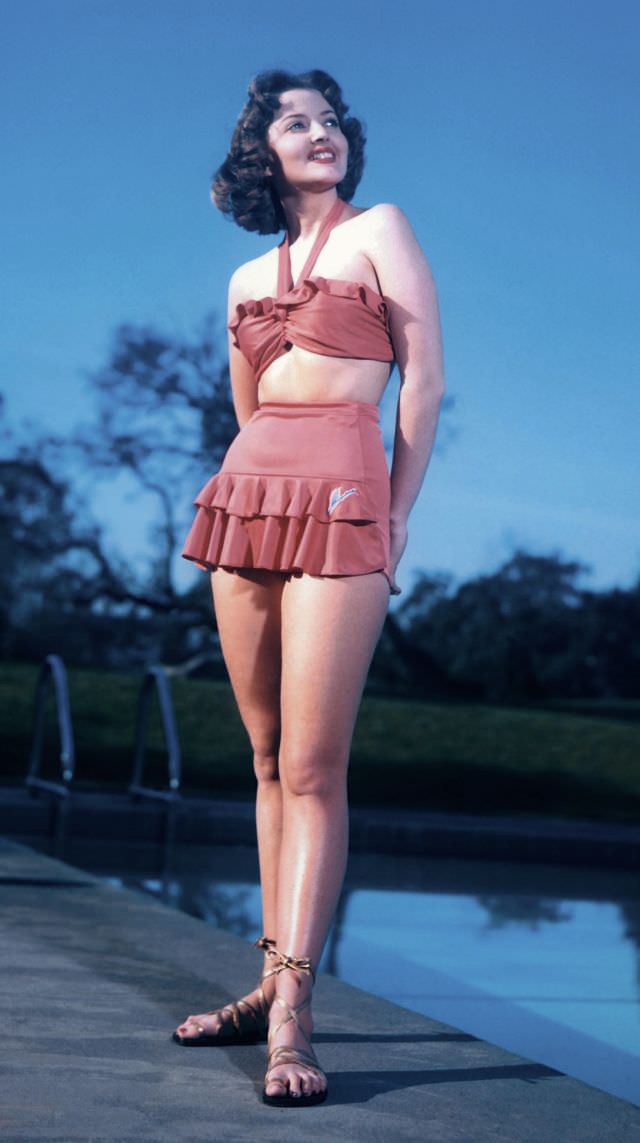
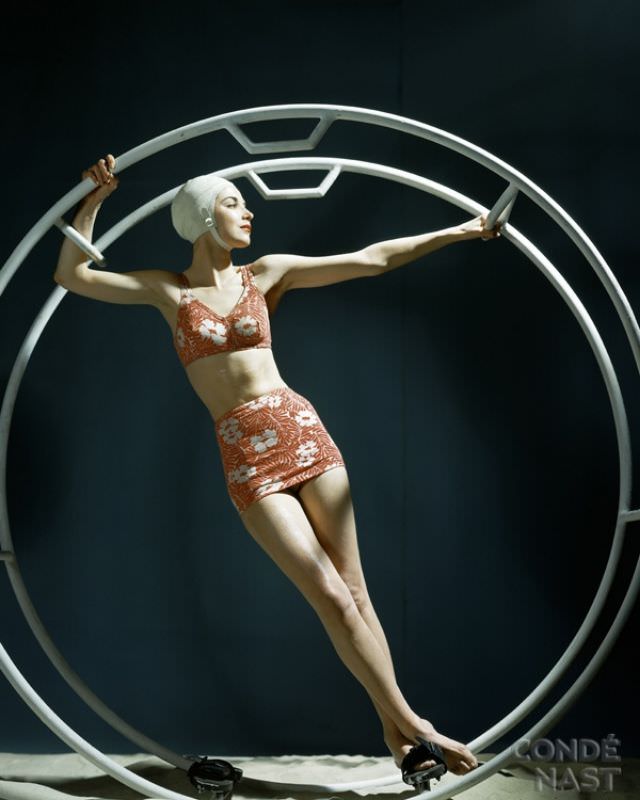
The peplum detail was another signature of 1940s swimwear. A peplum added a short, flared layer of fabric around the waist, drawing the eye inward and creating the look of a narrower midsection. Women who wanted to minimize the appearance of their hips or create a more defined waistline gravitated toward this style throughout the middle years of the decade.
Accessories were a non-negotiable part of any 1940s beach look. Swim caps — made from rubber or latex and often featuring bright colors and bold patterns — were worn both for practicality and style. They were designed to coordinate with the swimsuit itself. Sunglasses, beach bags, and cover-ups rounded out the ensemble, ensuring that the overall look remained polished from the water’s edge to the boardwalk.
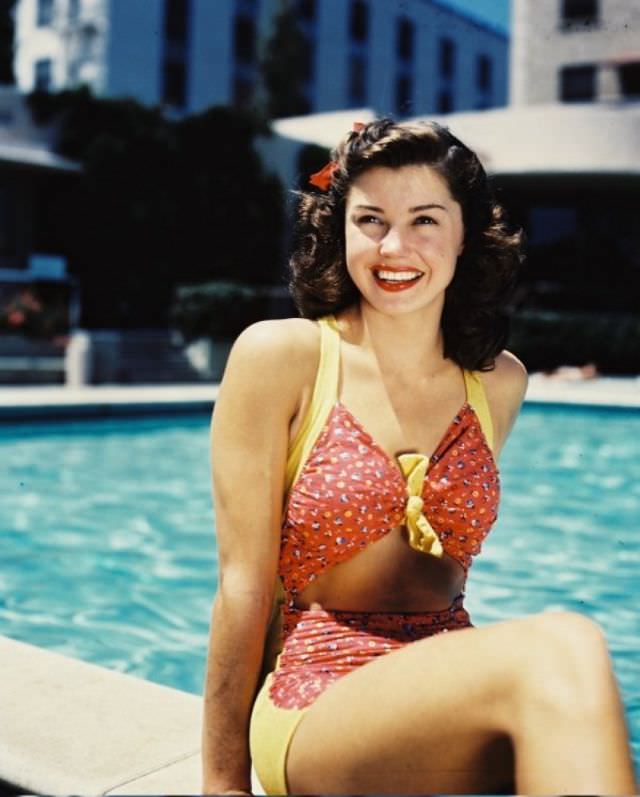
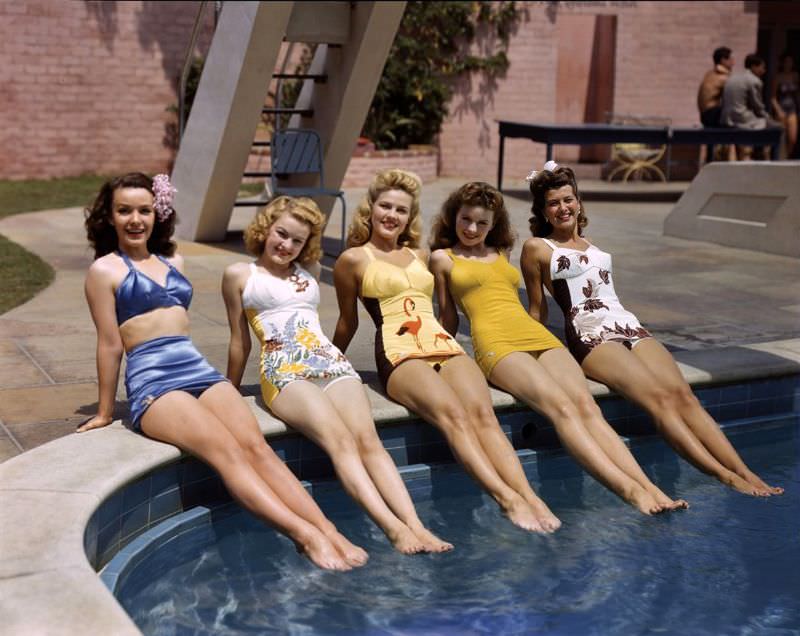
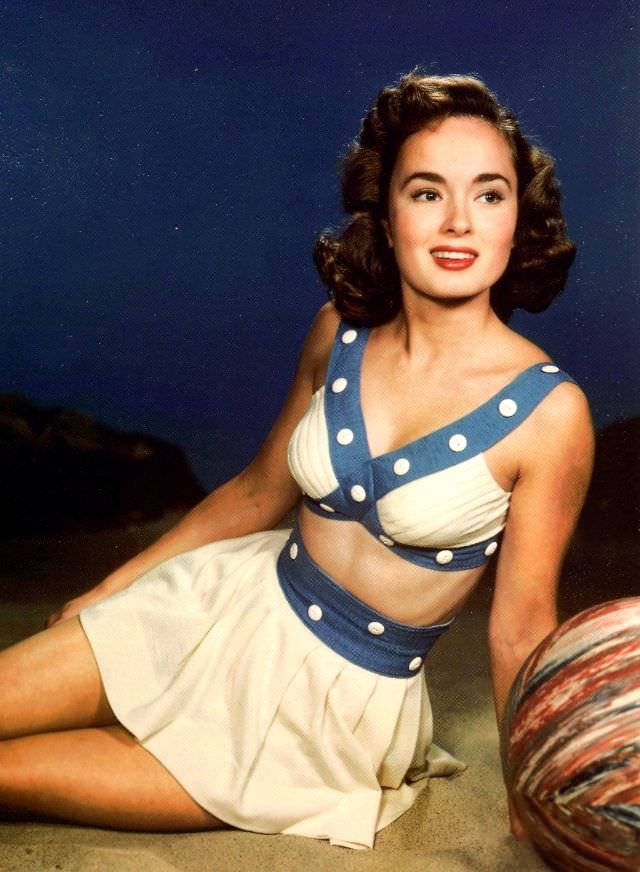
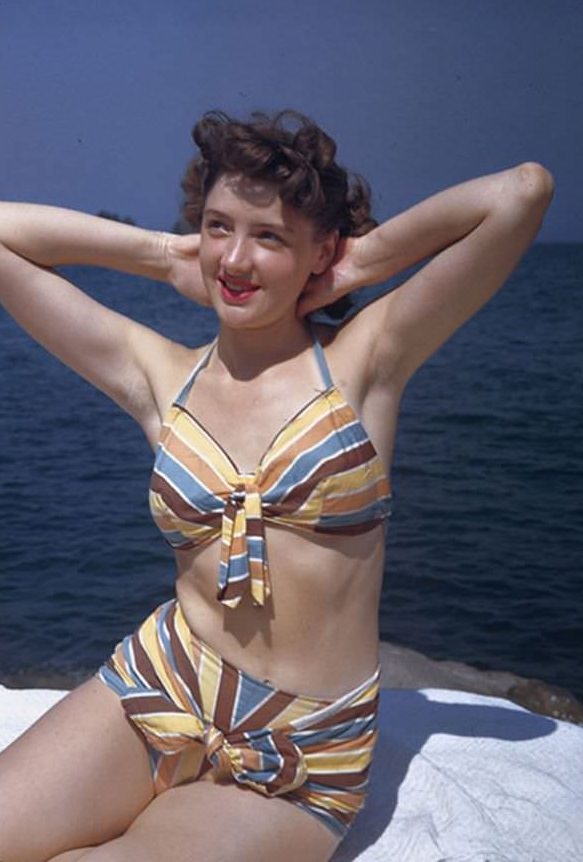
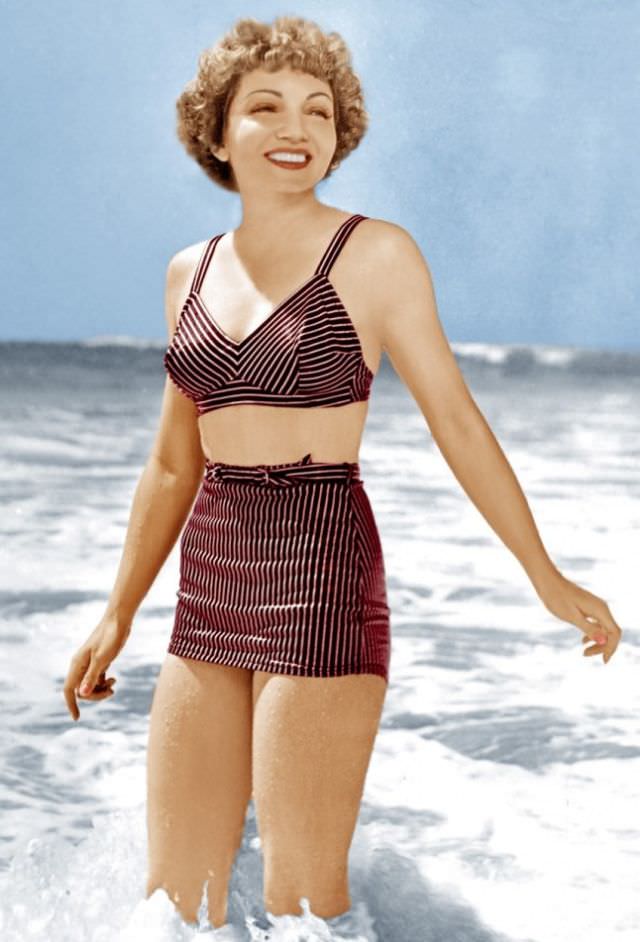
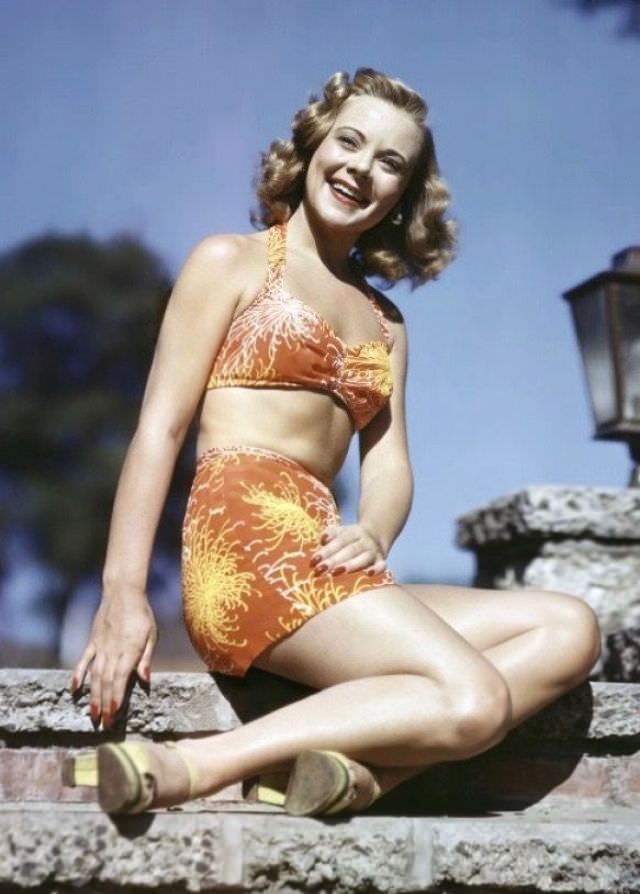
The second half of the decade brought even more variety to beachwear. Two-piece styles grew more common alongside the classic one-piece, and color choices became bolder. Bright solids competed with busy prints, giving women a wider range of options to suit their personal taste. The suits remained structured and fitted, but there was a growing sense of playfulness in the designs coming out of 1946 and 1947.
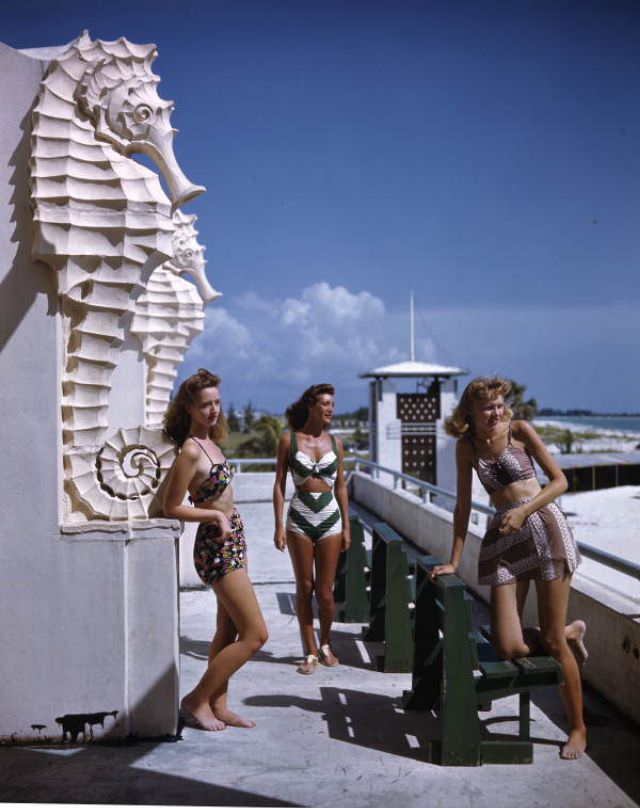
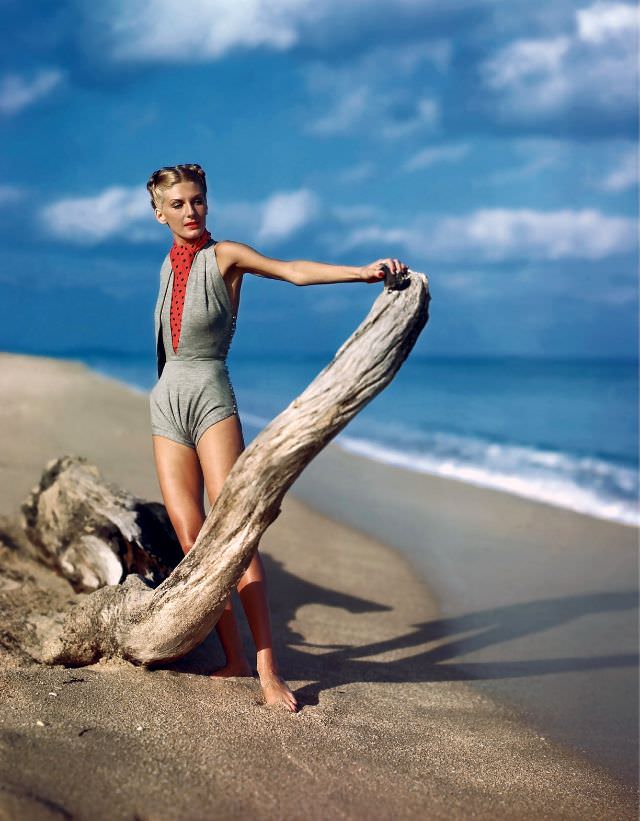
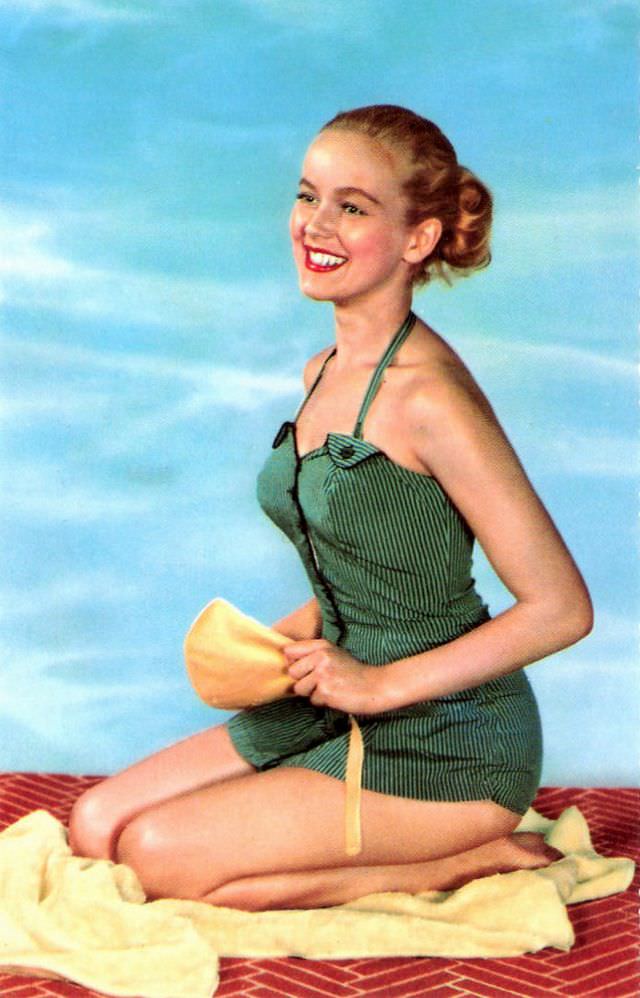

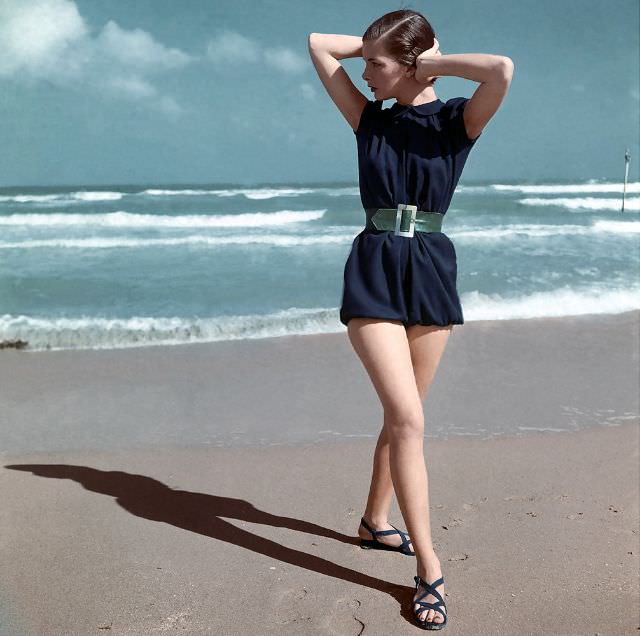
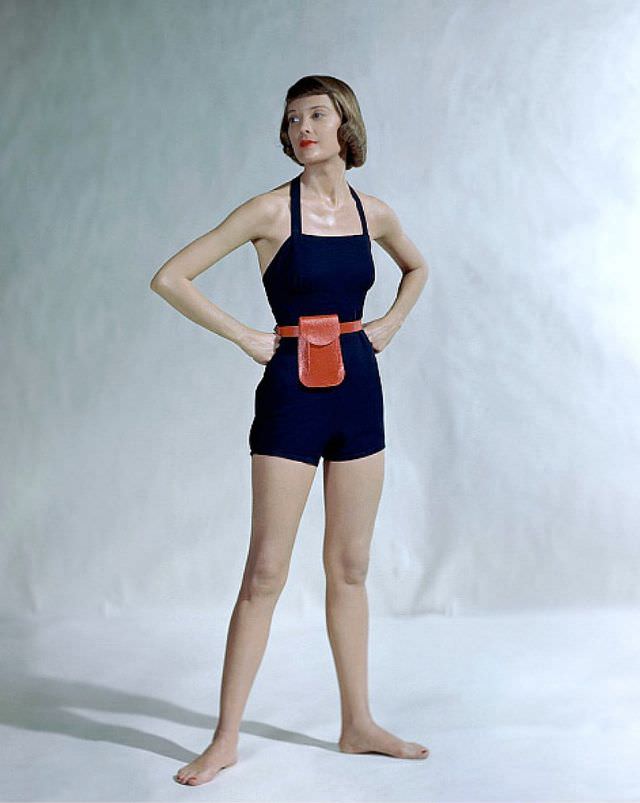
Toward the end of the decade, the pin-up silhouette remained dominant. High-waisted bottoms, underwire-style busts, and carefully placed ruching were still the go-to choices for flattering beachwear. Designers continued to refine these shapes through 1948 and into 1949, producing some of the most sophisticated and well-constructed swimwear the decade had to offer.
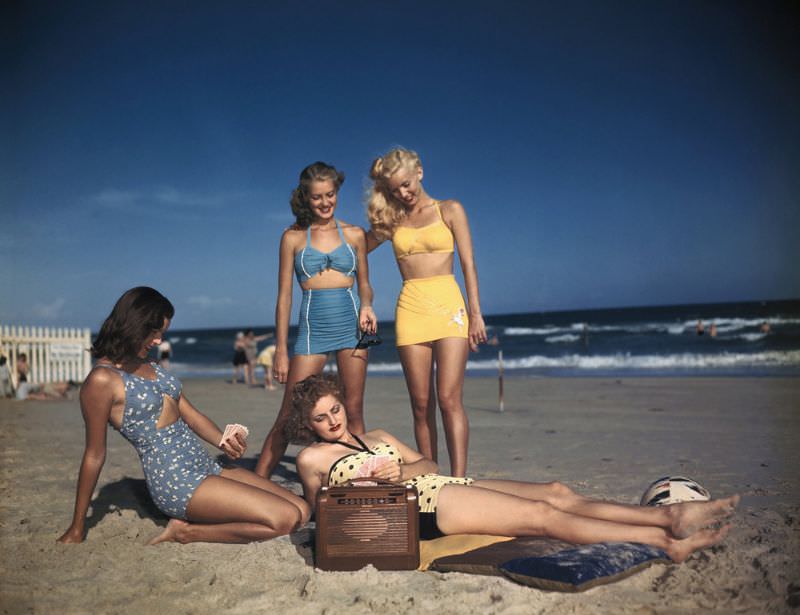
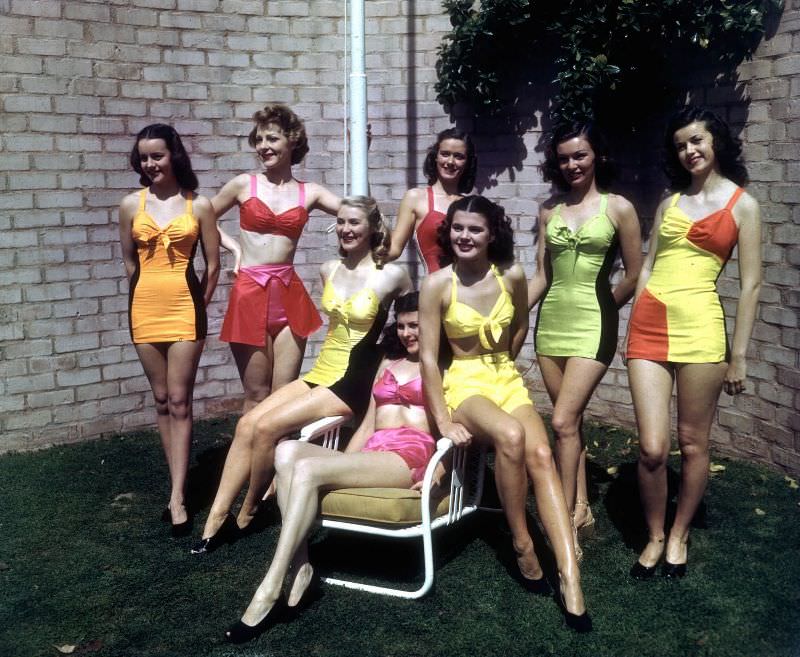
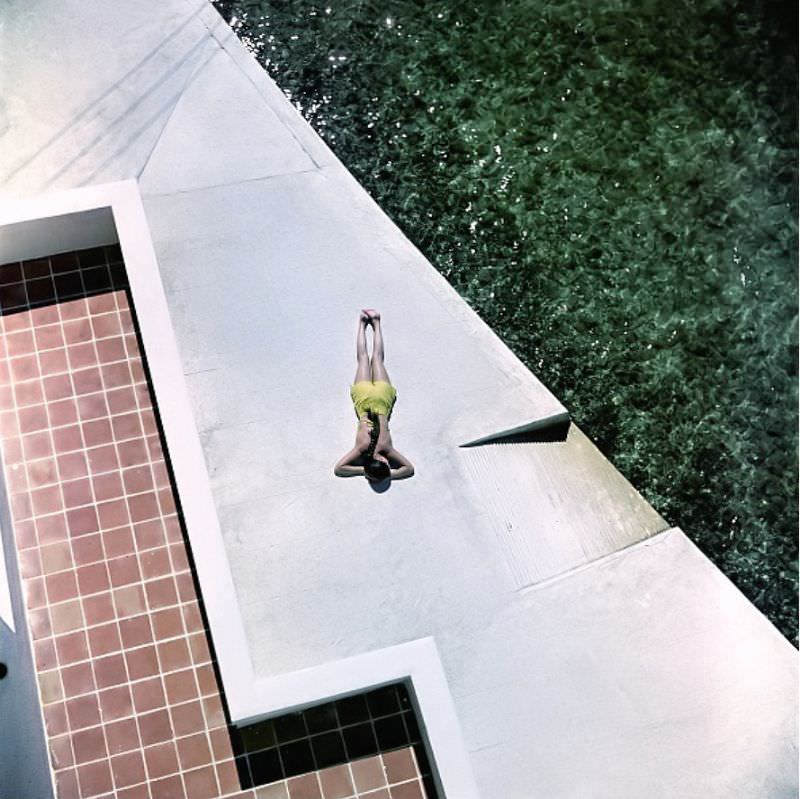
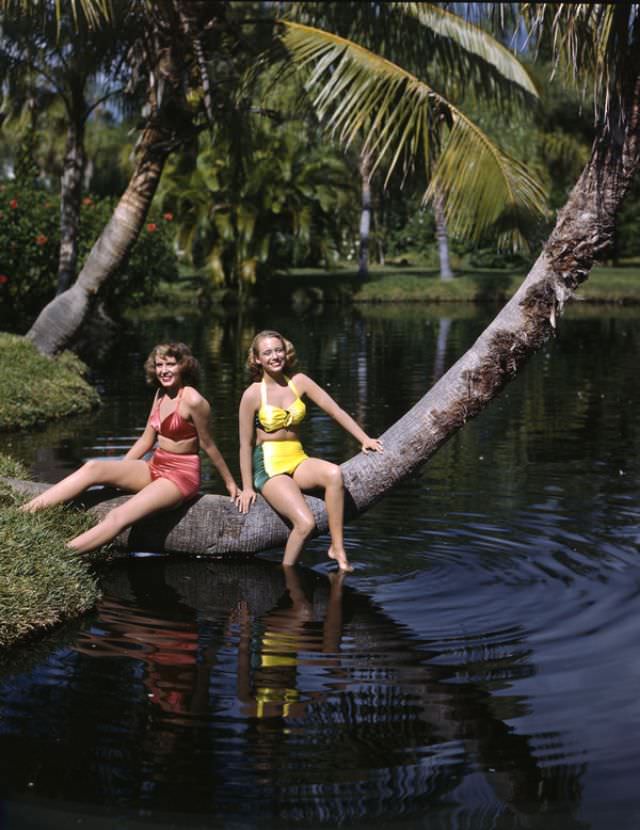
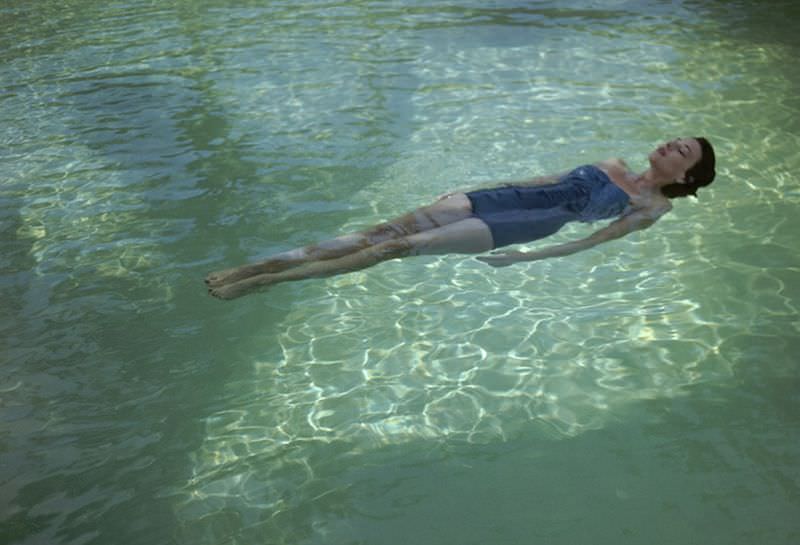
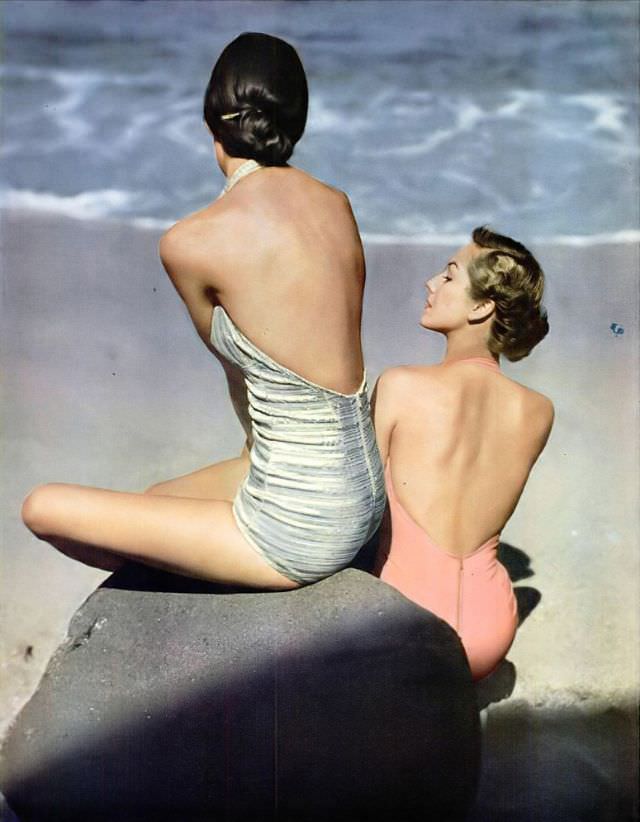
By 1949, the decade’s design language was firmly established. Swimsuits were architectural in their construction — built with internal support, shaped seams, and carefully chosen fabrics. Each suit was as much a garment of craftsmanship as it was a piece of fashion. The decade closed with beachwear that was sophisticated, diverse, and deeply intentional in its design.