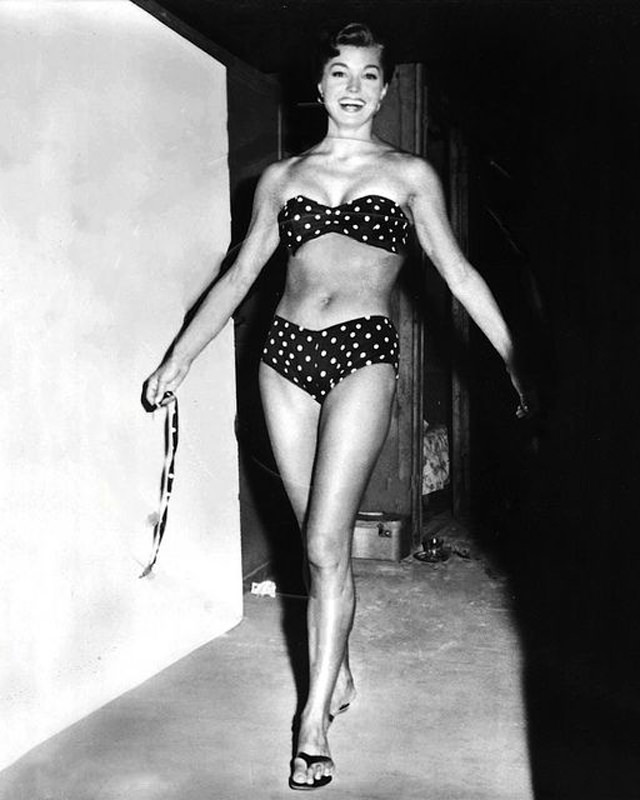
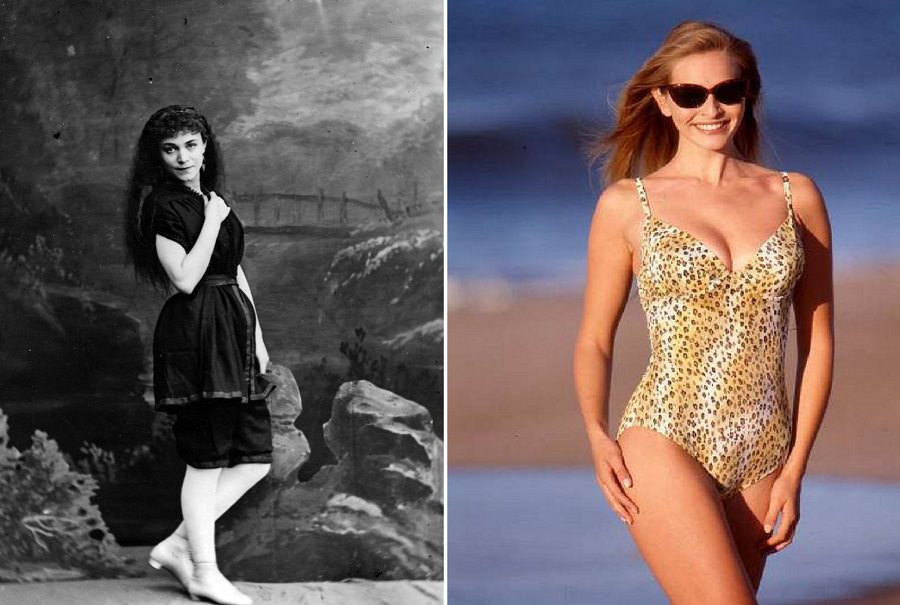
Polka dots have been a staple of swimwear for over a century. Long before fast fashion and social media trends, the simple dot pattern was already turning heads at beaches and pools across the world. The print carried a playful energy that fit perfectly with the spirit of a day in the sun.

In the 1920s and 1930s, women wore one-piece swimsuits featuring large, bold polka dots in black and white or bright colors. These suits covered the legs and arms, reflecting the modest standards of the era. Despite the coverage, the graphic print gave them a lively, youthful character.
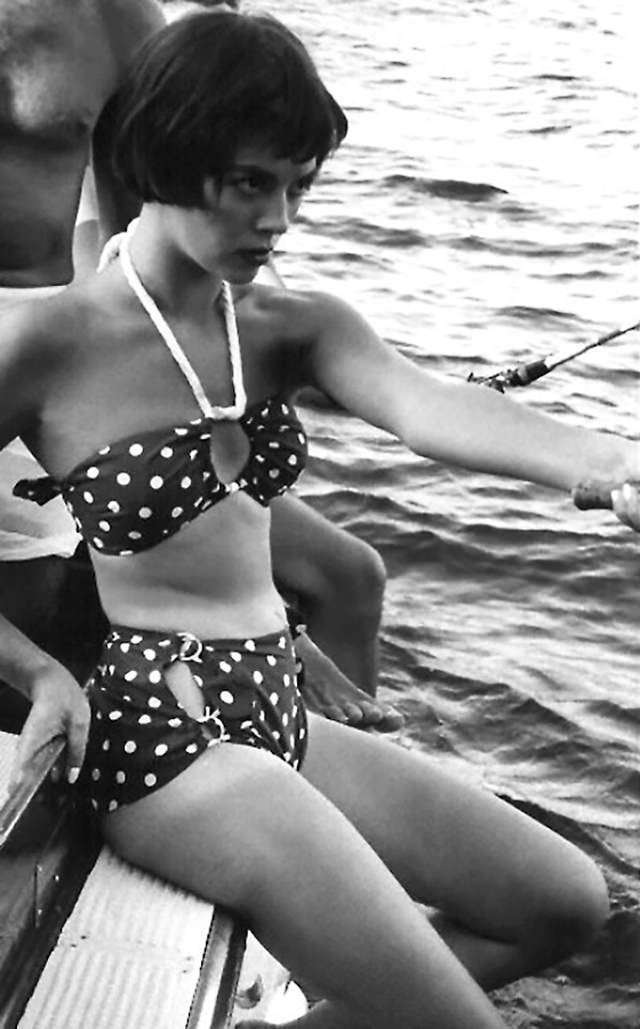
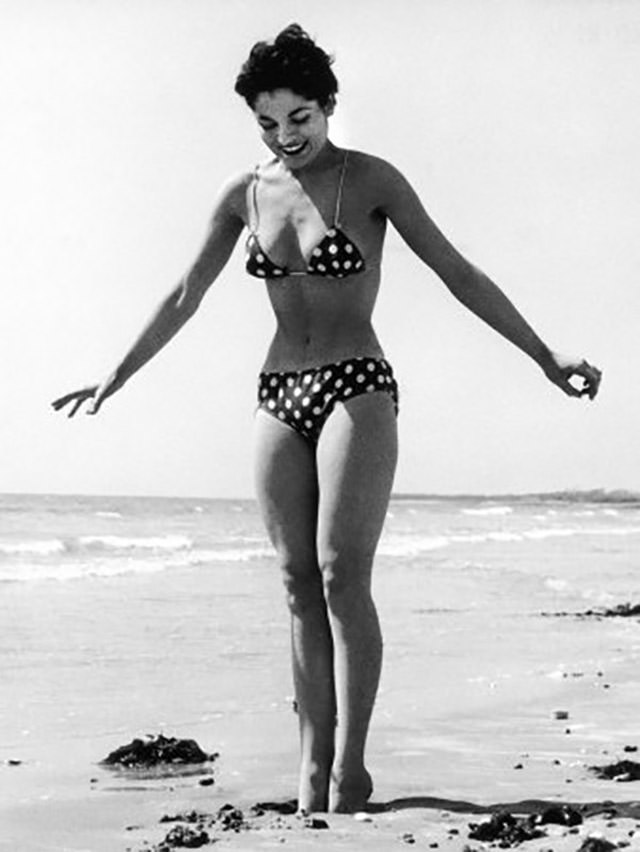
By the 1940s, swimwear had become more form-fitting. Polka dots shrank in size and softened in color, with pastel shades replacing the bold contrasts of earlier decades. The halter-neck cut grew popular, and the dot pattern added a touch of fun to an otherwise sleek silhouette.
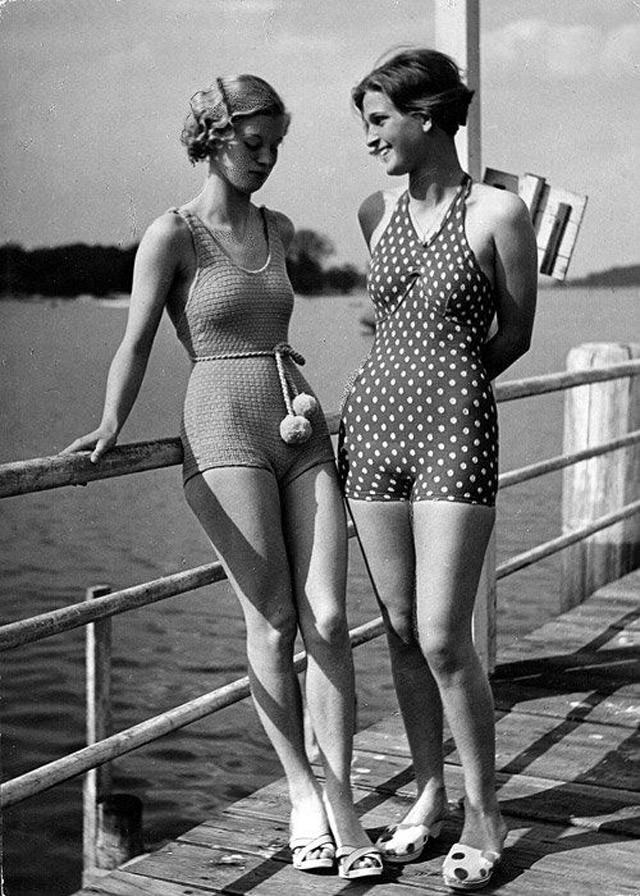

The 1950s brought the polka dot swimsuit to its cultural peak. Marilyn Monroe wore a red polka dot halter swimsuit designed by Jantzen in the 1953 film “How to Marry a Millionaire.” The suit featured a low back and a bold red dot print. Monroe’s pose in that suit became one of the most recognized images in Hollywood history.


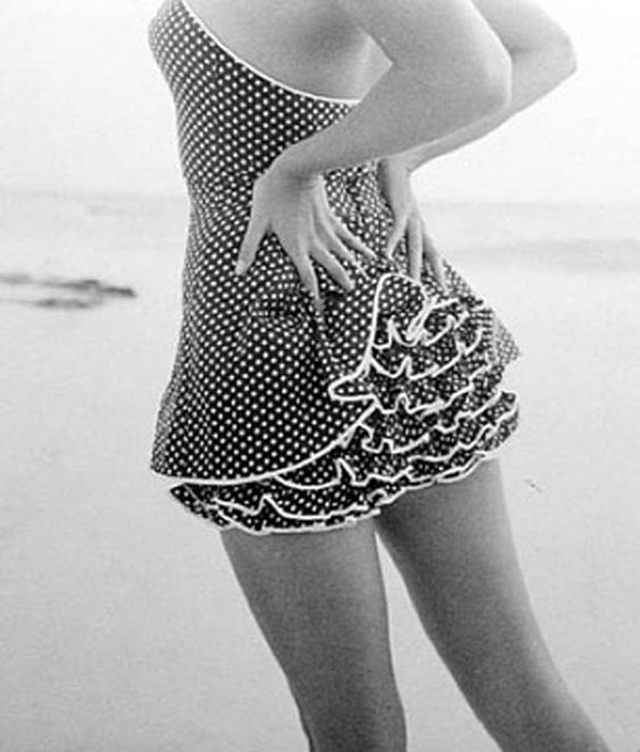
Monroe wasn’t alone. Esther Williams, the swimmer-turned-actress known for her elaborate aquatic film sequences, also embraced the polka dot print. Her swimwear choices helped cement the pattern as a glamorous, screen-worthy style throughout the decade.


Away from Hollywood, everyday beachgoers across the country wore their own versions of the polka dot suit. Vacation snapshots from the 1950s are filled with women in dotted one-pieces and two-pieces, posing at the shore or lounging poolside. The print was everywhere.
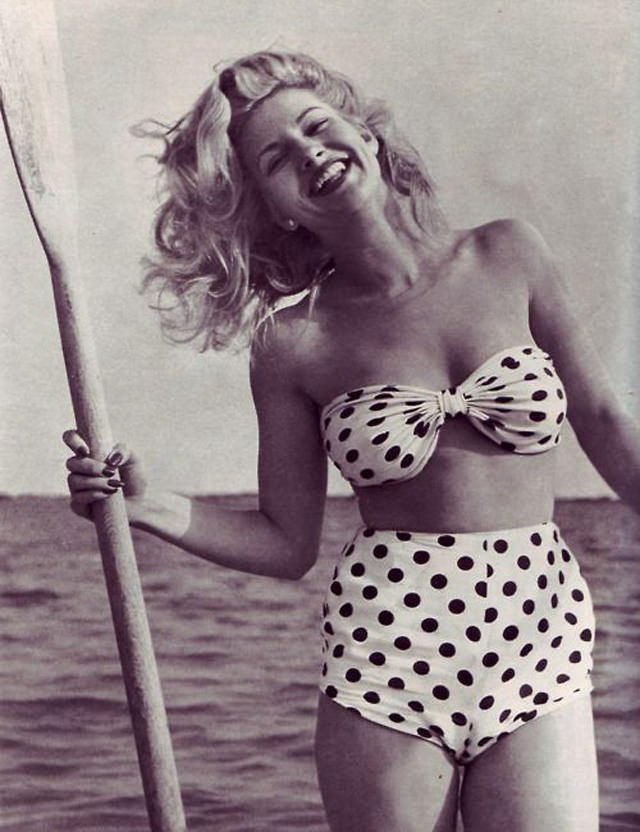

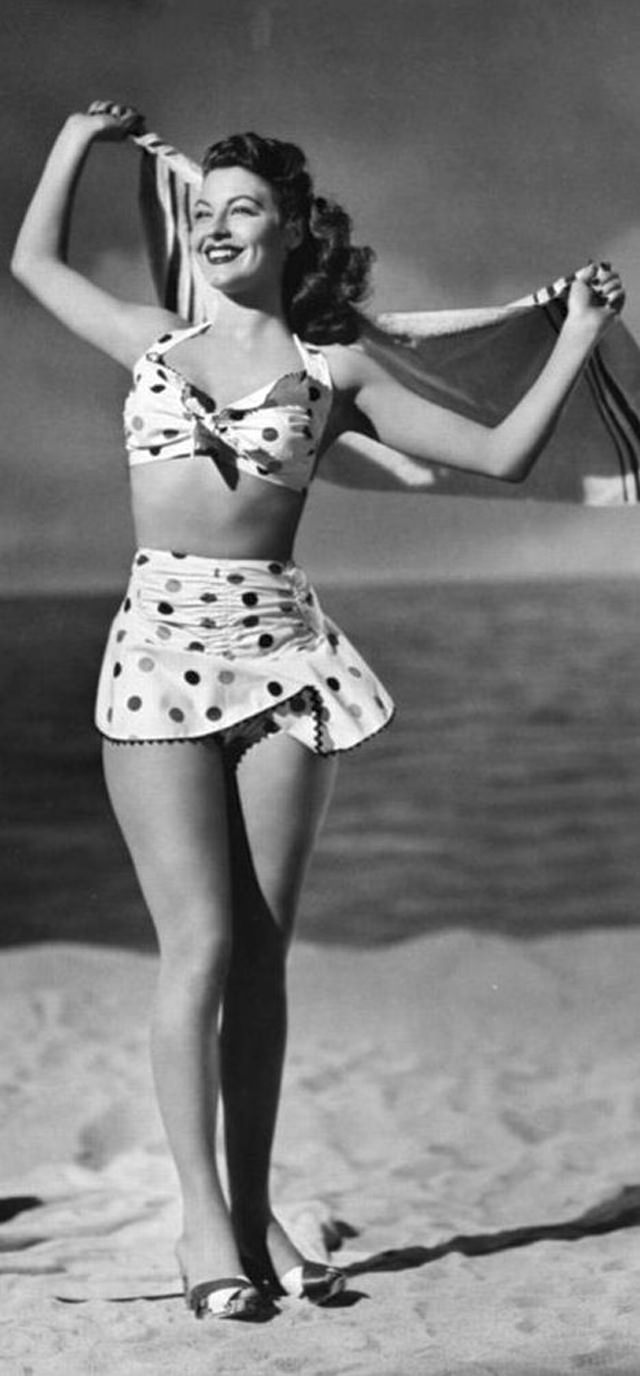
Swimwear brands of the era leaned into the trend heavily. Catalogs from the late 1940s and 1950s regularly featured polka dot styles as their centerpiece looks, offering dots in a range of sizes and color combinations to suit different tastes.

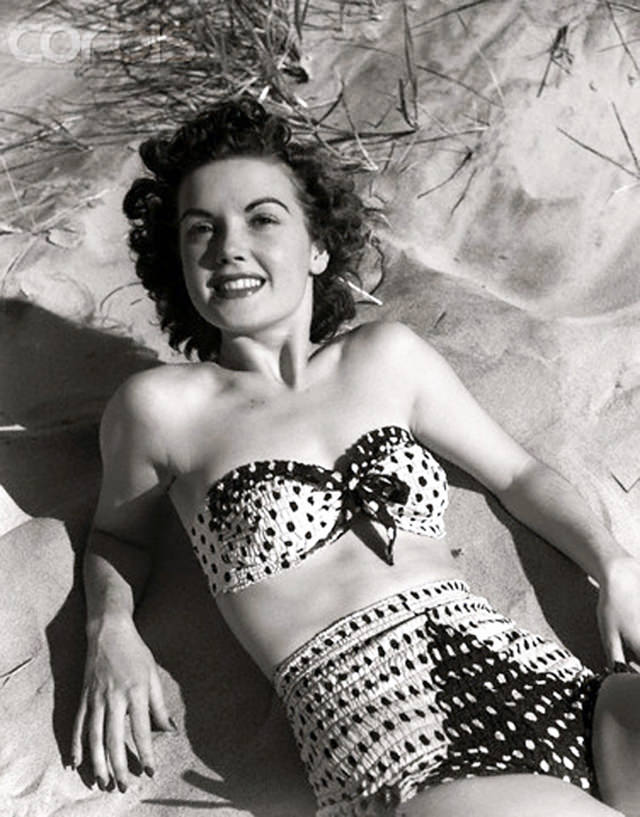
The dot pattern also crossed over into swimwear accessories. Matching cover-ups, caps, and beach bags featuring the same polka dot fabric as the suit became a coordinated look that defined mid-century beach style.



Two-piece polka dot suits began appearing more frequently by the mid-1950s. The bikini, still a relatively new concept in Western fashion at the time, got the polka dot treatment almost immediately after it arrived on American shores.


Pin-up art and advertising of the 1940s and 50s frequently featured women in polka dot swimwear. Artists like Alberto Vargas depicted women in dotted suits, reinforcing the print’s association with a confident, glamorous femininity.
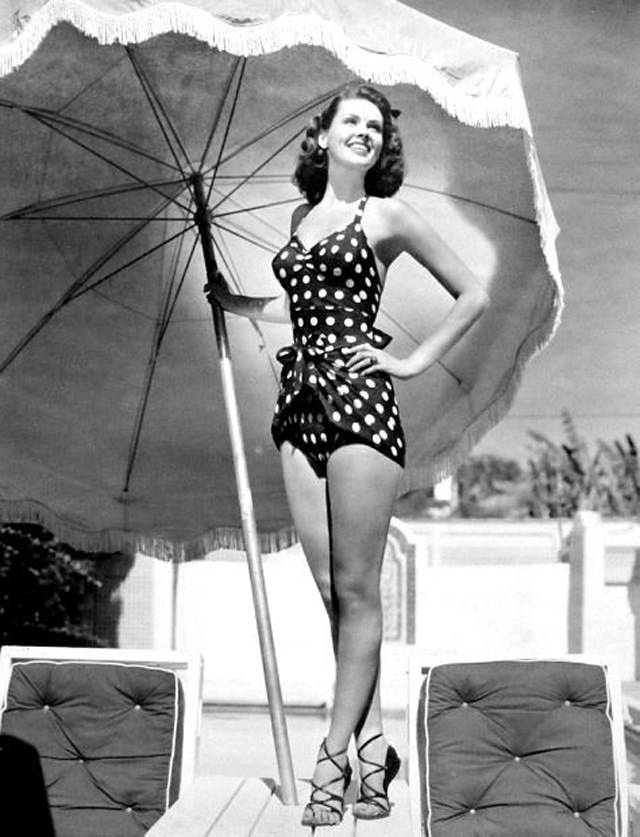


Color choices in polka dot swimwear shifted noticeably across the decades. The 1920s favored stark black-and-white contrasts. The 1940s leaned toward soft pastels. The 1950s brought saturated reds, navy blues, and hot pinks paired with white dots — combinations that photographed beautifully in the new era of color film and print advertising.
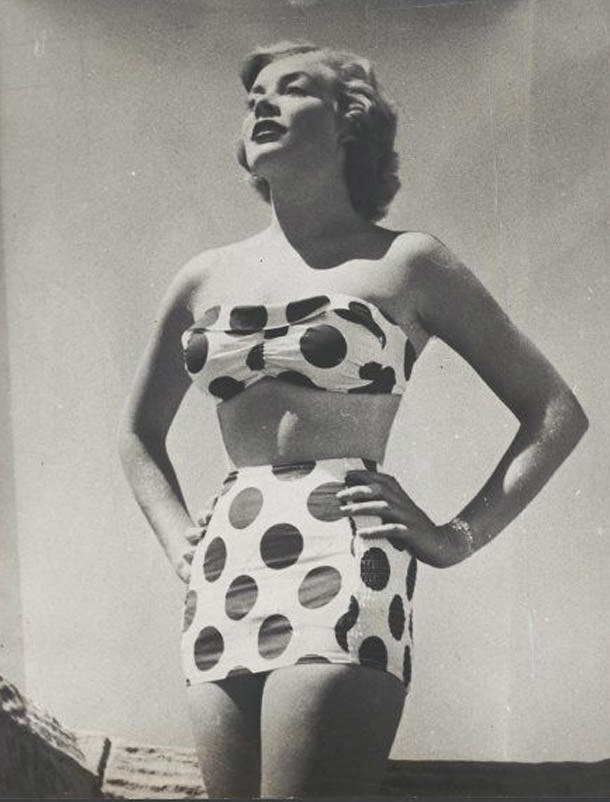

Throughout these decades, the polka dot swimsuit remained a consistent presence in fashion photography. Magazines like Life and Vogue regularly featured models in dotted suits, from structured one-pieces to the newer, more daring two-piece cuts that emerged in the postwar years.