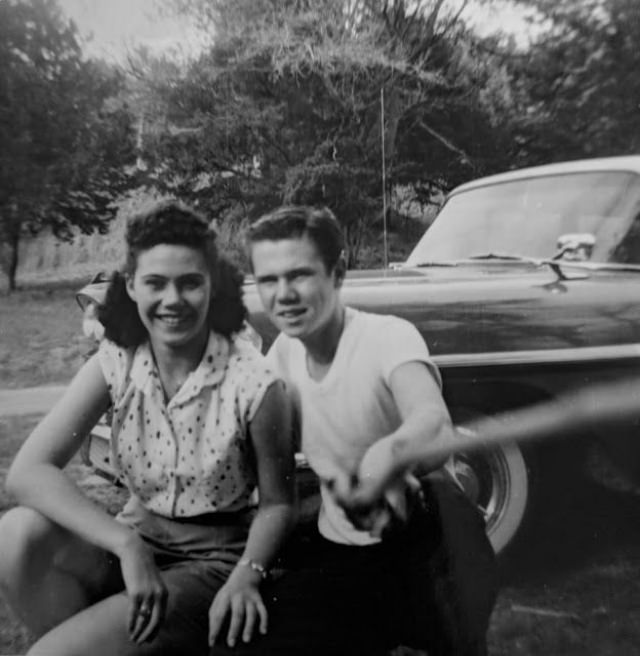
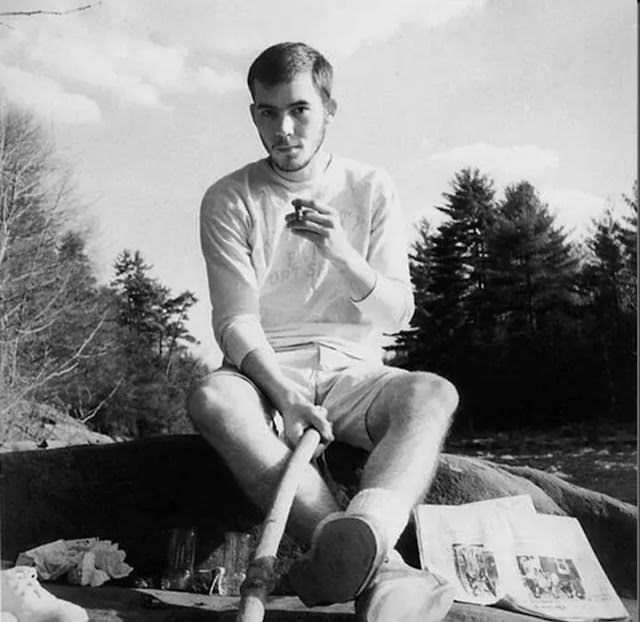
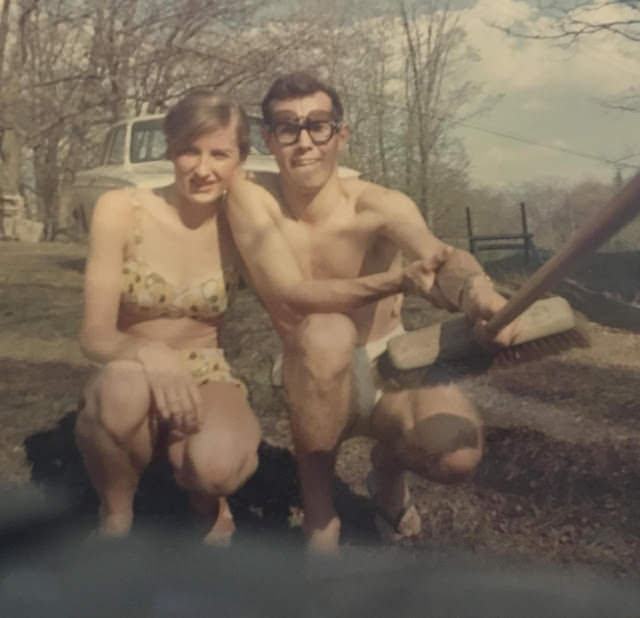
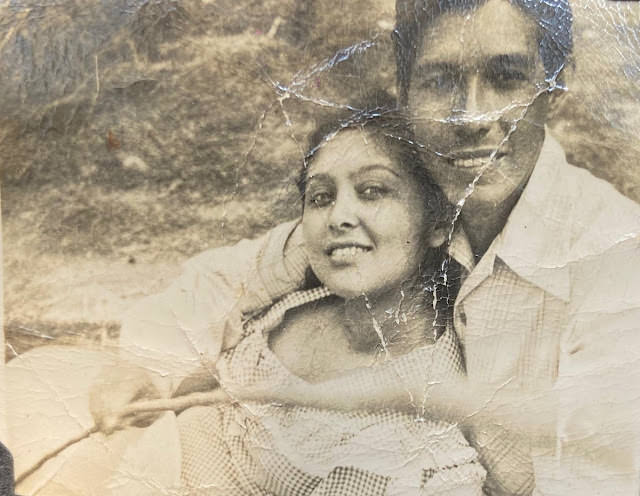
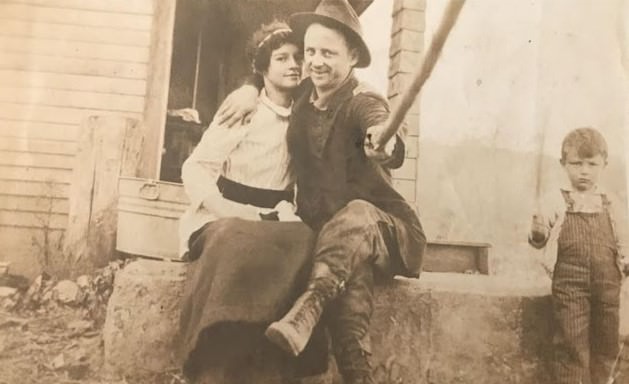
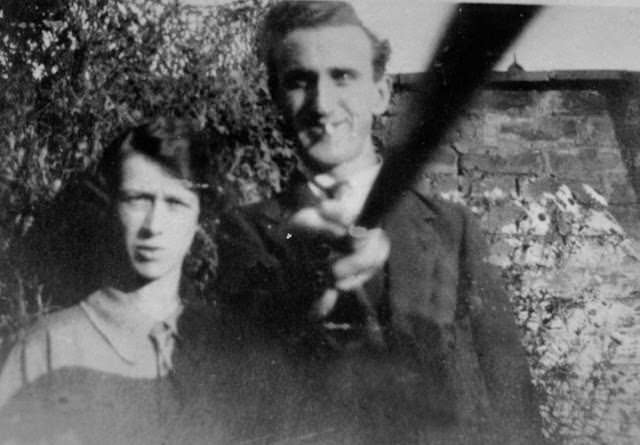
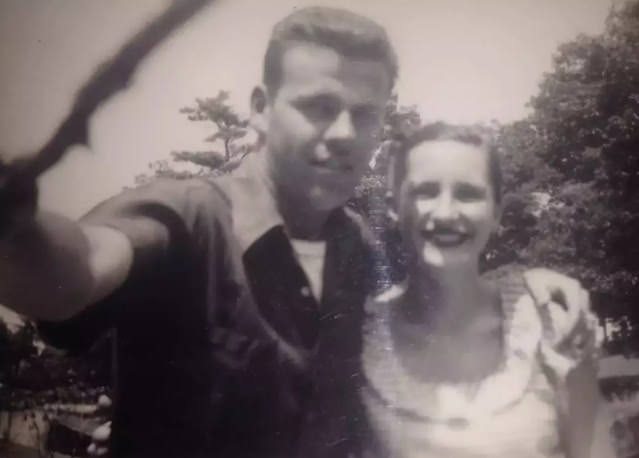
The selfie stick feels like a product of the smartphone age, but people were solving the same problem decades earlier. As far back as 1925, a couple used a long stick to trigger their camera and frame themselves in the shot — no stranger required.
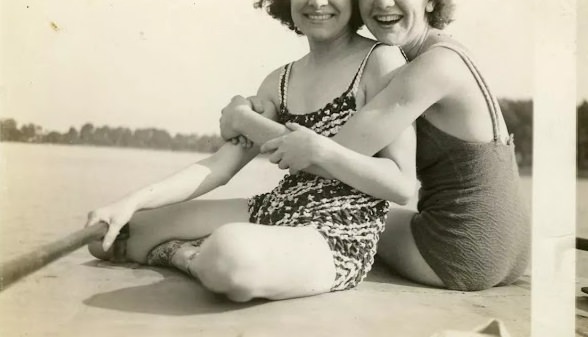
Their resourceful approach proved that the urge to control your own self-portrait is nothing new.
In 1969, the Czechoslovakian sci-fi film “I Killed Einstein, Gentlemen” featured a character using a silver stick to photograph herself and another person. Fiction was already treating the concept as obvious.

Camera makers noticed the demand too. In 1983, Minolta released the Disc-7 camera with a small mirror on the front for self-portrait framing. Its packaging showed the camera mounted on a stick.
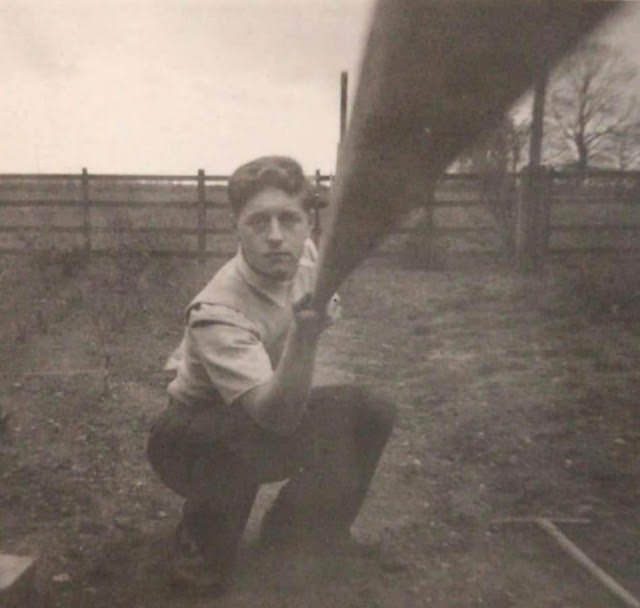
By 1995, a Japanese book catalogued a telescopic extender for cameras. The book labeled it a “useless invention,” yet the idea kept resurfacing.
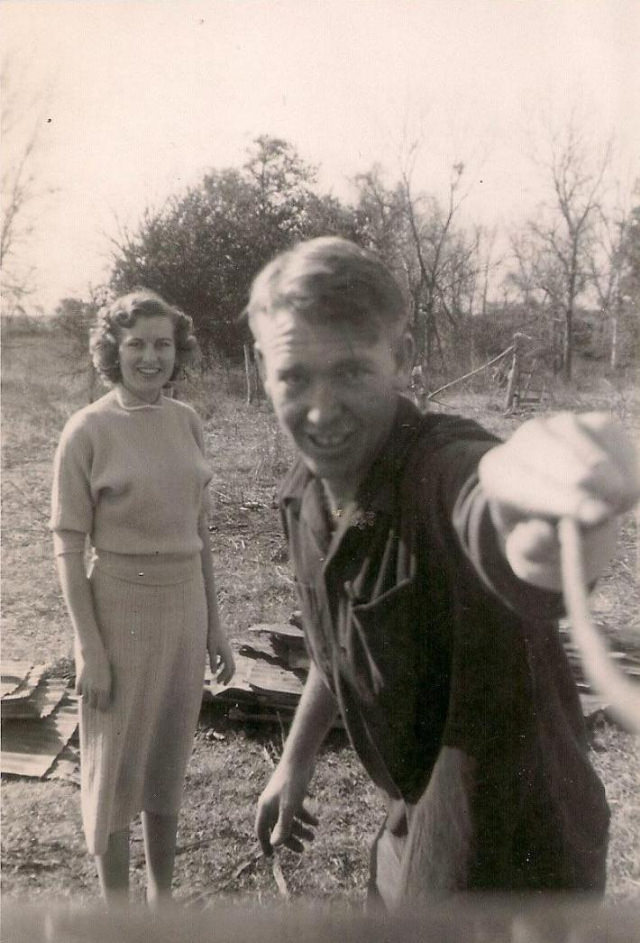
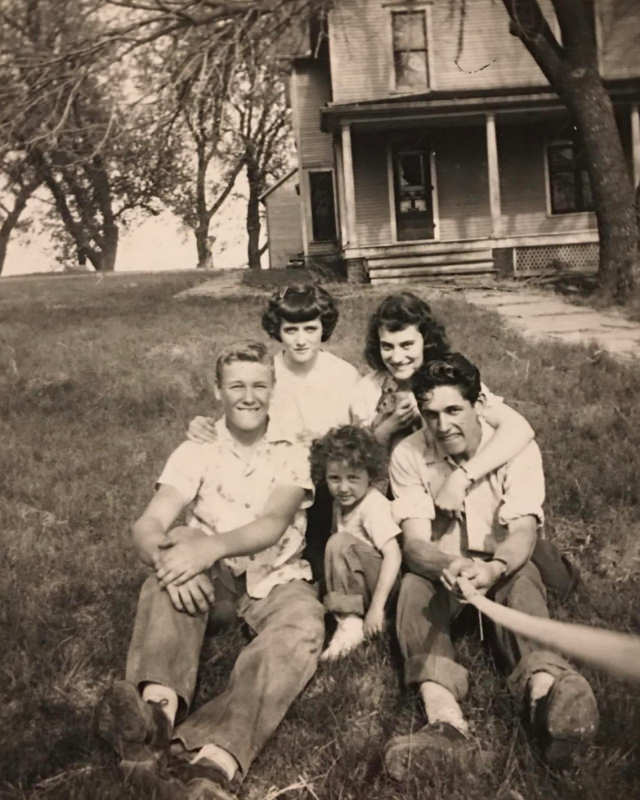
The Quik Pod, patented in 2005, became one of the first commercially sold selfie sticks. It opened the door for dozens of similar products that followed.
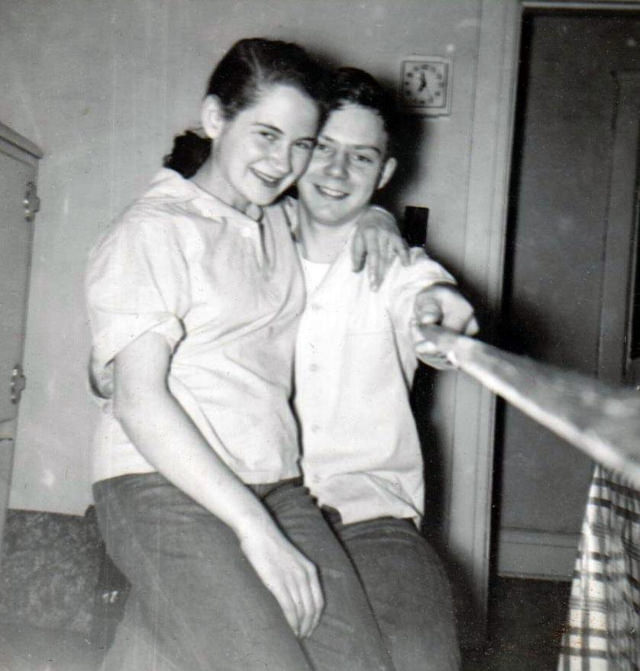
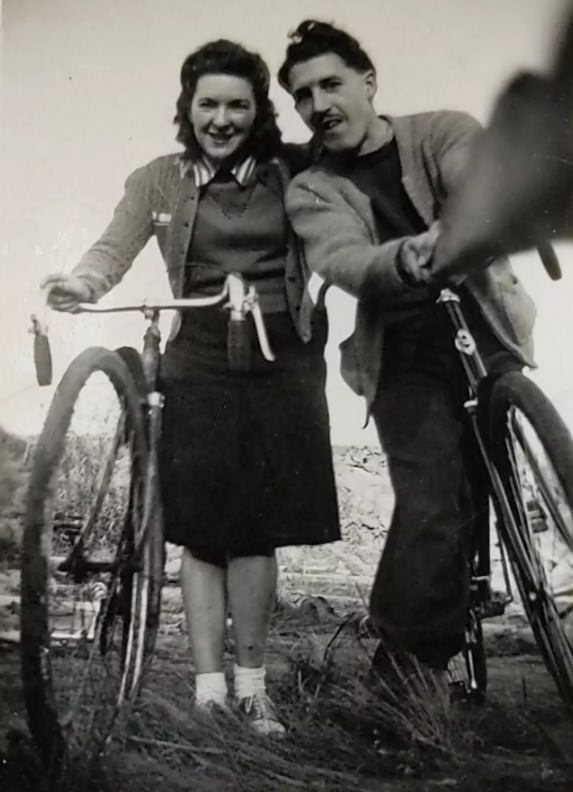
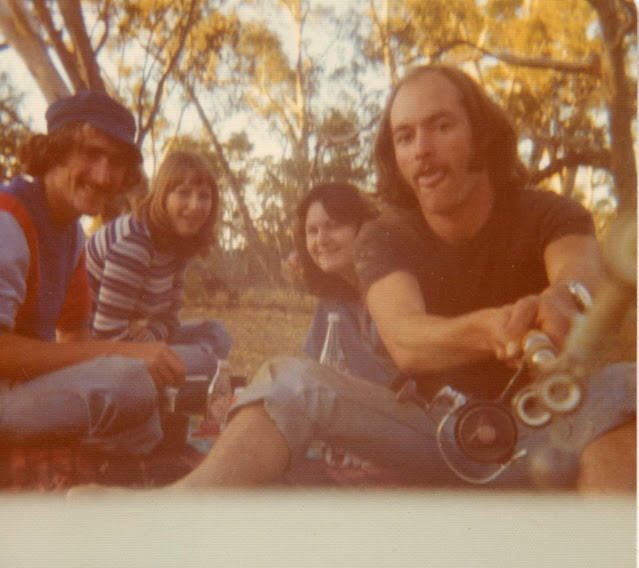
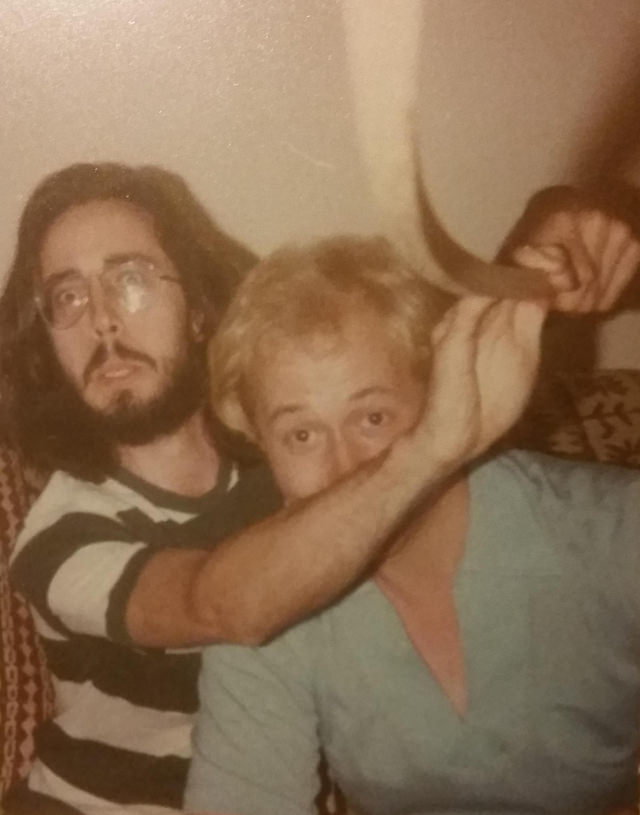
By 2014, “selfie stick” was a household term and a global consumer product. But the photographs below show the concept stretching back nearly a century.