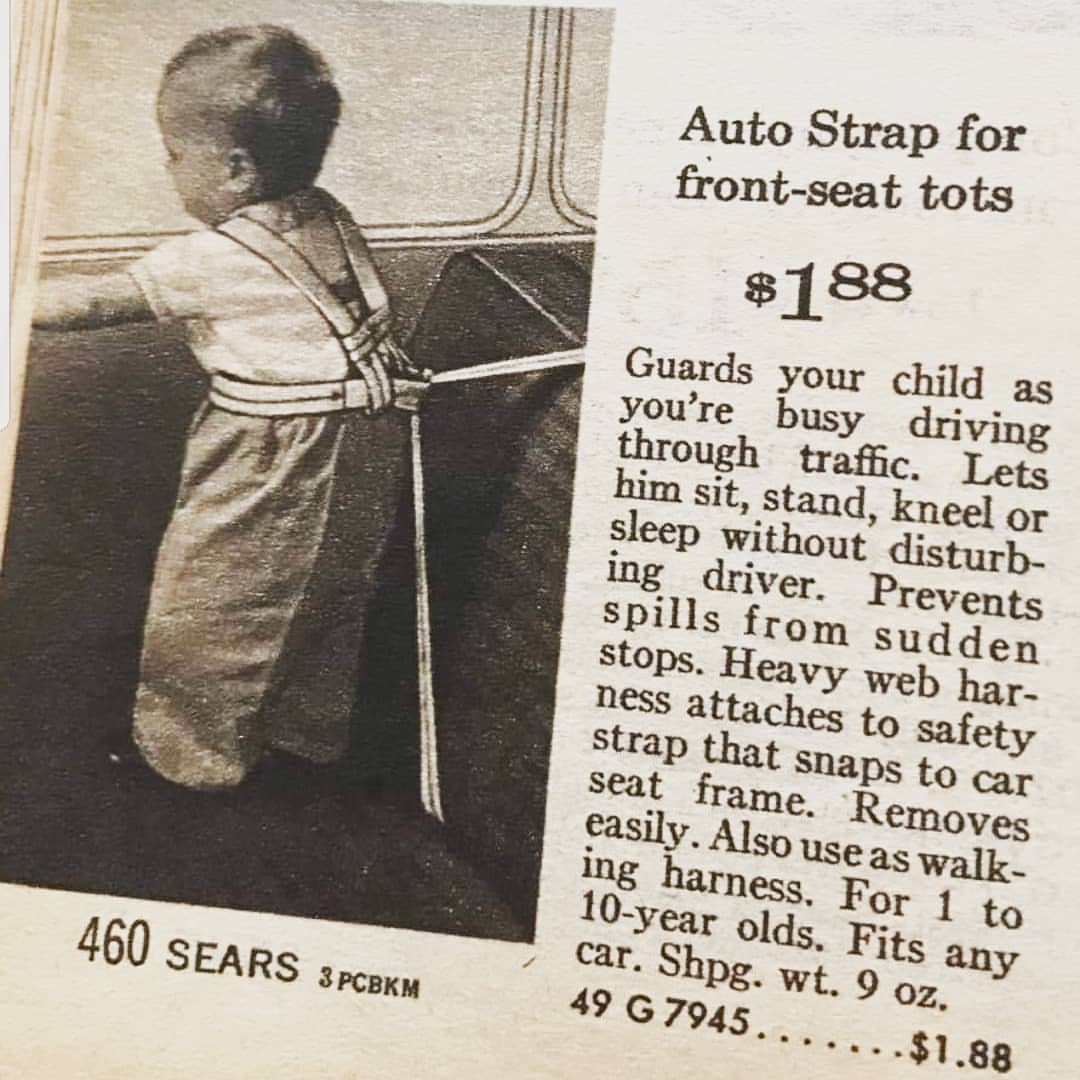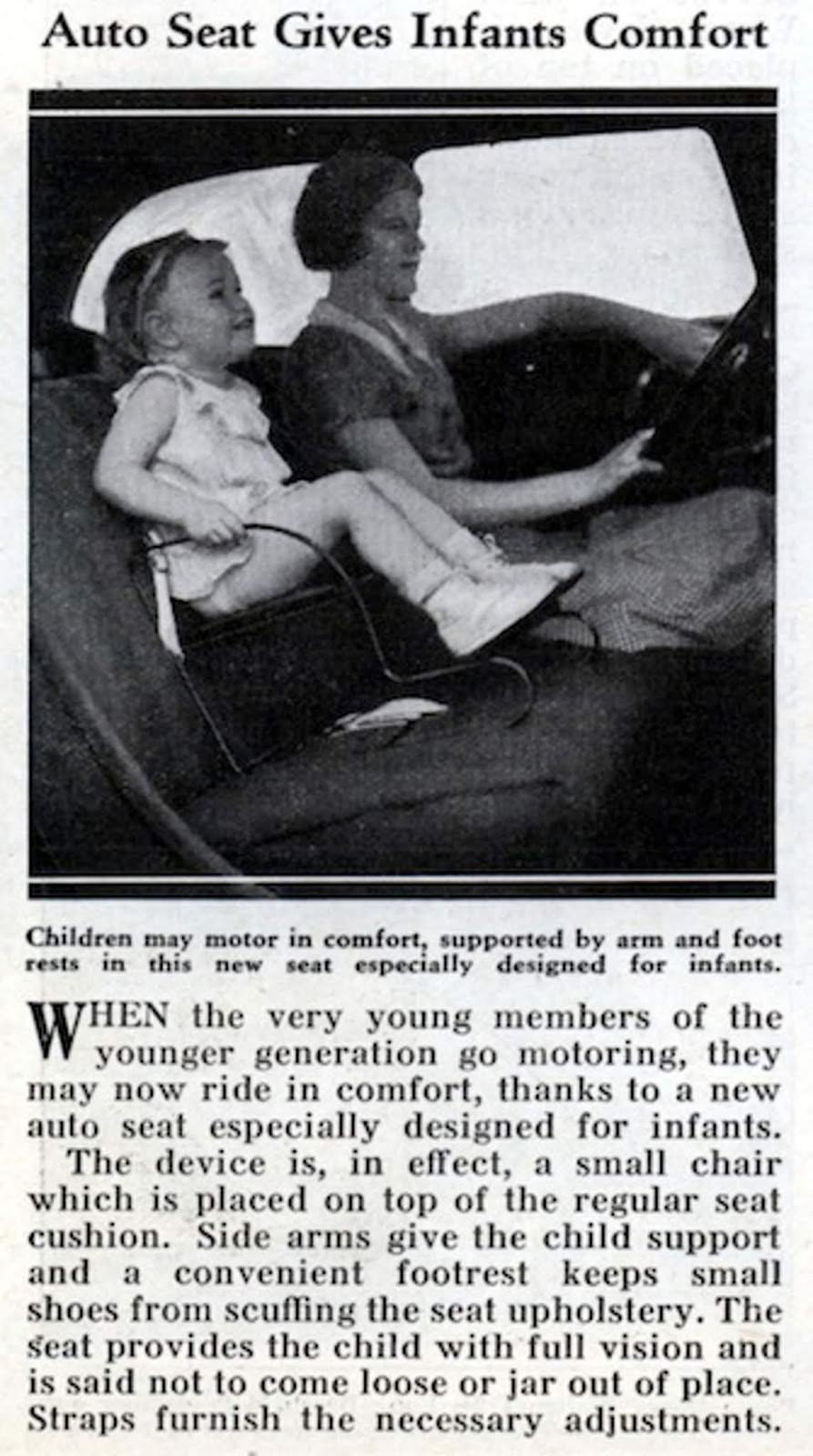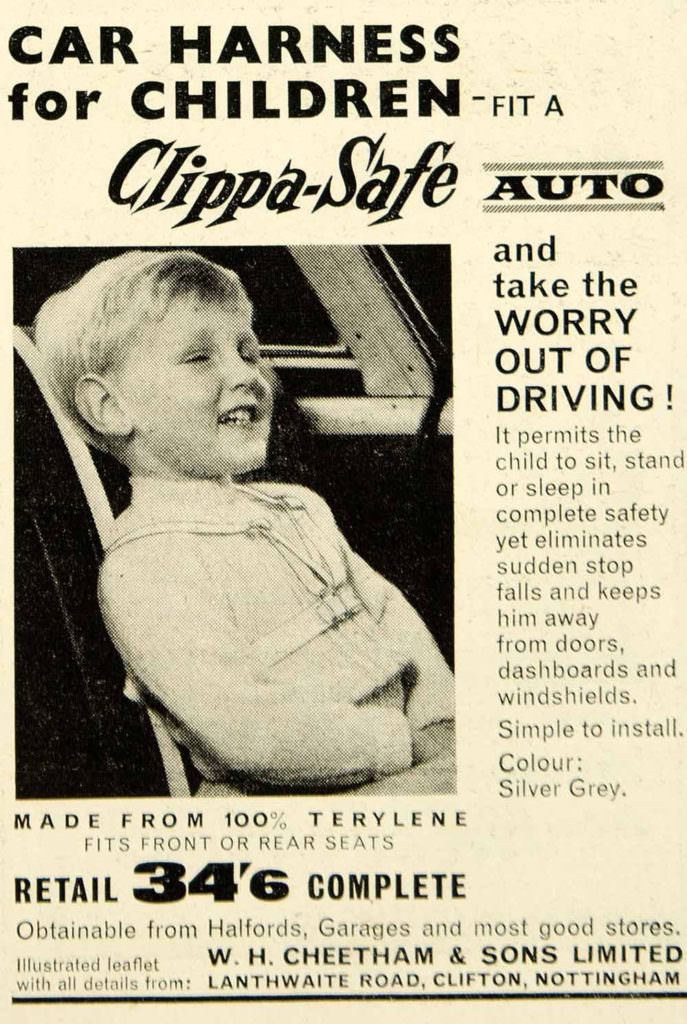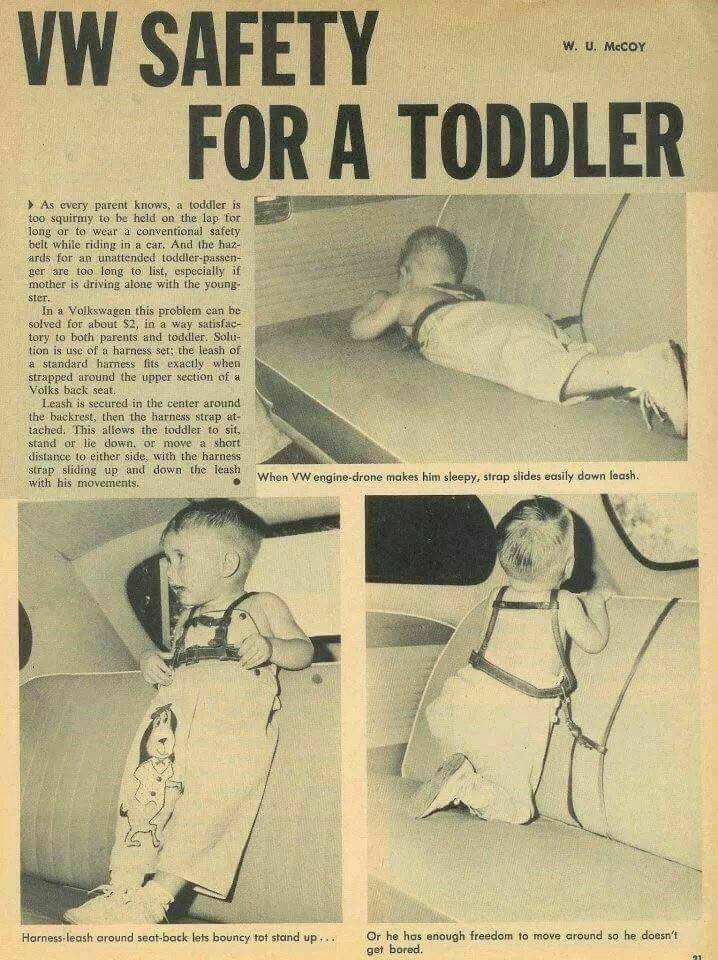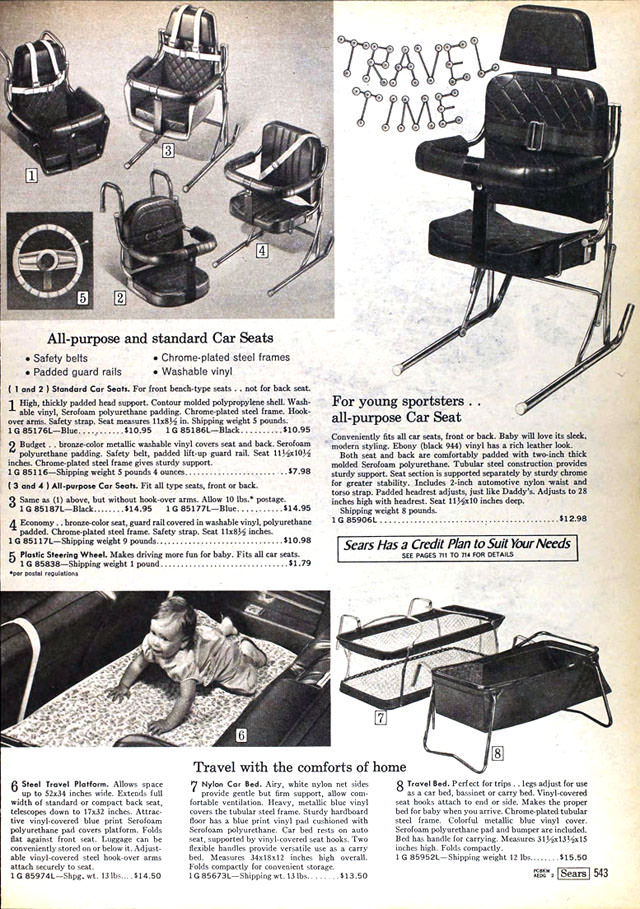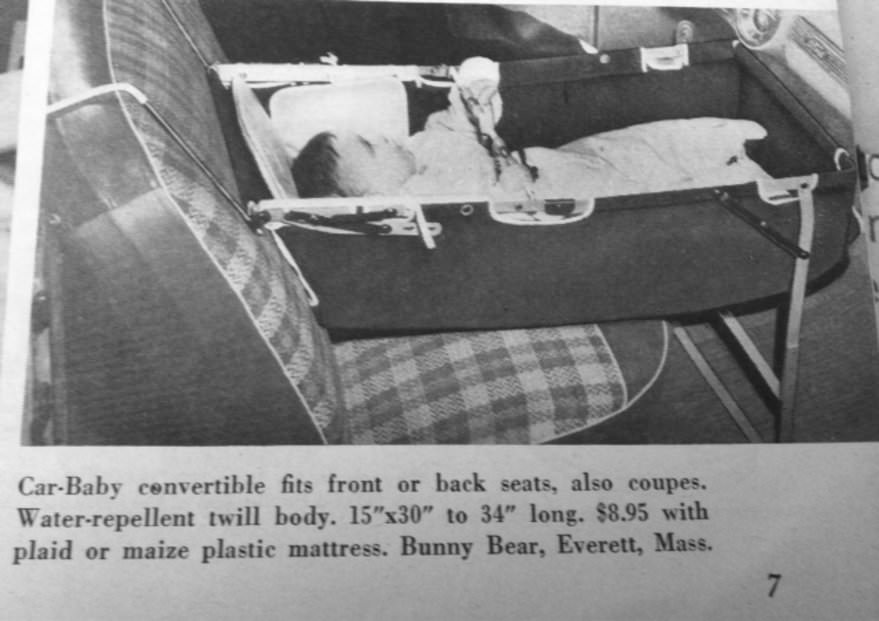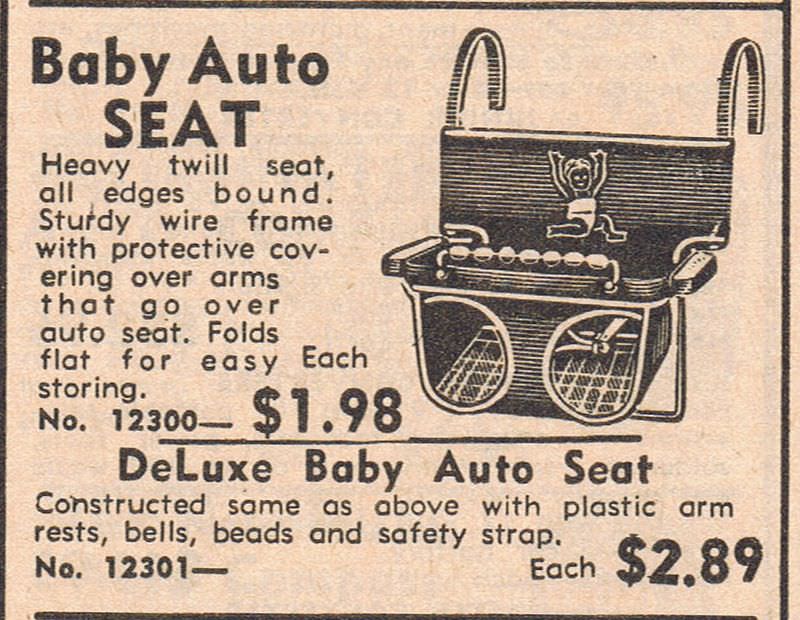

Today, a baby car seat is one of the first things new parents buy before their child even comes home from the hospital. In many countries, it’s the law. But for most of the 20th century, driving with an infant meant placing them on a lap, in a basket, or in whatever a parent could cobble together at home. The road to the modern car seat was long, and its early stops were surprisingly rough.
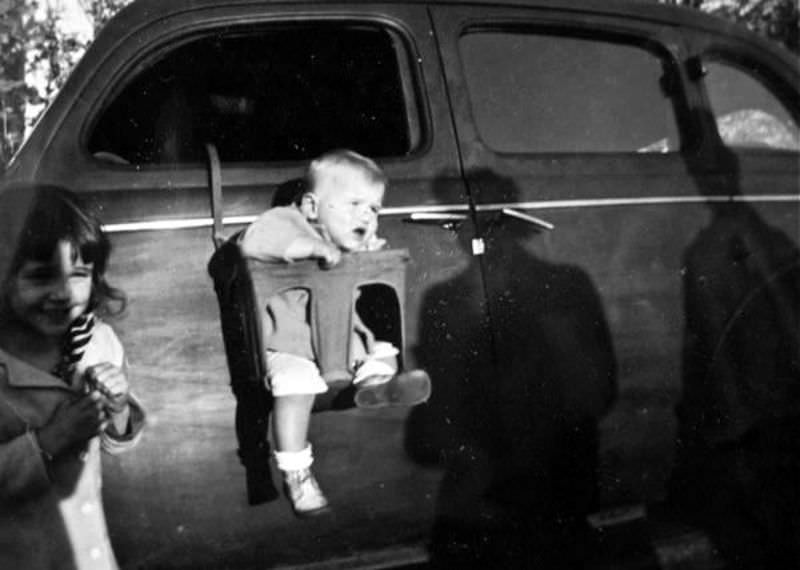
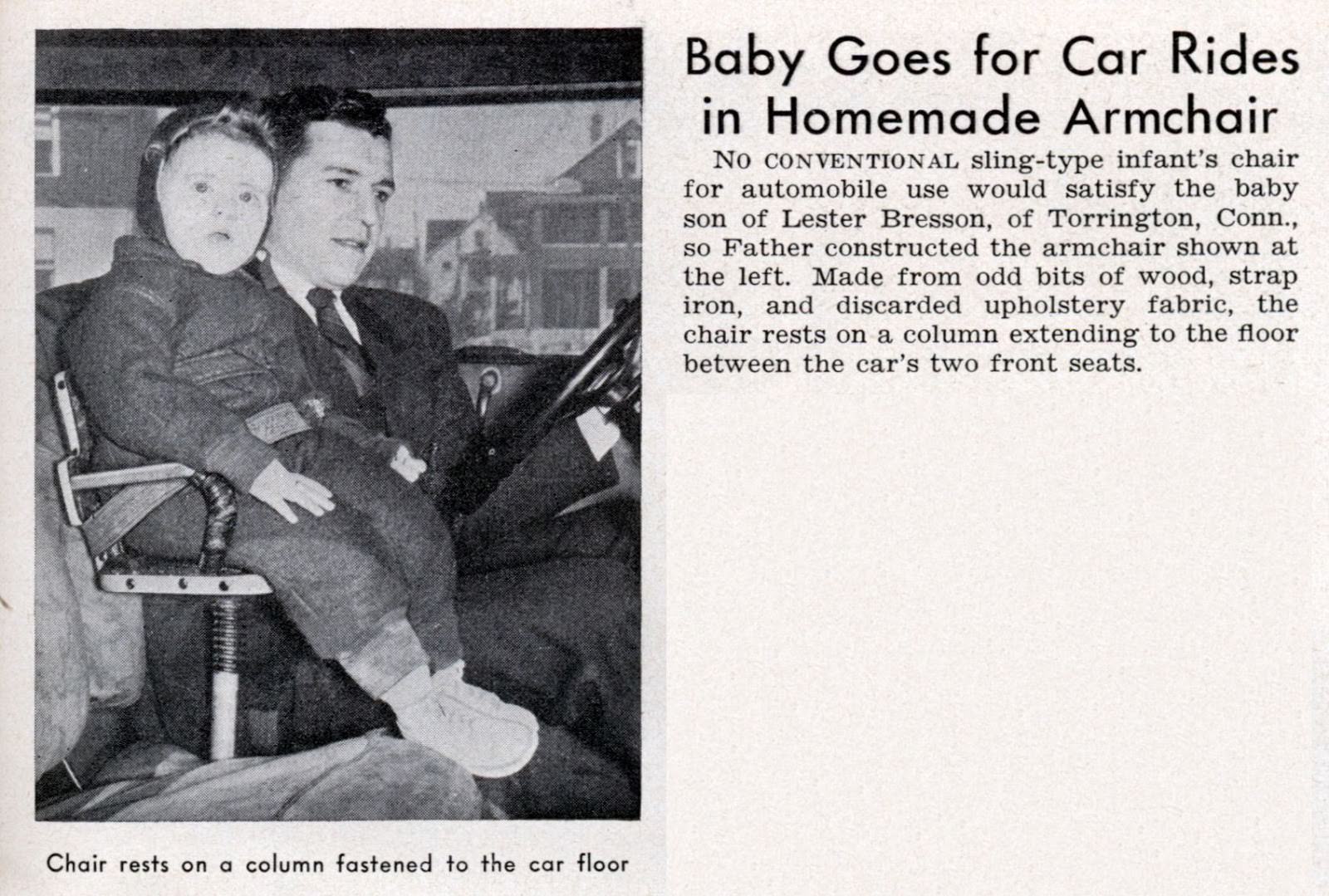
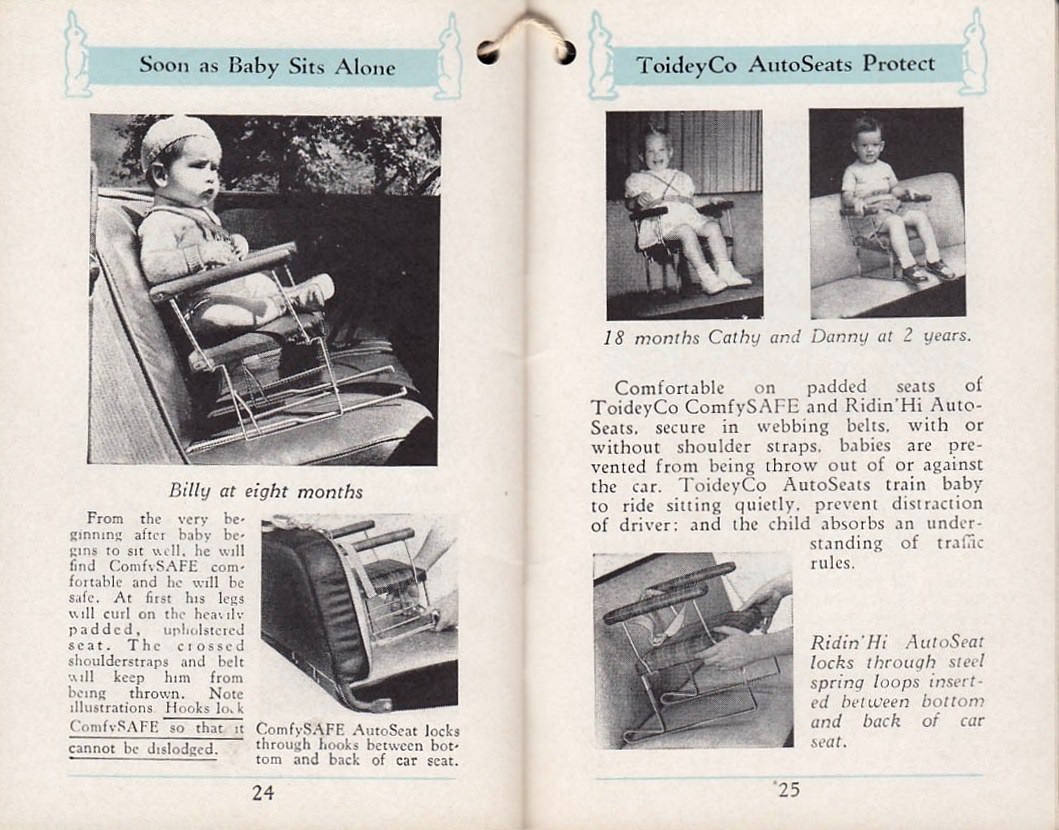
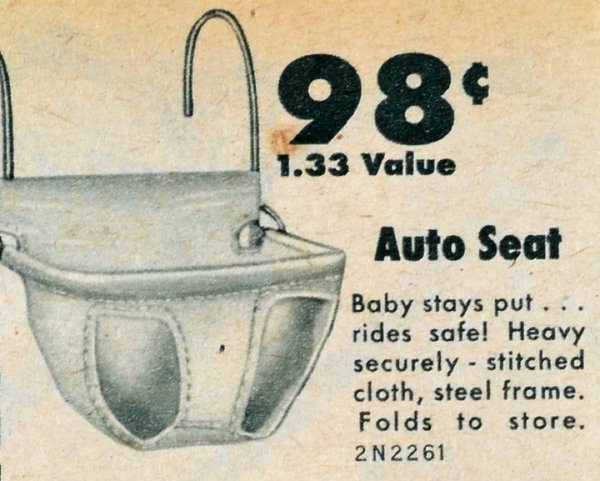
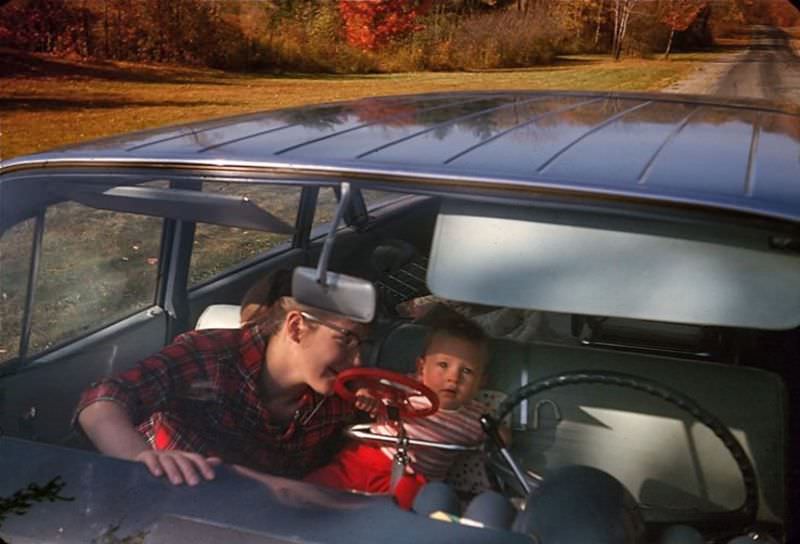
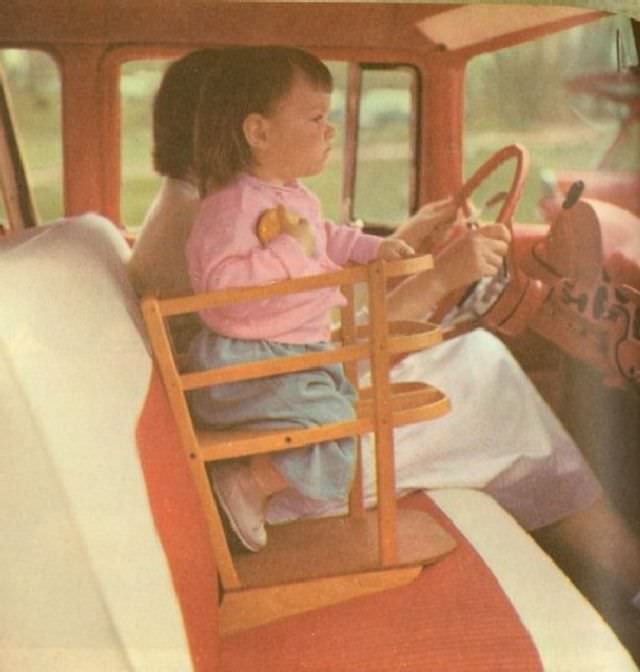
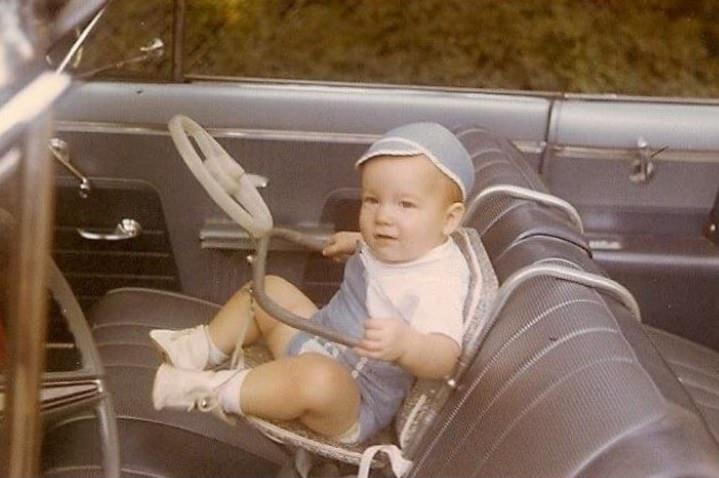
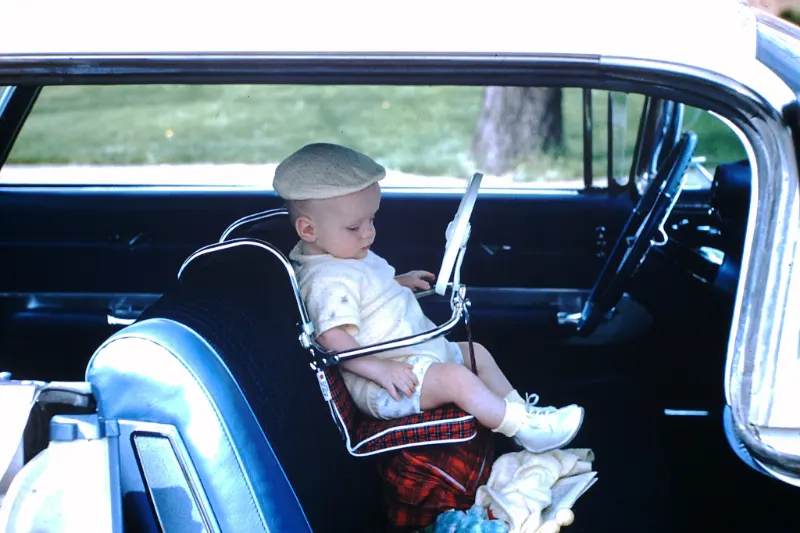
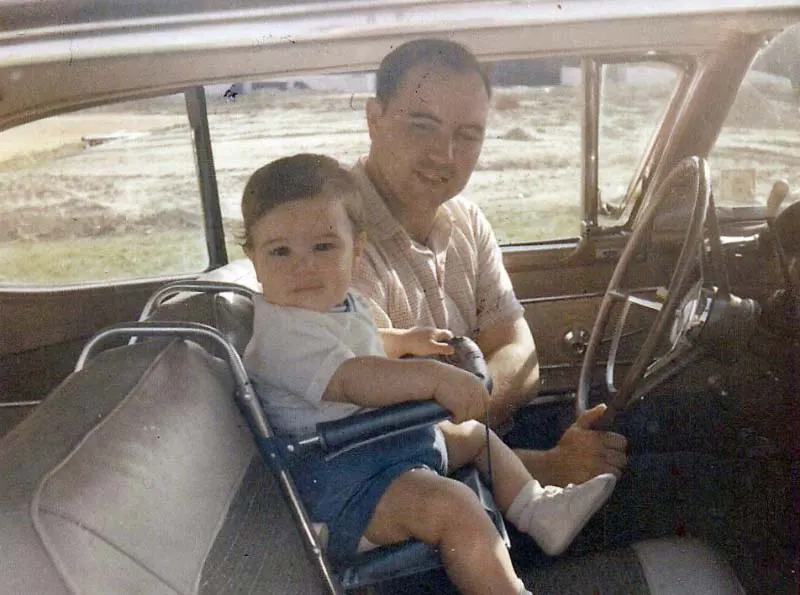
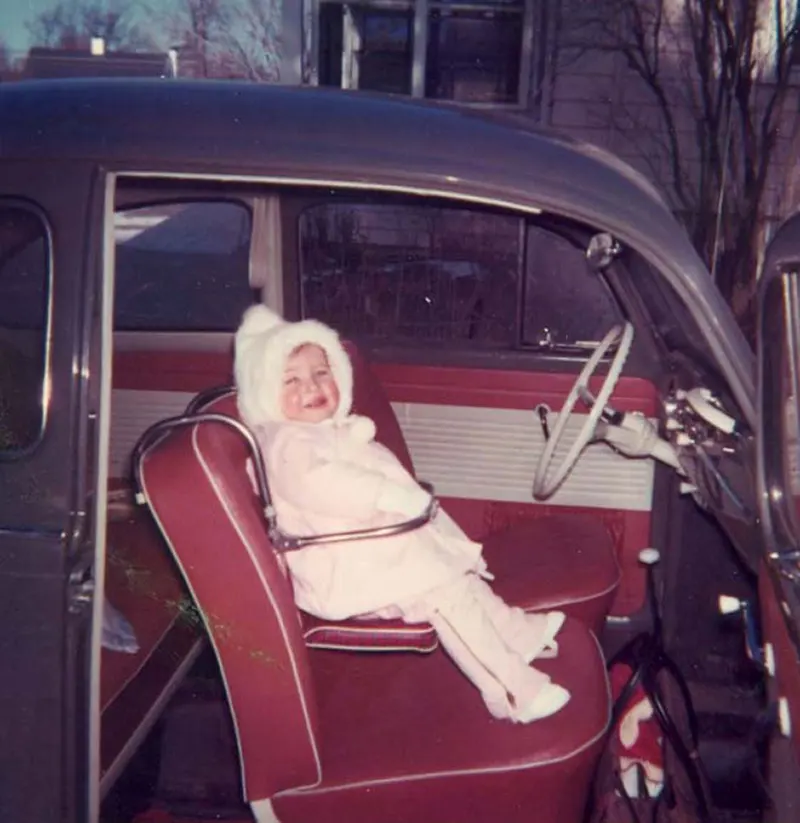
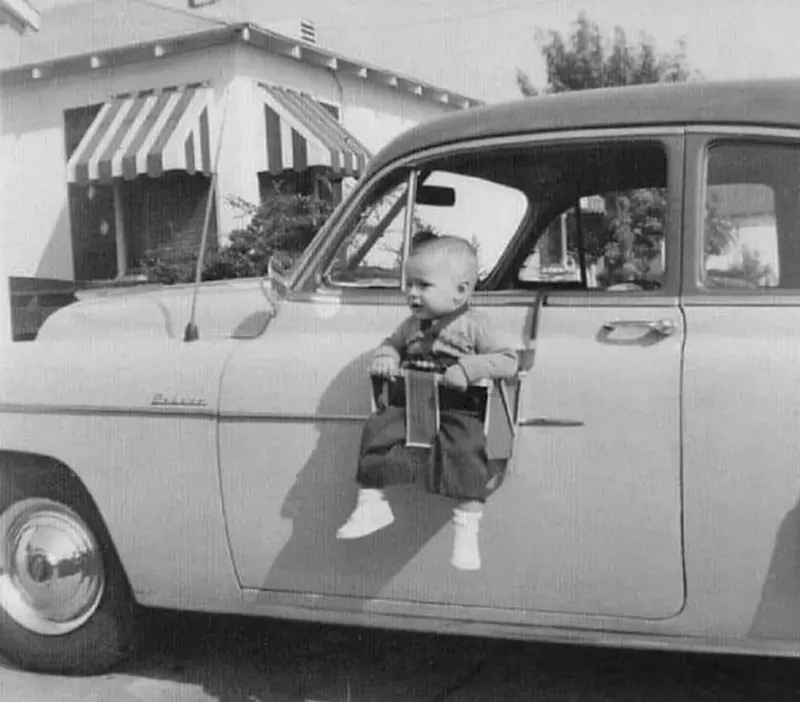
The earliest child seats appeared in the 1930s. They were not safety devices. They were containment tools — simple structures designed to keep a child from wandering around the car while the driver focused on the road. Some were little more than burlap sacks hooked over the front seat’s headrest. Others were wooden boxes or wire frames that propped children up so they could see out the windows. There were no manufacturing standards, no crash testing, and no protective features of any kind.
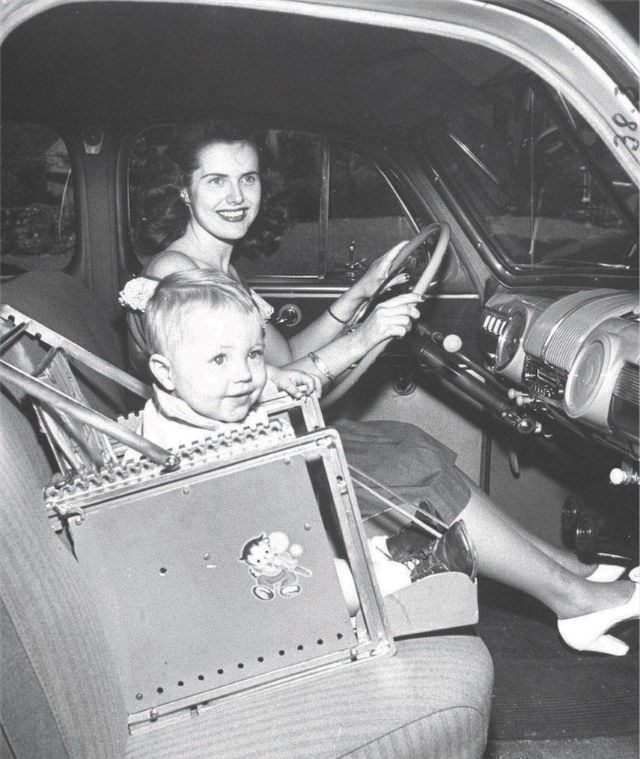
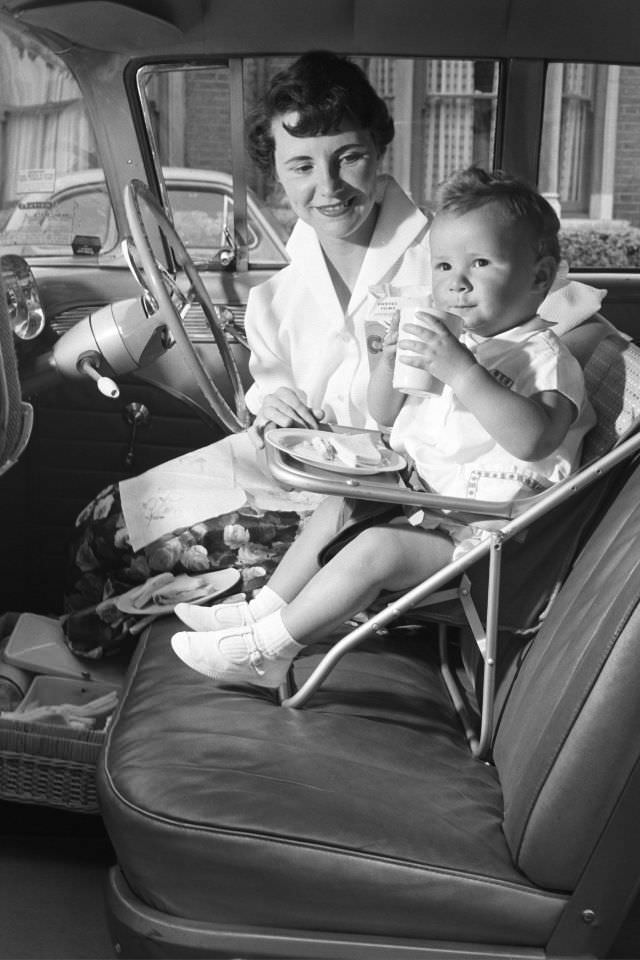
Many of these early seats were built by parents at home using whatever materials were available. The goal was simply to keep the child in one place. Protecting them in a crash was not part of the thinking — partly because car crashes were less studied, and partly because child safety in vehicles simply wasn’t a public concern yet.
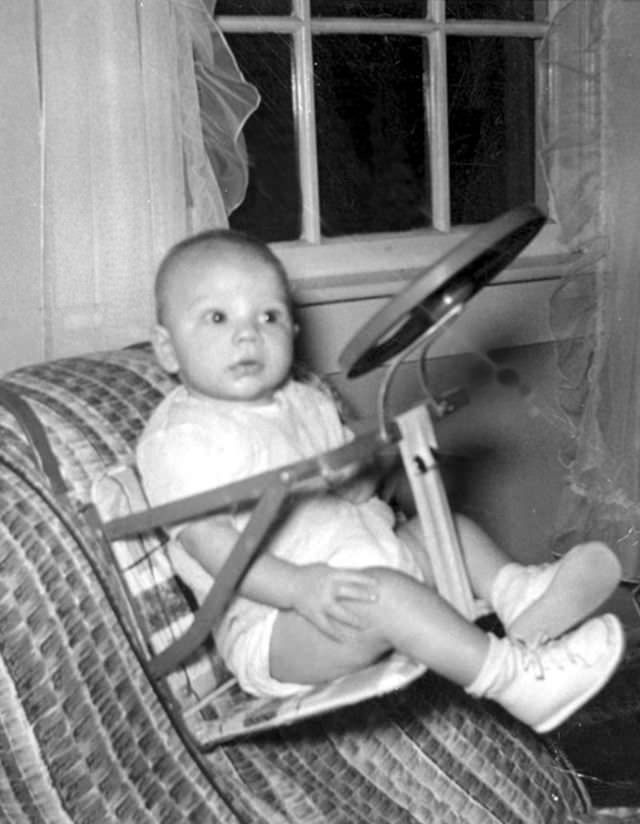
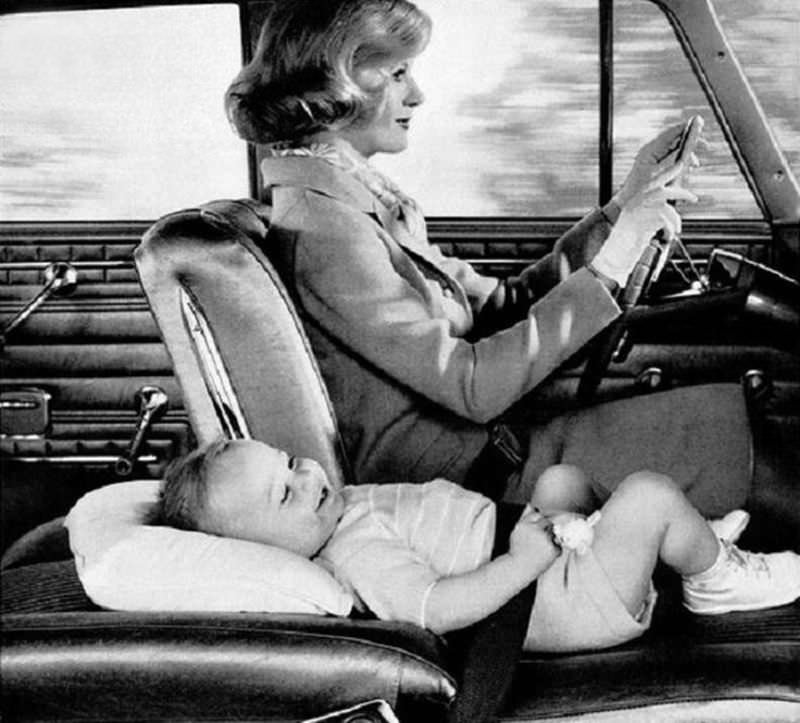
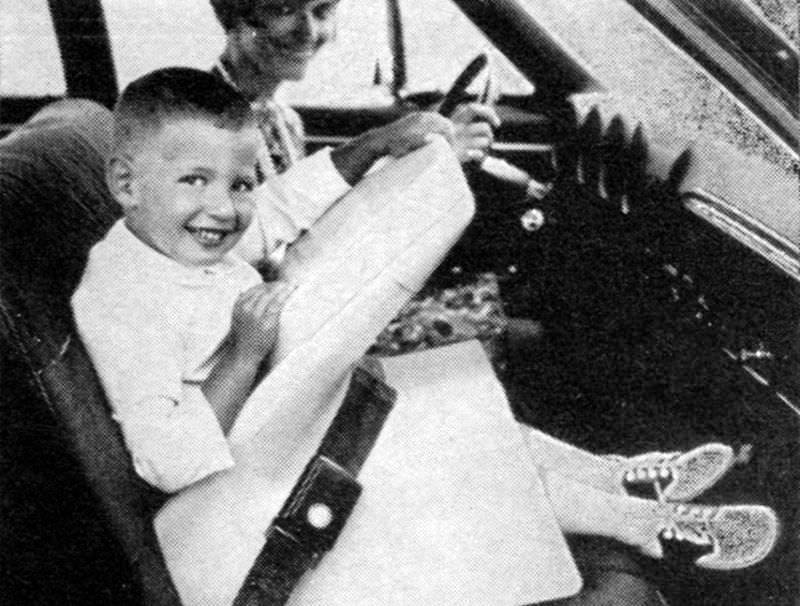
One early commercial product that emerged from this era was the Bunny Bear Booster Seat, introduced in 1933. Like most seats of the time, it was designed to elevate a child rather than protect one. It represents the mindset of the era — practical, basic, and completely unconcerned with crash forces.
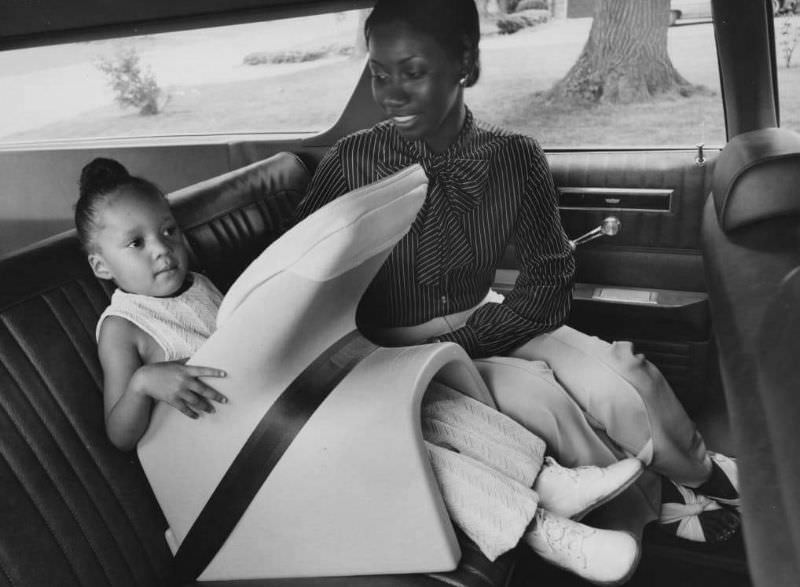
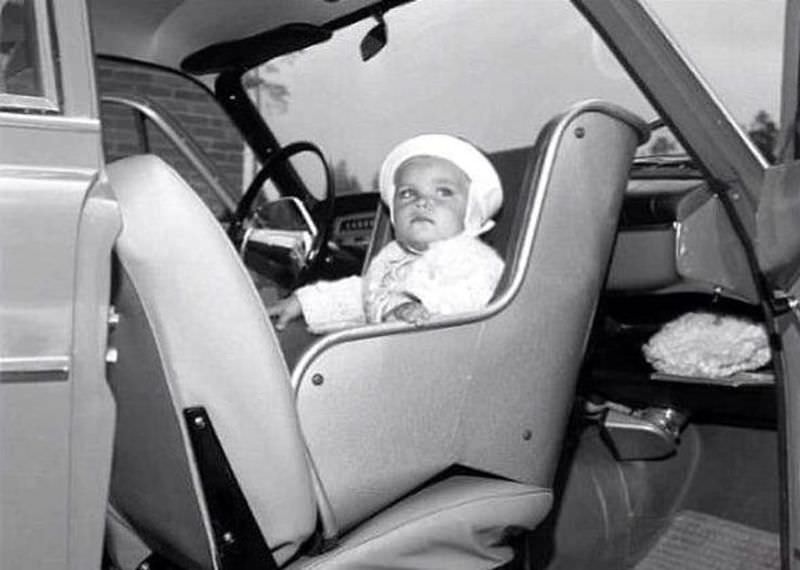
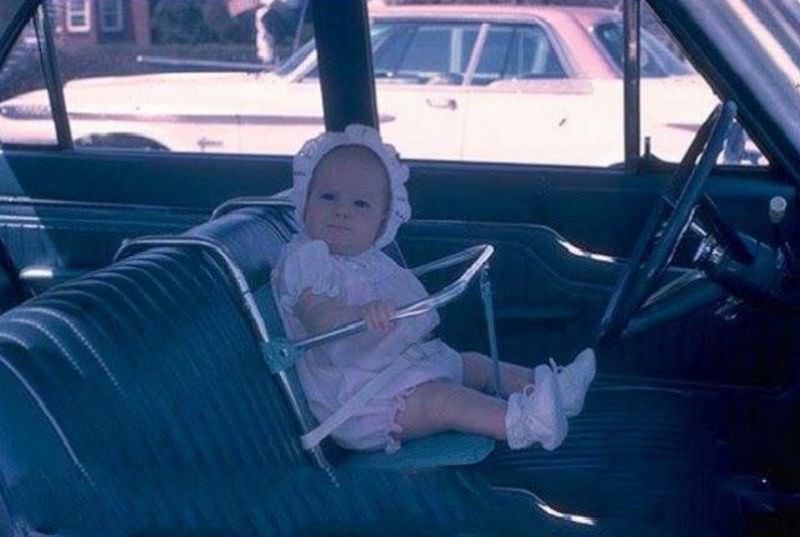
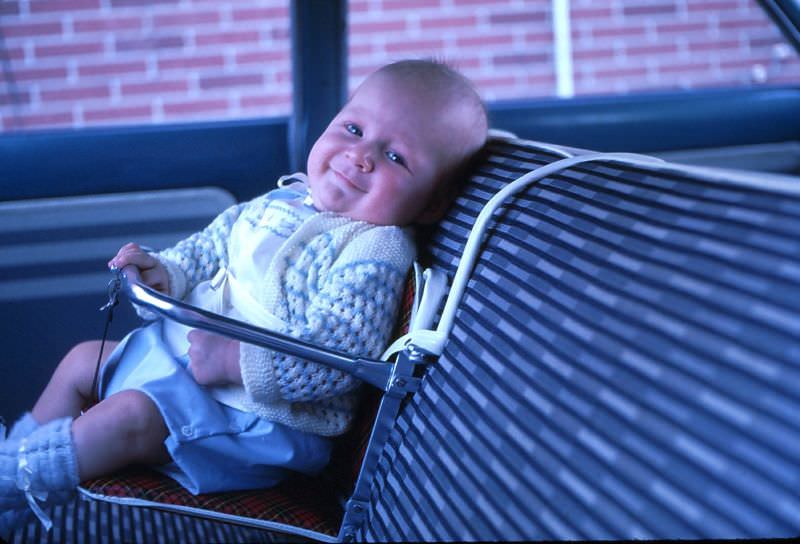
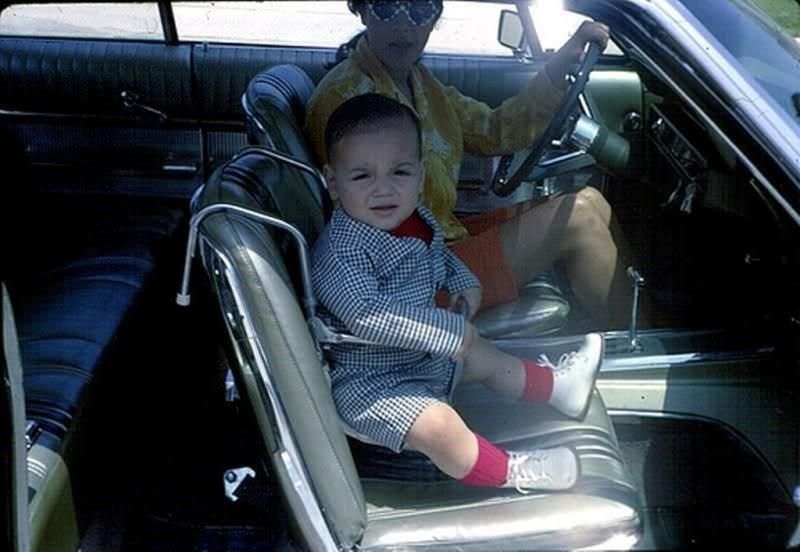
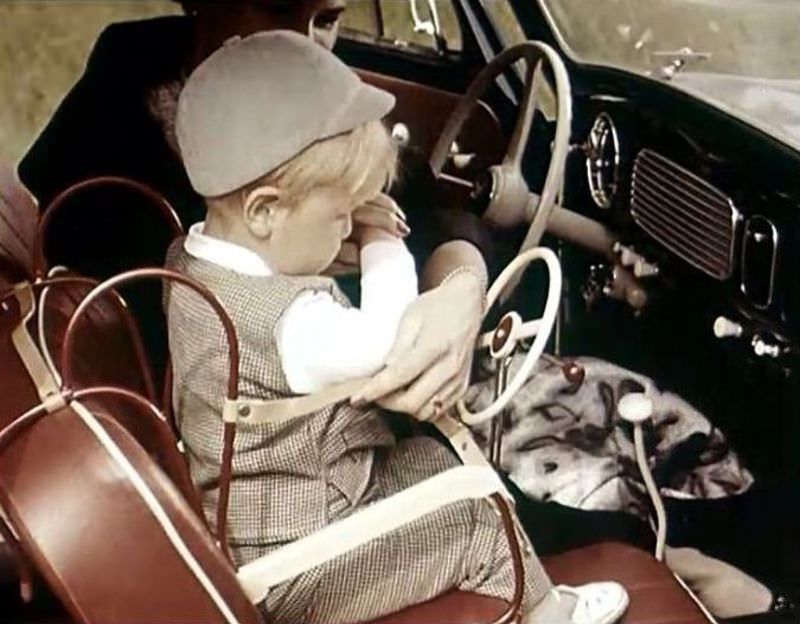
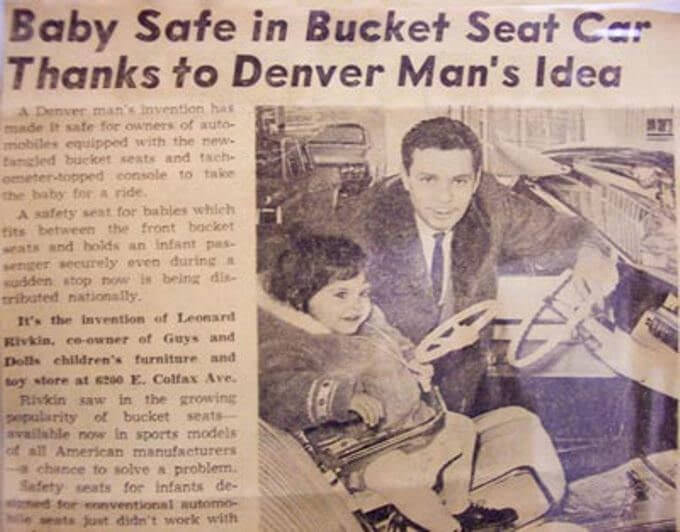
By the 1950s and into the 1960s, commercial manufacturers began taking child car seating more seriously — at least as a market opportunity. In 1962, two notable designs appeared almost simultaneously. Leonard Rivkin, working with Ford Motor Company, developed the “Tot-Guard,” a plastic seat with a padded shield across the front meant to cushion a child from hitting the dashboard during a sudden stop. That same year, Jean Ames designed the “Boulevard Express,” another early attempt to build safety into the seat’s structure. Both were primitive by modern standards, but they marked the first real effort to engineer protection into a child’s car seat.
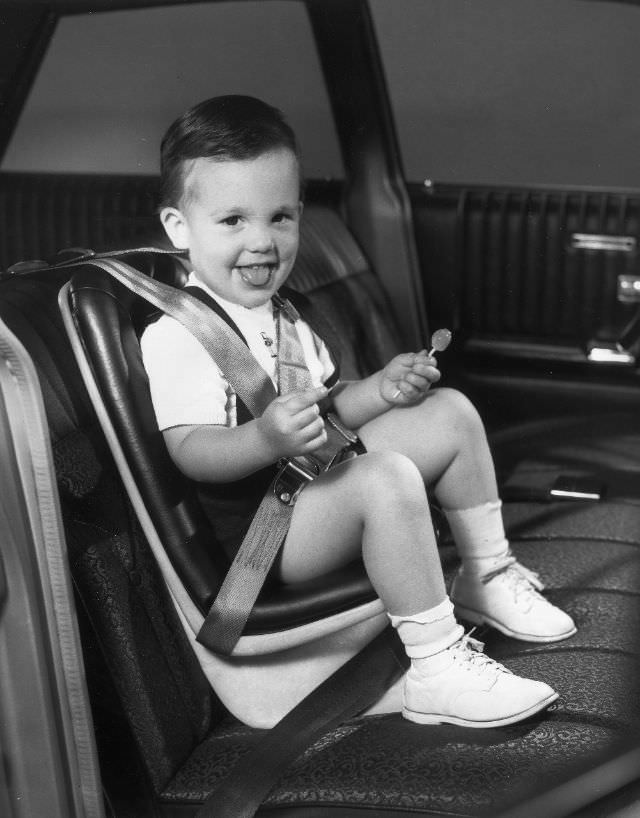
Real regulatory change didn’t come until 1970, when the National Highway Traffic Safety Administration (NHTSA) was established. For the first time, there was a federal body with the authority to set and enforce standards for vehicle safety, including child restraints. This shifted the conversation from individual parental choices to national policy.
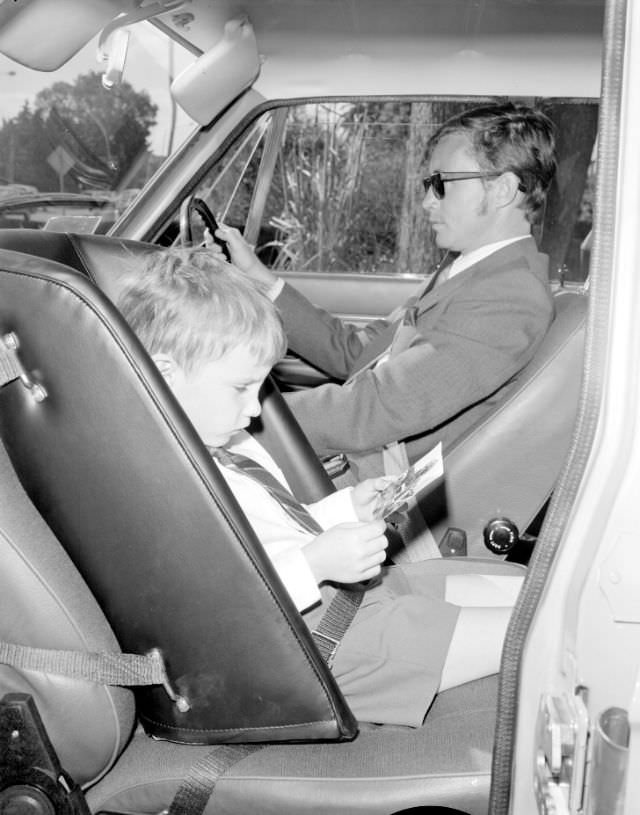
The 1970s brought the most meaningful design leaps of the century so far. Crash testing grew more sophisticated, and consumer awareness of road safety was rising. In 1971, Bobby Mac introduced a car seat featuring a Y-strap harness system — a design that closely resembles what parents use today. Seats were now being built specifically to manage the forces of a collision, not just to keep a child sitting still.
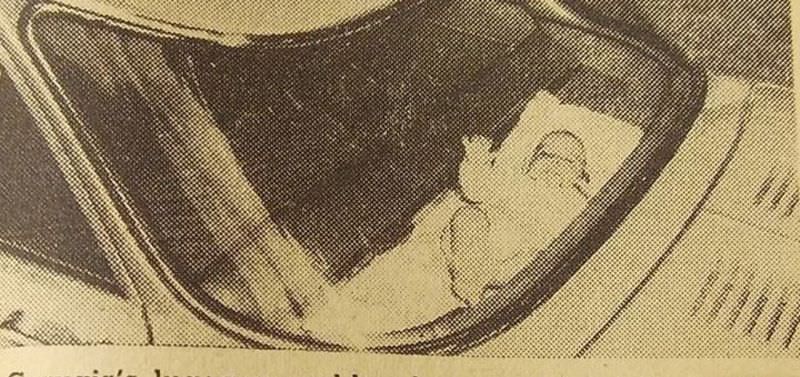
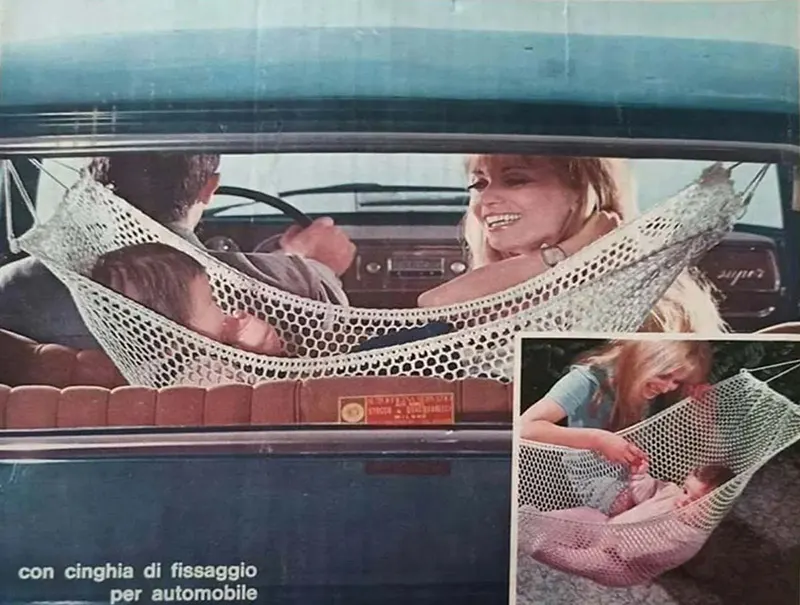
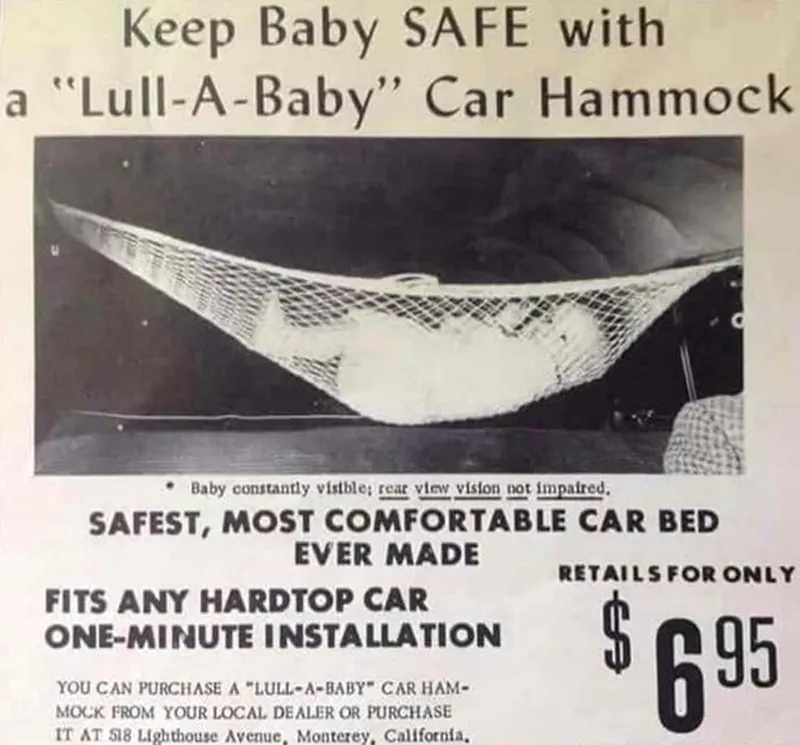
Not every 1970s child passenger product followed sound safety logic, however. Car hammocks for babies were briefly popular during this decade — fabric slings strung across the back seat intended to cradle an infant during a ride. They offered no crash protection whatsoever.
The 1980s and 1990s were defined by legislation and advocacy. Child car seats became mandatory by law across many countries, and the industry responded with rapid innovation. Crash testing expanded to simulate side impacts and rollovers, not just frontal collisions. Manufacturers introduced the LATCH system — Lower Anchors and Tethers for Children — which allowed seats to attach directly to the car’s frame rather than relying solely on the seatbelt. Research also confirmed what engineers had begun to suspect: rear-facing seats absorb crash forces far more effectively for infants and toddlers, leading to updated safety guidelines that remain in place today.