History is full of women who acted when the cost was high. They marched into male-dominated spaces, stood on frontlines, and made choices that put their safety and freedom on the line. These photographs capture those moments — raw, real, and unposed.
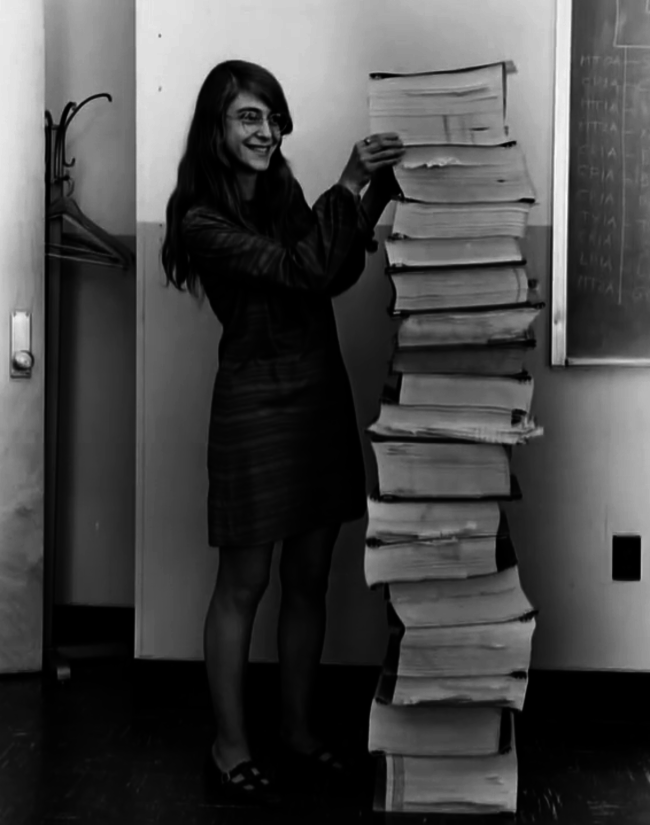
Some women made history not with weapons, but with code. Margaret Hamilton spent years manually writing the software that guided Apollo astronauts to the moon. The stack of printed code beside her in this photo reaches her shoulders.
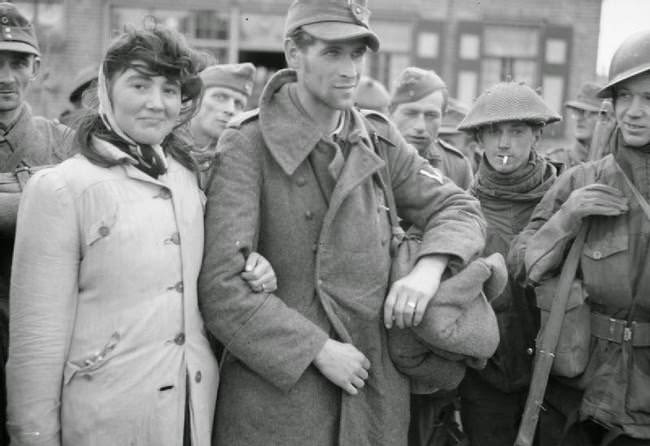
During World War II, loyalty didn’t always follow national lines. When Allied soldiers captured her husband — a German soldier — this Dutch woman refused to leave his side. She walked into captivity with him.
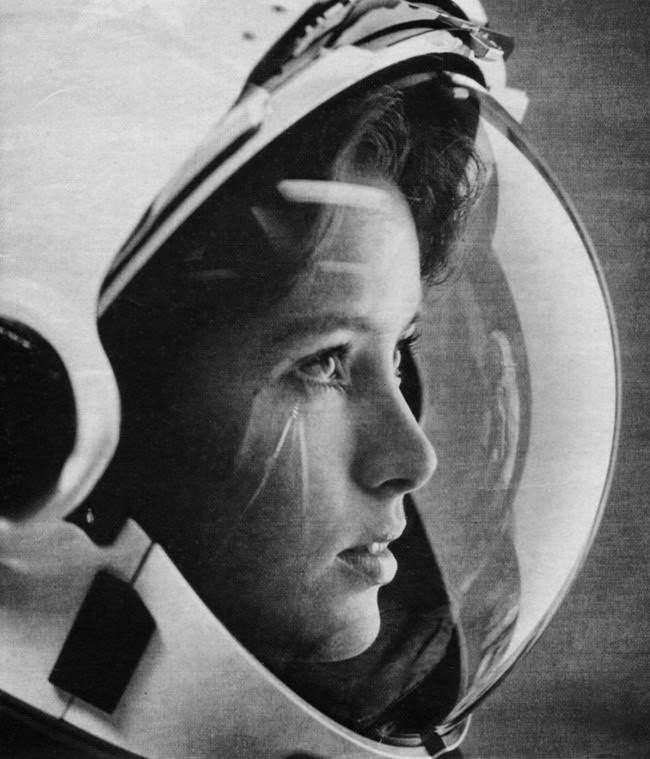
Space exploration had its own glass ceiling. Anna Fisher shattered it in 1984, becoming the first mother to reach orbit — balancing one of the most demanding careers on earth with raising a child.
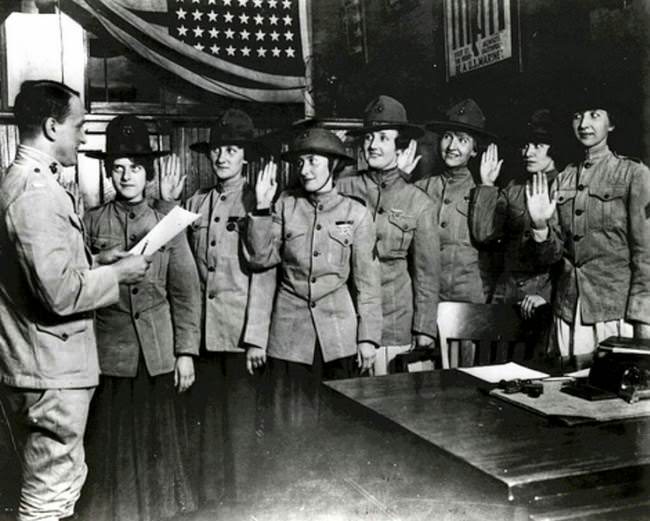
Military service was another door long closed to women. In 1918, a group of women became the first to be officially sworn into the U.S. Marine Corps — a formal step into a world that had excluded them entirely.
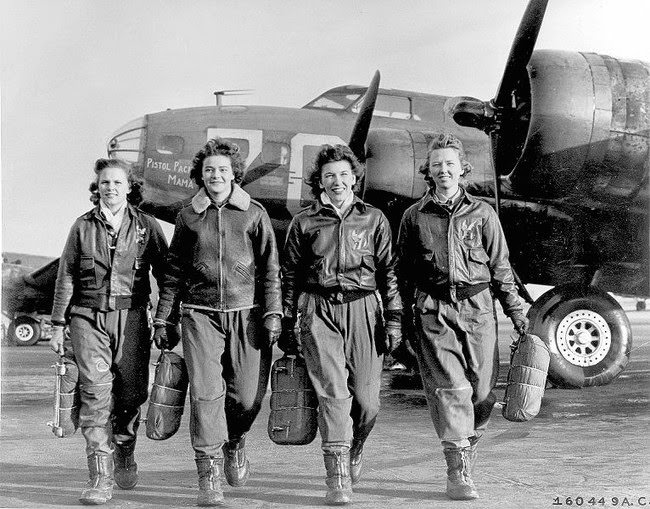
During the 1940s, women pilots flew military aircraft across the United States under the Women Airforce Service Pilots program. They ferried planes, tested aircraft, and performed jobs that freed male pilots for combat.
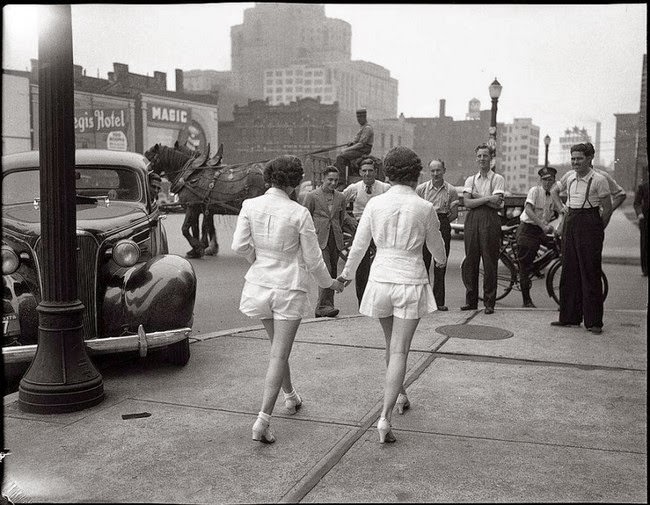
Defying social norms could be as simple — and as daring — as showing your legs. In 1937, two women walked through Toronto with bare legs in public, an act that drew stares and challenged deeply held rules about how women were expected to dress.
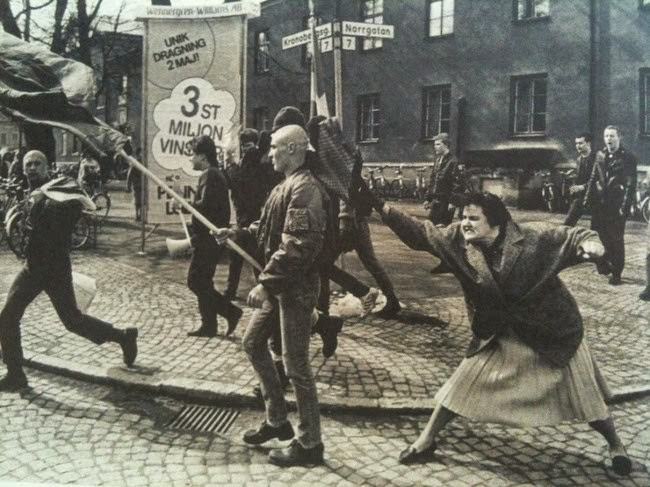
Courage sometimes shows up in a single, unplanned moment. In 1985, a Swedish woman struck a neo-Nazi marcher with her handbag. She was later identified as a concentration camp survivor.
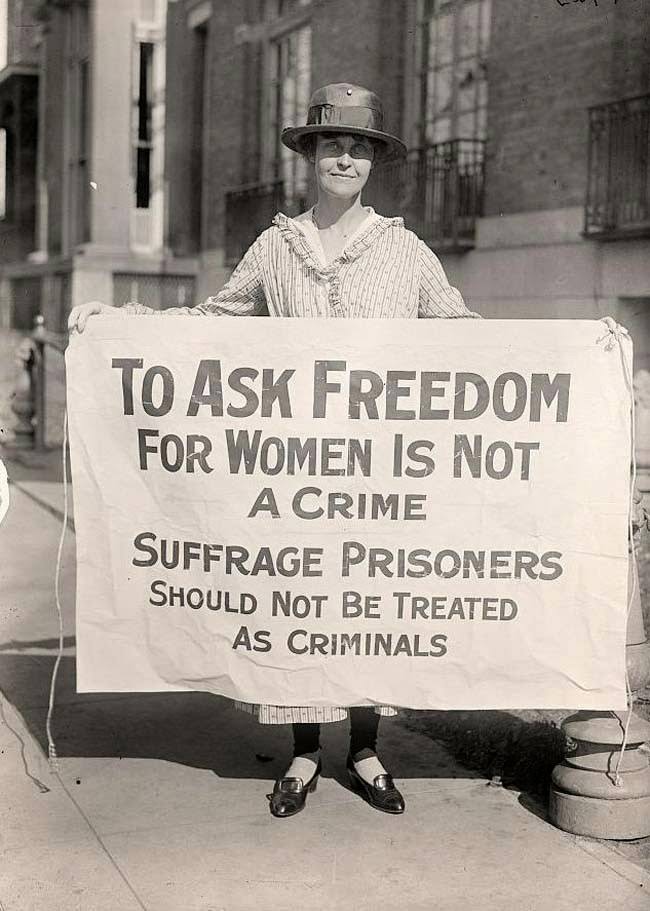
The fight for women’s voting rights in the United States came at a brutal price. In 1917, thirty-three suffrage activists were arrested on false charges of obstructing traffic and beaten by prison guards in what became known as the Night of Terror.
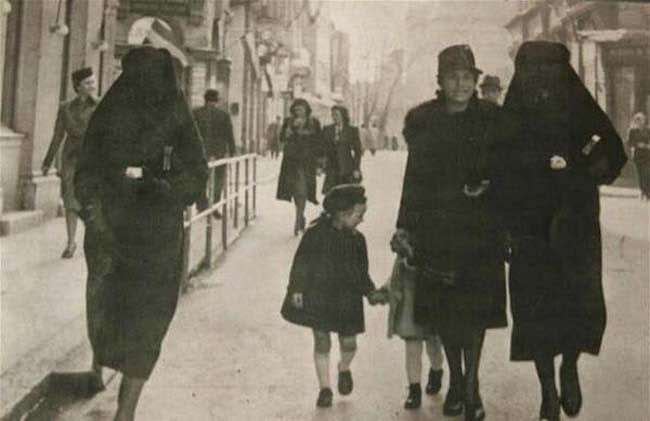
In Sarajevo in 1941, a Muslim woman took a quiet but deliberate risk. She pulled her veil over the yellow star pinned to her Jewish neighbor’s clothing, hiding it from authorities who used those stars to identify and target Jewish people.
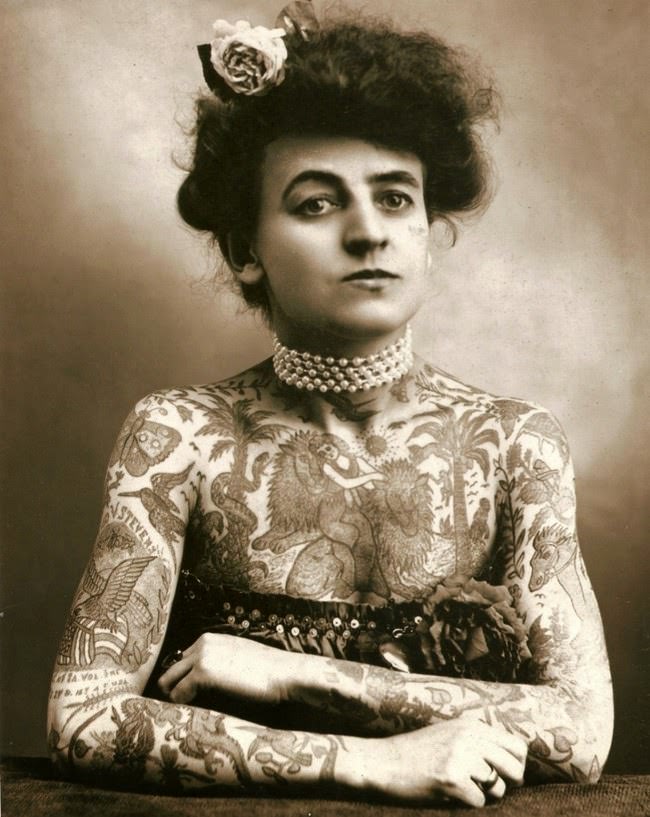
At a time when tattooing was considered deeply taboo — especially for women — Maud Wagner became one of America’s most recognized tattoo artists. She was heavily tattooed herself and worked professionally in a field that had no place for women.
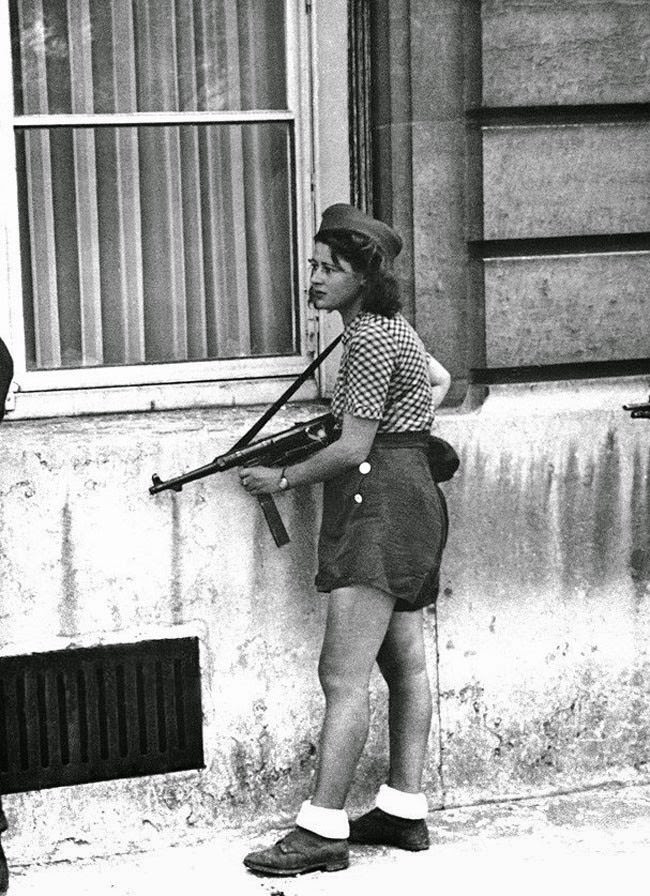
Simone Segouin was just 18 years old when she joined the French Resistance. She captured German soldiers and carried out missions in occupied France. This photograph was taken during the liberation of Paris in August 1944.
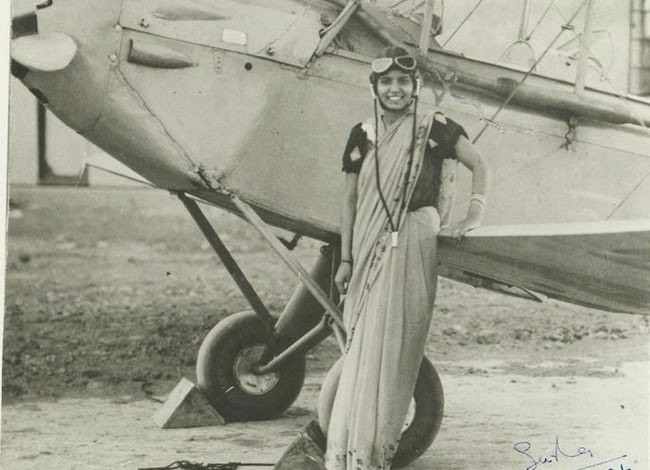
Sarla Thakral earned her pilot’s license in India in 1936 at age 21, becoming the first Indian woman to do so. She flew in traditional dress and broke through barriers in a country where aviation itself was still new.
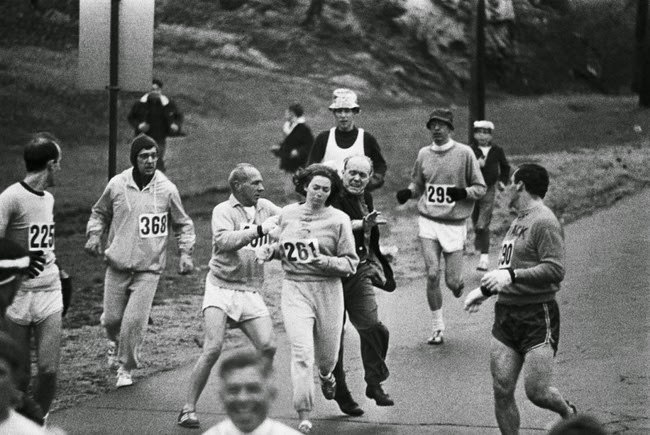
In 1967, Kathrine Switzer entered the Boston Marathon under her initials to avoid detection. When a race official spotted her and tried to physically remove her from the course, she kept running. She finished the race and changed the sport.
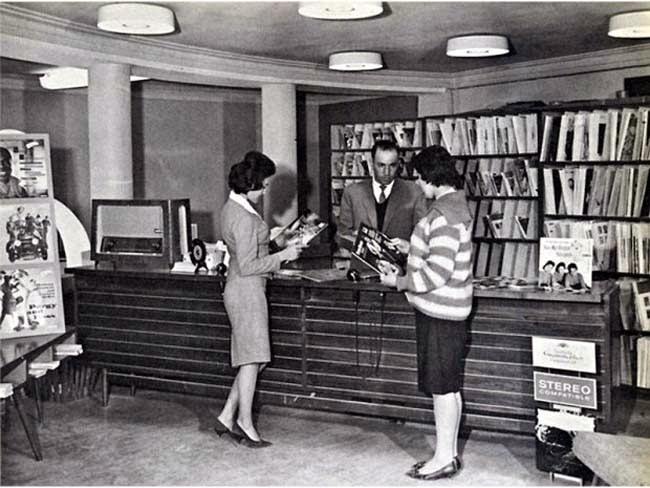
Before decades of conflict reshaped the country, Afghan women had access to education, public life, and professional careers. This photograph from the 1950s shows women at a public library — a scene that became impossible under Taliban rule.
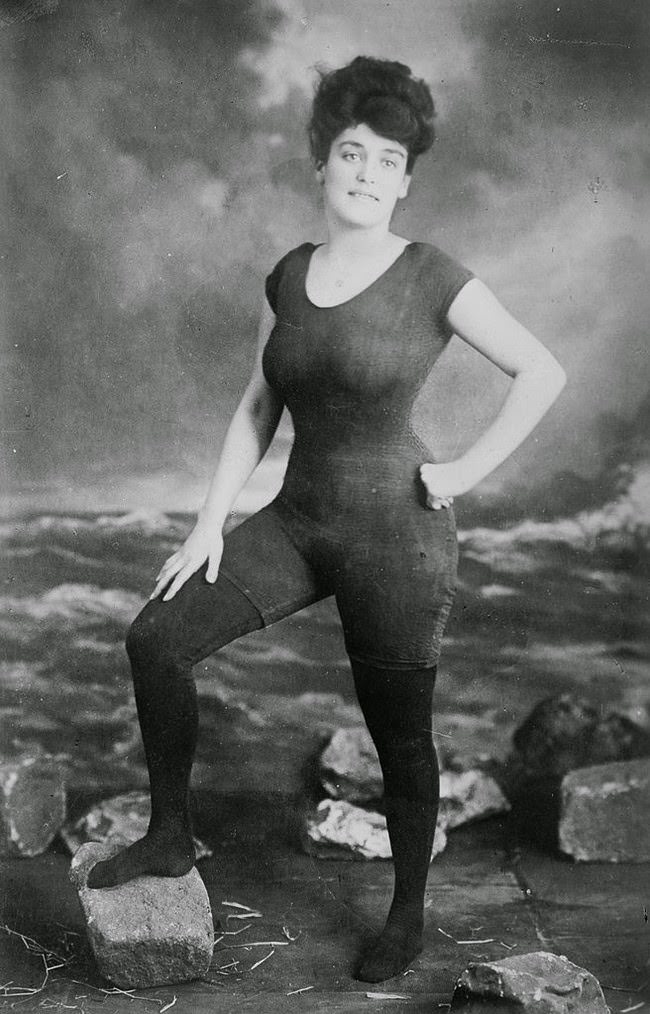
In 1907, Annette Kellerman was arrested on a Massachusetts beach for wearing a fitted, one-piece swimsuit. She had designed it herself for competitive swimming. The arrest drew international attention and sparked a debate about women’s swimwear that lasted decades.
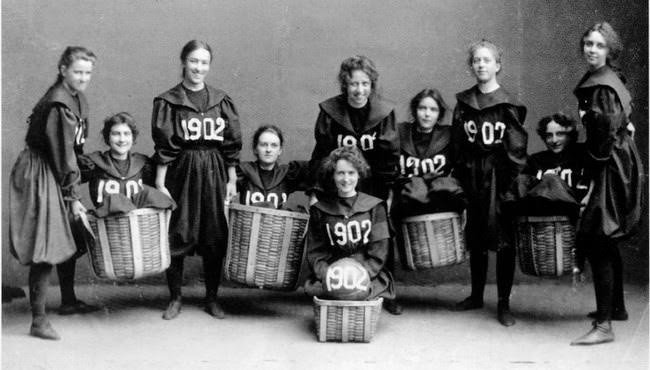
Women’s sports faced constant resistance. Smith College formed one of the earliest women’s basketball teams in 1902, at a time when organized athletics for women were considered physically dangerous and socially improper.
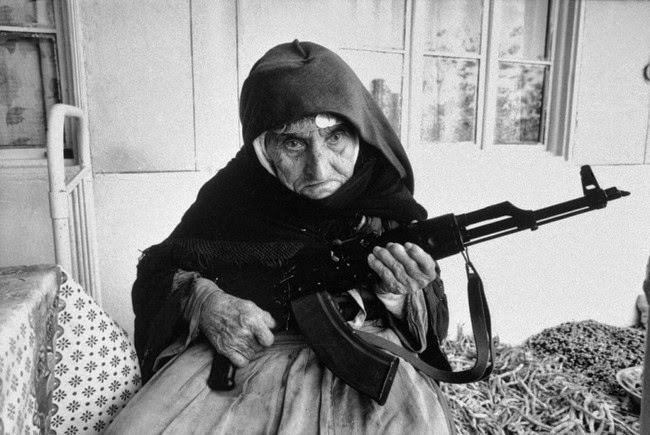
In 1990, during the conflict in Nagorno-Karabakh, a 106-year-old Armenian woman stood guard outside her home with an AK-47. She had survived enough history to know what she was protecting.
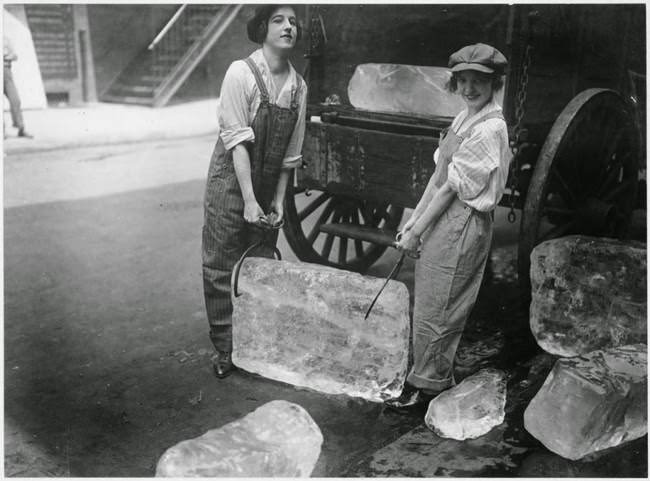
When World War I pulled male workers into military service, the jobs they left behind didn’t disappear. Young women stepped in to fill them. These girls hauled heavy blocks of ice through city streets — physical labor that had never been considered women’s work.
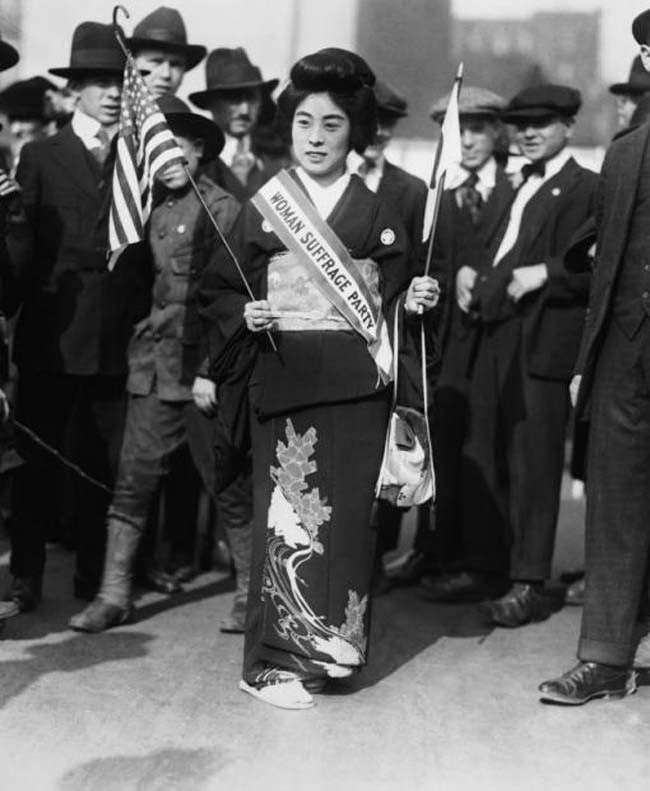
The suffrage movement crossed borders and cultures. Komako Kimura, a prominent Japanese suffragist, traveled to New York in 1917 to march alongside American activists demanding women’s right to vote.
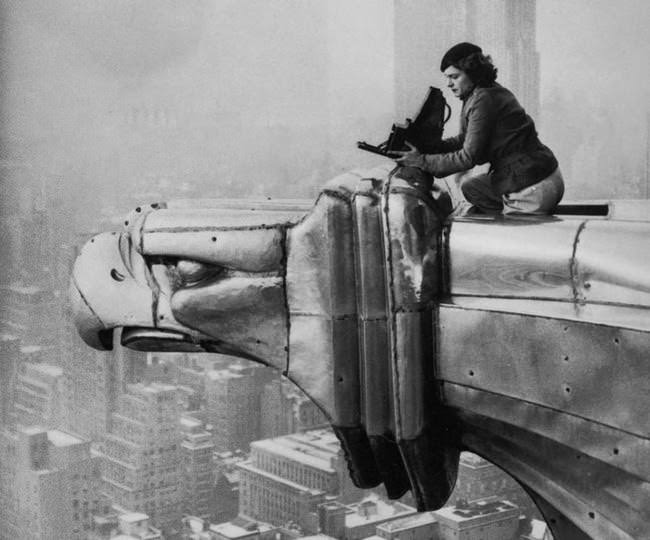
Photojournalist Margaret Bourke-White didn’t shoot from a safe distance. She climbed the Chrysler Building in 1934 to get the shot she needed — balanced hundreds of feet above Manhattan with her camera equipment.
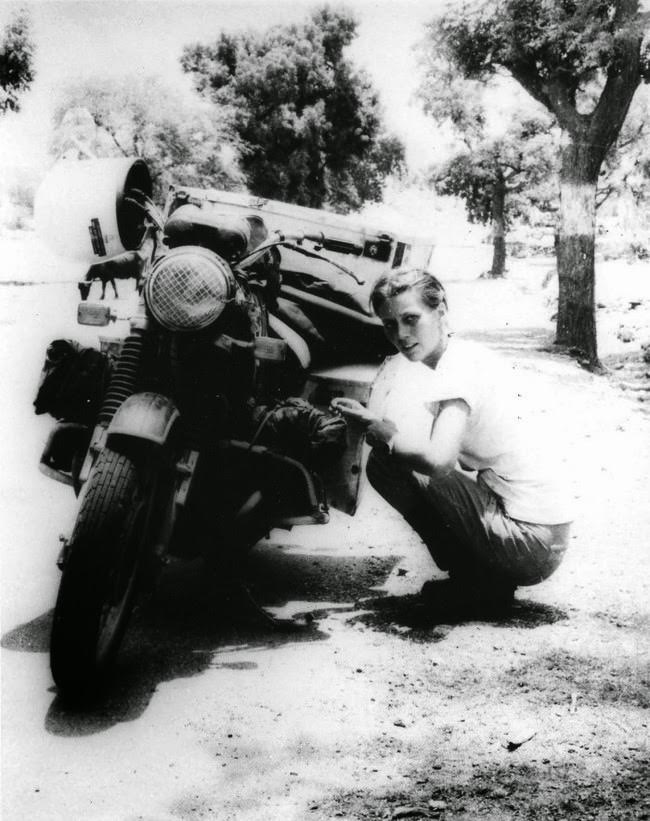
Elspeth Beard set out in the early 1980s to circle the globe on a motorcycle. She rode through deserts, breakdowns, and hostile conditions across multiple continents — and became the first Englishwoman to complete the journey.
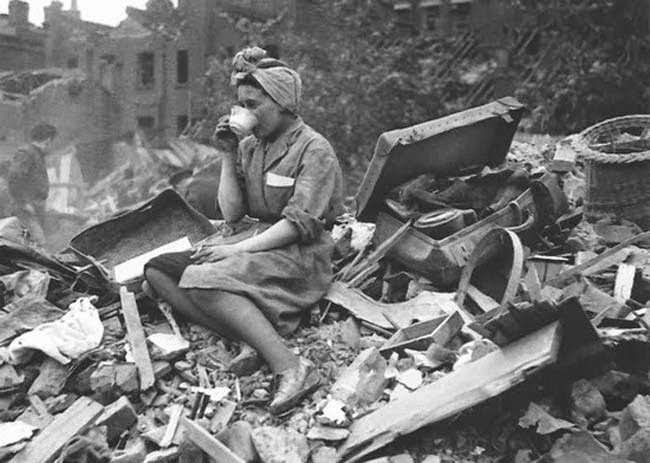
The London Blitz killed more than 40,000 British civilians between 1940 and 1941. Amid the rubble and smoke, daily life continued. This woman drinking tea in the wreckage of a bombed building captures something both ordinary and extraordinary about endurance under fire.
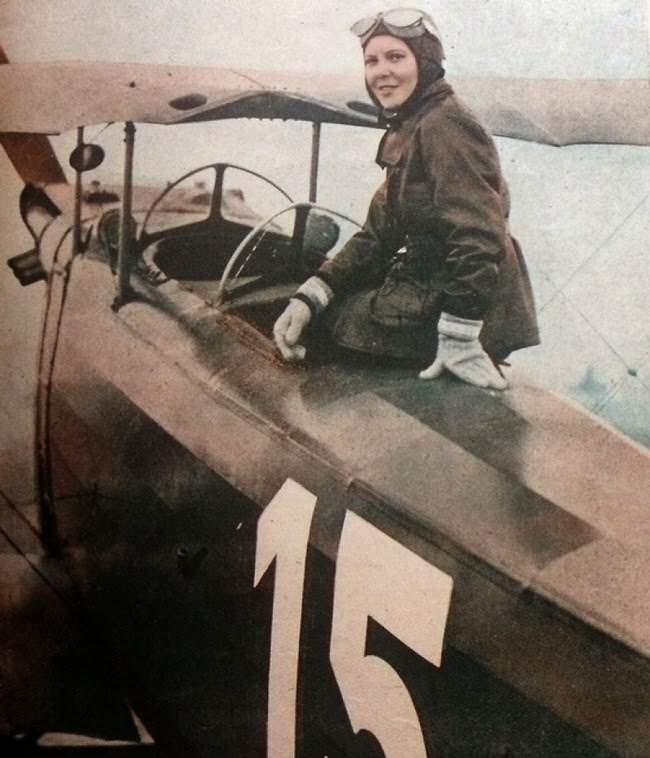
Sabiha Gökçen became the world’s first female fighter pilot in 1937, flying combat missions for Turkey during the Dersim military operation. She had been adopted by Mustafa Kemal Atatürk as a child and trained as both a parachutist and pilot.
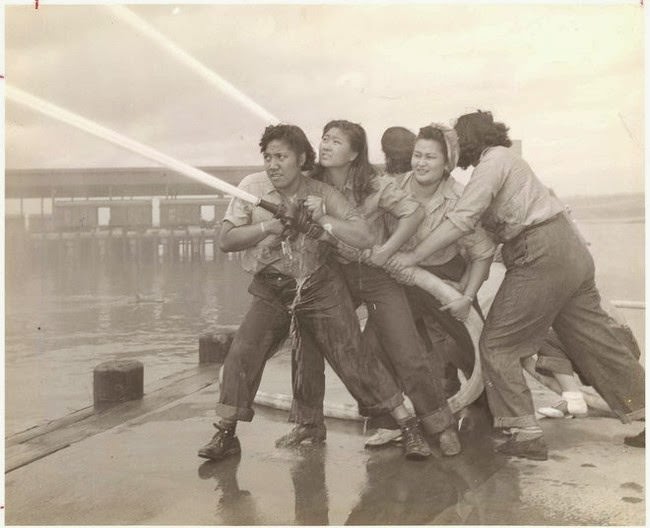
After the attack on Pearl Harbor in December 1941, civilians on the island of Hawaii organized quickly. Women volunteered to train in firefighting, preparing to defend their communities against future attacks.
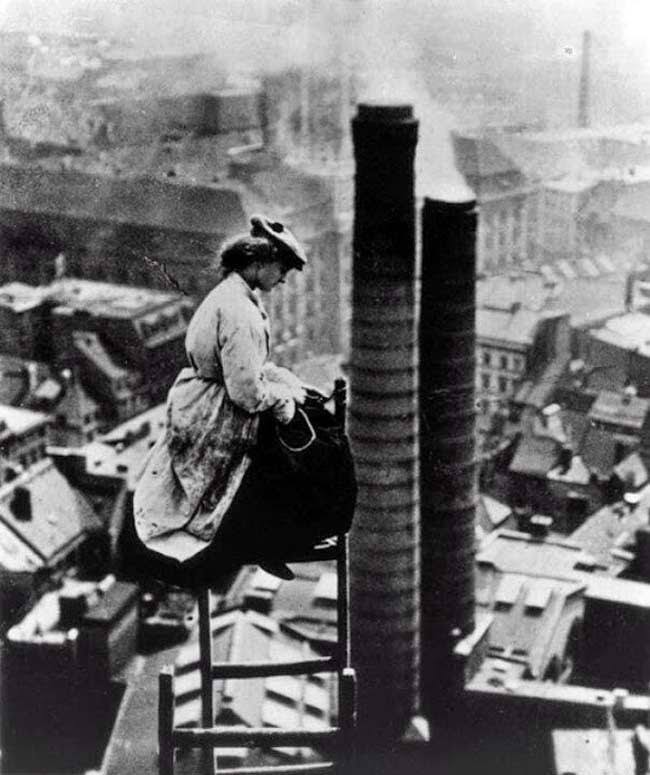
In 1900, construction sites were entirely male spaces. This photograph of a female mason working at height above Berlin is a rare record of women doing physically demanding skilled labor at the turn of the century.
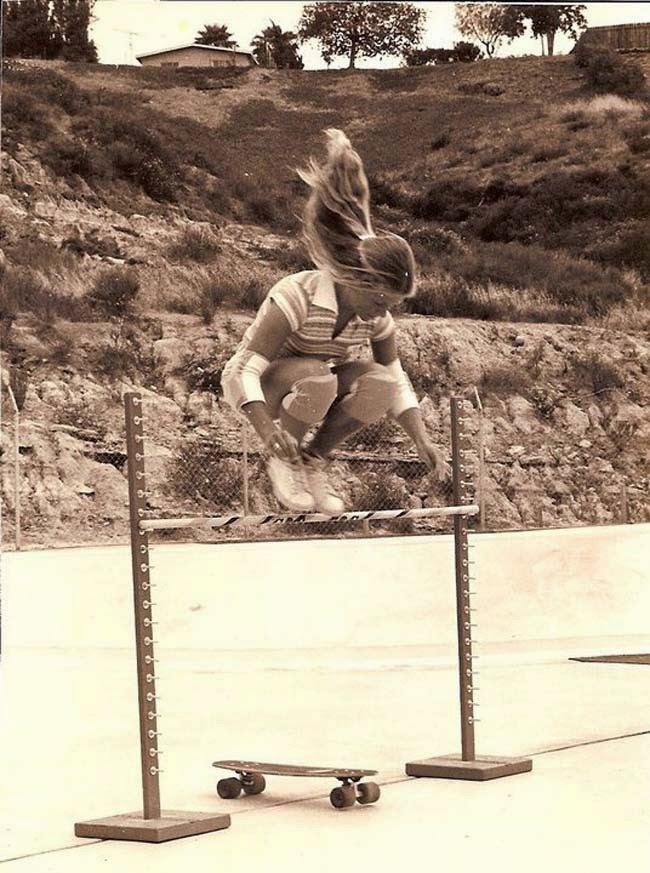
Professional skateboarding in the 1970s was almost entirely male. Ellen O’Neal was one of the first women to compete professionally, performing freestyle tricks in a sport that had no structure in place to include her.
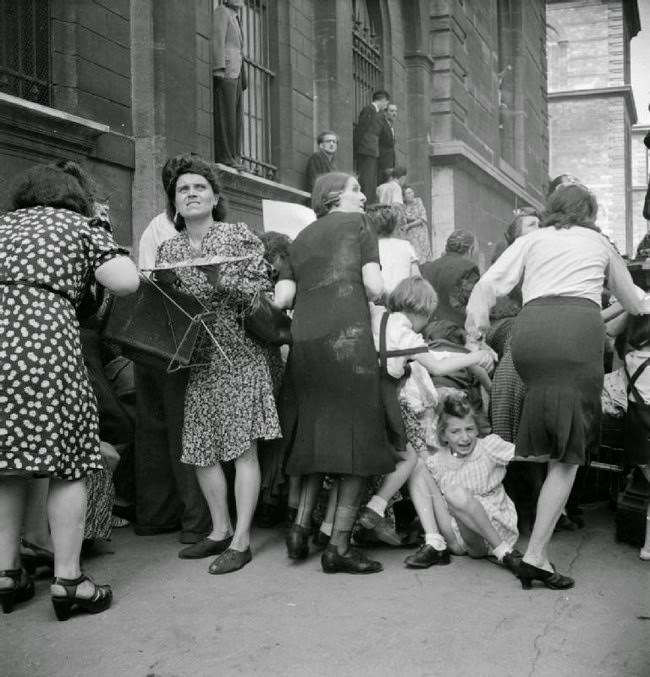
During the liberation of Paris in August 1944, German snipers fired on crowds in the streets. These mothers threw themselves over their children to shield them from the gunfire — protecting their kids while the city fought for its freedom around them.
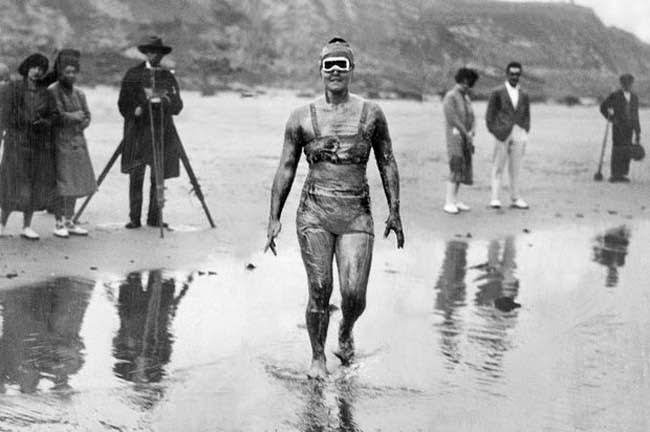
In 1926, Gertrude Ederle swam across the English Channel in 14 hours and 31 minutes — beating the existing men’s record by nearly two hours. She completed the crossing in rough water that had already forced her support boat to suggest she quit.
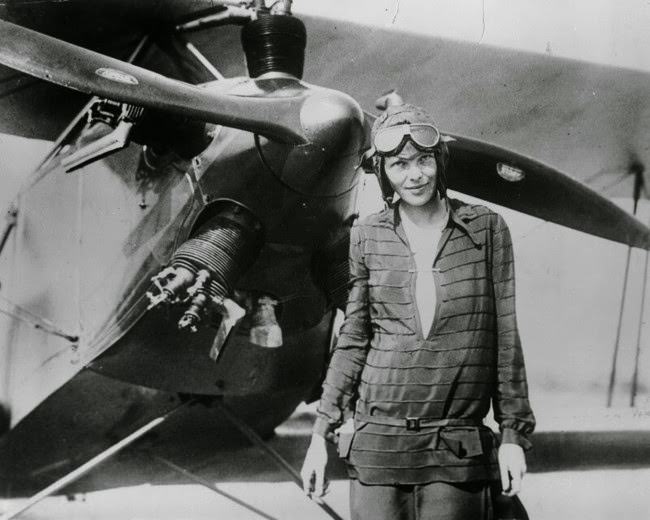
Amelia Earhart became the first woman to fly solo across the Atlantic Ocean in 1932, four years after her 1928 transatlantic flight as a passenger. Her 1928 photo shows her after completing that first crossing — a milestone that put her name in the history books before her solo record.
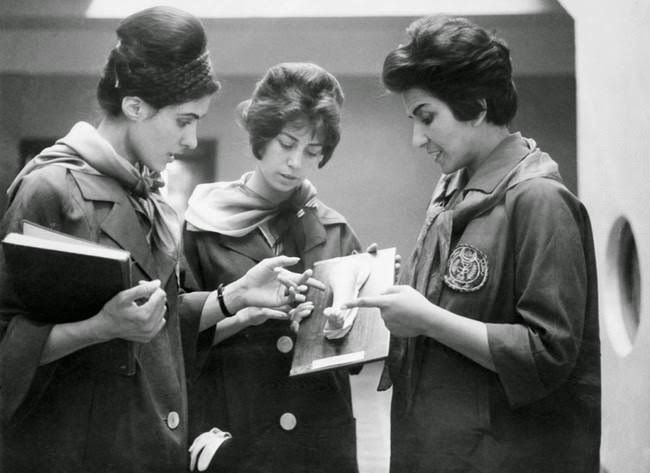
Afghanistan in the 1960s was a country where women attended university, studied medicine, and worked as professionals. This photograph of Afghan women in a medical school classroom documents a reality that was later dismantled by decades of war and authoritarian rule.
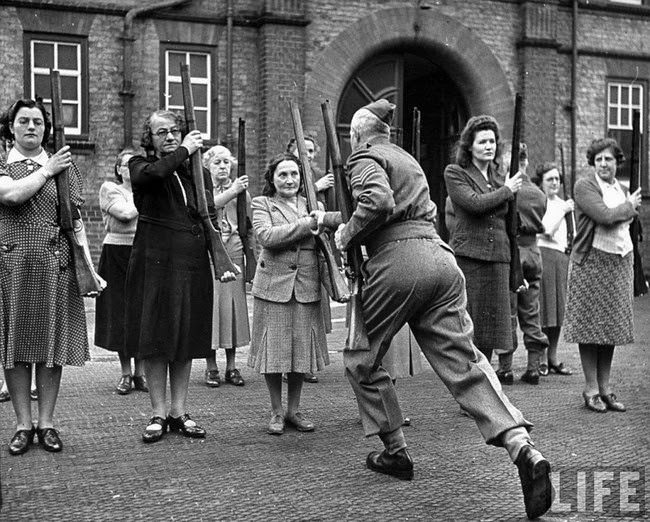
During the Battle of Britain in 1940, the Women’s Home Defence Corps trained civilians to protect their communities. Here, a British sergeant drills members of the group — women learning to defend their country while the RAF fought overhead.
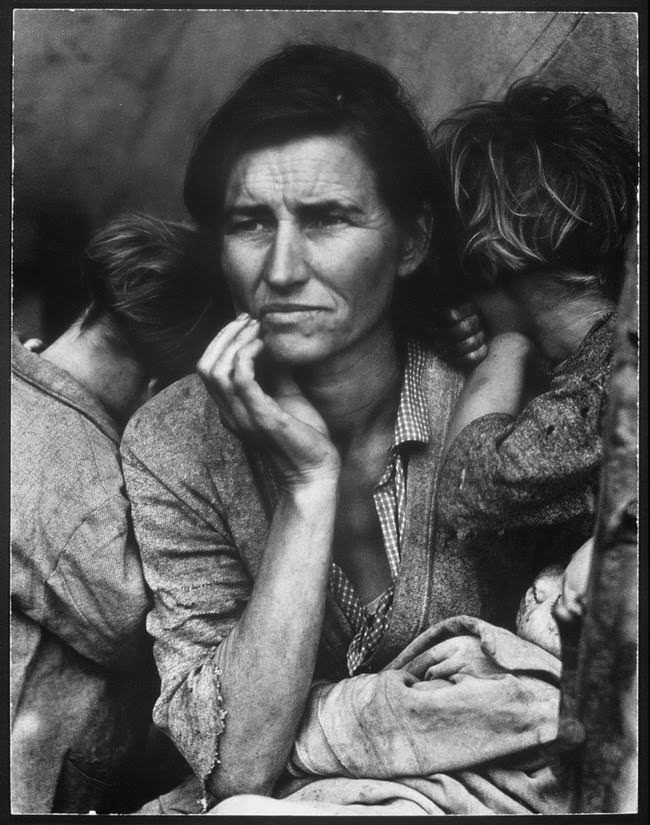
Dorothea Lange photographed this migrant mother during the Dust Bowl in 1936. The woman — Florence Owens Thompson — was 32 years old, a mother of seven, and stranded in a pea-picker’s camp in California. The image became one of the most recognized photographs of the Great Depression.
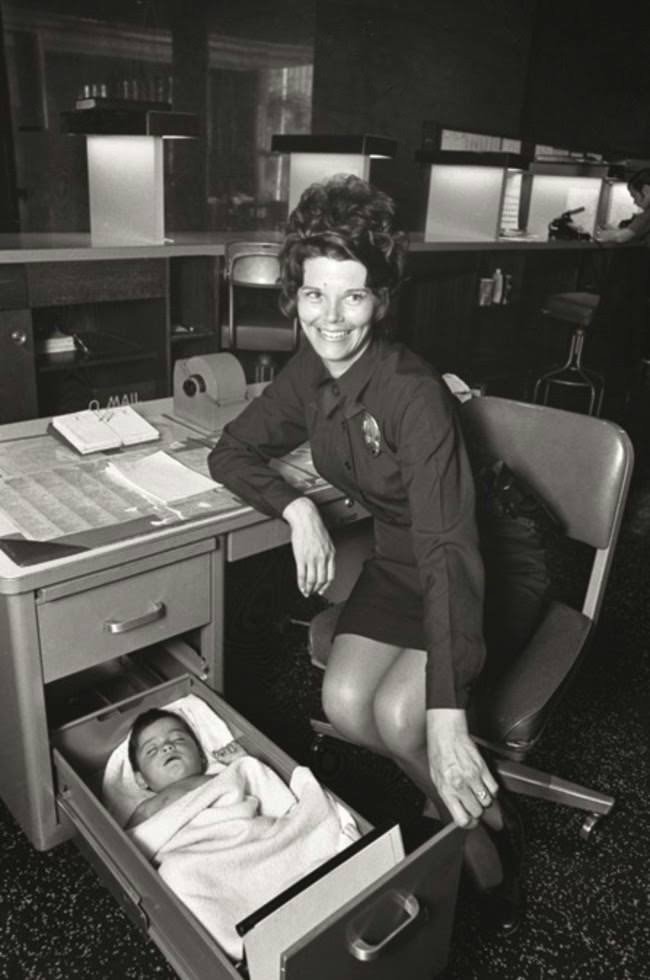
In 1971, a Los Angeles police officer discovered an abandoned newborn at her station. With no immediate placement available, she kept the baby safe at her desk until arrangements could be made — doing the job in front of her, no matter what it looked like.
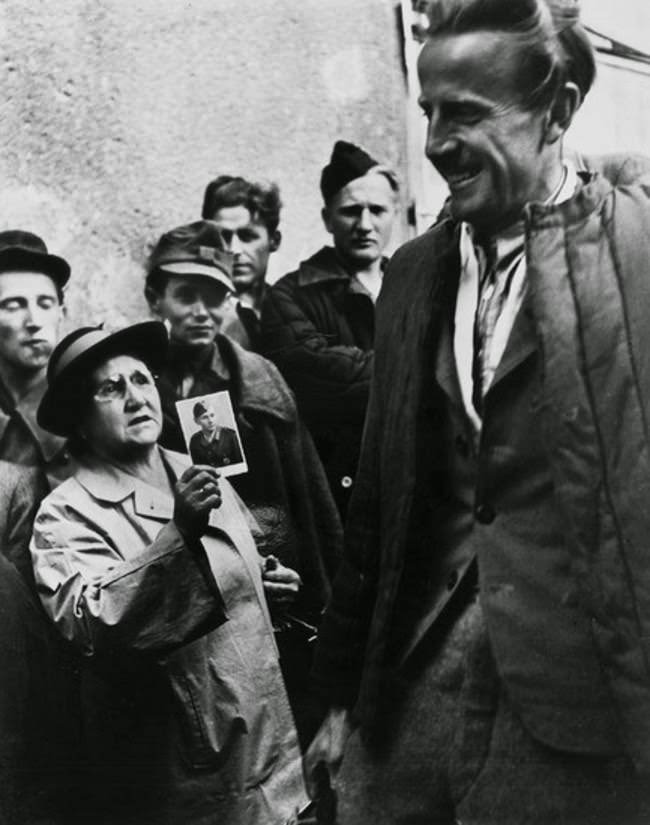
In Vienna in 1947, the war was over but the searching wasn’t. This mother held up a photograph of her missing son as prisoners of war returned home, hoping someone among them had seen him. Millions of families across Europe were doing the same.
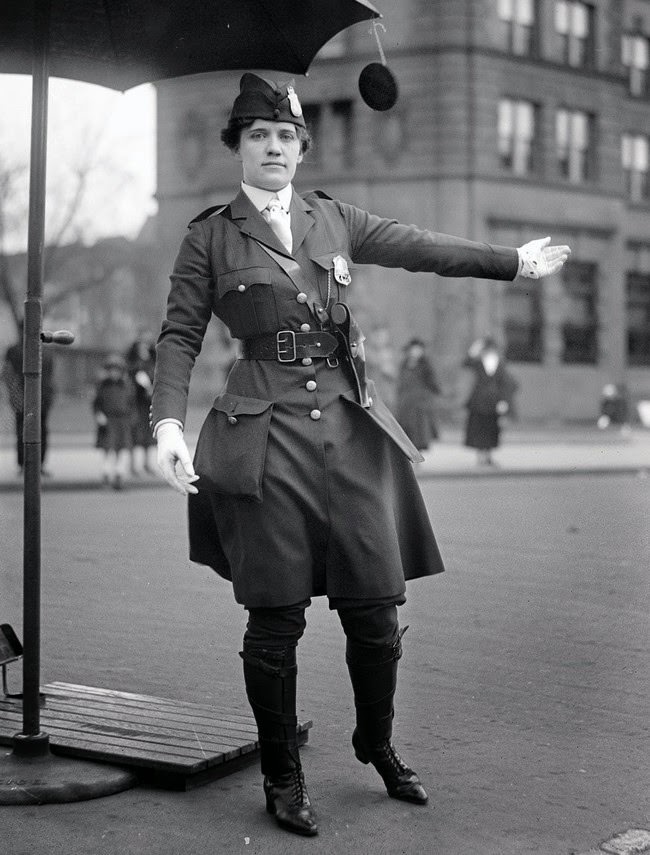
Leola N. King became America’s first female traffic officer in 1918, directing vehicles at a busy Washington D.C. intersection. She worked a job that required authority in public — something women were rarely granted at the time.
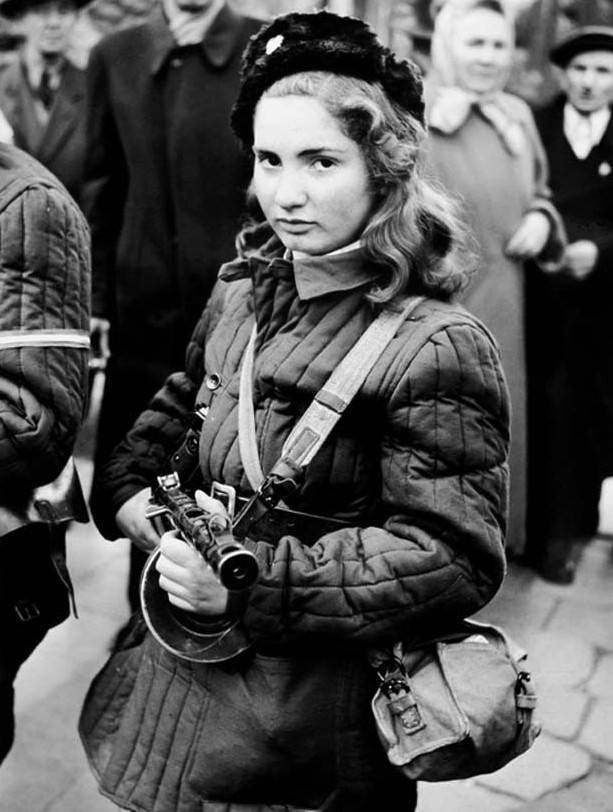
During the Hungarian Revolution of 1956, ordinary citizens took up arms against Soviet occupation. Erika was 15 years old when this photograph was taken. She fought alongside adults in street battles against one of the most powerful militaries in the world.
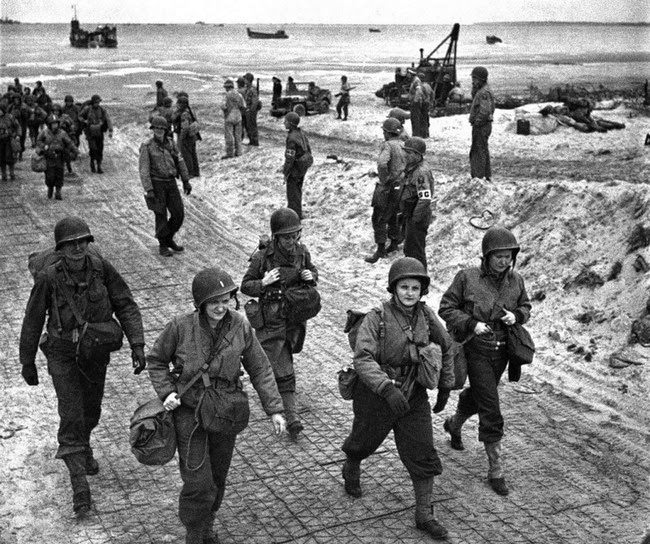
American nurses waded ashore at Normandy in the days following the D-Day landings. They set up field hospitals under fire, treating casualties from some of the bloodiest fighting of World War II.
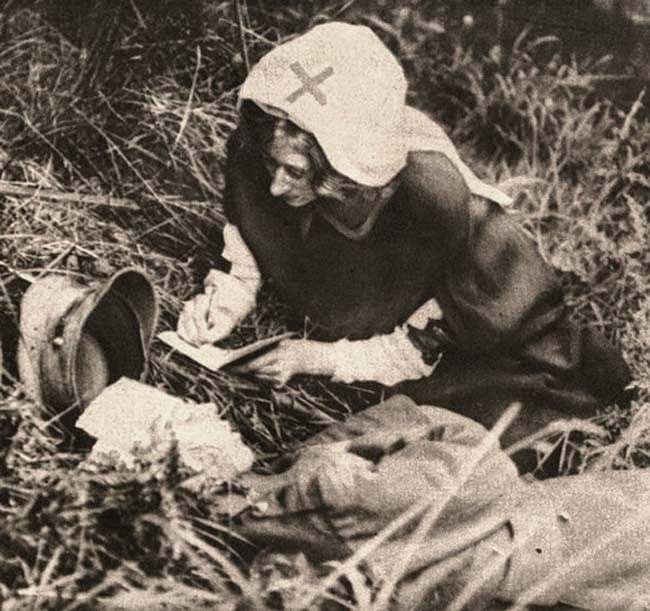
On the Western Front in 1917, a Red Cross nurse sits beside a dying British soldier and writes down his final words. She was there to record what he wanted passed on — a task that required composure in the middle of one of the deadliest conflicts in human history.