

In the 1960s, Atlantic City was one of the most visited resort towns in the United States. Sitting on the New Jersey shore, it drew millions of tourists every year who came for the beach, the entertainment, and the energy of a city that never really slowed down. The population hovered around 65,000 full-time residents, but the number of visitors who passed through each summer season dwarfed that figure by a wide margin.
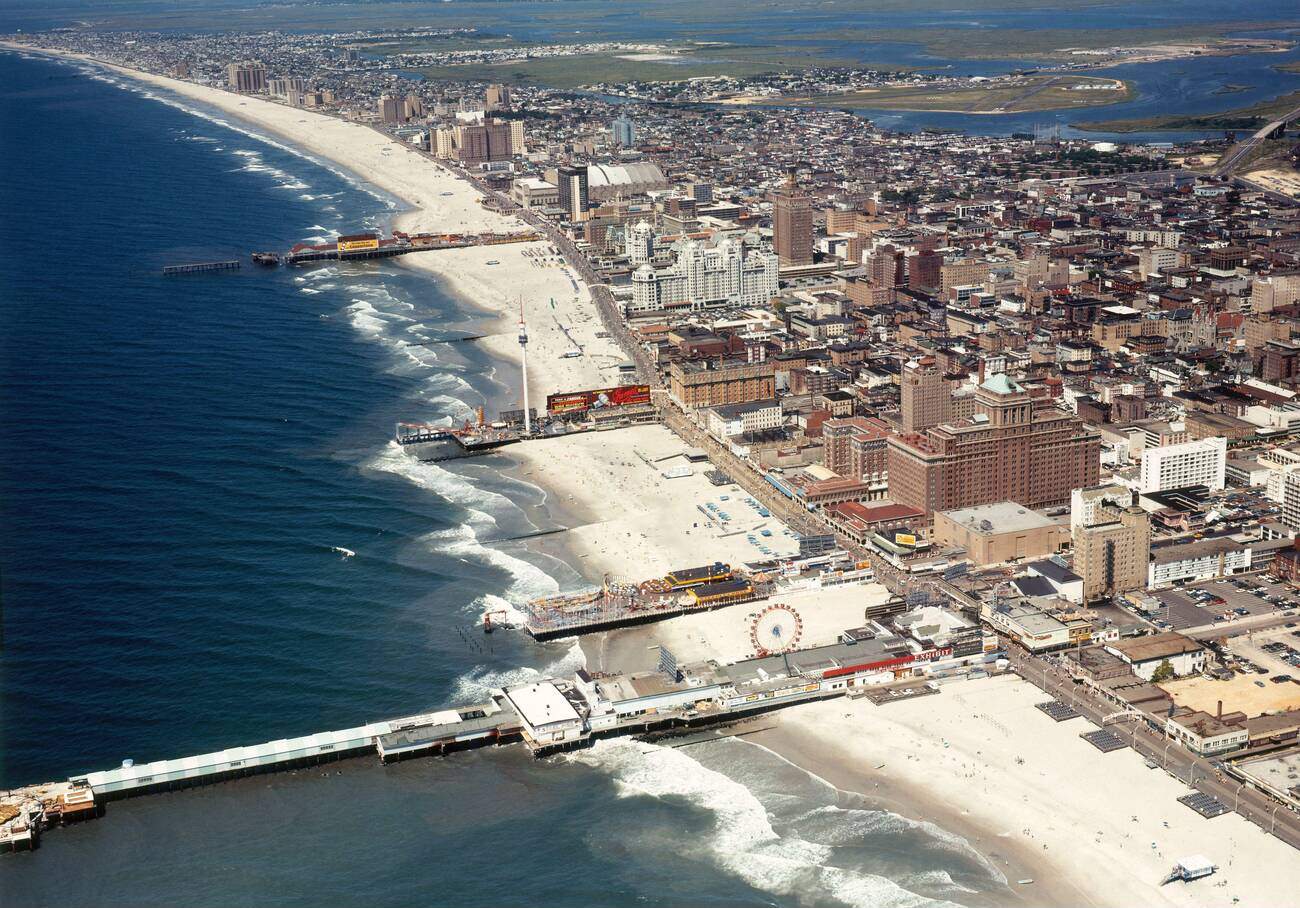
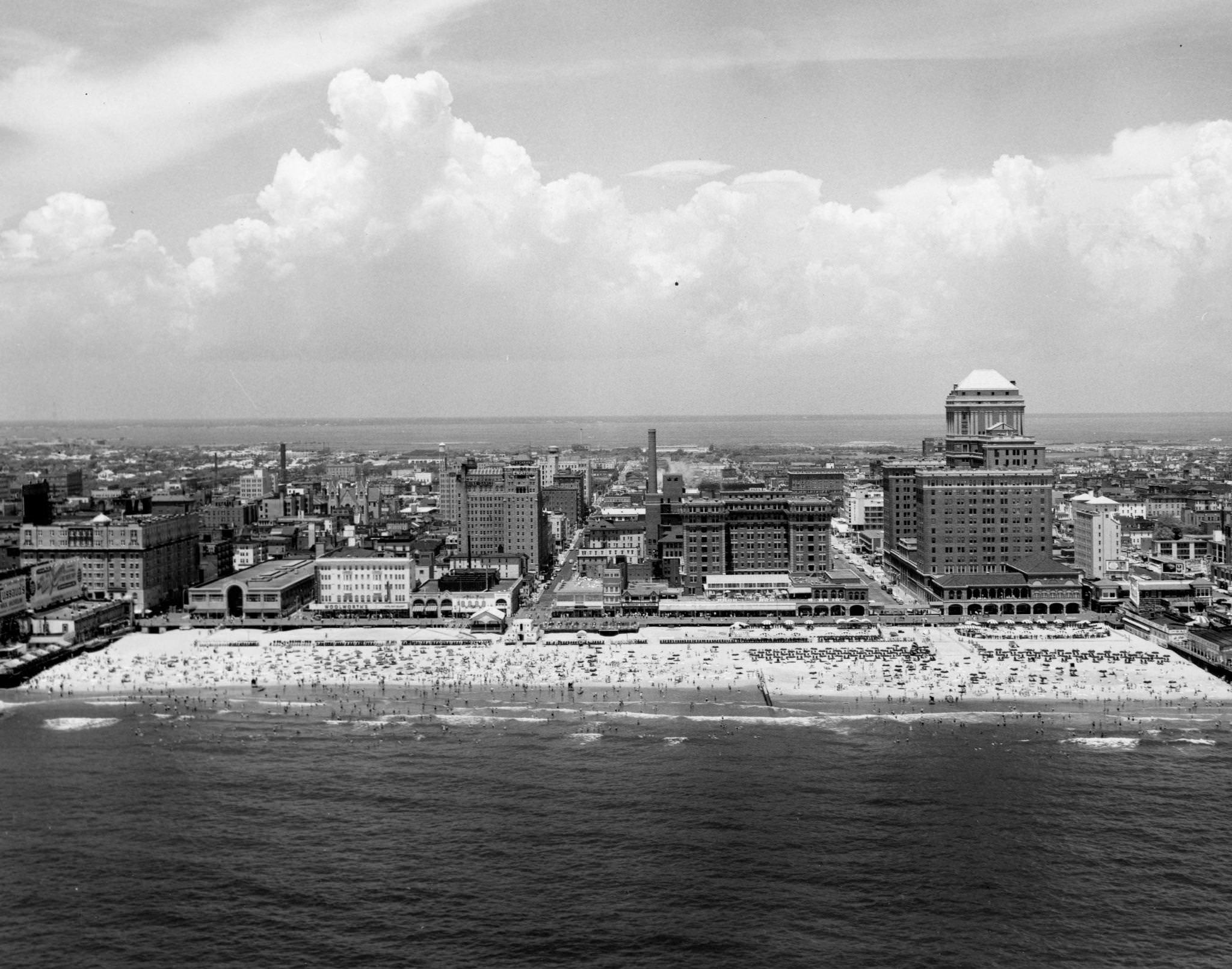
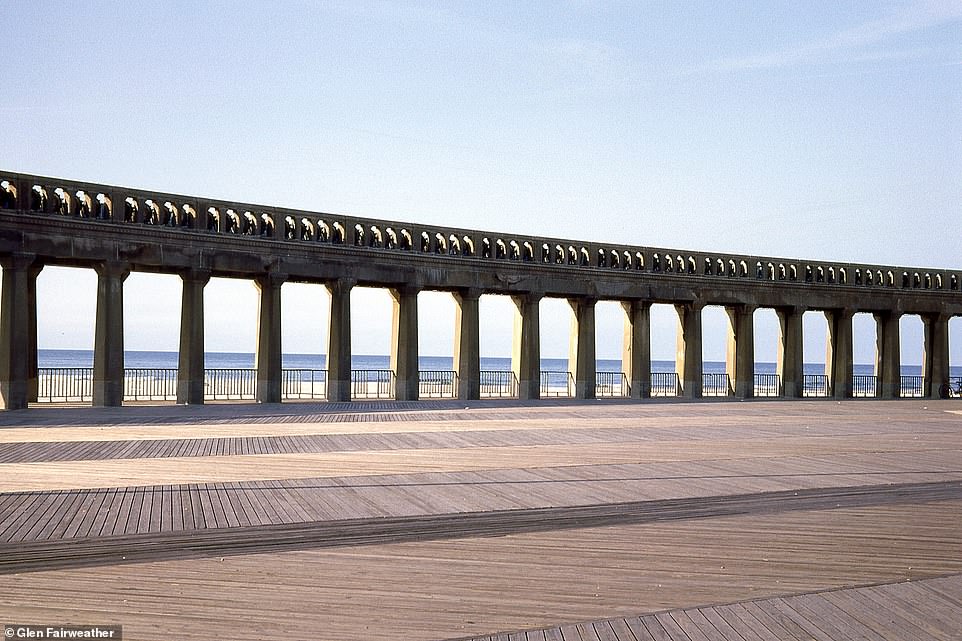
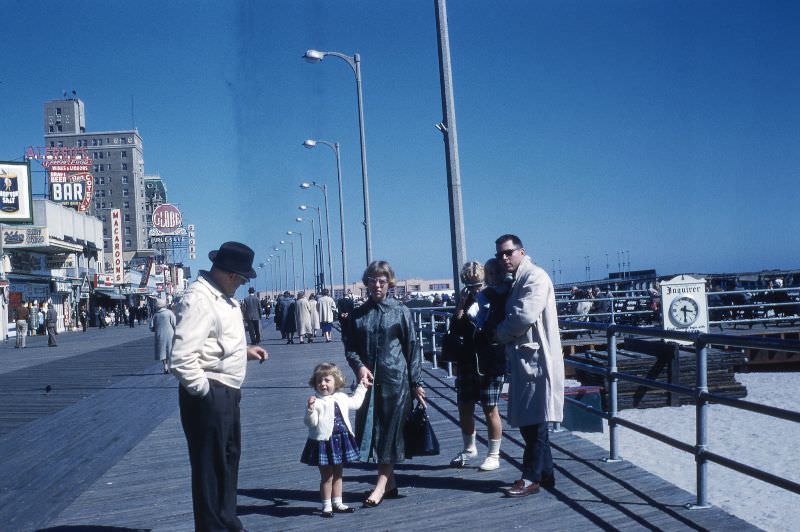
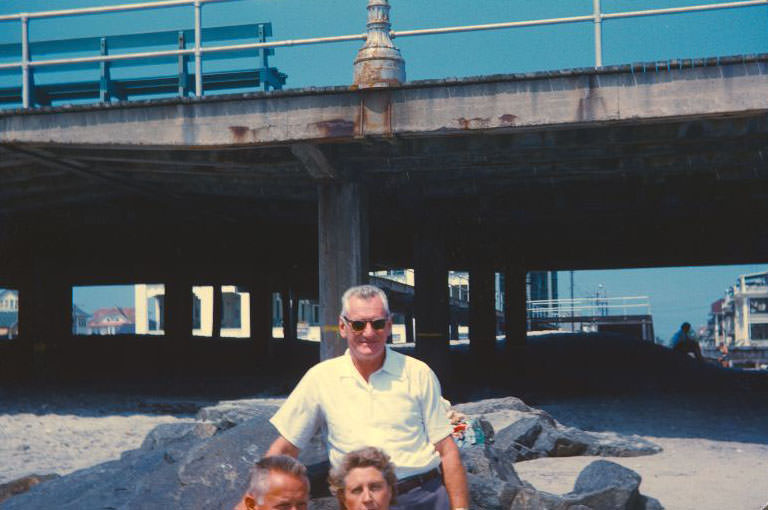
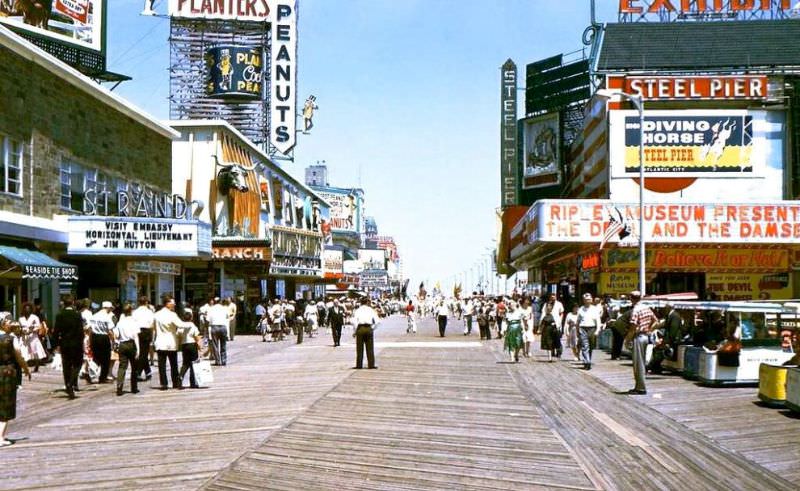
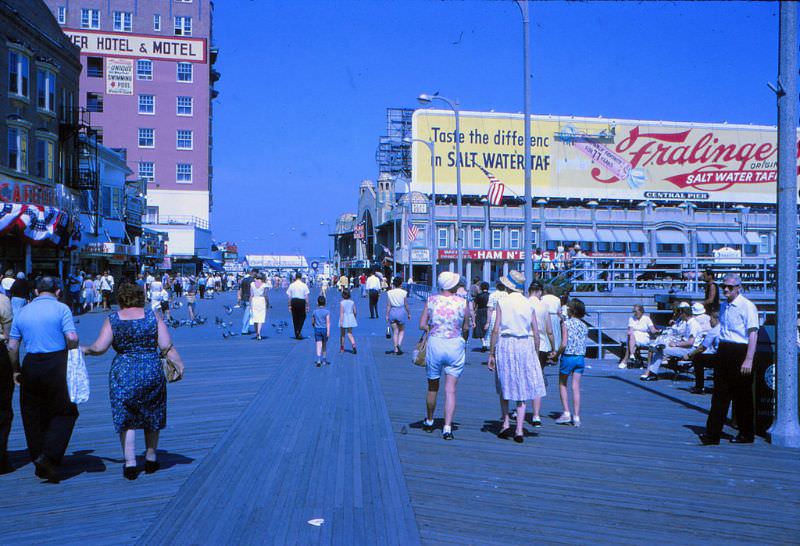
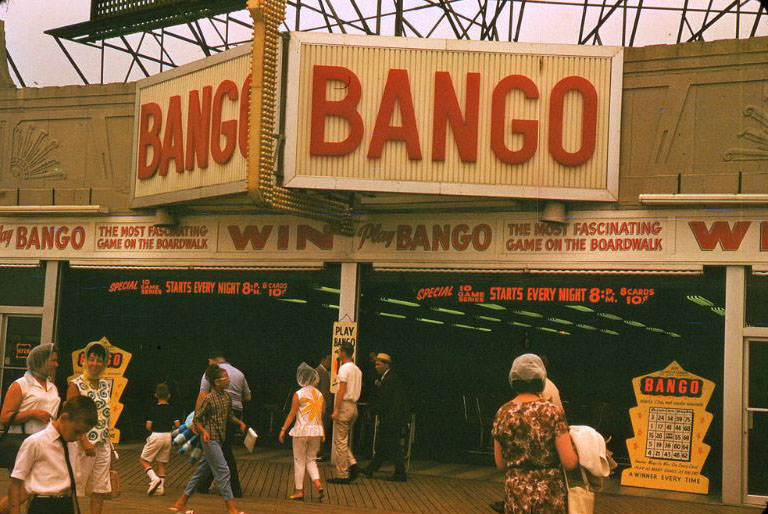
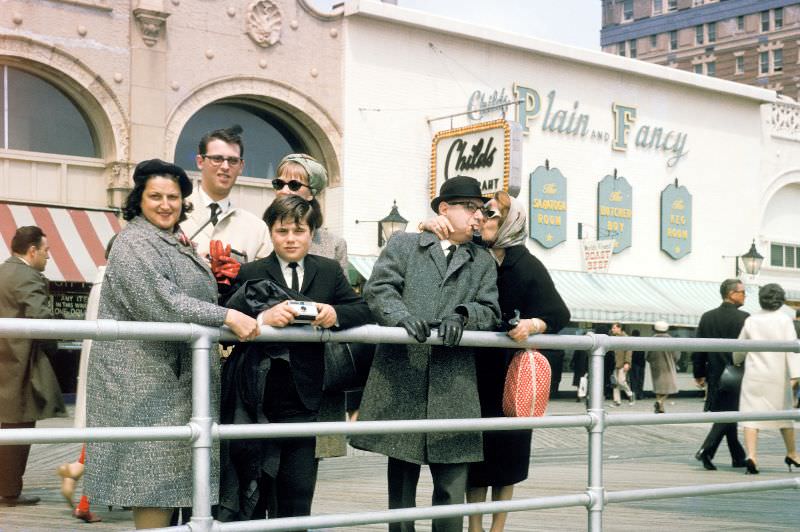
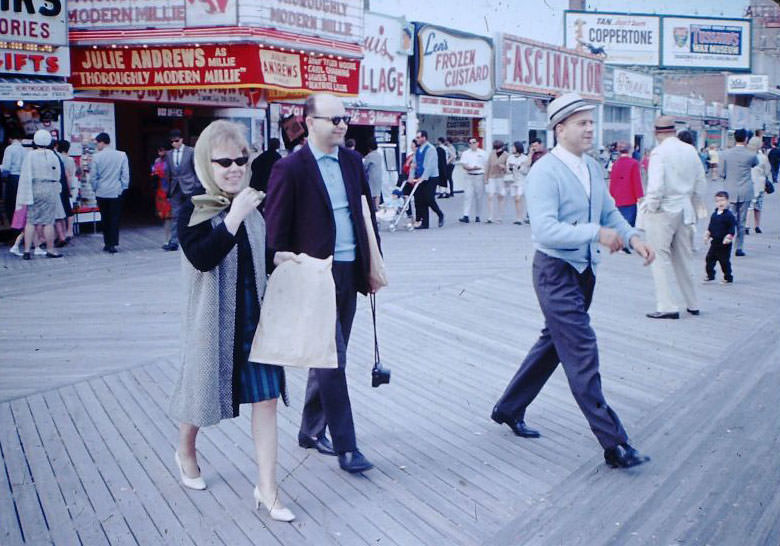
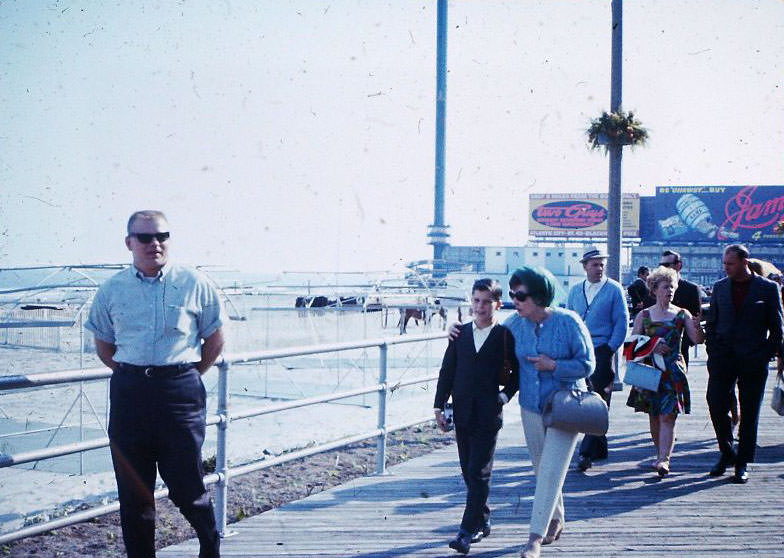
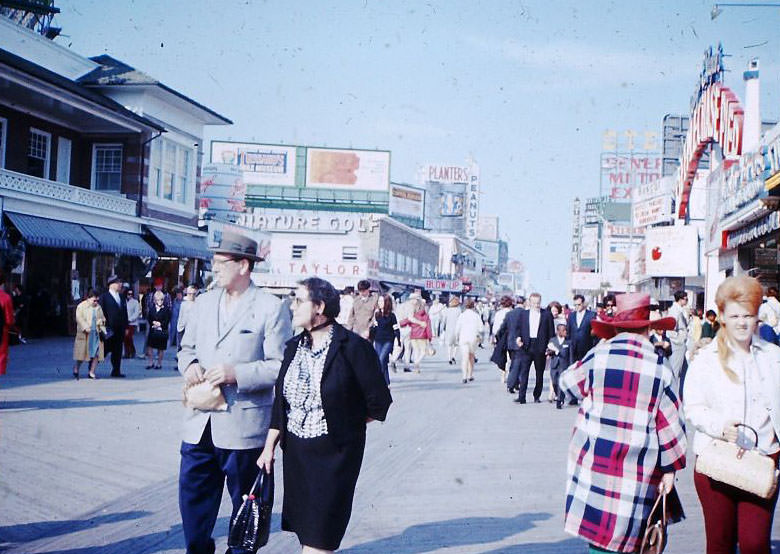
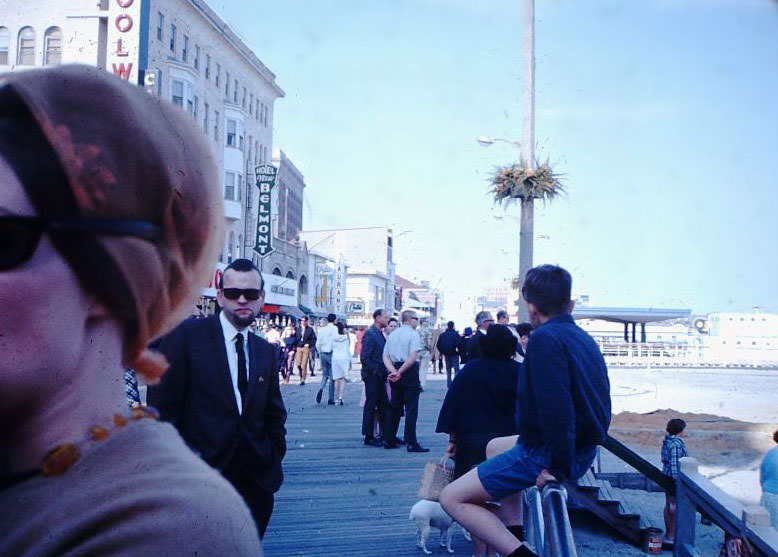
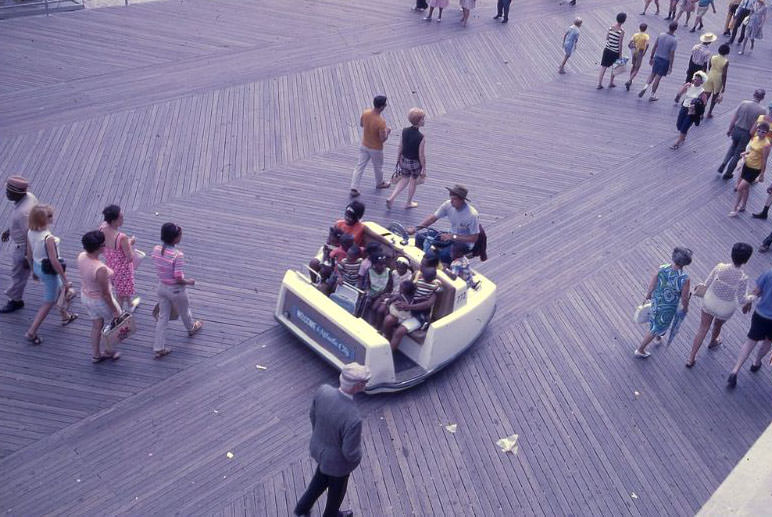
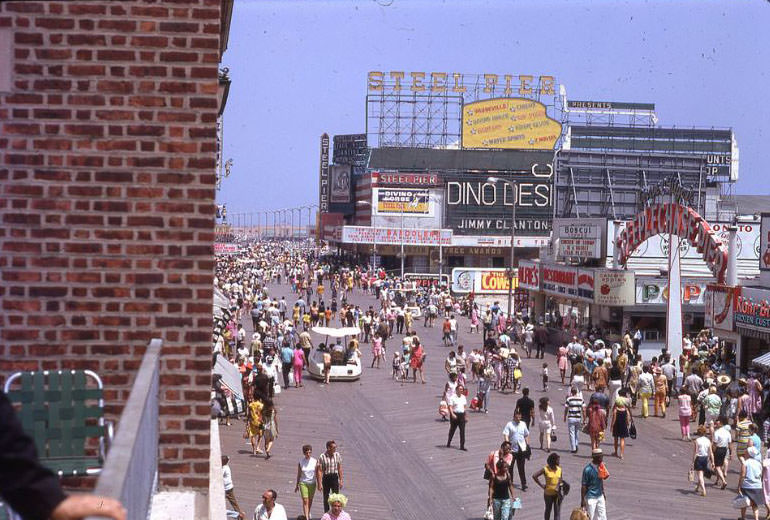
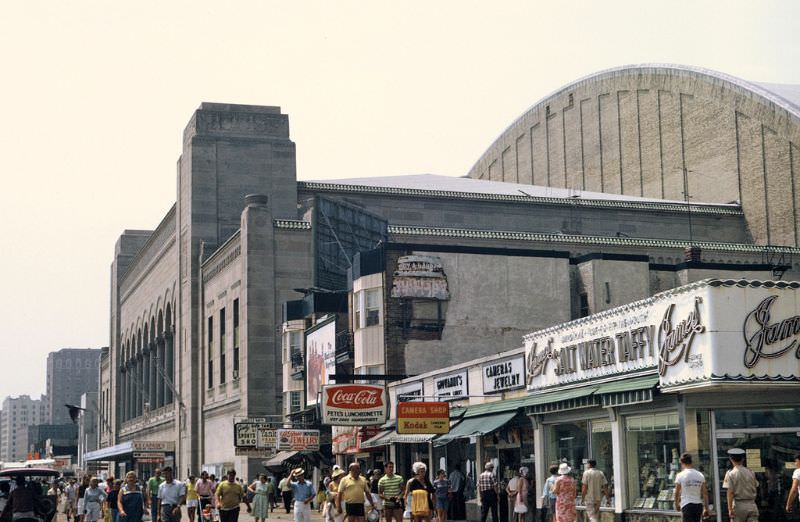
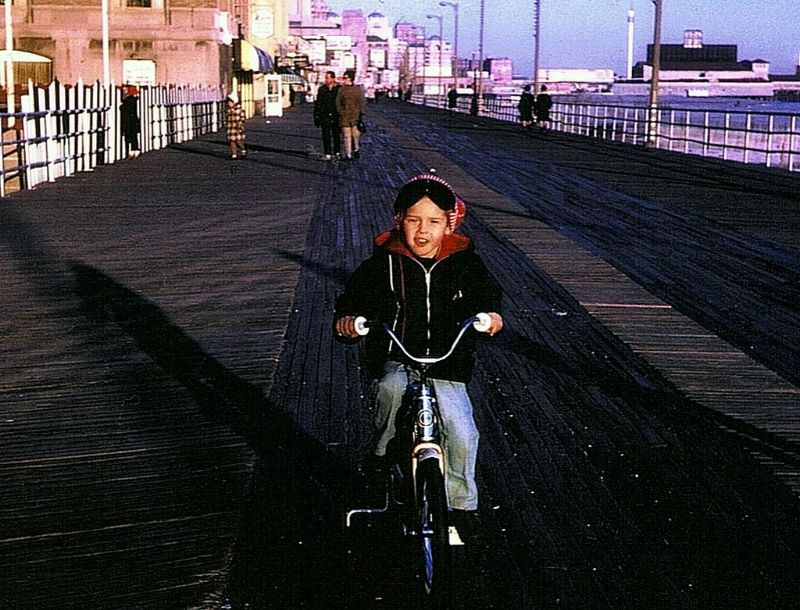
The boardwalk was the city’s spine. Stretching for miles along the beach, it was packed with shops, restaurants, and arcades. People walked it in the morning, the afternoon, and late into the night. It wasn’t just a strip of wooden planks — it was the social center of the whole resort, where families strolled, couples met, and vendors sold everything from postcards to salt water taffy. Construction of the boardwalk had begun back in 1870, and by the 1960s it had become an American institution.
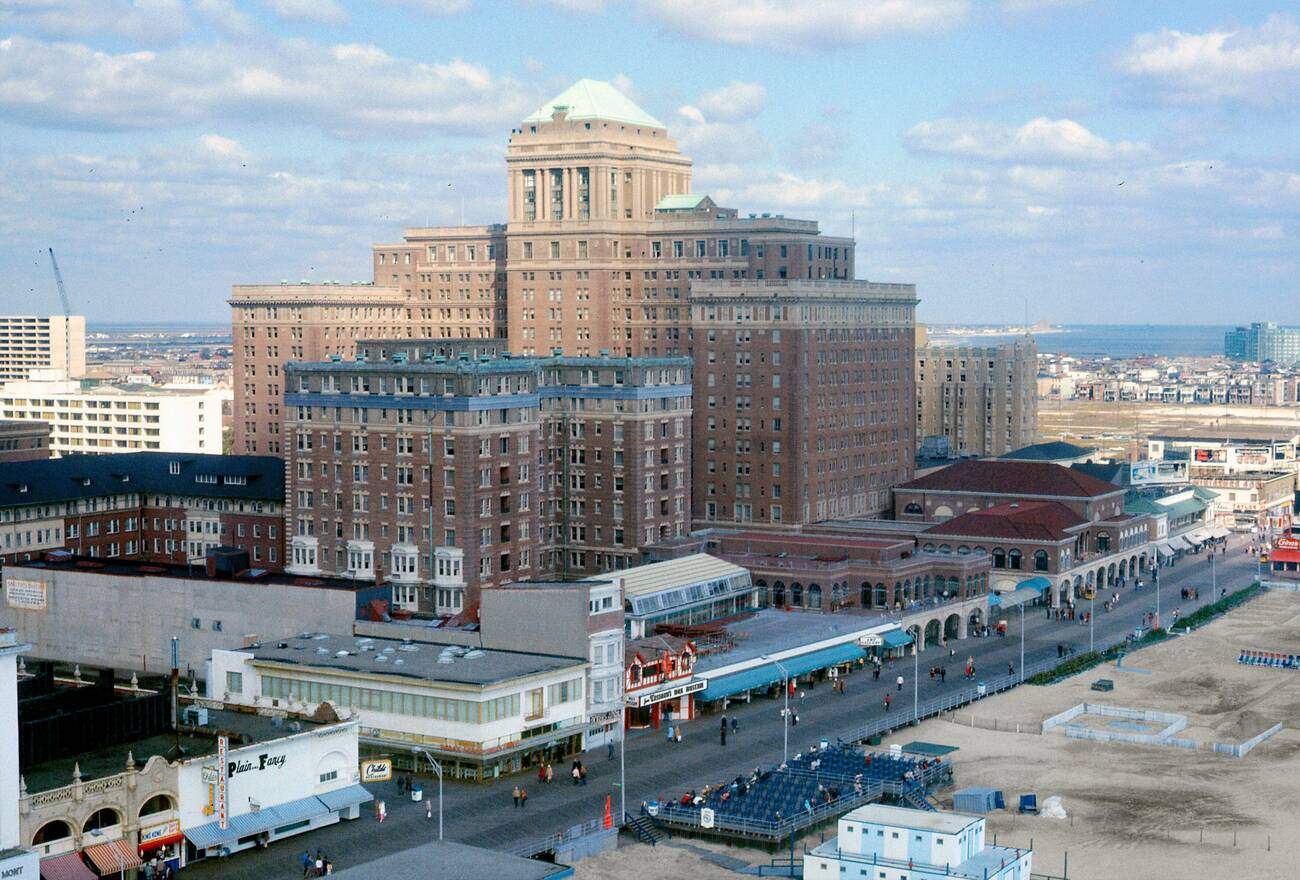
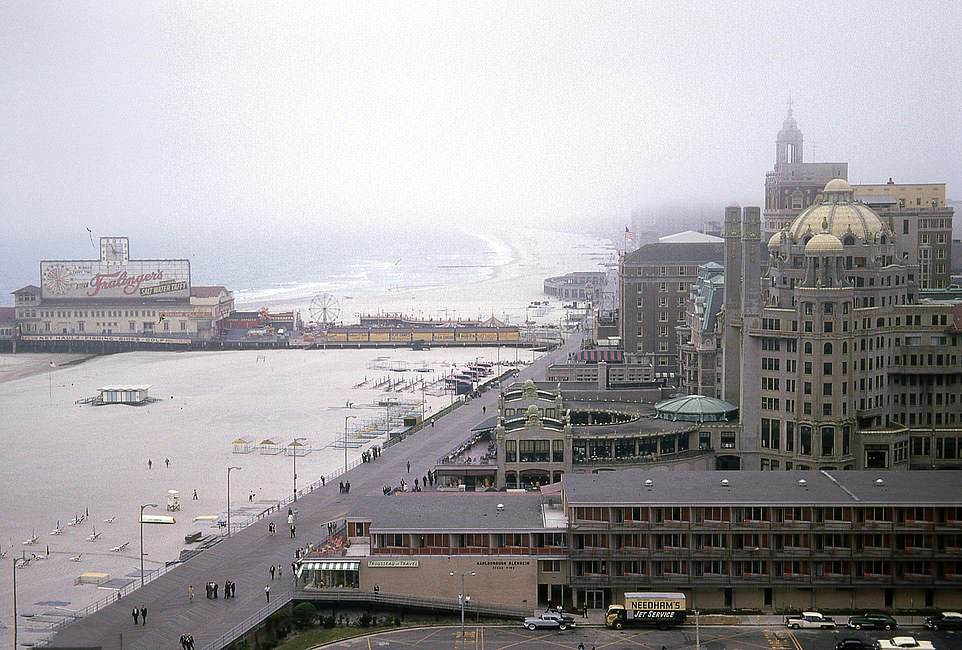
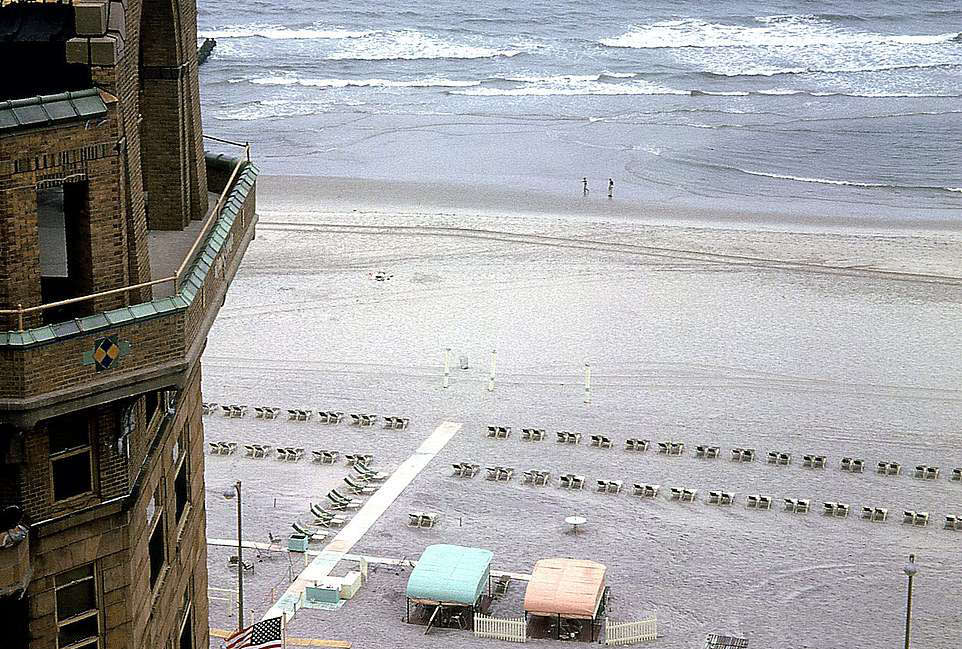
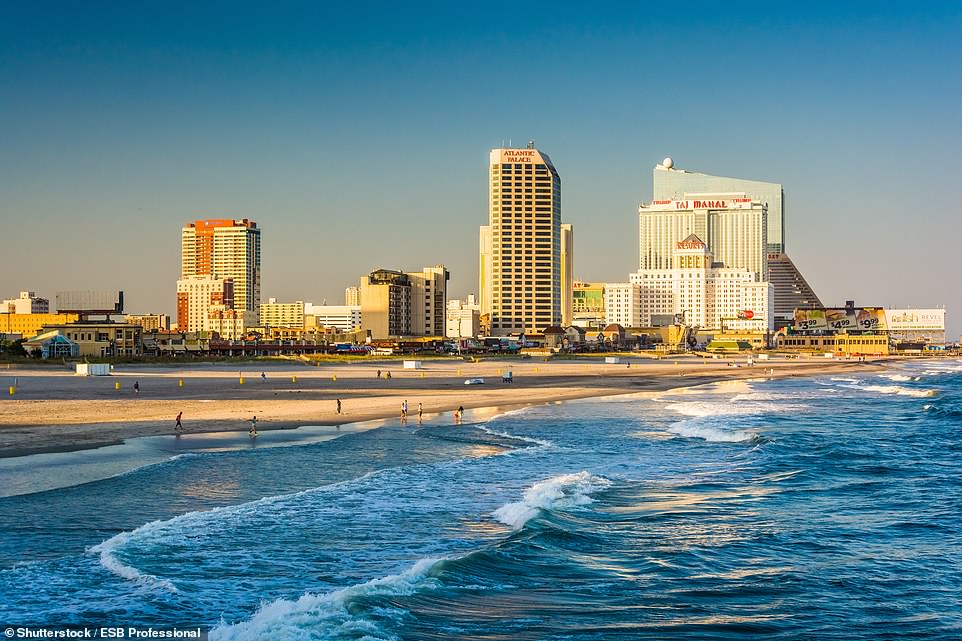
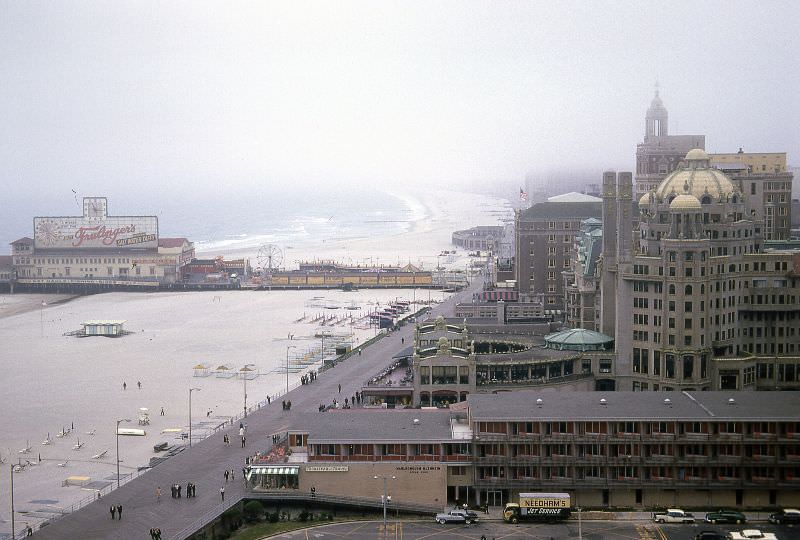
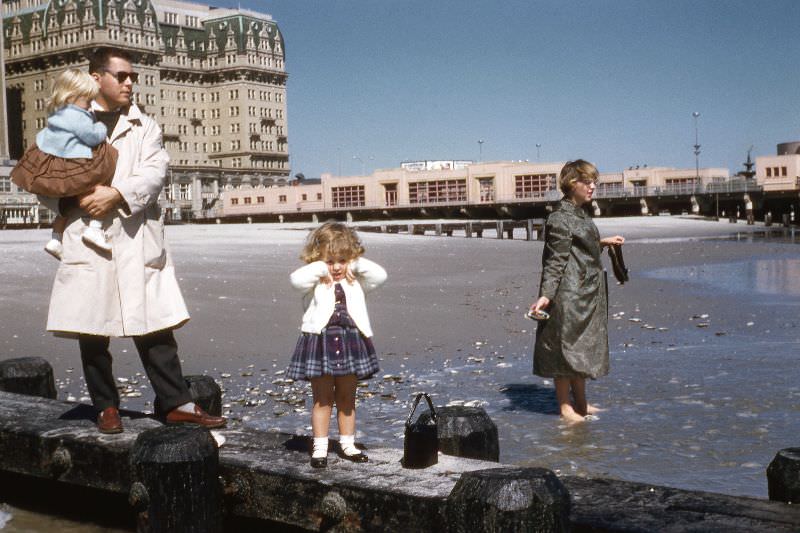
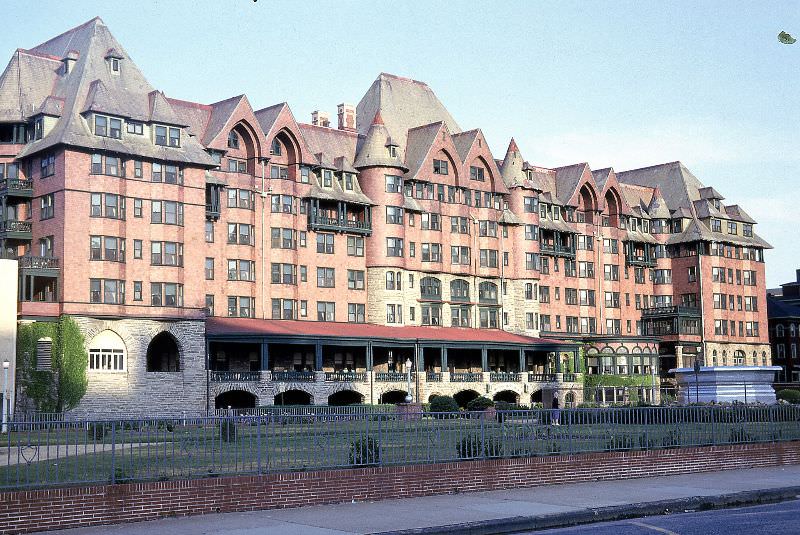
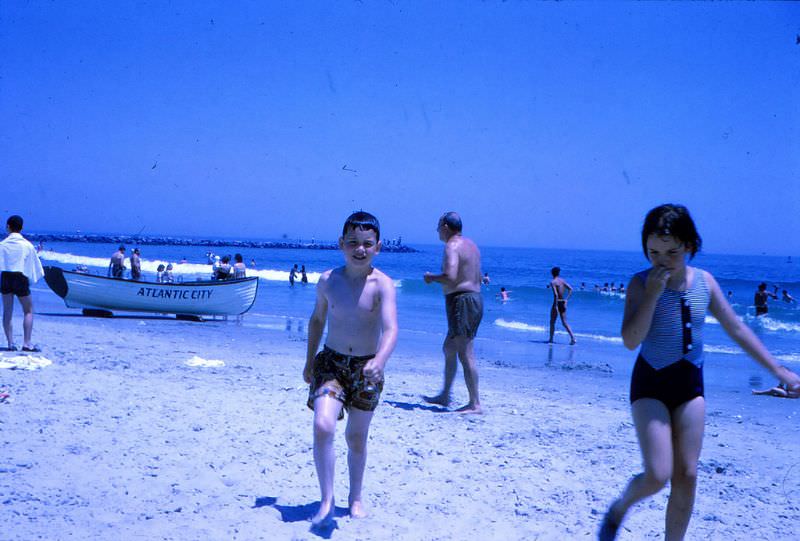
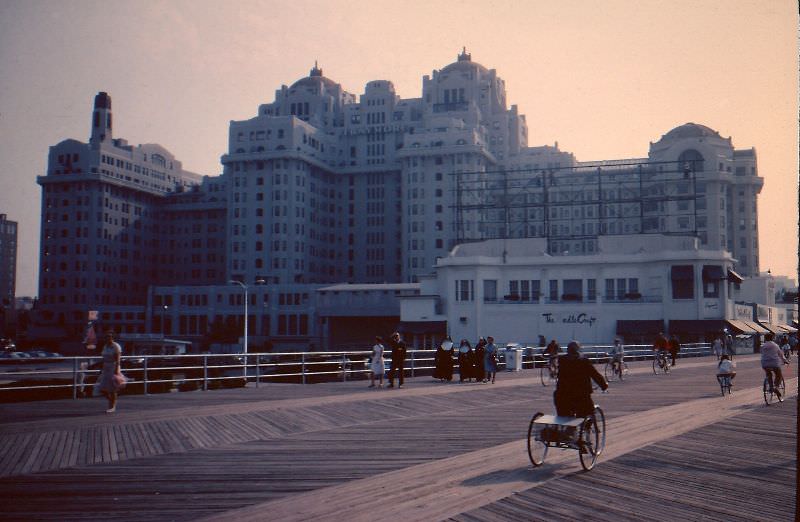
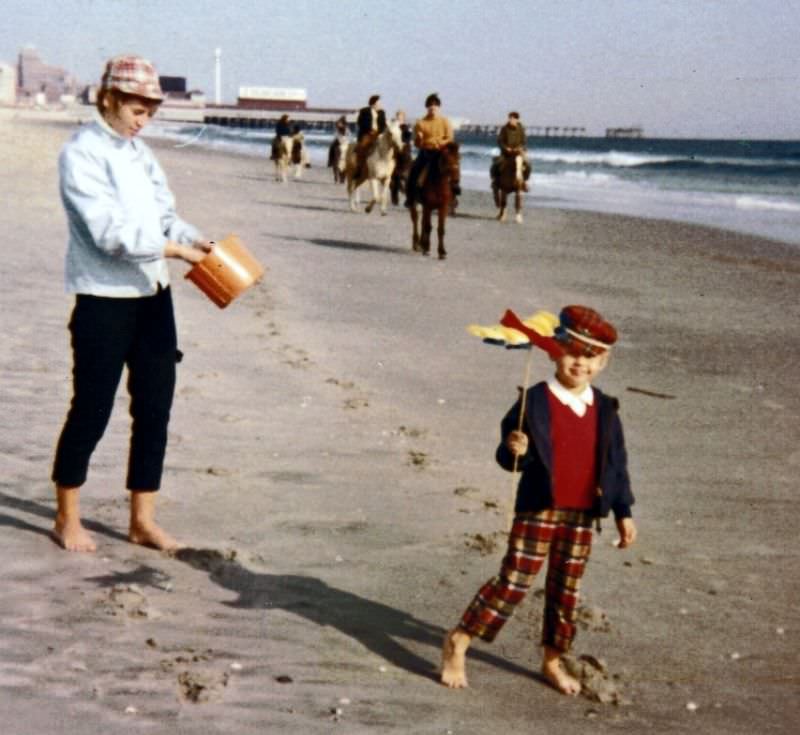
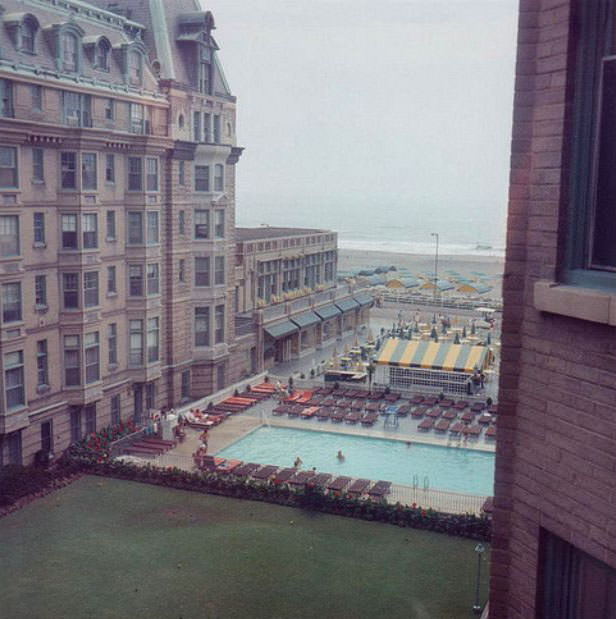
The beach itself was a massive draw. Miles of sandy shoreline welcomed sunbathers, swimmers, and families setting up for the day. Hotels like the Haddon Hall and the grand Marlborough Blenheim sat close to the water’s edge, offering guests sweeping views of the Atlantic Ocean. The Marlborough Blenheim, named in part as a nod to Blenheim Palace in England — the birthplace of Winston Churchill — was one of the most recognizable buildings on the skyline. It had been built in the early 1900s and stood until its demolition in 1978, when Bally’s Hotel and Casino took over the site.
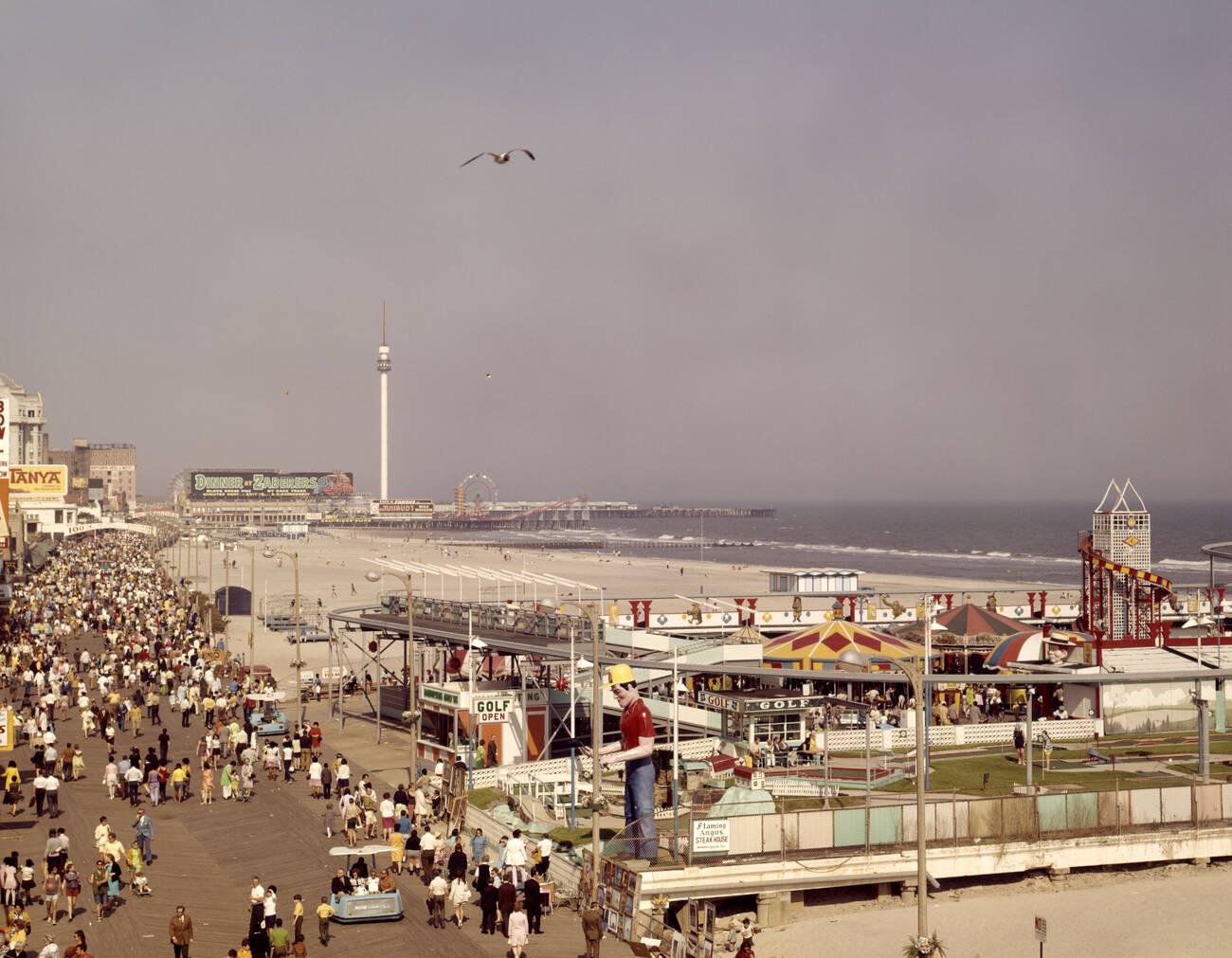
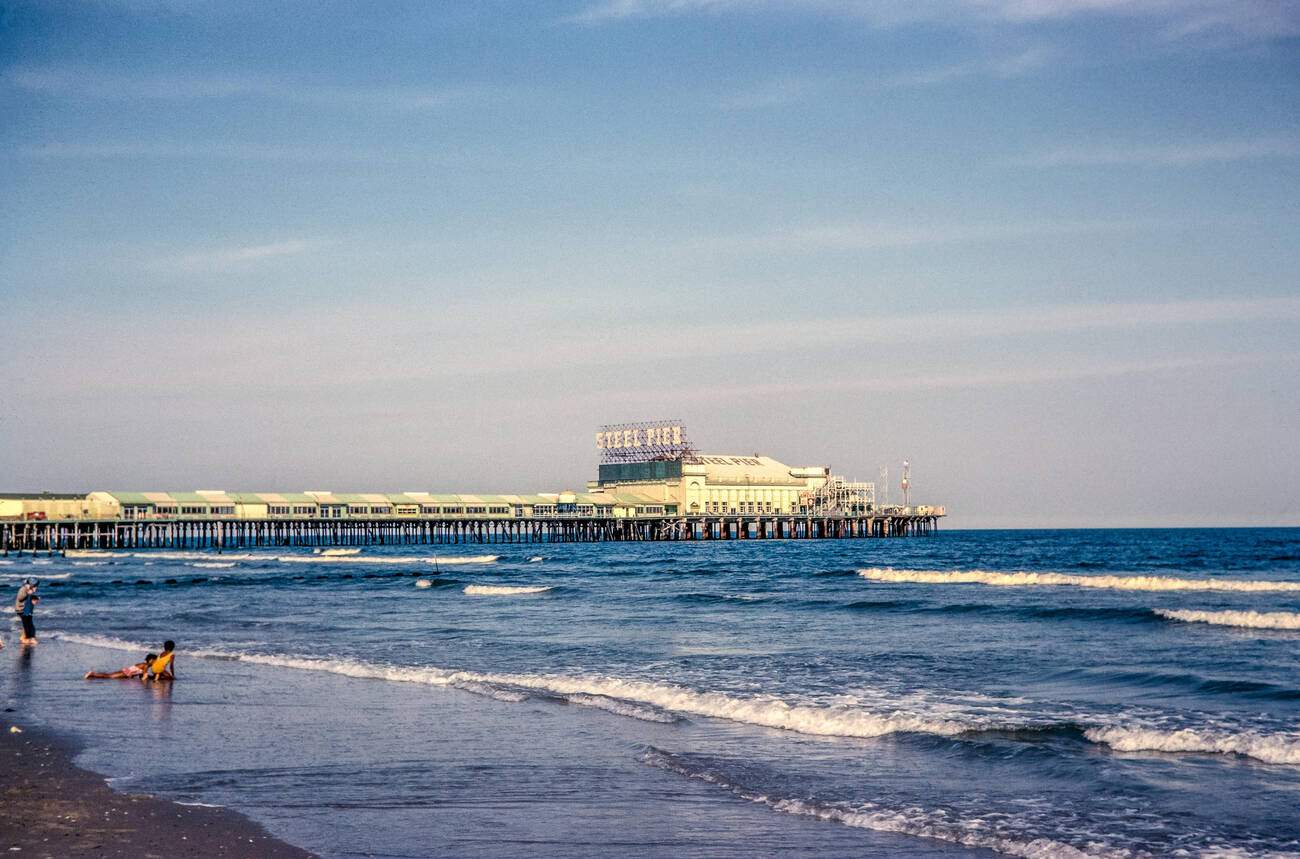
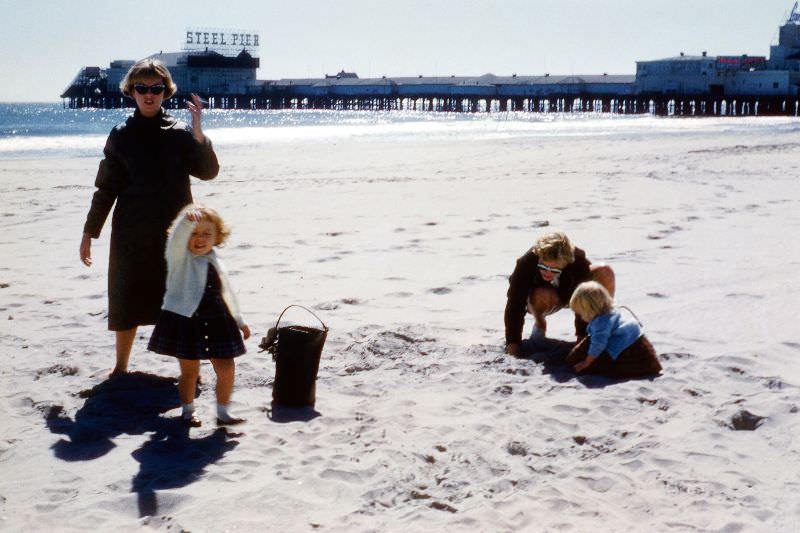
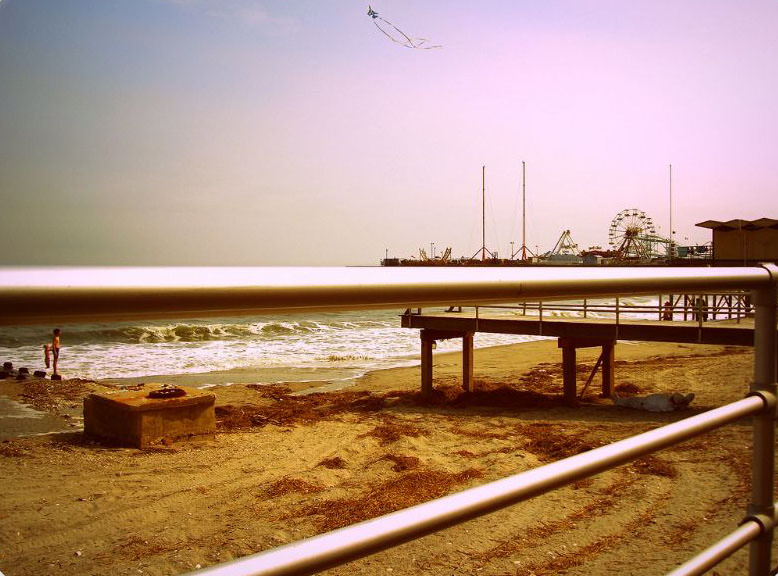
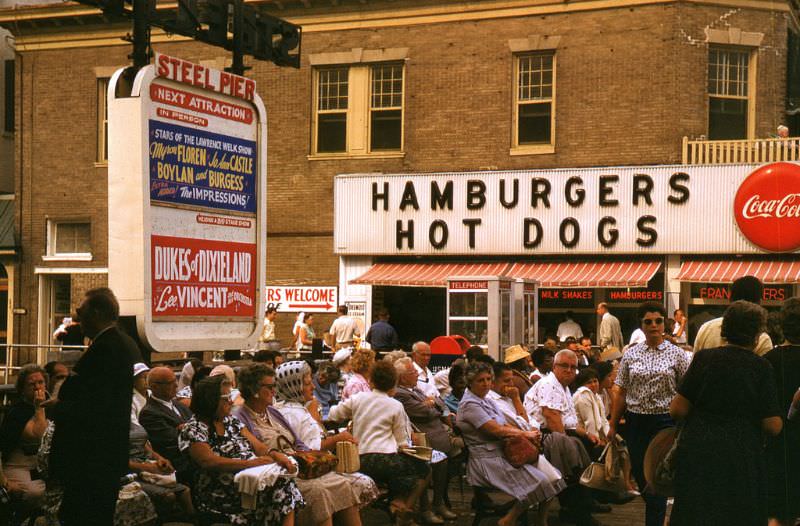
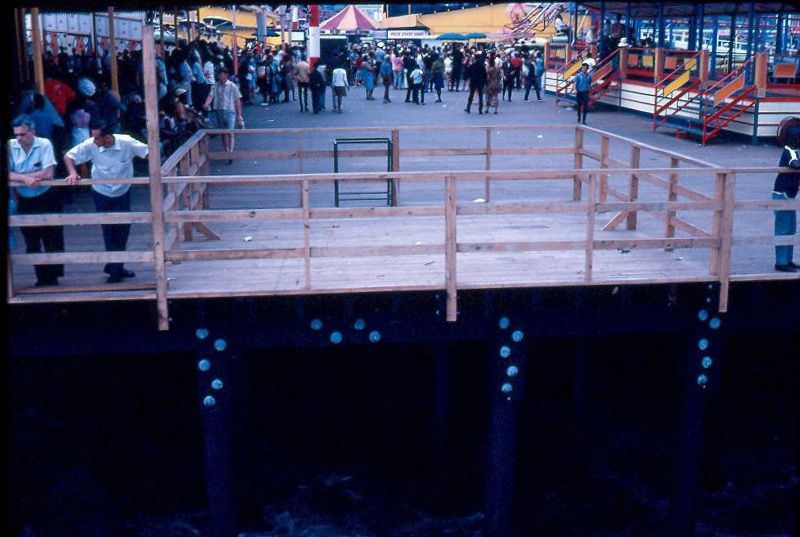
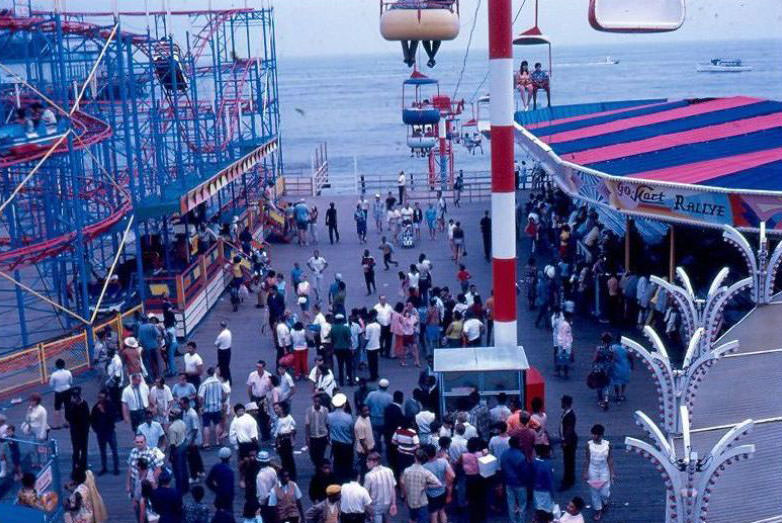
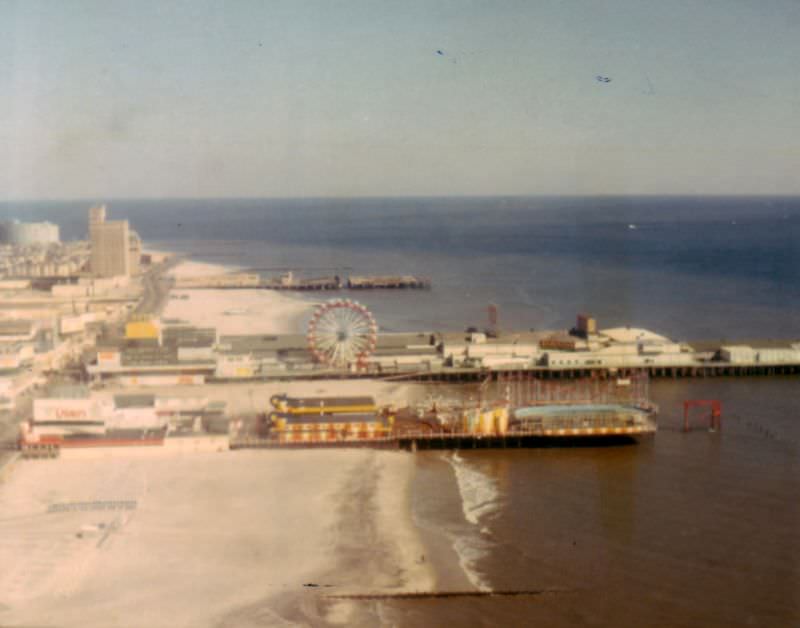
Steel Pier was the crown jewel of Atlantic City’s entertainment scene. It had first opened in 1898, jutting out into the ocean off the boardwalk. By the 1960s, it was one of the biggest concert venues in the region, hosting artists like Frank Sinatra and Diana Ross and the Supremes. It also offered amusement rides, attractions, and live comedy. A giant advertisement for Fralinger’s salt water taffy — a local favorite — could be spotted on the pier from the boardwalk itself.
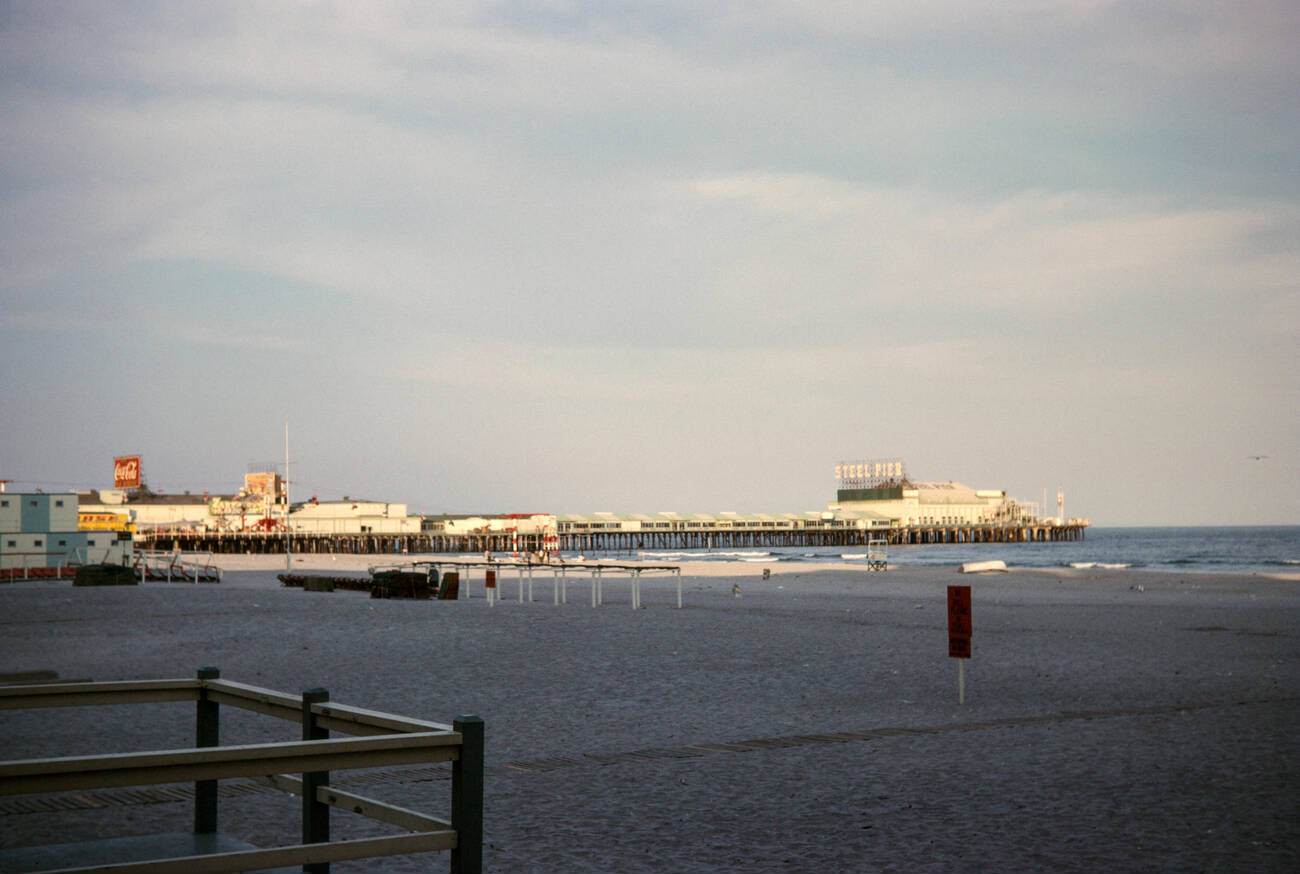
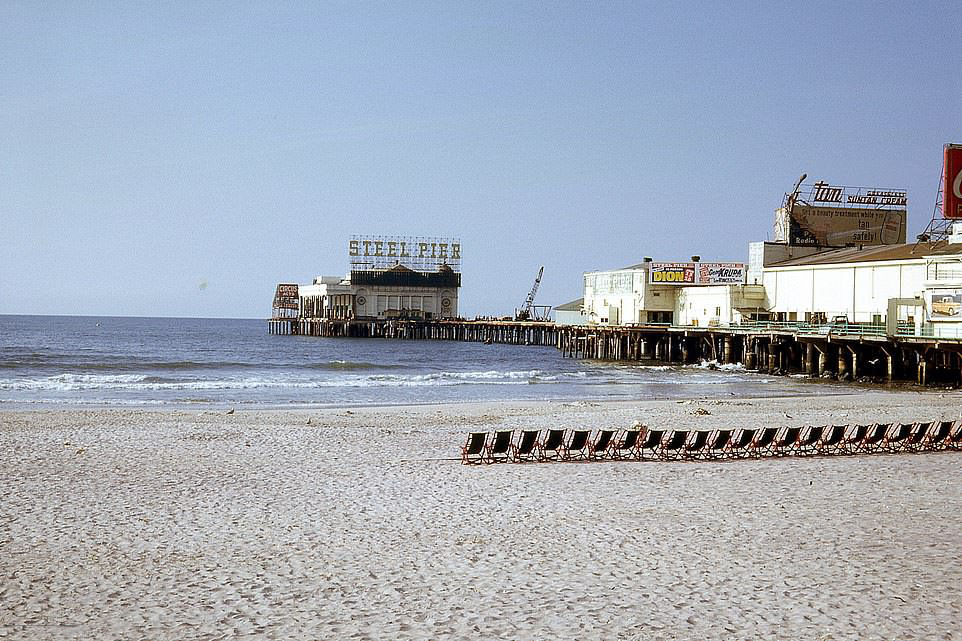
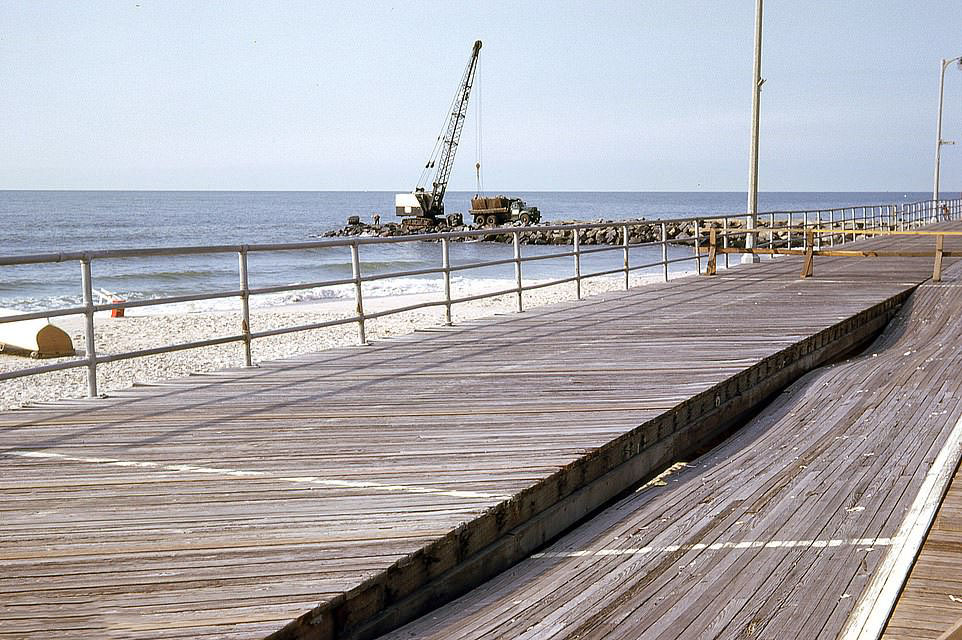
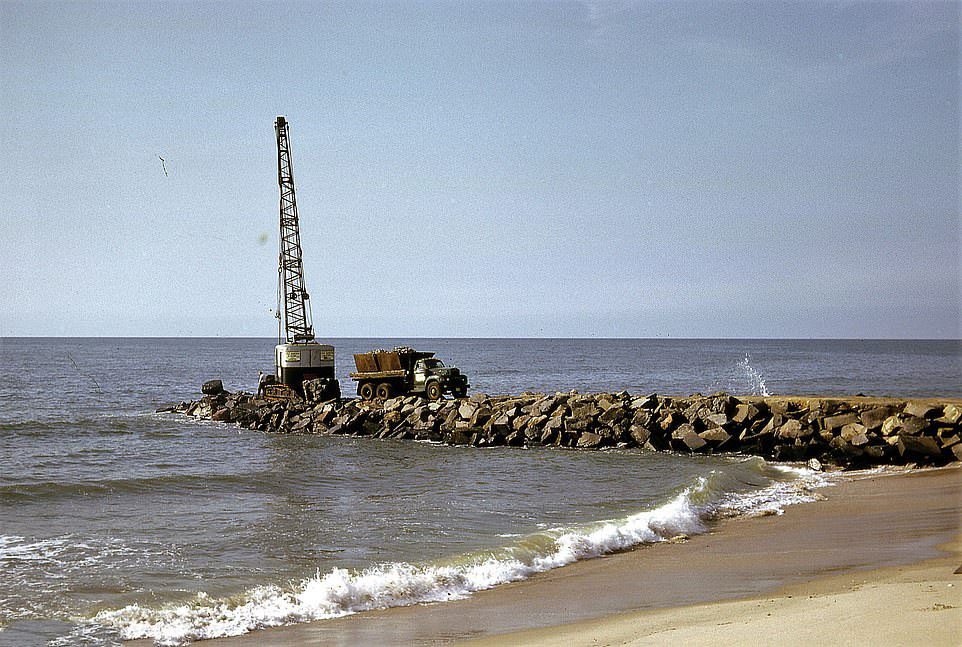
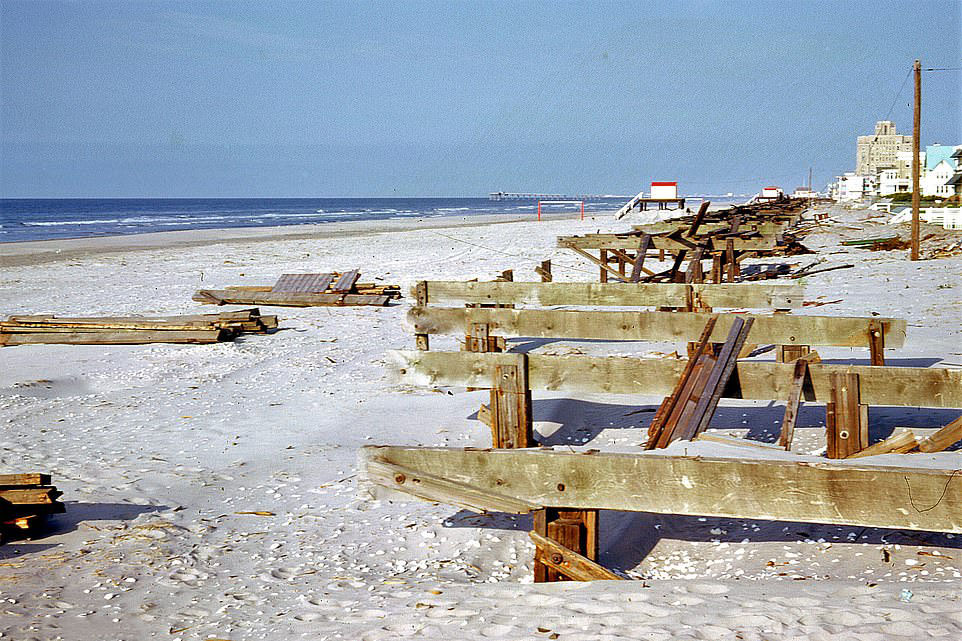
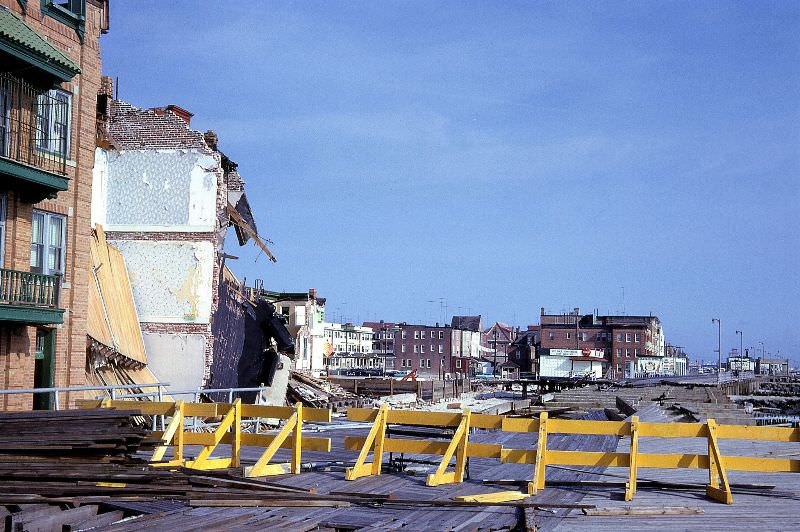
In March 1962, an Ash Wednesday storm tore into the Atlantic City shoreline with devastating force. Parts of Steel Pier were destroyed and lost to the sea. The storm caused around $2 million worth of damage to the pier alone, and across six states it caused hundreds of millions of dollars in total destruction, claiming 40 lives. Sea defenses along the shoreline were badly damaged. Despite the scale of the destruction, Atlantic City managed to get back up and running for visitors within just two days.
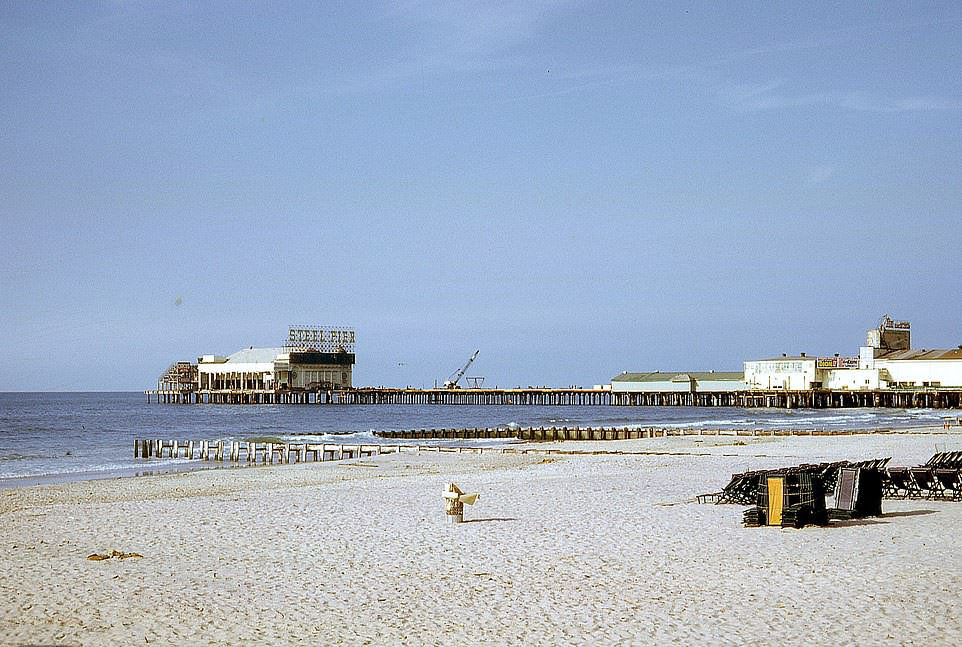
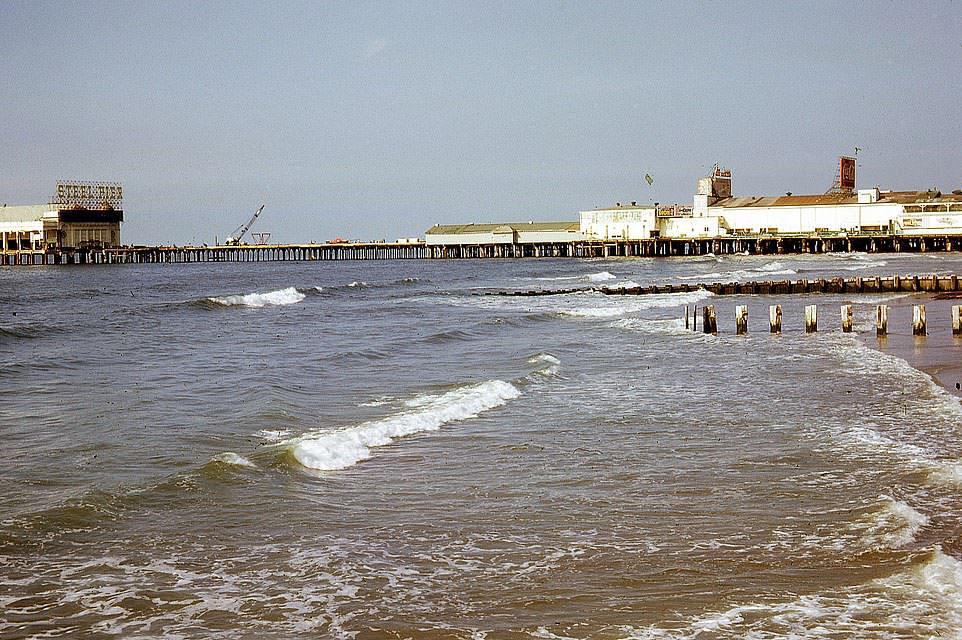
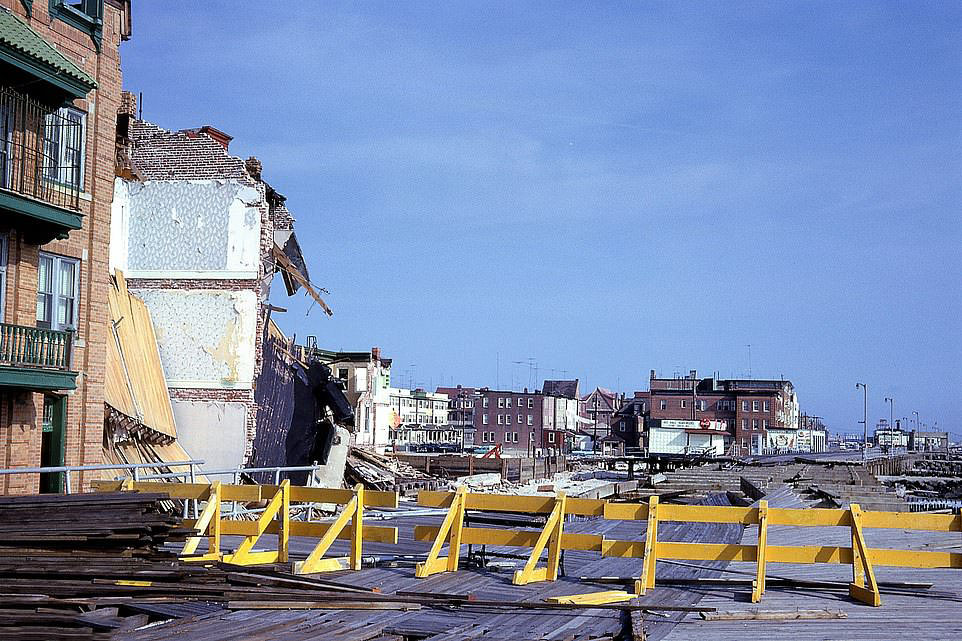
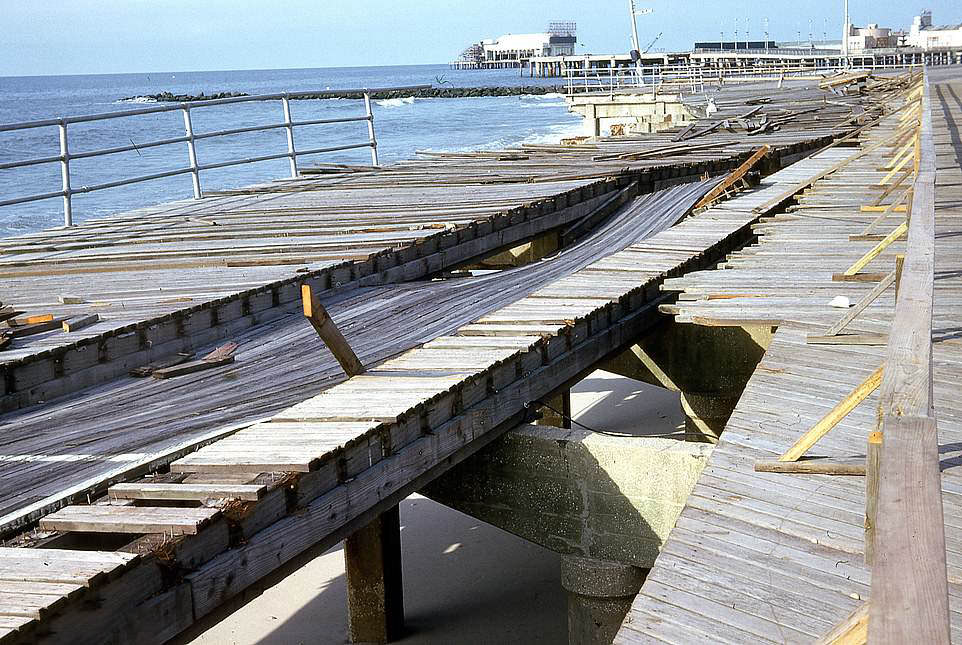
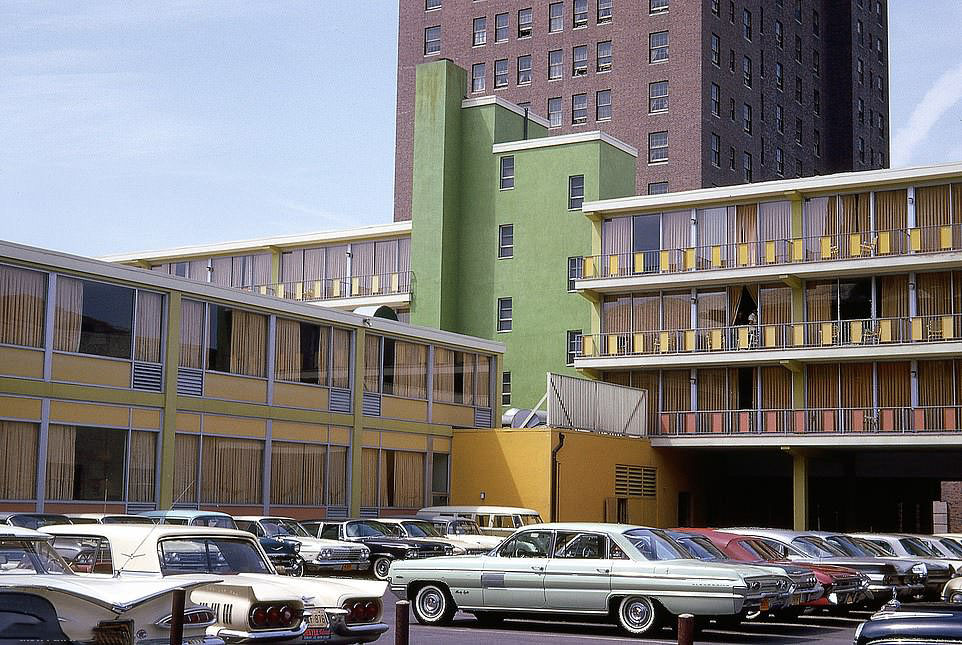
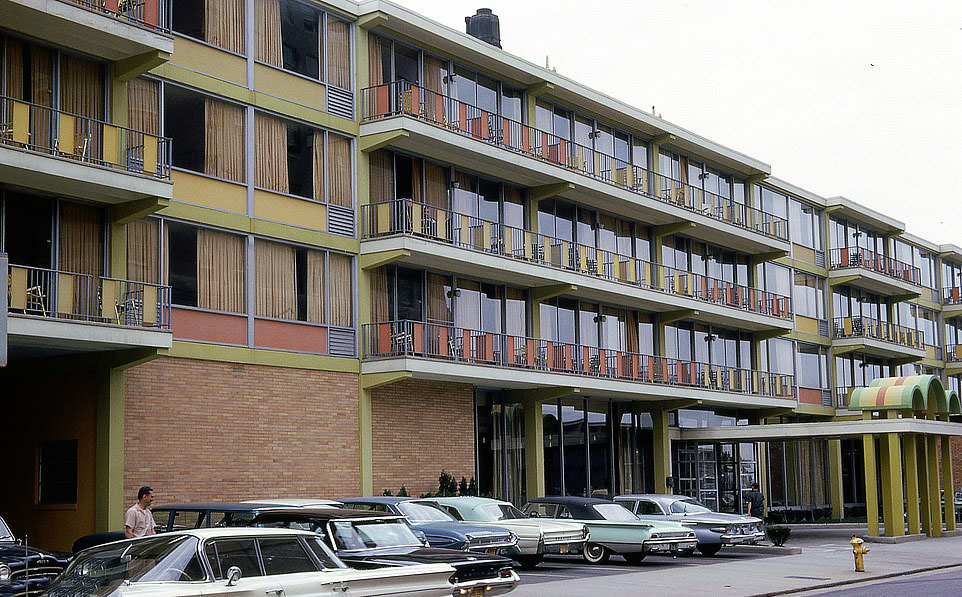
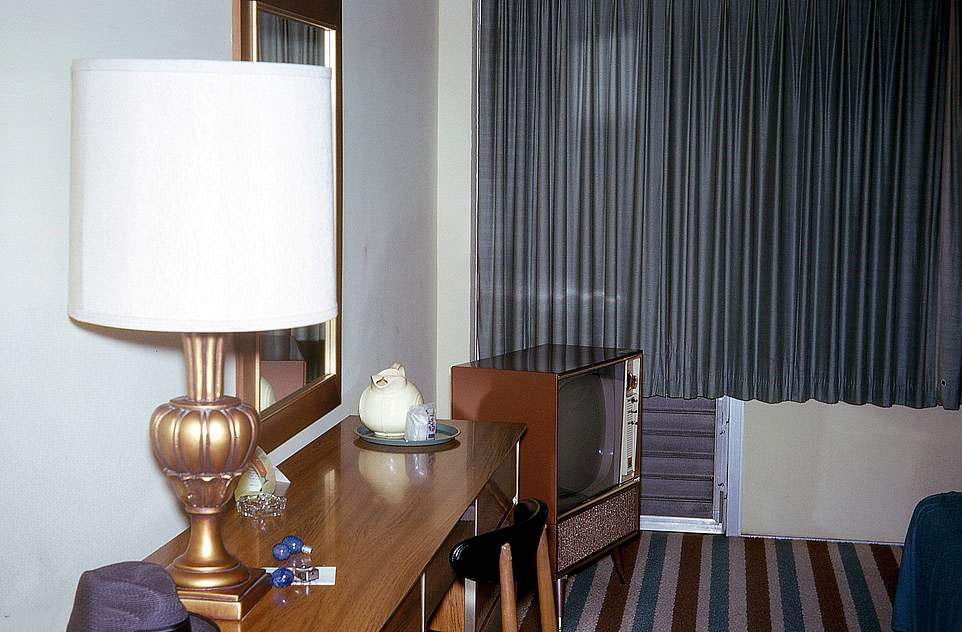
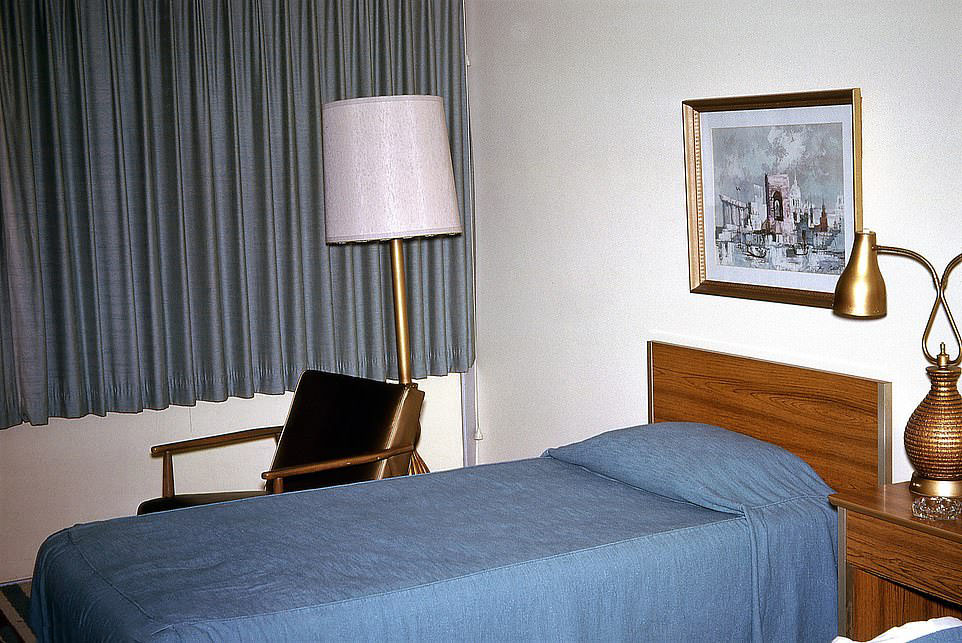
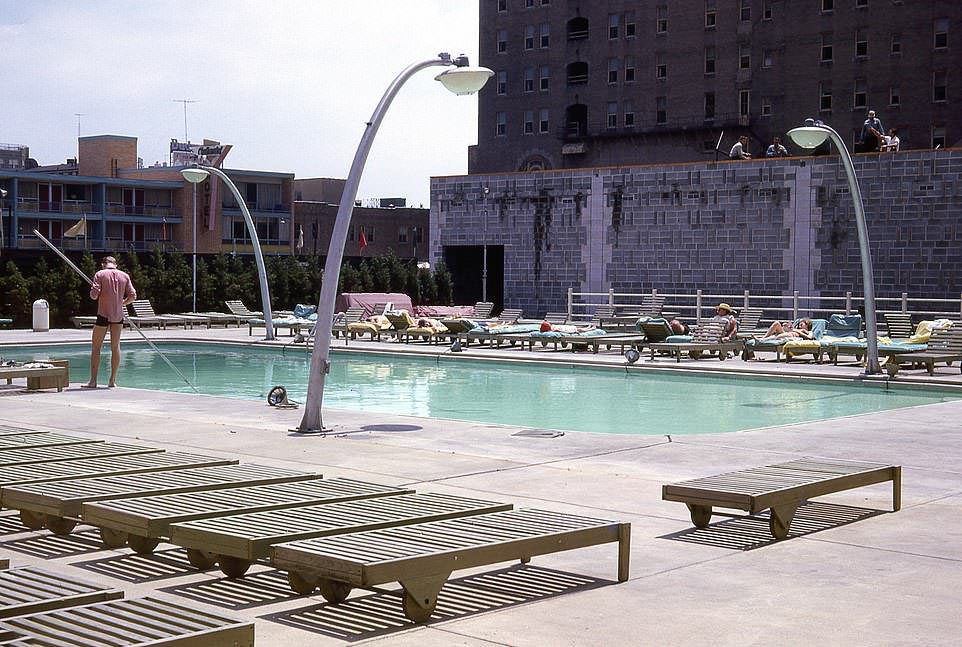
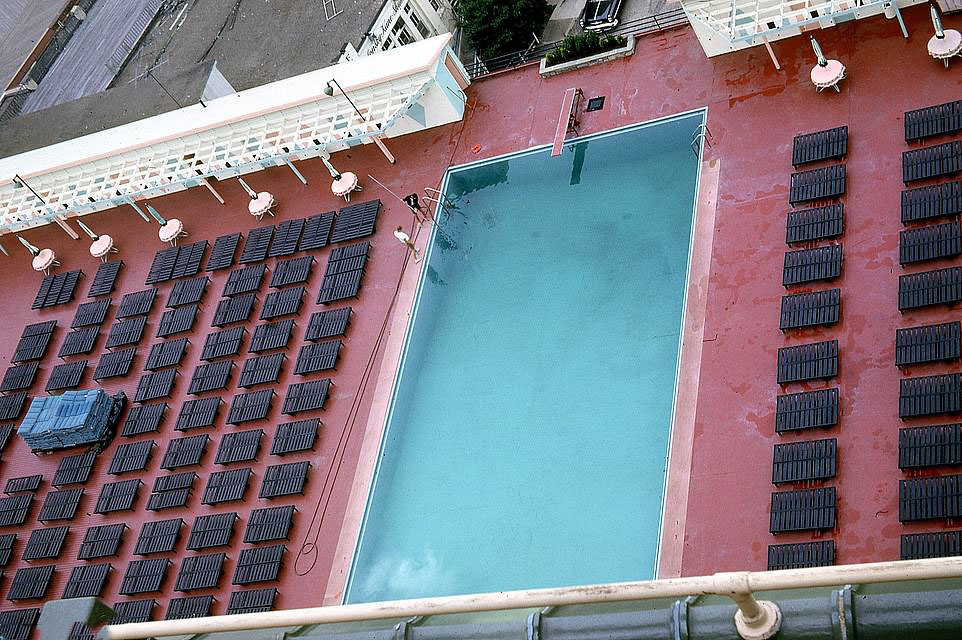
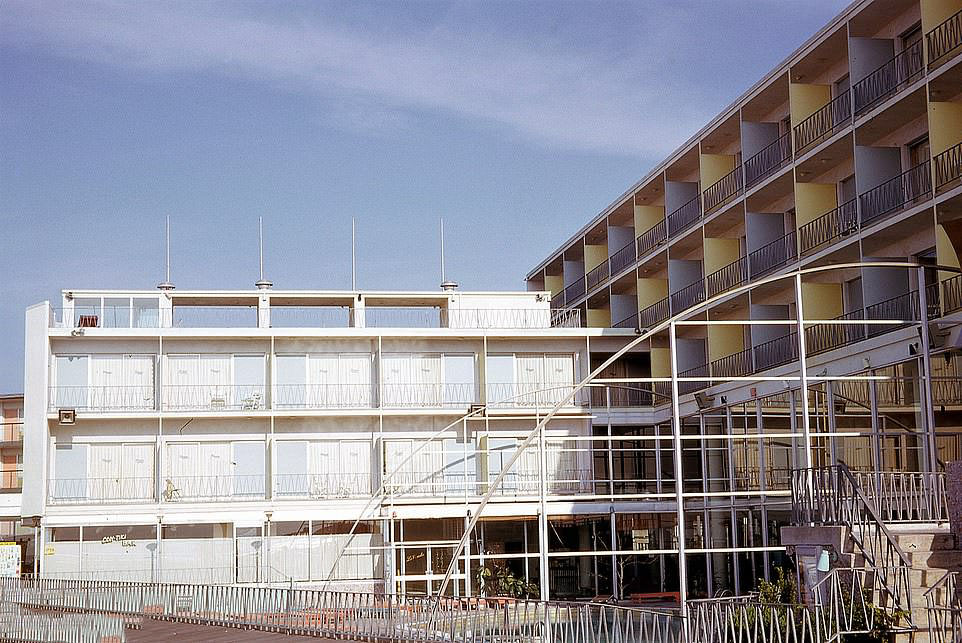
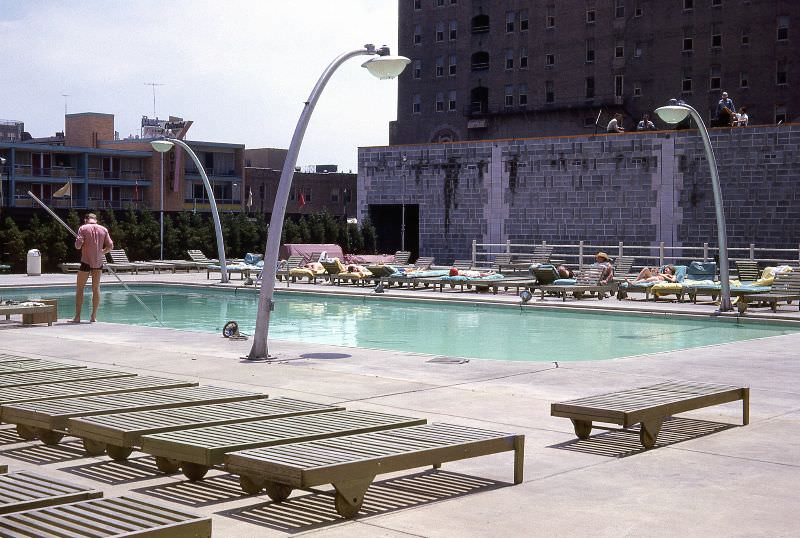
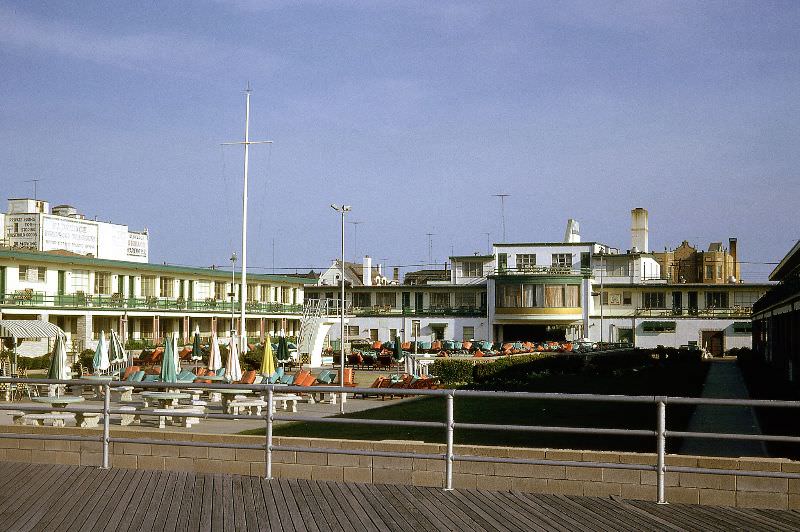
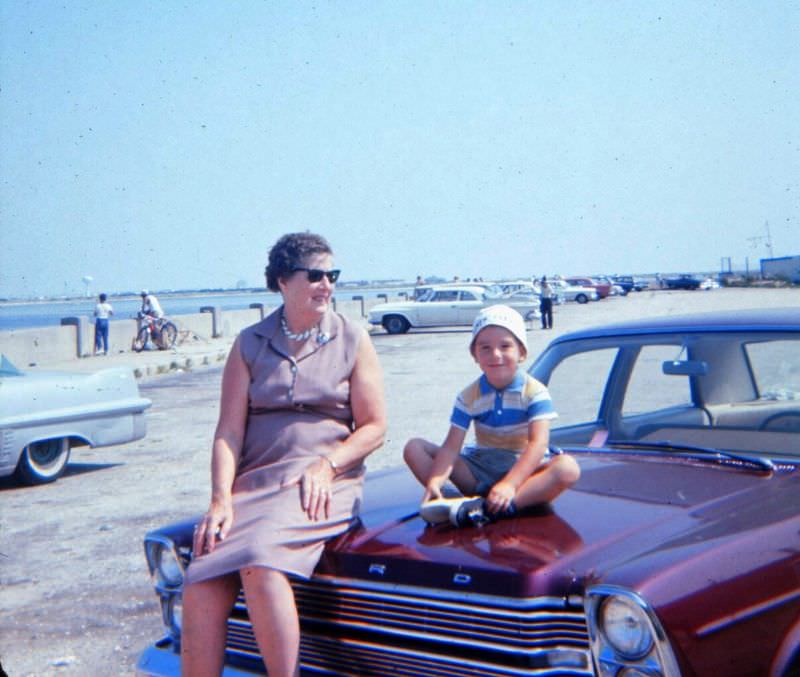
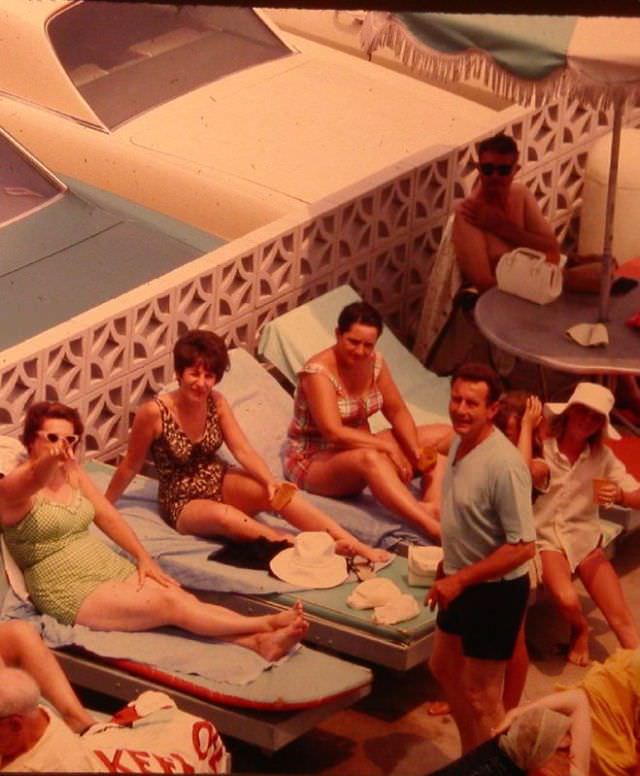
The city’s hotels were a world of their own. Guests lounged around swimming pools, retired to TV rooms, and enjoyed ocean-facing views from their rooms. Newer properties like the Colony Resort and Motel, which opened in 1959 on the former site of the Brighton Hotel, catered to a growing crowd of car-owning travelers. By 1962, more Americans owned cars than ever before, and hotels were noticing that guests were staying for shorter periods — using Atlantic City as one stop on a longer road trip rather than a full vacation destination.
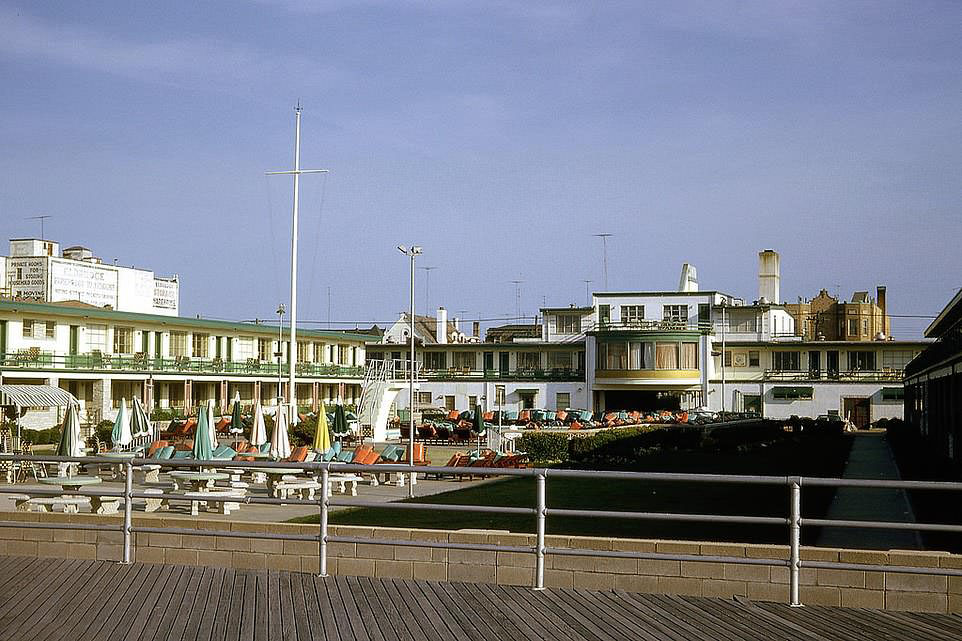
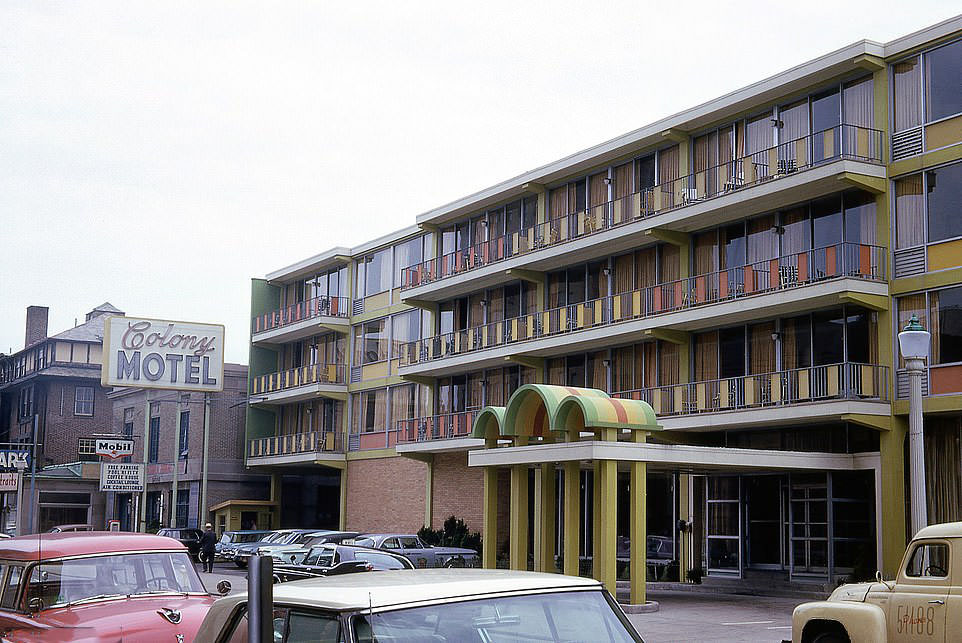
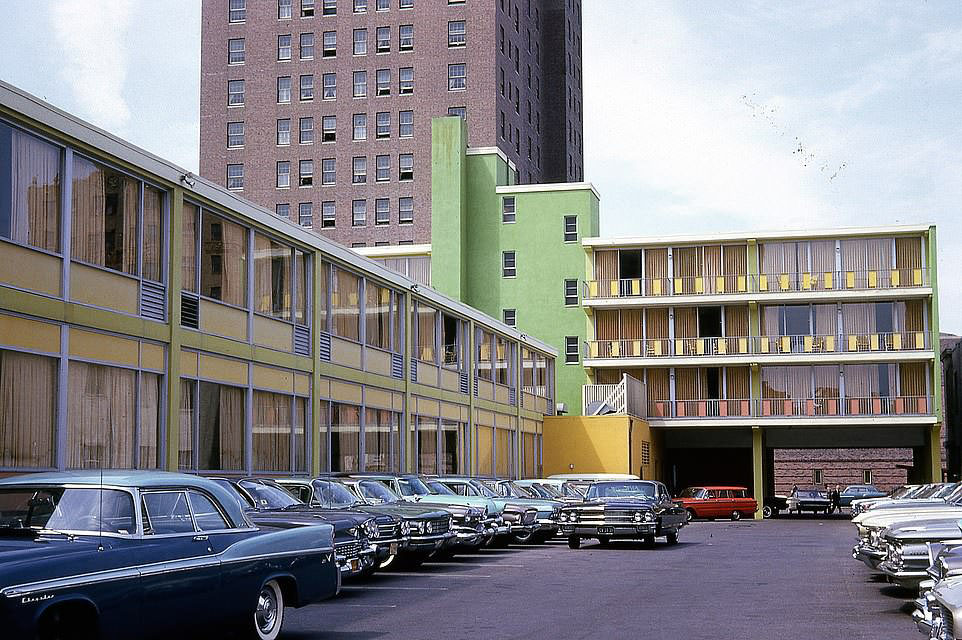
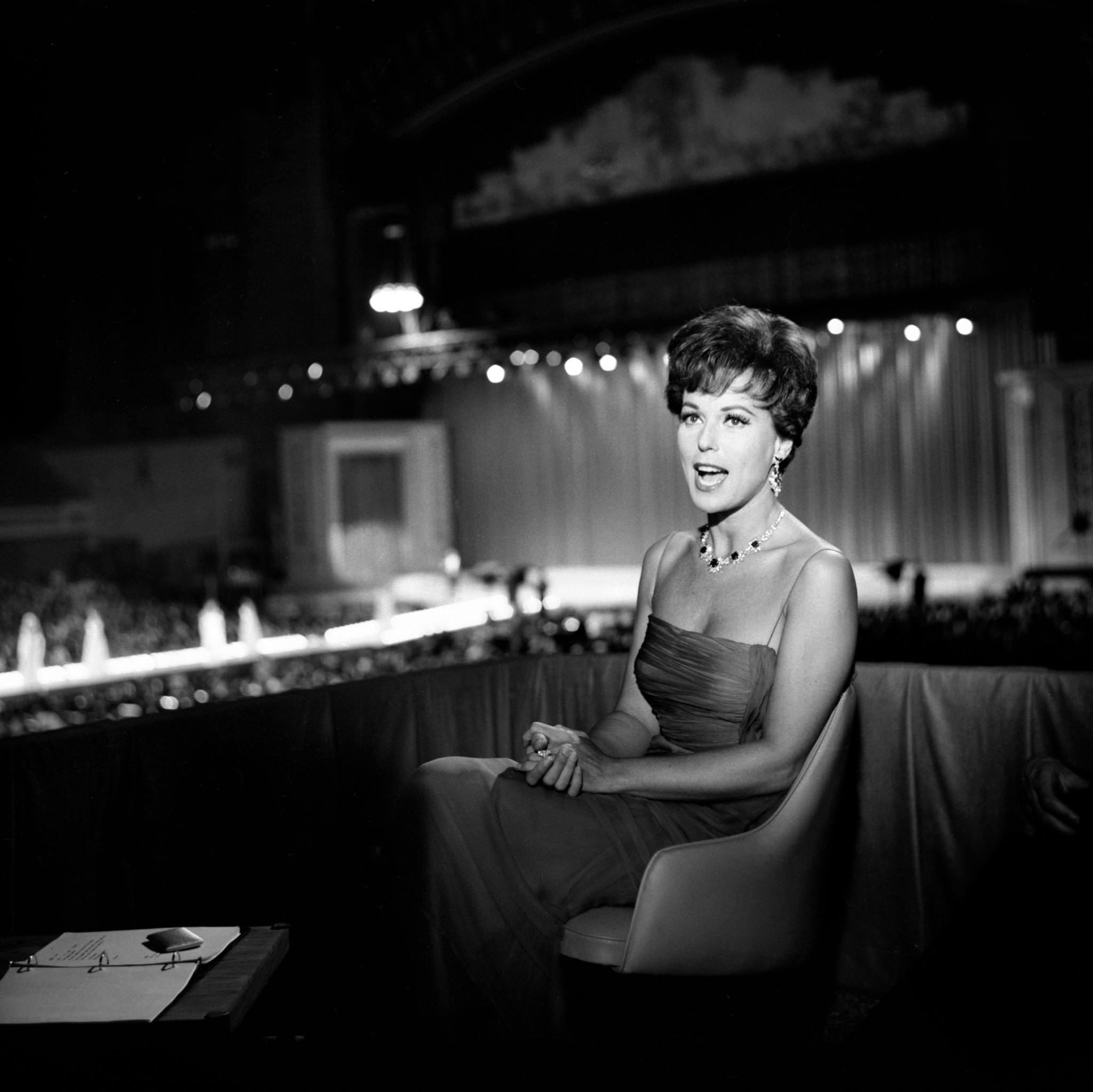
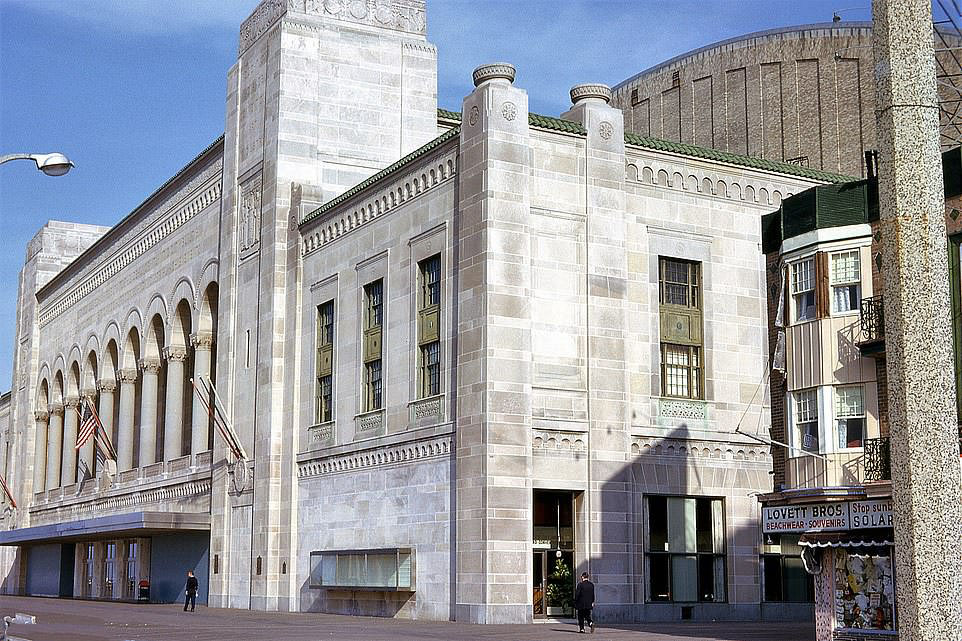
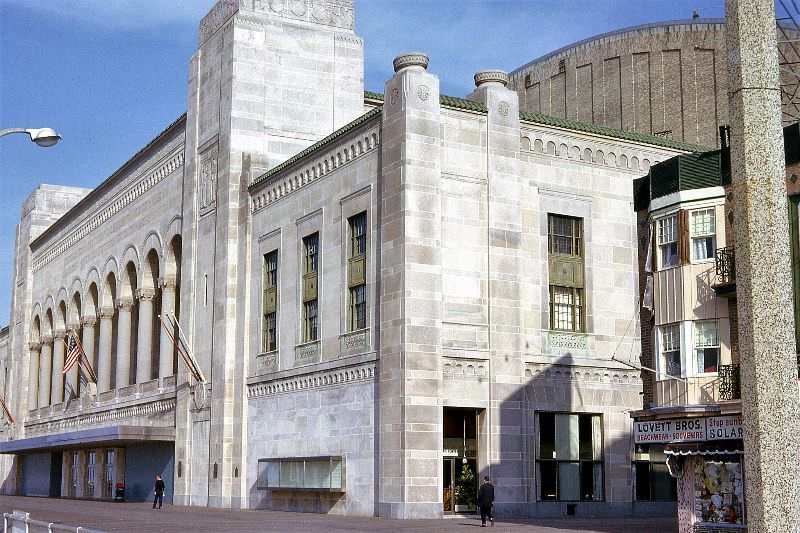
One of Atlantic City’s biggest annual events was the Miss America pageant. First held in the city in 1921, the pageant continued to draw massive crowds and national television audiences through the 1960s. Boardwalk Hall — a large arena just off the famous strip — served as the main venue for the event. The 1966 pageant brought contestants and spectators flooding into the city, keeping the tradition alive as one of the most-watched competitions in the country.
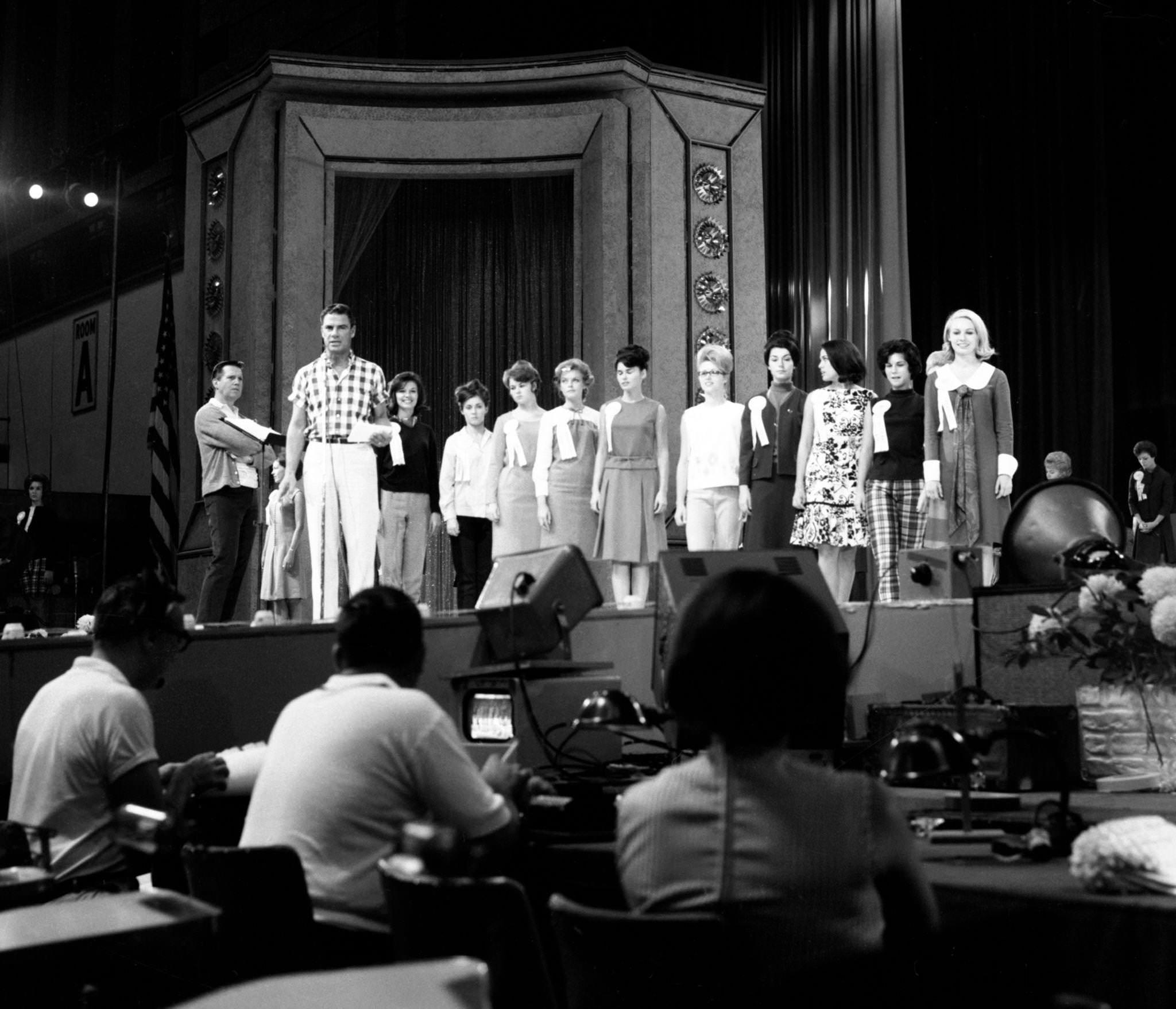
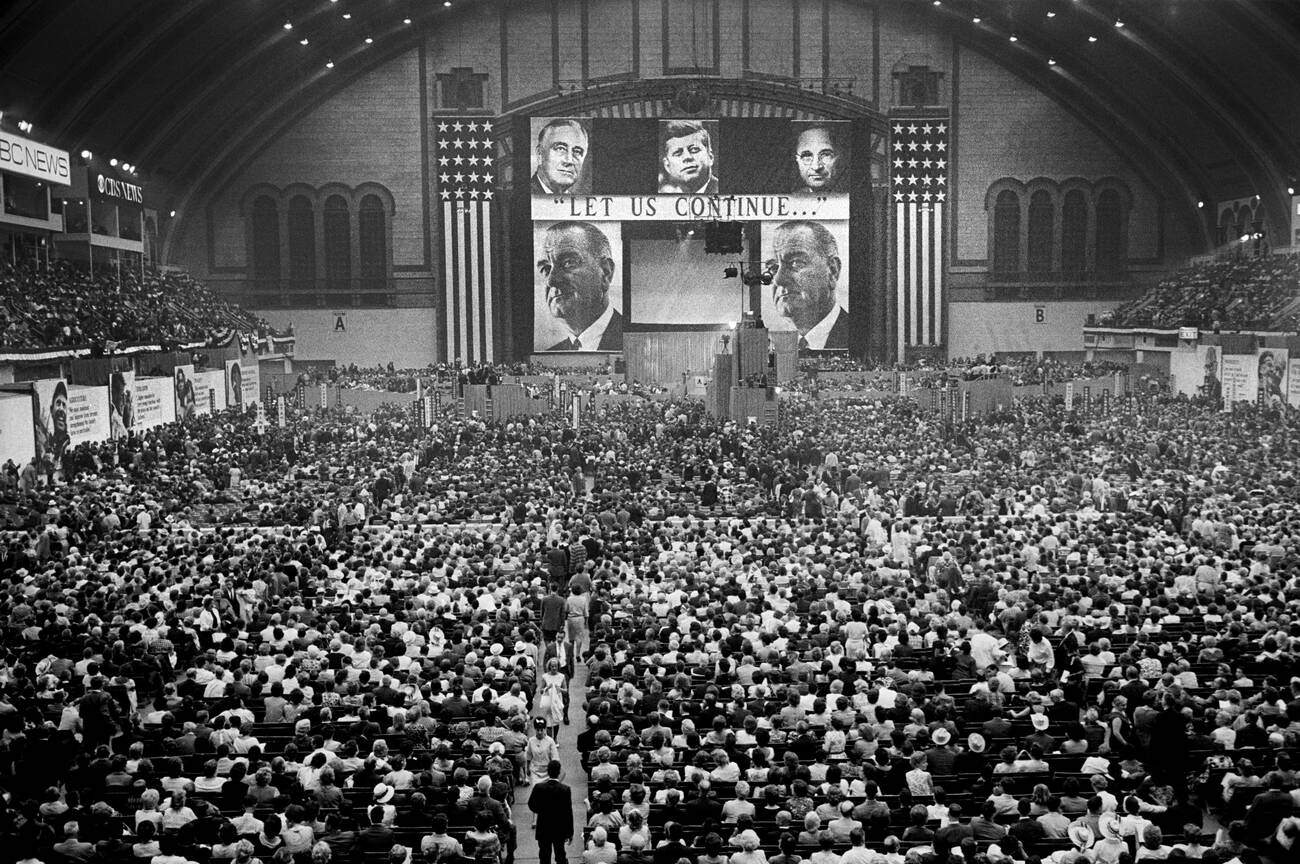
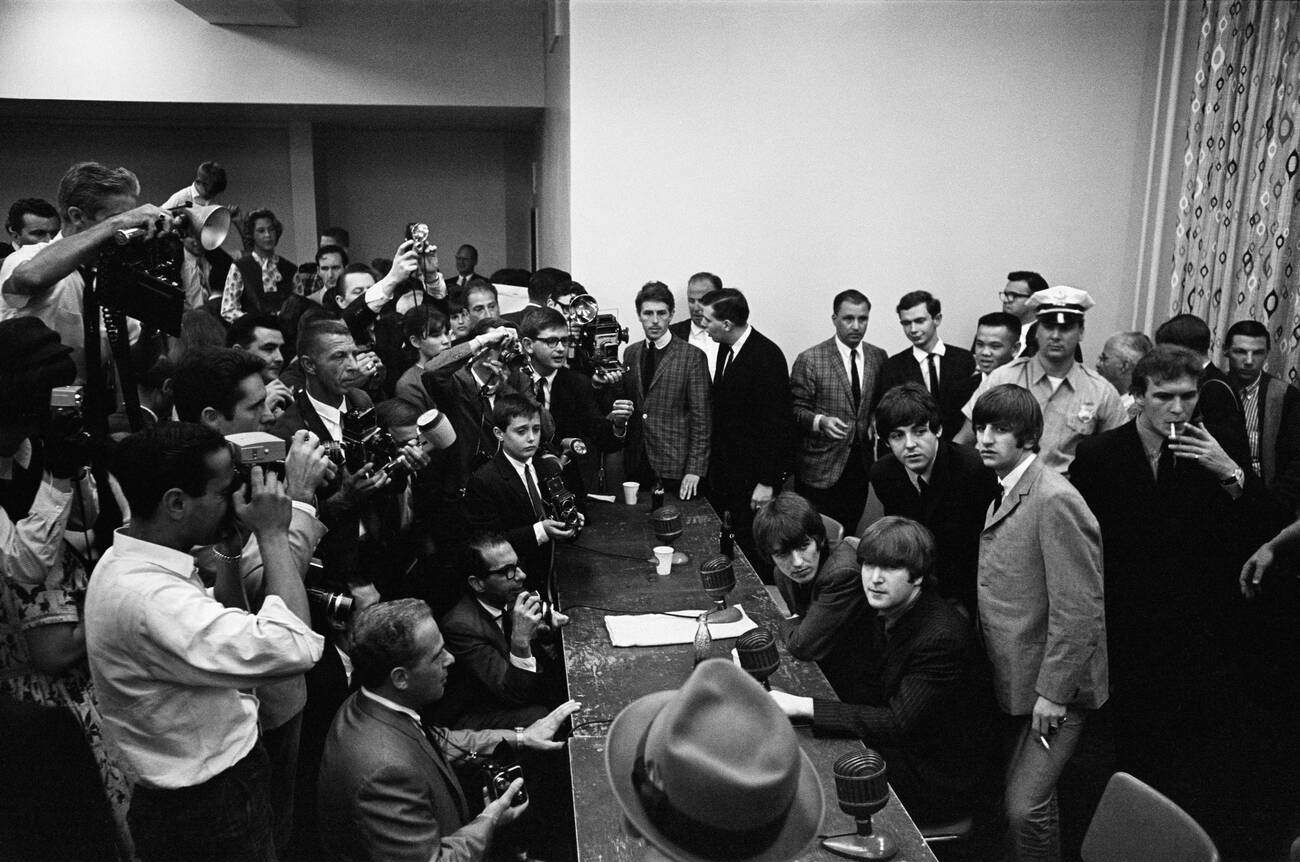
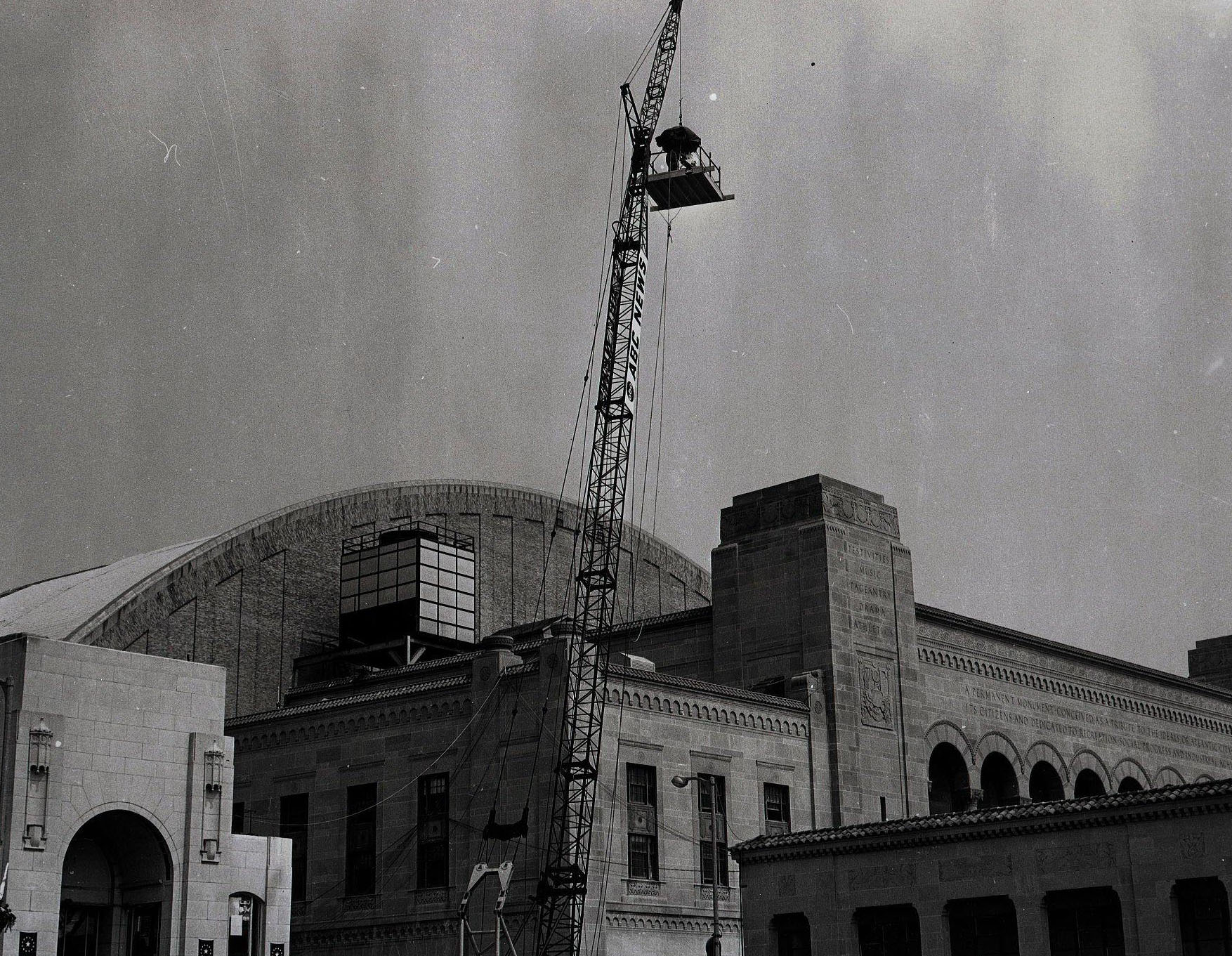
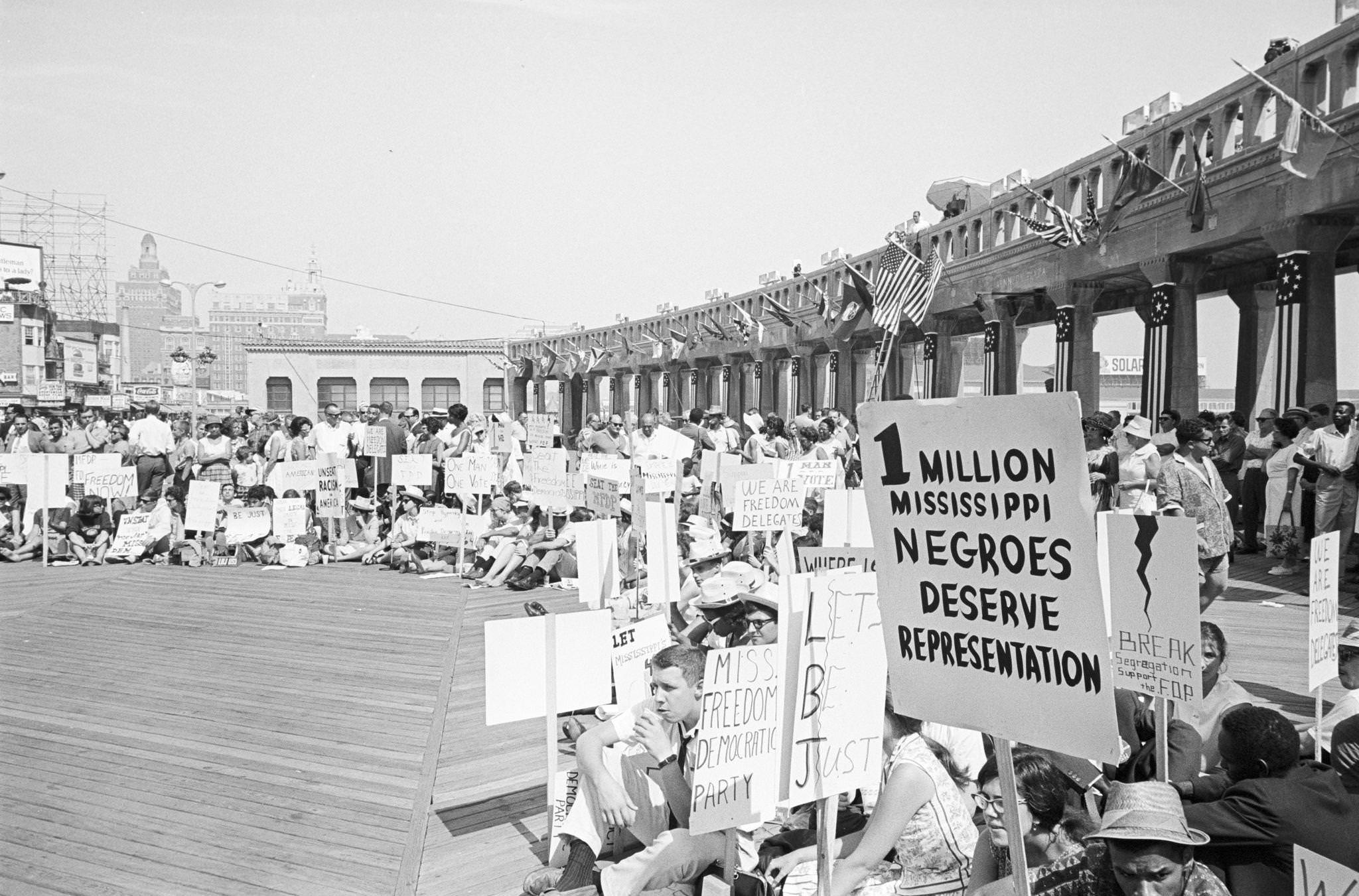
Boardwalk Hall also hosted one of the most significant political events of the decade. In 1964, Atlantic City welcomed the Democratic National Convention. It was here that Lyndon B. Johnson was formally nominated as the party’s presidential candidate. Walt Disney’s television operation covered the event, and the convention drew global attention to the city. That same year, The Beatles held a press conference at Convention Hall ahead of their Atlantic City concert, bringing a new wave of excitement and youth culture to the resort.
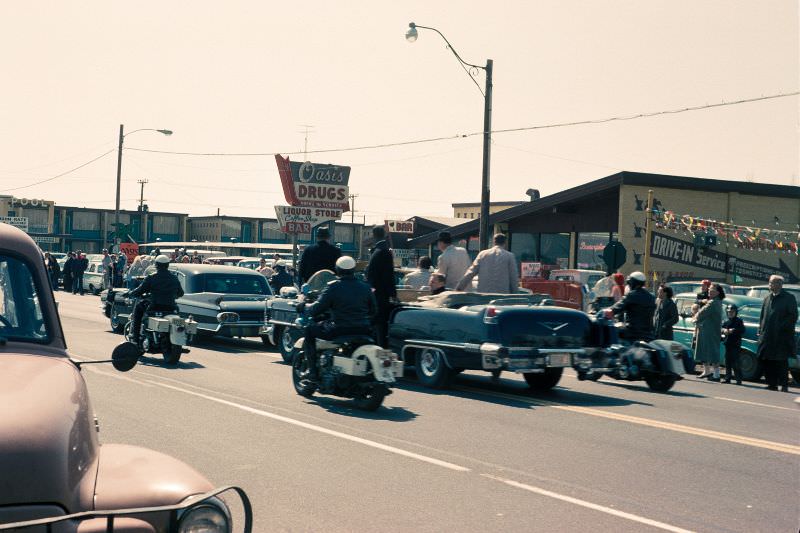
Behind the glamour, Atlantic City had a darker side. Much of the city’s economy depended on tourism and gambling, and many of the casinos and hotels were controlled by organized crime figures. Illegal gambling, prostitution, and drug trafficking were part of the city’s underbelly, and corruption ran through local government and law enforcement. Casinos weren’t legally permitted to operate in Atlantic City until the 1970s — but illegal gambling operations ran openly through the decade, tolerated and in many cases protected by those in power.
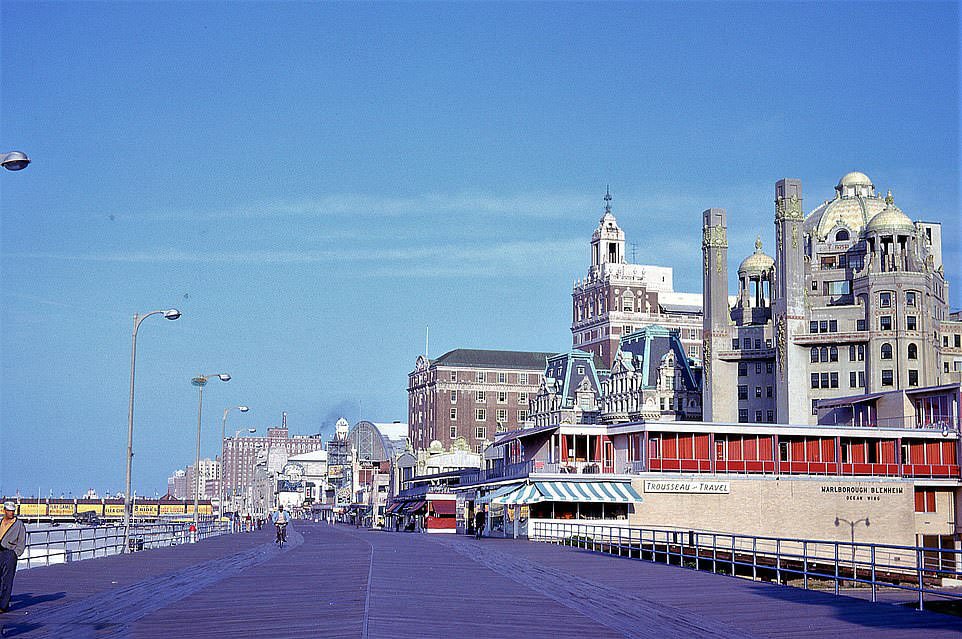
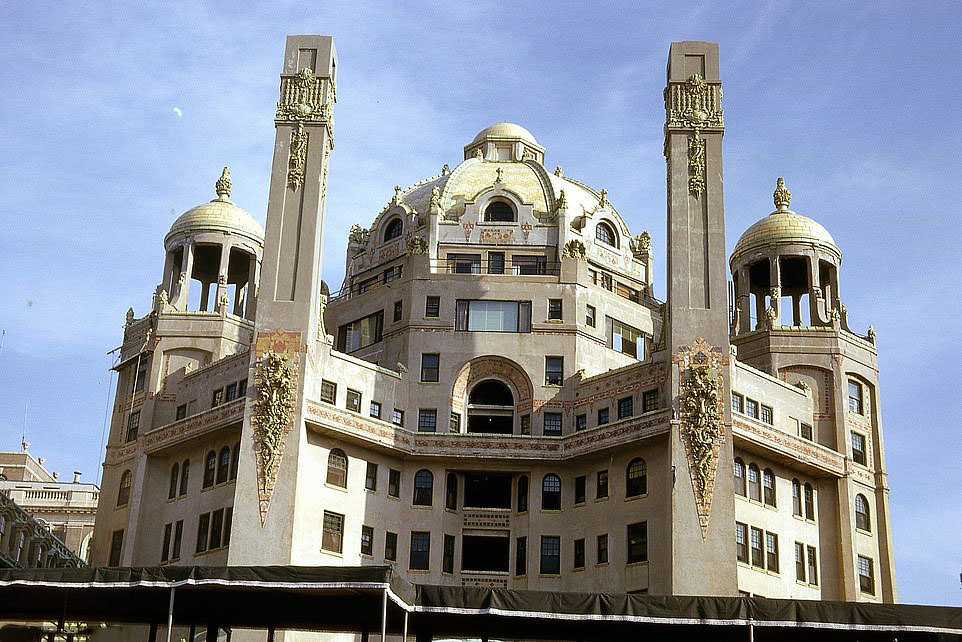
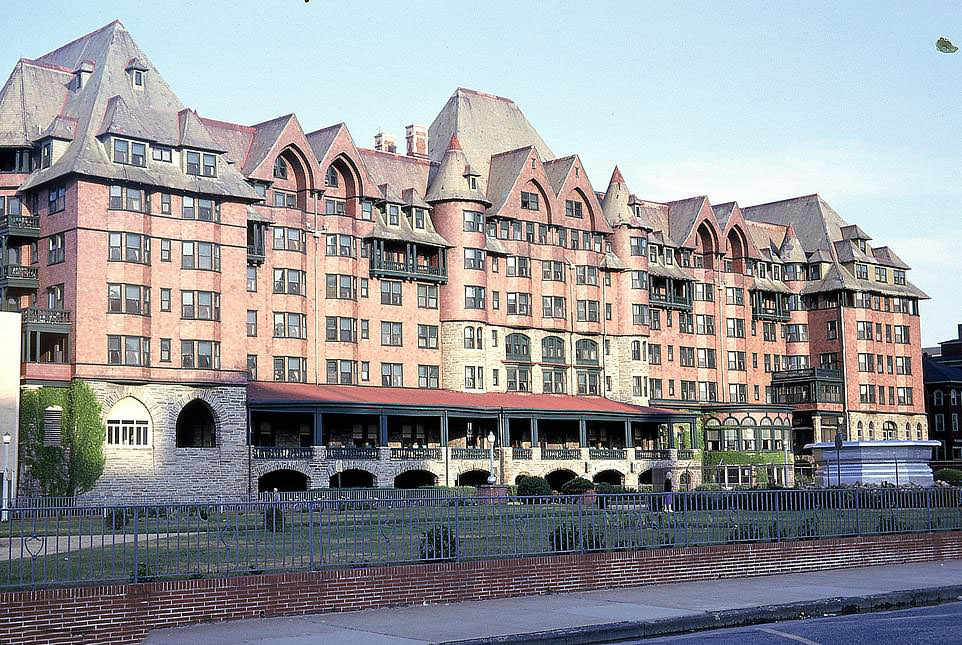
Even with organized crime in the background, tourists kept coming. Conventions filled hotel ballrooms. Families packed the beach. Couples dined along the boardwalk. The city hosted major events and attracted big-name performers year after year. Atlantic City in the 1960s was loud, busy, and in constant motion — a resort town operating at full throttle.

Was Atlantic City considered a hip destination in the 1960s, or was it considered a dilapidated area?
The 1964 Demicratic convention was a big turning point. Atlantic City’s image plummeted after that.
Probably cooler
None of the clothing aligns to the era.
Peak high tide of the city was about 1950’s. Downslide started about 1960. Gambling didn’t become legal until 1978.
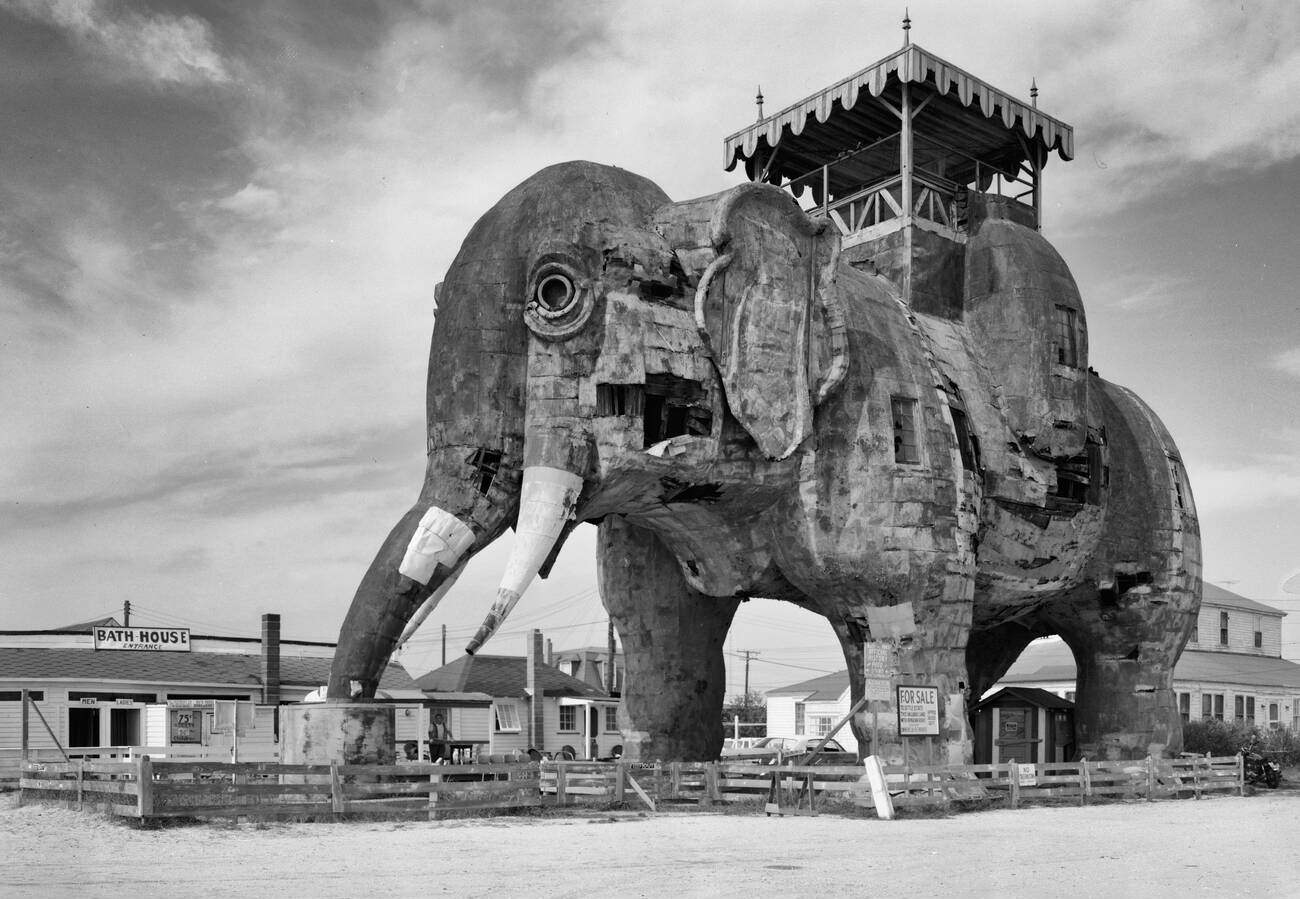
At least Lucy appears to be in better condition now.
for the AC Airshow, we’ll have a good laugh seeing the Thunderbirds flying in their “brand new” F4 Phantoms! LOL.
I don’t see any crackheads