Hey There! Before You Go. 😧
Get the best vintage content straight into your inbox!

Don't worry, we don't spam

The Michigan of the 1940s: A Photographic Legacy of Industrial Growth and Social Change by Arthur S. Siegel

Arthur S. Siegel was an American photographer who spent a significant portion of his career documenting the state of Michigan during the 1940s. His images are not polished portraits of power — they are ground-level records of a state undergoing profound transformation. Michigan in this era was riding the wave of postwar economic expansion, driven almost entirely by the automobile industry. Detroit sat at the center of that wave, pulling in workers, reshaping neighborhoods, and reordering daily life at a pace few cities had ever seen.

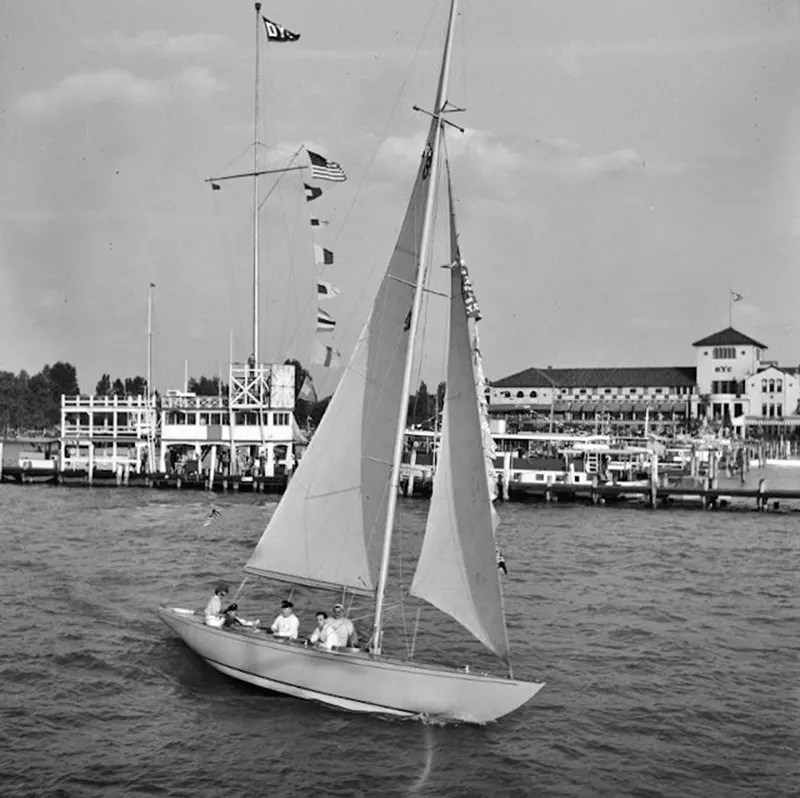
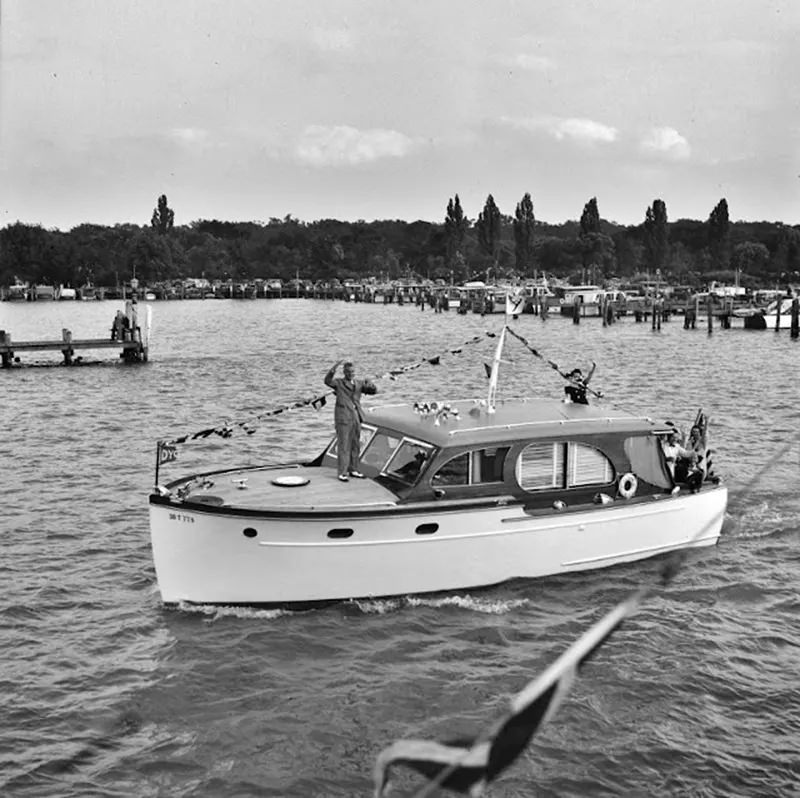
Before the war effort consumed the city’s attention, Siegel documented the leisure habits of Detroit’s wealthiest residents. In the summer of 1940, he trained his lens on the Detroit Yacht Club, where manufacturers and their associates gathered for elaborate social events on the water.
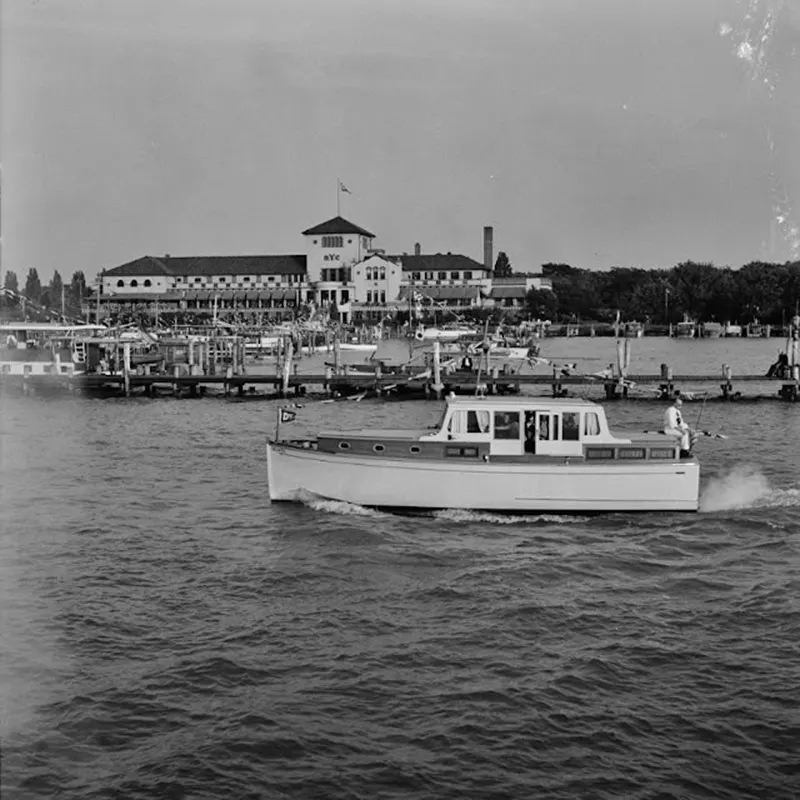
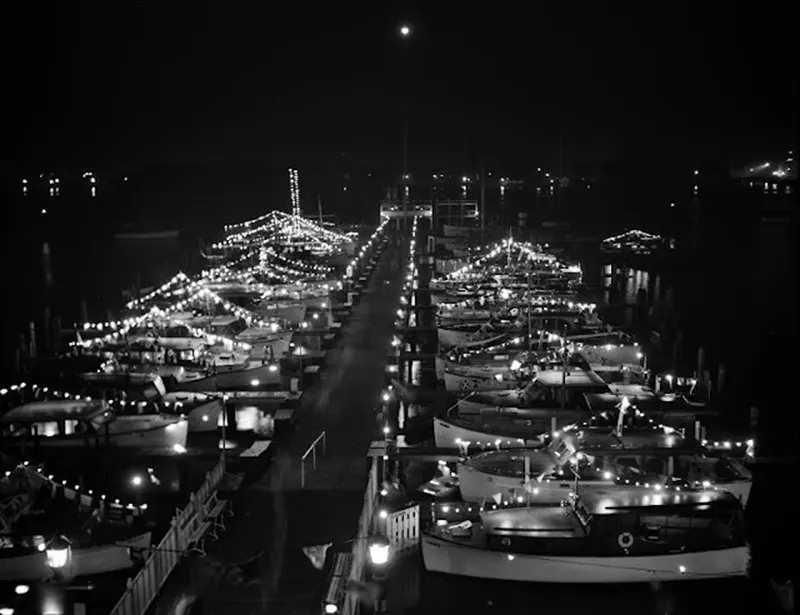
A Venetian night party at the Detroit yacht club, whose members represent the wealthier class of manufacturers and their friends, Detroit, Michigan, 1940.
Cabin cruisers and sailboats decorated with lights, 1940

The Venetian night parties at the yacht club — boats strung with lights gliding across the water — stood in sharp contrast to the factory floors that generated the wealth behind them. Siegel captured both worlds without commentary, letting the images speak to the distance between them.
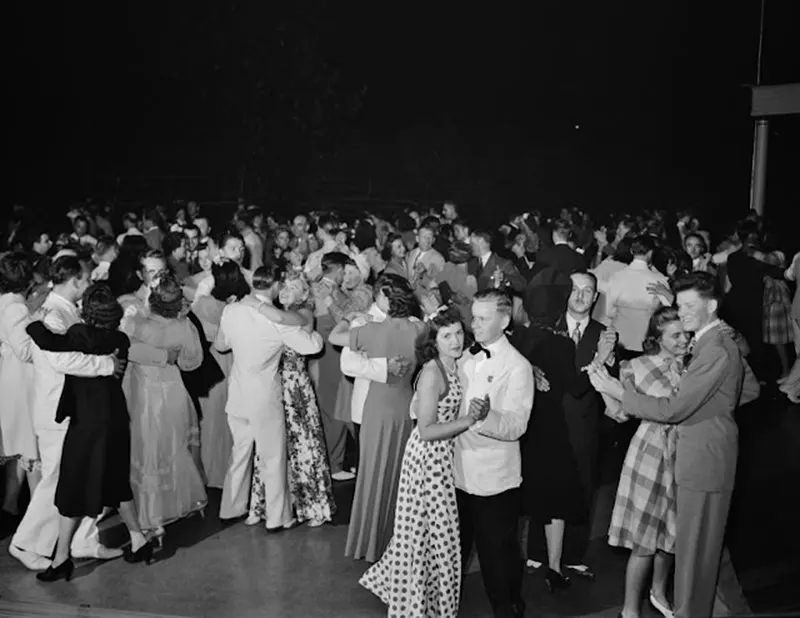
Crowd dancing, 1940.
Small cabin cruiser, summer 1940.
The Michigan of the 1940s: A Photographic Legacy of Industrial Growth and Social Change by Arthur S. Siegel

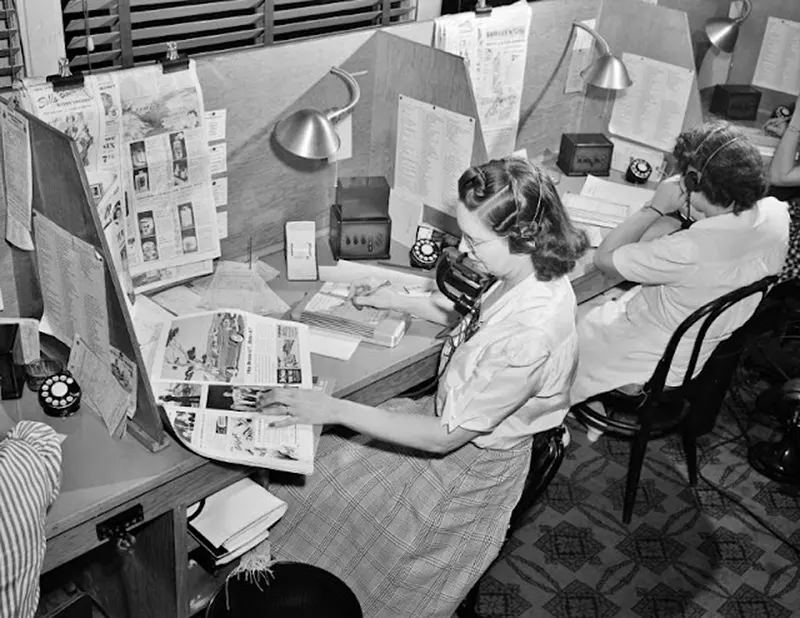
By 1941, Siegel was documenting the rhythms of Detroit’s commercial and rural life. At Crowley-Milner, one of the city’s major department stores, he photographed the buying and selling of consumer goods — radios, telephone orders, the ordinary transactions of a city with money to spend.
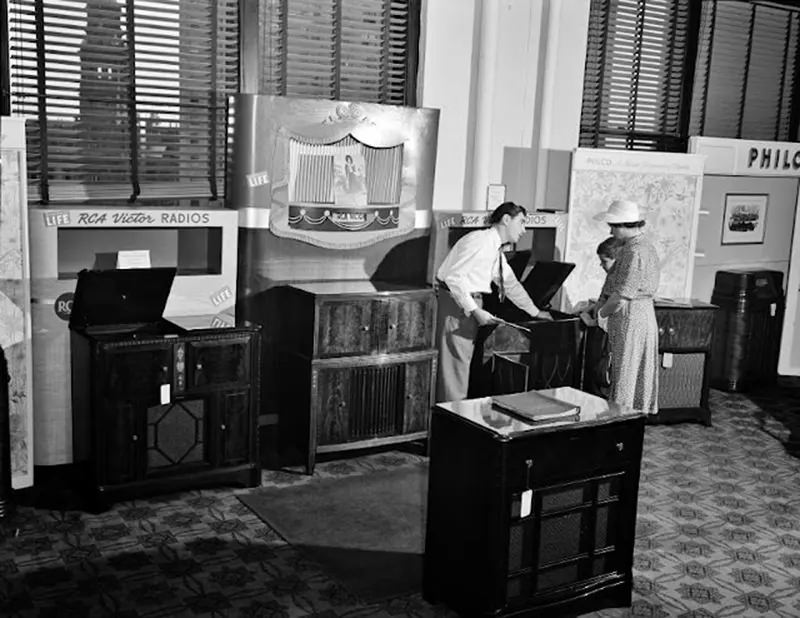
Buying a radio in the Crowley-Milner department store, Detroit, Michigan, July 1941.
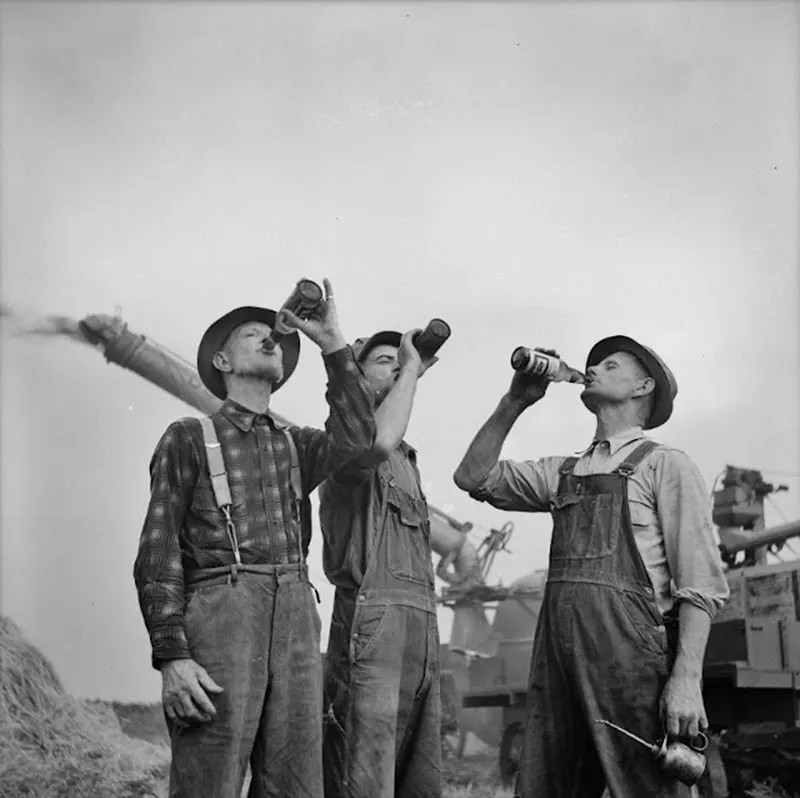
Farmers drinking beer during a hard day's work, Jackson, Michigan, fall 1941.
Farmers drinking beer during a hard day’s work, Jackson, Michigan, fall 1941.
Operator taking telephone orders at the Crowley-Milner department store, Detroit, Michigan, July 1941.

Outside the city, rural Michigan offered a different picture entirely. In Jackson, Siegel photographed farmers taking a break from harvest work — a reminder that the state’s economy extended well beyond the factory gate. These images of agricultural life stand as a quiet counterpoint to Detroit’s industrial machinery.

By 1942, the war had reshaped nearly every corner of Michigan. Detroit’s factories had pivoted to wartime production, and Siegel followed that shift closely. The Chrysler Corporation’s Dodge truck plant was now producing Army ambulances and military vehicles at scale.
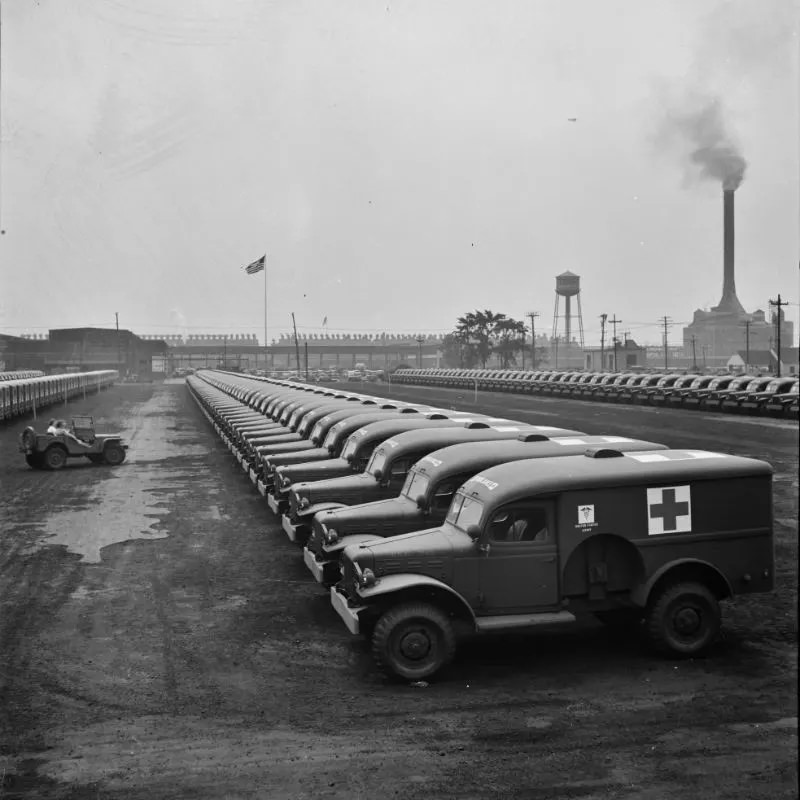
Chrysler Corporation Dodge truck plant. Dodge Army ambulances are here, lined up for delivery to the Army, Detroit, Michigan, August 1942
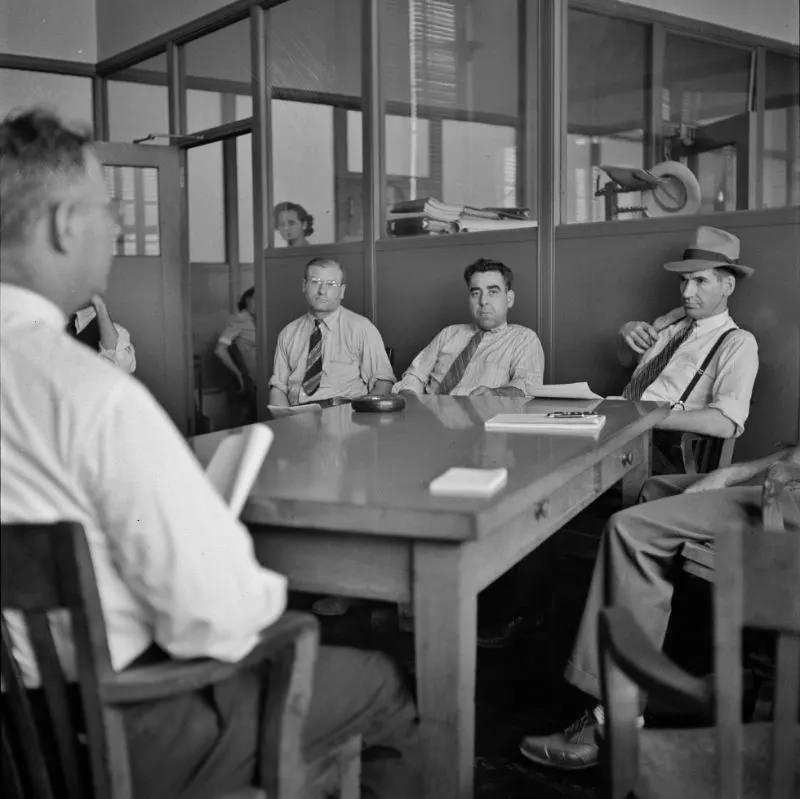
Chrysler Corporation Dodge truck plant. One of many conferences about production schedules, blueprints, etc. are required to maintain the smooth steady flow of Dodge Army trucks, 1942.

At Wayne County Airport, sixteen miles from Detroit, a U.S. Army Air Corps air ferry command base had been established. Siegel photographed inspectors and military officers reviewing newly manufactured aircraft, including the P-38 fighter.
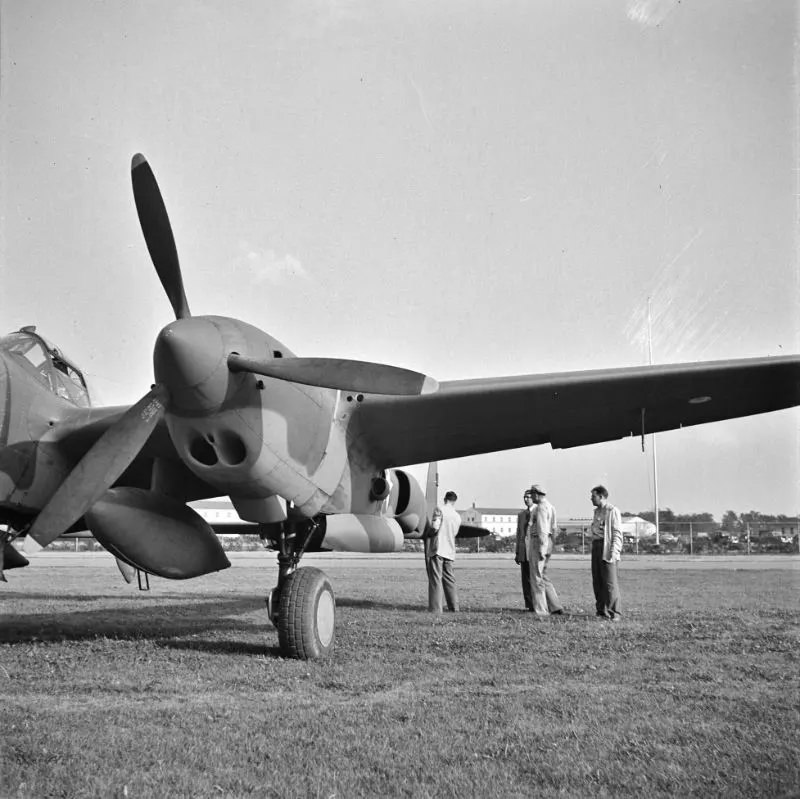
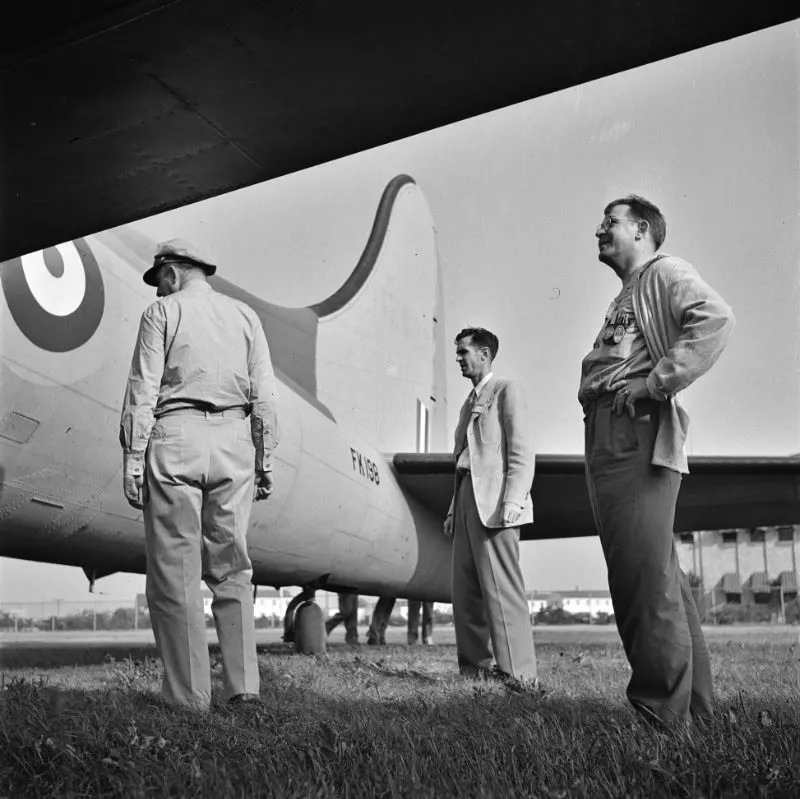
A United States Army Air Corps air ferry command base sixteen miles from Detroit, Michigan at Wayne County Airport. Factory inspector and Captain Roddy inspect a new P-38, in September 1942.
Workers inspecting a plane at the Wayne County Airport, a United States Army Air Corps air ferry command base sixteen miles from Detroit, Michigan, September 1942.

The war economy pulled women into the workforce in large numbers. Siegel photographed women leaving the Highland Park Chrysler plant after their shifts — a visible sign of how wartime production had changed who worked the factory floor.
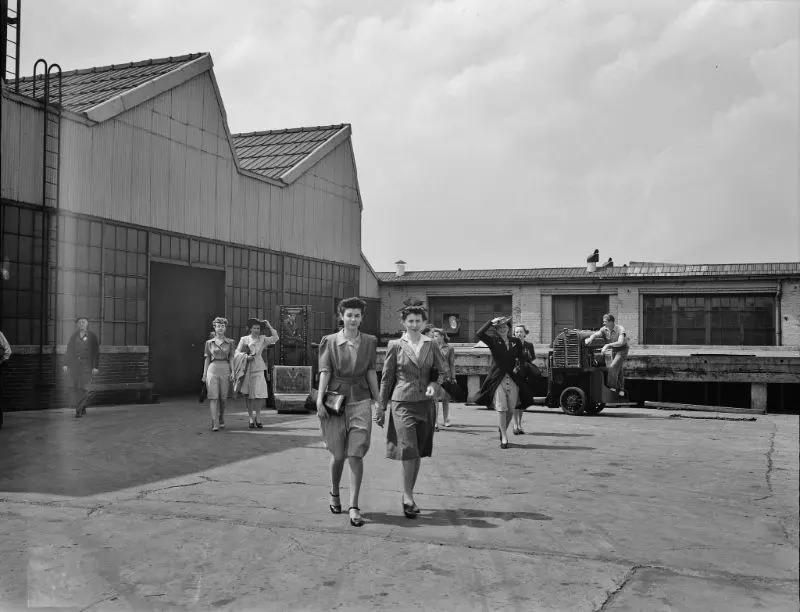
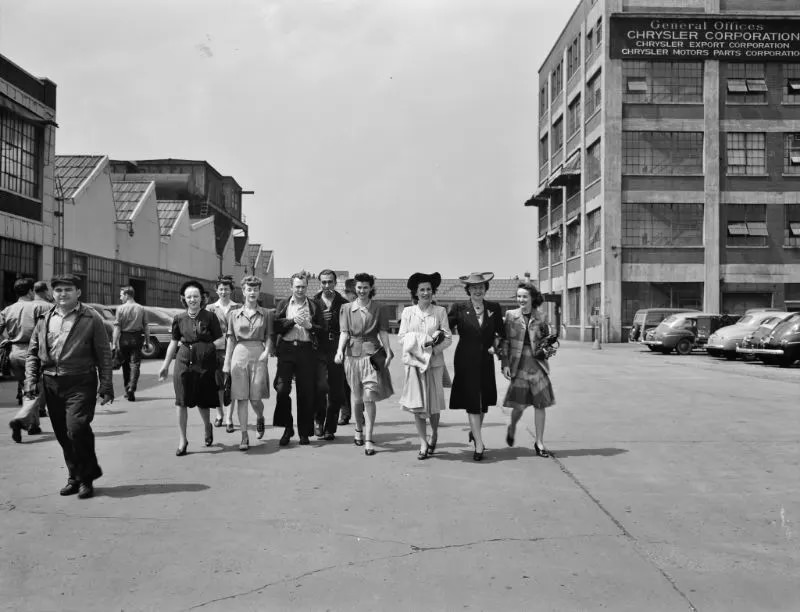
Girls coming out of the Highland Park Chrysler plant in Detroit, Michigan, 1942.
Workers coming out of the Highland Park Chrysler plant, Detroit, Michigan, spring 1942.

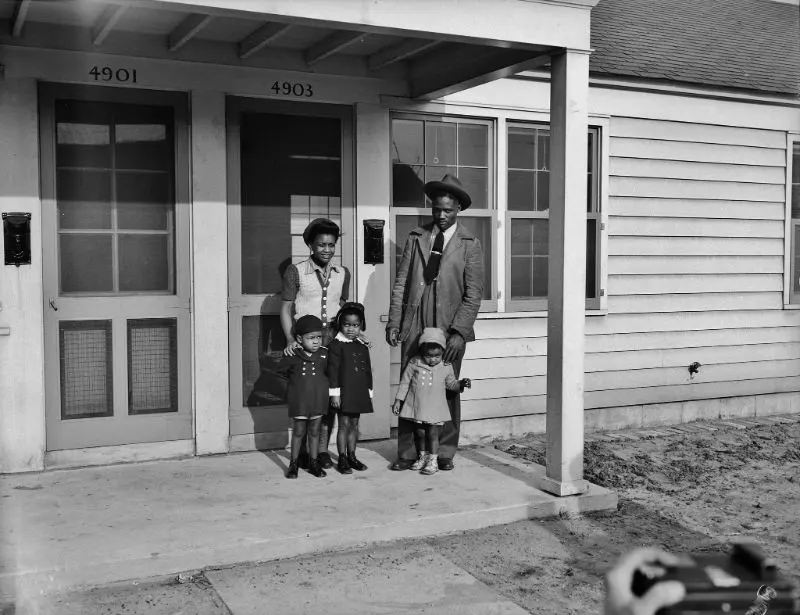
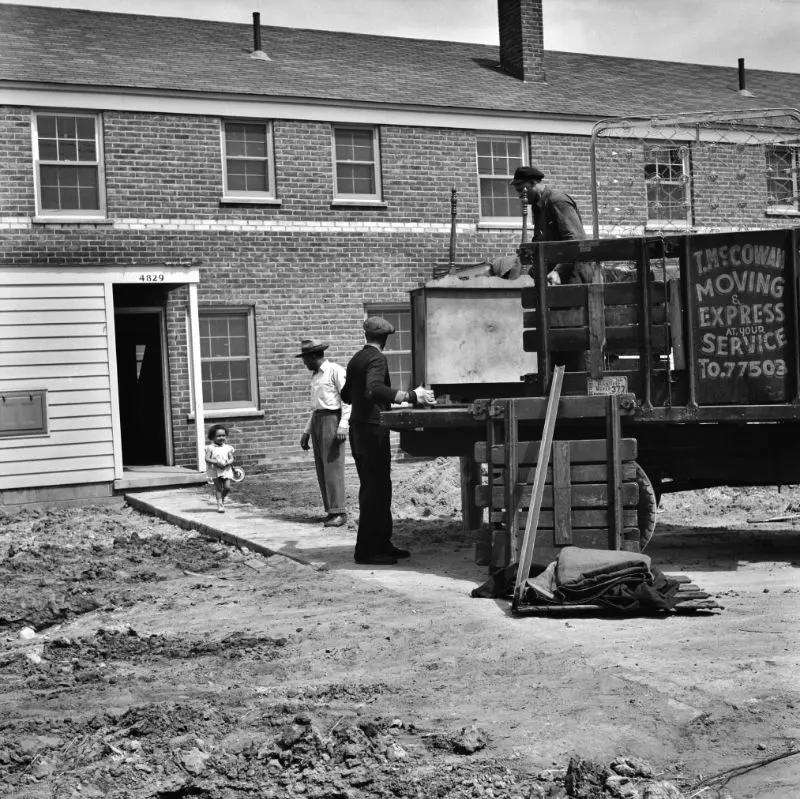
Not all of Siegel’s 1942 work focused on production. He also documented the racial tensions that accompanied Detroit’s rapid growth. The Sojourner Truth housing project, a federally funded development for Black war workers, became a flashpoint early in 1942. White neighbors organized to block African-American families from moving in, and Army sentries were deployed to prevent a riot.
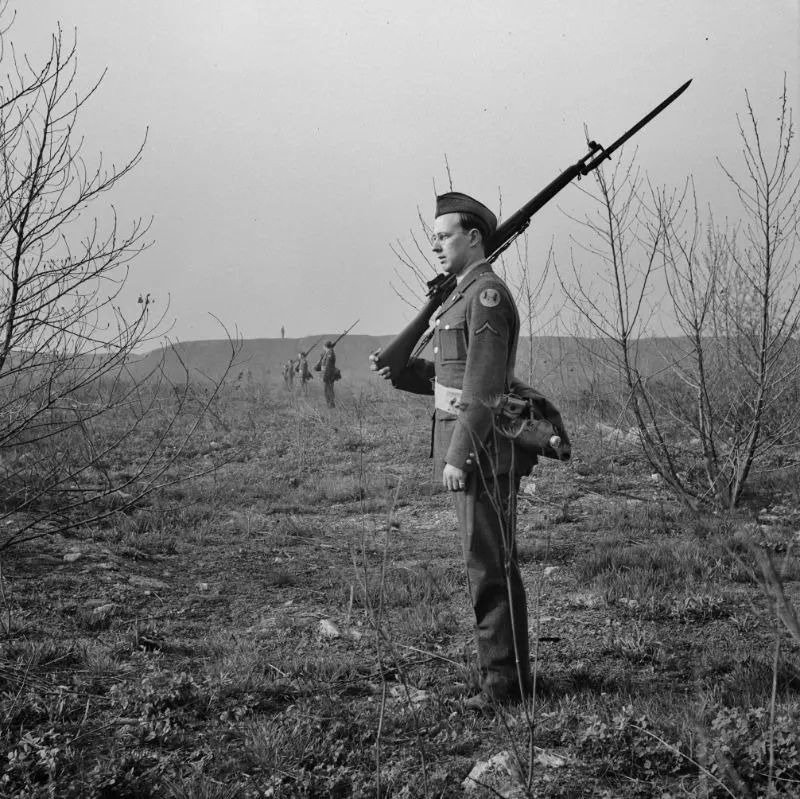
Army sentries guarding against a riot at the Sojourner Truth federal war workers housing project, caused by white neighbors' attempt to prevent African-American tenants from moving in, February 1942.
Army sentries guarding against a riot at the Sojourner Truth federal war workers housing project, caused by white neighbors’ attempt to prevent African-American tenants from moving in, February 1942.
First Black family moving into the Sojourner Truth neighborhood, Detroit, Michigan, 1942.
An African-American family recently moved into the Sojourner Truth homes for War workers, Detroit, Michigan, 1942.

Siegel also captured the labor organizing that was reshaping Detroit’s workforce. At the Ford River Rouge Complex, 80,000 workers voted in elections for the United Automobile Workers union. The UAW’s growing strength was a direct product of the same industrial expansion that Siegel documented throughout his time in Michigan.
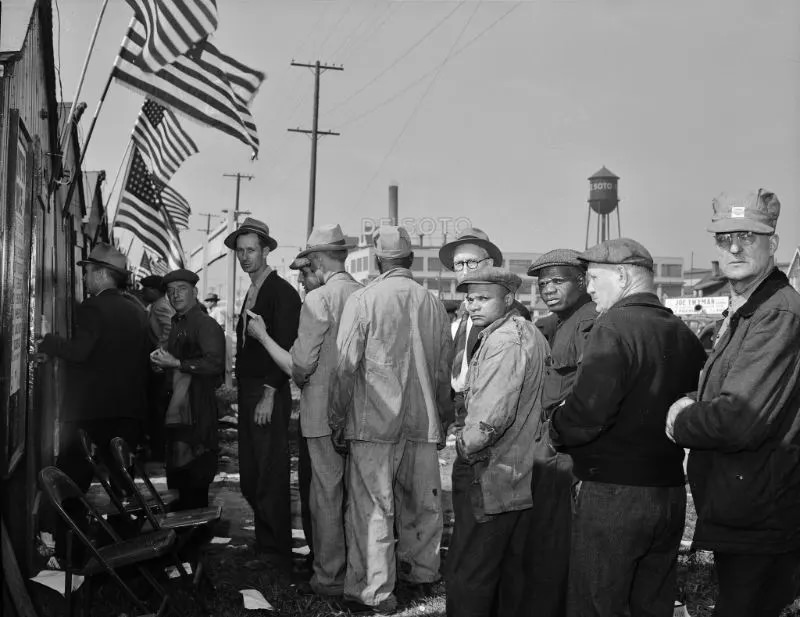
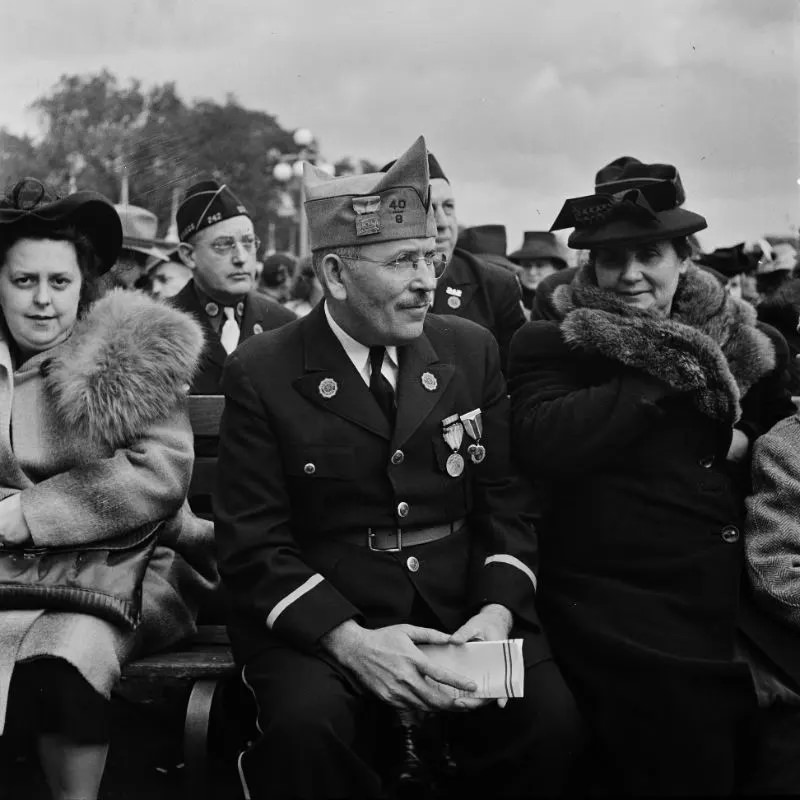
Election of officers to the Ford local 600, United Automobile Workers, Congress of Industrial Organizations. 80,000 River Rouge Ford plant workers voted, April 1942.
Ceremonies at the presentation of the Army and Navy "E" (for efficiency) award to the Briggs manufacturing company. Worker who is a war veteran, near Detroit, Michigan, September 1942.
Ceremonies at the presentation of the Army and Navy “E” (for efficiency) award to the Briggs manufacturing company. Worker who is a war veteran, near Detroit, Michigan, September 1942.

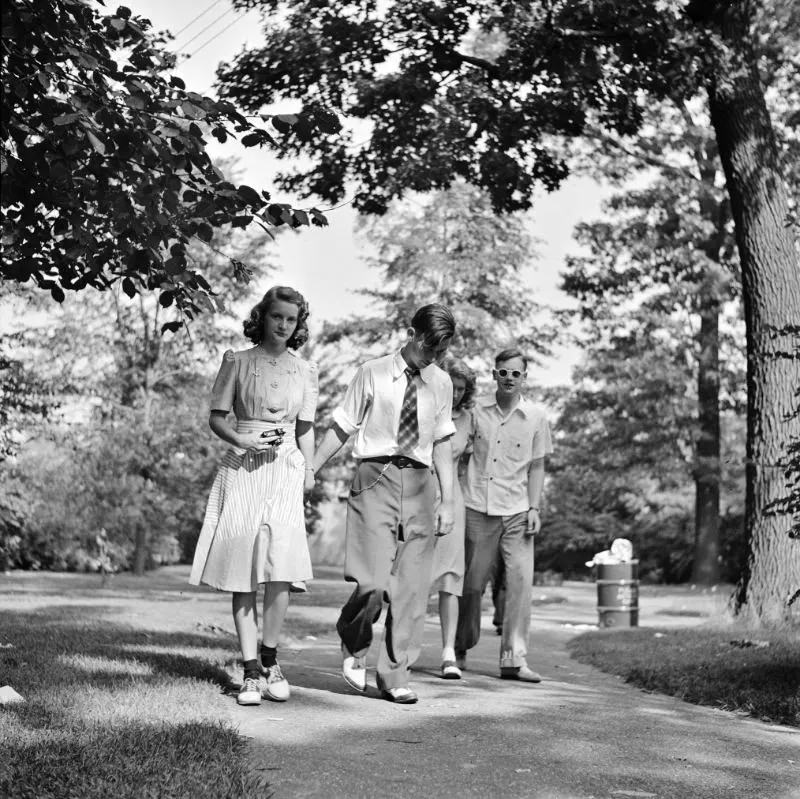
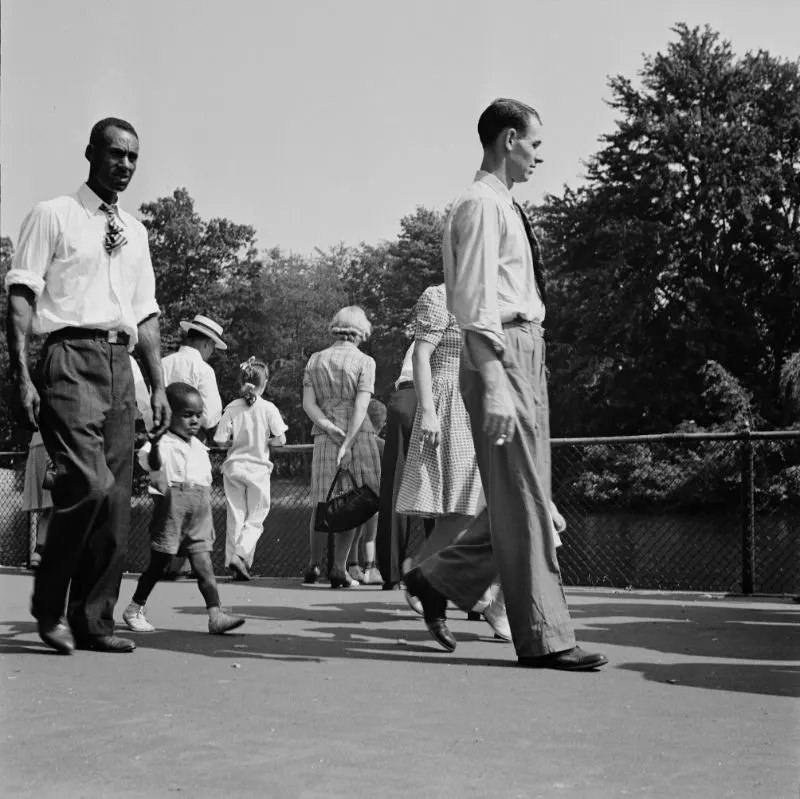
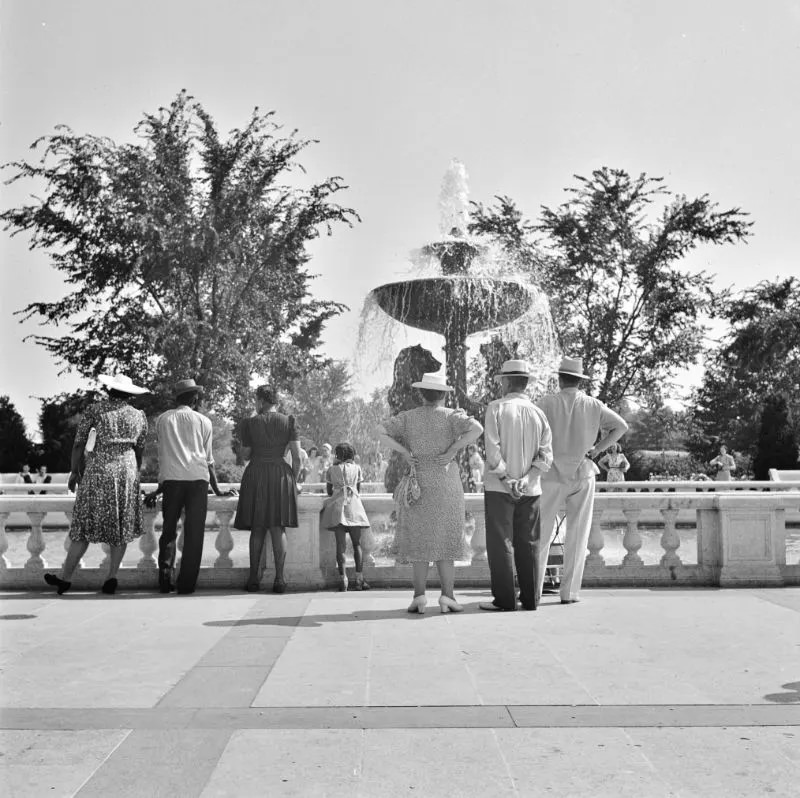
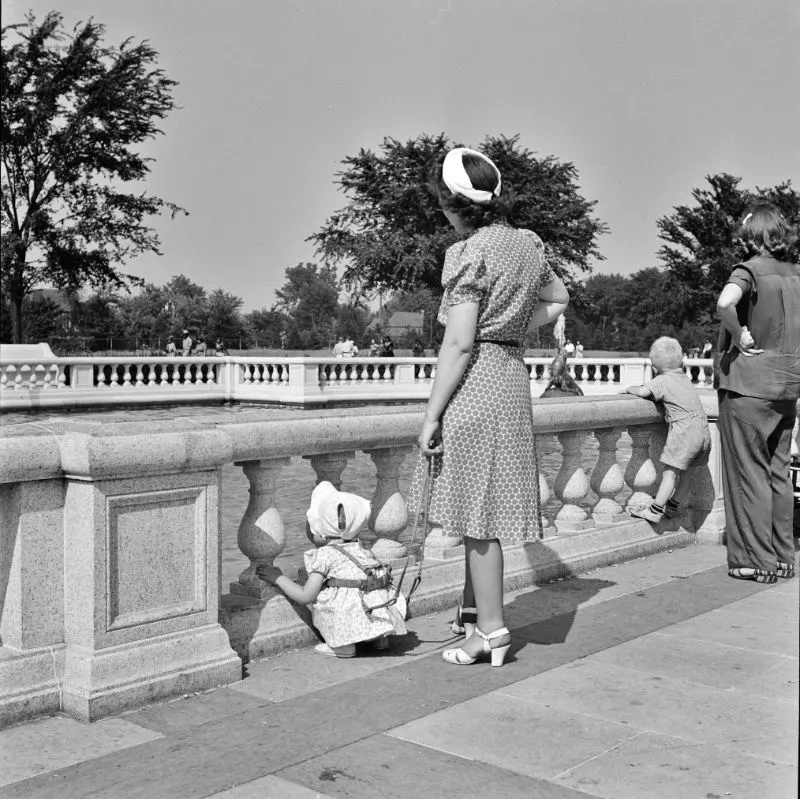
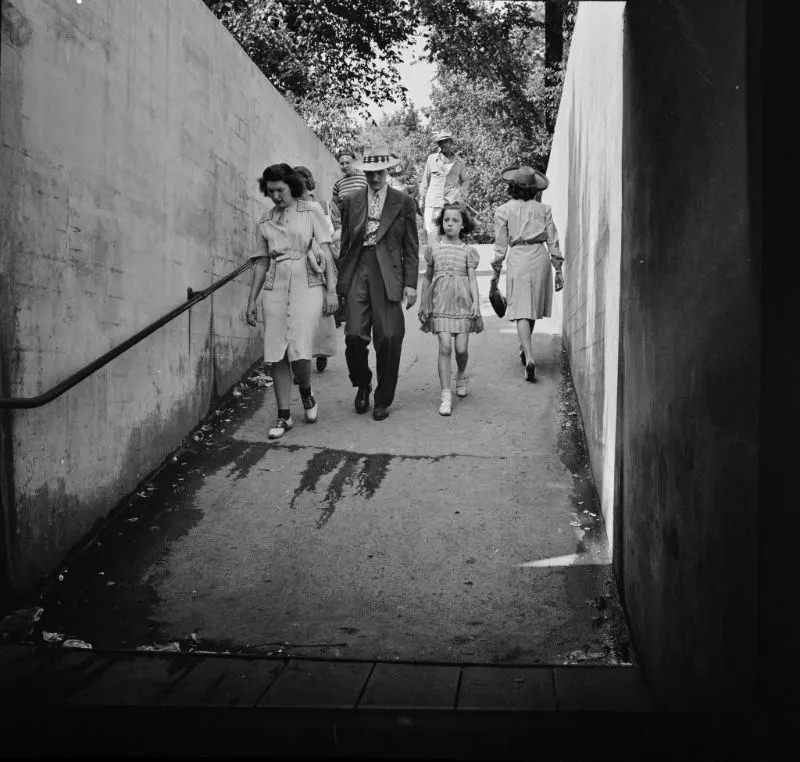
Away from the factories and housing disputes, everyday life continued. Detroit’s zoo drew workers and families seeking a few hours of rest, and Siegel documented those moments with the same attention he gave to the production floor.
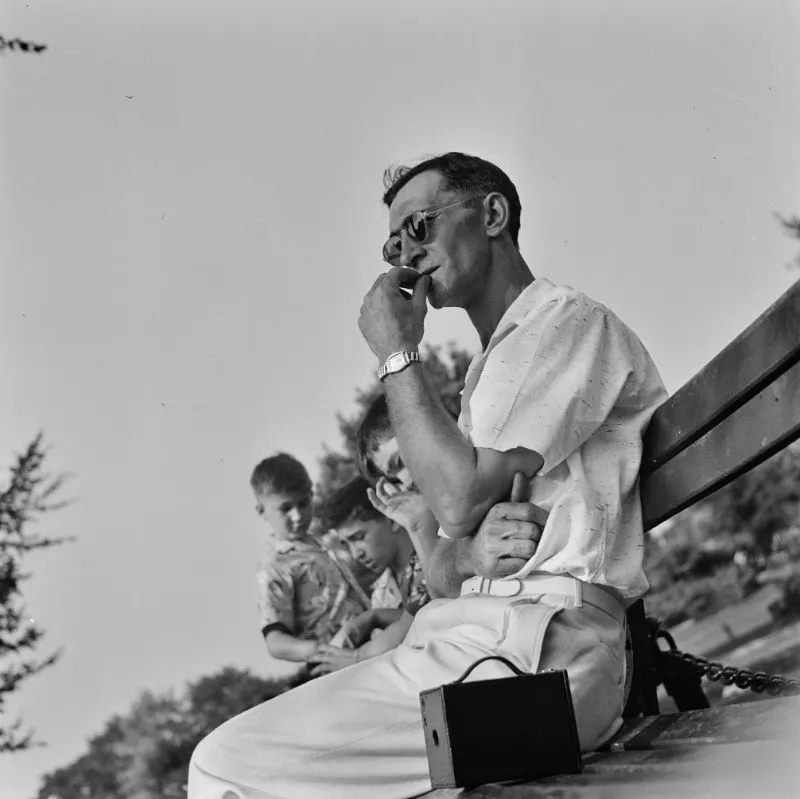
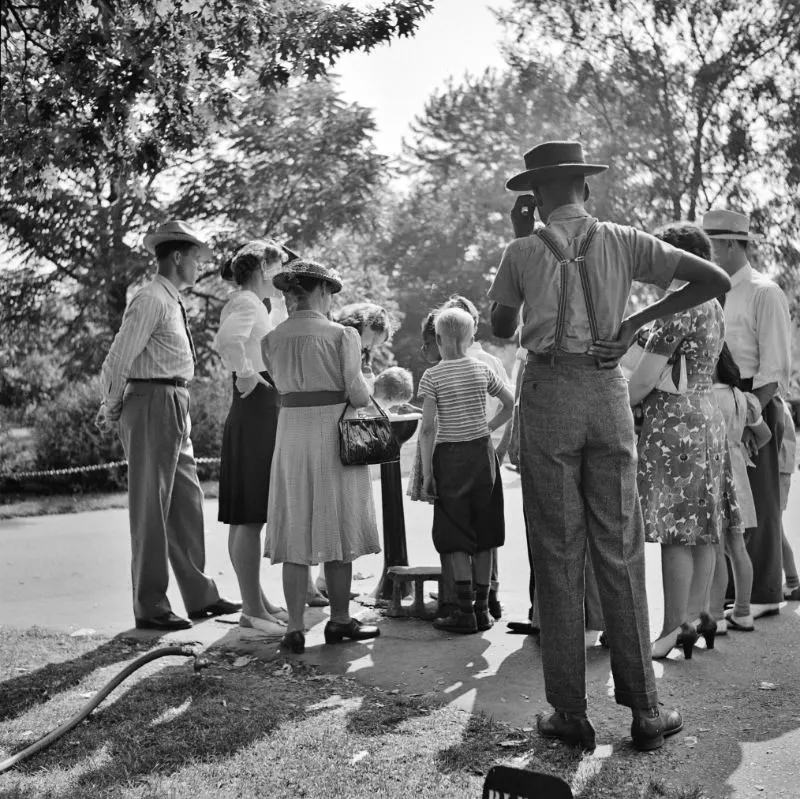
A Worker resting on a park bench in the zoological park, Detroit, Michigan, July 1942.
Group waiting to drink water out of a public fountain in the zoological park, Detroit, Michigan, July 1942.
High school students strolling through the zoological park, Detroit, Michigan, July 1942.
Spectators at zoological park, Detroit, Michigan, July 1942.
Spectators watching a fountain at a zoo, Detroit, Michigan, July 1942.
Woman adjusting a harness strap to prevent child from getting lost in zoological park, Detroit, Michigan, July 1942.
Workers at the zoological park, Detroit, Michigan, July 1942.

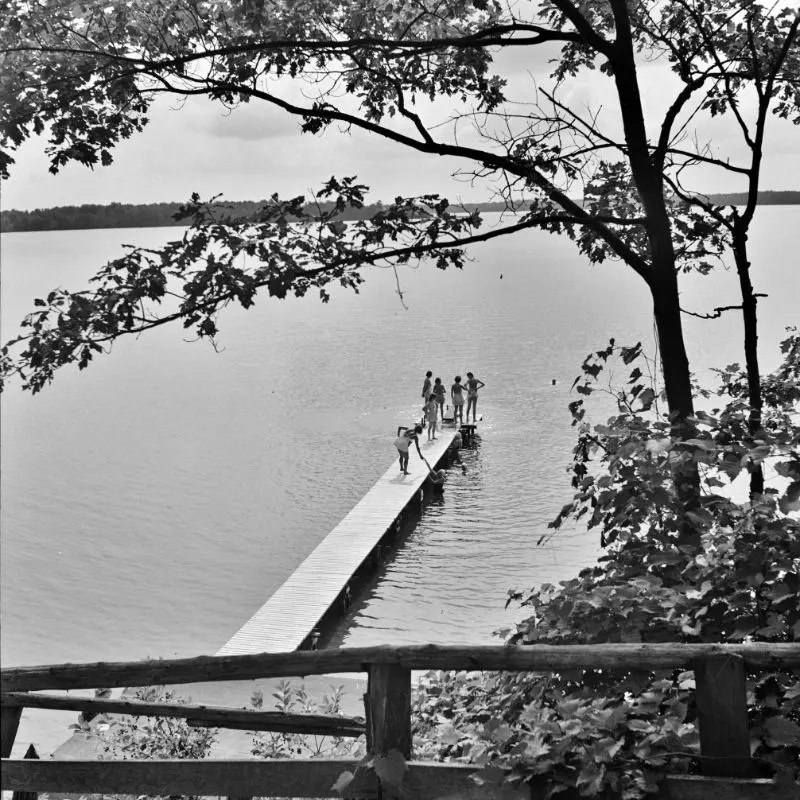
Siegel also turned his camera toward Michigan’s cultural institutions. At Interlochen, more than 300 young musicians gathered each summer for eight weeks of intensive study at the National Music Camp. The program ran even as the war raged — a deliberate insistence on preserving what peacetime had built.
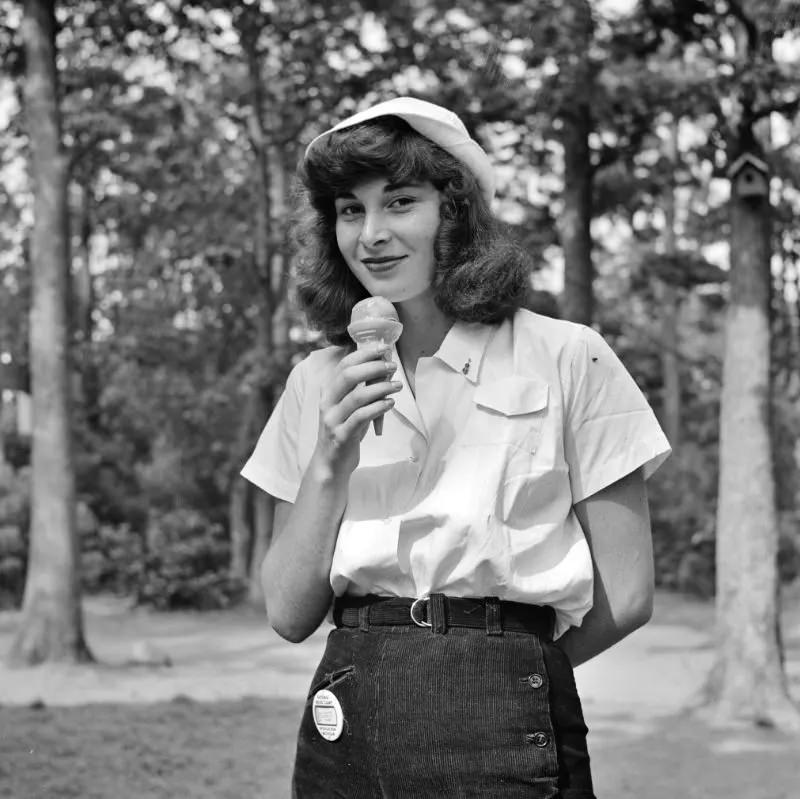
A student eating an ice cream cone at the National music camp in Interlochen, Michigan where 300 or more young musicians study symphonic music for 8 weeks each summer, August 1942.
National music camp where 300 or more young musicians study symphonic music for eight weeks each summer. Swimming dock, Interlochen, Michigan, August 1942.

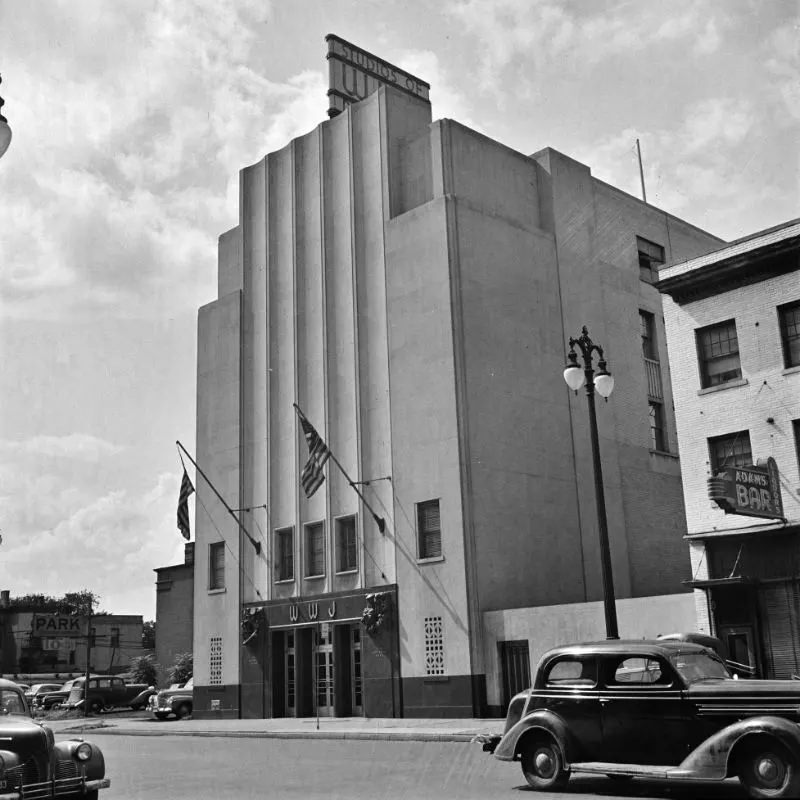
Back in Detroit, the city’s architecture and commercial infrastructure told its own story. The Fisher Building’s ornate lobby, Radio Station WWJ’s street-facing facade, and the advertising agencies staffed by art directors and copywriters all pointed to a city that had grown far beyond its industrial origins.
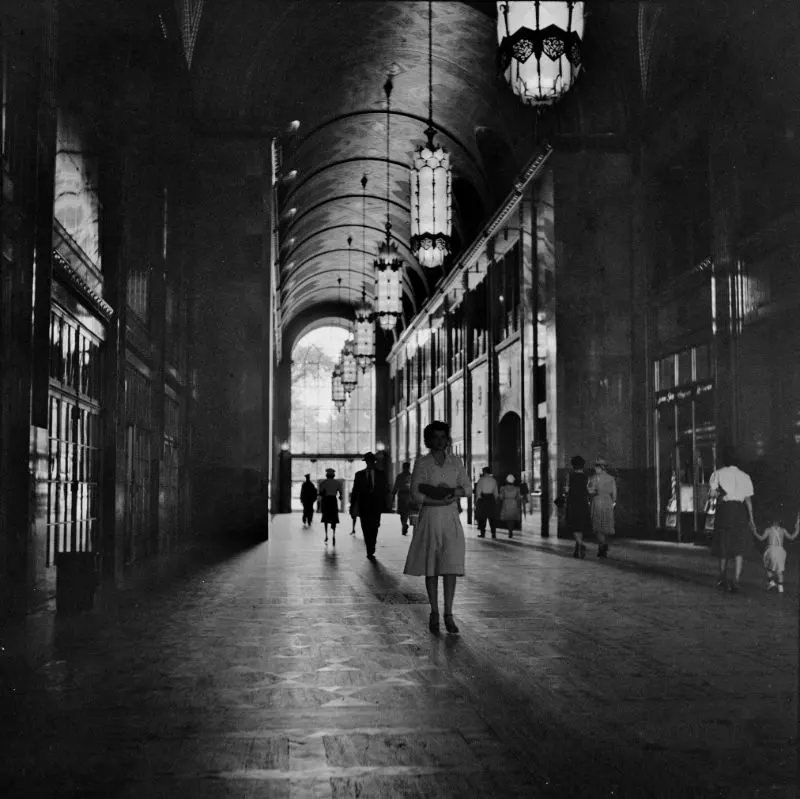
Lobby of the Fisher Building, Detroit Michigan, July 1942.
Street view of Radio station WWJ in Detroit, Michigan, August 1942.
Art director and copy writer at a large advertising agency, Detroit, Michigan, July 1942.

The scrap salvage rallies organized by the Work Projects Administration at the state fairgrounds reflected how deeply the war had penetrated civilian life. Residents were asked to contribute materials to the war effort, and Siegel was there to document the public displays that accompanied those drives.
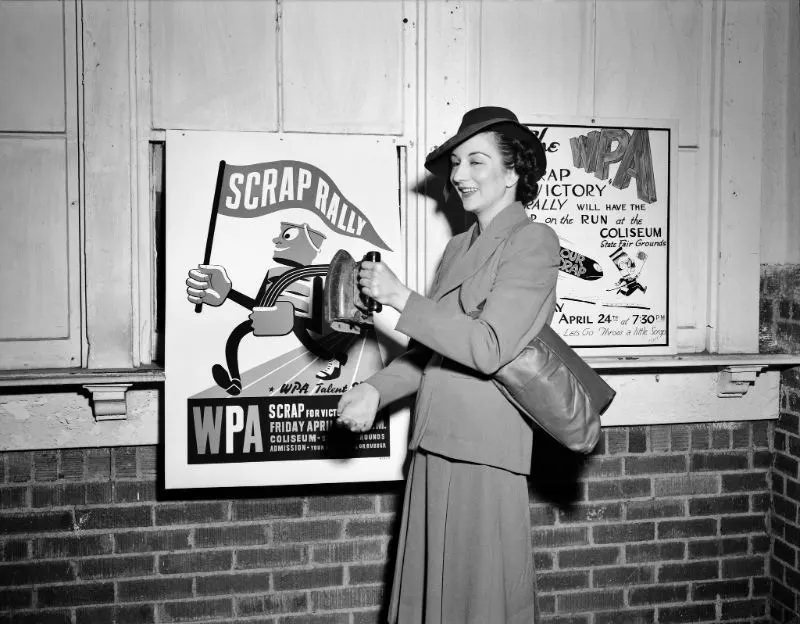
Display at a scrap salvage rally sponsored by the Work Projects Administration (WPA) at the state fairgrounds, Detroit, Michigan, 1942.
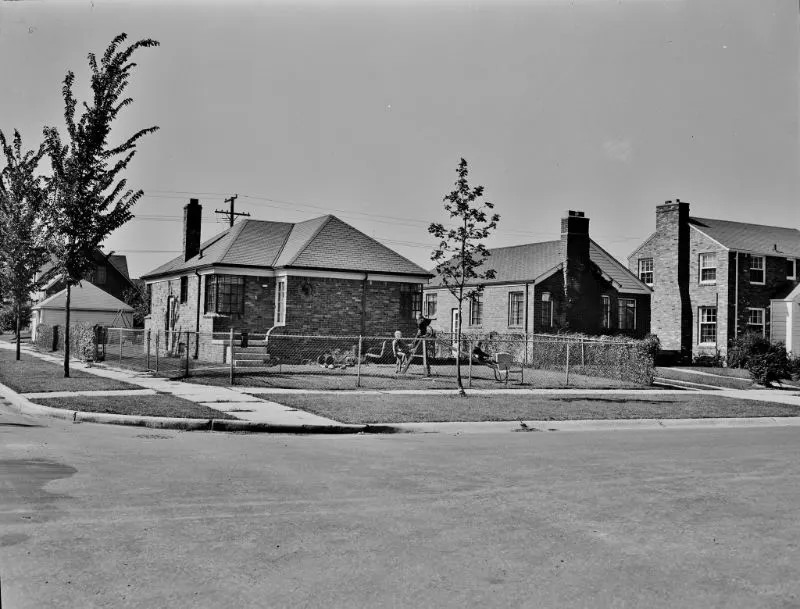
New defense houses in Detroit, Michigan, September 1942.

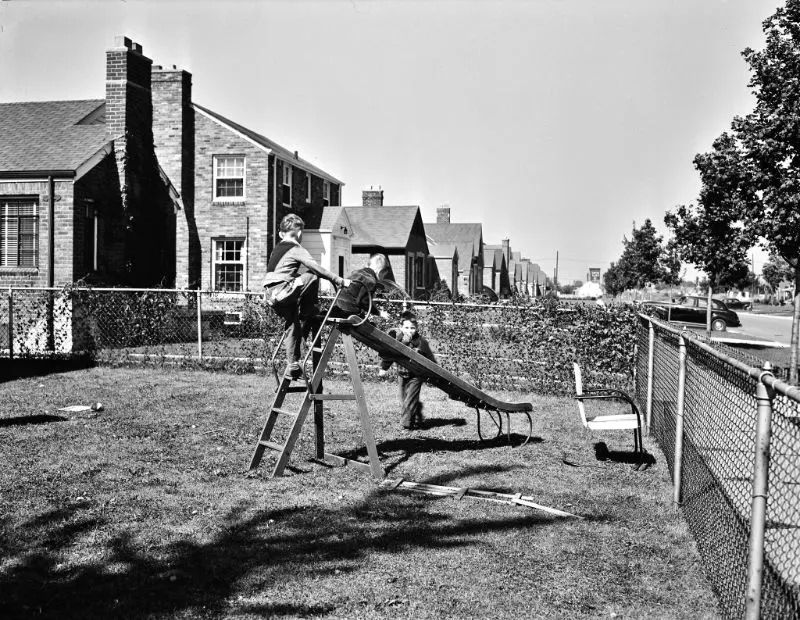
New defense housing went up across Detroit to accommodate the flood of workers arriving for factory jobs. Children played in front yards of freshly built homes while their parents worked shifts at plants producing vehicles and aircraft for the Allied war effort.
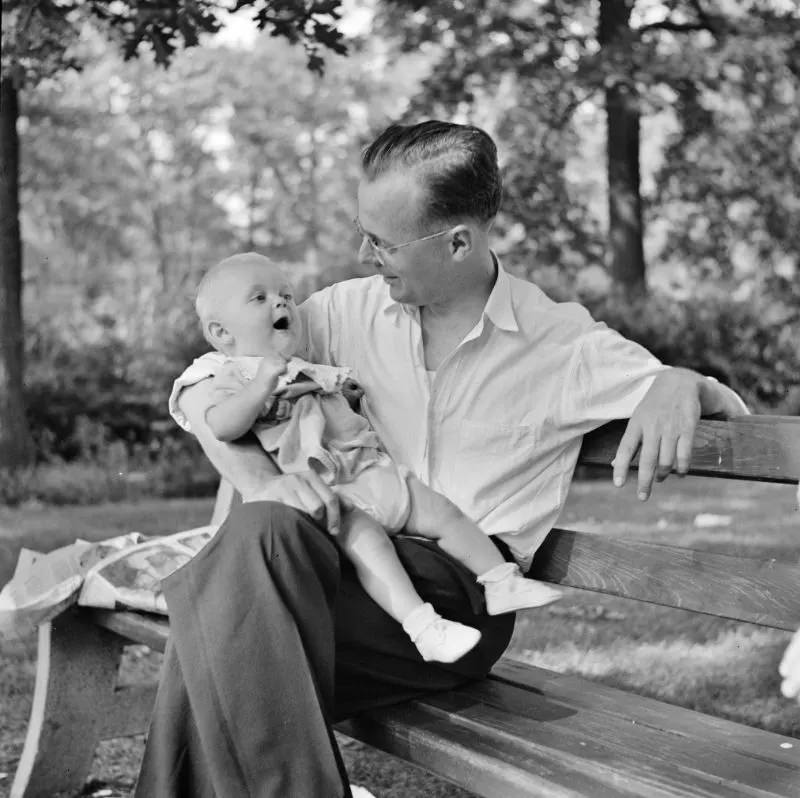
War worker and child, Detroit, Michigan, July 1942.
Workers' children playing in the front yard, Detroit (vicinity), Michigan, September 1942.
Workers’ children playing in the front yard, Detroit (vicinity), Michigan, September 1942.
Enjoyed this post? Get new ones in your inbox.

Leave a Comment

Your email address will not be published. Required fields are marked *

Share this Post 🥺

Please take a moment to share this content. Your support is greatly appreciated! 🙌🙏

Share this Post 🥺

Please take a moment to share this content. Your support is greatly appreciated! 🙌🙏
Scroll to Top
 
Hey Friend, Before You Go.. Please like & follow for more interesting content