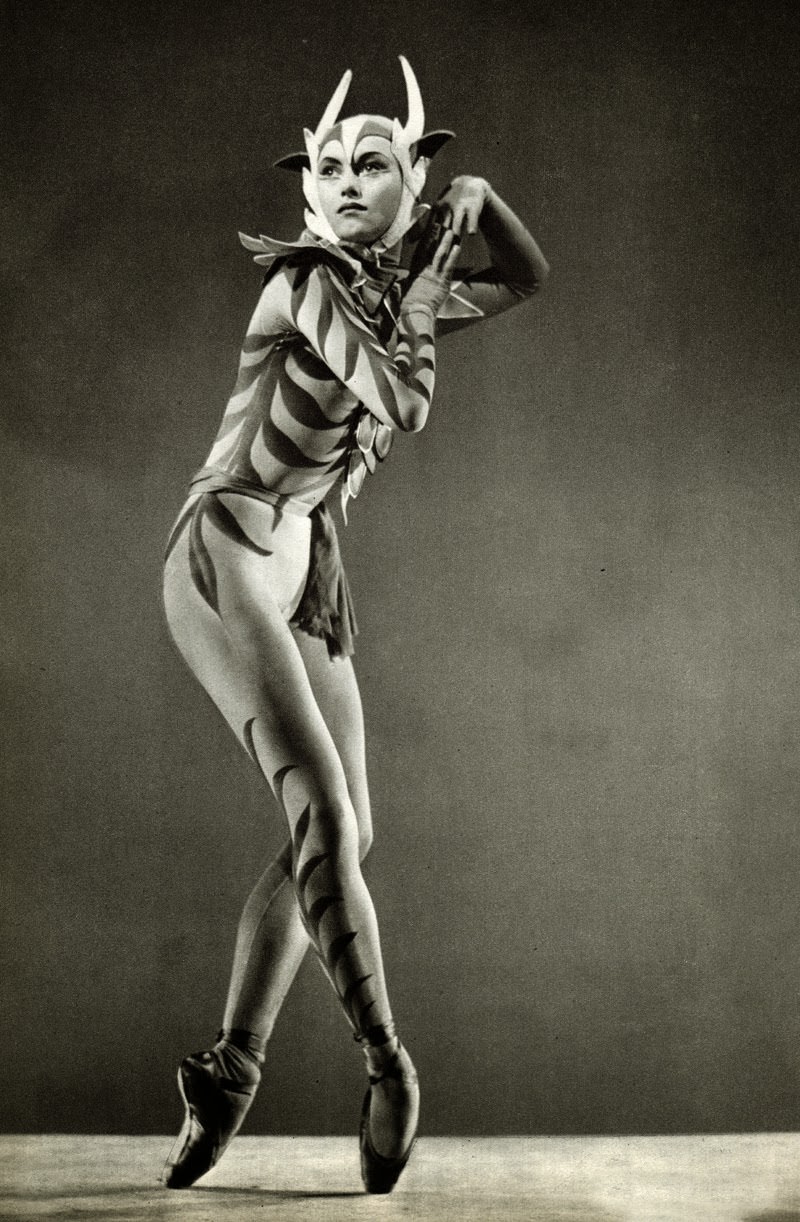
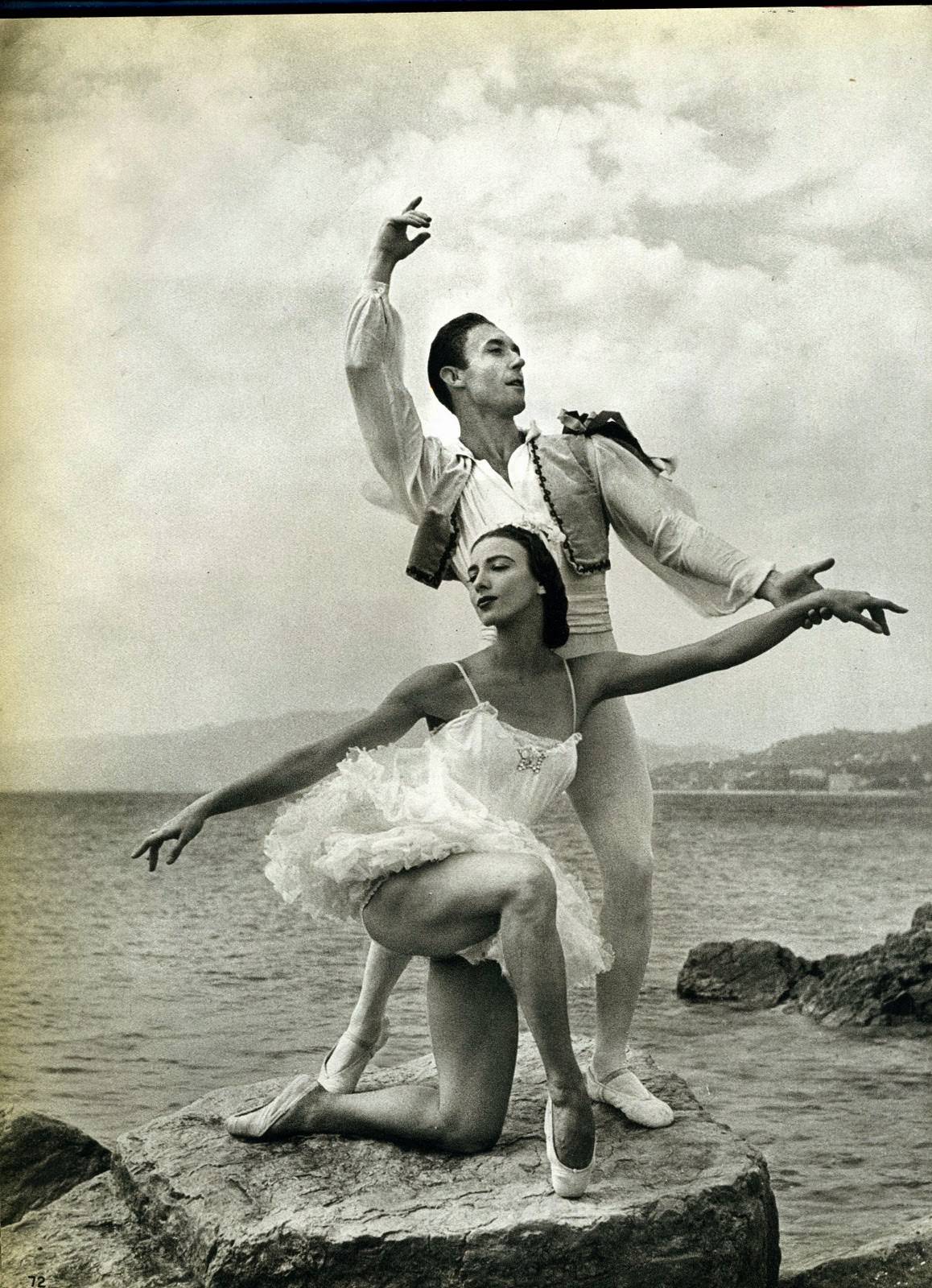
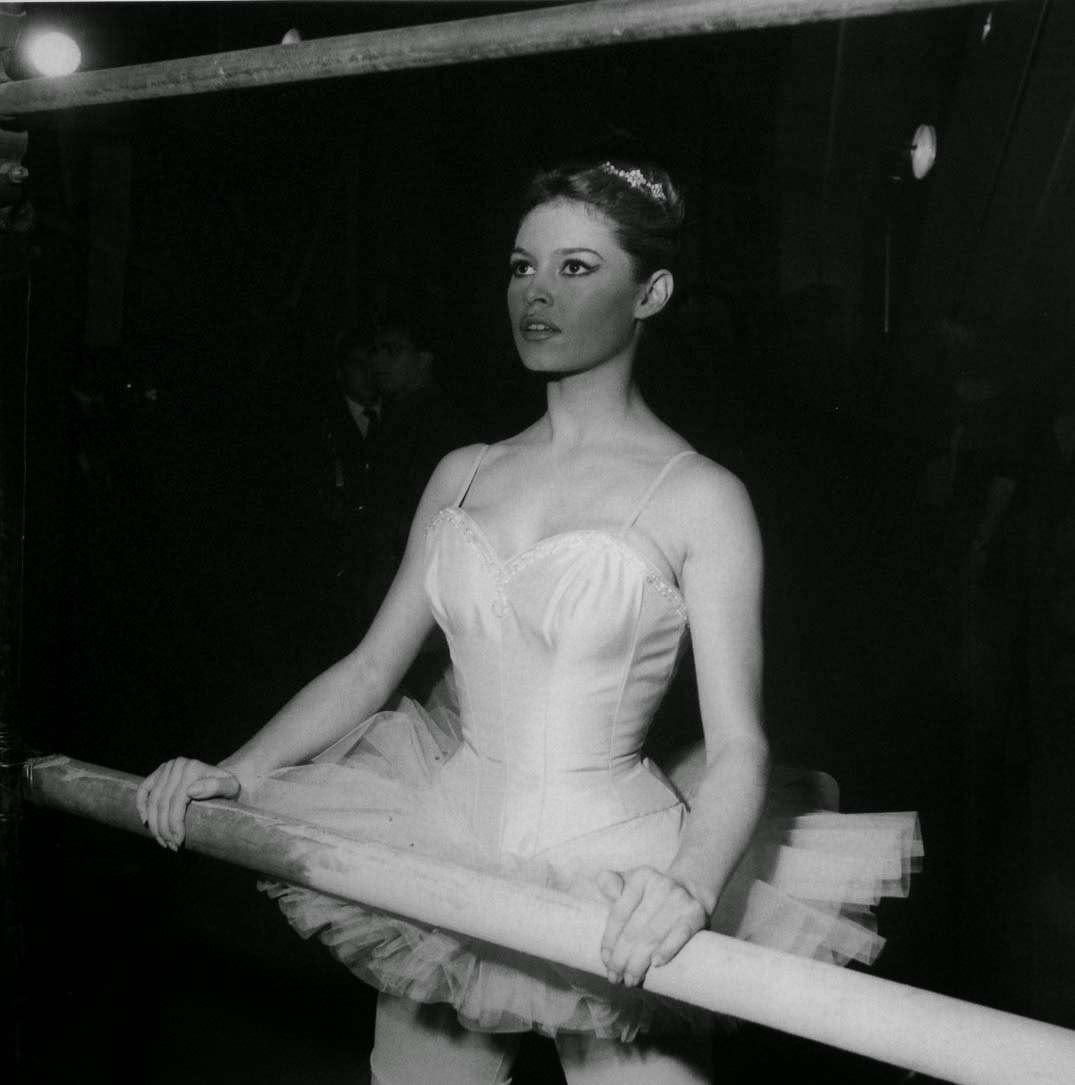
Serge Lido, born in Moscow and settled in Paris, became the defining visual historian of ballet in the mid-20th century. During the 1950s and 1960s, Paris was a central hub for international dance, and Lido was there to document it all. He did not simply take promotional headshots. Instead, he treated the dancers as serious artists and athletes. His black and white photography stripped away the distraction of colorful stage sets. This choice focused the viewer’s attention entirely on the physical form and the emotional intensity of the performance.
Candid Moments in the Wings
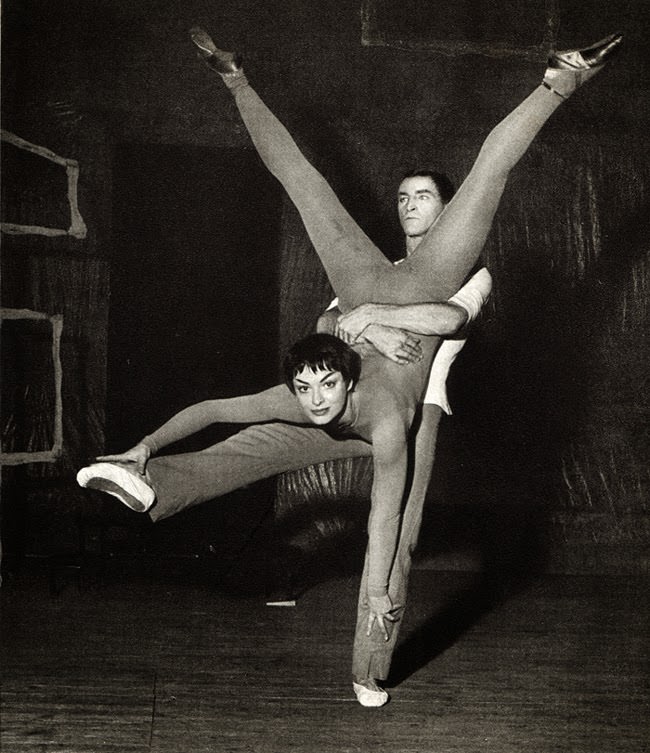
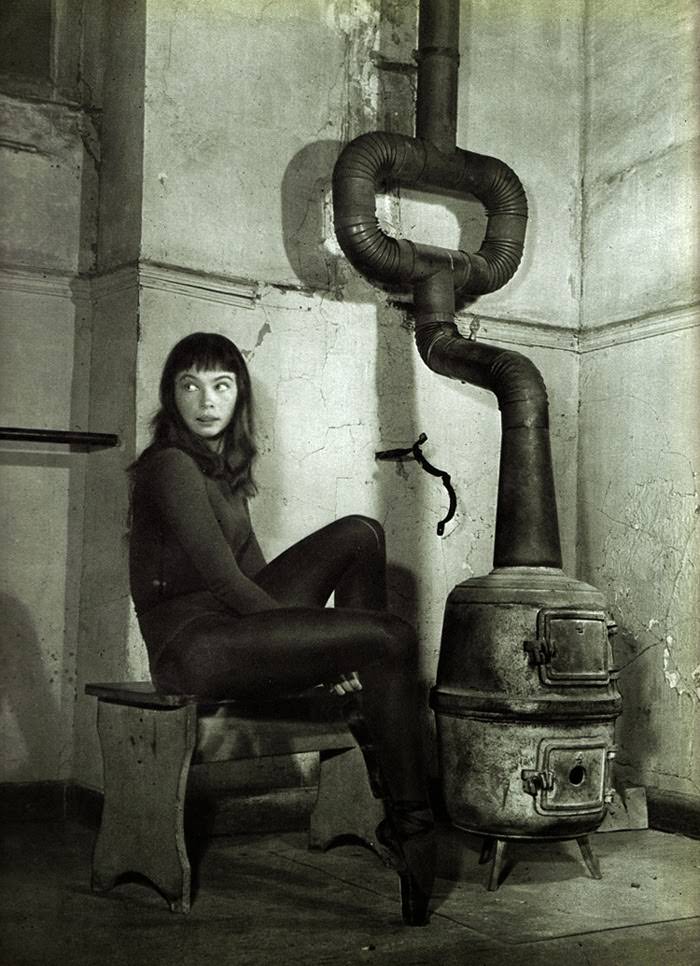
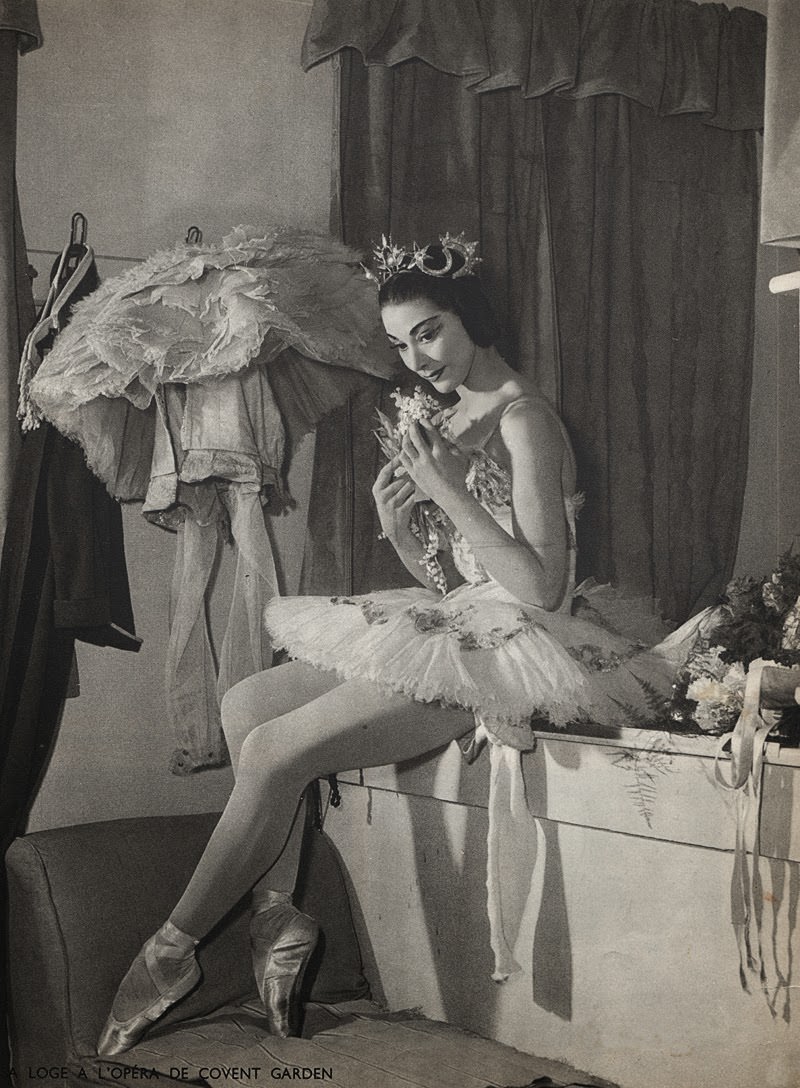
Lido preferred to work in the spaces where the audience could not see. He frequently took his camera backstage to capture the reality of the profession. His images show famous ballerinas collapsing onto chairs in exhaustion immediately after leaving the stage. Other shots feature dancers fixing their pointe shoes or stretching against the rough brick walls of the theater wings. These candid photographs revealed the sweat and pain that existed behind the polished glamour of the performance. He humanized the dancers, showing them as hardworking professionals rather than mythical creatures.
Dramatic Lighting and Contrast
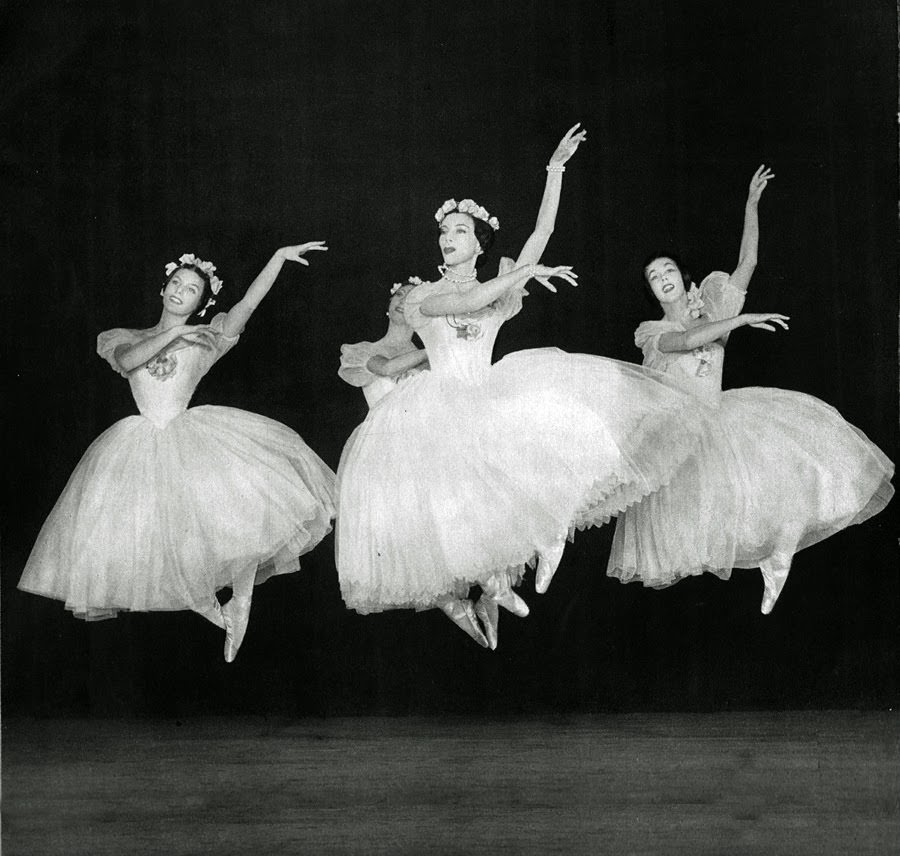
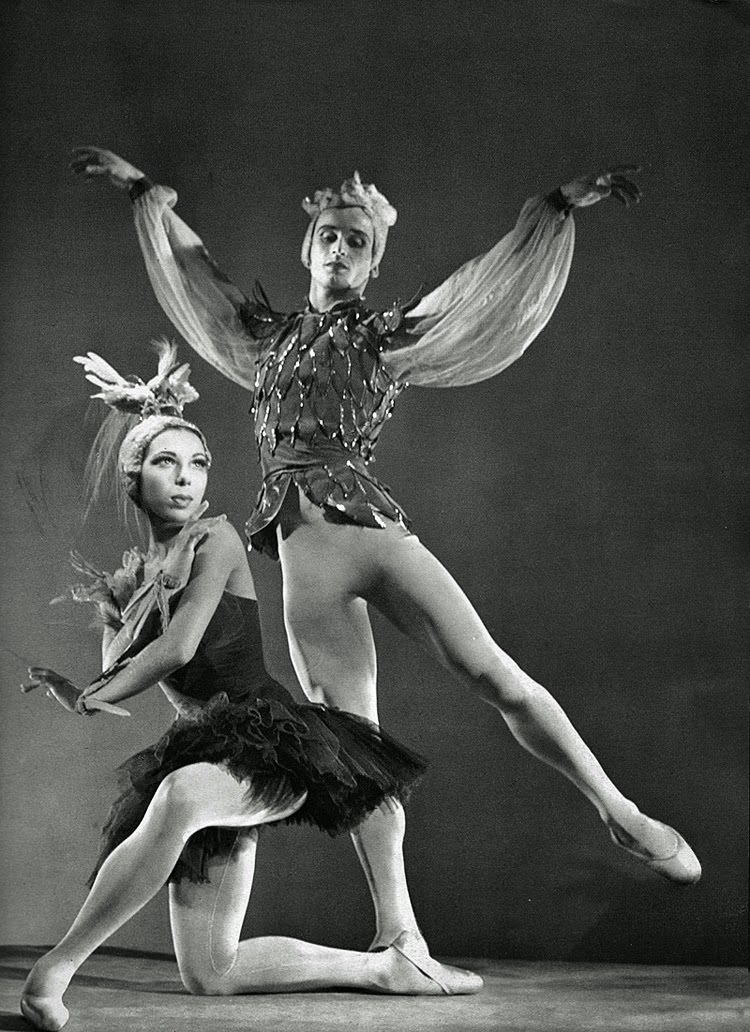
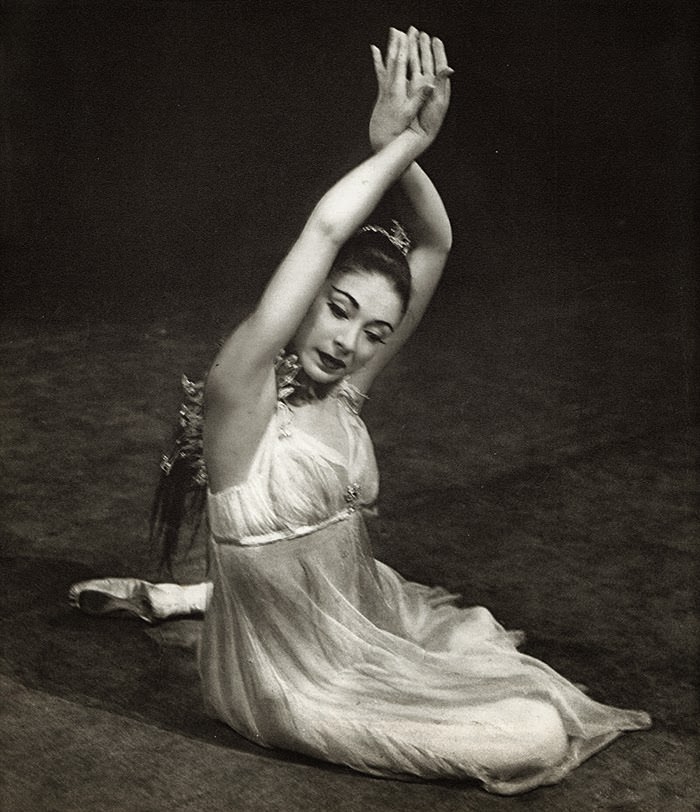
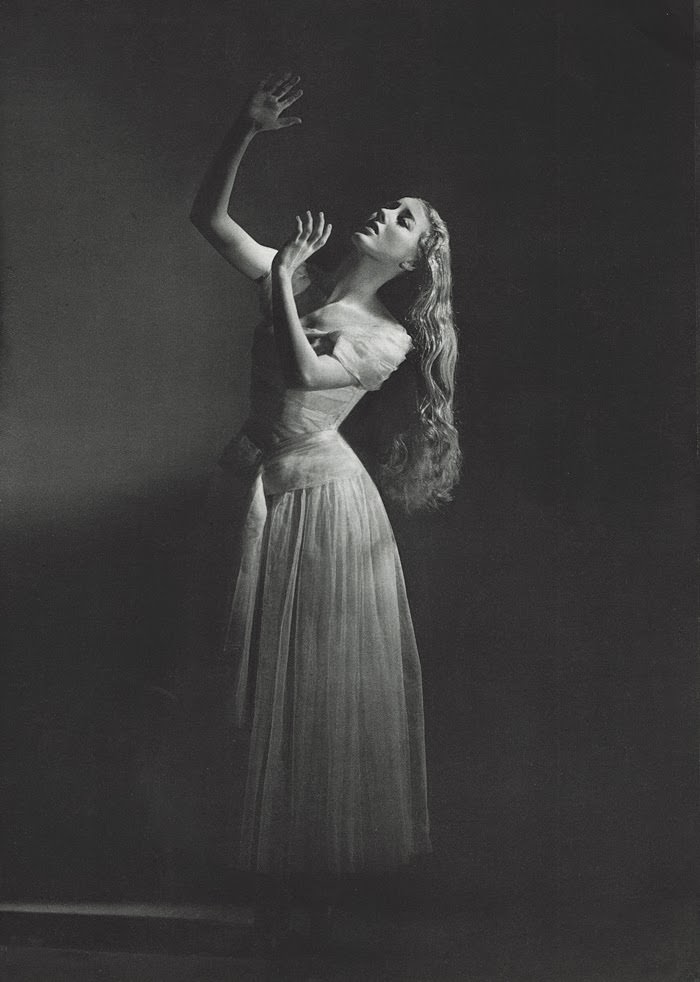
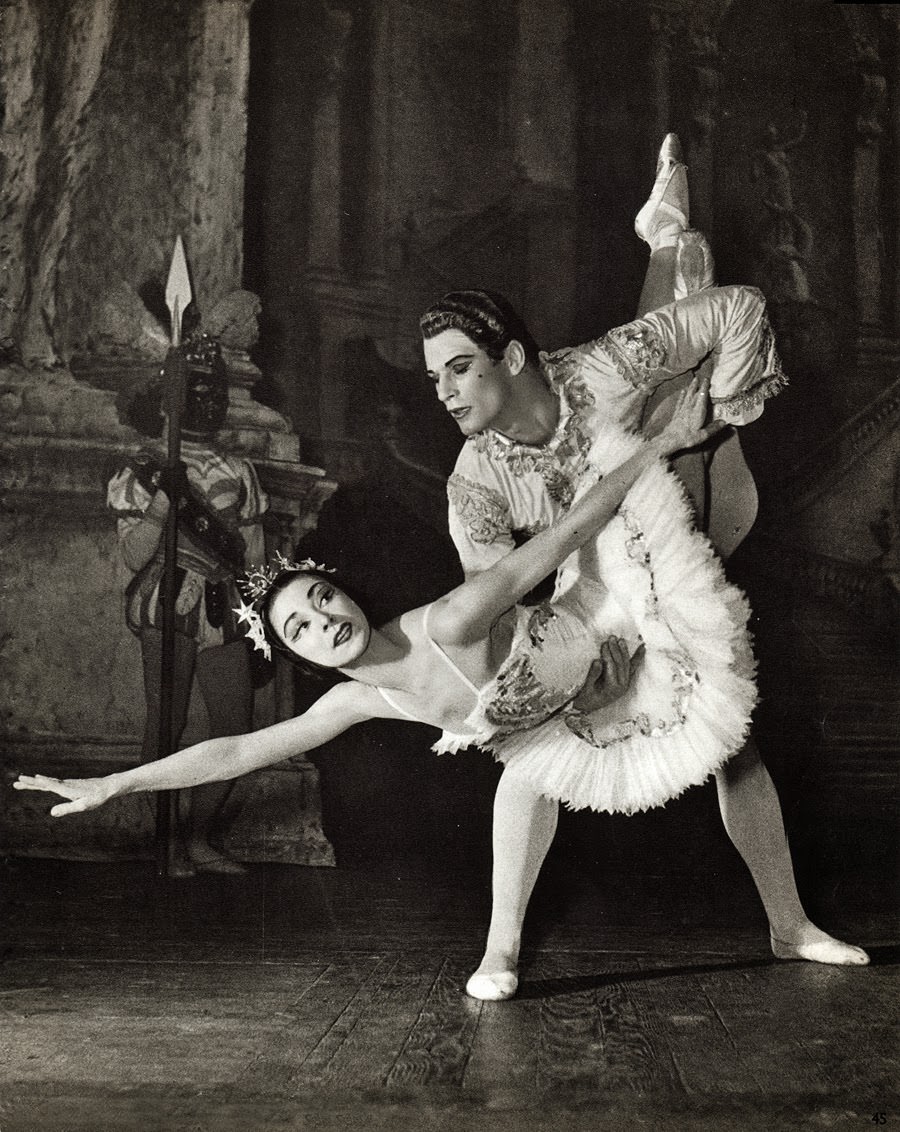
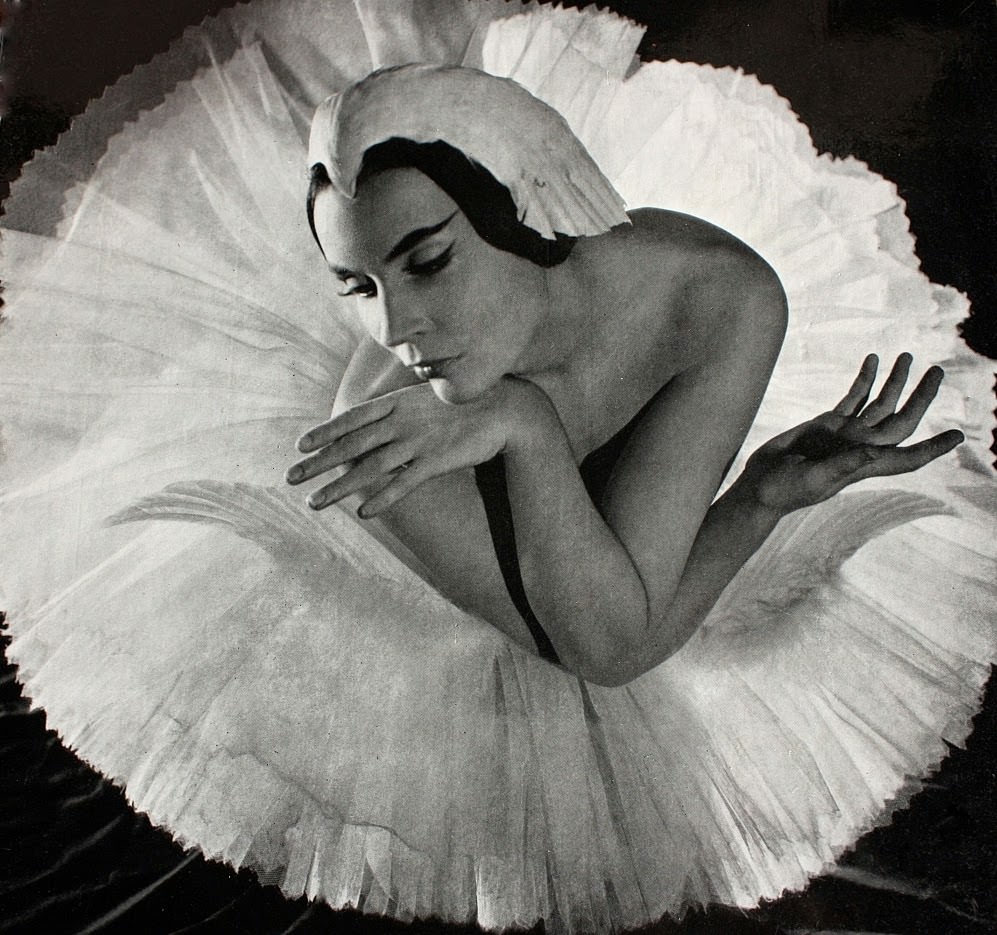
The photographer mastered the use of studio lighting to enhance the drama of the human body. He often placed his subjects against deep black backgrounds. This technique created a stark contrast that made the white tutus and the dancers’ pale skin seem to glow. The strong lighting highlighted the definition of the muscles in the legs and back. It emphasized the incredible strength required to perform delicate movements. By controlling the shadows, Lido sculpted the dancers with light, giving the two-dimensional photographs a sense of weight and depth.
Read more
Documenting the Stars
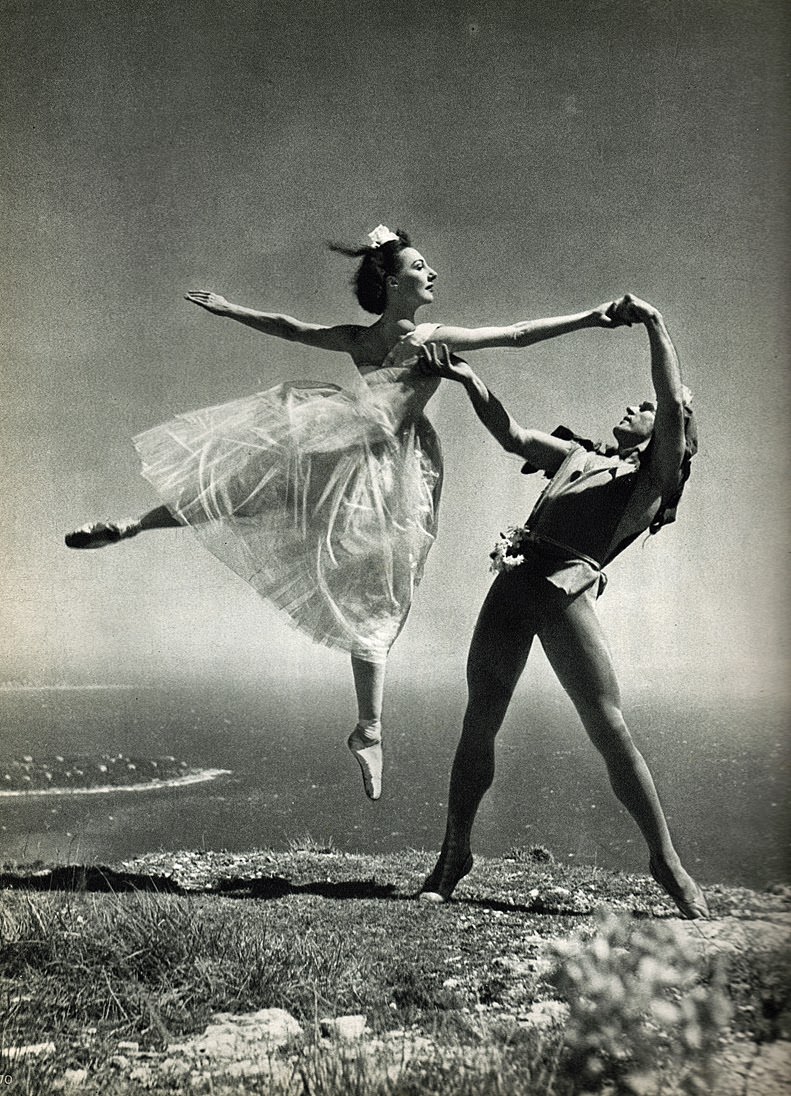
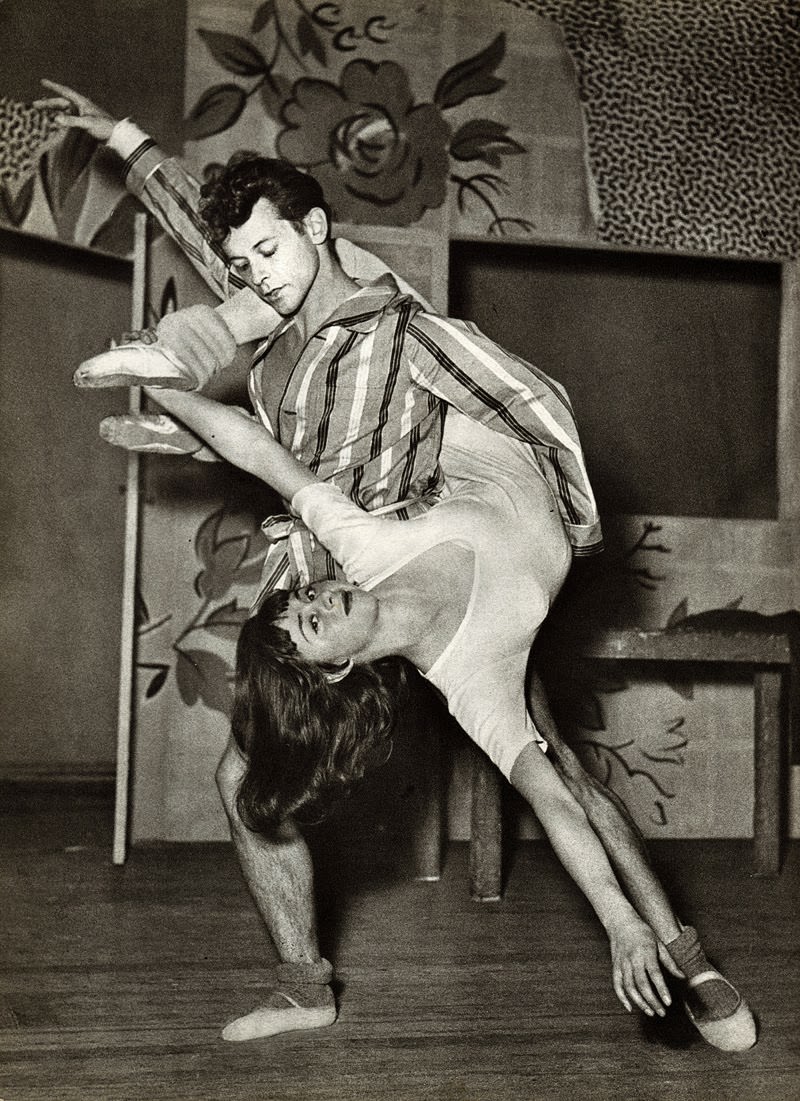
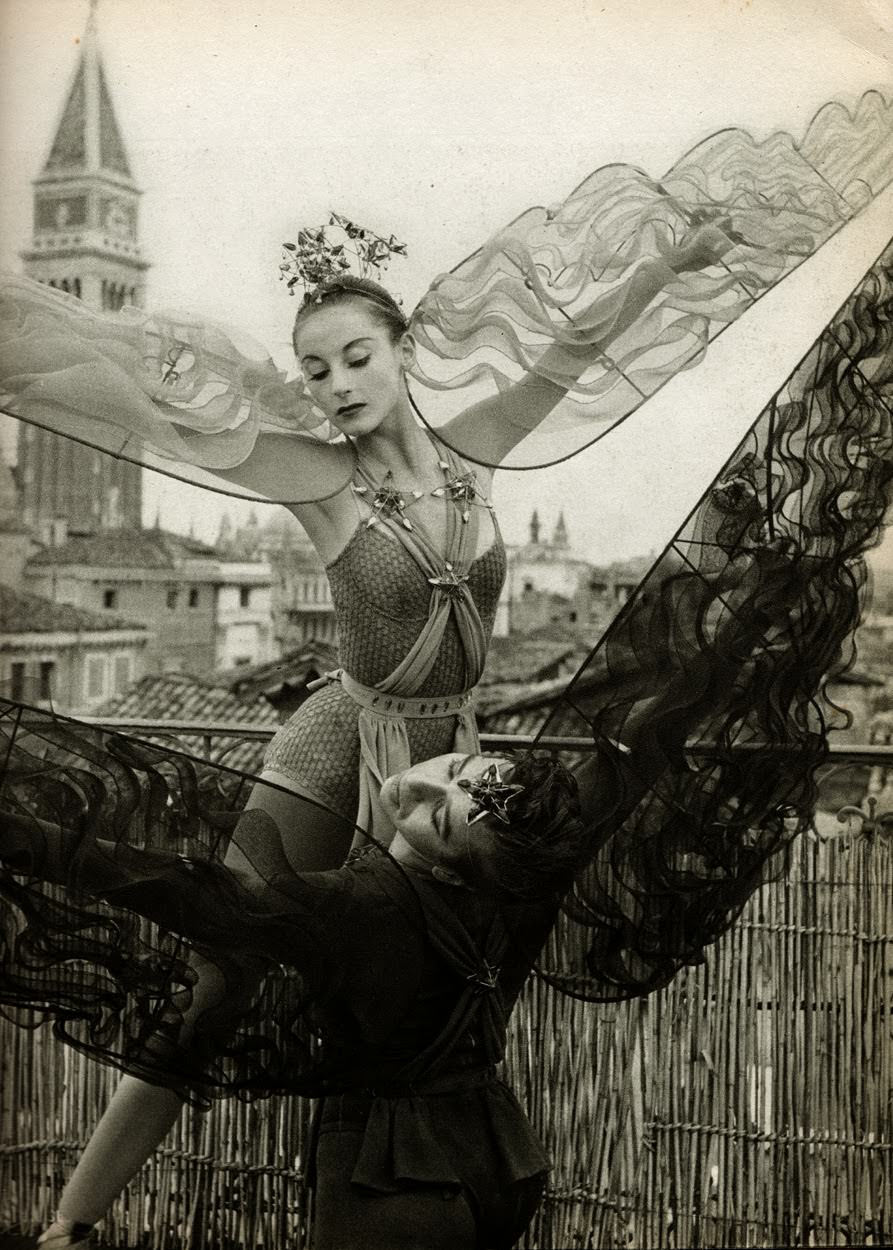
Lido’s portfolio serves as a Who’s Who of the dance world from that era. He worked with legends like Rudolf Nureyev, Margot Fonteyn, and Serge Lifar. When these international stars visited Paris, a session with Lido was considered essential. He had a specific talent for capturing the unique personality of each artist. For a powerful male dancer like Nureyev, he focused on raw energy and elevation. For a lyrical ballerina, he softened the focus to emphasize grace and fluidity. His annual books, such as Danse, collected these portraits and became essential records of who was leading the world of ballet each year.
The Texture of Dance
One of the most striking elements of Lido’s work is his attention to texture. His high-quality prints captured the fine details of the costumes and the environment. You can see the layers of stiff tulle in a tutu, the satin of the ribbons, and the grain of the wooden floorboards. He often shot from low angles to make the dancers appear larger than life. This perspective allowed him to catch the exact moment a shoe left the floor during a leap. These precise details gave his work a tactile quality that made the viewer feel the atmosphere of the dance studio.