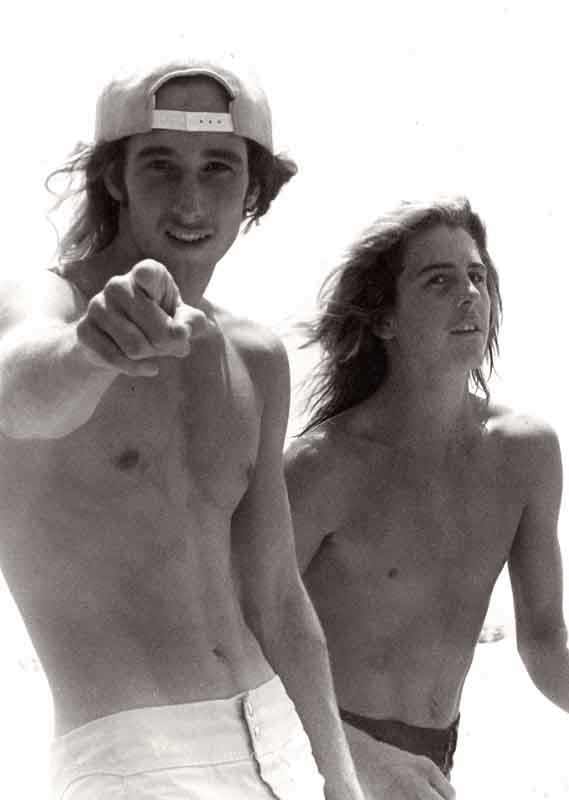
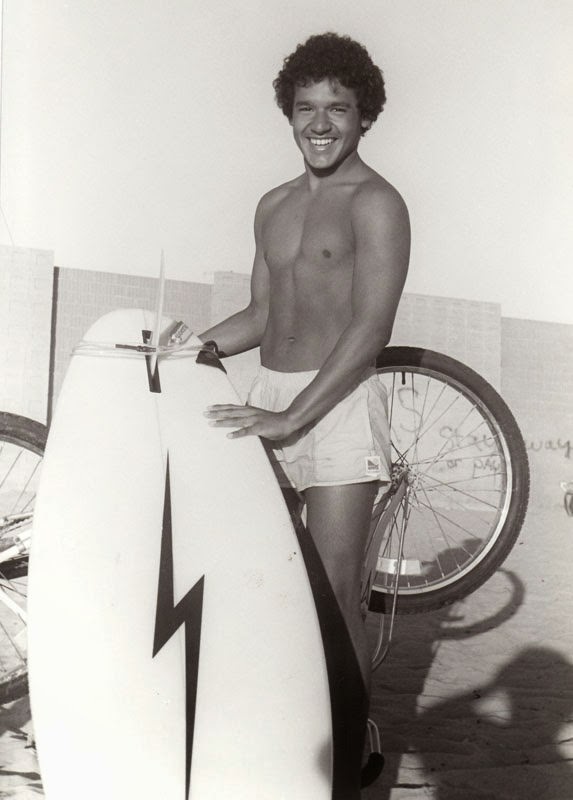
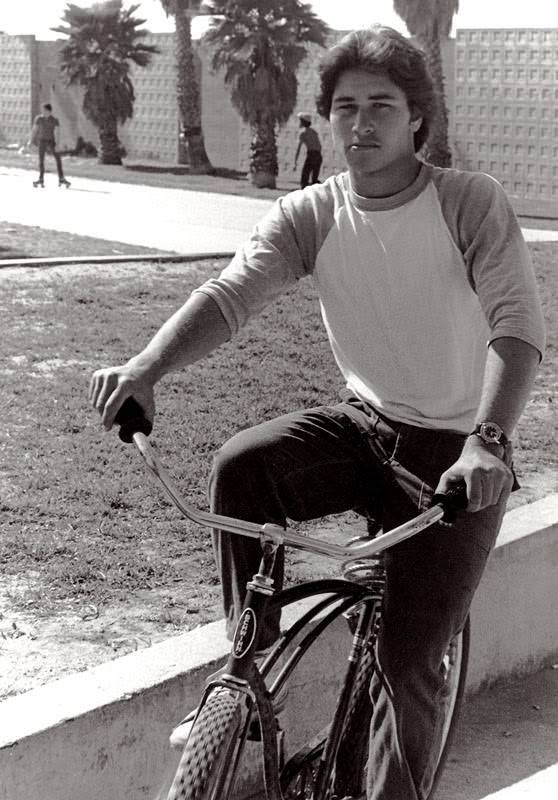
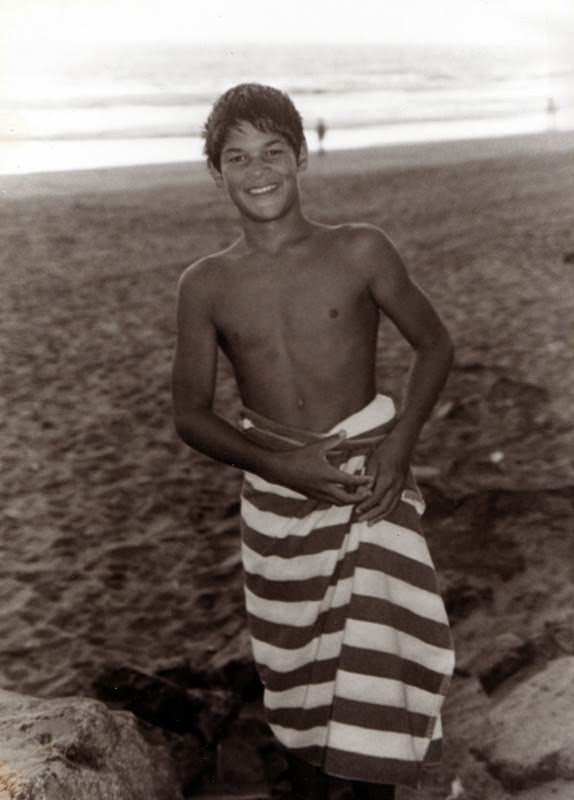
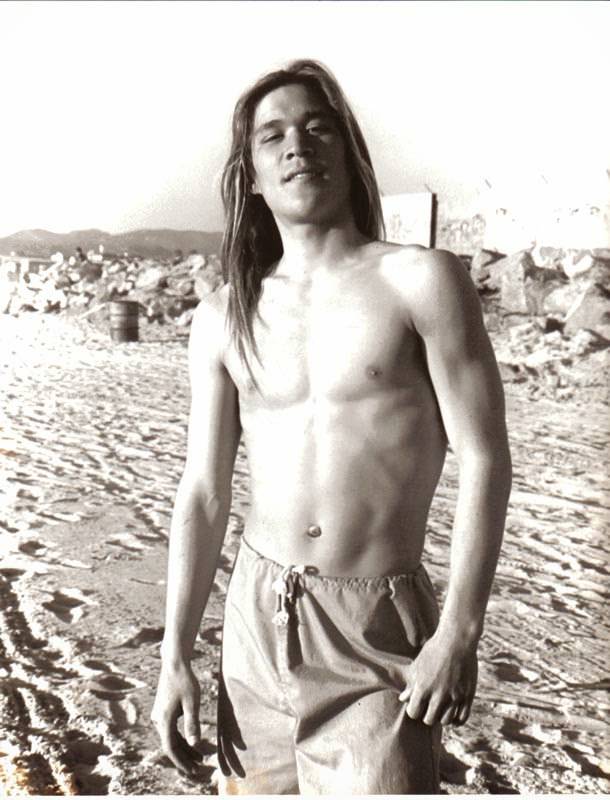
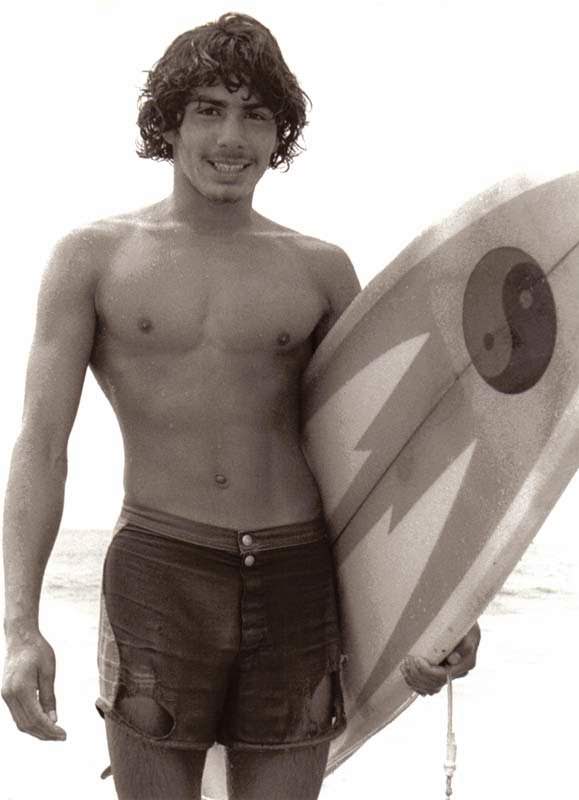
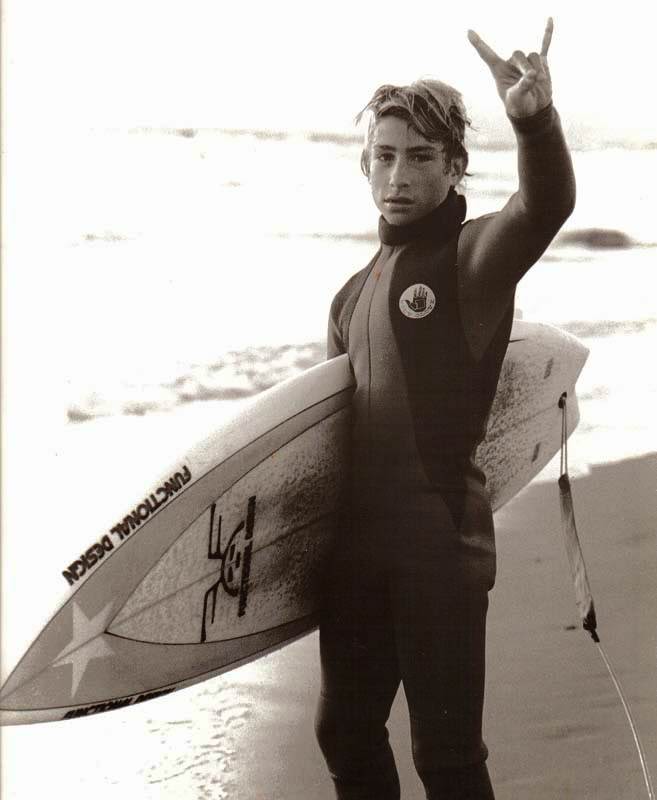
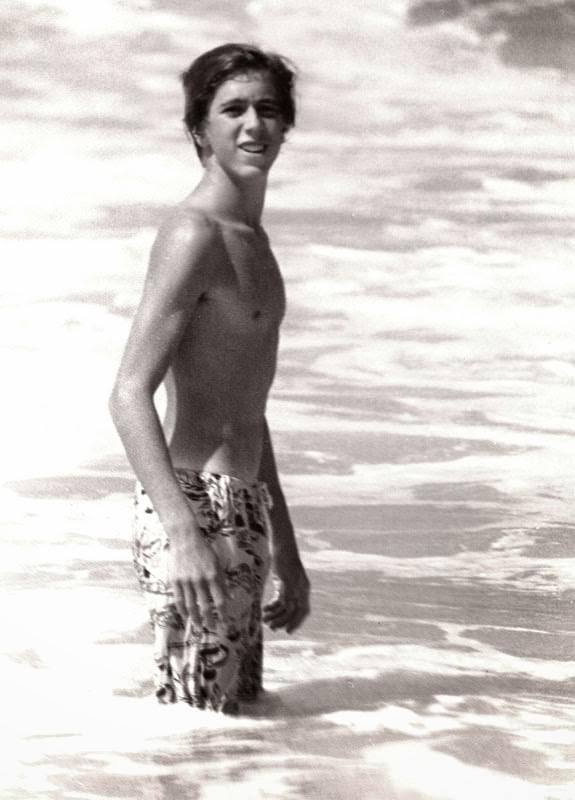
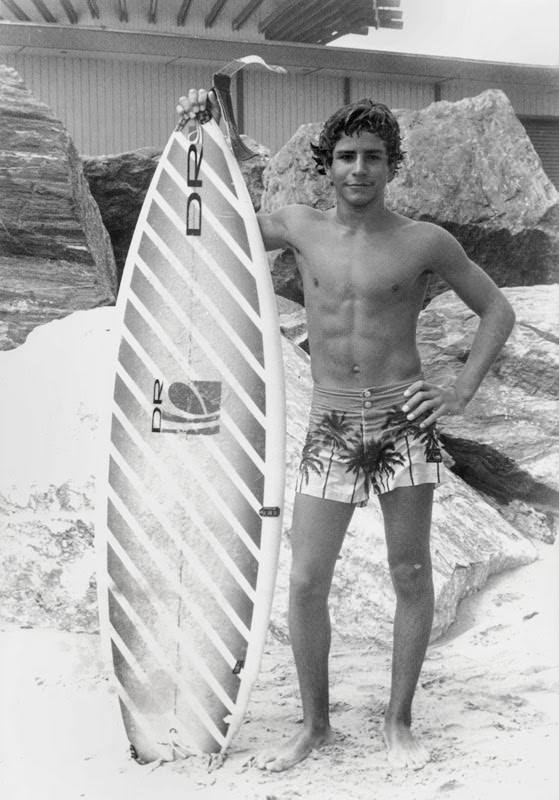
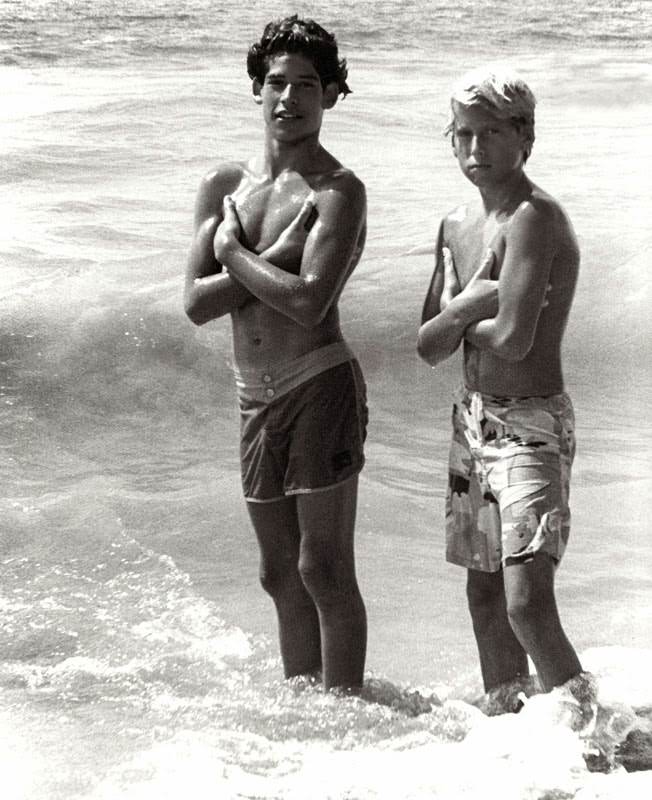
In the 1970s, the boardwalk at Venice Beach served as the center of the universe for local youth. This three-mile stretch of pavement separated the Pacific Ocean from the decaying buildings of the city. Teenagers claimed specific sections of the concrete as their territory. They gathered near the graffiti-covered pavilions and the low brick walls that lined the sand. The air consistently smelled of salt water, coconut tanning oil, and incense burning from nearby vendor stalls. Unlike the manicured lawns of the suburbs, this environment was gritty, loud, and constantly moving.
The Birth of Vertical Skating
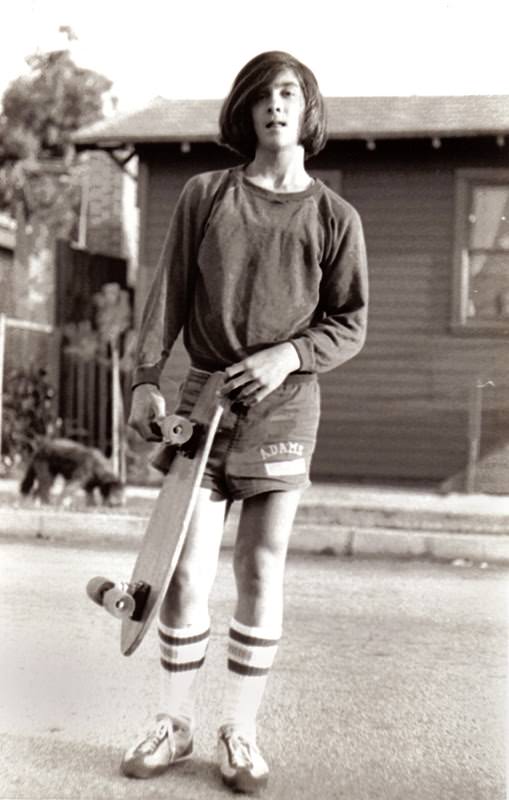
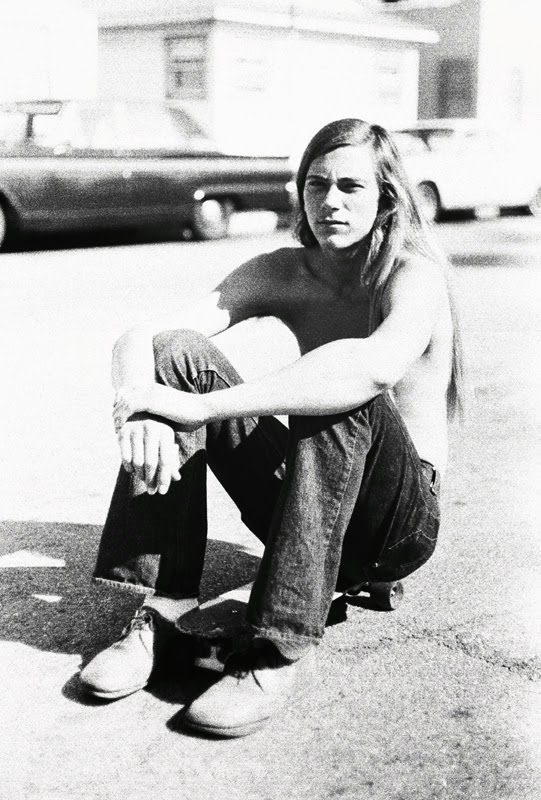
A new, aggressive style of skateboarding emerged from this beachside community during the decade. A group of local teenagers, known as the Z-Boys, treated the asphalt like ocean waves. They rode low to the ground on urethane wheels, touching the pavement with their hands as they carved sharp turns. When a major drought emptied the swimming pools of Los Angeles, these skaters trespassed into backyards to ride the vertical concrete walls. Their technique transformed skateboarding from a simple sidewalk hobby into a dangerous, athletic performance. They wore worn-out distinct blue canvas shoes and scraped their knees on the rough surfaces of empty pools.
The Roller Skating Scene
While skateboarders searched for empty pools, roller skaters took over the flat paved paths. By the late 1970s, the boardwalk became a massive outdoor dance party. Teenagers laced up high-top leather skates featuring bright, customized wheels. They carried large boomboxes on their shoulders, blasting disco and funk music for everyone within earshot. Skaters formed synchronized lines, weaving in and out of the tourists and pedestrians. The pavement acted as an open-air disco where rhythm and balance mattered more than speed.
Read more
Boardwalk Fashion
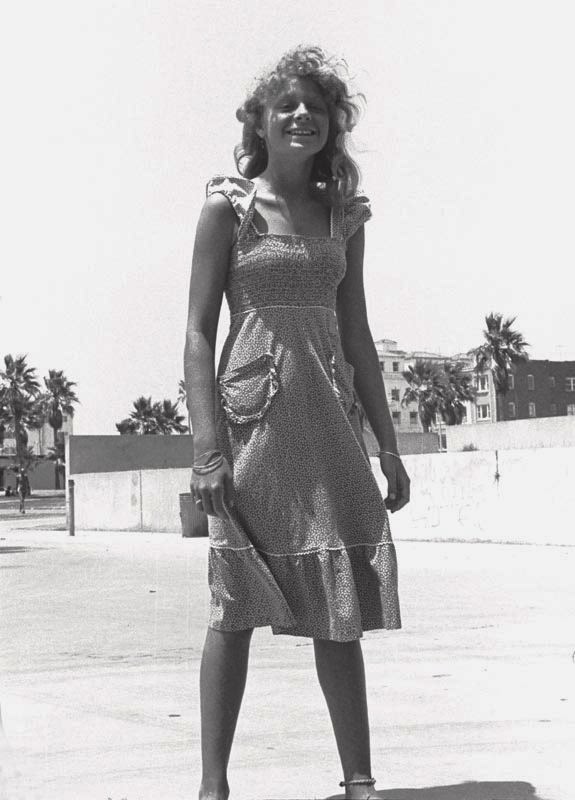
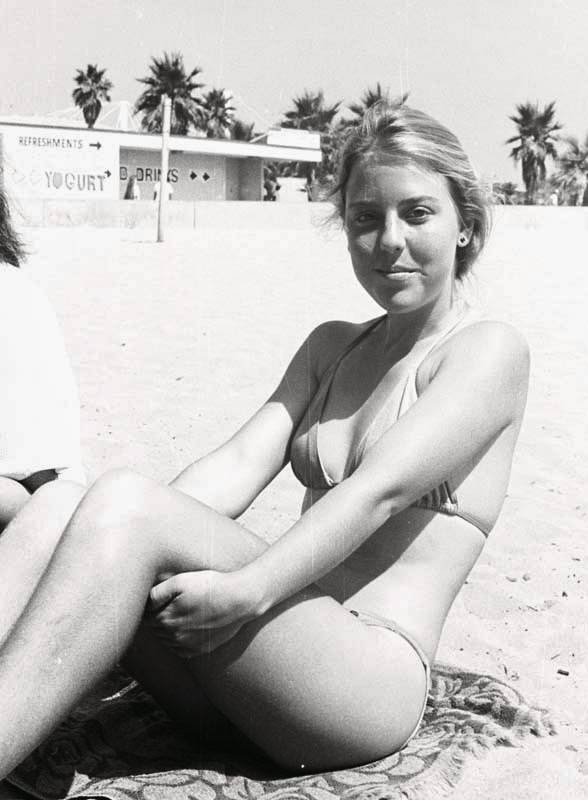
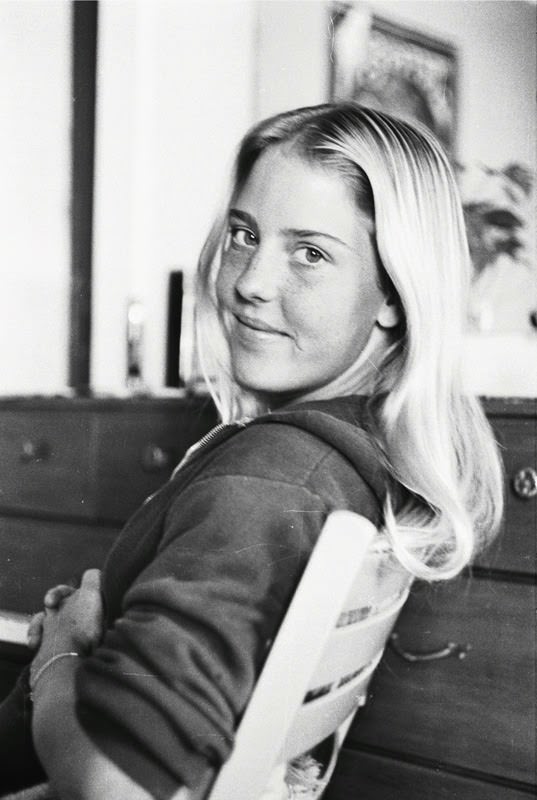
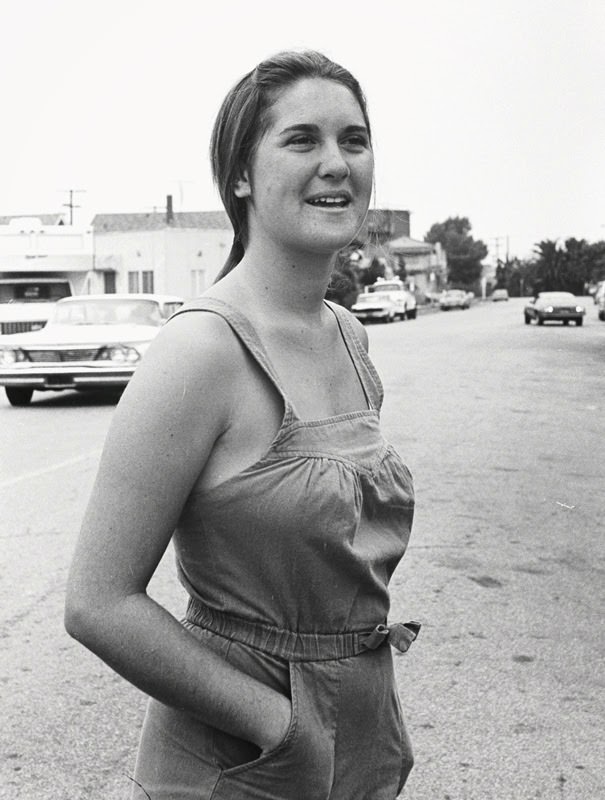
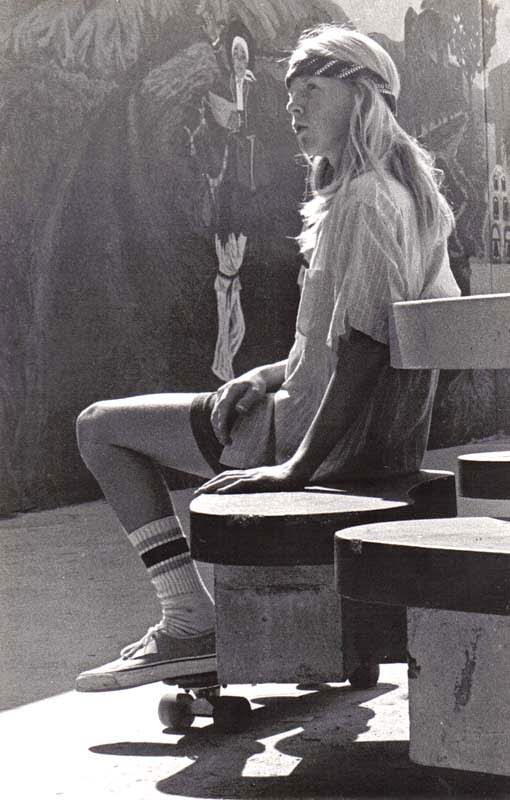
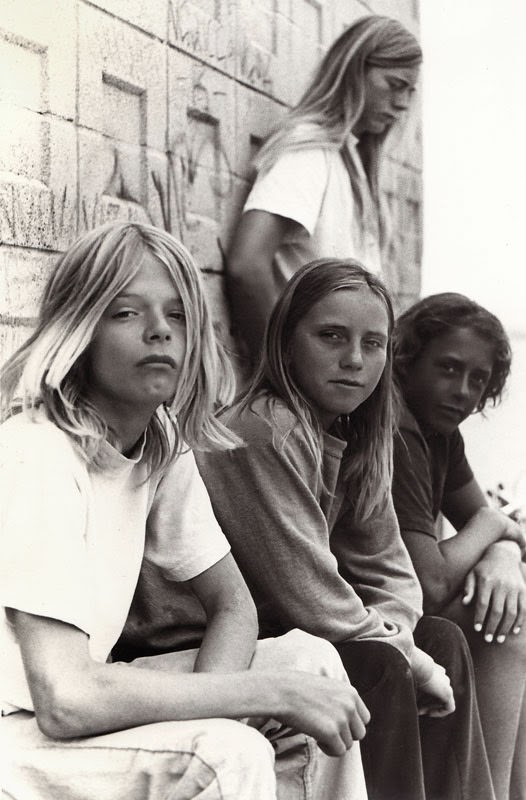
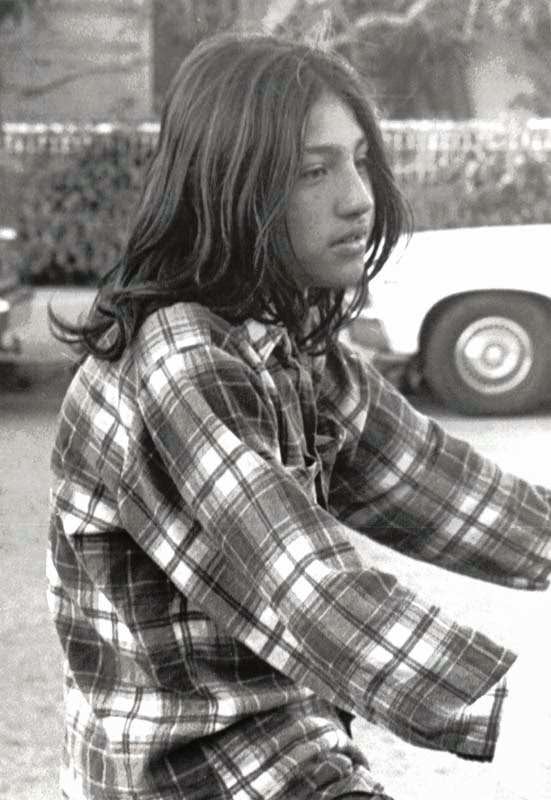
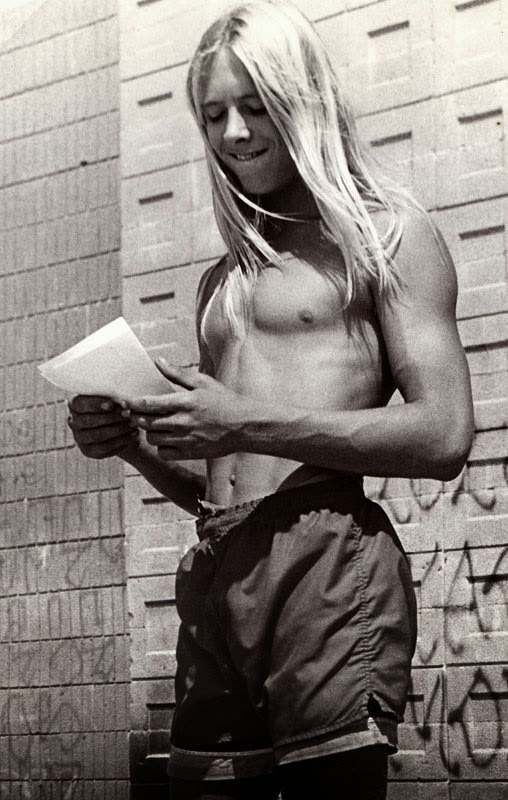
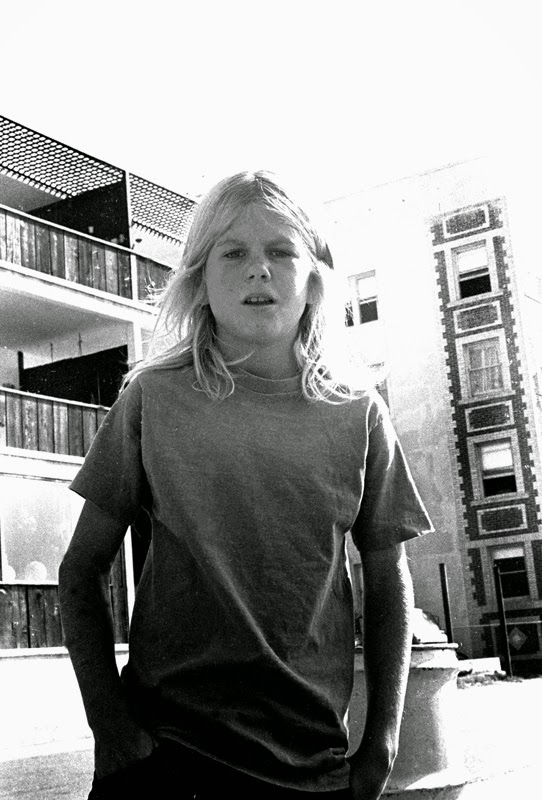
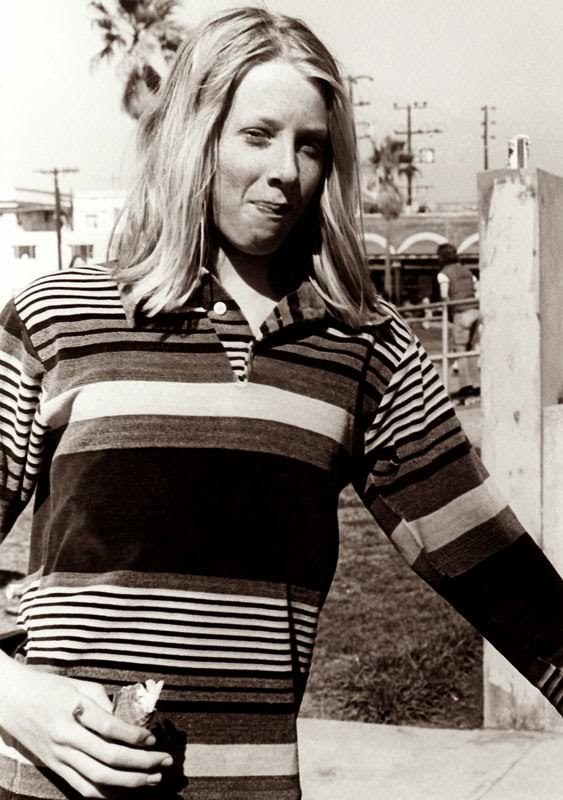
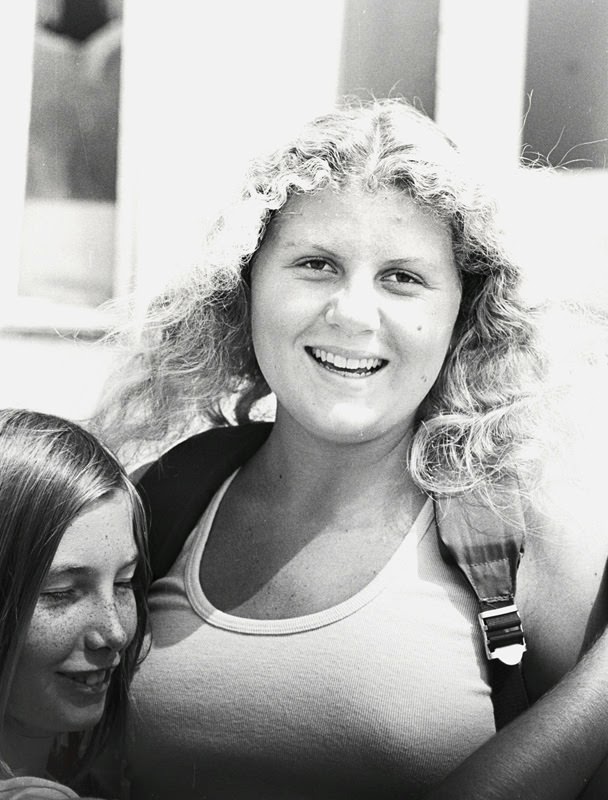
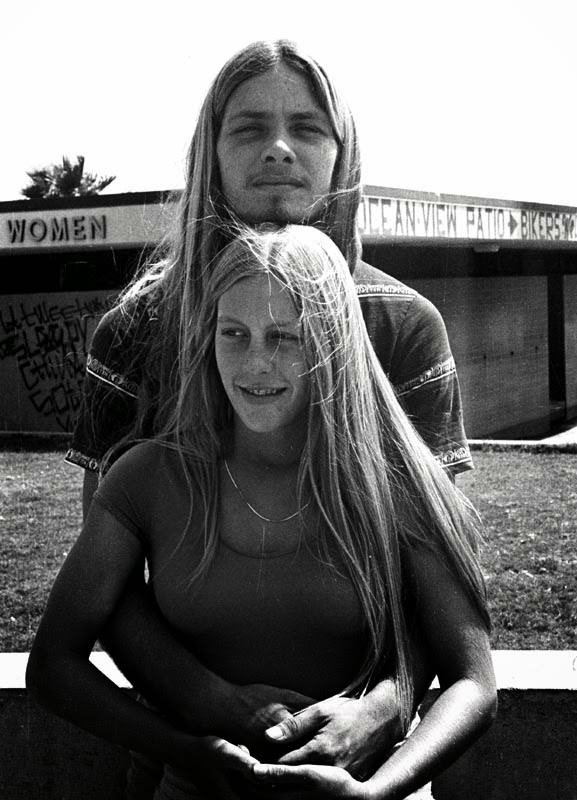
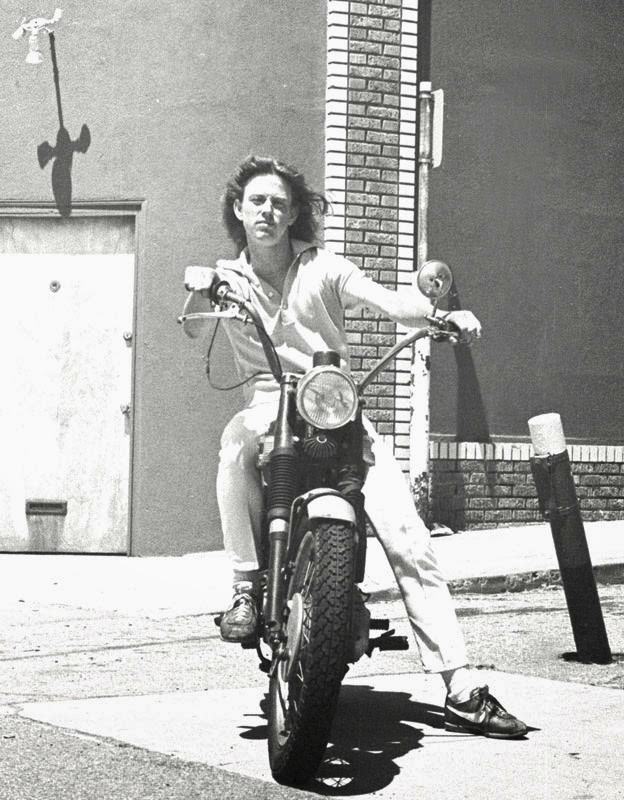
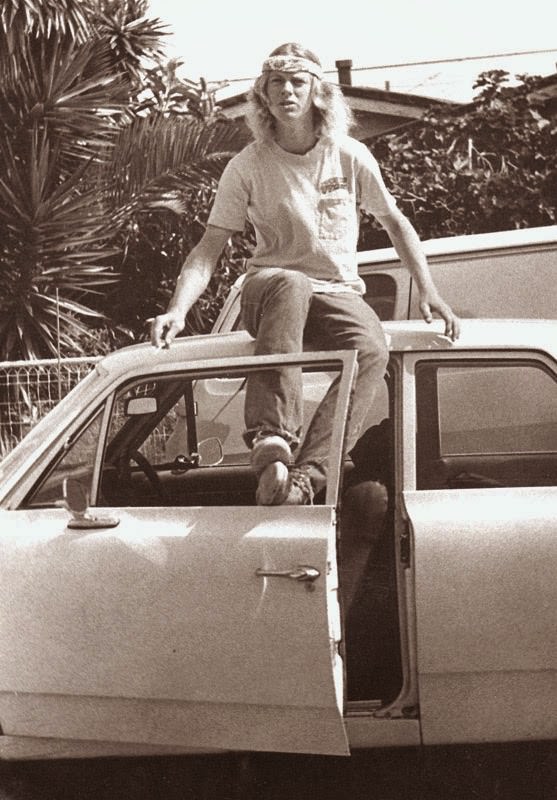
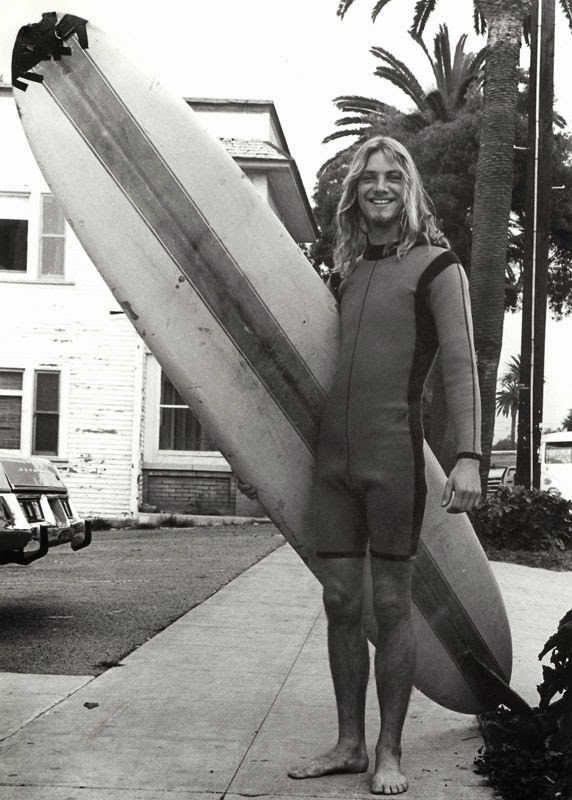
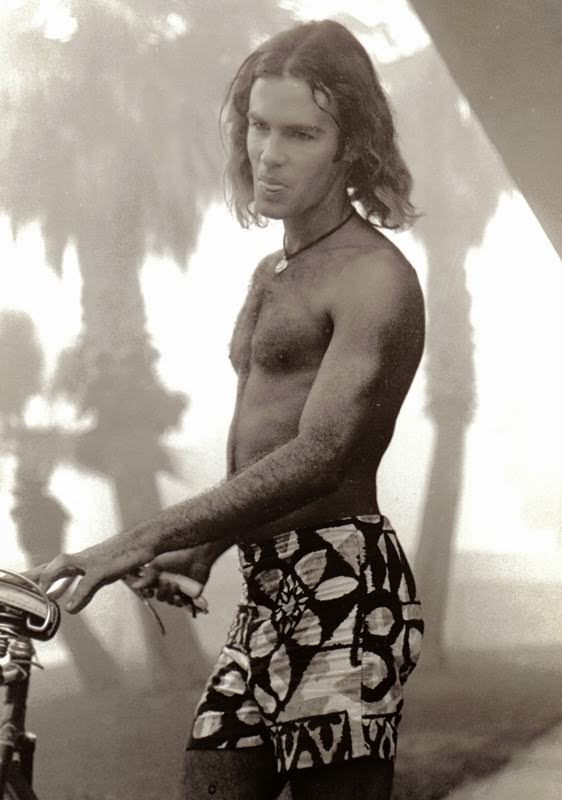
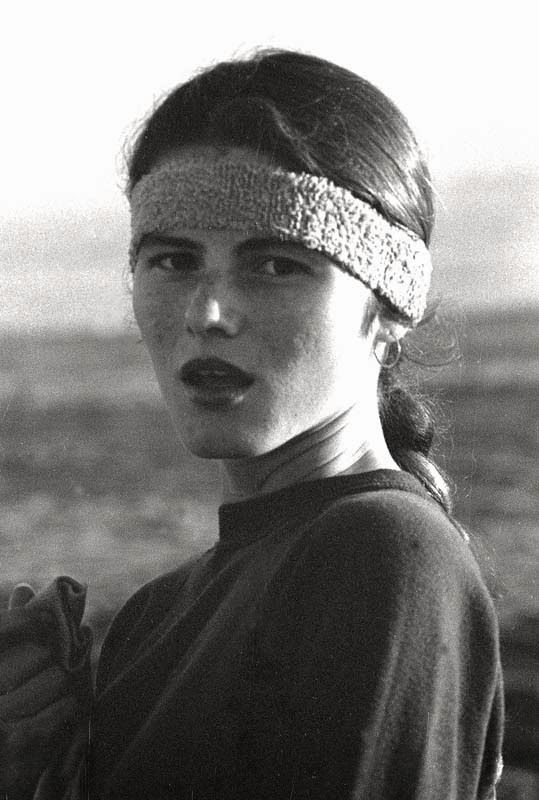
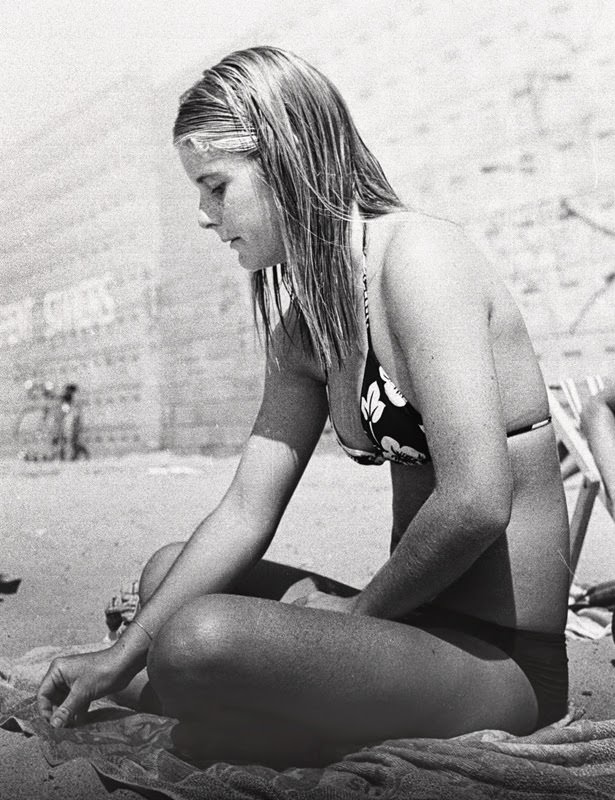
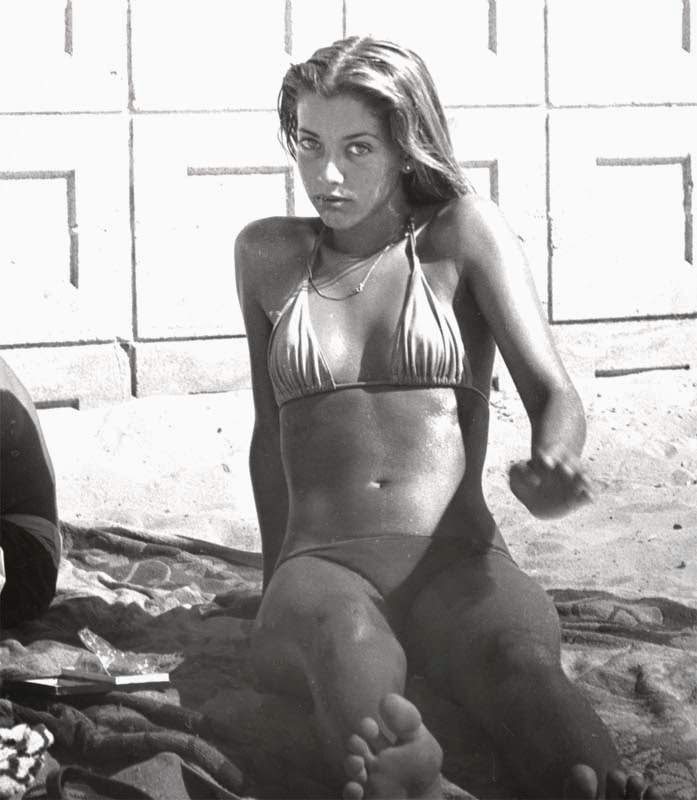
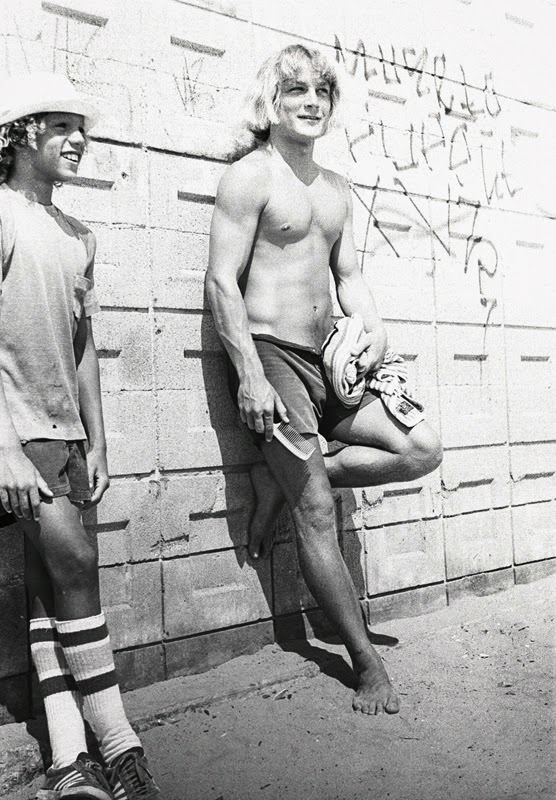
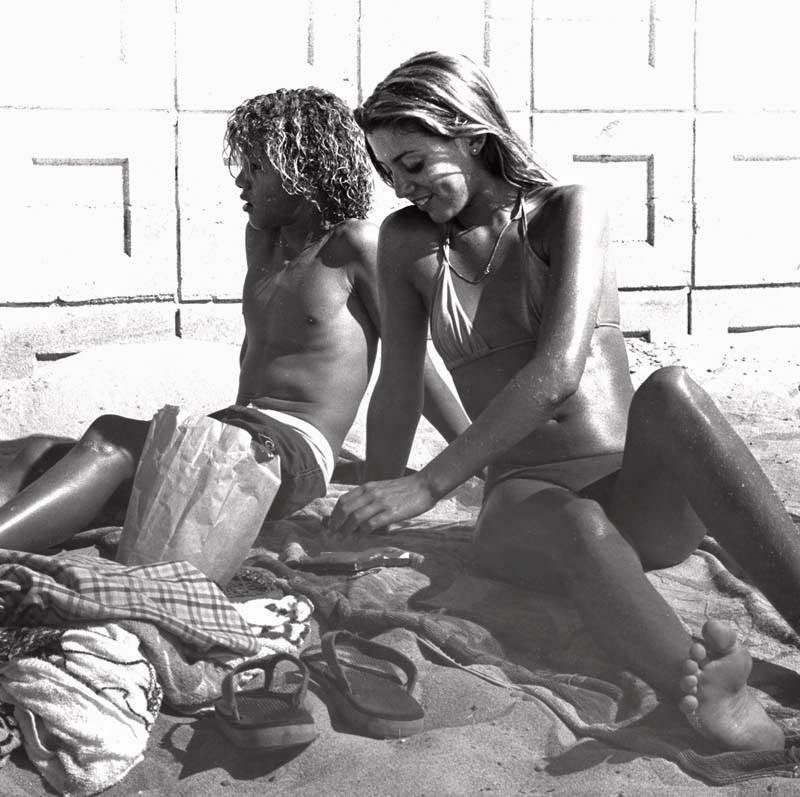
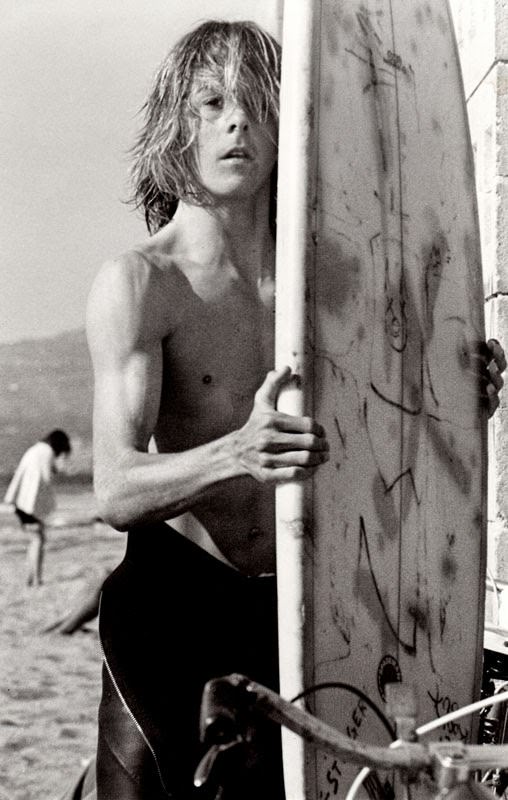
The clothing style at Venice Beach was functional and distinct. Boys typically wore corduroy shorts or swim trunks made by brands like Ocean Pacific. They paired these with knee-high tube socks striped in primary colors. Girls wore high-waisted denim shorts, halter tops, and bikinis. Long, sun-bleached hair was the standard for everyone. Unlike the polished look of nearby Beverly Hills, the aesthetic here was messy and worn out from constant exposure to the sun and sand.
Muscle Beach
The outdoor weight pen, known globally as Muscle Beach, attracted a different crowd of young people. Teenagers gathered around the chain-link fence to watch bodybuilders lift massive iron plates. Serious athletes trained under the hot sun, sweating through grey tank tops. The sound of clanking metal mixed with the noise of the crashing waves. Aspiring lifters stood in the sand, observing the routines of professionals and hoping to replicate the massive physiques they saw on the covers of fitness magazines.
Socializing on the Wall
For many teenagers, the day consisted of simply sitting on the low concrete barriers that lined the beach. This wall served as the primary social hub where groups met to talk and watch the passing crowds. Without cell phones or strict parental supervision, they stayed out until the sun went down. They ate cheap food from the boardwalk stands, buying hot dogs on a stick or slices of pizza. As the light faded, the temperature dropped, and the groups finally dispersed back into the surrounding neighborhoods.