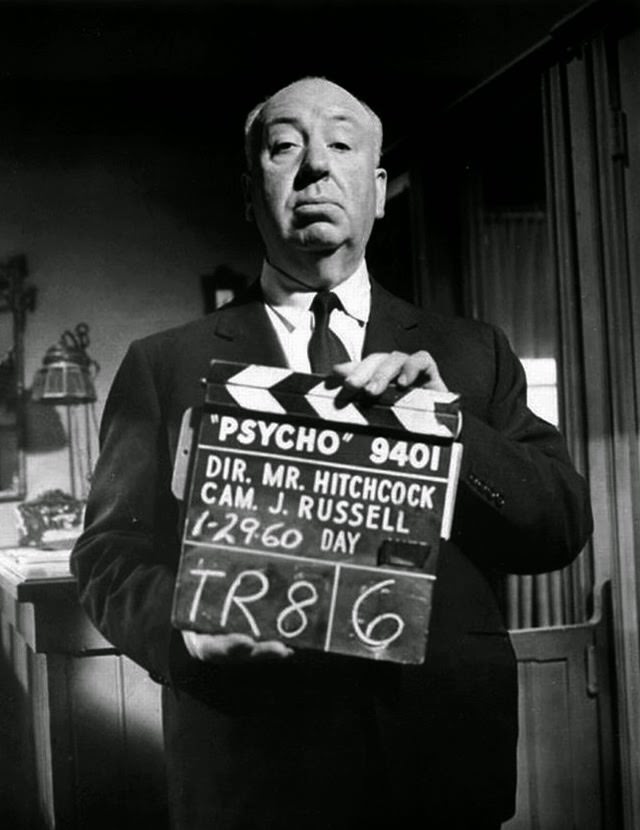
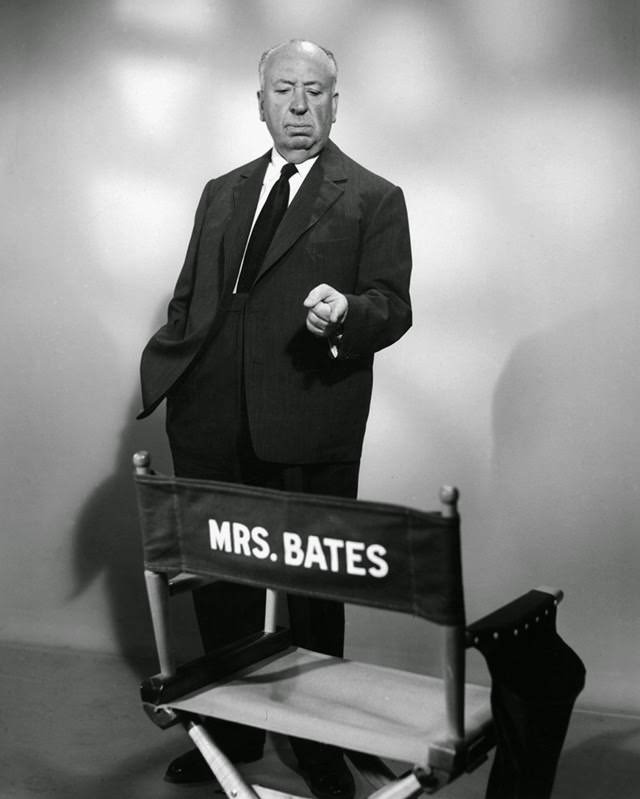
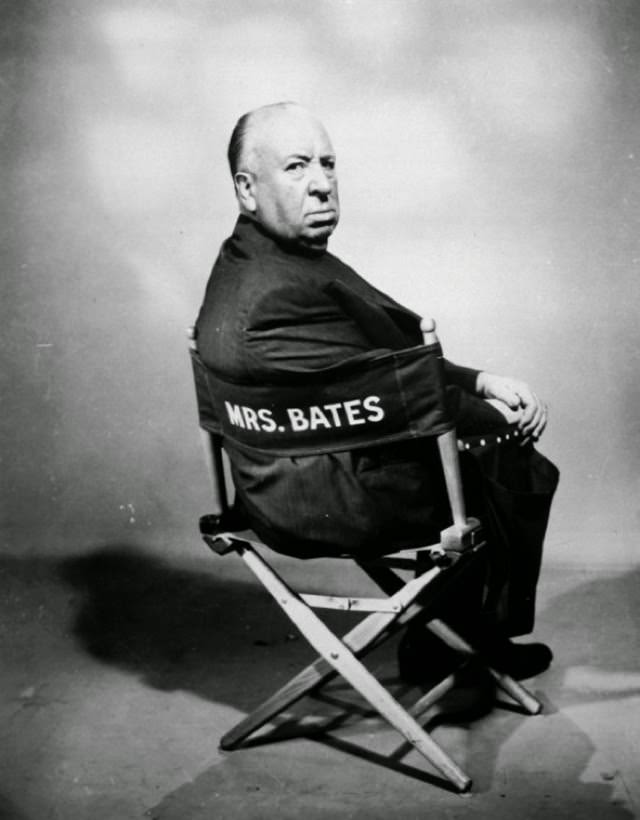
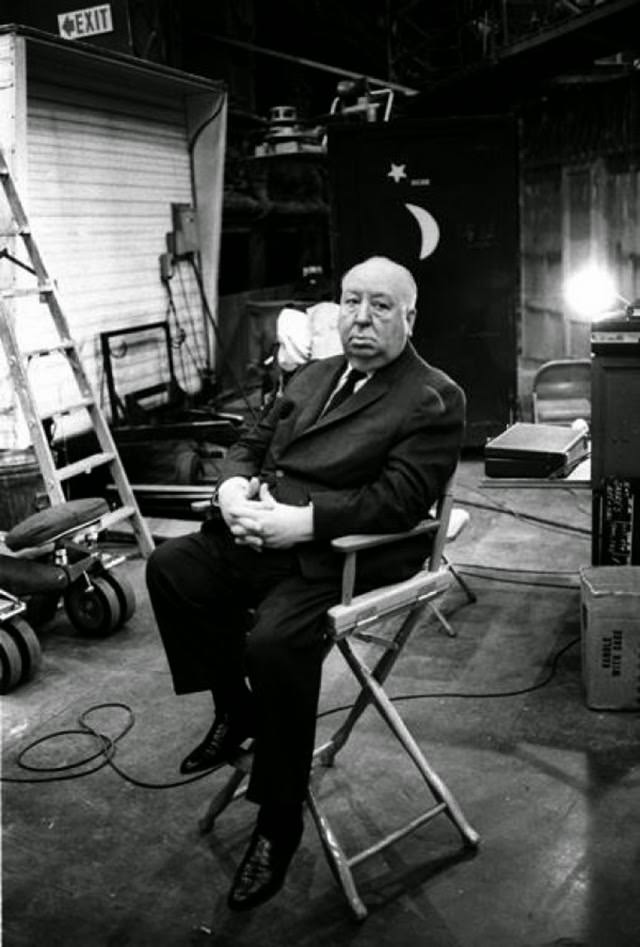
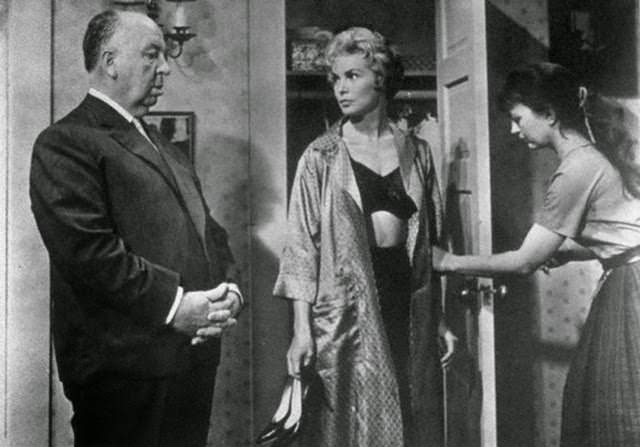
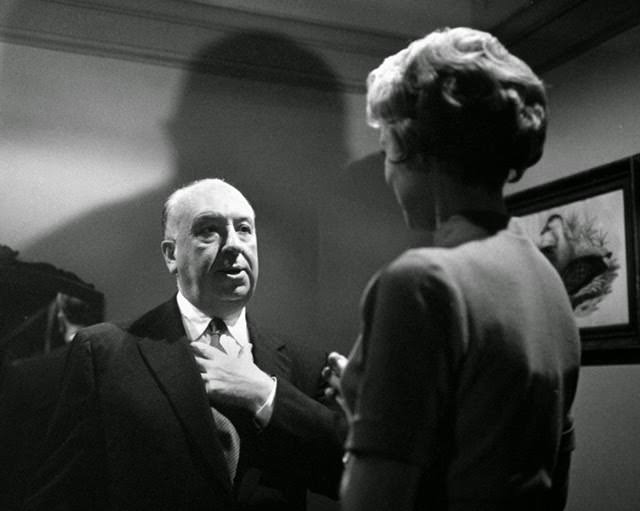
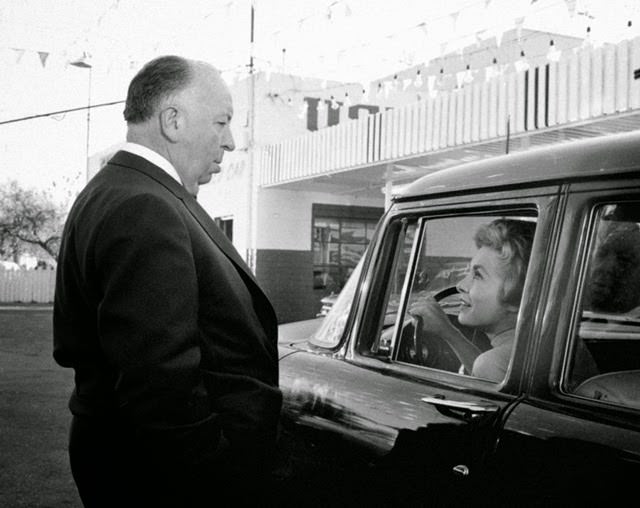
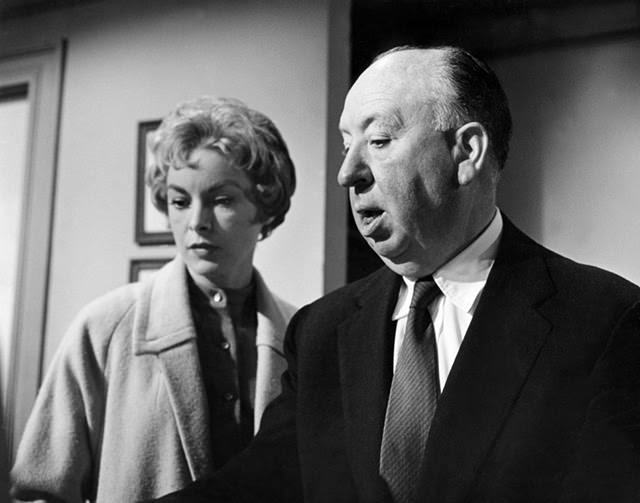
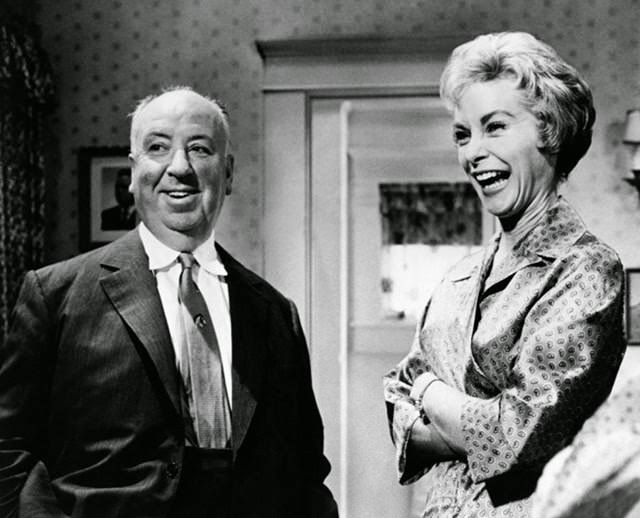
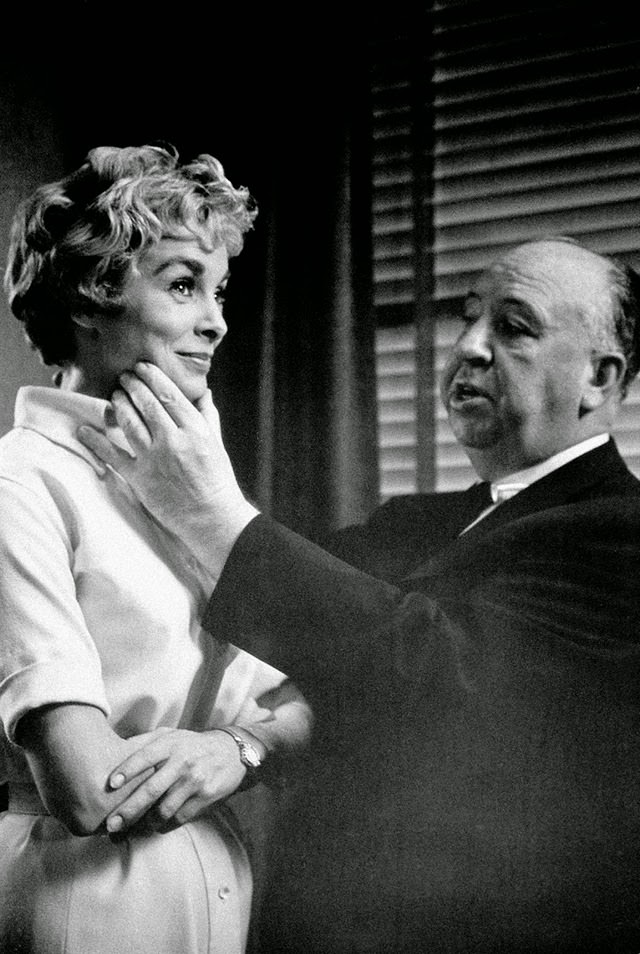
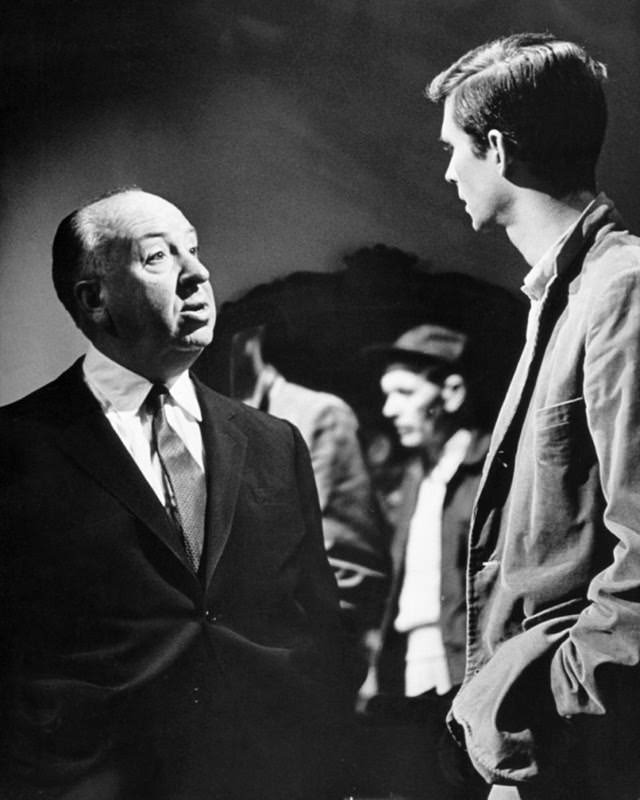
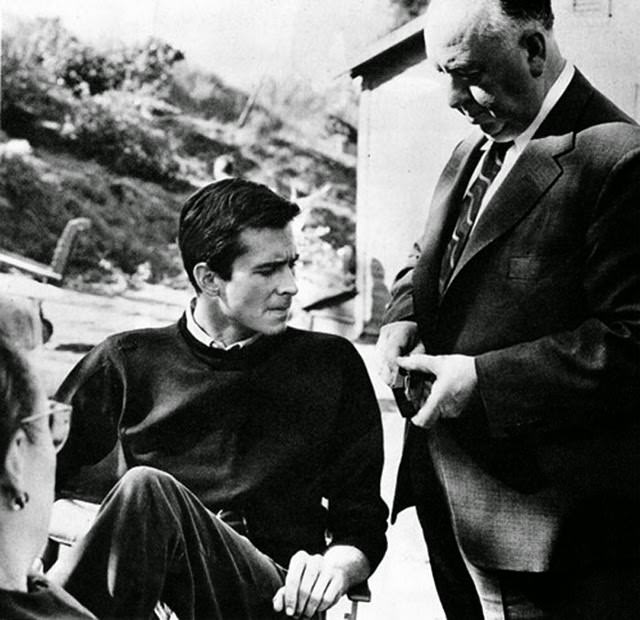
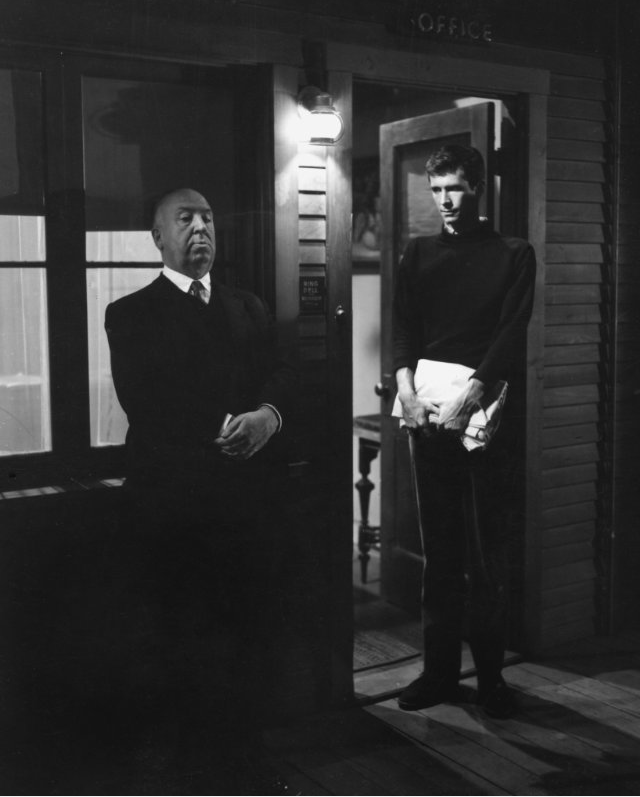
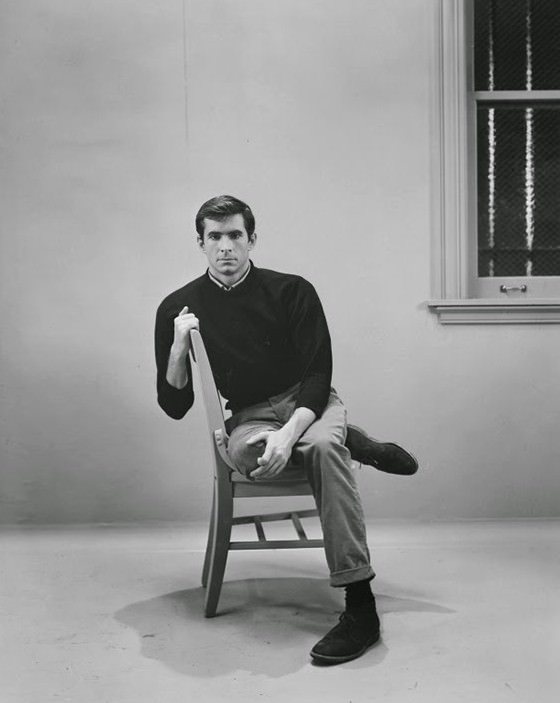
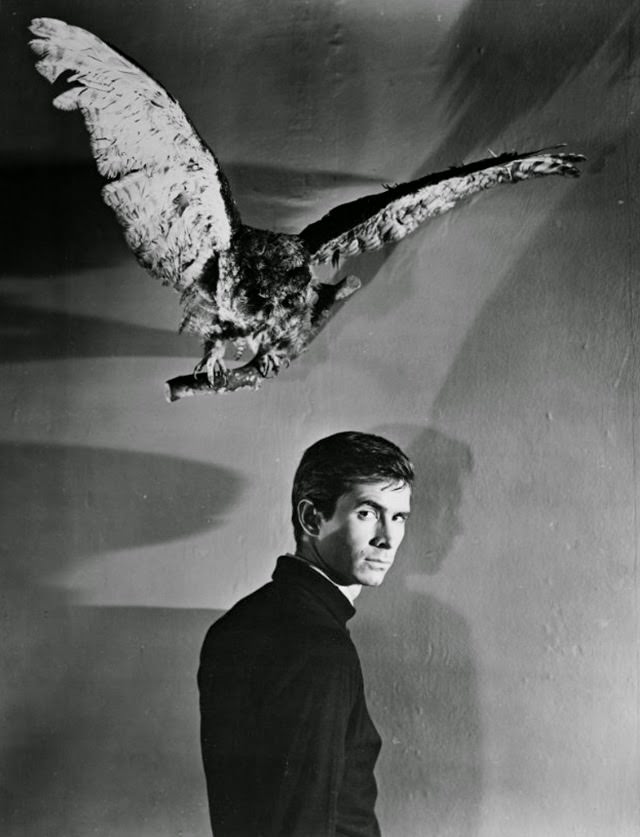
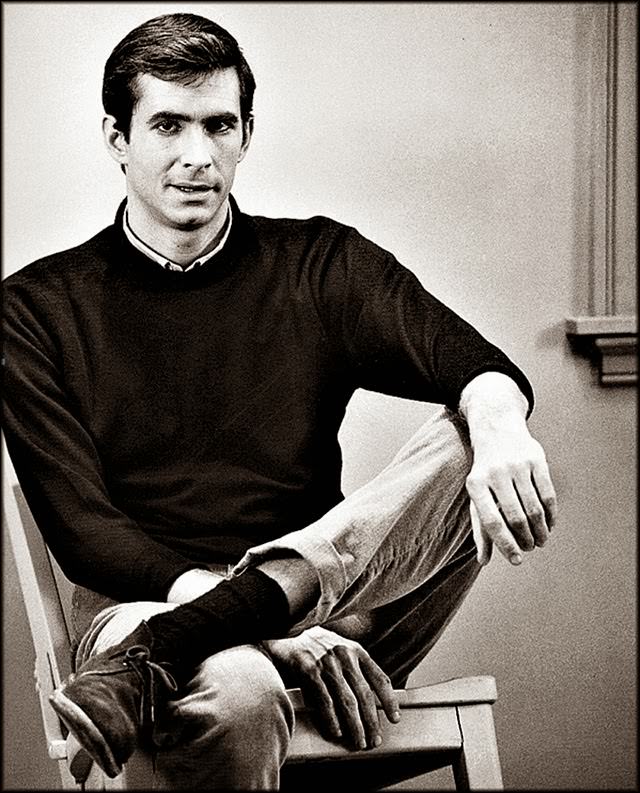
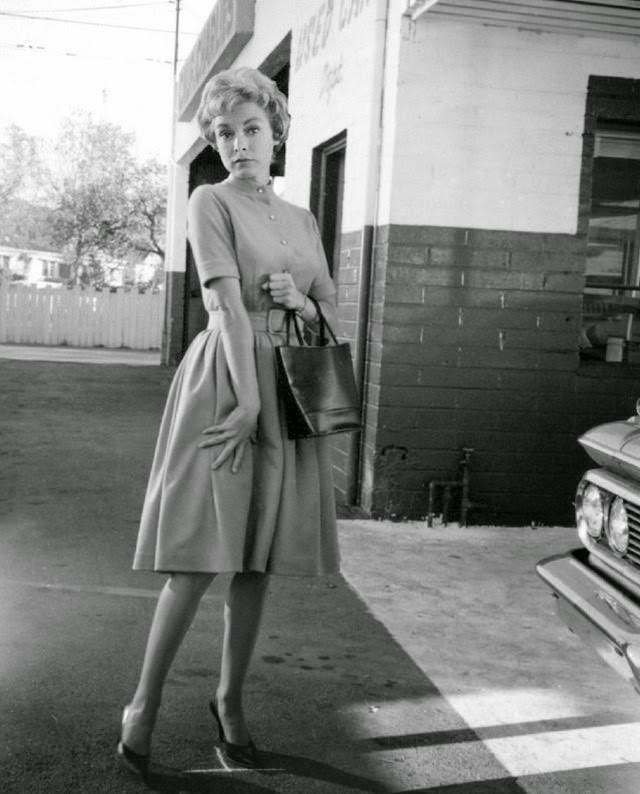
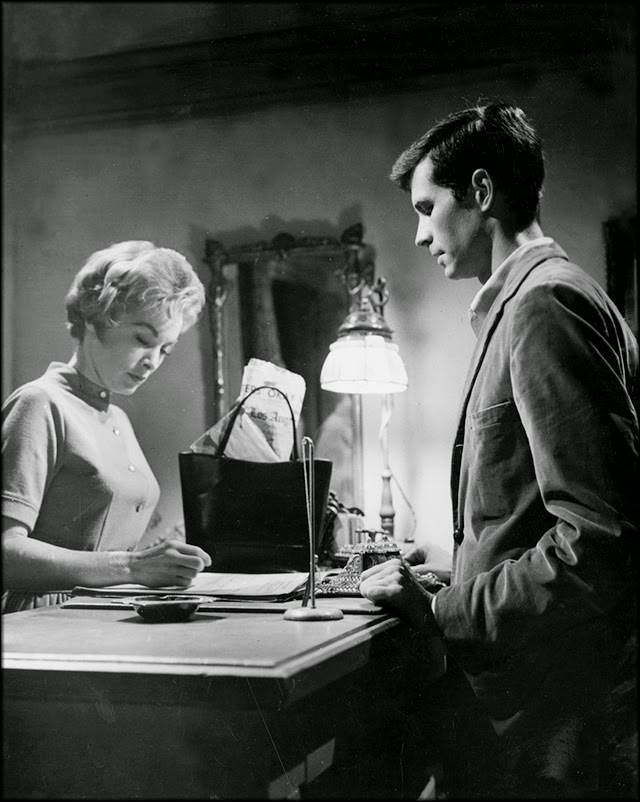
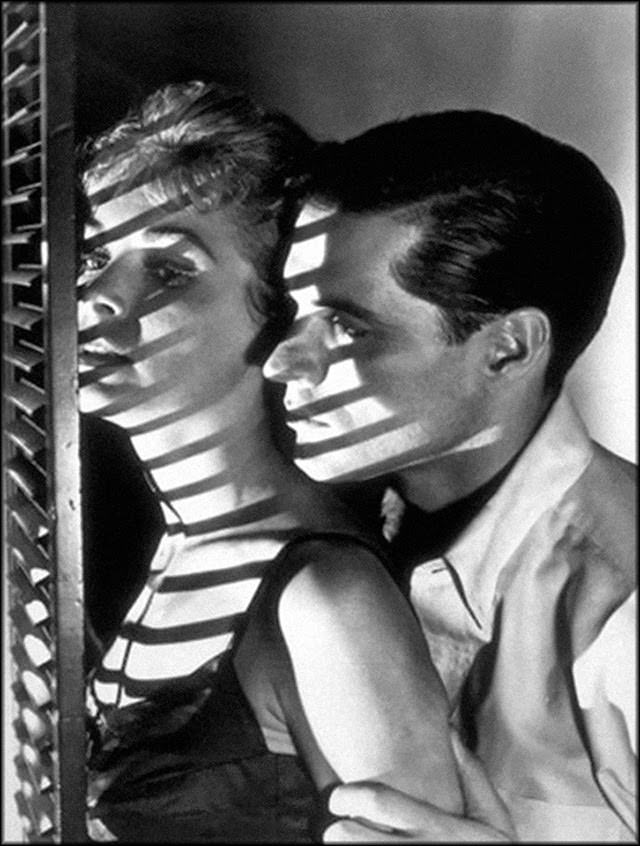
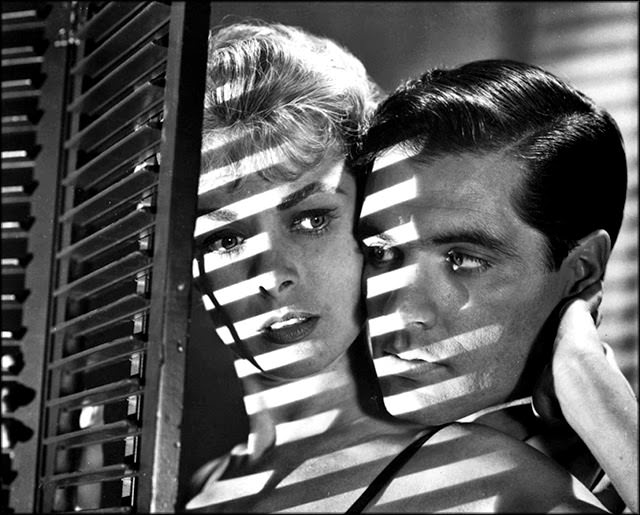
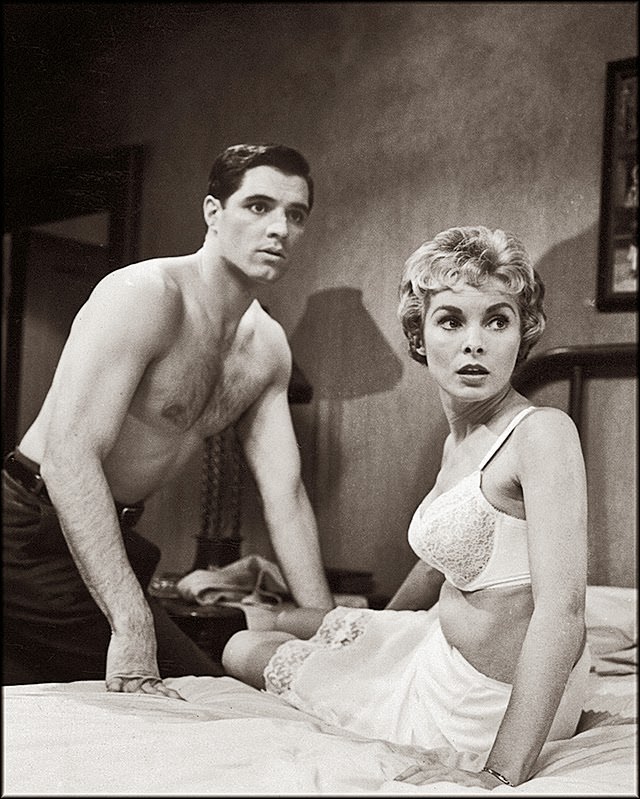
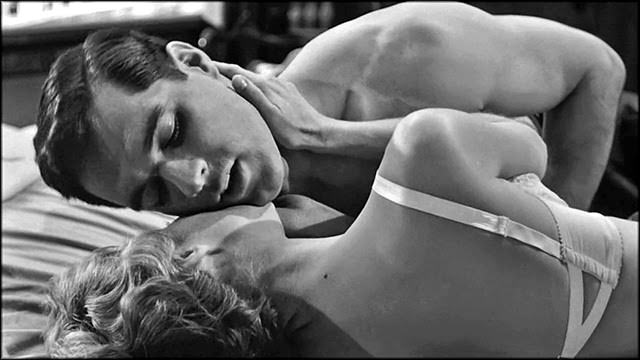
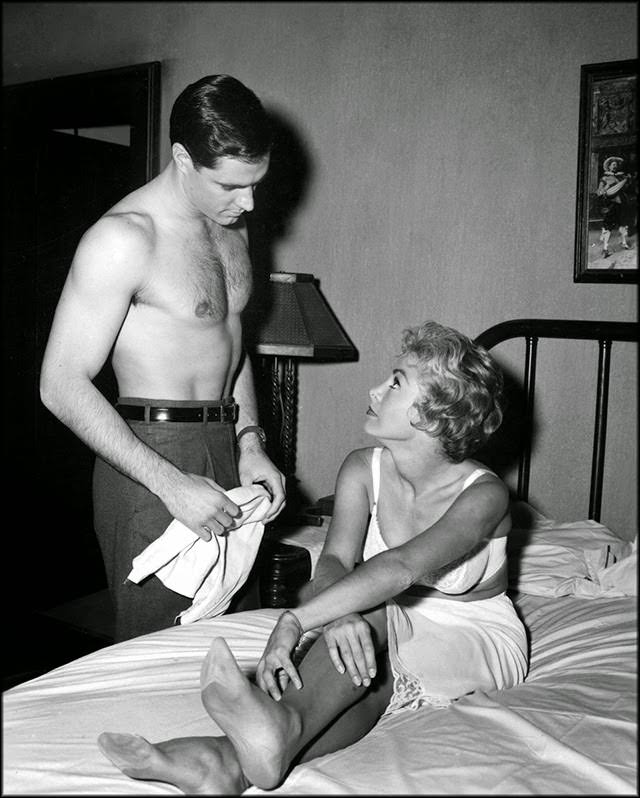
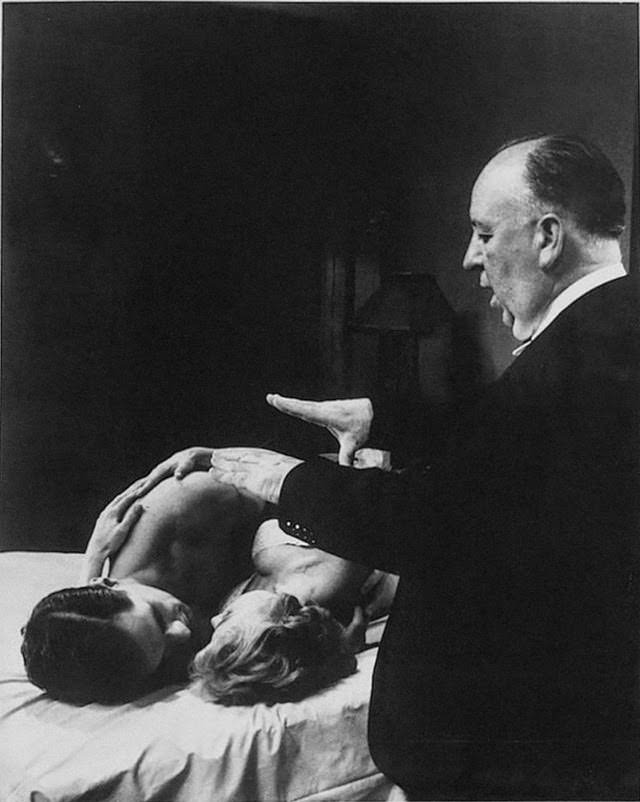
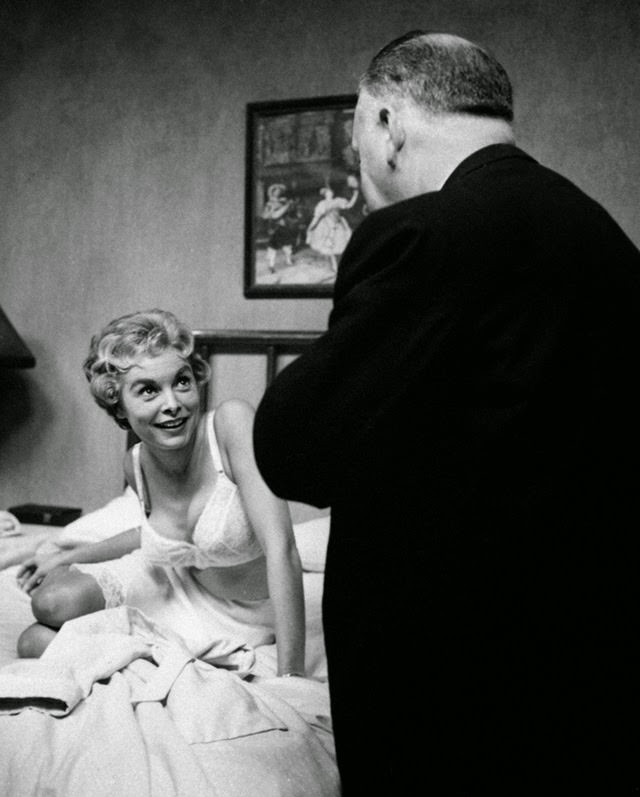
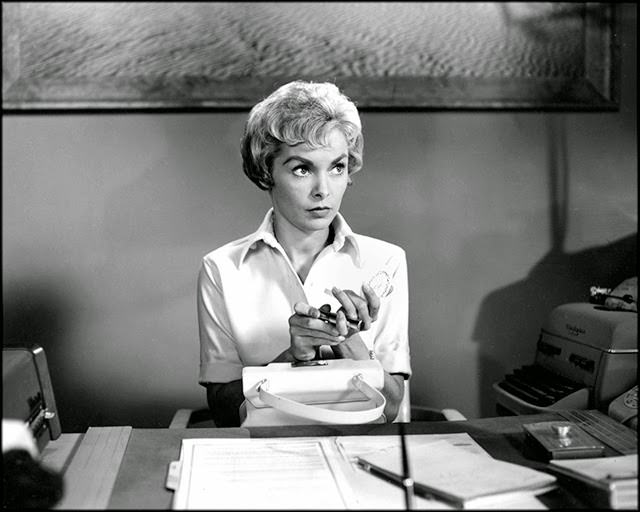
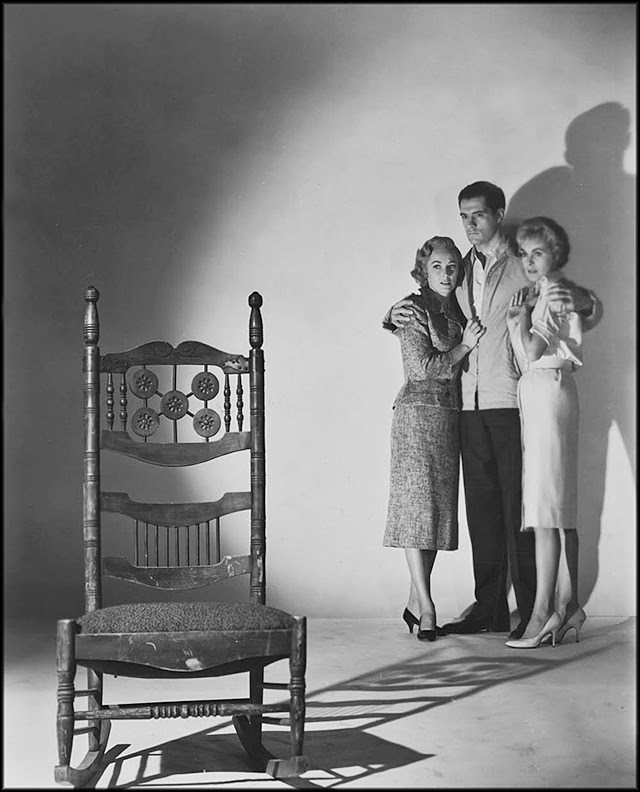
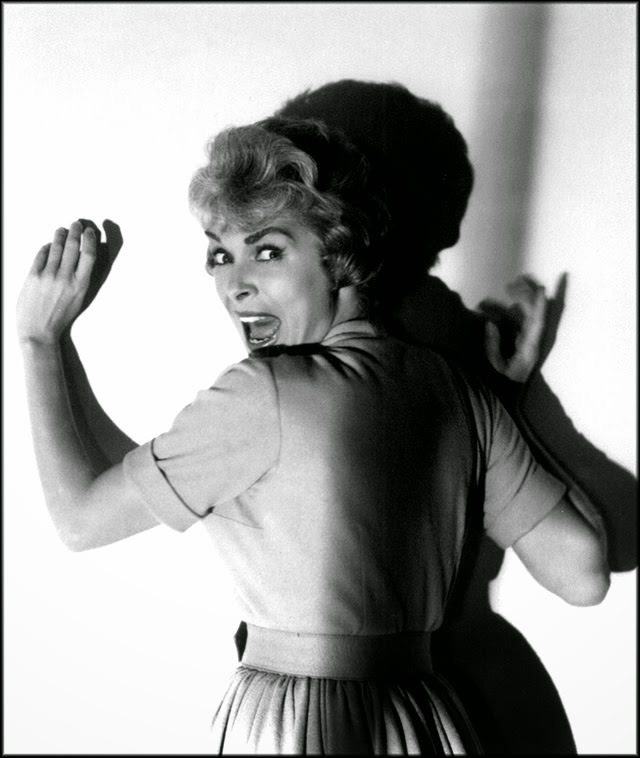
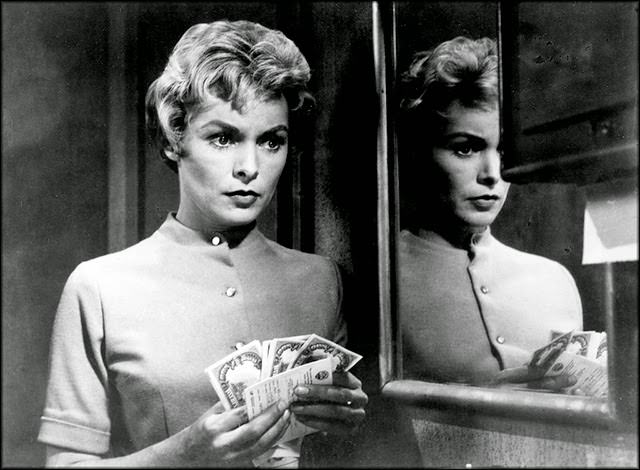
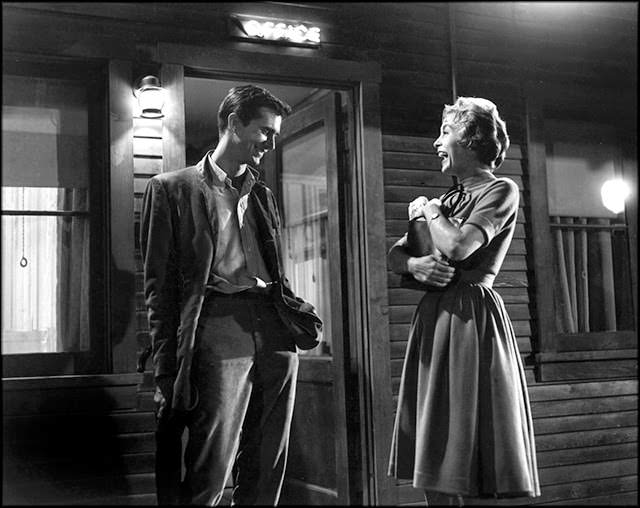
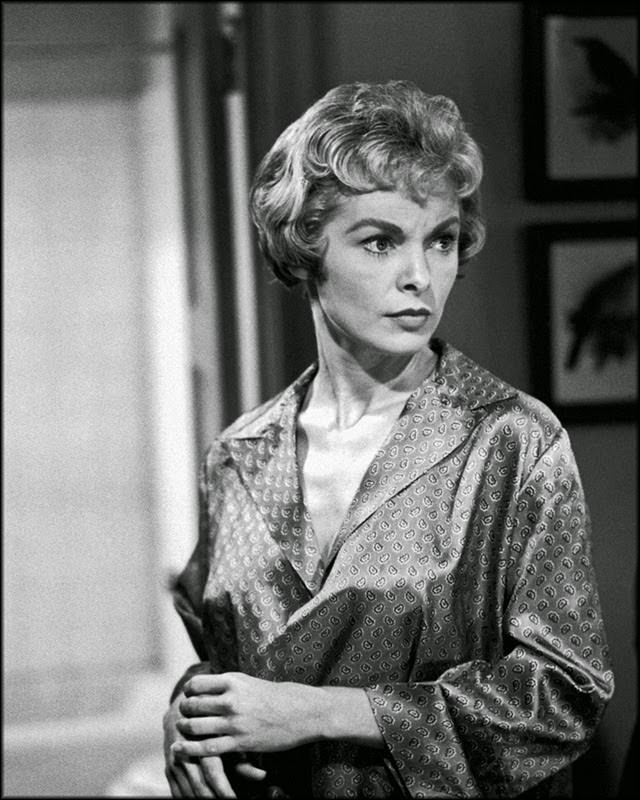
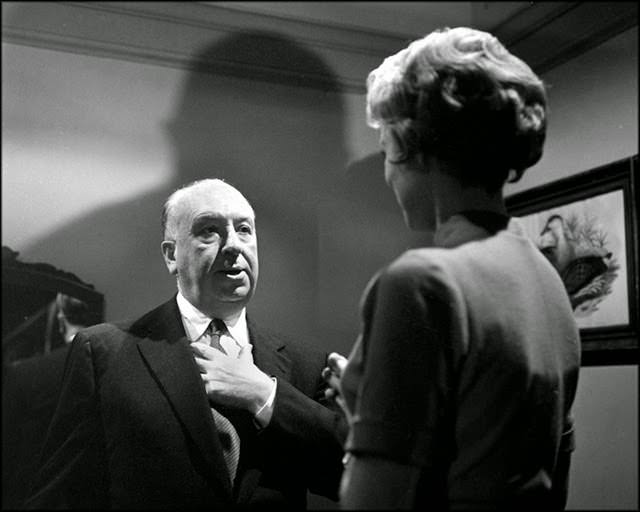
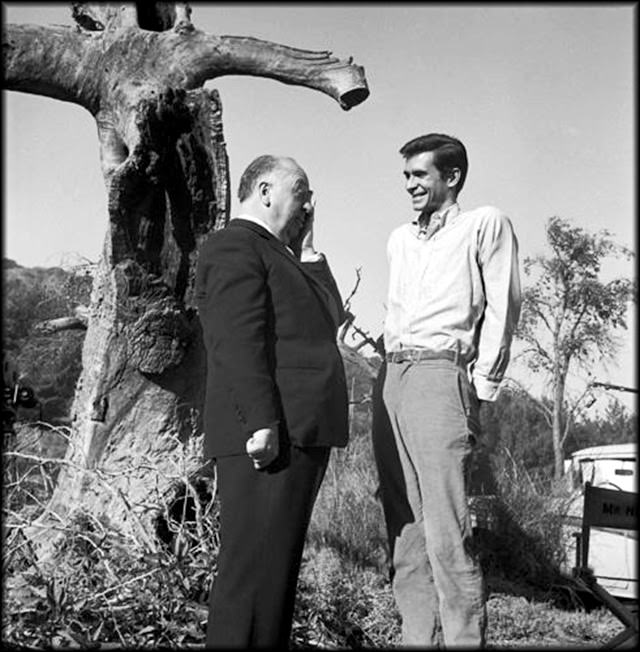
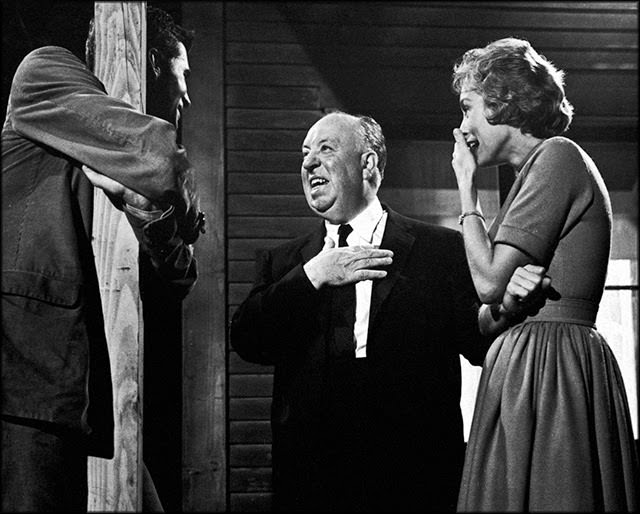
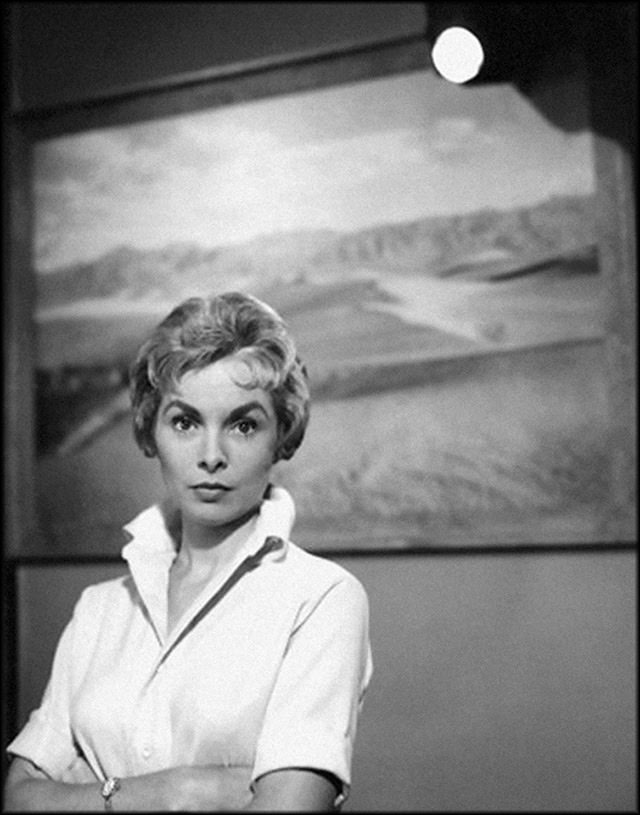
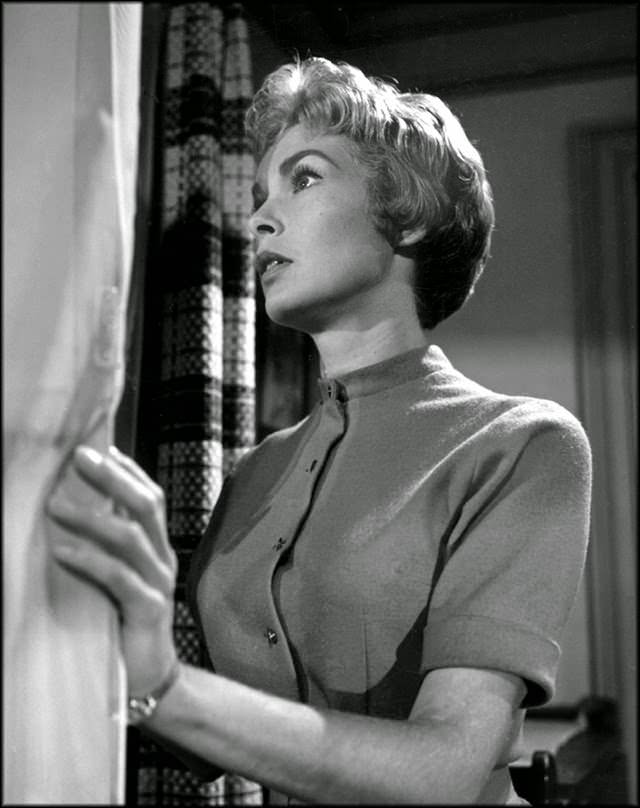
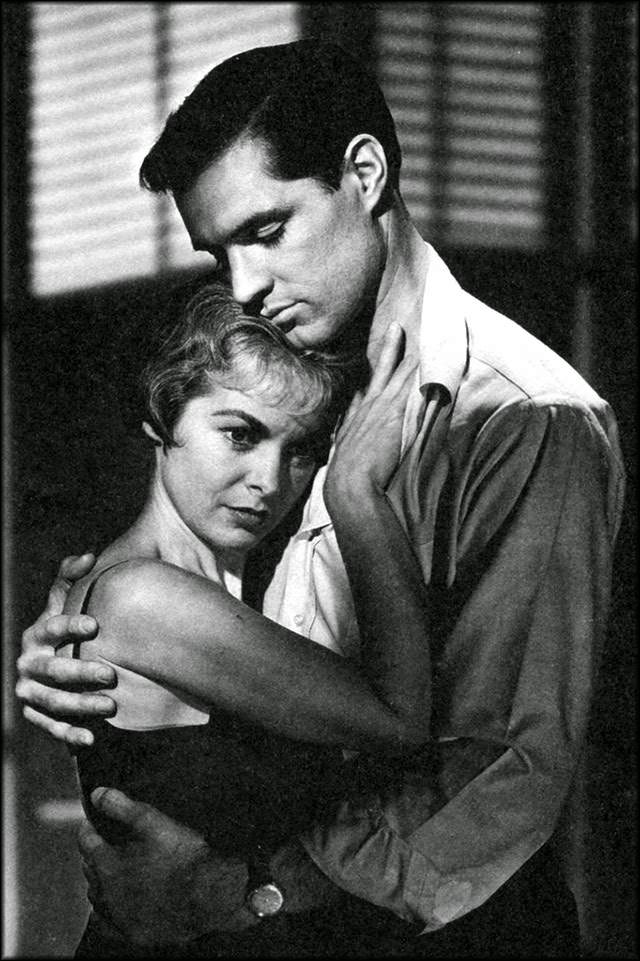
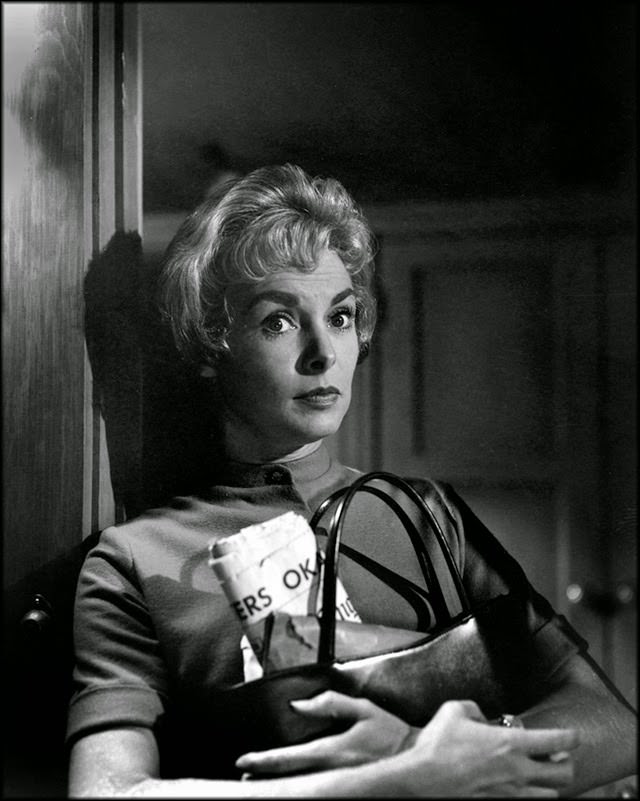
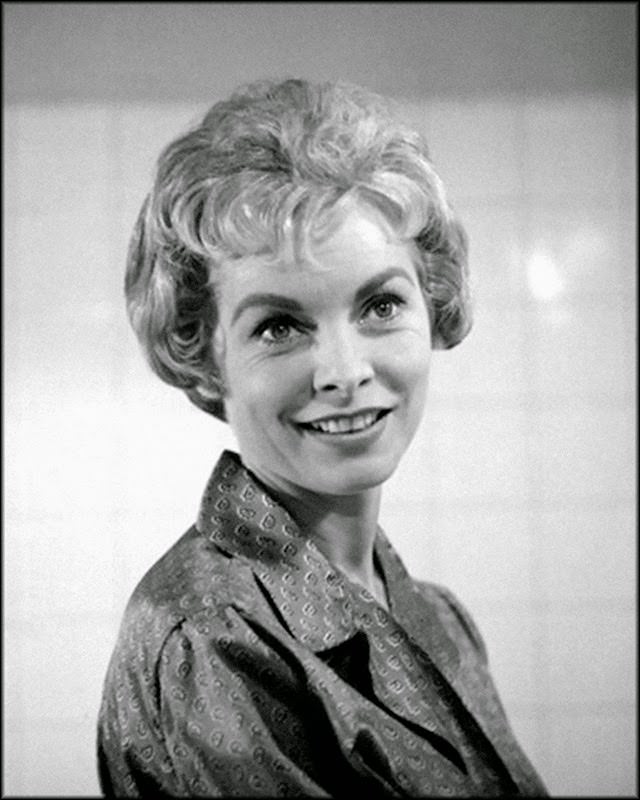
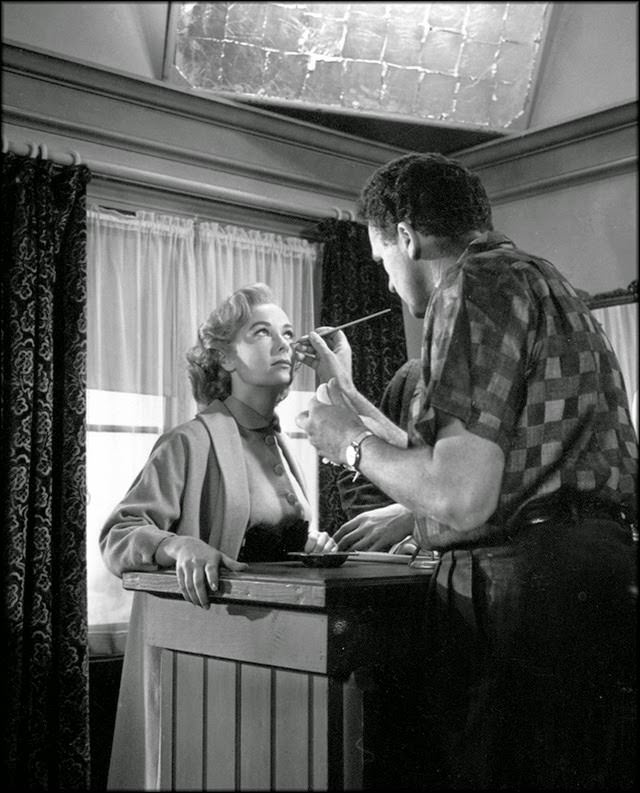
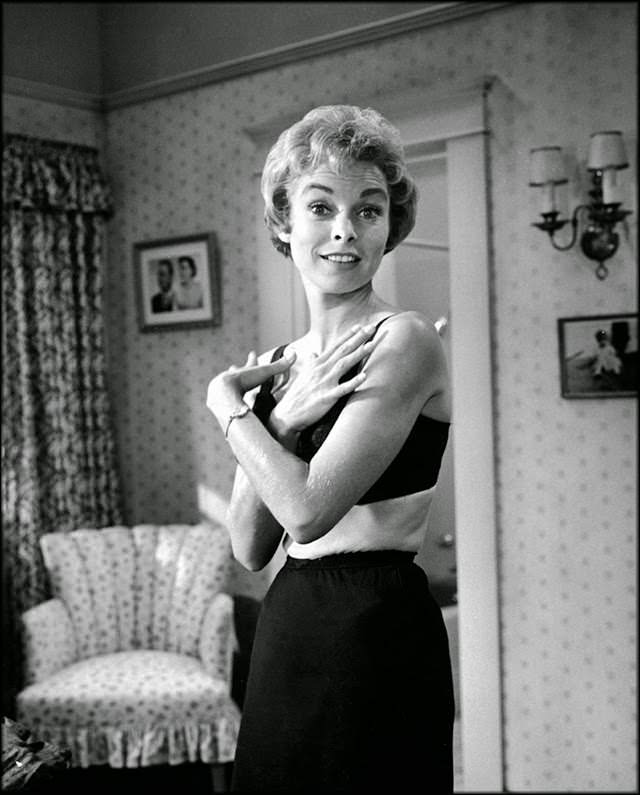
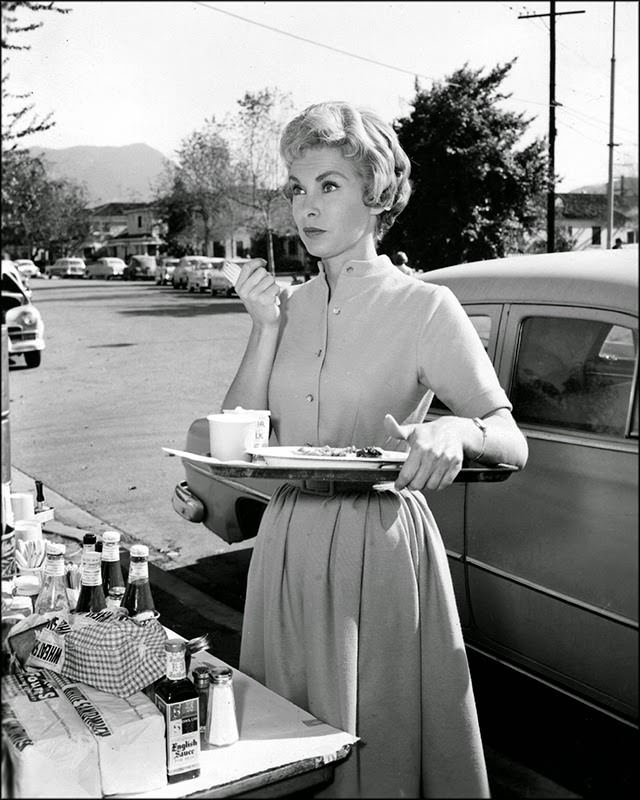
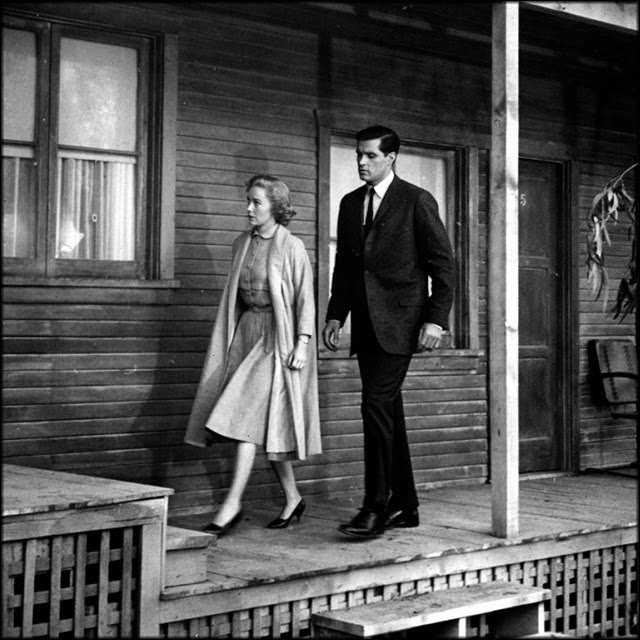
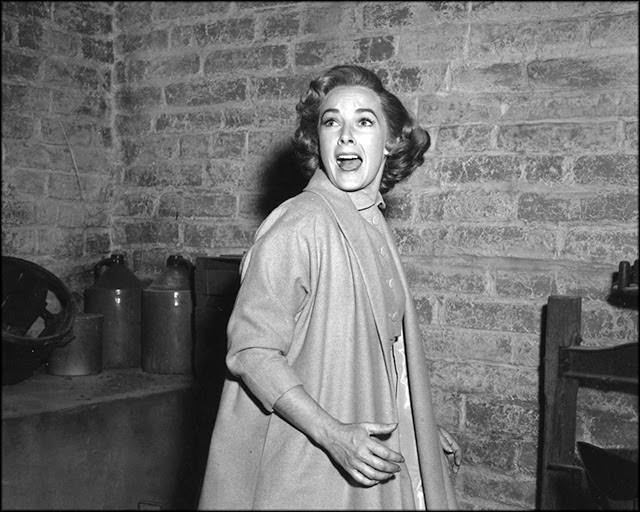
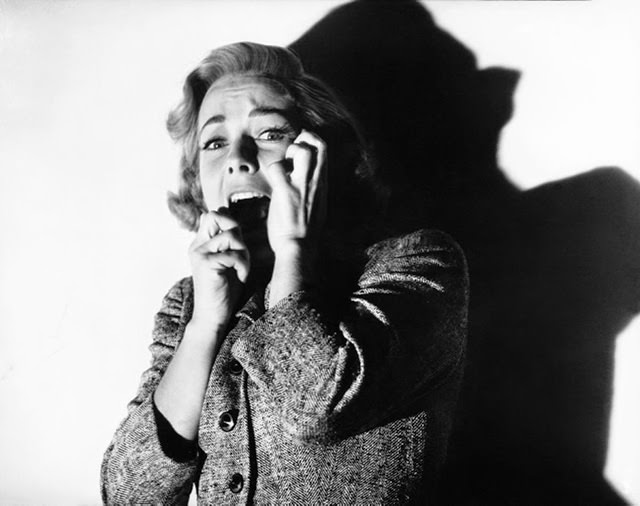
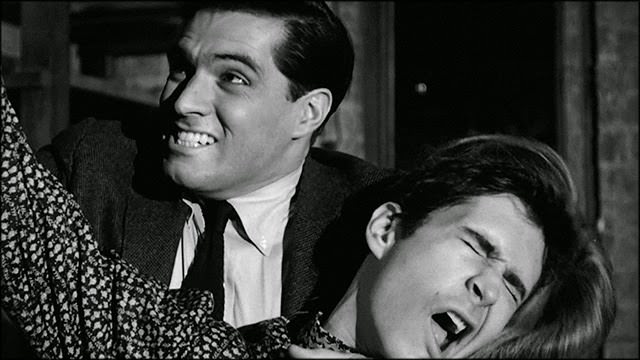
Alfred Hitchcock discovered the story of Psycho, through a review of Robert Bloch’s 1959 novel. The book drew inspiration from the real-life case of Ed Gein, a Wisconsin murderer who lived in isolation and preserved a shrine to his deceased mother. Hitchcock saw cinematic potential in the character of Norman Bates and purchased the film rights anonymously for $9,000. To protect the plot’s shocking twist, the director ordered his staff to buy as many copies of the novel as possible from bookstores. This prevented future audience members from reading the ending before the film’s release.
A Low-Budget Gamble
Paramount Pictures executives refused to fund the project. They viewed the subject matter as too repulsive and cheap for a prestigious studio. Undeterred, Hitchcock decided to finance the movie himself. He waived his standard director’s salary in exchange for 60% ownership of the film’s negatives. To keep the budget strictly under $1 million, he utilized the efficient technical crew from his television series, Alfred Hitchcock Presents. He also chose to shoot in black and white. This decision cut lighting costs and ensured that the blood on screen would not appear too graphic for censorship boards.
Designing the Bates Motel
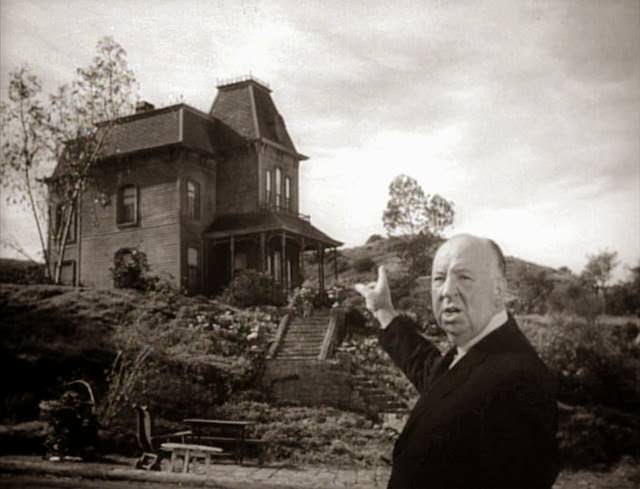
The production team constructed the Bates Motel and the ominous house on the Universal Studios backlot. The design for the Gothic house came directly from Edward Hopper’s painting The House by the Railroad. The structure was a “forced perspective” set. It was built smaller than a real house to make it appear taller and more distant when viewed from the motel angle. The building was only a facade consisting of a front and one side. All interior scenes occurred on separate soundstages where the crew could control the walls and lighting.
Read more
Filming the Shower Scene
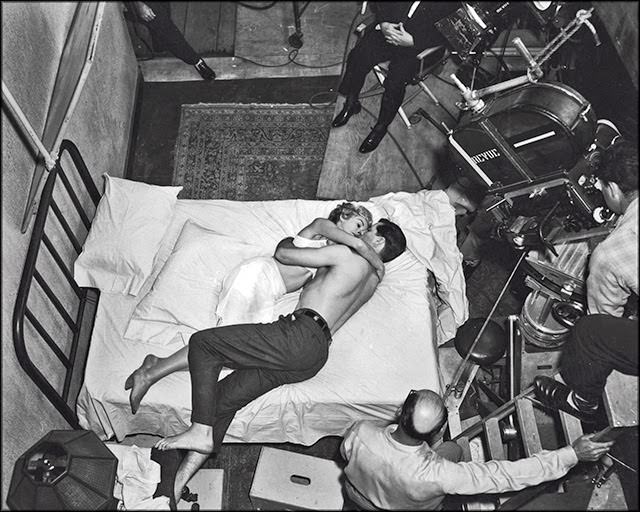
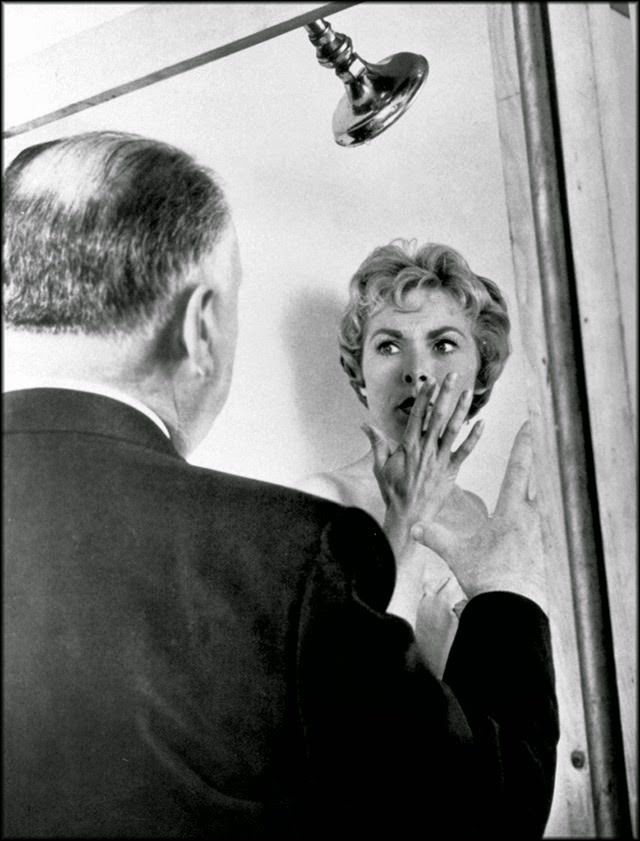
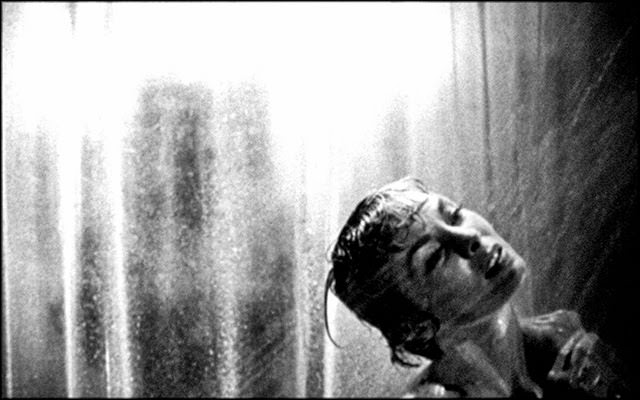
The murder in the shower stands as the film’s most complex sequence. Filming this 45-second scene took seven days to complete. Hitchcock used 78 different camera setups and 52 rapid edits to simulate extreme violence without showing the knife actually piercing the skin. Janet Leigh wore moleskin patches to cover her body during the long shoots. The special effects team used Bosco’s chocolate syrup as blood because it provided better contrast on black-and-white film than red stage blood. To create the visceral sound of the knife stabbing flesh, the sound department recorded a knife plunging into a casaba melon.
The String Score
Composer Bernard Herrmann created the film’s terrifying atmosphere using only a string orchestra. Hitchcock initially instructed Herrmann to leave the shower scene completely silent, believing the visuals were strong enough on their own. Herrmann ignored this directive and composed the famous screeching violin piece known as “The Murder.” When Hitchcock viewed the scene with the music, he immediately reversed his decision. He admitted the score significantly intensified the terror and later doubled Herrmann’s salary.
Changing Moviegoing Habits
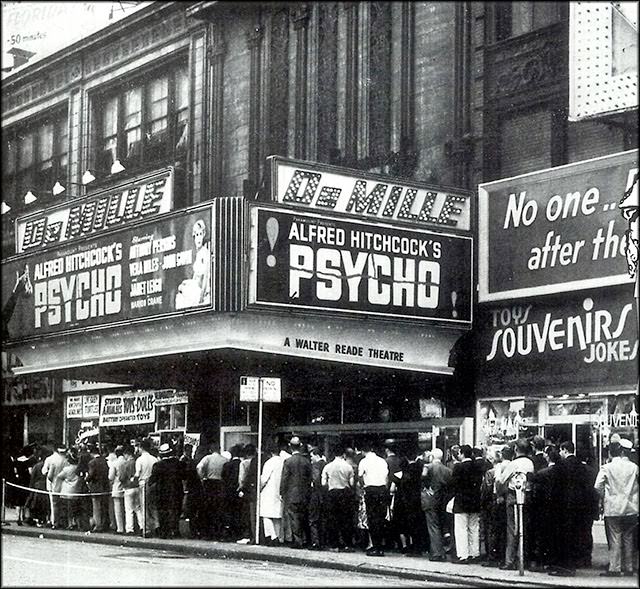
Hitchcock engineered a unique marketing campaign to ensure the audience’s attention. In 1960, moviegoers commonly entered theaters at random times and stayed to watch the next showing to see what they missed. Hitchcock forbade this practice for Psycho. He insisted that theaters strictly enforce a “no late admissions” policy. Promotional posters declared that the manager had been instructed to admit no one after the film started. This created long lines outside cinemas and generated intense curiosity, turning the movie into a cultural event.