
Alexandria, Virginia, carries more than 10,000 years of human history within its borders, making it one of the oldest continuously inhabited places in the United States. Sitting just a few miles south of Washington, D.C., along the western bank of the Potomac River, Alexandria was formally incorporated as a city in 1749. Two hundred years later, in 1949, it became only the third city in the entire country to receive a national historic district designation — a title that recognized what anyone walking its streets could already see: this city had been exceptionally well preserved.
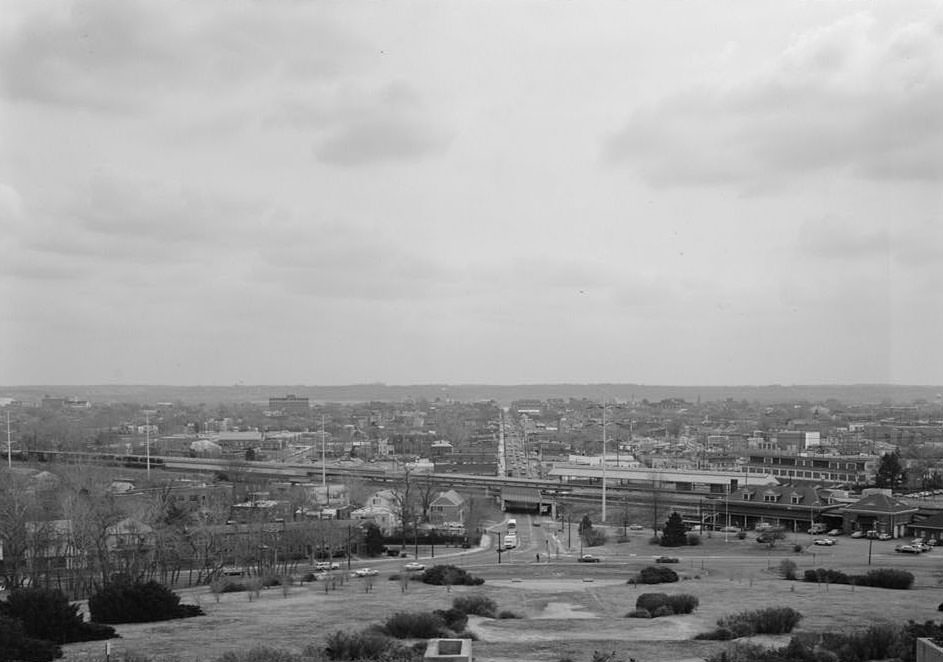
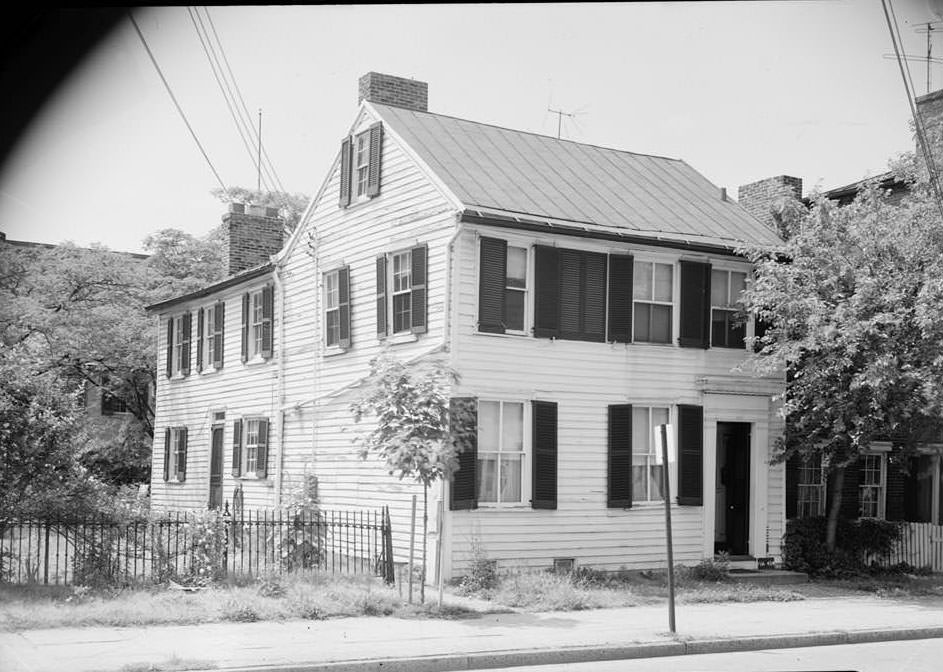
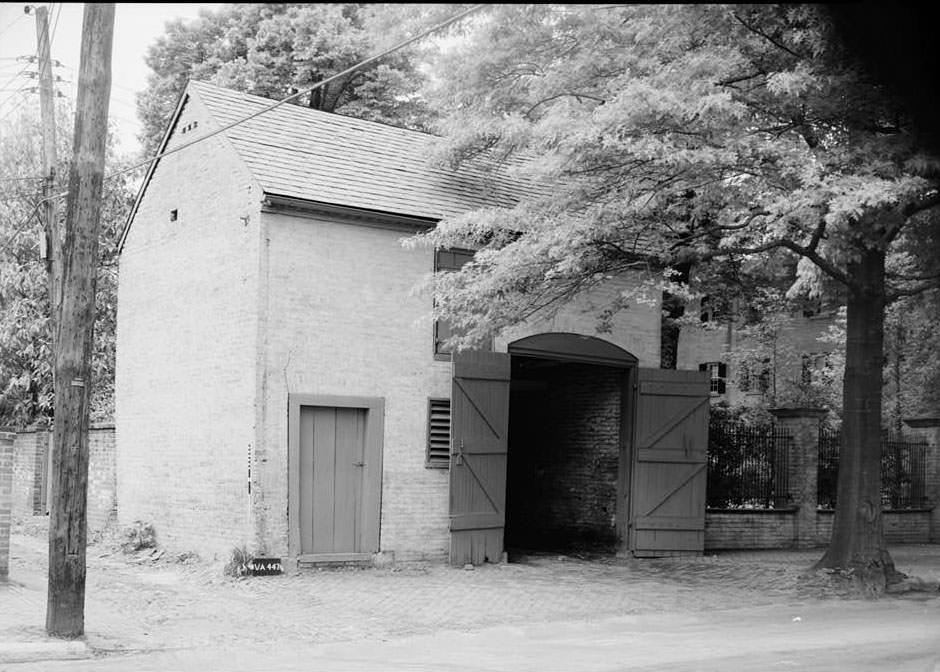
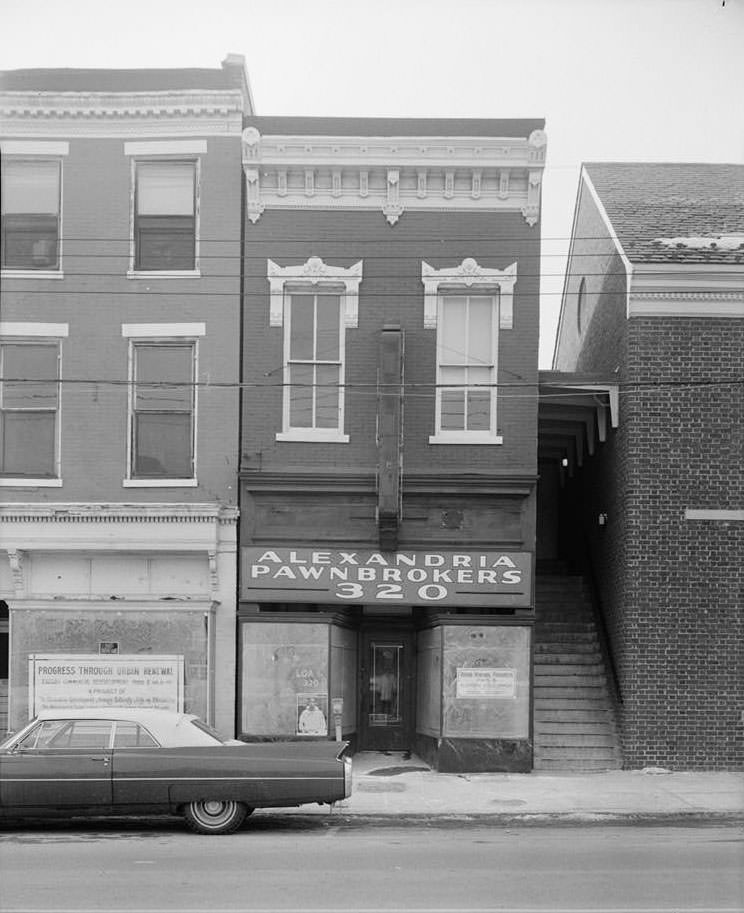
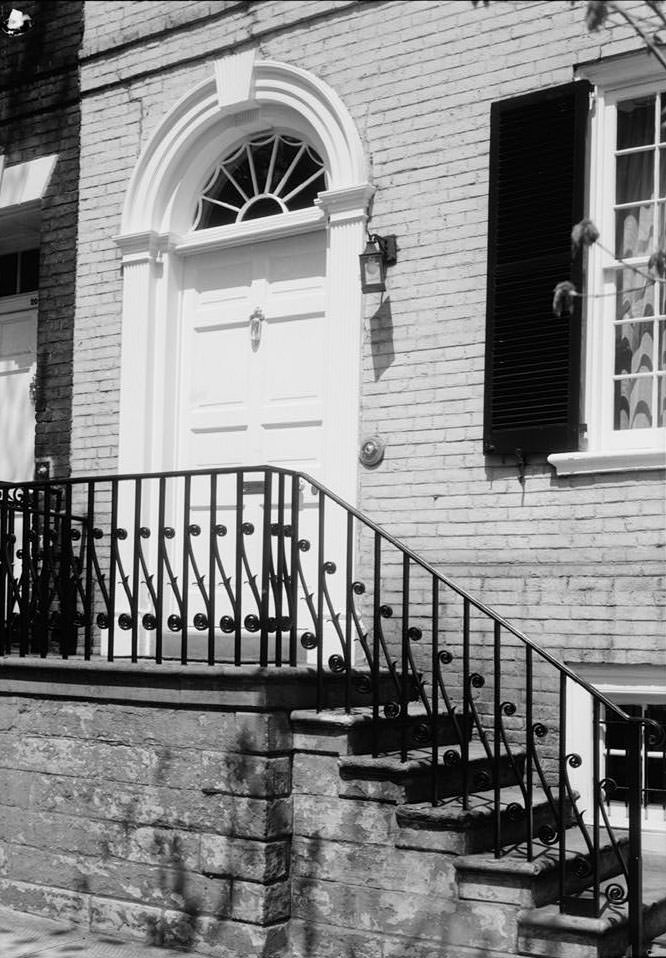
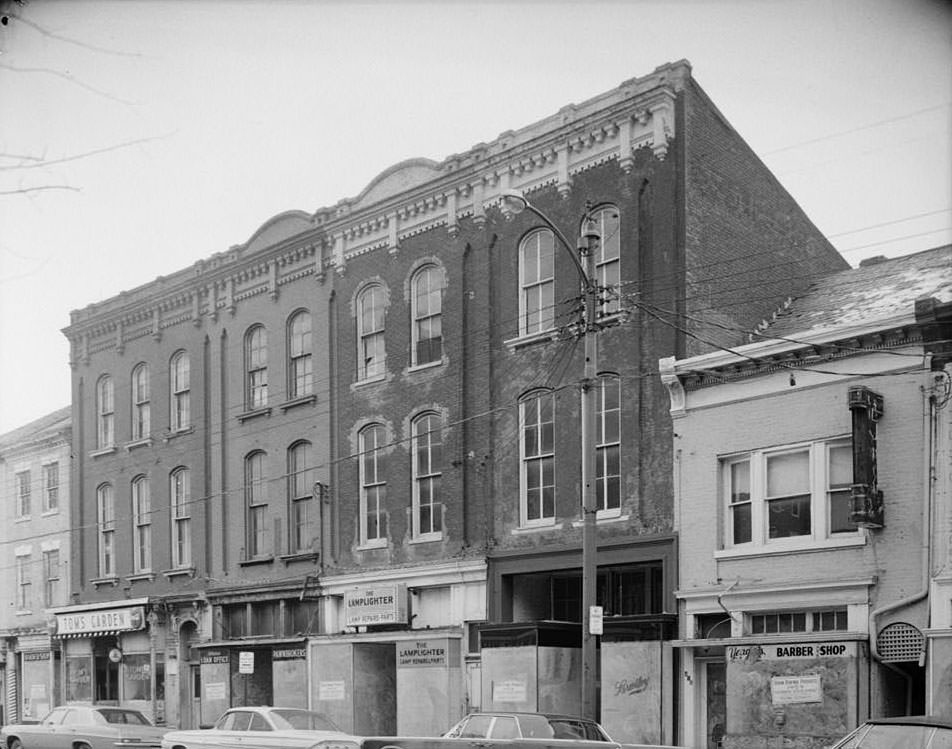
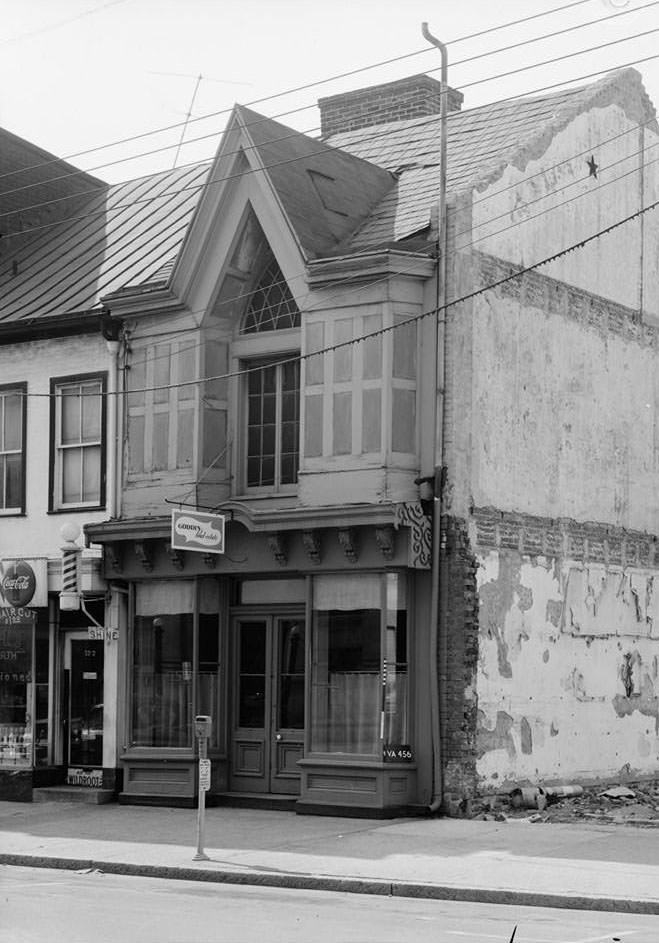
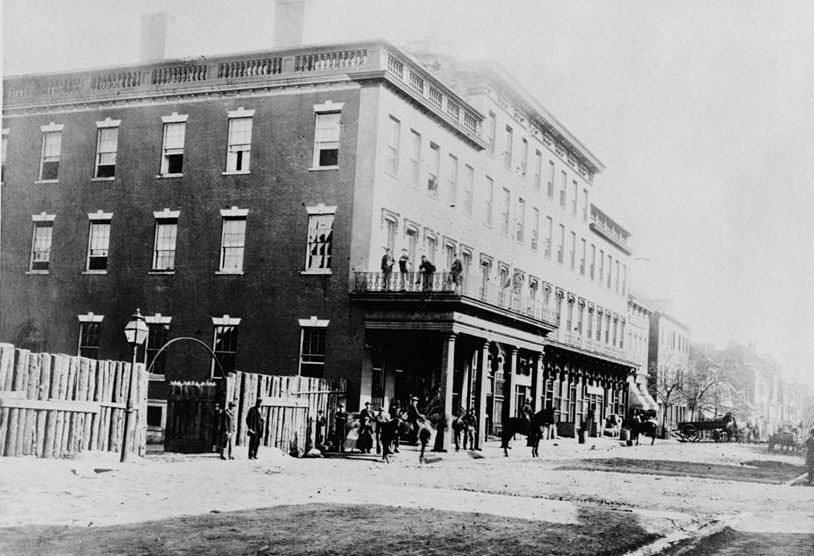
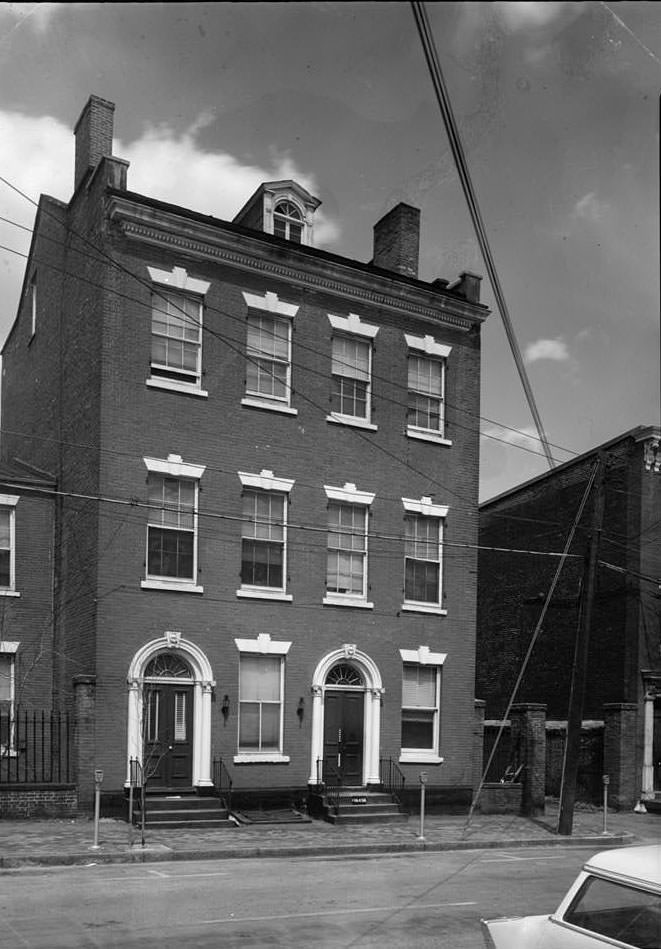
By the time the 1970s arrived, Alexandria had a population of around 110,927 residents, and the city was actively growing. Its tree-lined streets were packed with Federal-style architecture, row houses, churches, and commercial buildings that dated back to the 18th and 19th centuries. These vintage photographs, taken during that decade, document the city block by block — a street-level record of what Alexandria actually looked like during that era.
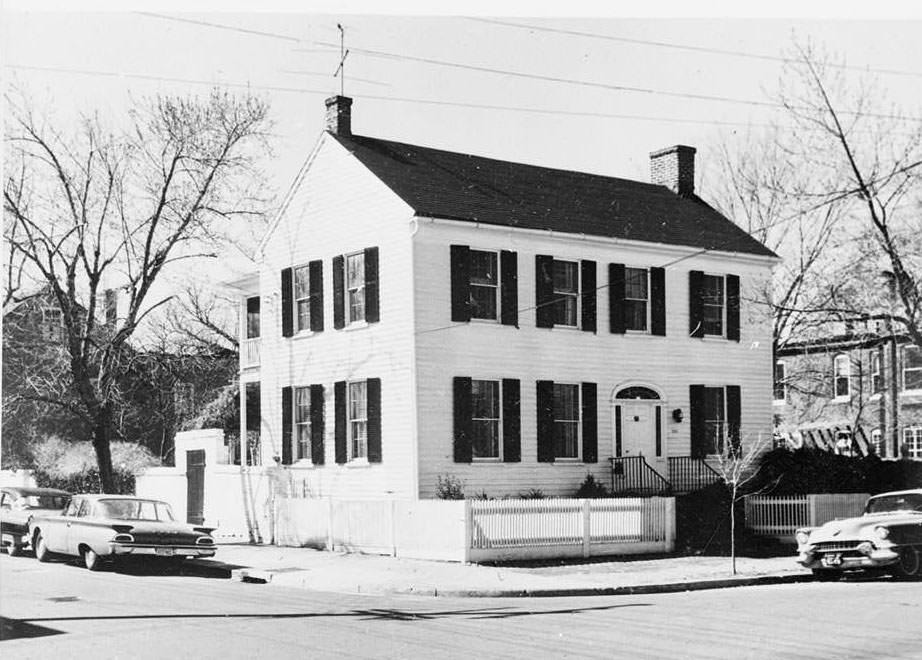
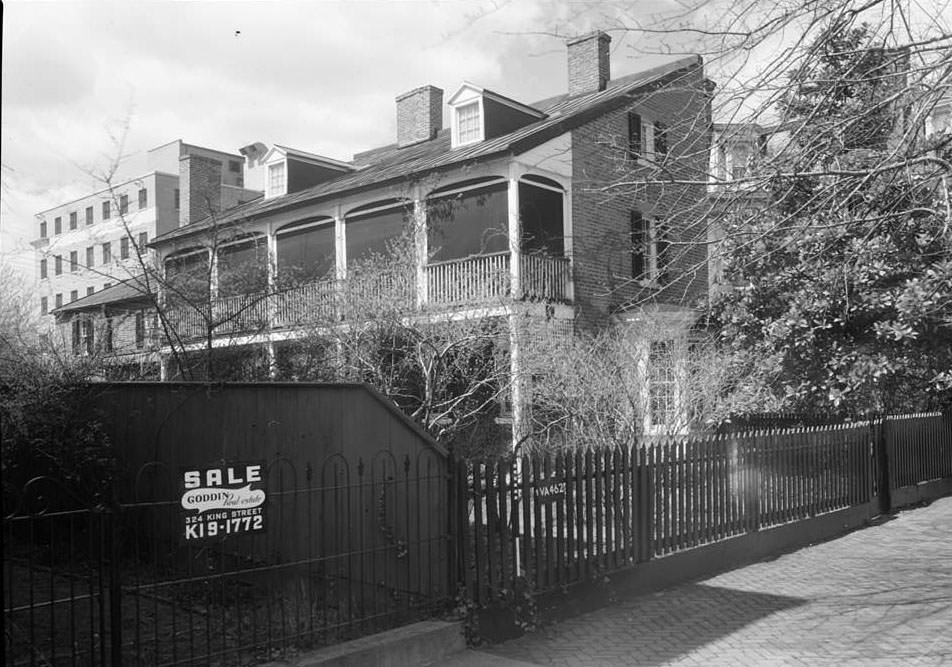
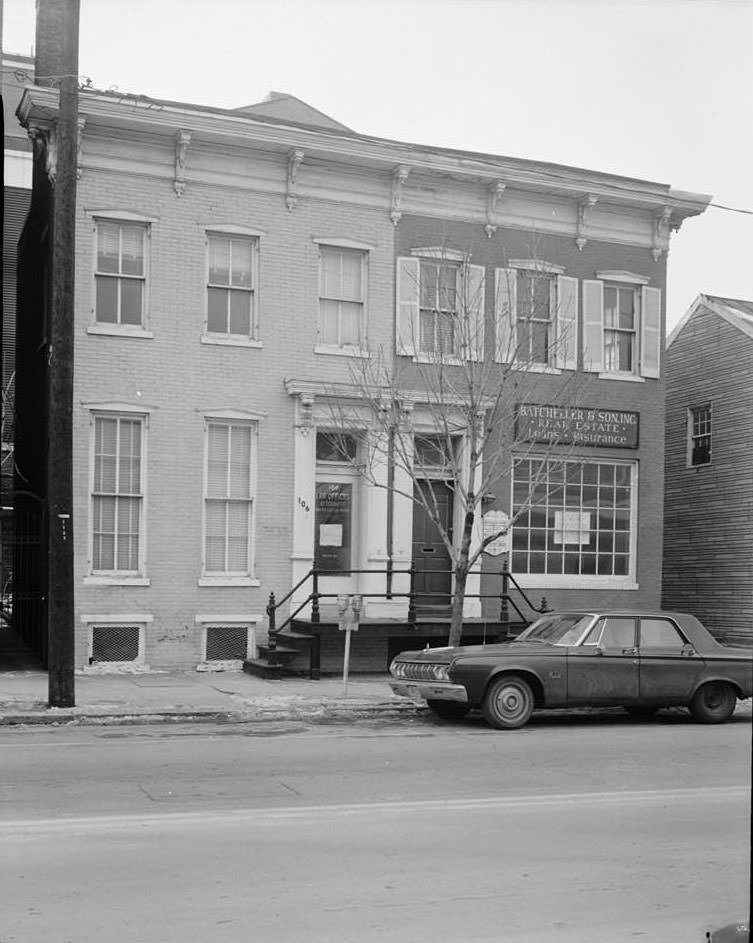
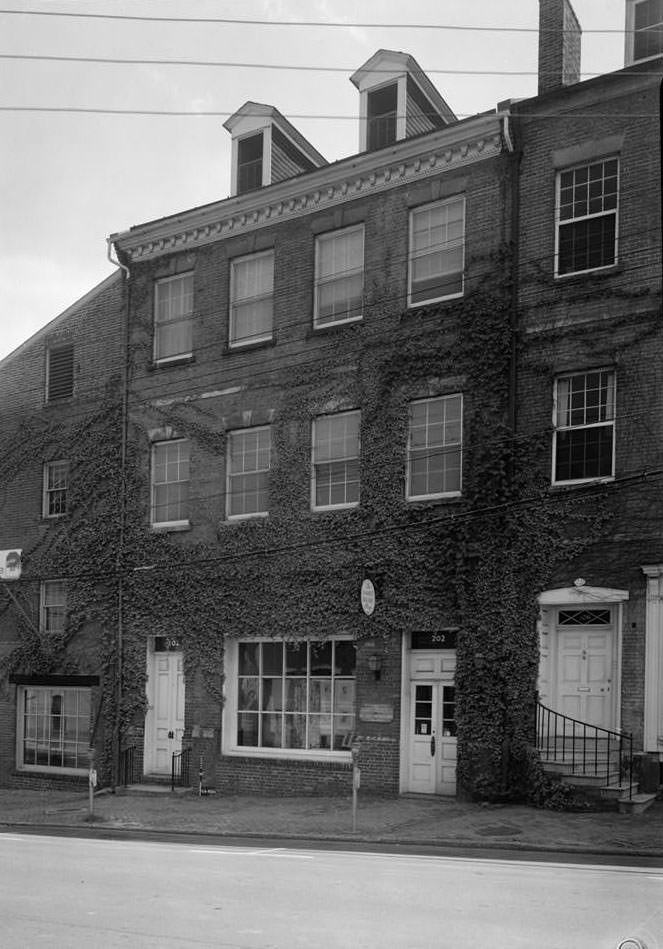
Duke Street was one of the city’s main arteries, running east to west through the historic core. The houses along its length ranged from modest brick structures to larger, more ornate homes. Many had been standing for well over a century by the time these photos were taken, their facades showing the particular worn elegance that comes from generations of use.
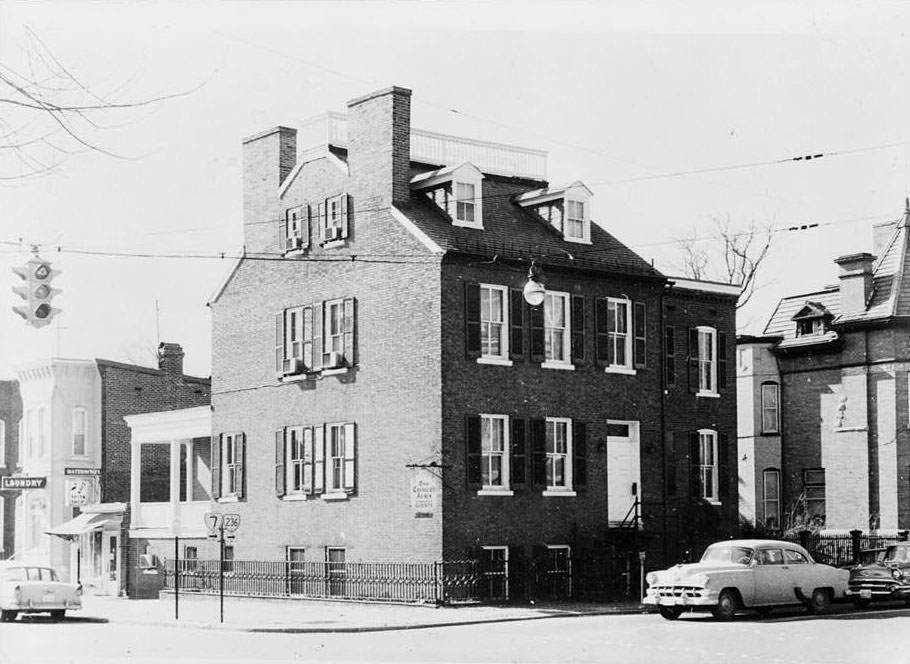
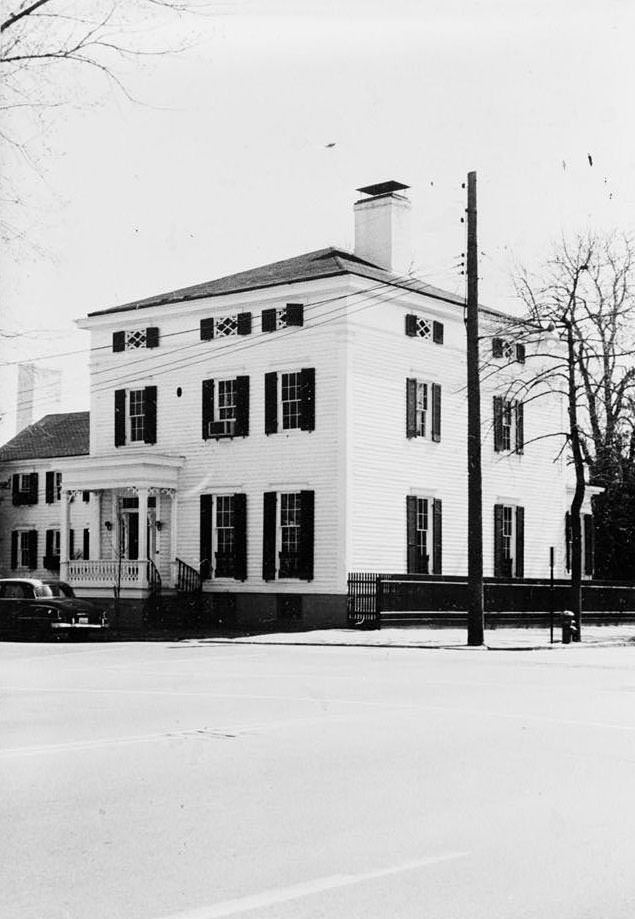
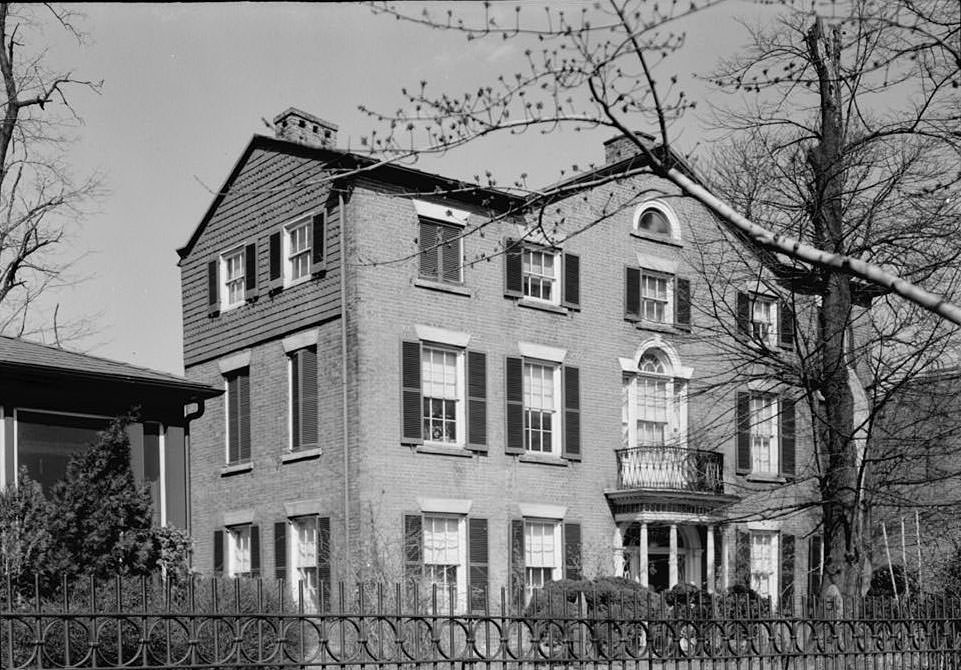
The Fendall House on Oronoco Street is one of Alexandria’s most notable surviving structures. Built in 1785 by Philip Richard Fendall, the house later became the home of Light-Horse Harry Lee and his family. It remained a private residence through much of Alexandria’s history before eventually opening to the public as a museum. In the 1970s, it still stood as a commanding presence on its street corner.
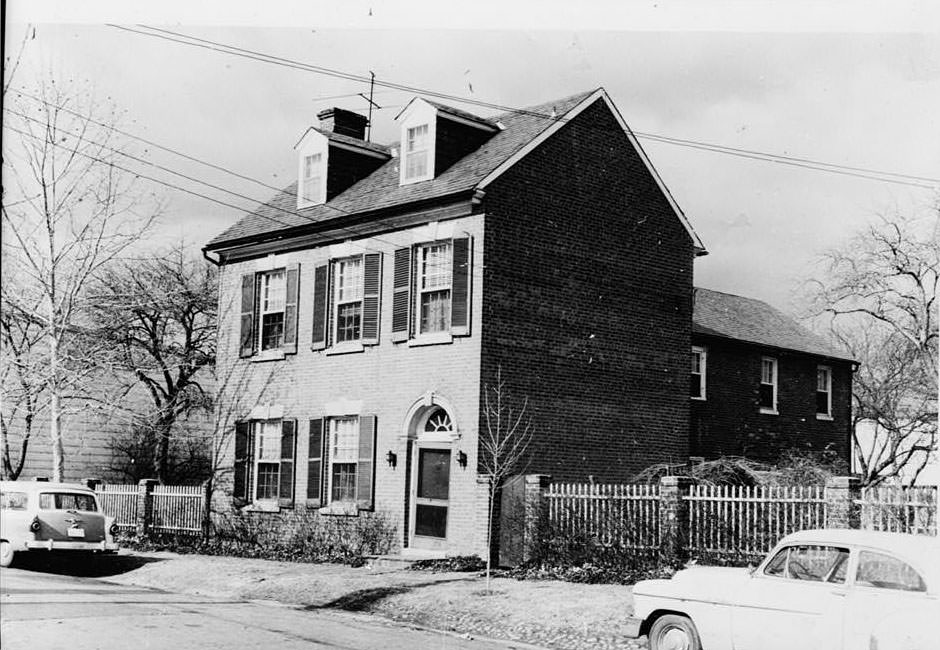
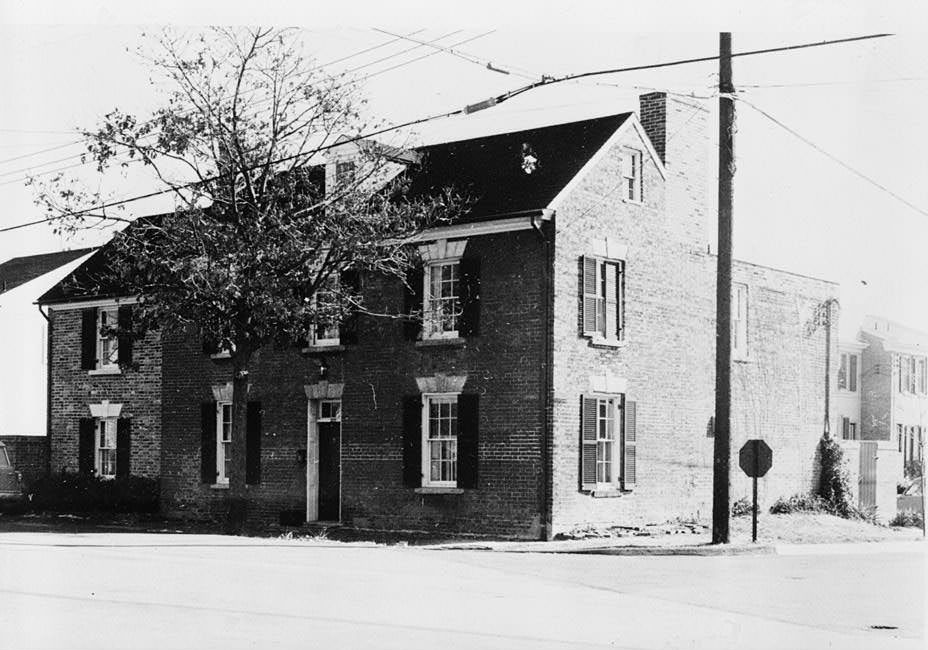
The residential streets of Old Town Alexandria told the story of the city through brickwork, shutters, and stoops. Jefferson Street, like so many others, was lined with houses that varied in size and style but shared a common language of Federal and Georgian architecture. Some homes had been updated over the decades; others looked nearly unchanged from their original construction.
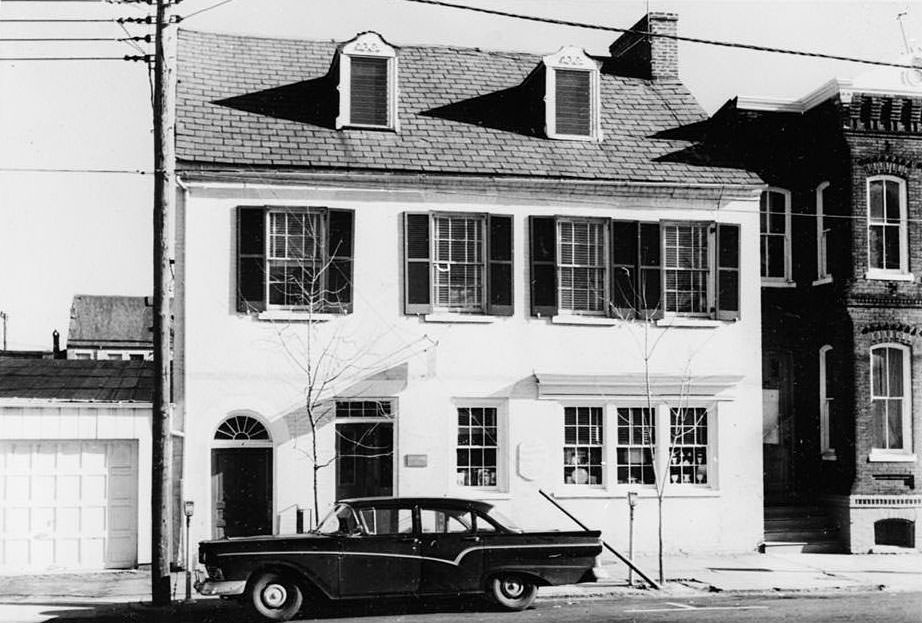
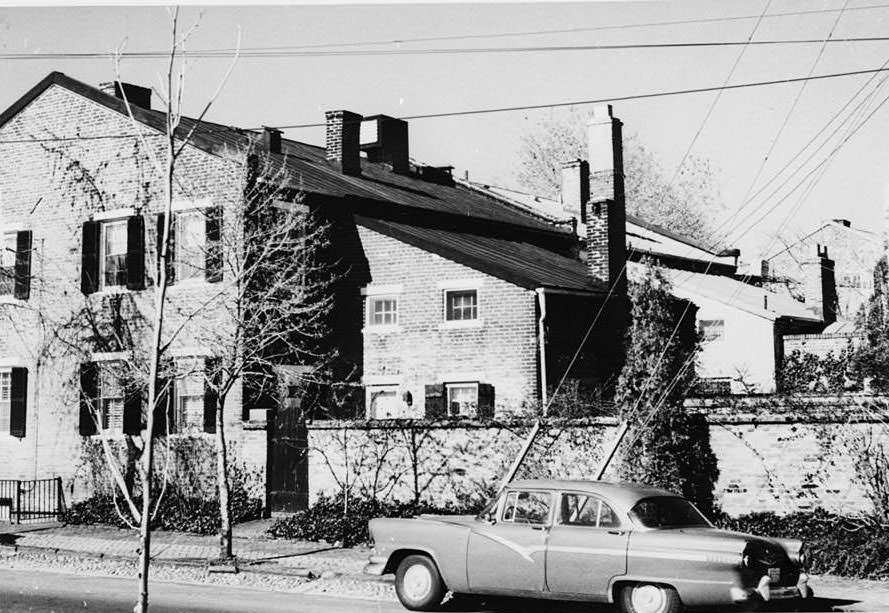
Queen Street offered some of the finest examples of row house architecture in the city. Row houses — attached dwellings that share side walls — were a common building form in 18th- and 19th-century Alexandria, where land was valuable and density was necessary. The houses along Queen Street sat close to the sidewalk, with uniform rooflines that gave each block a rhythmic, unified look.
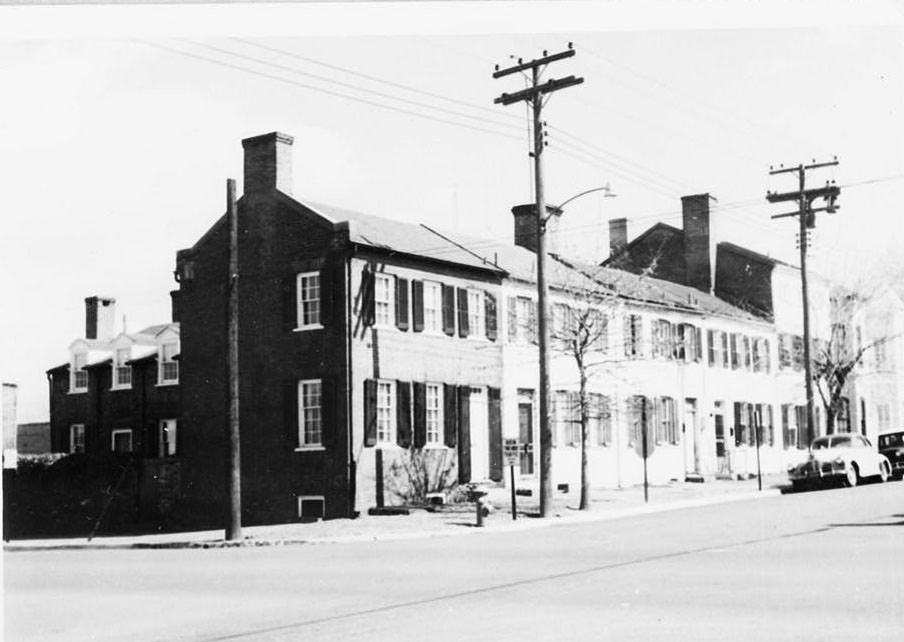
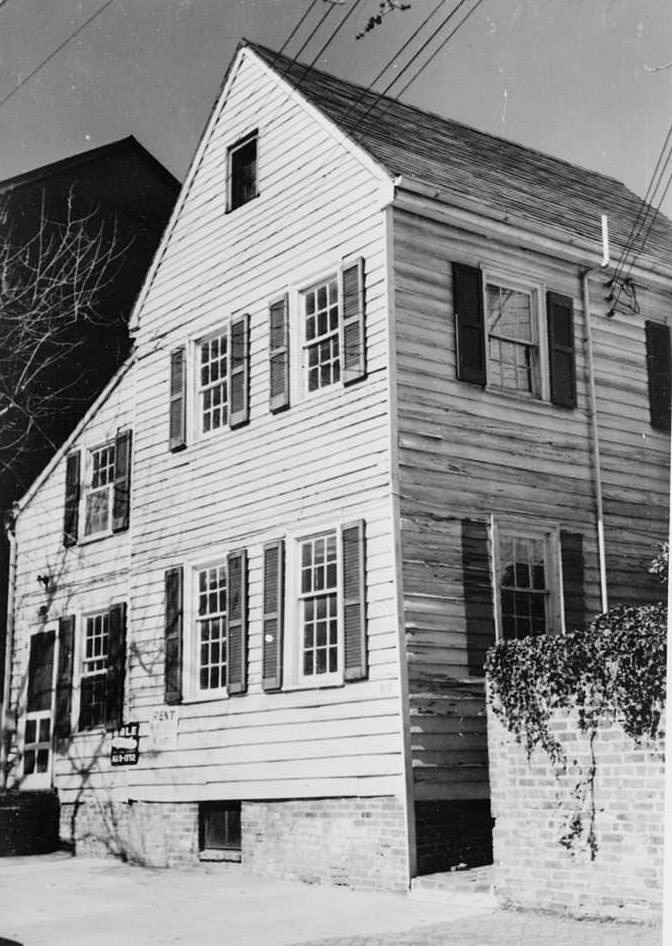
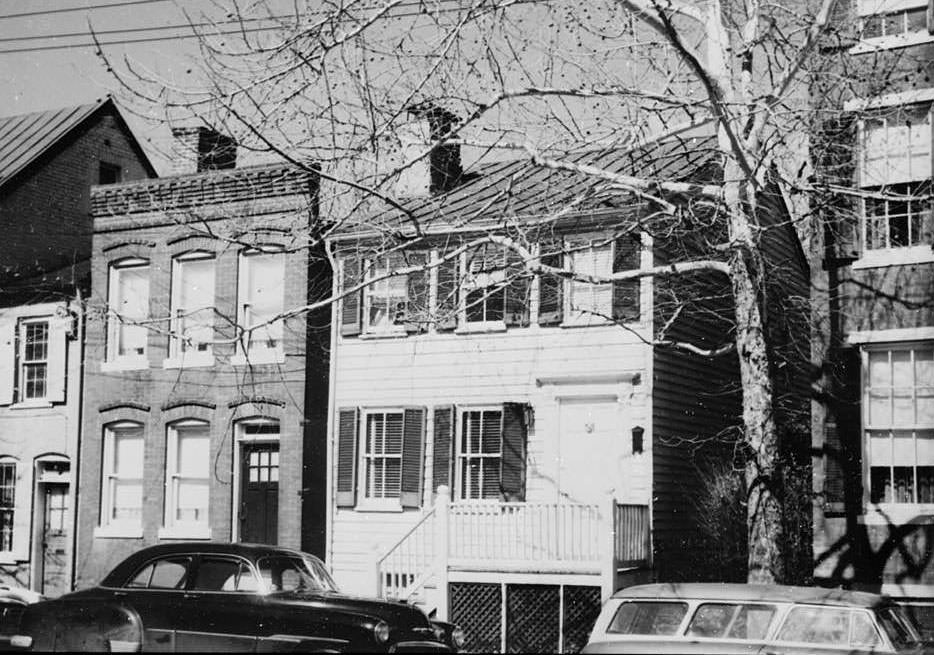
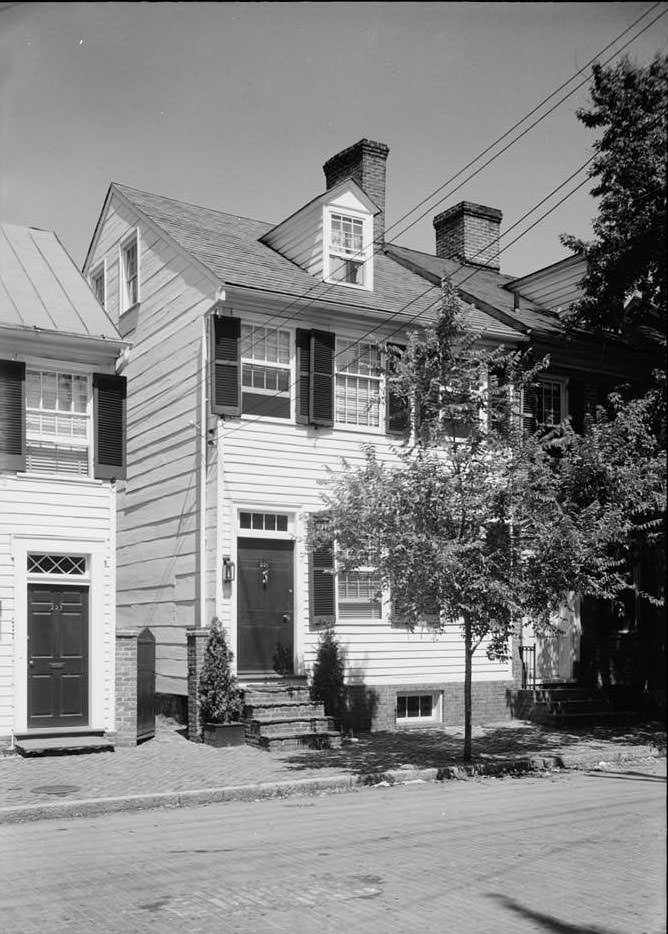
The Dennis Ramsay House on South Lee Street is one of several homes in Alexandria named for prominent early residents. Dennis Ramsay served as mayor of Alexandria in the late 18th century and was a close friend of George Washington. Washington’s Mount Vernon estate was only nine miles away from the city, and his presence shaped much of Alexandria’s early commercial and social life. The neighborhoods along South Lee Street preserved some of the closest architectural ties to that founding era.
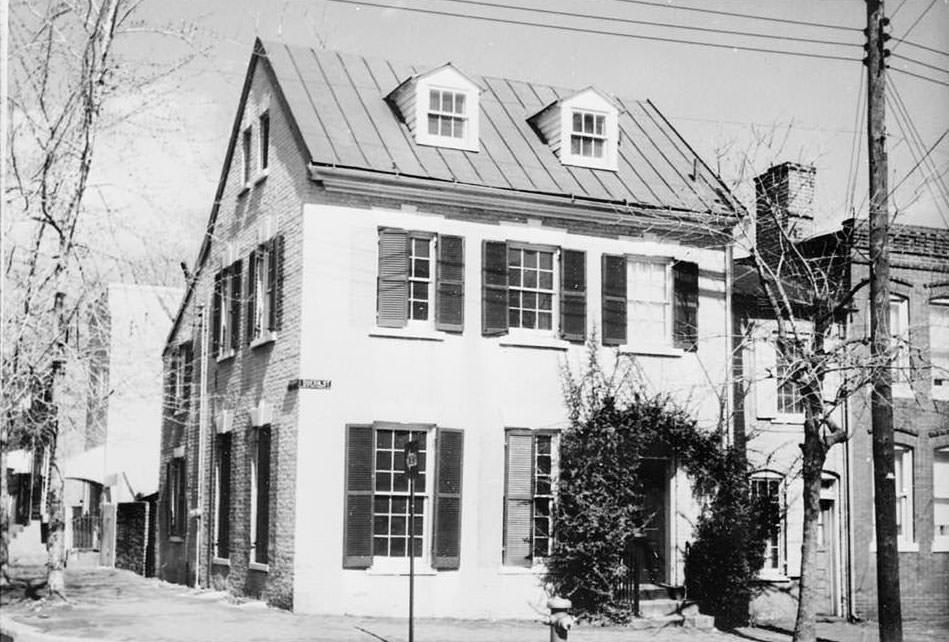
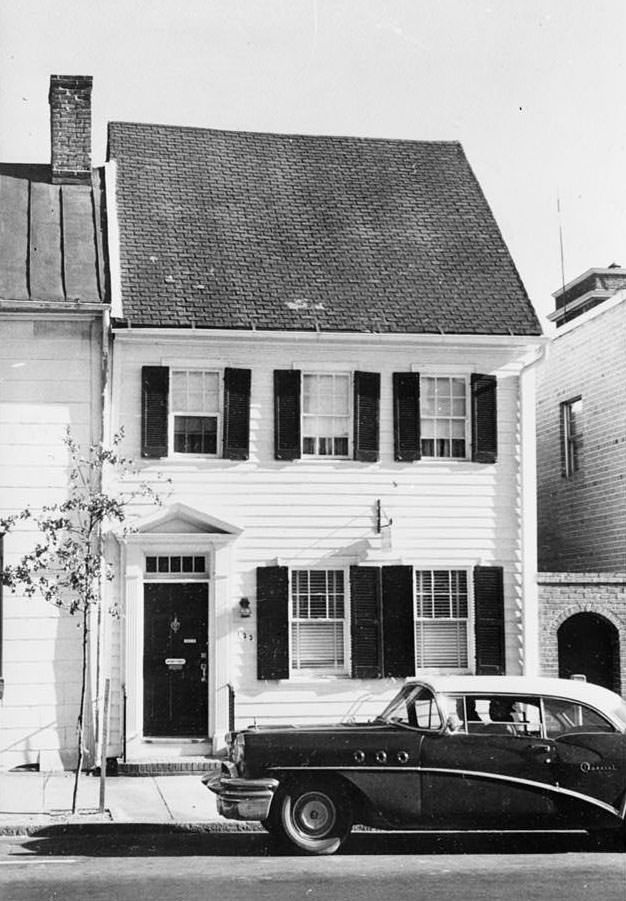
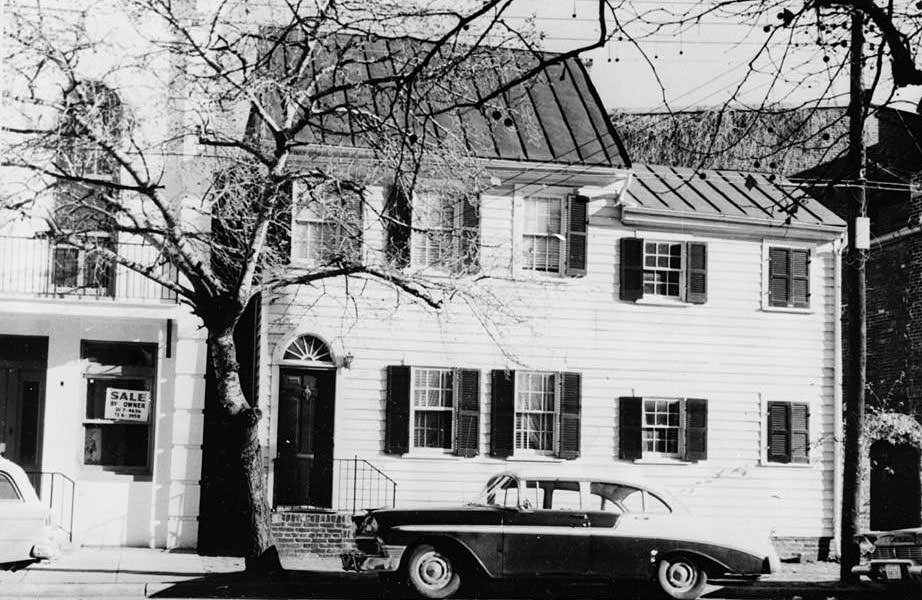
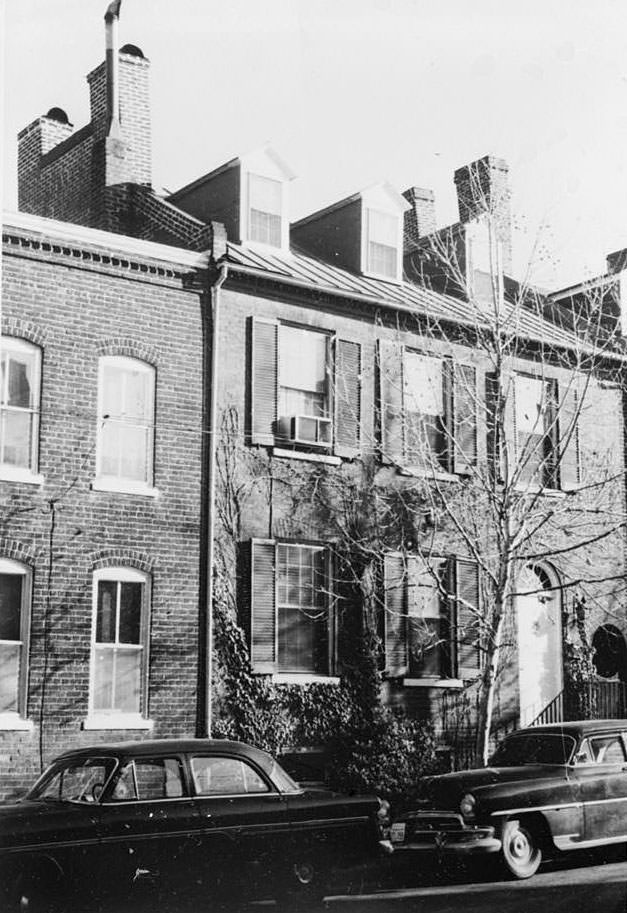
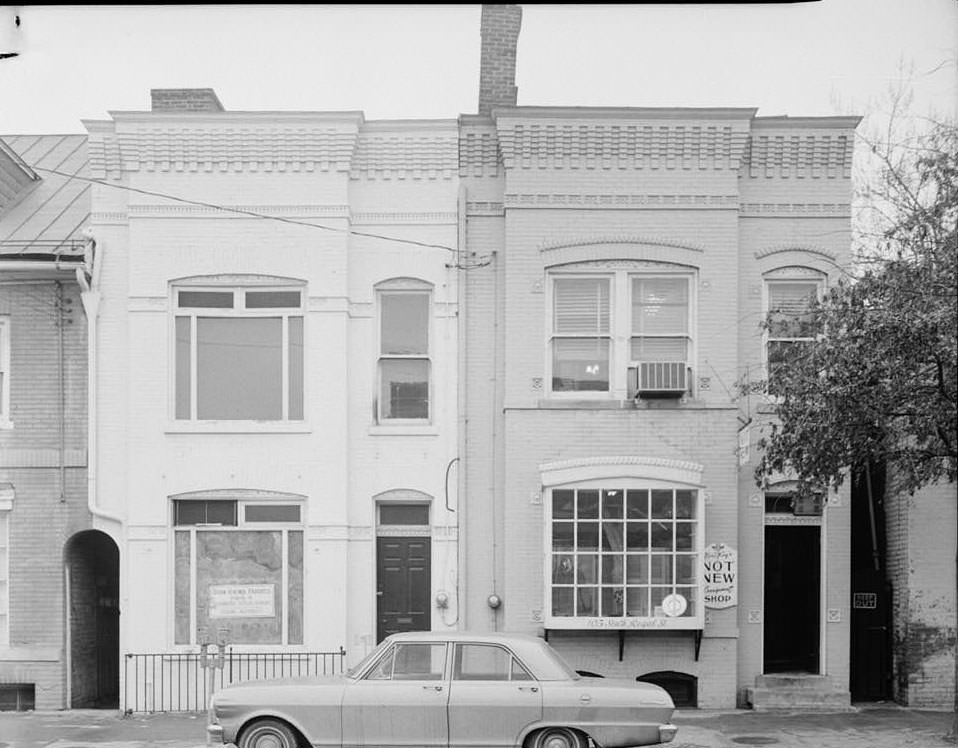
Royal Street ran north to south through Old Town and contained a dense concentration of historic homes on both its northern and southern ends. The architecture shifted subtly from block to block — some sections featured narrow brick townhouses with dormers; others had wider, more stately homes set slightly back from the street. The surveyors photographing these properties in the 1970s were capturing a resource that city planners and historians recognized as irreplaceable.
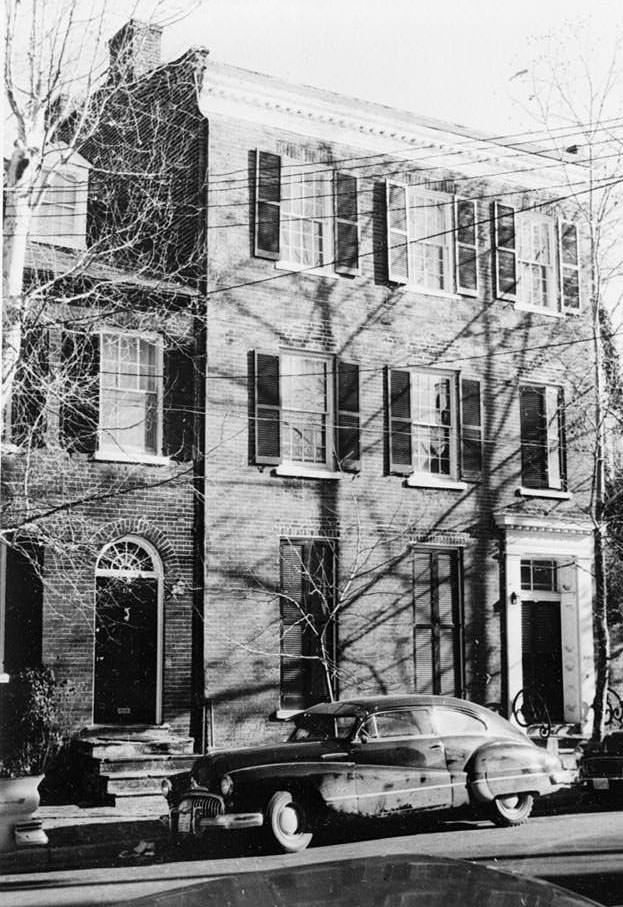
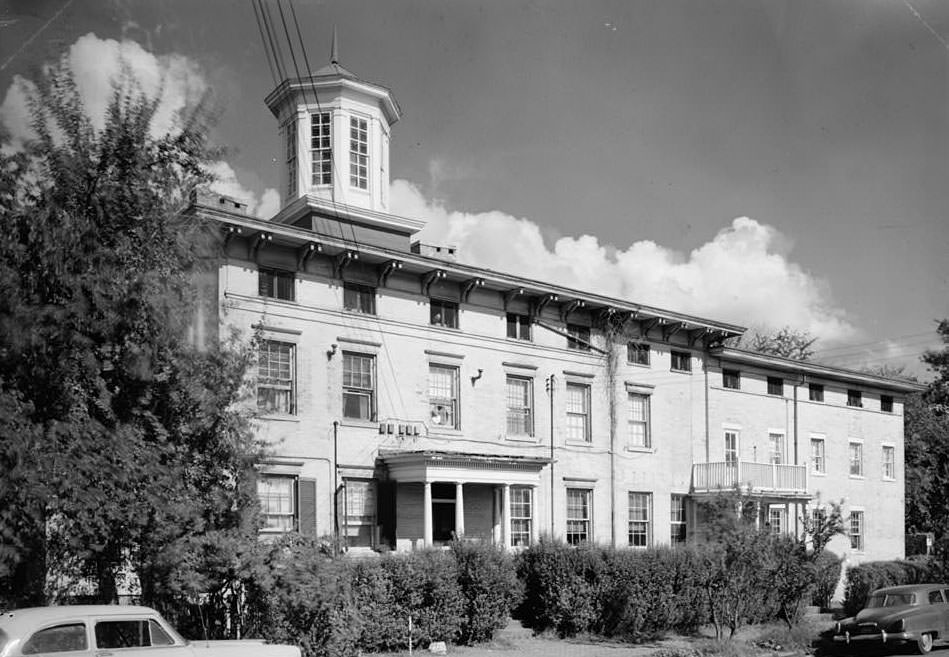
St. John’s Academy, located at the corner of Duke and South Columbus Streets, was one of Alexandria’s older educational institutions. The building’s presence in the 1970s photographs reflected the city’s long tradition of private schooling alongside its public system. That tradition was undergoing significant change at the time — in 1971, Alexandria consolidated all of its high school students into T.C. Williams High School. The same year, Herman Boone was hired as head football coach. His team went on to win the state championship and finished second in the national championship. The story was later dramatized in the 2000 film *Remember the Titans*, in which Denzel Washington portrayed Boone.
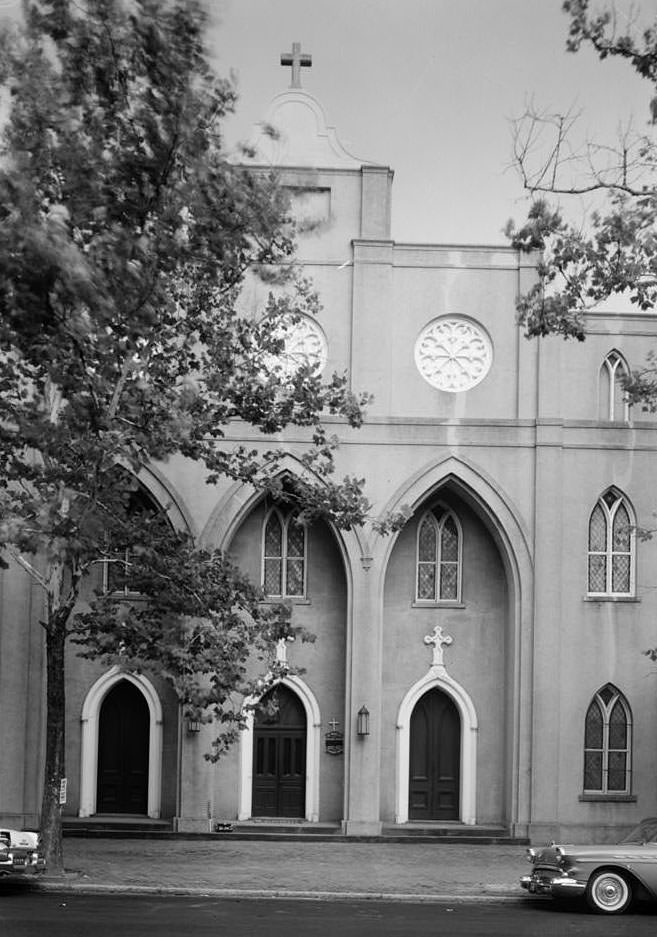
St. Paul’s Episcopal Church on South Pitt Street was one of several historic churches that shaped the city’s skyline and its community life. Episcopal churches were deeply woven into Alexandria’s founding fabric — Christ Church on Cameron Street, for example, counted George Washington and Robert E. Lee among its congregation. St. Paul’s, while smaller, was no less a part of the city’s religious geography, and its rectory on Duke Street stood nearby as an architectural companion to the main building.
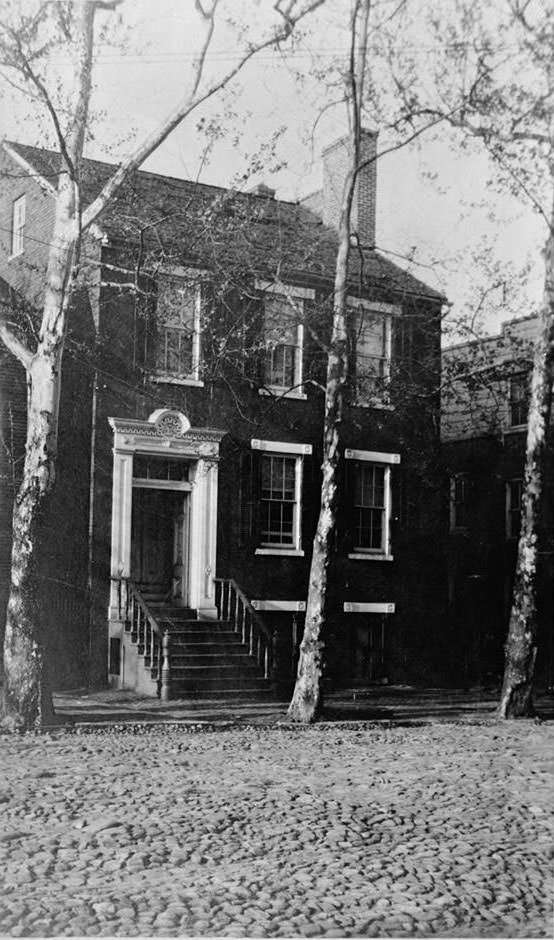
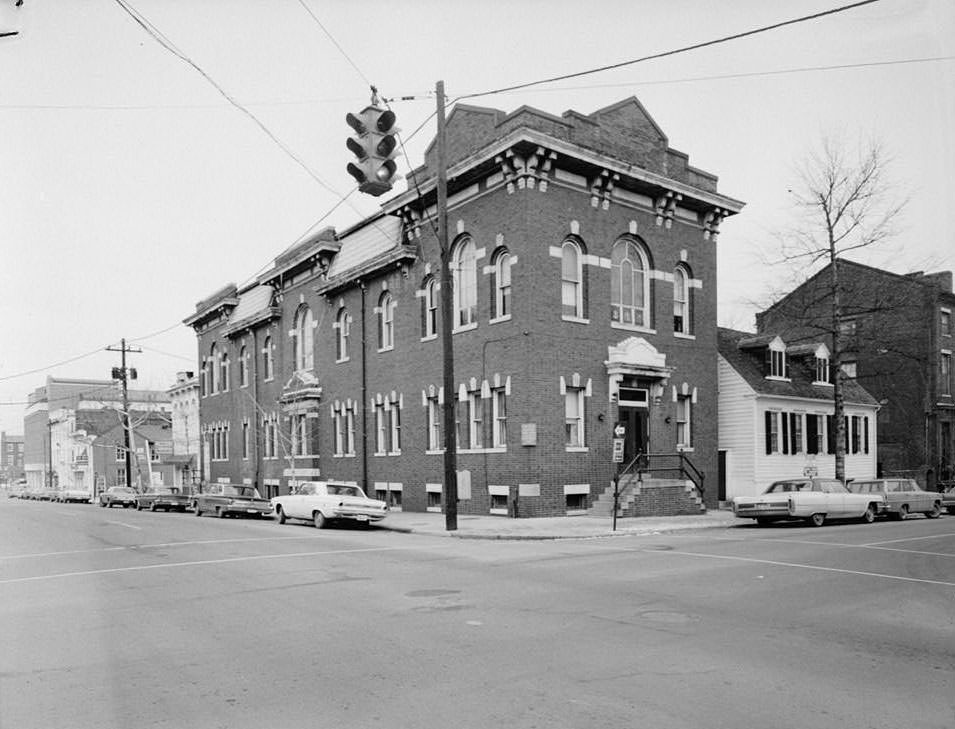
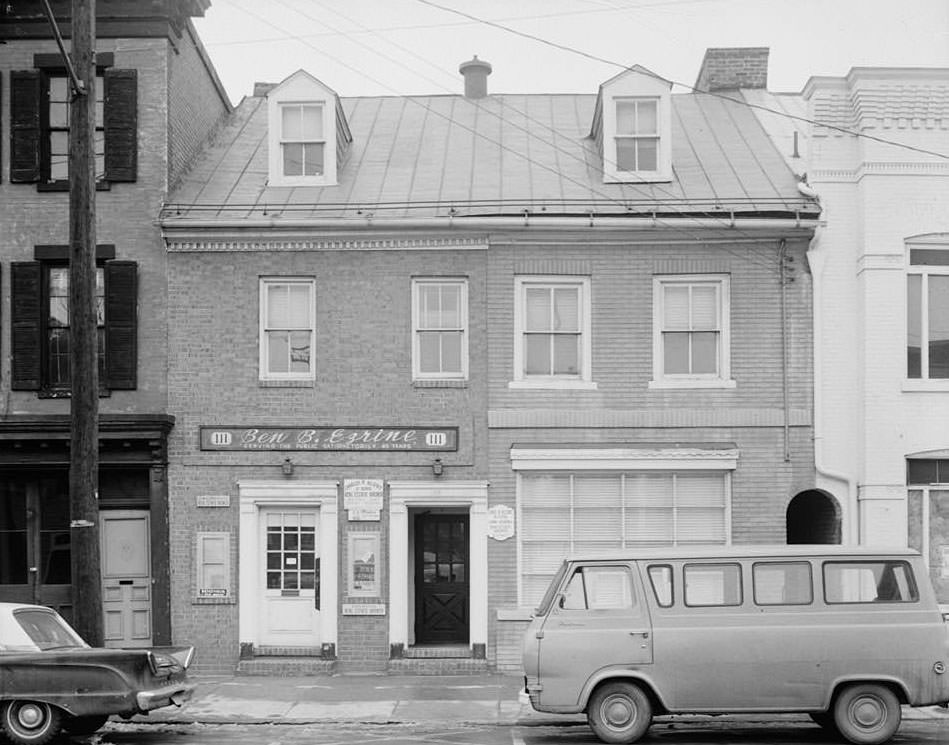
South Fairfax Street was among the most photographed corridors during the 1970s surveys, and for good reason. The 100 block alone contained a striking variety of buildings — private residences, commercial structures, and one of the city’s most famous landmarks. The Stabler-Leadbeater Apothecary Shop at 107 South Fairfax Street was in operation from 1792 until 1933, making it one of the oldest apothecaries in the country. George Washington and Robert E. Lee were both recorded customers. By the 1970s, the shop had been preserved as a museum, its original contents largely intact.
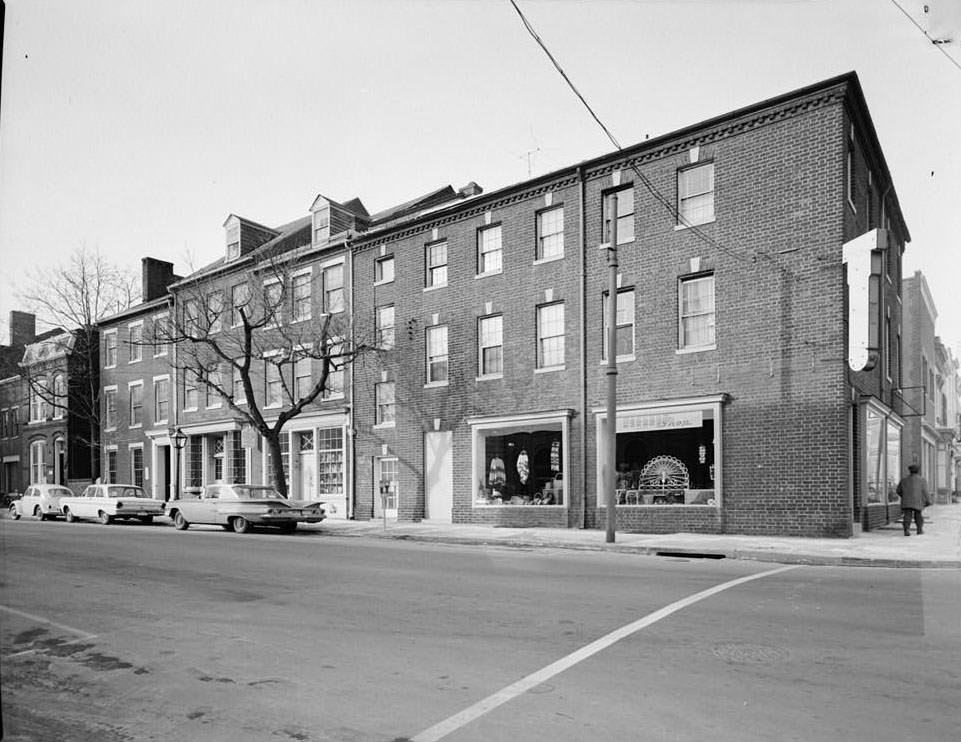
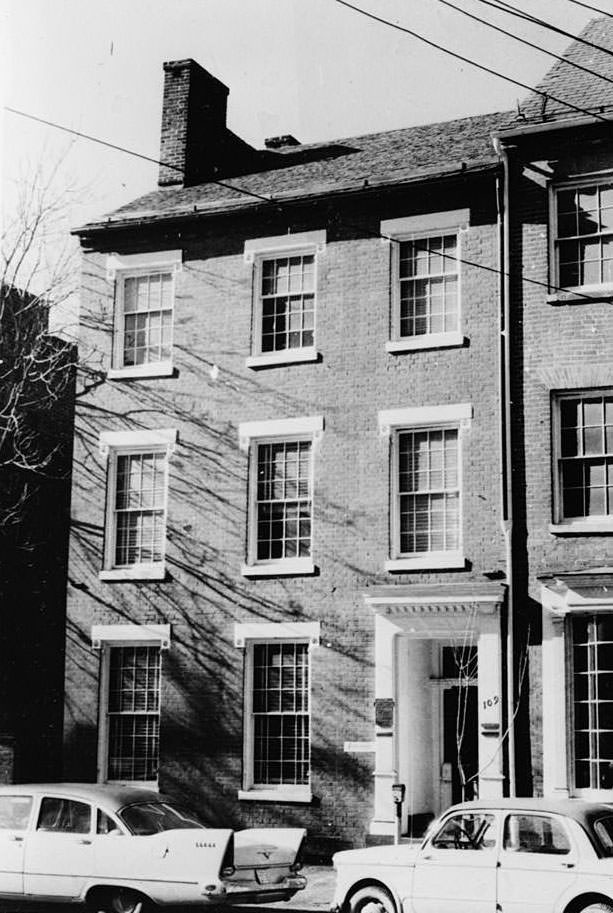
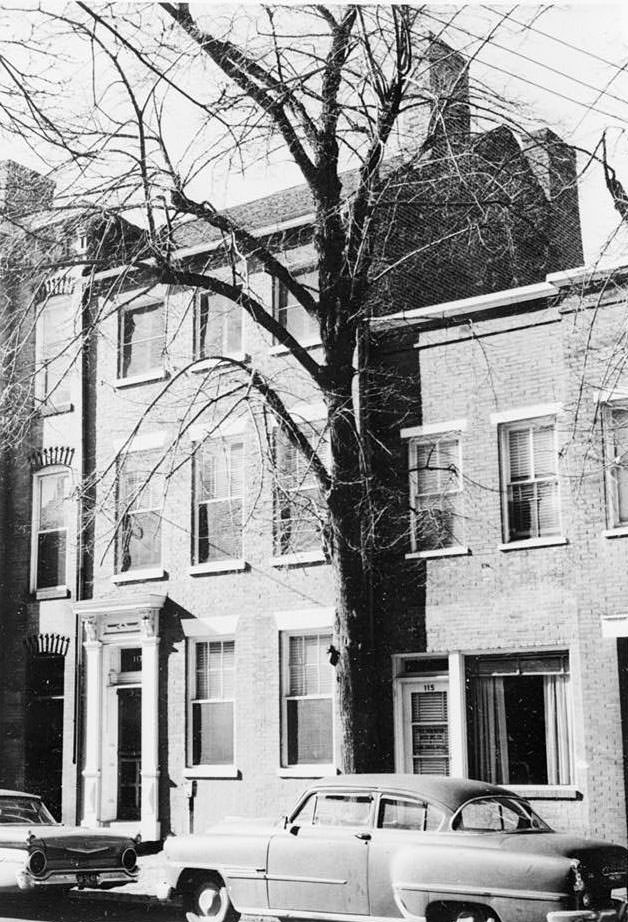
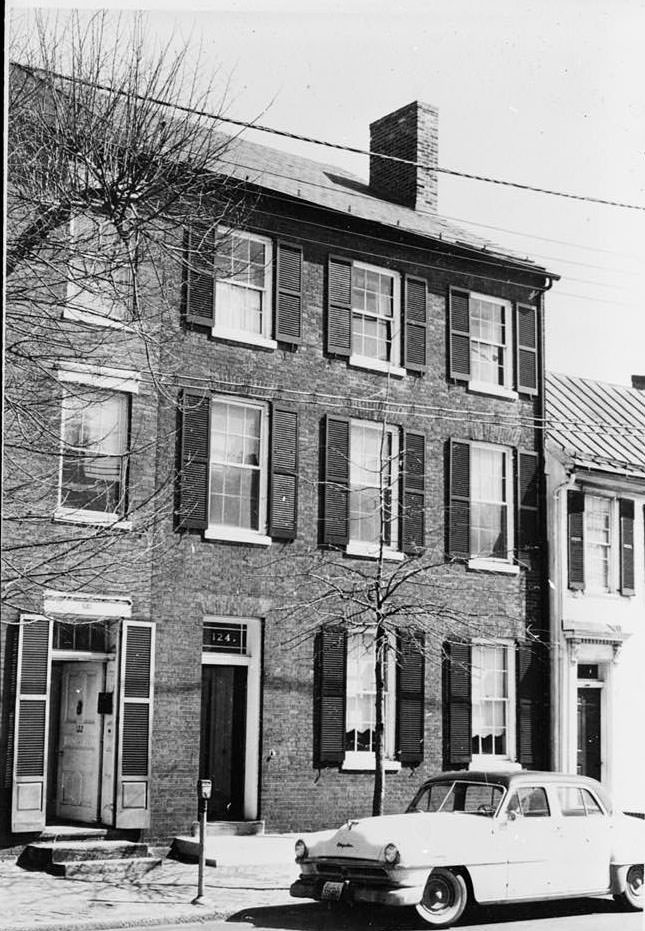
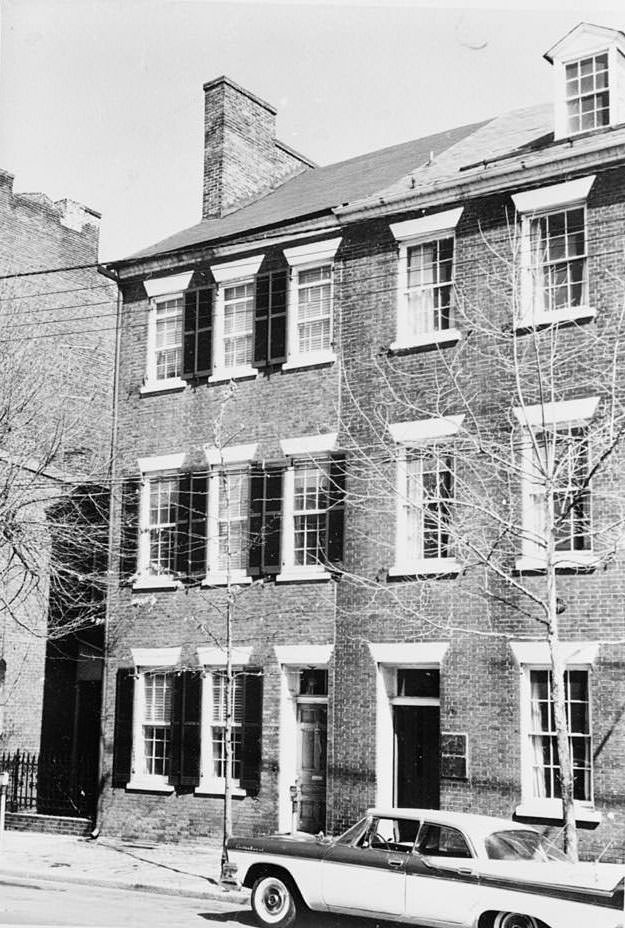
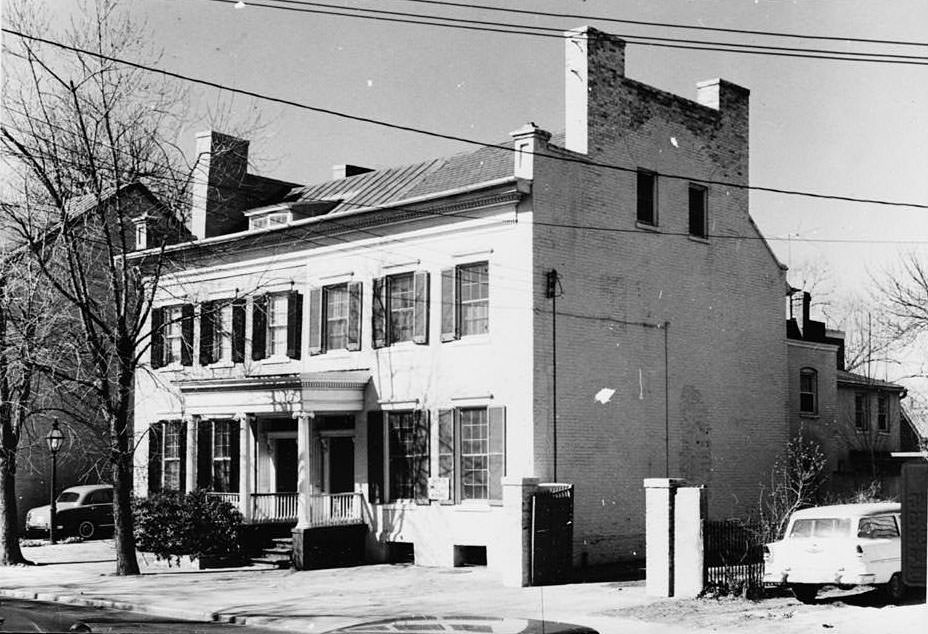
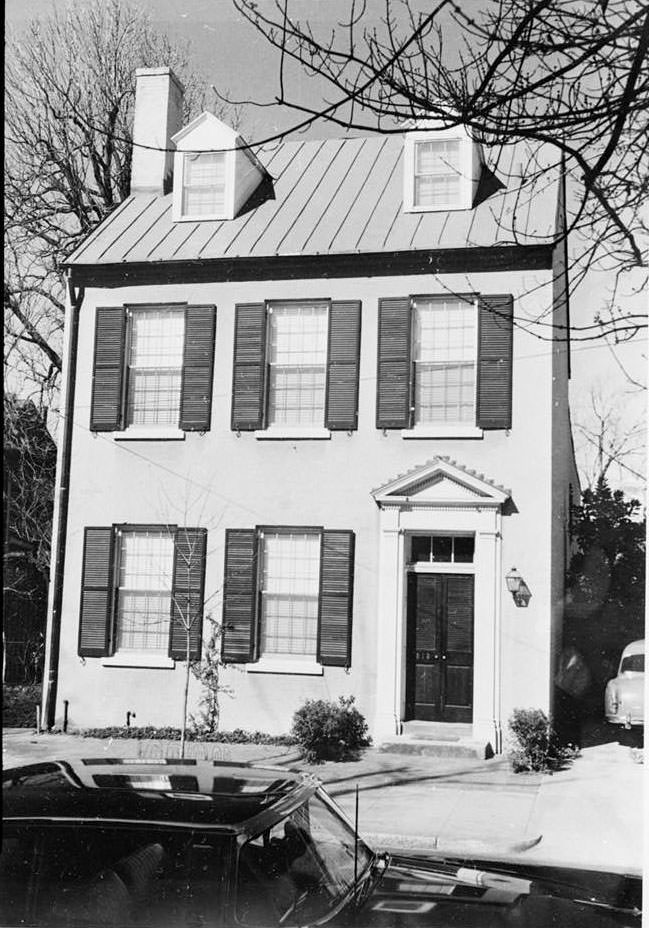
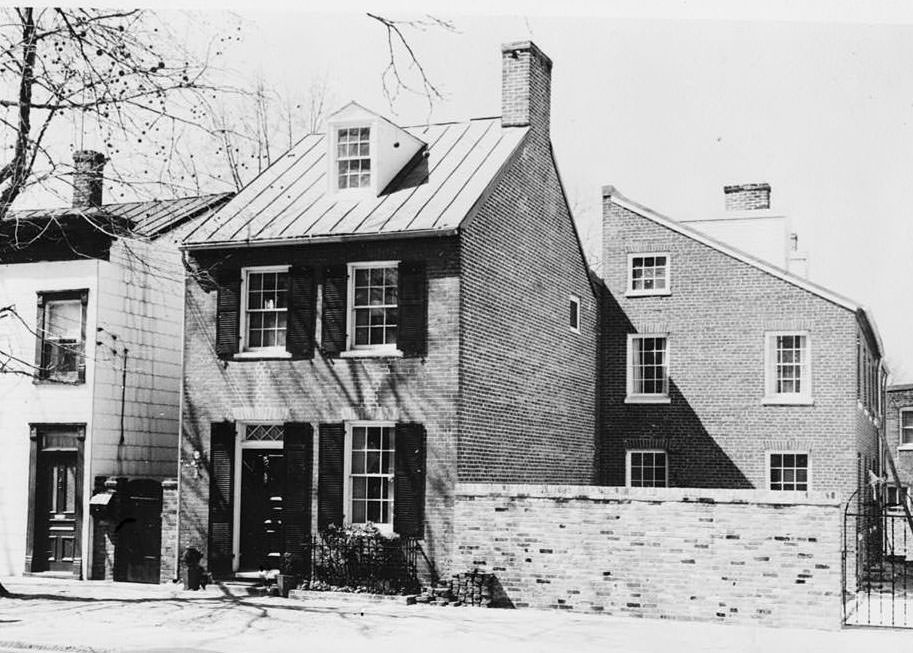
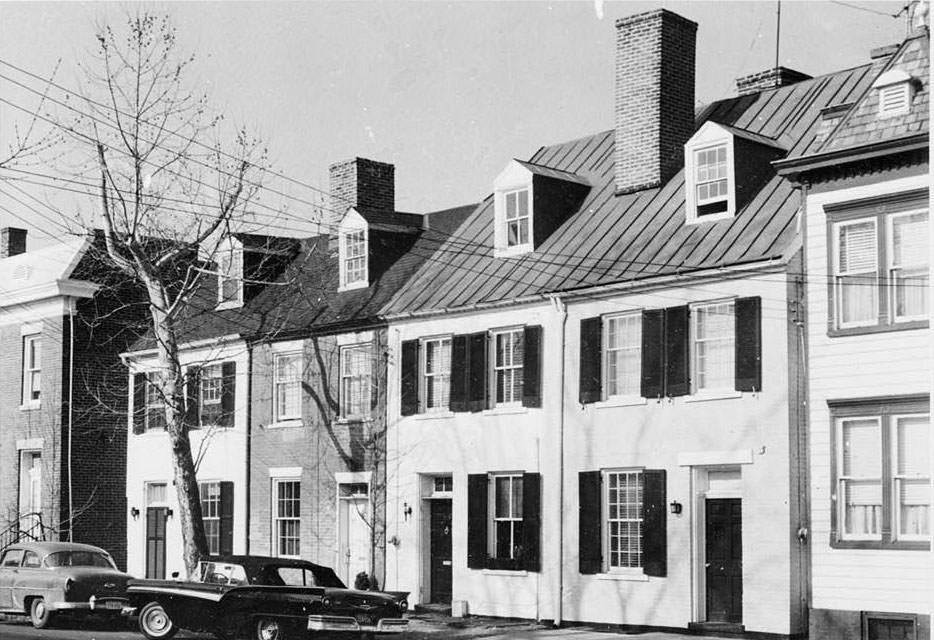
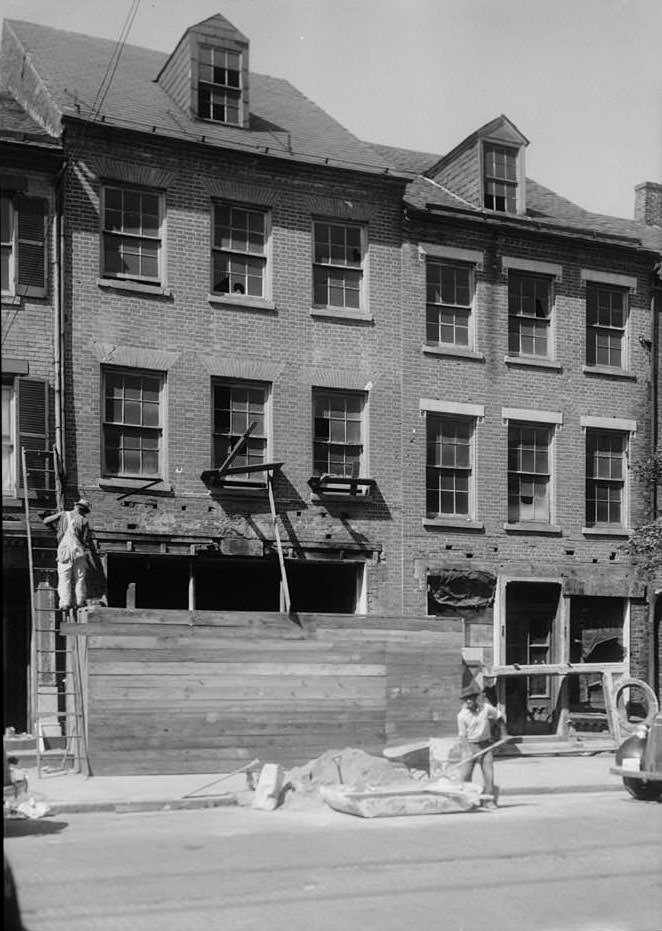
Prince Street was home to a remarkable stretch of row houses, some of the most photographed in Alexandria. The 103–133 block of Prince Street, known as Gentry Row, contained some of the finest 18th-century Federal townhouses in the entire Mid-Atlantic region. Captains, merchants, and civic leaders built their homes along this stretch, and the buildings survived into the 1970s in exceptional condition. Other notable Prince Street addresses — including the Fairfax-Adam-Hodgson House, the Colonel Michael Swope House, and the Bank of Potomac — filled out a street that read like a catalog of Alexandria’s architectural past.
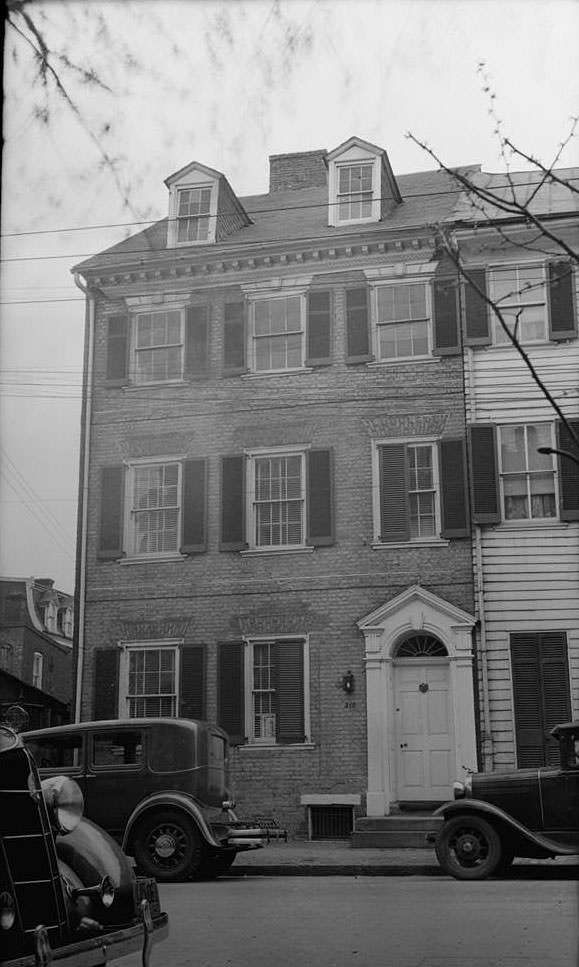
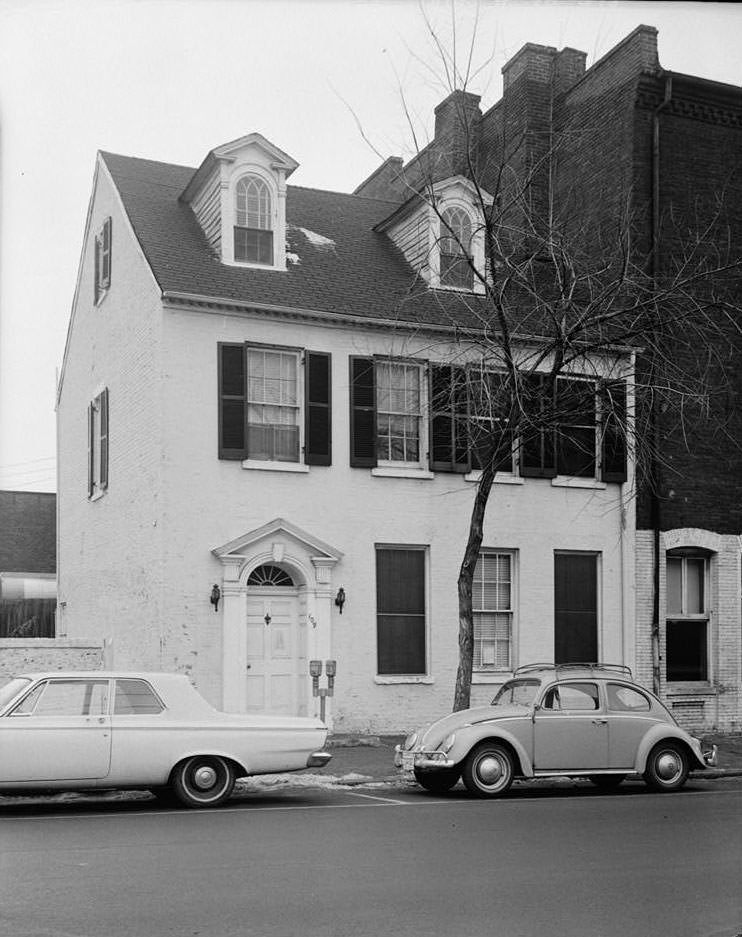
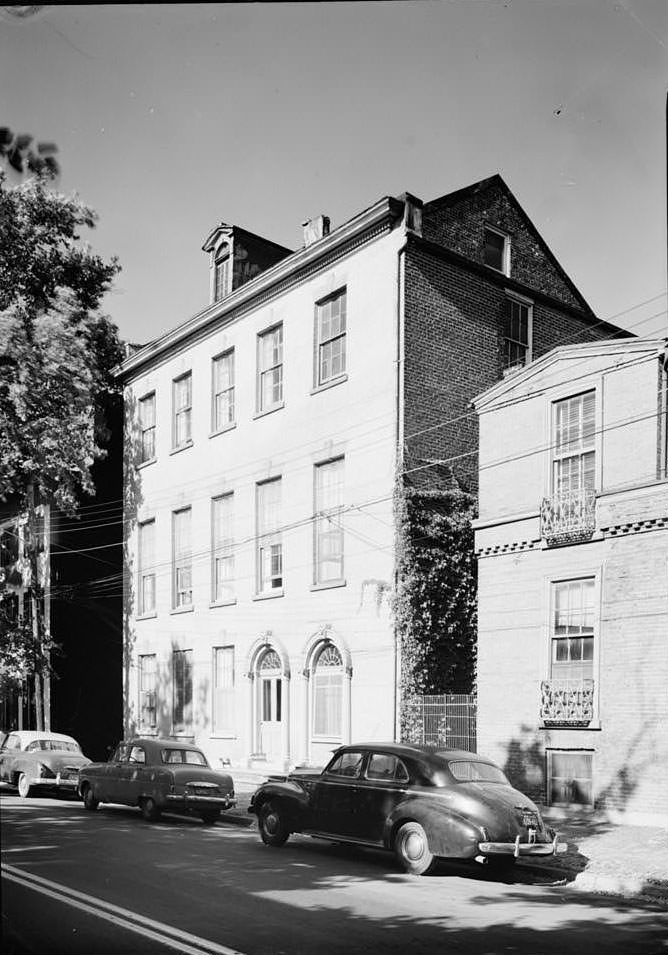
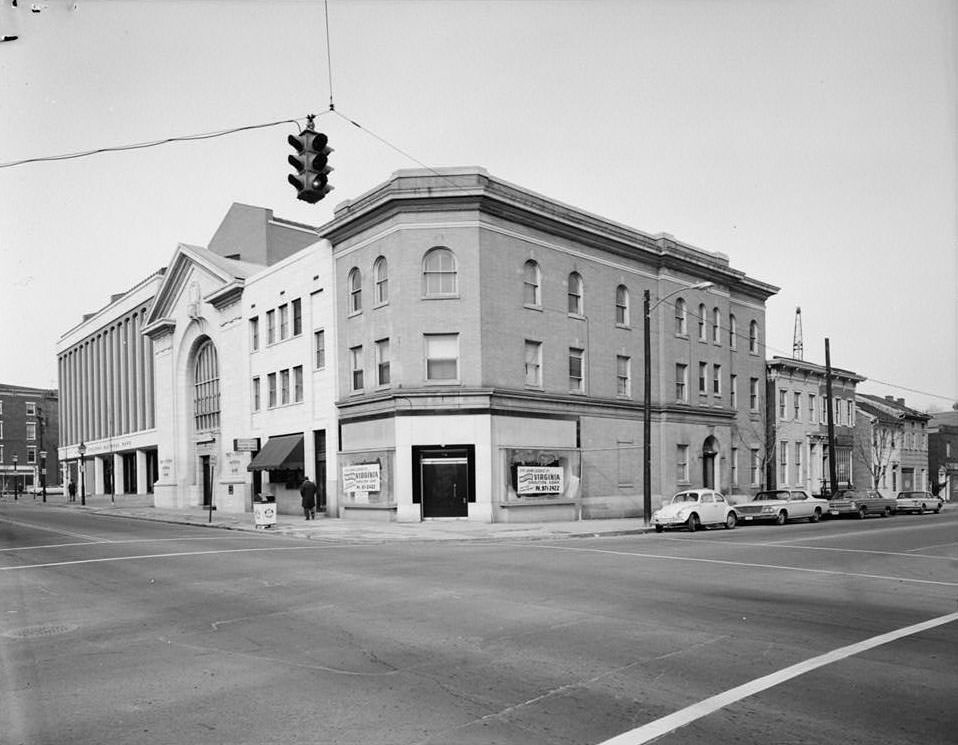
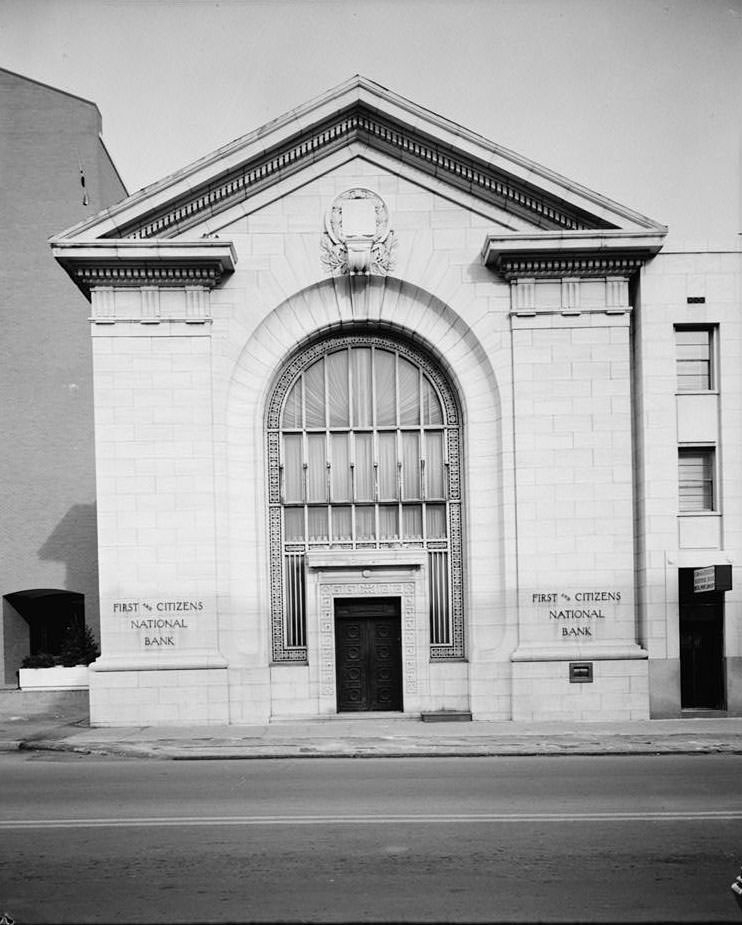
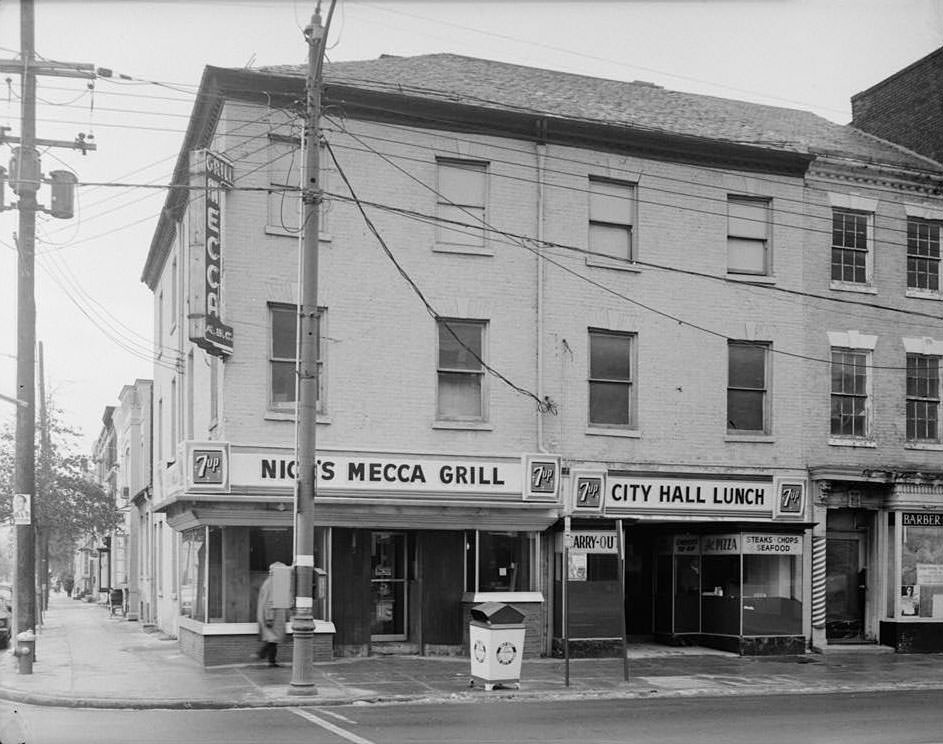
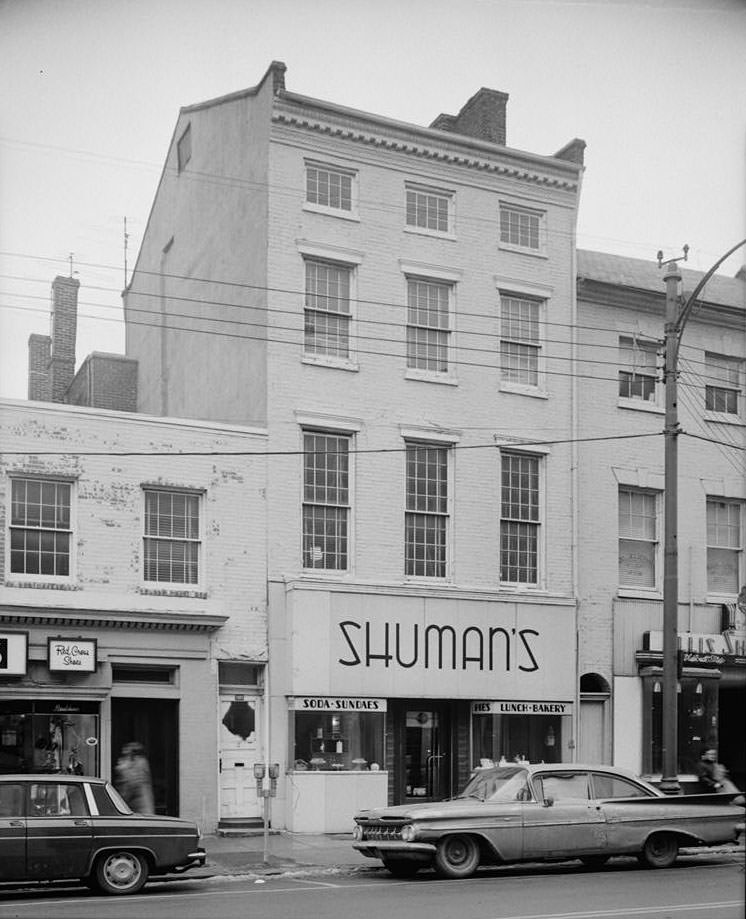
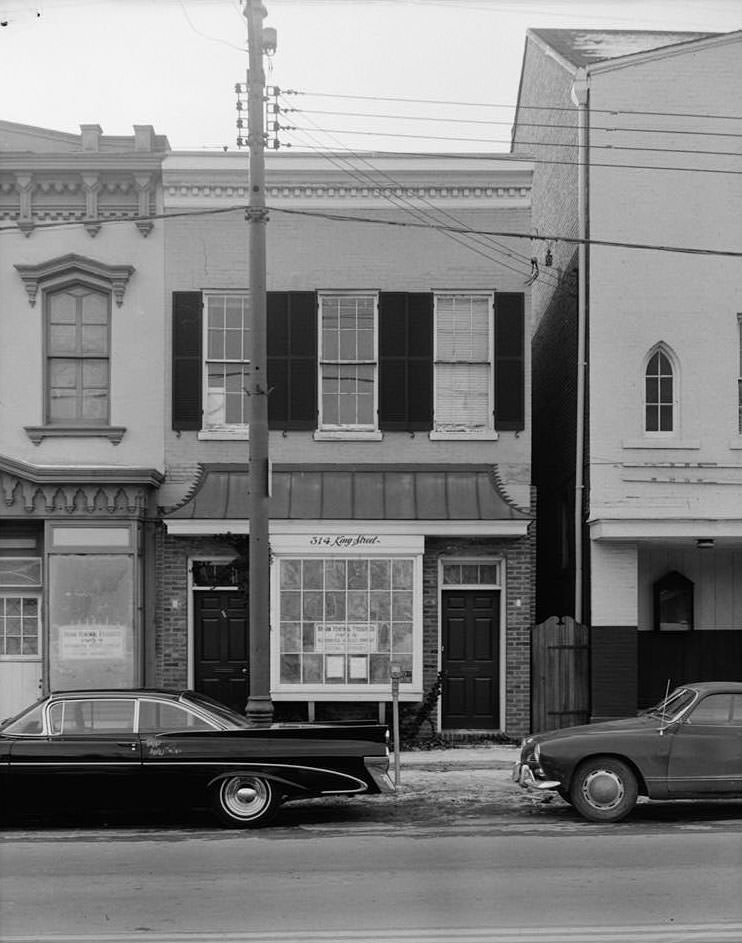
King Street served as Alexandria’s commercial main street, and the photographs from the 1970s show it as a working urban corridor rather than a tourist zone. Buildings like the Warfield Building at 501 King Street, the First National Bank at 503–507 King Street, and the various Gregory Buildings showed the commercial face of the city — brick storefronts, stone lintels, and awnings. Lannon’s Opera House occupied 500–508 King Street, a reminder that entertainment had always been part of the street’s identity.
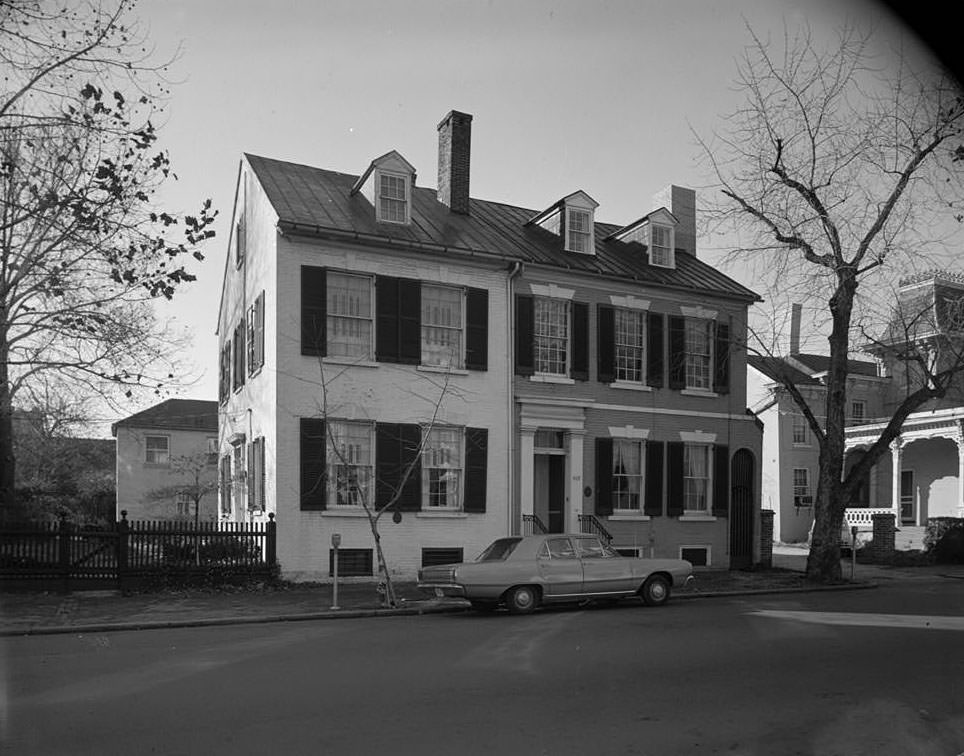
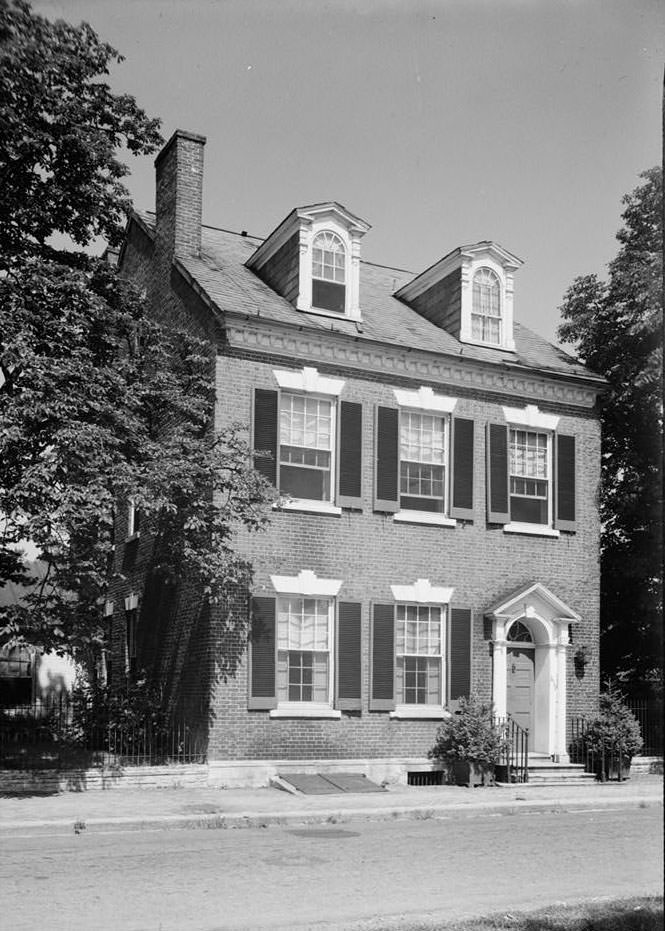
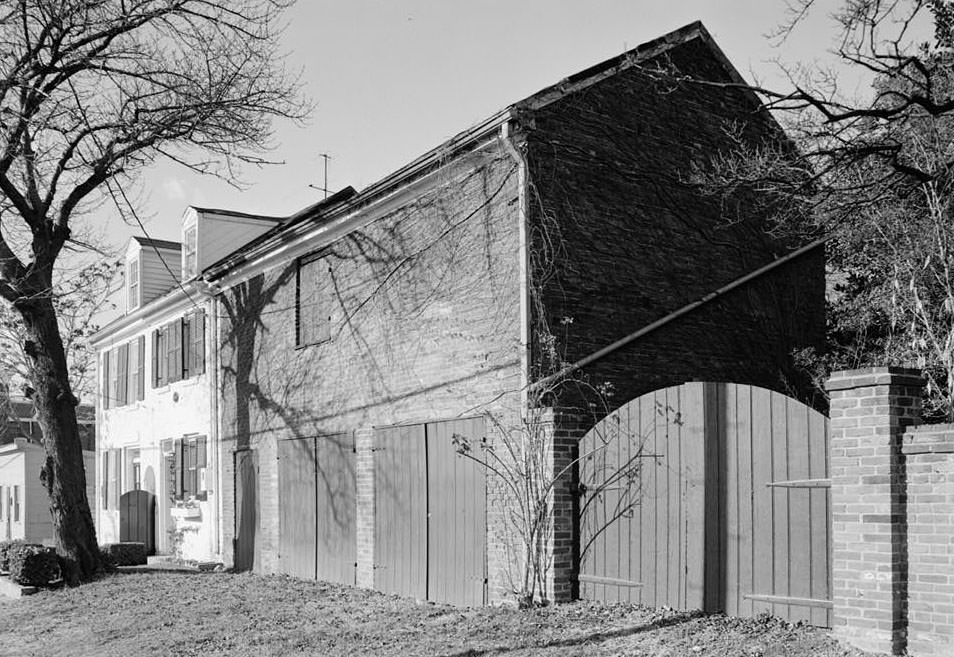
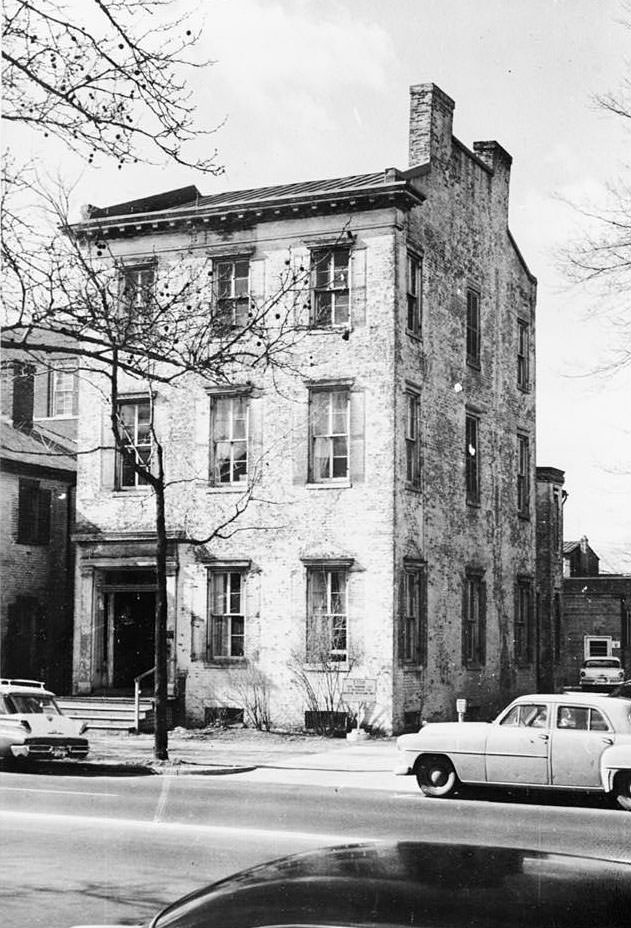
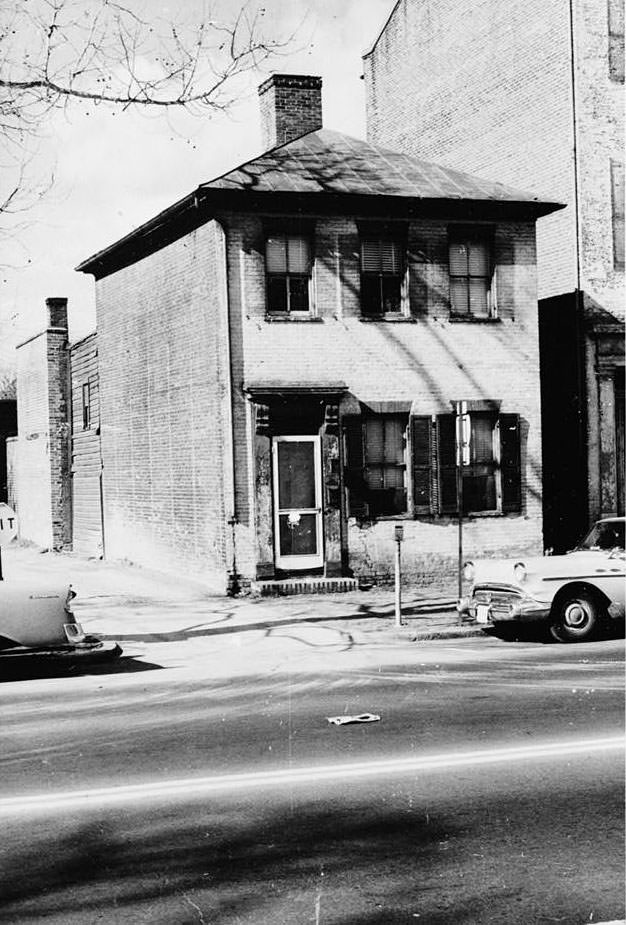
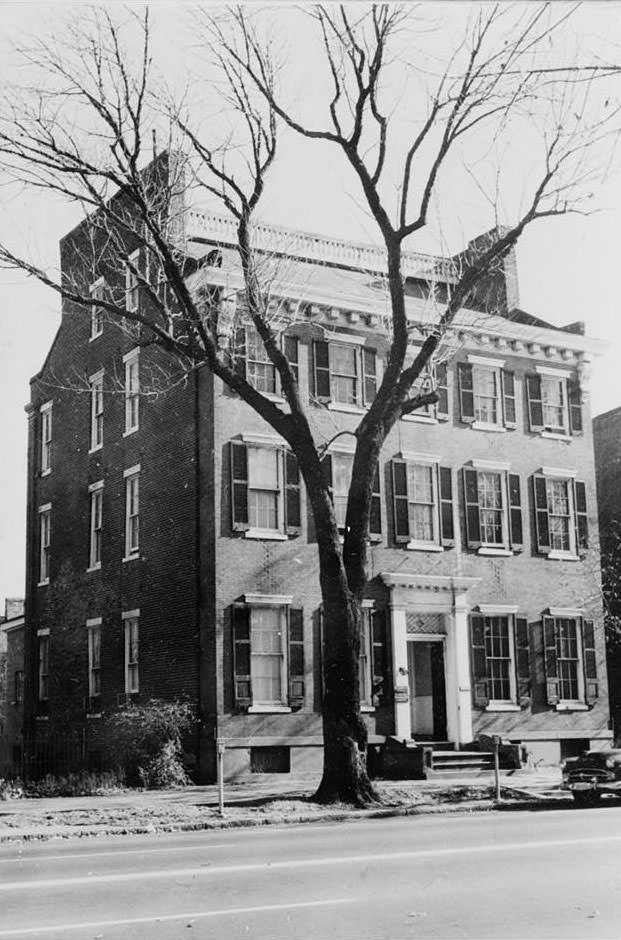
Washington Street ran the full length of the city’s historic district, and its buildings spanned centuries of construction. The houses at 207 and 411 South Washington Street and the double house at 415–417 were among the many properties documented in the survey. Some of these structures had witnessed the city’s entire existence — the street itself was laid out in the original 1749 town plan.
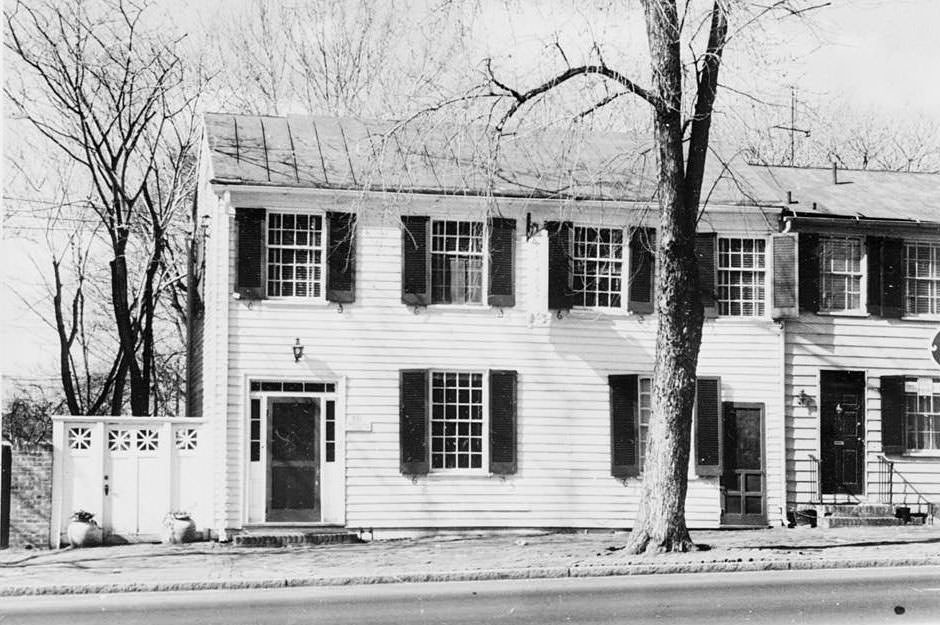
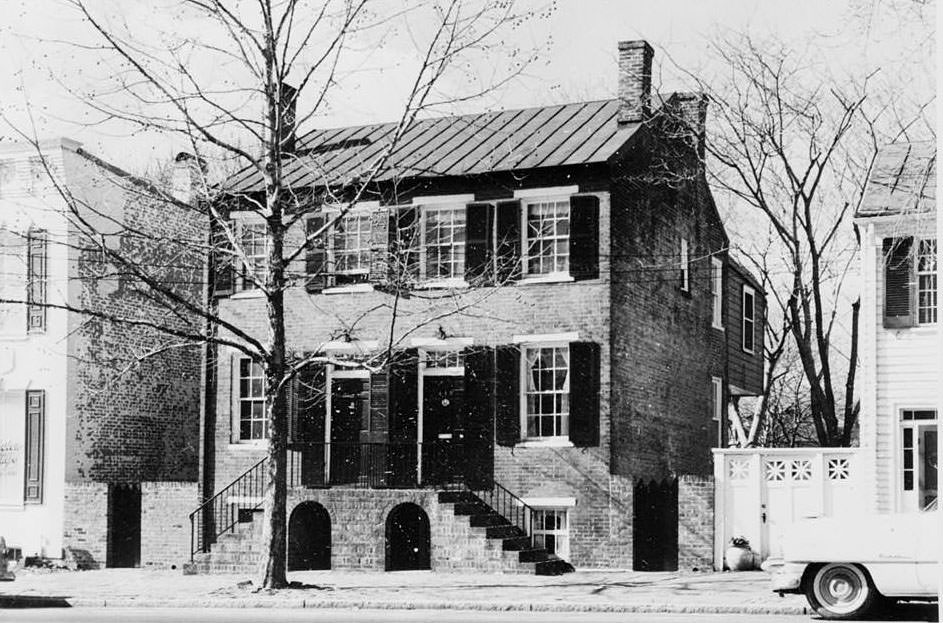
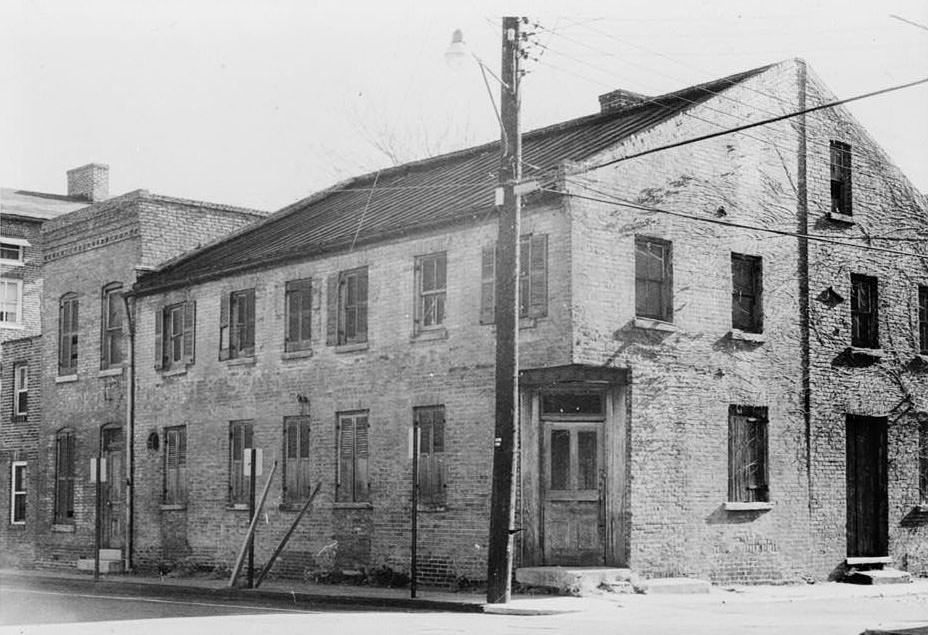
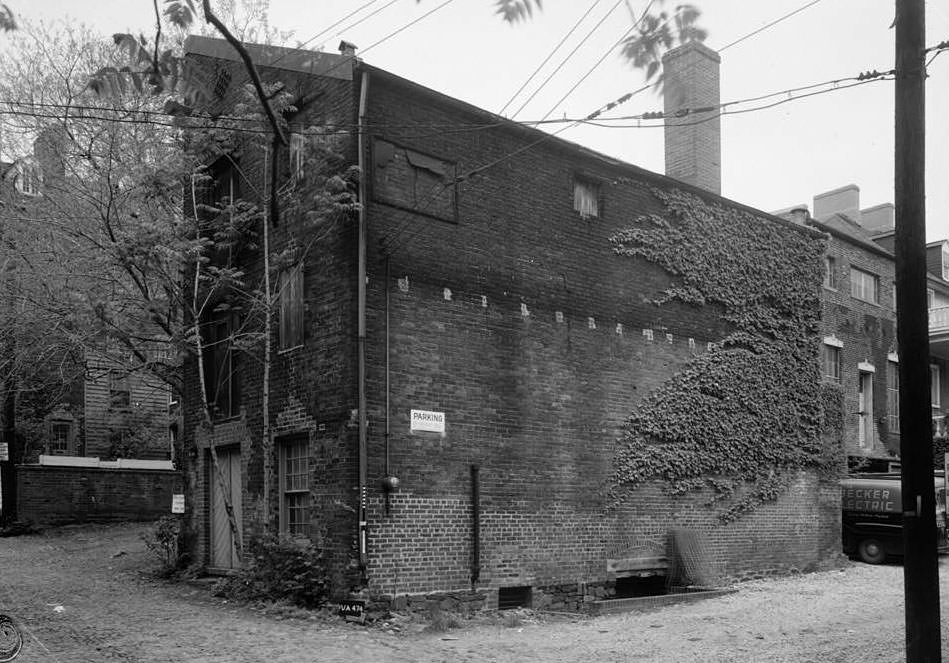
The “flounder” style of building was a distinctive architectural form found throughout Alexandria. A flounder house had one sloped roof that ran from a tall front wall down to a much shorter rear wall, giving it an asymmetrical, wedge-like profile when viewed from the side. The name came from the resemblance to a flat fish seen from above. Several flounder-style structures appeared in the 1970s surveys, including the Flounder Tavern Building near Market Square, the Flounder House on South Saint Asaph Street, and the Flounder Warehouse on Ramsay’s Alley. These buildings were largely unique to Alexandria and reflected a practical approach to building on narrow lots.
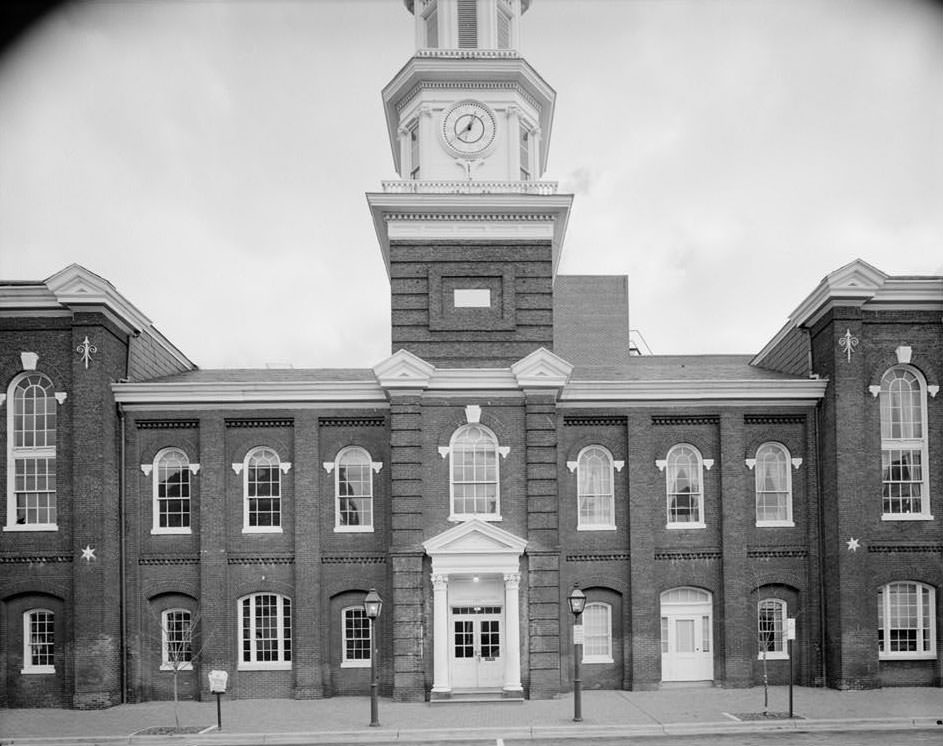
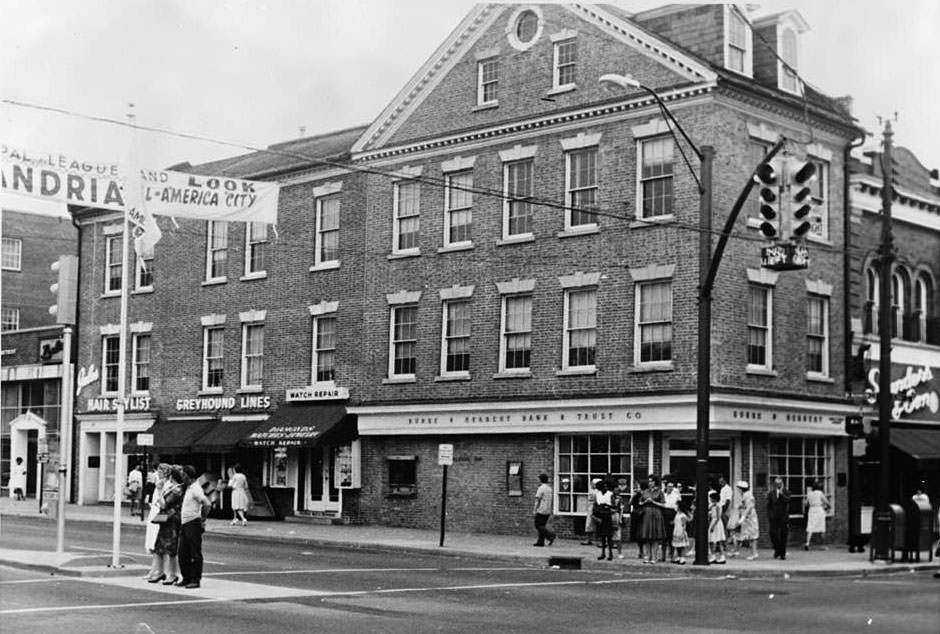
The Alexandria Market House and City Hall at 301 King Street was one of the most significant civic buildings in the city. The structure housed city government functions while also reflecting Alexandria’s long history as a commercial hub. The Lyceum at 201 South Washington Street served a different civic role — built in 1839 as a cultural and educational center, it was one of the earliest purpose-built civic spaces in Northern Virginia. By the 1970s, it had been restored and was functioning as a history museum. In 1973, two women were elected to the Alexandria City Council for the first time: Nora Lamborne and Beverly Beidler. Their election marked a tangible shift in who held a seat at the table in city governance.
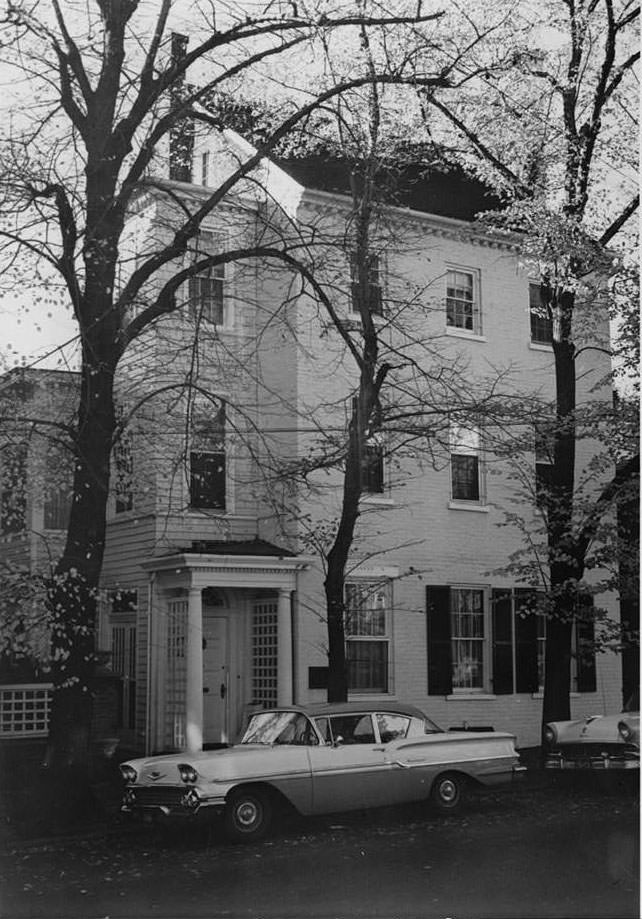
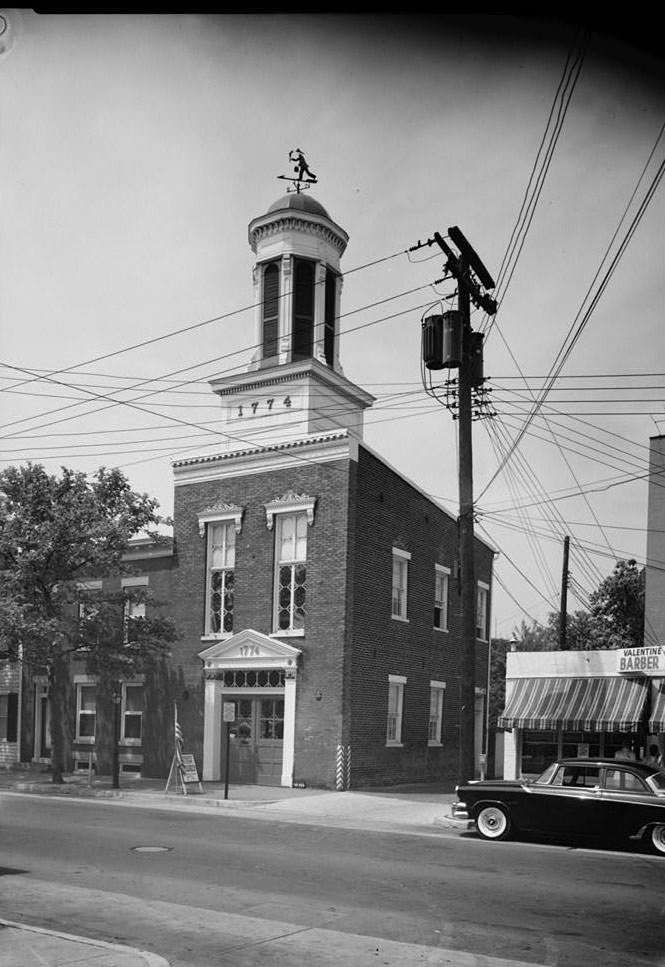
The Friendship Fire Company on South Alfred Street was one of Alexandria’s oldest civic institutions. Founded in 1774, it was one of the first volunteer fire companies in the country and counted George Washington among its members. By the 1970s, the building had become a museum housing antique fire equipment, including a hand-pumped fire engine that Washington reportedly purchased for the company. The building itself was a straightforward brick structure, but its history gave it outsized importance in the city’s memory.
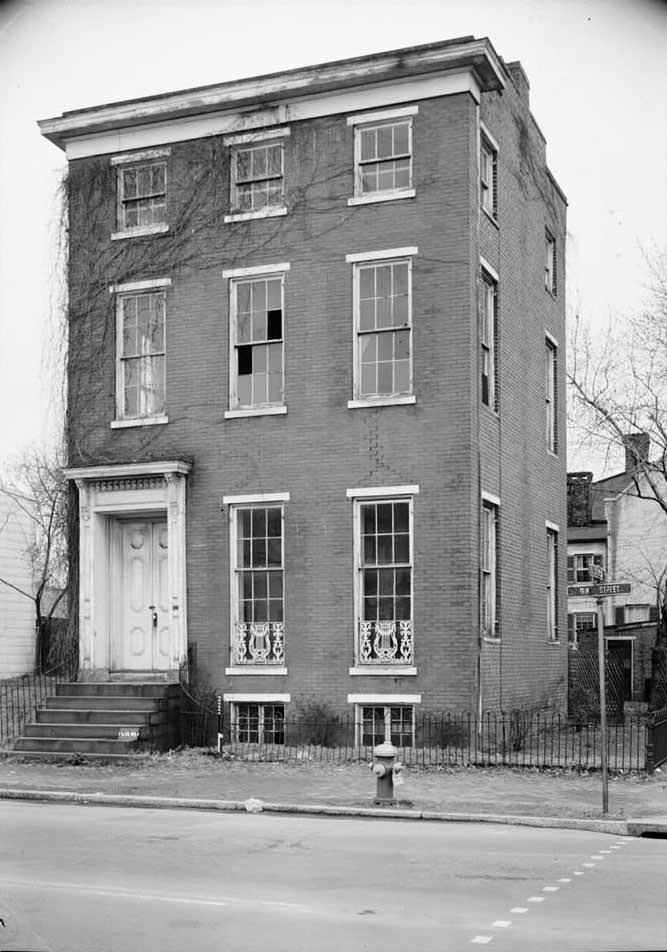
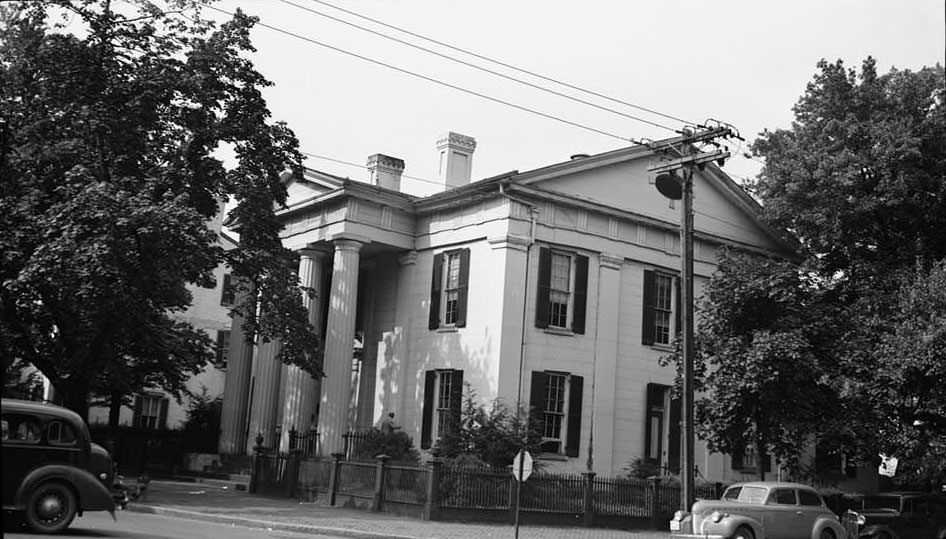
While Federal and Georgian styles dominated Alexandria’s architectural landscape, Greek Revival buildings also appeared throughout the city. The Greek Revival House at 801 Duke Street was one of the more visible examples — its columned facade and bold horizontal lines stood in contrast to the narrower, more vertical brick townhouses that made up most of the surrounding blocks. Greek Revival construction became popular in the United States in the early 19th century, and several Alexandria buildings from that period reflected that national trend.
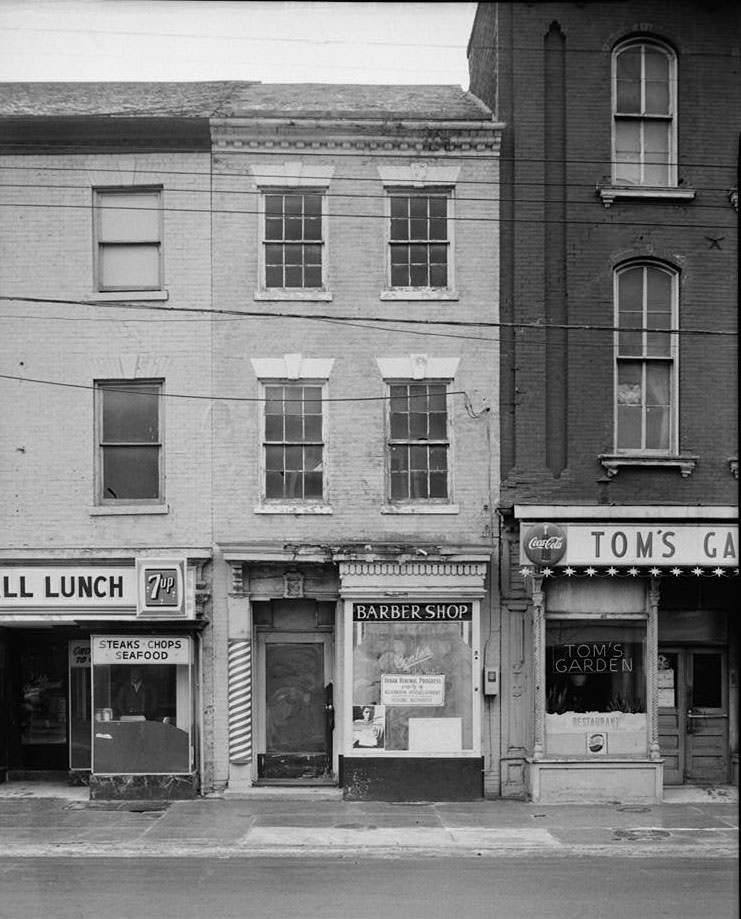
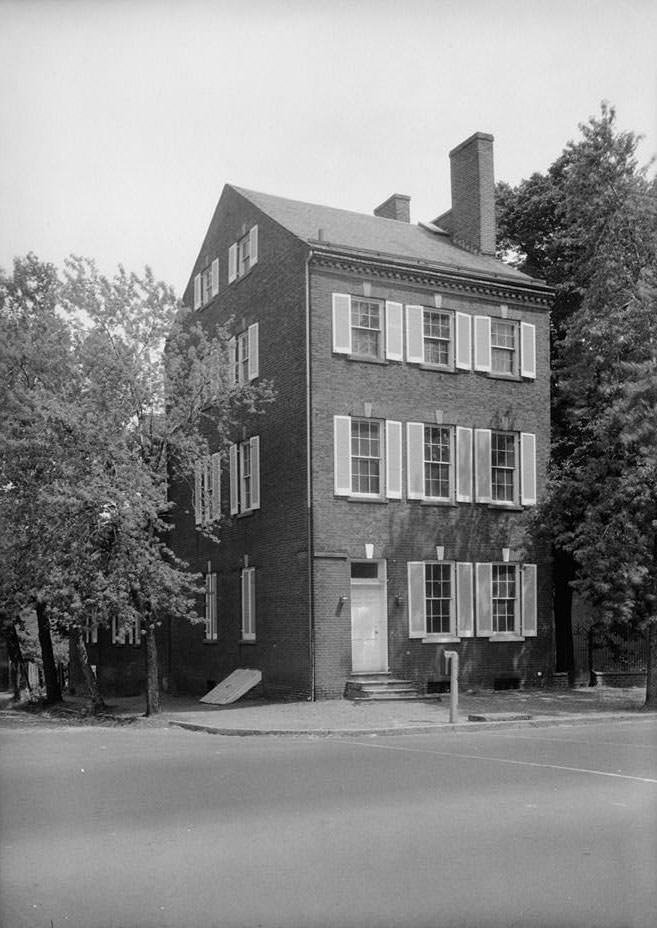
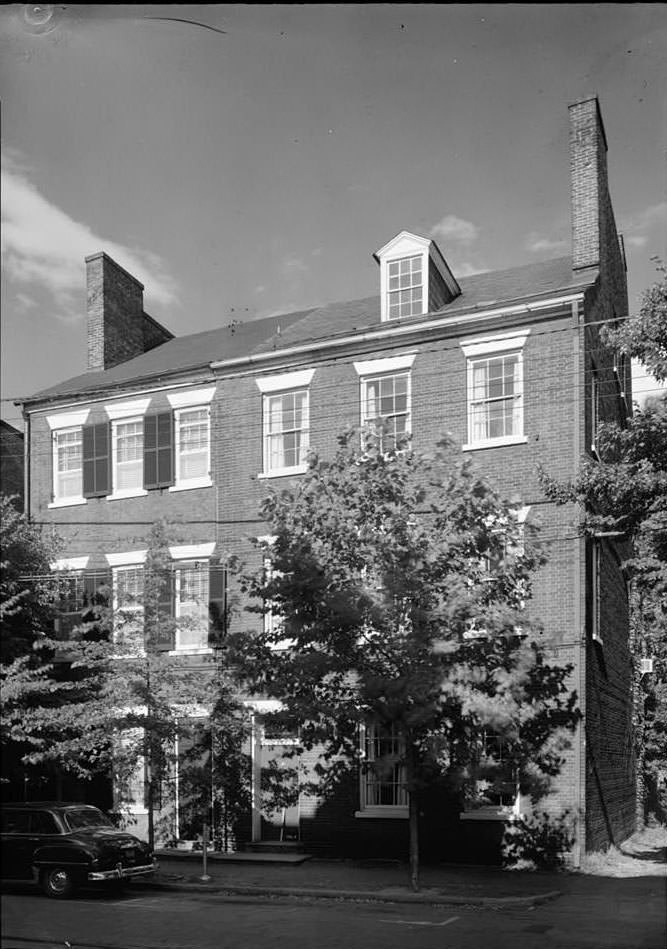
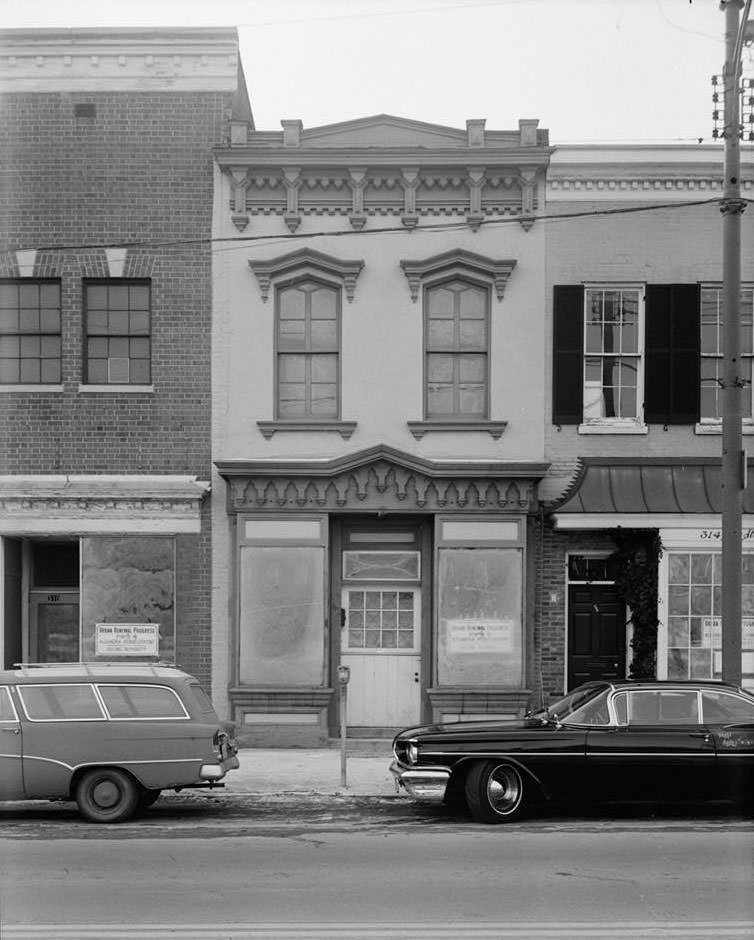
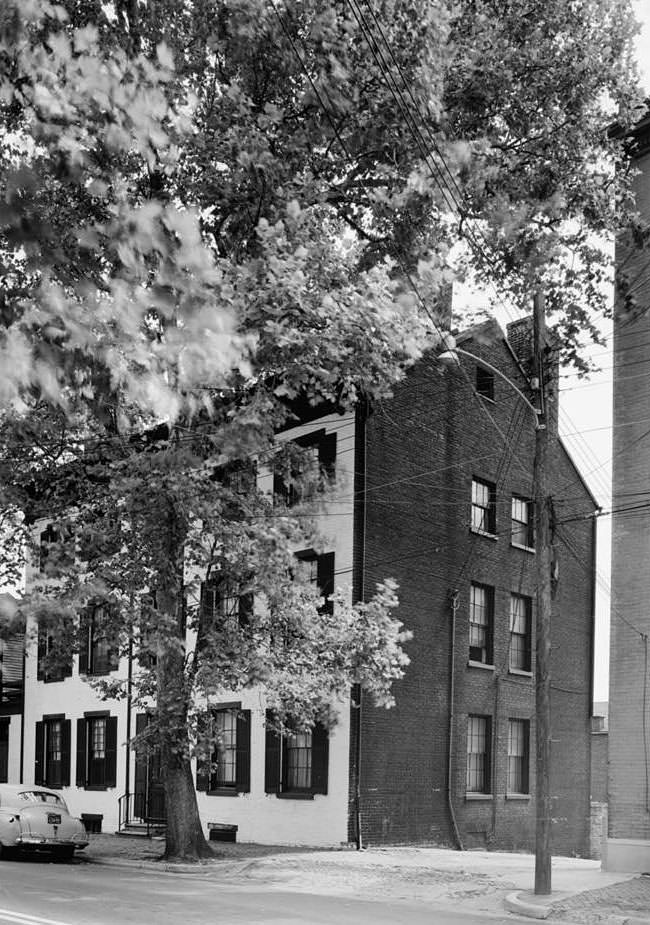
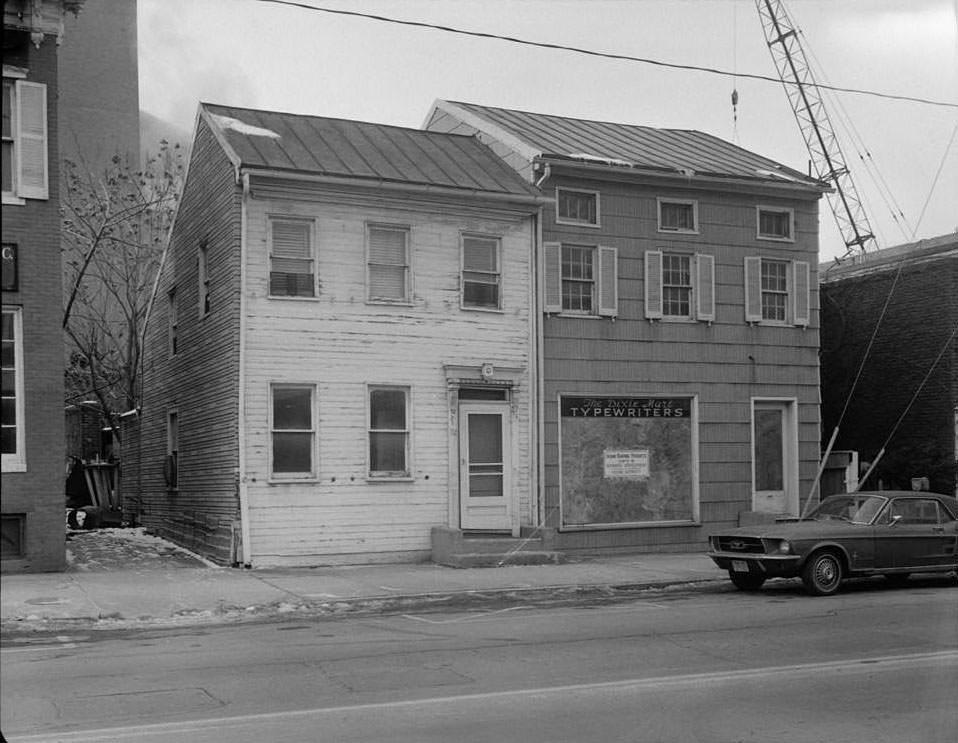
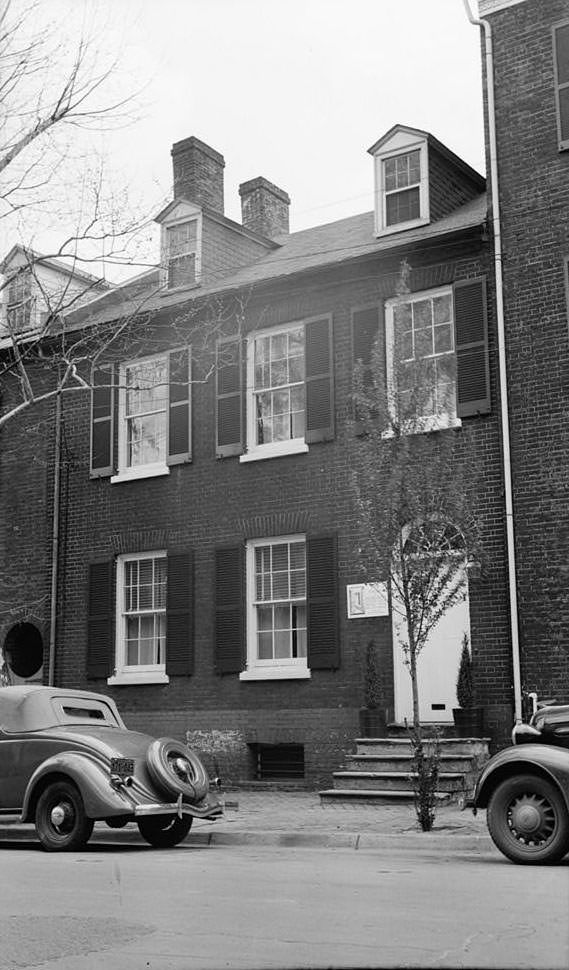
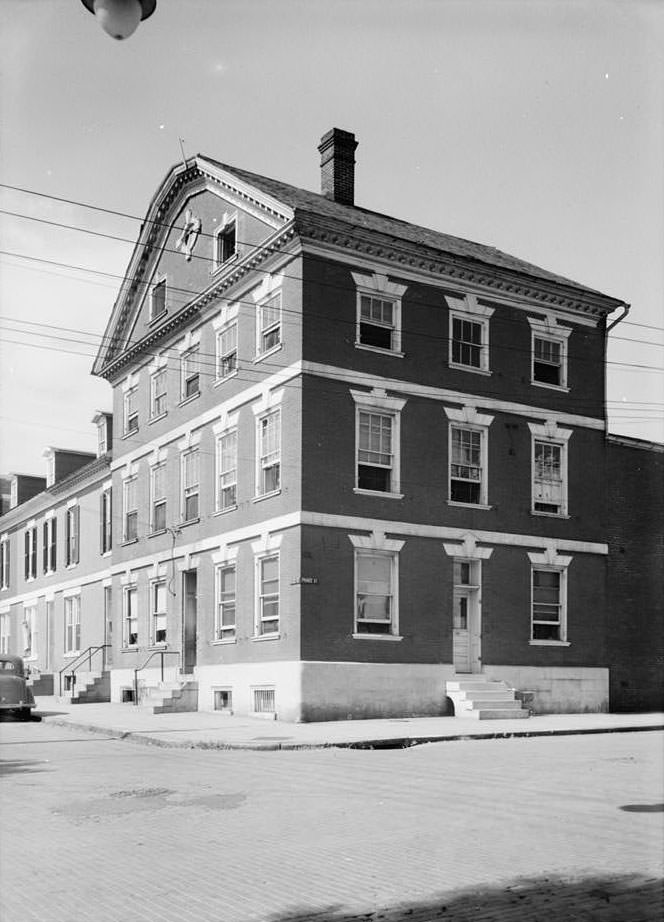
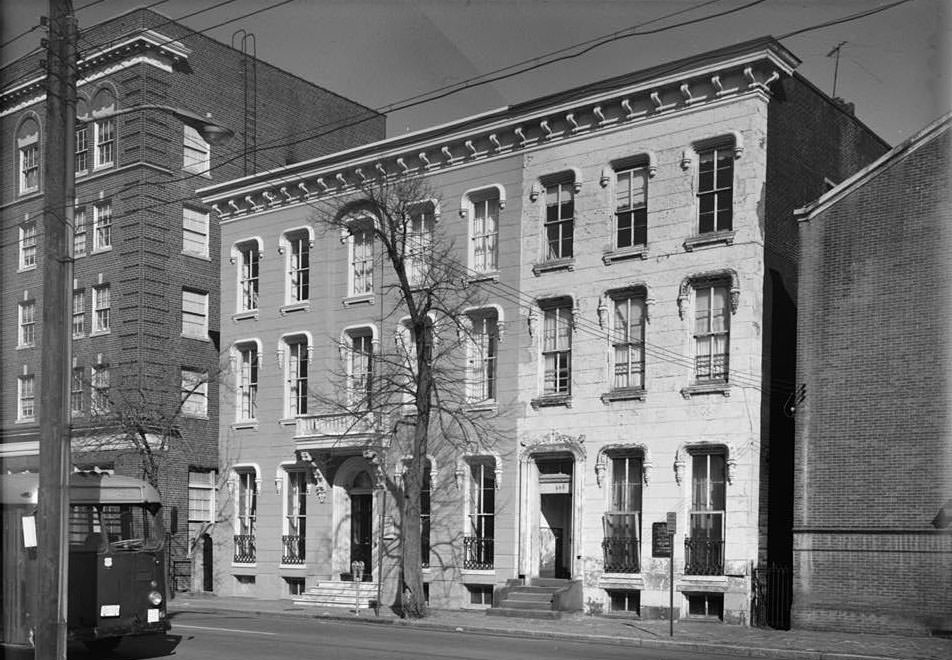
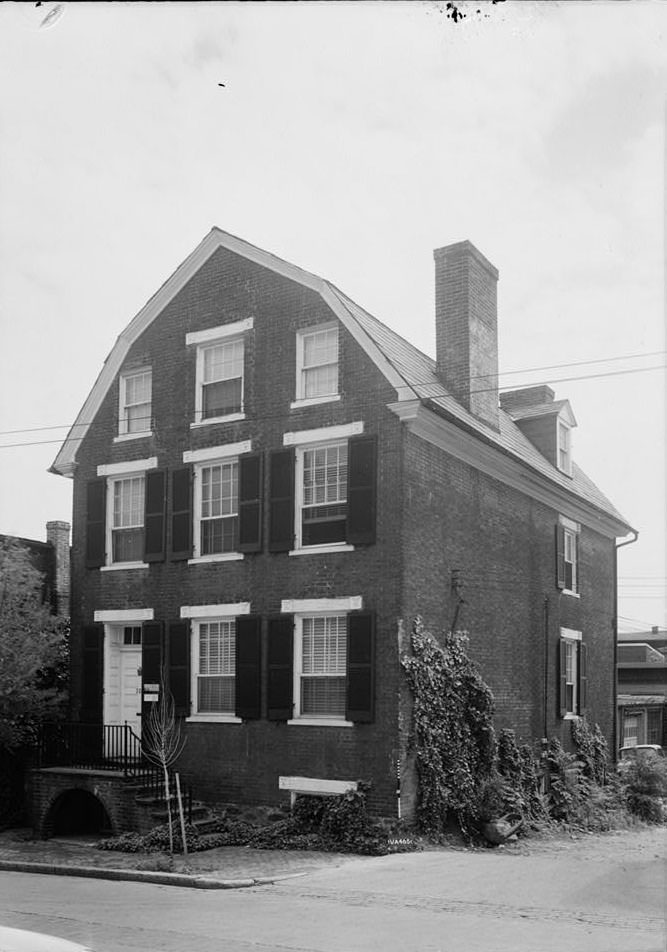
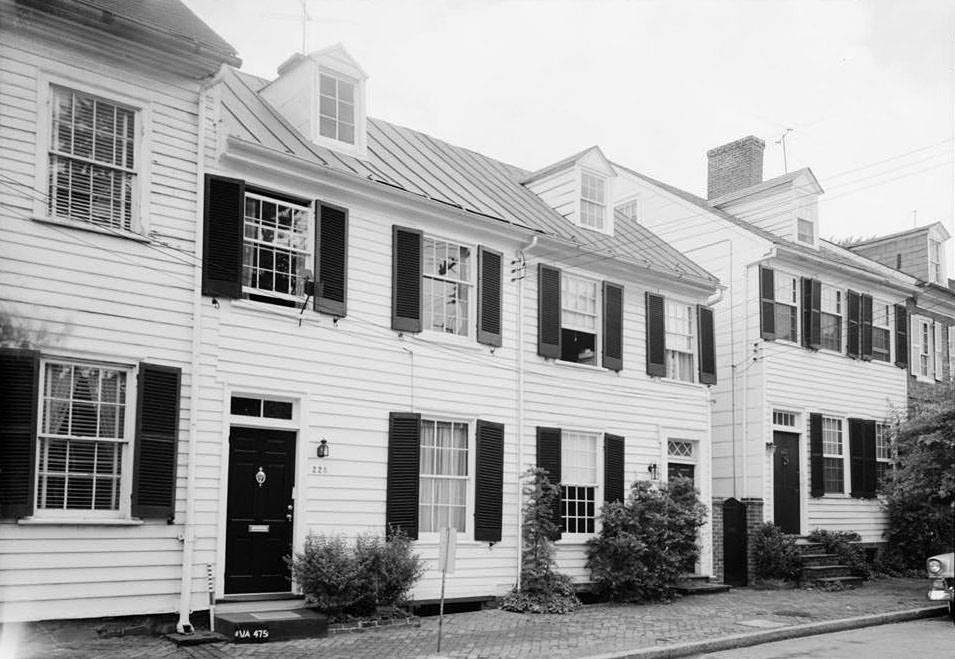
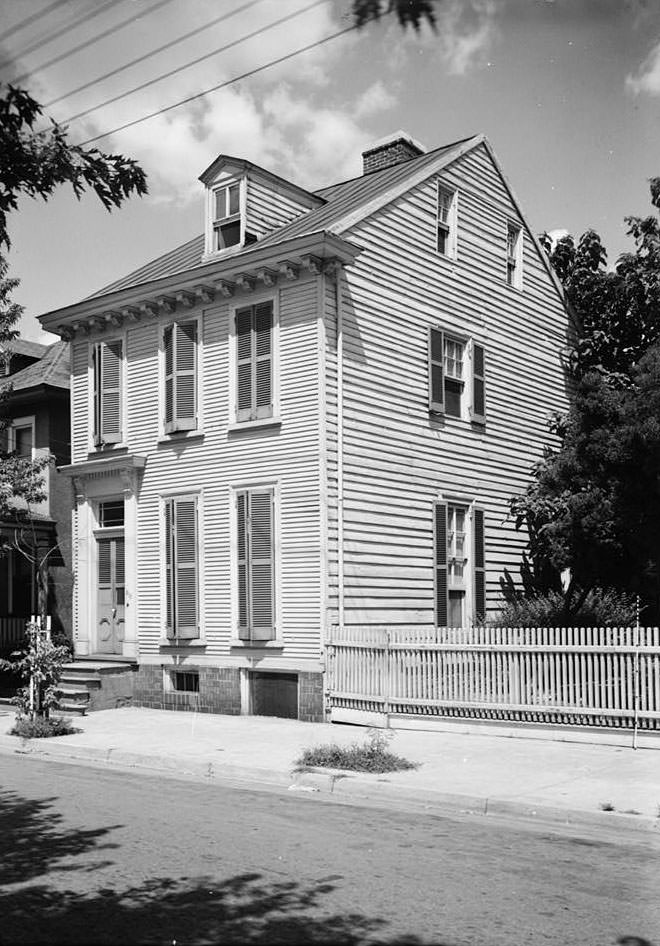
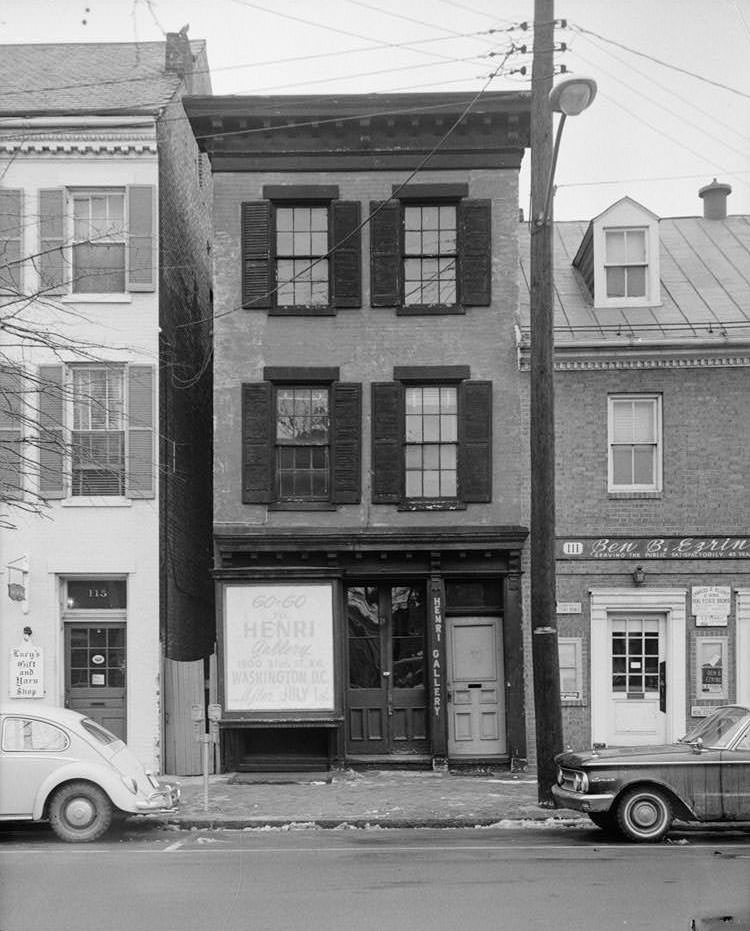
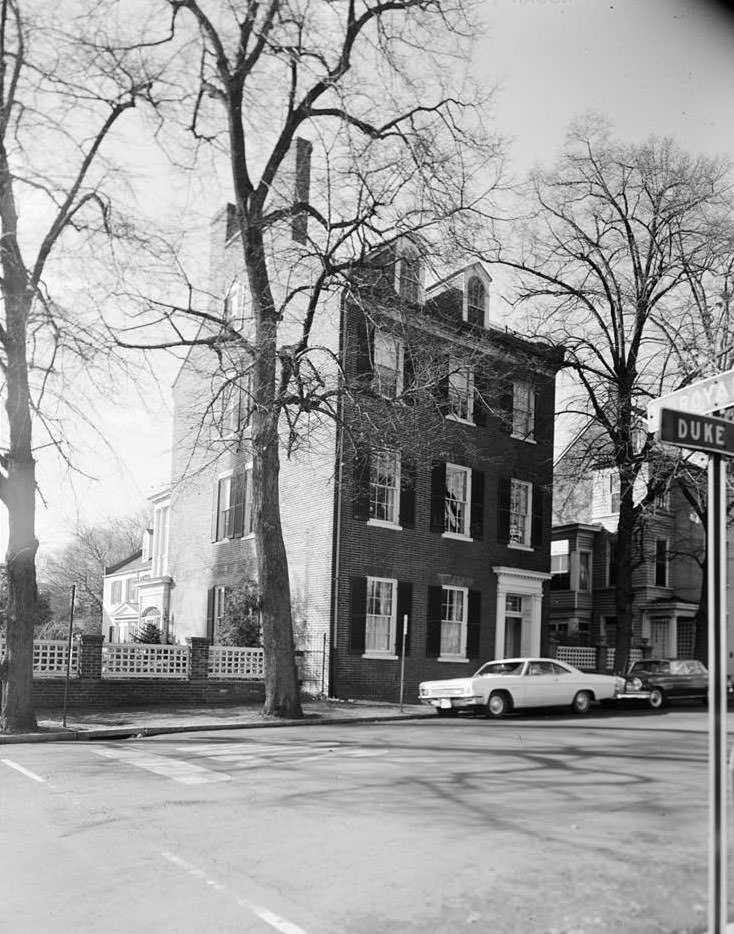
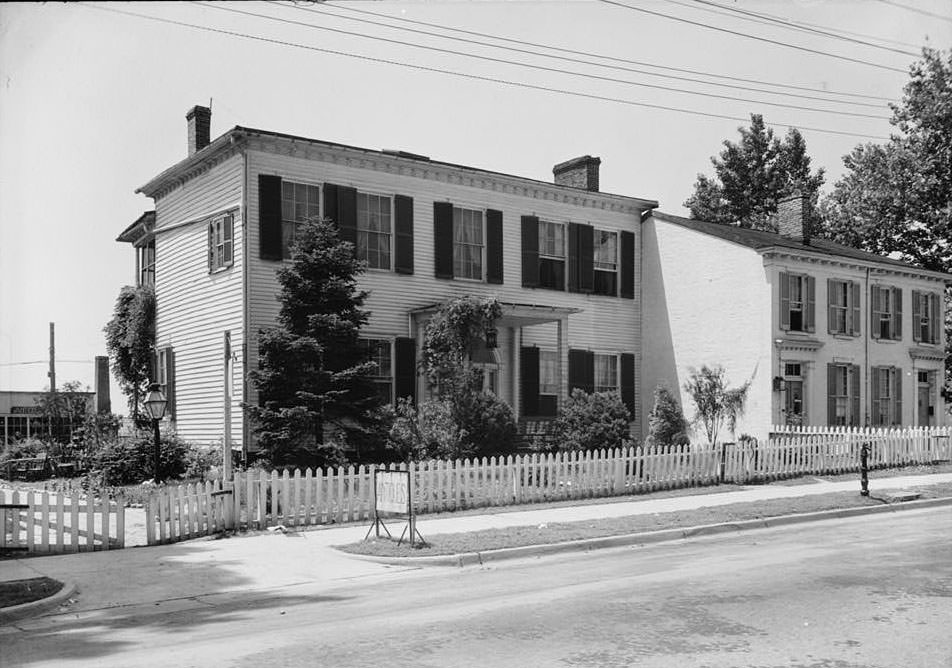
Franklin Street contained some of Alexandria’s more unusual surviving structures. The Jockey Club at 814 Franklin Street was a remnant of the city’s horse racing history — a pastime that drew wealthy residents and visitors throughout the 18th and early 19th centuries. On the same street, the Vowell-Snowden-Black Stable and the Lawrence Lewis House reflected the varied uses of Franklin Street’s lots over two centuries. The Lewis House had been relocated to Lorton by the time of the surveys, but its original Franklin Street address was still noted in the documentation.
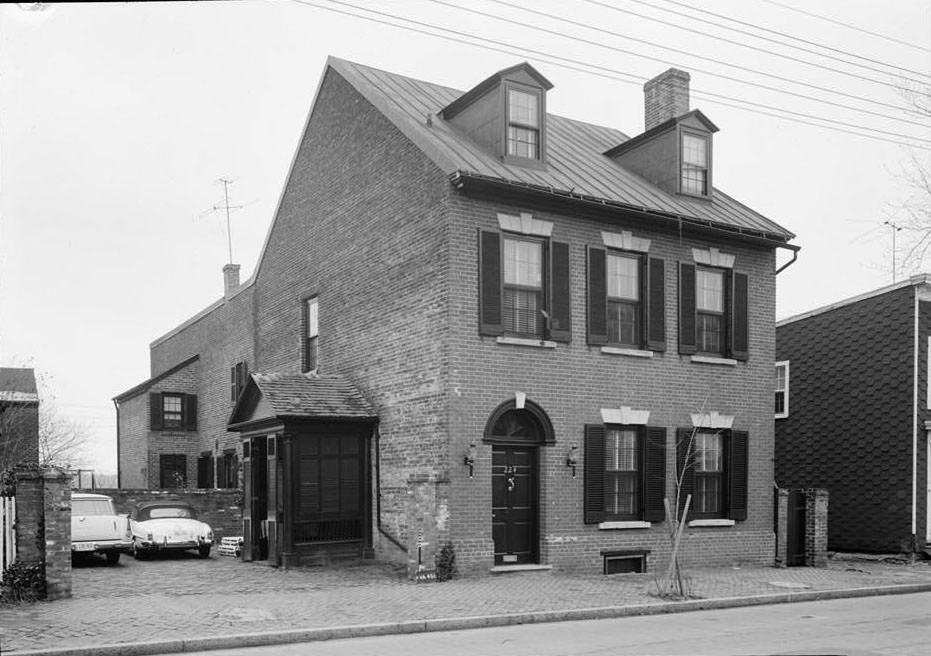
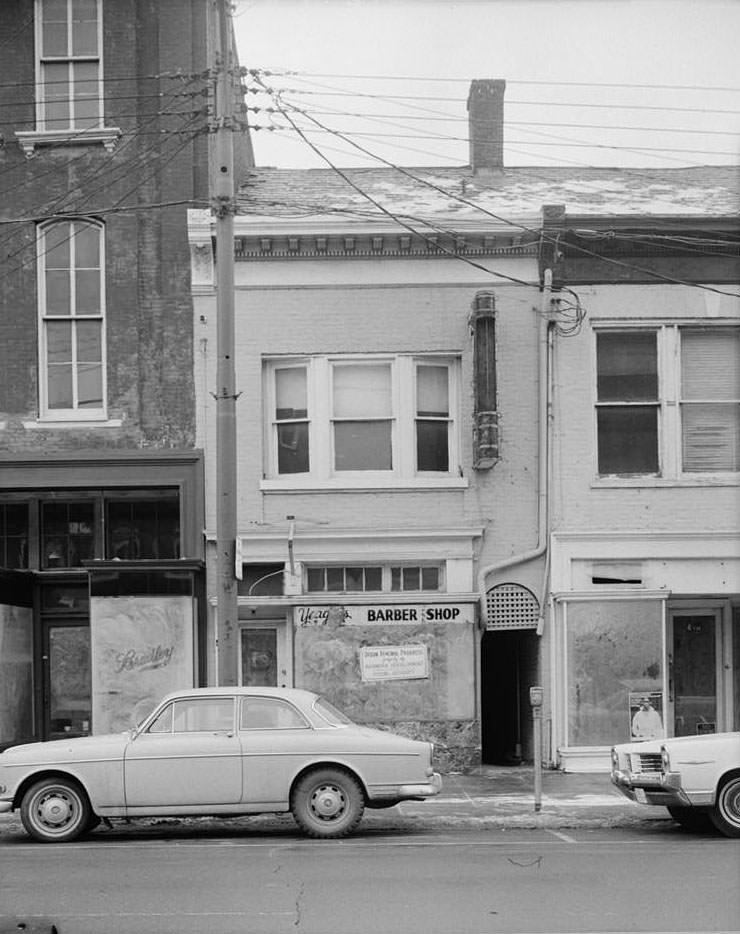
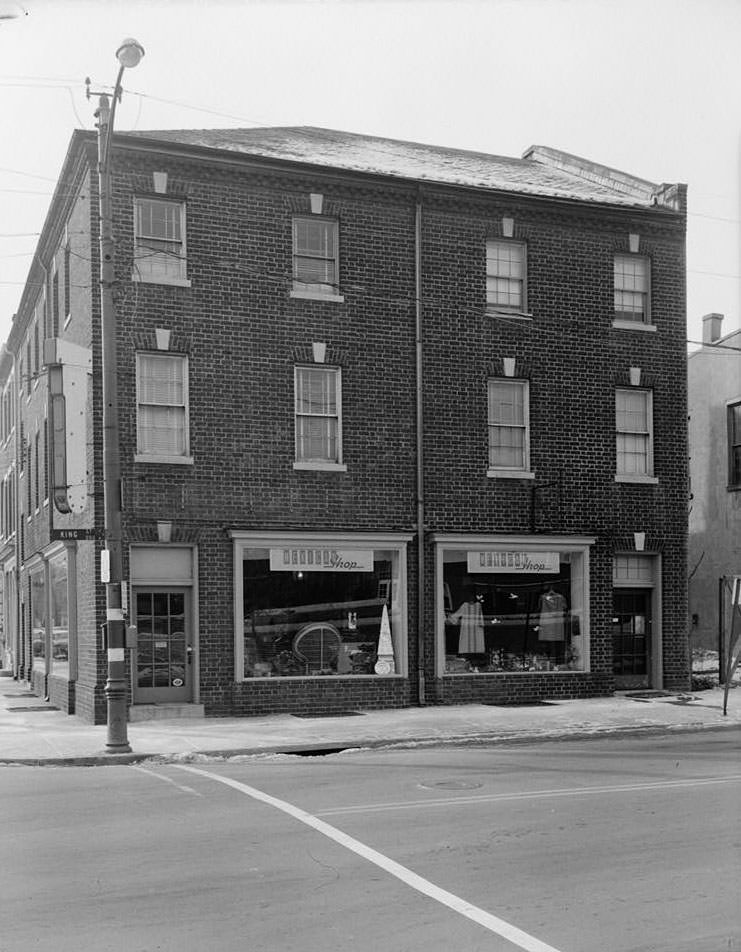
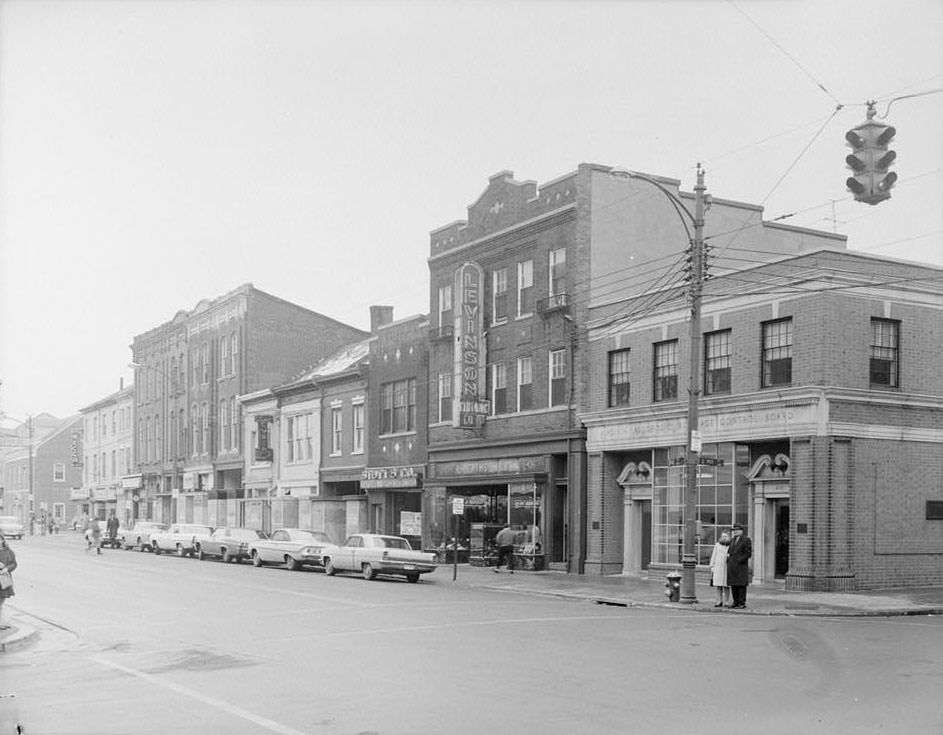
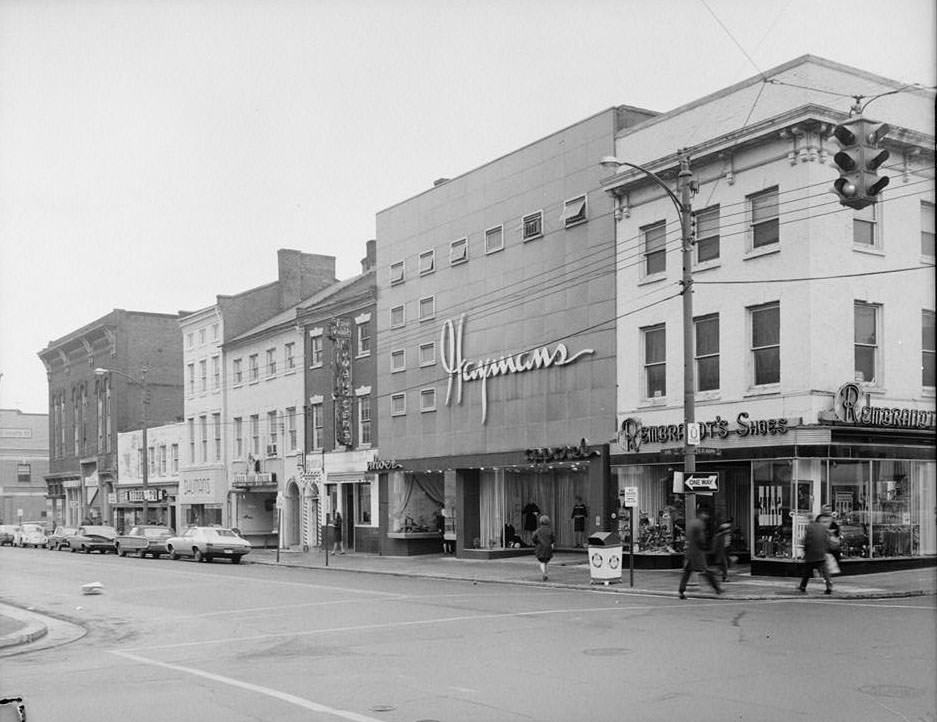
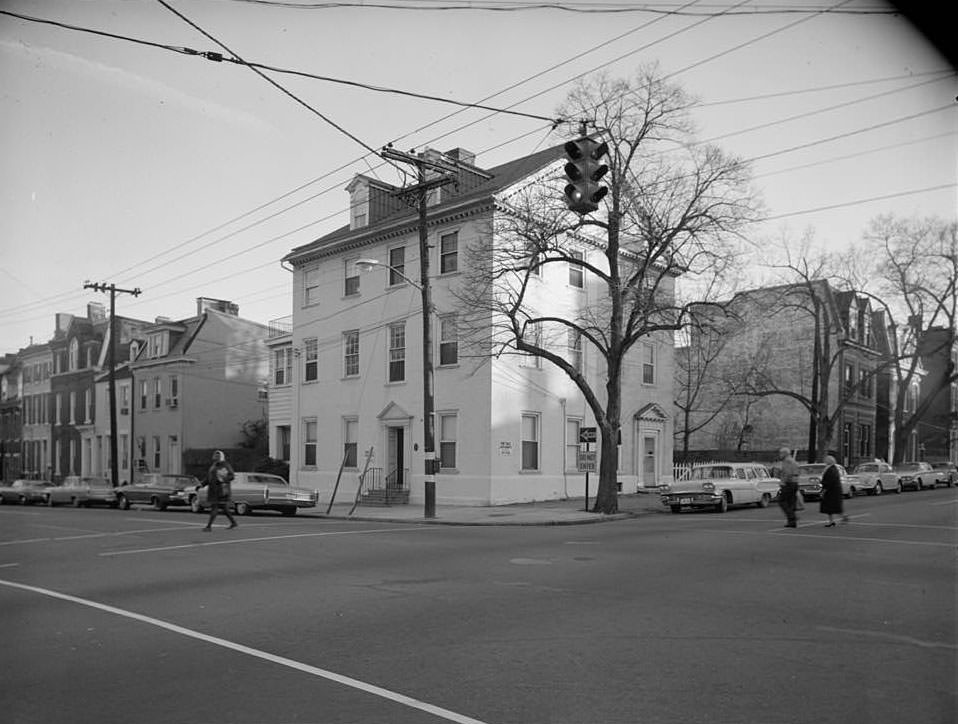
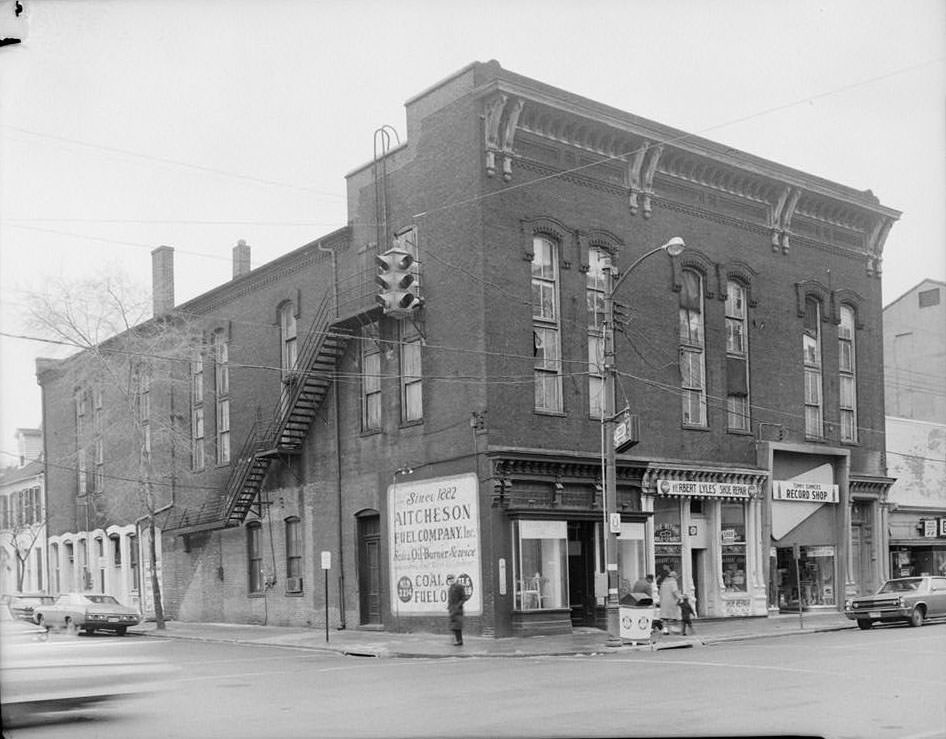
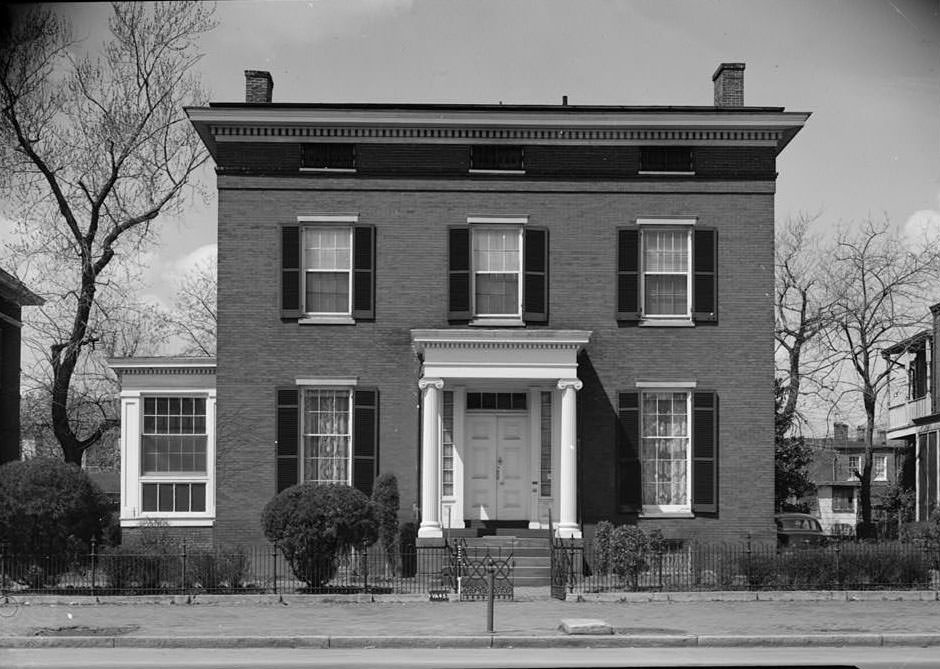
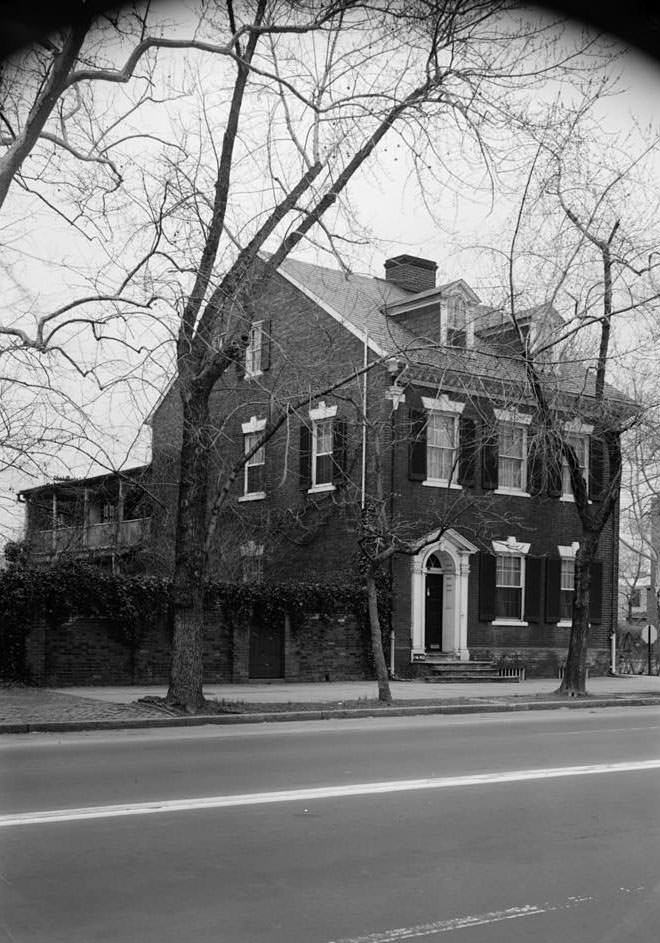
North Washington Street contained several properties tied to prominent Alexandria families. The Edmund Jennings Lee House at 428 North Washington Street was home to a cousin of Robert E. Lee. The Leadbeater House at 414 North Washington Street was connected to the same family that ran the famous apothecary shop on South Fairfax Street. These properties showed how tightly Alexandria’s leading families and institutions were intertwined — the same surnames appeared on homes, shops, and civic buildings throughout the city’s grid.
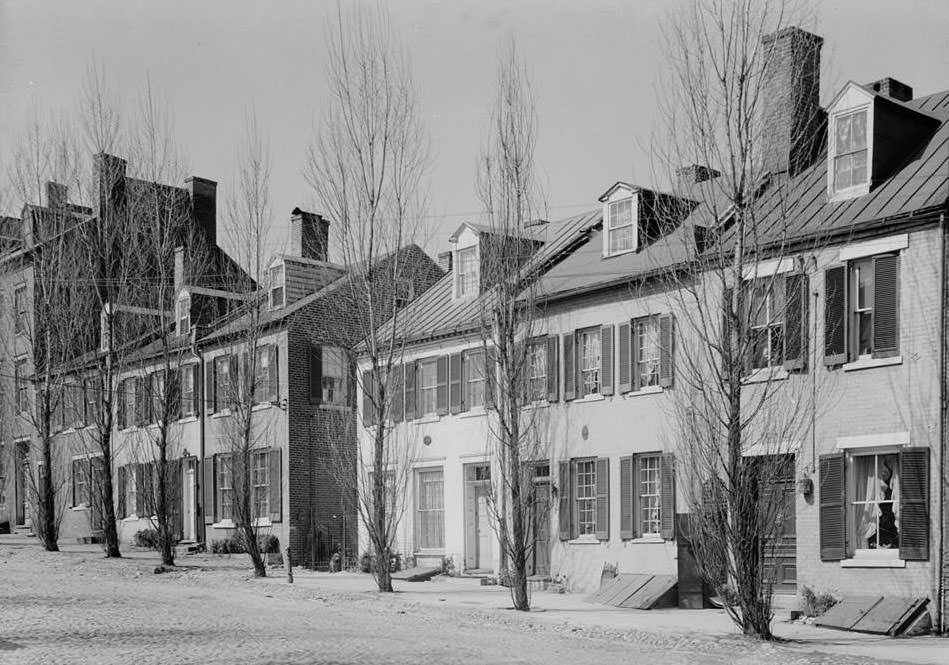
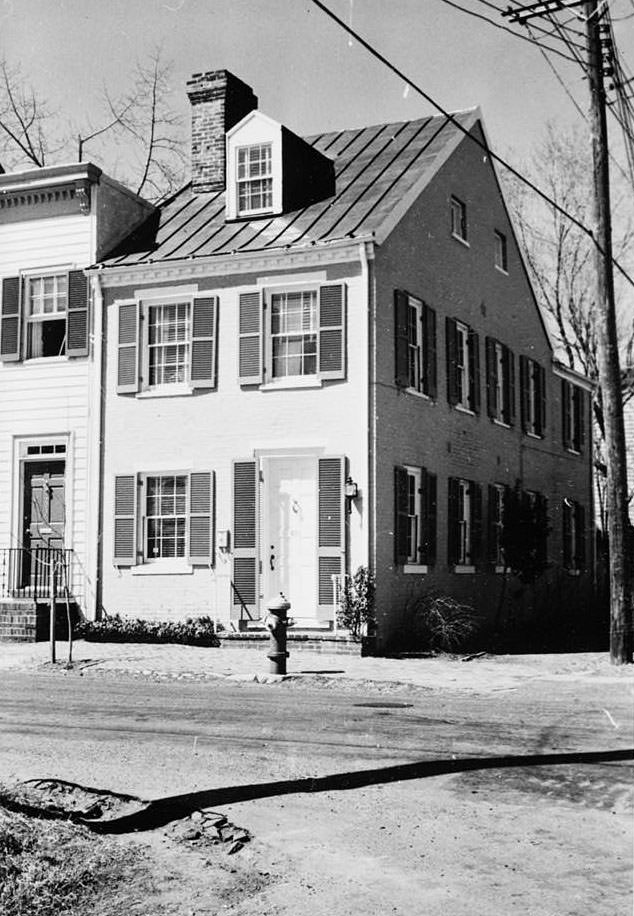
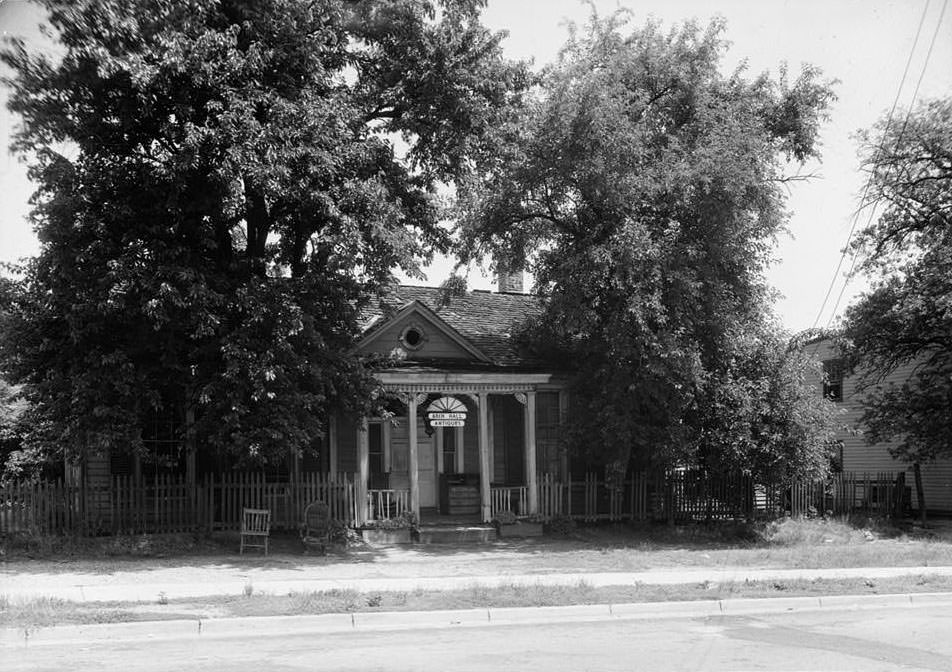
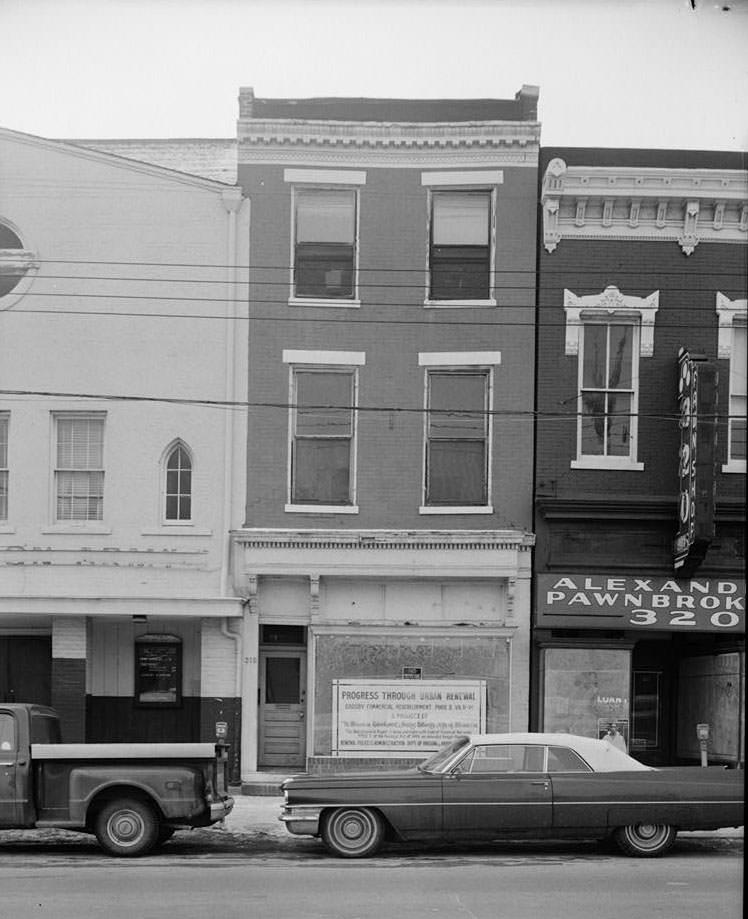
The Bank of Alexandria at 133 North Fairfax Street was chartered in 1792 and was the first bank in Virginia. Its building — a solid, Federal-style structure — still stood in the 1970s as one of the most historically significant commercial properties in the entire city. The Bank of Potomac on Prince Street represented another chapter in Alexandria’s banking history, operating in a similarly well-preserved building a few blocks away.
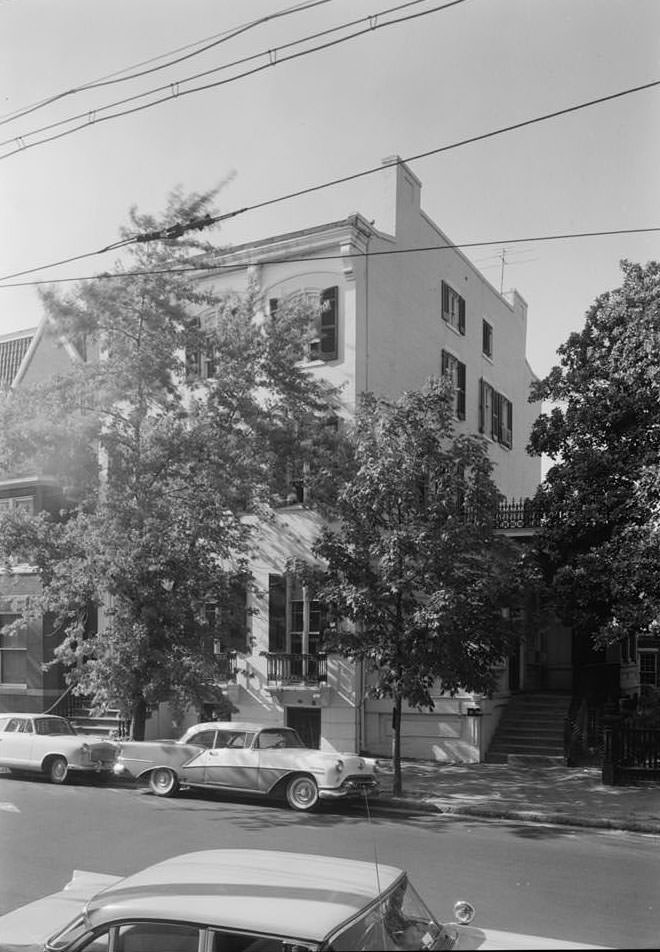
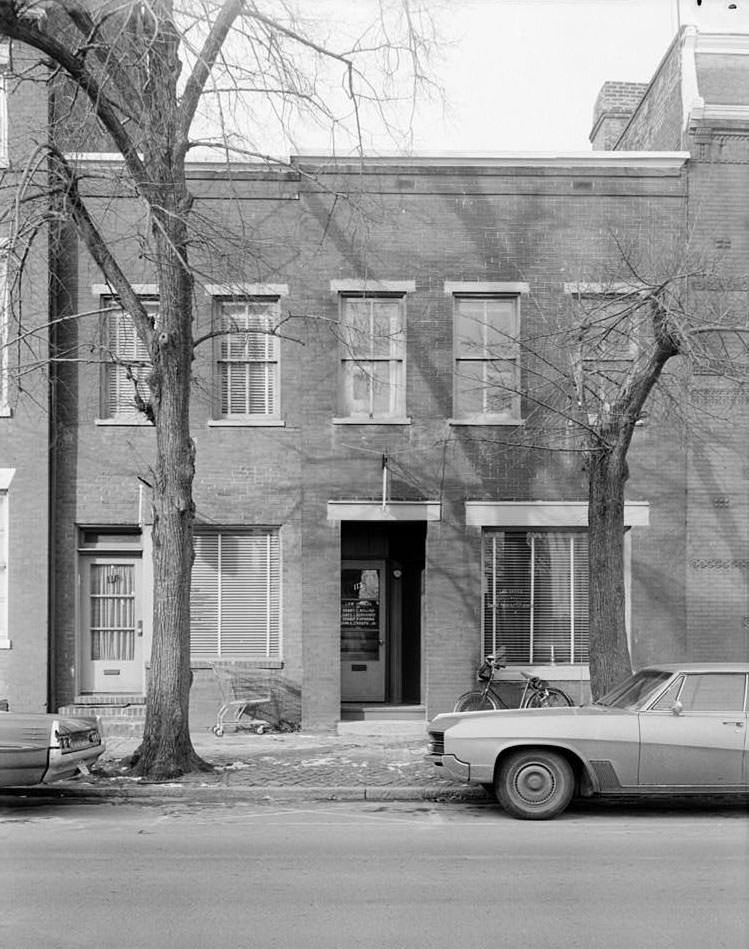
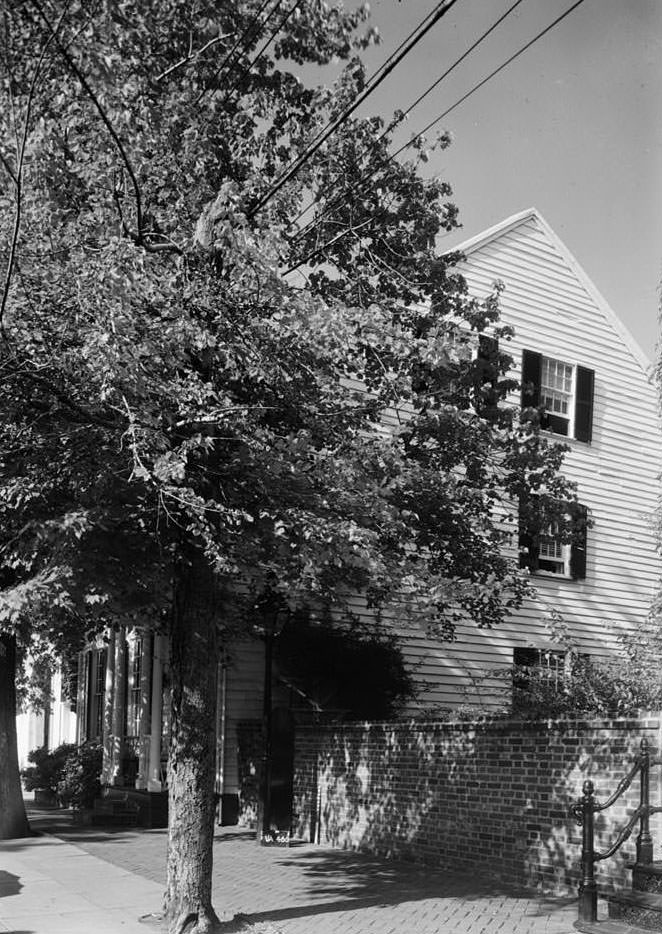
Dr. William Brown’s house on South Fairfax Street stood as a reminder of Alexandria’s role in early American medicine. Brown served as Physician General of the Continental Army during the Revolutionary War and published the first American pharmacopeia — a standardized drug reference — in 1778. His home, like many of the named houses in Alexandria, carried a specific historical weight that set it apart from the surrounding streetscape.
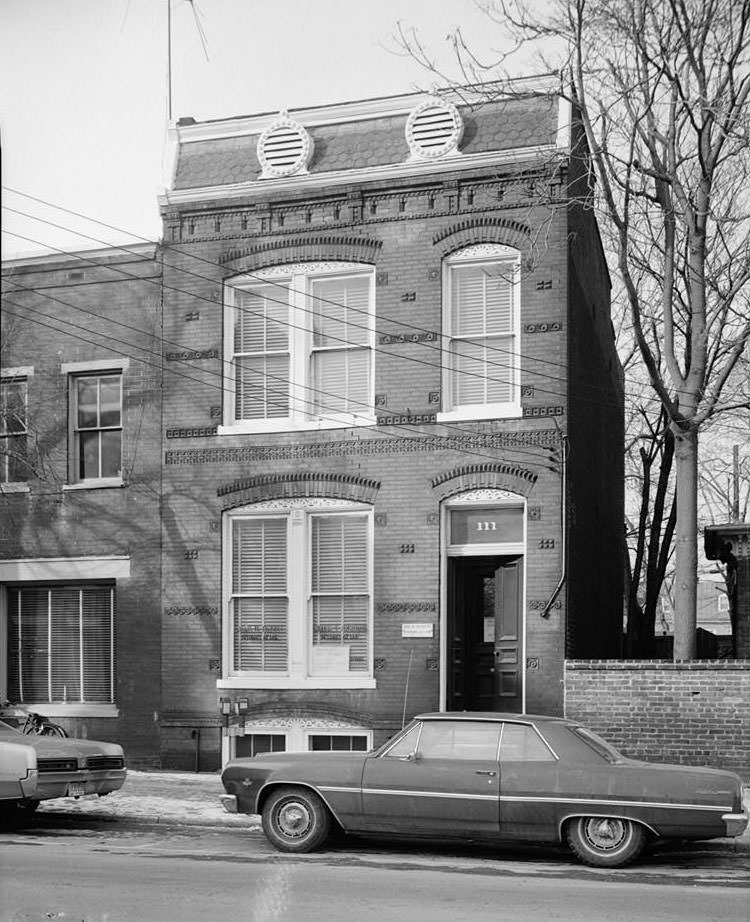
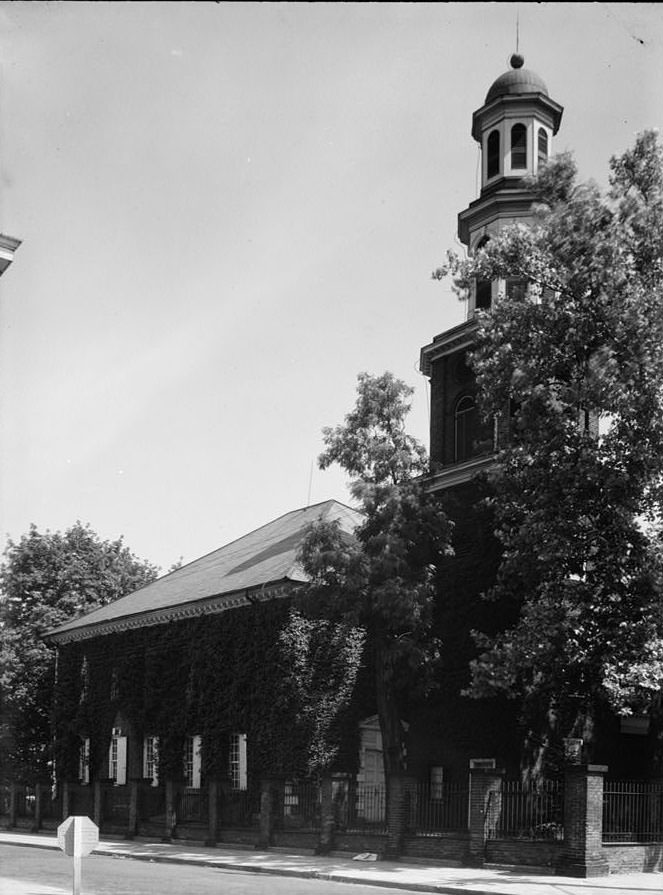
Christ Church at Columbus and Cameron Streets was built in 1773 and remained one of the most important historic sites in Alexandria throughout the 1970s. George Washington held pew 60, and Robert E. Lee was confirmed there. The church’s Georgian brick exterior and its interior box pews were preserved in their original form, giving visitors a direct visual connection to the colonial period. The church continued to hold regular services while also serving as a destination for those interested in American history.
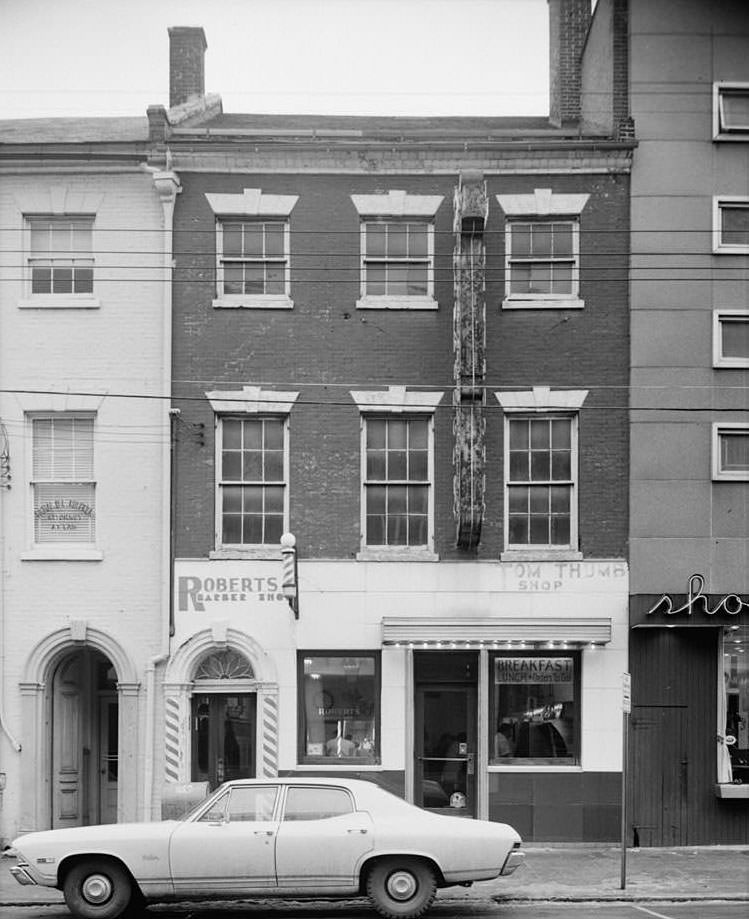
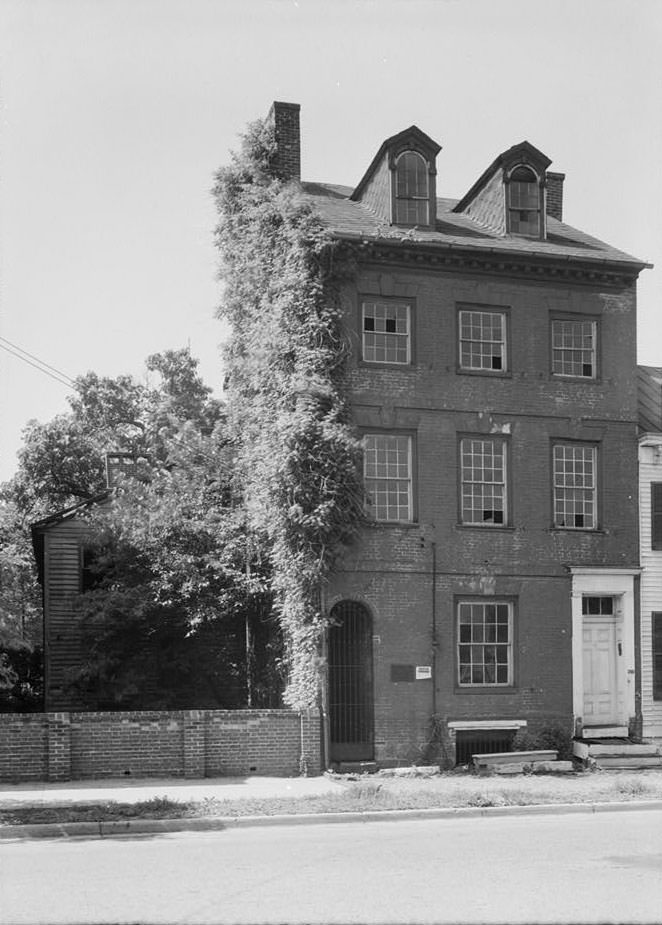
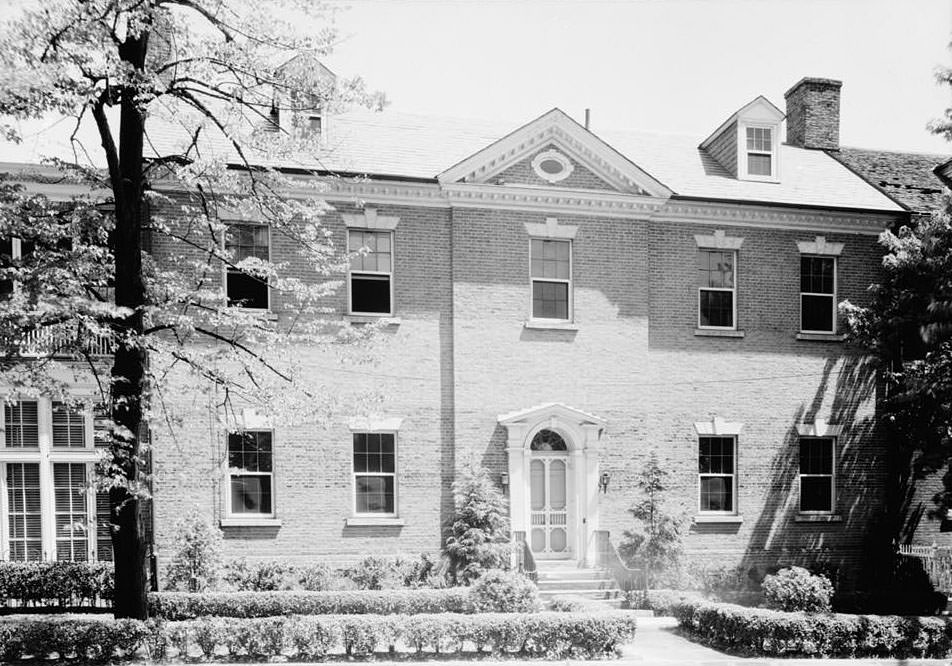
Dr. James Craik’s house on Duke Street was another property with a direct tie to George Washington. Craik was Washington’s personal physician and close friend, attending to him during the Revolutionary War and at his deathbed in 1799. His house on Duke Street reflected the prosperous life that Alexandria’s professional class built during the late 18th and early 19th centuries — wide brick facades, symmetrical window placement, and restrained Federal ornamentation.
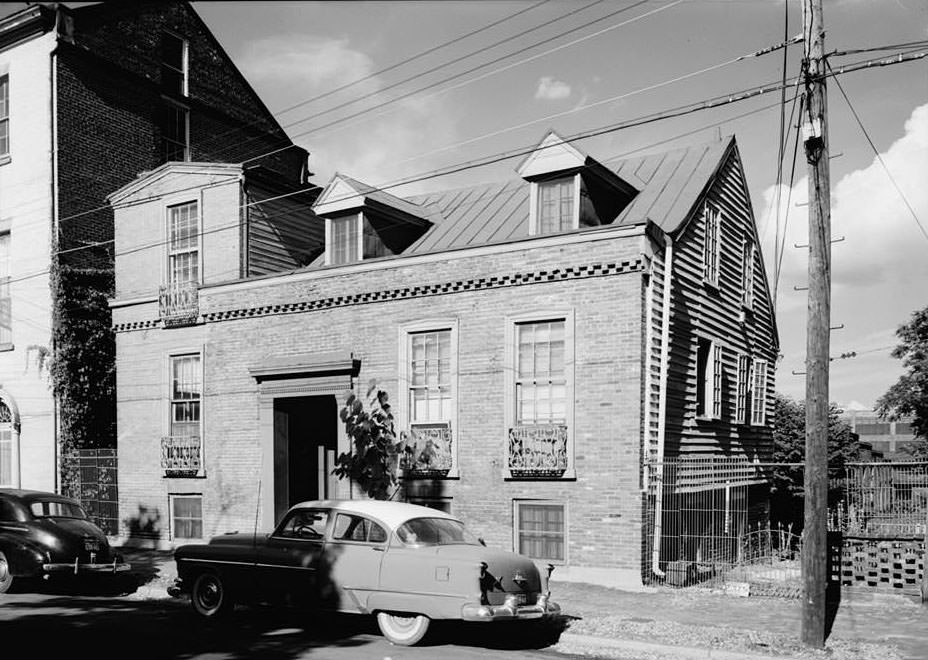
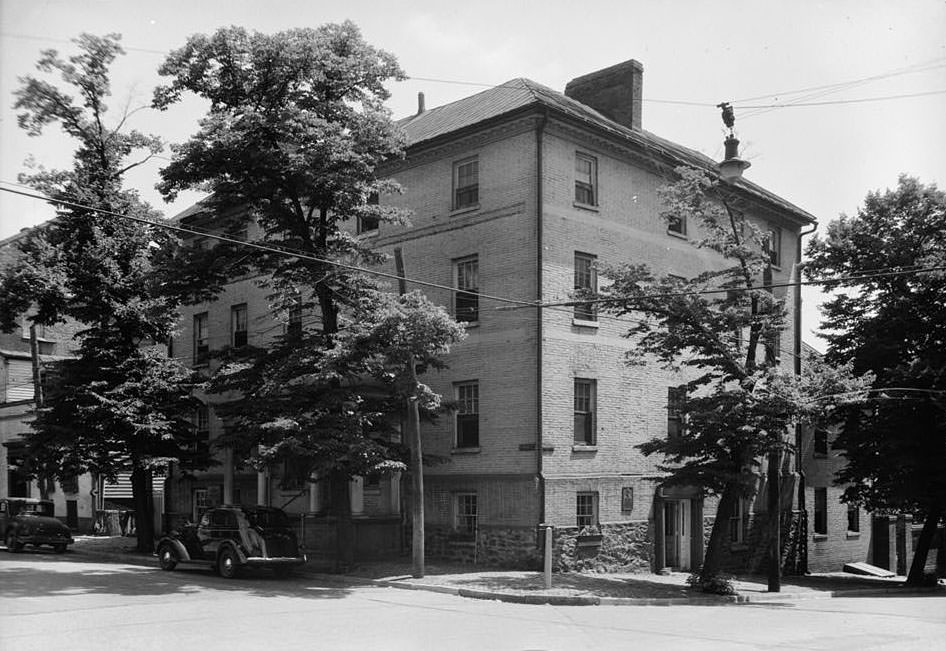
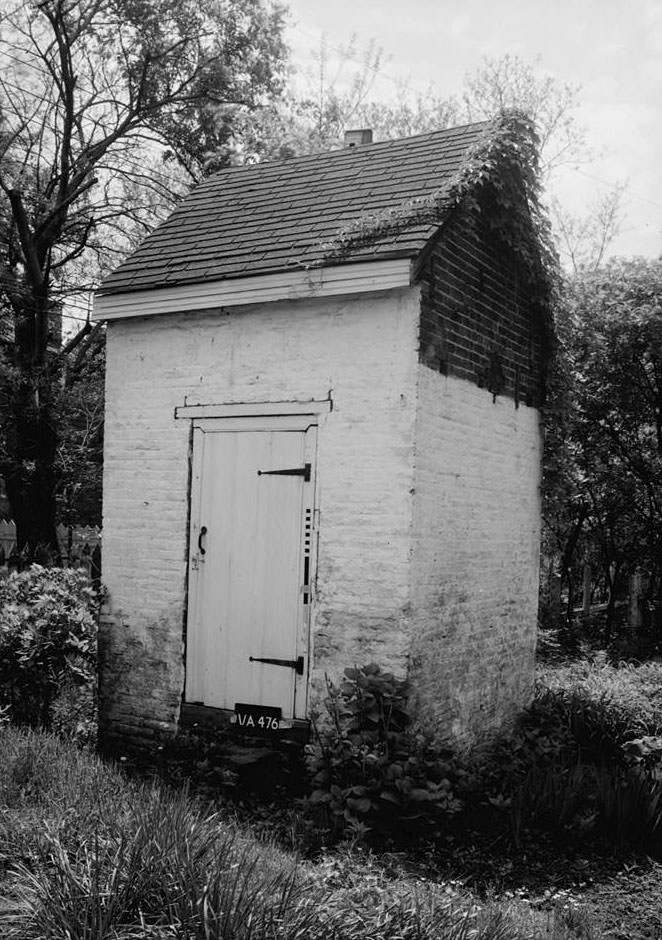
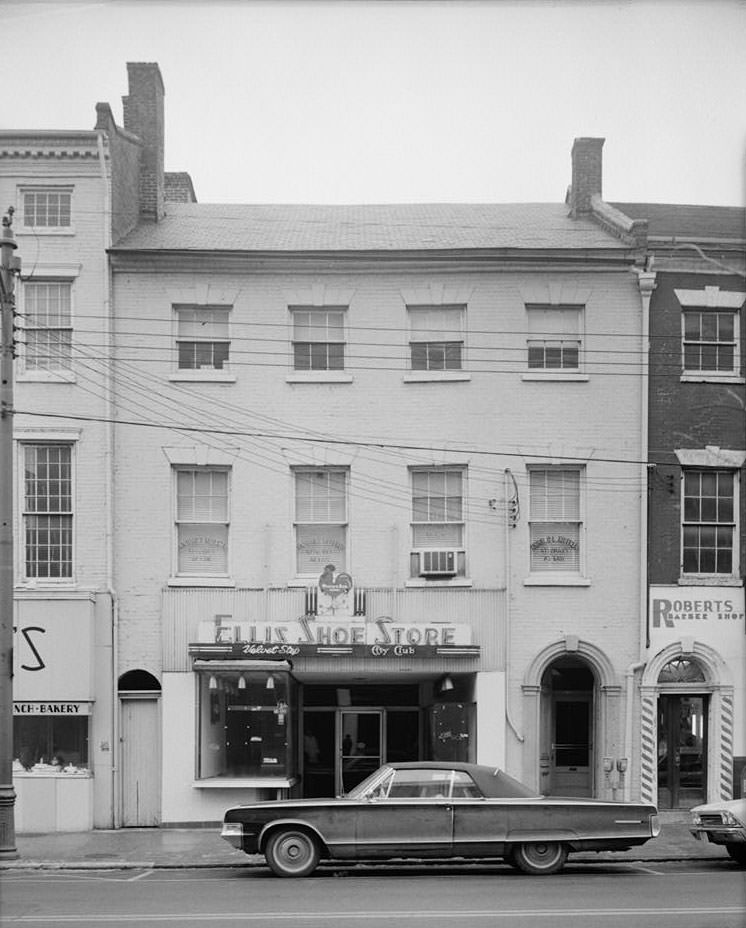
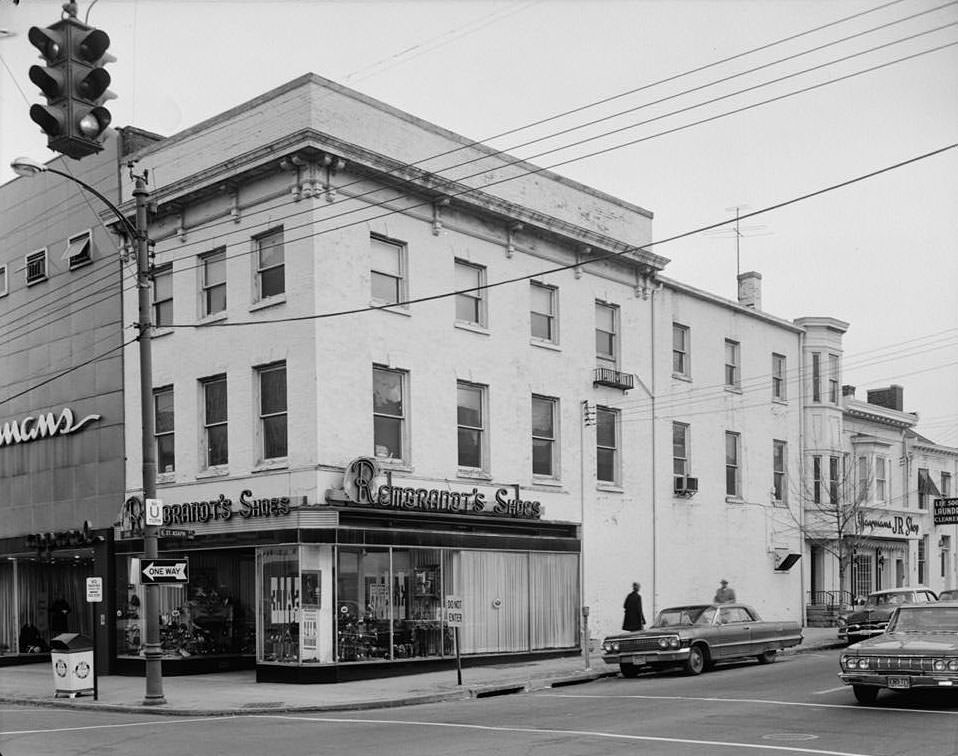
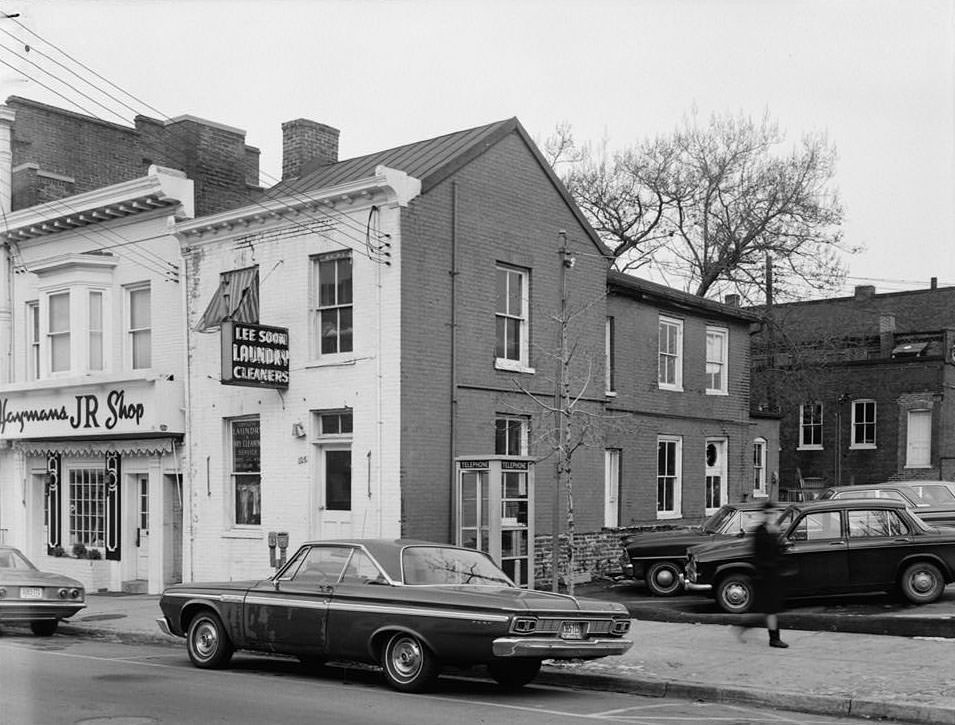
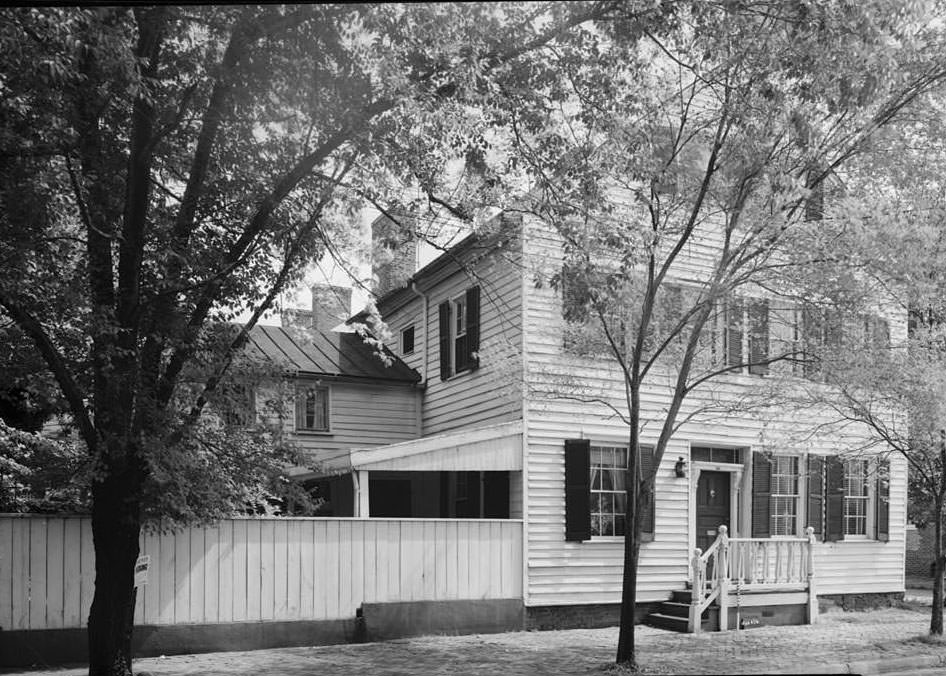
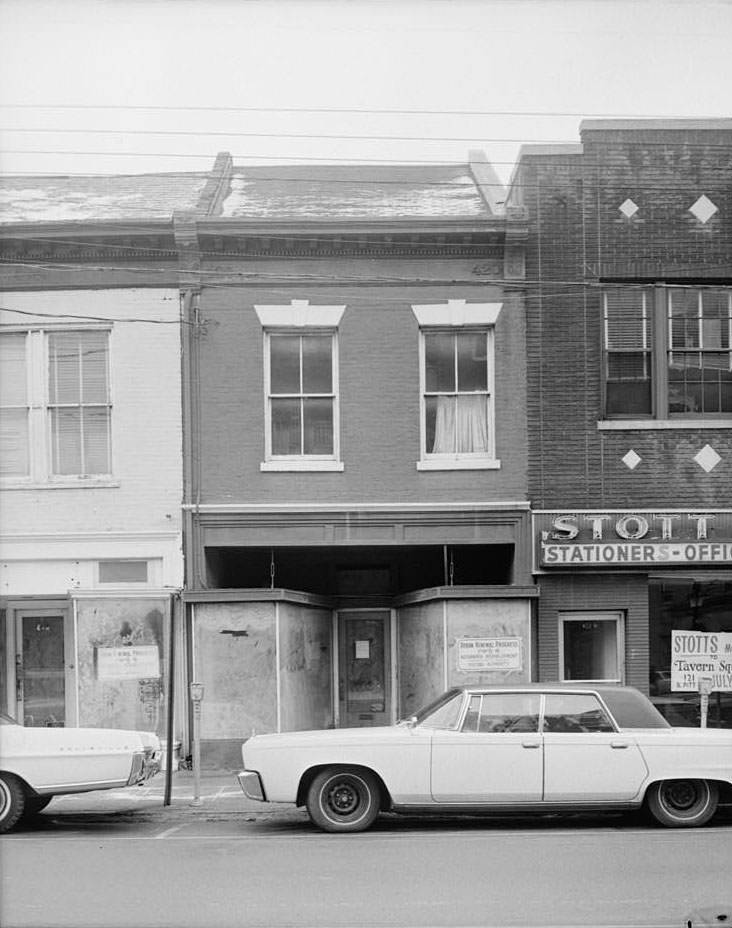
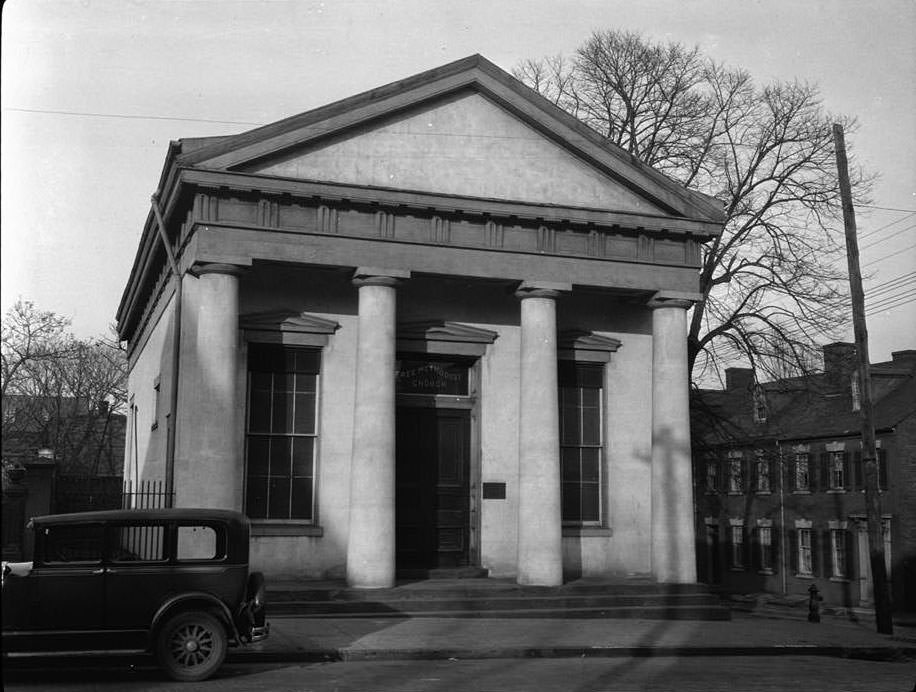
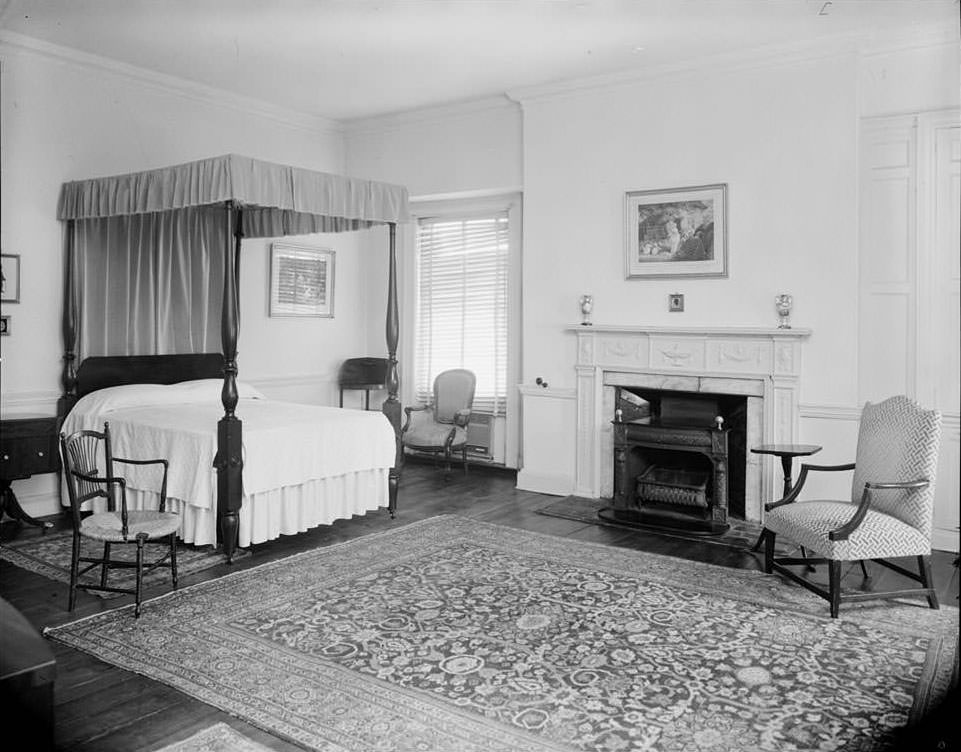
Oronoco Street, running parallel to the Potomac waterfront, held several of the city’s most distinguished private residences. The Potts-Fitzhugh House, the Fendall House, and the Wilson-Hopkins House were all located within a short stretch of the street, giving Oronoco a concentration of 18th-century domestic architecture that few blocks in any American city could match. These homes were built by merchants and lawyers who made their fortunes from Alexandria’s thriving port trade in the years before the Civil War.





Anyone remember edsall rd exit on 395N. There was an Ames, Denny’s, Pizza Hut, and a Days Inn
That was the all night Denny’s to hit on the way home from Georgetown when the D.C. drinking age was still 18
Ames was Zayre originally. I forget the name of the motel.
Why do 7/8s of every car in that collection look like its straight out of 1958?
yeah these are certainly not from the 70s, not least because pictures taken then would be in color lmao
FWIW, since this is just a shitty website reposting stuff from the LOC as clickbait, the LOC entry only says “after 1933”. and since the for sale sign at 207 royal has a phone number “DH7-4636”, combined with every car looking like it’s from the 50s, that probably puts the terminus ante quem at the early to mid 60s
I don’t think there is one 1970’s era vehicle in those pictures. I guess the one with the Beetle could be from the 70’s. One of them has like two Model Ts in it.
Yeah those look like photos from the late 50s, early 60s
Most cars on the road in the 1970s were from the 50s. When Bill Burr was making F is For Family, he commented on how the depiction of the 1970s in That 70s Show was unrealistic because every car in the show was a 70s model and of how few vehicles actually driven during the era were newly minted.
Yes, but you would expect to see at least a few recent vintage cars in those photos. They are few and far between.
This is not correct. Most cars on the road in the 70s were from the 60s.
Source: I was there.
Looks like Fallout 3.
There was a gun shop on king street lol
There was also an entire gun import/distribution plant just off of the end of Kings St. by the waterfront where all of the warehouses used to be. Interarms used to import Rossi (now owned by Taurus) among other guns/brands and would sell in the US. Most of the ones I’ve seen are just clones of relatively famous guns, like the S&W j-frame.
Go to Google Earth, zoom to “Roberdeau Park – 1 Wolfe St Alexandria, VA 22314”, and set the imagery layer to anytime pre-2016. The large warehouse building should be it iirc.
Yep, I have shopped there.
It says those photos are from the 1970s, but those cars looked older than that. Seems like 1950s maybe ?
Came here to say the same thing. Some of those pictures are definitely older than the 70s.
some of the pictures still have phone numbers with exchange names (Klondike 5 etc) which were gone in large cities by 1960 or so
When my grandpa was growing up he said Franconia Rd use to be a dirt road.
I hate that road lol, especially the Van Dorn intersection