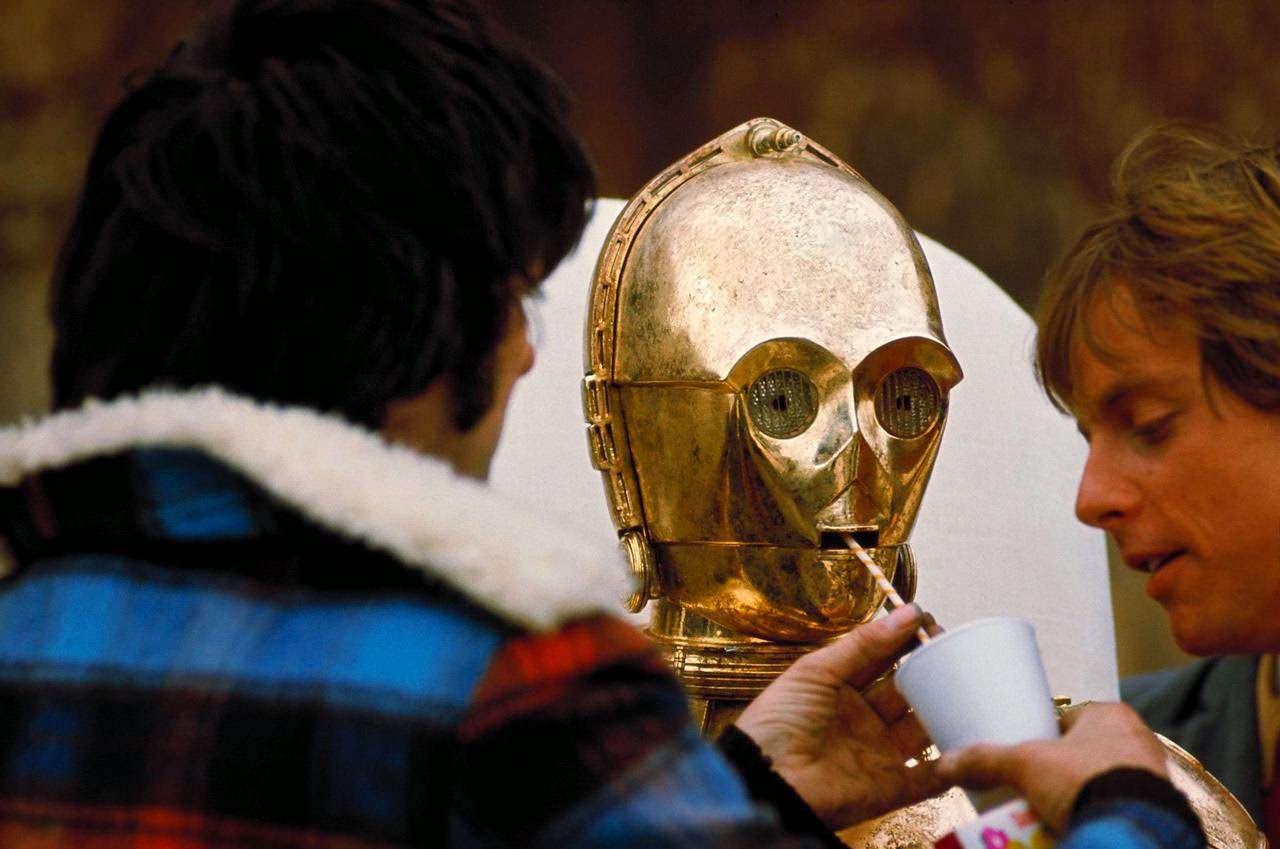
When The Munsters premiered on CBS in September 1964, it introduced American audiences to something they had never quite seen before. The show centered on a family of classic movie monsters living in a run-down Victorian mansion at 1313 Mockingbird Lane. They went about ordinary, everyday life — paying bills, dealing with neighbors, helping with homework — while being completely oblivious to how frightening they appeared to the outside world.
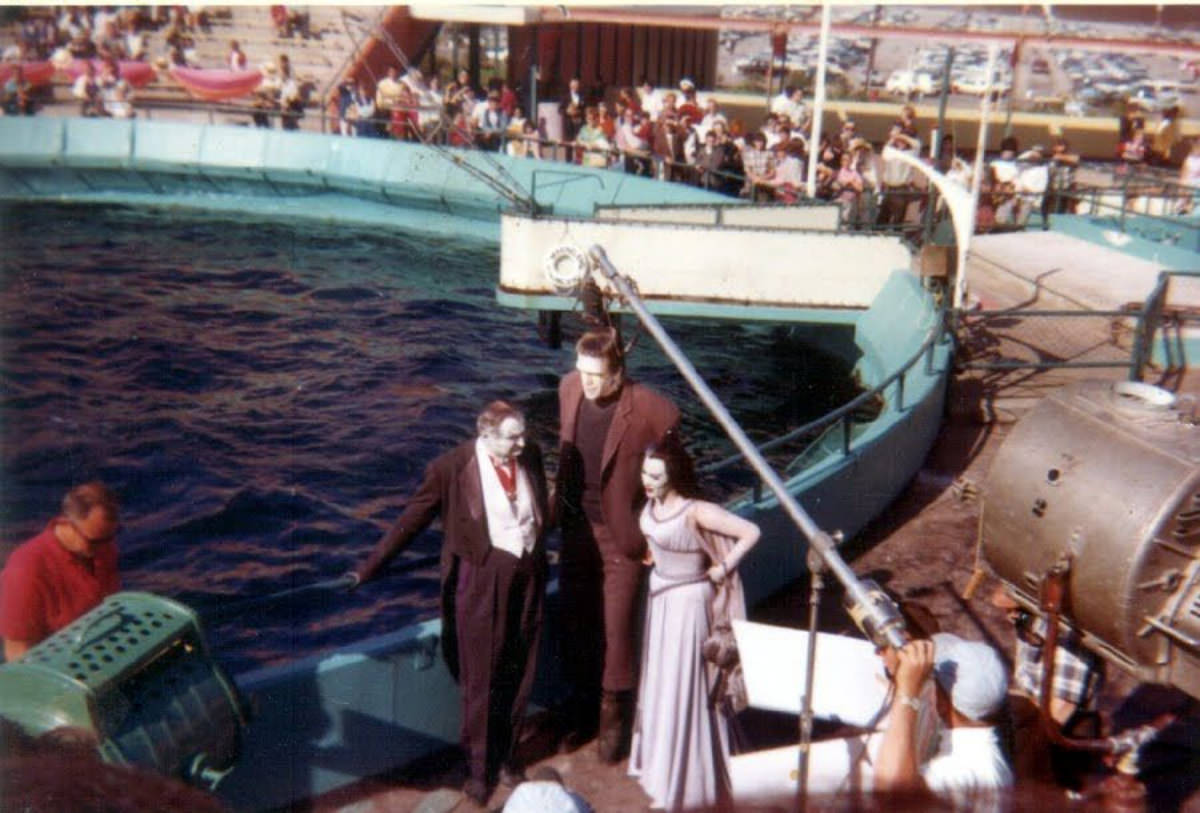
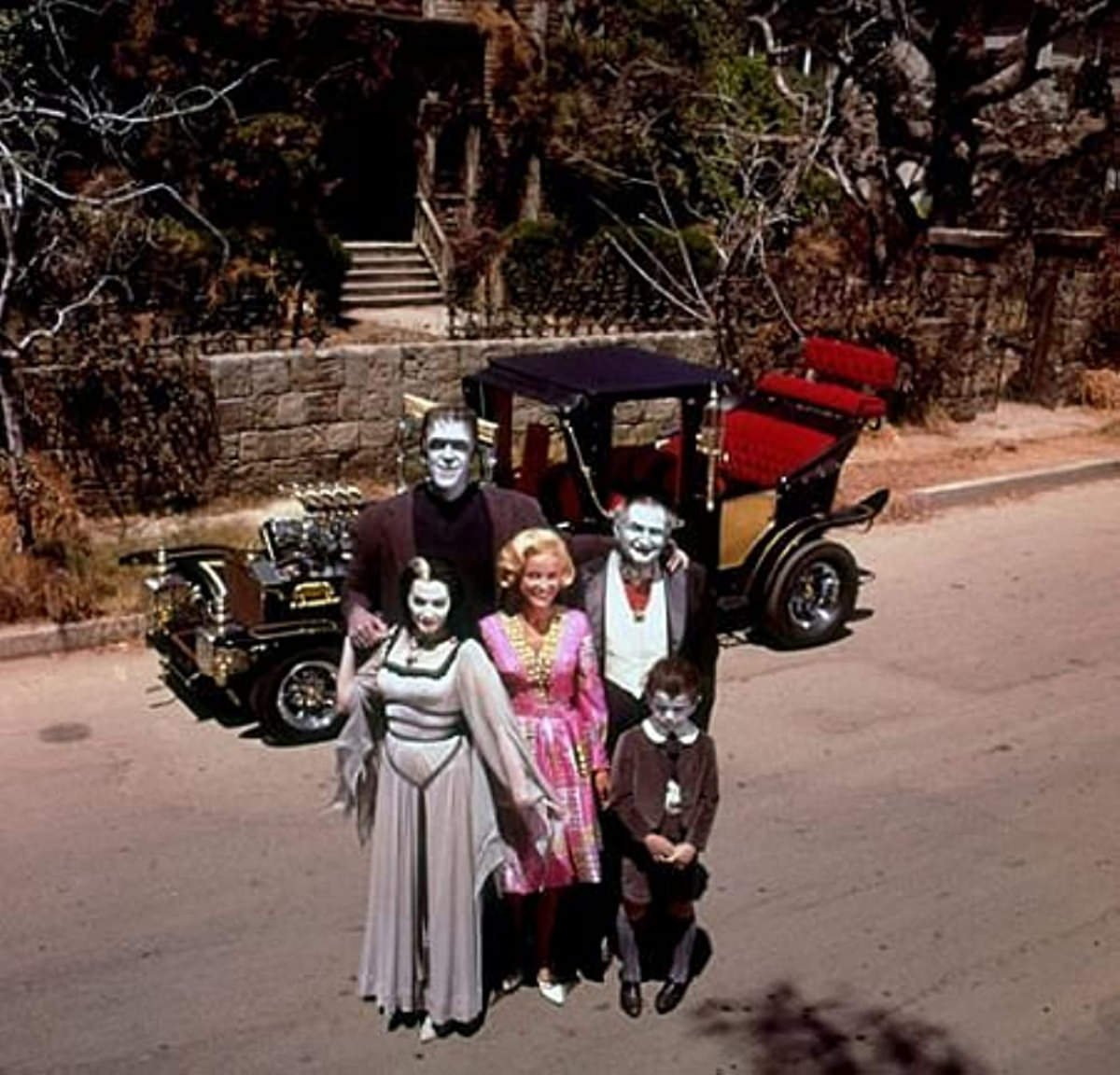
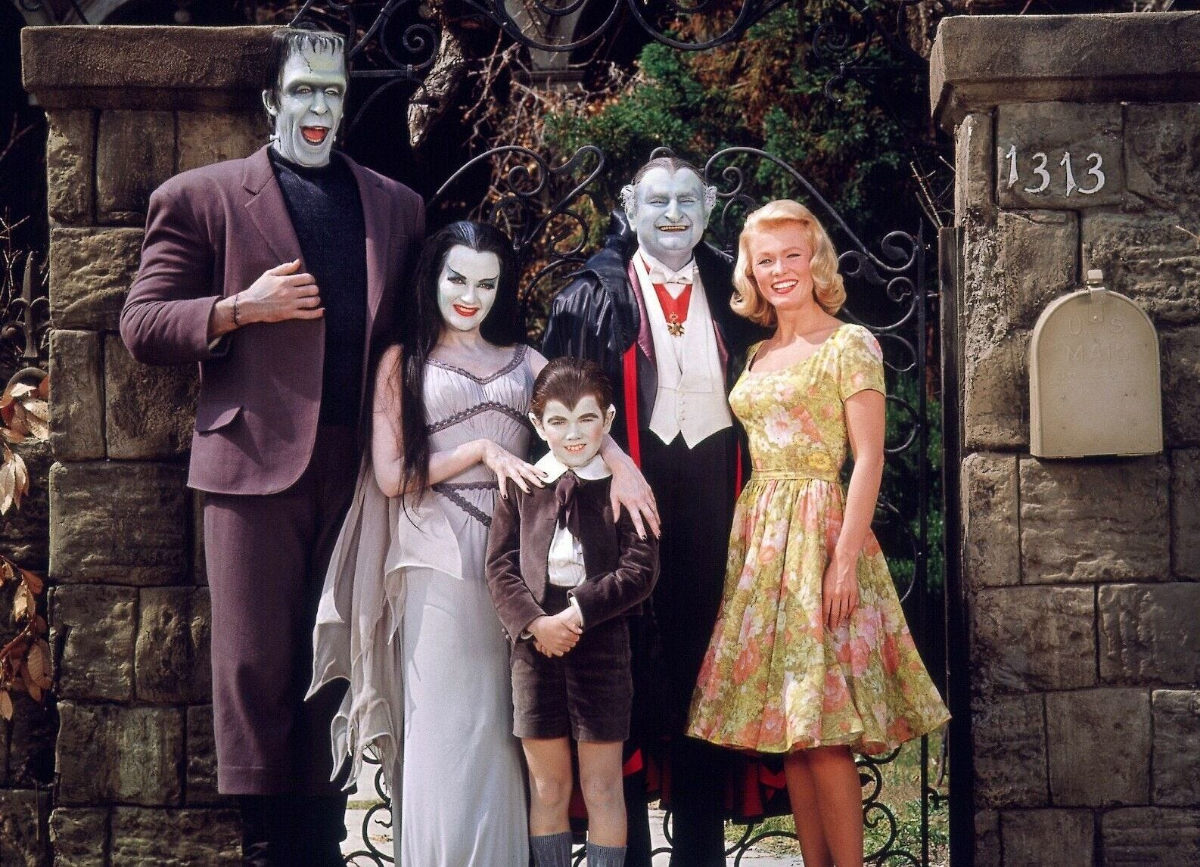
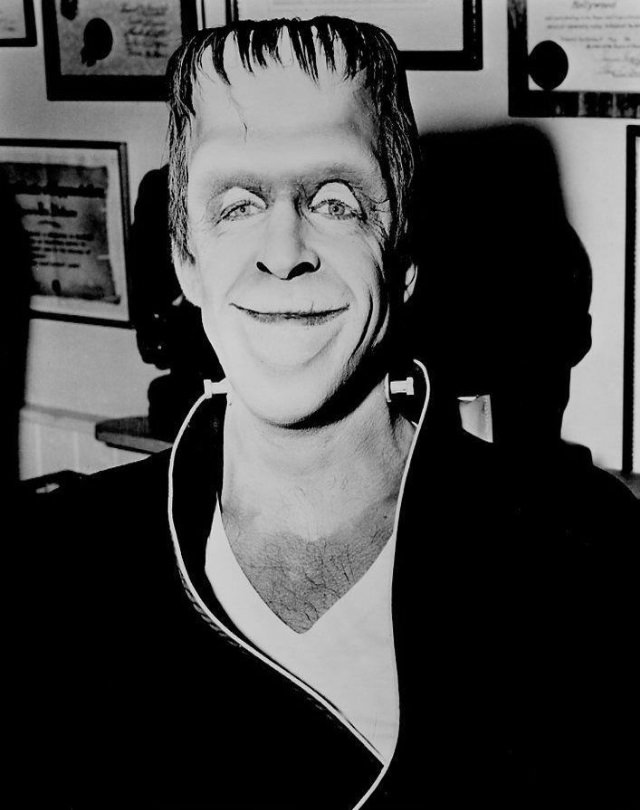
The family had five members, each drawn from a different corner of classic horror. Fred Gwynne played Herman Munster, a towering, bolt-necked figure built in the mold of Frankenstein’s monster. Yvonne De Carlo played his wife Lily, a pale, dark-haired vampire. Al Lewis played Grandpa, Lily’s centuries-old vampire father with a talent for backfiring potions. Butch Patrick played their young son Eddie, a werewolf boy with pointed ears and a widow’s peak. Rounding out the household was Marilyn, their niece played by Pat Priest — a perfectly normal, blonde young woman the family pitied for her plain, human appearance.
That reversal — where the monsters saw themselves as normal and everyone else as strange — was the engine driving the show’s comedy. The Munsters ran for two seasons and 70 episodes before CBS cancelled it in 1966. It aired in black and white for its entire run, even as color television was becoming more common.
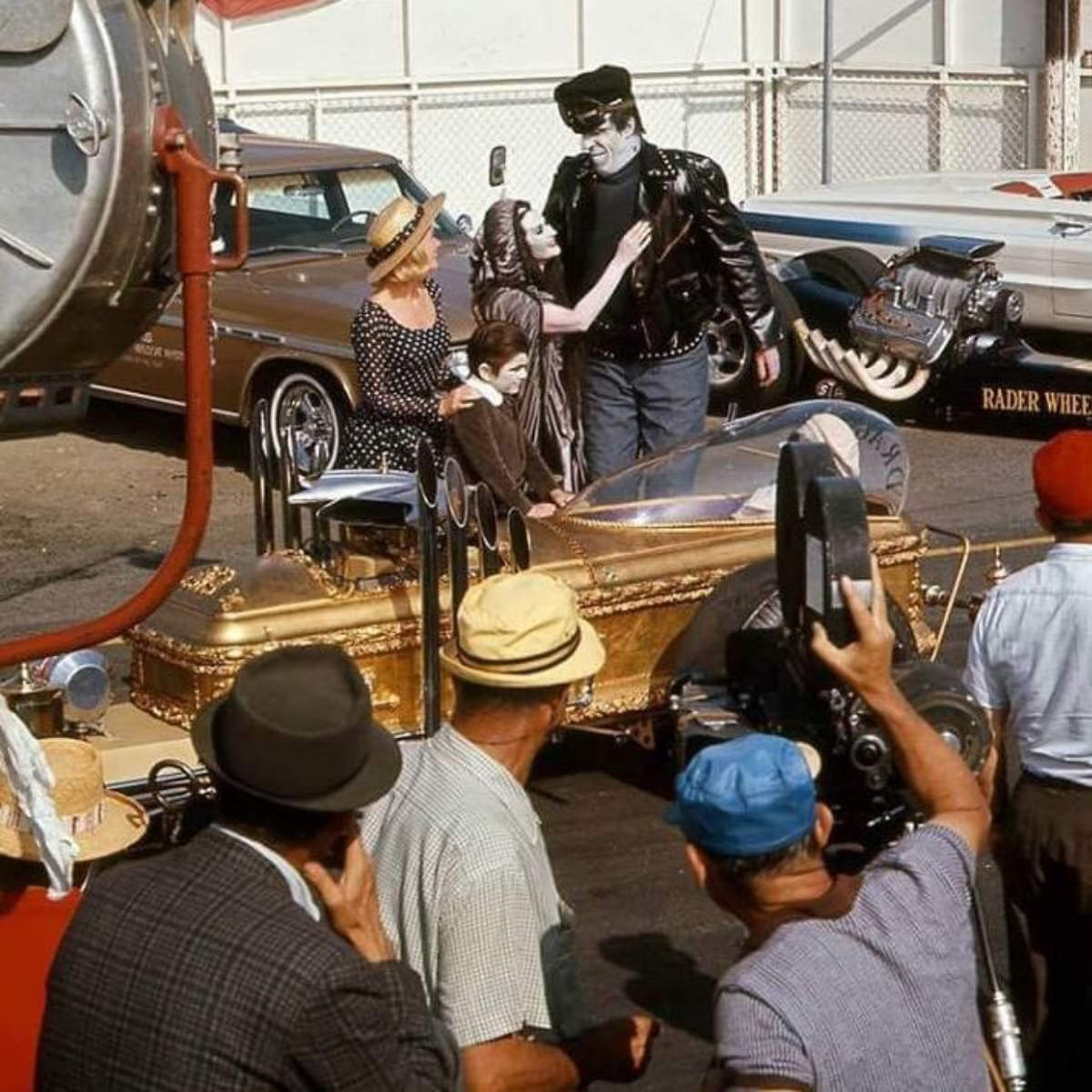
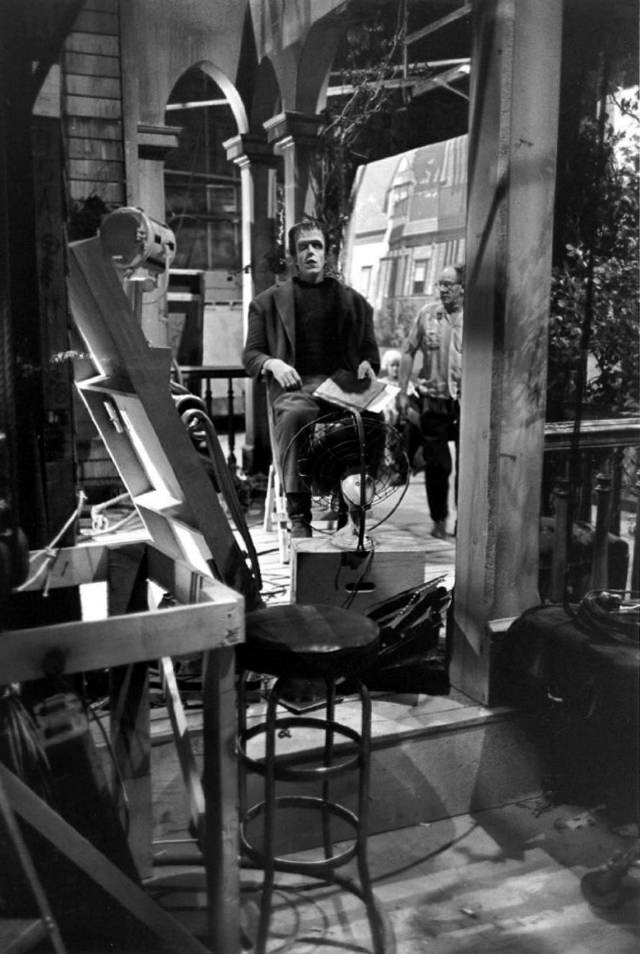
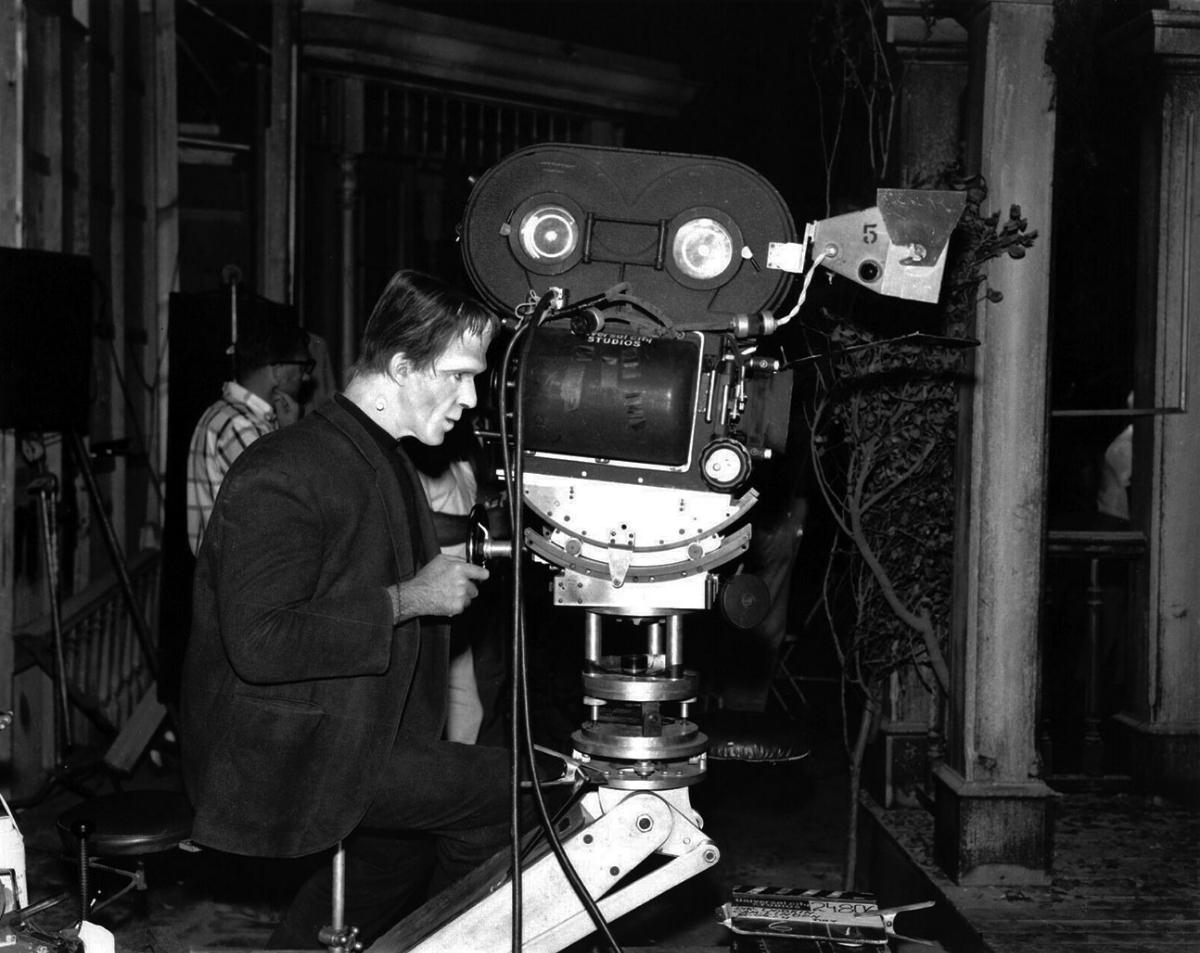
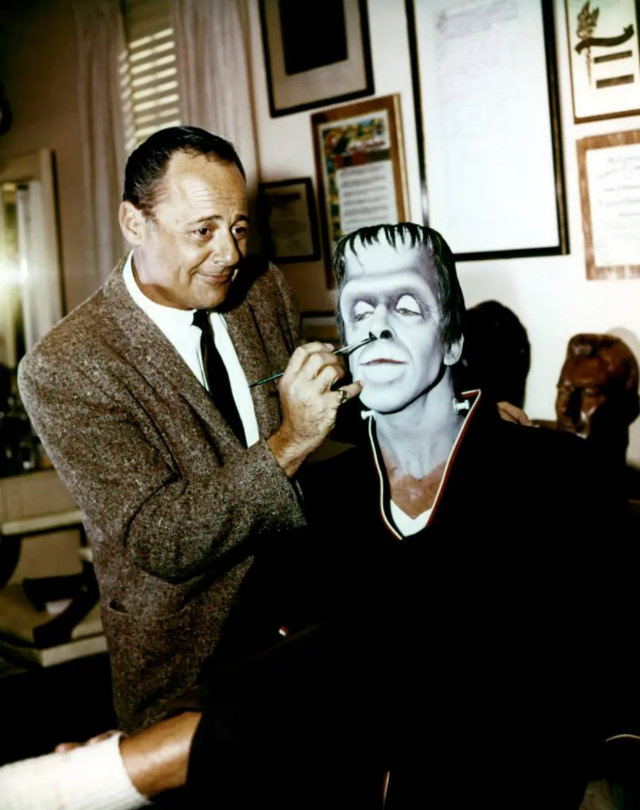
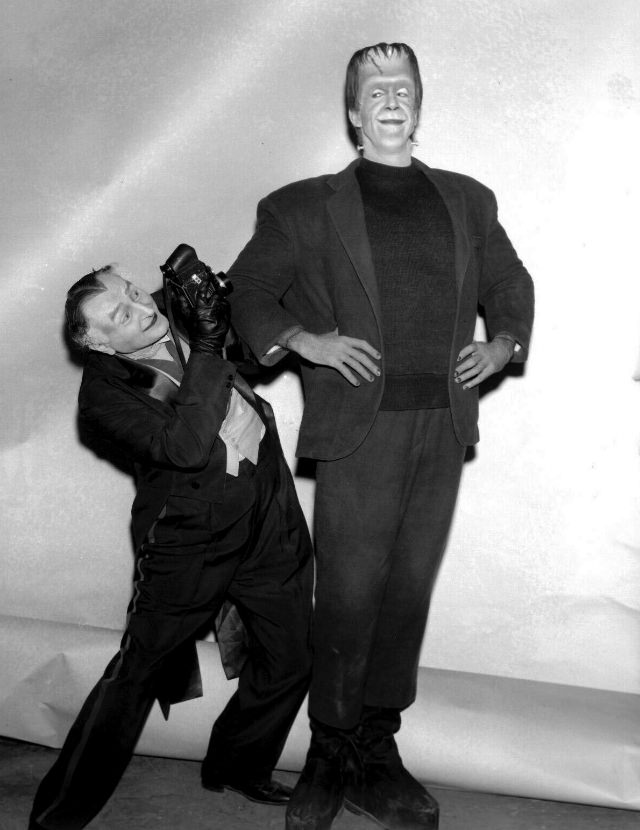
Getting the cast into their costumes and makeup was a serious daily undertaking. Fred Gwynne’s Herman Munster look required a large foam rubber headpiece, platform boots that pushed his already considerable height well past six feet, and full facial prosthetics. He spent hours in the makeup chair before cameras rolled each day. Despite the discomfort, Gwynne was known on set for keeping the mood light, joking around with crew members between takes while still fully decked out in his monster getup.
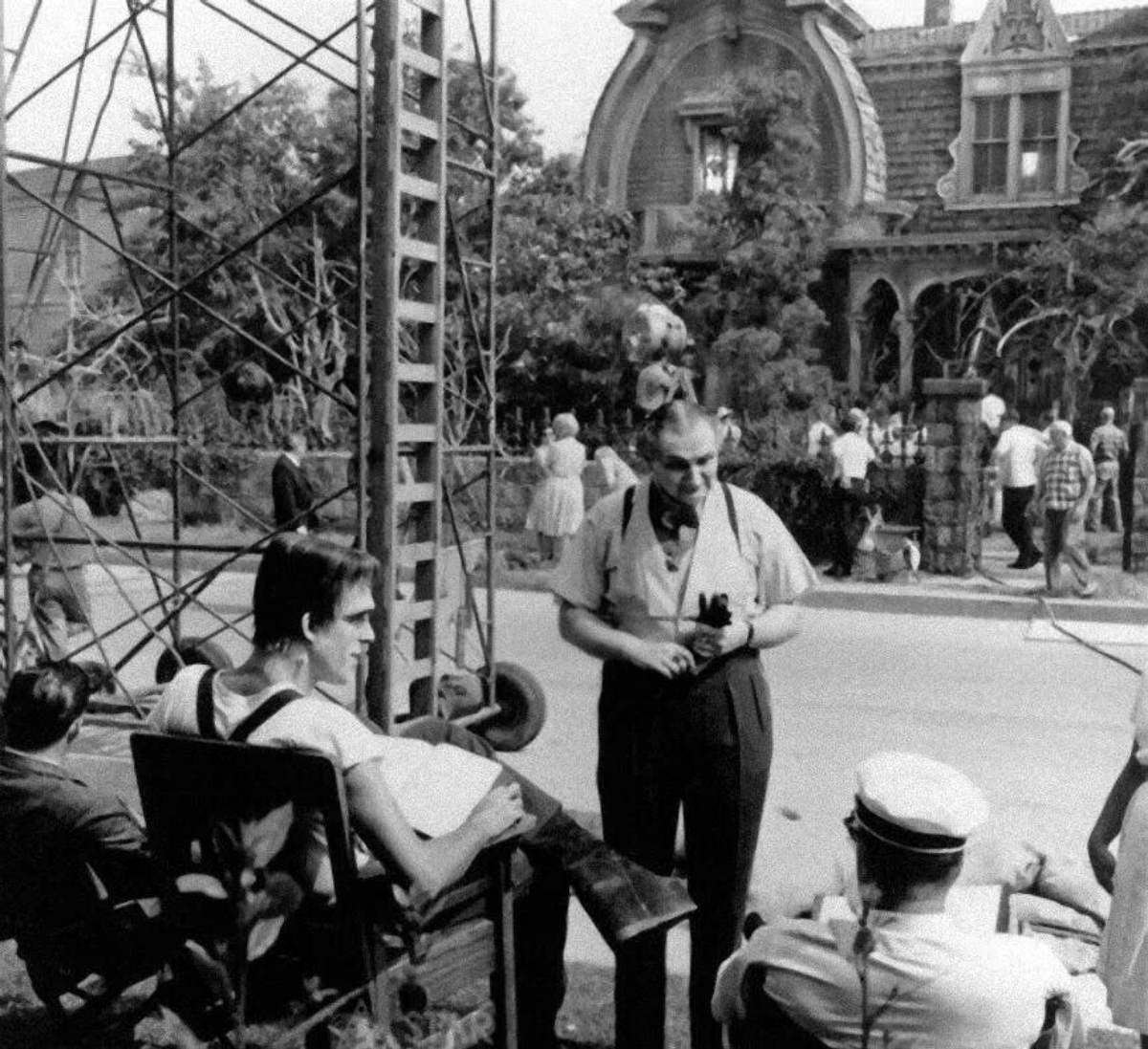
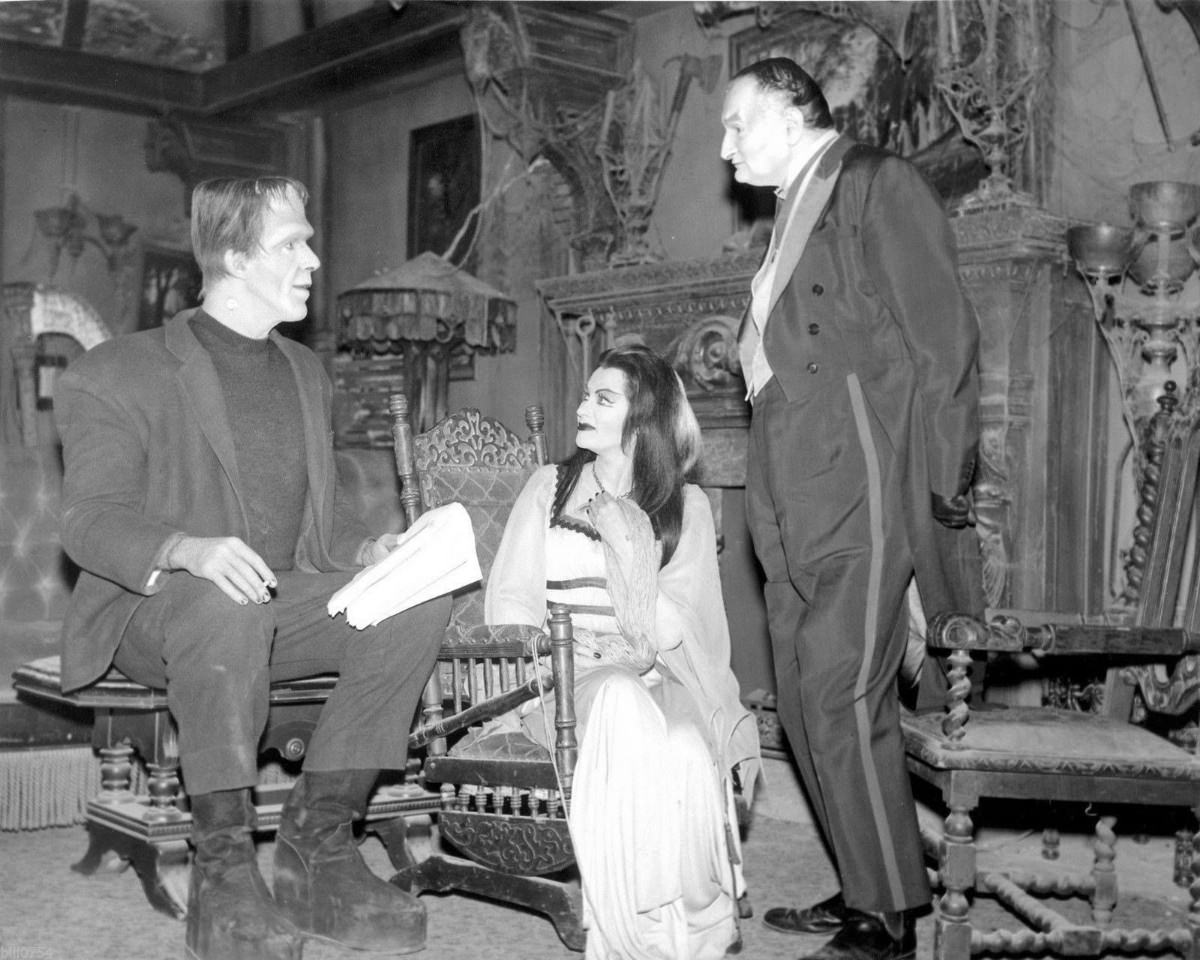
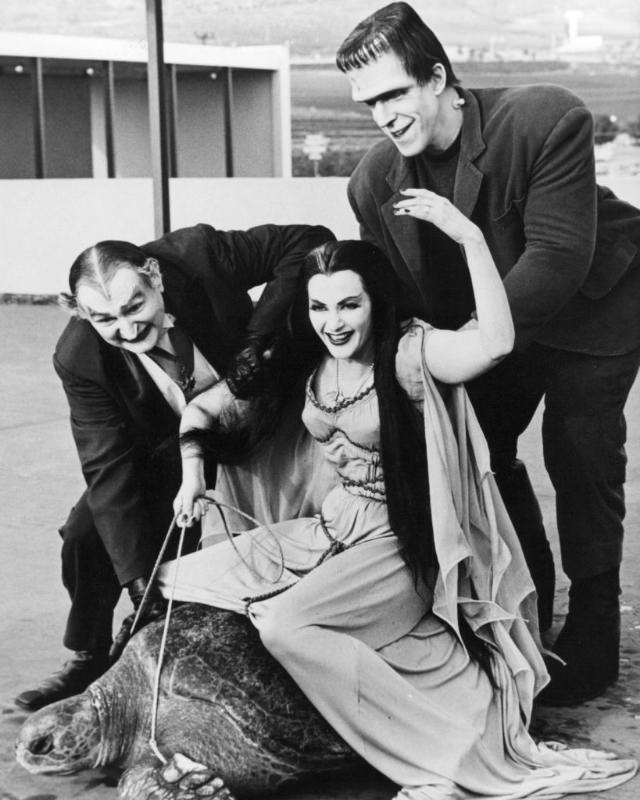
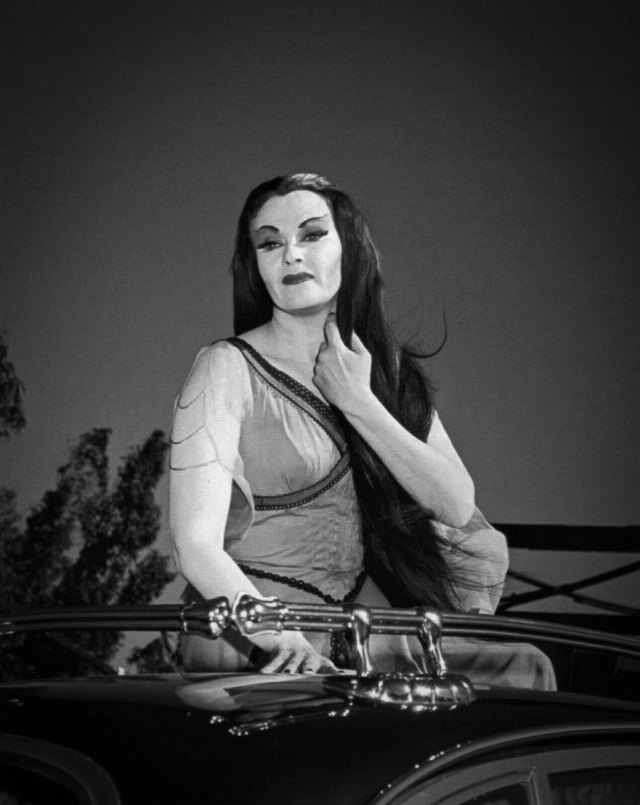
Yvonne De Carlo brought a different kind of dedication to the role of Lily. Before joining The Munsters, she had been a major Hollywood film star through the 1940s and 1950s. Taking on a comedic monster role on a network sitcom was a bold career shift. On set, she was known for her warmth and professionalism. Candid photos from production show her mid-laugh with castmates, still wearing Lily’s white-streaked black hair and long vampiric gown.
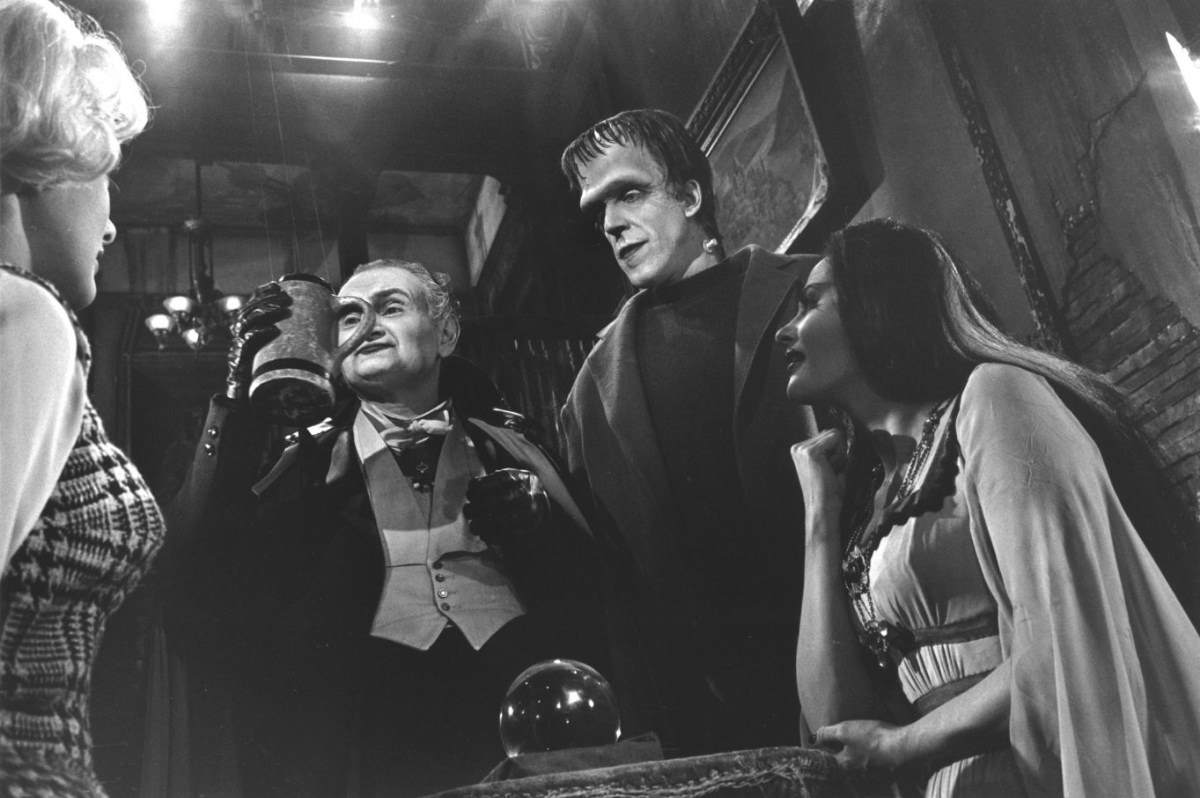
Al Lewis, who played Grandpa, was a natural scene-stealer. His character ran experiments in the basement laboratory, brewed strange concoctions, and frequently turned himself into a bat — with mixed results. Lewis had a background in circus performance and stand-up comedy, and he brought a loose, improvisational energy to his scenes that often drew out the best in his costars.
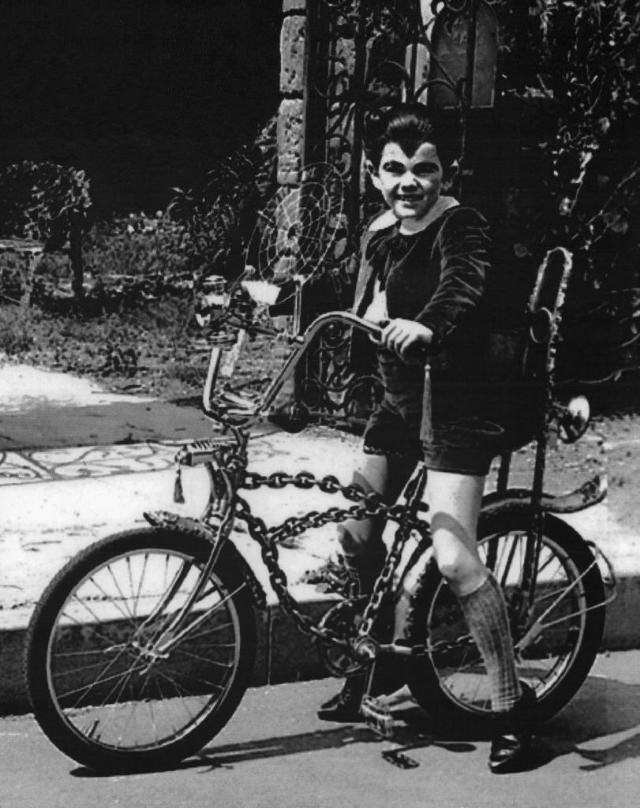
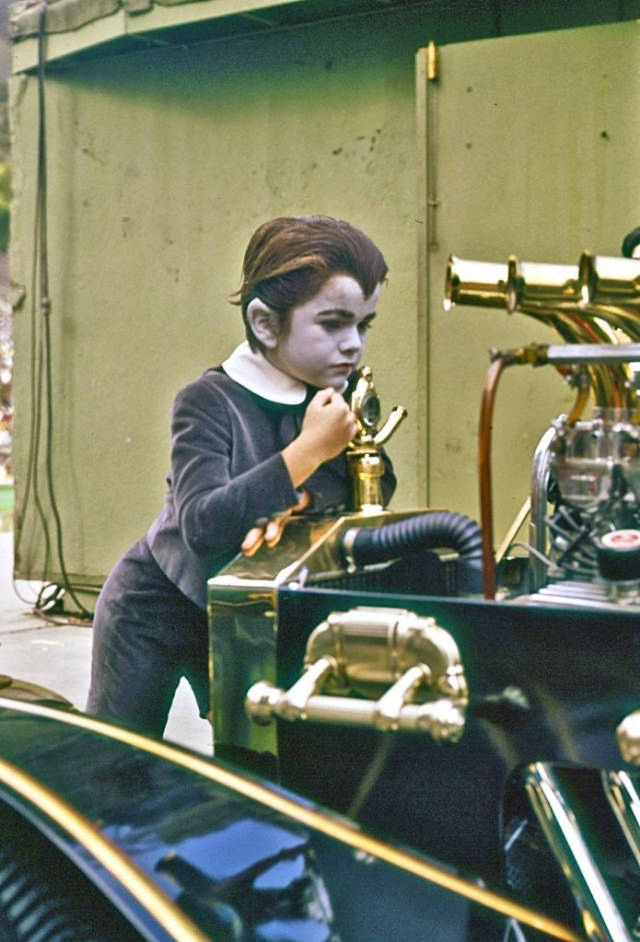
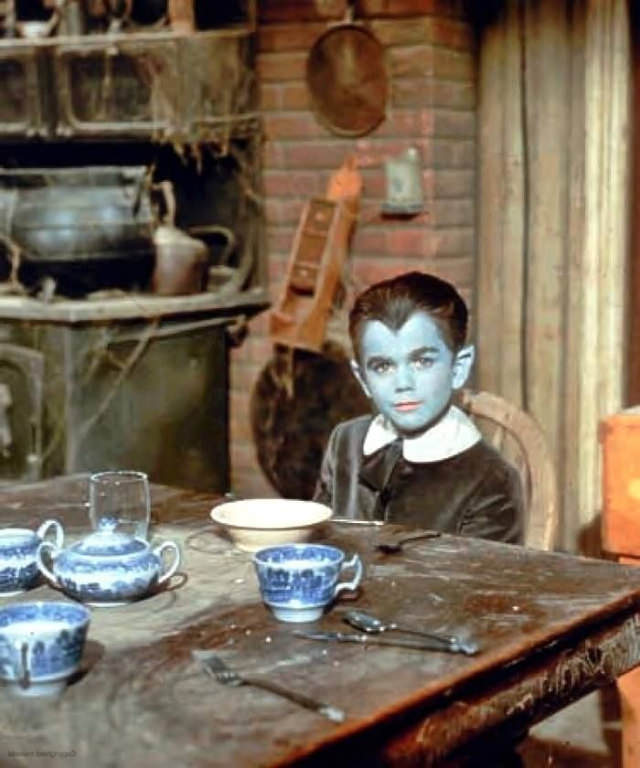
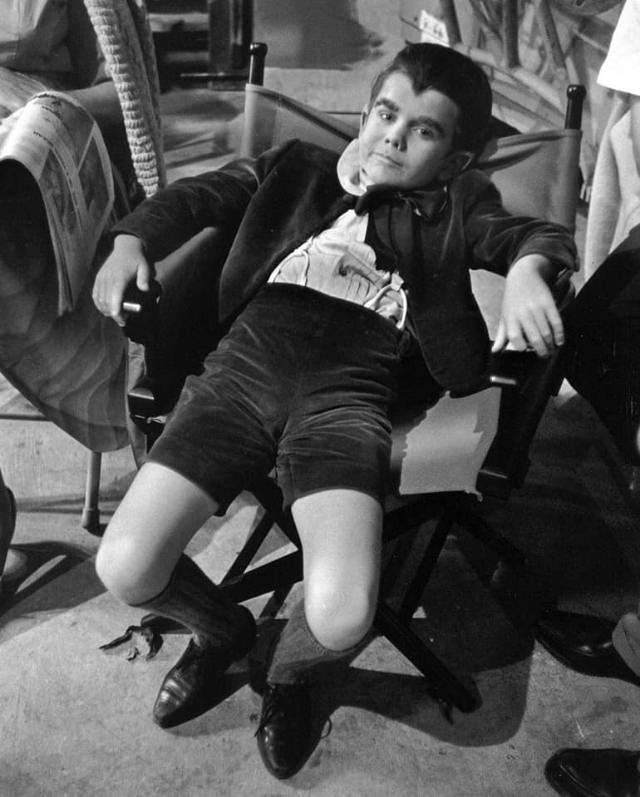
Butch Patrick was just ten years old when the show began filming. As Eddie Munster, he wore a shaggy wolf-boy wig and pointed prosthetic ears for every episode. Young as he was, Patrick held his own alongside the more experienced adult cast members and became a fan favorite, particularly among younger viewers.
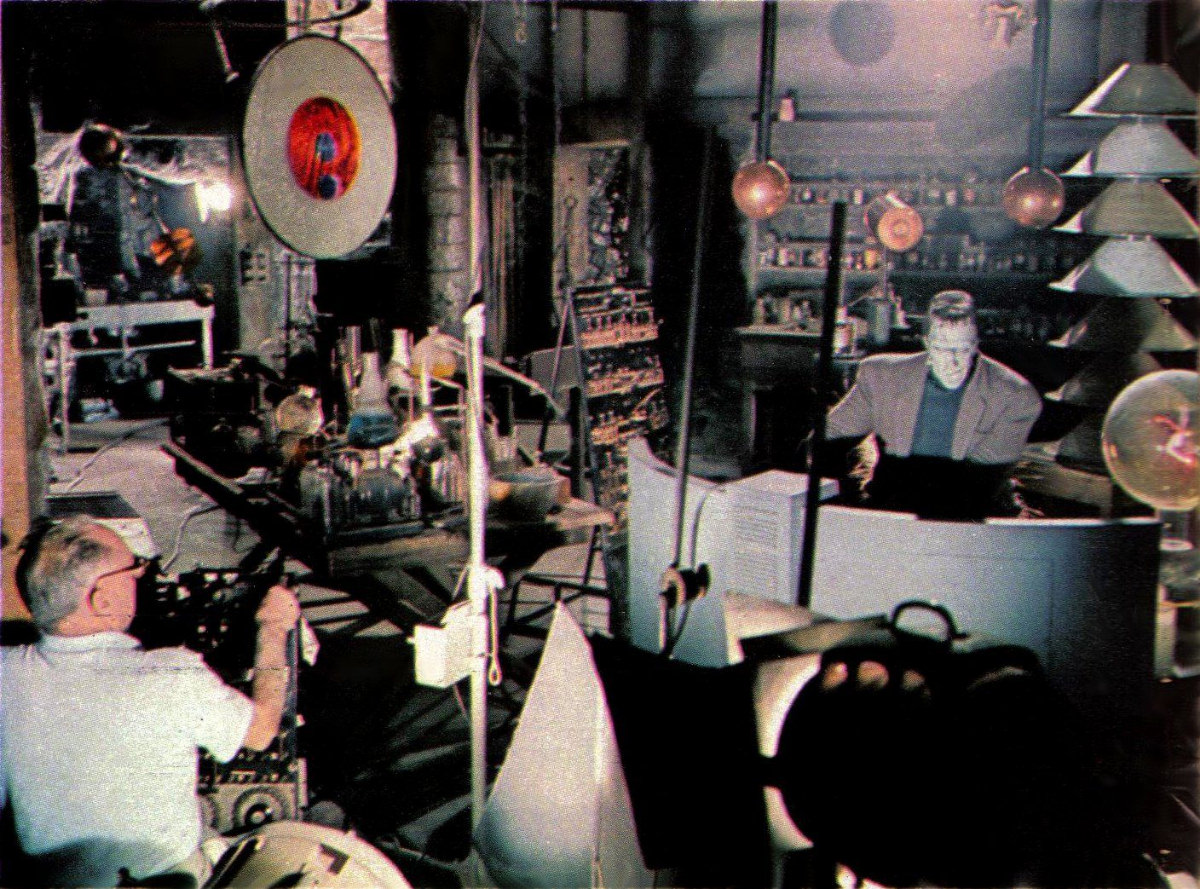
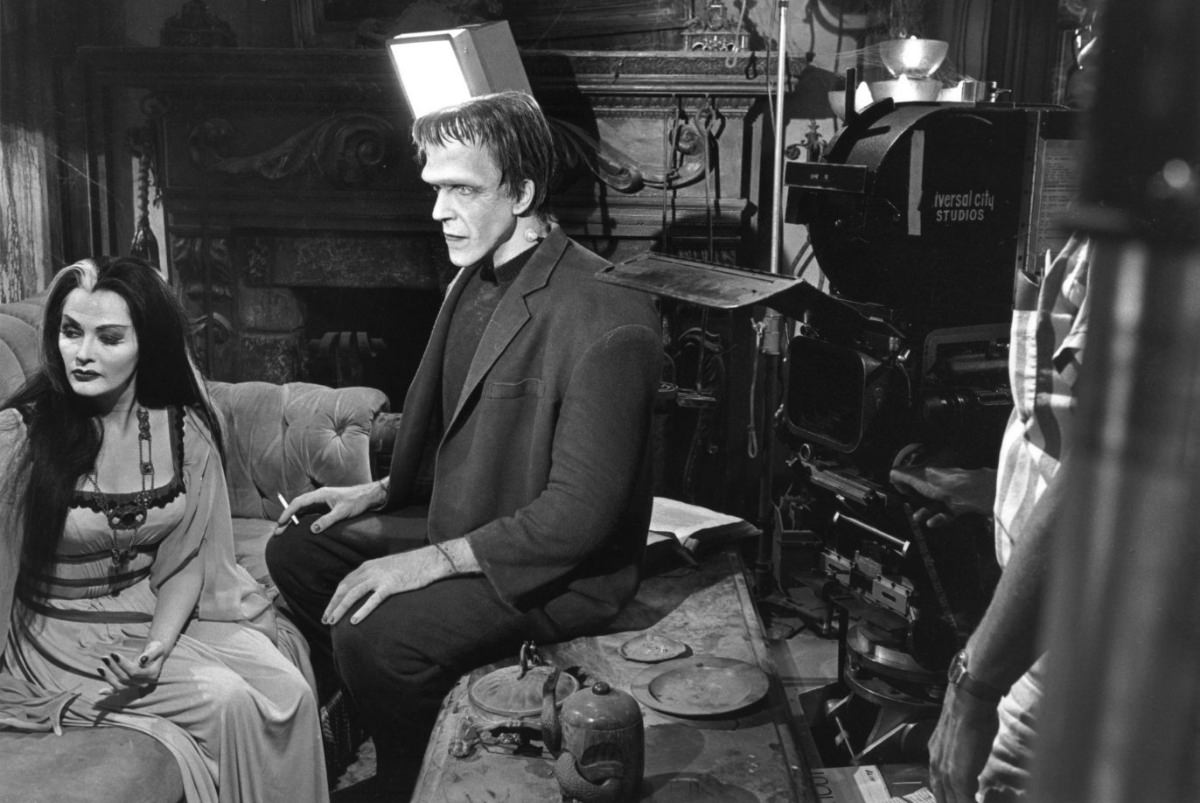
The Munster mansion itself was built on the Universal Studios backlot. The production design team constructed a home that felt genuinely lived-in, just by a family with very unusual taste. Every room was filled with gothic furniture, flickering candelabras, cobwebs, and props that fit the residents perfectly. A fire-breathing dragon named Spot lived under the staircase. The front parlor housed a coffin and a raven. The dungeon basement served as Grandpa’s laboratory.
Behind-the-scenes photos from the mansion set reveal the level of detail the crew maintained. Lighting technicians carefully placed lamps to preserve the shadowy, ominous atmosphere while still keeping the actors clearly visible on screen. Set decorators regularly maintained the cobwebs and adjusted props between takes to make sure each shot matched the last.
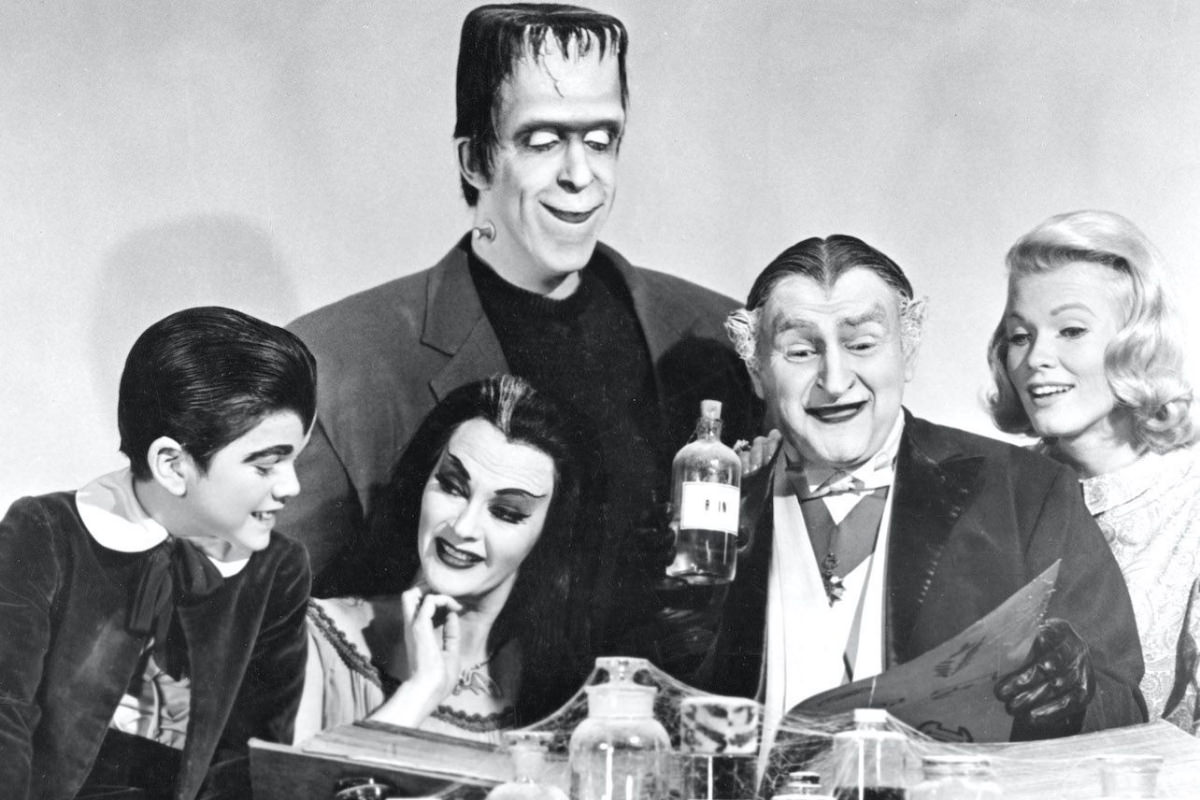
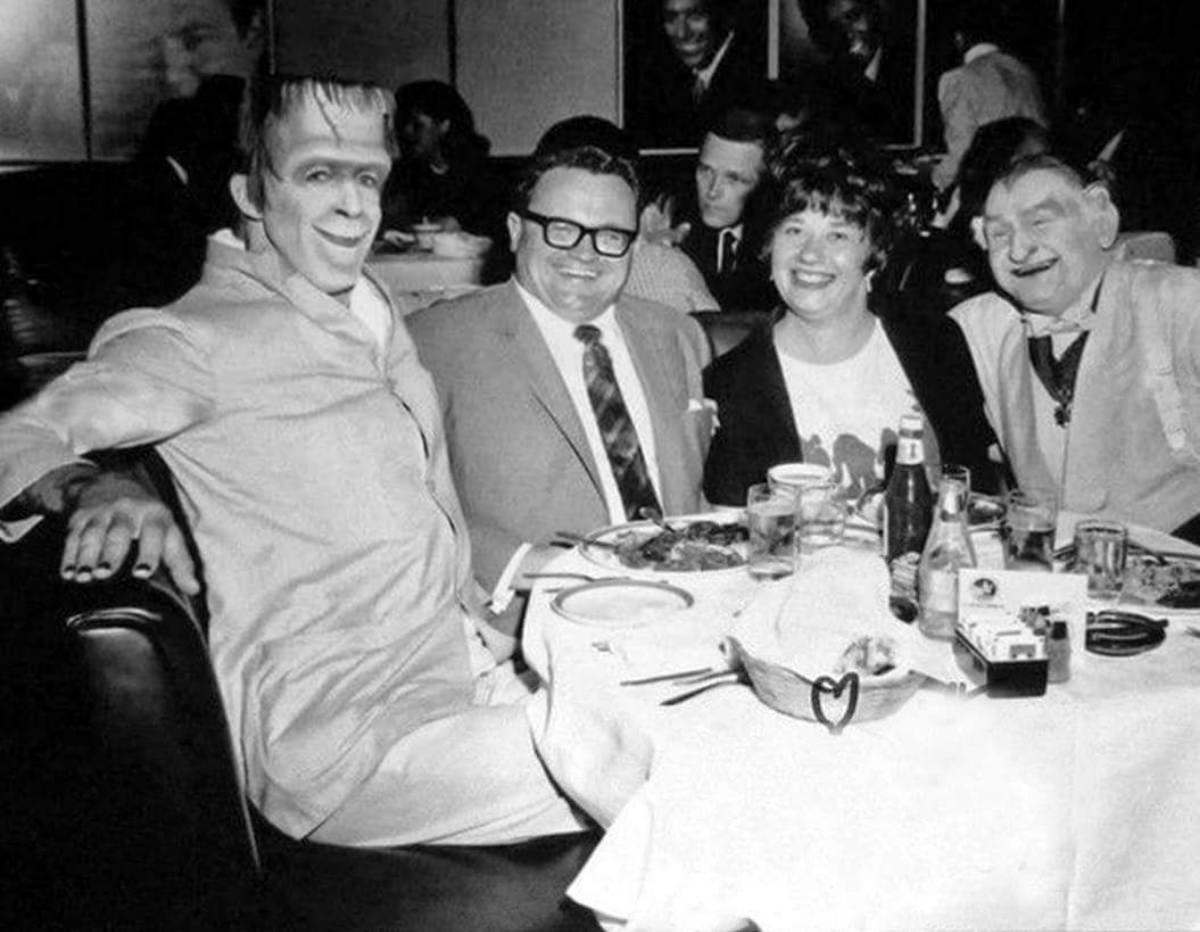
The show’s humor relied heavily on timing, and the cast worked hard to nail it. Gwynne, in particular, had a gift for physical comedy that translated well through Herman’s lumbering frame. Many of the best gags came from Herman’s total lack of self-awareness — he genuinely believed he was handsome, charming, and completely average.
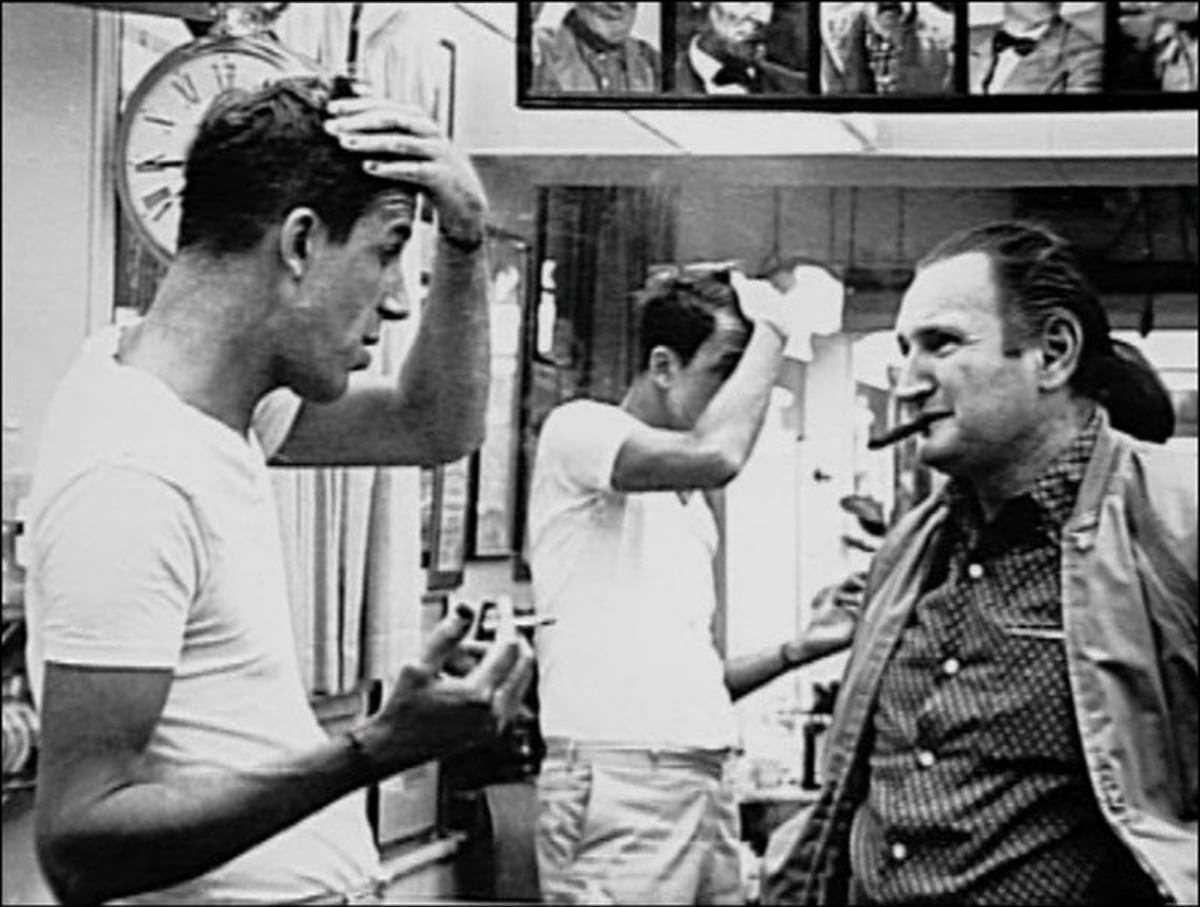
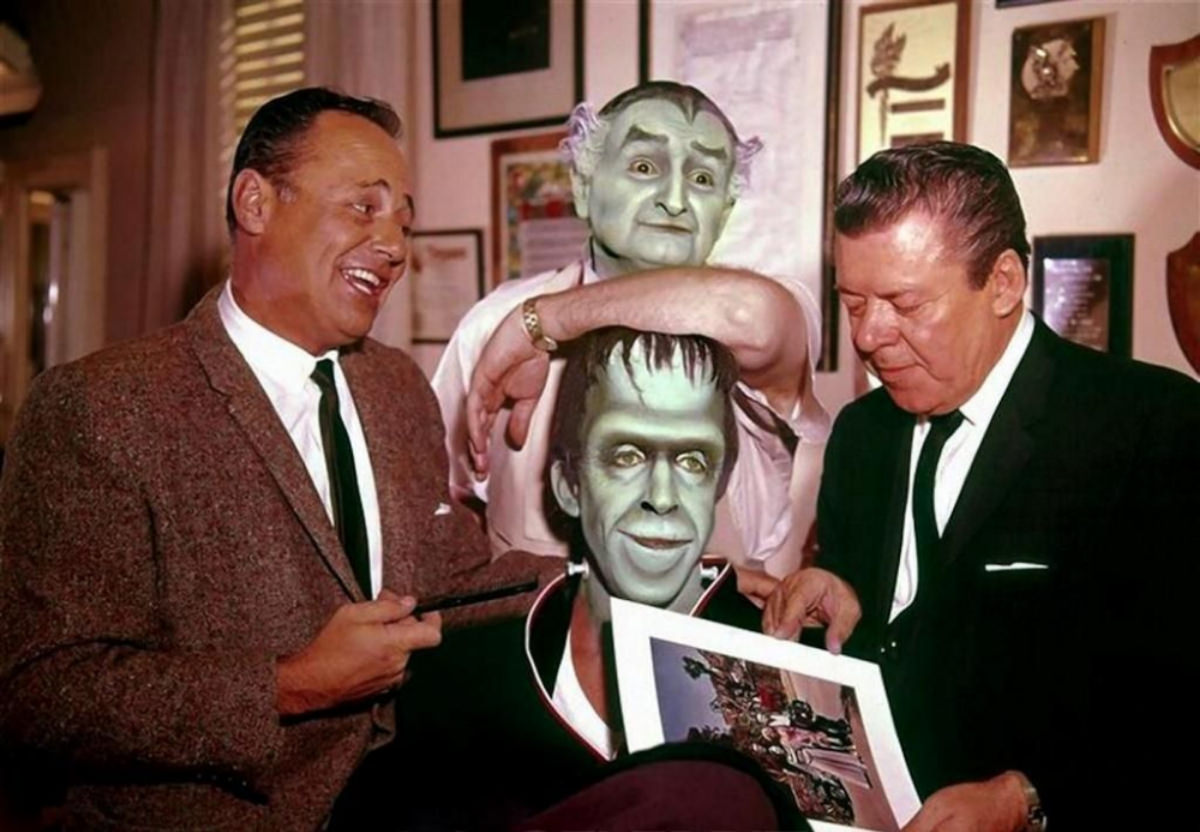
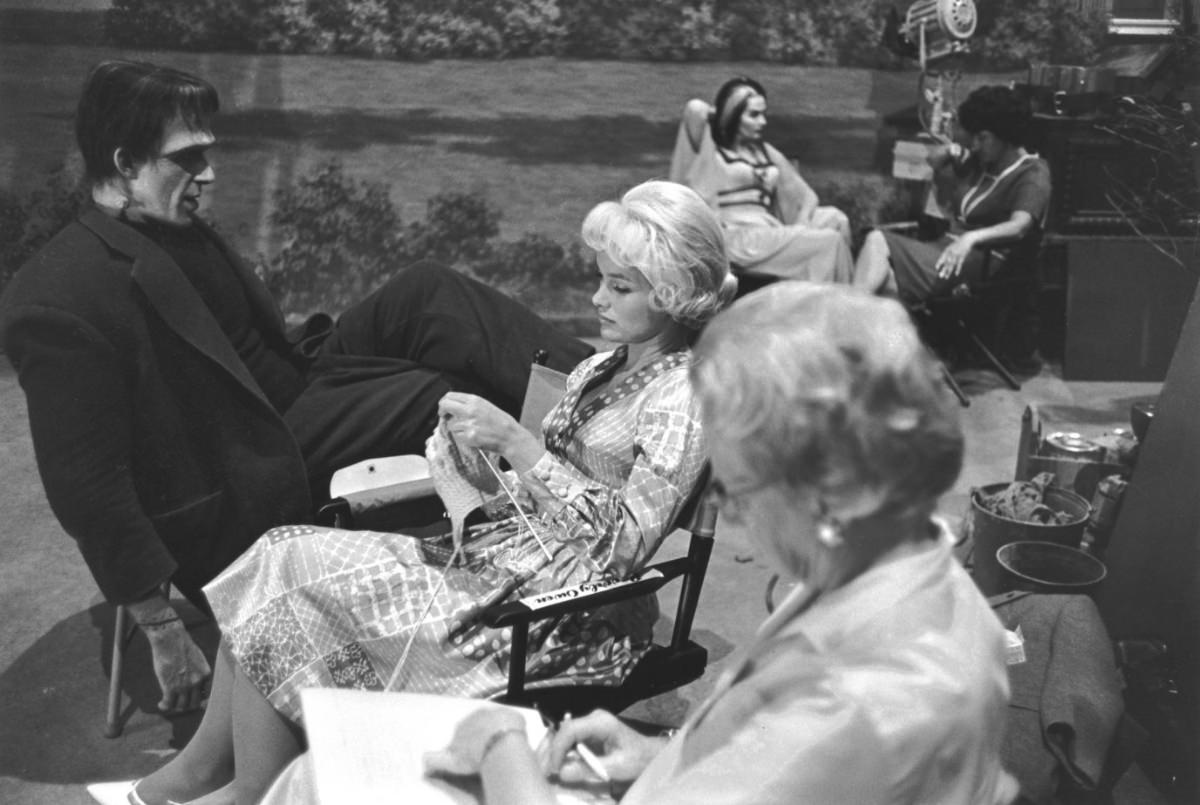
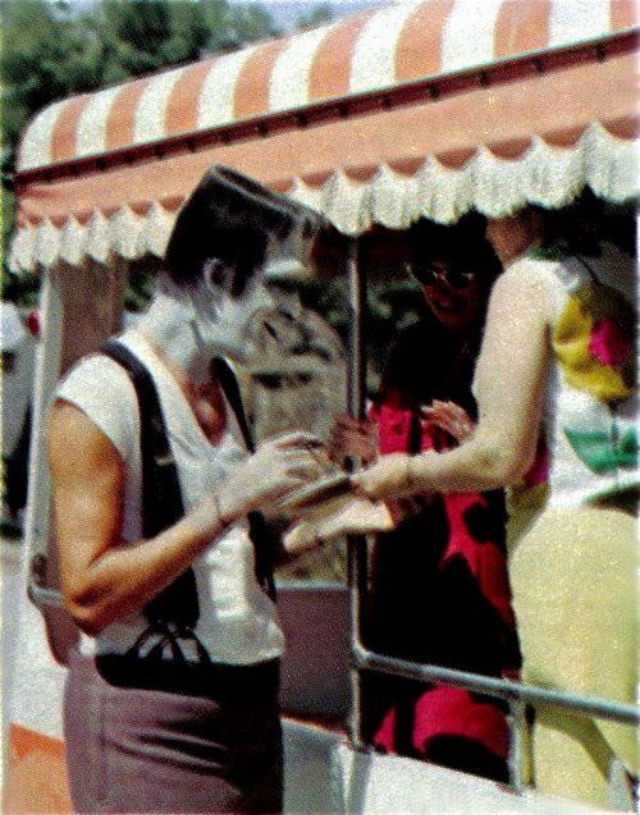
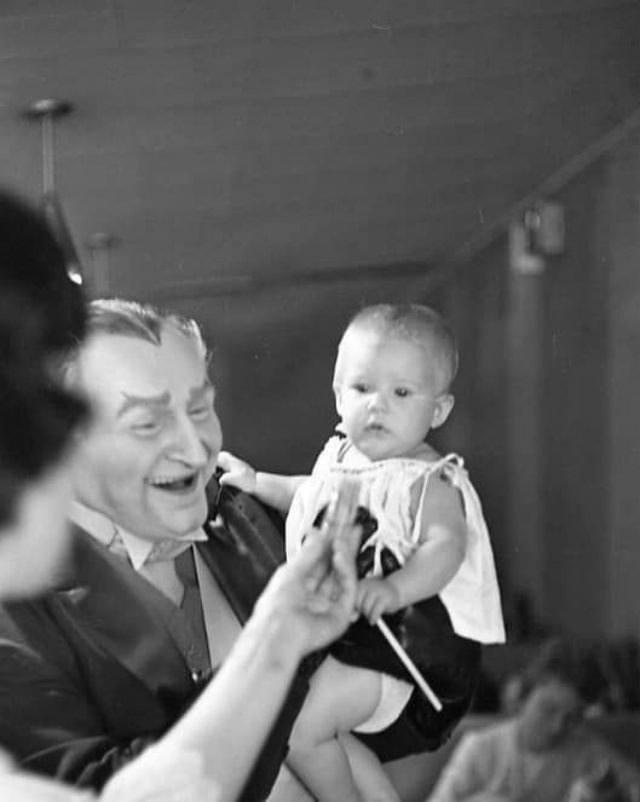
Off-camera moments between the cast tell a story of genuine friendship. Group photos from breaks and downtime show the actors relaxed and smiling — sometimes still in full costume, sometimes mid-transformation with makeup only partially applied. These moments make clear that the chemistry viewers saw on screen was real.
The show aired opposite Bewitched on ABC, and the two fantasy-themed sitcoms became rivals in the ratings throughout their shared run. The Munsters drew a loyal audience that appreciated its mix of slapstick, wordplay, and affectionate parody of mainstream family life. Its premise flipped the standard sitcom formula — instead of a perfect family navigating small problems, here was a deeply strange family navigating the same small problems with the same genuine love for one another.
Guest stars and visiting actors often commented on how smoothly the set operated despite the elaborate logistics involved. Costume changes, makeup touch-ups, and prop resets happened constantly. The crew moved with a practiced efficiency that kept production on schedule even when something unexpected — a malfunctioning prop, a costume tear, a lighting issue — disrupted the plan.
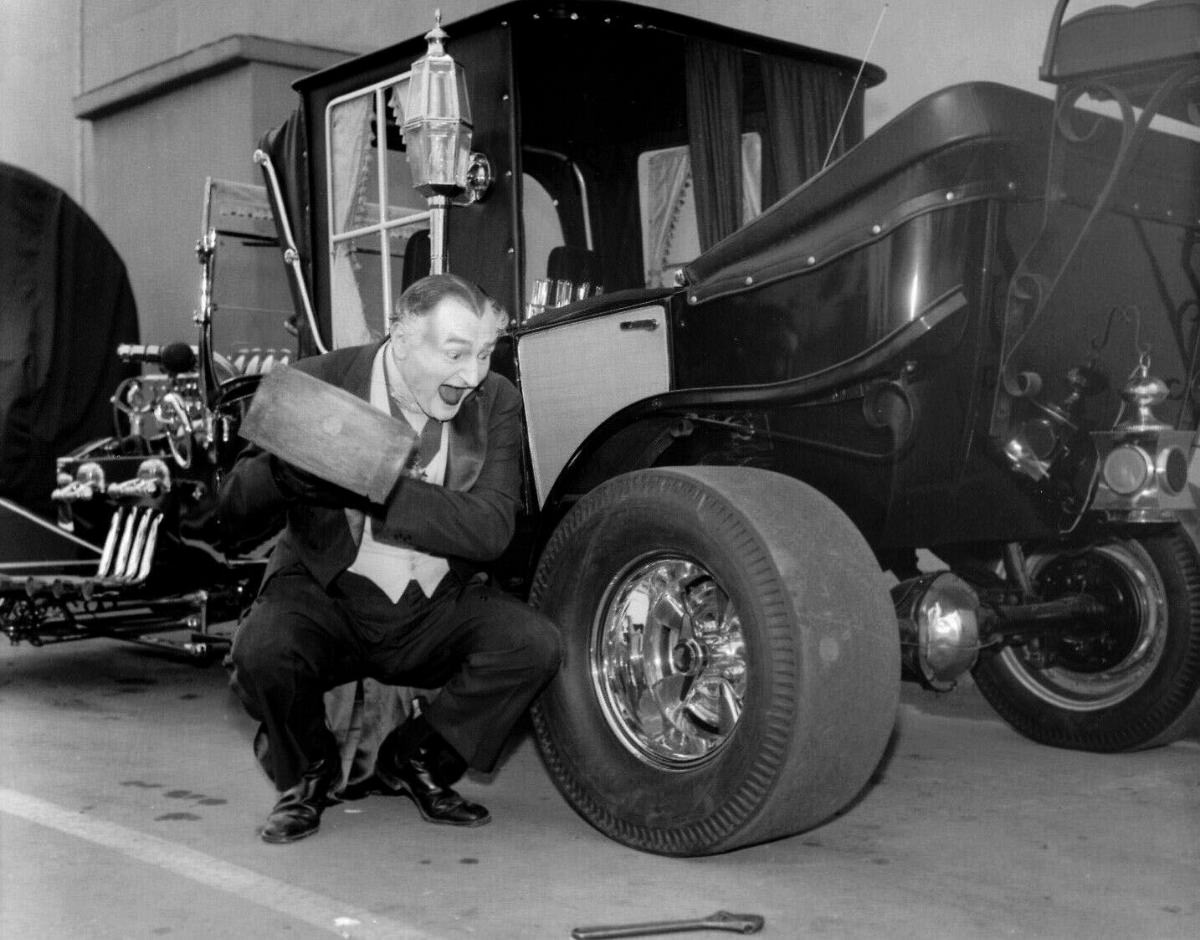
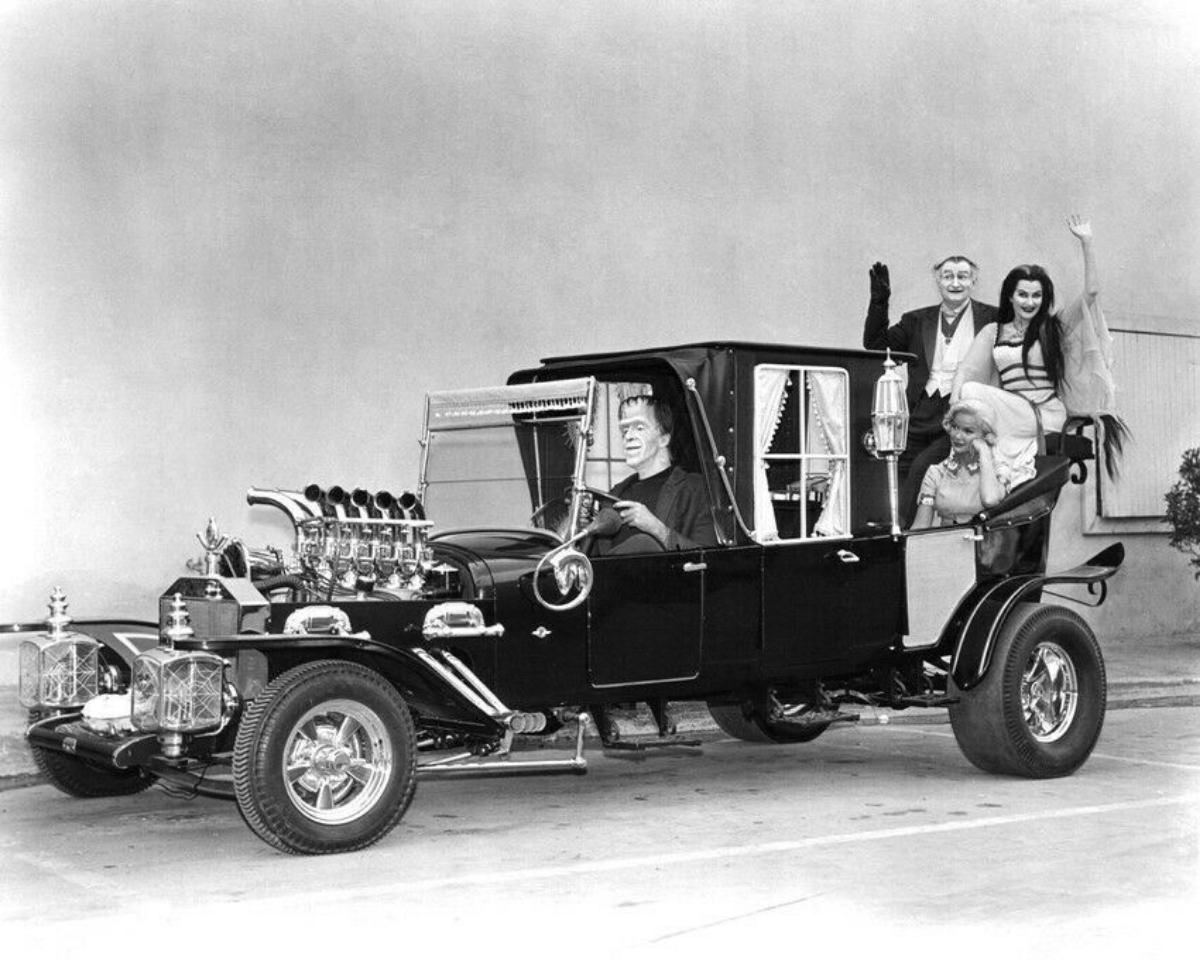
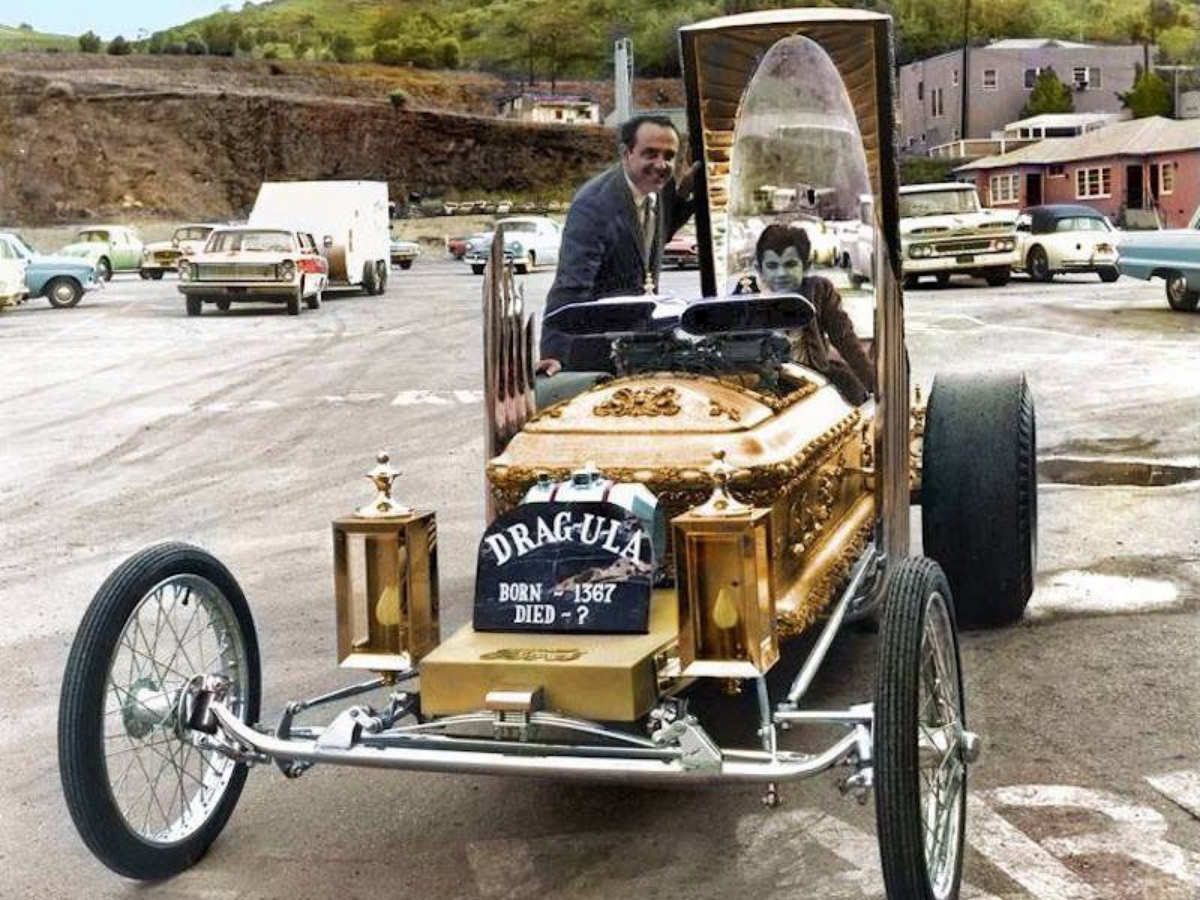
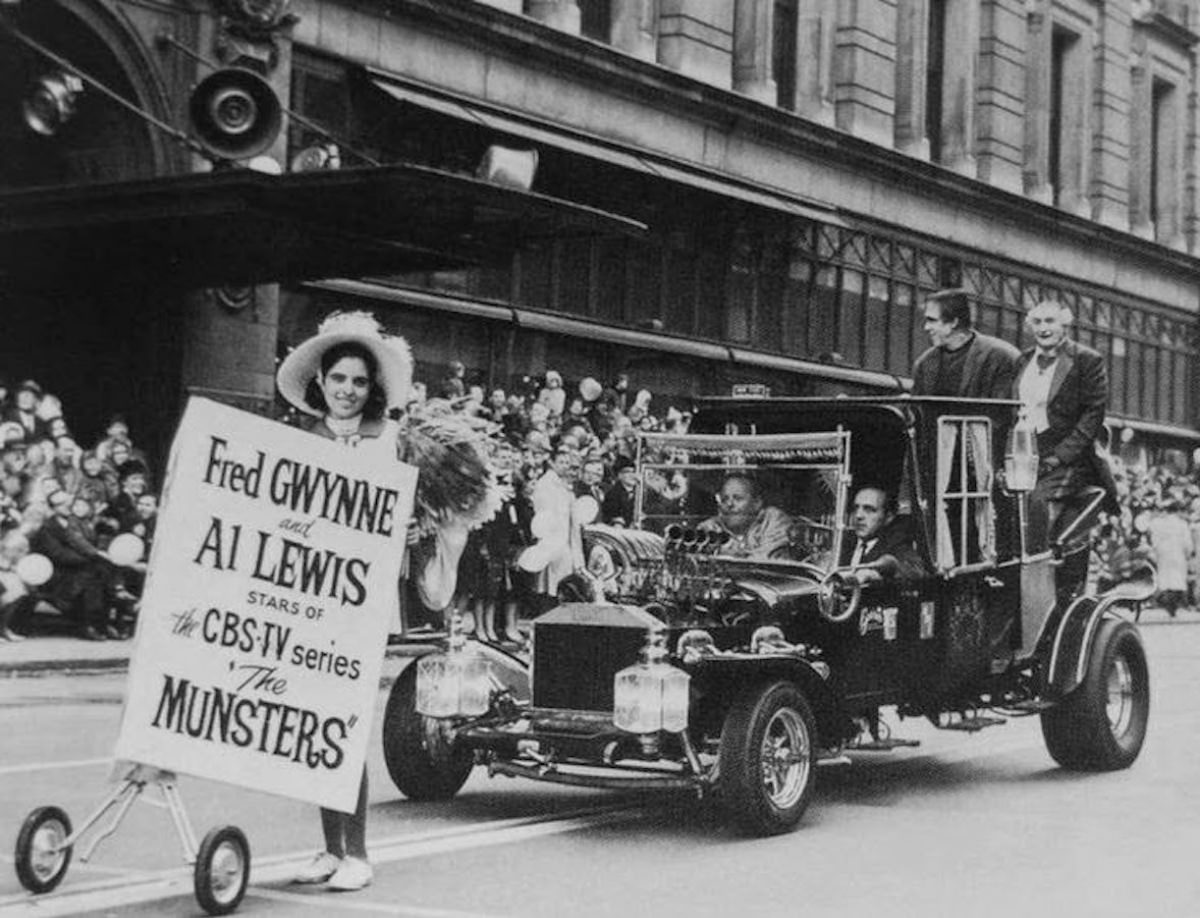
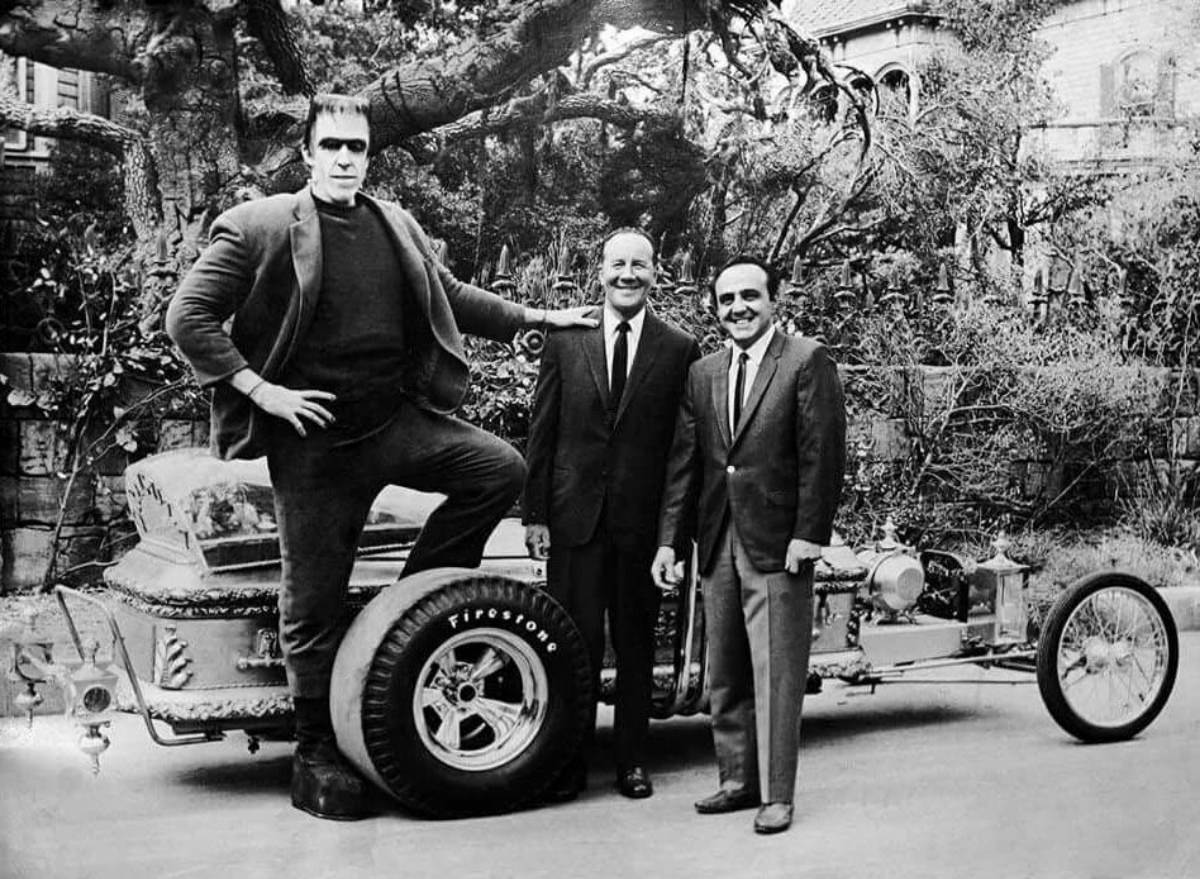
The Munster family also had a signature vehicle: the Munster Koach, a custom-built hot rod designed by legendary car customizer George Barris. The car featured a stretched, coffin-shaped body with a 289 cubic inch Ford engine. Barris built it from three Model T Ford bodies welded together. It became one of the most recognizable TV cars of the 1960s. A second vehicle, the Drag-U-La, was built from a fiberglass mold of an actual coffin and used in drag racing episodes.
Fred Gwynne was trained as a fine artist and had a serious literary side that coexisted with his comedic talents. He later wrote and illustrated several children’s books. During production of The Munsters, he sometimes sketched between takes — a quiet contrast to the boisterous on-set atmosphere.
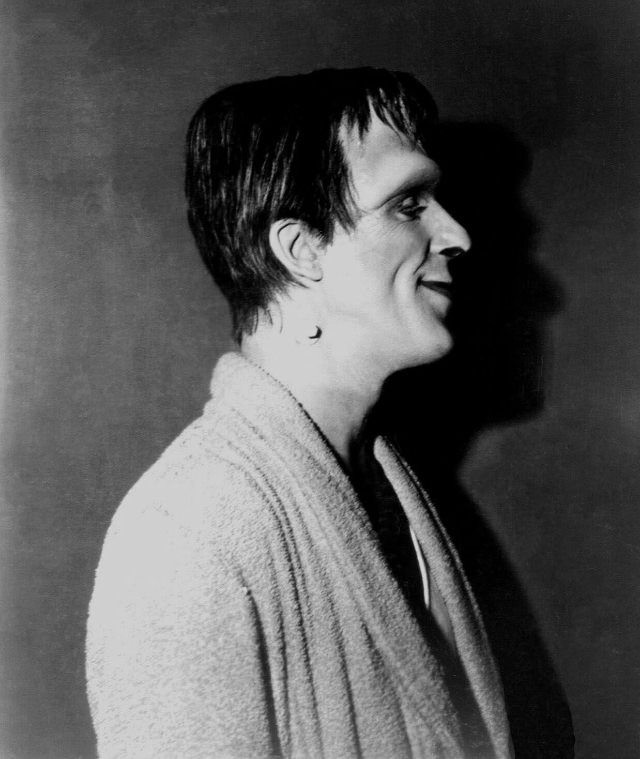
The makeup department on The Munsters deserves significant credit for the show’s success. Head makeup artist Bud Westmore oversaw the designs, which drew from Universal’s classic monster film archive. The goal was to make each character recognizable as a famous monster type while still allowing the actors to express emotion and deliver comedy. Getting that balance right took careful work, and the makeup artists refined each look over the course of the first season.
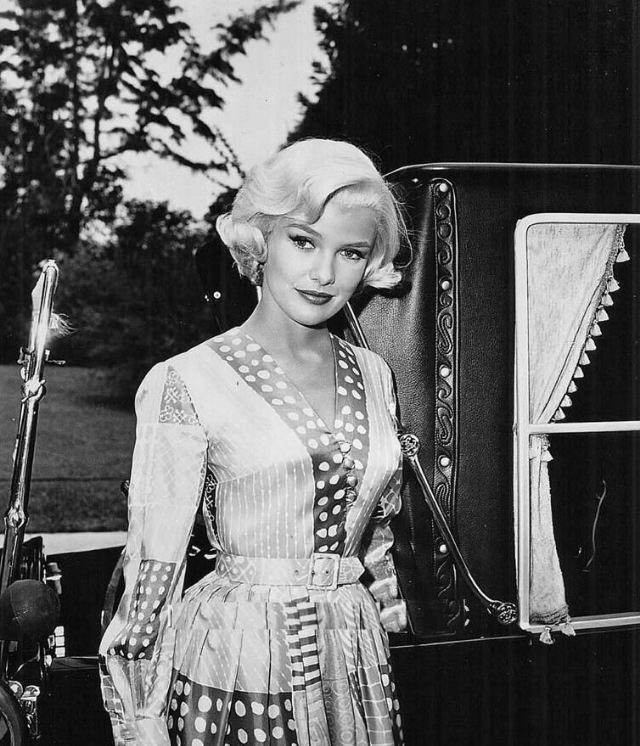
Pat Priest took over the role of Marilyn Munster partway through the first season, replacing Beverley Owen, who left due to personal reasons. Priest brought a sunny, warm quality to Marilyn that made the character’s position in the family — loved unconditionally despite being seen as the odd one out — feel genuinely touching. Marilyn was never treated unkindly by her family. They simply worried about her.
The show’s theme music, composed by Jack Marshall, became instantly recognizable. Its driving, twangy guitar line set the tone for what viewers were about to see — something fun, slightly spooky, and completely its own thing. The music played over animated opening credits that introduced each family member with a short visual gag.
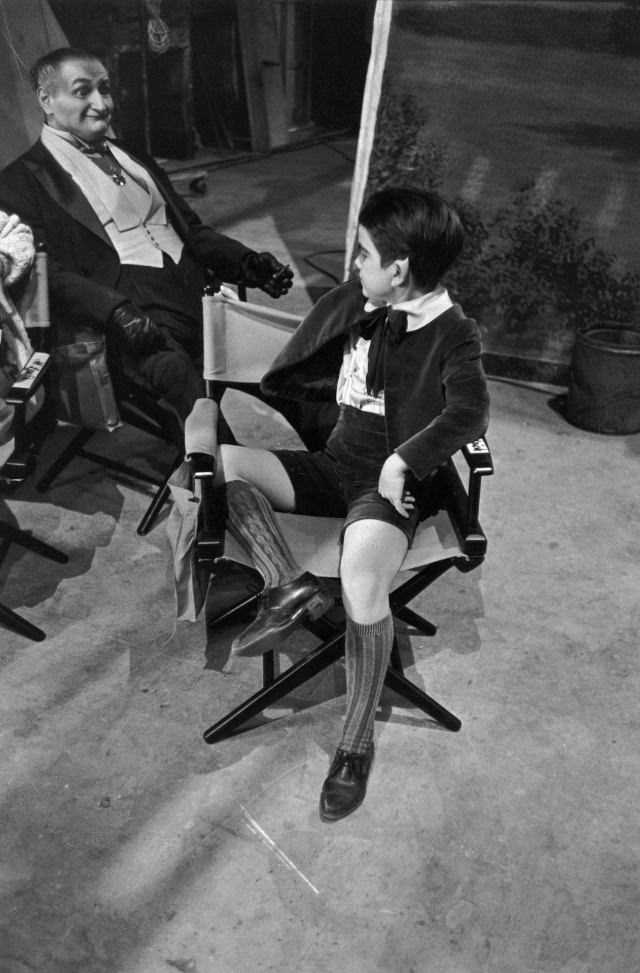
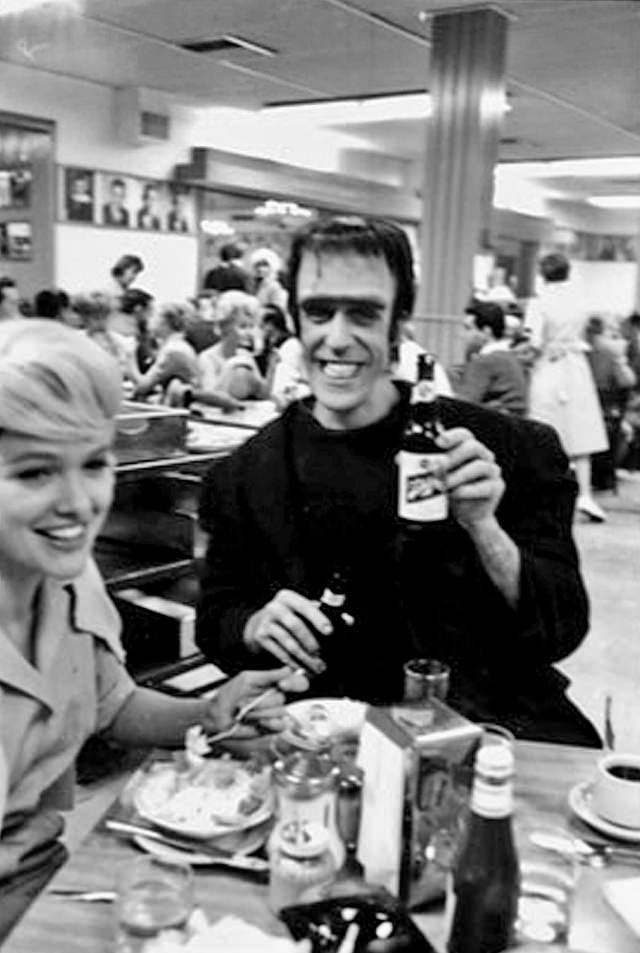
Production photos from the two-season run capture a show that was made by people who genuinely enjoyed what they were doing. The elaborate sets, the time-consuming costumes, the physical demands of the performances — none of it seemed to dull the energy on set. Cast and crew alike threw themselves into the work, and the results showed up on screen every week.
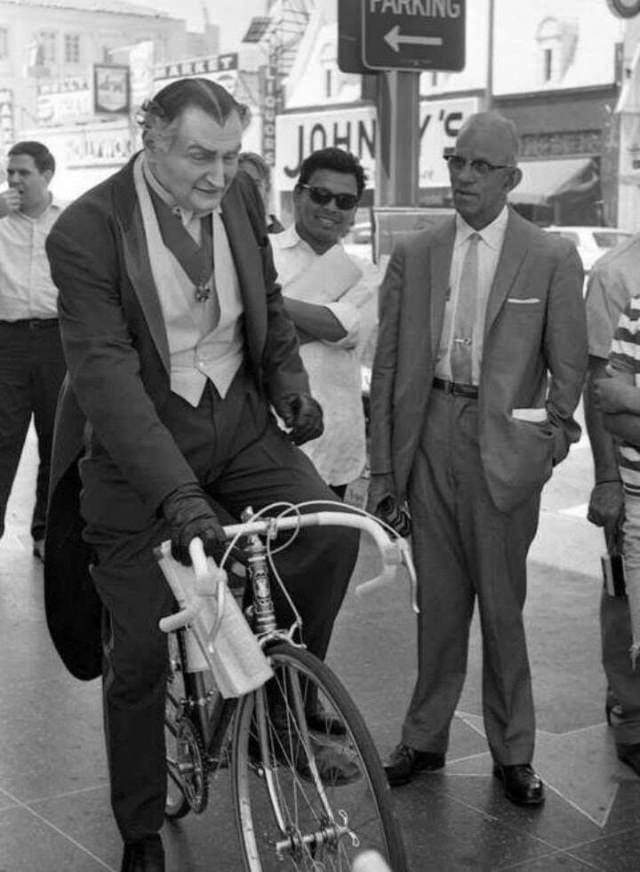
The Munsters filmed its final episode in 1966. By that point, network television was shifting toward color programming, and CBS chose not to renew the show. The cast went their separate ways, though many of them — particularly Gwynne and Lewis — remained associated with the show for the rest of their careers. The mansion set was eventually demolished, though the Munster Koach and Drag-U-La survived and have appeared at car shows and exhibitions for decades since.