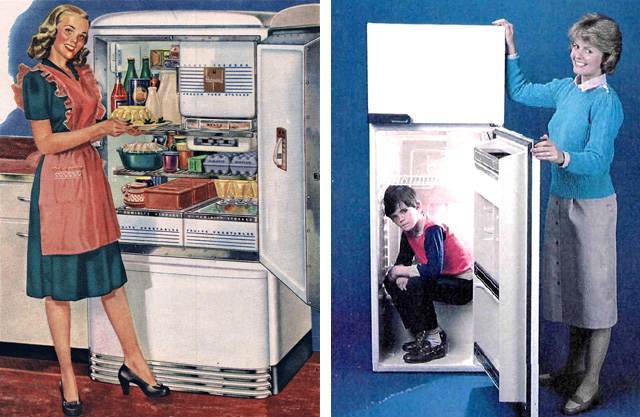

Turn on the TV in 1973, and you’d be treated to a breathless woman nearly weeping over a new food processor. This was not an accident. Appliance advertisers in the 1970s had perfected a specific formula: take an ordinary kitchen gadget, dial the drama up to eleven, and aim it squarely at the American housewife.
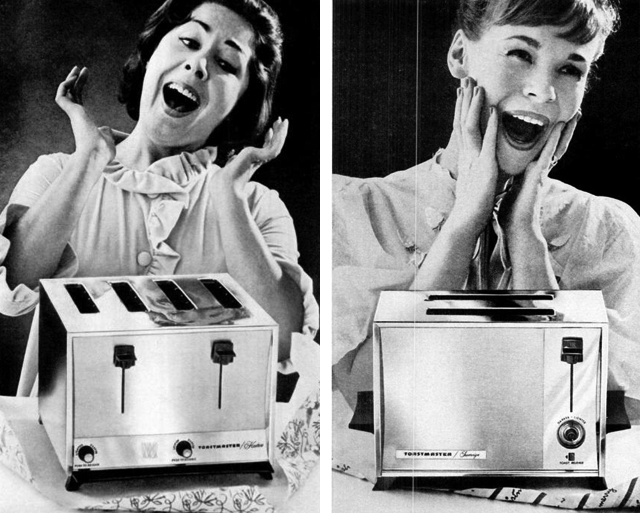
The ads were relentless in their message. A shiny blender or electric mixer wasn’t just a tool — it was a miracle. Copywriters promised that these devices would “liberate” women from hours of drudgery, as if chopping an onion by hand had been a form of imprisonment. The hyperbole was staggering, and it sold products by the millions.
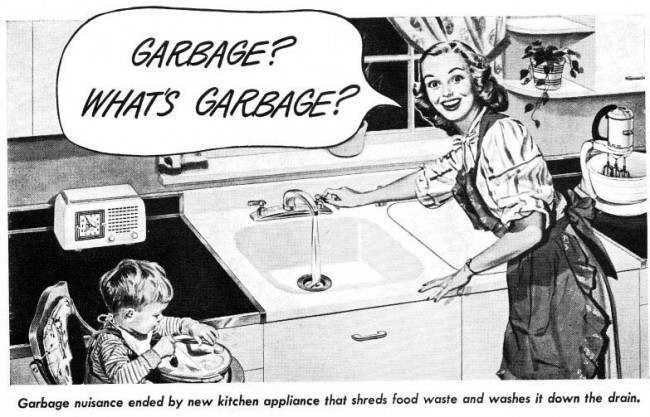
This kind of marketing had roots stretching back decades. By the late 1940s, brands were already framing household appliances as transformative domestic upgrades.
By the 1970s, the formula had grown even more theatrical. Ads showed gleaming kitchens where perfectly styled women glided effortlessly between the stovetop and the countertop, never sweating, never flustered. The visual message was unmistakable: buy this appliance, become this woman.
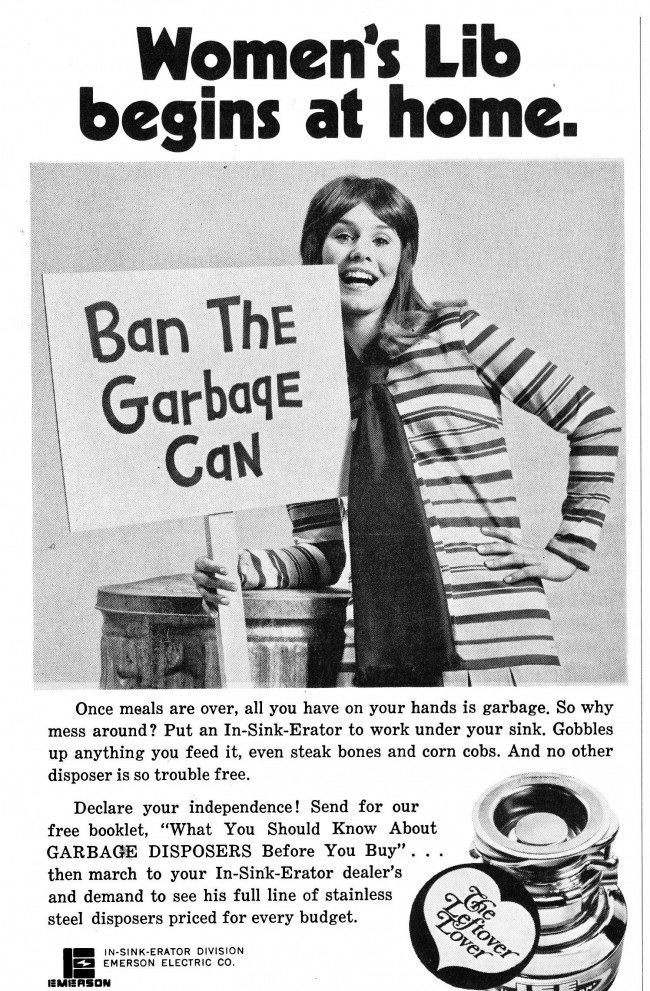
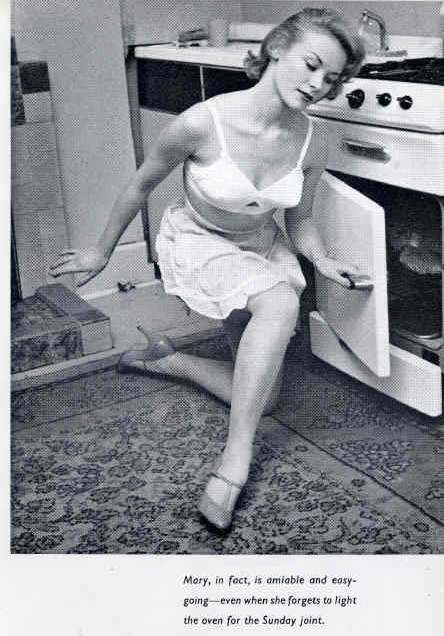
Men appeared in these ads too — but usually at the dinner table, waiting to be impressed. Appliance ads in men’s magazines took a different angle, framing a new refrigerator or dishwasher as a gift a husband could bestow upon his grateful wife.
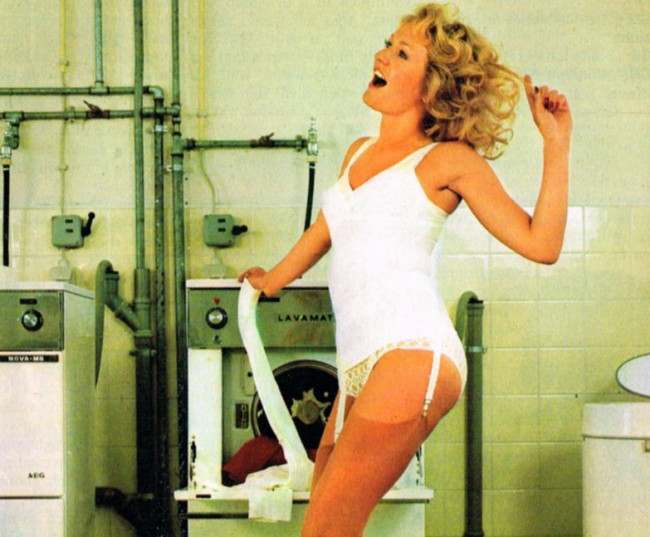
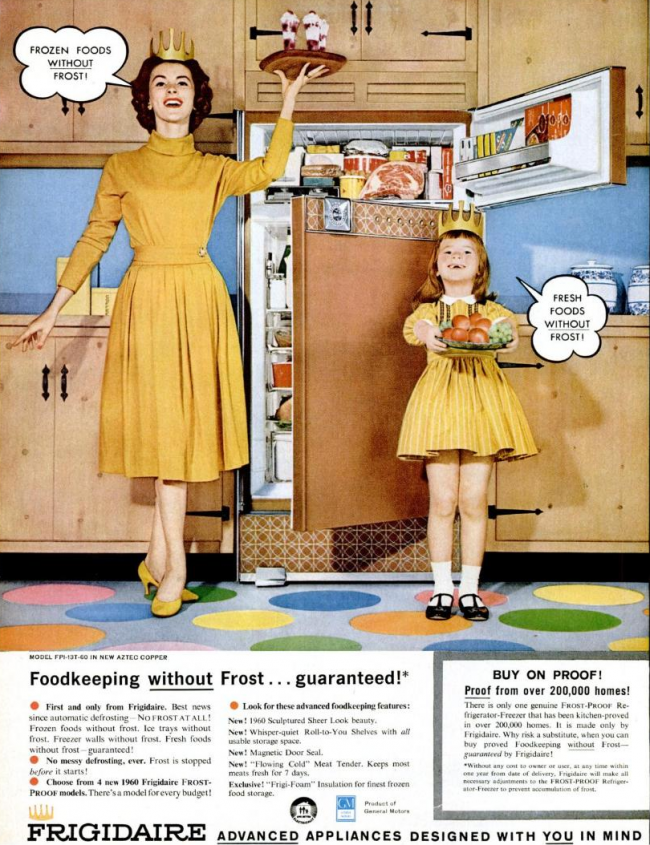
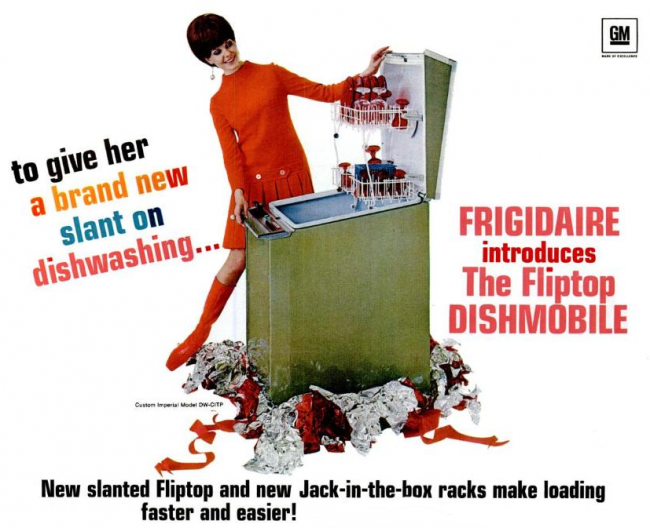
Brands like Frigidaire leaned hard into aspirational imagery. Their late-1960s campaigns set the tone for everything that followed in the next decade — spotless kitchens, color-coordinated appliances, and women who looked genuinely thrilled about their refrigerators.

KitchenAid was another major player. Their 1970 ads positioned their stand mixer as the centerpiece of the modern kitchen — practically a status symbol. Owning one signaled that you were a serious, competent homemaker.
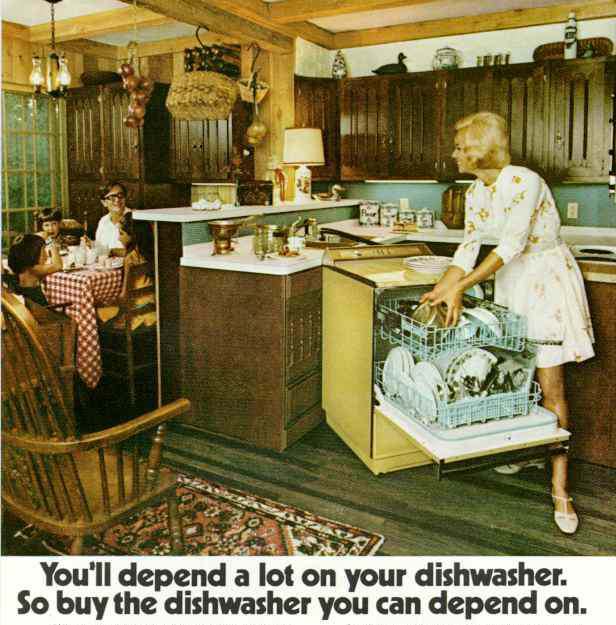
Publications like The Saturday Evening Post carried full-page spreads that blurred the line between editorial content and advertising. By 1973, appliance ads had become so embedded in mainstream media that readers barely registered them as sales pitches.
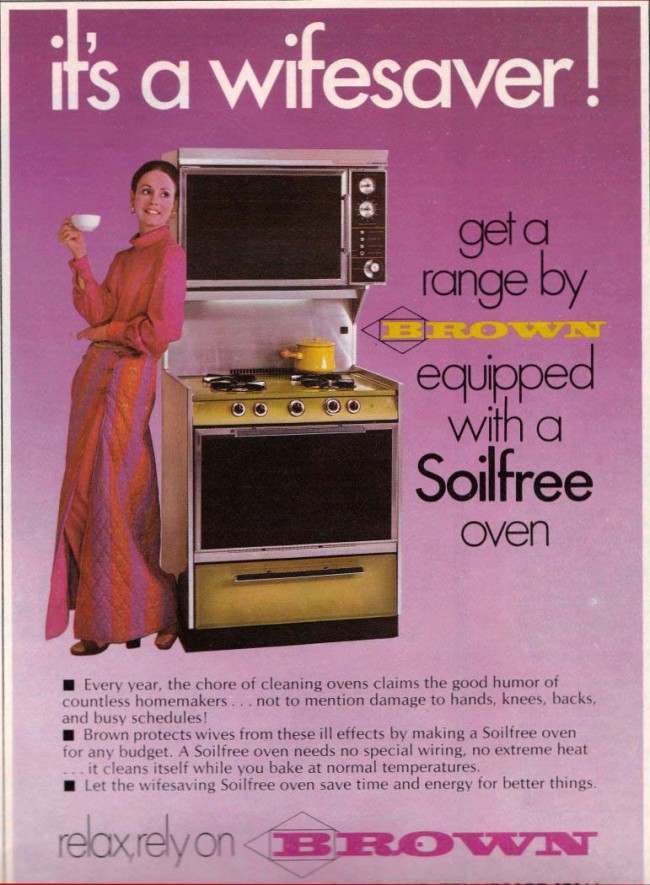
The emotional register of these ads was always cranked to maximum. Women didn’t just “like” their new toaster — they were transformed by it. The copy borrowed language from self-help culture, promising not just convenience but joy, freedom, and a better version of domestic life.
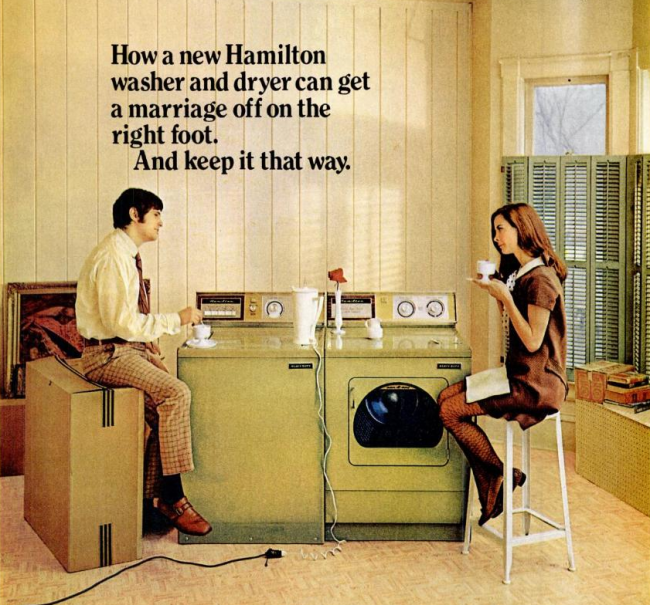
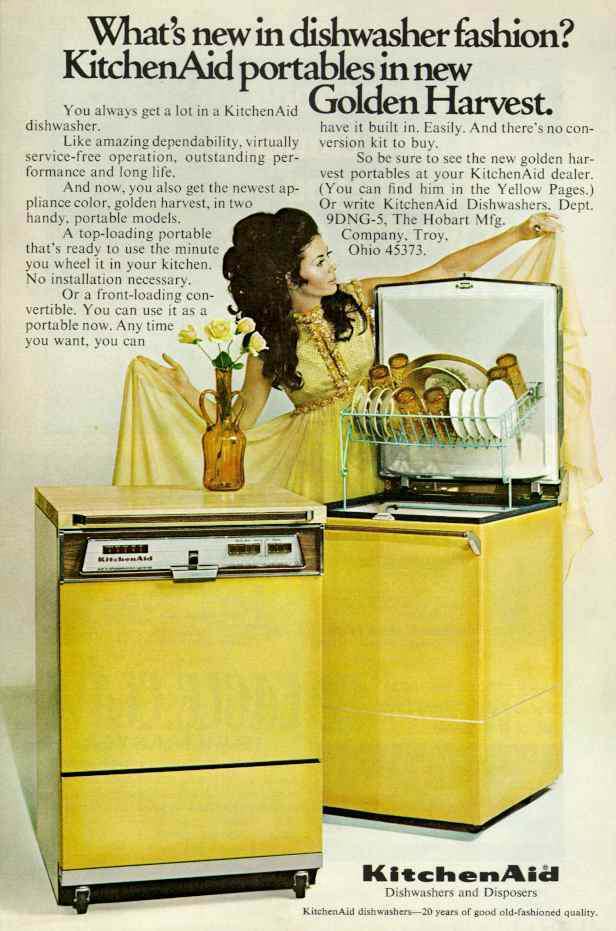
All of this played out against a backdrop of real social change. The feminist movement was reshaping what women expected from their daily lives, and advertisers were scrambling to keep up — repackaging traditional gender roles in the language of empowerment.
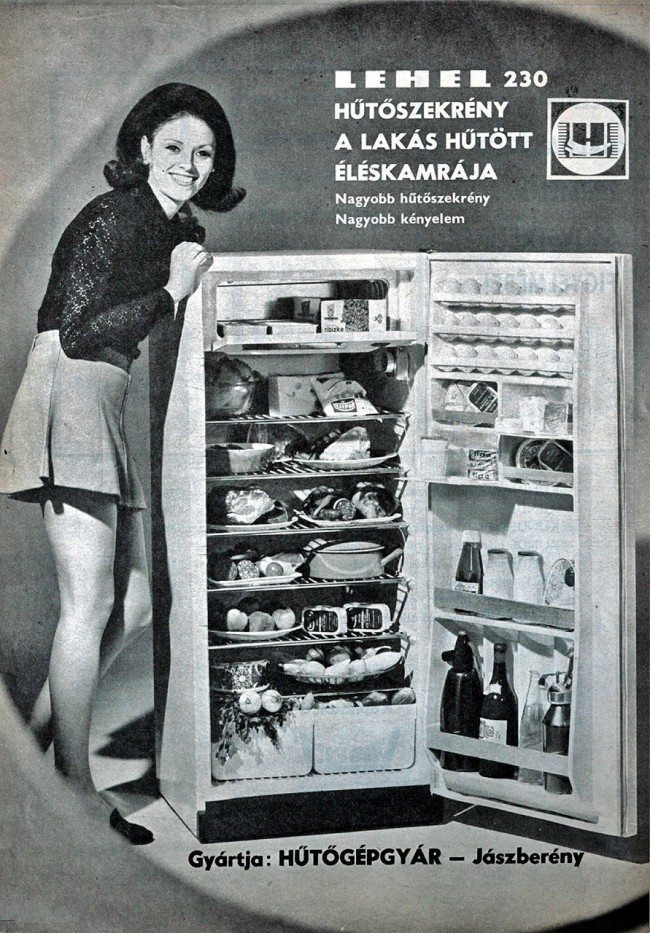
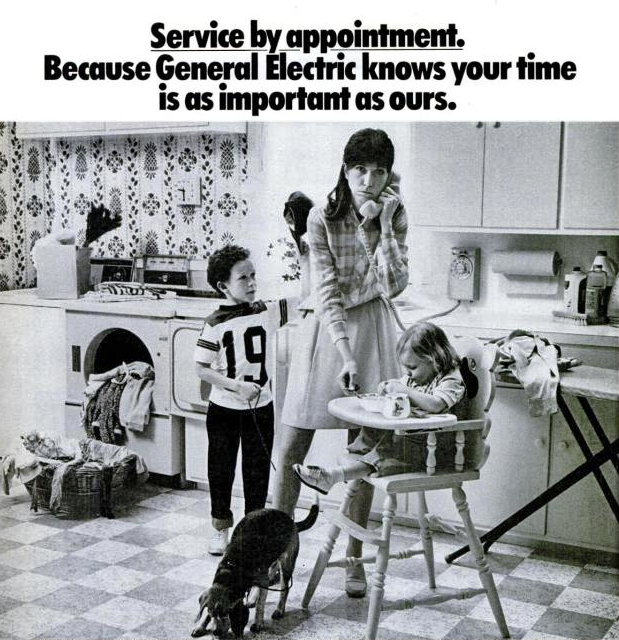
The result was a decade of ads that were simultaneously progressive in their promises and deeply conventional in their assumptions — a contradiction that makes them endlessly fascinating to look back on today.