

Stevie Nicks is one of the most recognized names in rock history. As a singer, songwriter, and performer, she built a career that few artists — male or female — have ever matched. She is the only woman to be inducted into the Rock and Roll Hall of Fame twice: once as a member of Fleetwood Mac in 1998, and again as a solo artist in 2019. Over the course of her career, she helped produce more than 40 Top 50 hits, with total sales exceeding 140 million records worldwide.
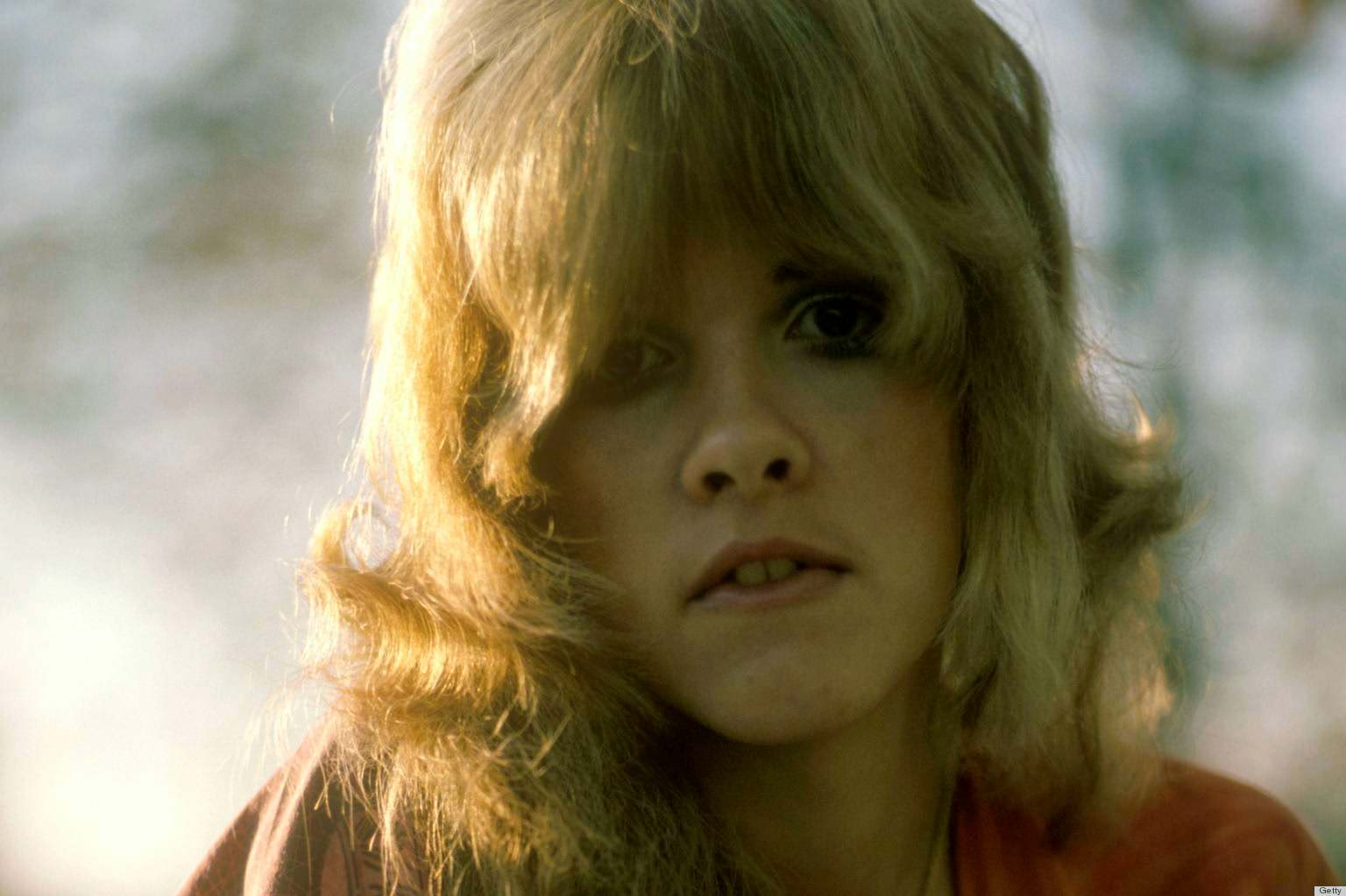
Before any of that success, Nicks was just a young woman trying to break into a tough industry. She got her start in a local Bay Area band called Fritz, where she performed alongside guitarist Lindsey Buckingham. The band built a modest local following during the late 1960s, playing clubs and venues around San Jose, California. It was inside Fritz that Nicks and Buckingham first developed both a musical and a deeply personal romantic connection.

After Fritz disbanded, Nicks and Buckingham continued working together as a duo. In 1972, they released a self-titled album called “Buckingham Nicks.” The record showcased real talent, but it failed commercially and their label dropped them shortly after. That rejection sent Nicks into a stretch of hard, unglamorous work. To pay the bills, she took jobs as a maid, a dental assistant, and a waitress — all while continuing to write songs and rehearse with Buckingham.
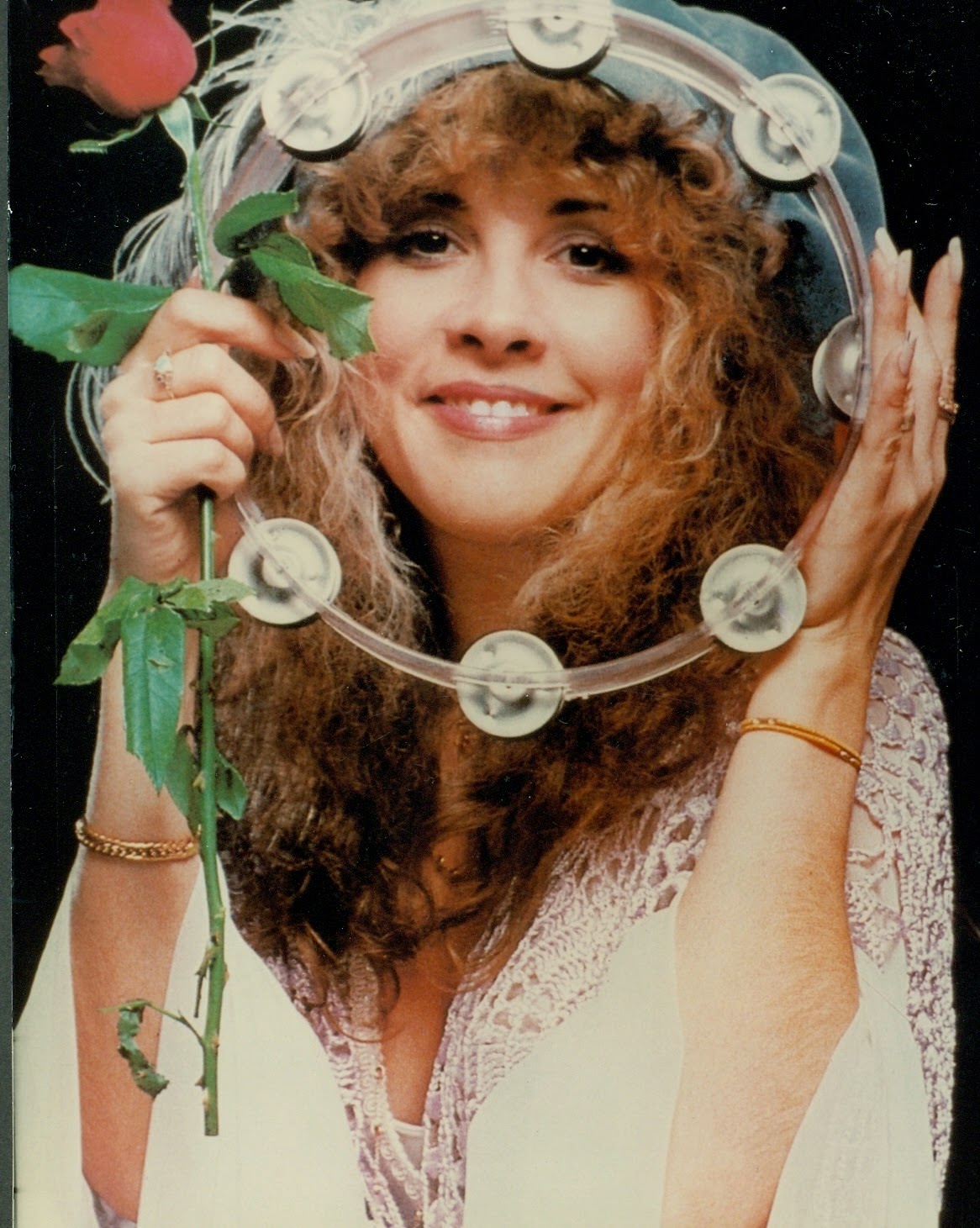
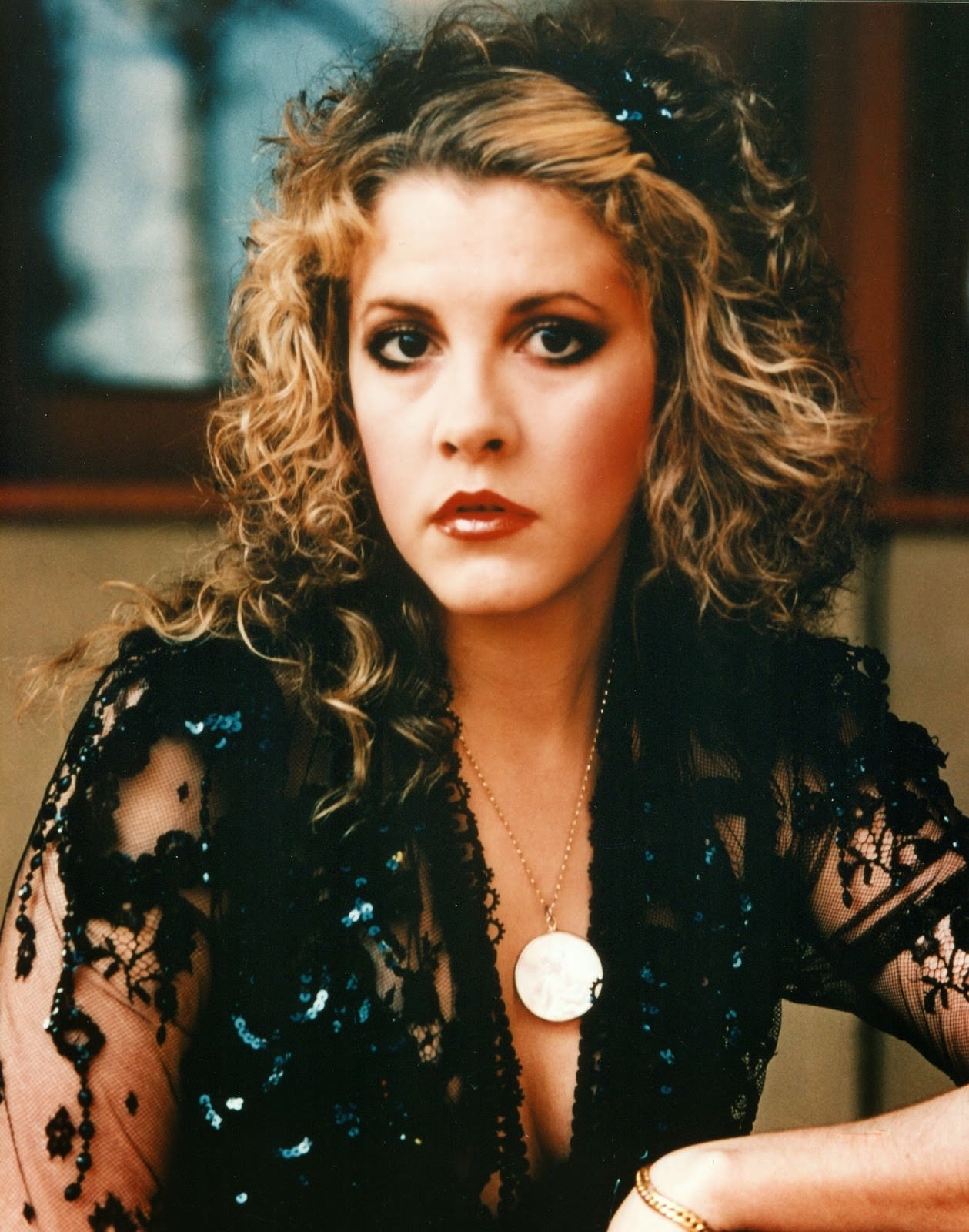
The turning point came in 1975, when Mick Fleetwood heard the “Buckingham Nicks” album and invited both of them to join Fleetwood Mac. That same year, Nicks contributed two songs that would define the band’s new direction: “Rhiannon” and “Landslide.” Both became major hits and introduced her voice to millions of listeners. “Rhiannon” had a particularly interesting origin — Nicks discovered the character in the early 1970s while reading a novel called “Triad” by Mary Bartlet Leader, long before she set the name to music.
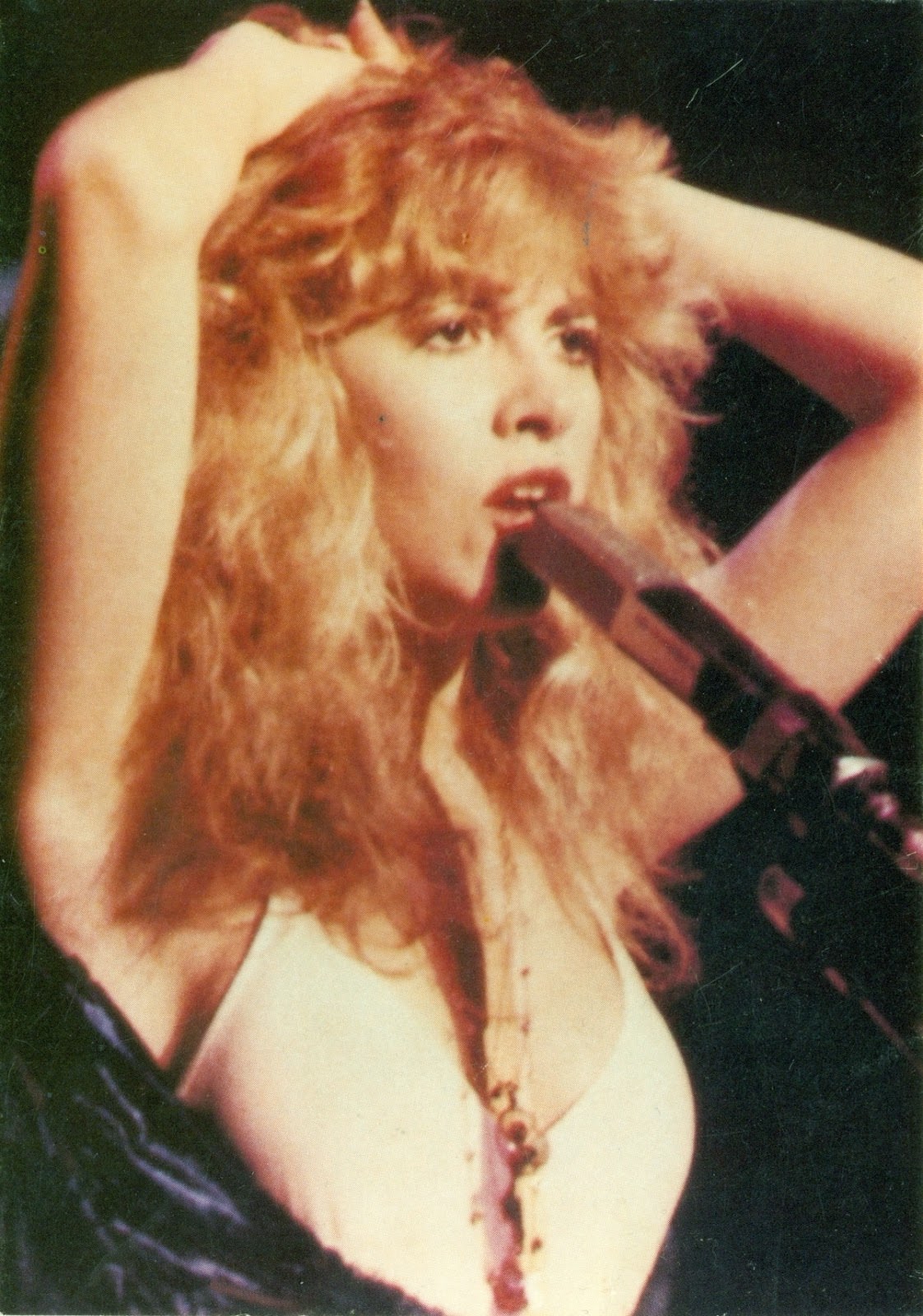

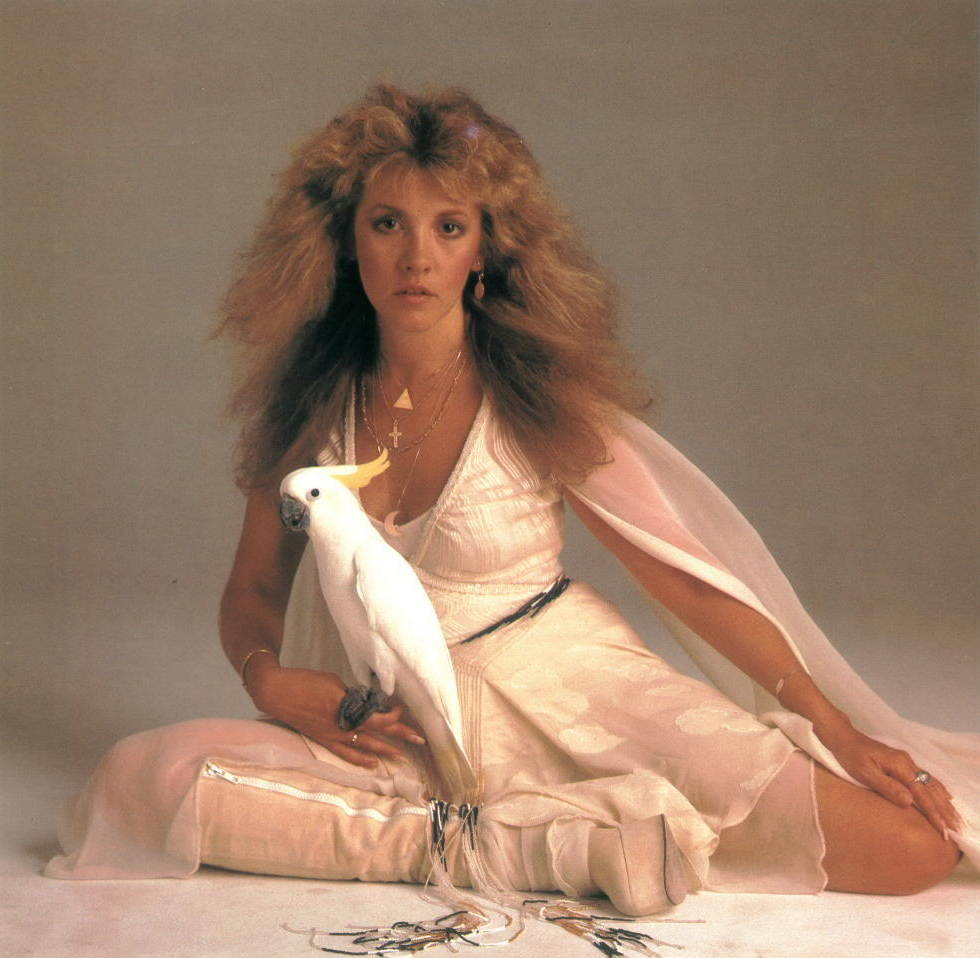
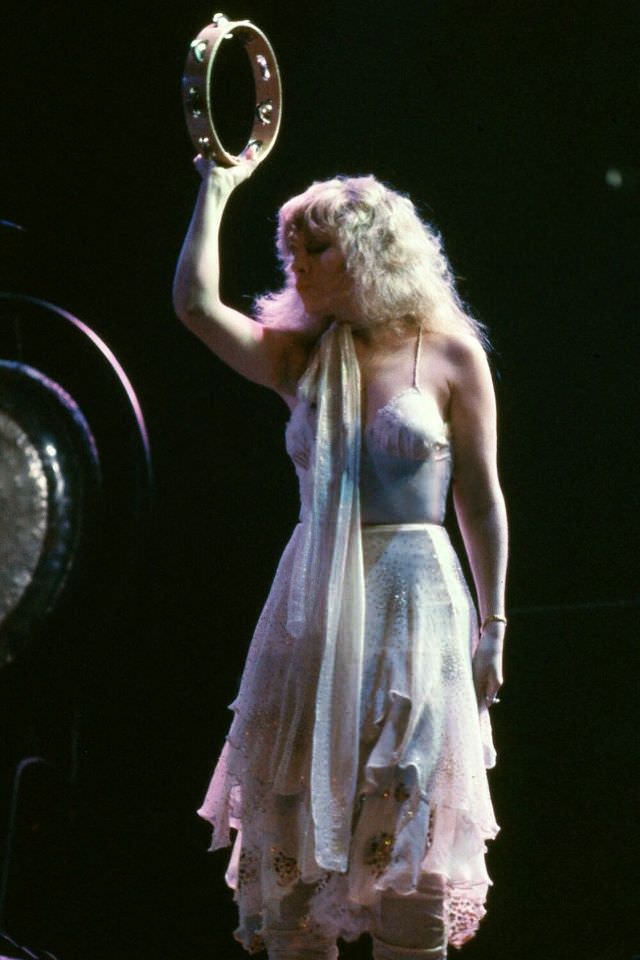
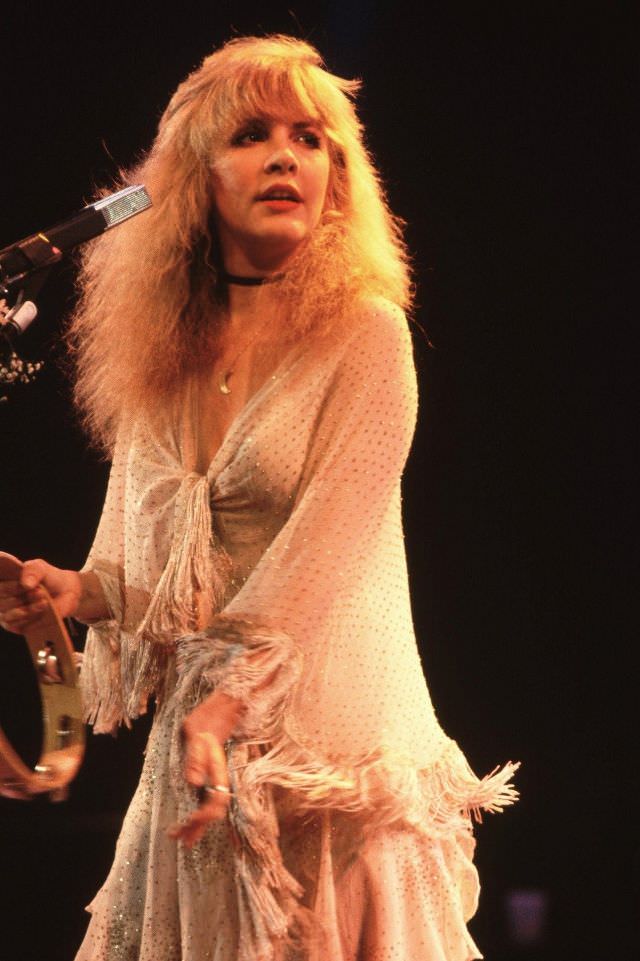
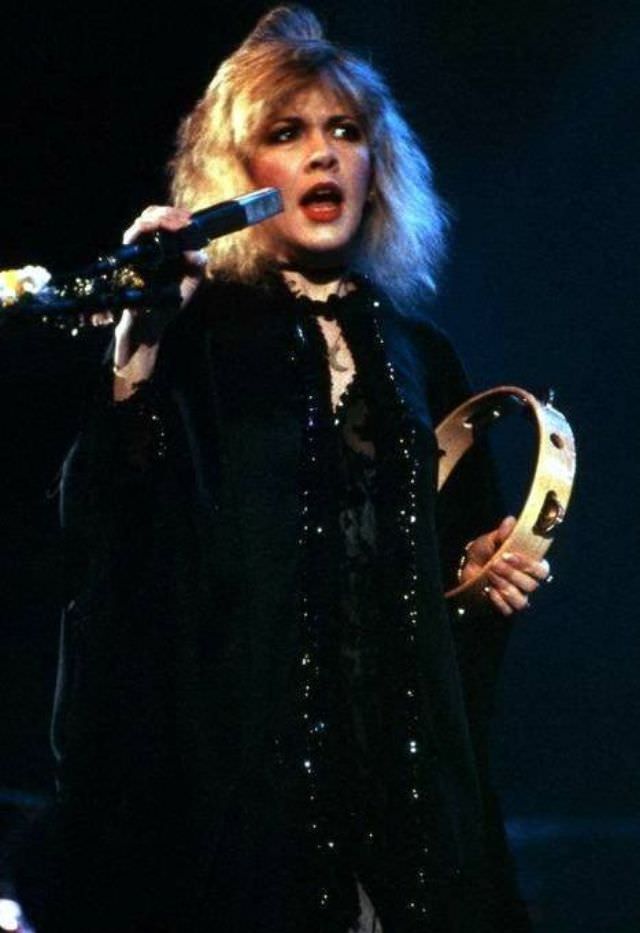
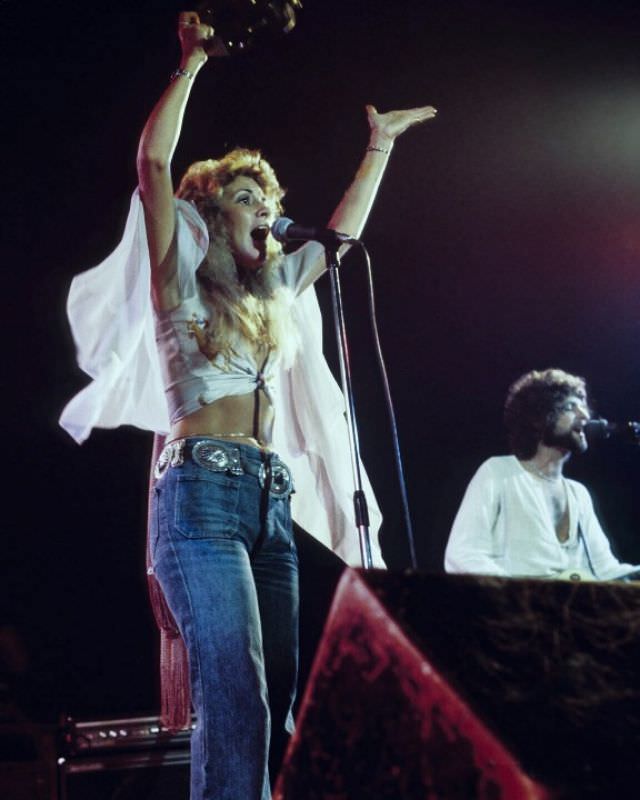
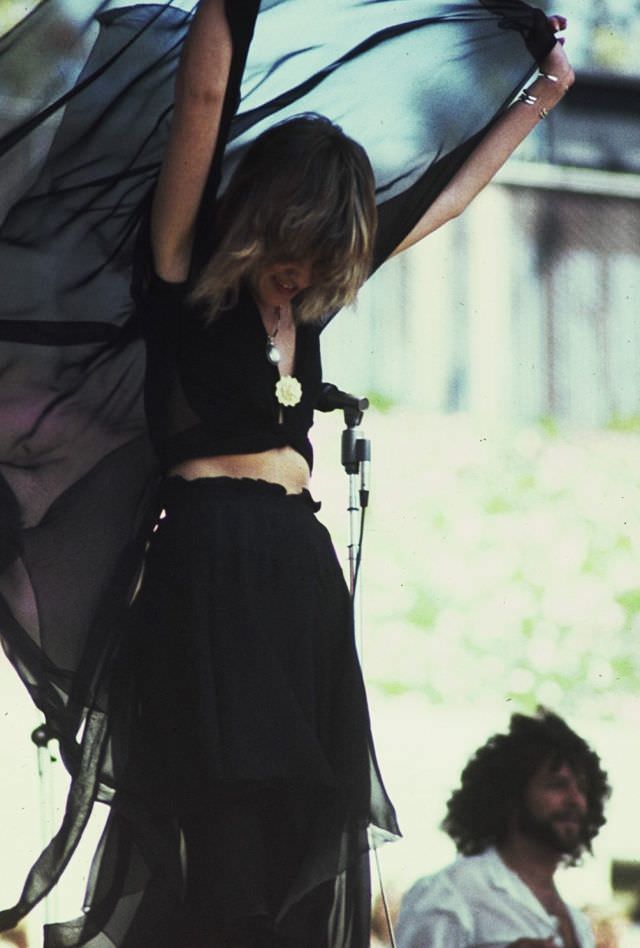
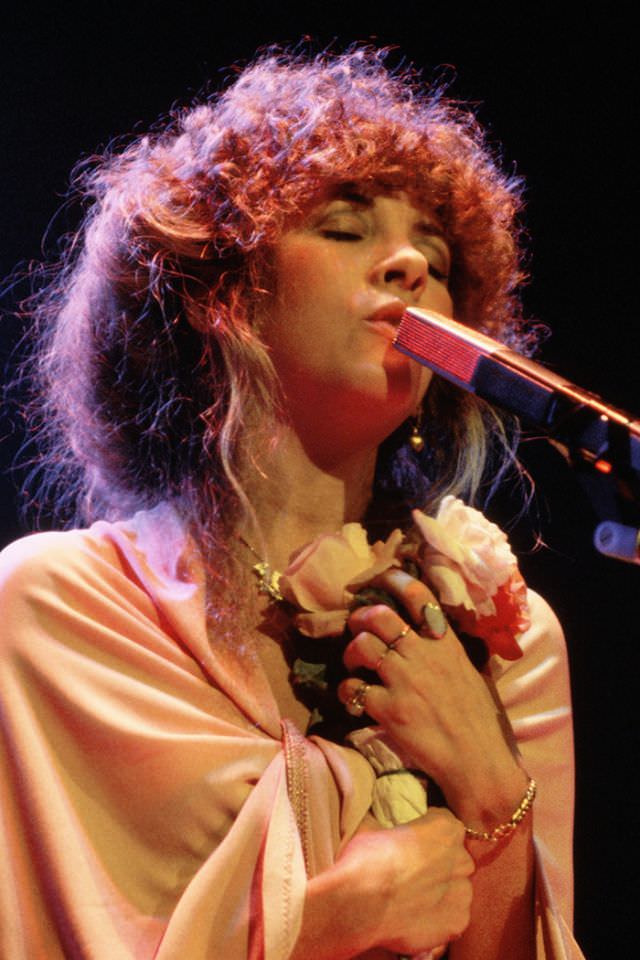
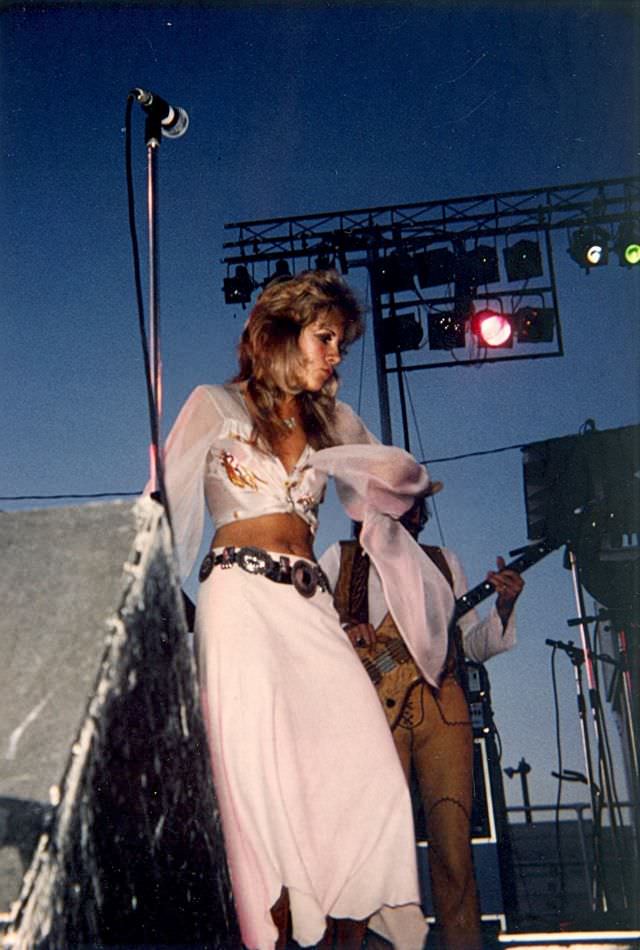
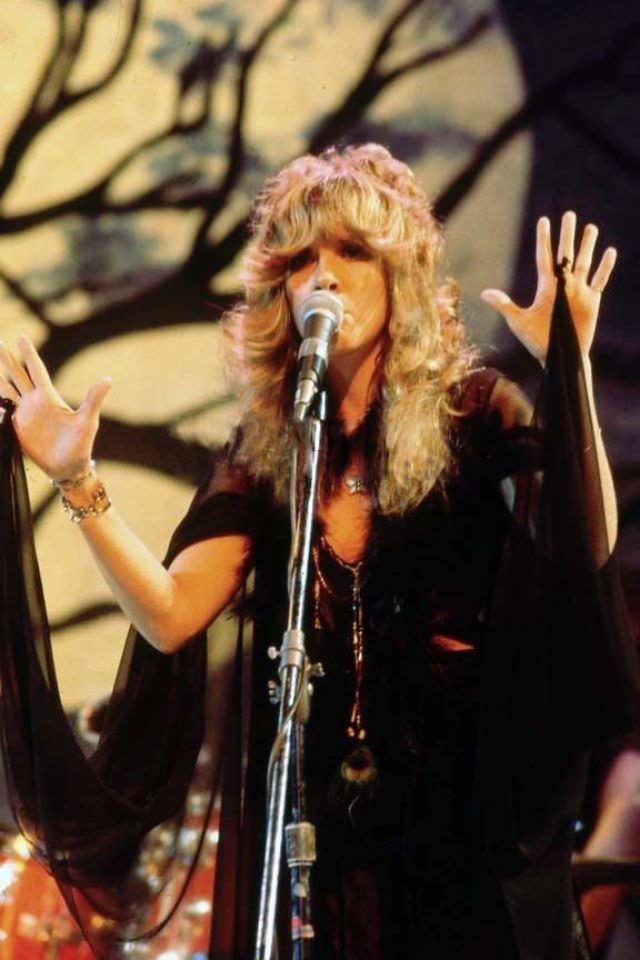
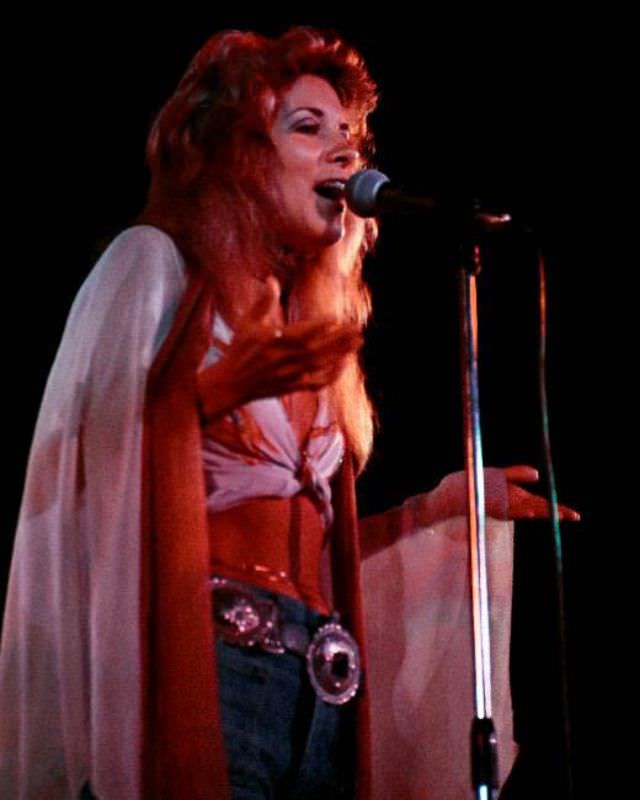
Along with her music, Nicks crafted a visual identity that was entirely her own. She developed a gypsy-bohemian stage look built around flowing skirts, layered shawls, and tall platform boots. The look was intentional and consistent — fans recognized it instantly. It set her apart on stage and gave her performances a theatrical, almost mystical quality that matched her song-writing style.

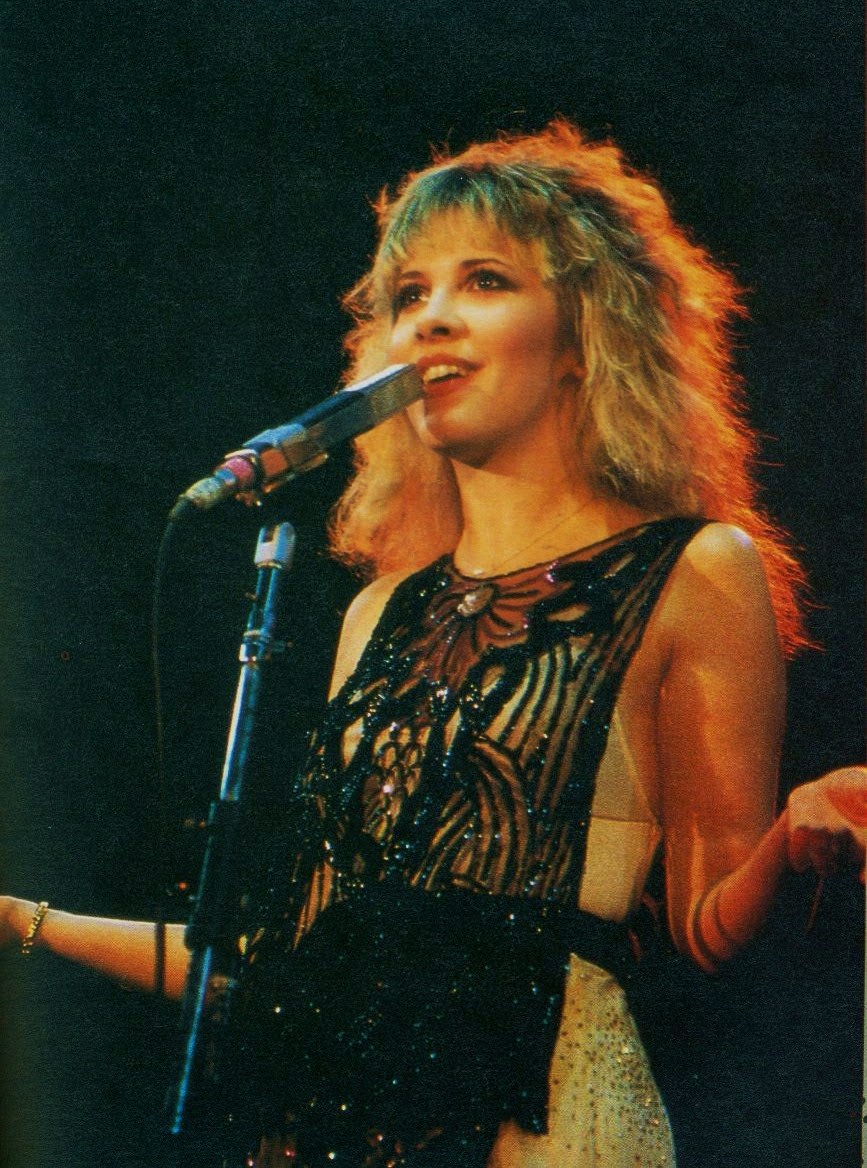
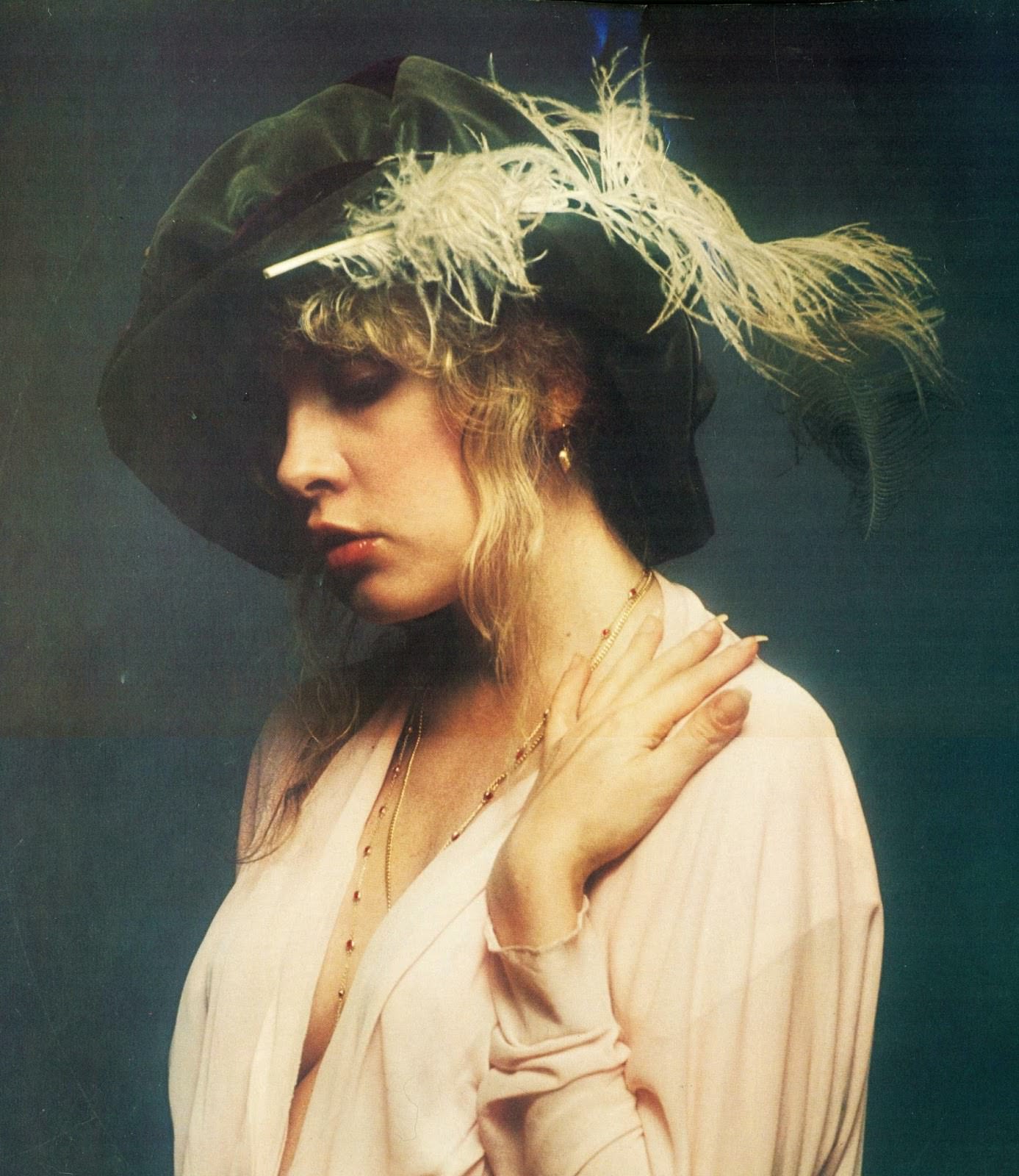
Fleetwood Mac’s 1977 album “Rumours” became one of the best-selling records in history, and Nicks was a central figure in its creation. The band recorded it during a period of serious personal turmoil — relationships were breaking apart, including that of Nicks and Buckingham. That tension fed directly into the music, and the result was an album that resonated with millions of people around the world.
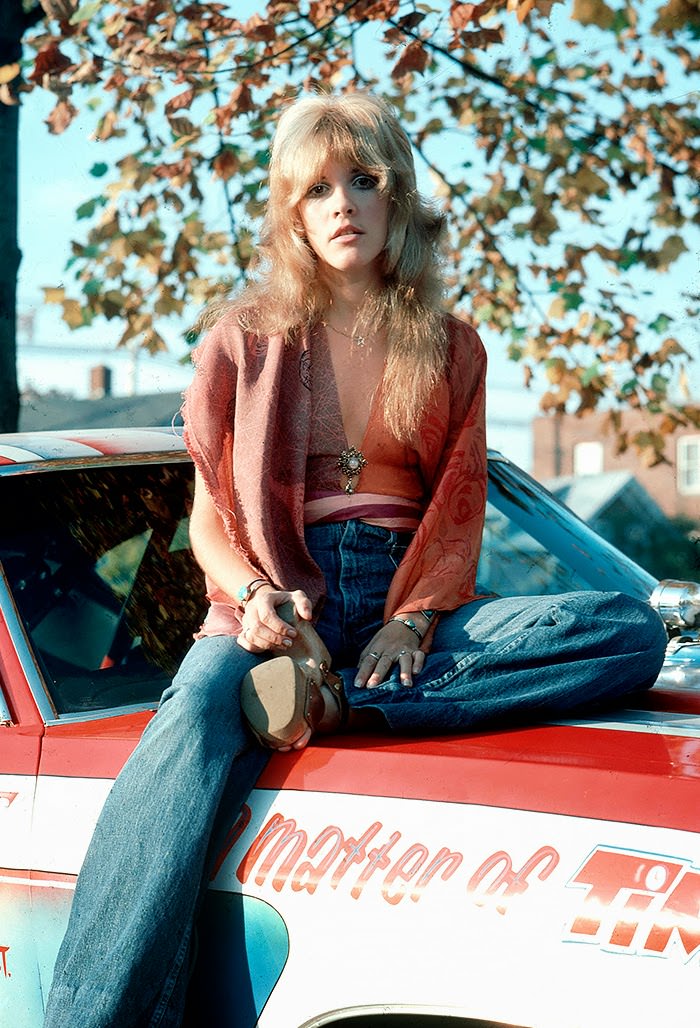
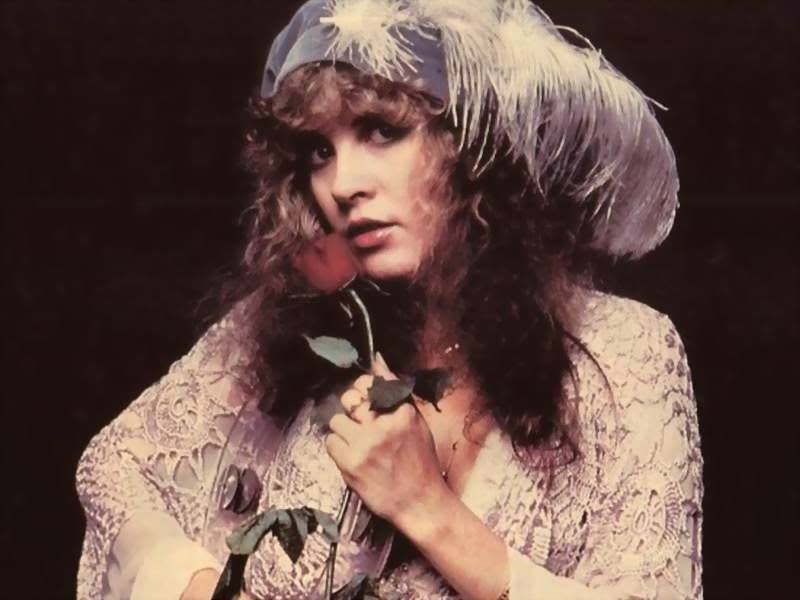
Nicks launched her solo career in 1981 with the album “Bella Donna,” which was certified platinum. Her second solo record, “The Wild Heart,” released in 1983, also earned platinum status. Both albums confirmed that her appeal extended well beyond Fleetwood Mac. She was a headlining act in her own right, capable of filling arenas and charting hits independently of the band.
During her solo years, Nicks developed a serious drug addiction. Cocaine use had been part of the rock music scene throughout the late 1970s and early 1980s, and Nicks was not exempt from its grip. She later described the addiction as one of the most damaging periods of her life. After years of struggle, she entered treatment and worked to overcome her substance abuse, eventually succeeding in getting clean.
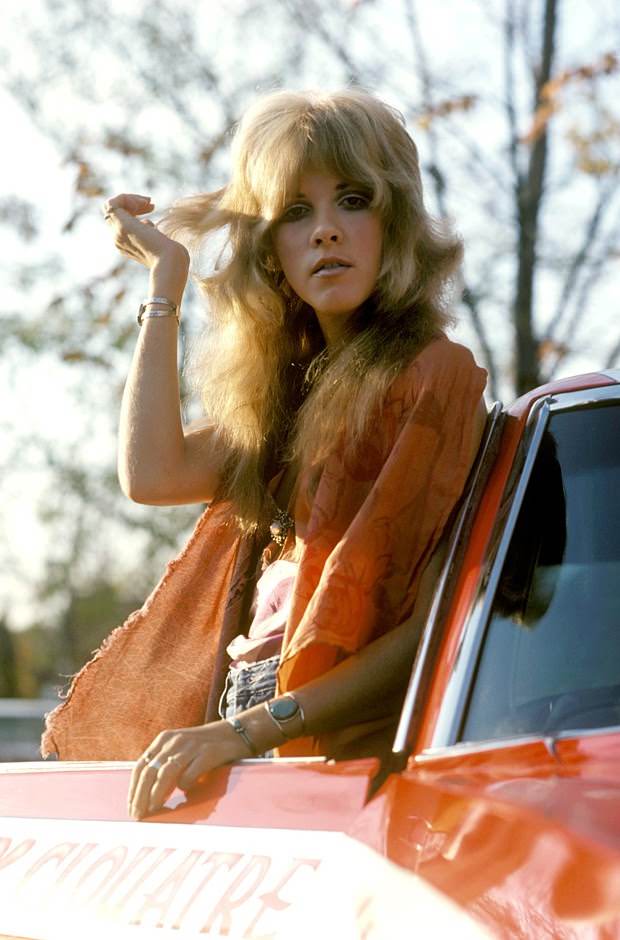
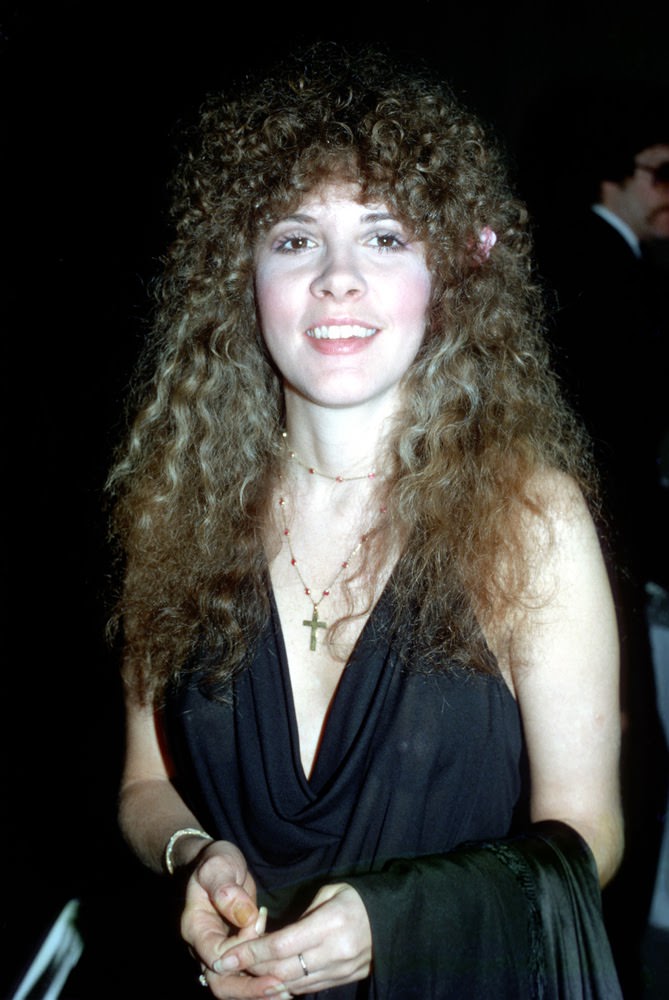
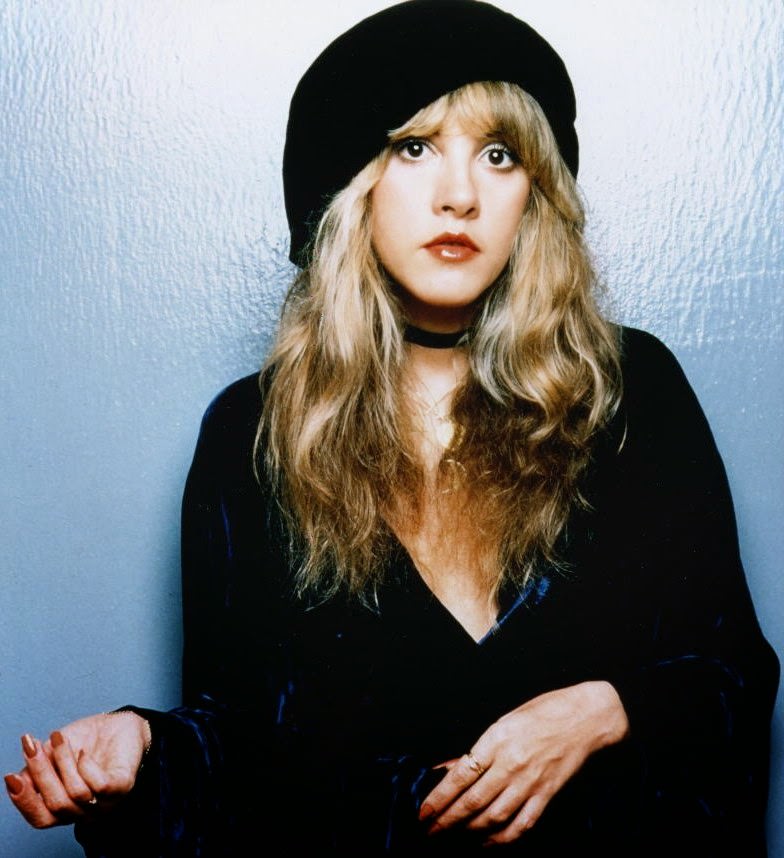
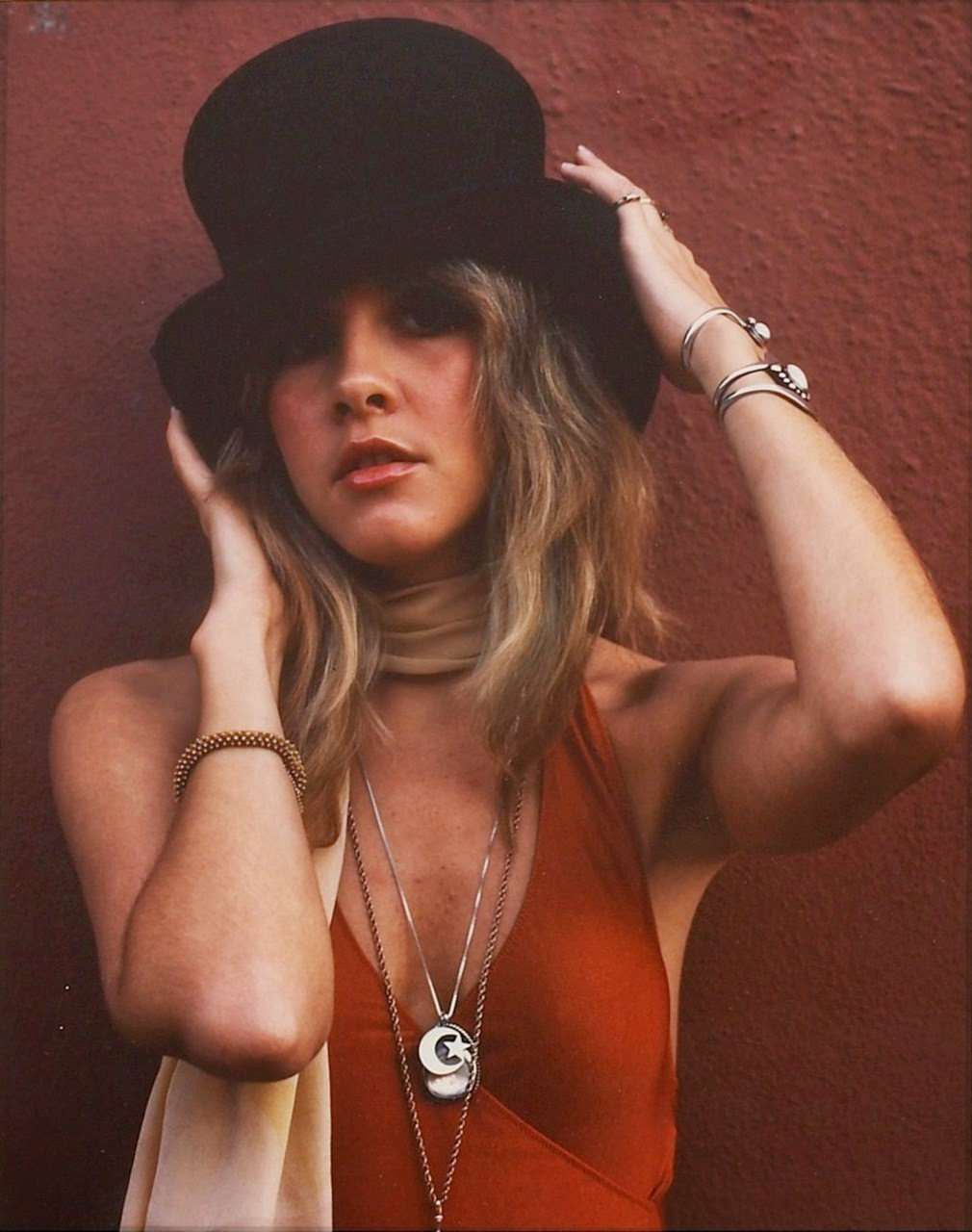
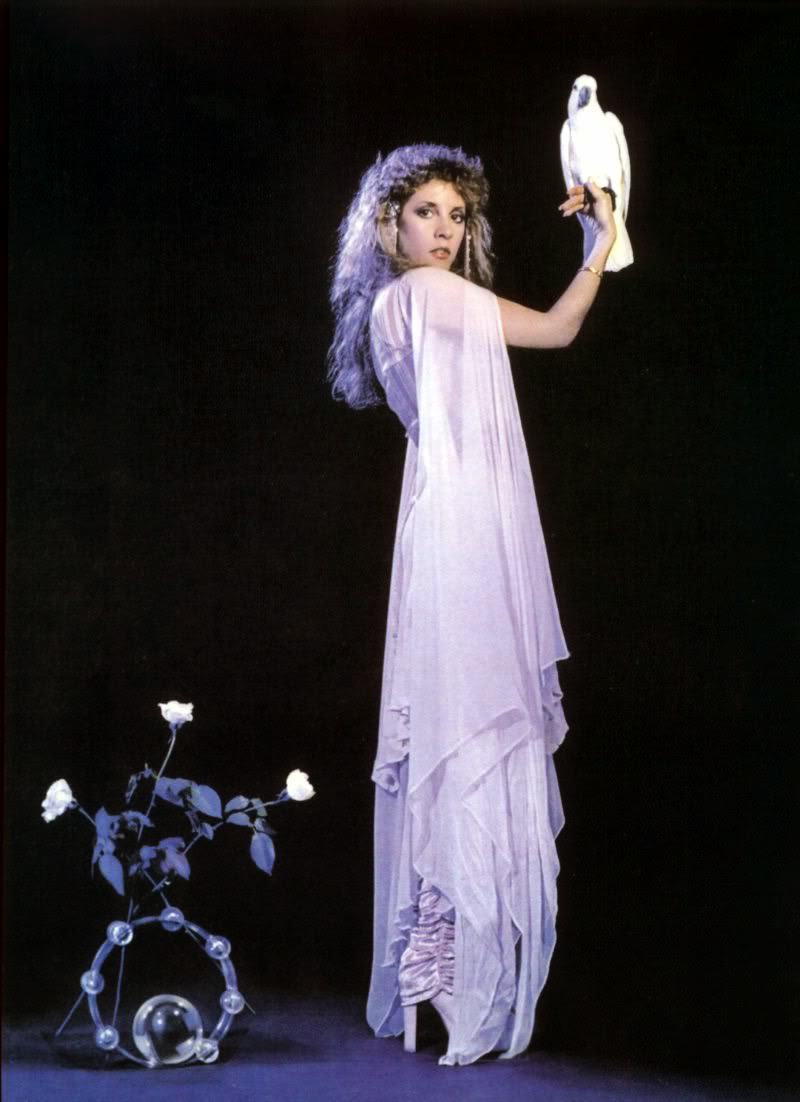
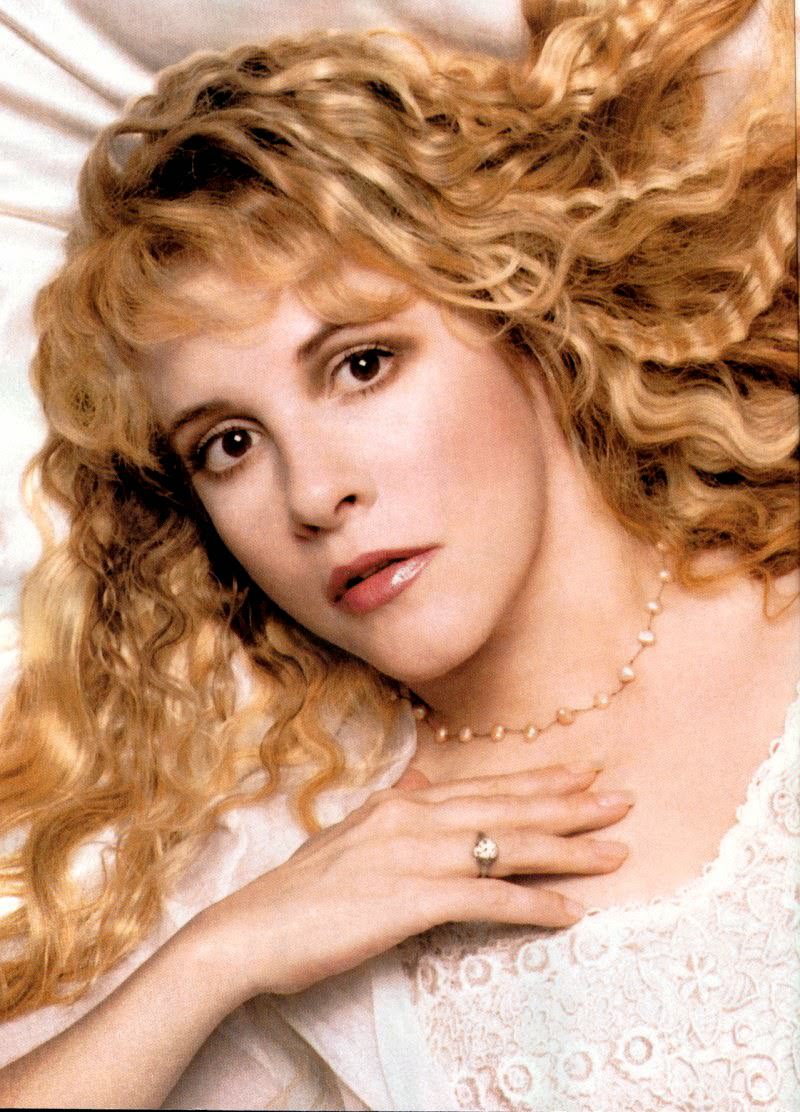
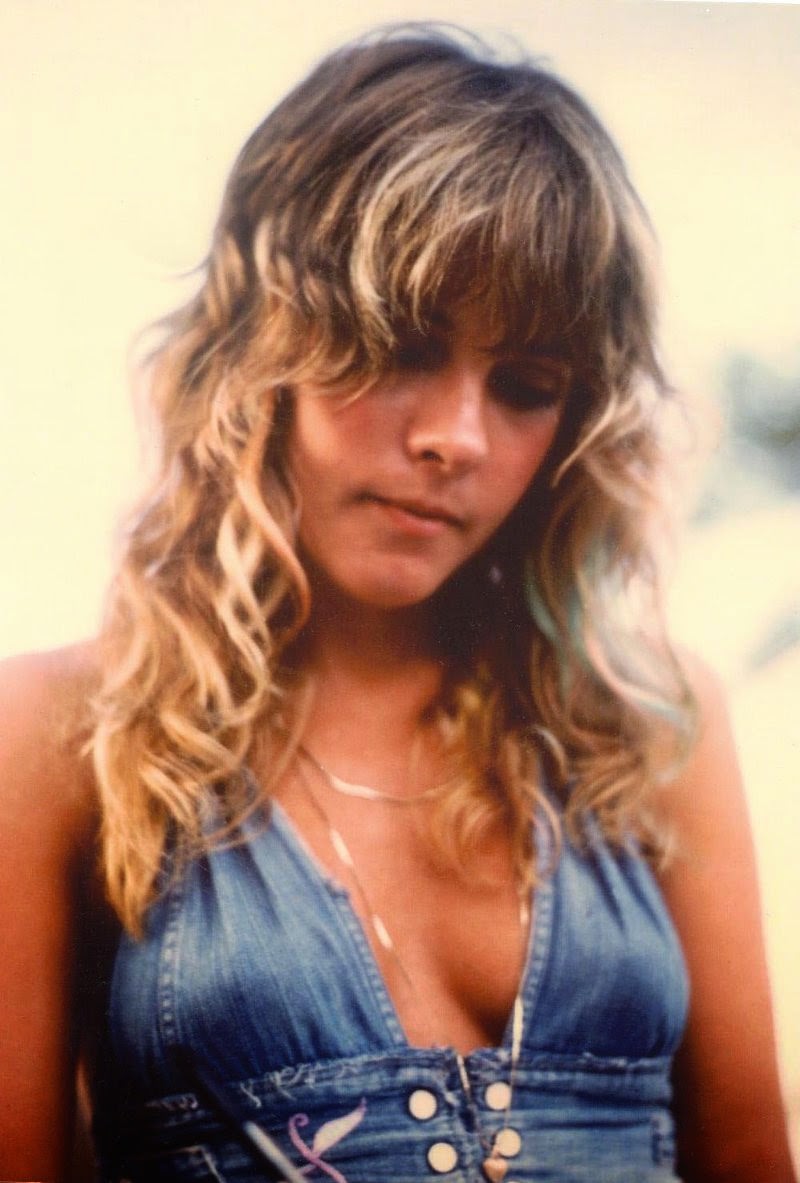
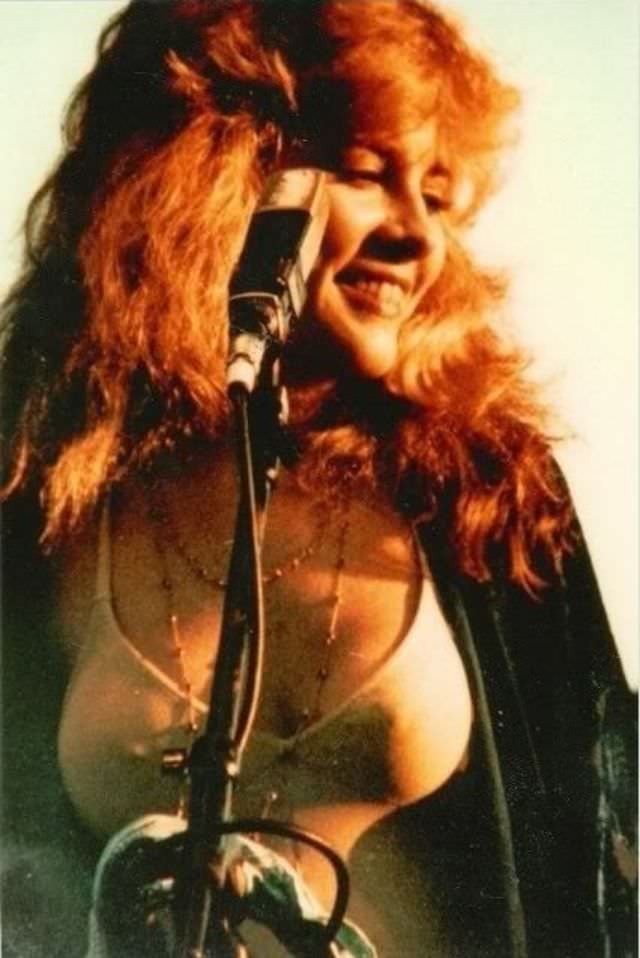
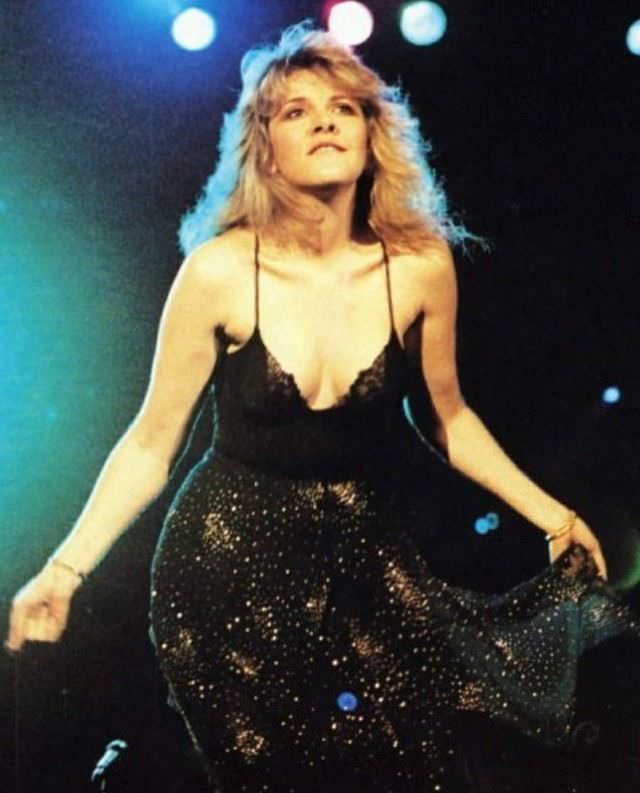
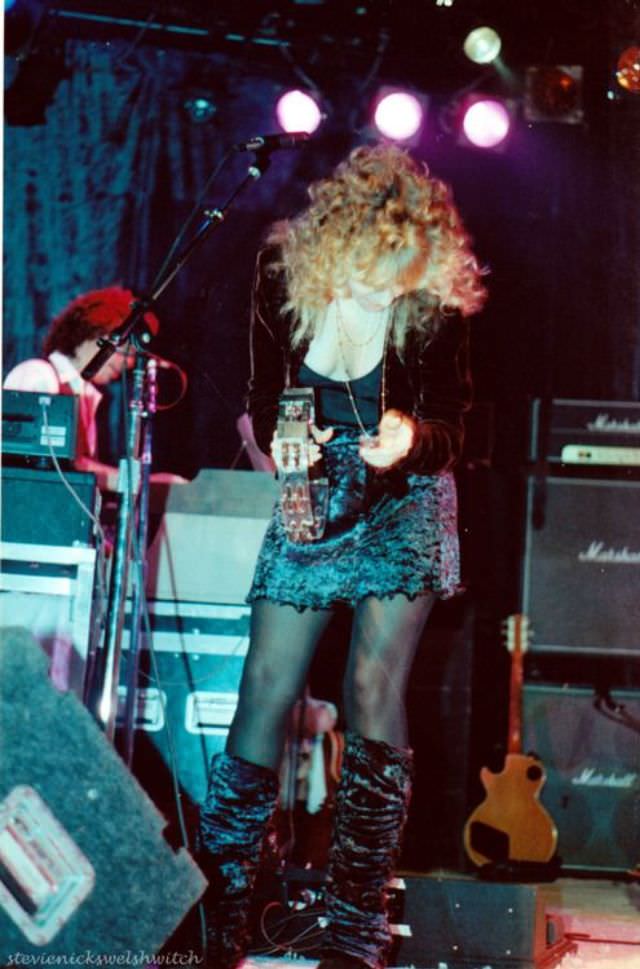
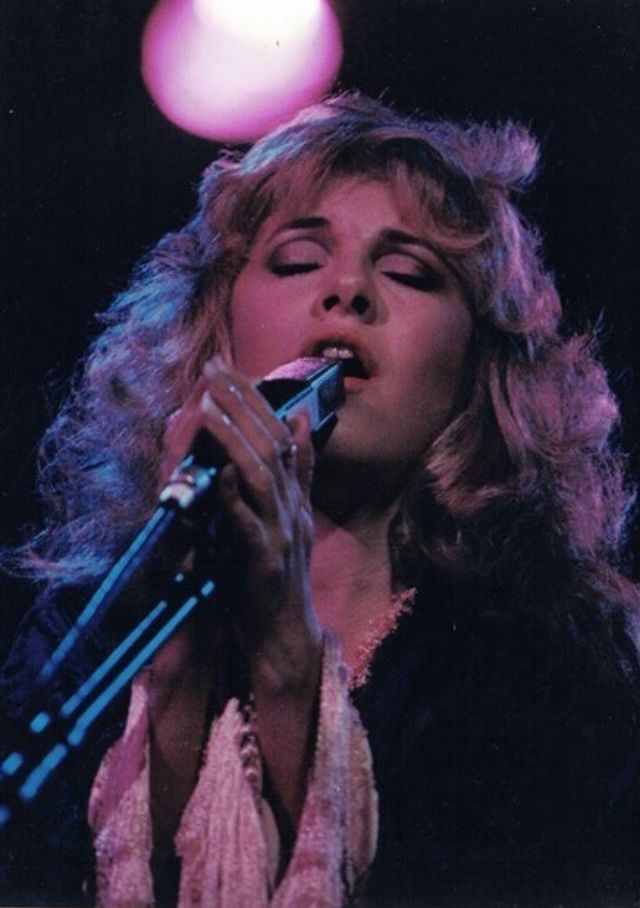
These rare photos capture a young Stevie Nicks at various points in her journey — on stage, backstage, and in personal moments. They show the woman behind the legend, full of energy and presence, long before the accolades and the Hall of Fame plaques arrived.

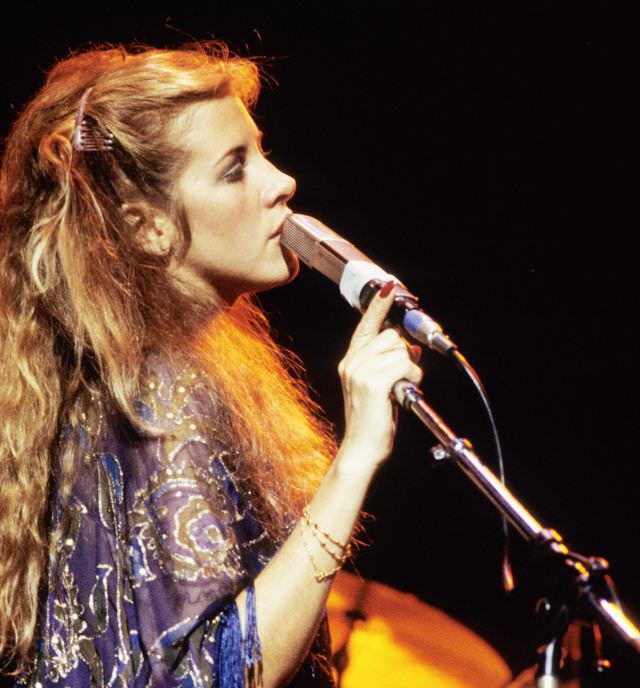

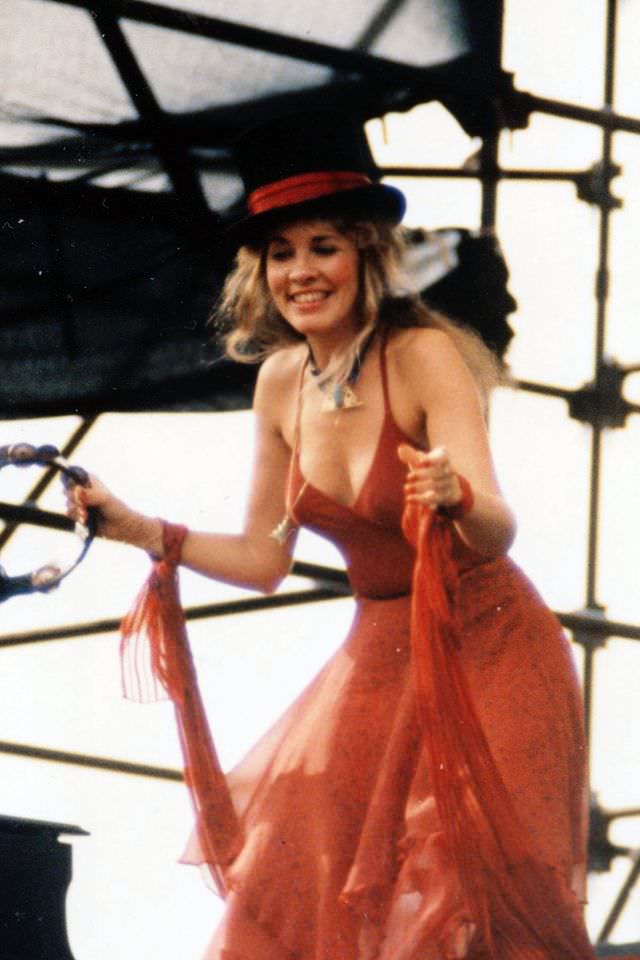


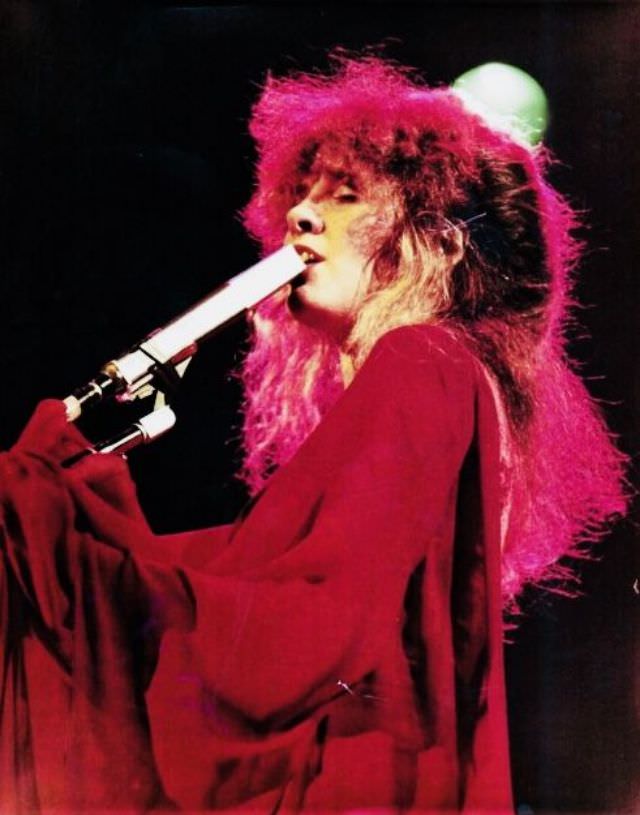
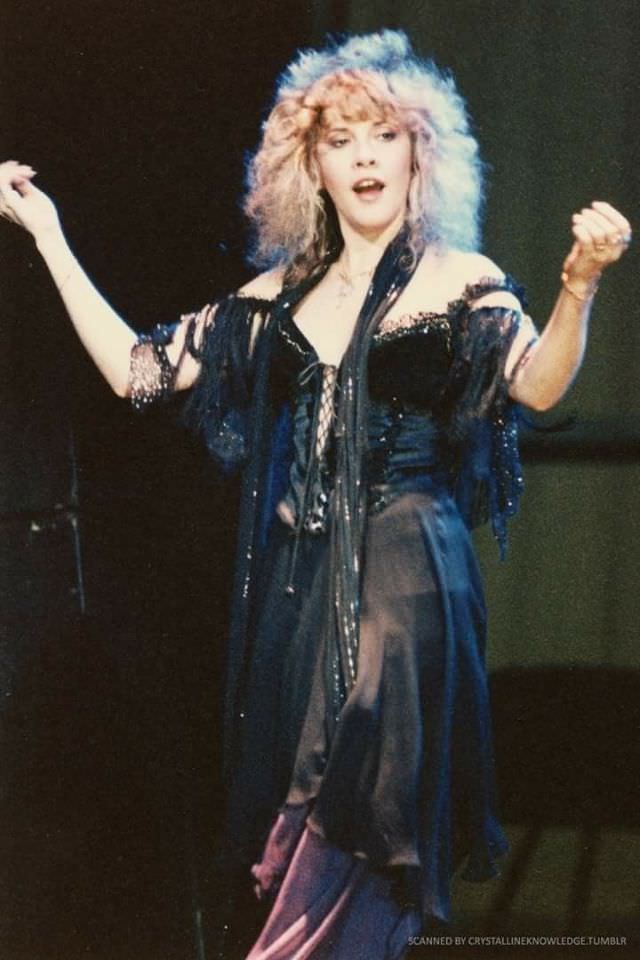
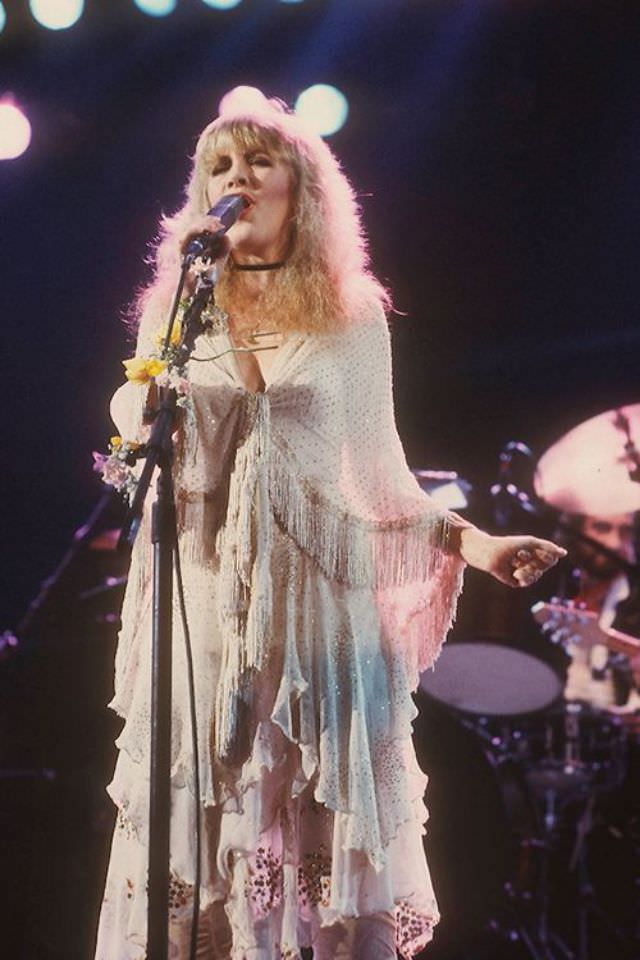



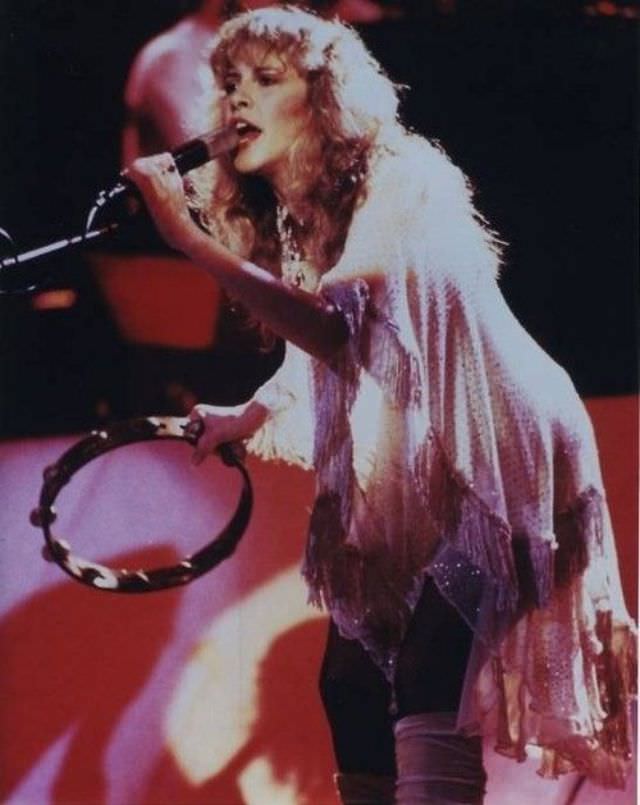


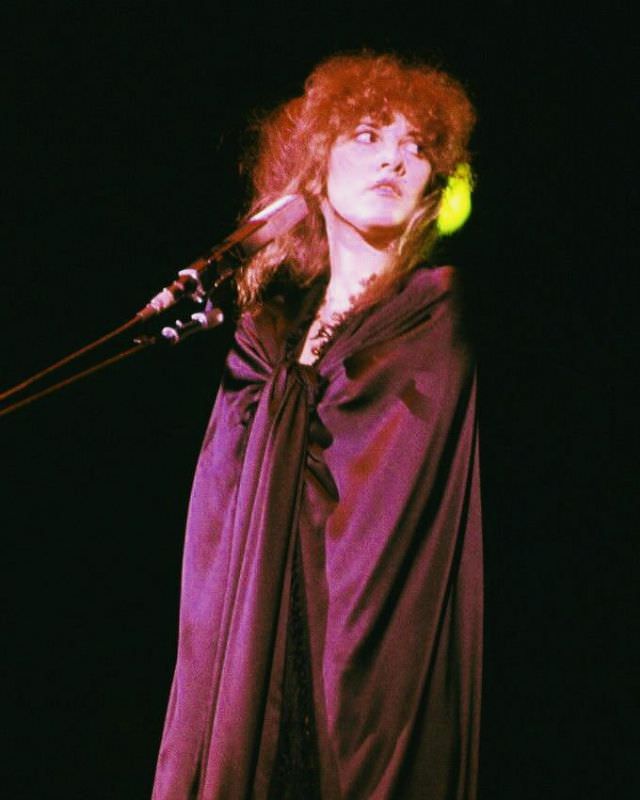
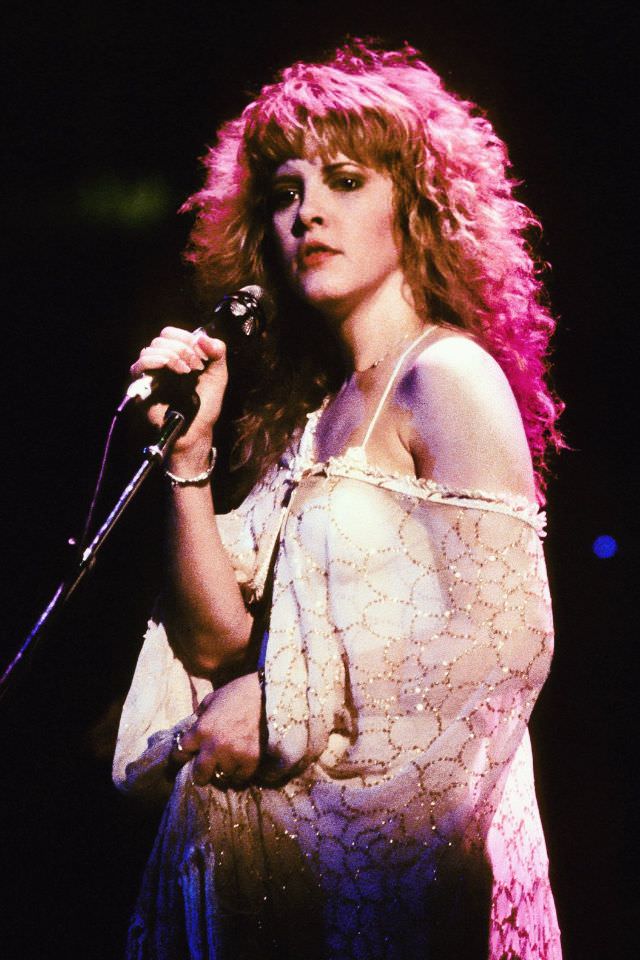












During Stevie Nicks’ concert this summer, she closed it out with Wildflower, a song dedicated to Tom Petty. I cried. Behind her was a montage of pictures and videos of the two of them throughout the years, which I hadn’t realized how long they had known each other.
When she was still Christine Perfect, her voice enchanted me. Rock’n’roll coming out of Great Britain at that time was so heavily influenced by the delta blues. Christine and Eric Burdon are some of my favorite musicians because of it.
Best band ever
Stevie Nicks was an icon in the 1970s – her voice, style, and stage presence were unmatched. She seamlessly blended rock and roll with a touch of mysticism. And let’s not forget her incredible fashion sense – those flowing skirts, shawls, and platform boots are still being copied today. The 1970s would not have been the same without Stevie Nicks.
When “Go your own way” topped the charts.
It’s an amazing album. Even though I am not a huge fan of the genre, Rumors is one of the best complete albums from the 1970s.
Knowing the story behind each song and recording makes this album even more enjoyable. Affairs, drugs, cheating, hiding, and drama really ramp up the drama.