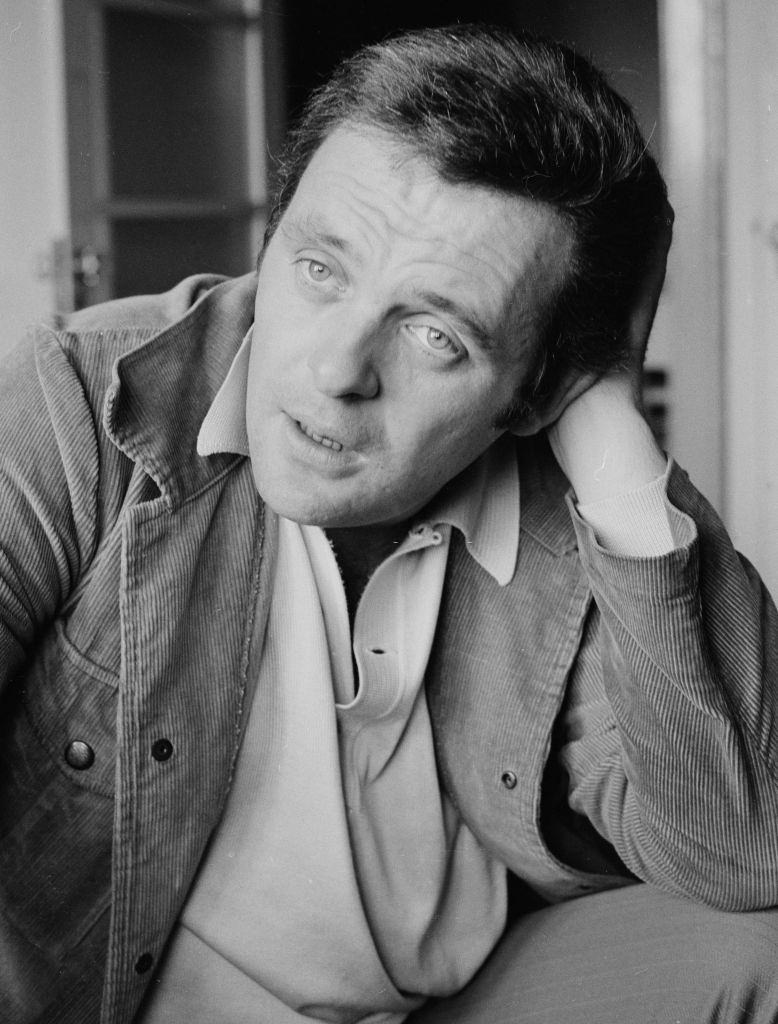
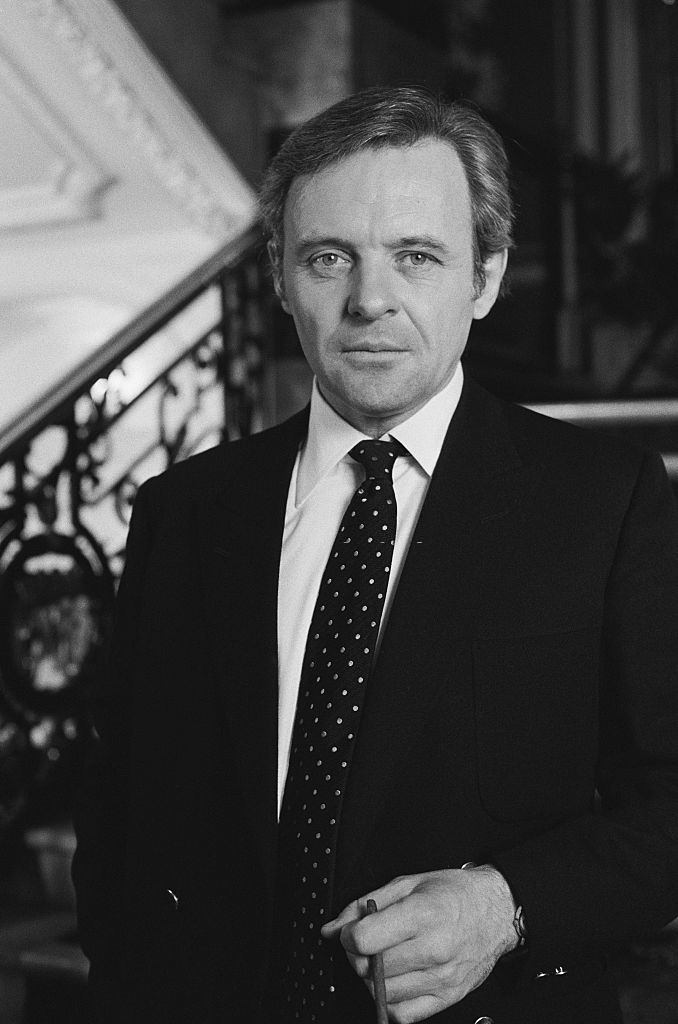
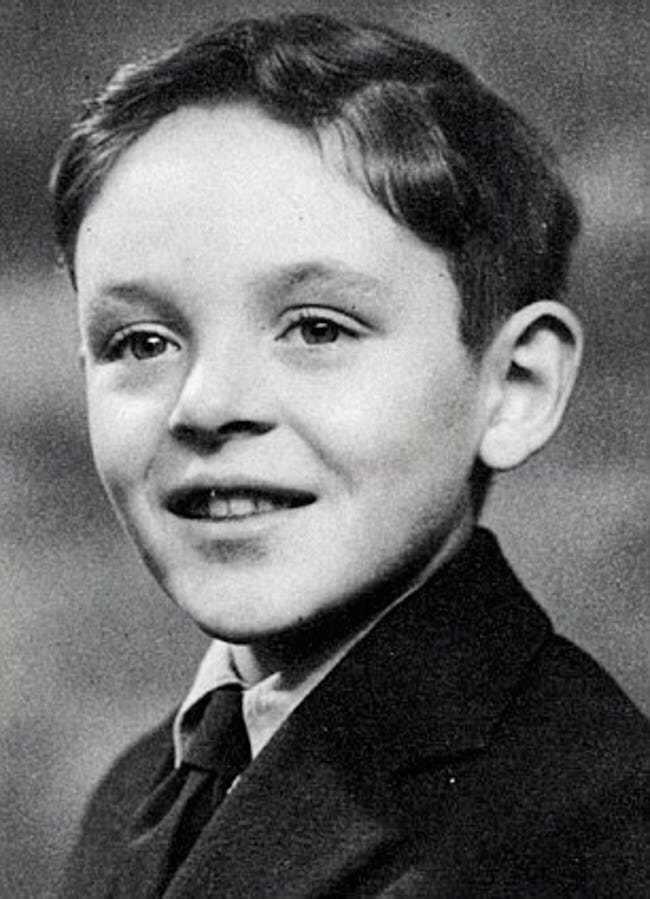
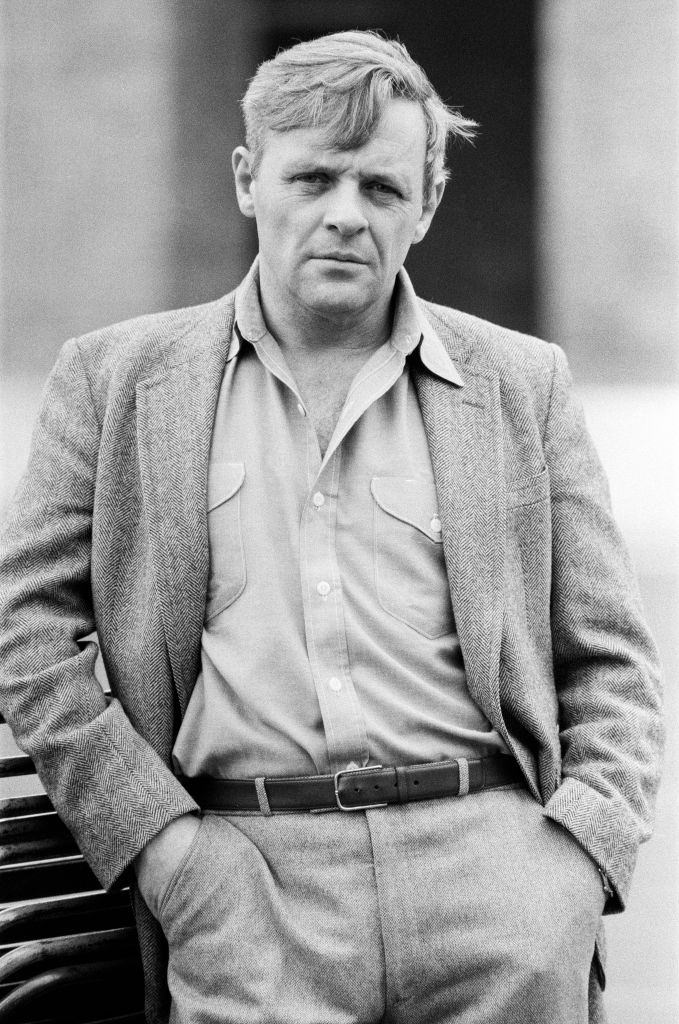
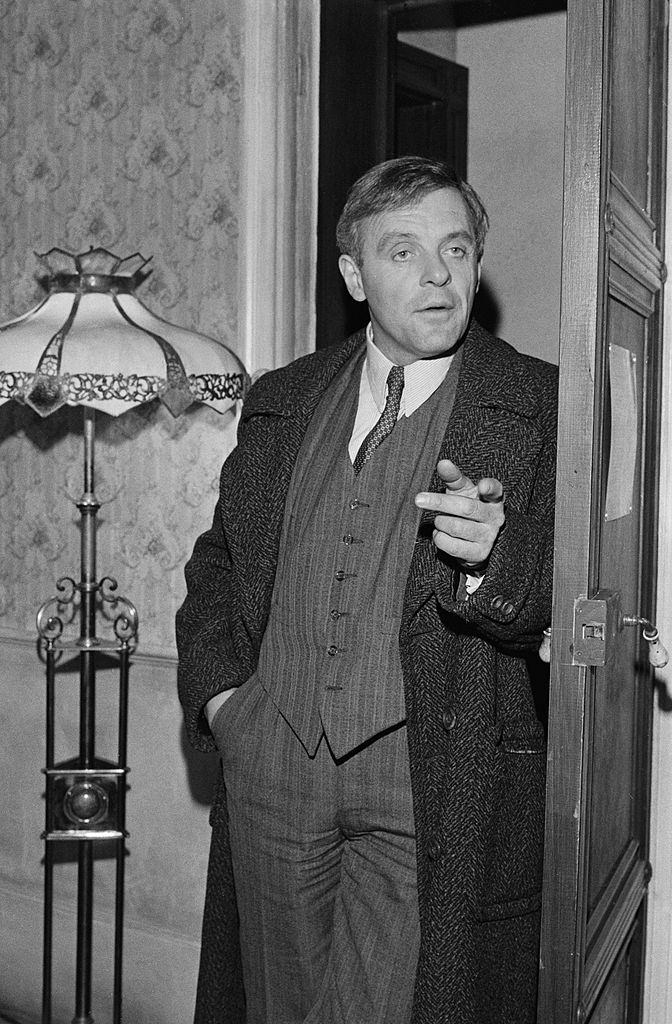
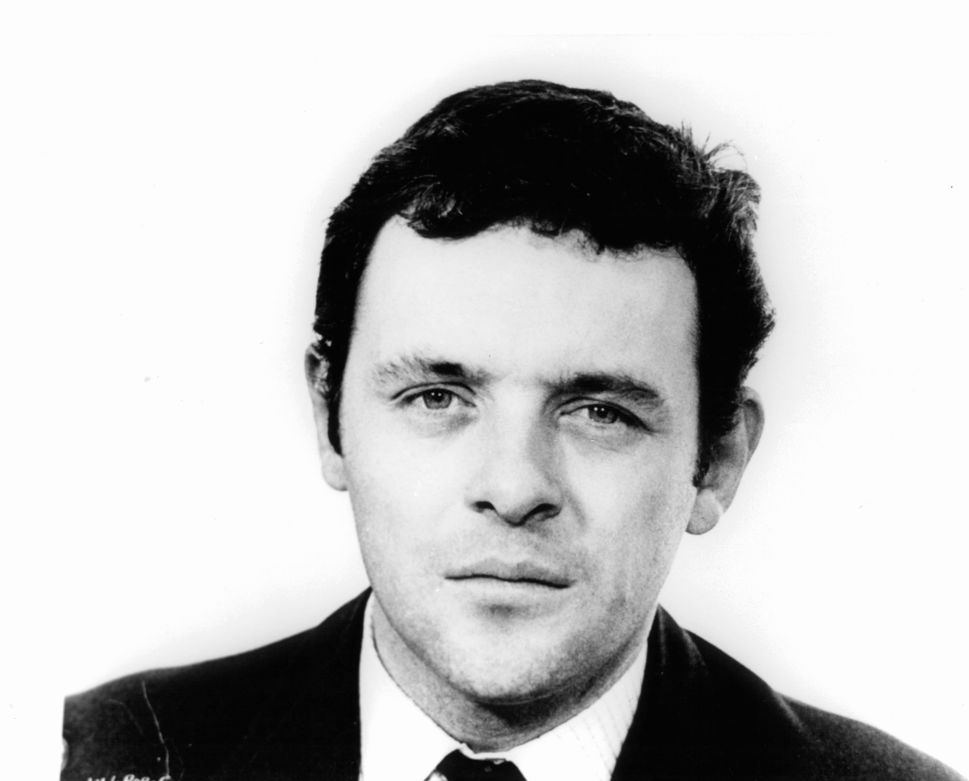
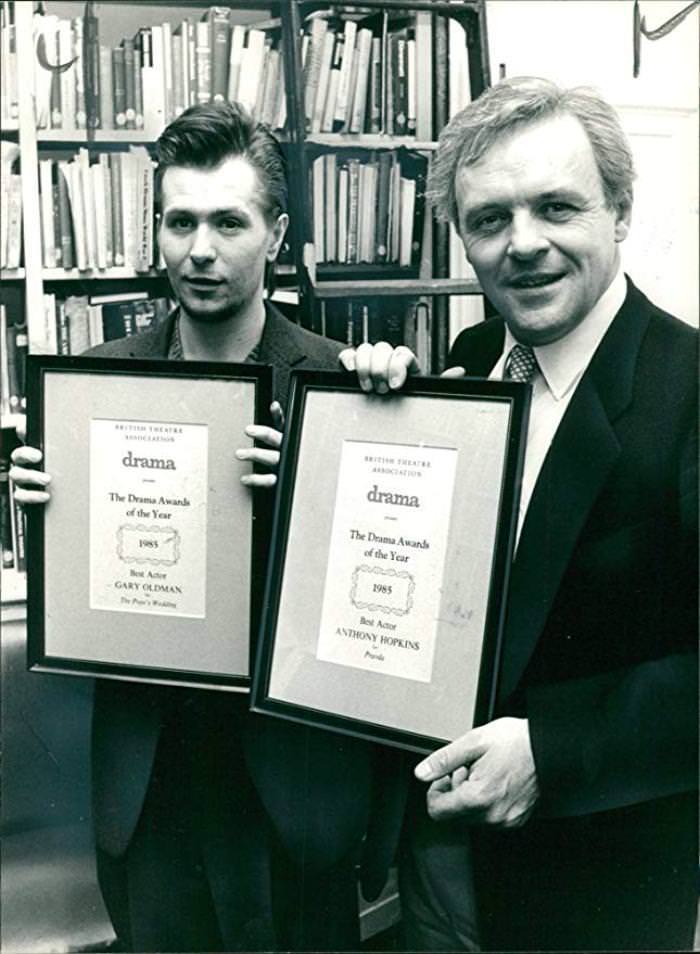
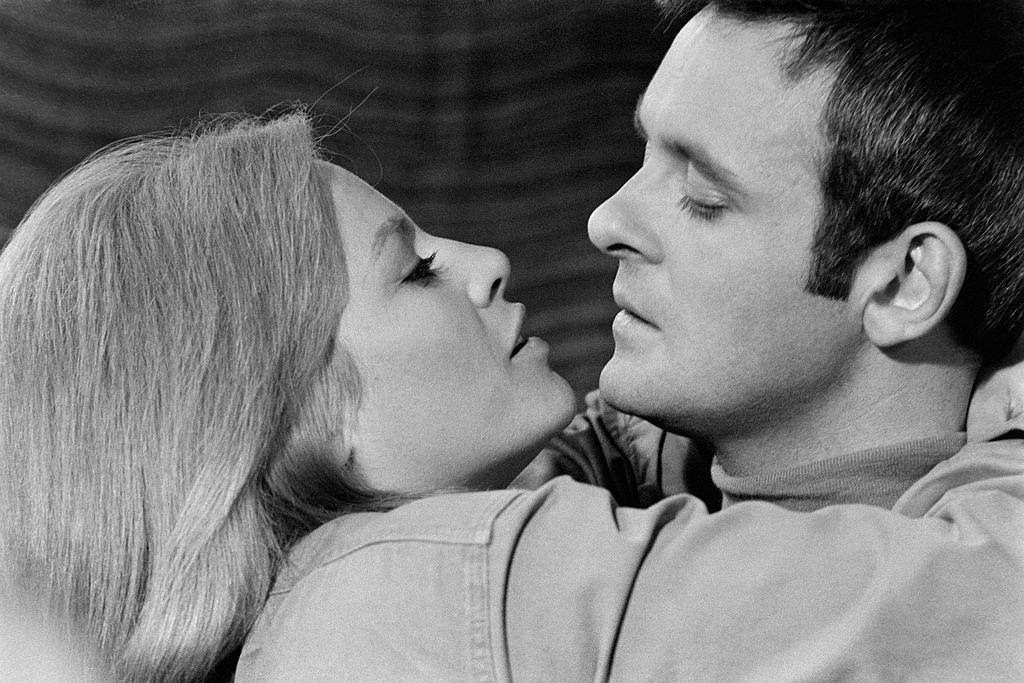
Anthony Hopkins is one of the most decorated actors in film history — a performer known for playing cruel, intense, and deeply complex characters with unsettling precision. Over the course of his career, he has earned 47 wins from 57 award nominations. But long before the fame, there was a quiet boy growing up in Wales, with no obvious signs of what was to come.

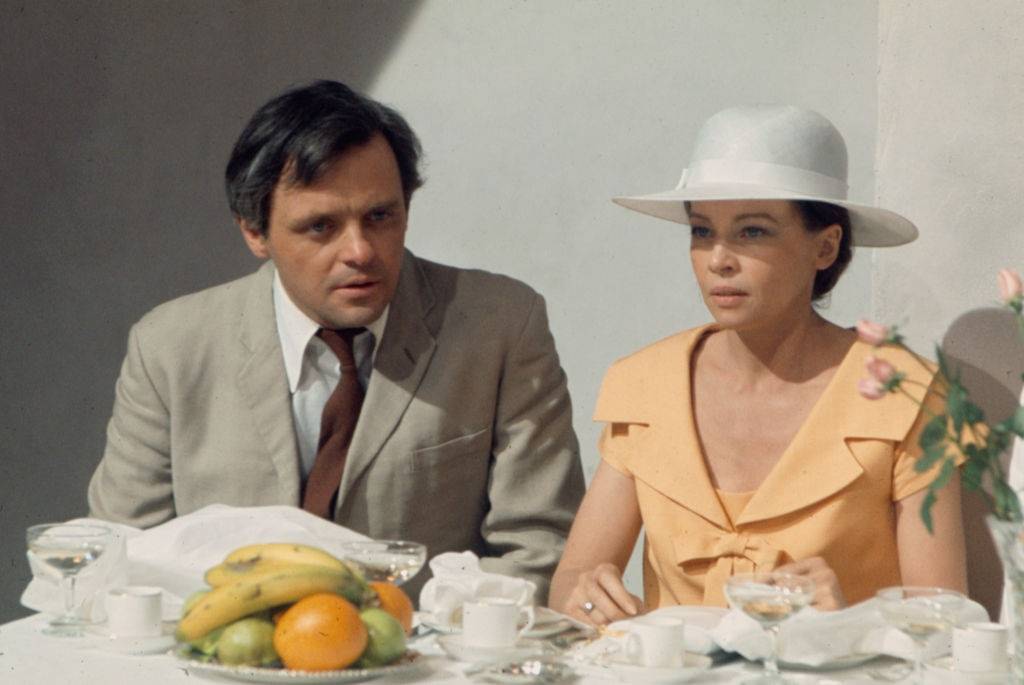
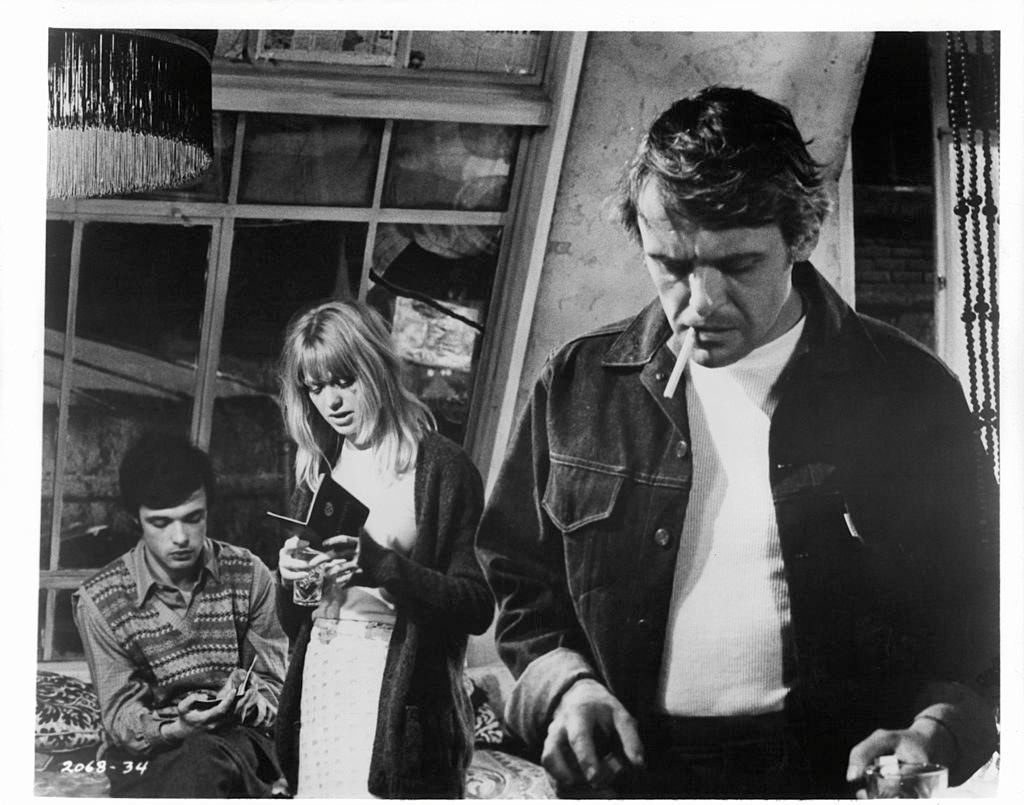
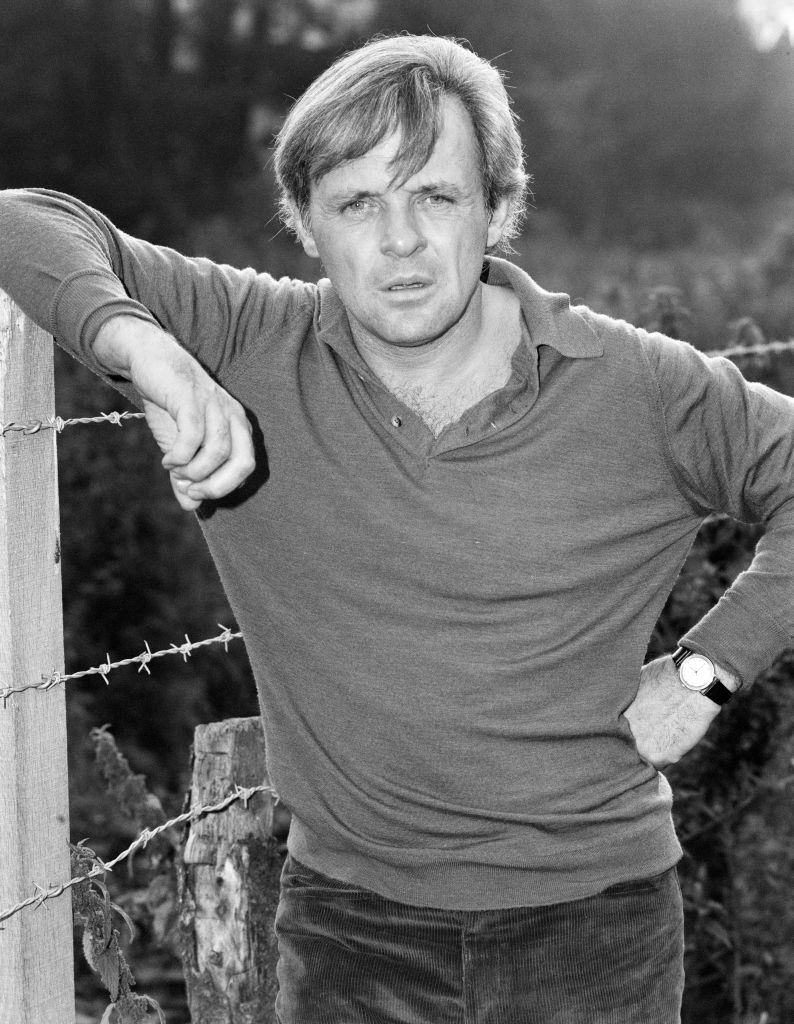
Hopkins took his first real step into acting at the age of eighteen, when he joined a YMCA dramatic club. Before committing fully to the arts, he served two years in the British Army with the Royal Artillery. His screen debut came in 1967 with the film ‘The White Bus,’ and throughout the 1960s and 1970s, he steadily built his presence in both film and theatre.


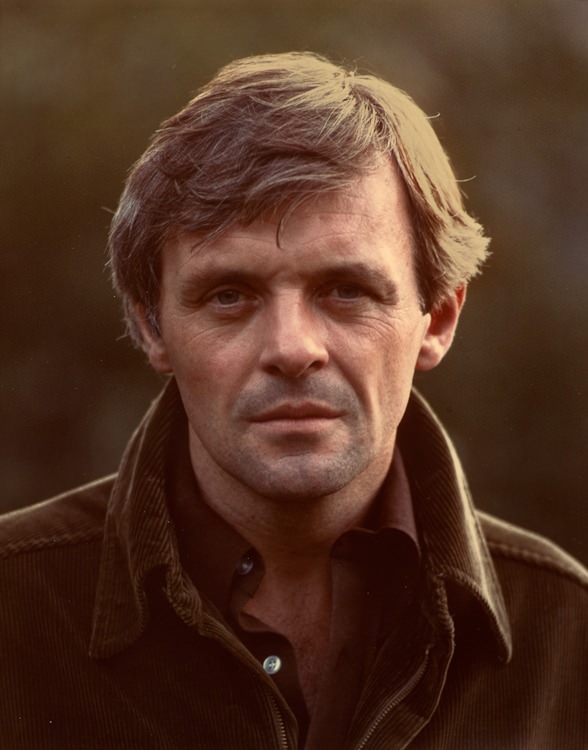
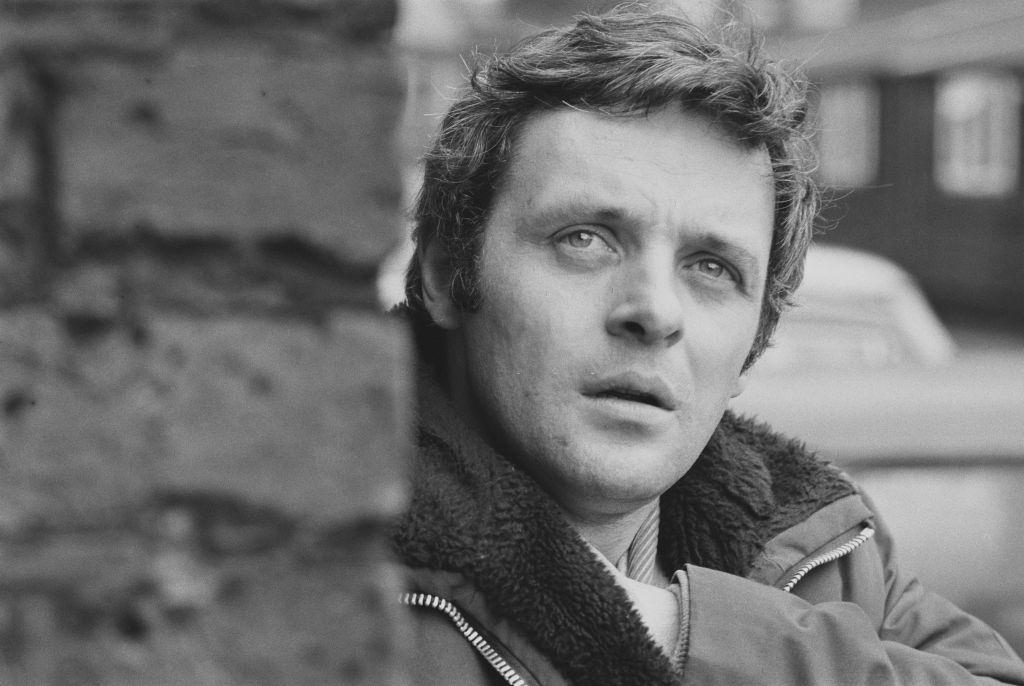
By 1970, Hopkins was gaining serious attention on British television. His role as Danton for the BBC brought him broader recognition and showed audiences the range he was capable of. He was equally at home in front of a camera as he was on a stage.


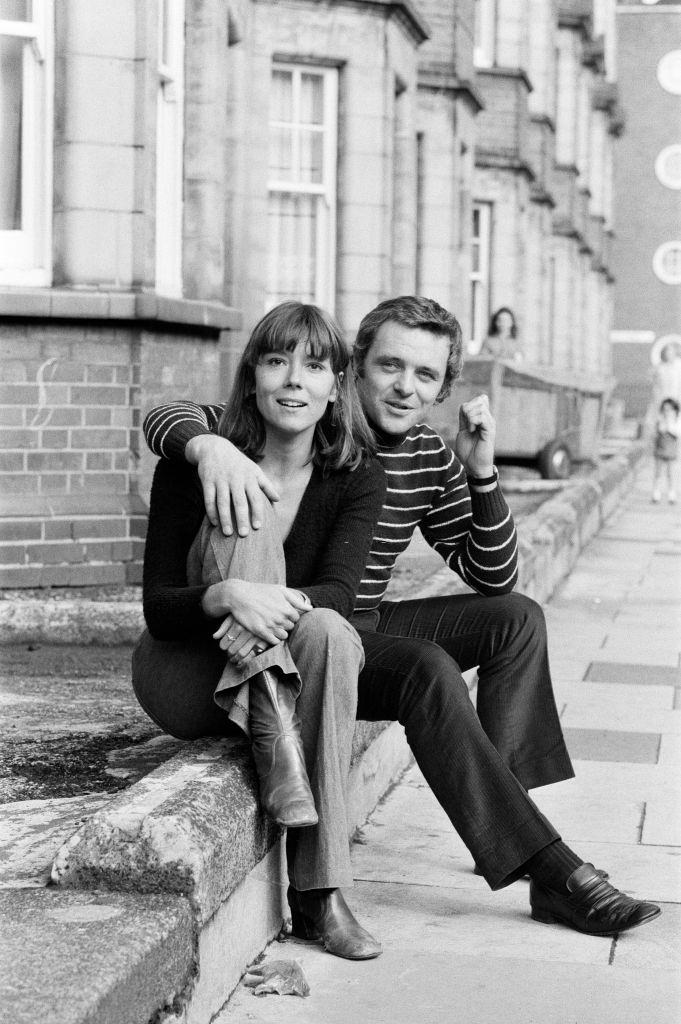
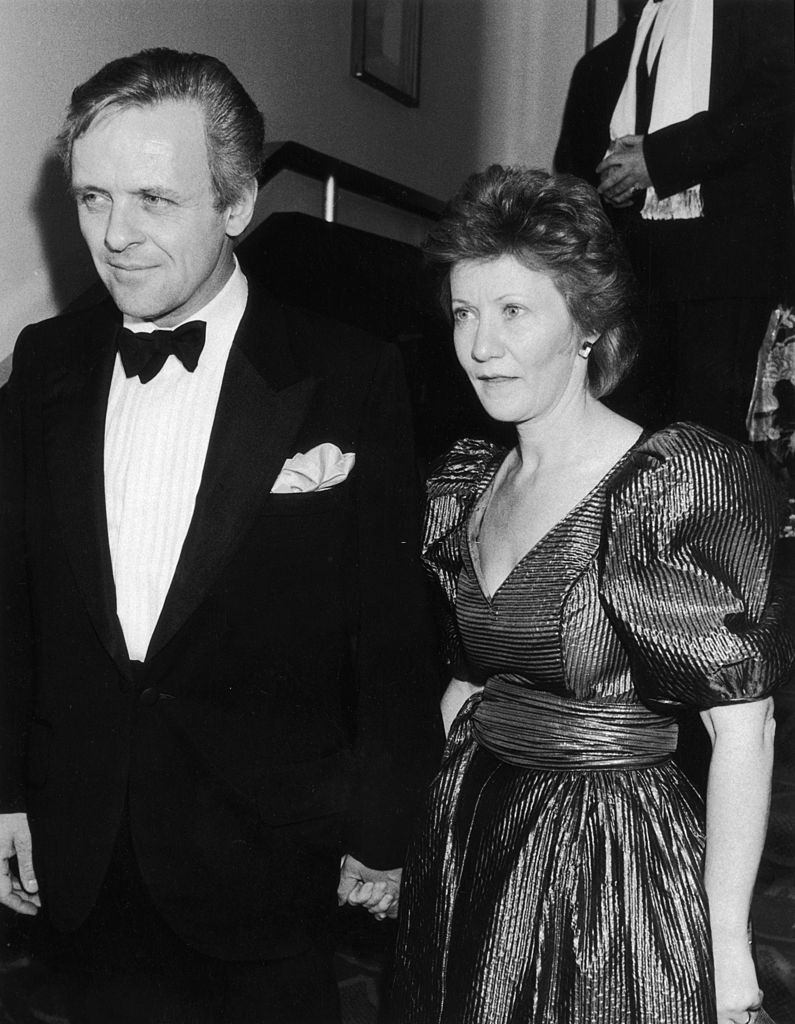
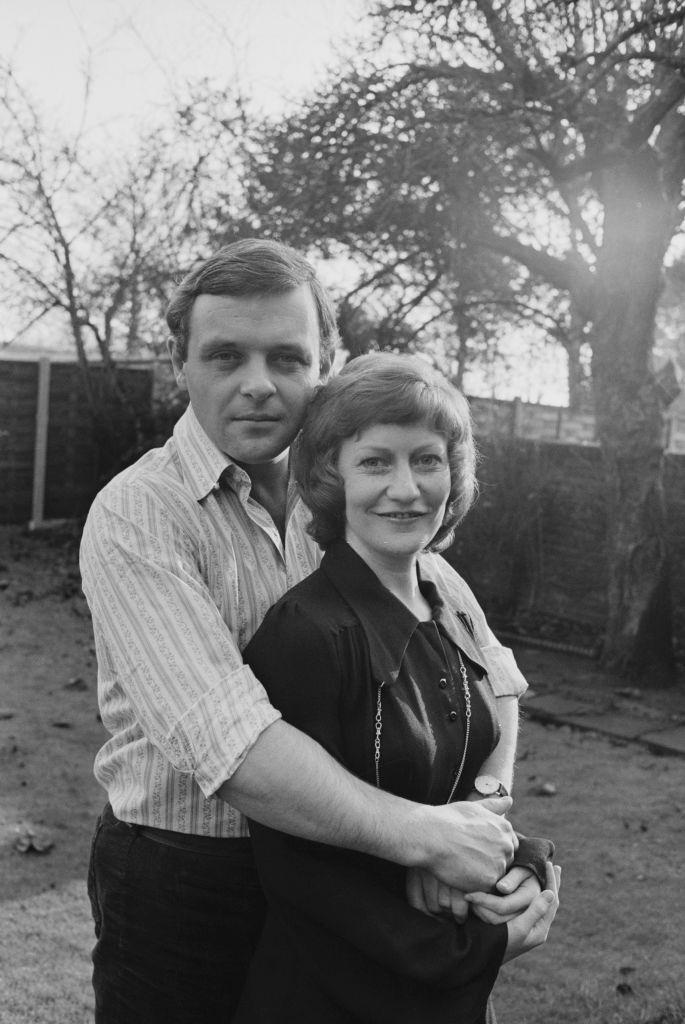
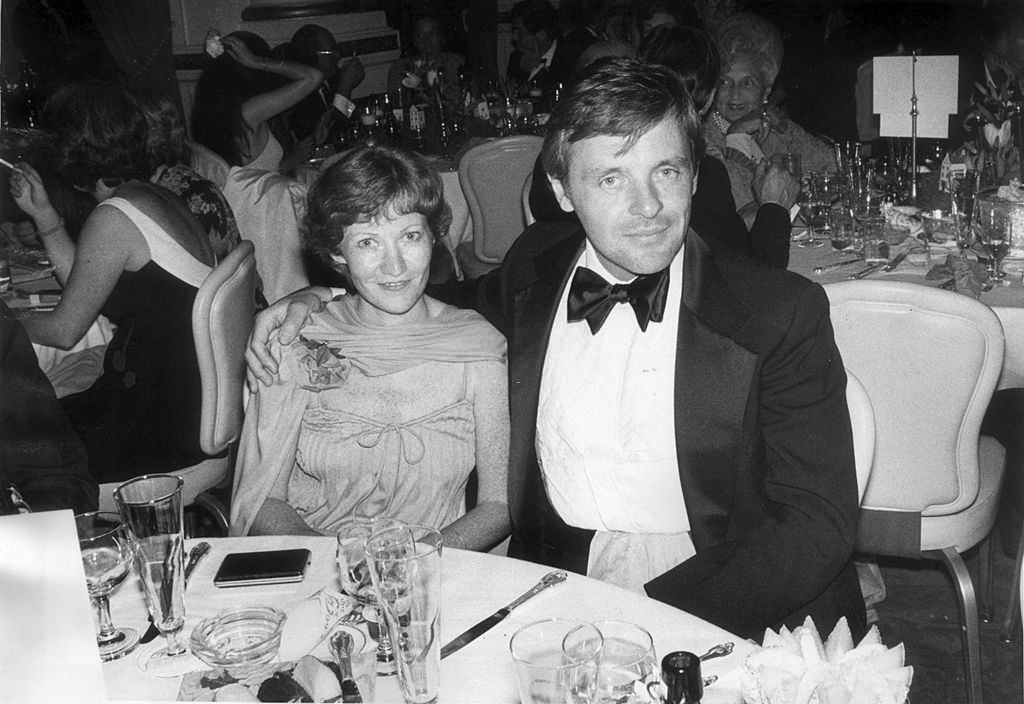
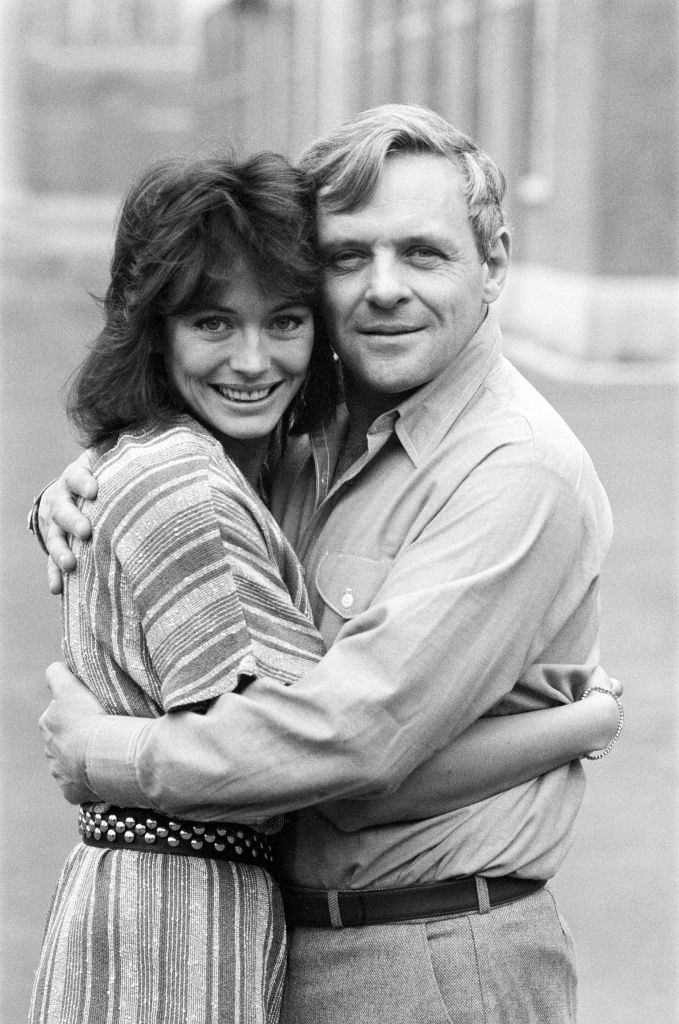
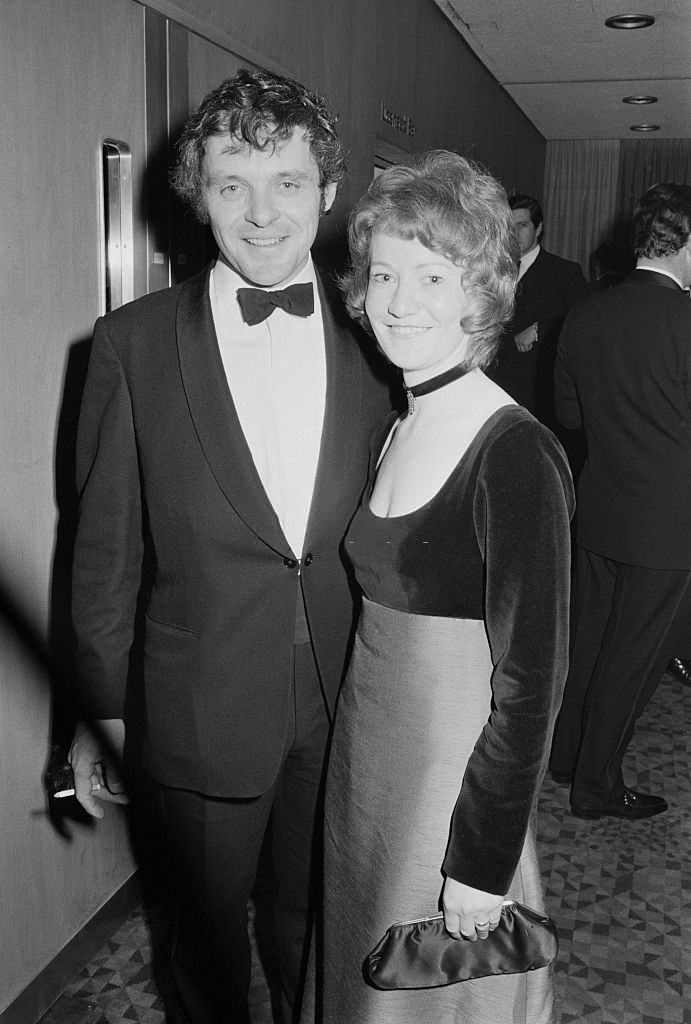
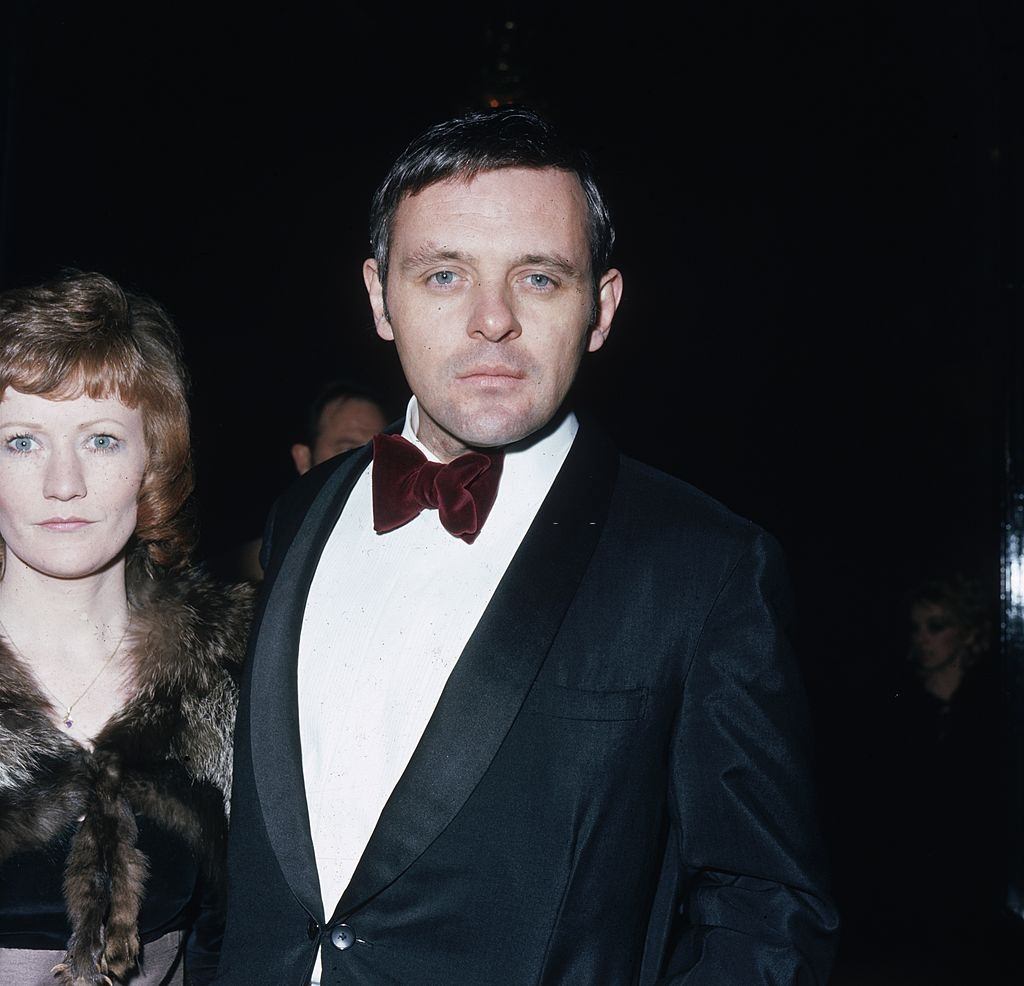
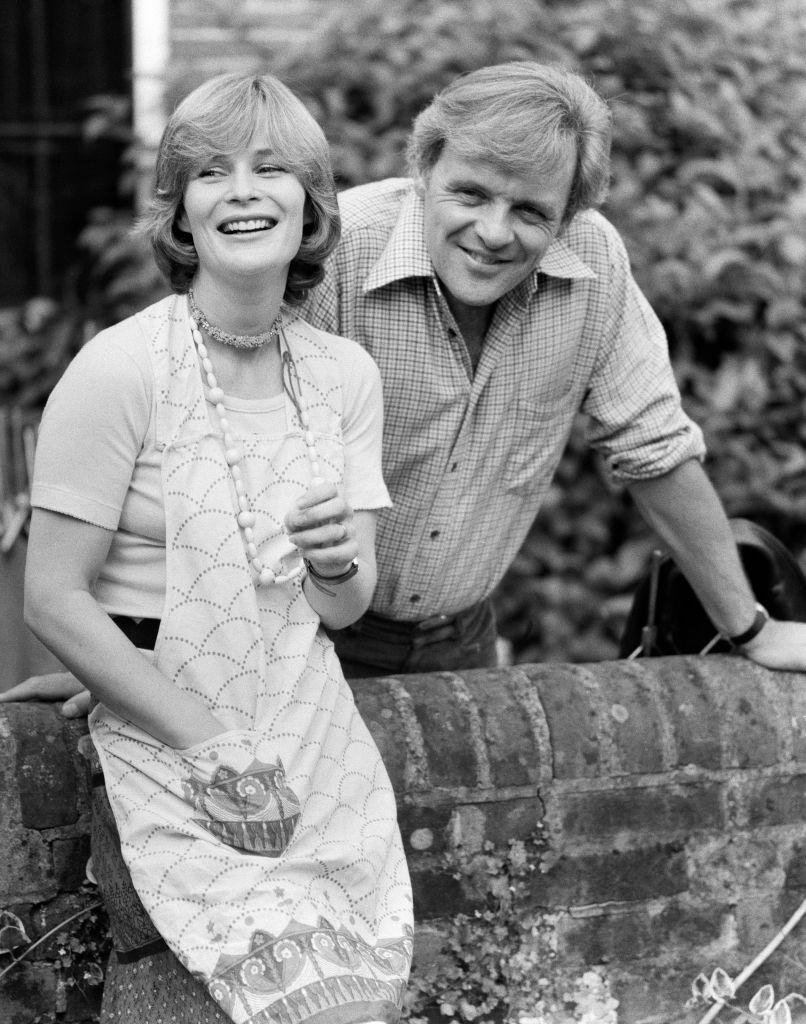
His personal life was also taking shape during this period. Hopkins had married actress Petronella Barker in 1966, though the couple divorced seven years later. He then met Jennifer Lynton, who would become his second wife. The two were photographed together at the premiere of ‘When Eight Bells Toll’ in 1971, where Hopkins played the lead role.
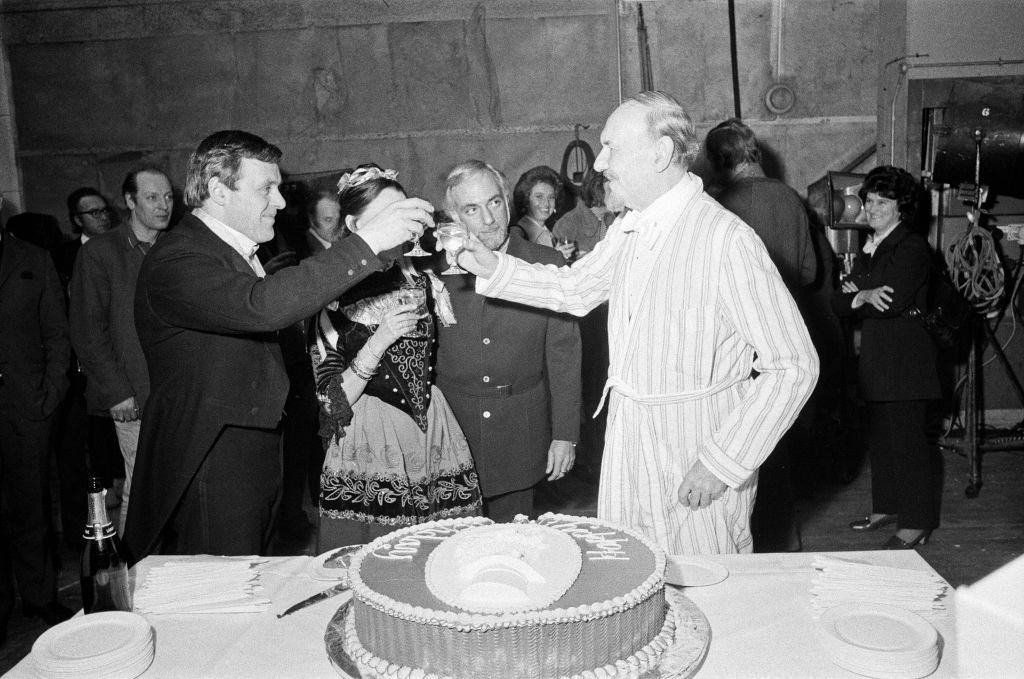

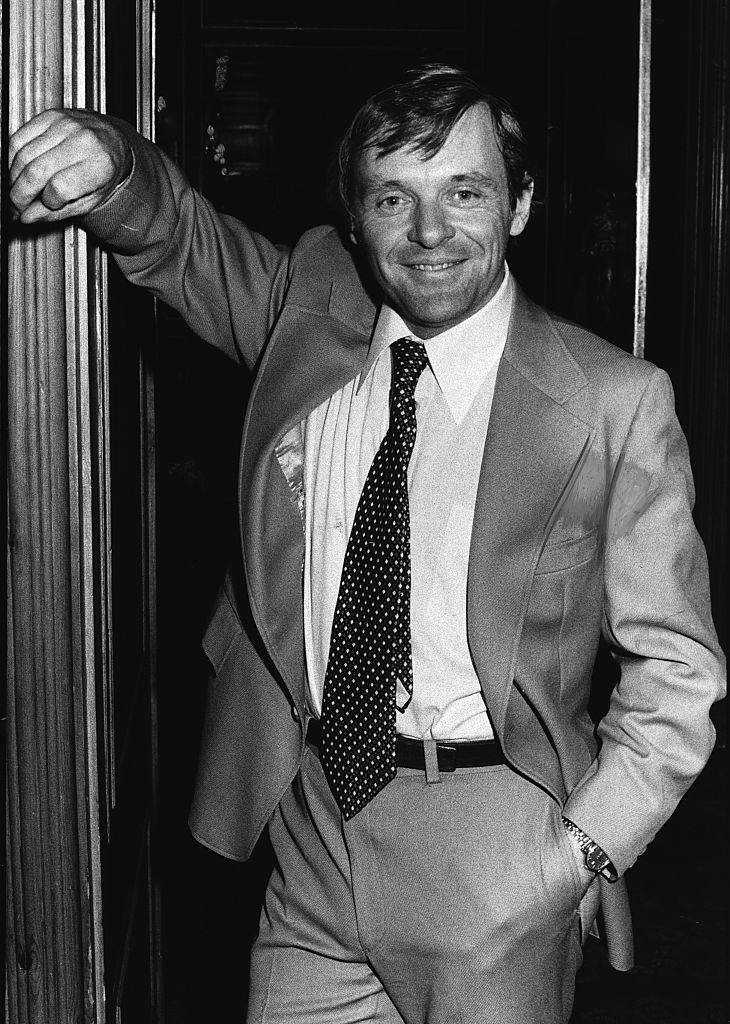
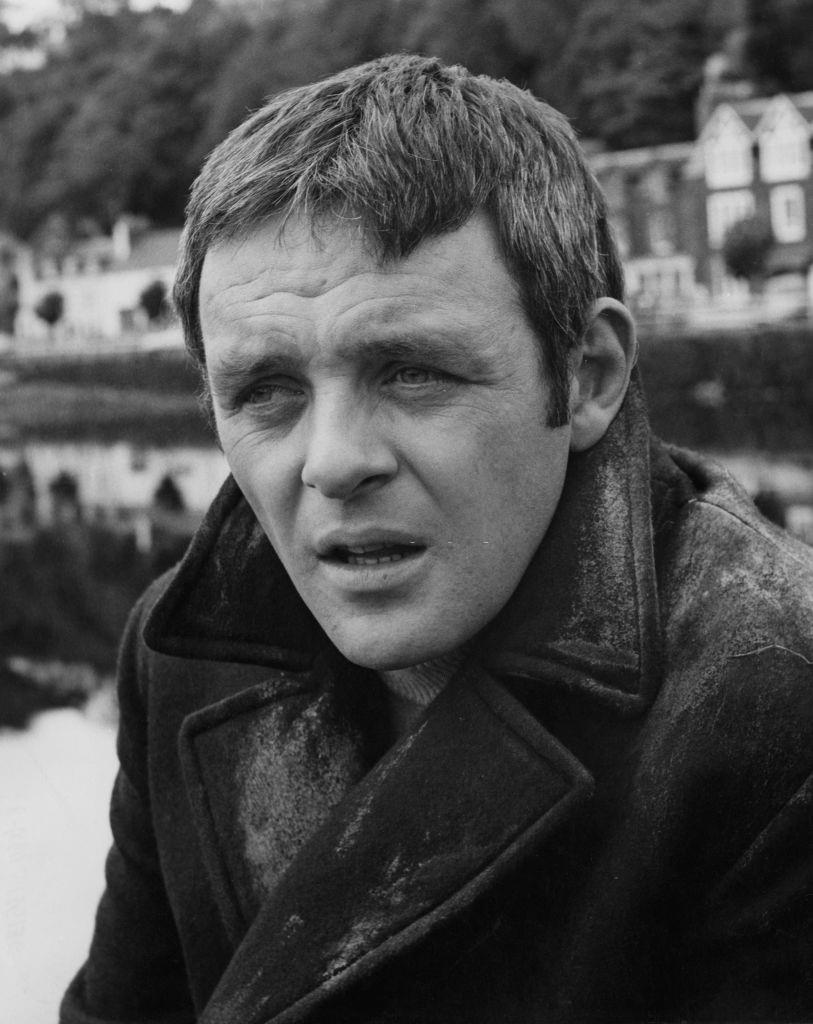
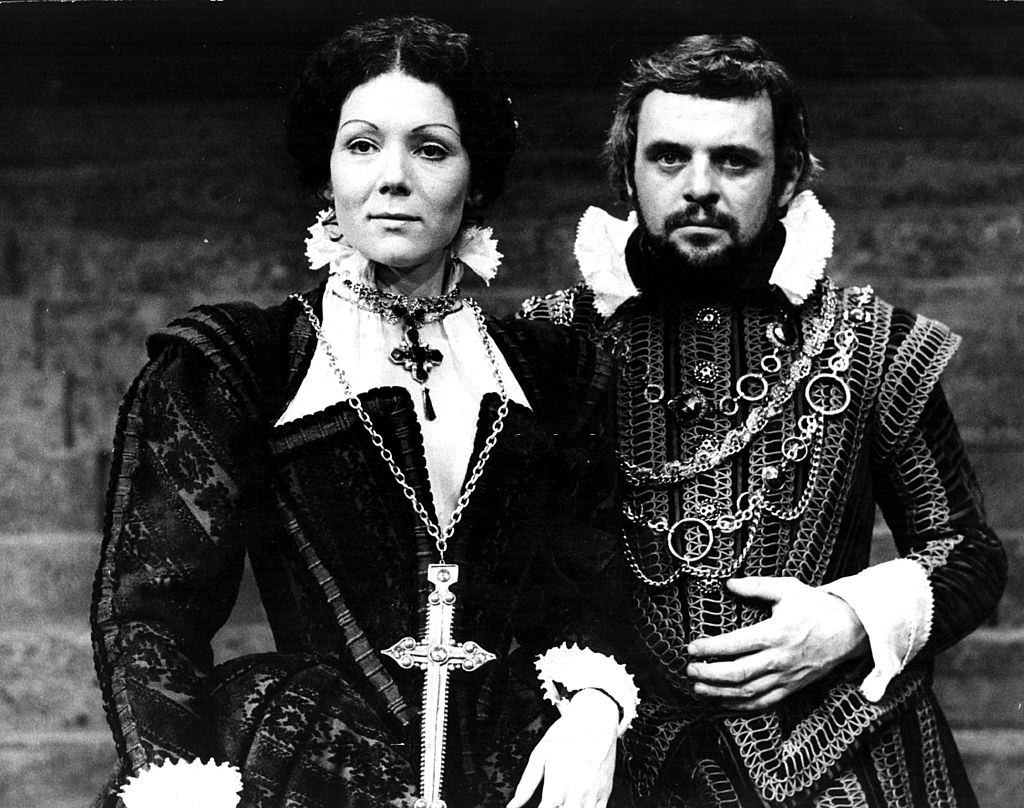
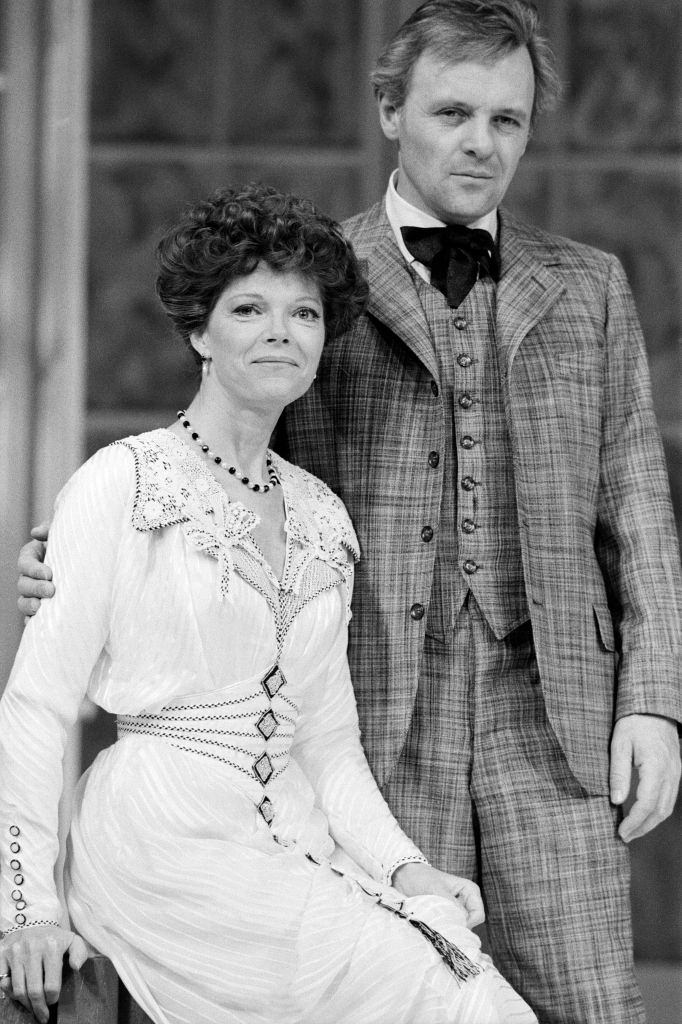
In 1972, Hopkins appeared alongside Diana Rigg in a stage production of Shakespeare’s ‘Macbeth.’ It was the kind of demanding, high-profile theatrical work that sharpened his instincts and pushed his craft further. The same year, he was photographed at the 70th birthday celebration of legendary actor Sir Ralph Richardson — a sign of just how deeply embedded he had become in Britain’s acting world.
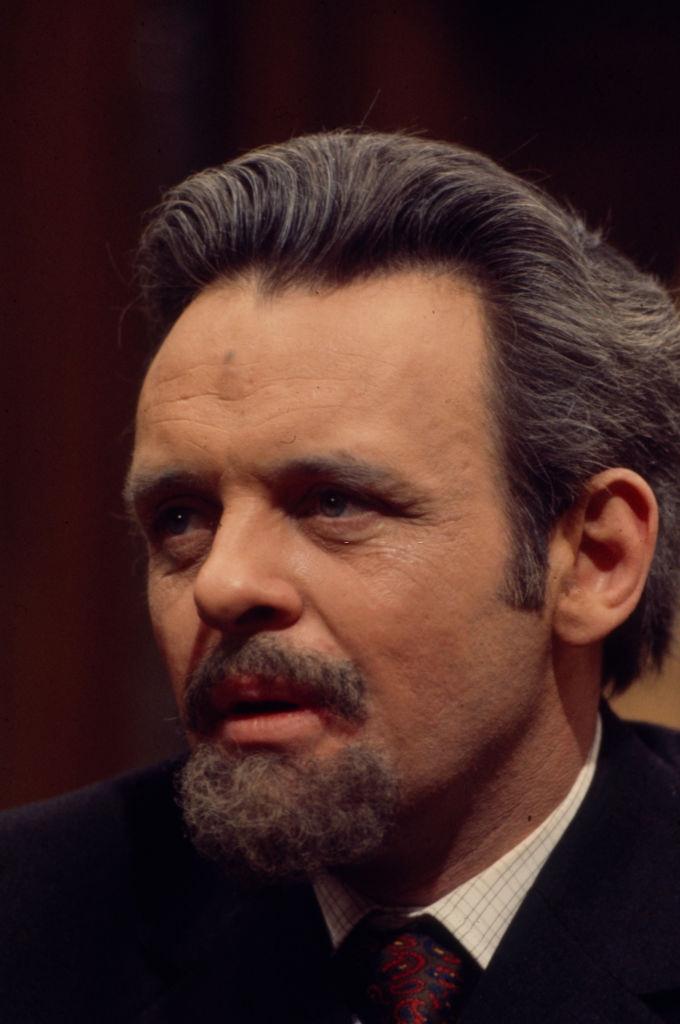
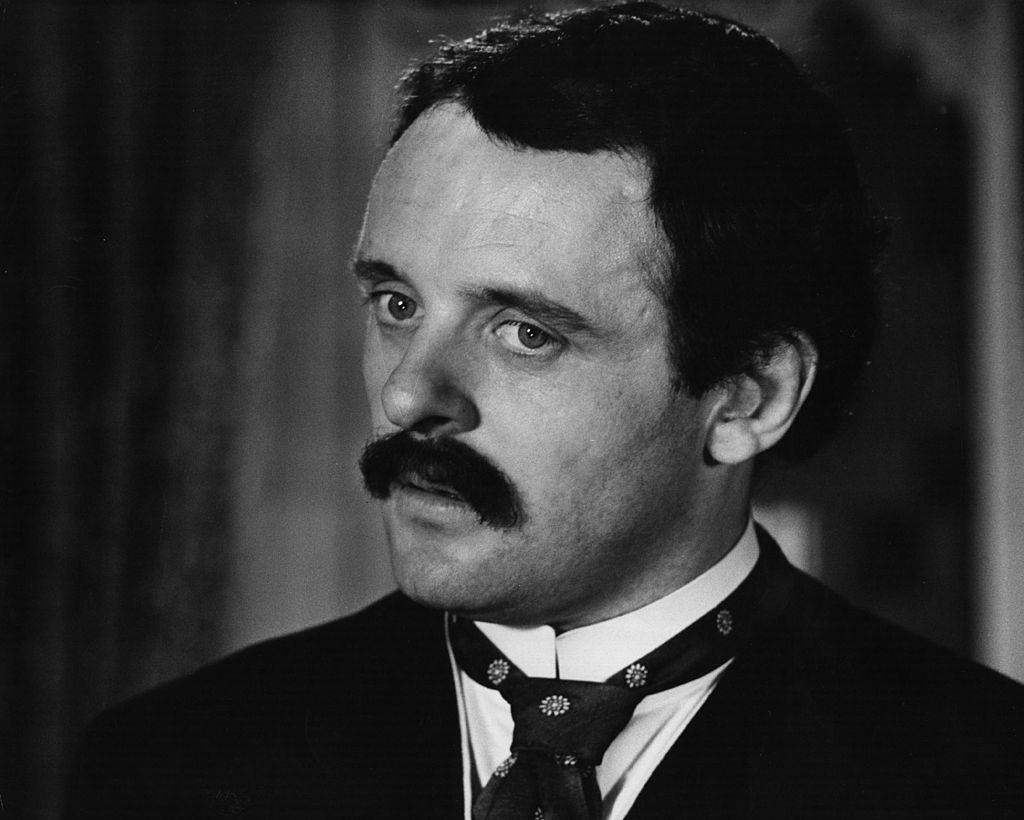


One of Hopkins’ defining professional habits is his approach to memorization. He repeats his lines — sometimes hundreds of times — until they sound completely natural. This method paid off spectacularly during the filming of ‘Amistad,’ when he stunned the entire cast and crew by arriving on set with a seven-page courtroom speech fully committed to memory. During the early 1970s, he continued building his reputation through television miniseries and film roles.


The mid-1970s brought more film work, including ‘The Girl From Petrovka’ in 1974. His role as Bruno Richard Hauptmann in ‘The Lindbergh Kidnapping Case’ was a turning point that pushed his career into a higher gear. Around this same time, his profile in Hollywood began to rise significantly.


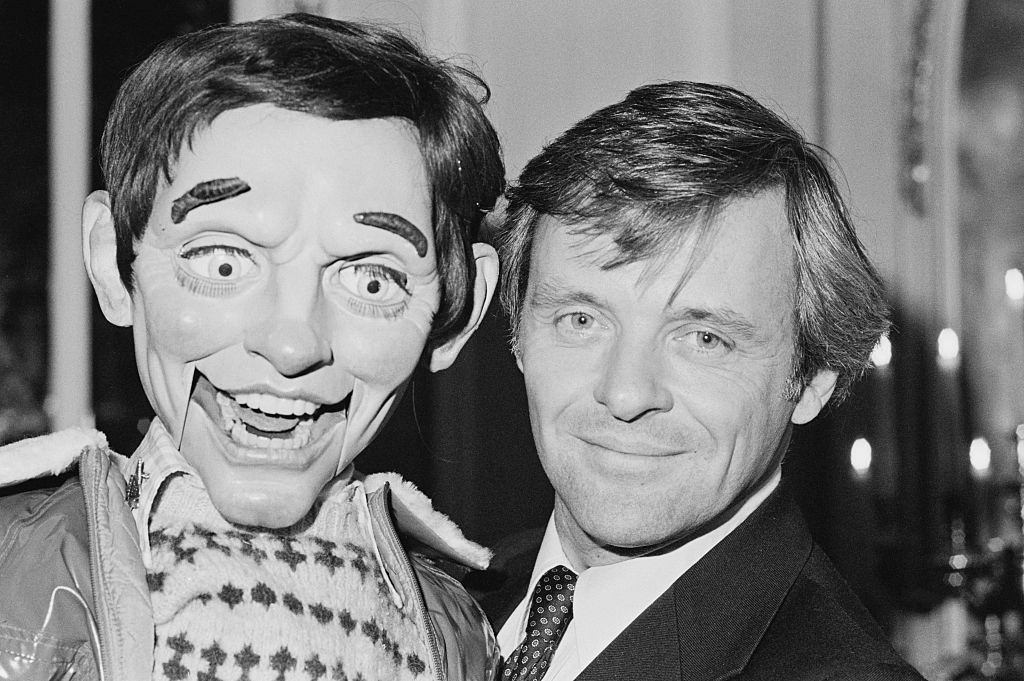
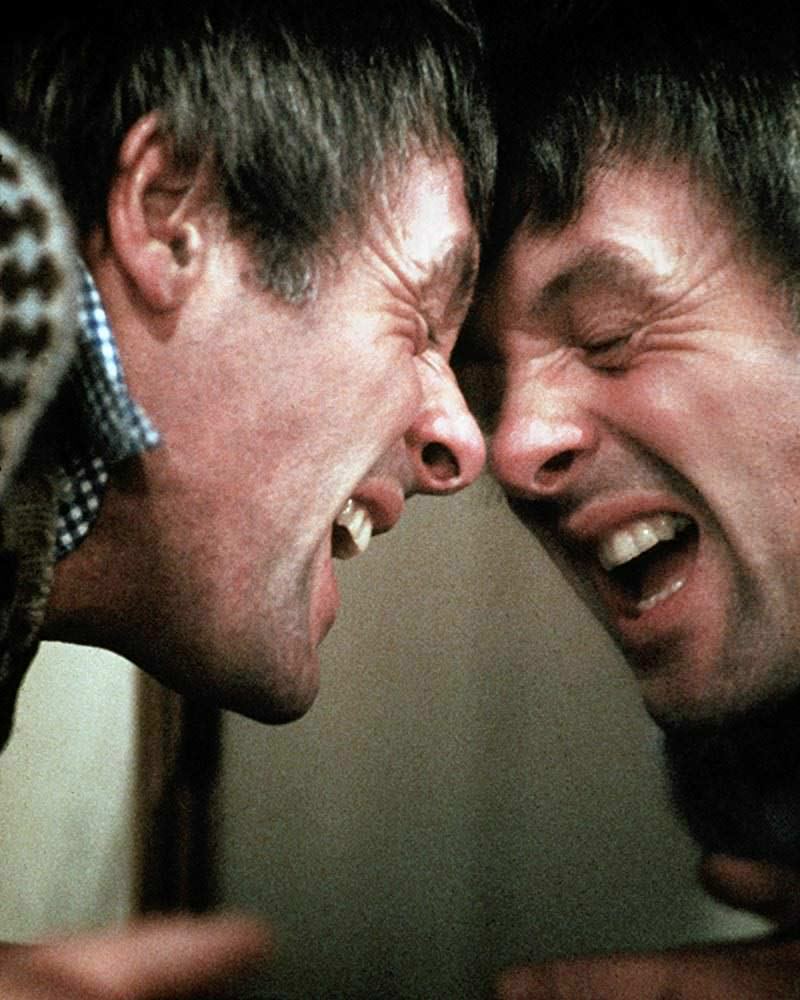
By the late 1970s, Hopkins was taking on some of his most challenging roles yet. In ‘Magic’ (1978), he played a deeply troubled ventriloquist — a performance that required him to blur the line between the performer and the disturbing puppet he controlled. The film remains one of his most unsettling early works.


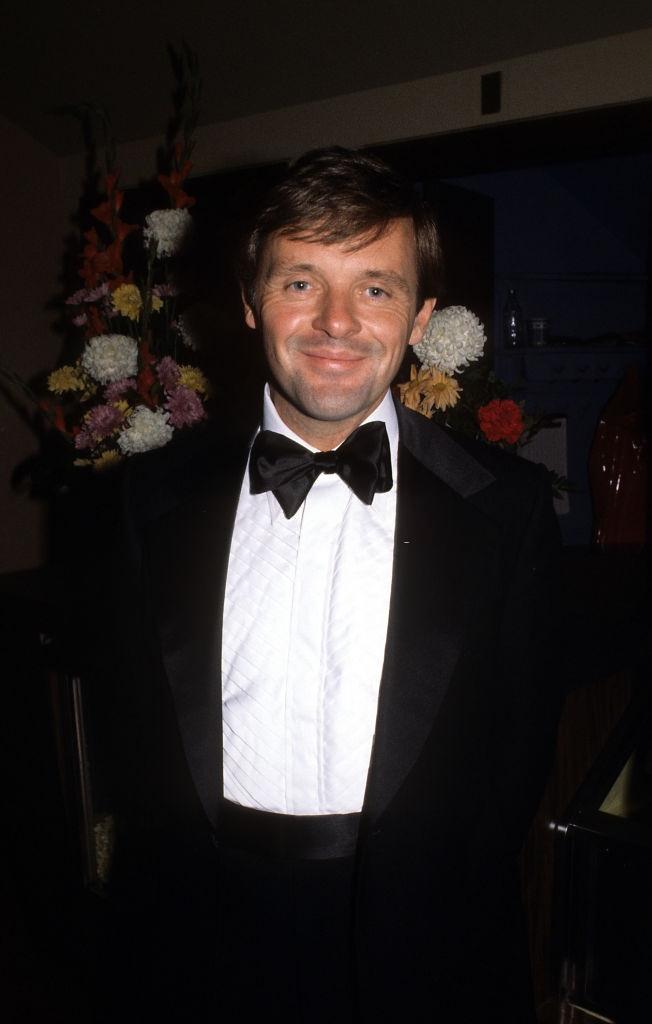
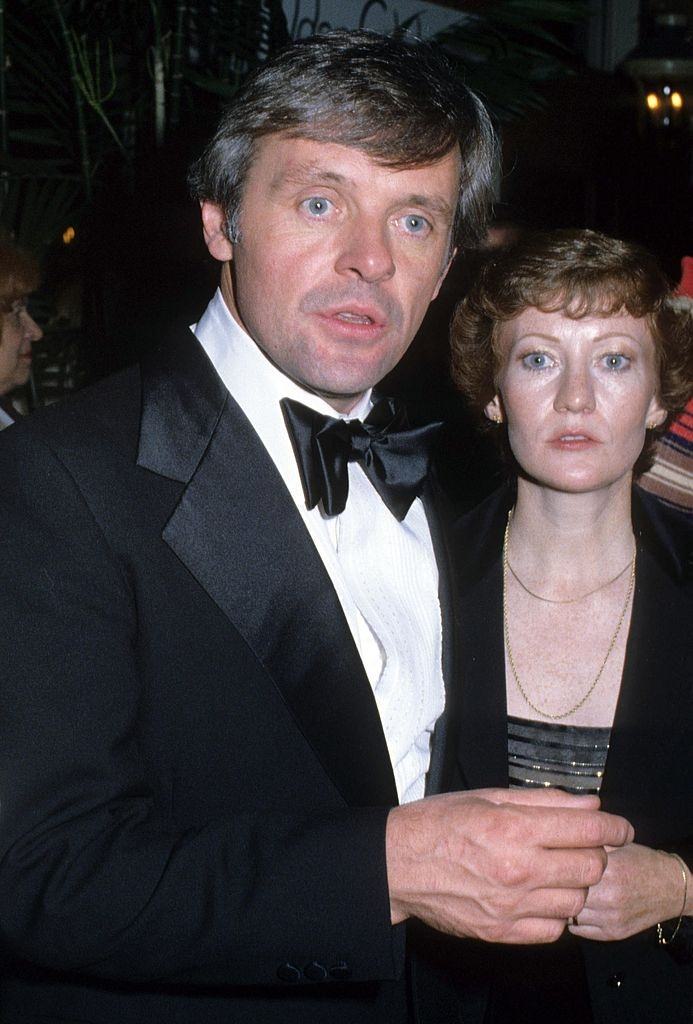
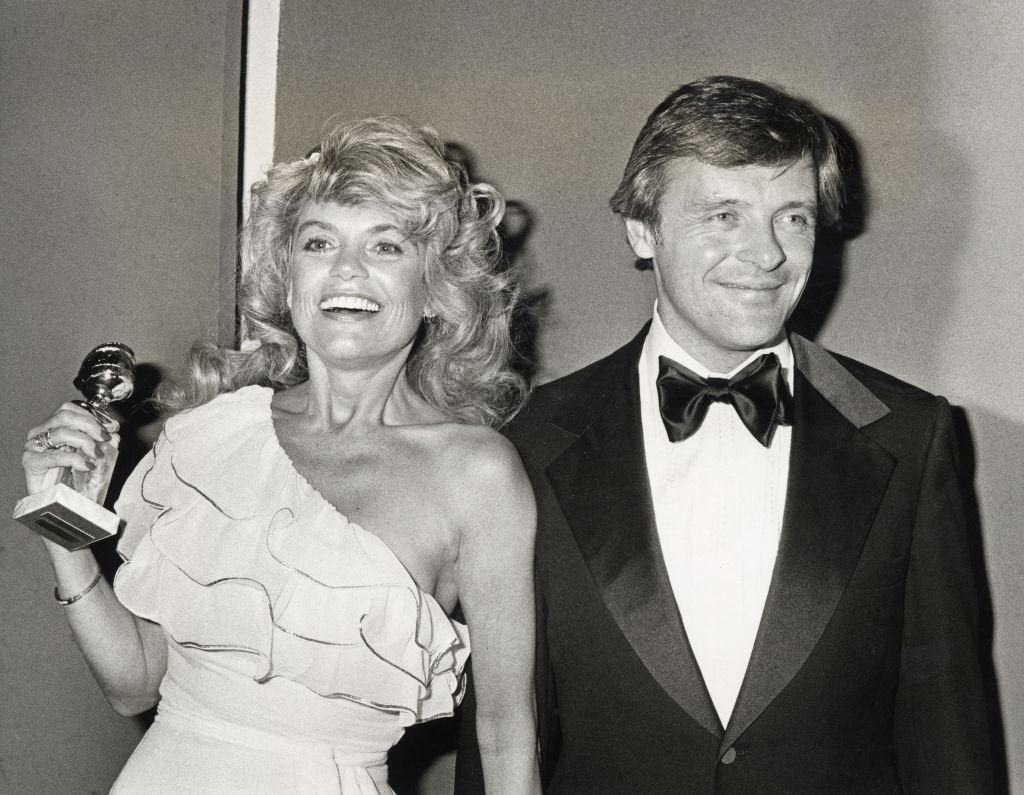
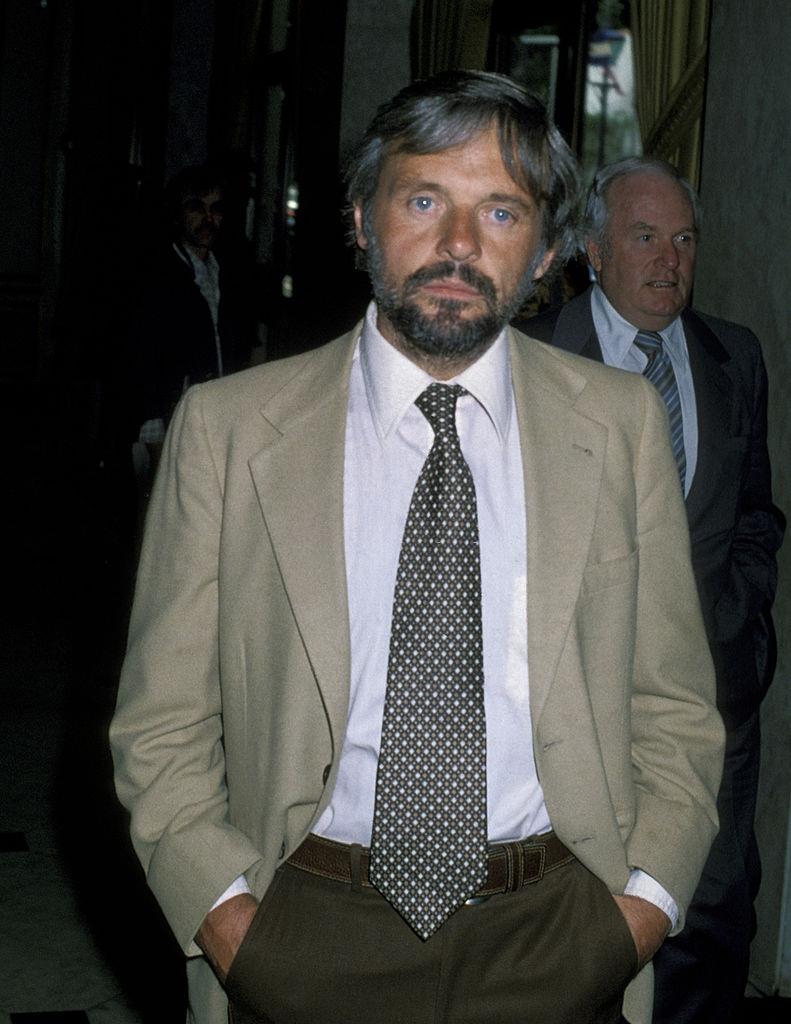
Hopkins attended the 36th Annual Golden Globe Awards in 1979, reflecting the growing recognition he was receiving from the industry. He and Jennifer Lynton remained together for 29 years before eventually divorcing. In 2003, he married Stella Arroyave, and the two remain together today.


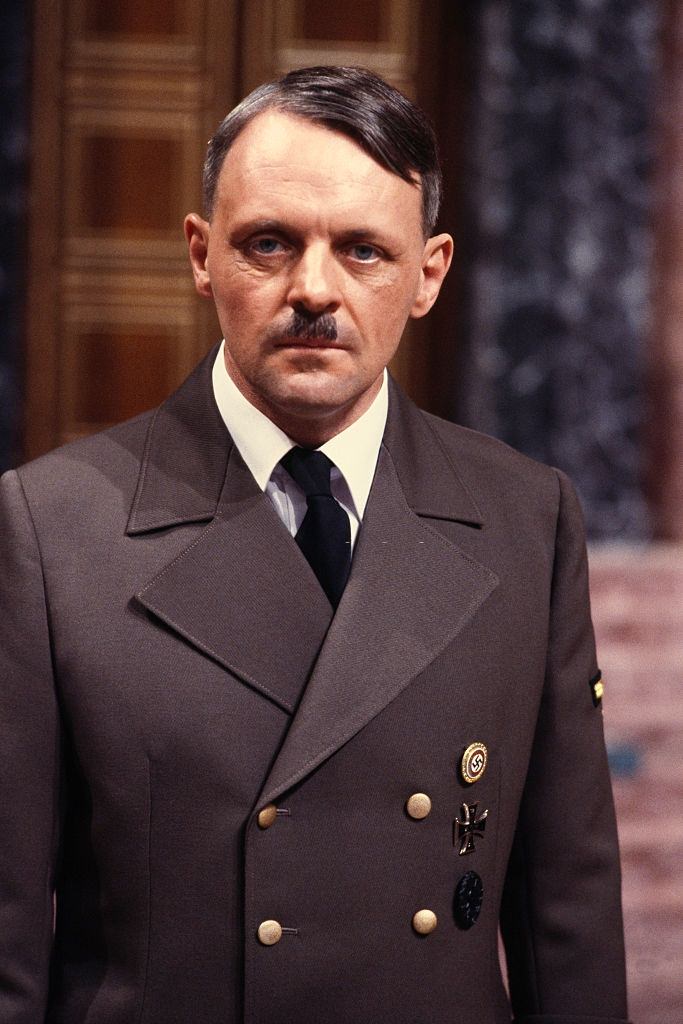
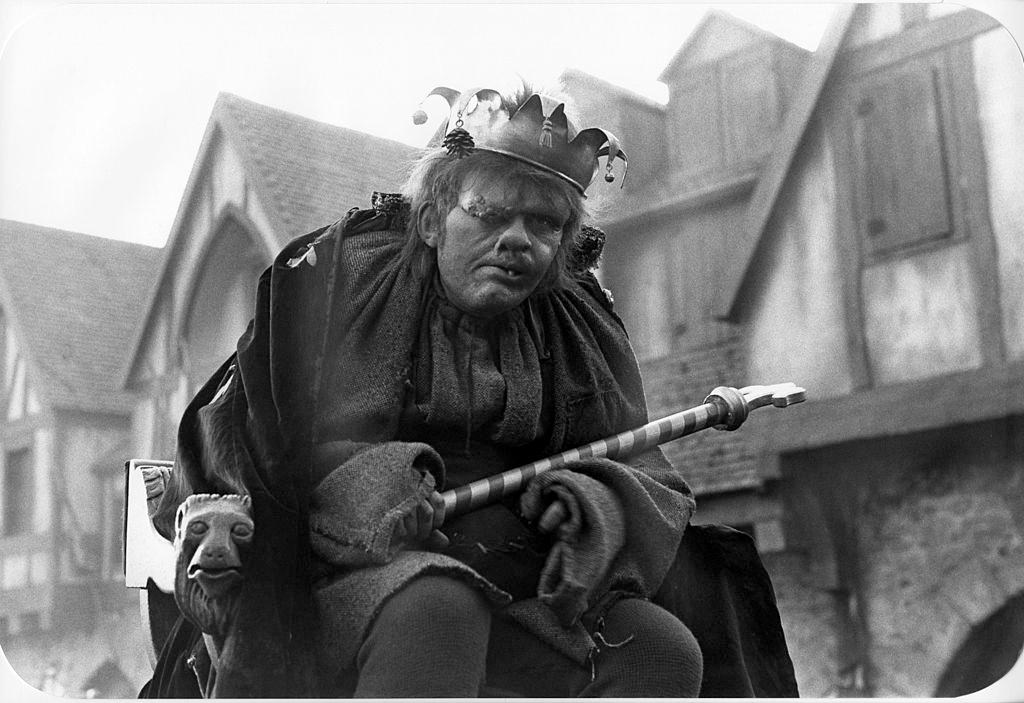
The early 1980s saw Hopkins take on a remarkable range of characters. He portrayed Adolf Hitler in the 1981 film ‘Le Bunker,’ then transformed into Quasimodo for the 1982 television film ‘The Hunchback of Notre Dame.’ These back-to-back roles demonstrated a willingness to disappear completely into a character — a quality that set him apart from many of his contemporaries.


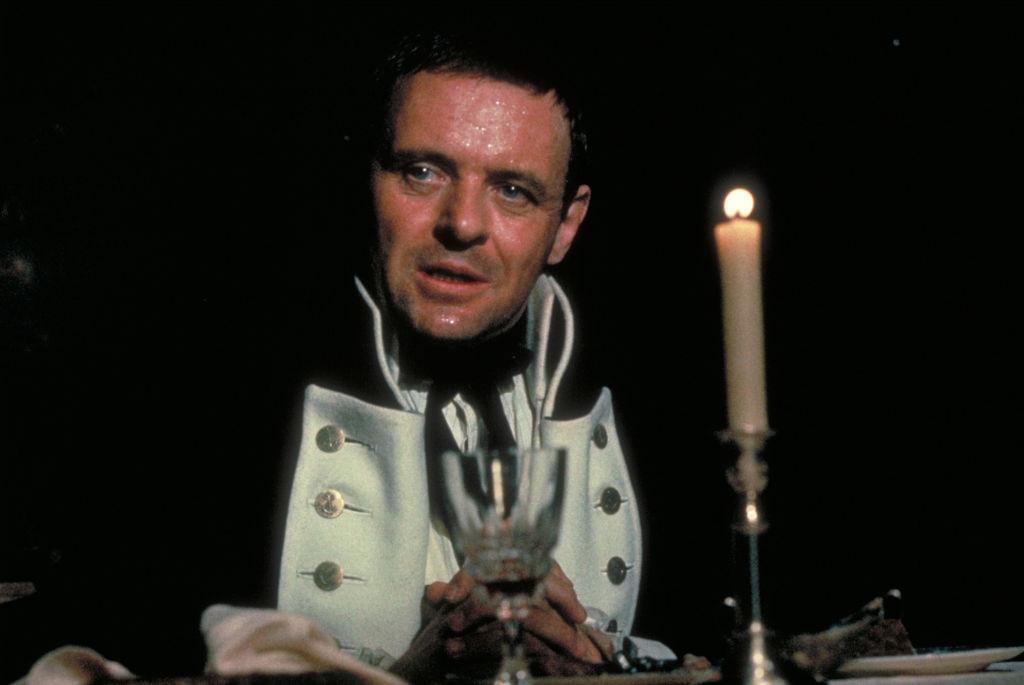
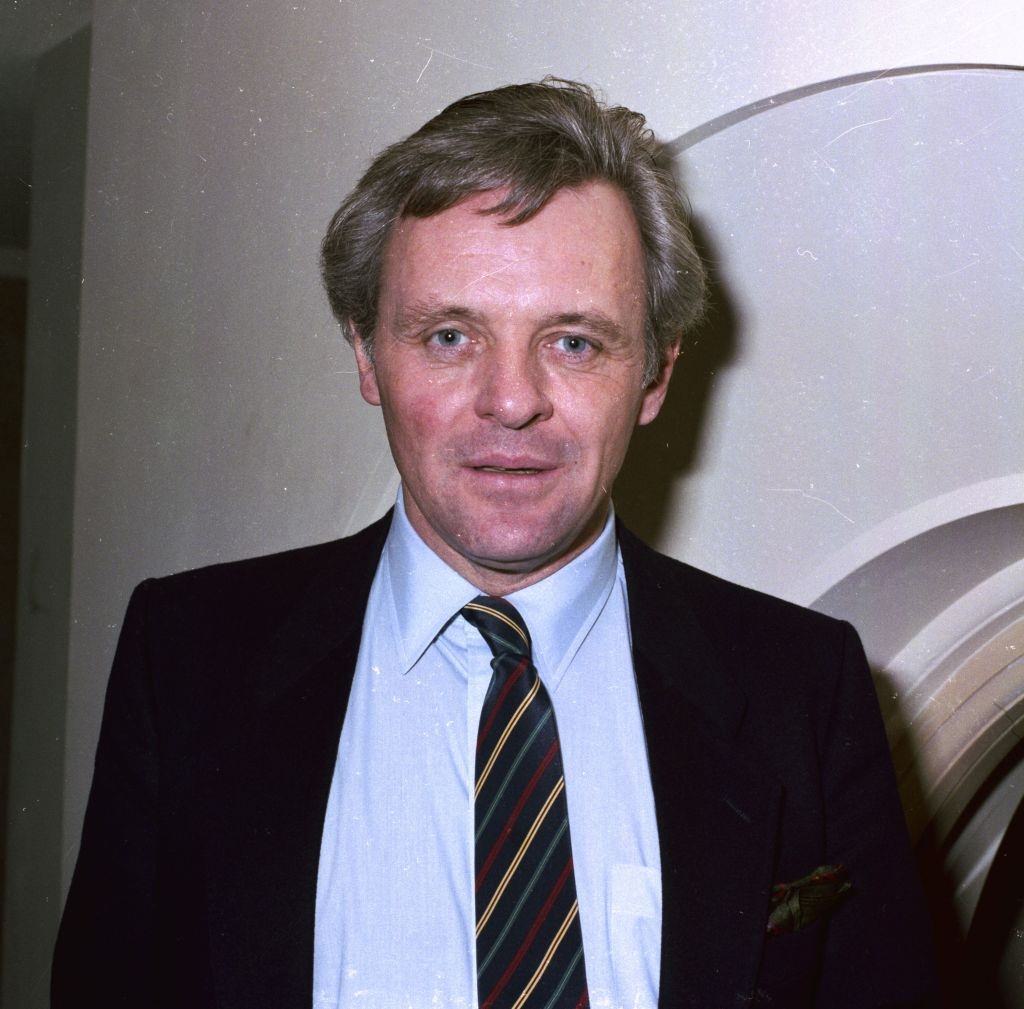
In 1984, Hopkins took on the role of Captain Bligh in ‘The Bounty,’ a historically rich film about the famous mutiny at sea. That same year, he appeared at the Cannes Film Festival, where he was also seen promoting ‘Arch of Triumph.’ He was steadily becoming a fixture in both prestige television and major theatrical releases.


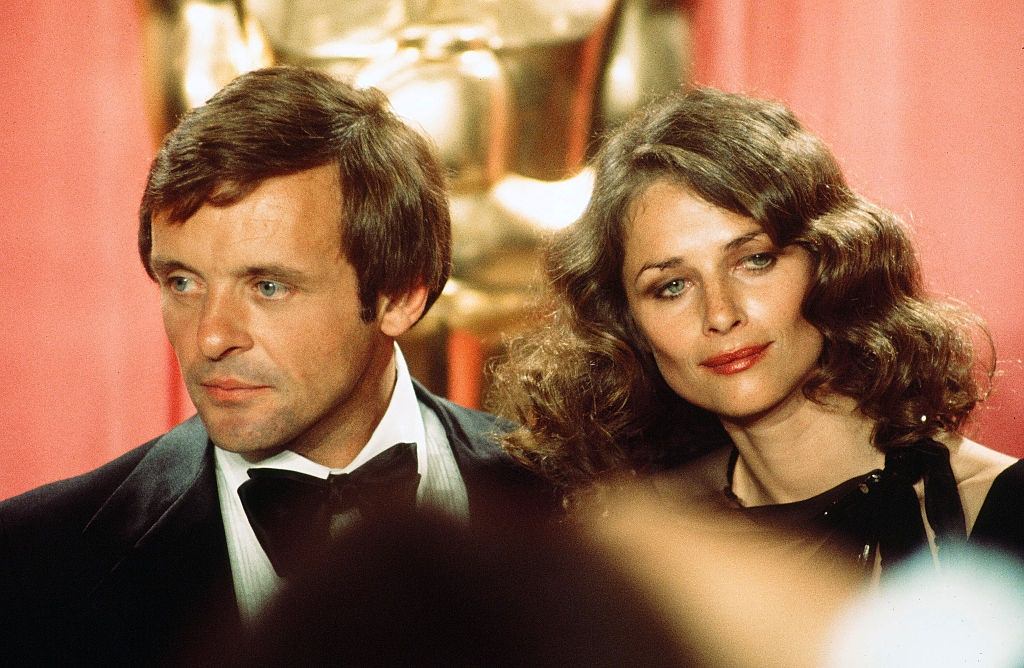
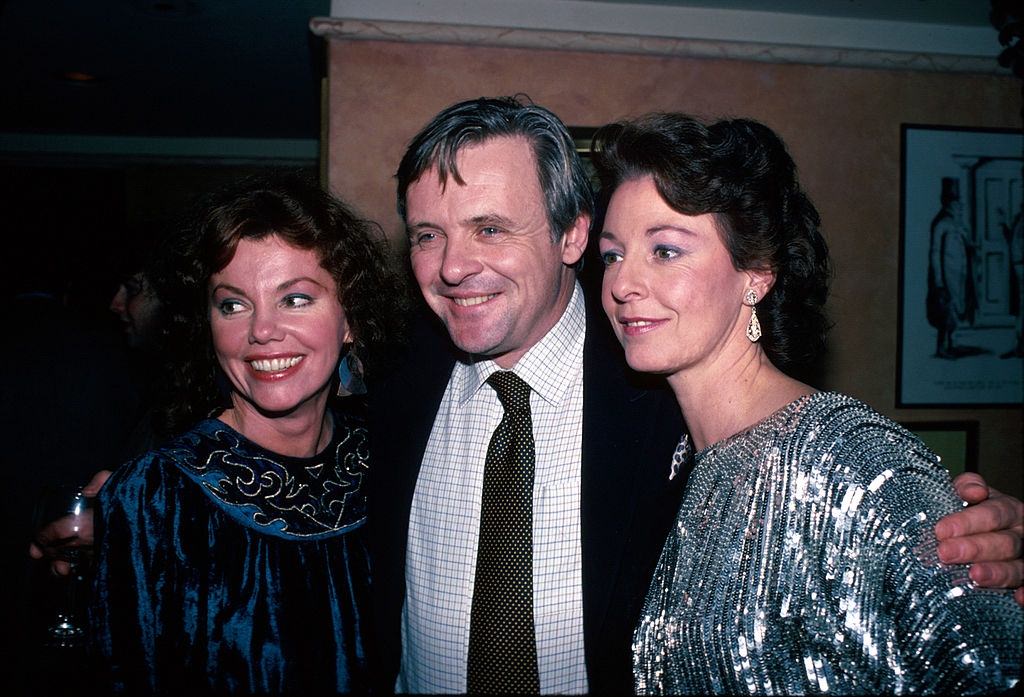
Through the mid-1980s, Hopkins continued working at a steady pace, appearing in films and attending industry events where he crossed paths with many of the era’s most recognizable names. These years were formative — not the peak of his fame, but the foundation for everything that followed. His 1991 portrayal of Hannibal Lecter in ‘The Silence of the Lambs’ lasted just 24 minutes and 52 seconds of screen time, yet it earned him the Academy Award for Best Actor.