

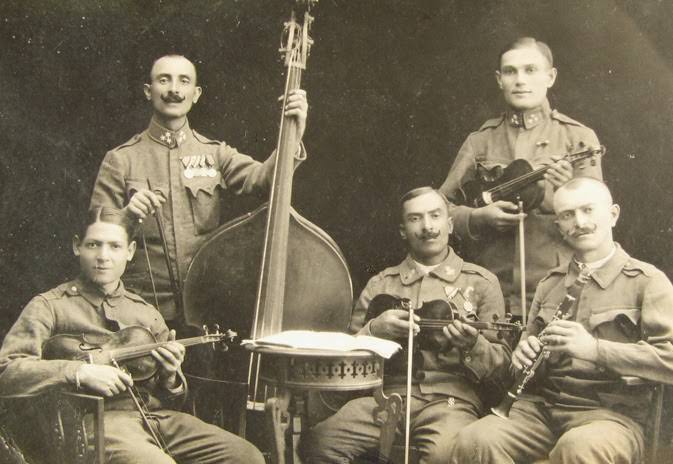
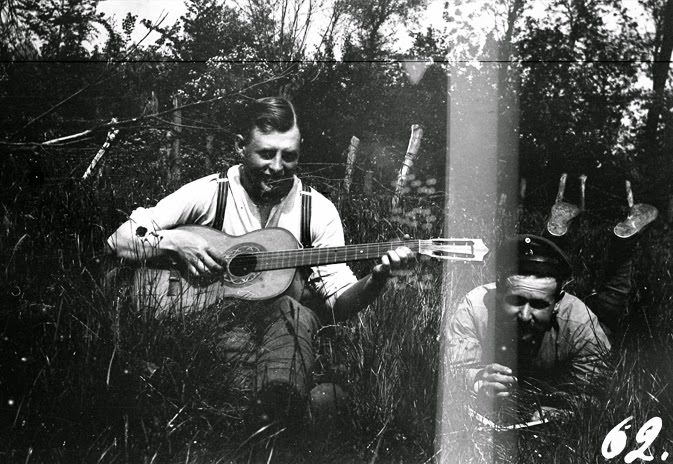
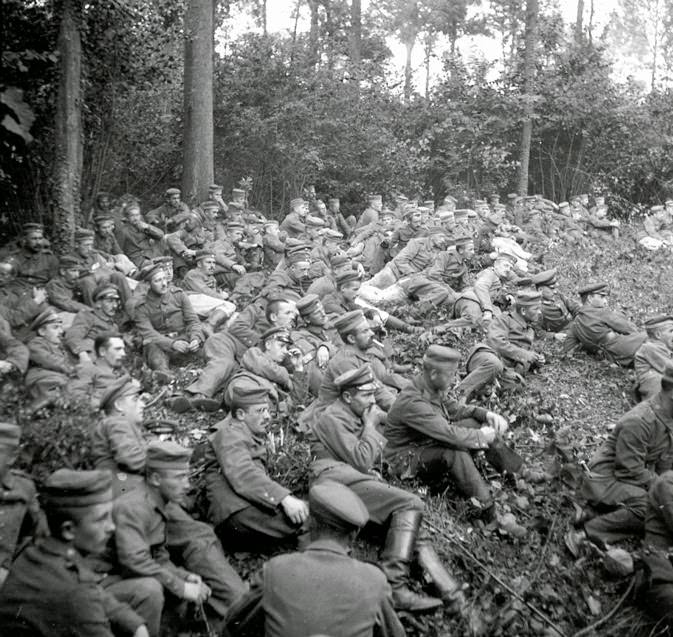
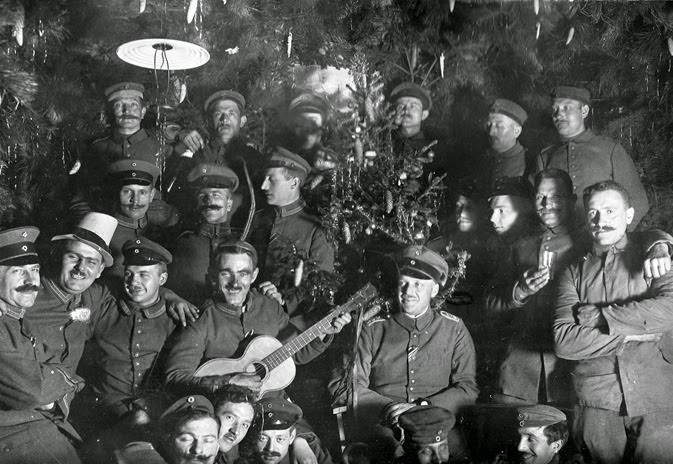
Music provided one of the most immediate escapes for soldiers during the World War. In rest camps located miles behind the front, men gathered in large circles to sing. Someone in the unit often possessed a harmonica, a guitar, or even a rescued violin. On rare occasions, troops found pianos in abandoned village houses and dragged them into the open air. Soldiers who had been professional pianists before the war played classical music or upbeat ragtime tunes while their comrades sat on the grass, smoking and listening. These impromptu concerts allowed the men to briefly forget their surroundings and connect with a sense of culture and peace.
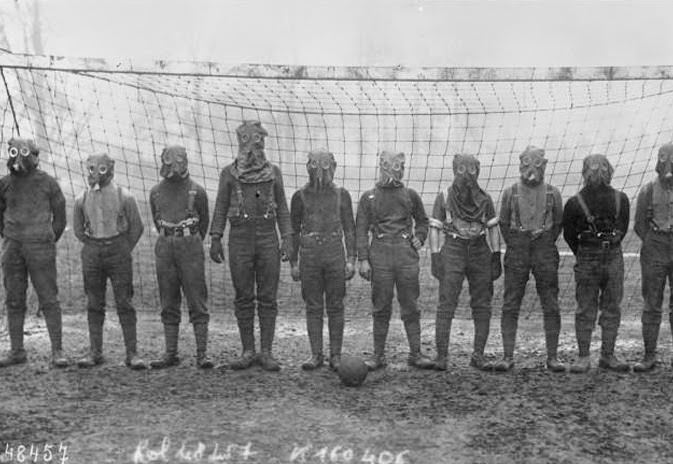
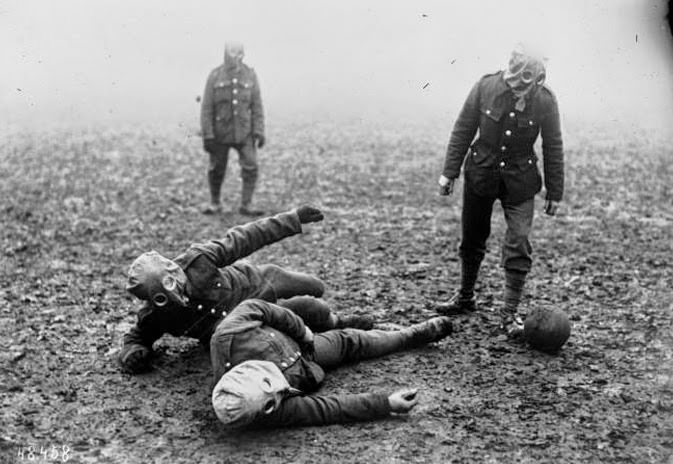
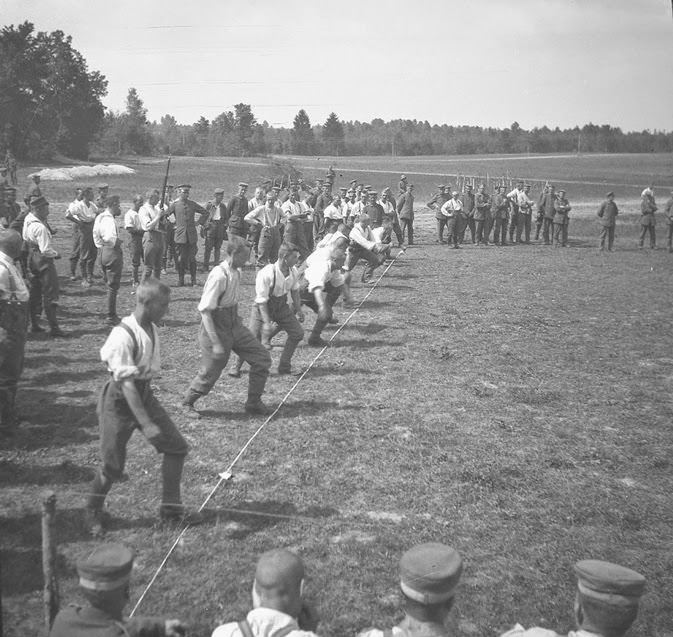
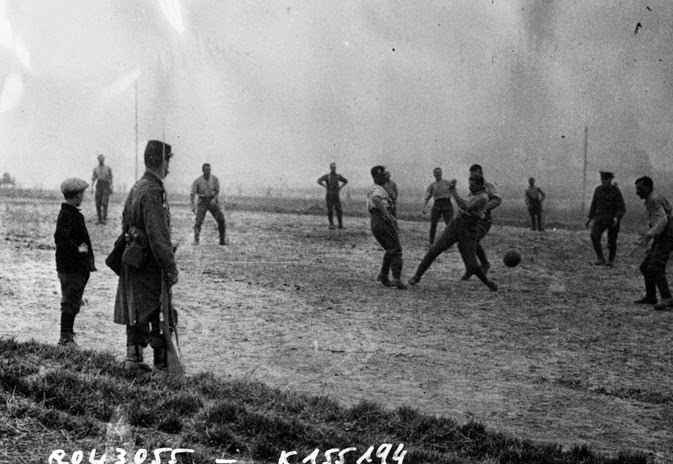
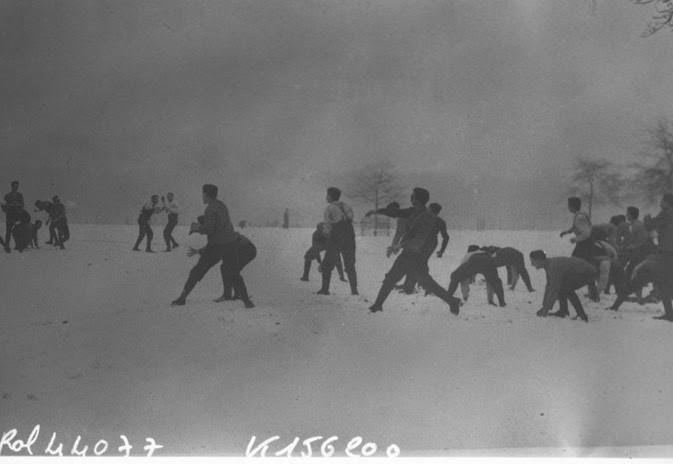
Organized sports were a central part of life when units were rotated out of the trenches. Football matches were serious events, with different regiments forming teams to compete for bragging rights. Officers and enlisted men played together on muddy fields, using piled tunics as goalposts. These games drew hundreds of spectators who cheered and bet on the outcomes. Boxing tournaments were equally popular. A ring would be constructed from ropes and stakes, and men gathered to watch the bouts, finding entertainment in the display of skill and athleticism rather than aggression.
Read more
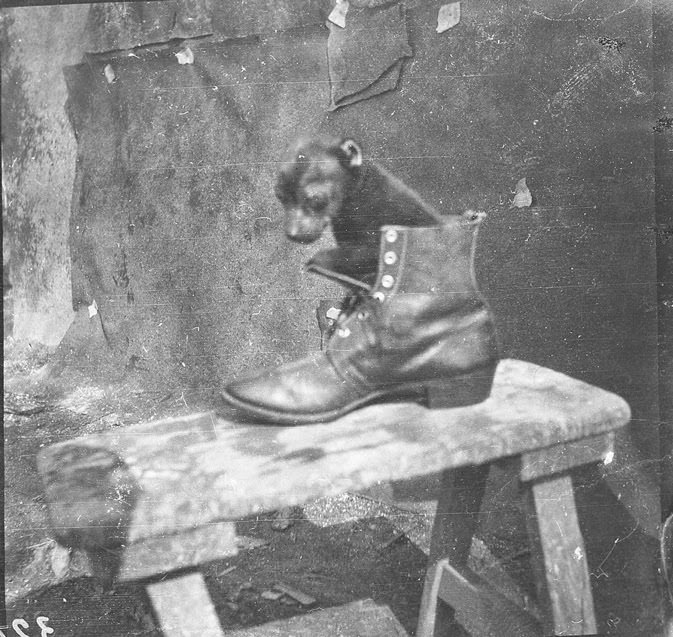
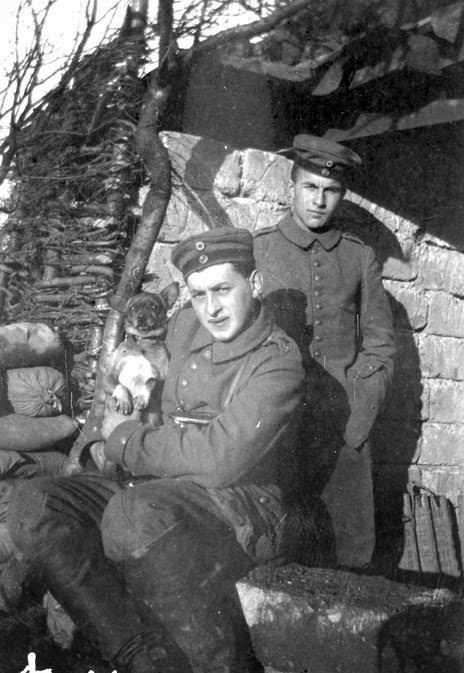
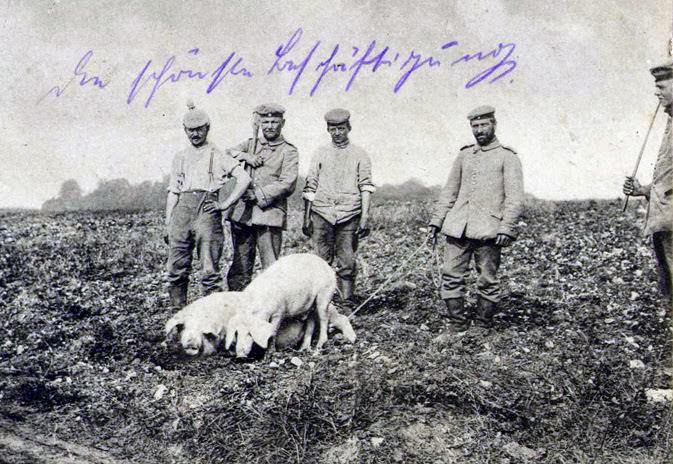
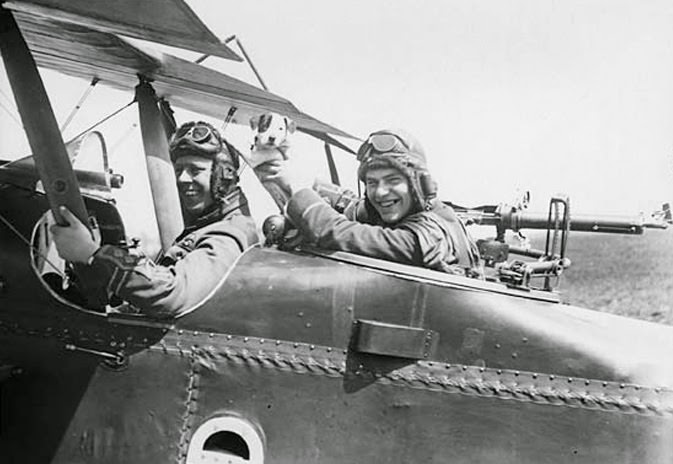
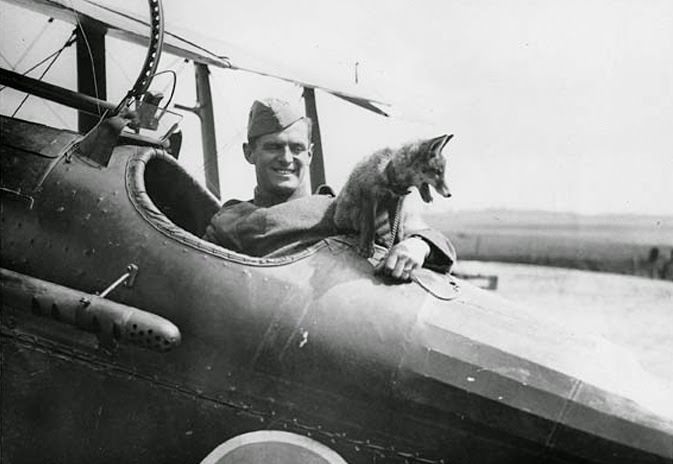
Animals offered a unique source of comfort and affection. Soldiers frequently adopted stray dogs, cats, and even goats found in the ruined towns. These mascots lived with the units, often sleeping in the billets with the men. Soldiers shared their rations with these pets, and in return, the animals provided a sense of domestic normalcy. It was common to see a hardened soldier gently feeding a kitten or playing fetch with a mongrel dog during his downtime. This connection with animals helped maintain empathy and gentleness amidst the harsh conditions.
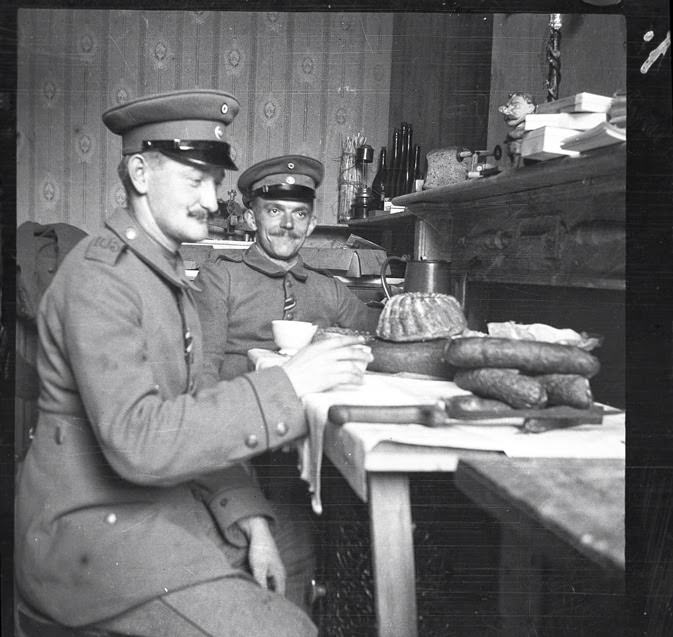
The arrival of mail turned ordinary days into celebrations. When the post trucks arrived, activity stopped as names were called out. Men sat in quiet corners to read news from home, sharing photographs of their children or sweethearts with their friends. Parcels containing cakes, chocolate, or knitwear were shared communally. A soldier who received a fruit cake from his mother would slice it up for his entire section, turning a simple snack into a shared feast.
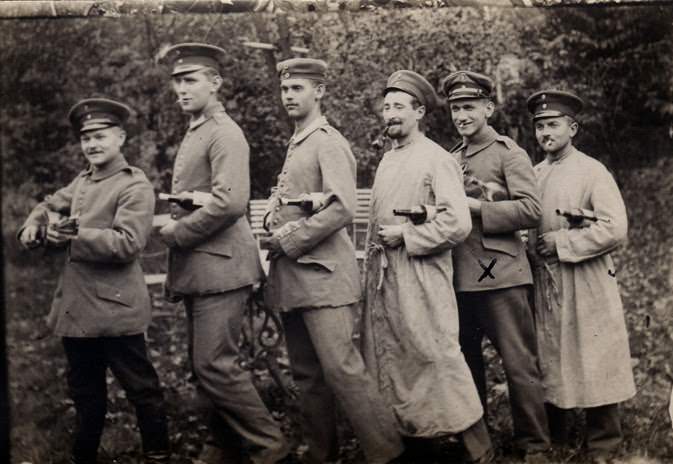
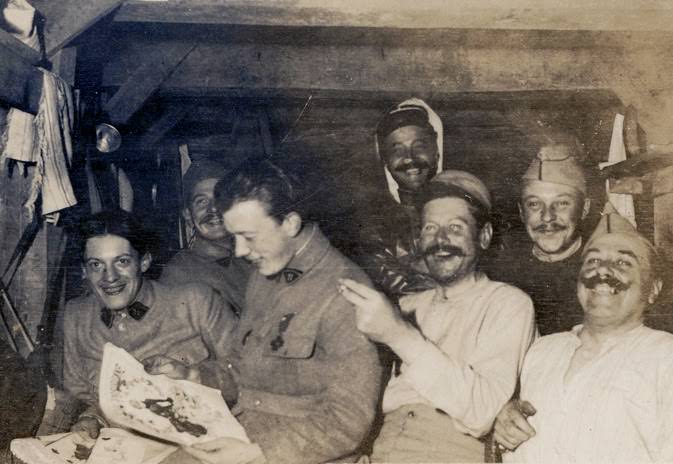
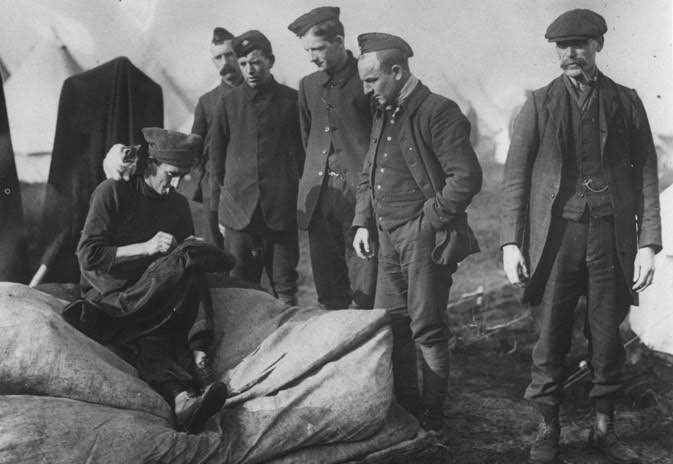
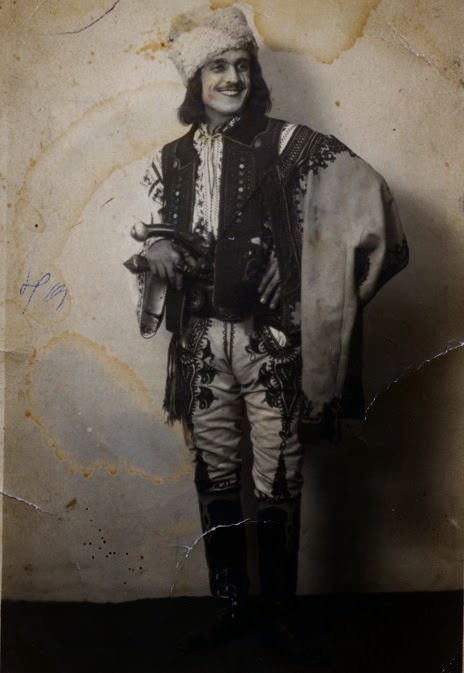
Soldiers also created their own theatre and comedy shows. “Concert parties” were organized where troops built makeshift stages and performed skits, magic tricks, and songs. Elaborate costumes were stitched together from scraps of fabric, sacking, and old uniforms. Men dressed as women for comedic plays, mimicking the fashion of the day to roars of laughter from the audience. These performances were creative outlets that allowed the soldiers to use humor to cope with stress, proving that laughter remained vital even in a war zone.

Written by AI Swill more like