
Wolverhampton has a long and layered history. It first grew as a market town built around the wool trade, then shifted gears during the Industrial Revolution to become a hub of mining and manufacturing. Today, the city is home to over a quarter of a million people, known locally as “Wulfrunians.” It became a metropolitan borough in 1974 and was officially granted city status on 18th December 2000. Long before that milestone, however, Wolverhampton had already been reshaping itself from the ground up — literally. Starting in the mid-1960s, the city centre began a radical transformation. The Mander Centre, a major shopping precinct whose plans were unveiled on 15th April 1965, opened in two phases — the first in 1968 and the second in 1971. The photographs below, taken across the 1970s and 1980s, capture the city during this period of change, showing streets, pubs, parks, protests, and the faces of ordinary life.
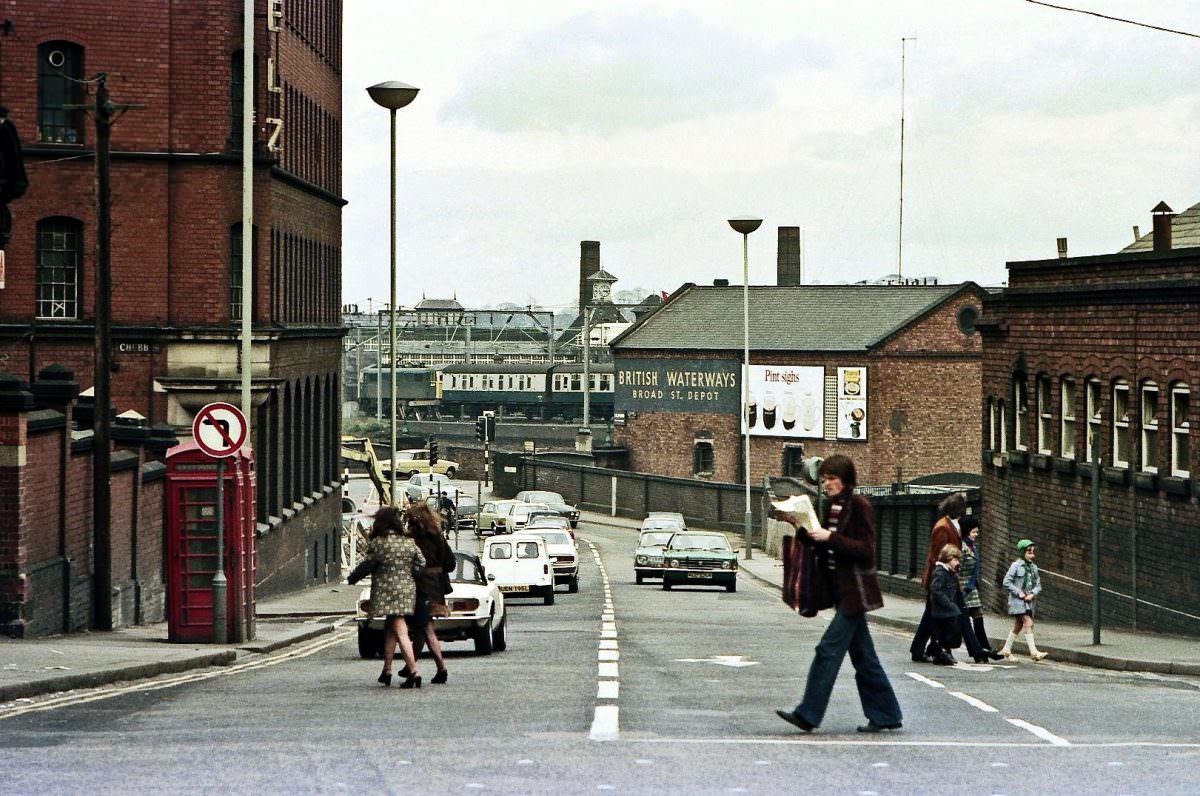
The streets of Wolverhampton in the mid-1970s carried a particular character — a mix of post-war brick, older Victorian shopfronts, and the early signs of modernisation creeping in at the edges. Railway Street, photographed in April 1975, reflects that mood well. The road surface, the signage, and the built environment all tell a story of a working city going about its daily business.
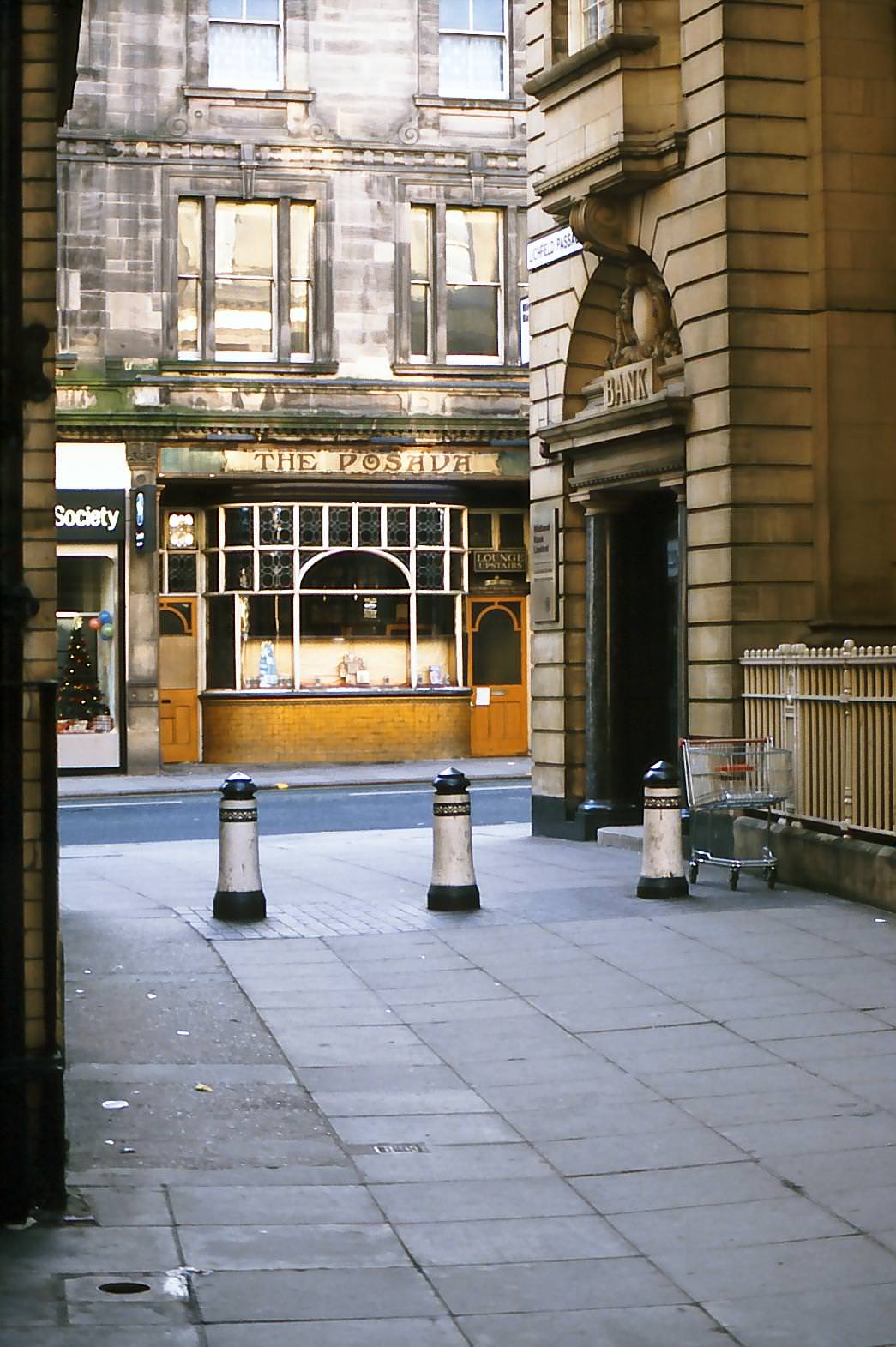
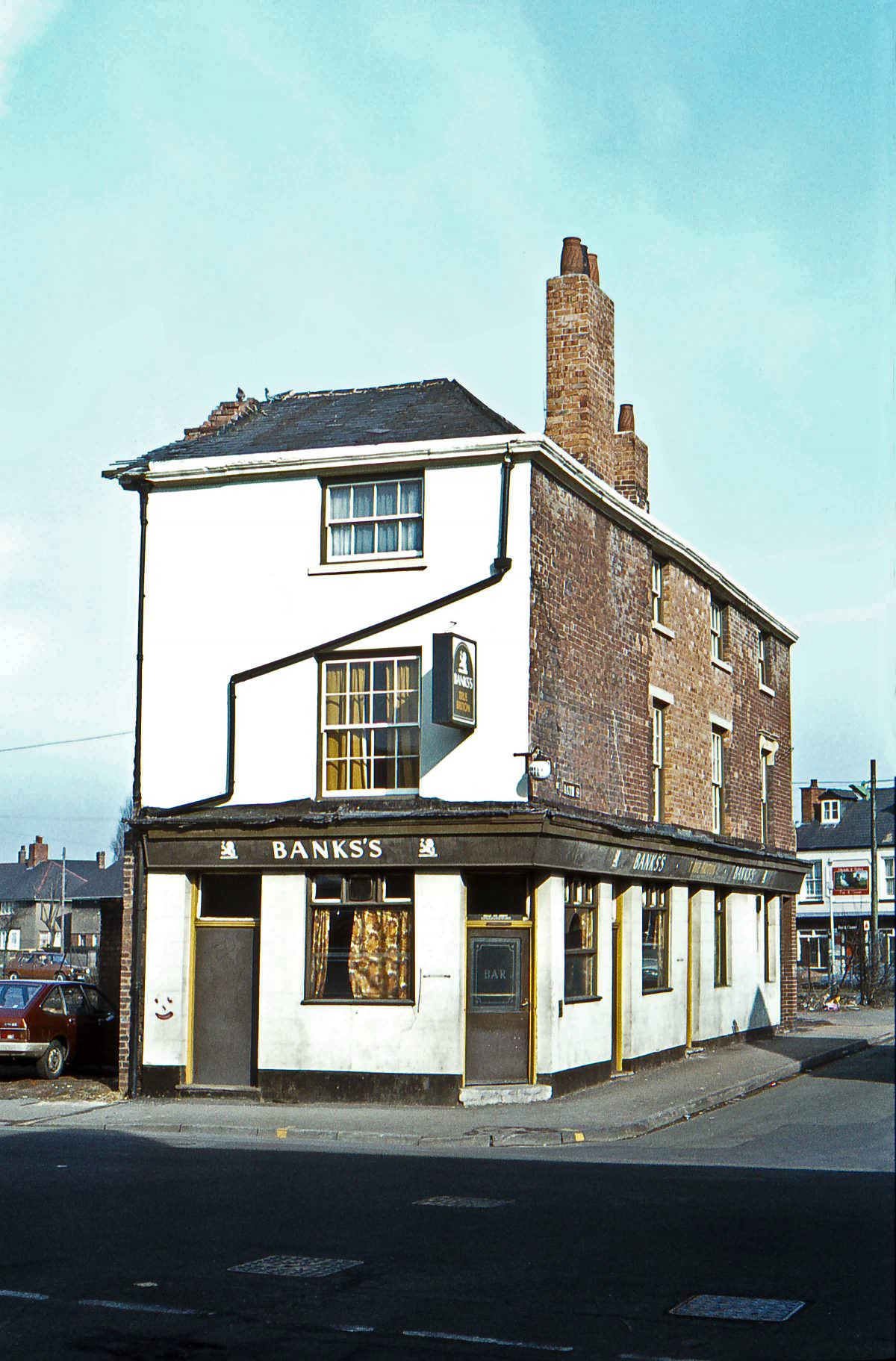
Pubs were a cornerstone of social life in Wolverhampton, as they were across the West Midlands. The Posada, captured in December 1983, is one of the city’s most recognisable historic pubs. With its tiled exterior and ornate detailing, it stood as a reminder of the craftsmanship that went into Victorian public houses. These weren’t just drinking spots — they were neighbourhood meeting places where workers, families, and friends gathered after long shifts.
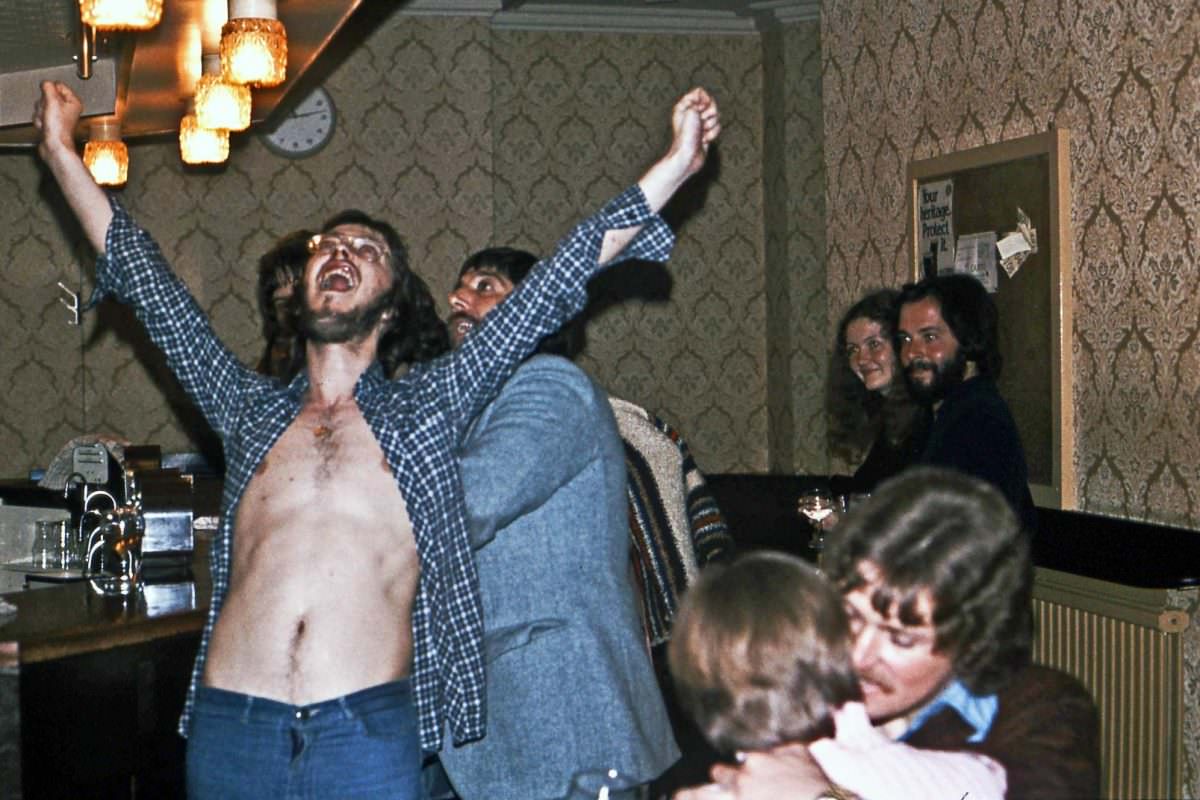
The Royal Oak on Compton Road, photographed in July 1977, is another example of the traditional pub that anchored residential streets throughout the city. Wolverhampton’s pub culture was deeply tied to its industrial workforce — a large wave of immigrants who settled in the 1940s, 50s, and 60s also contributed to the city’s social fabric, making it one of the more culturally diverse cities in the Midlands by the time these photographs were taken.
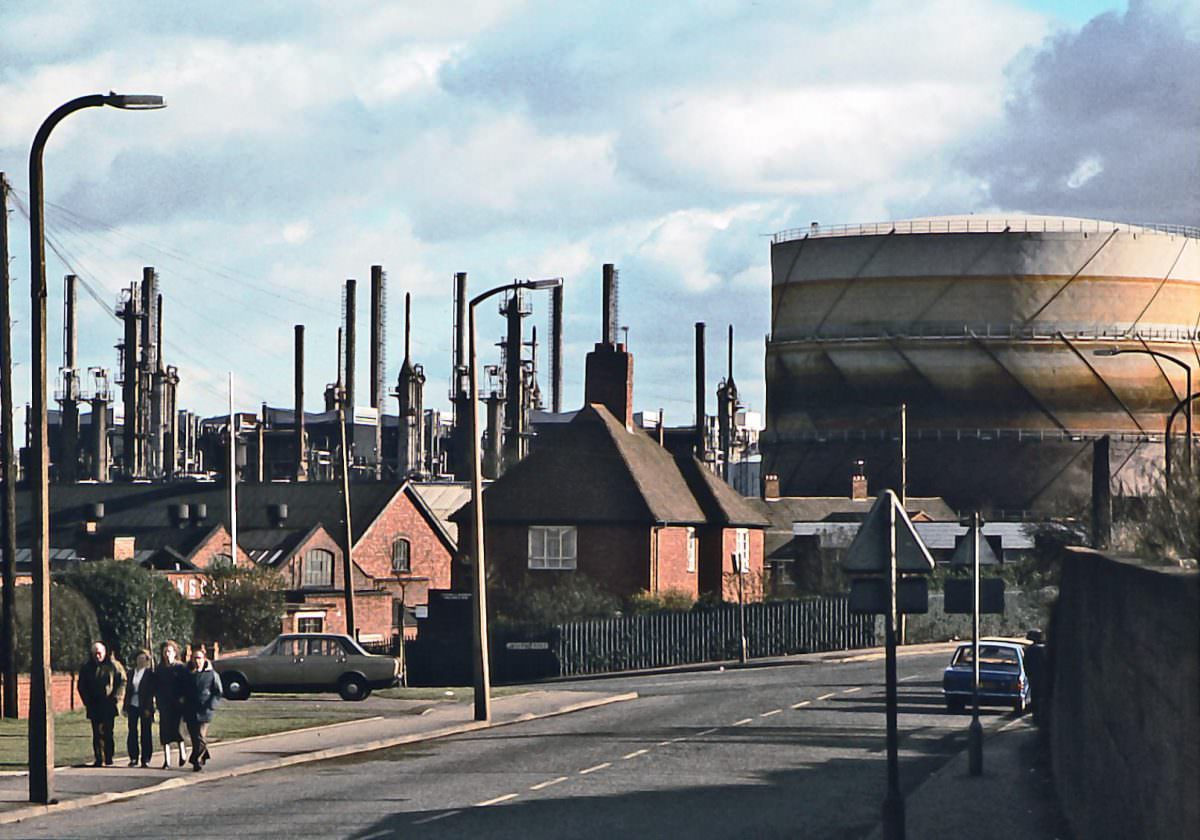
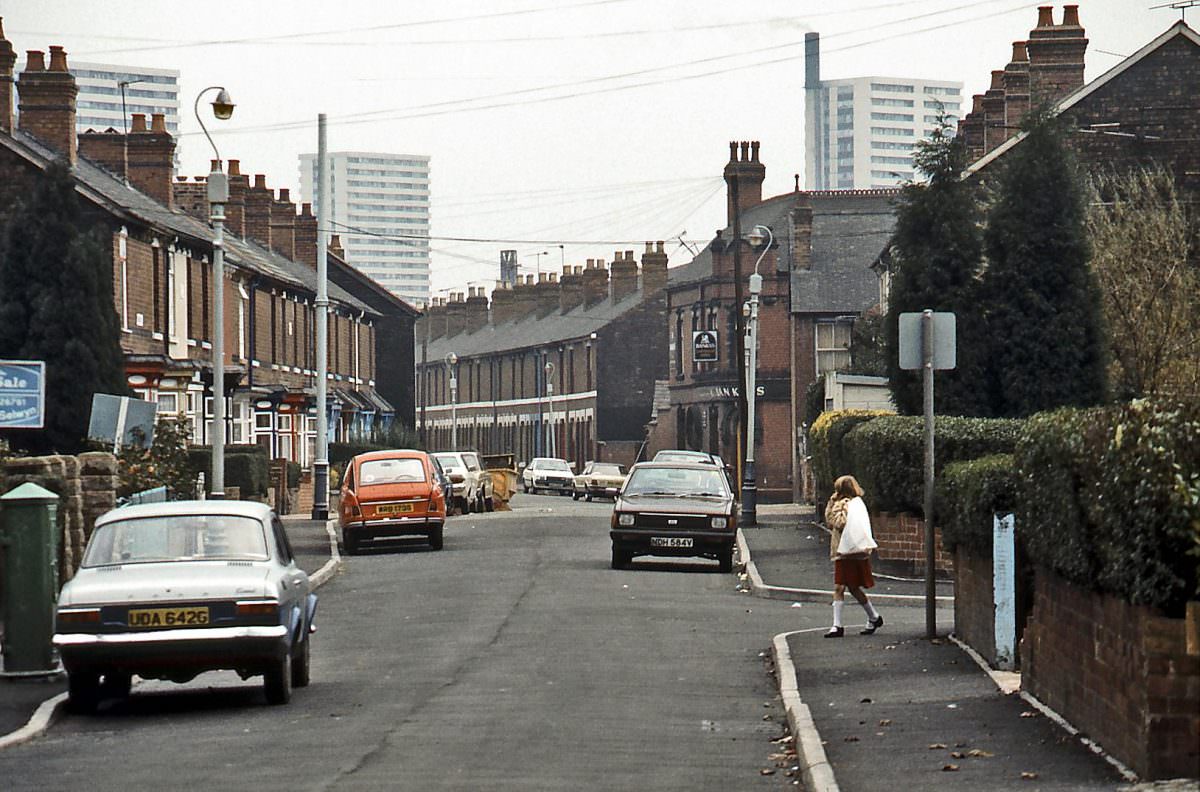
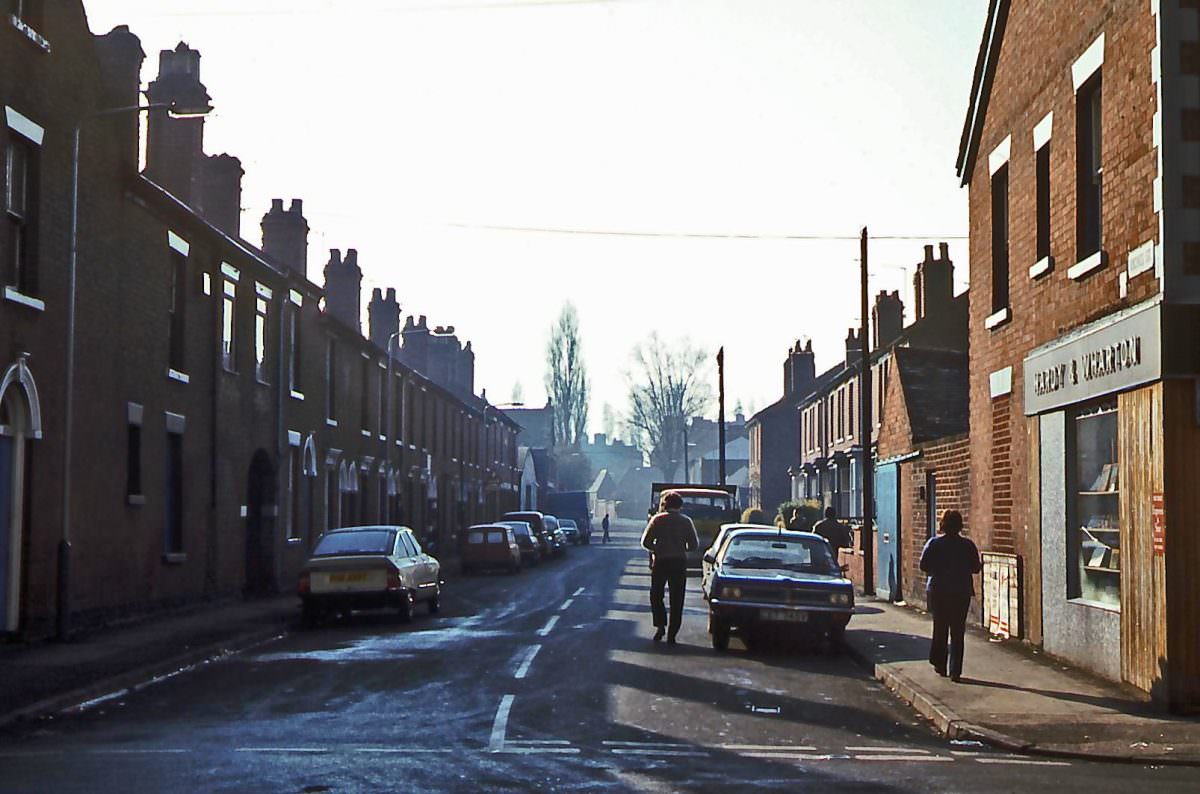
School Street in February 1978 shows the quieter, residential side of Wolverhampton — terraced housing, narrow pavements, and the kind of street that most Wulfrunians actually lived on, far from the busy town centre. These were the streets where children played out, where corner shops served the immediate neighbourhood, and where communities were tightly knit.
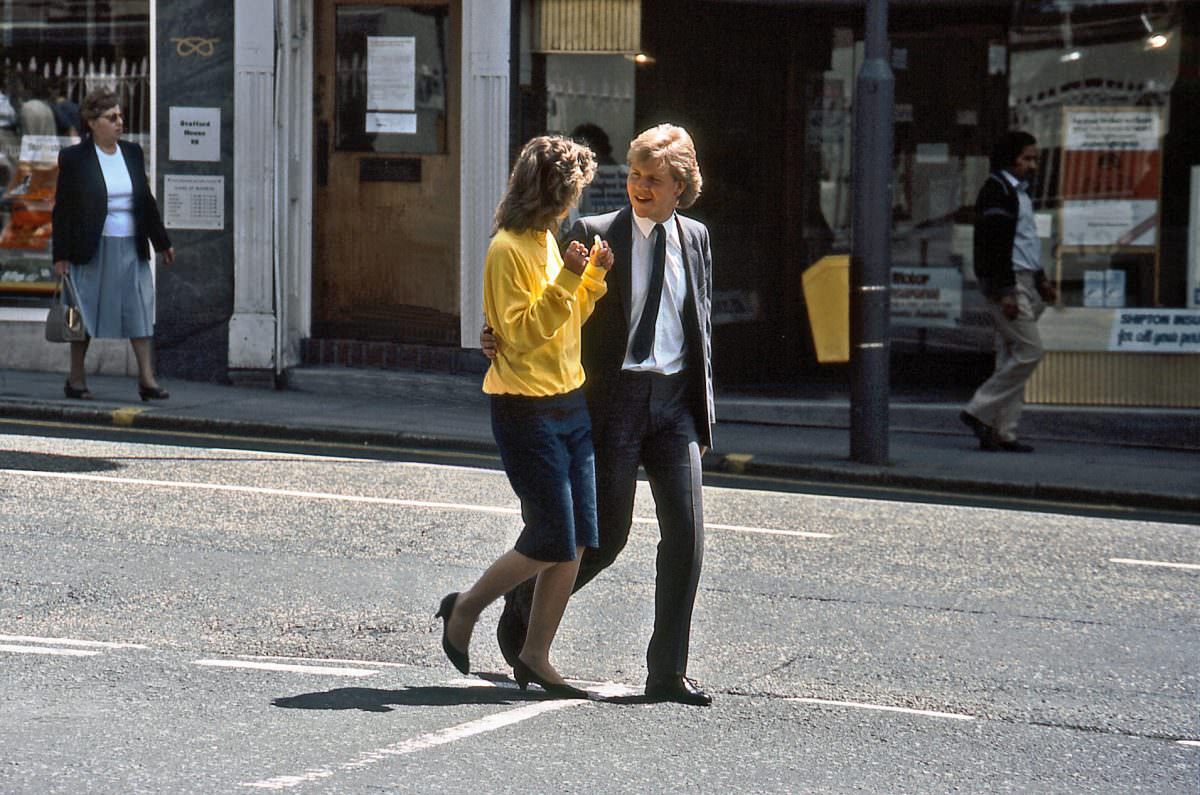
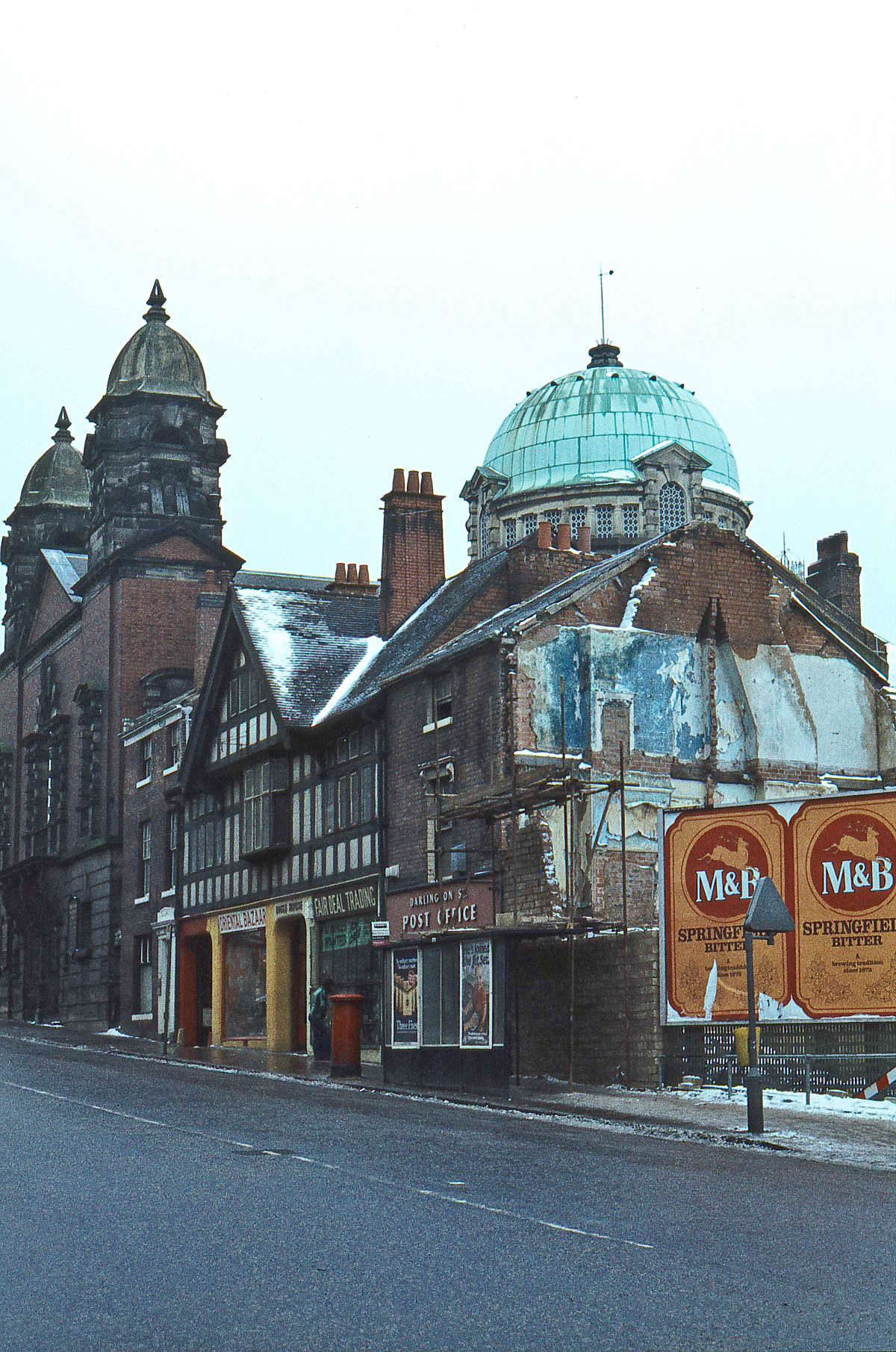
Darlington Street was one of Wolverhampton’s main arteries, connecting the town centre to the wider road network. By 1984, the street was busy with shoppers, workers, and everyday foot traffic. The junction with Red Lion Street was a natural gathering point, and photographs taken there on 30th May 1984 show pedestrians navigating the crossroads in the unhurried manner typical of a Thursday afternoon in a Midlands town.
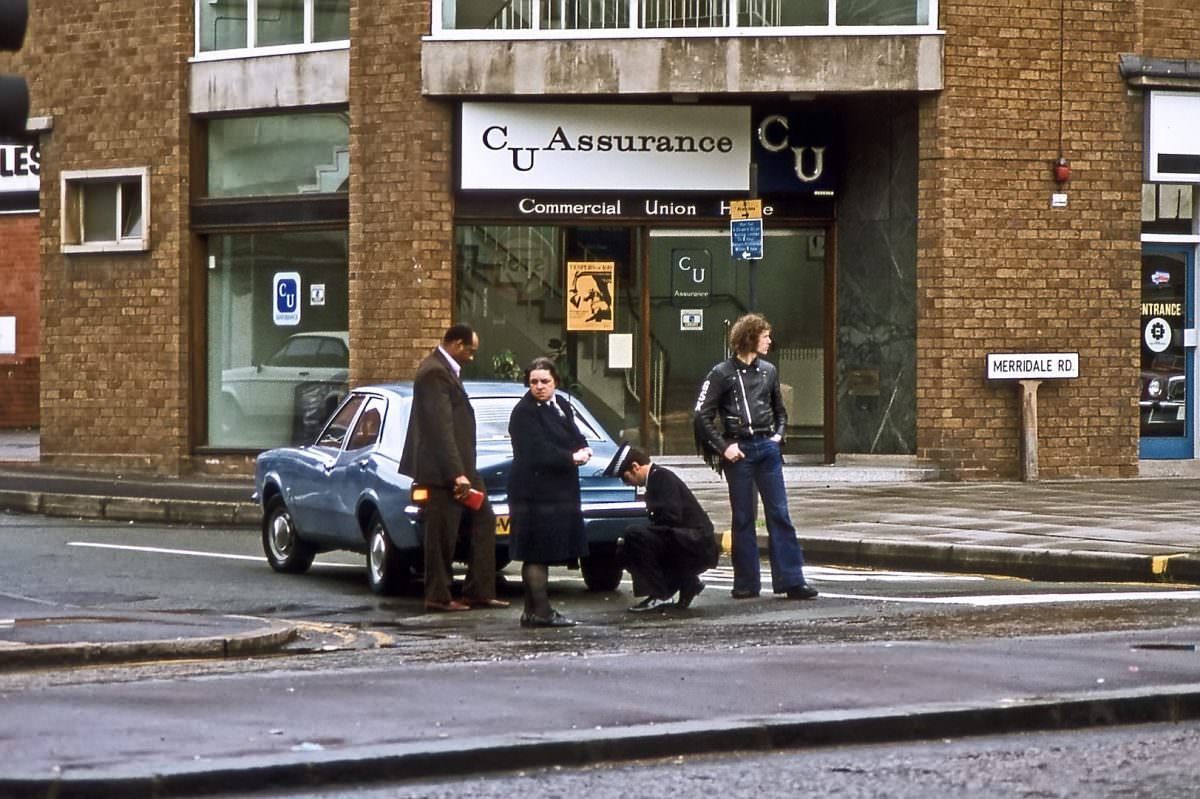
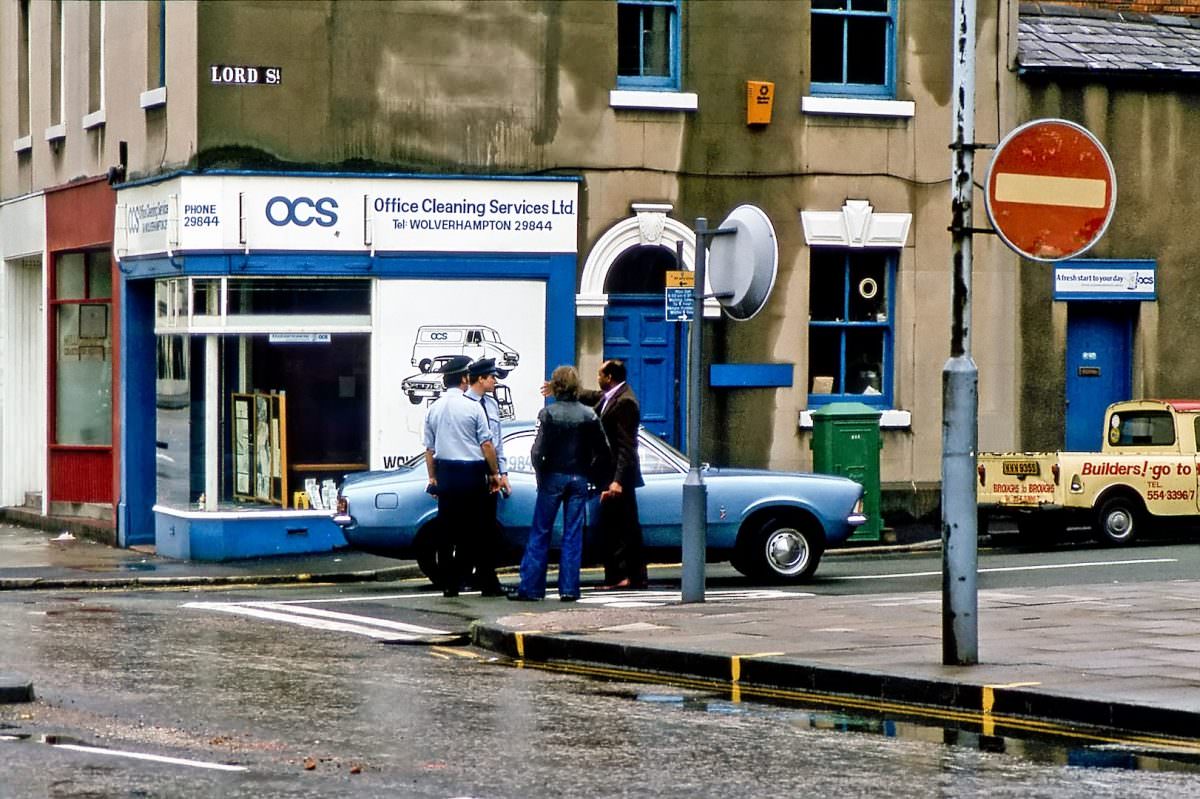
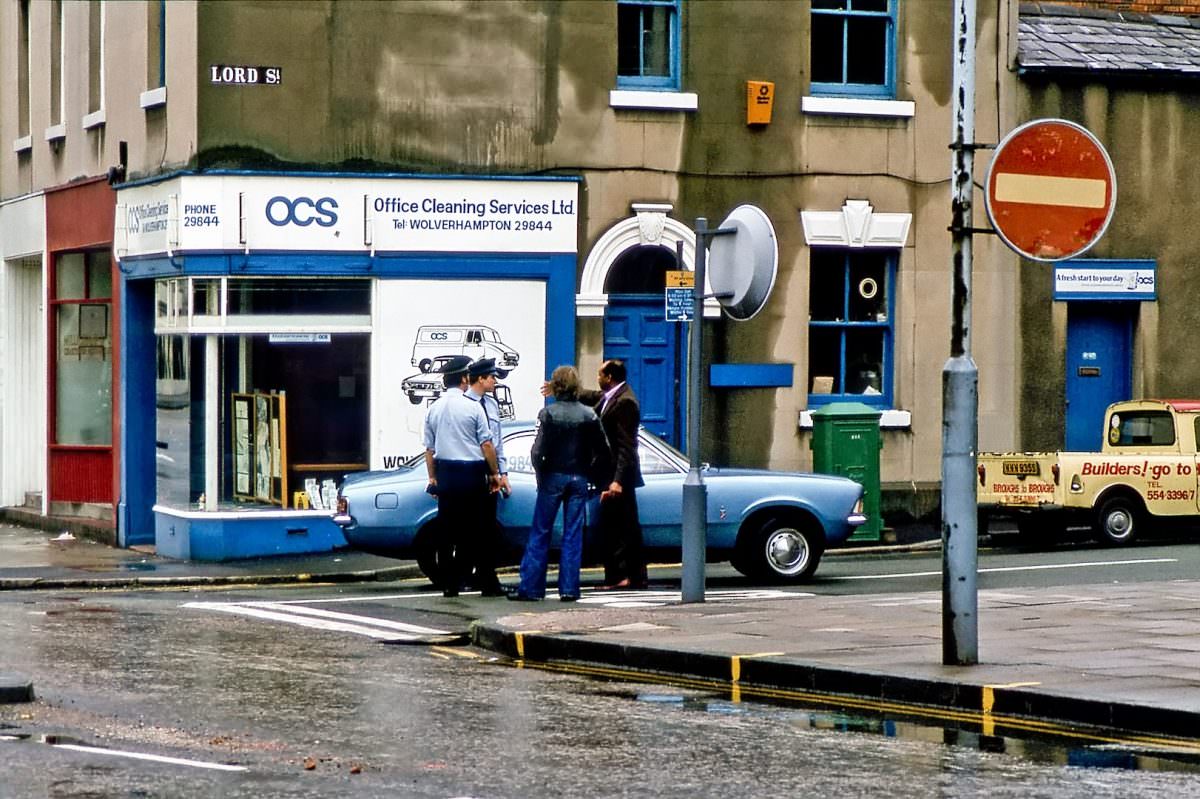
The junction of Lord Street and Merridale Road, photographed in June 1980, captures a typical Wolverhampton street corner during a period when the city was still navigating economic pressures that affected much of industrial Britain. The late 1970s and early 1980s brought significant unemployment to the West Midlands as manufacturing declined nationally. These street scenes carry that weight quietly in the background — in the storefronts, the vehicles, and the people passing through.
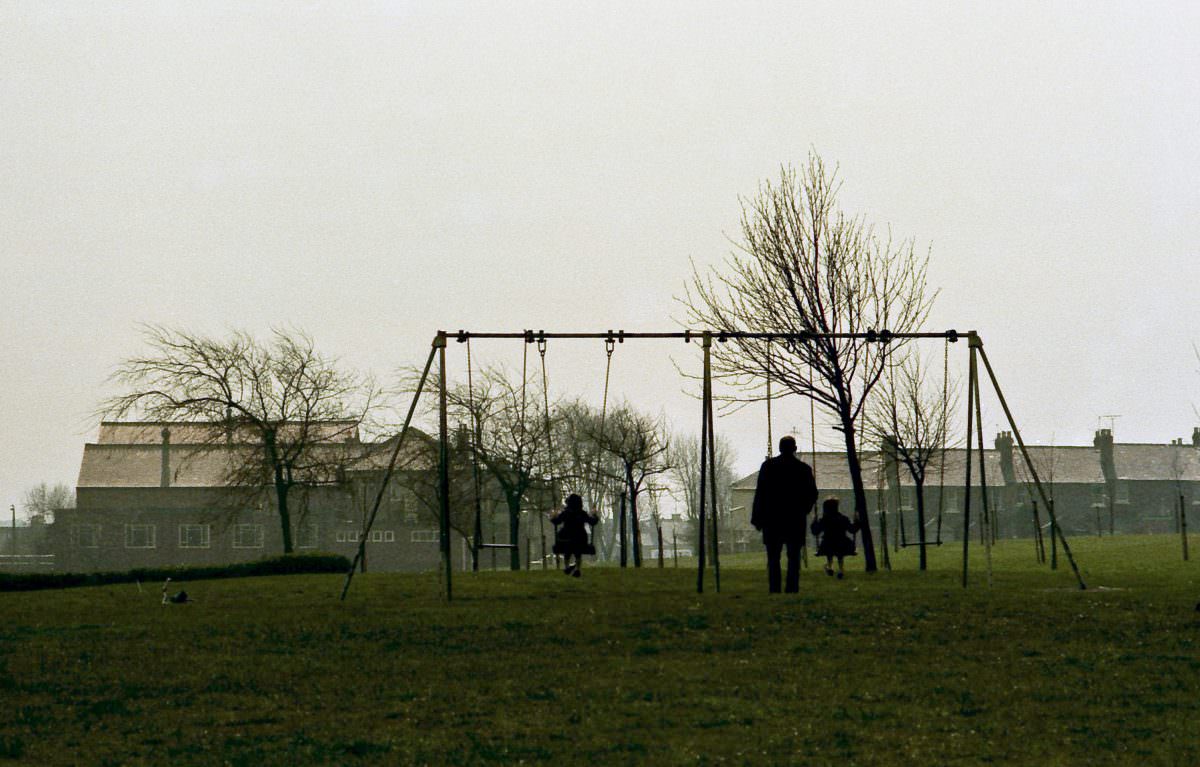
Not all of Wolverhampton’s 1970s life played out on busy roads or in pubs. Fowler’s Park, captured in April 1975, offers a glimpse of green space within the urban landscape. Parks like this served as breathing room for residents living in the densely built neighbourhoods nearby.
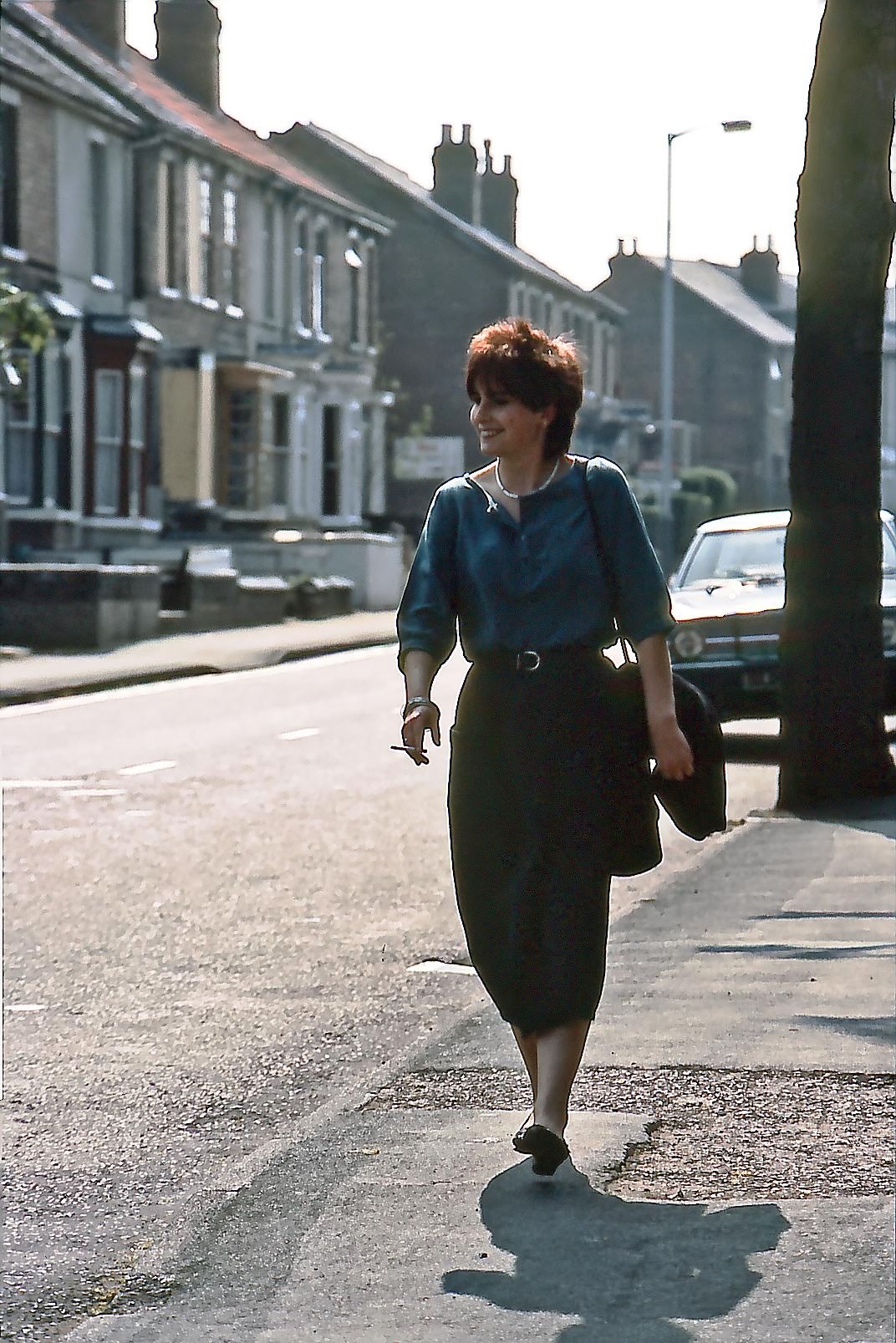
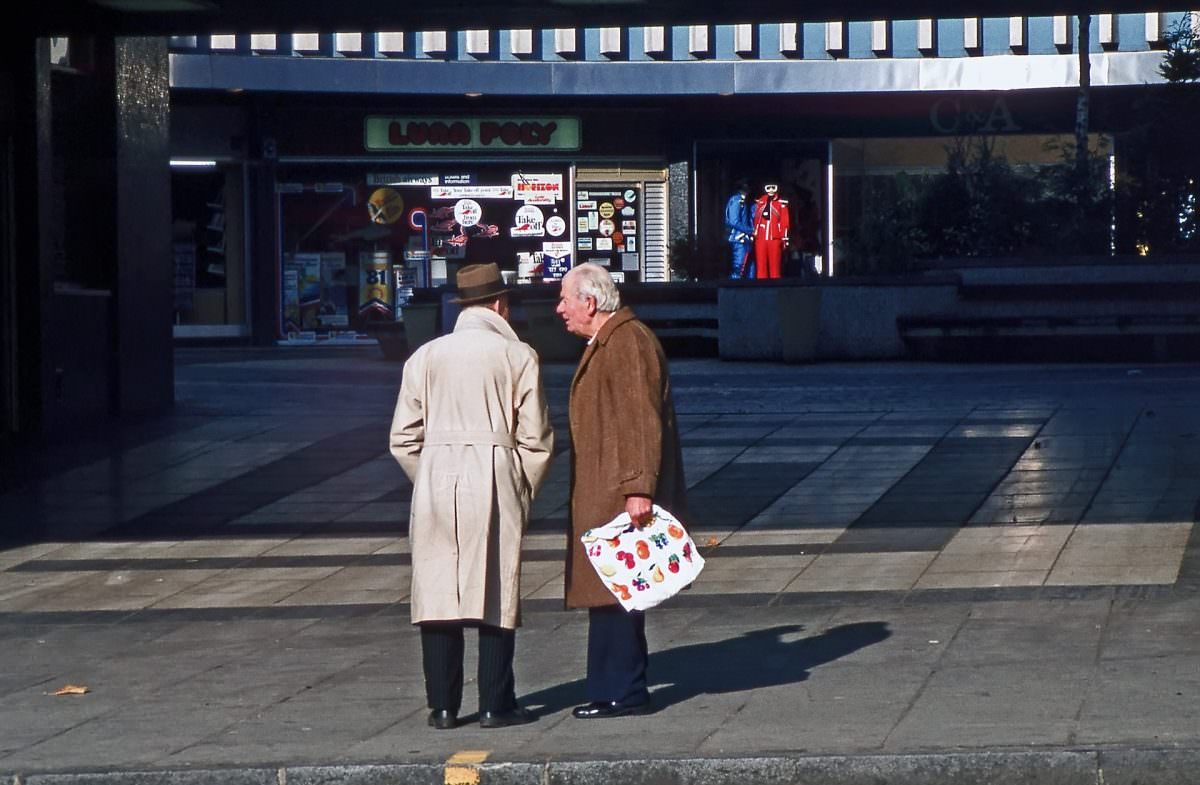
Cleveland Street appears in multiple photographs from this period, underscoring its importance as a key route through the city. The November 1980 image shows it in the quieter months, the light flat and the street largely emptied of crowds.
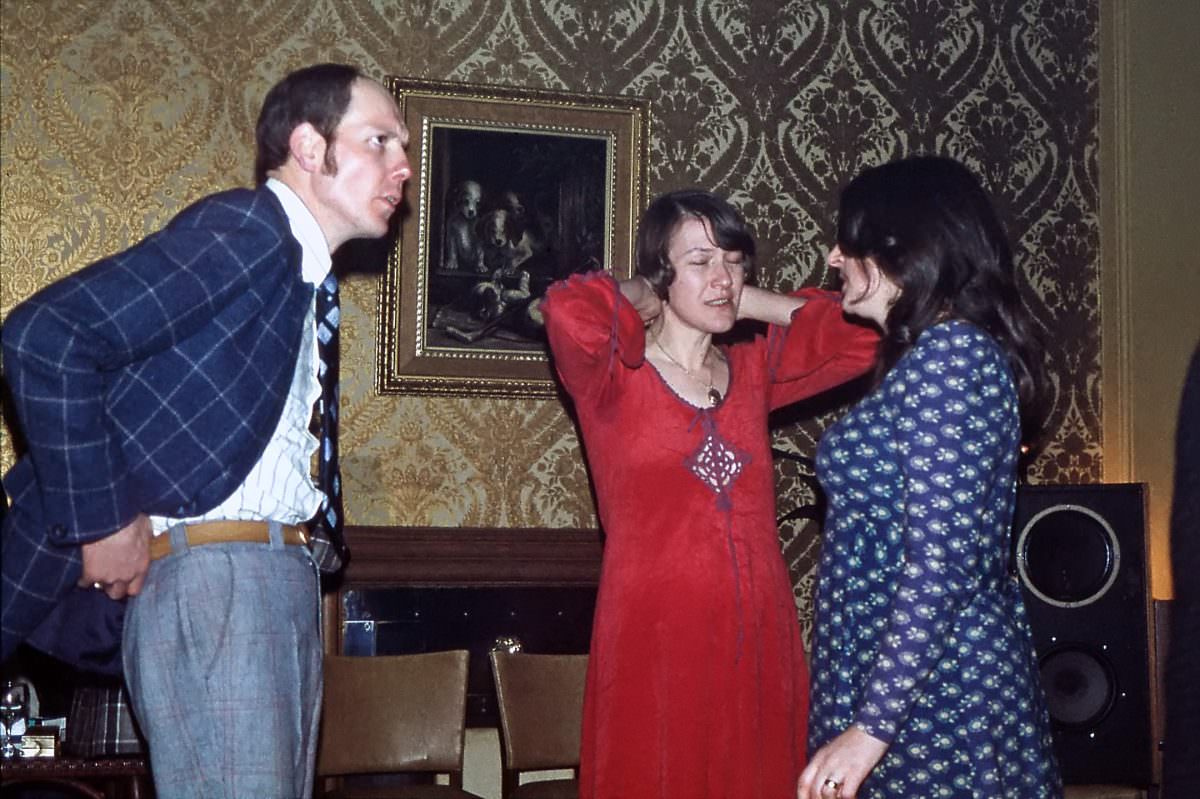
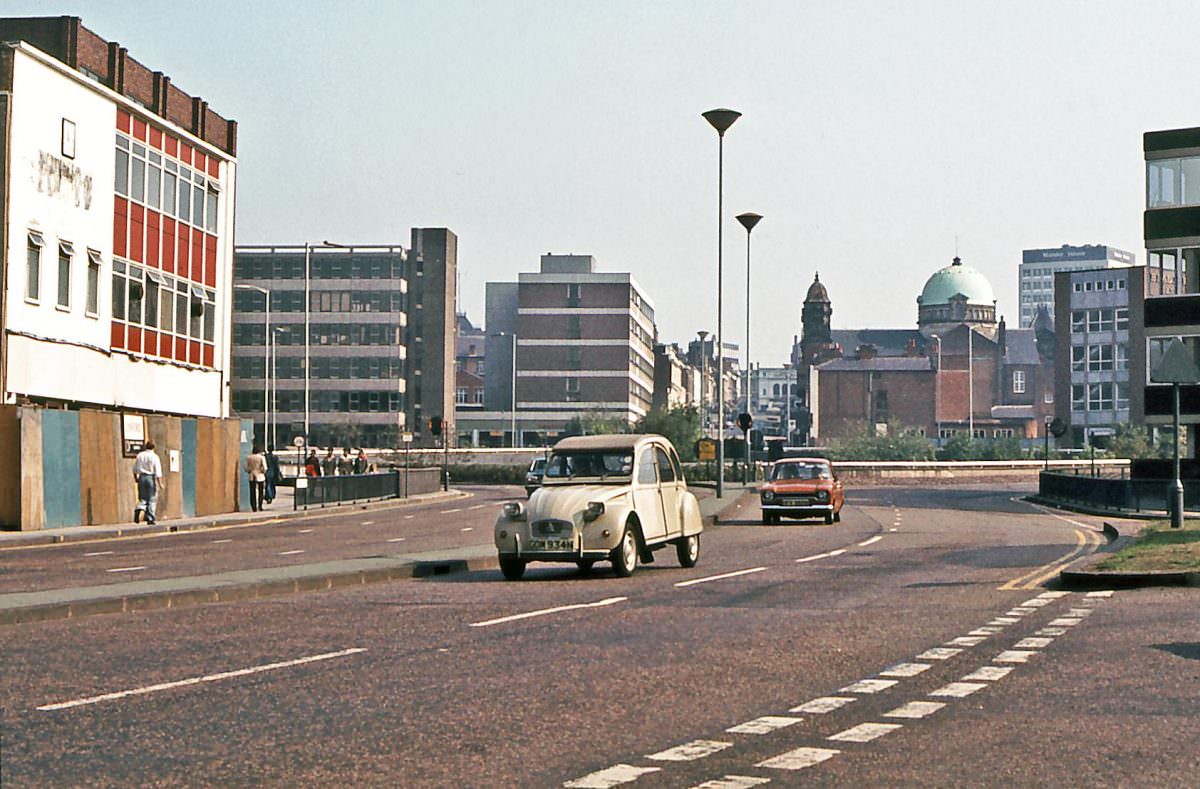
Chapel Ash, photographed in September 1976, sits at one of the key entry points into Wolverhampton’s town centre. The area had long been a mix of residential and commercial use, with pubs, shops, and housing all sharing the same stretch of road. A few years later, in March 1979, the same Chapel Ash roundabout on the ring road was the scene of an overturned car — a stark contrast to the otherwise routine street scenes that dominate this collection.
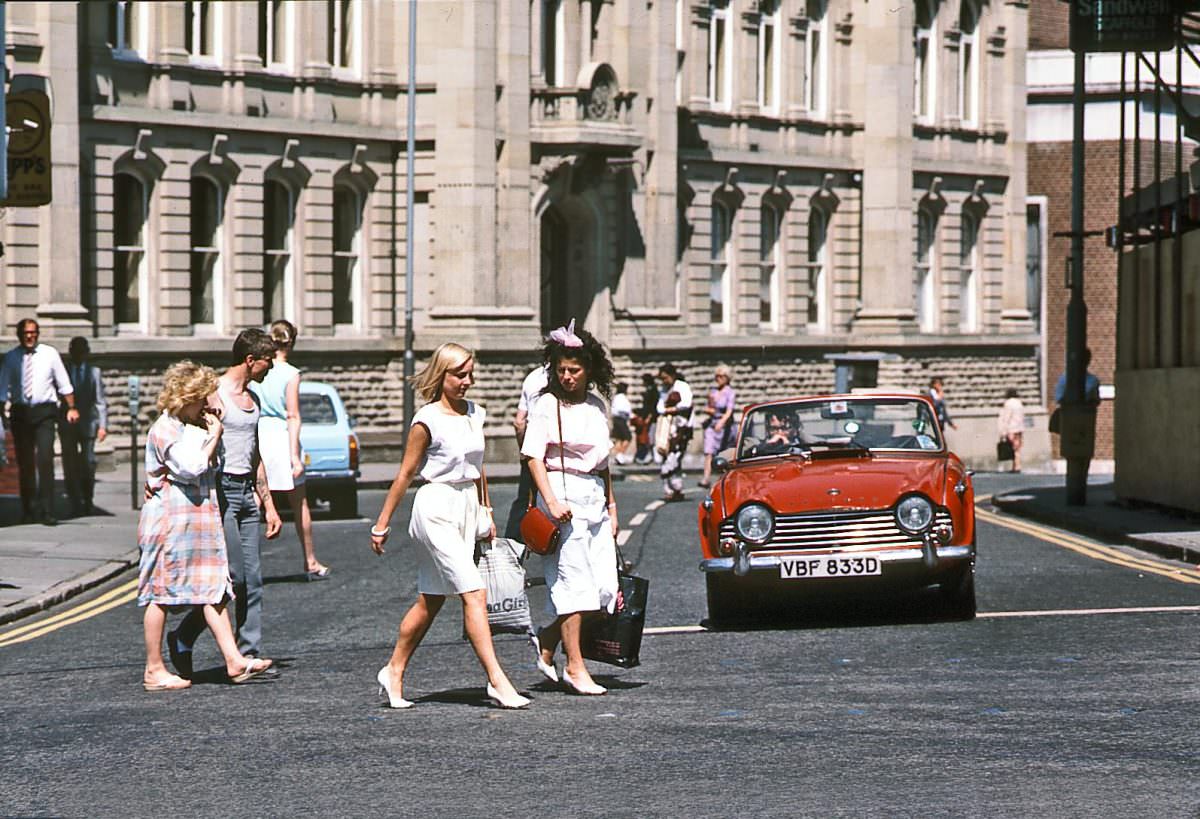
Queen Square sat at the civic heart of Wolverhampton. With the town hall visible in the background of the June 1985 photograph, the square served as a focal point for both daily movement and public gatherings. It was the kind of space where the formal architecture of civic life met the informality of people simply passing through on their way somewhere else.
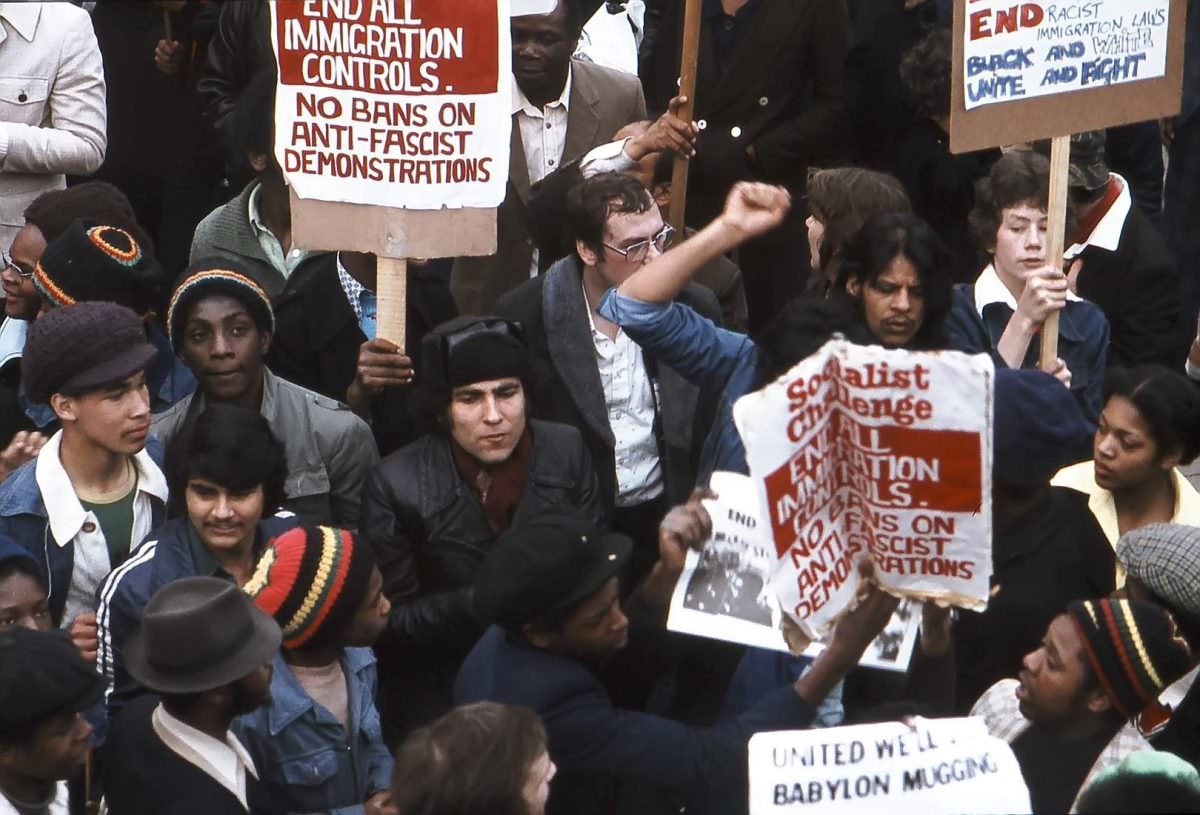
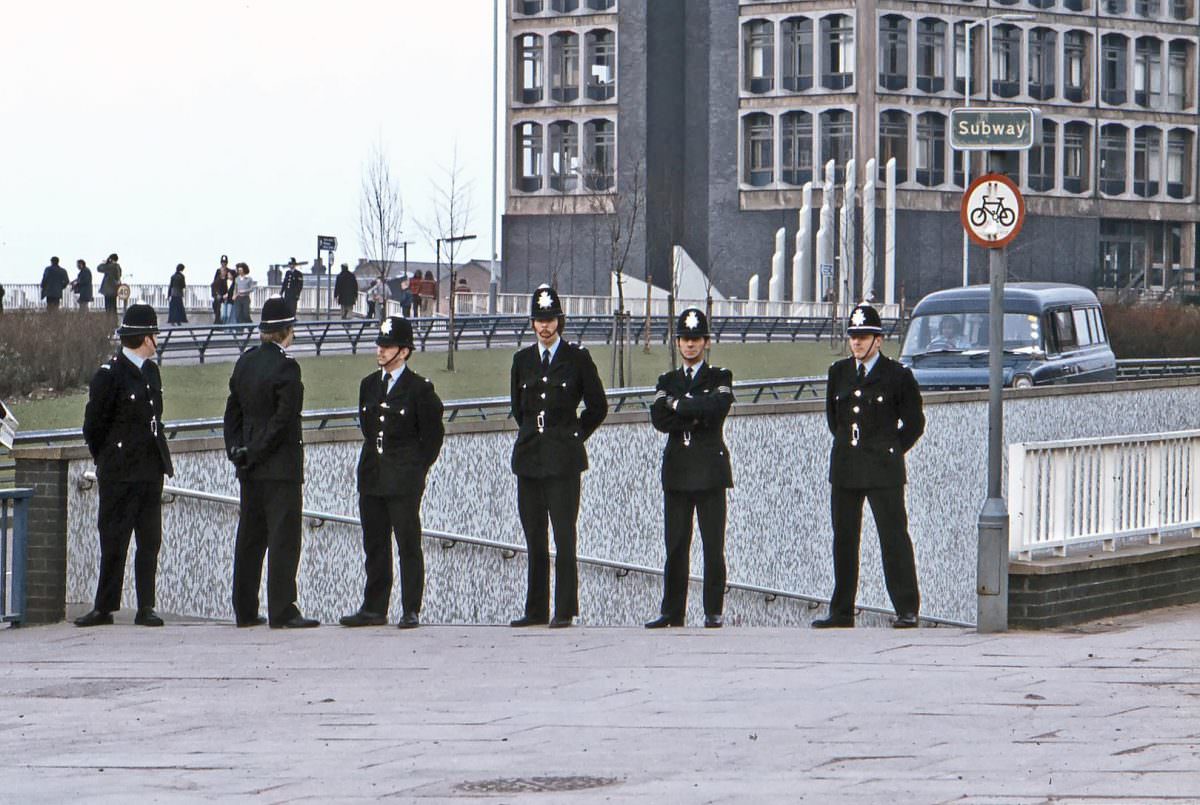
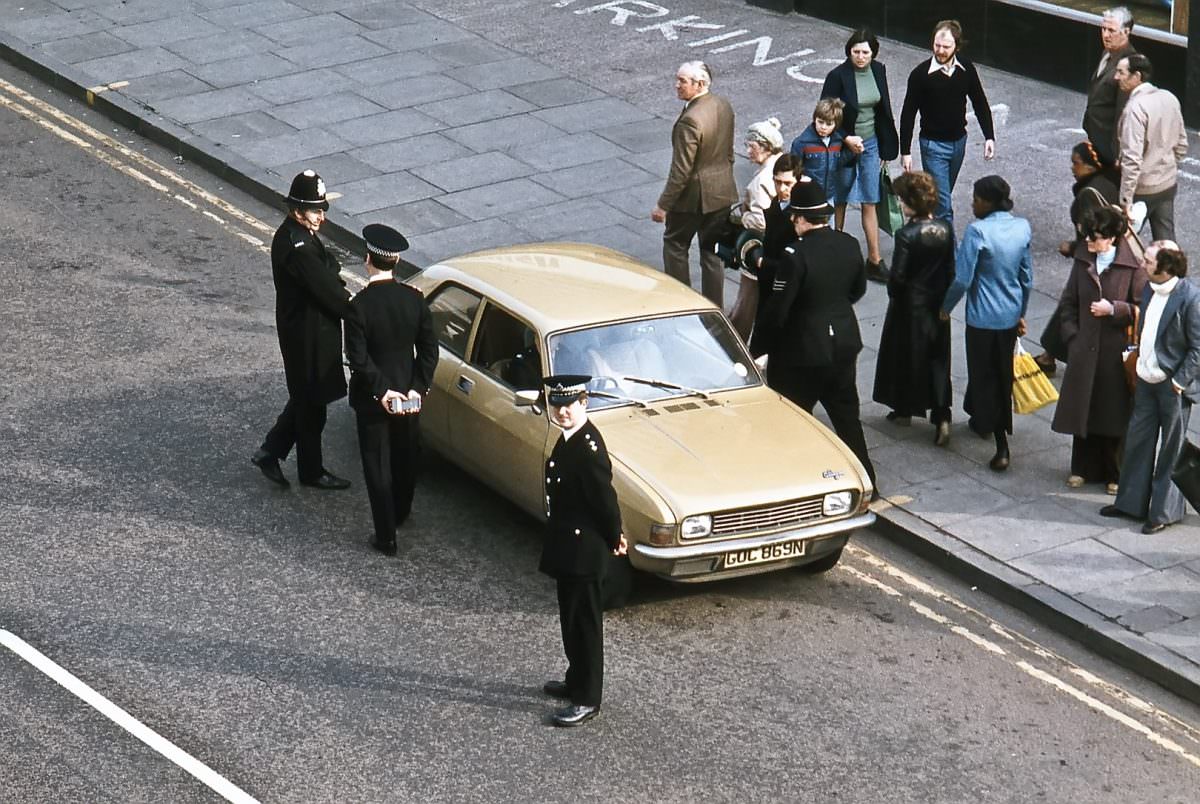
March 1978 brought a significant moment of public protest to Wolverhampton’s streets. Anti-racist demonstrators gathered and marched through the town centre, with a group of police officers stationed on the ring road ahead of the procession. Wolverhampton had been a focal point of national debate around race and immigration since the late 1960s, and these photographs document that tension directly. The demonstrators assembled on Cleveland Road before moving through the centre of the city.
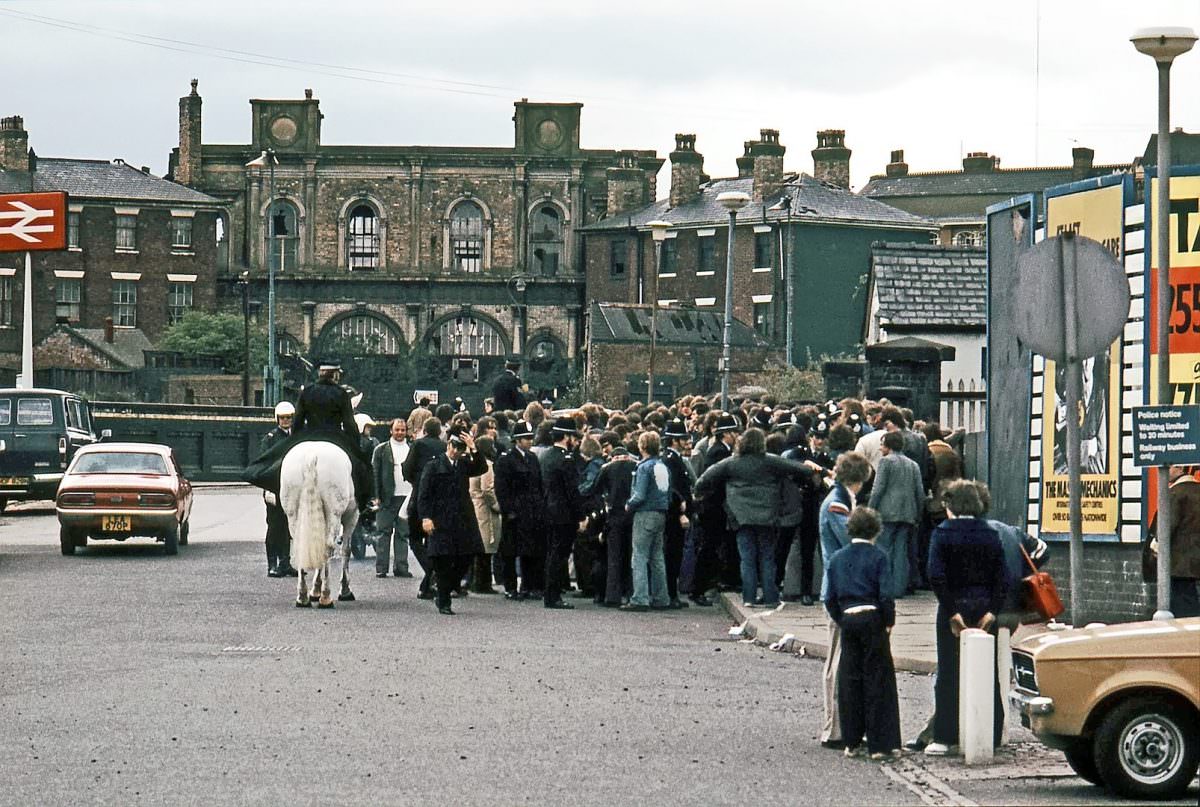
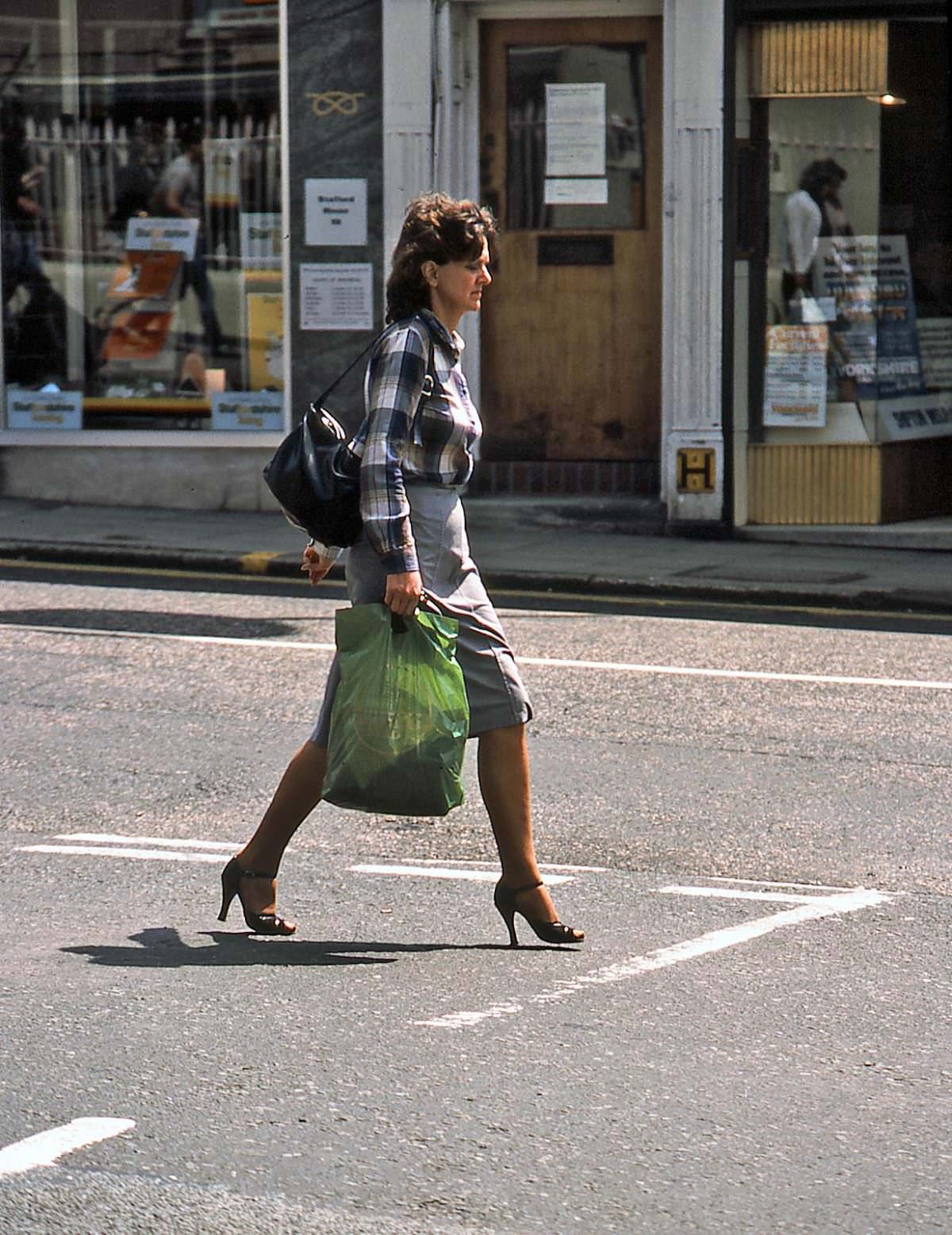
Football brought its own energy to the city’s streets. Chelsea fans photographed in May 1977 were likely in town for a match against Wolverhampton Wanderers — Wolves were a top-flight club at the time, regularly drawing away supporters from across the country. Their presence on Wolverhampton’s streets was a familiar part of the Saturday routine during the football season.
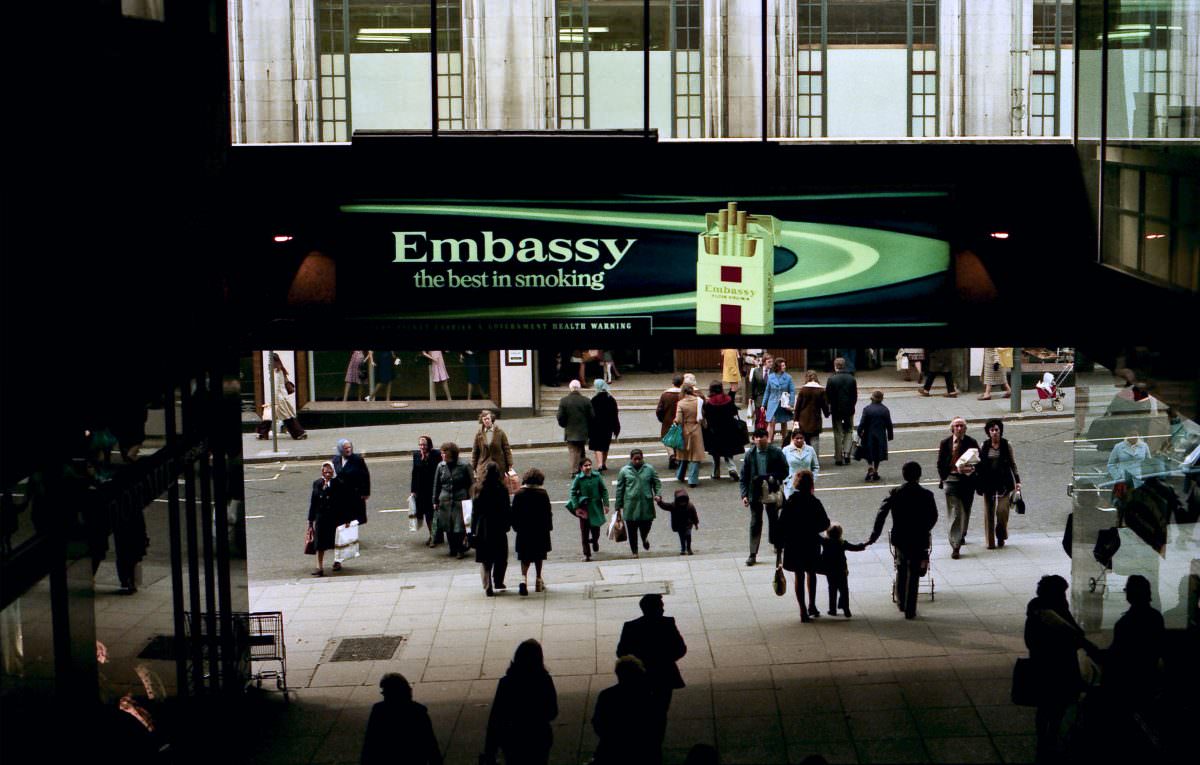
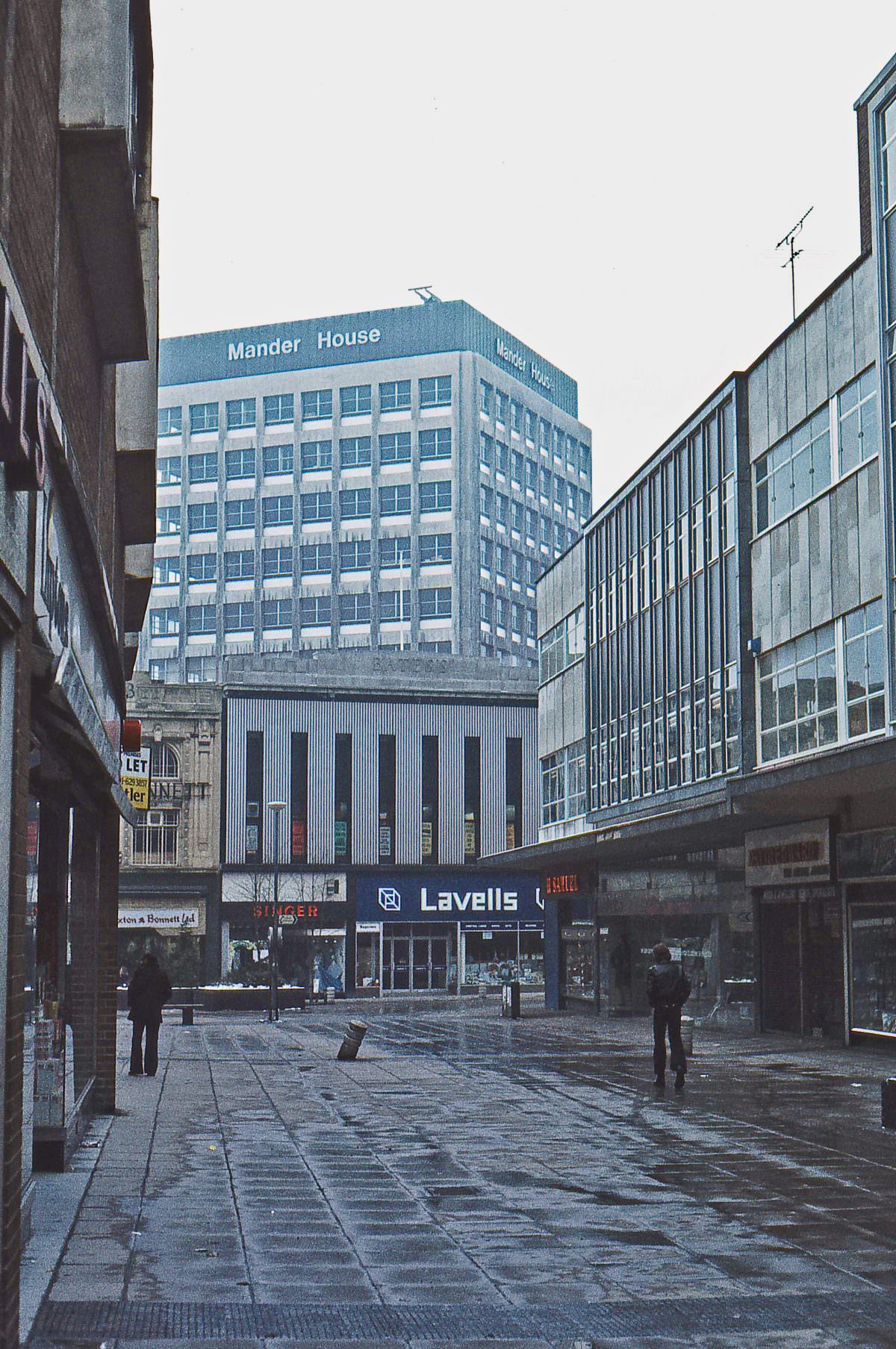
The Mander Centre was one of the most significant changes to Wolverhampton’s town centre in the modern era. The Victoria Street entrance, photographed in April 1975 with Beattie’s department store directly opposite, shows the two faces of retail Wolverhampton side by side — the new enclosed shopping precinct and the older-style department store that had served the city for decades. Beattie’s was a Wolverhampton institution, and its position opposite the Mander Centre made Victoria Street one of the busiest stretches of pavement in the city.
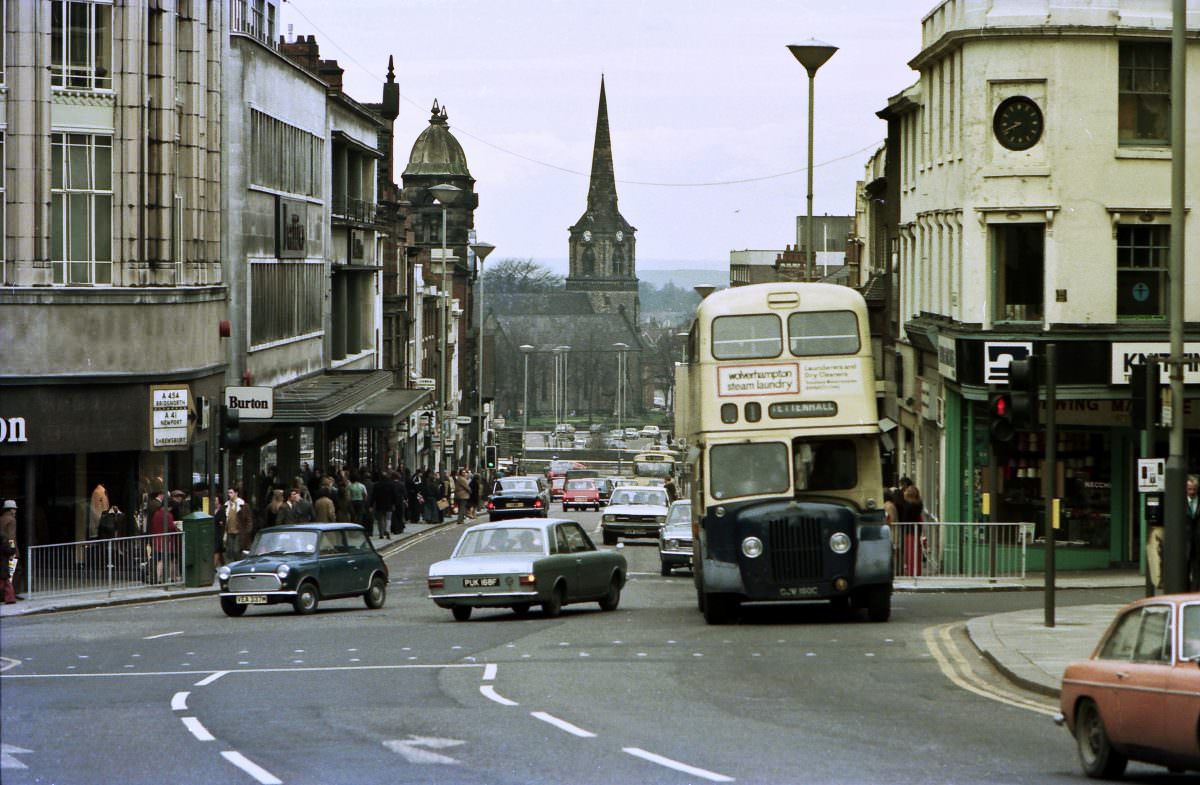
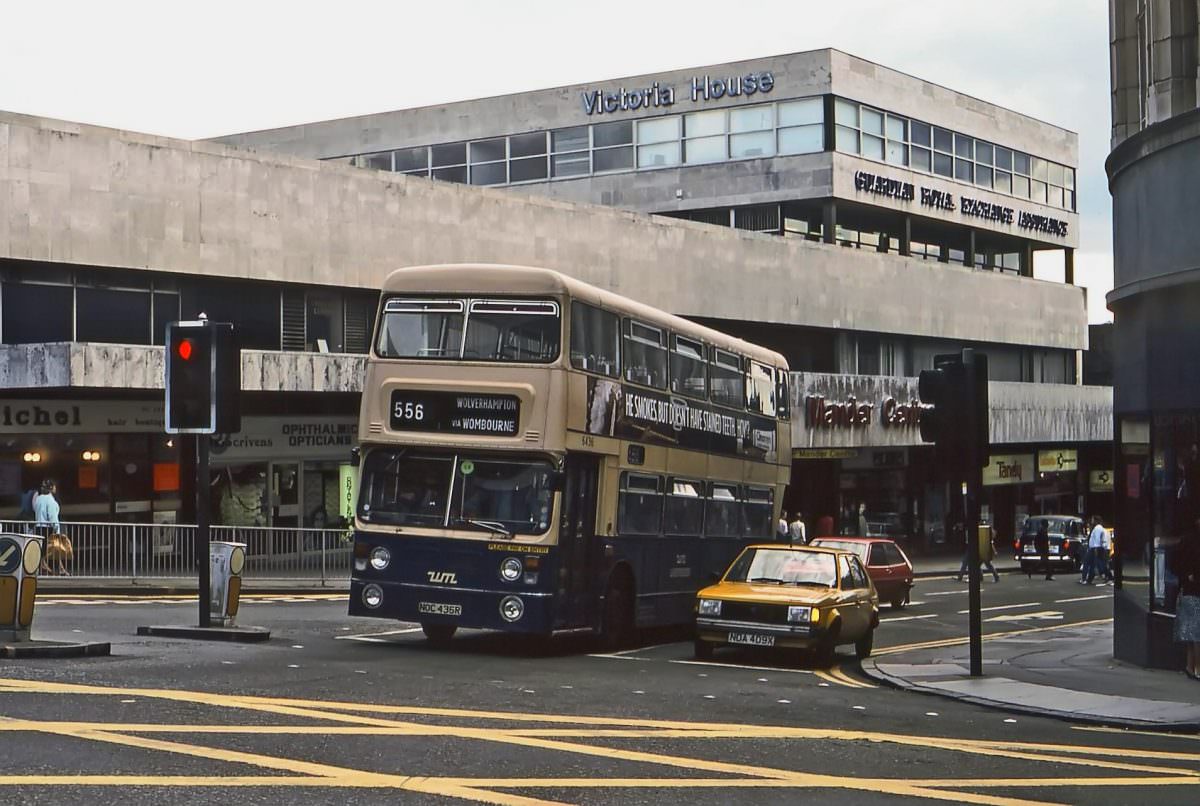
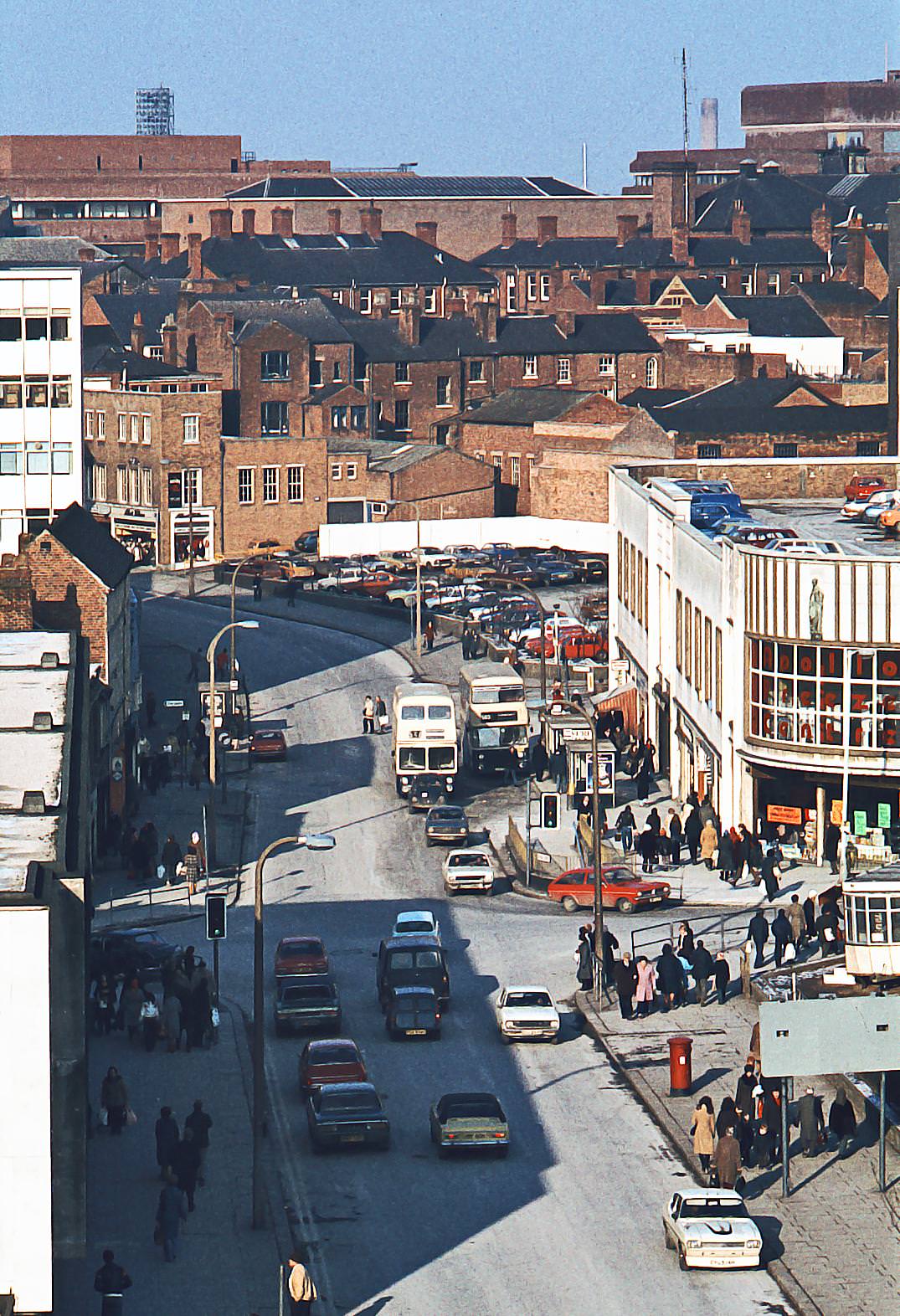
By July 1986, the junction of Victoria Street and Queen Square had become one of the busiest pedestrian zones in the city centre. The area had been reshaped significantly over the previous two decades, and these photographs show the end result — a town centre built for foot traffic, with shoppers moving between the Mander Centre, Queen Square, and the surrounding streets.
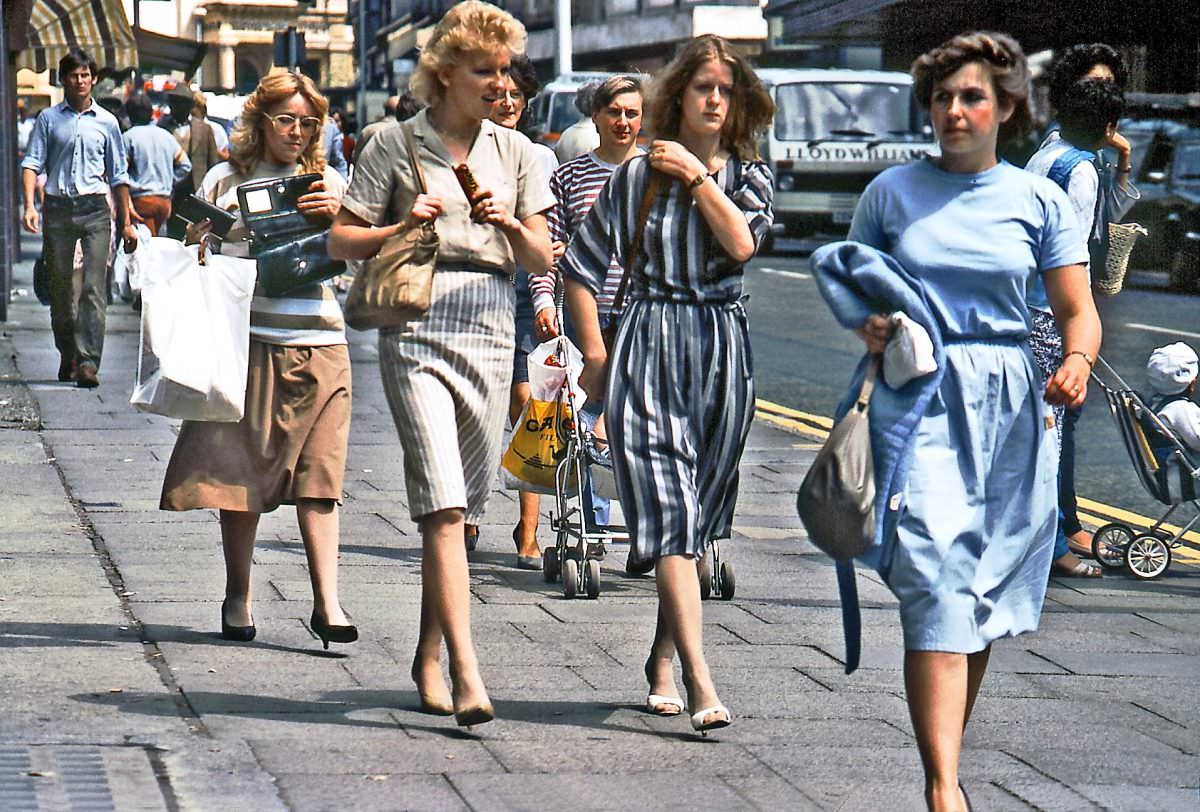
Office workers heading back after lunch on Darlington Street in May 1984 is one of those photographs that captures the ordinary rhythm of a working city. No dramatic event, no landmark — just people moving through their day. That ordinariness is precisely what makes it valuable as a historical record.
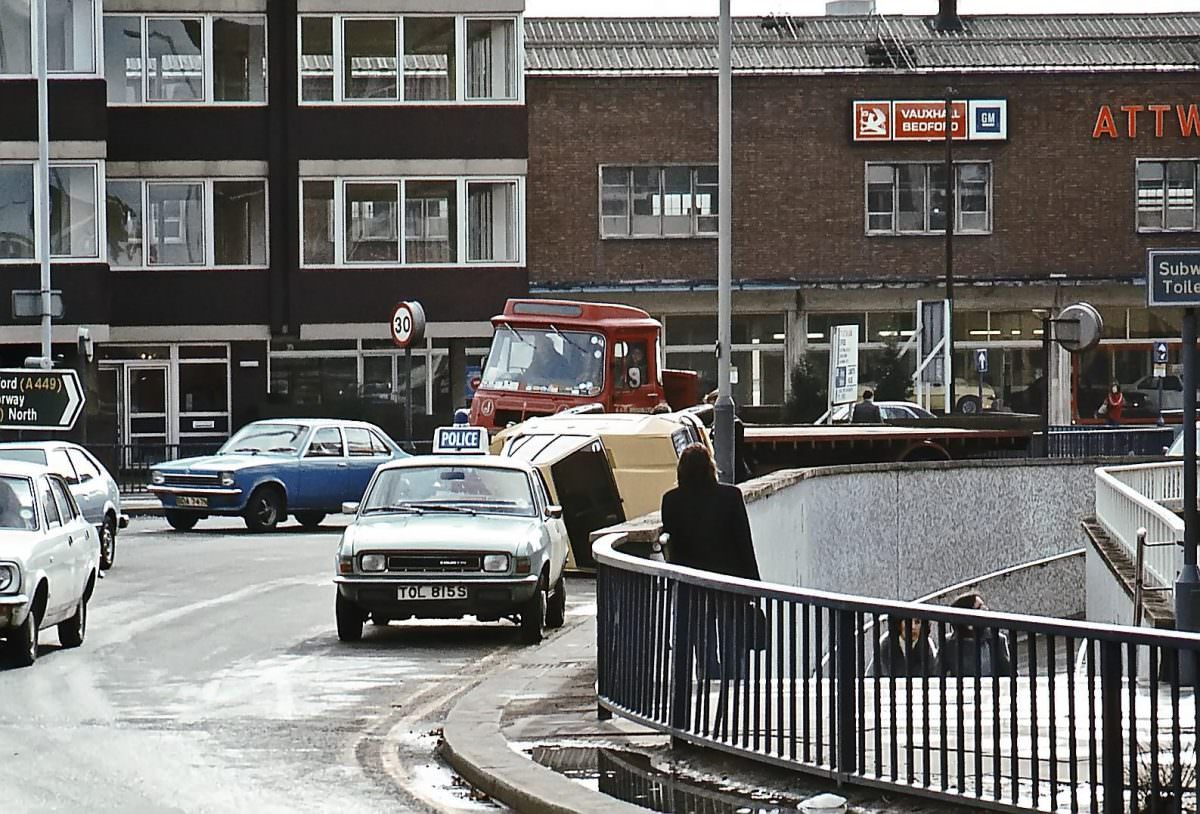
The overturned car at the Chapel Ash roundabout in March 1979 stands out among this collection as one of the more dramatic single images. The ring road was a significant piece of infrastructure for Wolverhampton, built to handle the volume of traffic the growing city generated. Accidents at its roundabouts were not uncommon, and this photograph documents one such incident in matter-of-fact detail.
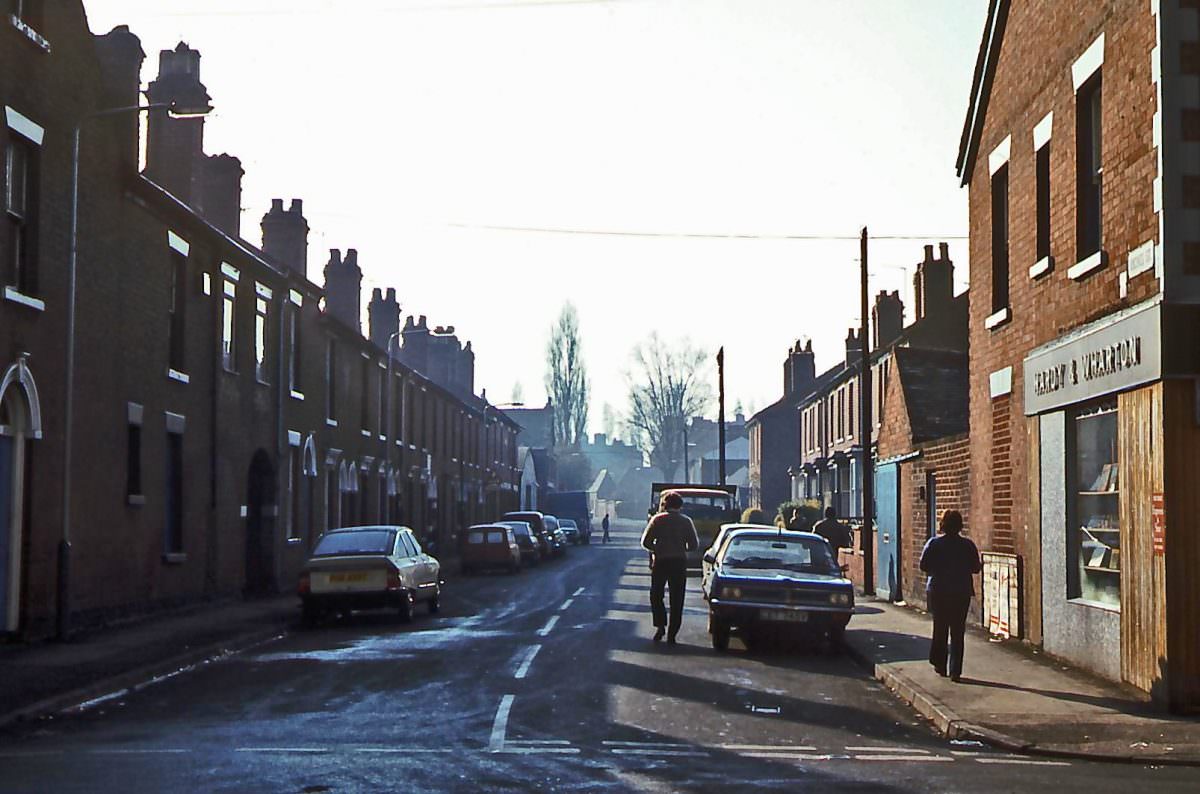
The corner shop at Waterloo Road and Staveley Road, photographed on 28th December 1980, is a classic image of neighbourhood retail in the pre-supermarket era. These small shops, often family-run, served the streets immediately around them. They stocked essentials, kept long hours, and were woven into the daily lives of the people who lived nearby. Two photographs were taken at this same junction on the same day, suggesting it was considered a particularly representative example of this type of local shop.
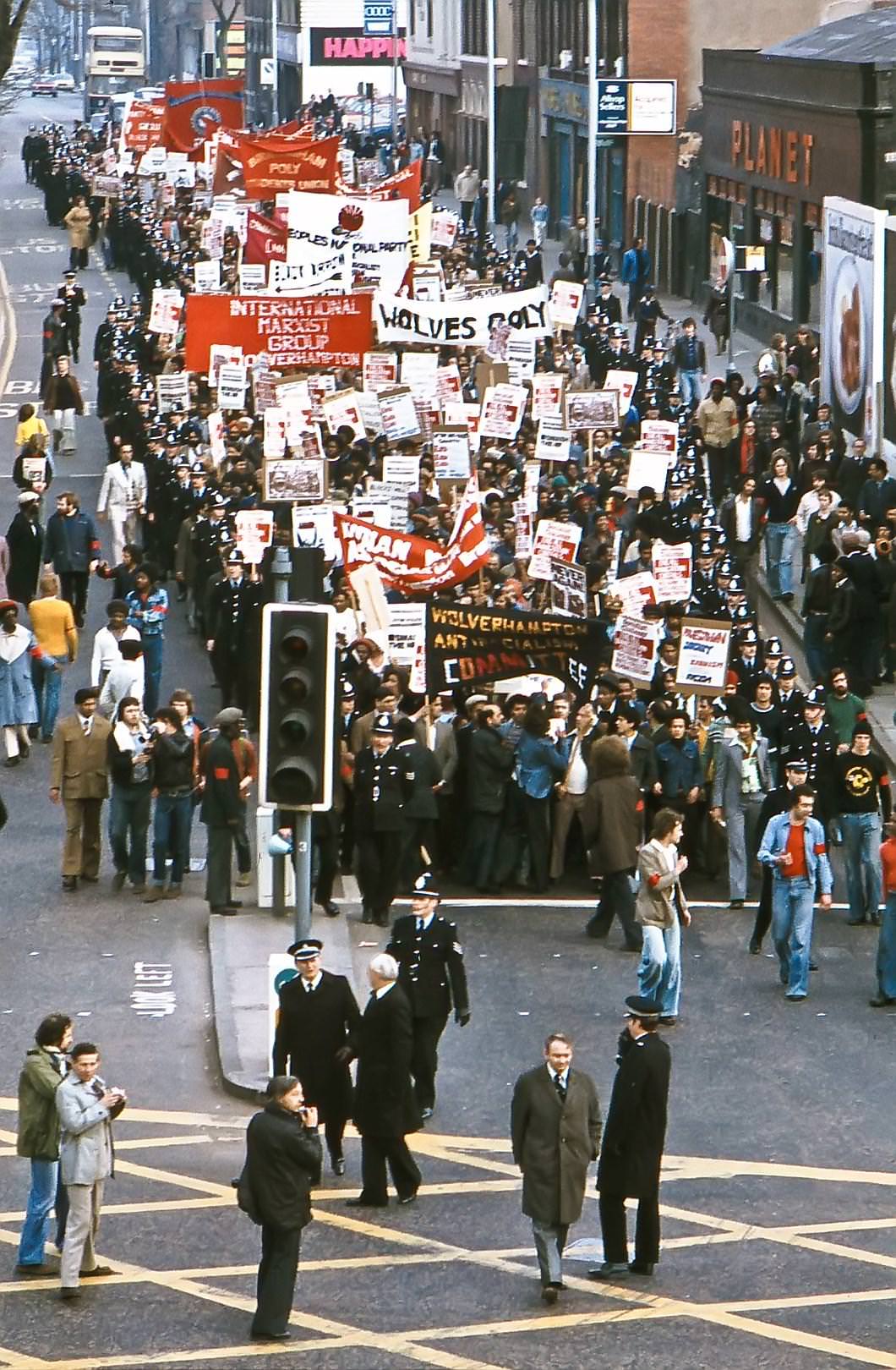
The 11th March 1978 anti-racist march through Wolverhampton was a well-documented event. Demonstrators assembled on Cleveland Road before moving into the town centre, with police positioned along the route. The march took place against a backdrop of rising far-right activity across Britain during the late 1970s, and Wolverhampton — given its history as a focus of political debate around immigration — was a particularly charged location for such a demonstration.





loved looking at all of them. Thank you!
Today i learned Tipton is in Wolverhampton
These are great, thanks for sharing…
Shops to let, empty streets, car crashes, anti racist marches. I thought the good old days were way better and everything in Wolves was rubbish now / the councils fault? 🤣
I don’t remember crackheads littering the doorways along Dudley street or camped out on the ringroad up Snowhill. Wolverhampton is a case study in self harm by poor voting choices and an inability to stop voting for the same pillocks who think a new coat of paint will cover up the towns decay. Can’t remember little girls being stabbed at dance school or regular shootings. But hey at least the benefits office has been able to expand eh?
All those things literally happened all the time. Crime isn’t a recent invention.
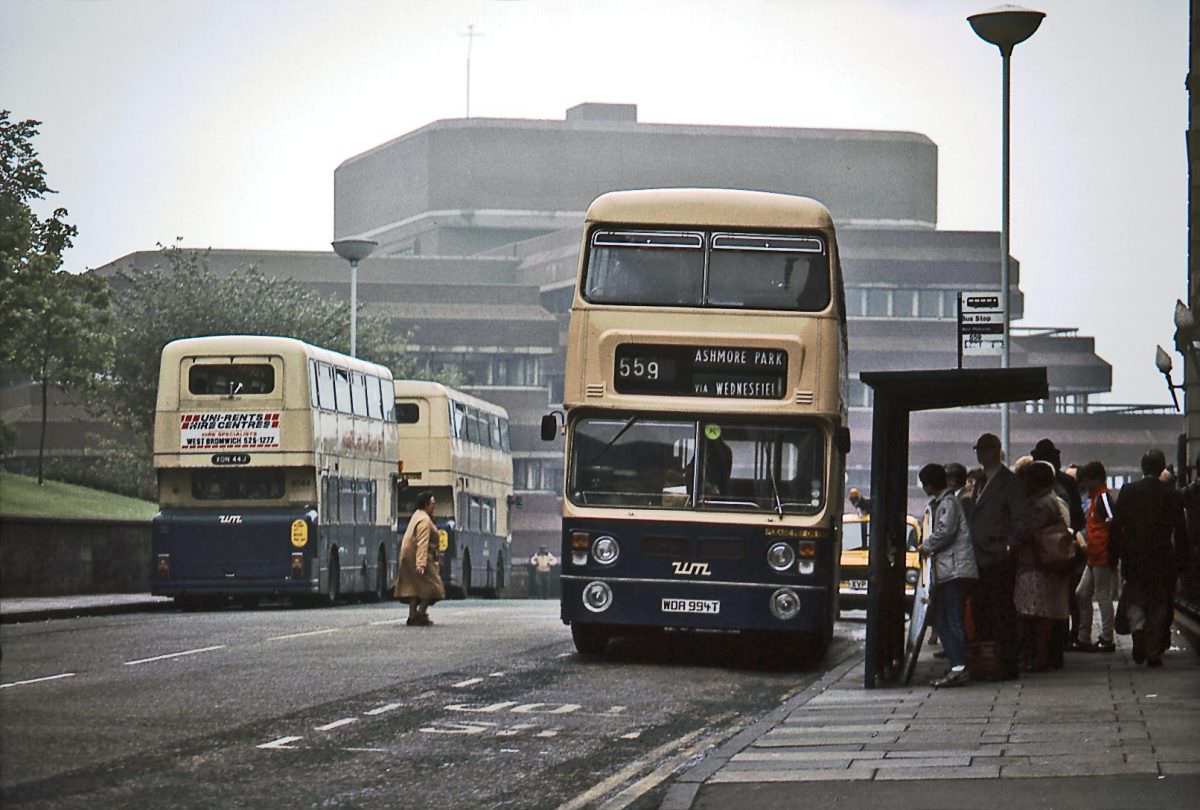
Odd website. I’d completely forgotten the old bus colours. The one isn’t Queen Square but it’s not too far away.