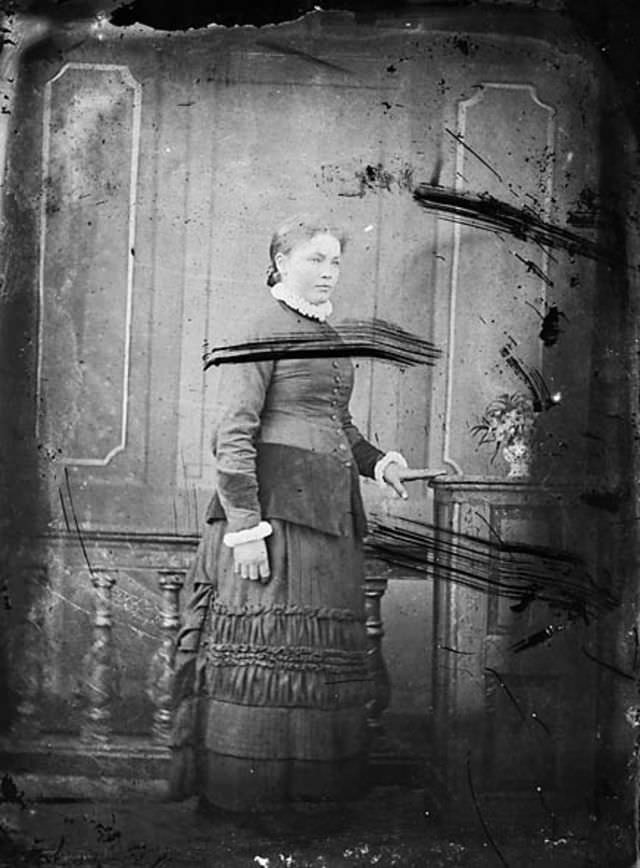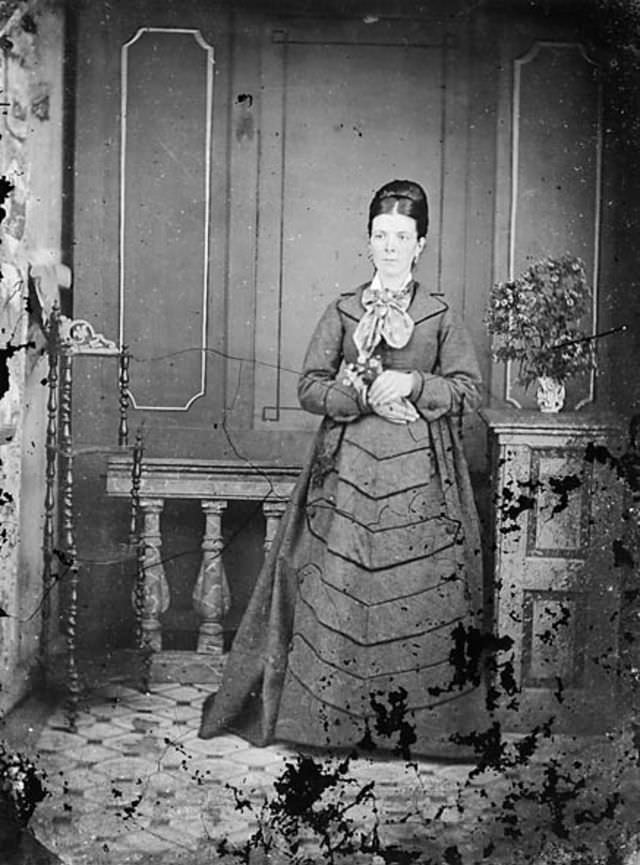

John Thomas was born in Cellan, Ceredigion, and went on to become one of the most important photographers of 19th-century Wales. He established the Cambrian Gallery in Liverpool, operating from several addresses, and also ran a branch on Regent Street in Llangollen. He started his career as a photographer in 1863 and built a reputation largely through portraits of Welsh men, particularly nonconformist ministers. But a lesser-known part of his work tells a different story entirely.
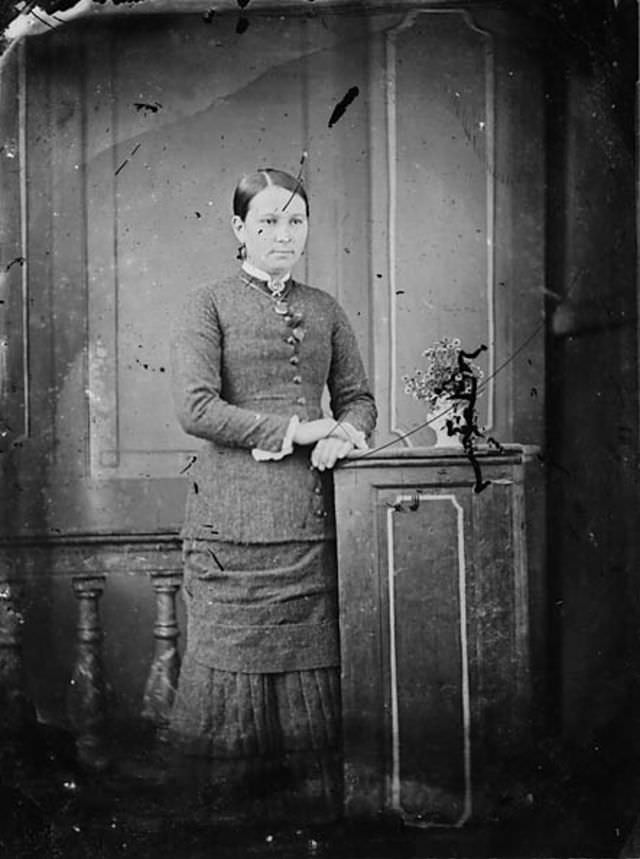
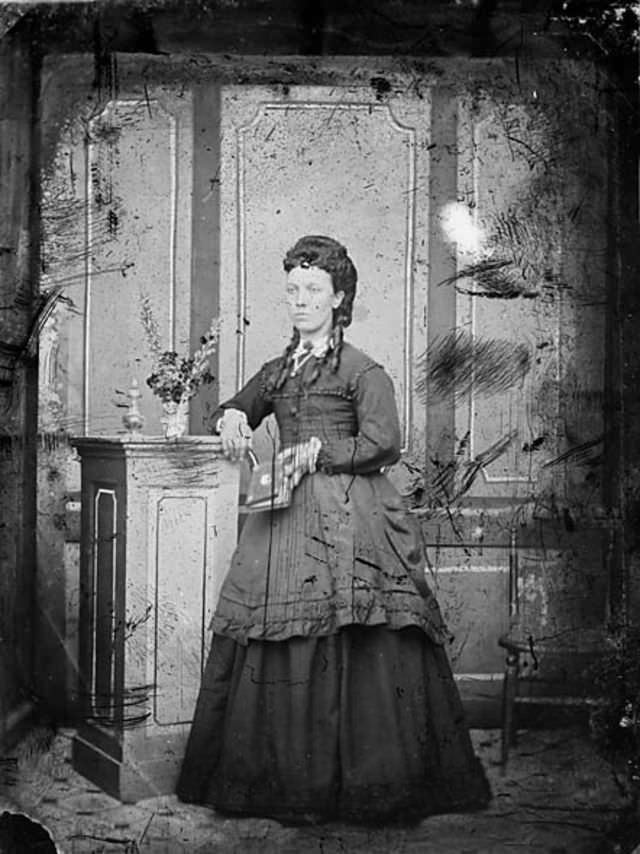
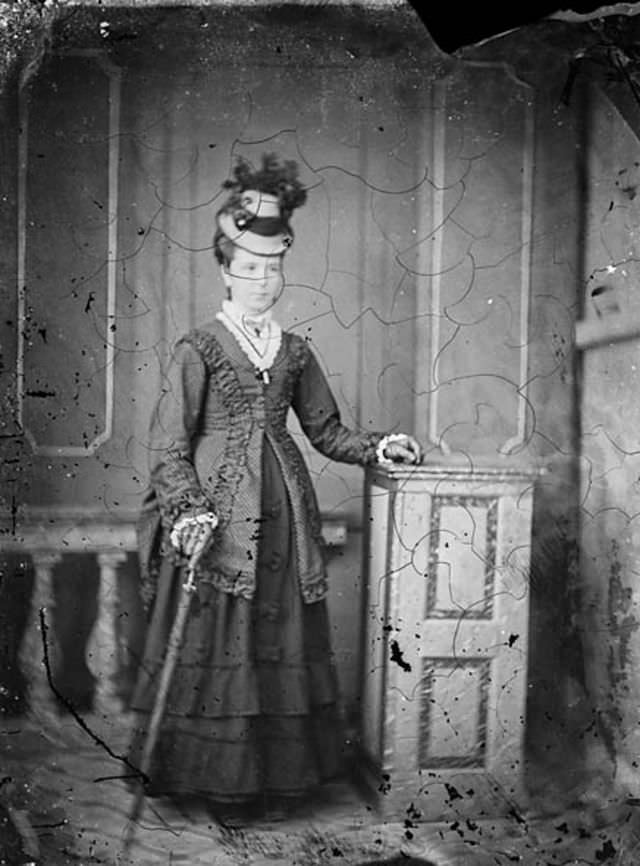
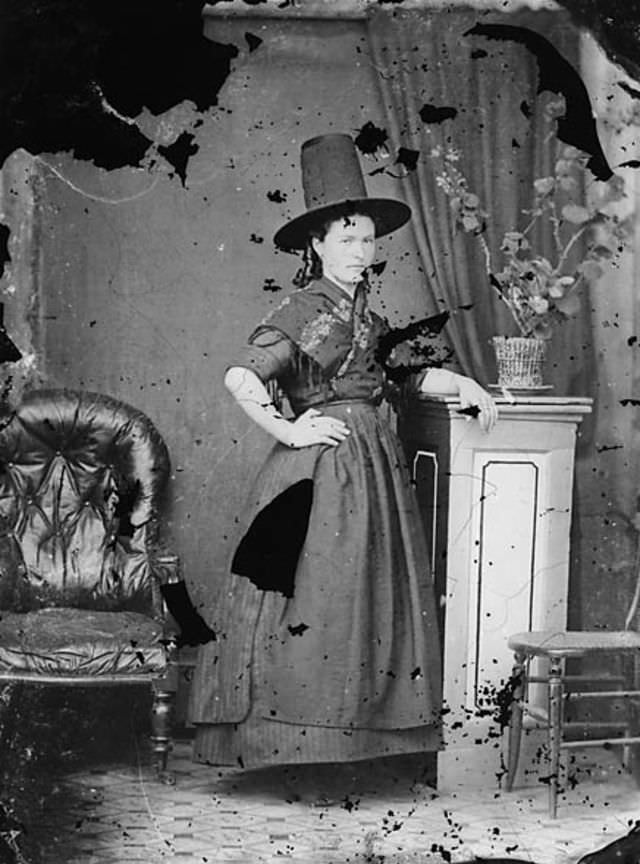
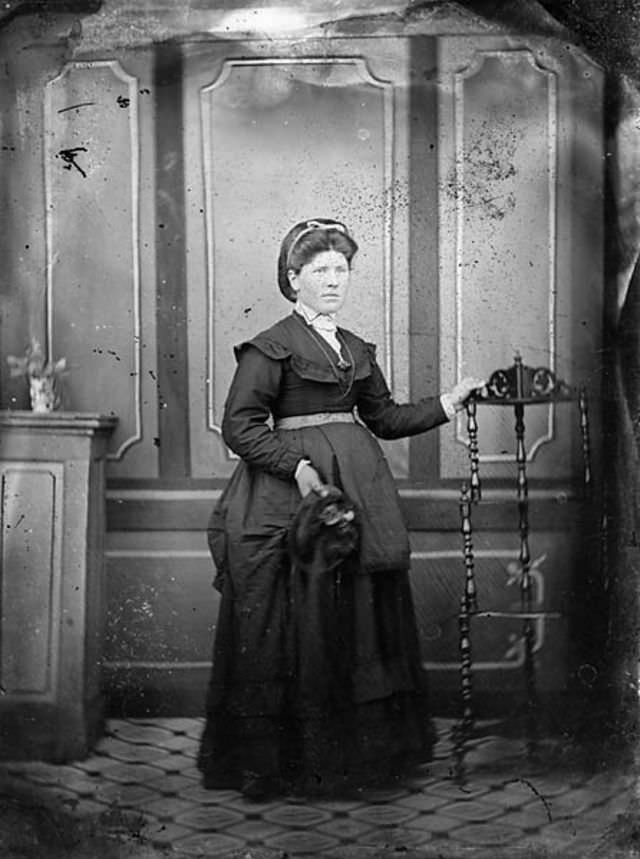
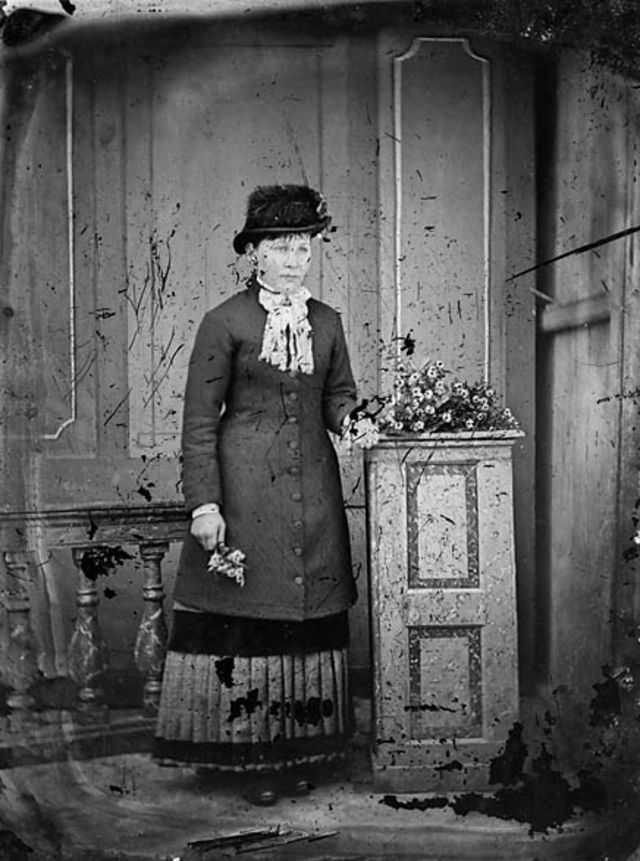
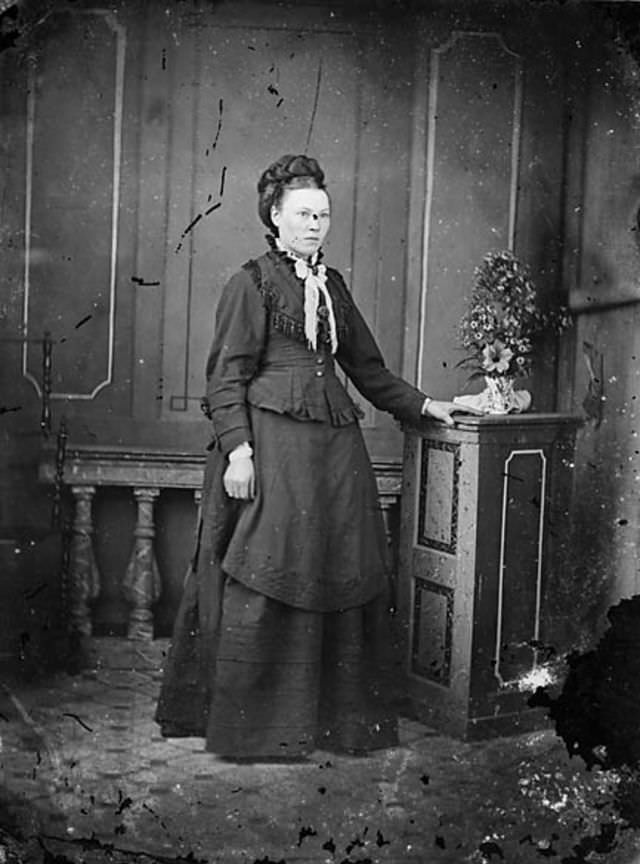
Among the roughly 3,000 glass plate negatives that survive from Thomas’s career, around 100 show women wearing traditional Welsh clothing. Most of these portraits are labeled with the names of the subjects and the locations where they were taken, making them an unusually detailed visual record. The earliest example dates to before 1865, while the bulk of the collection comes from the period between 1875 and 1885.
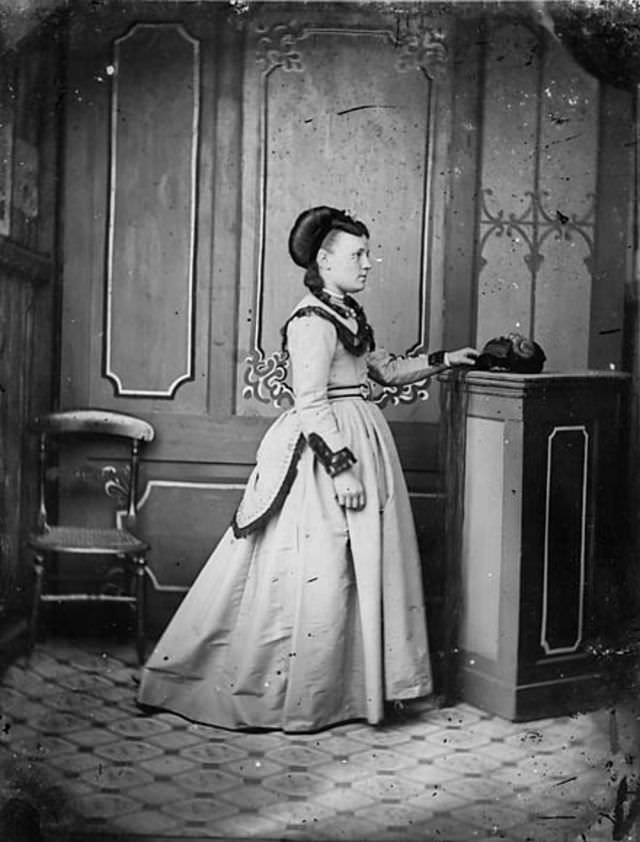
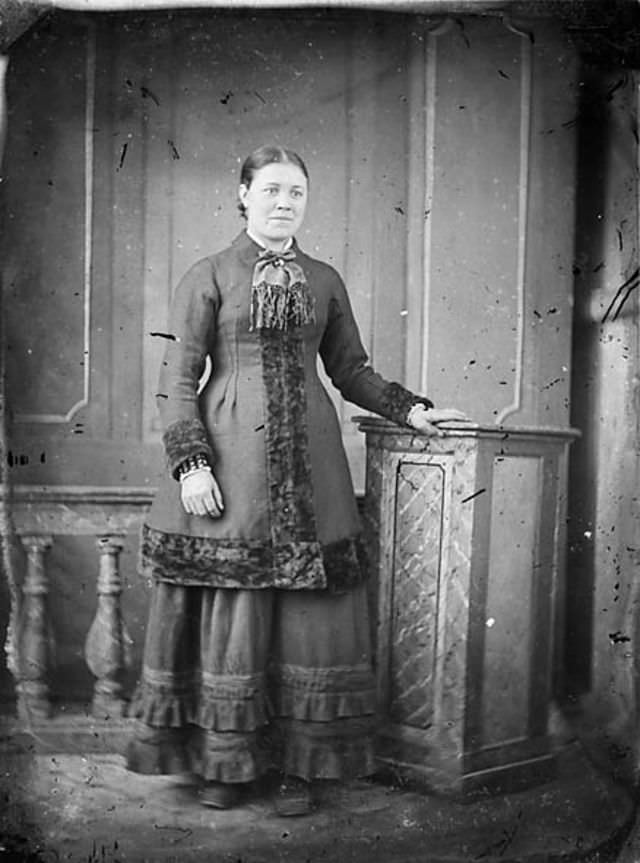
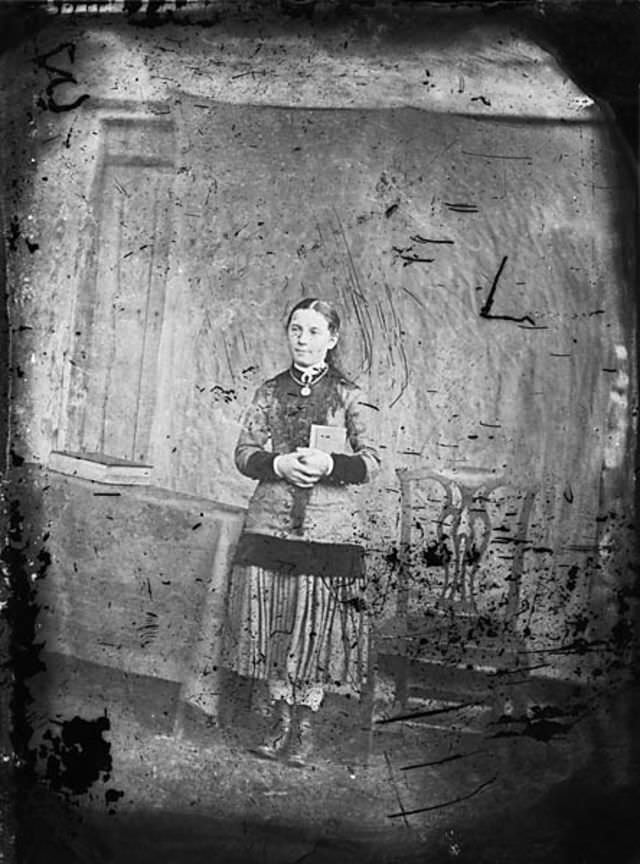
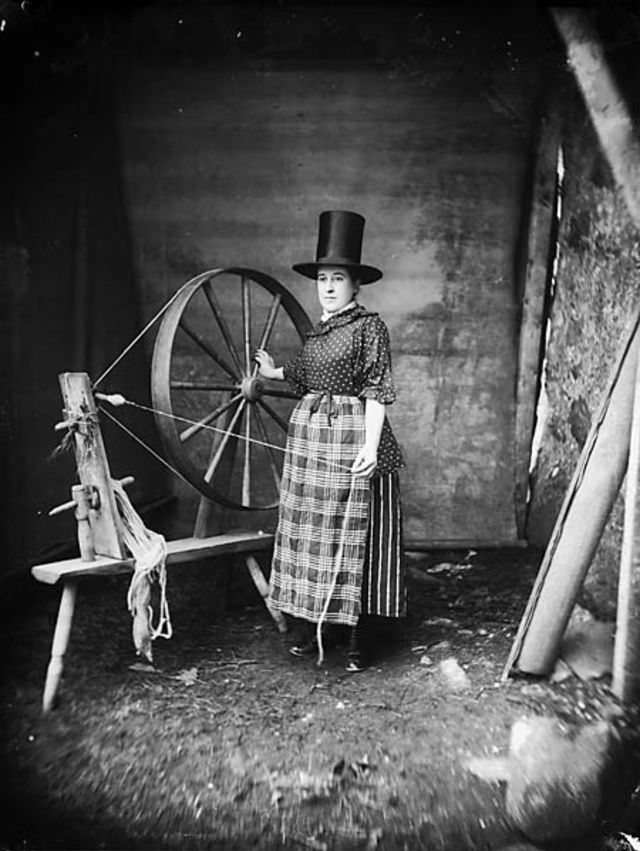
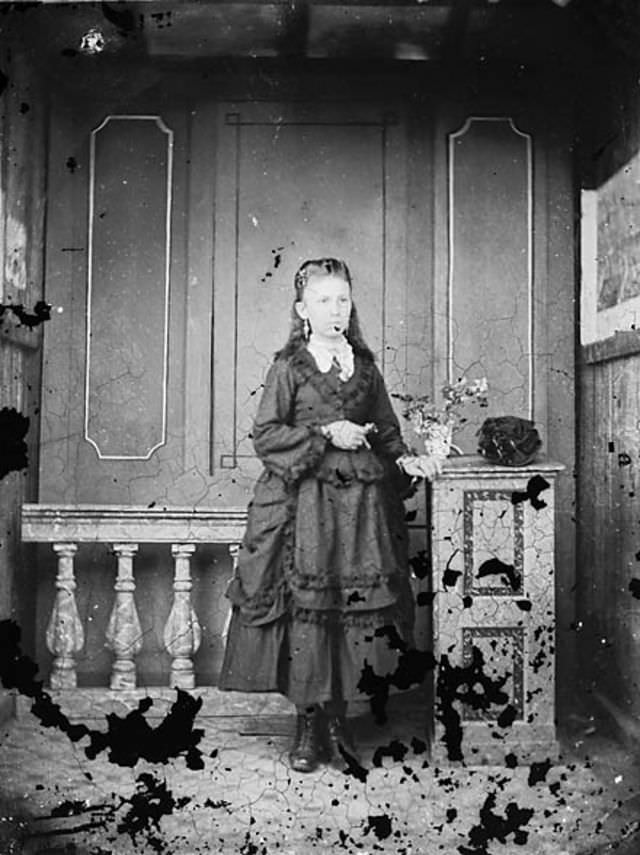
Thomas took many of these photographs outdoors during his travels across Wales. Younger women were often photographed outside to take advantage of natural light, posed in front of a simple backdrop with a mud floor beneath them. The outdoor settings were practical rather than decorative, and that rawness gives the images a direct, unpolished quality that studio portraits of the era rarely had.
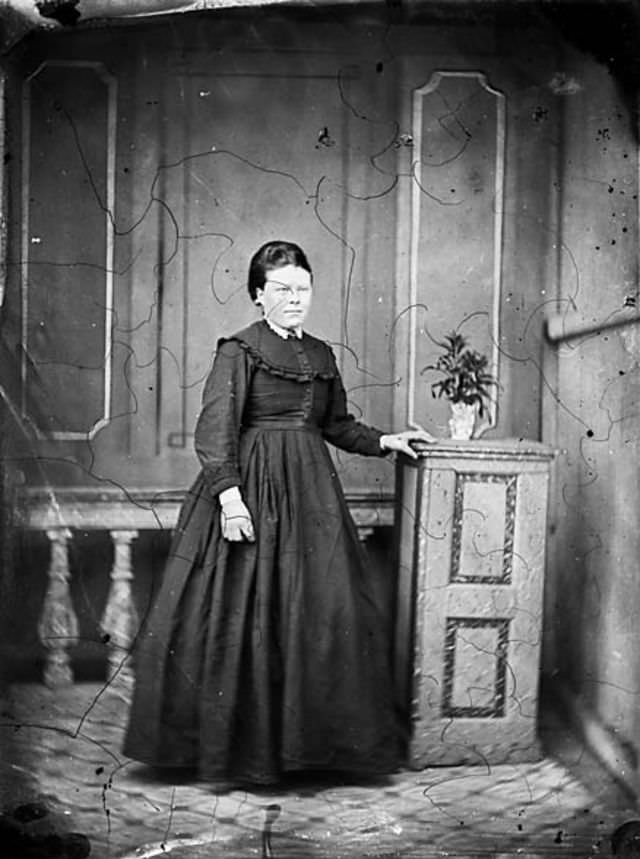
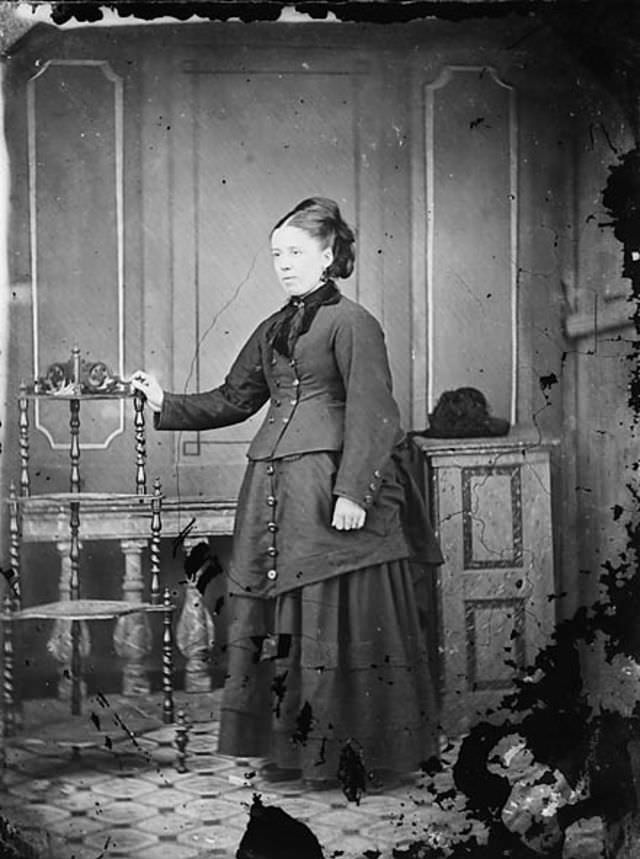
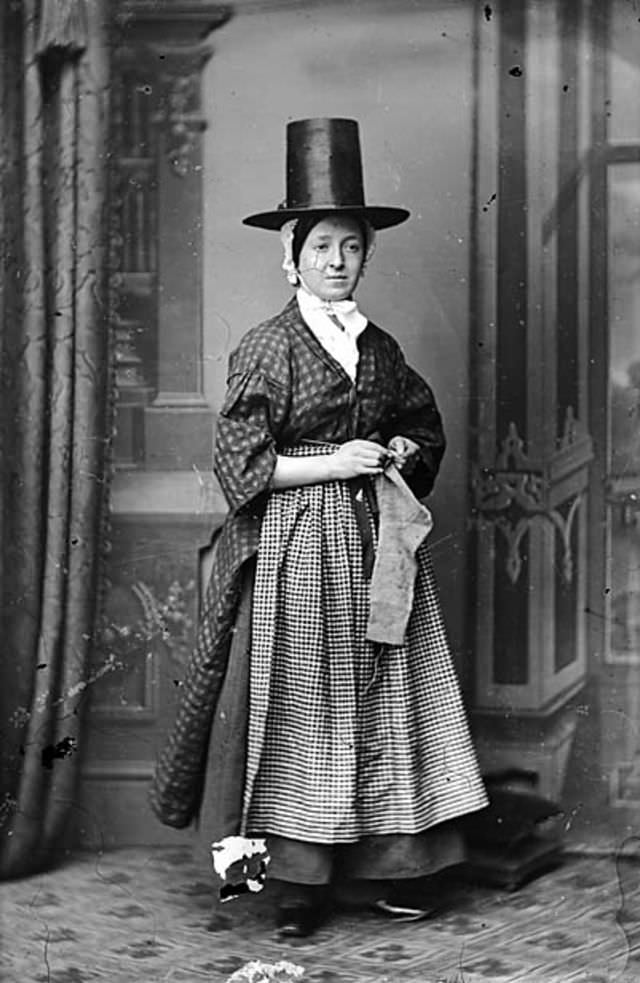
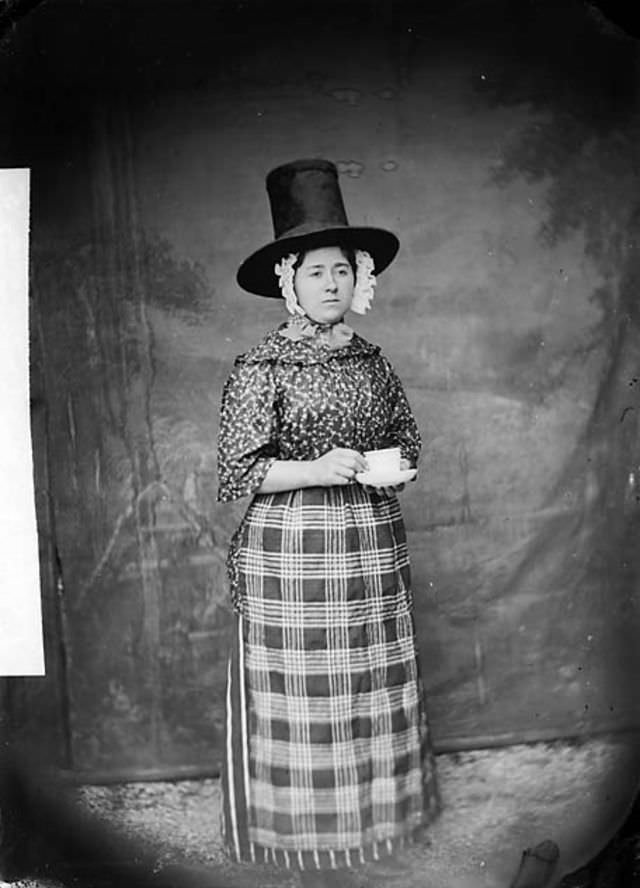
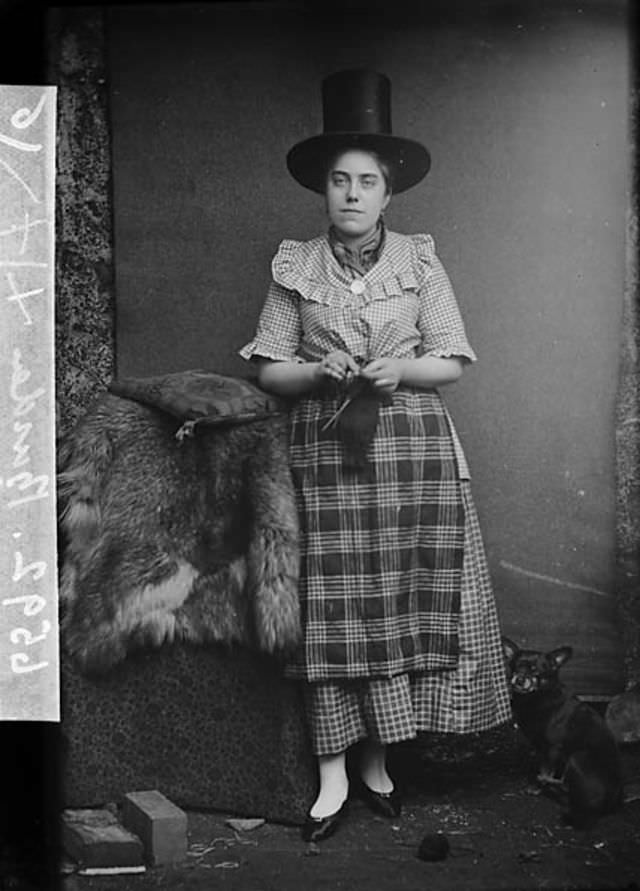
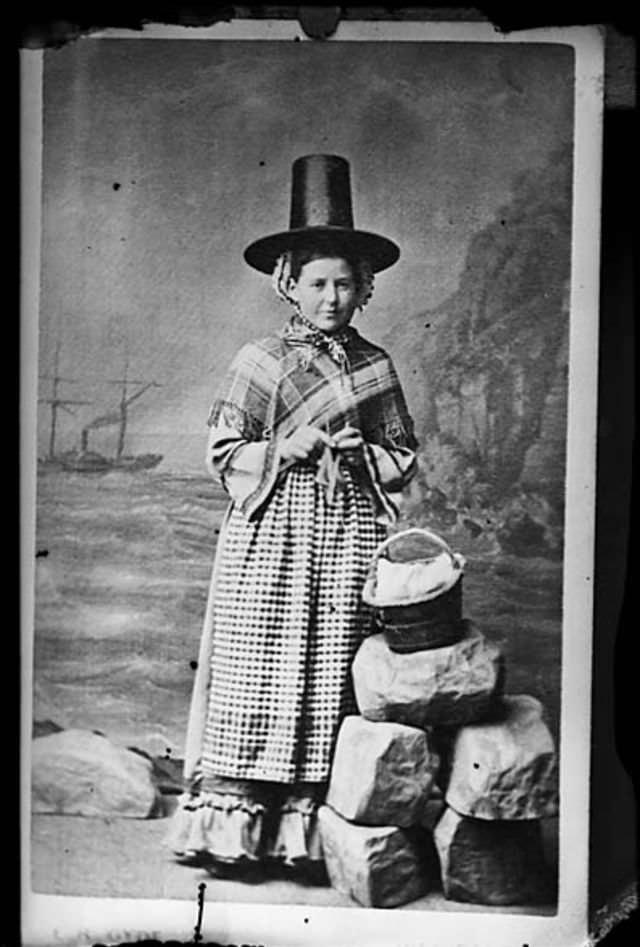
The clothing worn across these portraits follows a recognizable pattern. The women were dressed in a combination of three costume elements: a brightly patterned bedgown with a large collar, either mottled or spotted in design; an apron featuring bold checks or horizontal stripes; and a skirt with light-on-dark or dark-on-light lines. None of the women wore a shawl as part of this set. The neckerchiefs and stockings varied from subject to subject, indicating that those items belonged to the individual women rather than being part of a shared costume set.
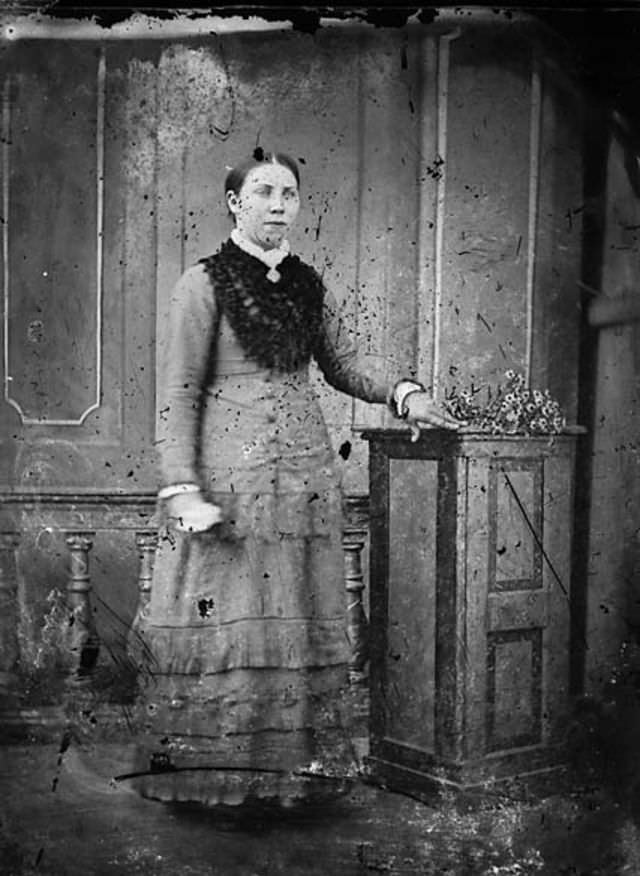
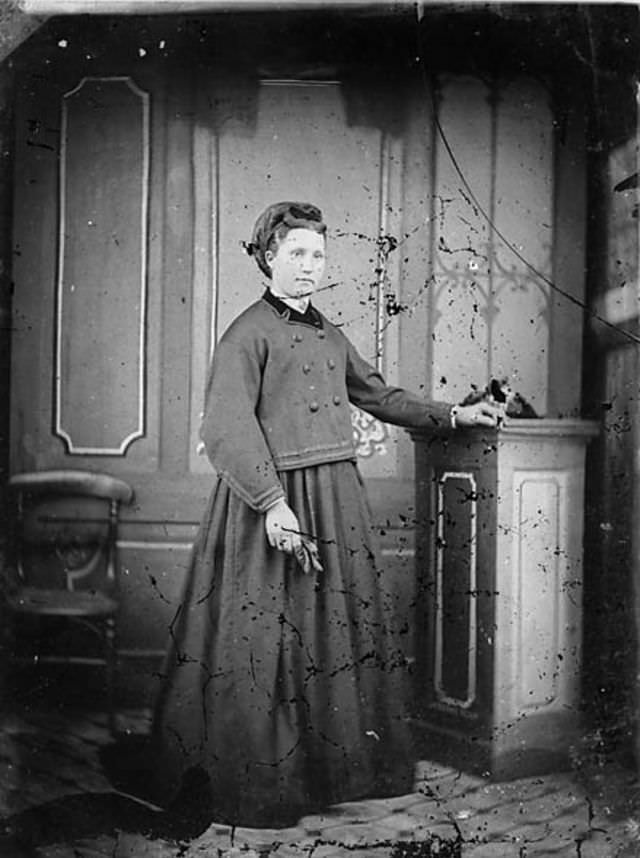
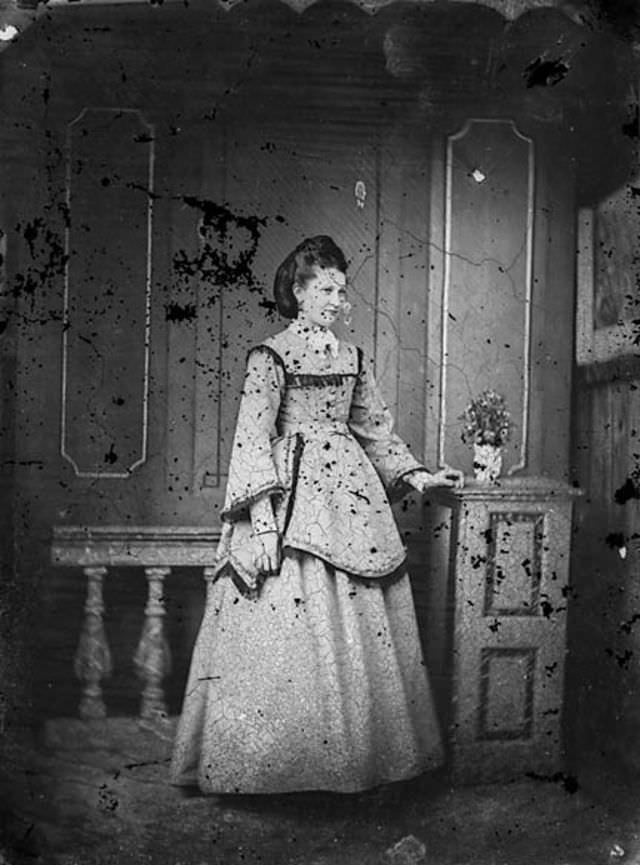
Many of the women, though not all, wore a frilled cap beneath a Welsh hat. The tall black Welsh hat had become a symbol of national identity by this period, and its appearance in these portraits reflects a conscious effort to represent Welsh cultural dress. The hat and cap combination was particularly associated with the image of Welsh womanhood that had grown throughout the 19th century.
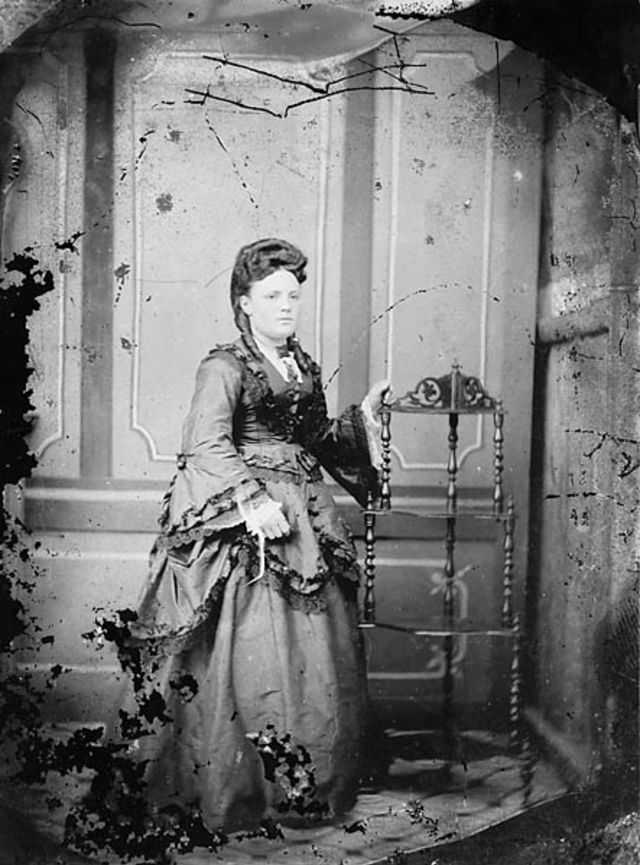
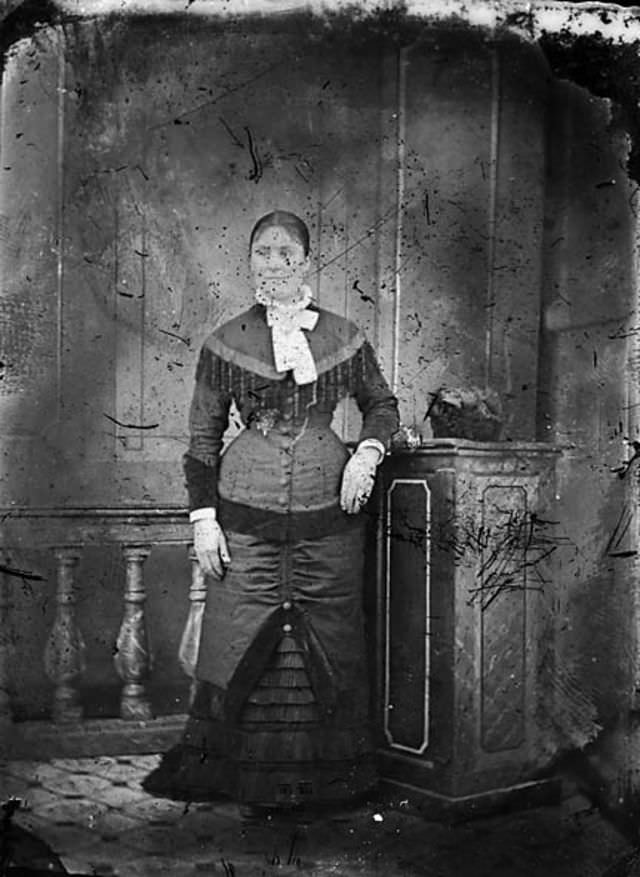
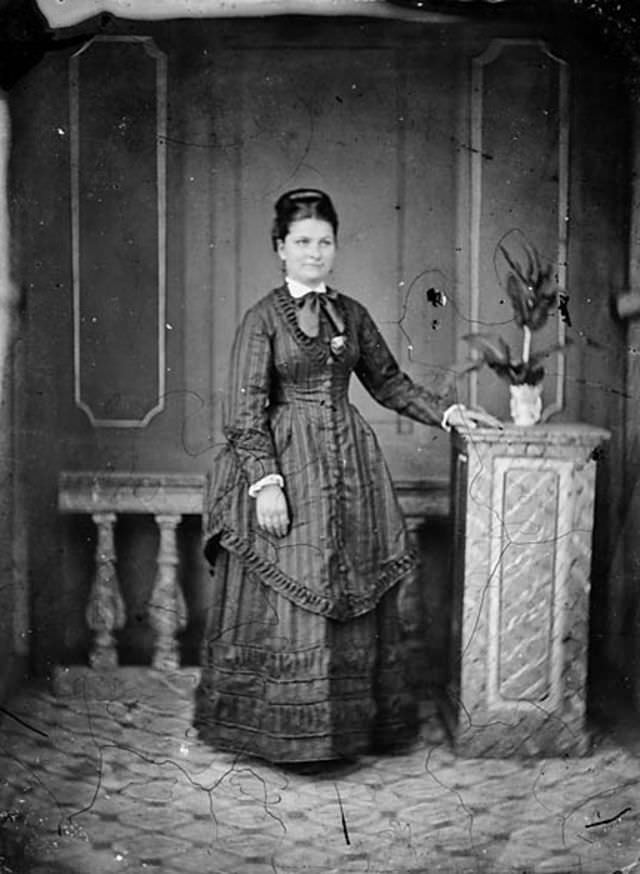
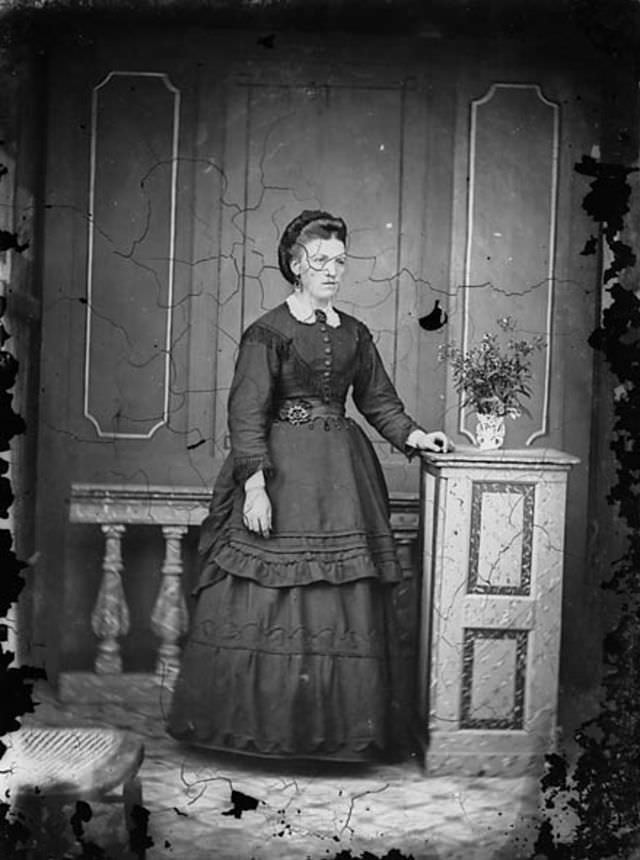
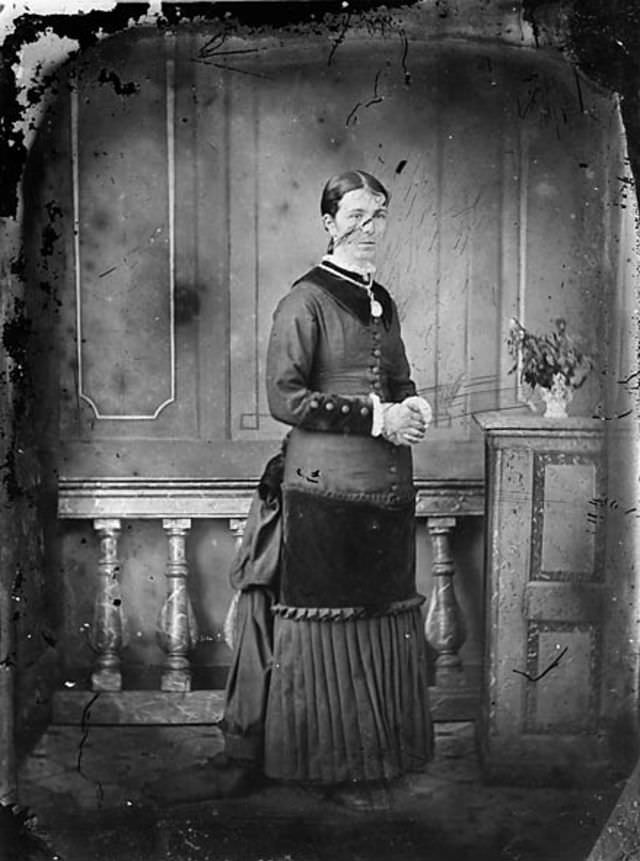
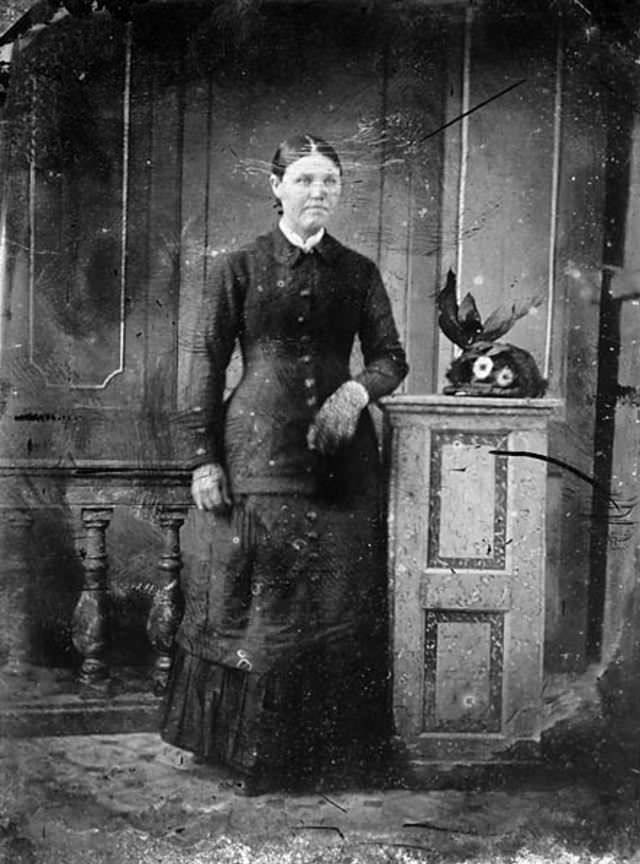
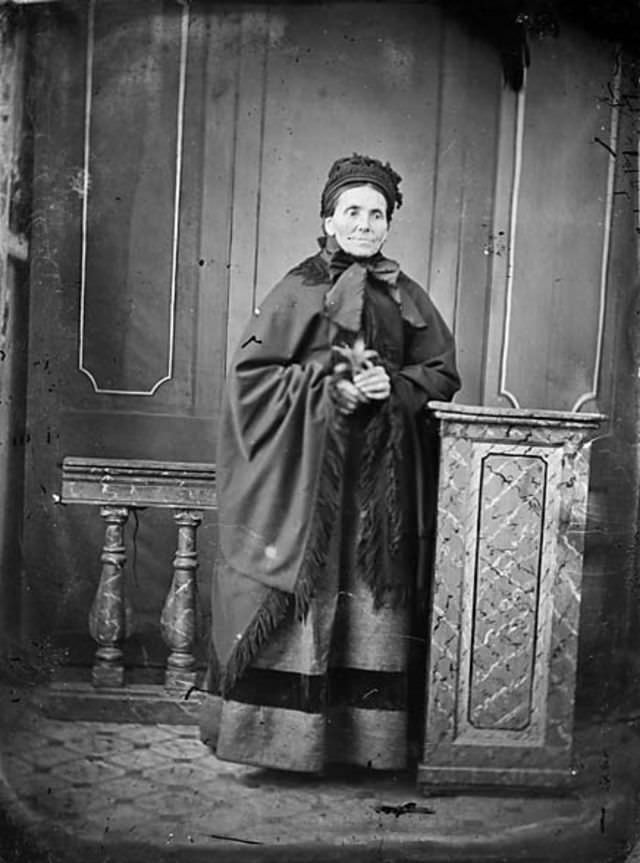
The older women in the collection wear noticeably different clothing, which suggests they brought their own garments rather than wearing a provided costume. A few appear in a tight-fitting, low-cut, short-sleeved top styled like a bedgown. In these cases, the lower half and back of the garment are not visible in the frame, and the front is covered almost entirely by a shawl.
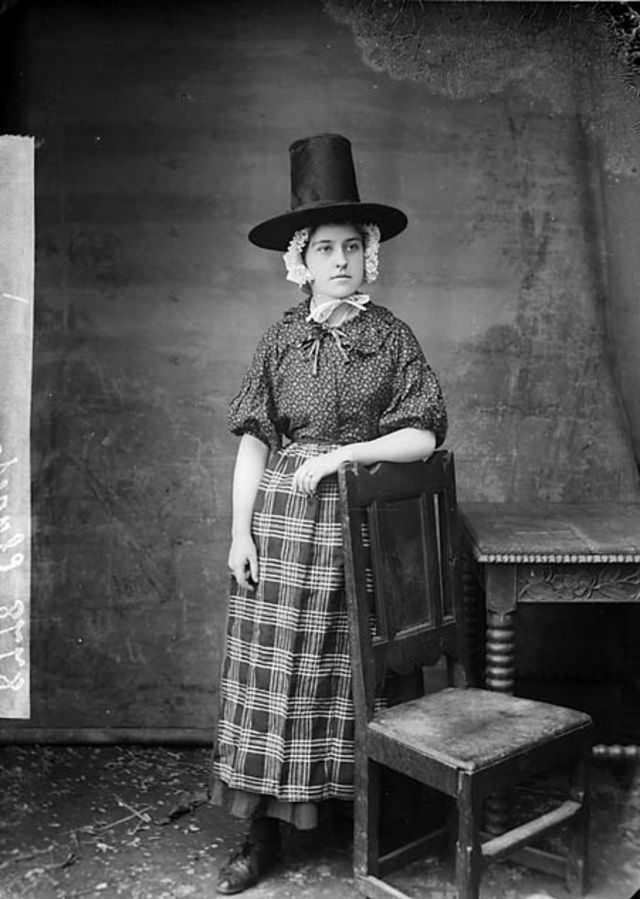
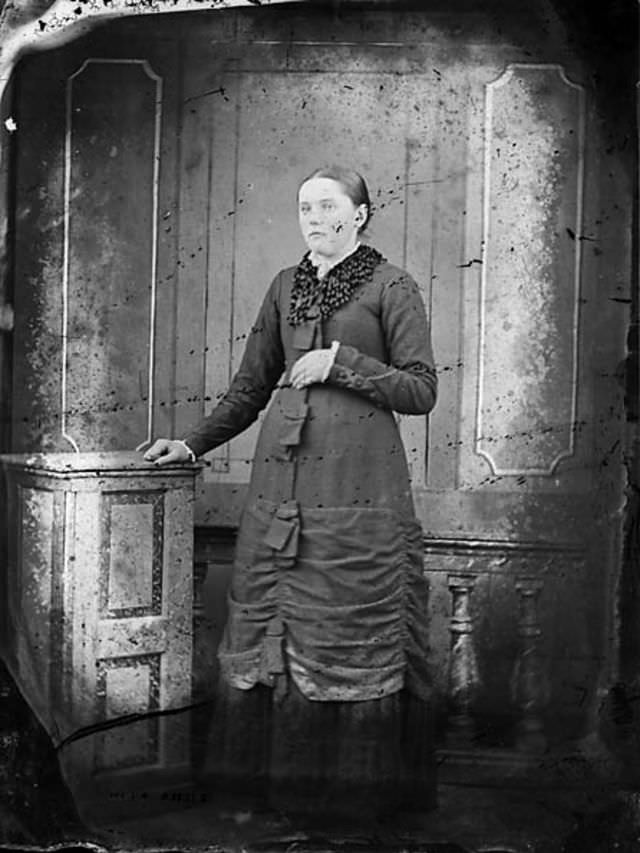
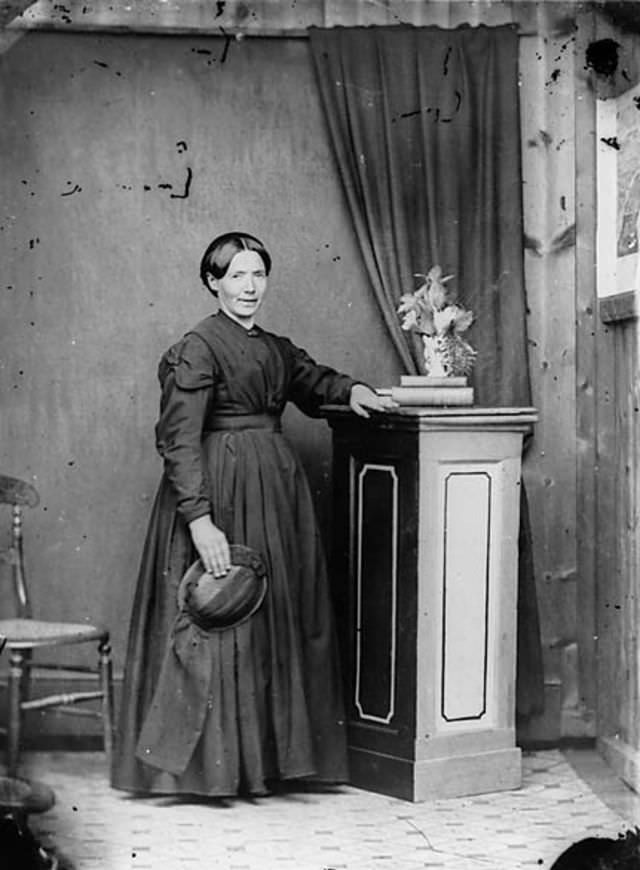
The majority of the women across the collection wear a delicate blouse, a shawl, a long striped skirt, and a check apron. Some also appear to be wearing separate sleeves on their lower arms — detachable sleeve pieces that were a practical feature of working dress in rural Wales during this era. These details, small as they are, help paint a fuller picture of what everyday and ceremonial dress looked like for Welsh women at the time.
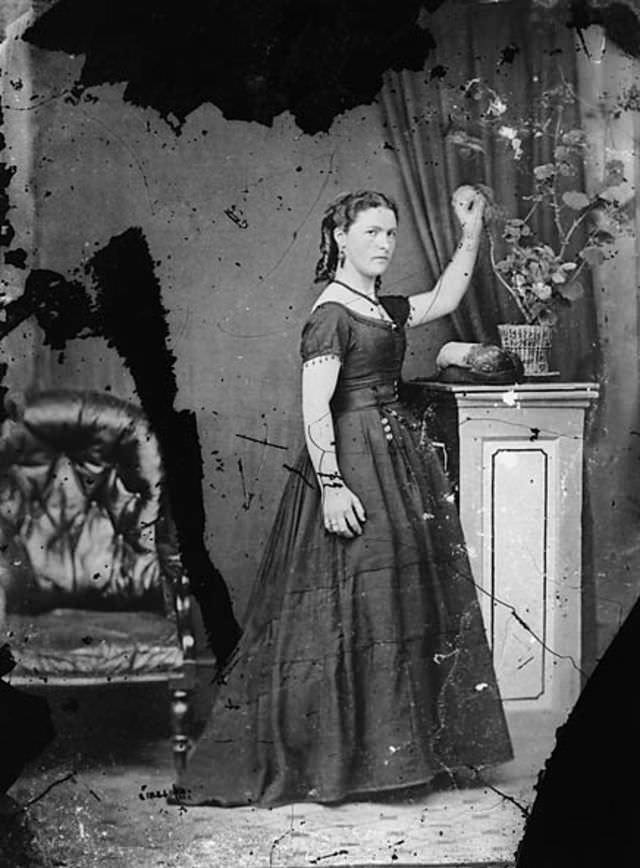
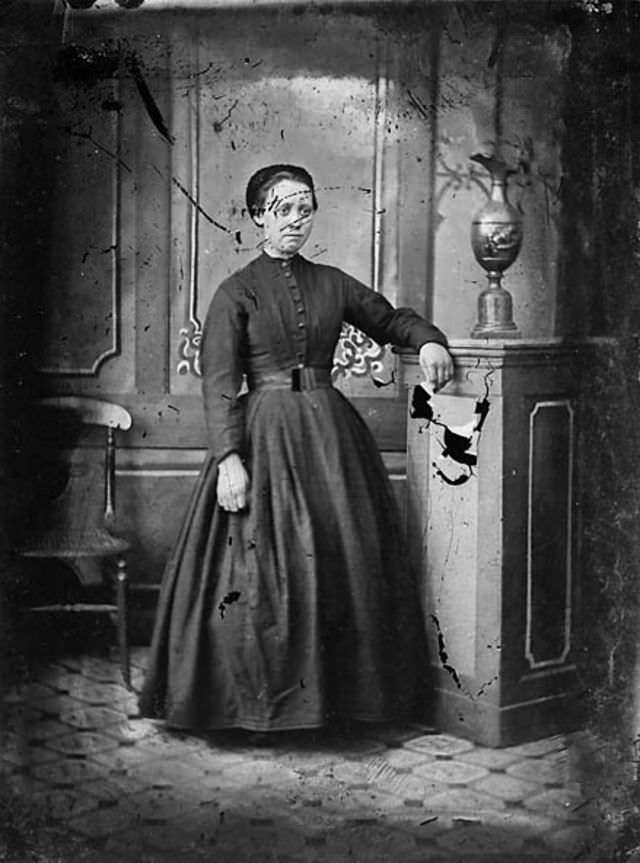
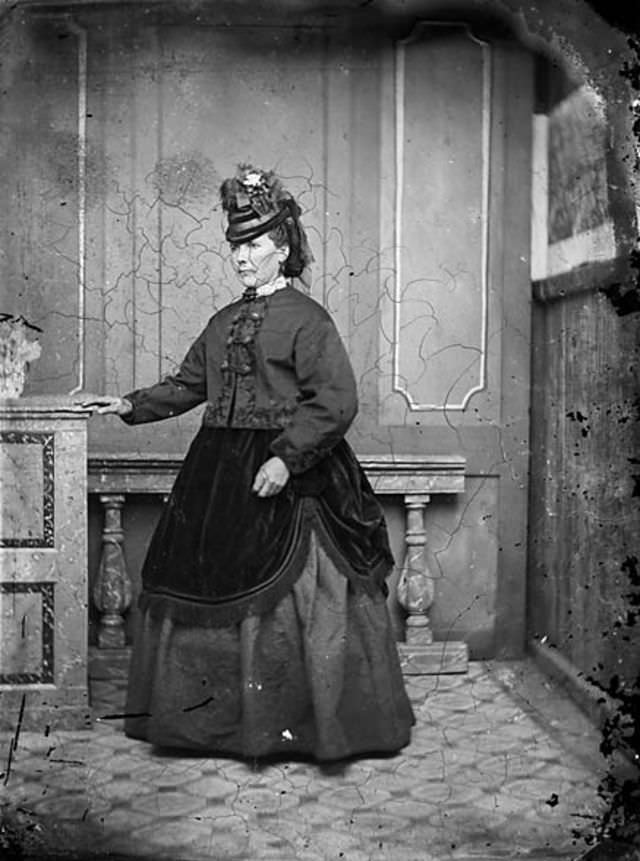
Thomas traveled widely through Wales to capture these images, visiting various towns and rural communities. His documentation was methodical — the labeling of names and places on most of the negatives shows a deliberate effort to record not just the costumes but the people wearing them. These were real women from real places, not anonymous models in a studio.
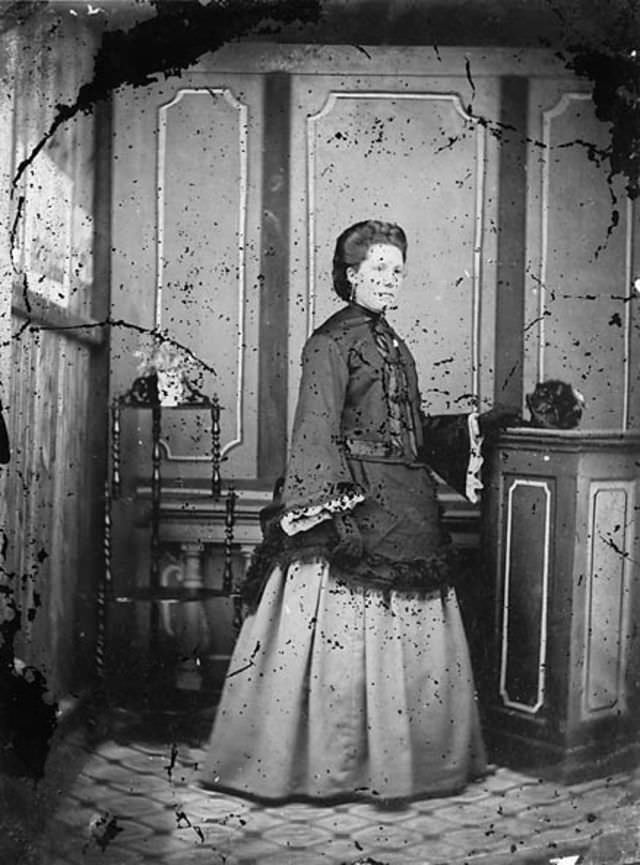
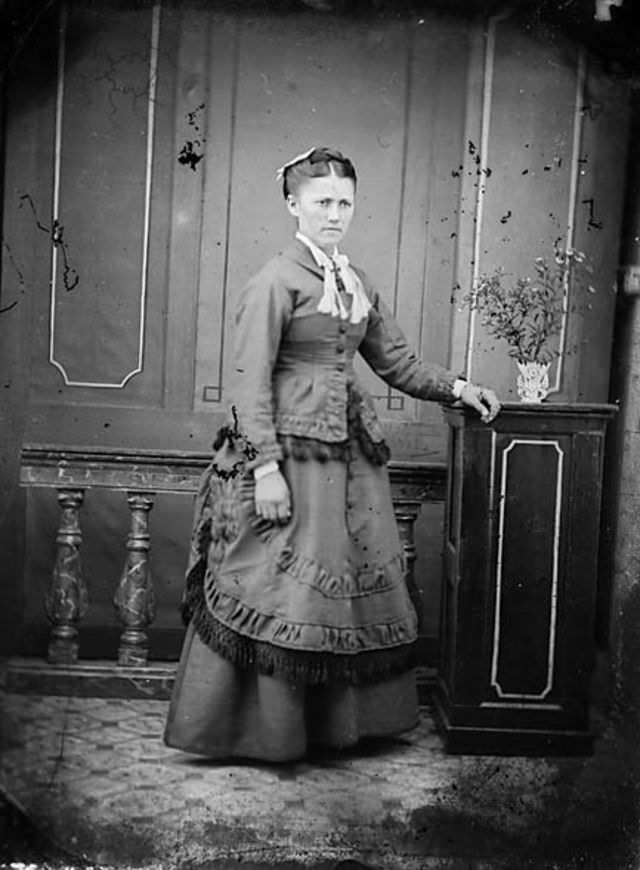
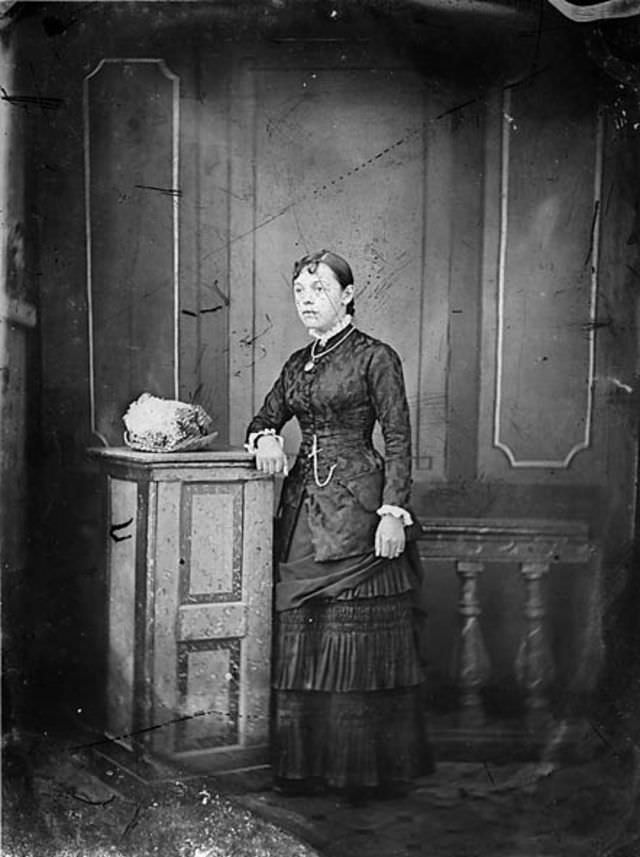
The portraits reveal a costume tradition that was already being carefully preserved and presented for the camera during the 1870s and 1880s. The standardized elements of the younger women’s dress — the patterned bedgown, the striped skirt, the check apron — point to a coordinated effort to document Welsh national dress in a consistent way.
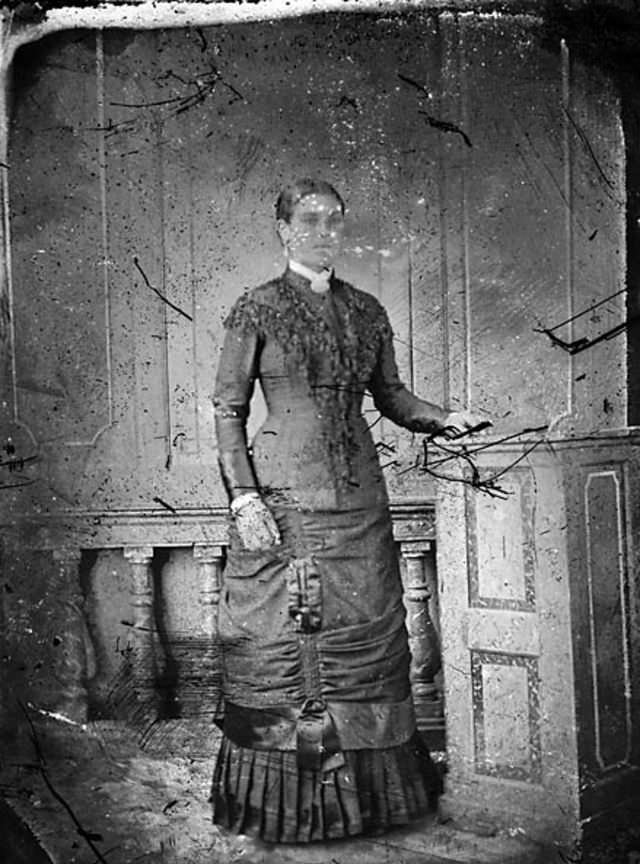
The variation in the older women’s clothing adds a layer of authenticity to the collection. Unlike the younger subjects, who appear dressed from a shared set of costumes, the older women show up in garments that are clearly their own. This distinction within the same collection makes it a richer and more layered historical document.
Alongside the portraits of women, Thomas also photographed Welsh buildings during his travels, leaving behind a broad visual archive of the country’s landscape and architecture. But his photographs of women in traditional dress stand apart. With nearly 100 surviving examples, identified by name and place, they form one of the most specific photographic records of Welsh national costume from the 19th century.