

The Freeman Brothers Studio holds a remarkable place in Australian history. Founded in 1854 by brothers William and James Freeman on George Street in Sydney, it became one of the country’s oldest photography studios — and it is still operating today, more than 160 years after it first opened its doors.
James Freeman learned the craft of photography from Richard Beard, a pioneering English photographer. He trained under Beard in England and spent eight years working in his studio before bringing that knowledge back to Australia. Together, William and James built a studio that drew Sydney’s cultural elite through its doors.
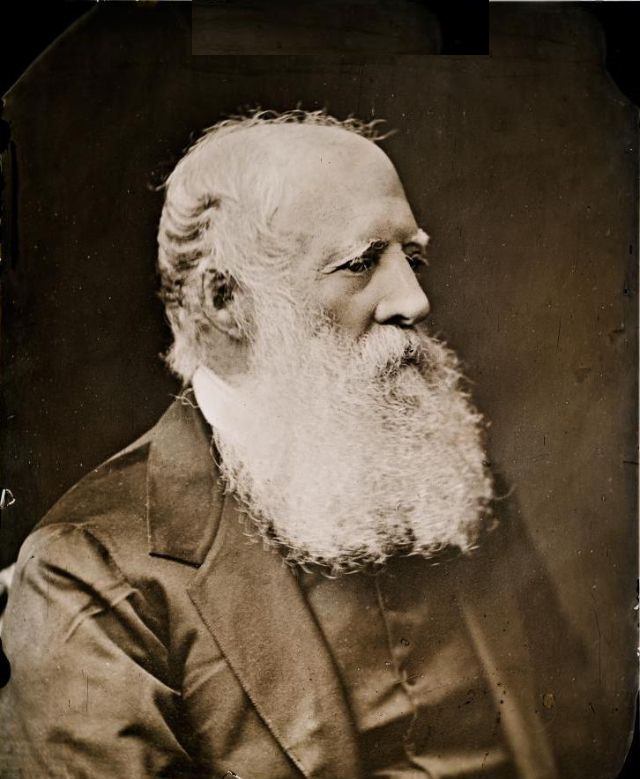
The brothers used the most advanced photographic techniques available at the time. Their process list included daguerreotypes, ambrotypes, and collodion glass plates, as well as flexible sheet negatives. From these, they produced finished prints in albumen, gelatin, and platinum — printed onto card, glass, and paper. The results were sharply detailed portraits that captured their subjects with a clarity rarely seen before. One of their earliest notable sitters was the Reverend W. B. Clarke, photographed sometime between 1865 and 1875.
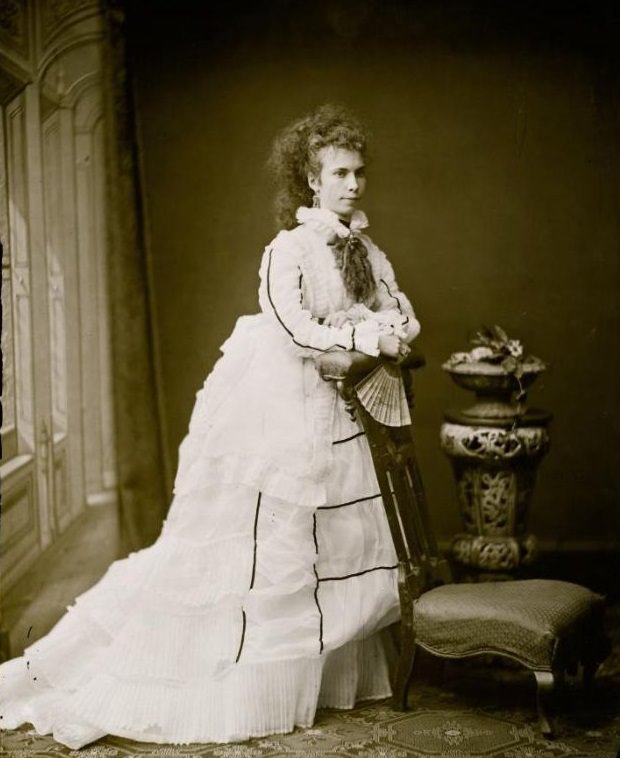
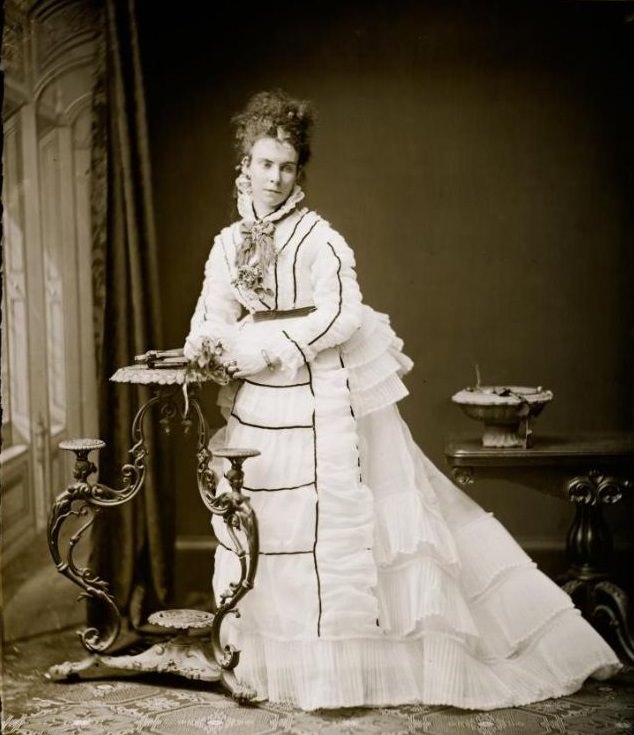
By the 1870s, the Freeman Brothers Studio was regularly photographing well-known Sydney families and public figures. The Munro family was among those who sat for formal portraits during this period. Miss Munro was photographed twice, each sitting producing a distinct and carefully composed image.
Mr. Munro also sat for the studio during the same decade. Like many men of his social standing in colonial Sydney, he presented himself in formal dress, the standard expectation for a studio portrait at the time.
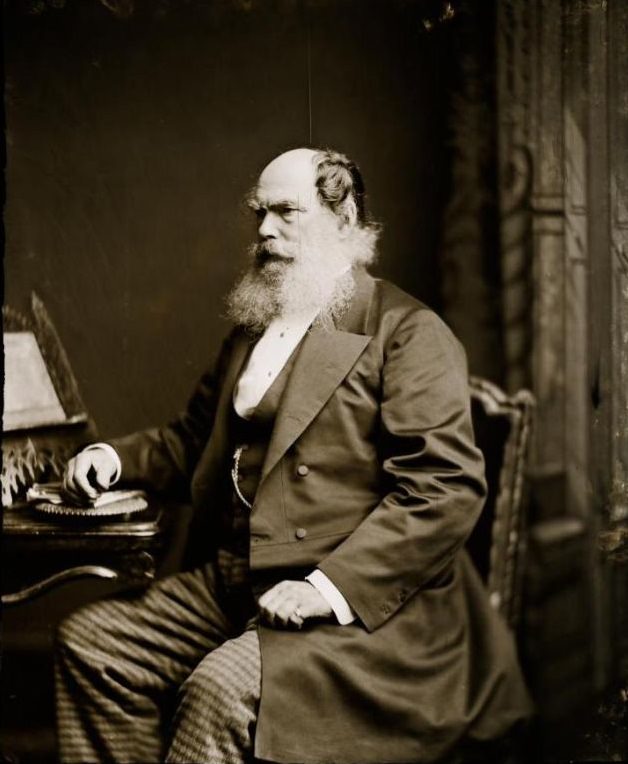
The Solomon family were among the studio’s other notable clients from this era. Both Mr. Solomon and Mrs. Solomon sat separately for their portraits, as was common practice for married couples in the Victorian period.
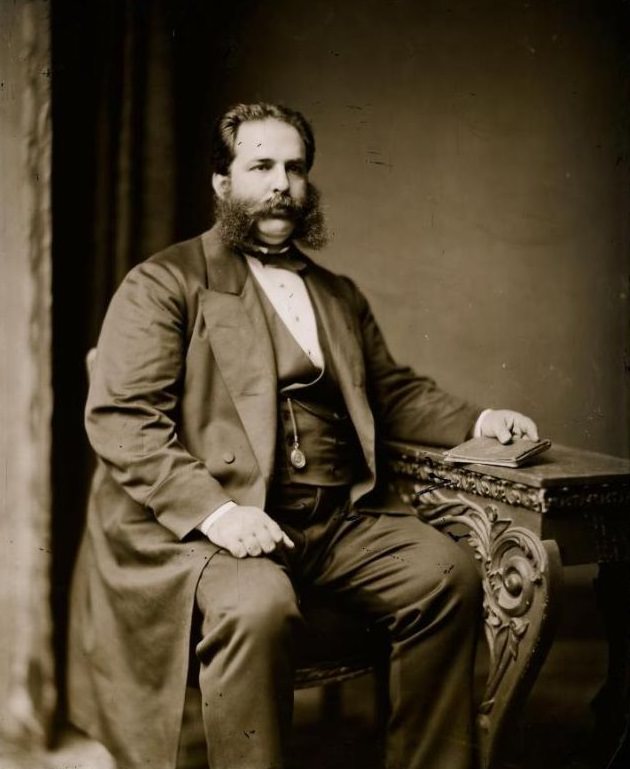
Mr. York was another sitter from this period whose portrait survives in the studio’s archive. His image, like many from the Freeman Brothers collection, gives a direct and unguarded look at how ordinary Sydneysiders of means presented themselves in front of a camera.
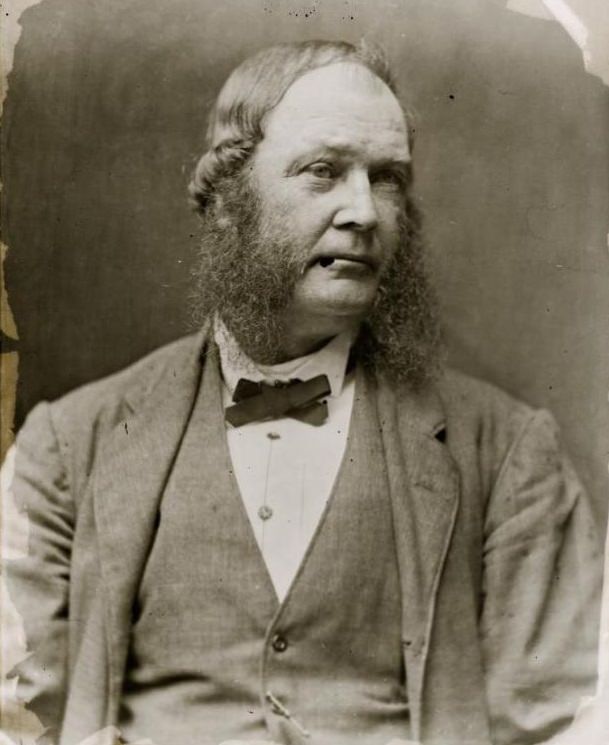
Several other men were photographed by the Freeman Brothers during the 1870s, including Mr. Bell, Mr. Foster, Mr. Hume, Mr. Peters, and Mr. William Moore. Each portrait reflects the studio’s consistent approach — controlled lighting, formal posture, and careful attention to the subject’s clothing and expression.
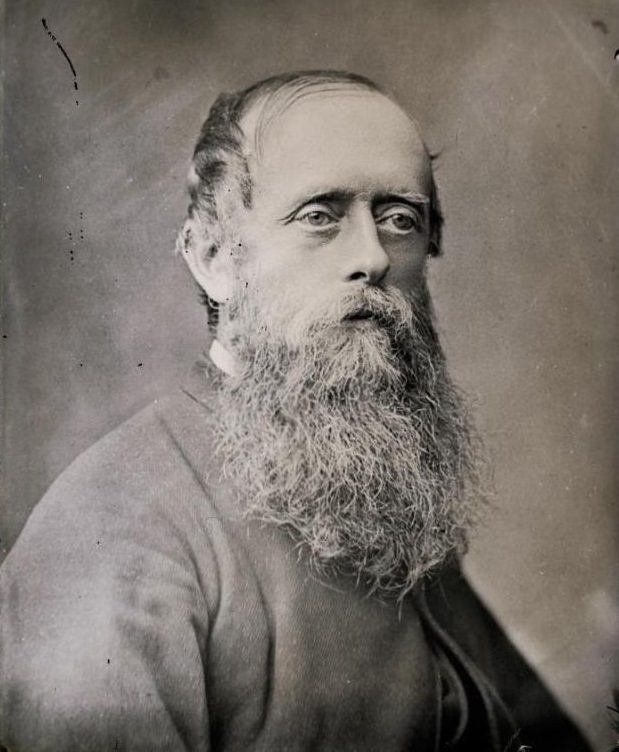
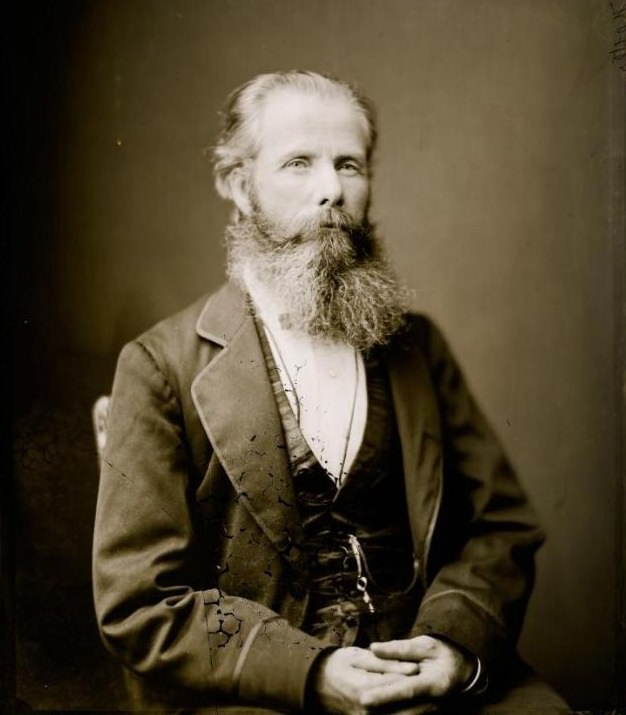
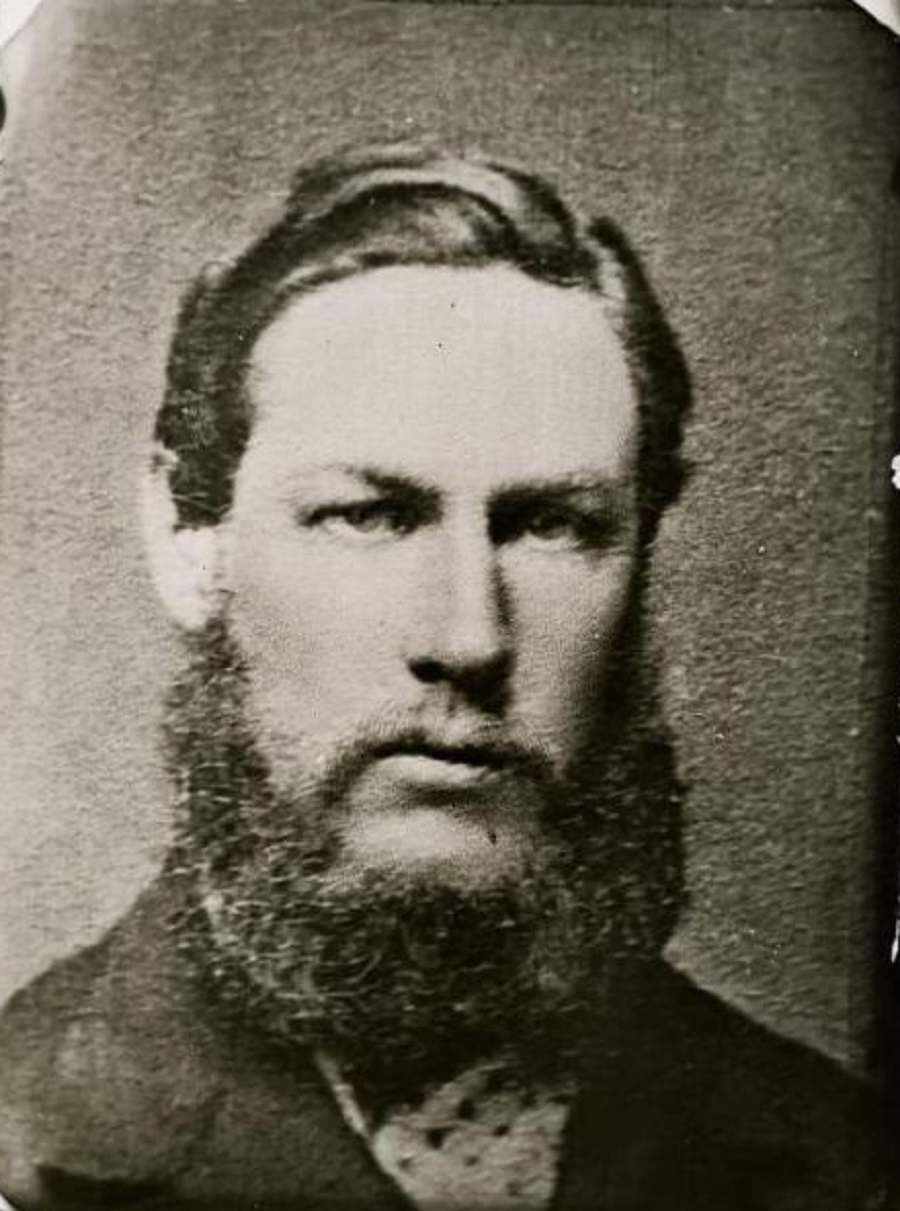
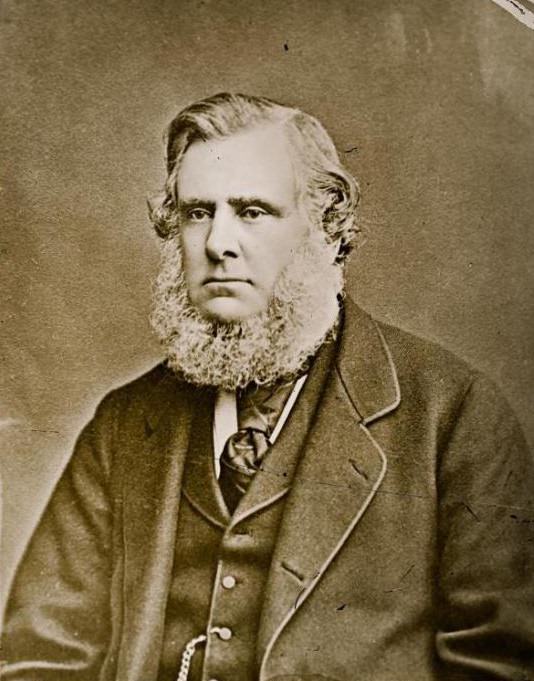
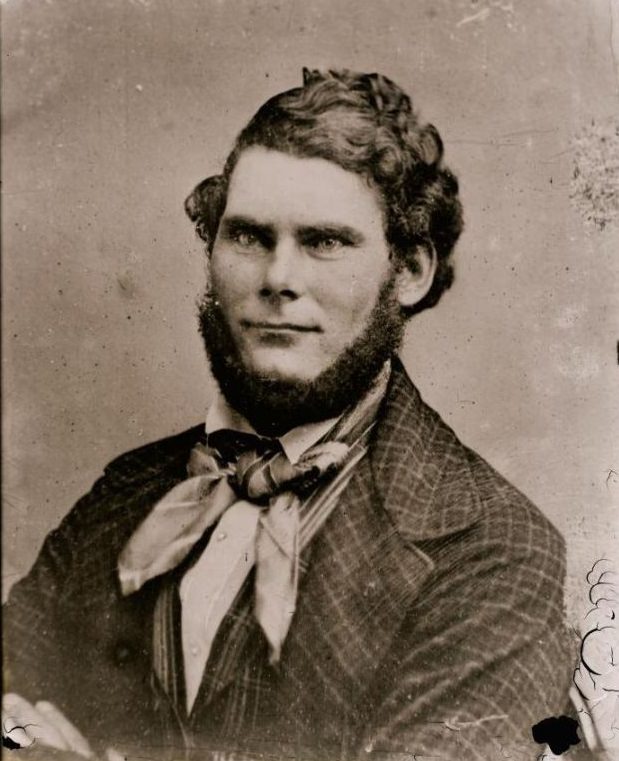
The women photographed at the Freeman Brothers Studio during this decade are equally compelling. Mrs. Jenkins, Mrs. Moore, Mrs. Solomon, Mrs. York, and Mrs. Davis each sat for formal portraits. Their clothing — high collars, layered fabrics, and fitted bodices typical of the 1870s — tells as much about the period as the photographs themselves.
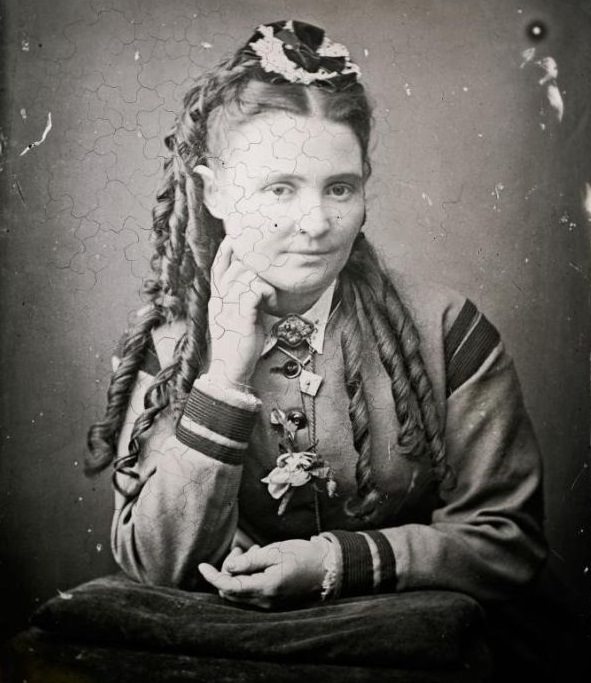
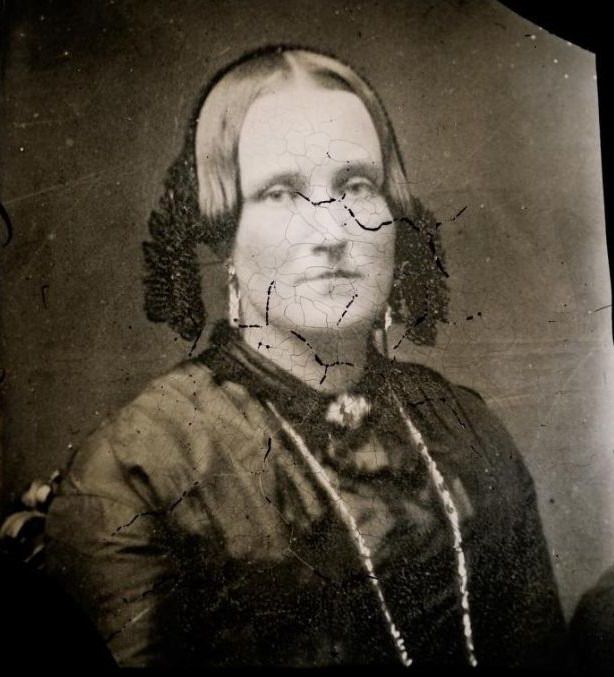
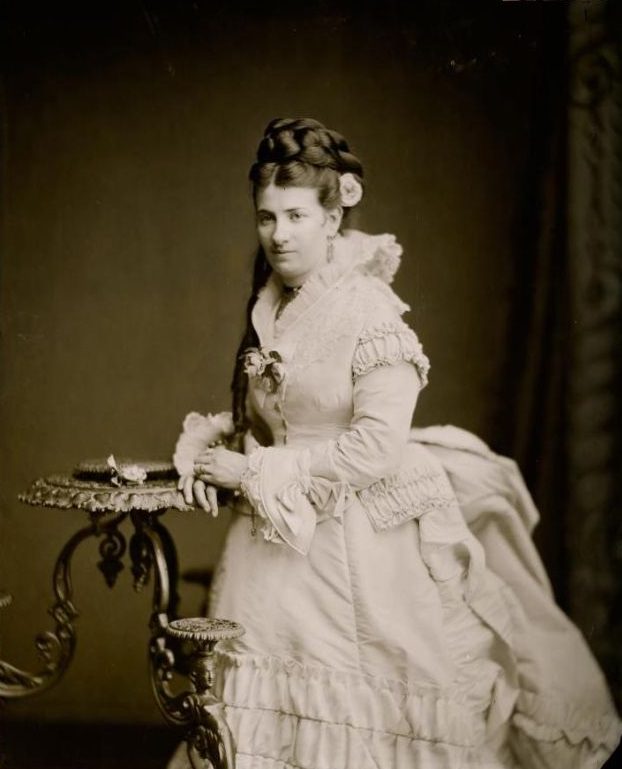
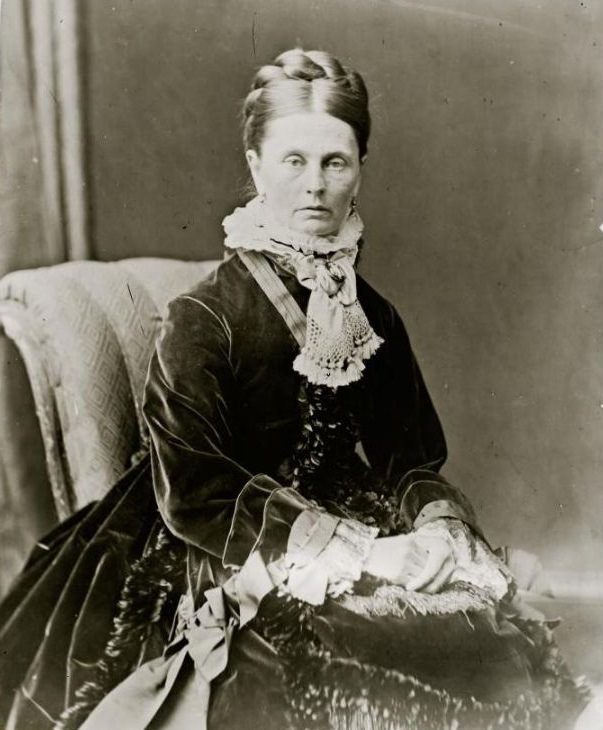
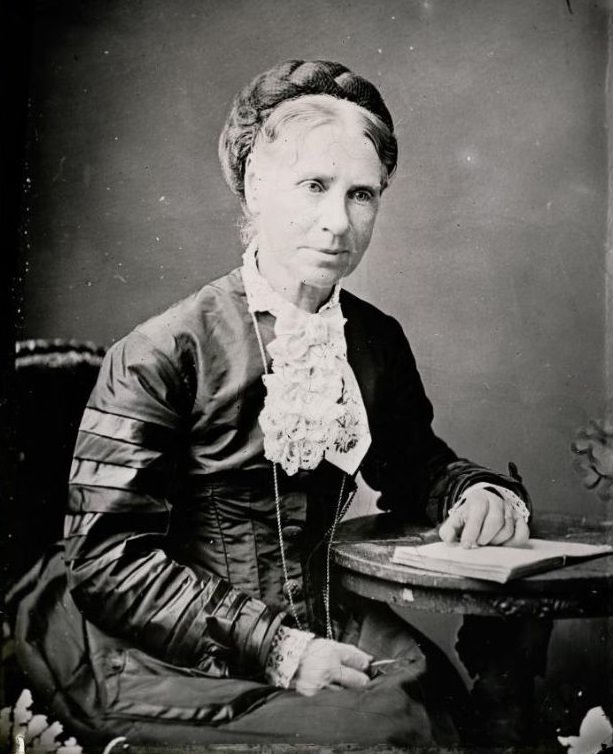
Not every person who walked through the studio’s doors has been identified. Several portraits from the 1871–1880 period show unidentified men and women whose names were either never recorded or have been lost over time. Their faces survive in the photographs, even if their identities do not.
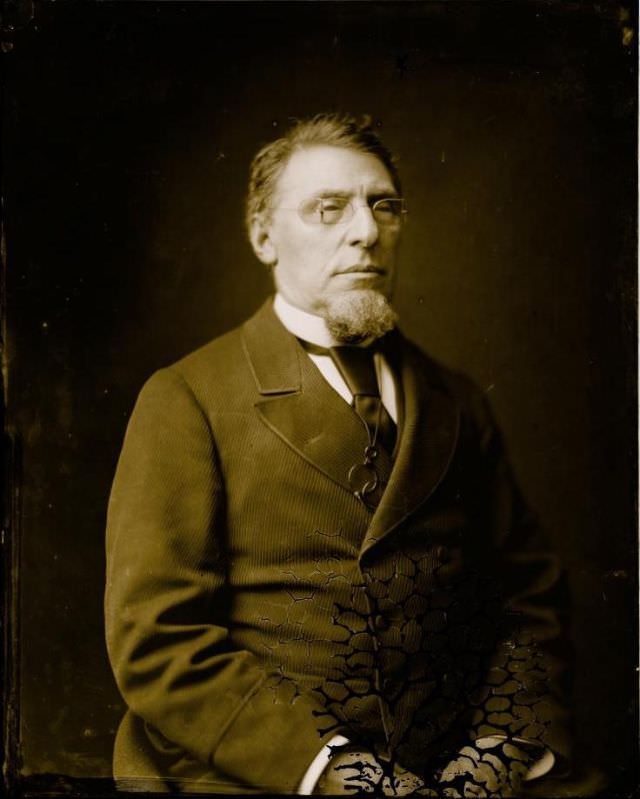
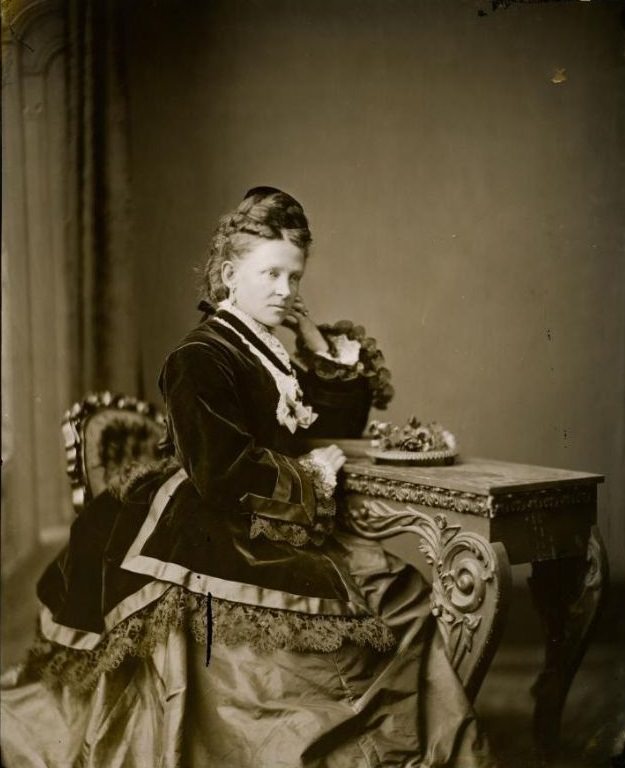
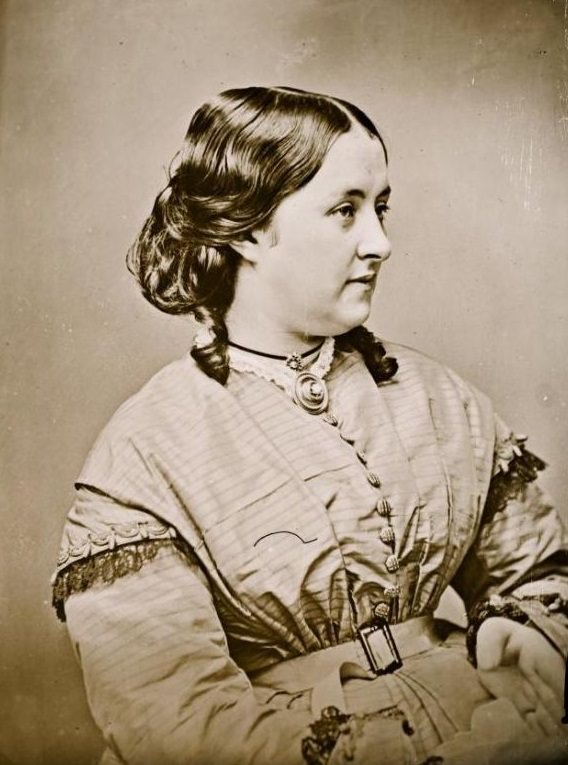
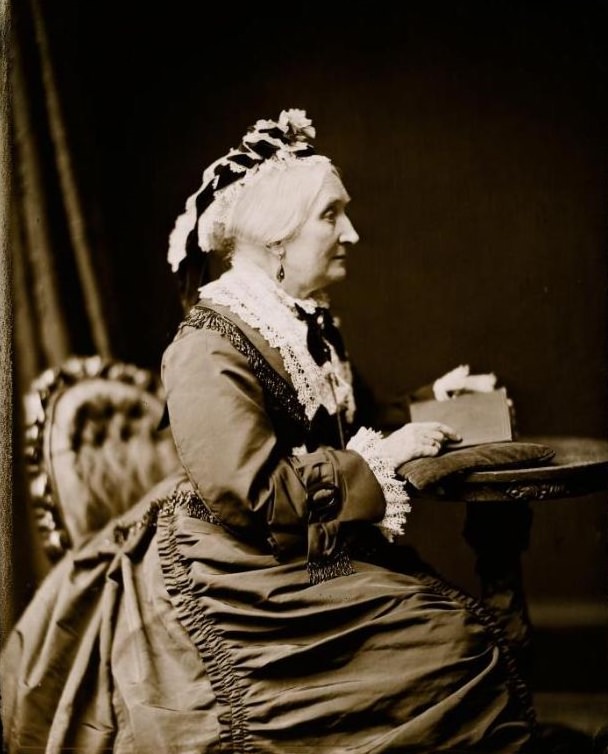
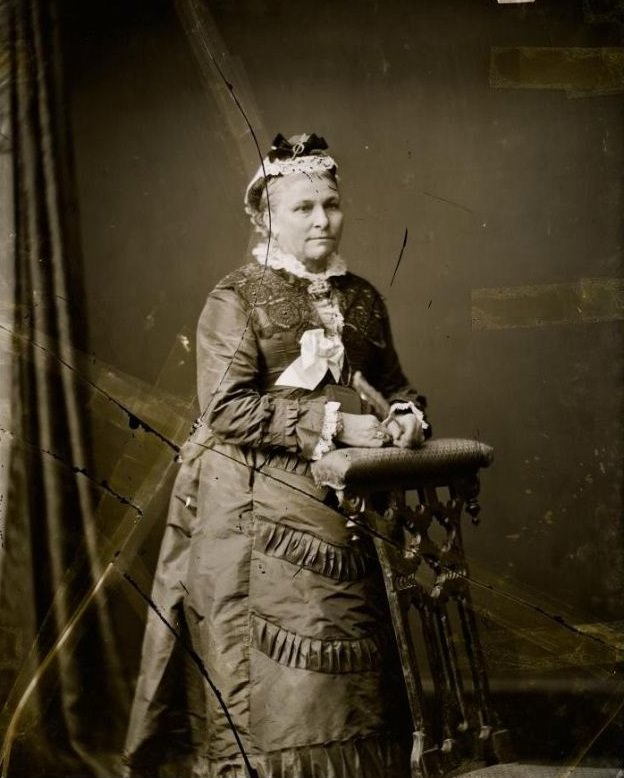
Among the most prominent public figures photographed by the Freeman Brothers was Sir Hercules Robinson, who served as Governor of New South Wales from 1872 to 1879. His portrait was taken during his time in office, placing it firmly within that window. Robinson was one of the highest-ranking officials in colonial Australia at the time, and his presence in the studio’s portfolio speaks to the kind of clientele the Freeman Brothers regularly attracted.
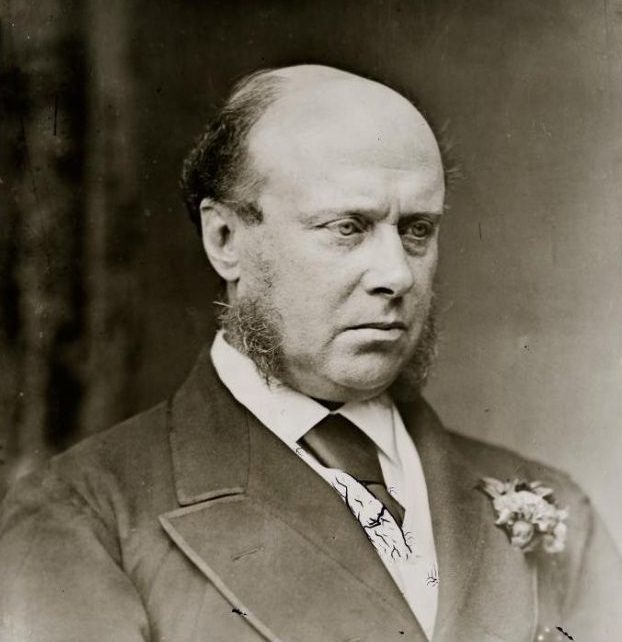
Young Master Munro was also photographed at the studio around this era, adding a generational dimension to the Munro family’s presence in the archive. Children’s portraits were a common request from wealthy families, who saw studio photography as a way to document their family’s life and standing.
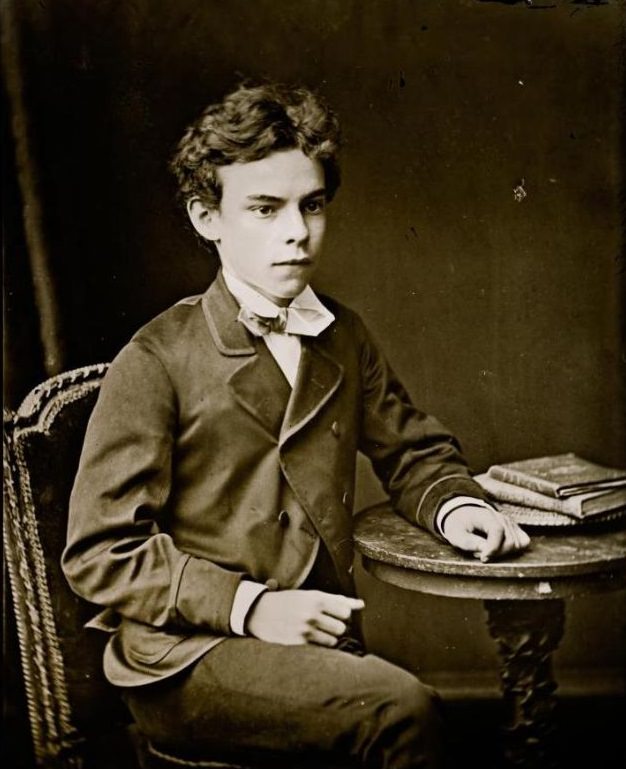
The studio also photographed performers. In 1876, Eduardo Majeroni was captured in character as part of a production called “The Old Corporal.” Theatrical portraits were a popular genre in Victorian-era studios, and the Freeman Brothers produced them with the same technical precision they brought to their formal sittings.
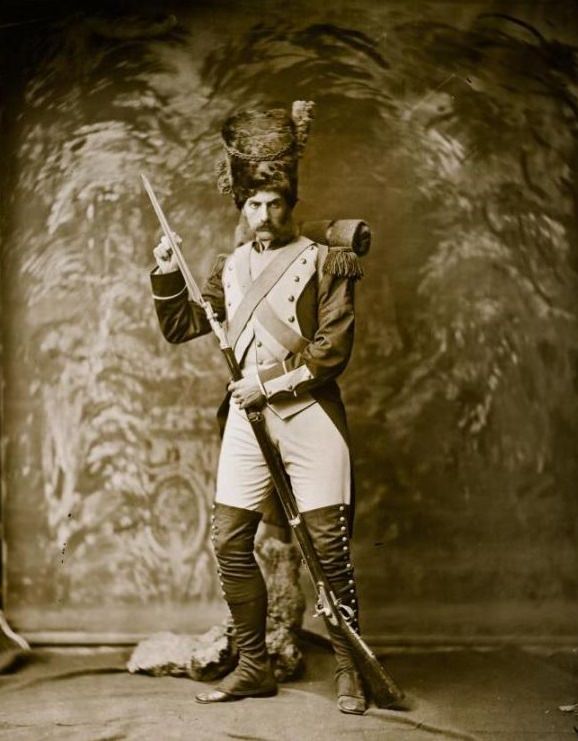
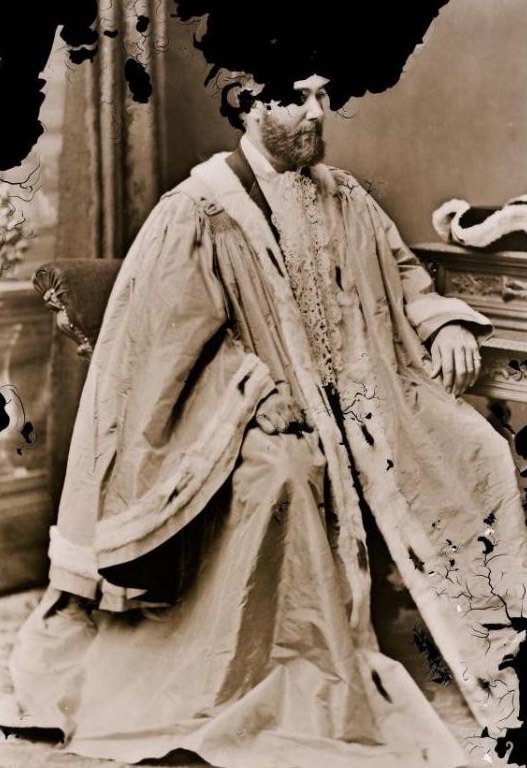
Charles James Roberts, who served as Mayor of Sydney between 1878 and 1879, was another significant figure to sit for the Freeman Brothers during this period. His portrait was taken while he held office, making it one of the studio’s most historically notable images from the decade.
Did they even have women vicars then?