Long before mainstream audiences knew the word “voguing,” Harlem’s ballroom scene had already built its own world. Starting in the 1980s, balls were competitive events where men faced off in categories judged on dancing, runway performance, and the convincingness of their drag. The judging was sharp and the stakes were personal. These were not casual gatherings — they were highly organized events with houses, each functioning like a chosen family, competing fiercely against one another for trophies and bragging rights.
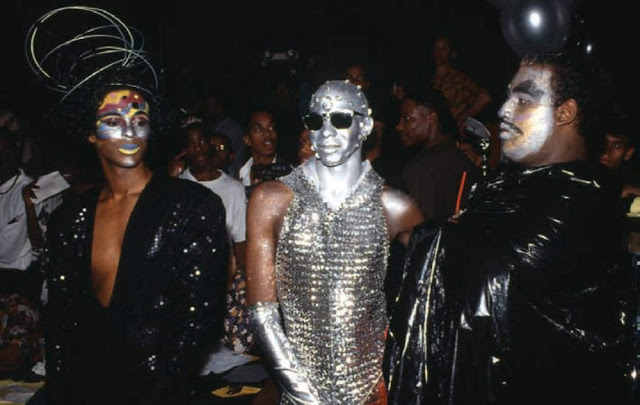
The dance style at the center of it all was voguing. Competitors moved through precise poses drawn from high-fashion magazine spreads, blending that with fluid footwork and dramatic floor moves. The name came directly from Vogue magazine. The goal was to “sell” a look and an attitude — to be completely convincing in the moment. Judges rewarded precision, showmanship, and the ability to embody a category’s theme from head to toe.
The house system gave the scene its backbone. Houses were led by a “mother” or “father” figure and recruited younger members, many of whom had been rejected by their biological families. The house name was worn like a badge — House of Xtravaganza, House of Ninja, House of Pendavis — and competing under it carried real meaning. Winning at a ball brought honor to the entire house.
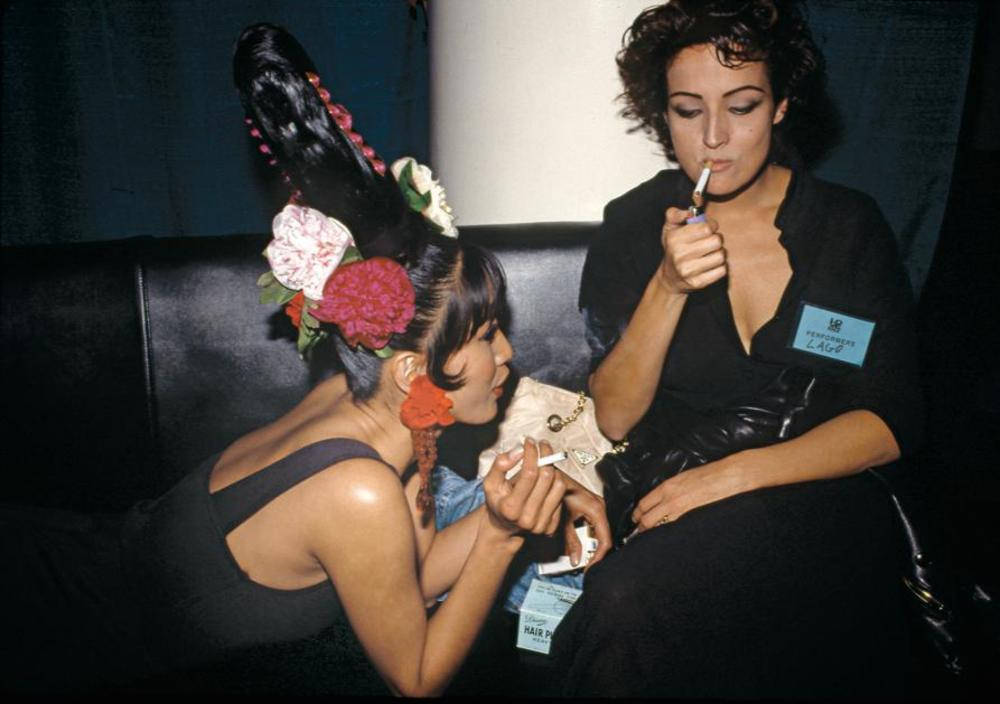
By the late 1980s, the outside world was starting to pay attention. Malcolm McLaren released “Deep in Vogue” in 1989, and it became his only number-one single. Madonna’s exposure of ball culture followed, bringing the scene to a global audience. Once the mainstream declared ball culture fashionable, the spotlight shifted — though the scene itself had been thriving for years without any outside validation.
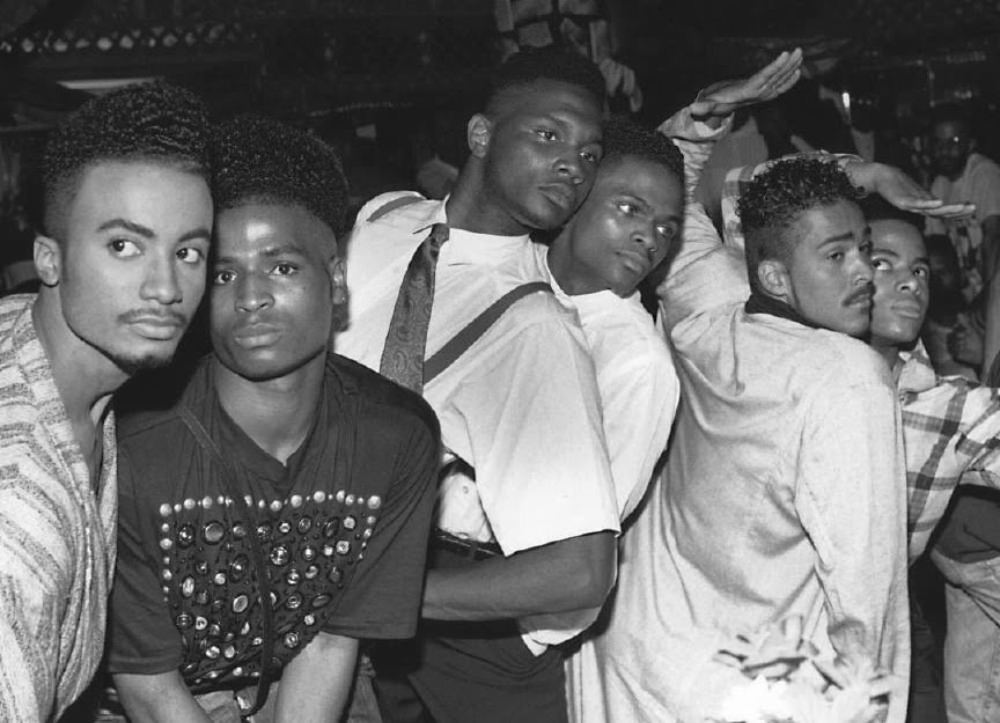
It was during this exact window that French-born photographer Chantal Regnault began documenting the ballroom world. Born in France, she moved to New York in the years following the 1968 uprisings and spent the next 15 years there. By the end of the 1980s, she had become embedded in Harlem’s voguing scene and started shooting it seriously.
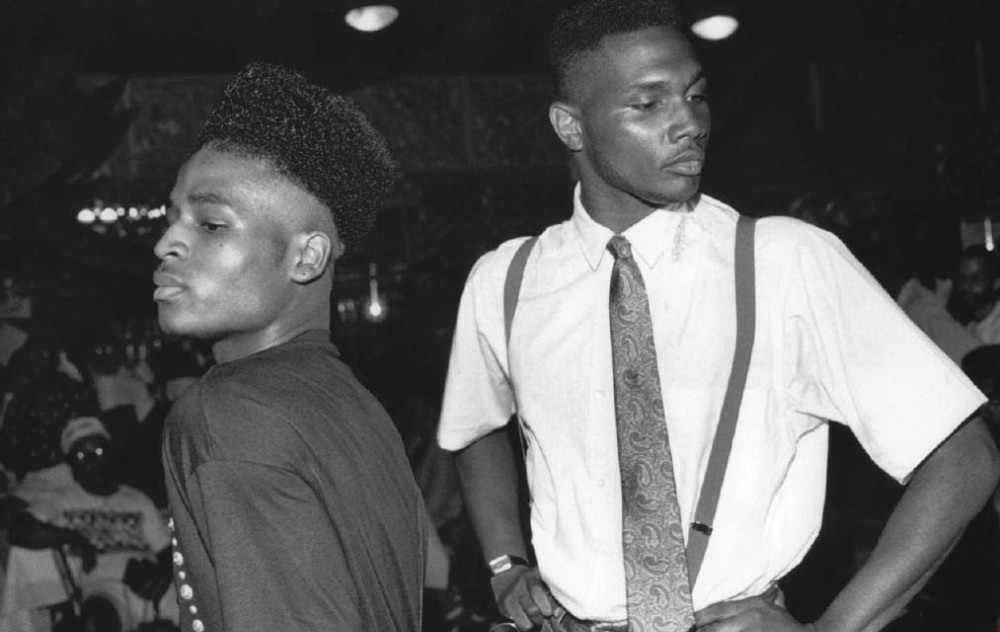
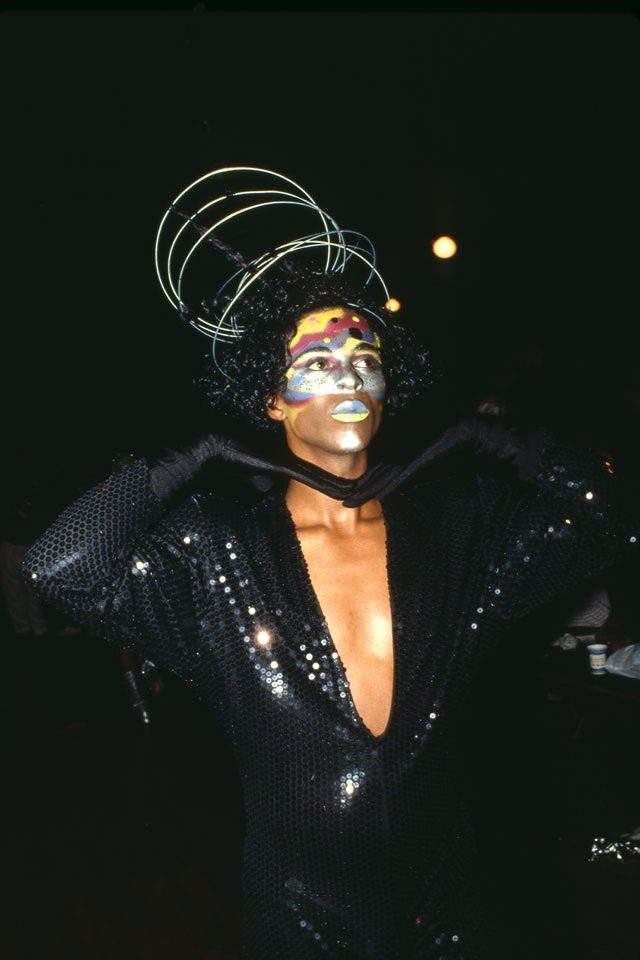
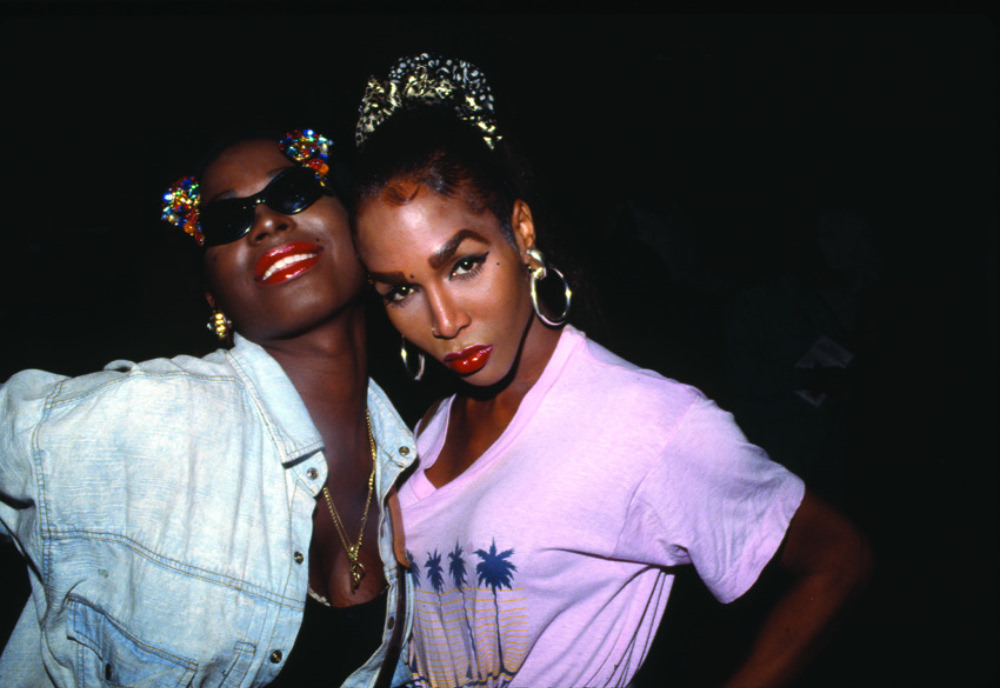
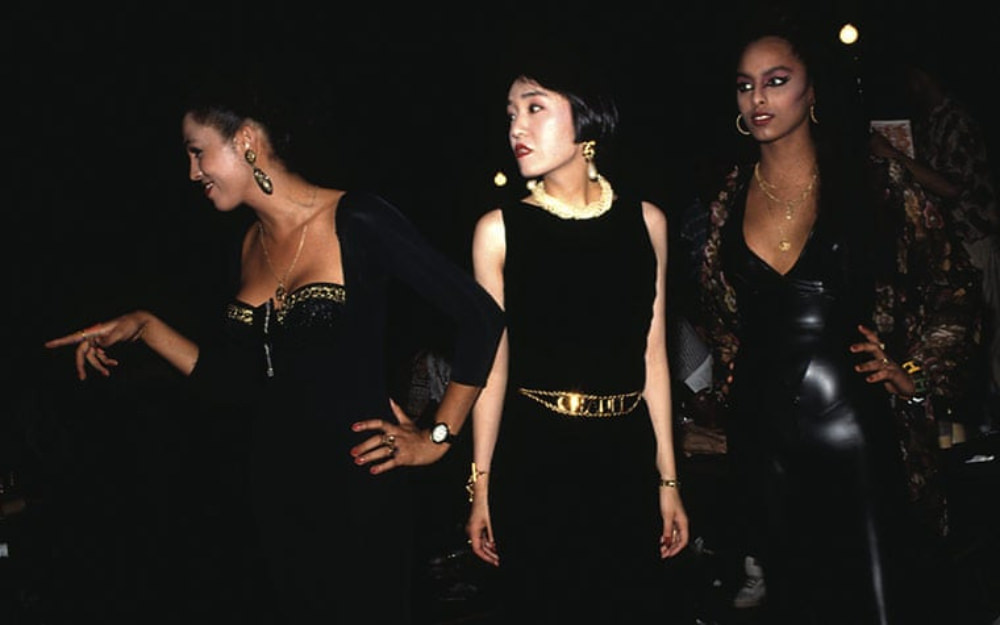
Regnault photographed the scene at its peak between 1989 and 1992. Her access was genuine — she was not parachuting in as a curious outsider but had built real relationships within the community. That closeness shows in the images, which capture both the spectacle of the balls and the quieter, more personal moments around them.
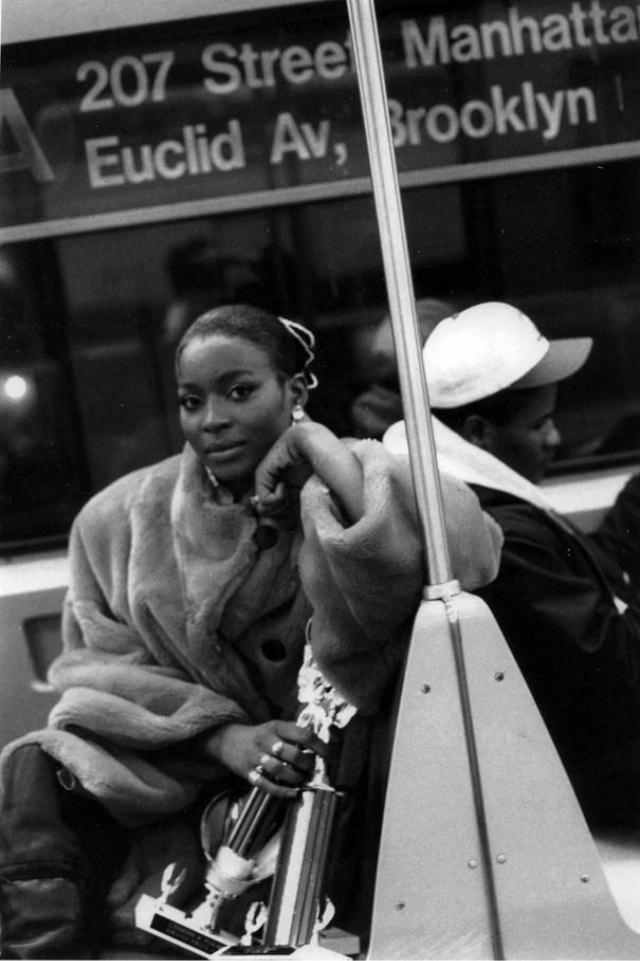
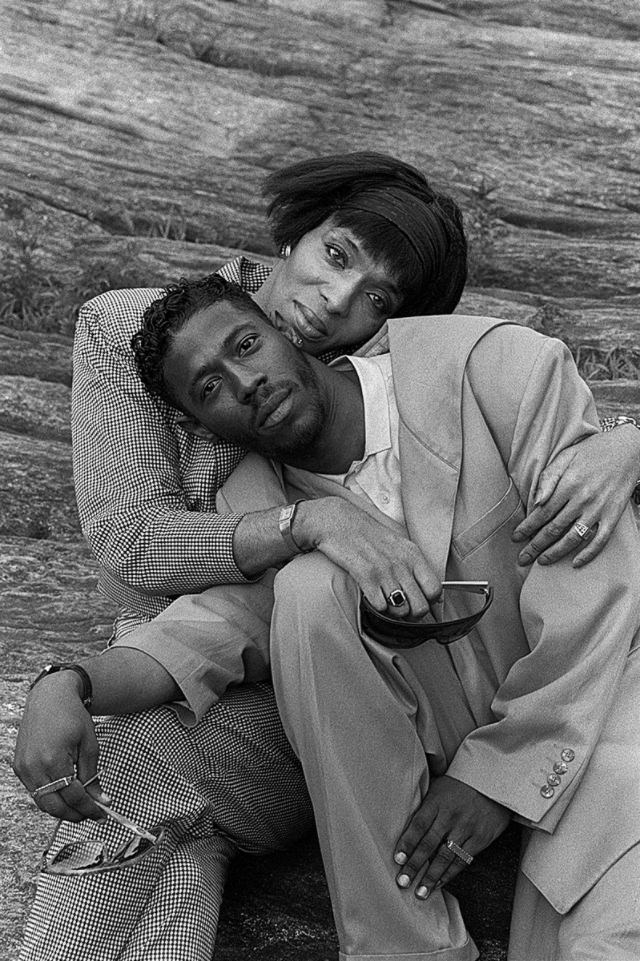
The balls themselves were theatrical in scale. Lighting rigs, music, and a live MC kept the energy high throughout the night. Each category had its own rules about what contestants needed to wear, how they had to move, and what they were being judged on. Some categories rewarded realness — how well a competitor could pass as a straight, working professional, for instance — while others were purely about dance or costume.
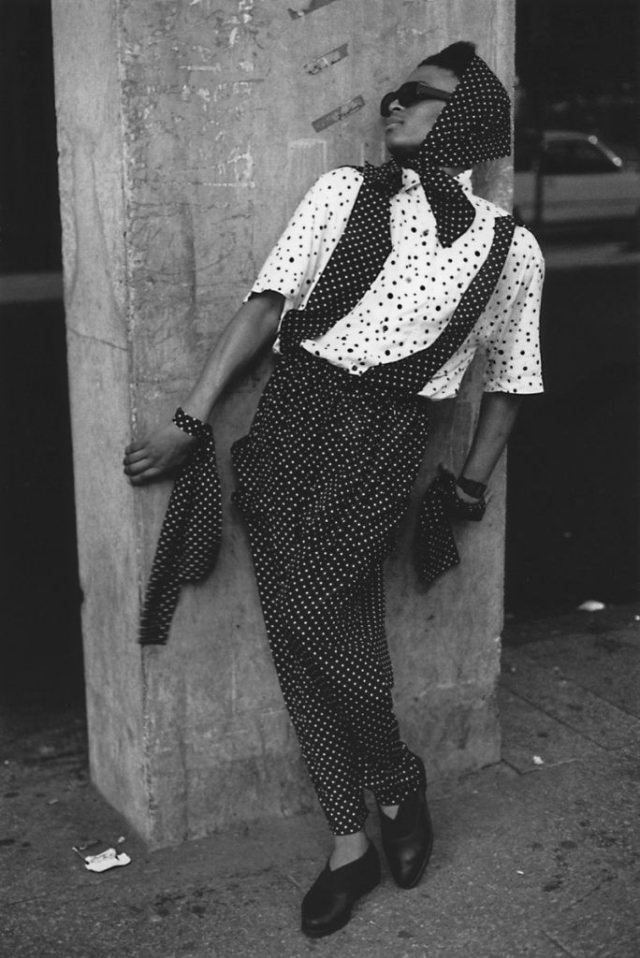
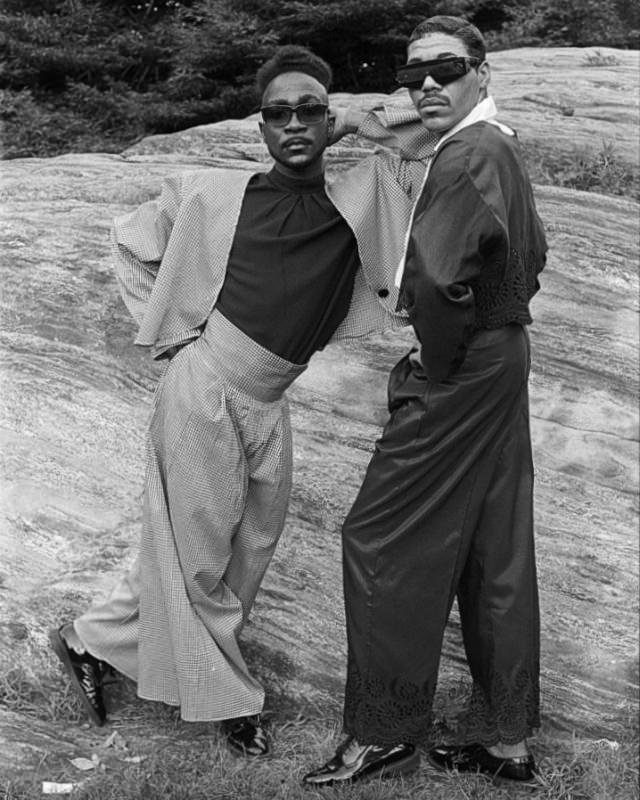
Realness categories were particularly meaningful. To walk “Executive Realness” meant dressing and presenting as a corporate professional in a way that could fool anyone on the street. For many participants, this was a pointed statement — a performance of access to spaces and identities that society had closed off to them. The ballroom floor became a place where those barriers were temporarily dissolved.
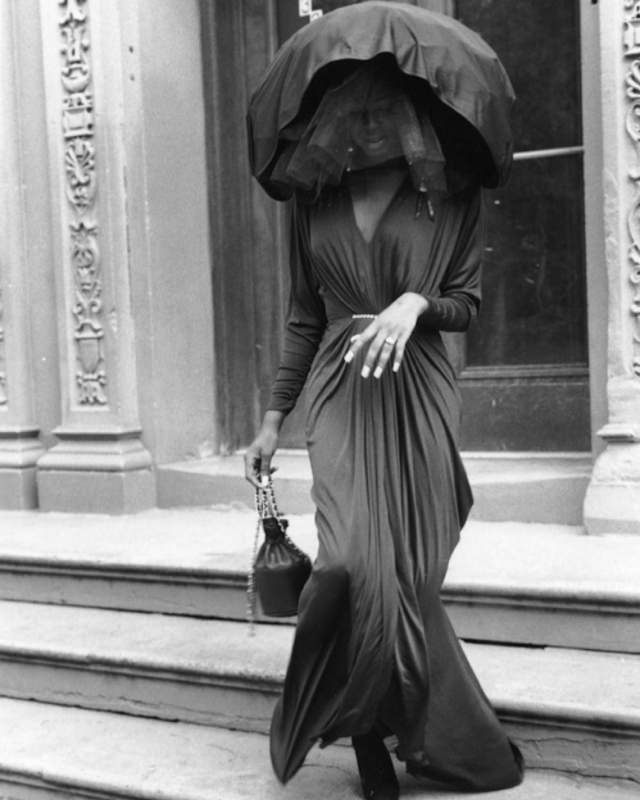
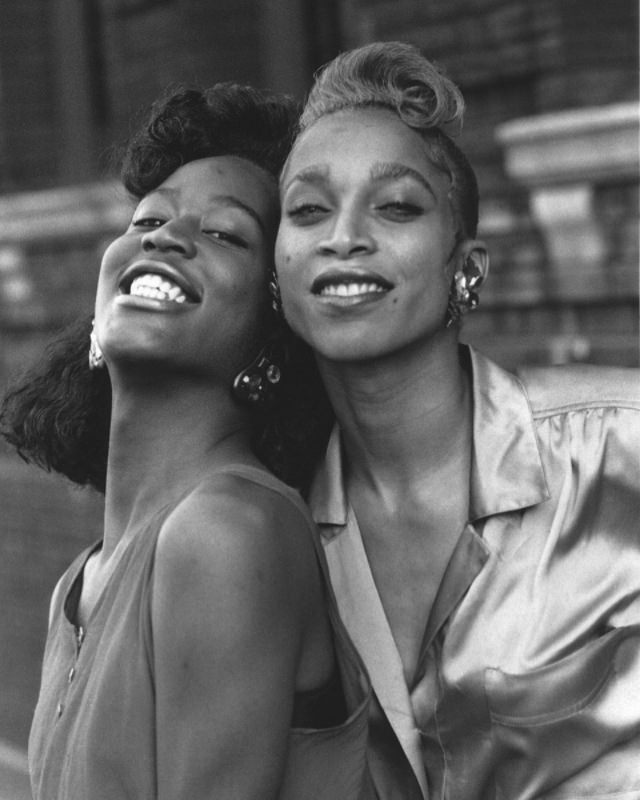
Regnault’s work during this period appeared in major publications including Vanity Fair and the New York Times. Alongside her ballroom documentation, she divided her time between New York and Haiti, where she pursued a separate long-term project on Haitian Vodou culture. The two bodies of work ran in parallel throughout the early 1990s.
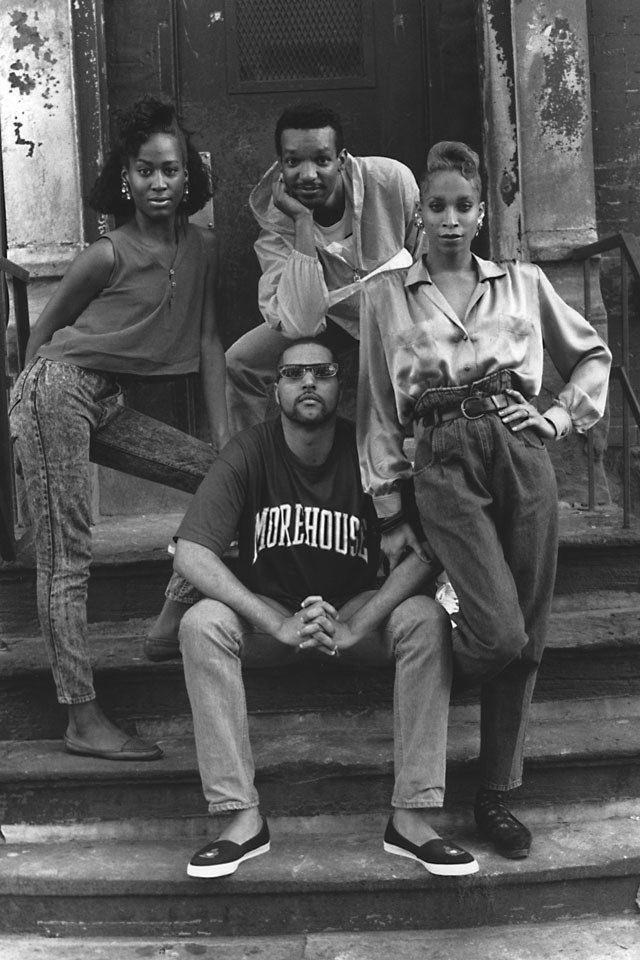
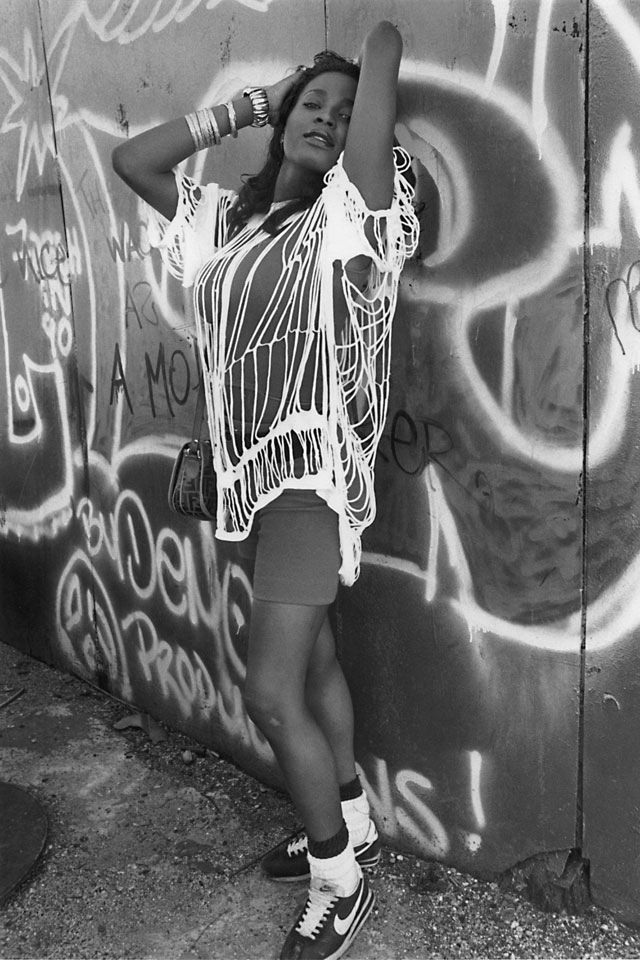
The competitors Regnault photographed ranged from seasoned veterans who commanded the room to newcomers trying to earn their first trophy. Every ball had a hierarchy, and moving up through it took time, consistency, and skill. Categories were announced, contestants lined up, and the MC kept up a rapid commentary throughout each performance, hyping the crowd and calling out weak moments without hesitation.
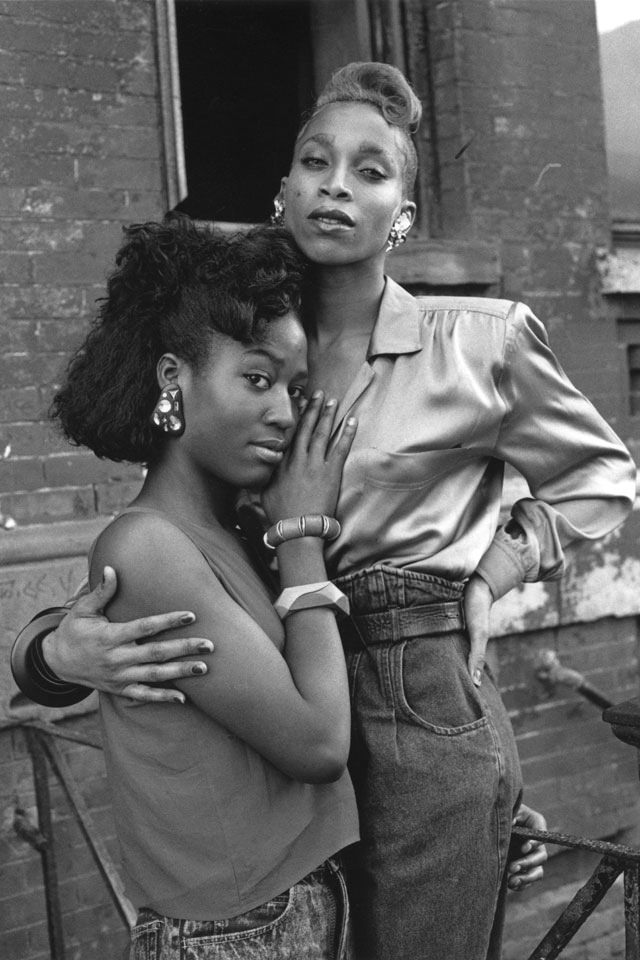
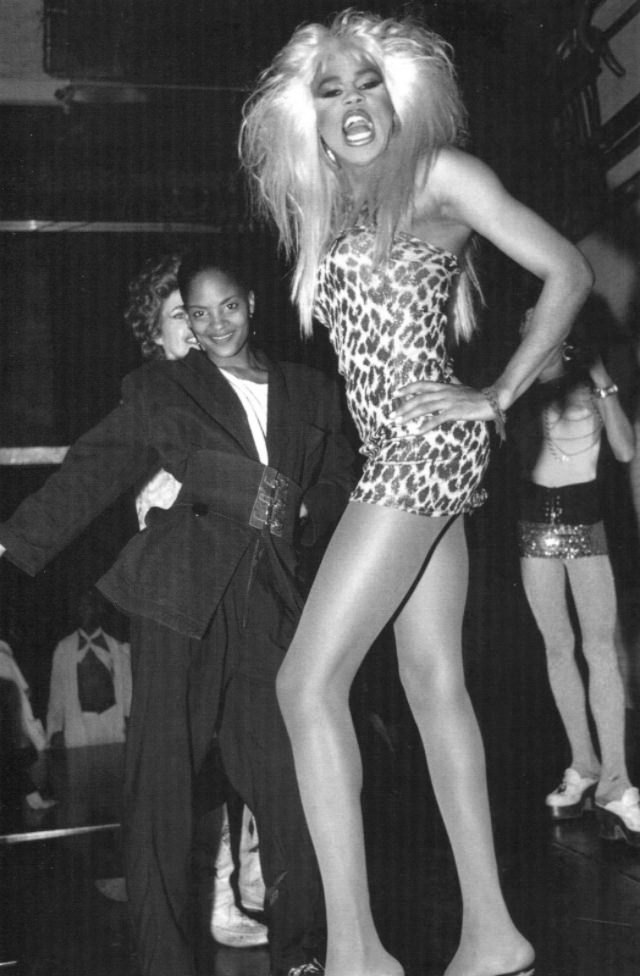
Voguing itself split into distinct styles during this era. Old Way was more rigid and geometric, focused on precise angular poses. New Way introduced more fluid, contortionist elements and faster transitions between positions. Both styles demanded serious physical skill and hours of practice. Competition between houses pushed dancers to refine their technique constantly.
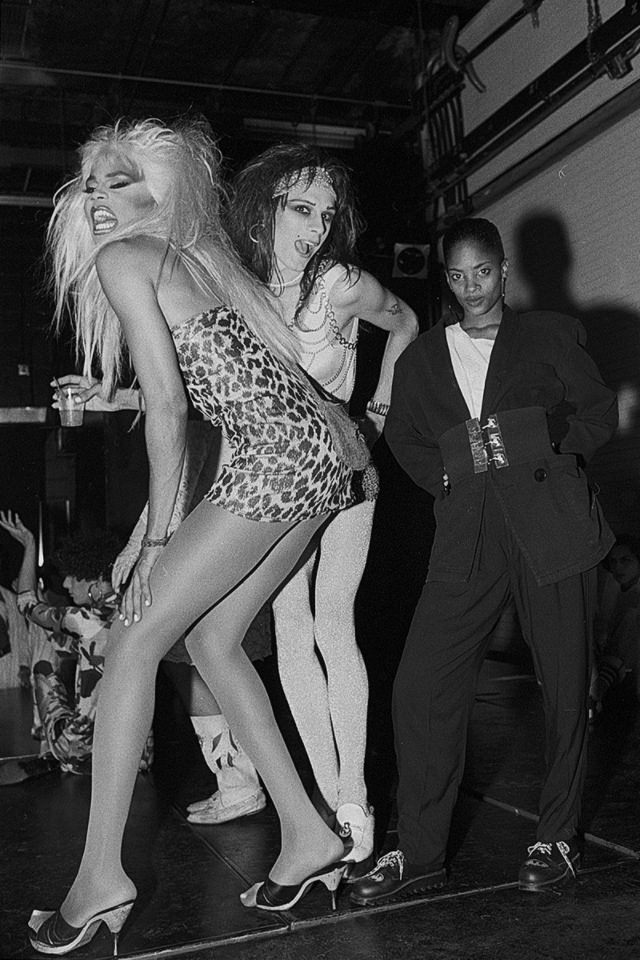
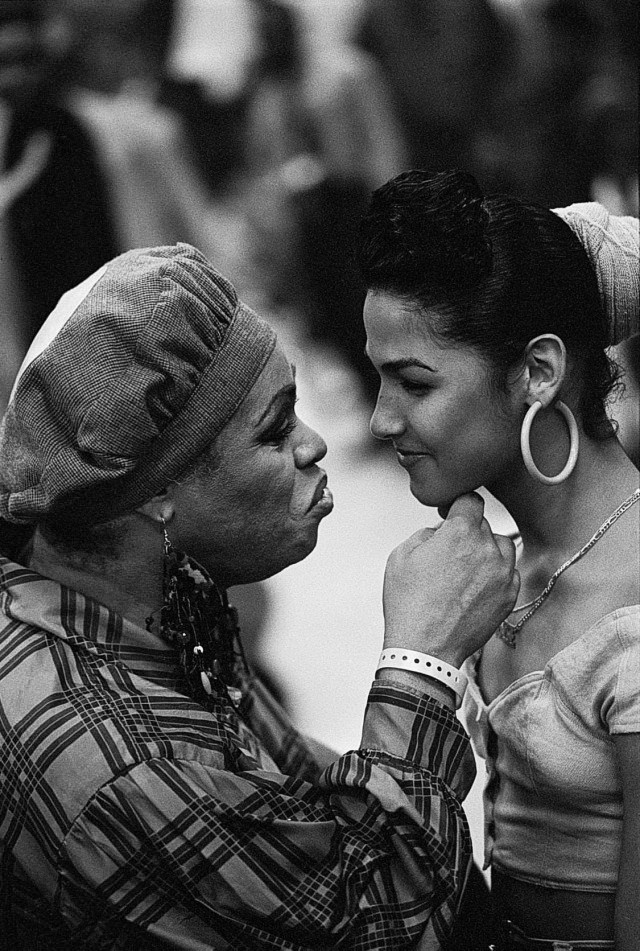
The balls ran late into the night, often in rented halls in Harlem. Attendance was large and loyal. The same faces appeared week after week, competing in different categories or cheering on their housemates. There was a strong internal economy to the scene — reputation was everything, and a bad performance at a major ball was remembered.
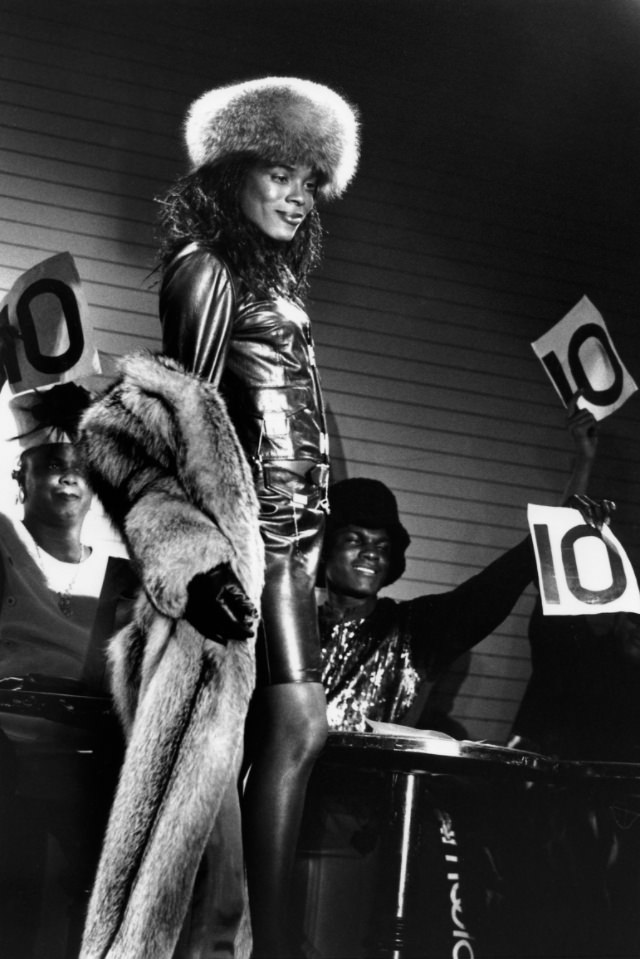
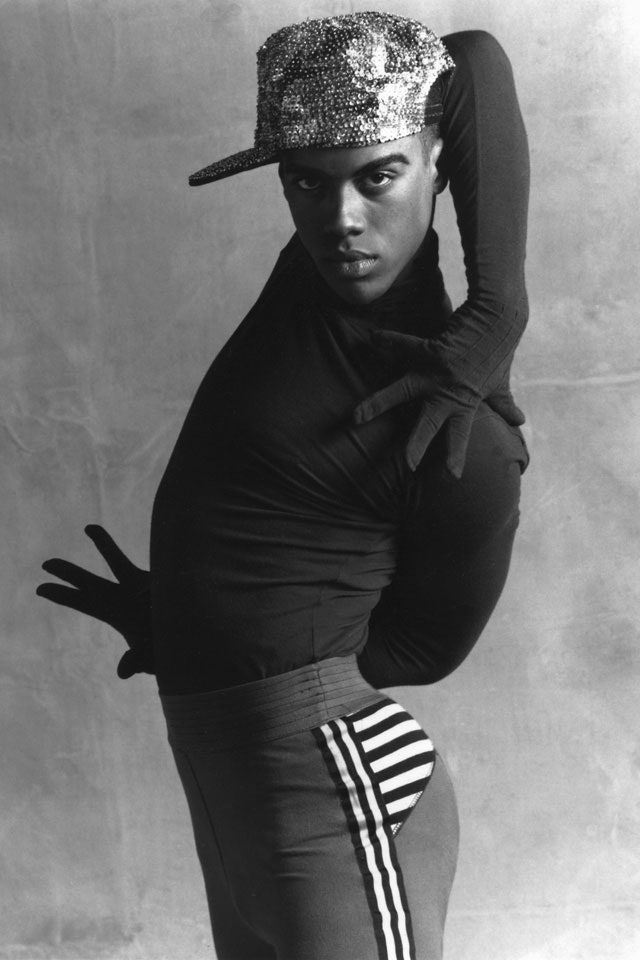
Regnault’s photographs from 1989 to 1992 form one of the most detailed visual records of this specific moment in New York ballroom history. The scene she documented was at full force — competitive, creative, and entirely self-sustaining — before commercial attention began to reshape how it was perceived and presented to the outside world.