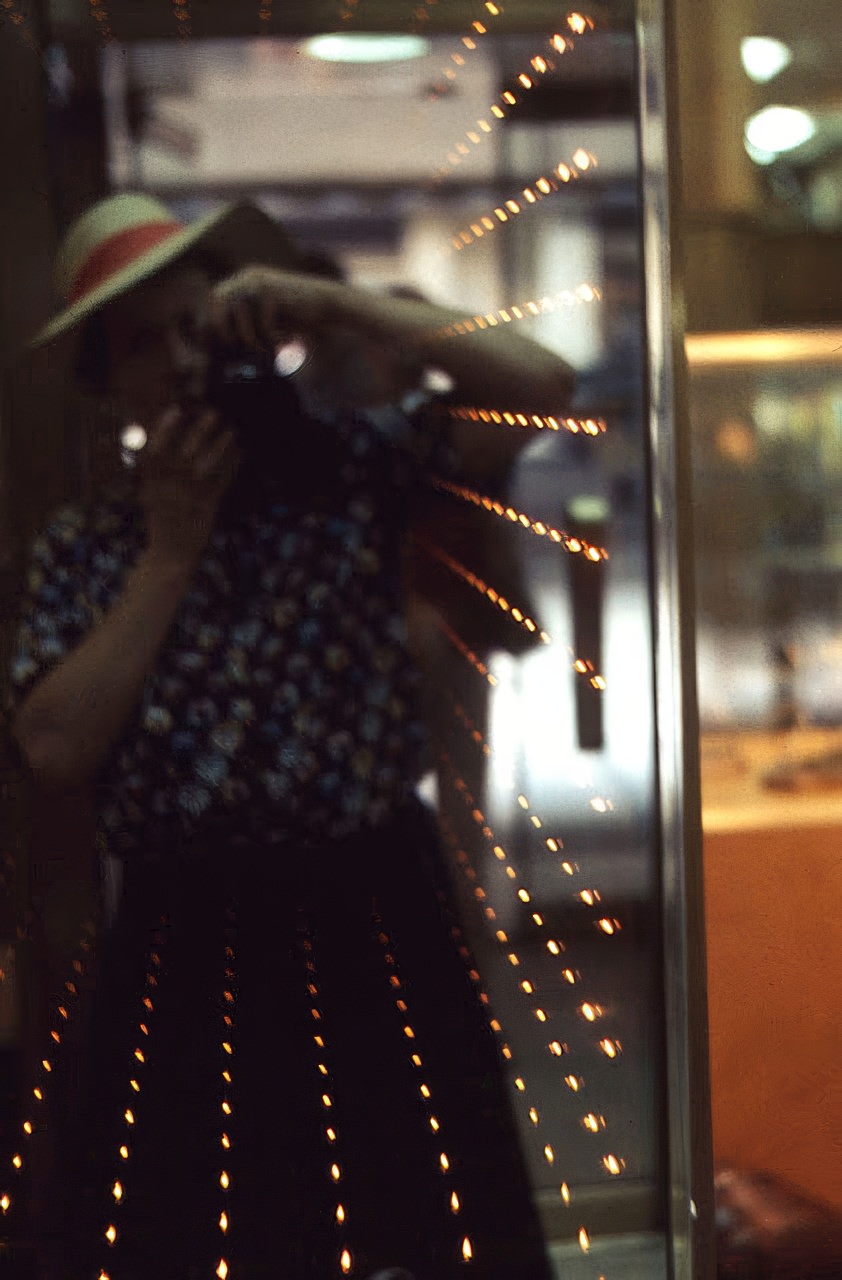
Vivian Maier spent her working life as a nanny on the streets of Chicago and New York during the mid-20th century. She carried a camera almost everywhere she went, and while much of her work captured the people around her, a significant portion turned the lens on herself. These self-portraits were not simple snapshots. They were layered, deliberate, and deeply personal.
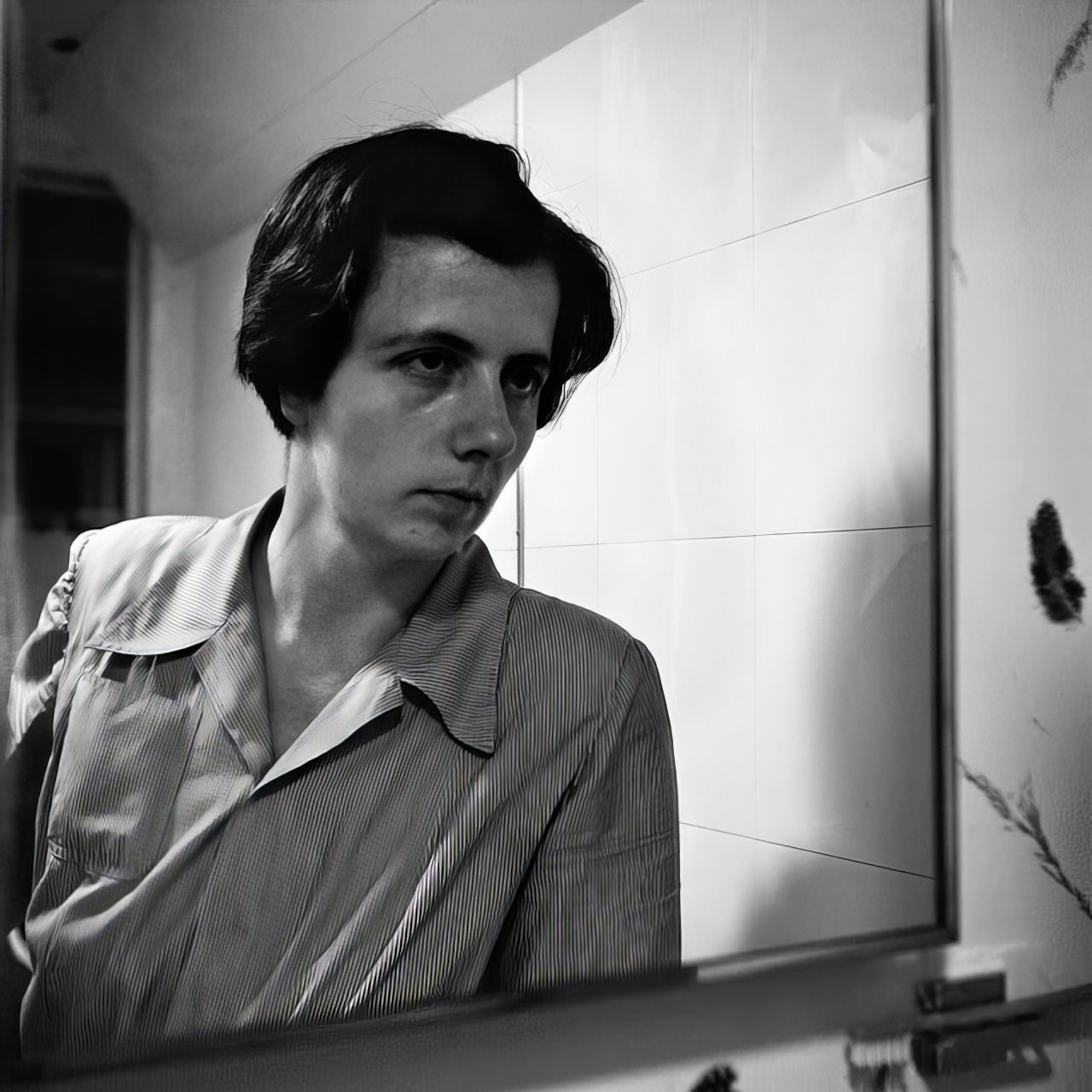
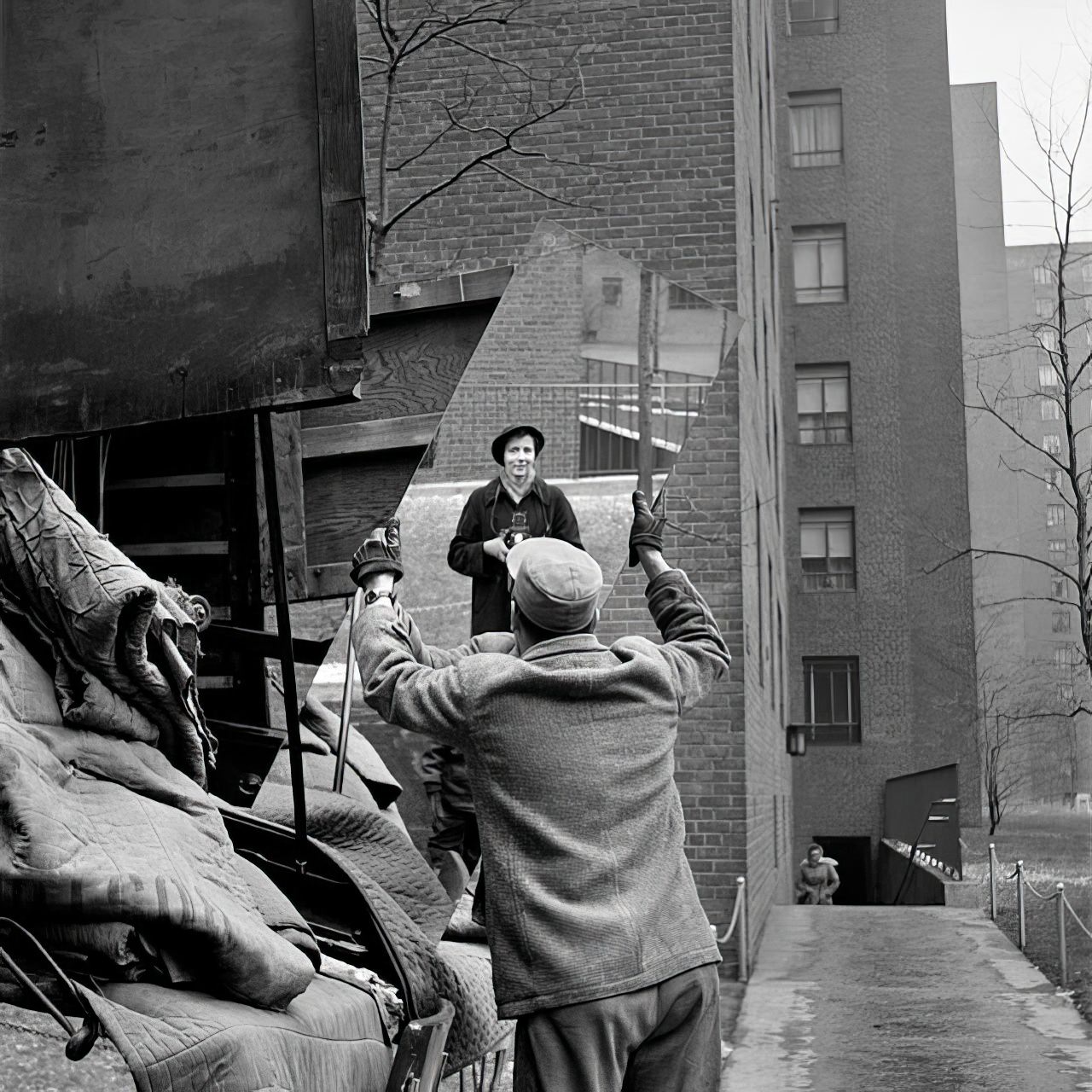
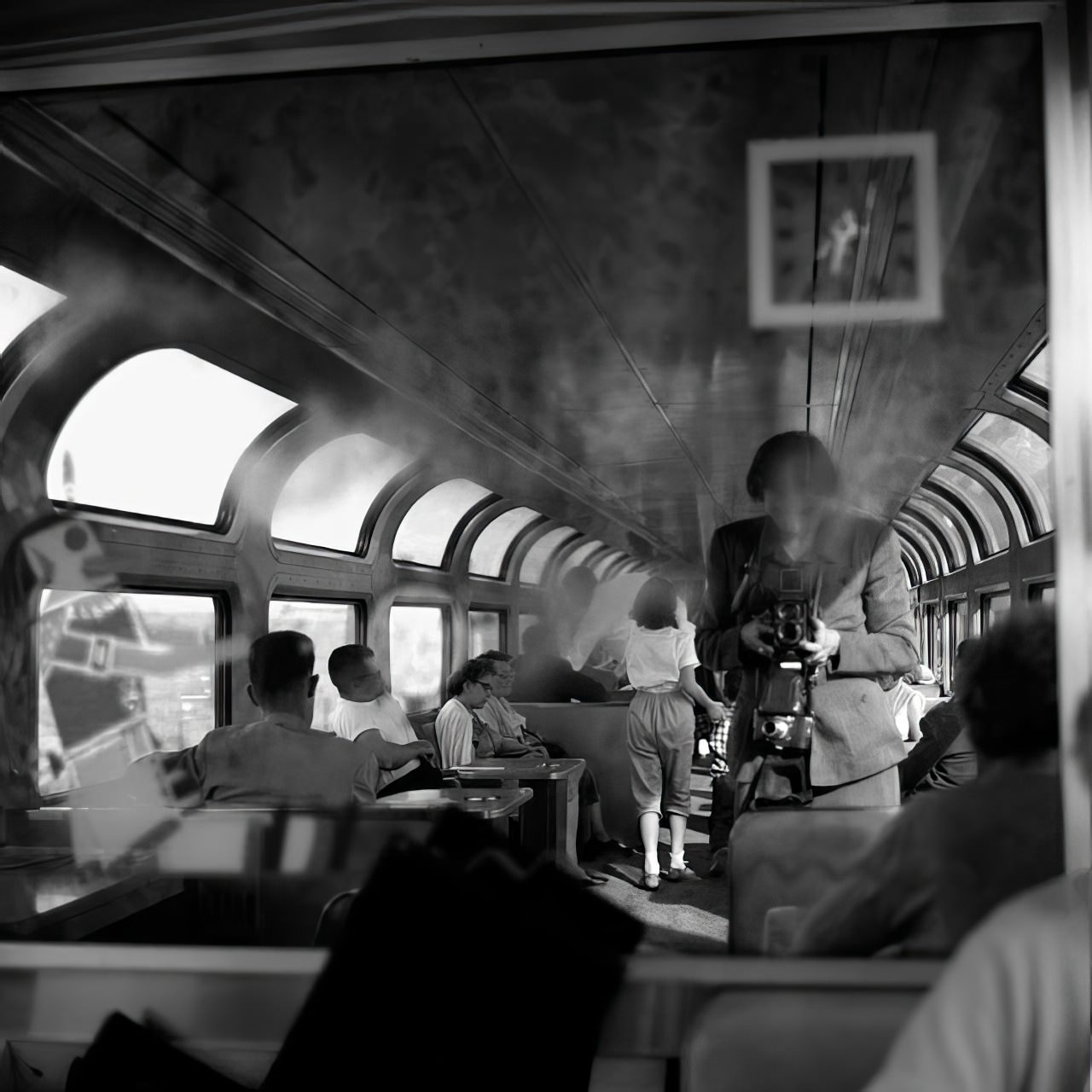
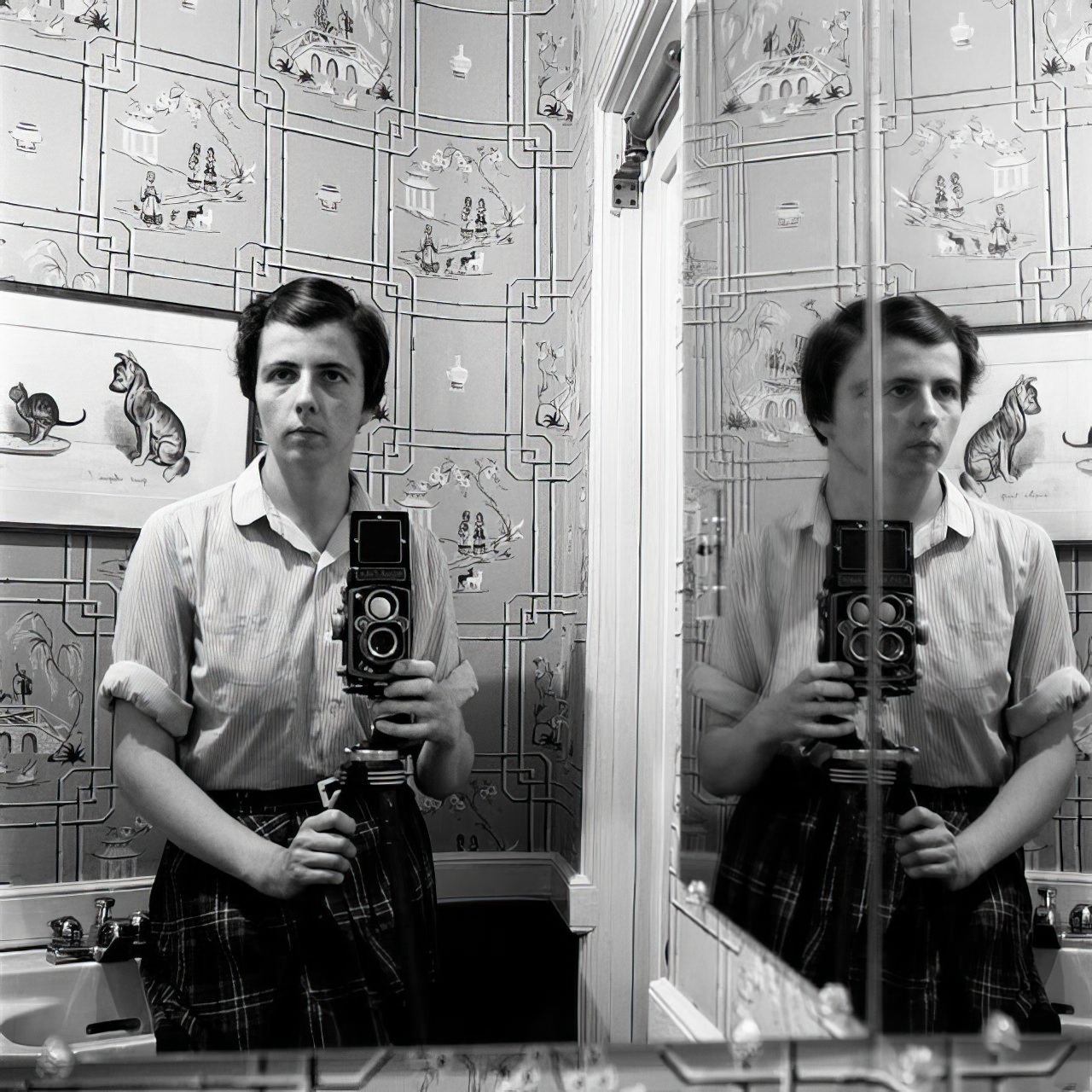
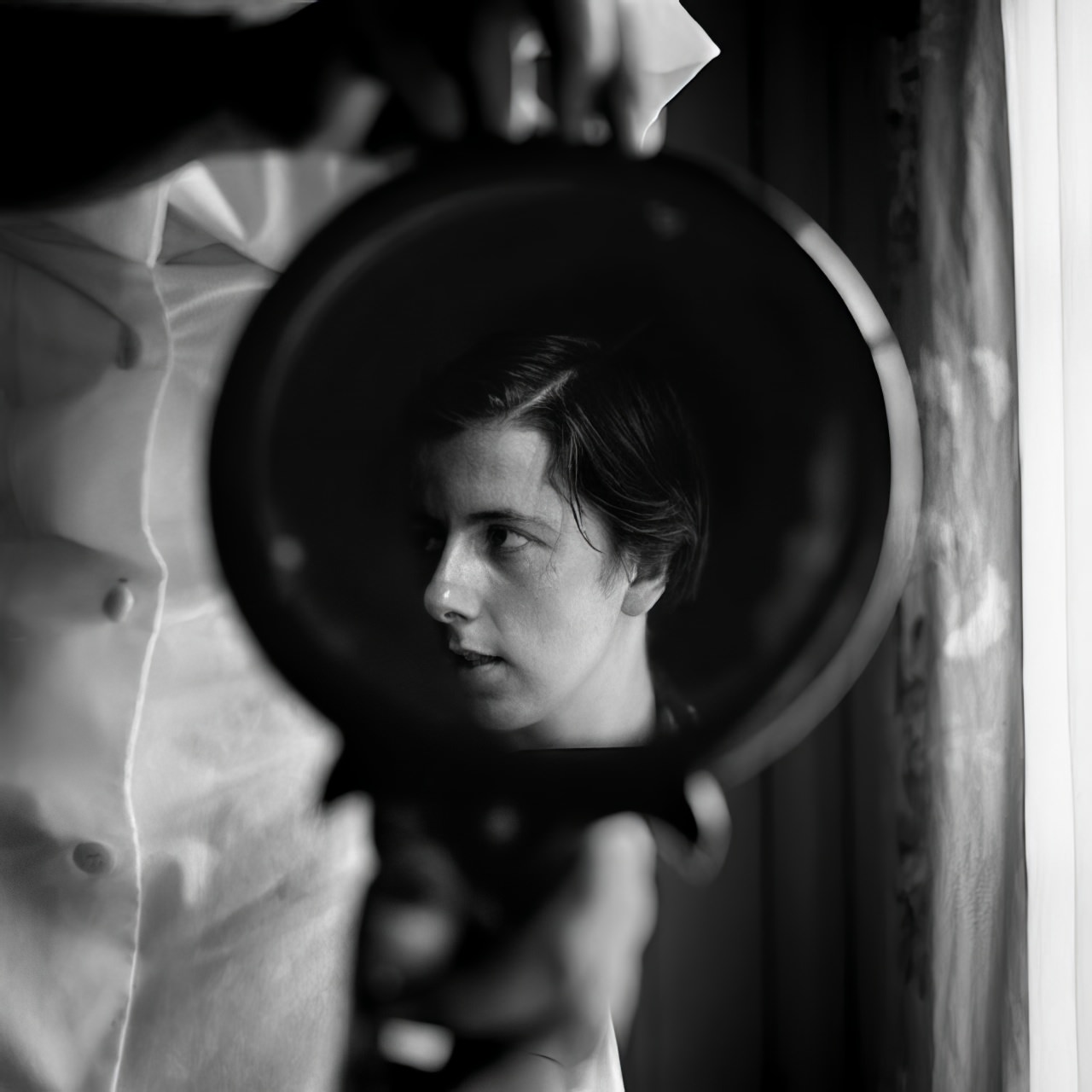
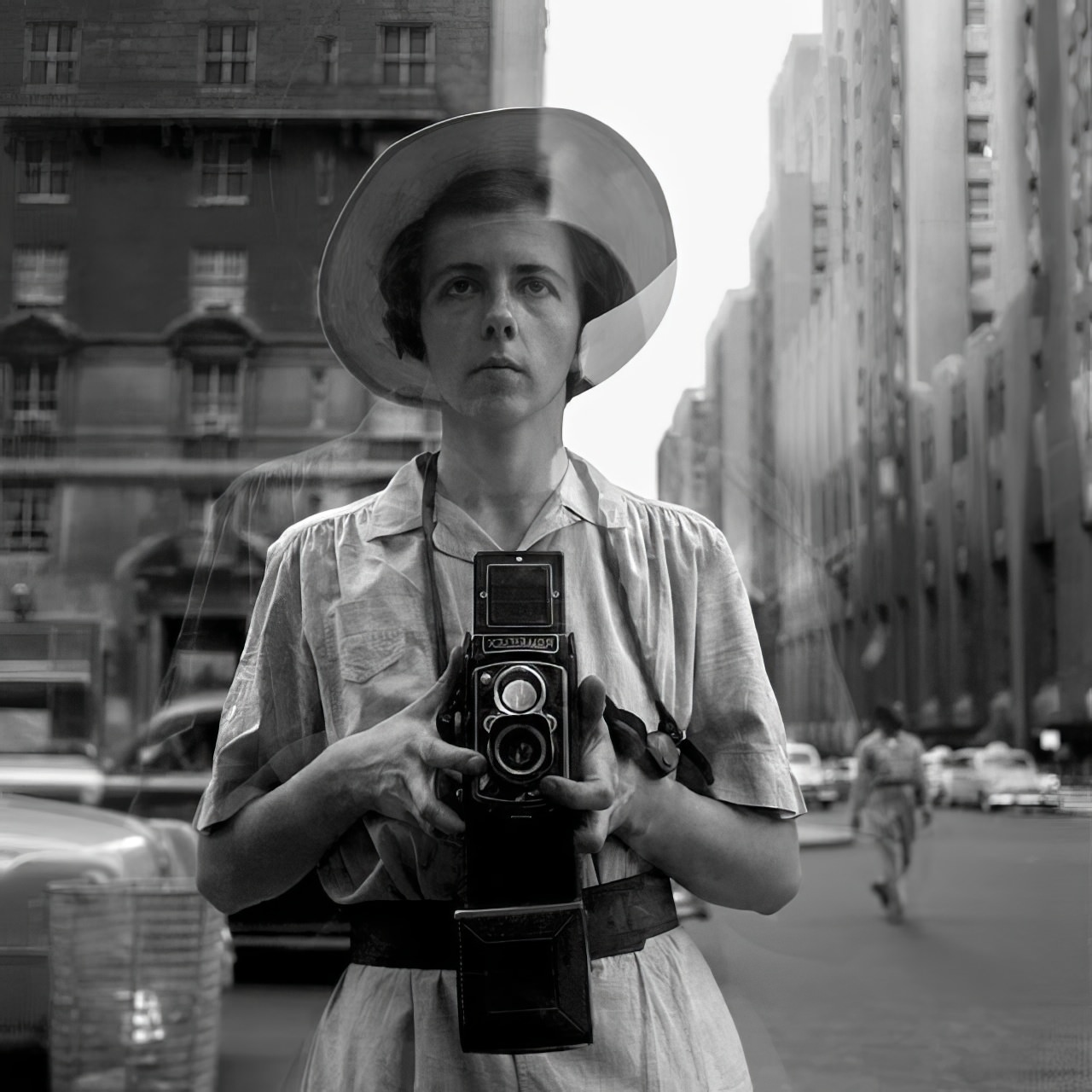
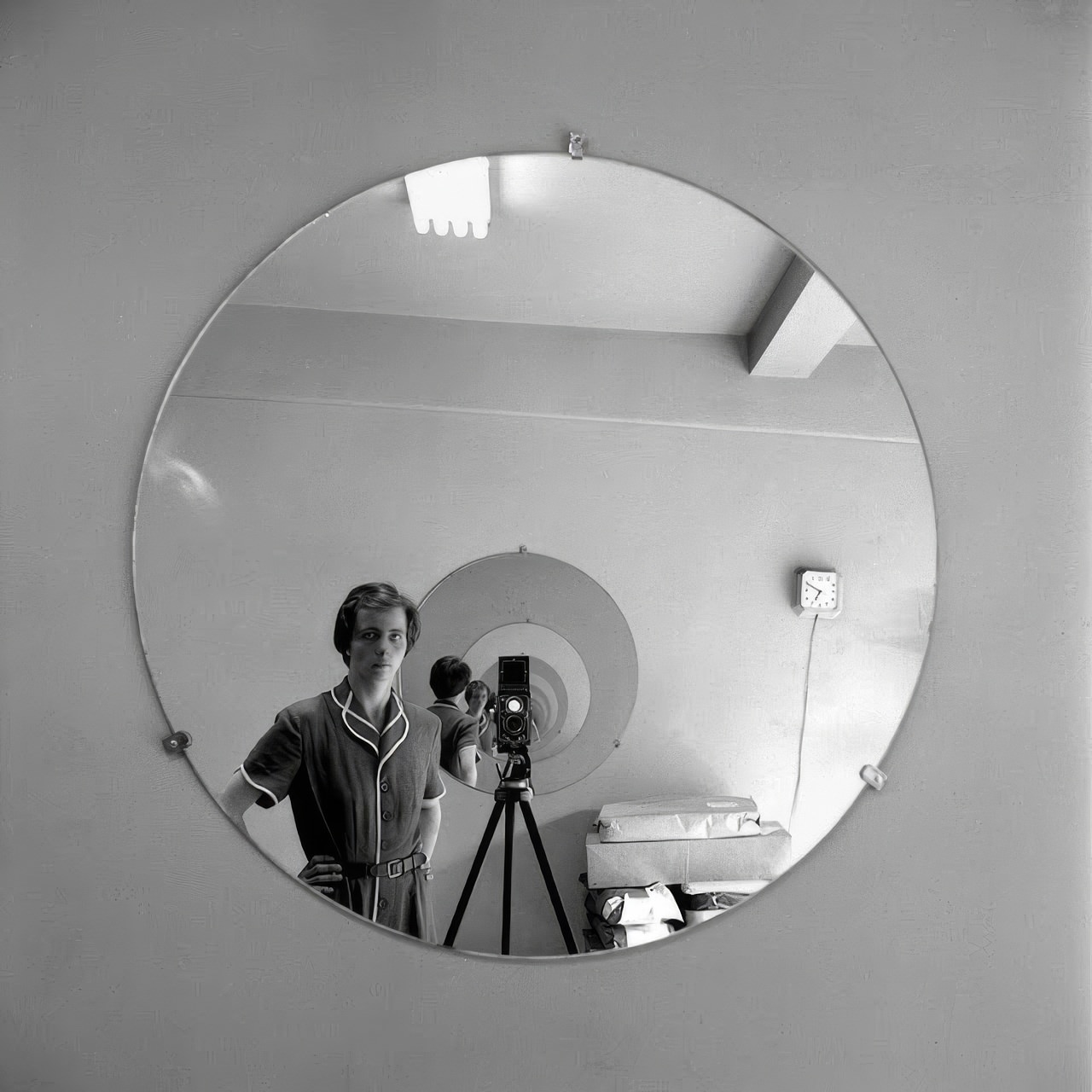
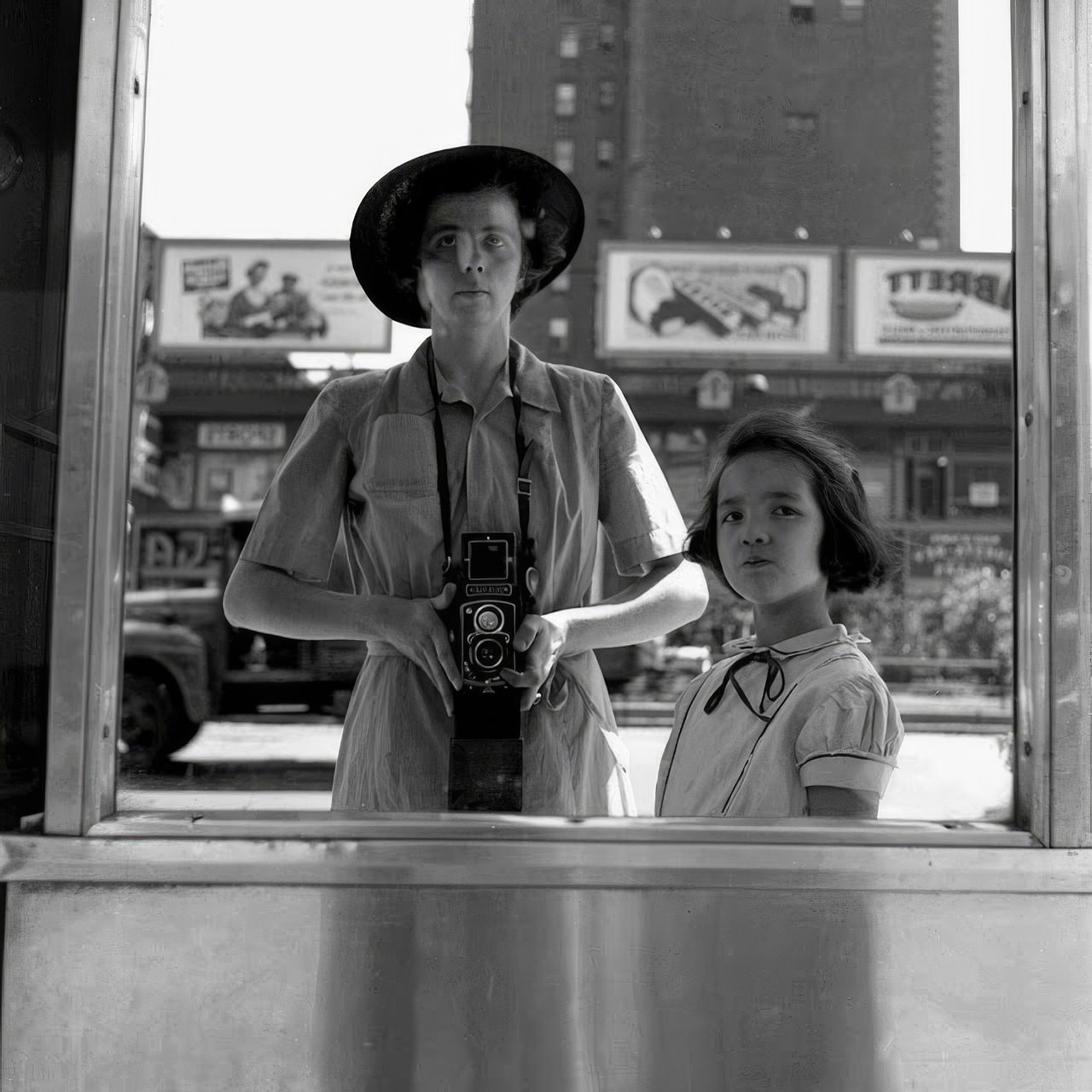
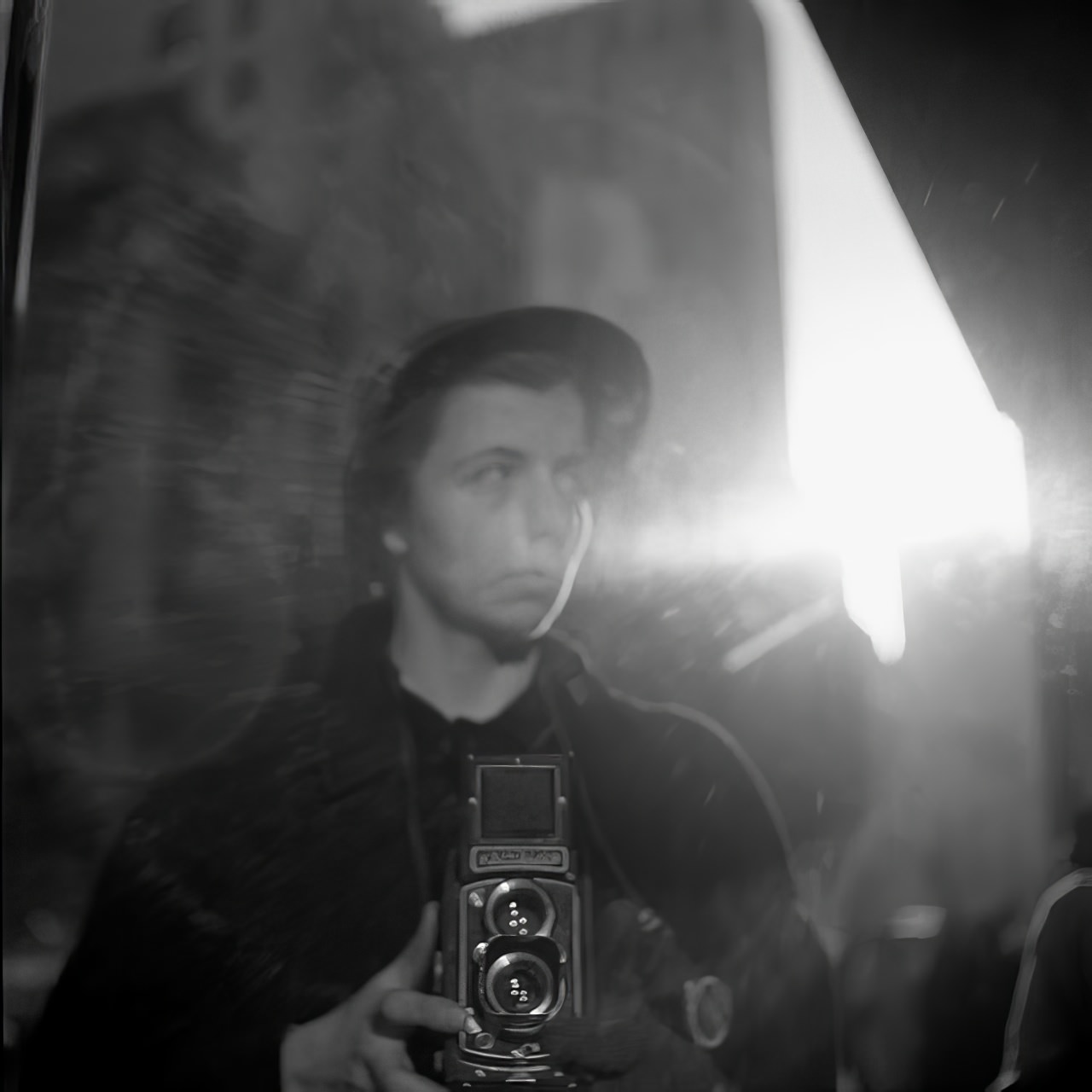
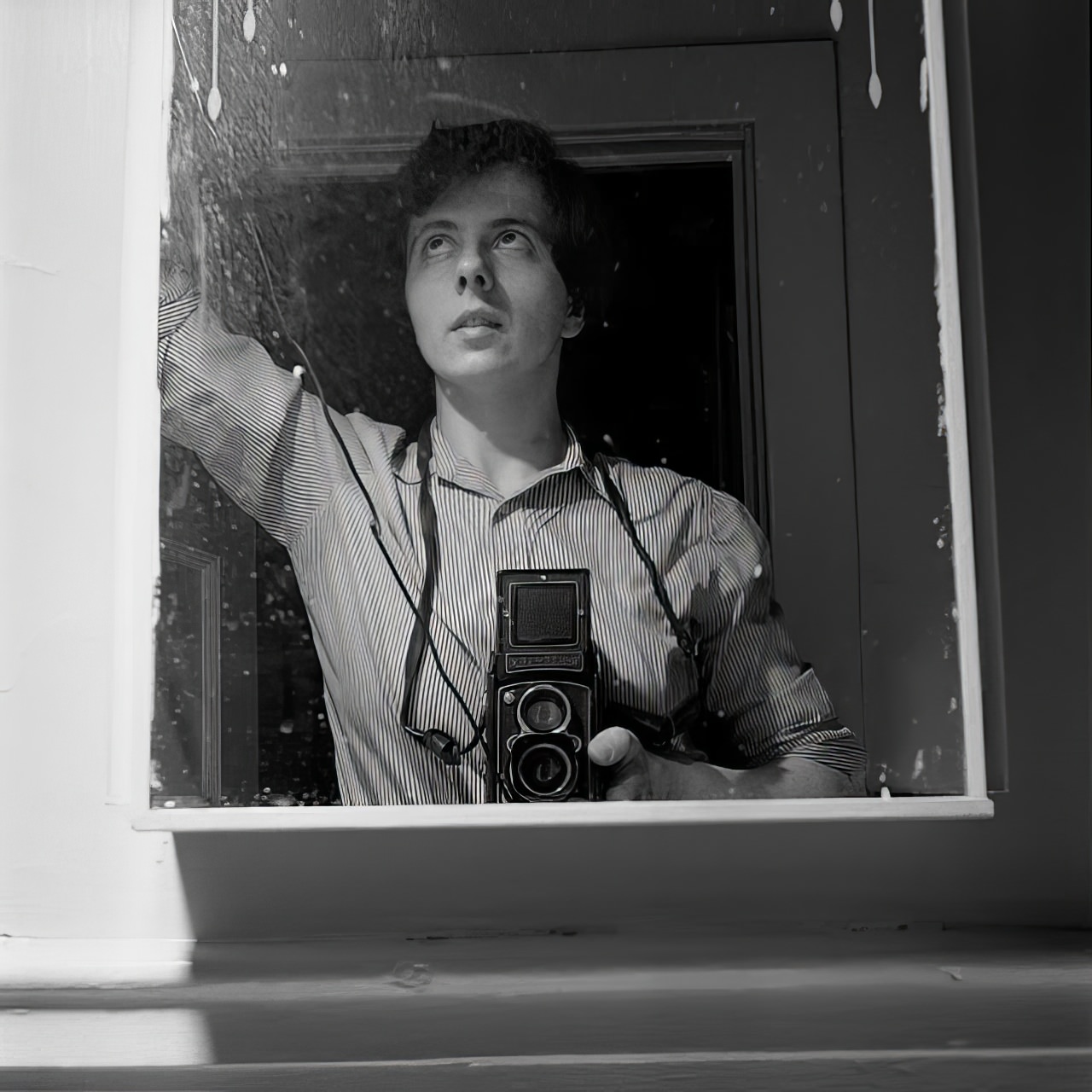
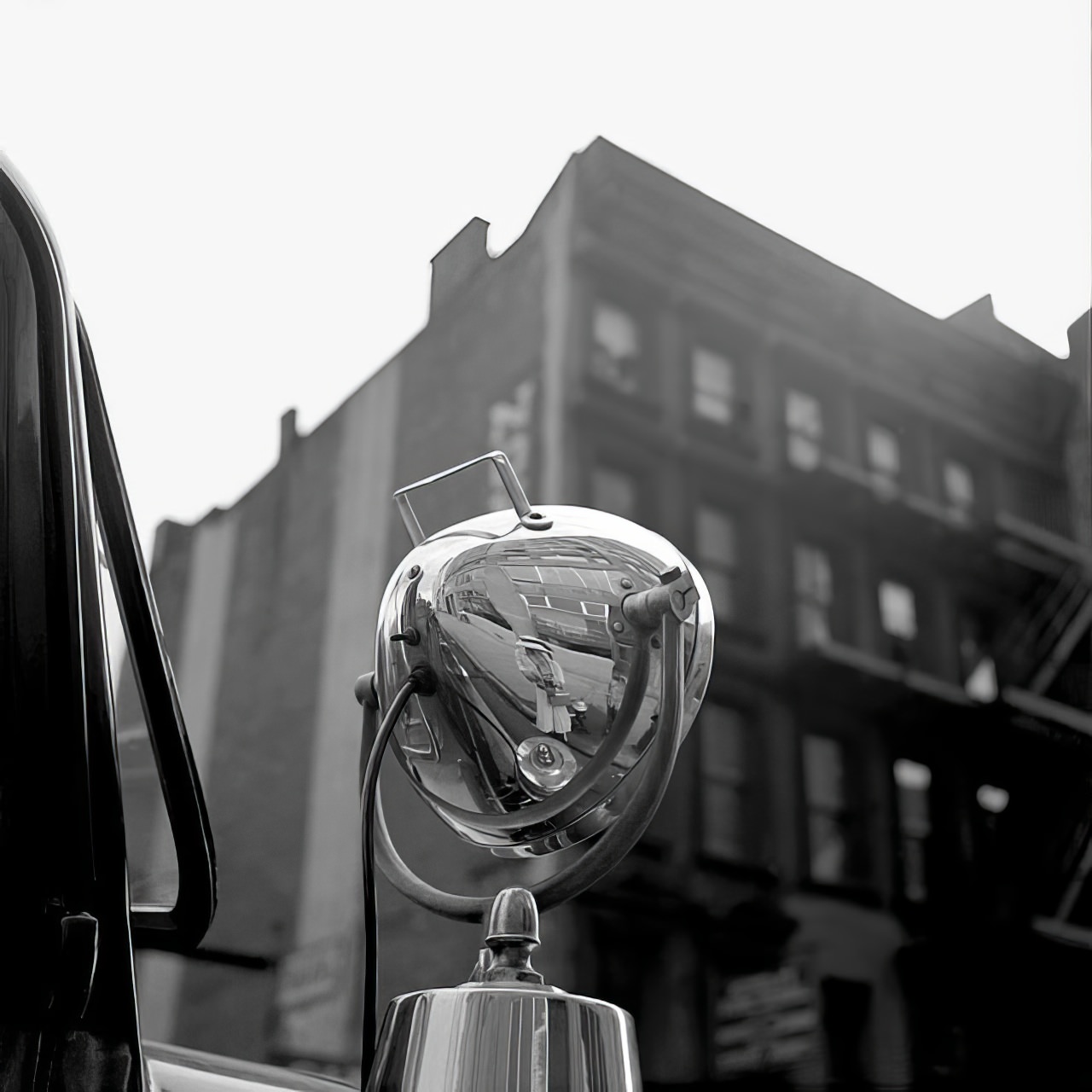
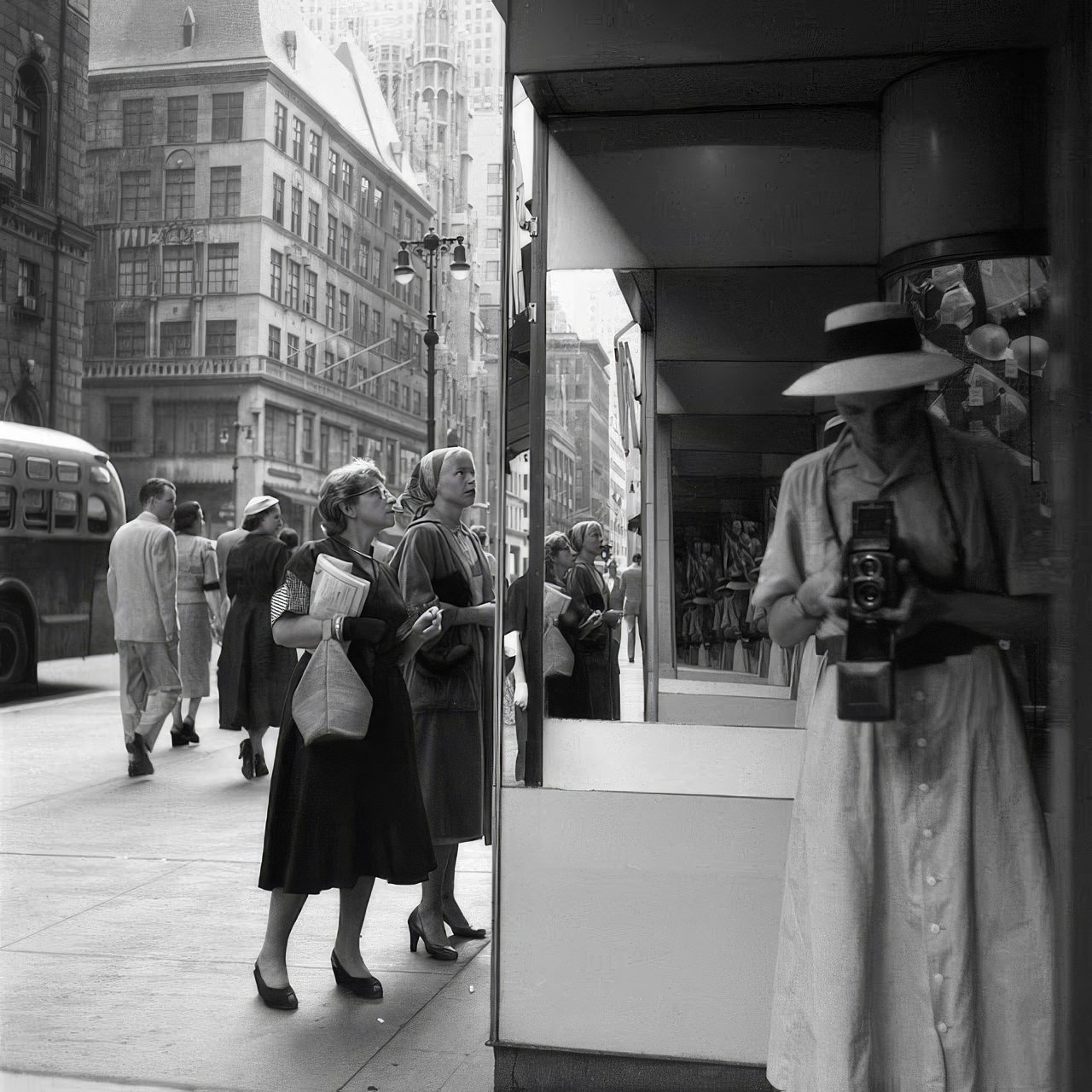
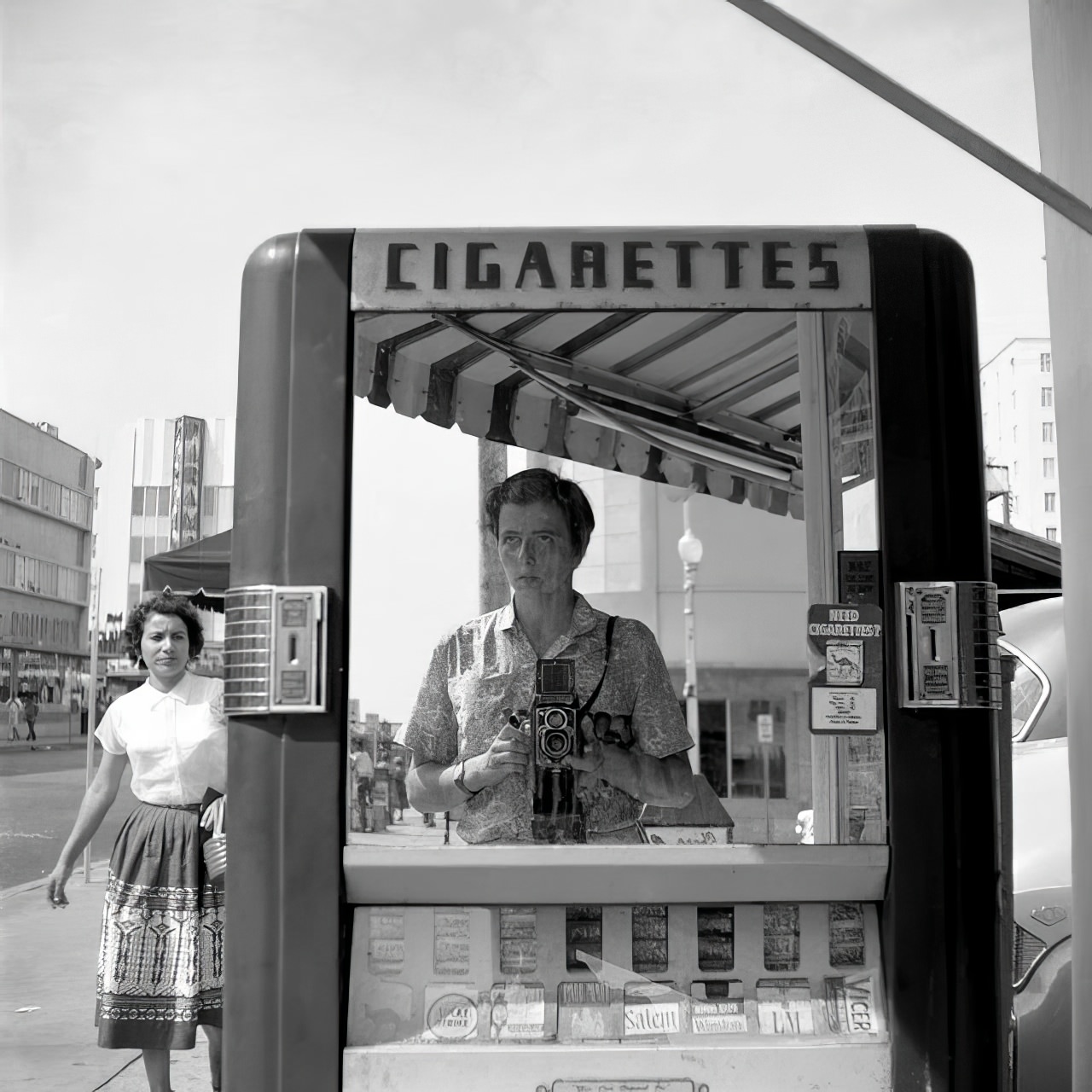
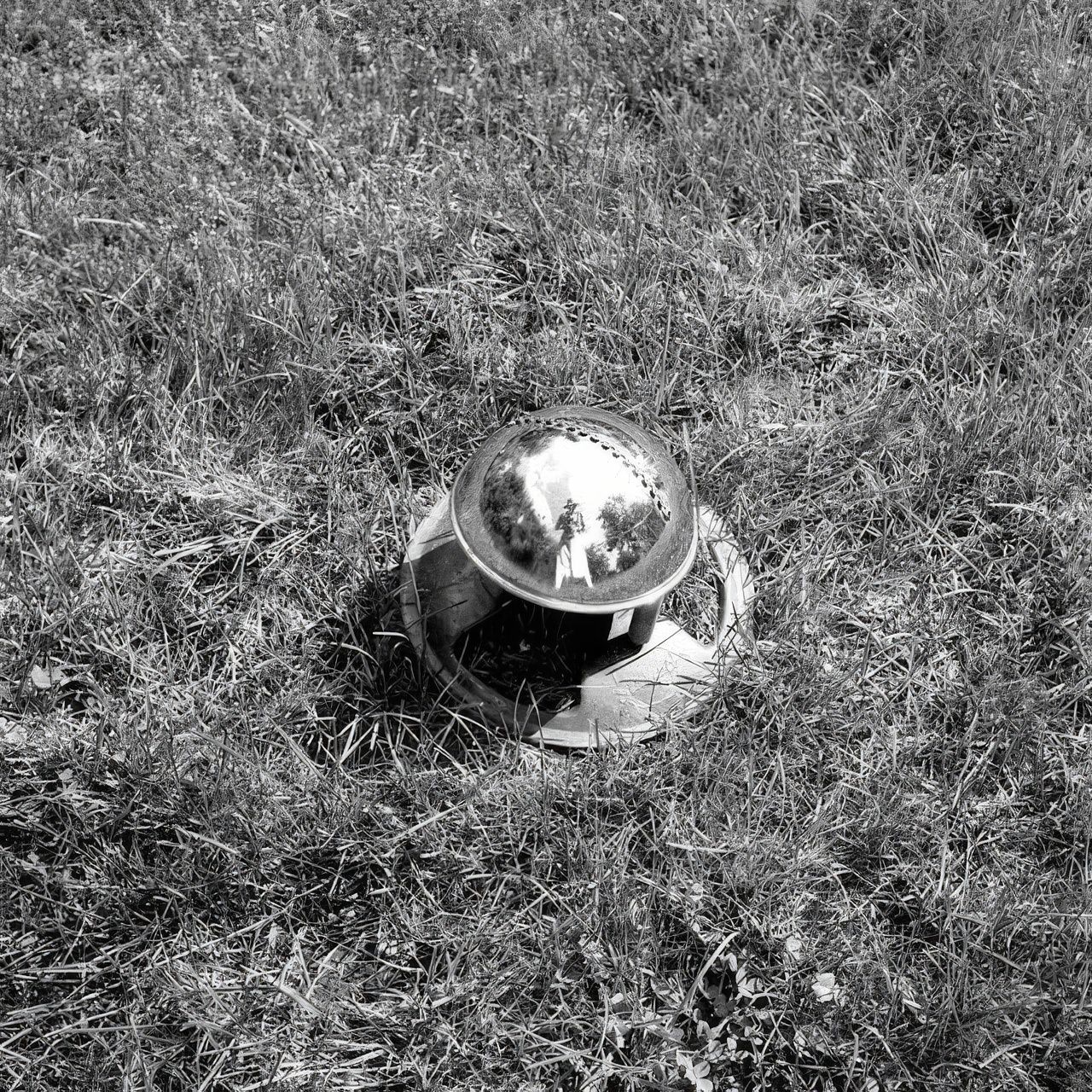
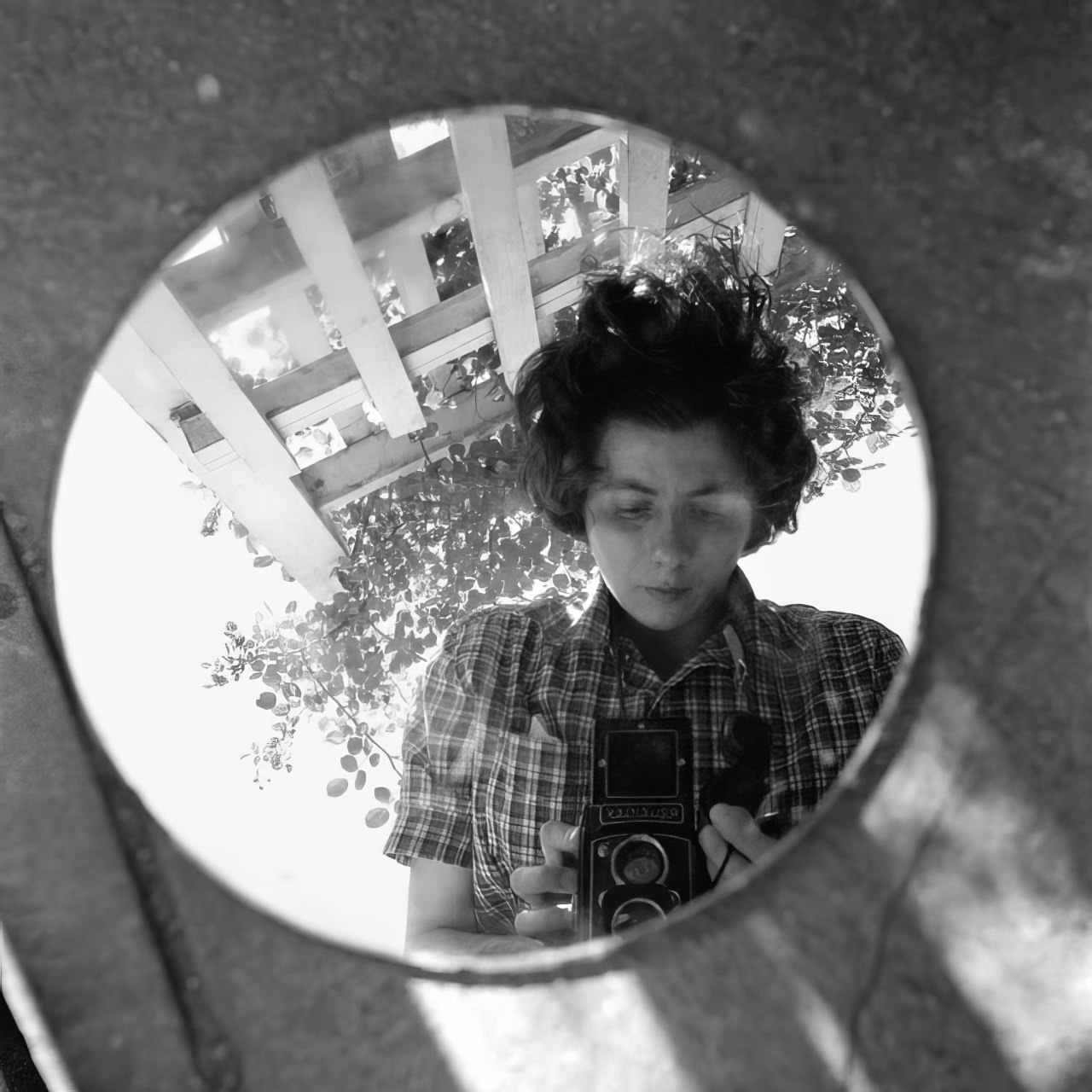
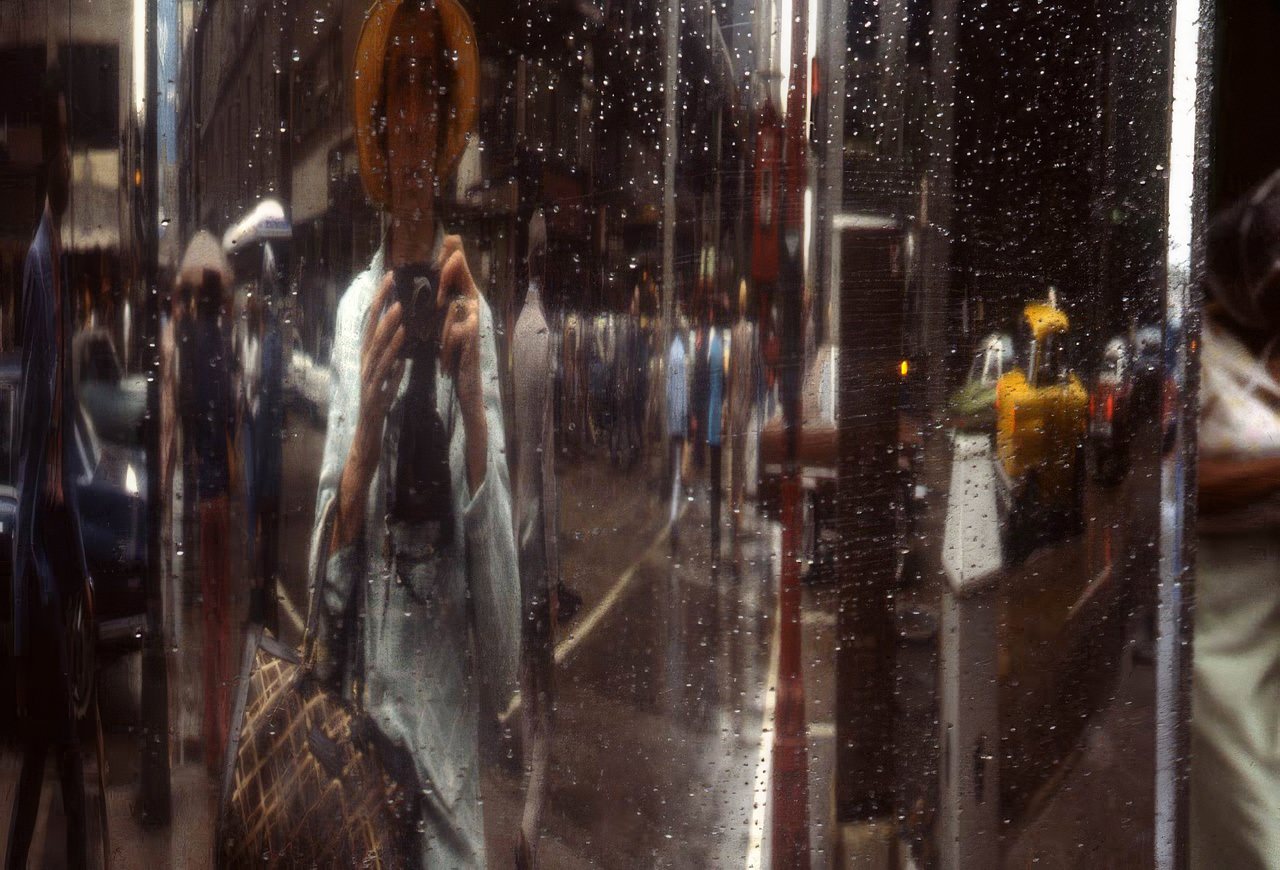
Maier frequently used reflective surfaces to frame herself. Shop windows, car mirrors, and glass storefronts all became tools. Rather than posing directly for the camera, she placed herself within the world around her — a figure embedded in the city rather than separate from it.
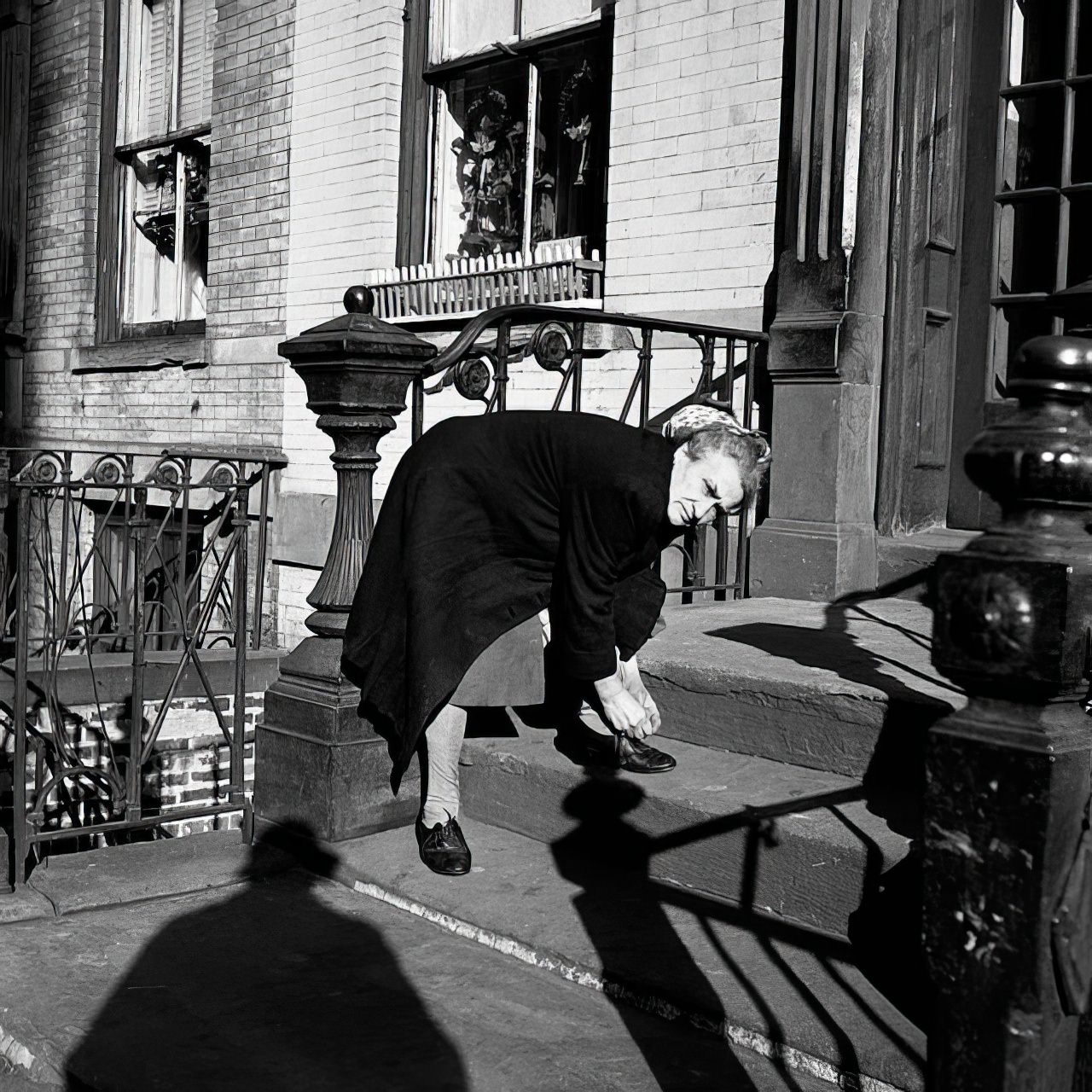
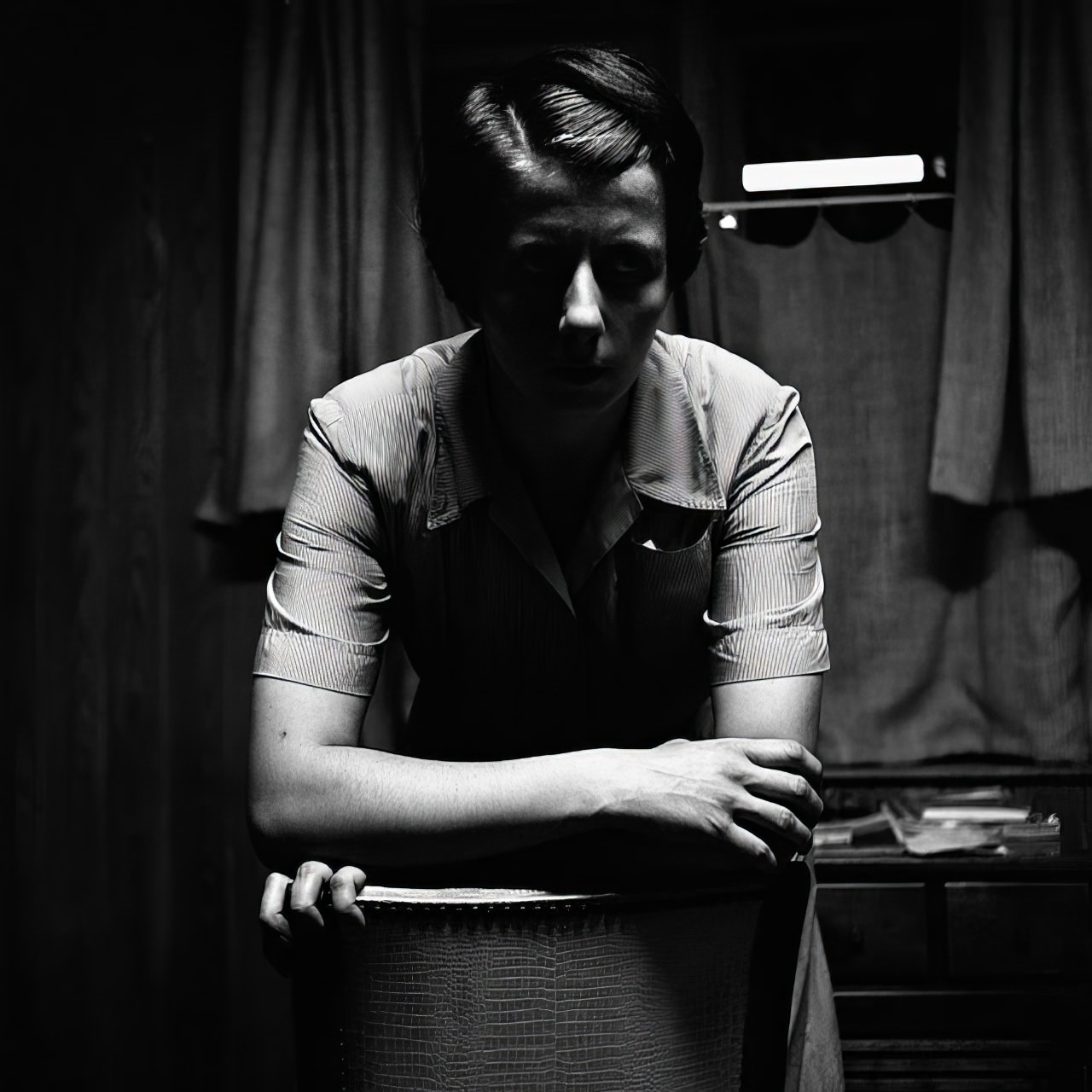
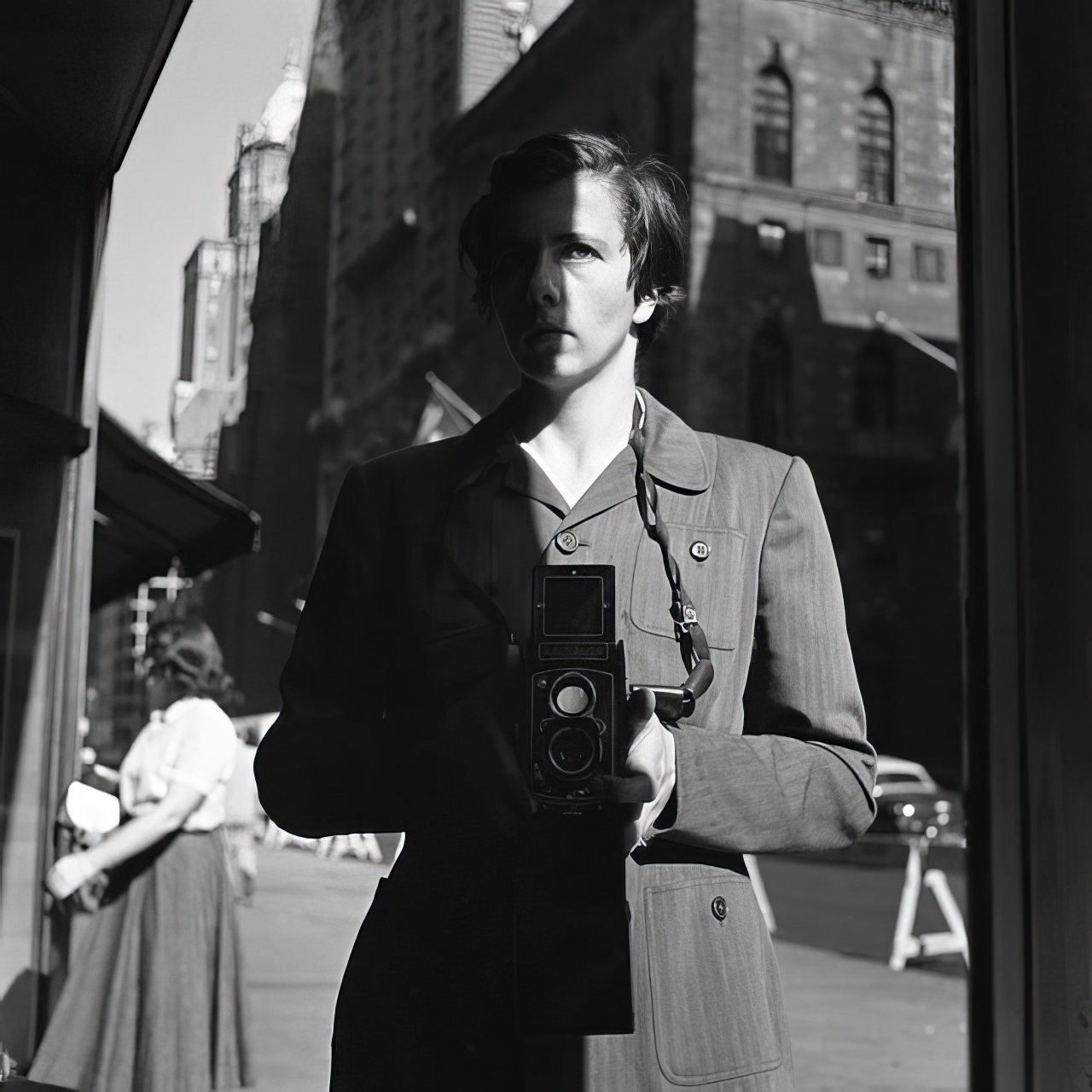
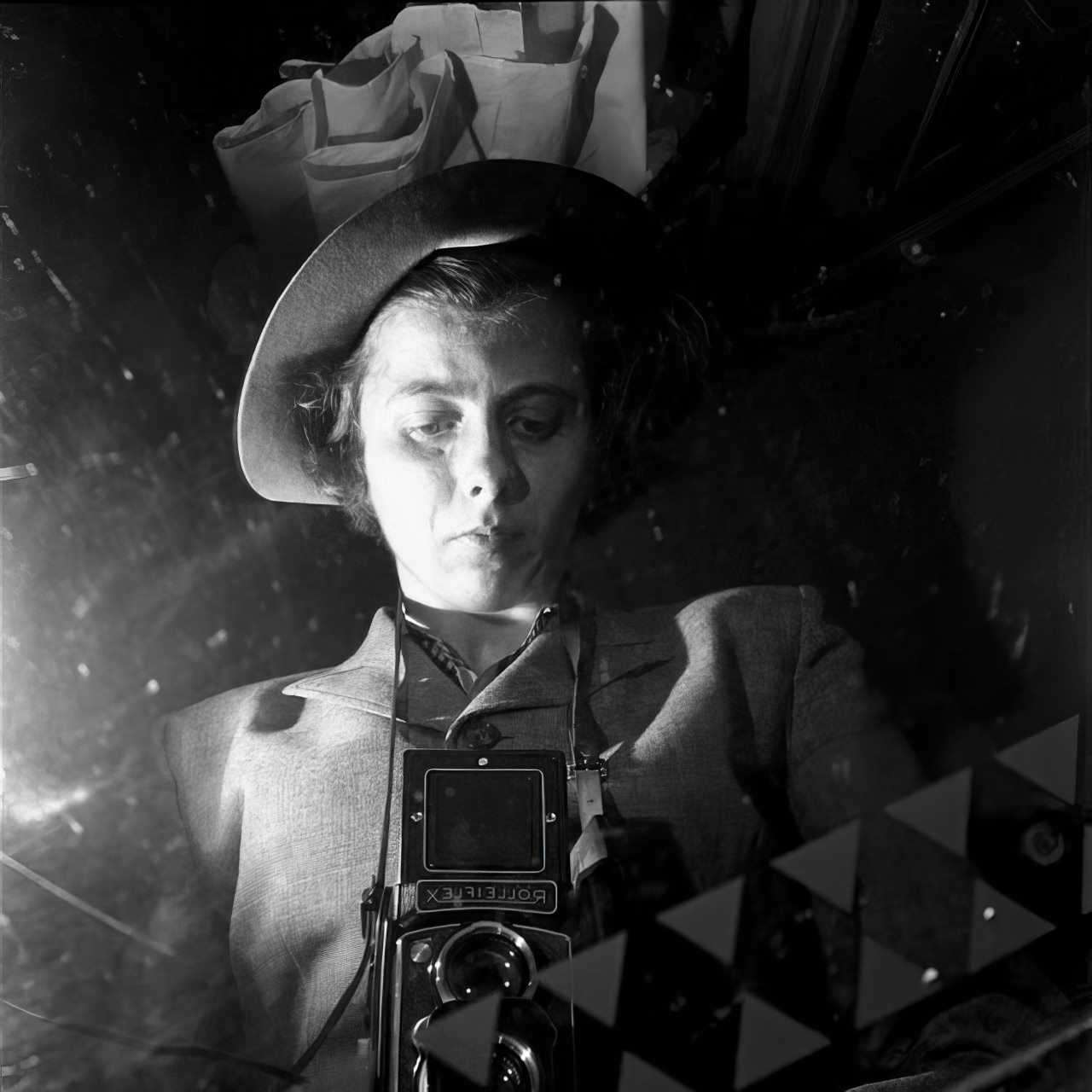
Light was one of her primary instruments. In some shots, she stood in shadow while sunlight, bouncing off a nearby building, illuminated her face. In others, her camera’s flash cast a sharp, almost stark glow across her features. She understood exactly how light behaved and used it with precision.
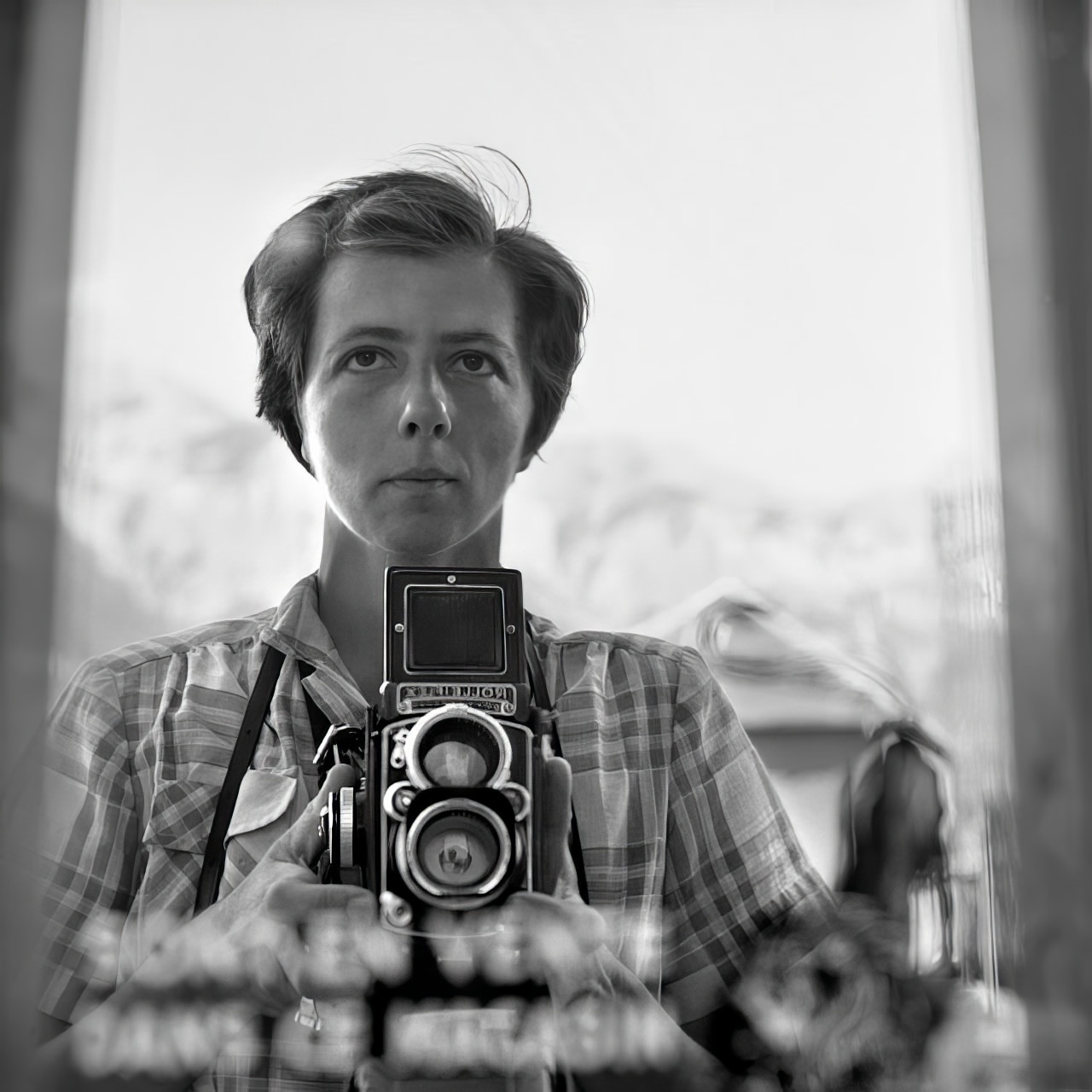
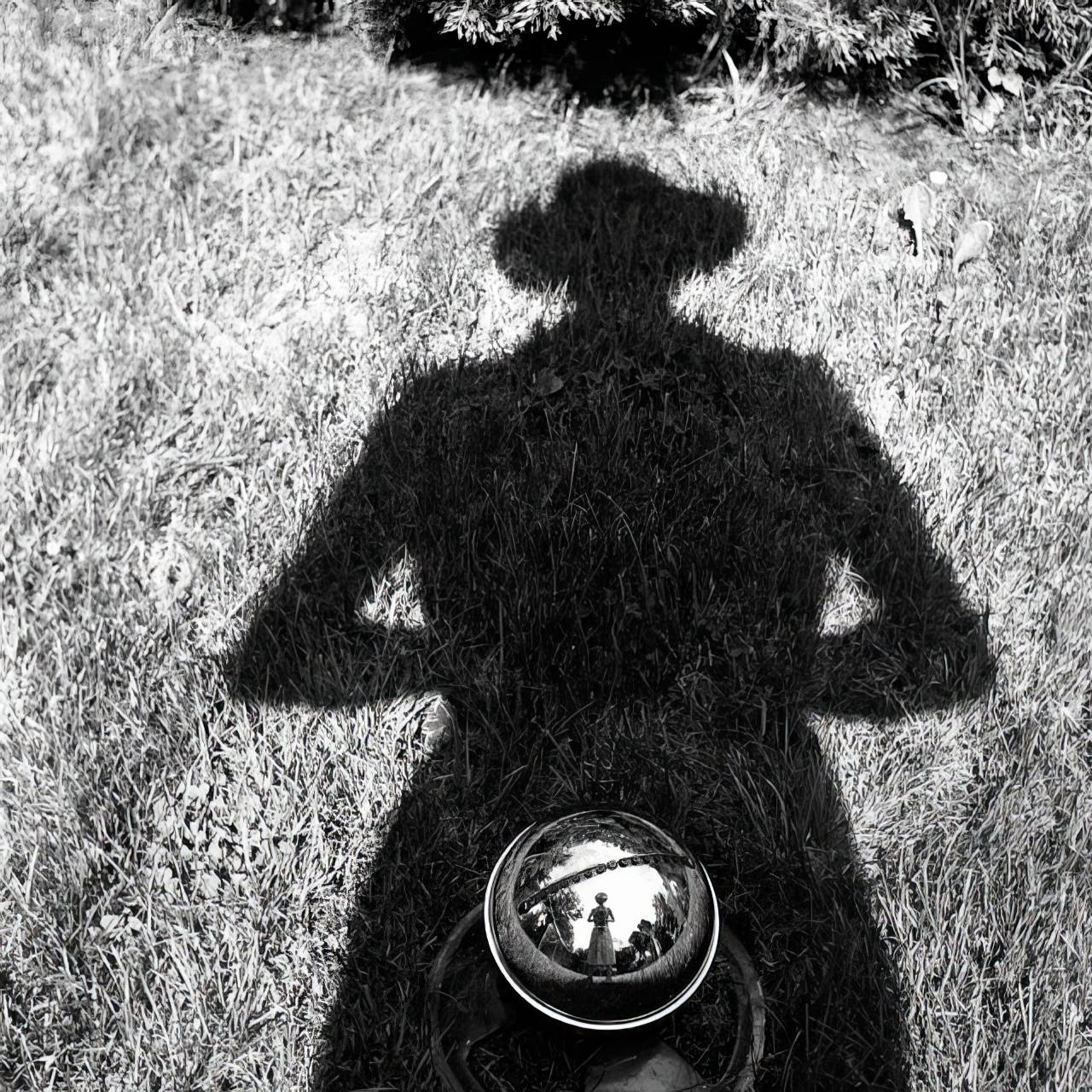
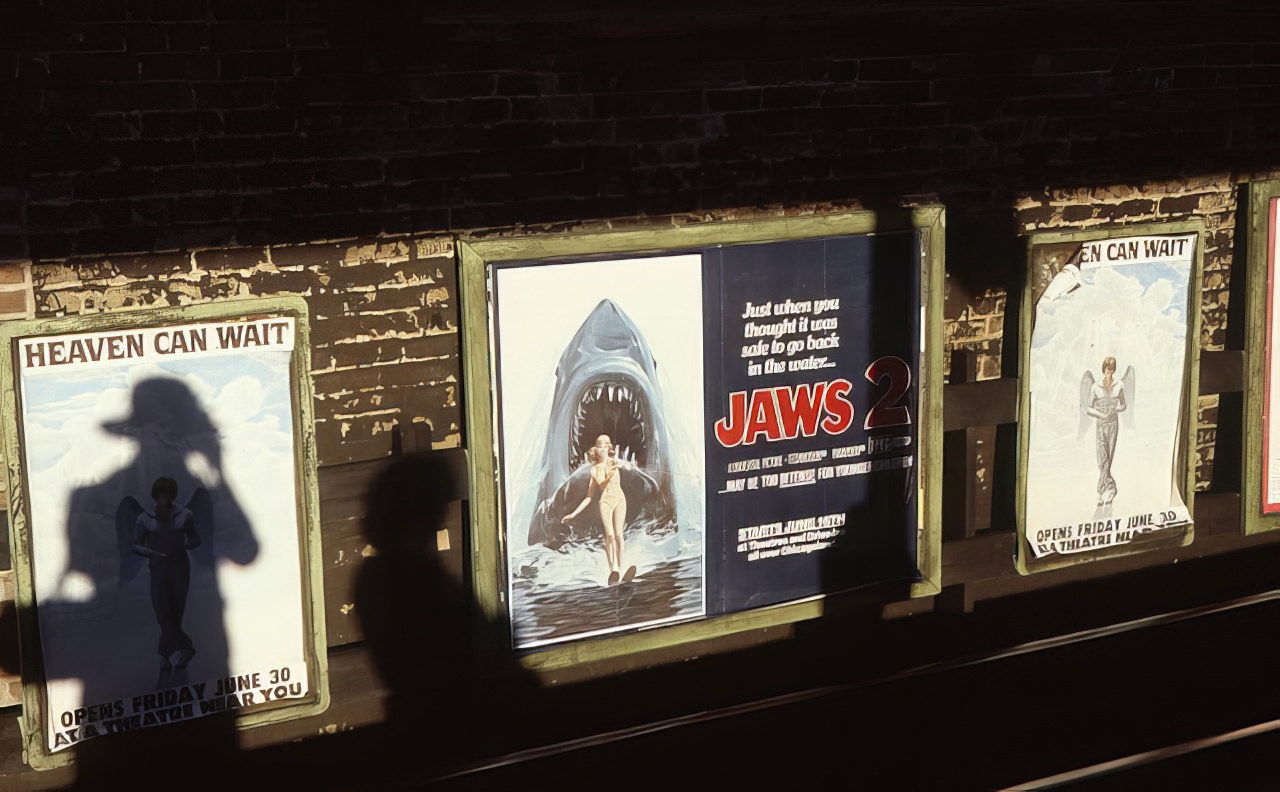
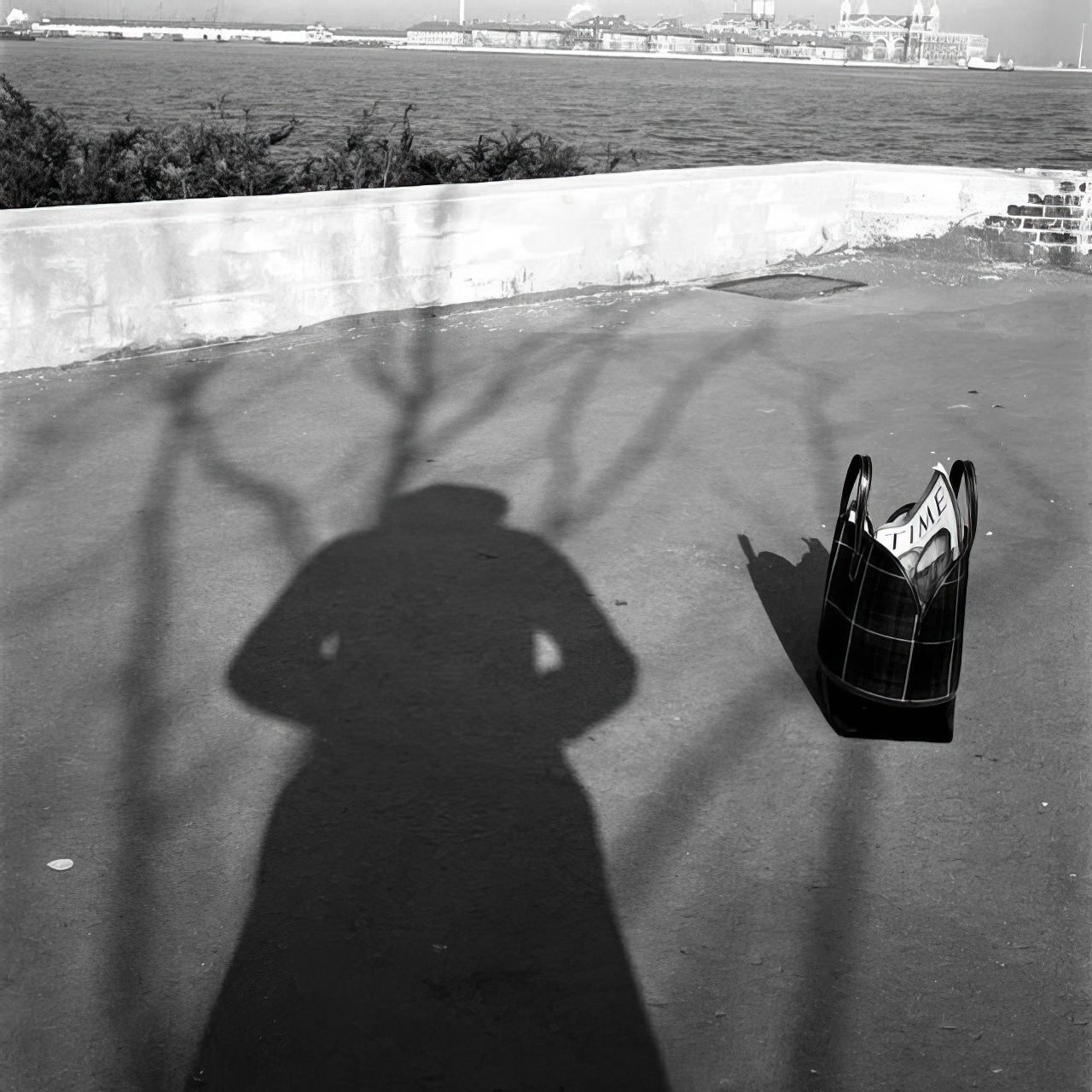
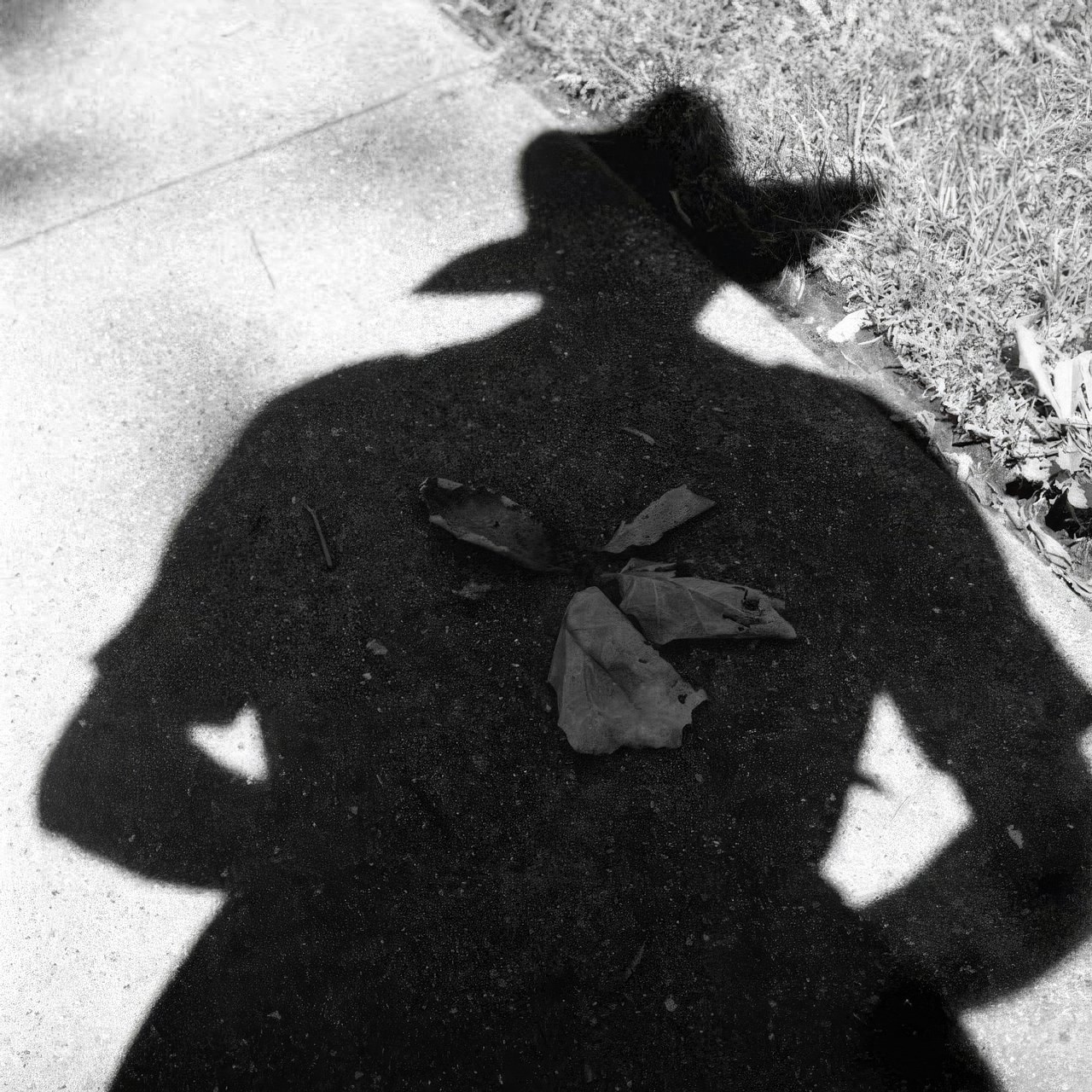
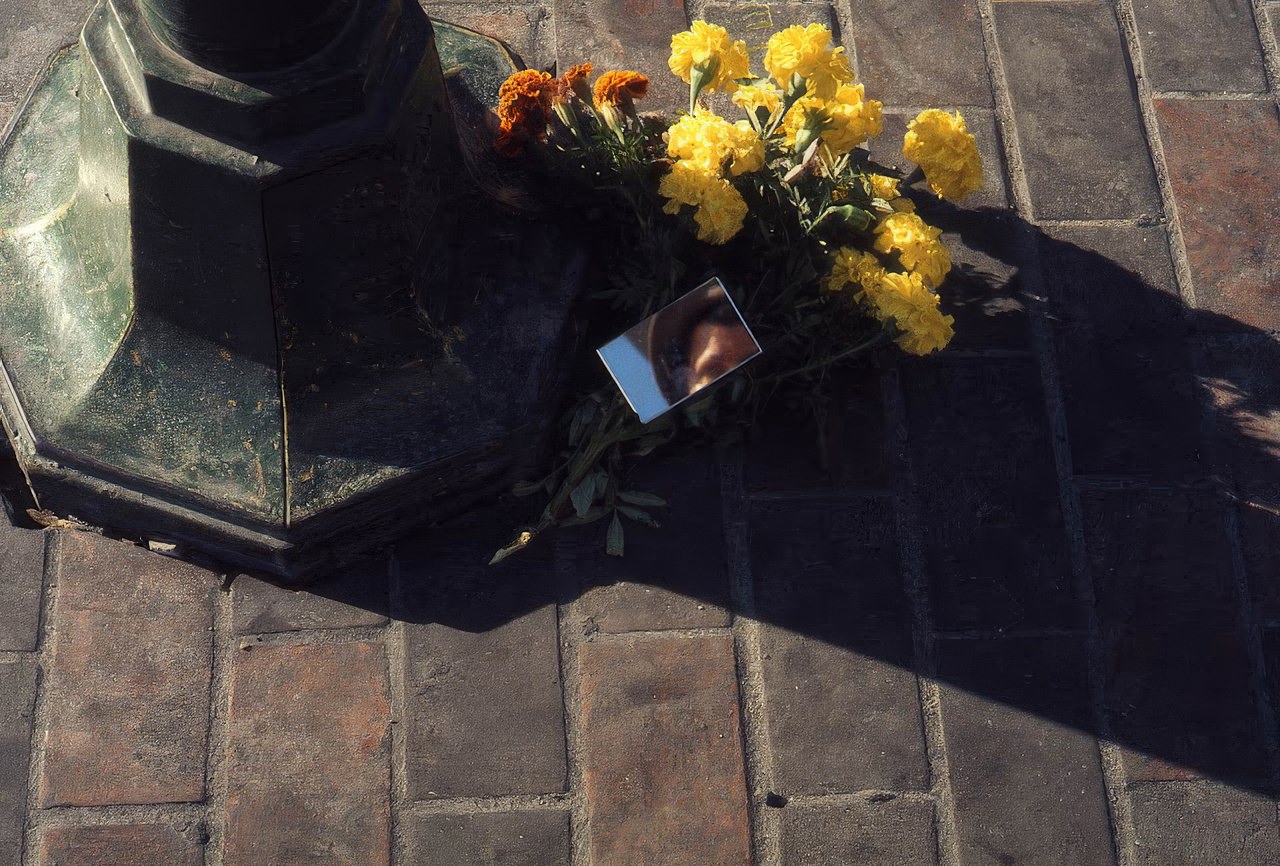
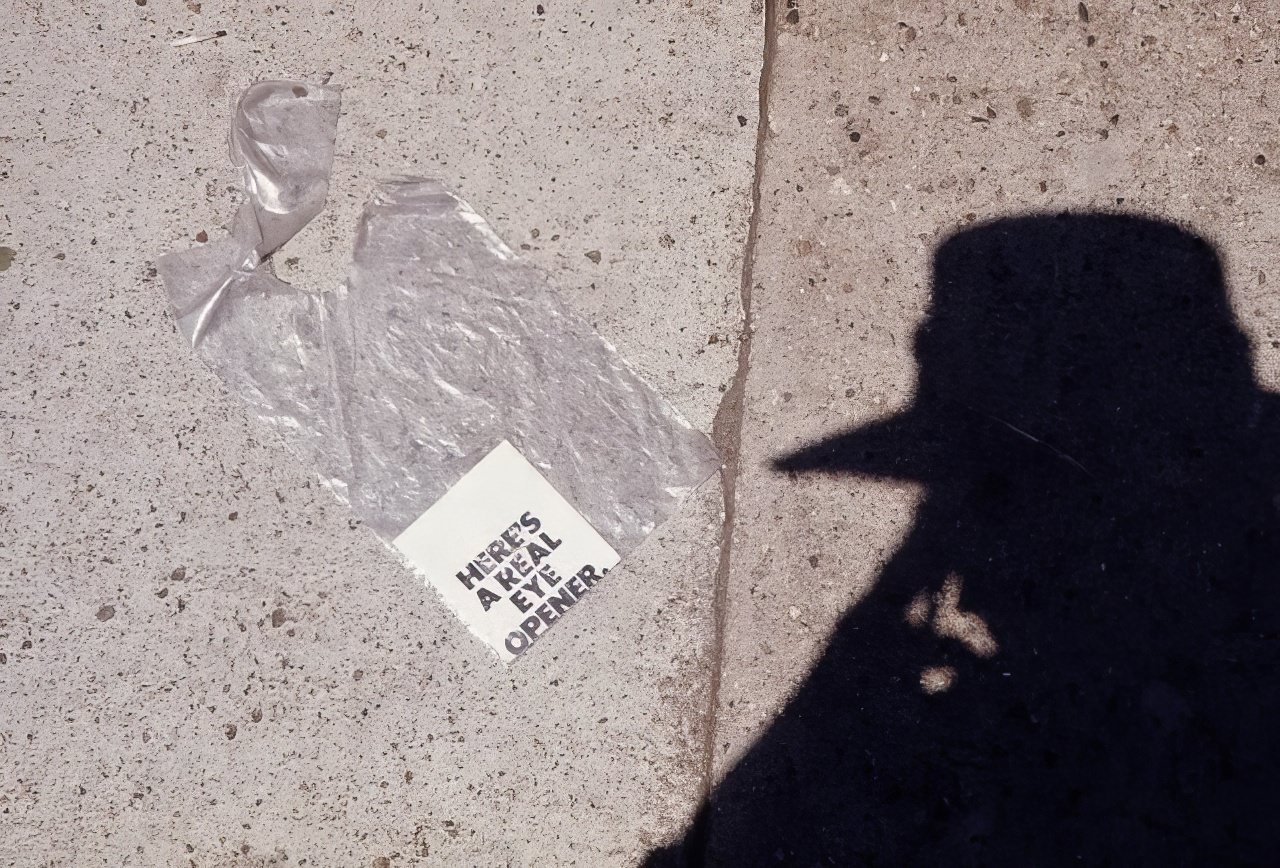
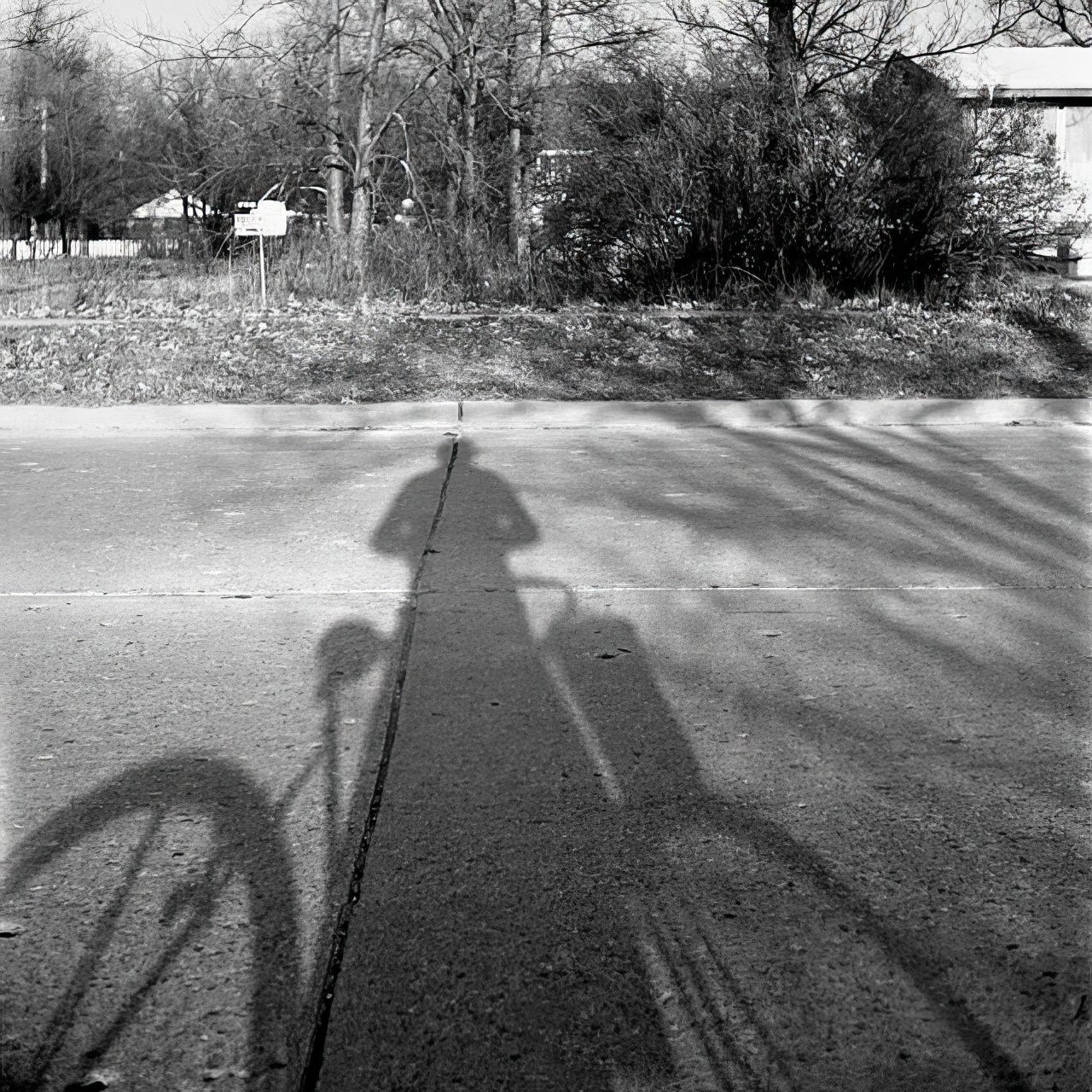
She didn’t always show her full face. Some portraits revealed only her shadow stretching across pavement. Others showed a single eye, a gloved hand, or the outline of her silhouette. These partial views were intentional — she controlled exactly how much of herself the viewer could see.
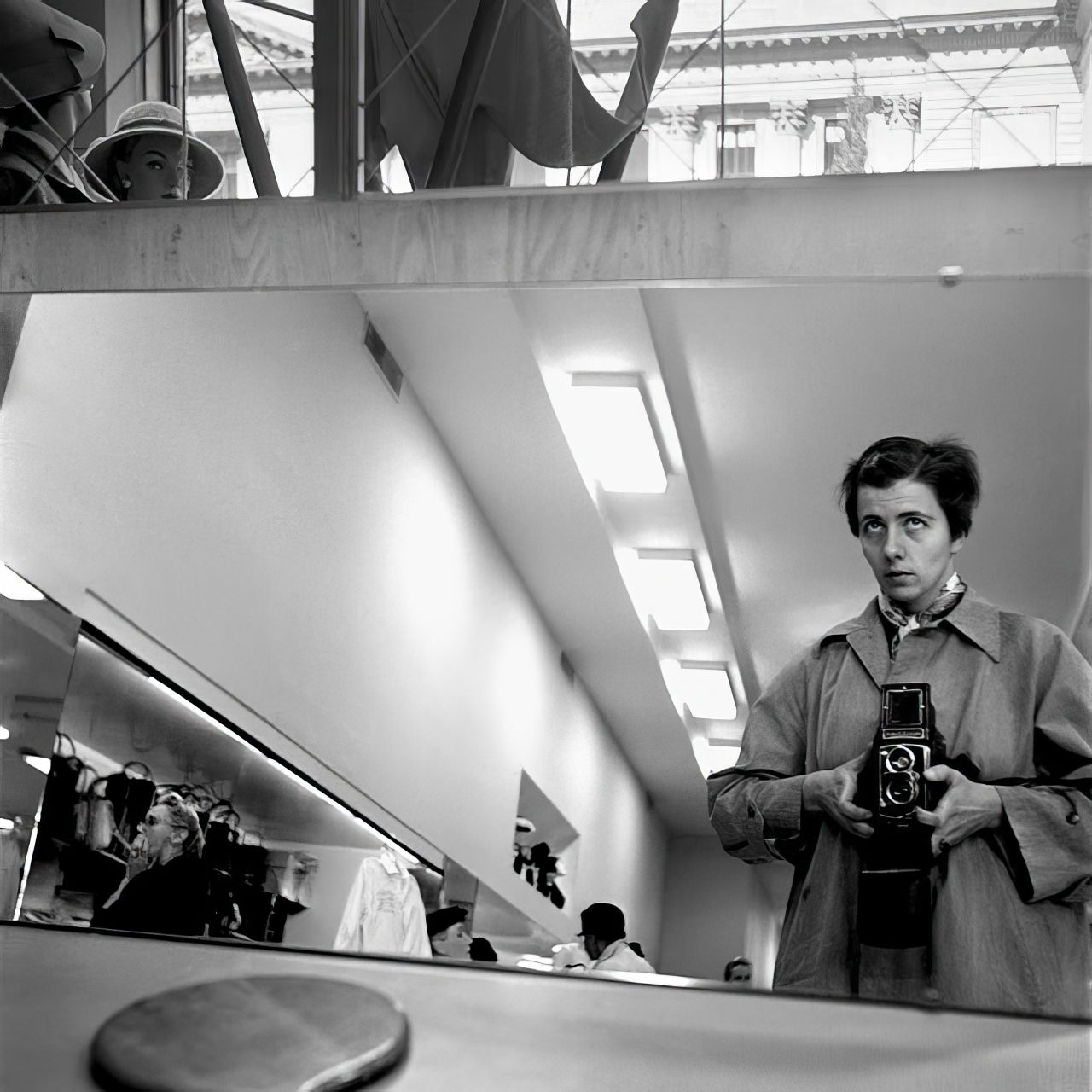
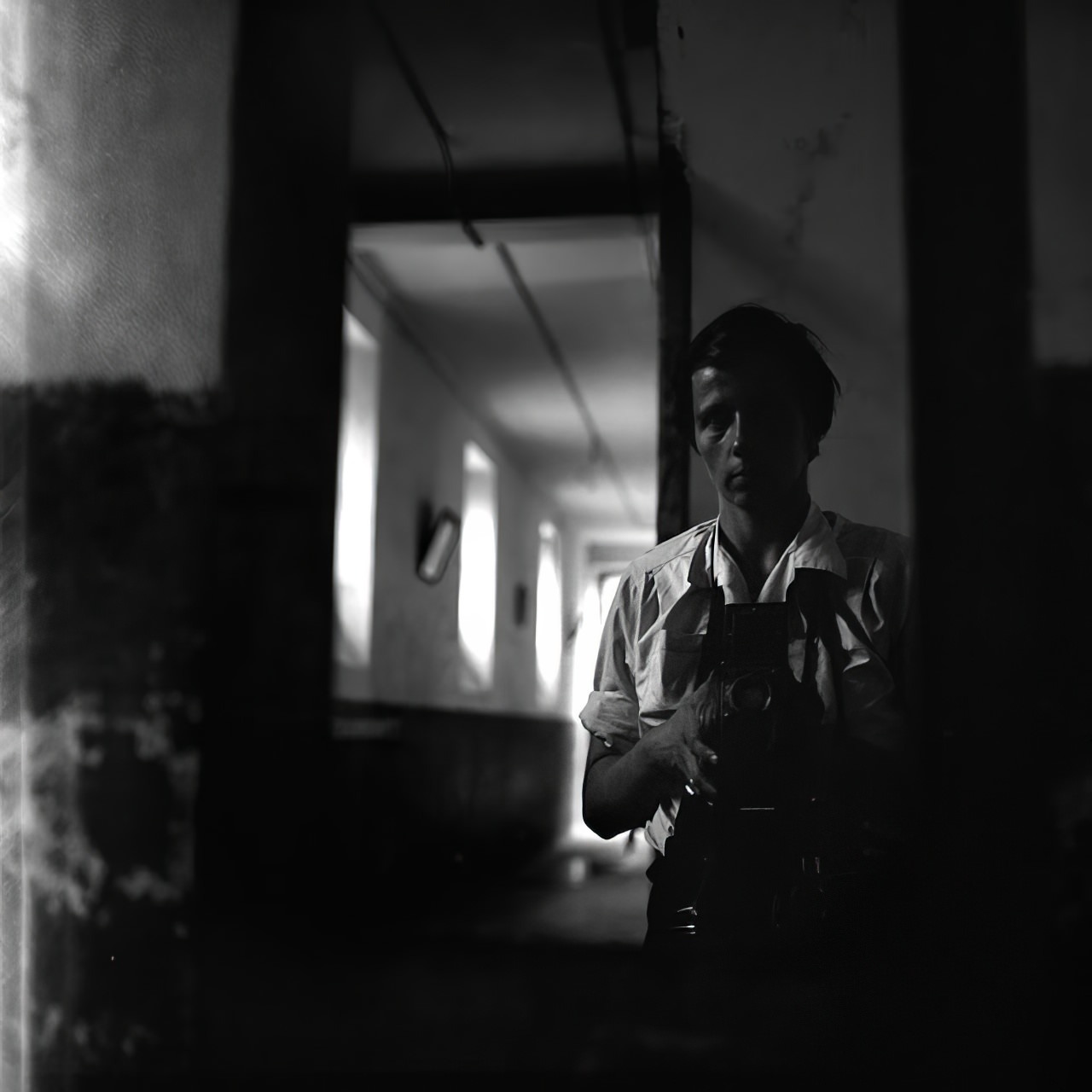
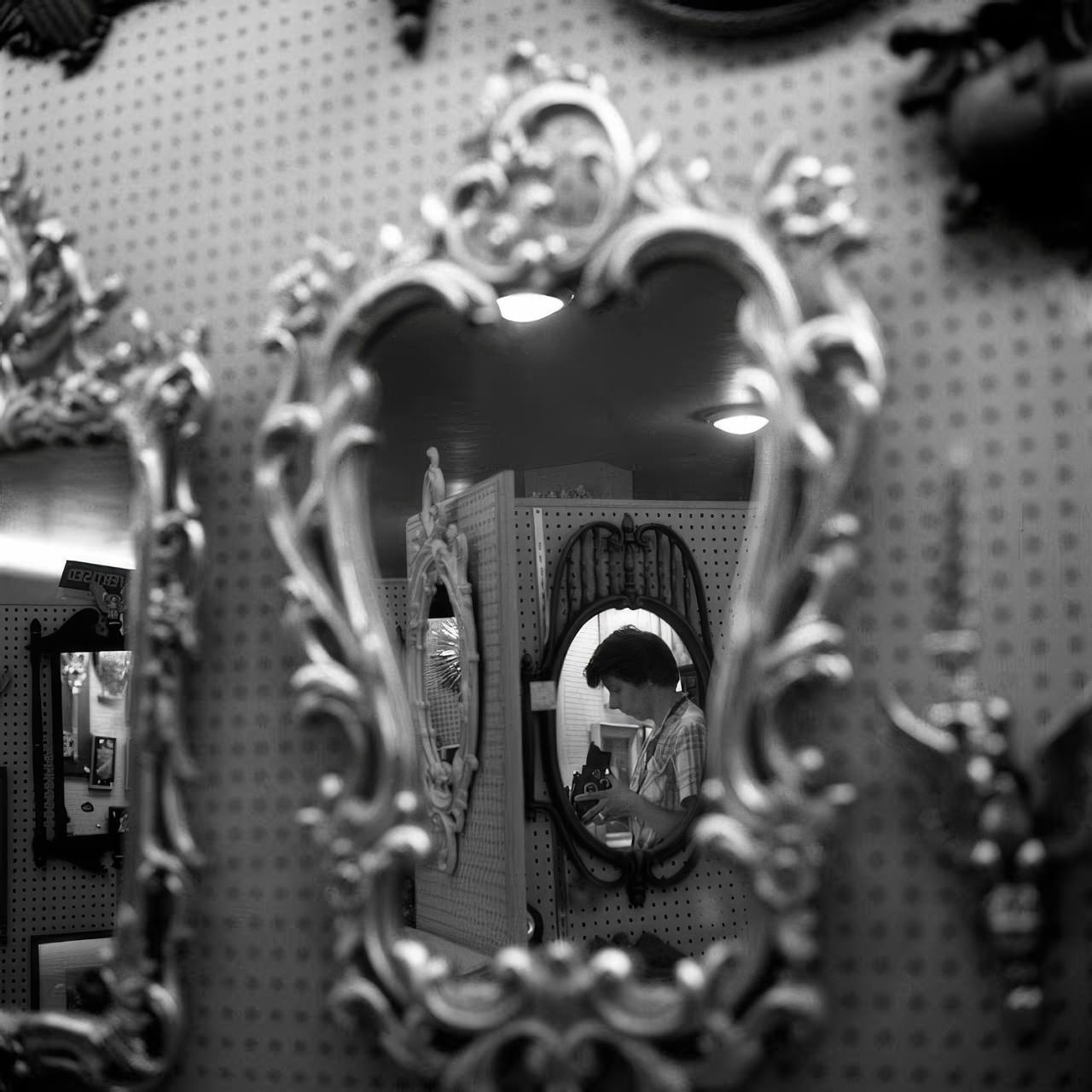
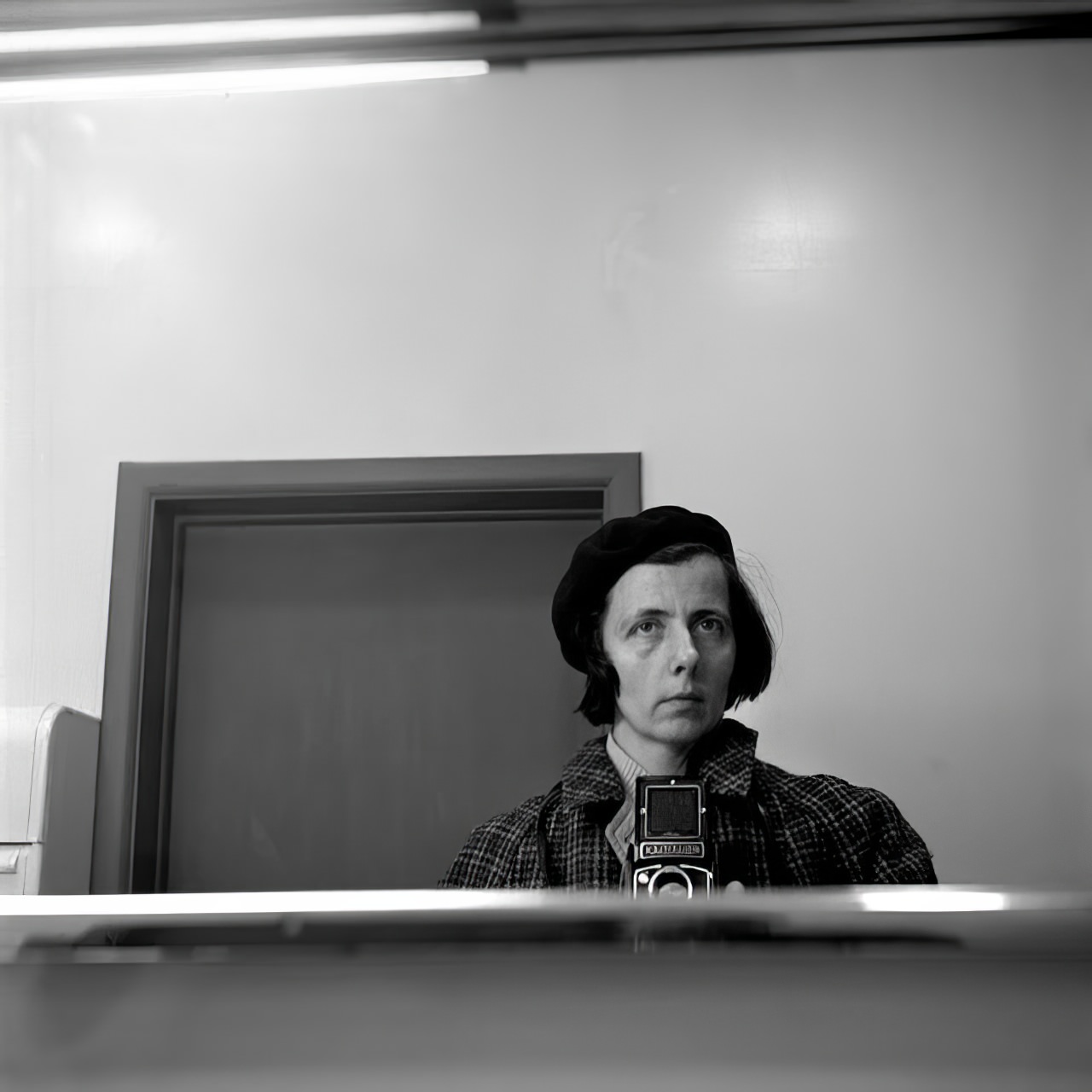
Her appearance shifted from photo to photo. Some days she wore a structured hat and a formal coat. Other days she photographed herself in plain, everyday clothing. Her expressions shifted just as much — serious in one frame, with a slight smirk in the next.
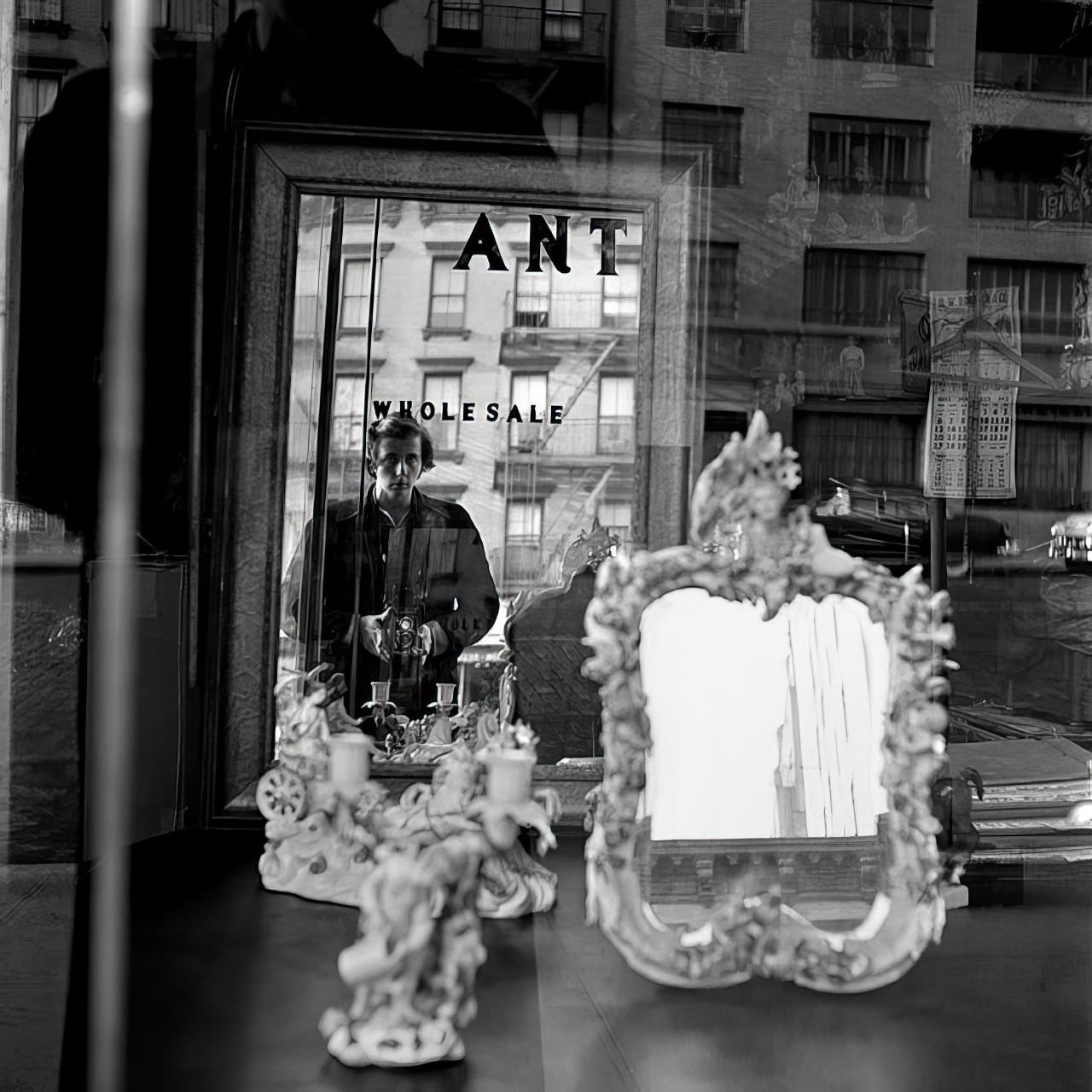
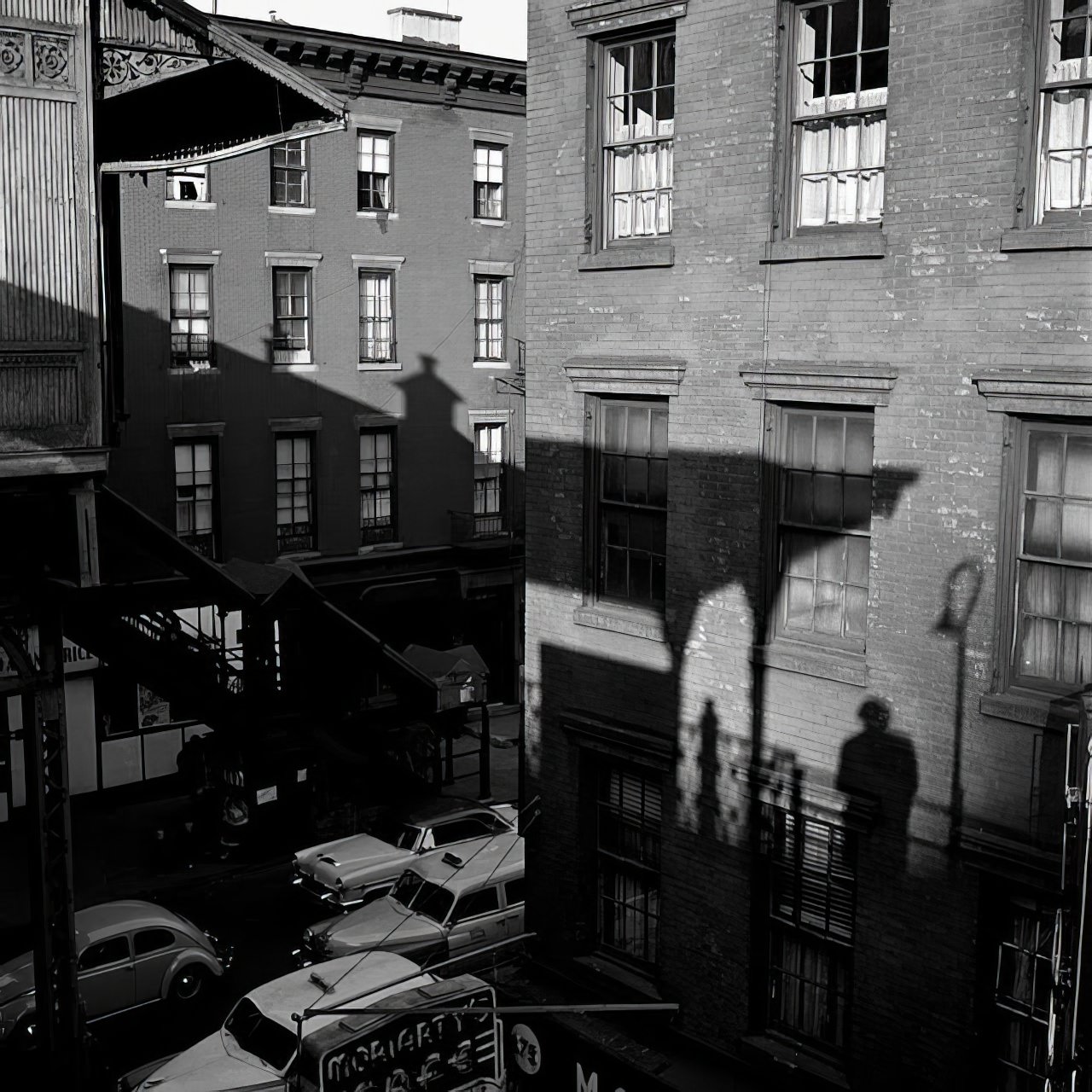
Maier shot self-portraits across a wide range of settings. Crowded city sidewalks, quiet parks, and the interior of her own living space all served as backdrops. The location never seemed to limit her — each environment offered a new way to frame herself.
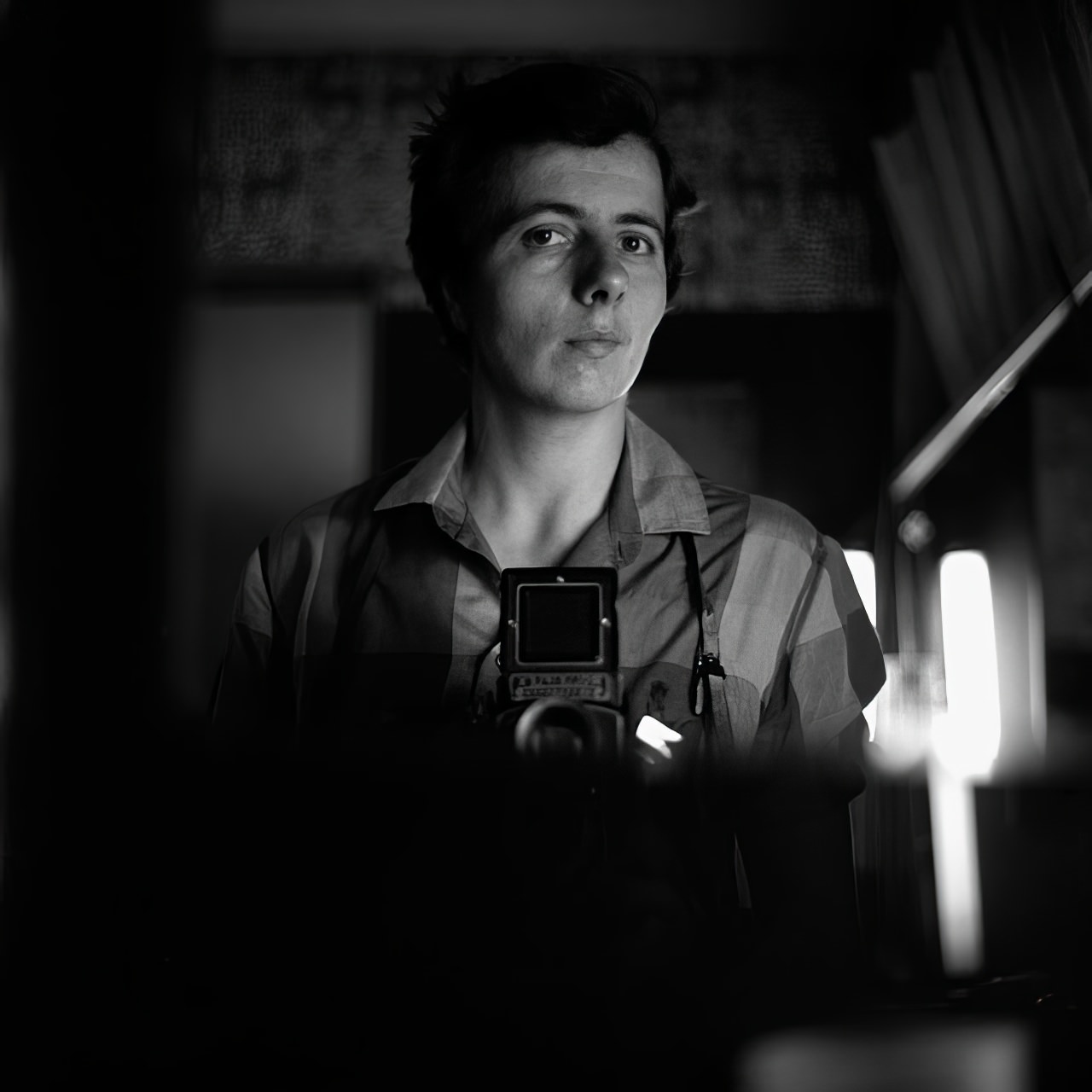
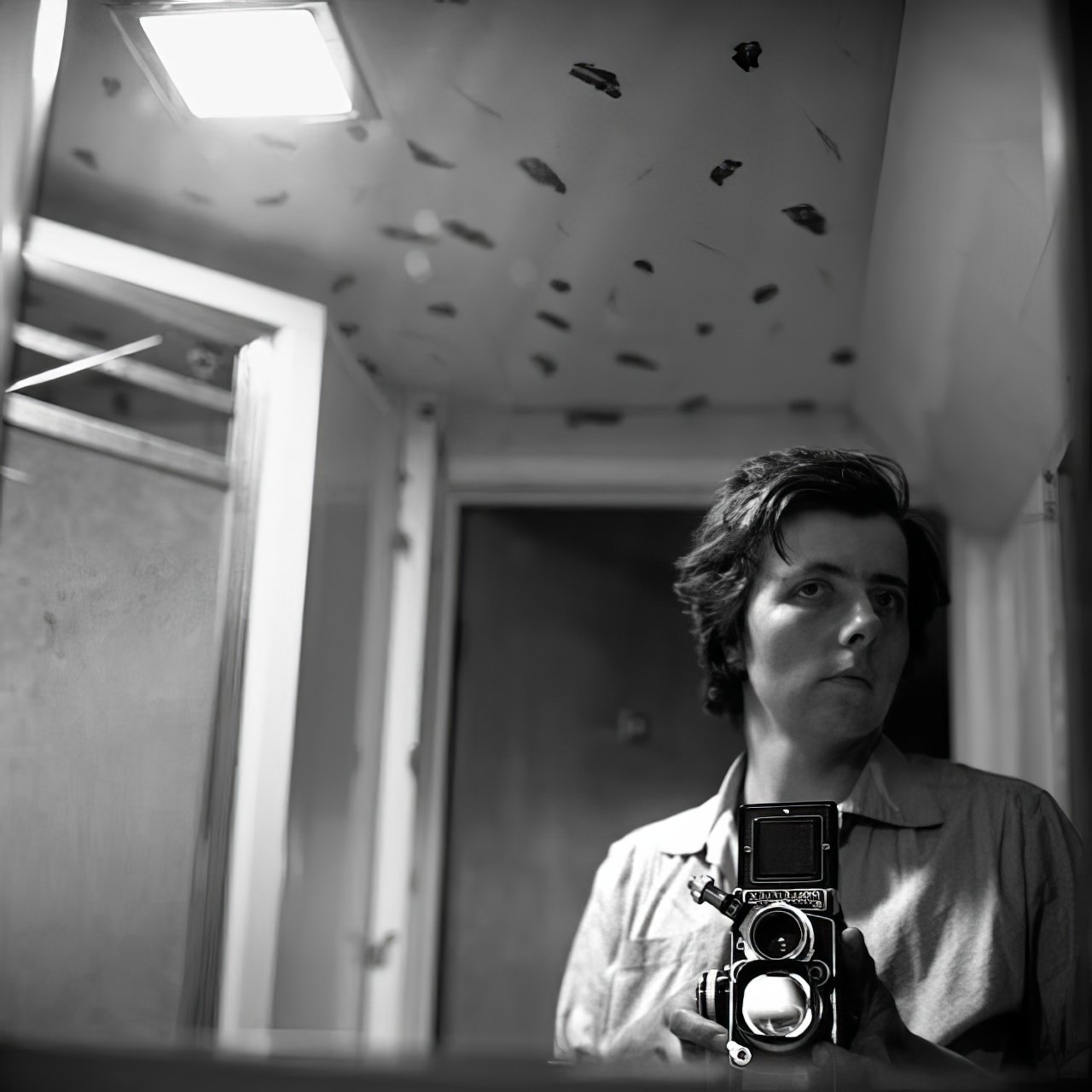
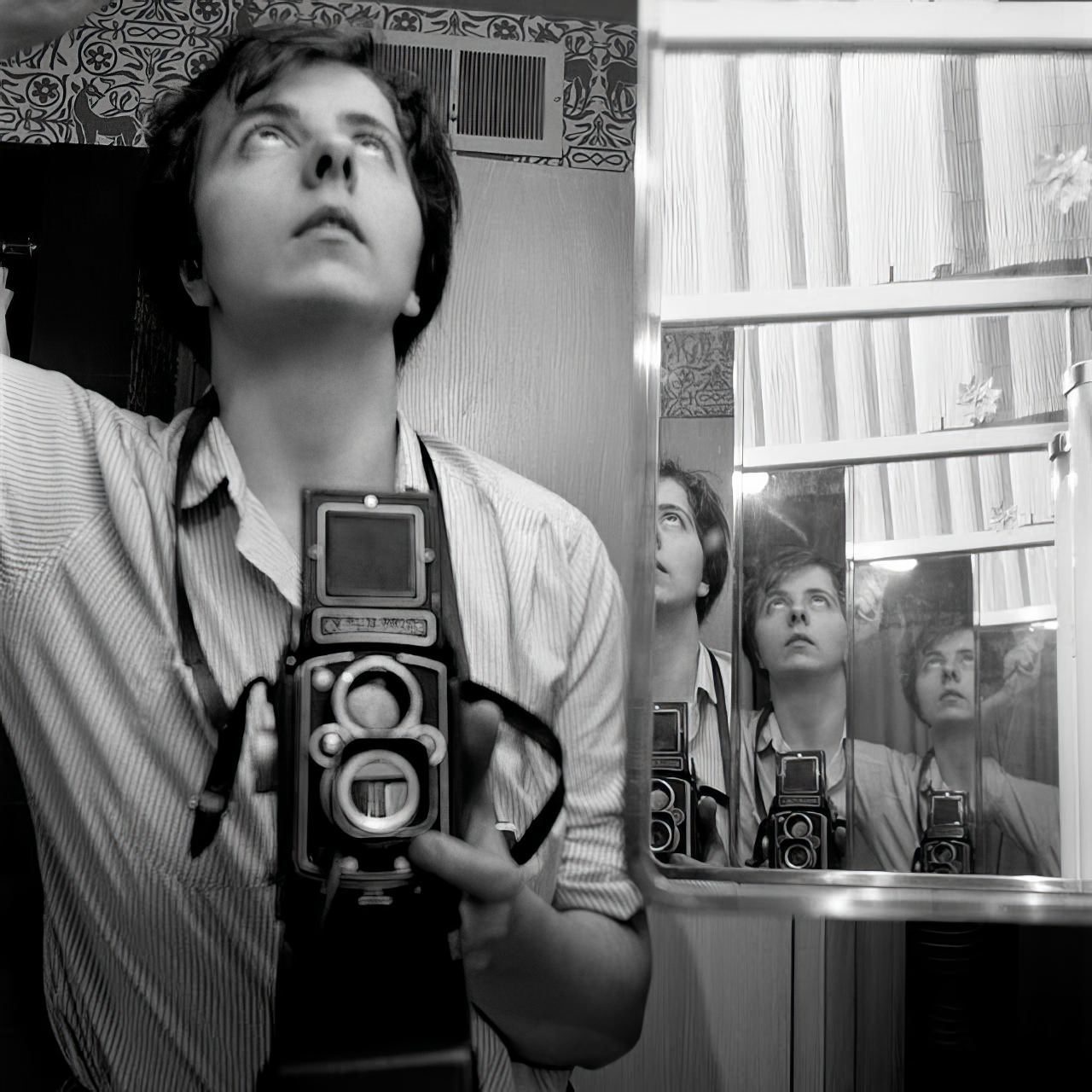
She worked with both a basic box camera and a Rolleiflex, a twin-lens reflex camera that was held at waist height and looked down into. The Rolleiflex in particular suited her style well — its downward viewfinder meant she could shoot without raising it to her eye, giving her a more natural, less conspicuous presence on the street.
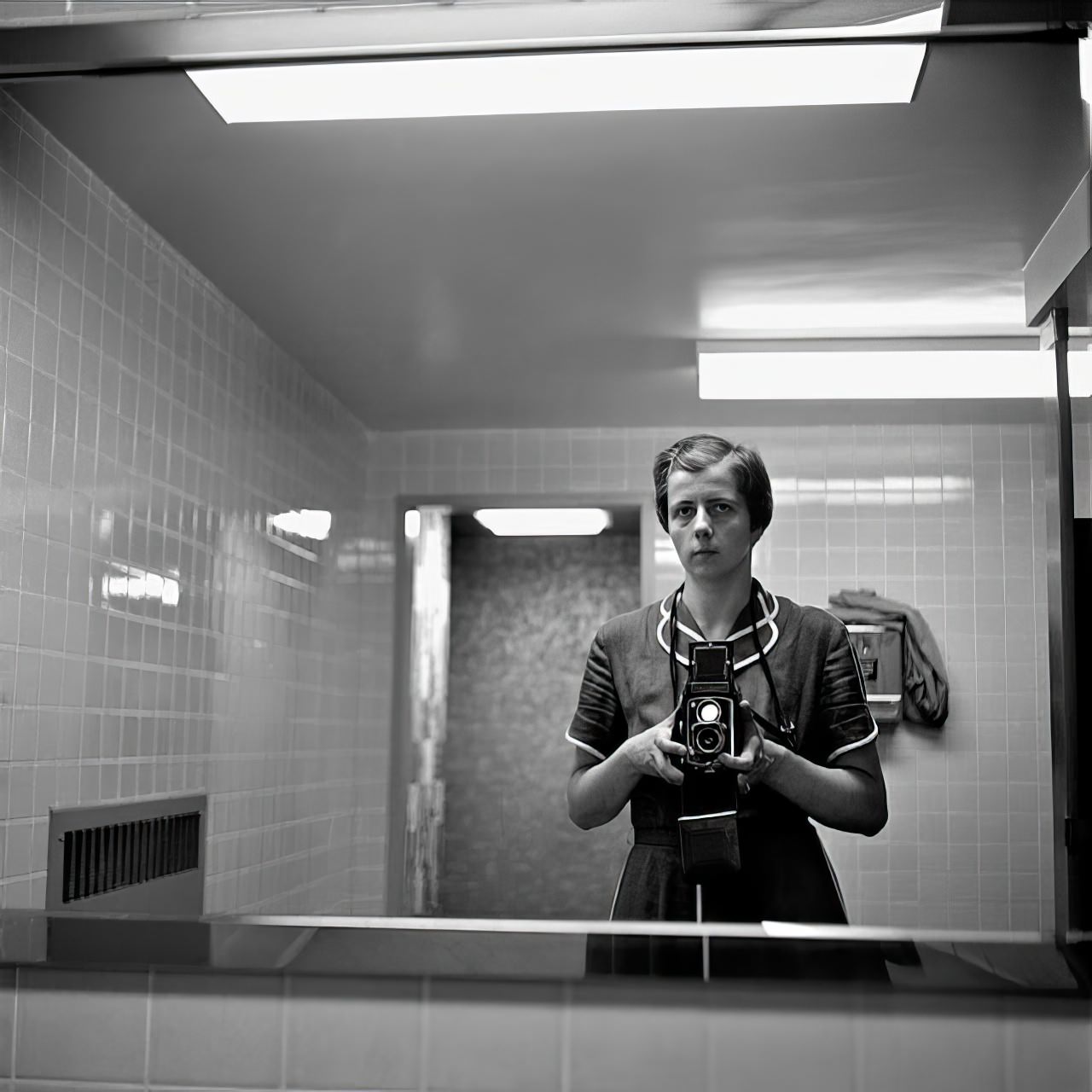
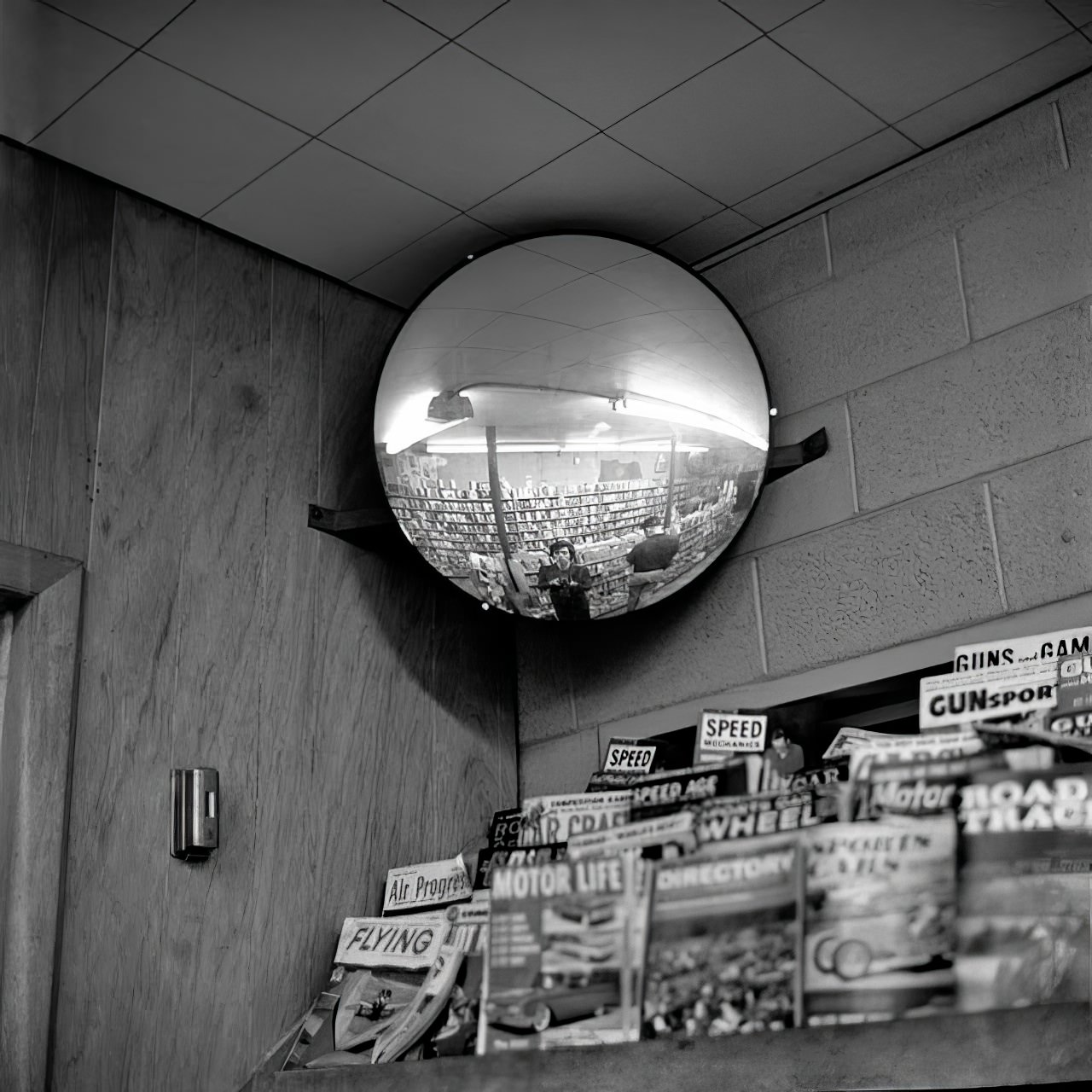
What stands out across the full body of her self-portrait work is consistency of intent. These were not accidental or casual shots. Maier was building a visual record of herself with the same care and attention she gave to photographing strangers on the street.