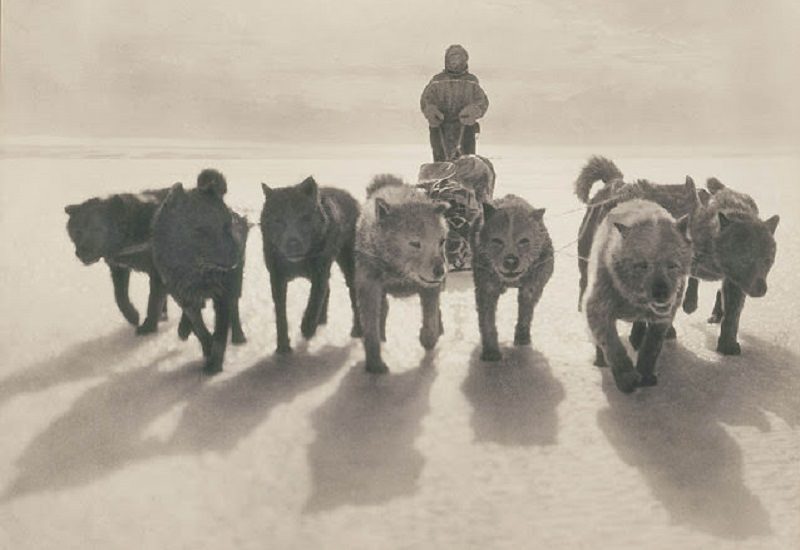
Before digital cameras or color film rolls, capturing the world in color required patience, skill, and specialized equipment. Friedrich Adolf Paneth had all three. An Austrian-born British chemist, Paneth earned his Ph.D. in organic chemistry from the University of Vienna in 1910 before shifting his focus to radiochemistry. Alongside his scientific work, he developed a deep expertise in photography — specifically in Autochrome, one of the most technically demanding color processes of the early 20th century.
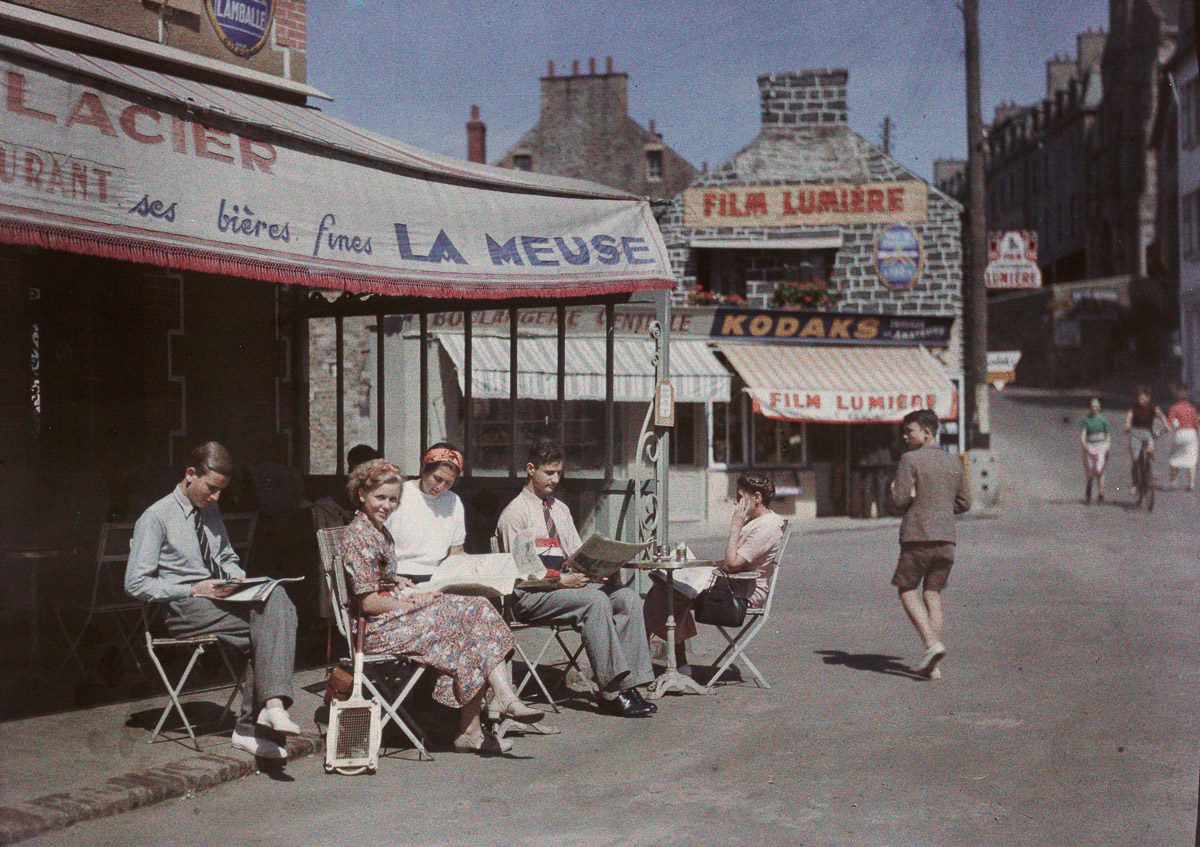
Autochrome was patented in 1907 by French brothers Auguste and Louis Lumière. It became the first commercially successful color photography process in history. The technique used a glass plate coated with microscopic grains of dyed potato starch — red-orange, green, and violet — that acted as color filters. Light passed through these grains to expose a black-and-white emulsion beneath, producing a full-color image when viewed correctly. The results were soft, luminous, and unlike anything else at the time.
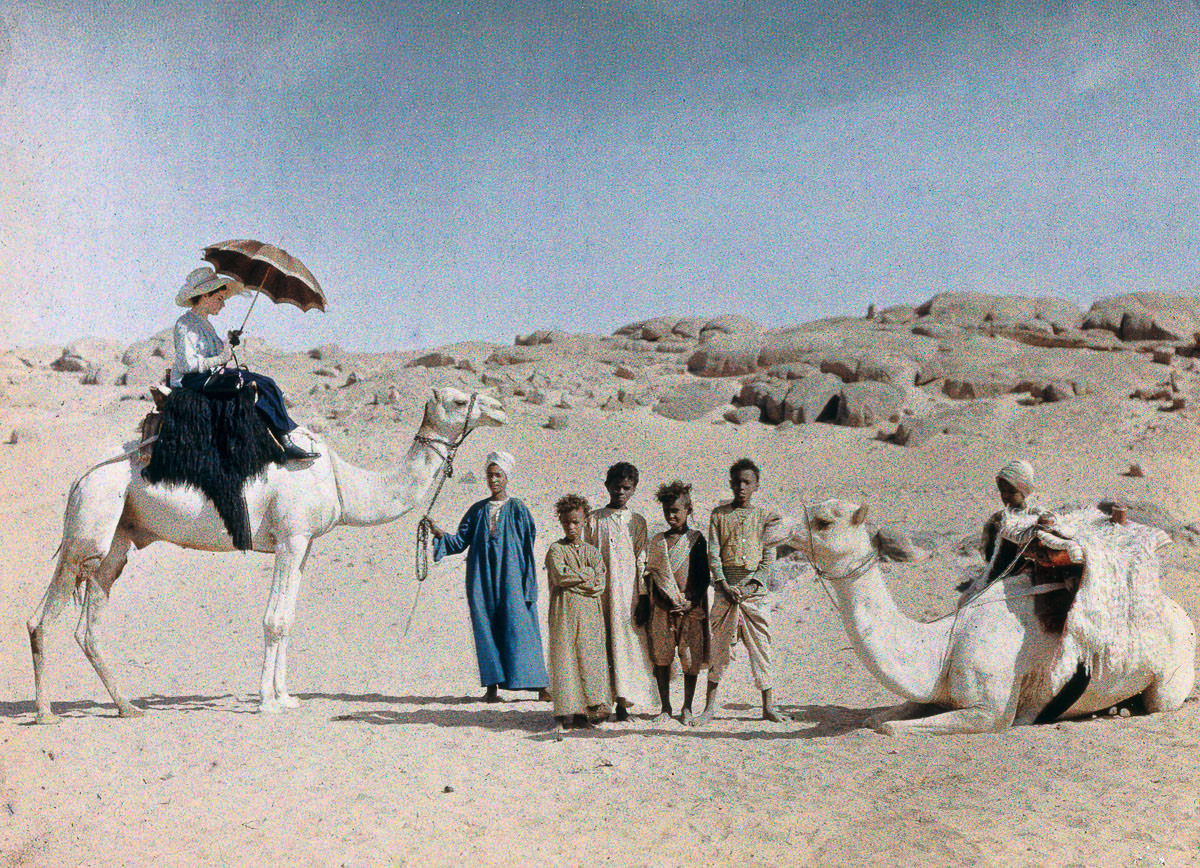
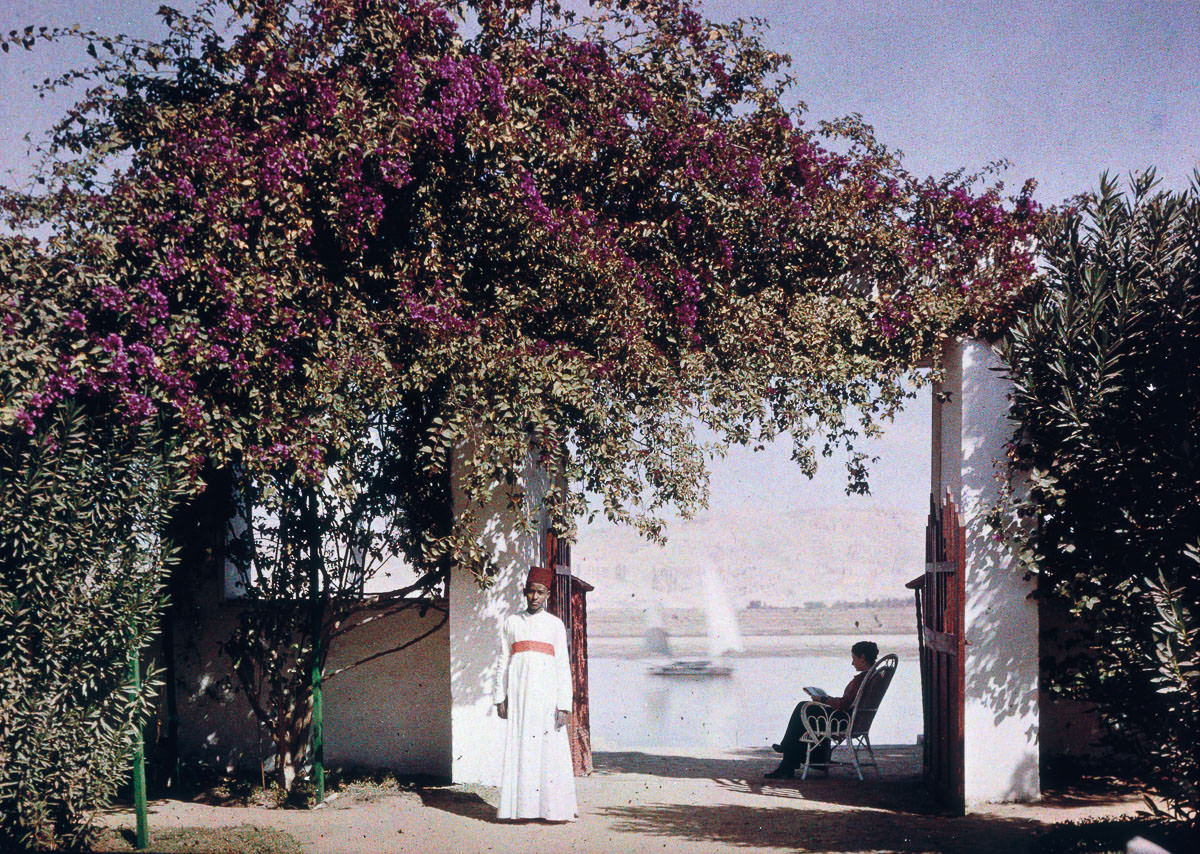
Paneth married Else Hartmann in 1913 and immediately put his camera to use. The couple honeymooned in Egypt, where Paneth photographed ancient temples, market streets, and the Nile — all in vivid Autochrome color. These images weren’t just personal keepsakes; they were carefully composed records of the places they visited.
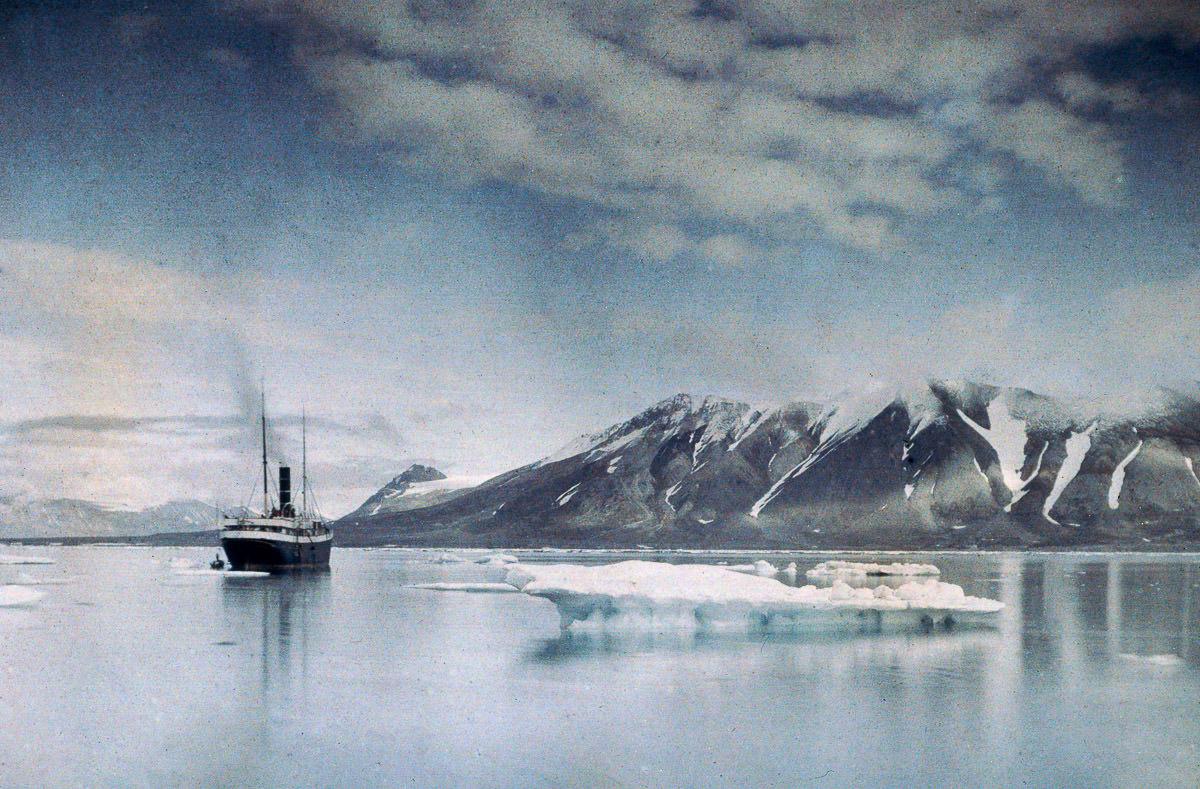
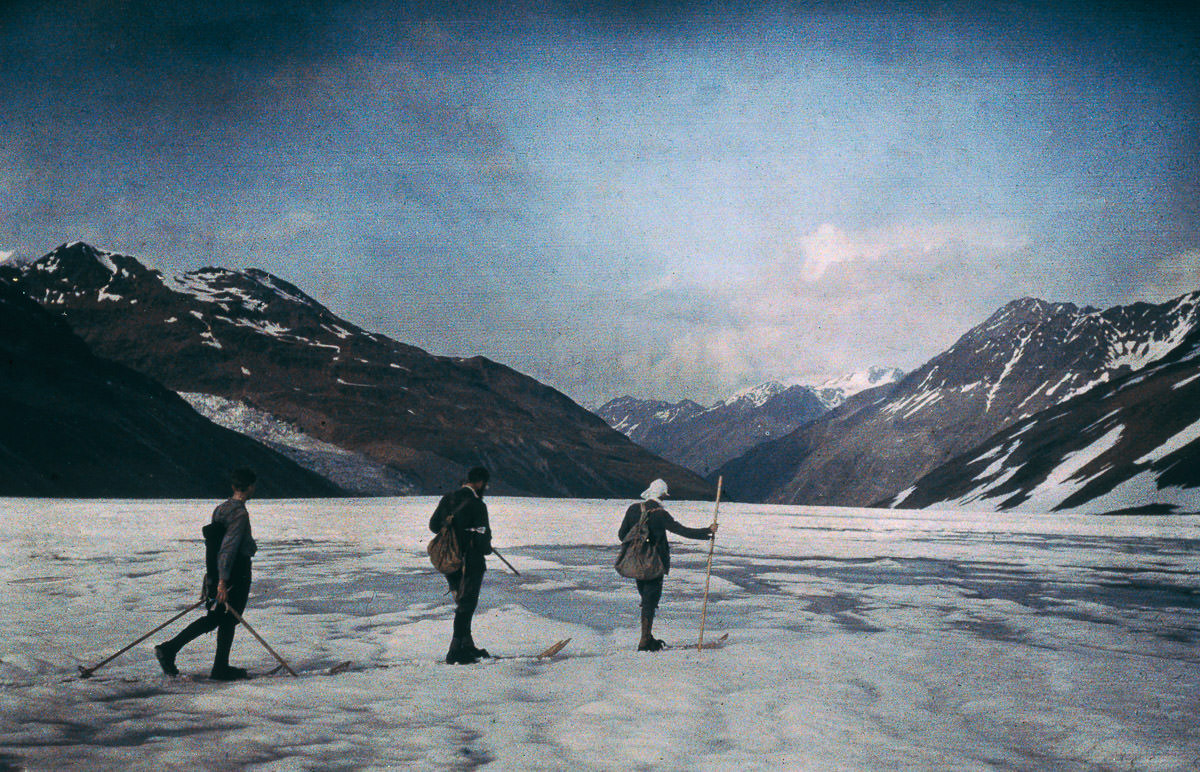
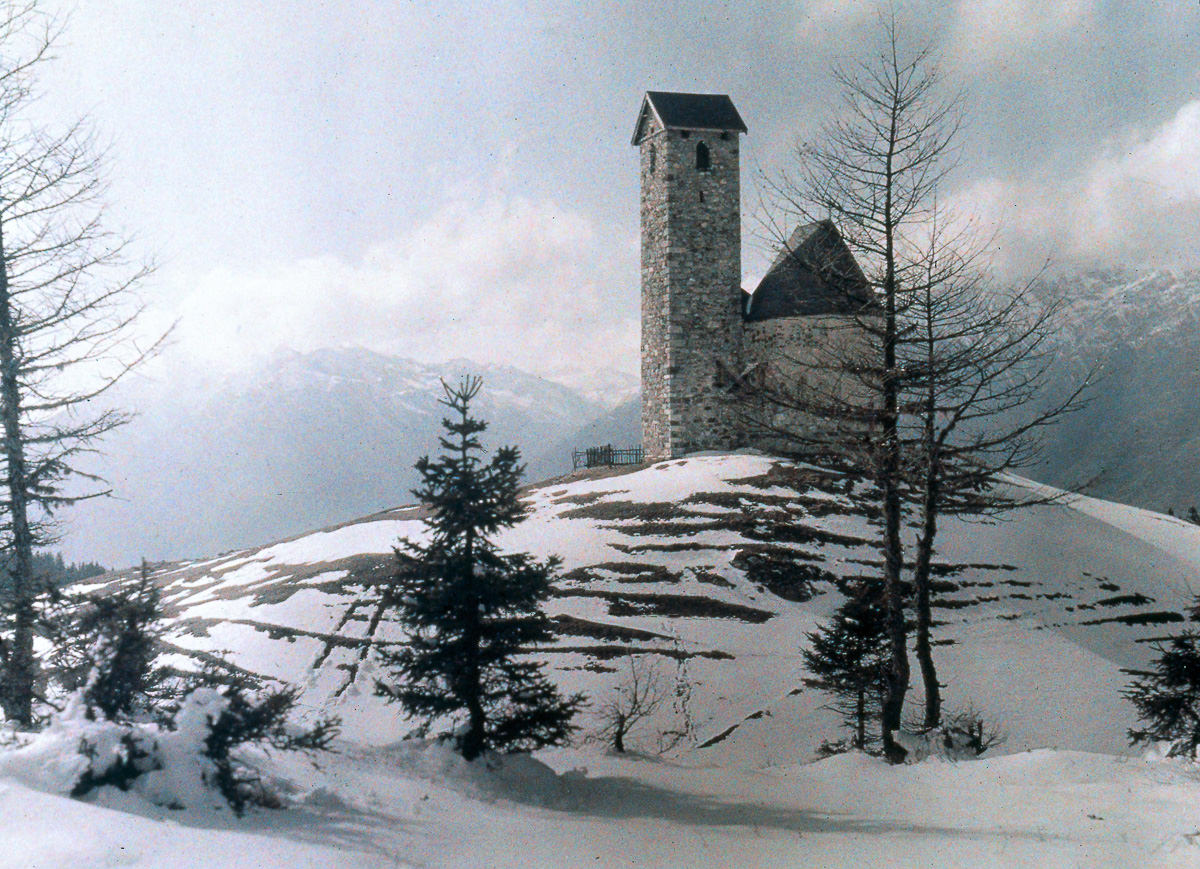
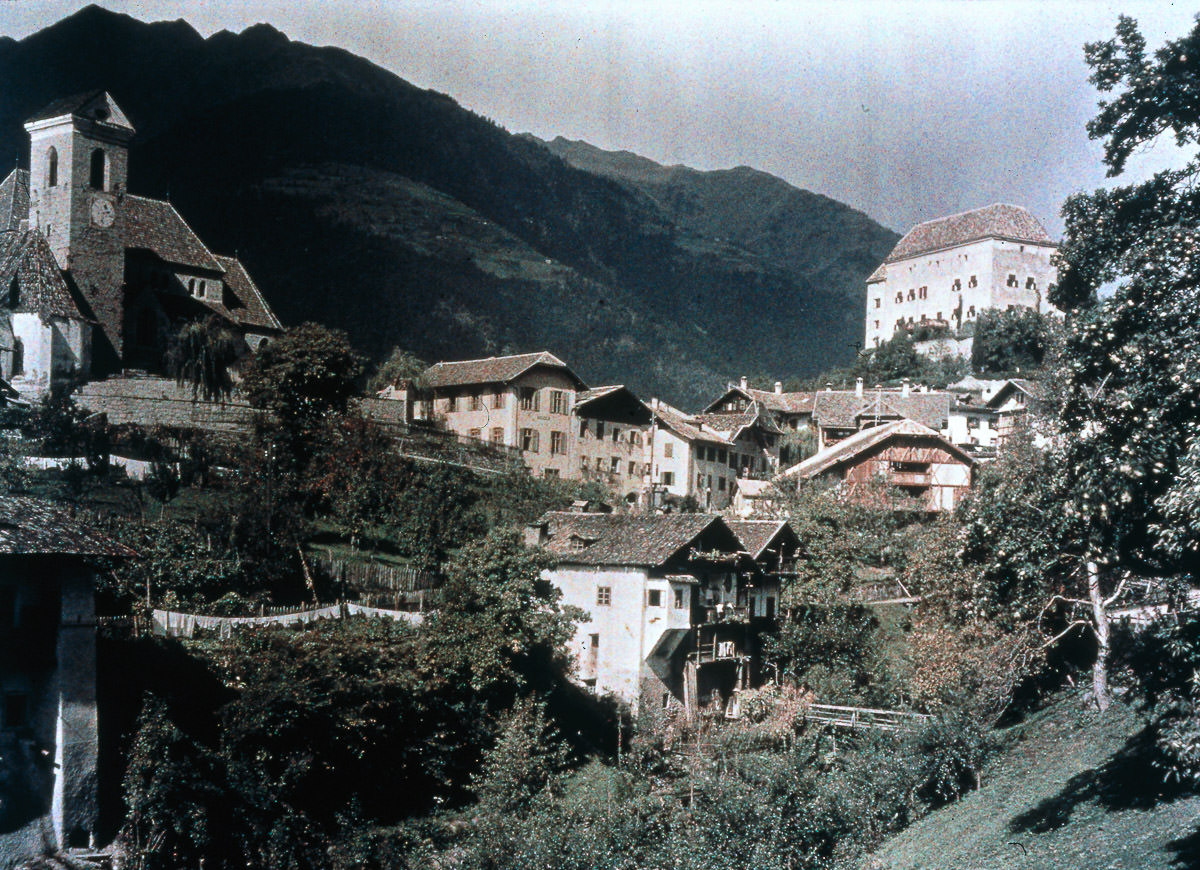
Even before the honeymoon, Paneth had been using his camera to document his surroundings. In 1912, he captured the Austrian Alps around the Ötztal valley — rugged mountain terrain that tested both the traveler and the photographer. The Autochrome process required careful handling and precise exposure, making outdoor winter shots particularly challenging.
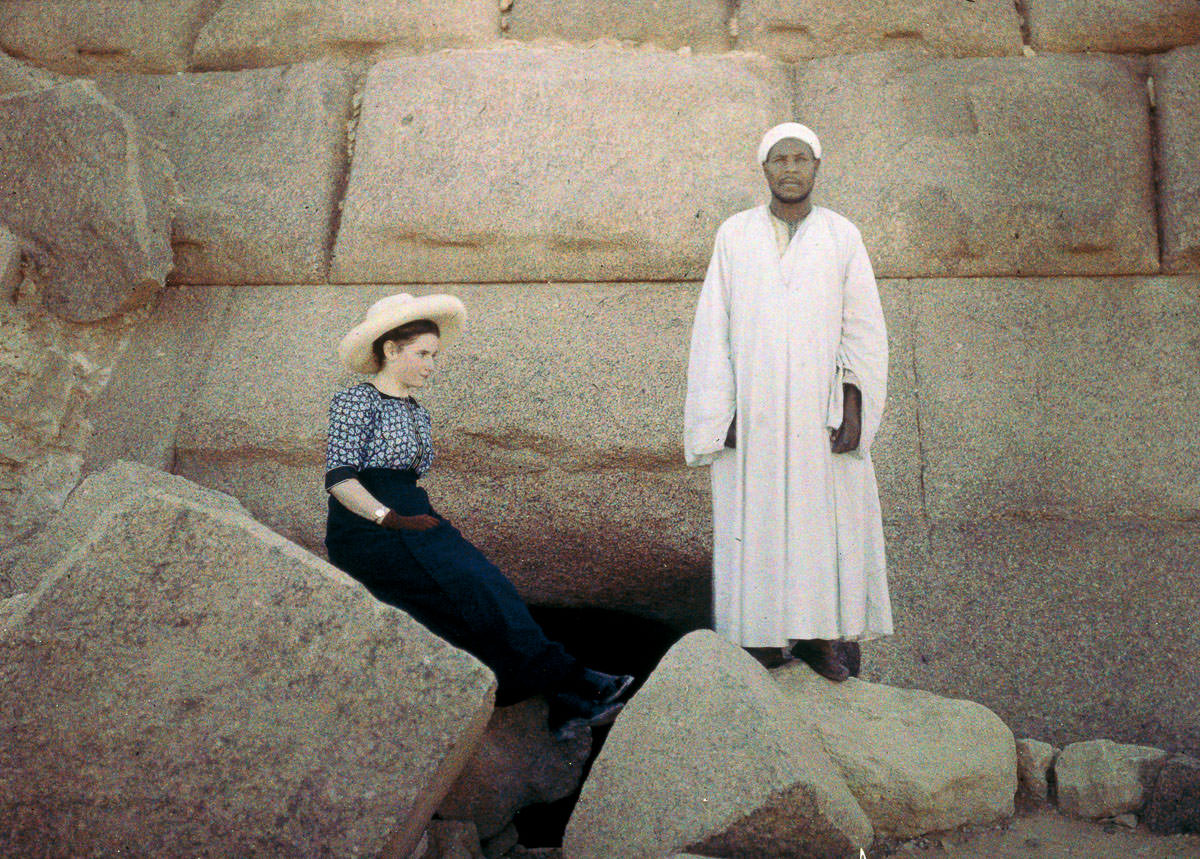
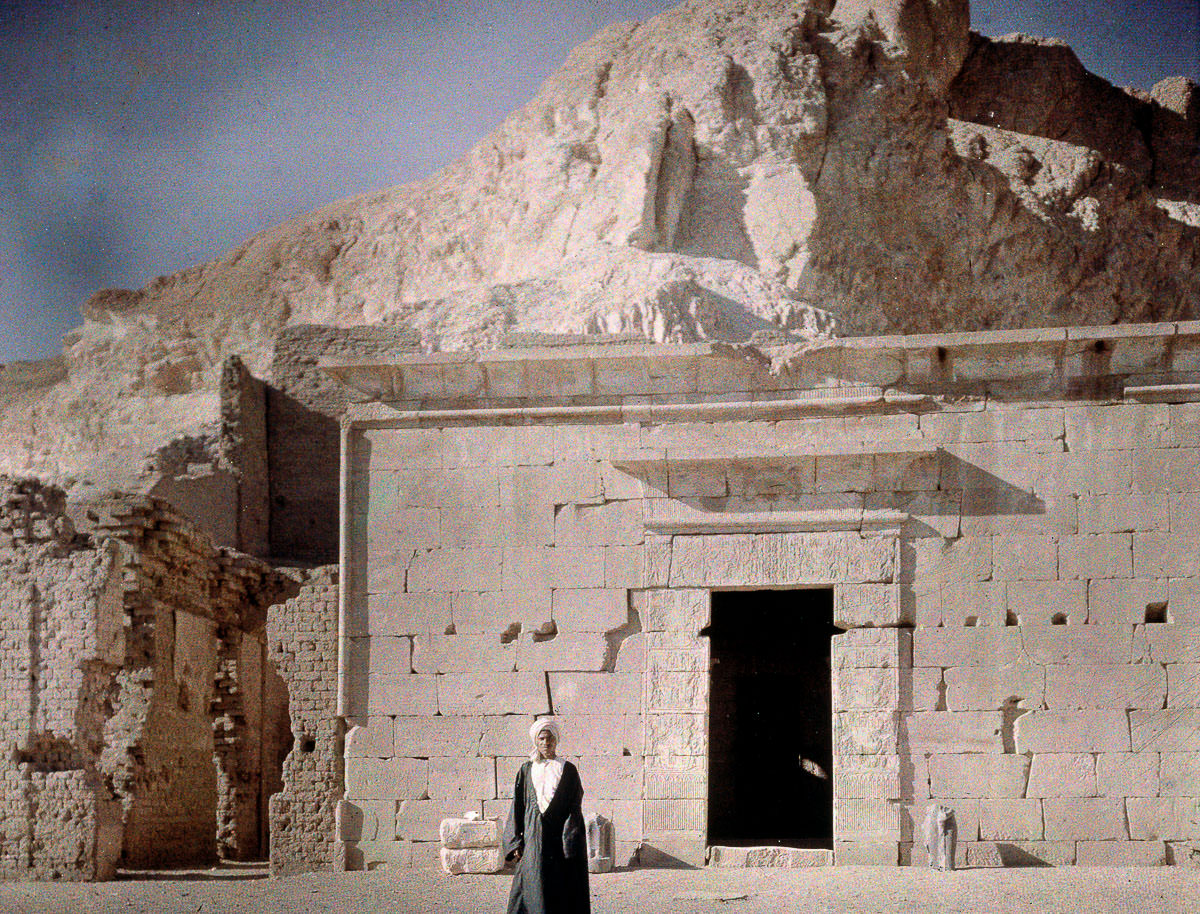
The 1913 Egypt trip produced some of Paneth’s most striking work. The couple visited the Pyramid of Menkaure, the Temple of Deir el-Medina, Karnak, and Philae — monuments that had stood for thousands of years. Paneth’s photographs place his new wife among these ancient structures with remarkable color fidelity, showing warm stone, bright sky, and the deep shadows of temple interiors.
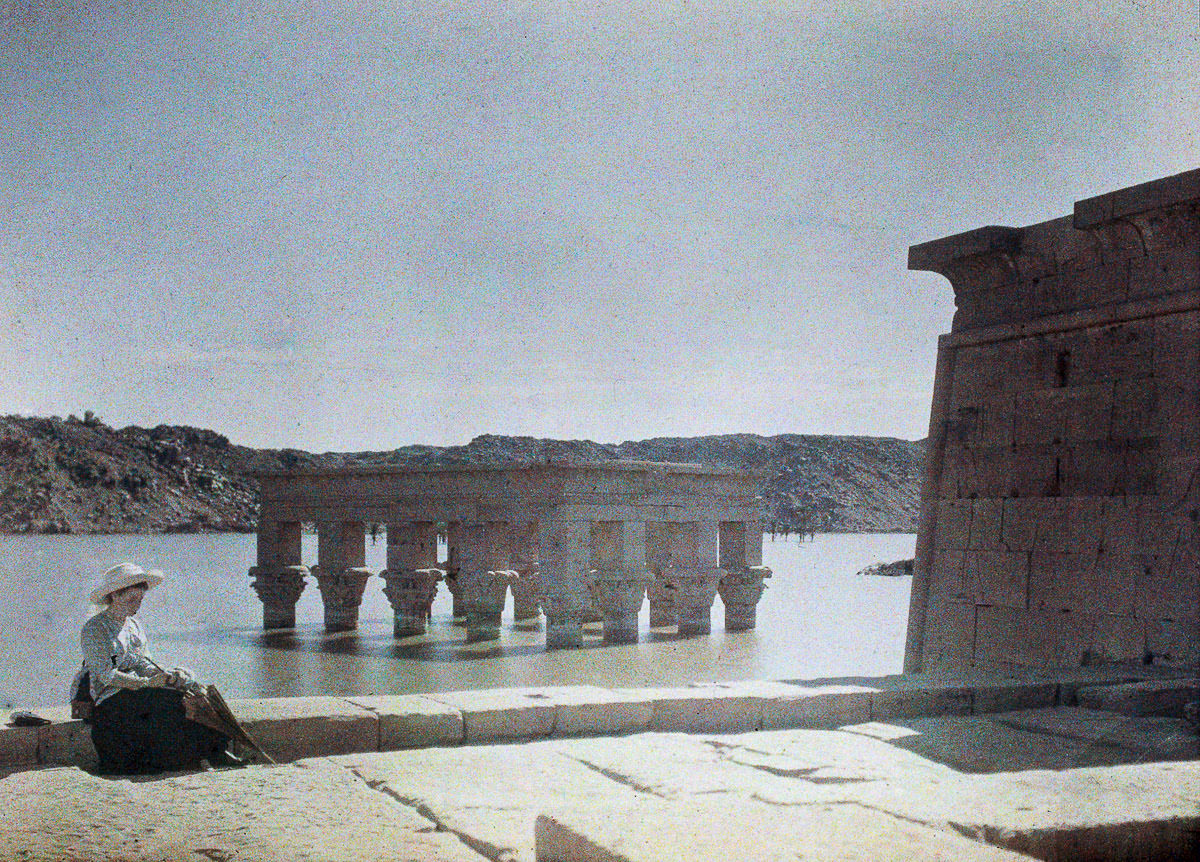
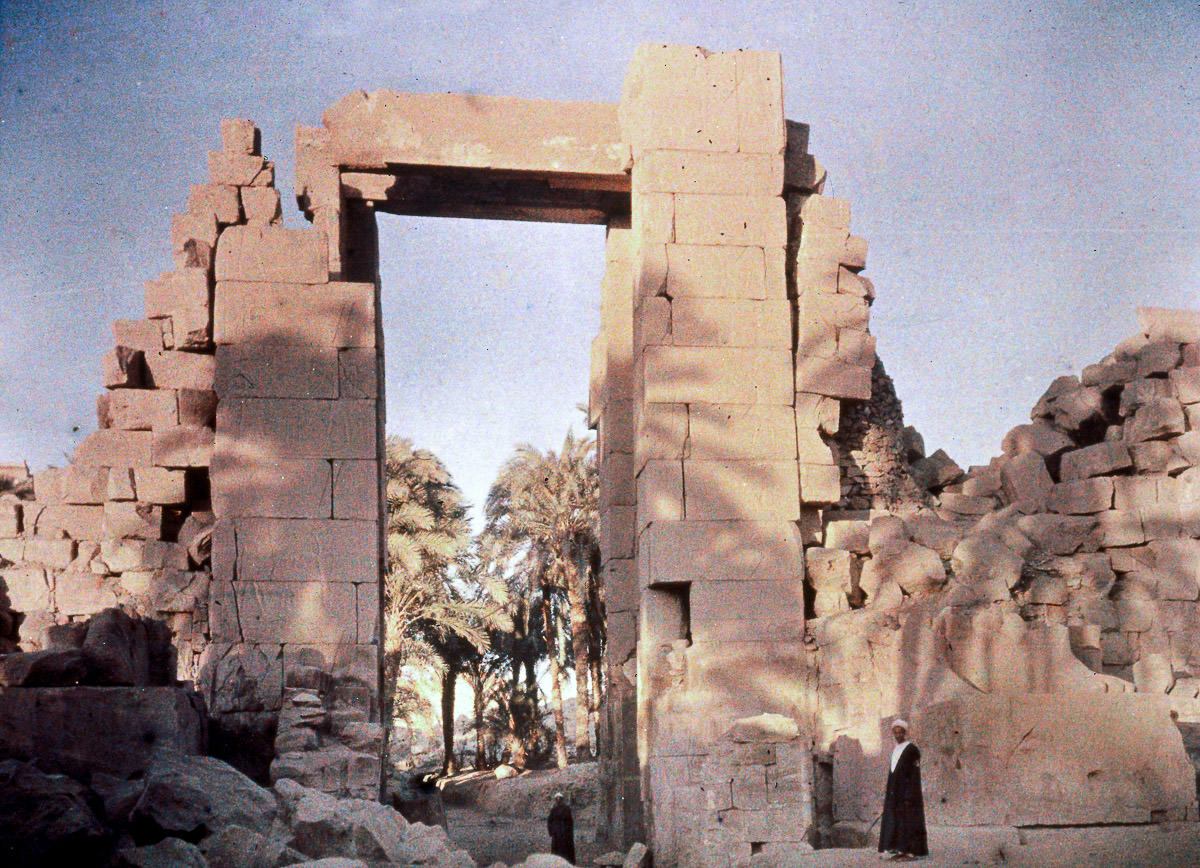
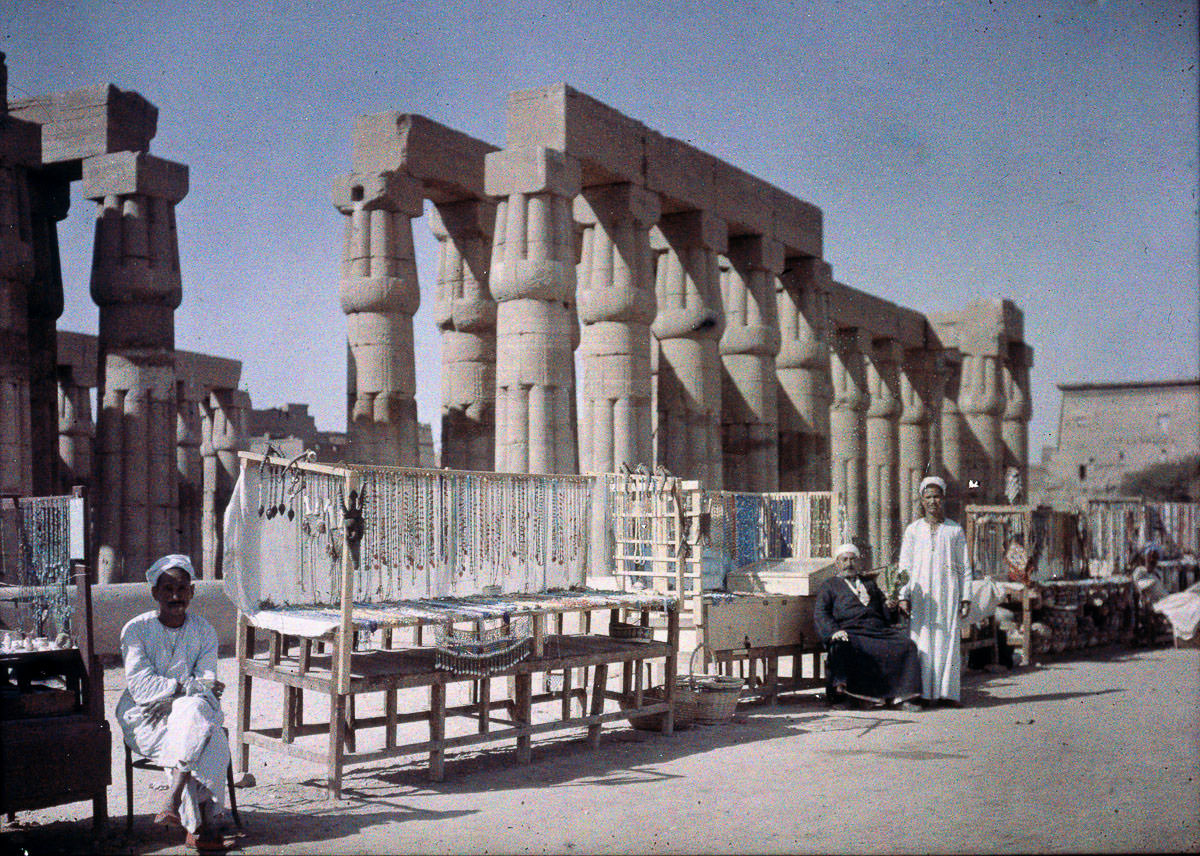
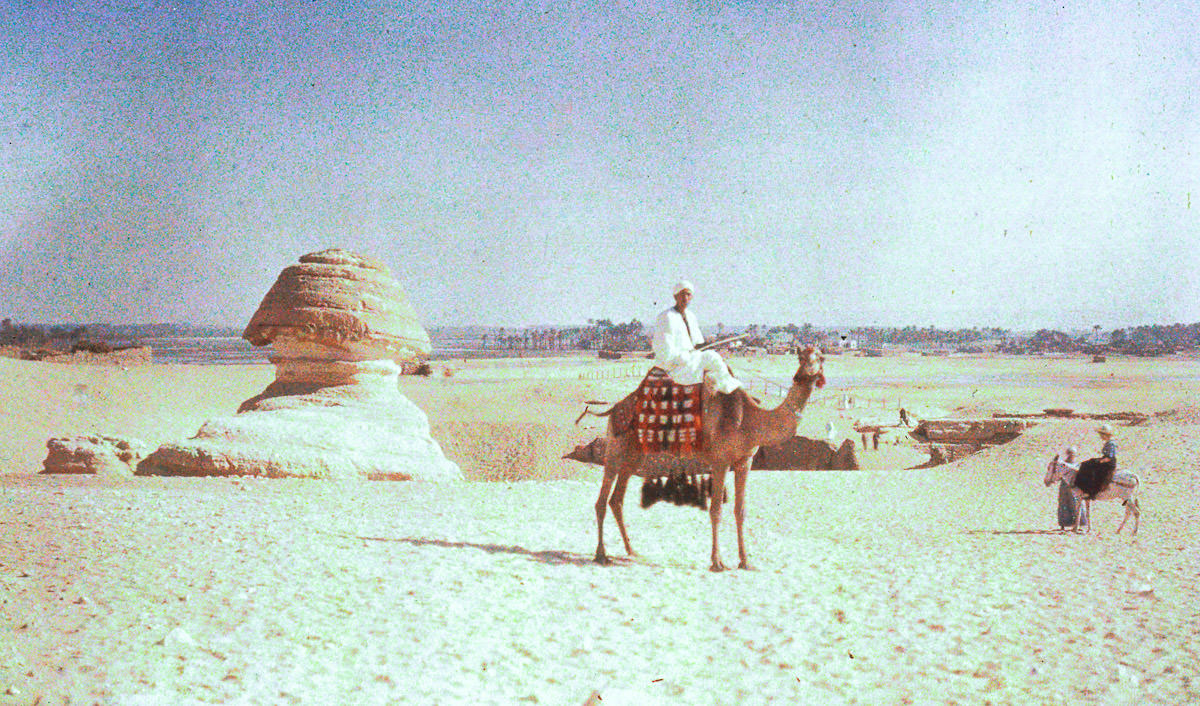
Not every shot was a monument or a landmark. Some of Paneth’s most intimate images from Egypt show Else simply sitting by the Nile, reading — a quiet moment during a grand trip, preserved in color more than a century later.
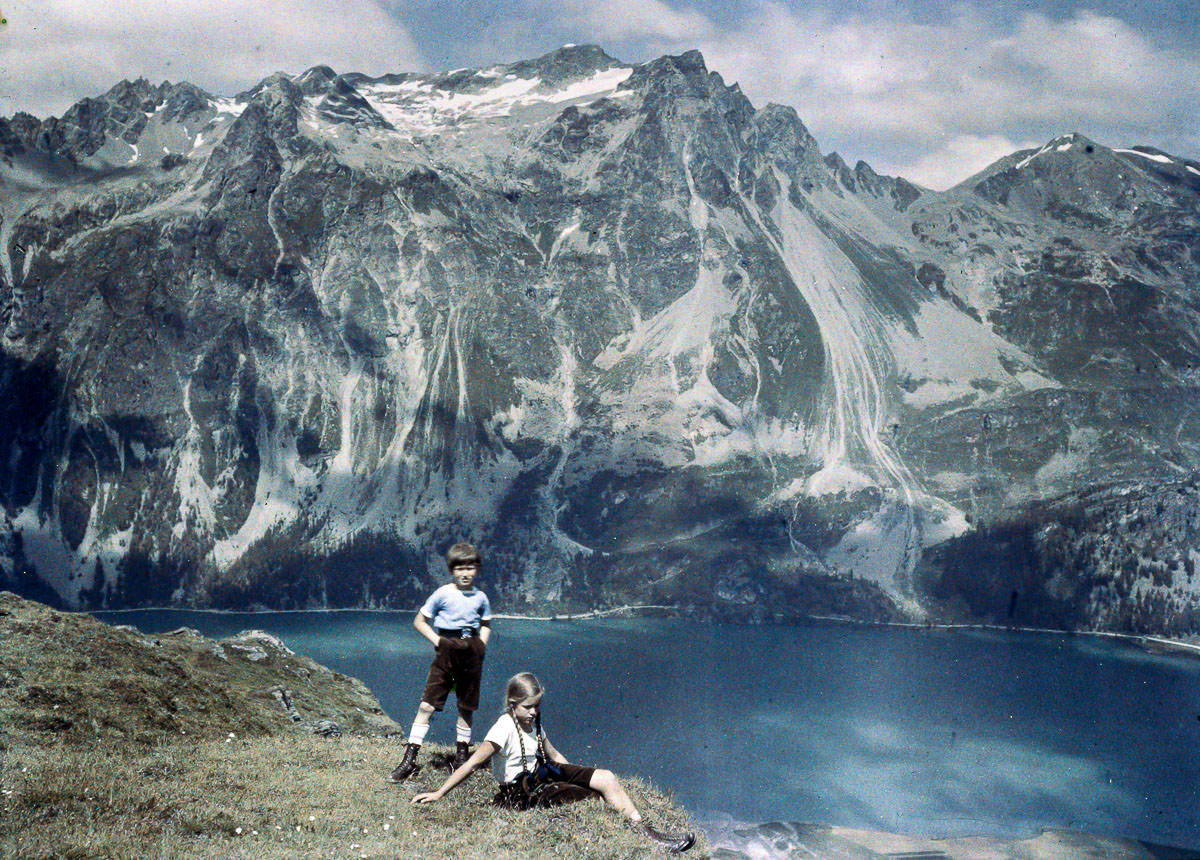
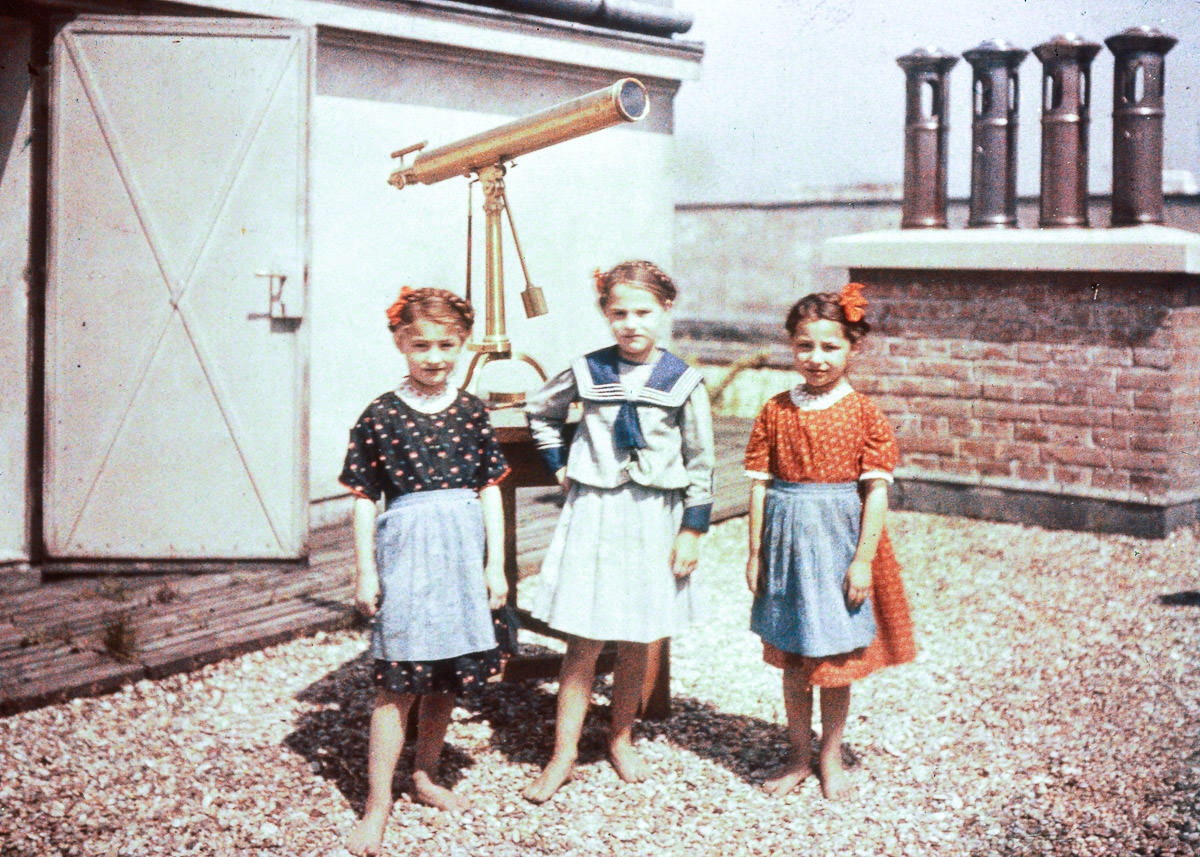
The family grew after the honeymoon. Else gave birth to a daughter, Eva, in 1914, and a son, Heinz, in 1918. As the children got older, the family’s travels expanded. Paneth brought his camera everywhere — to the Scottish Highlands, the Swiss Alps, the Italian lakes, and beyond. His photographs from the 1920s and 1930s show a family in constant motion, with Else, Eva, and Heinz appearing throughout.
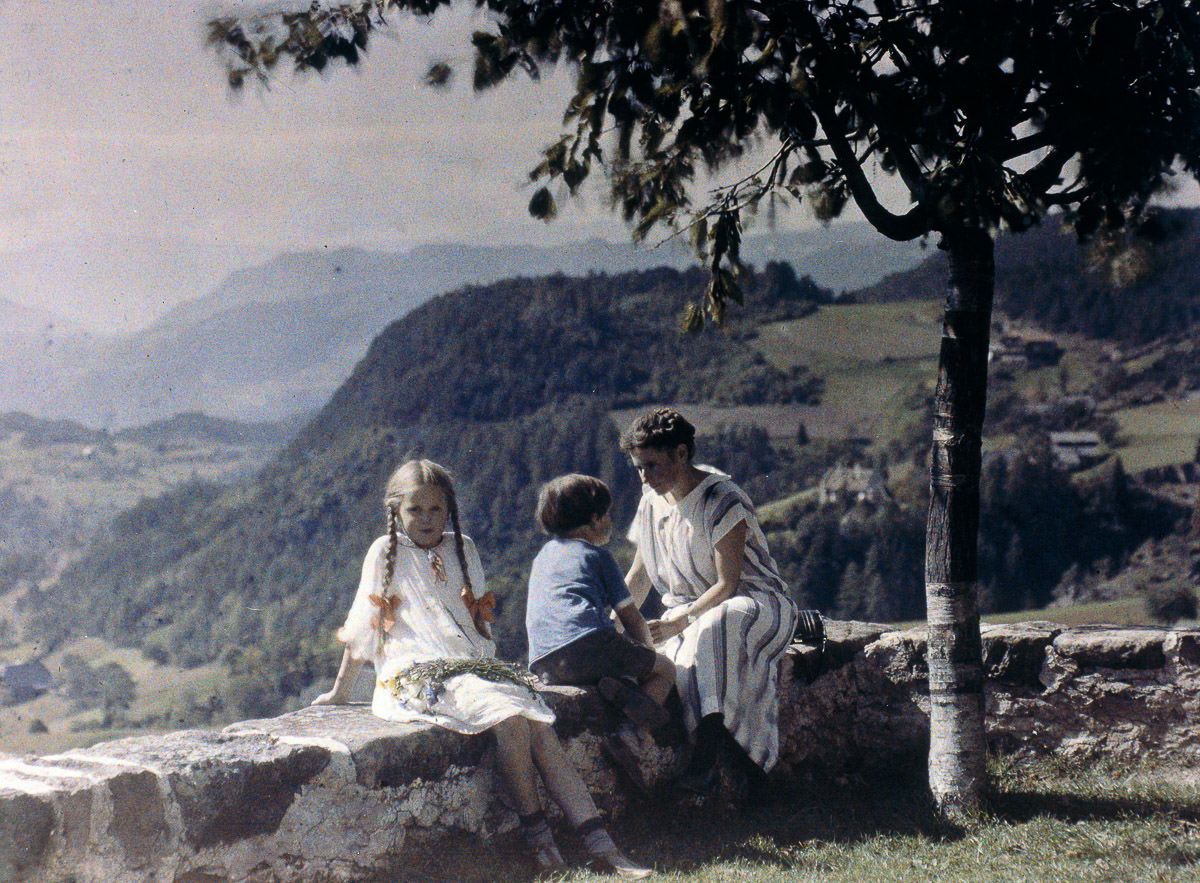
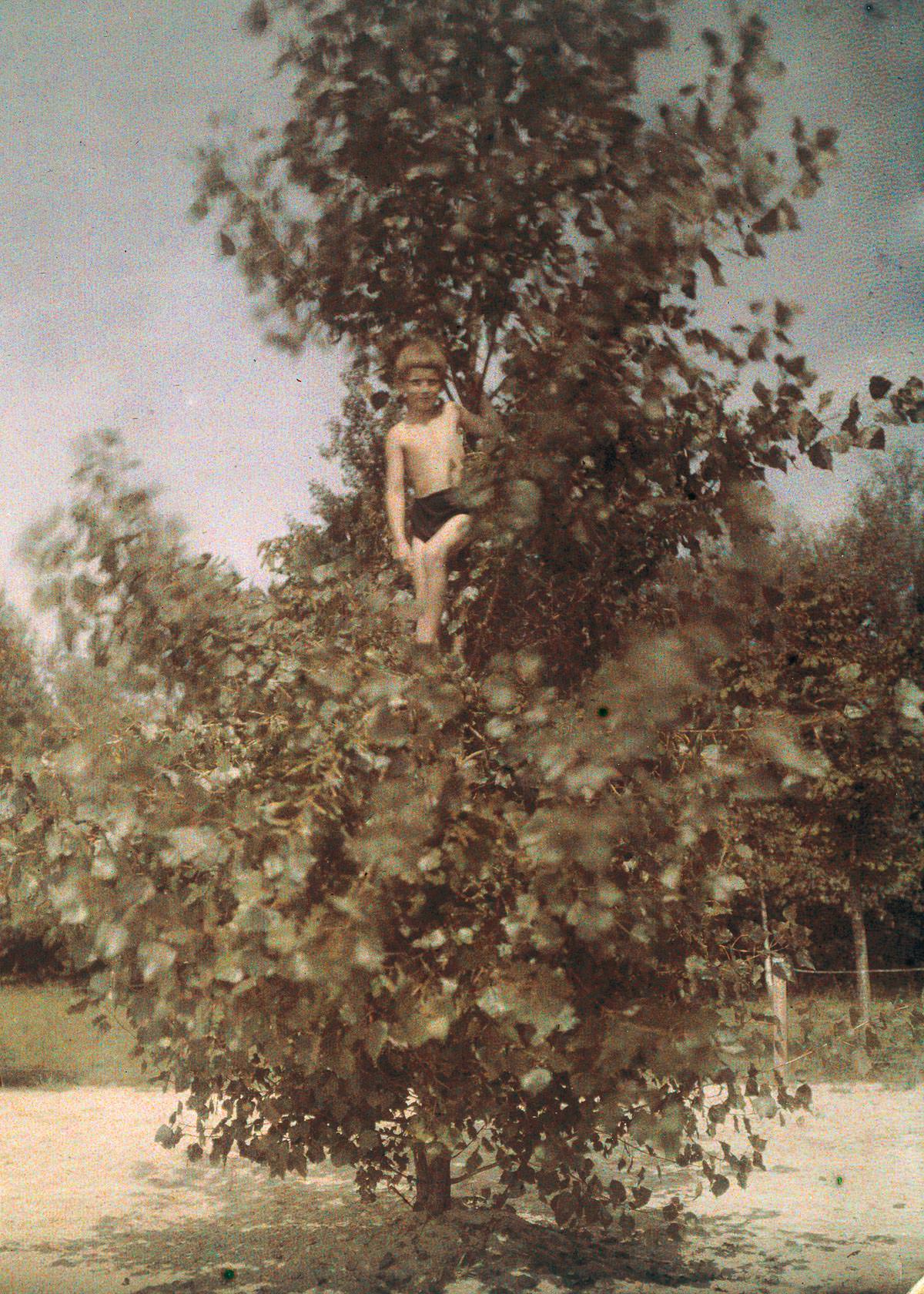
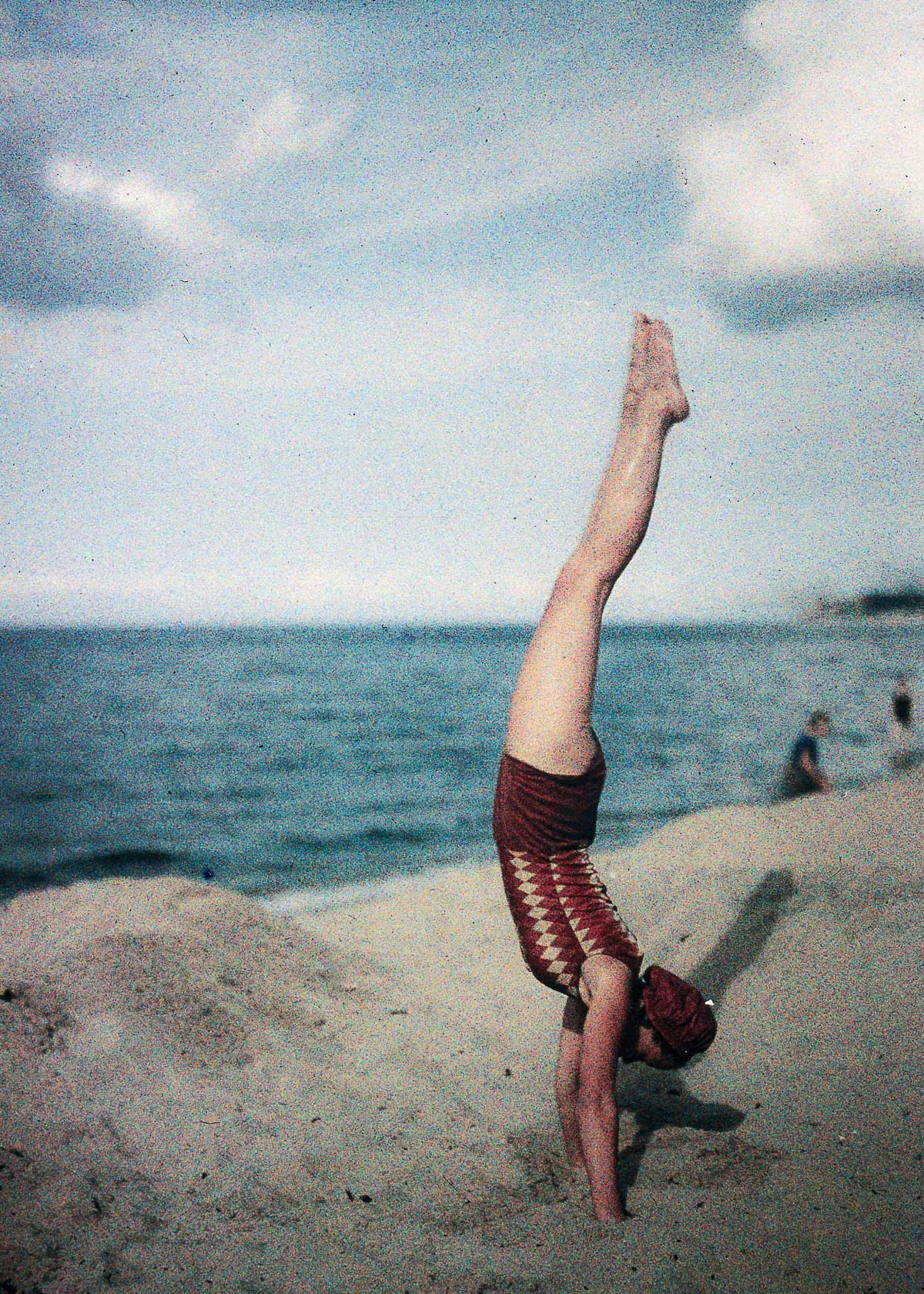
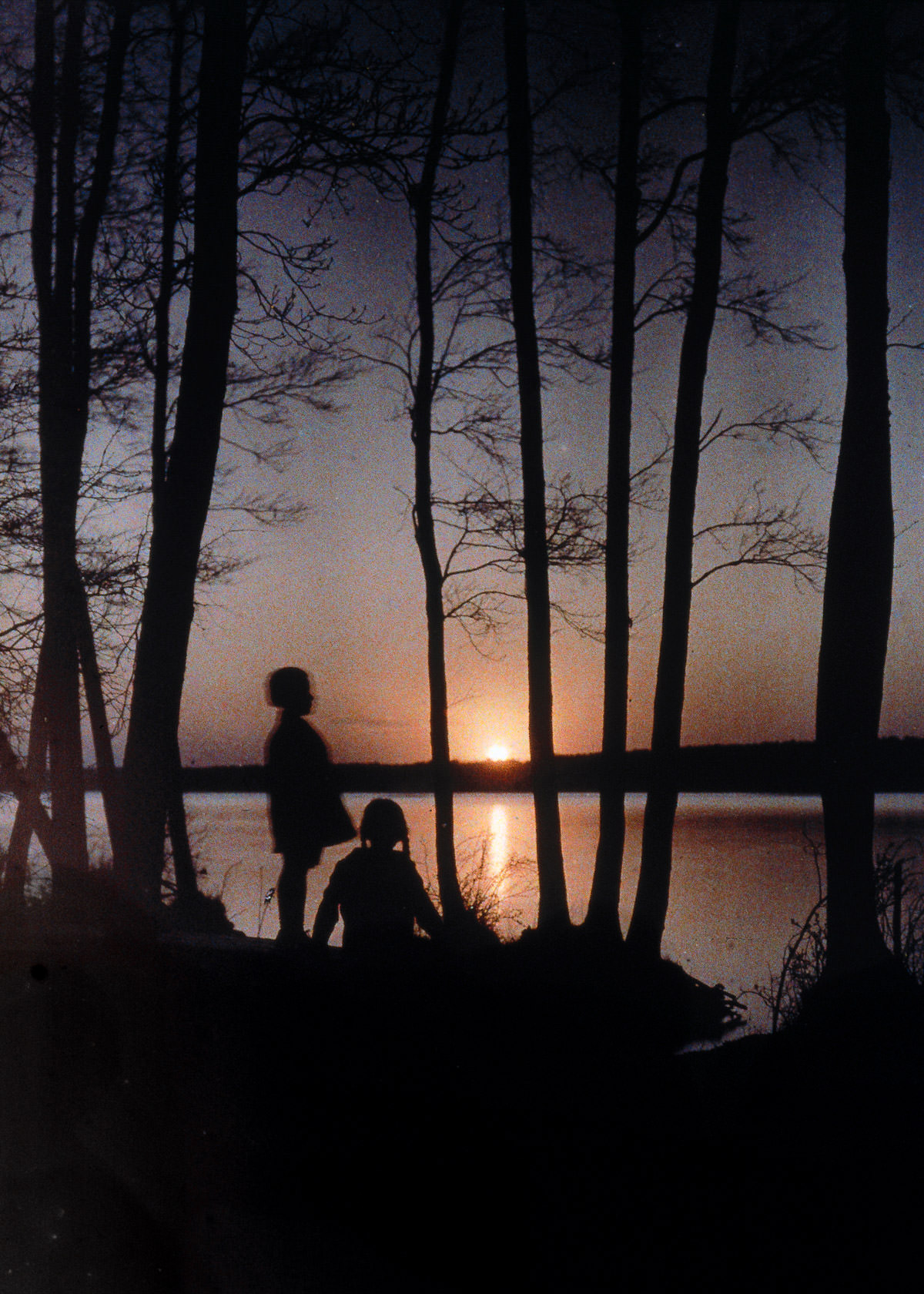
By the mid-1920s, Eva and Heinz were active, adventurous subjects. Paneth photographed them on beaches, hillsides, and lakeshores — often mid-movement. These weren’t stiff studio portraits. They were candid scenes of children climbing rocks, doing handstands, and scrambling up trees.
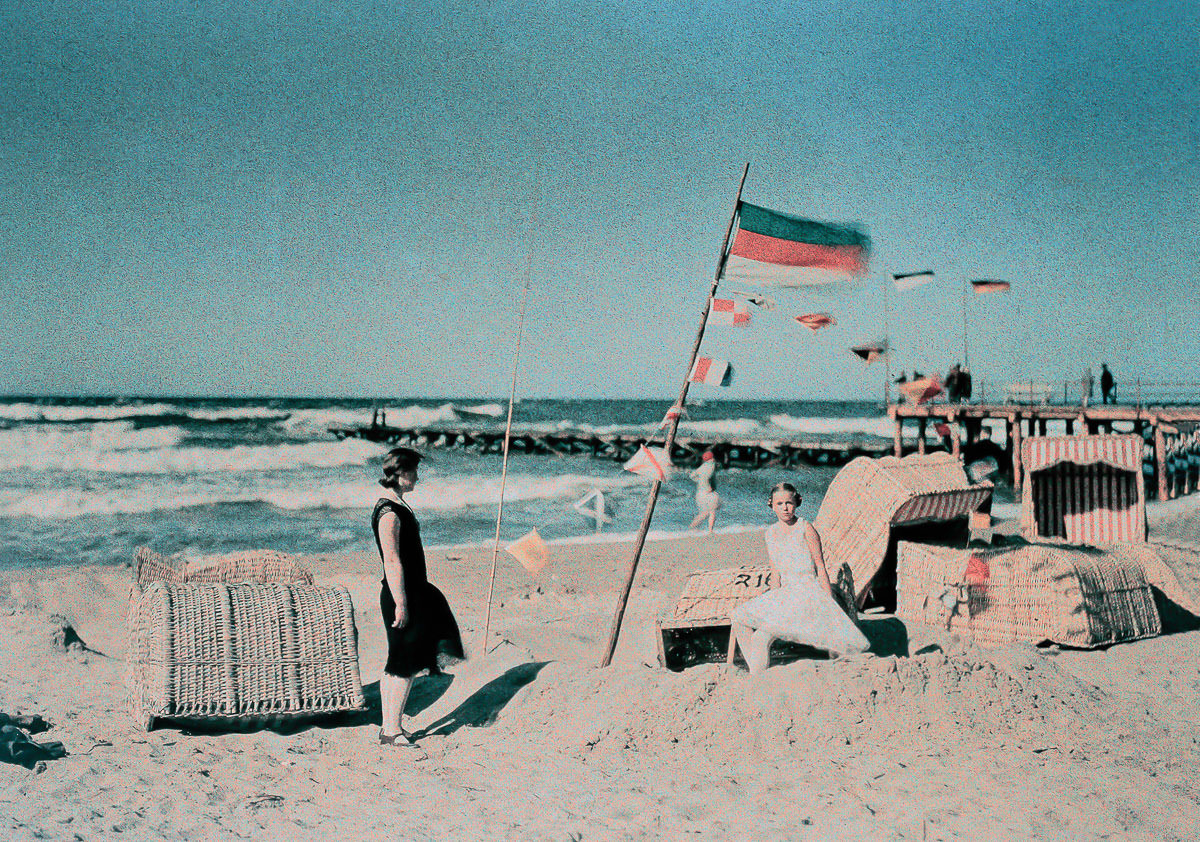
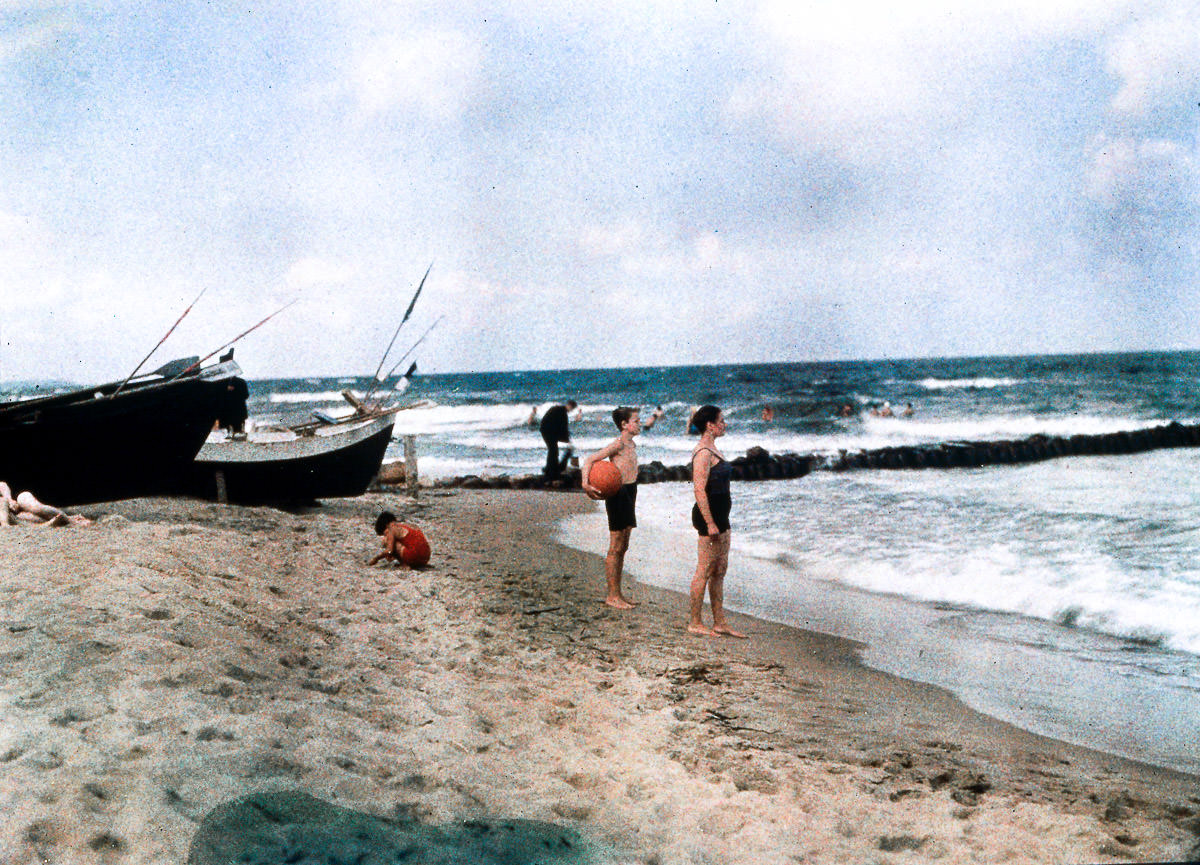
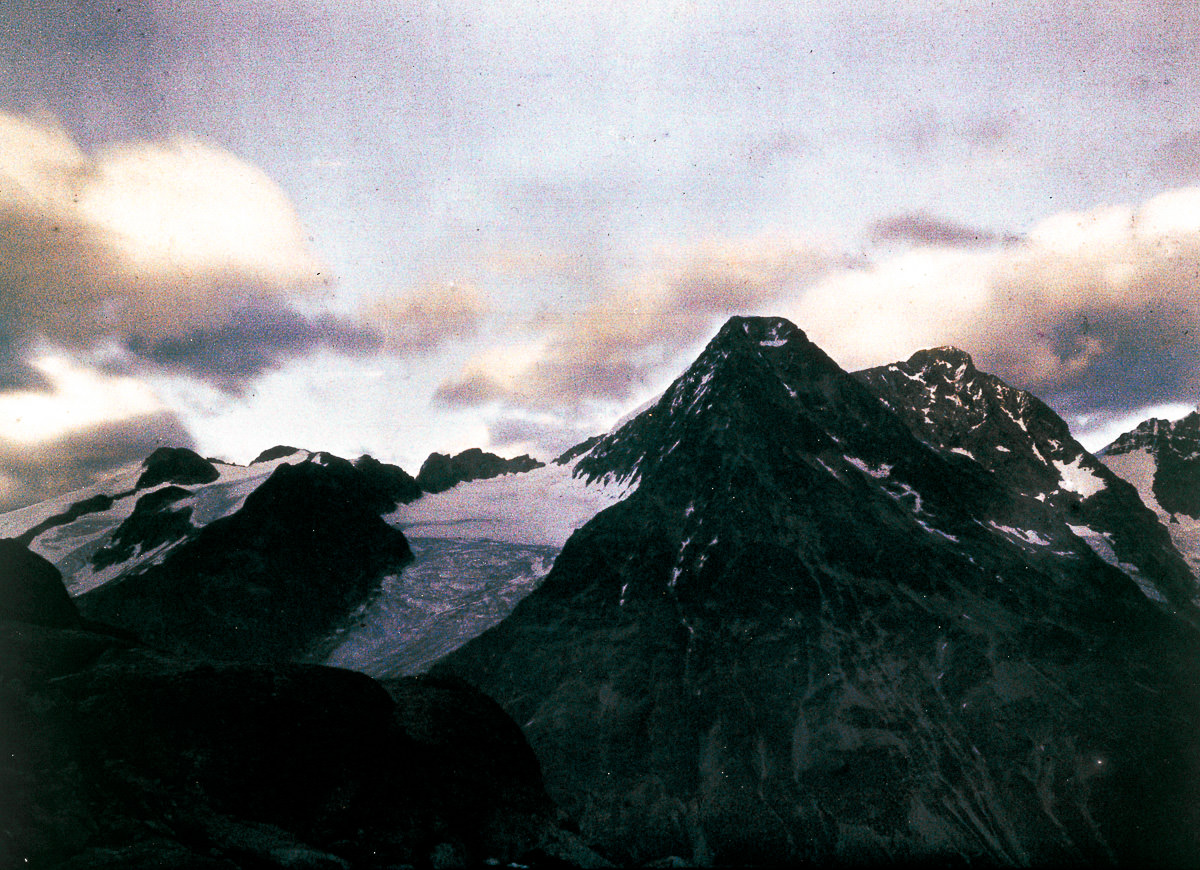

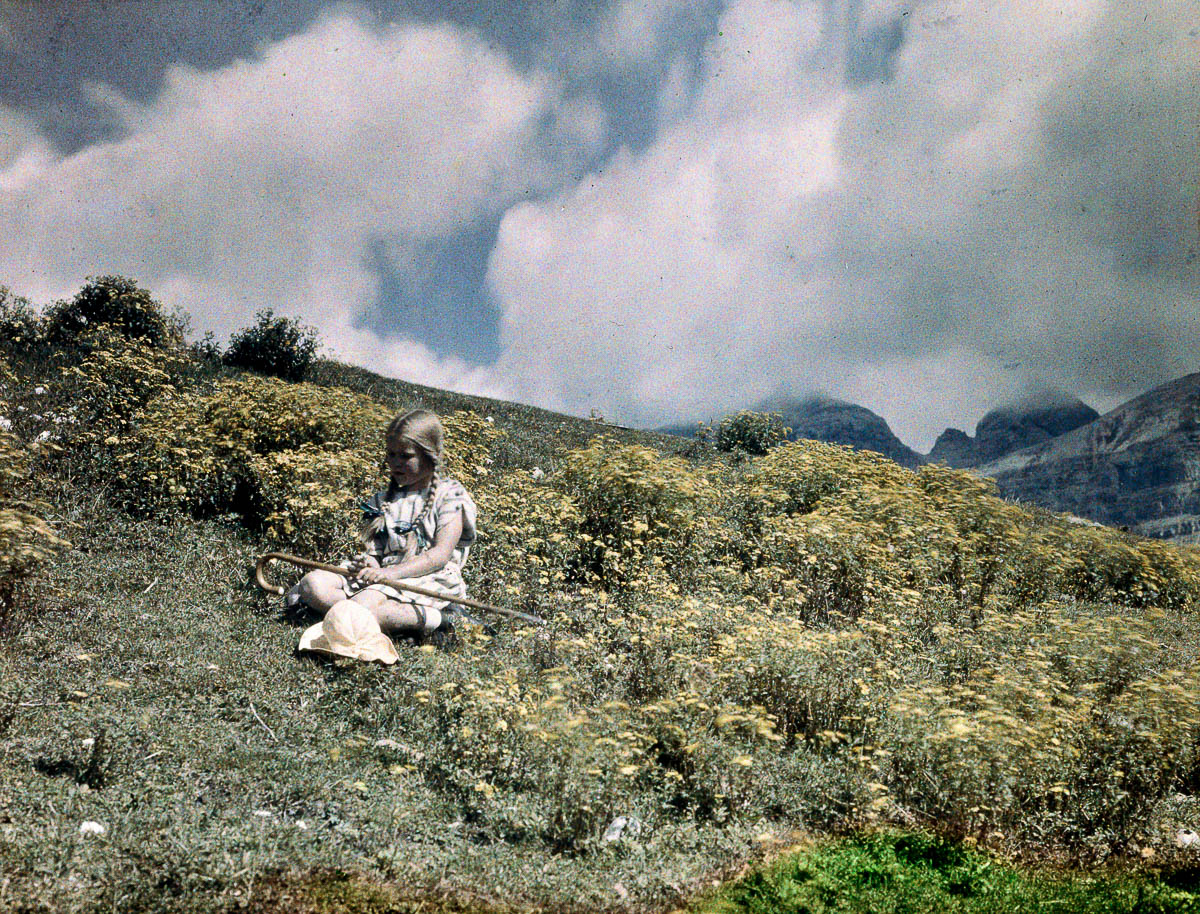
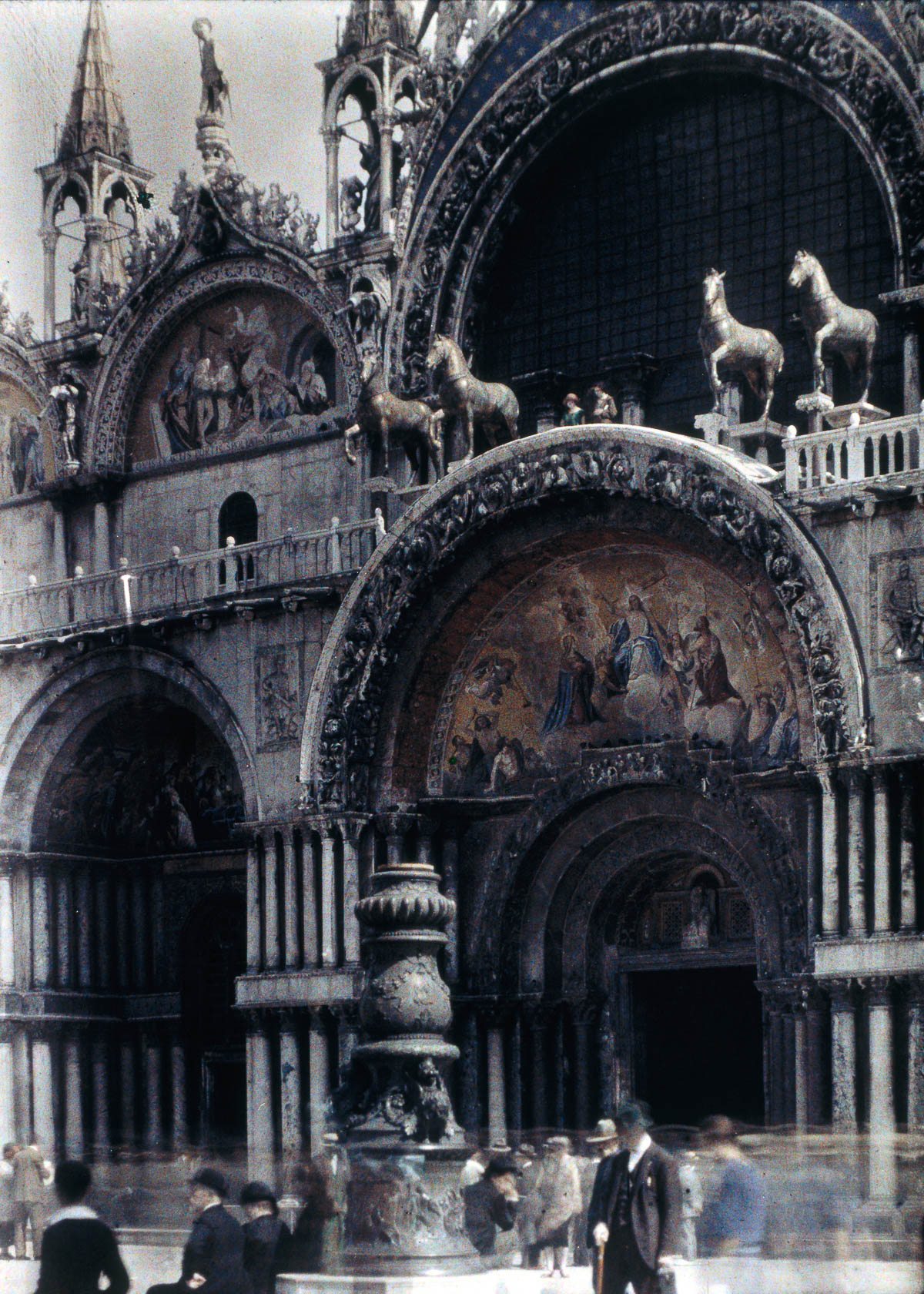
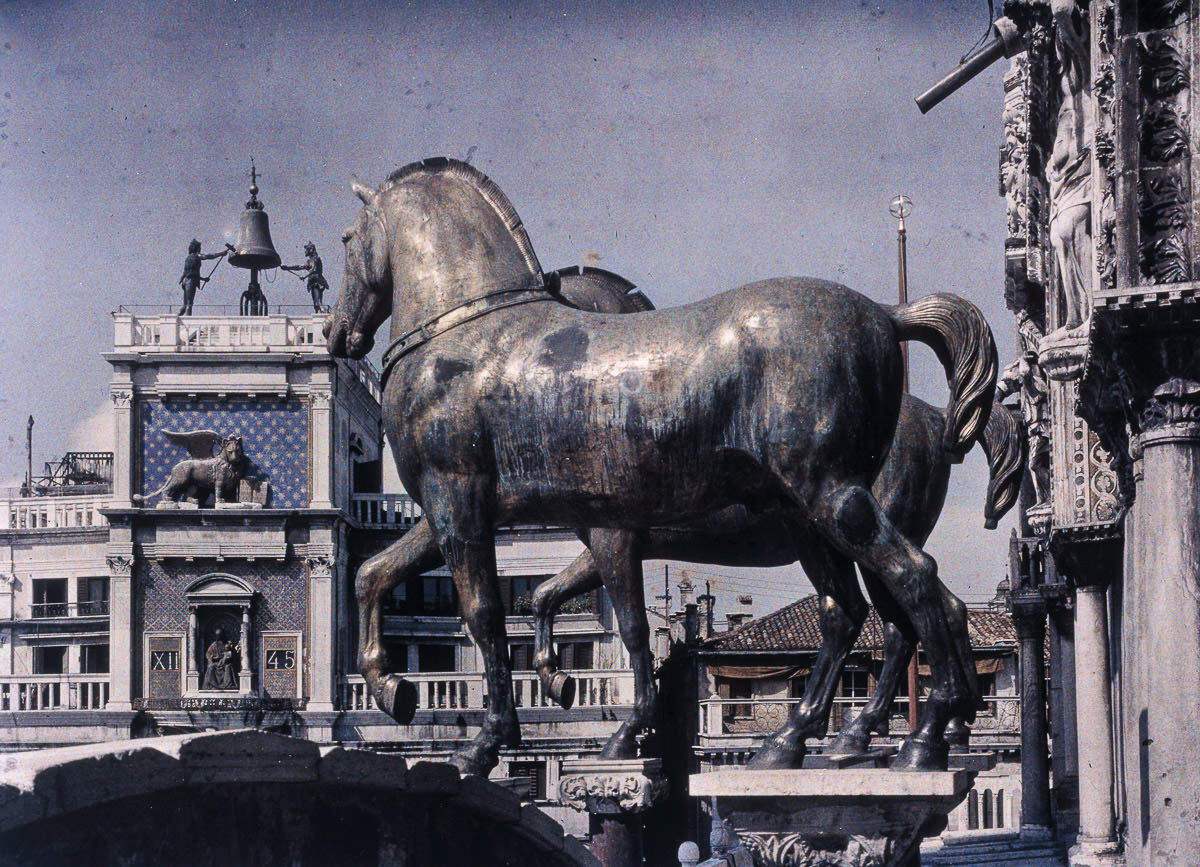
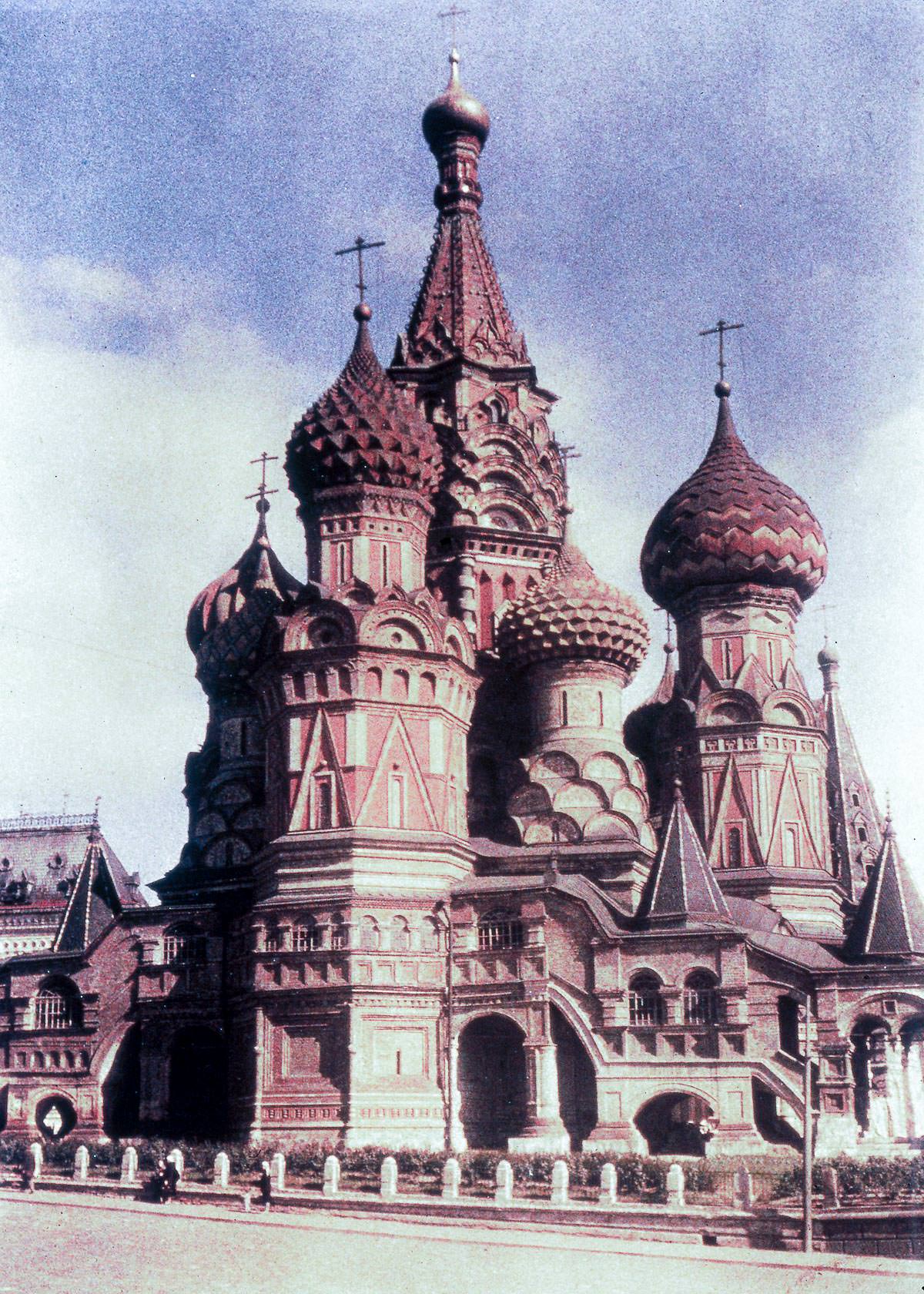
The family also visited major European cities. Paneth photographed St. Mark’s Cathedral in Venice in 1925 and St. Basil’s Cathedral in Moscow in 1934. These architectural shots show how well the Autochrome process handled ornate detail and rich color — the gilded mosaics of Venice and the painted domes of Moscow both rendered in remarkable depth.
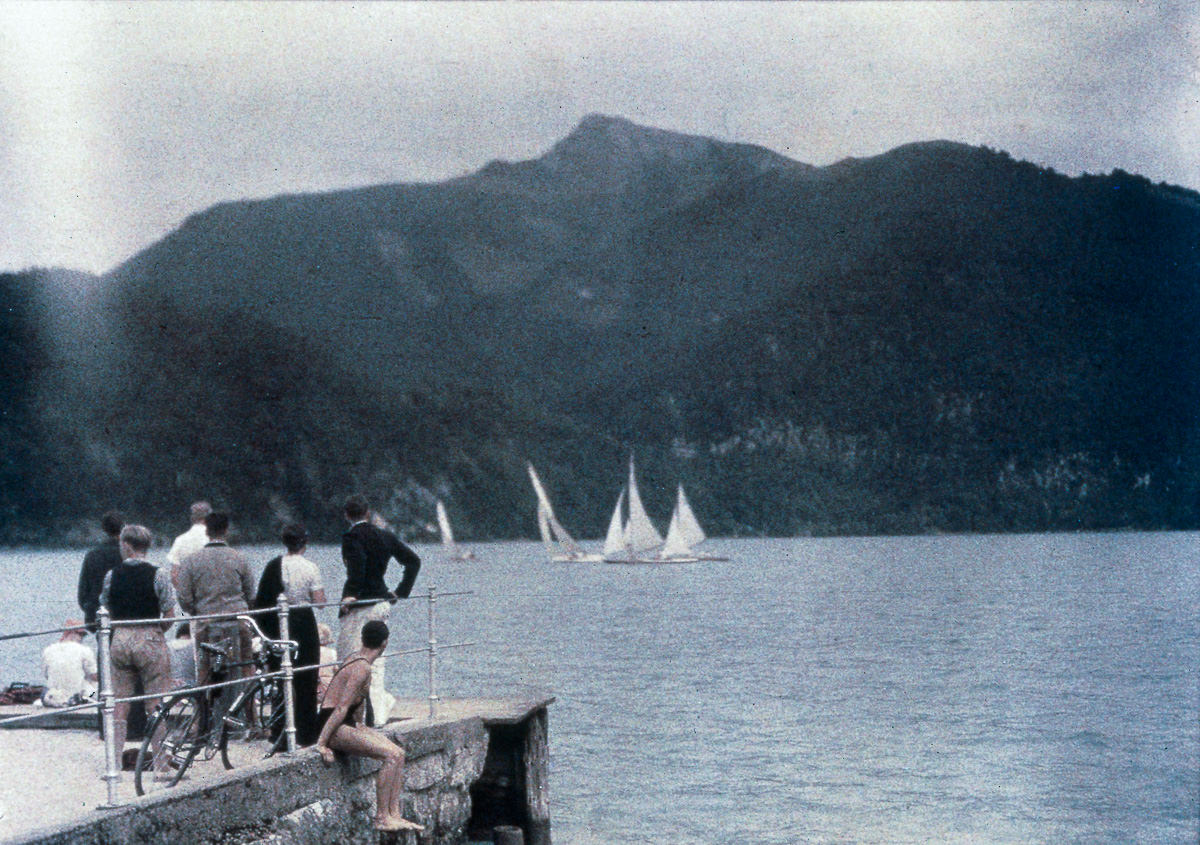
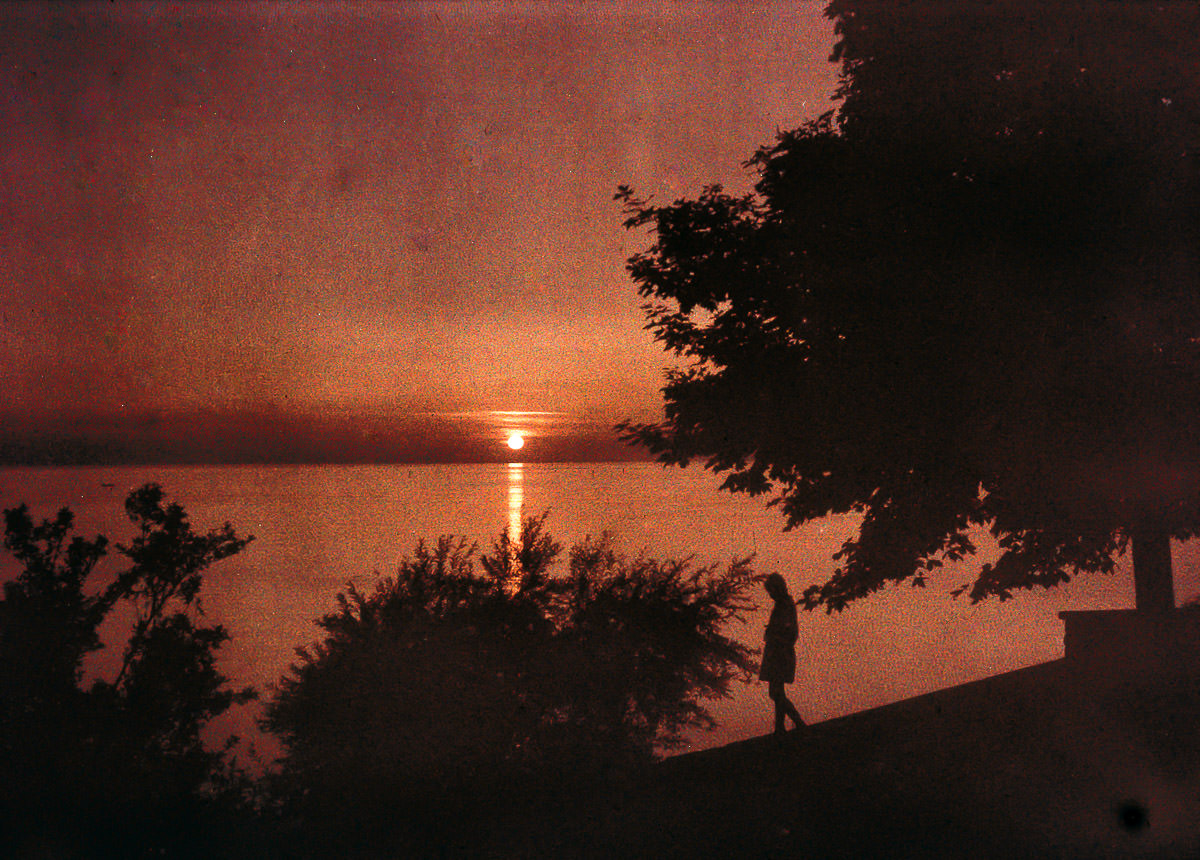
Switzerland appeared repeatedly in Paneth’s archive. Lake Lucerne was a particular favorite — Eva and Heinz photographed on its shores and climbing the rock faces along its banks. The clear alpine light suited Autochrome perfectly, producing images with crisp color and strong contrast.
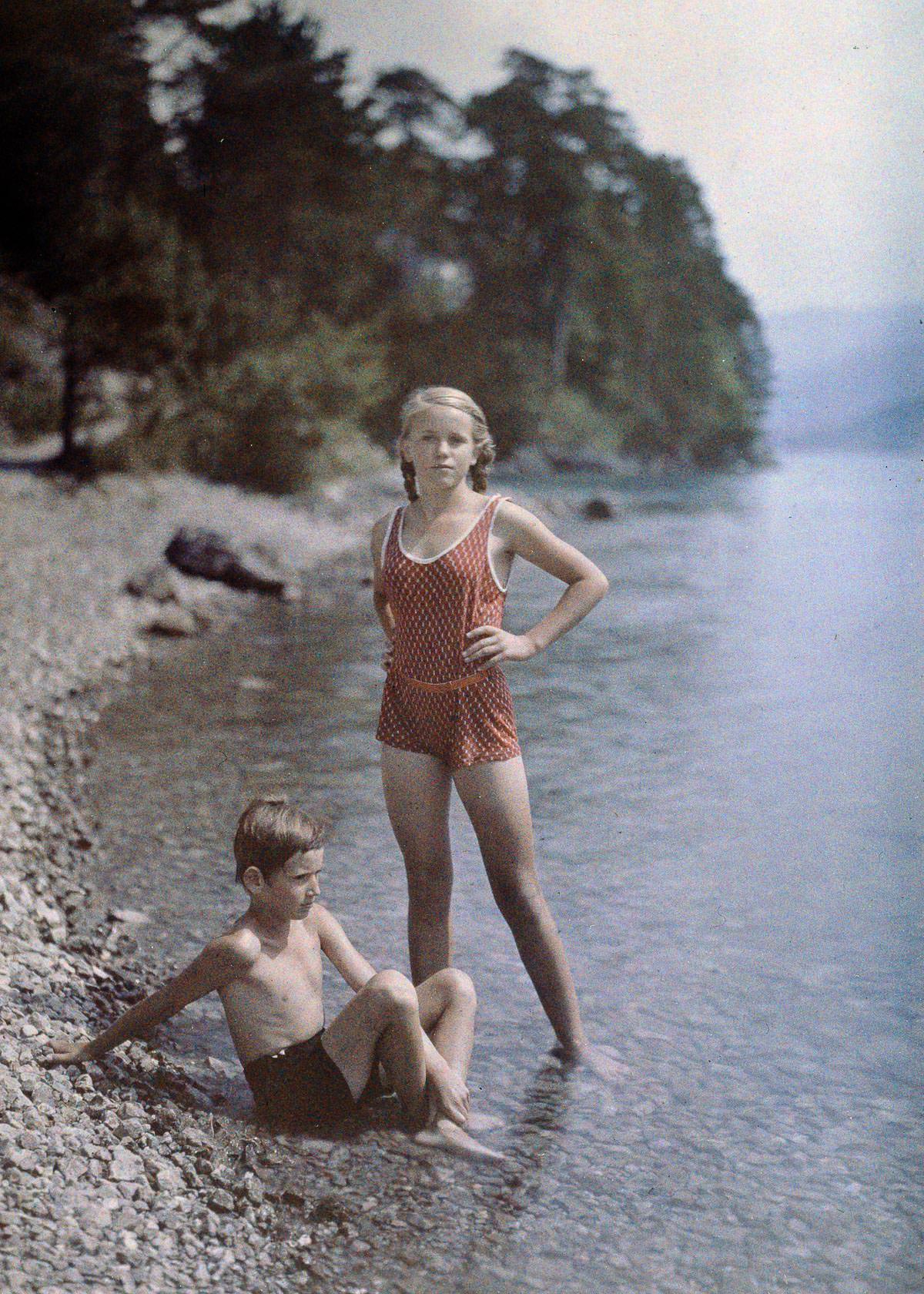
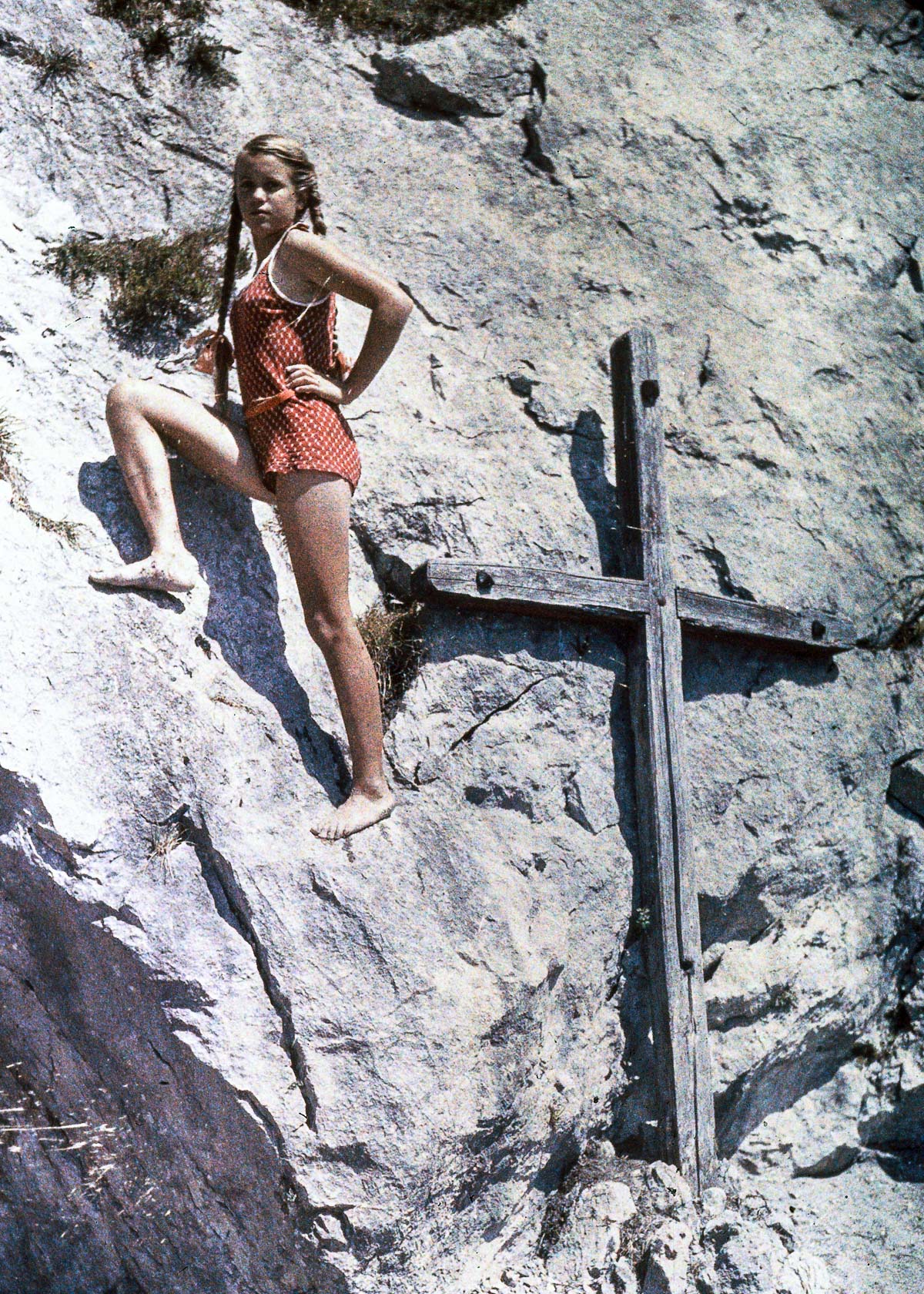
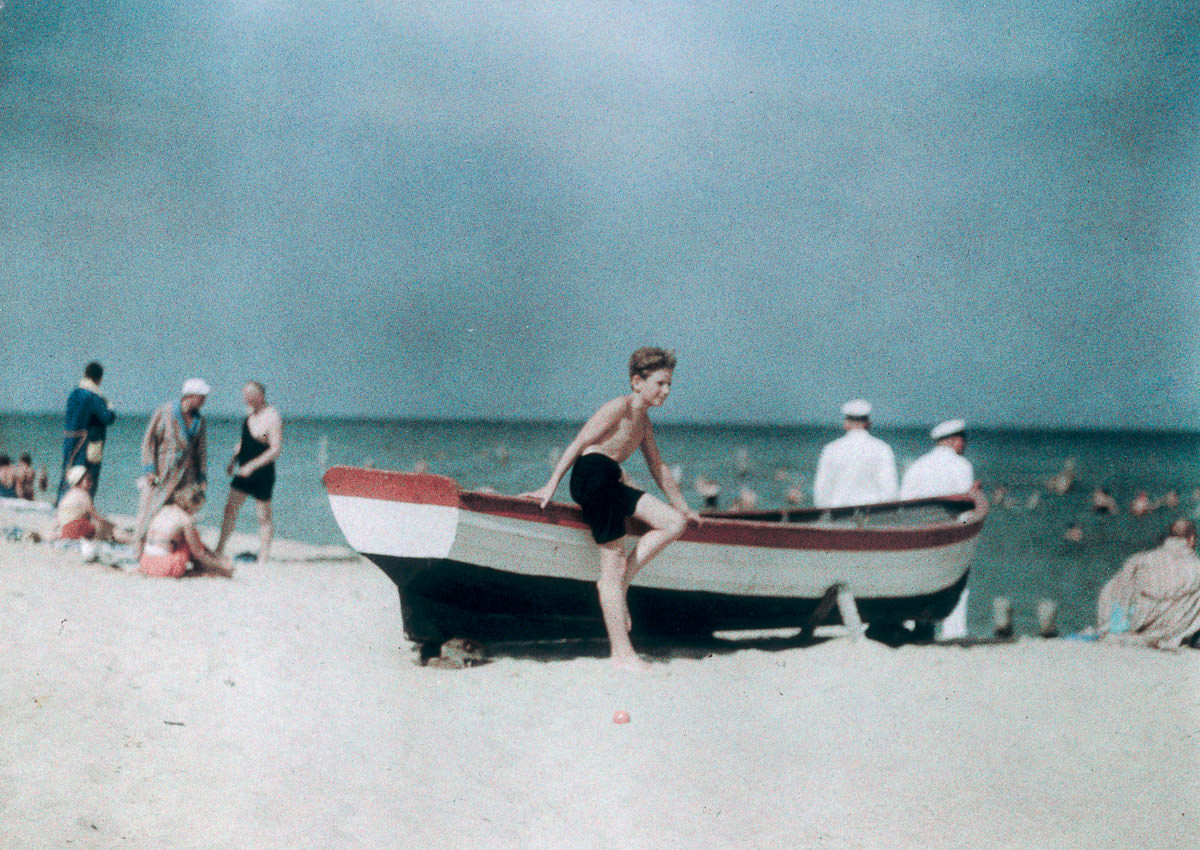
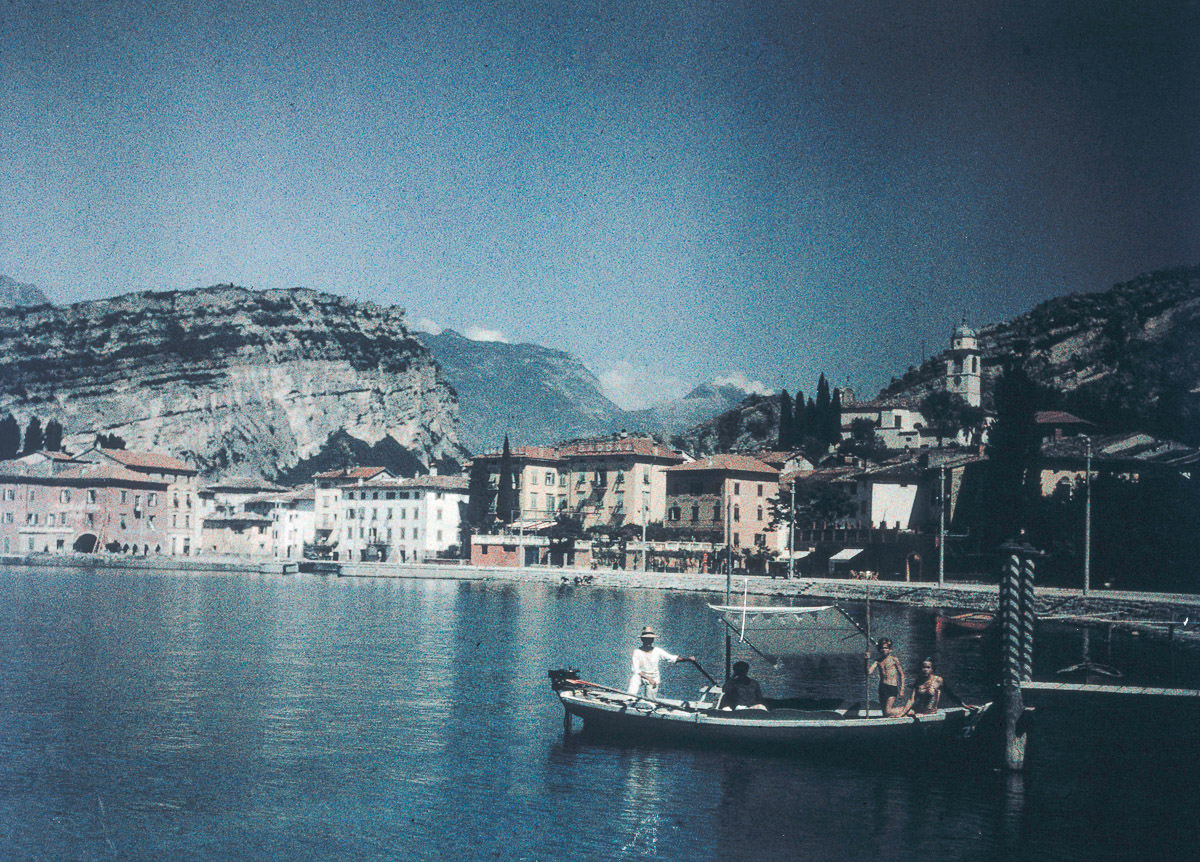
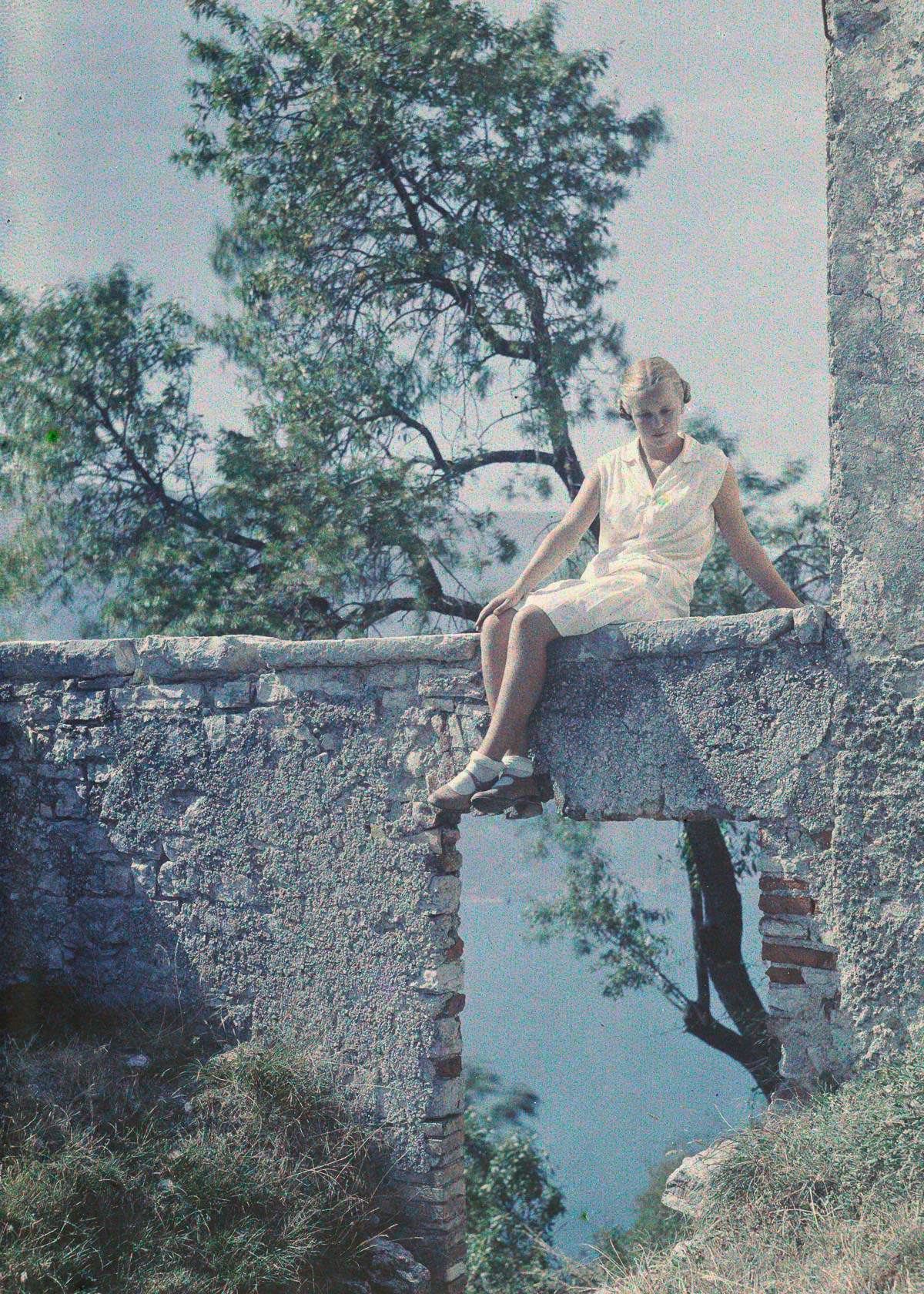
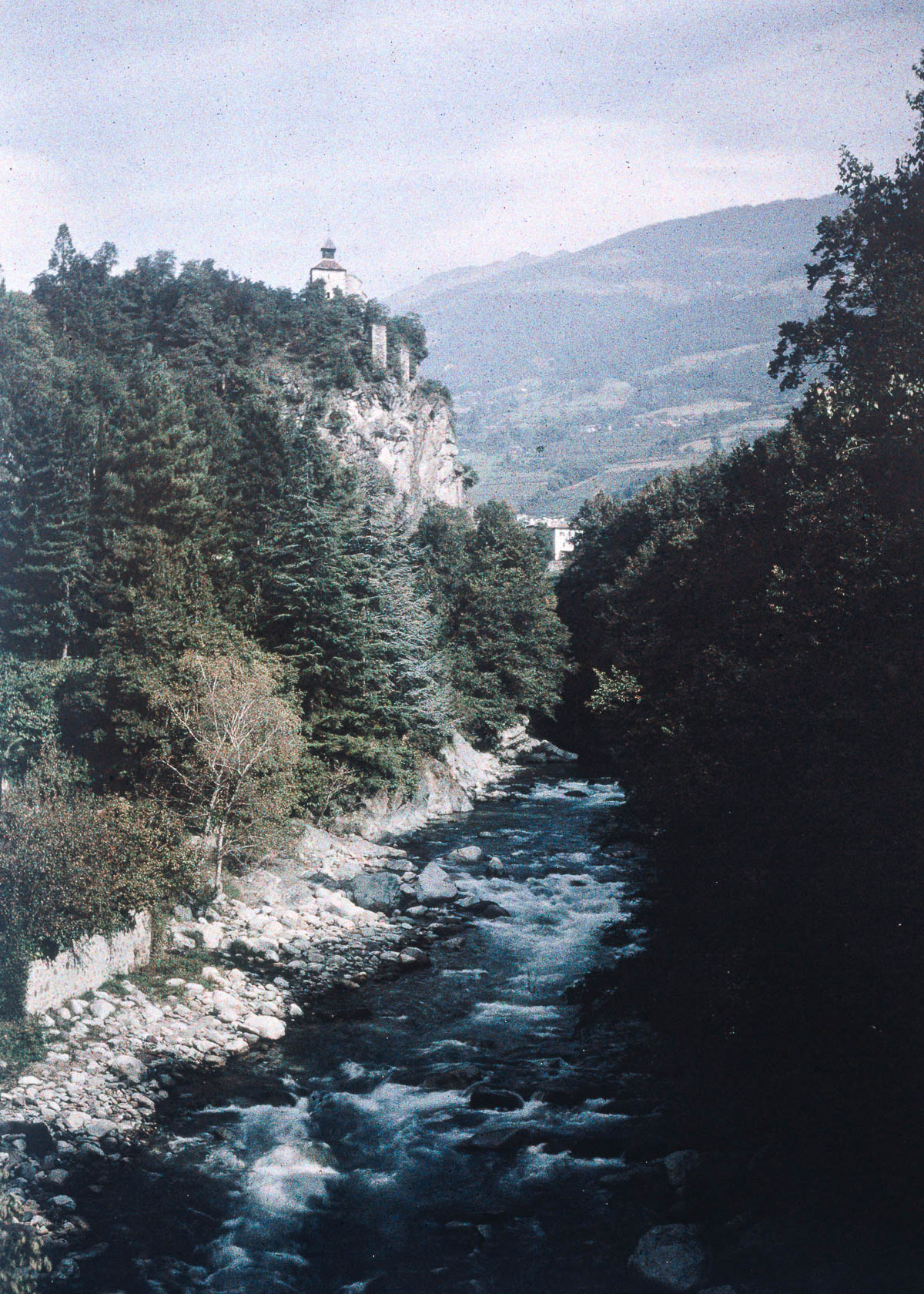
Italy was another recurring destination. The Paneth family visited Lake Garda and the Stelvio Pass, with photographs showing both the landscape and the family together on the water. The 1930 images from Lake Garda show the family relaxed and clearly at ease with Paneth’s camera — the result of nearly two decades of being photographed on the road.
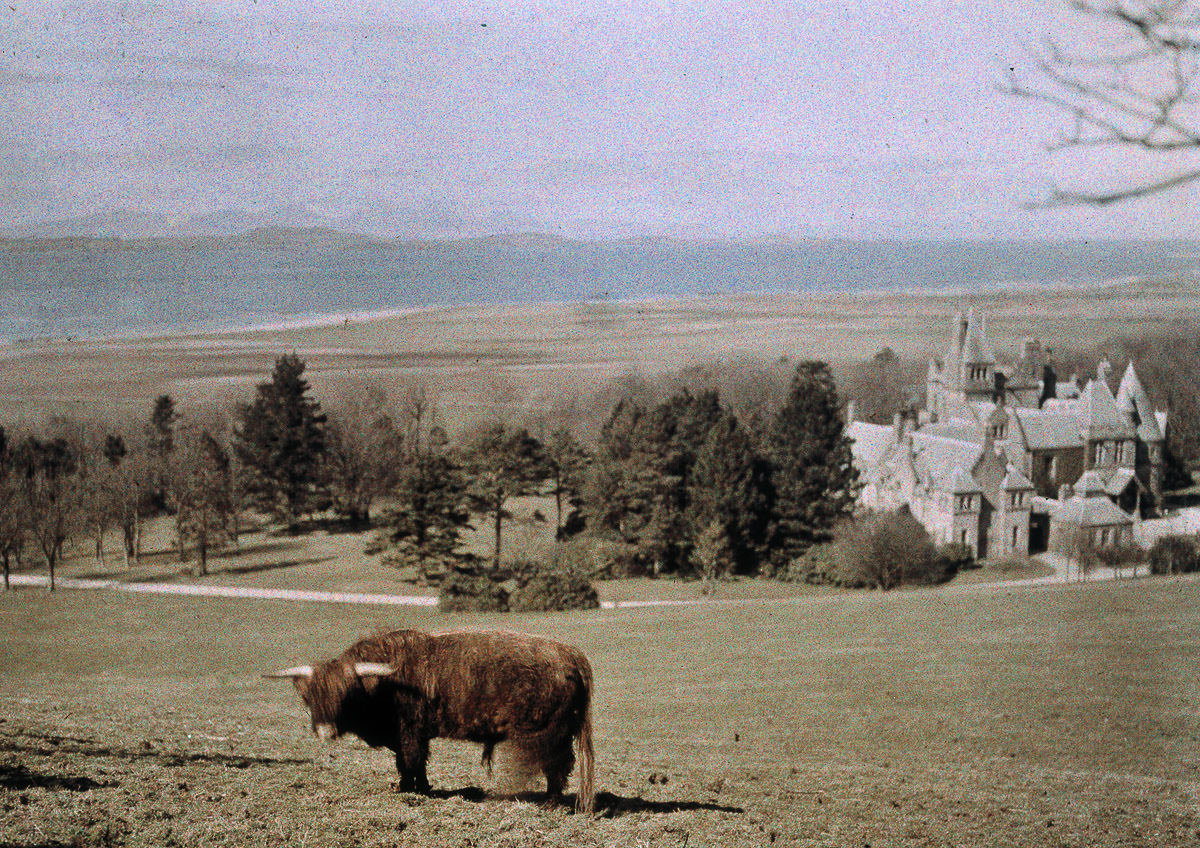
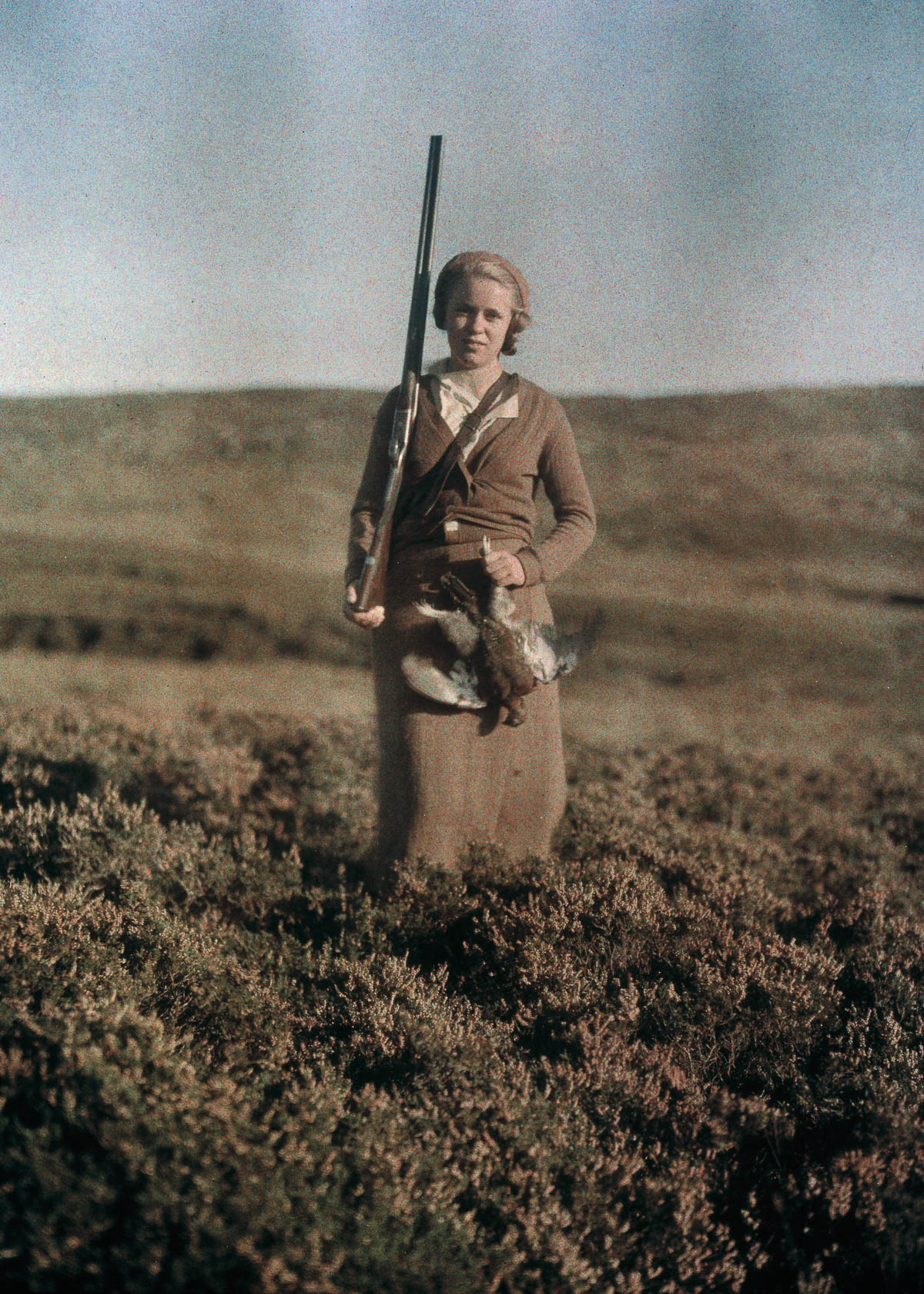
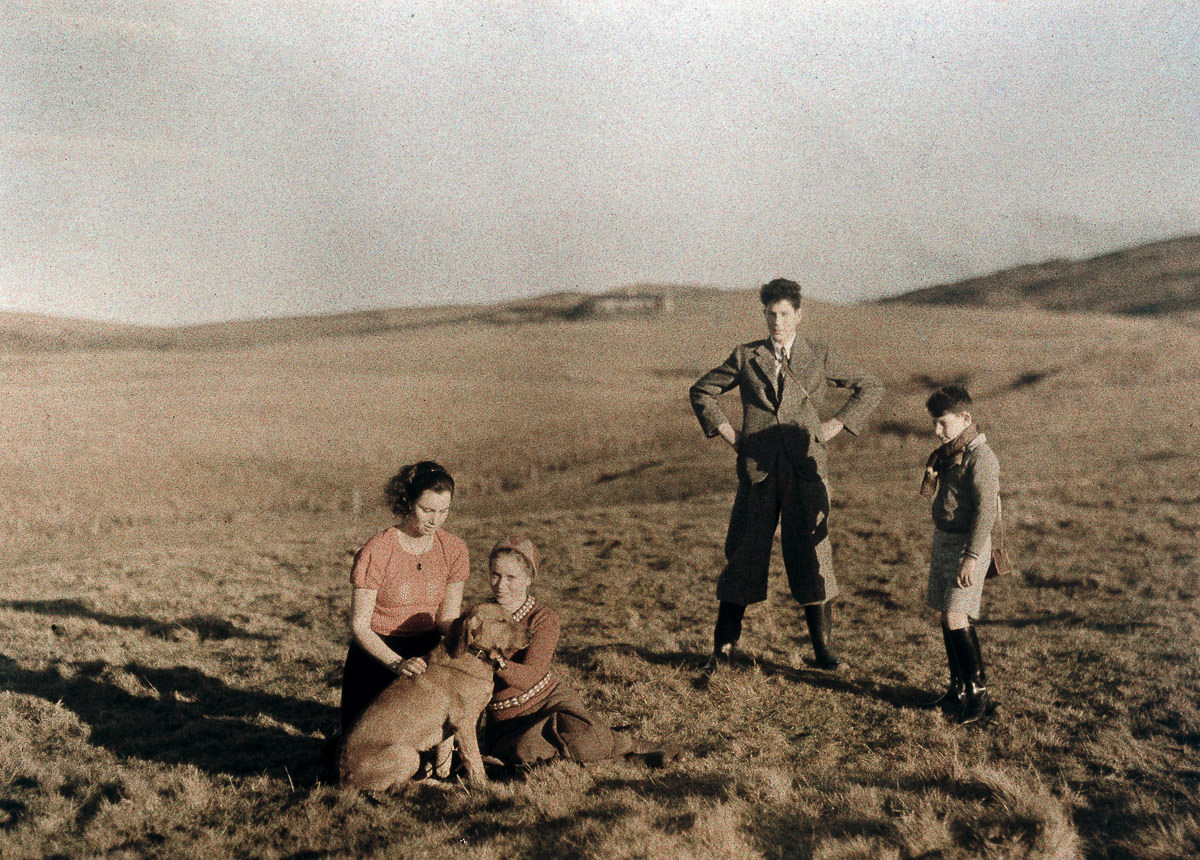
By the early 1930s, Scotland had become a regular stop. Paneth photographed the Highlands, highland castles, and even relatives who had settled there. Eva, now a young adult, appears in several Scottish photographs — including one after a successful hunt, rifle in hand.
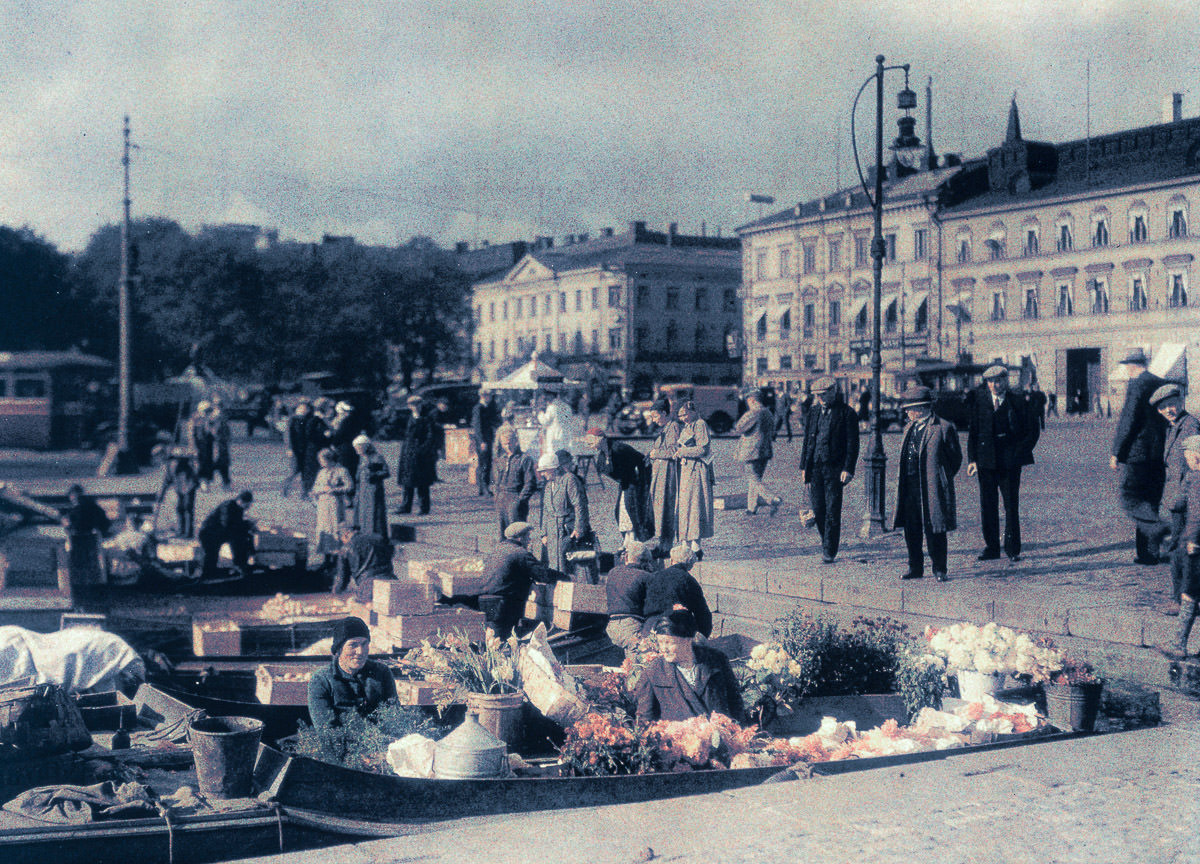
The final photograph in the collection, taken in 1938 in Brittany, France, shows the extended family gathered together — Heinz, Eva, Else, cousin Peter Paneth, and Dora Hartmann. By this point, a telling detail marks the image: a roll of Kodak film is visible in the advertisement printed on the photo border. Kodak’s color film had begun to replace the Lumière Autochrome process that Paneth had relied on for decades. The technology that made these photographs possible was already being replaced by the next generation of color photography.