By the 1920s, the railroad had already spent decades shaping the modern world. Towns grew around stations. Economies depended on freight. But in this particular decade, rail travel shifted in a new direction — it became something ordinary people could actually afford. That change had ripple effects across the entire industry, from the engines pulling the cars to the cushions passengers sat on.
The most important technical shift of the era was the slow move away from steam. Diesel and electric engines were becoming more common, and they were faster, cleaner, and easier to maintain than their steam-powered predecessors. Electrified rail lines, in particular, were expanding across cities and long-distance corridors alike. The difference for passengers was noticeable — smoother rides, fewer delays, and less soot in the air.
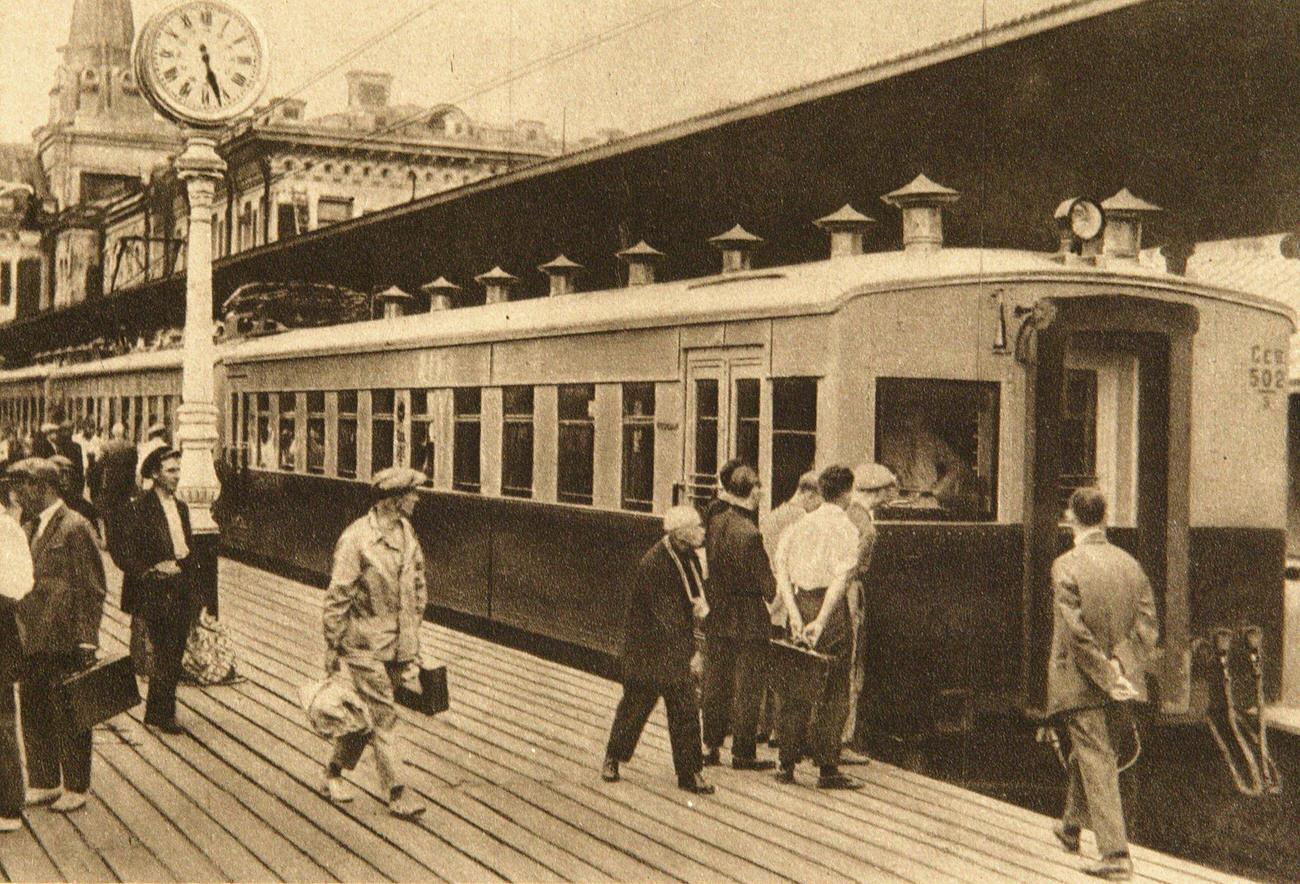
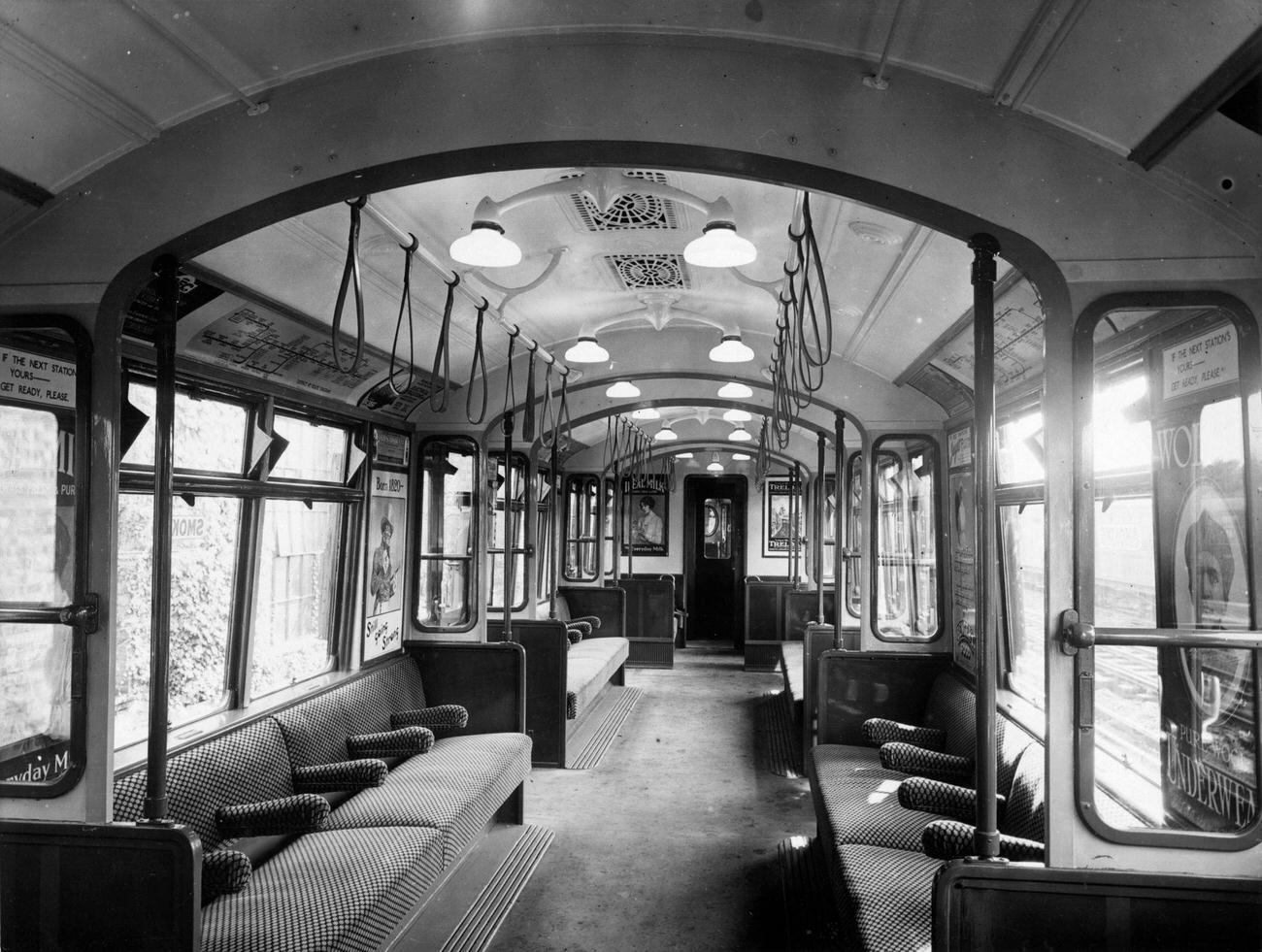
This technological upgrade wasn’t limited to the locomotive. The cars themselves were being rebuilt from the inside out. Steel replaced wood in many carriages, making them safer and more durable. On-board restrooms became standard on long-distance routes. Air conditioning, while still a novelty in many places, was beginning to appear on premium services. These weren’t just comfort upgrades — they were signals that the rail industry was positioning itself for a new class of traveler.
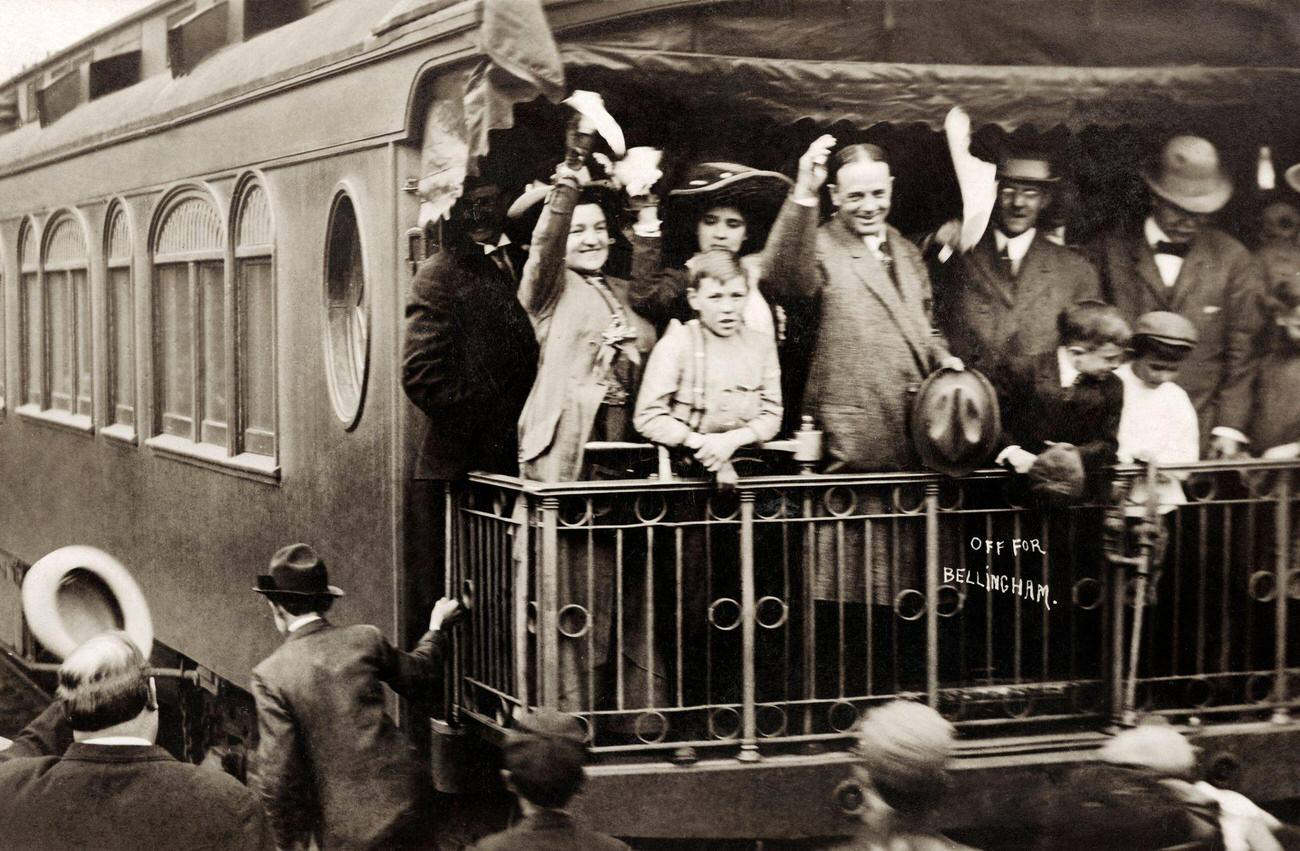
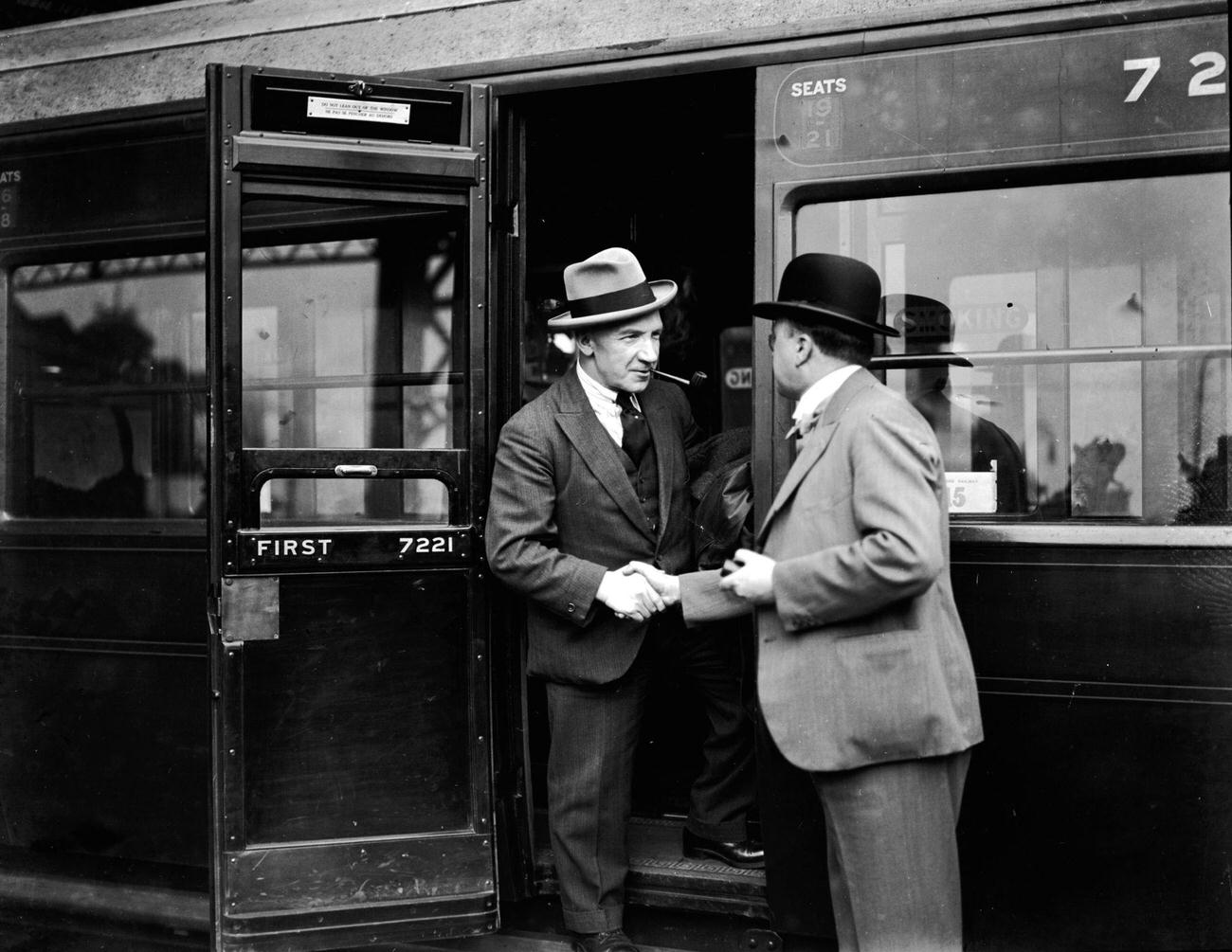
Politicians understood the power of the railroad better than almost anyone. A train could carry a candidate through dozens of towns in a single day, stopping at each platform long enough to shake hands and deliver a speech. These so-called whistle-stop tours were a staple of American political life, and the 1920s were no exception.
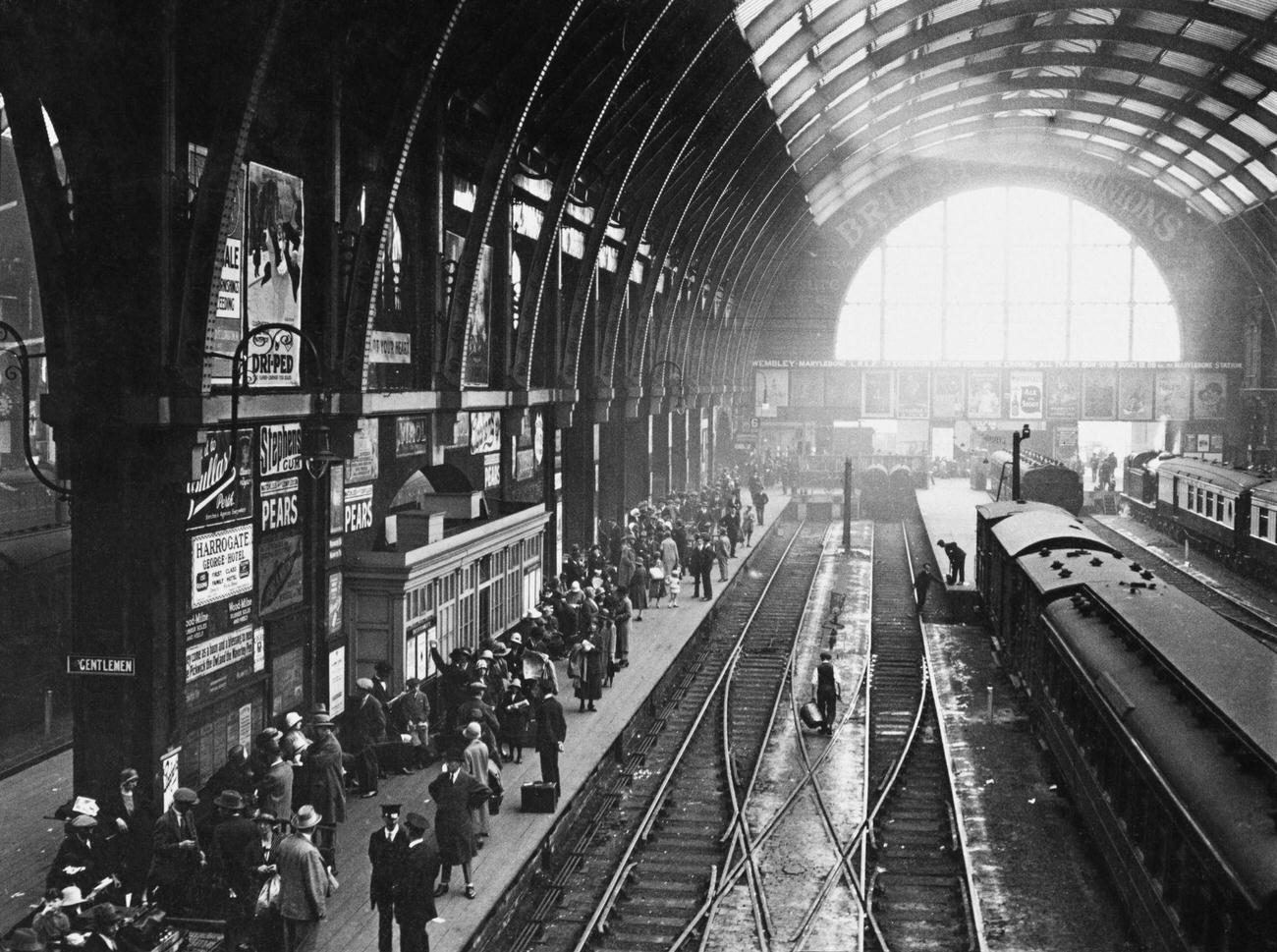
Across the Atlantic, British railways were undergoing their own transformation. The great London terminals — King’s Cross, Liverpool Street, Marylebone, Waterloo — were not just functional spaces. They were civic landmarks, crowded with workers, tourists, and well-dressed travelers heading in every direction. On busy holiday weekends, the platforms at King’s Cross were packed to capacity.
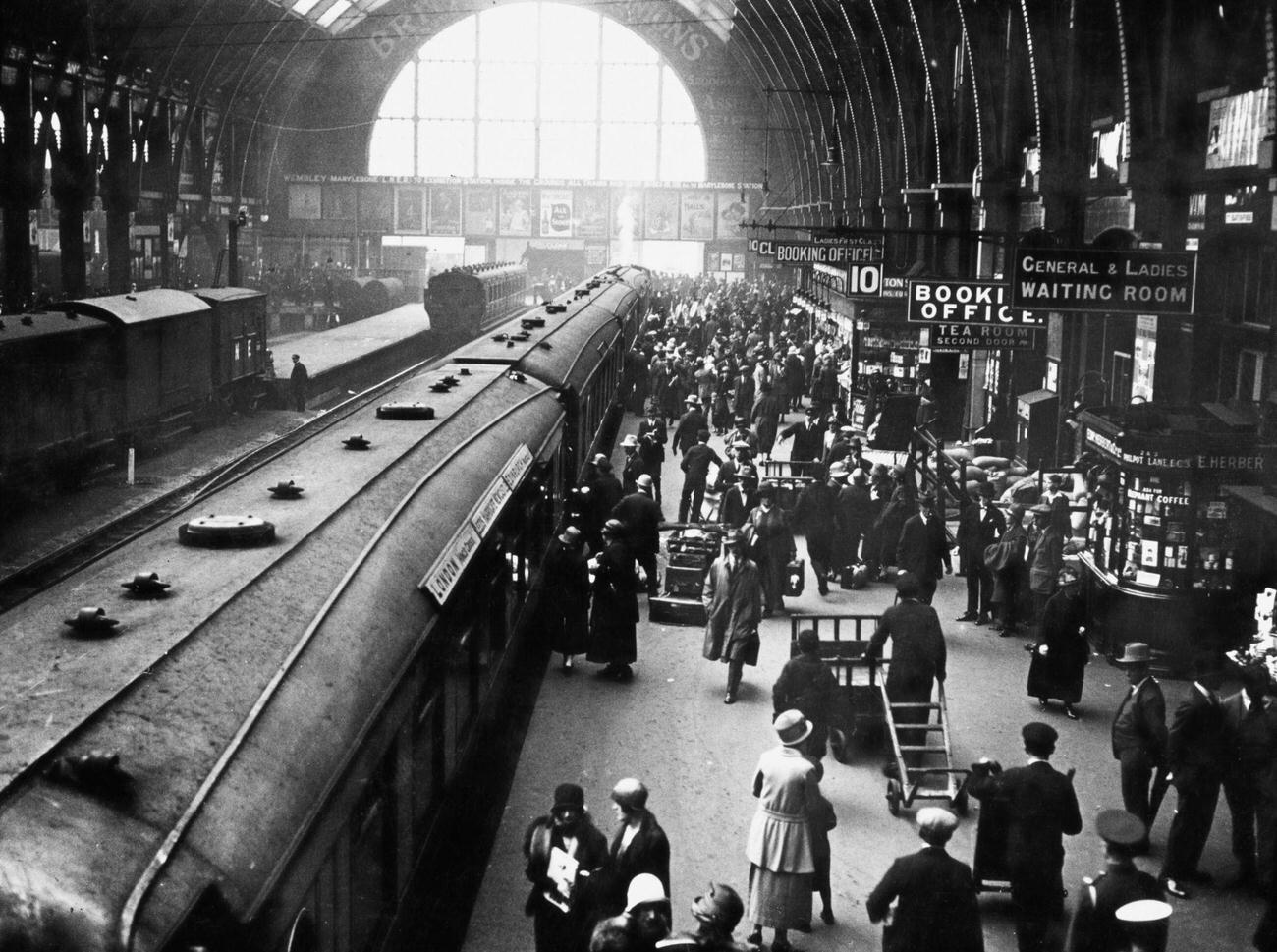
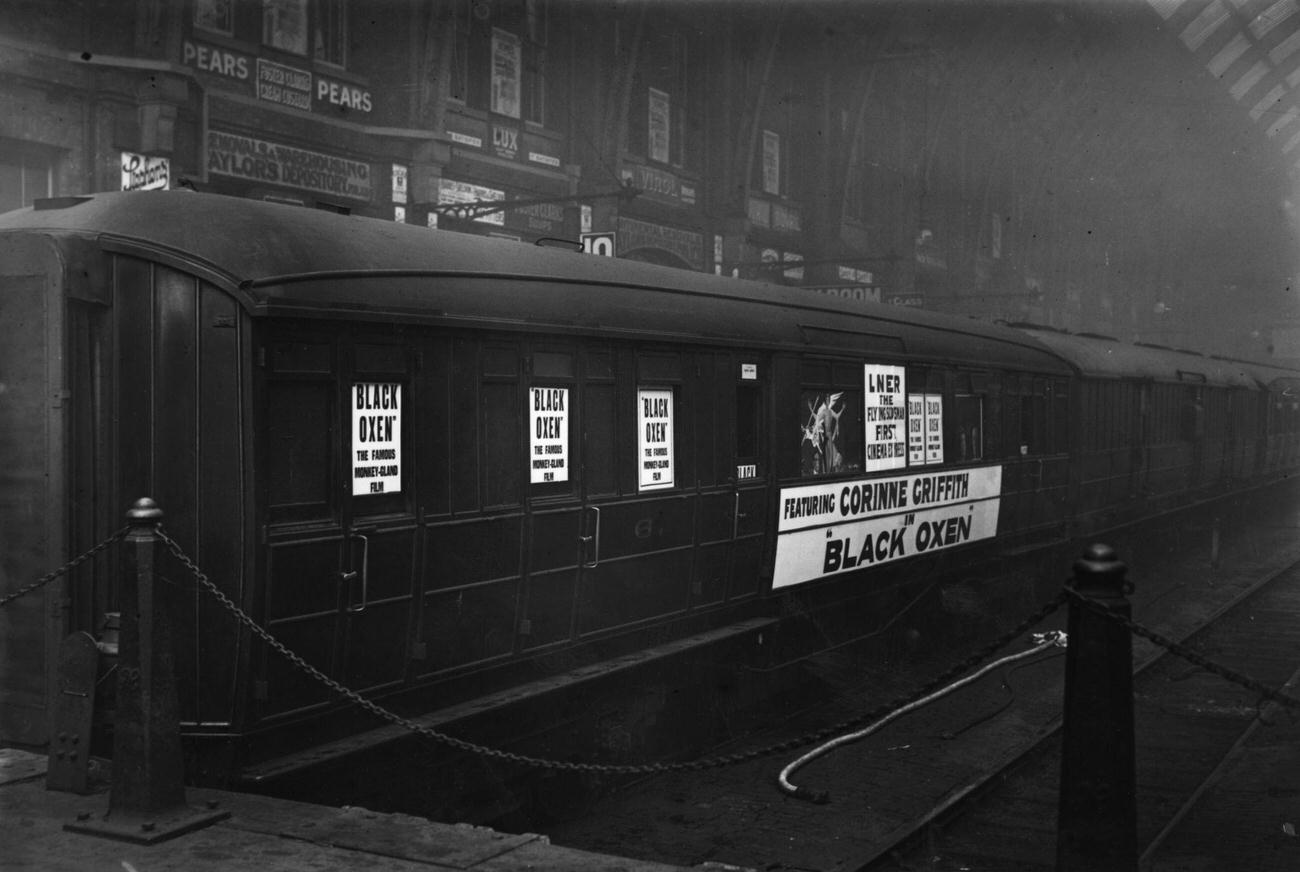
British rail operators were not just moving passengers from point A to point B — they were competing for them. The Flying Scotsman, one of the most famous named trains in history, even offered a cinema car by 1924, allowing passengers to watch films during their journey between London and Edinburgh. It was a striking example of how seriously railways took the passenger experience.
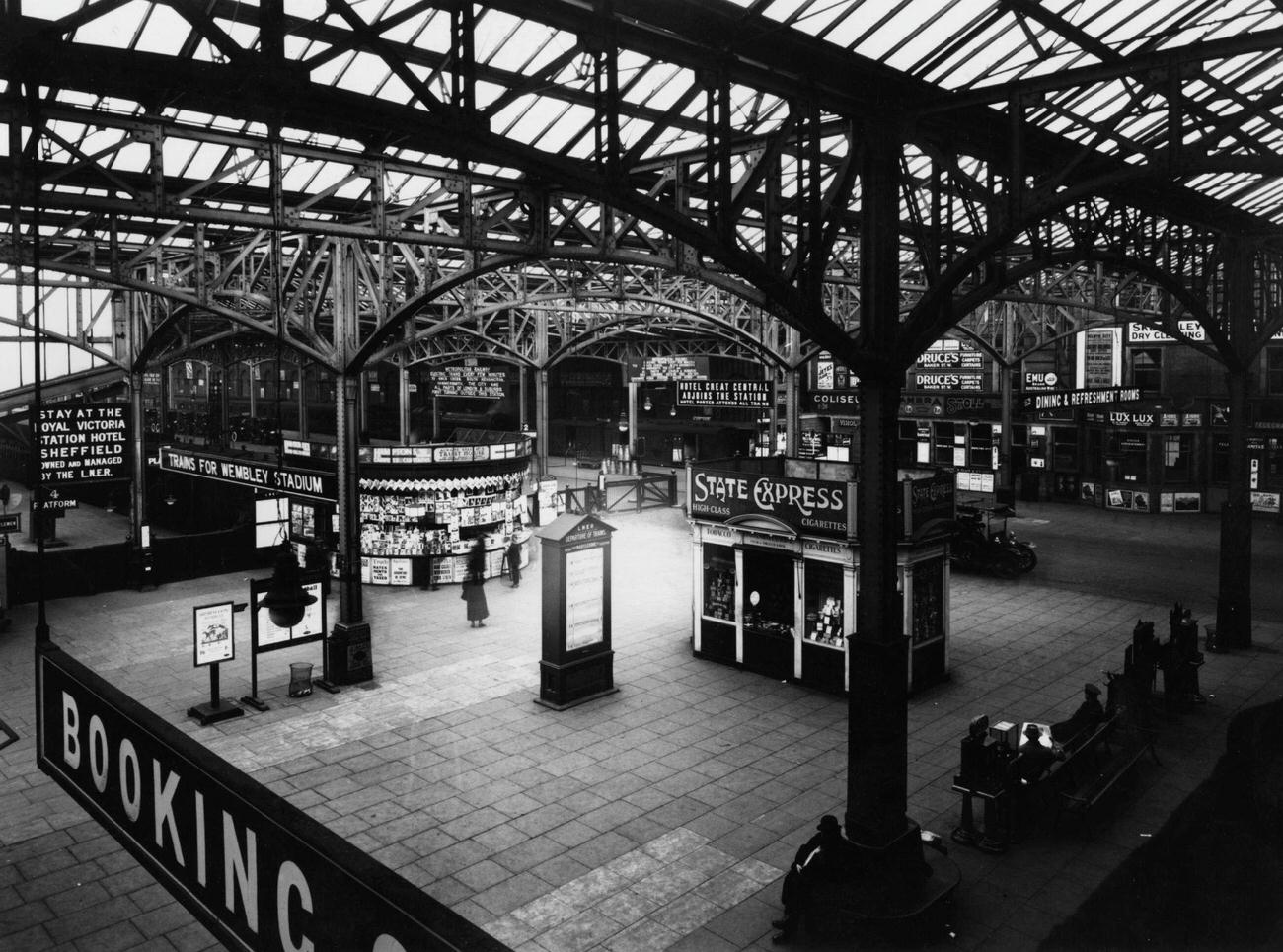
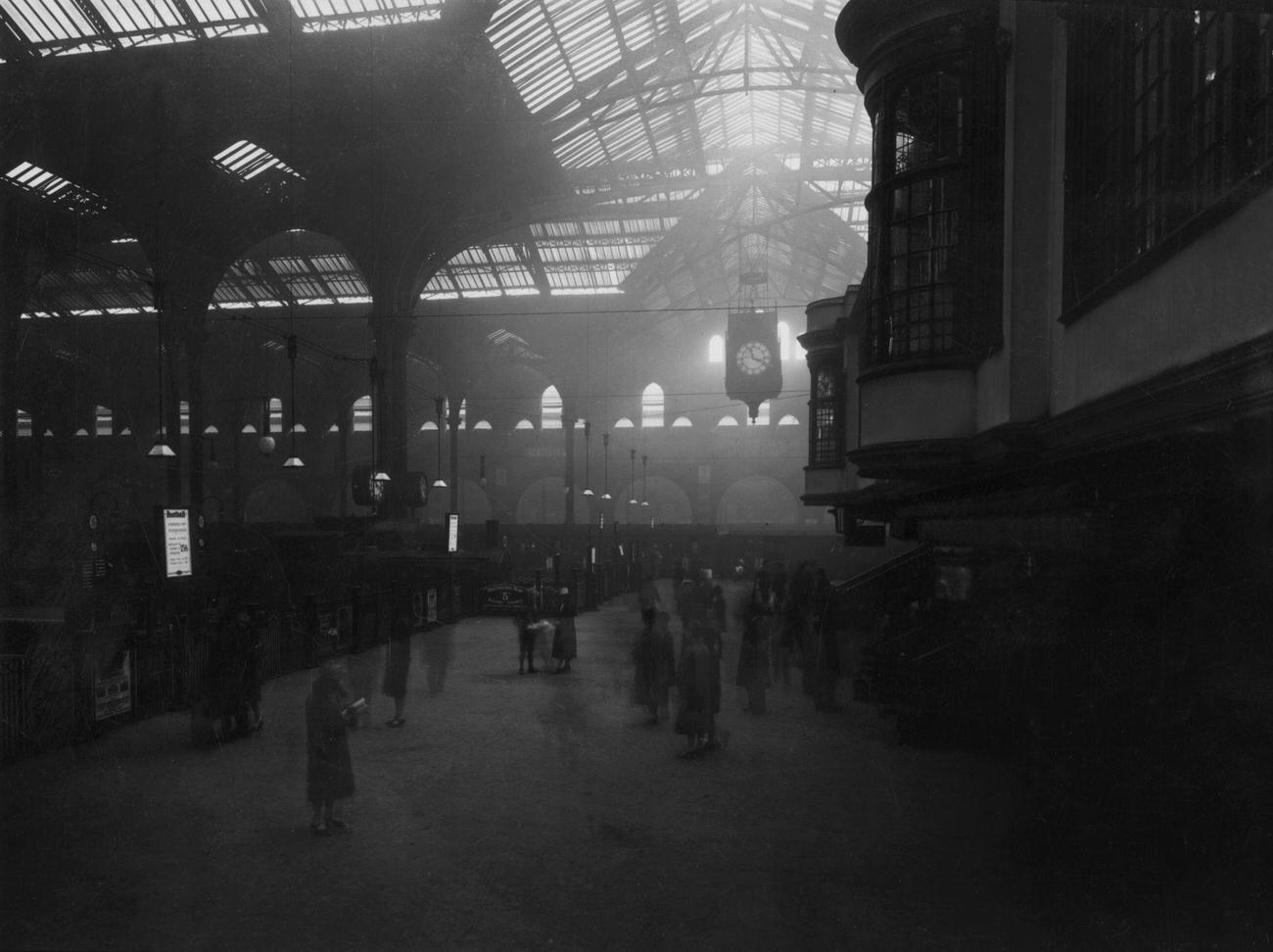
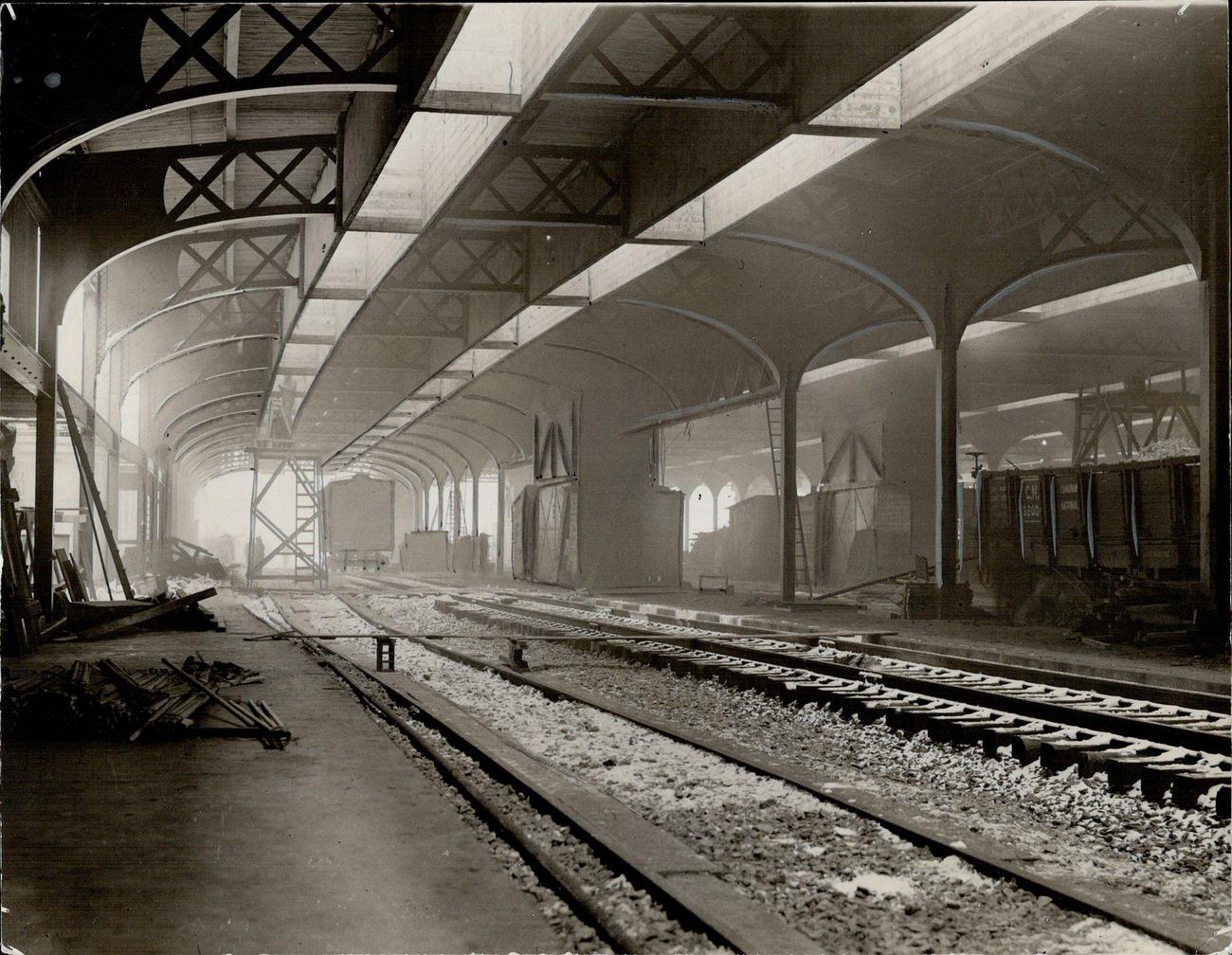
The interior spaces of London’s stations reflected this growing traffic. Liverpool Street, run by Great Eastern Railway, connected the city to the southeast. Marylebone served the midlands. Both were busy, bustling places, with arrivals and departures running throughout the day.
Famous faces were a regular fixture at major stations. Celebrities, politicians, and public figures arrived and departed by train, often greeted by waiting crowds or press photographers. Waterloo Station in London was a particularly well-known meeting point.
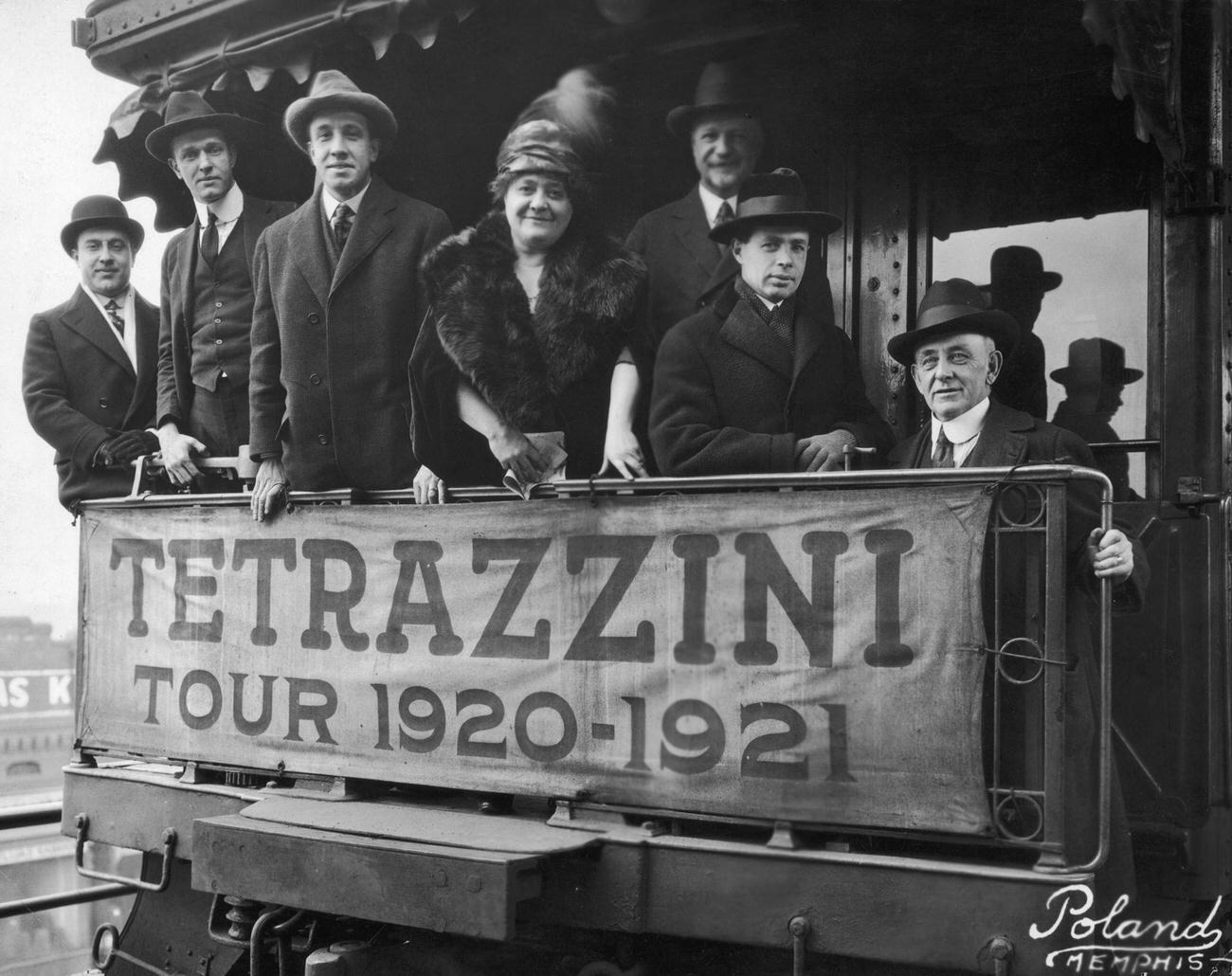
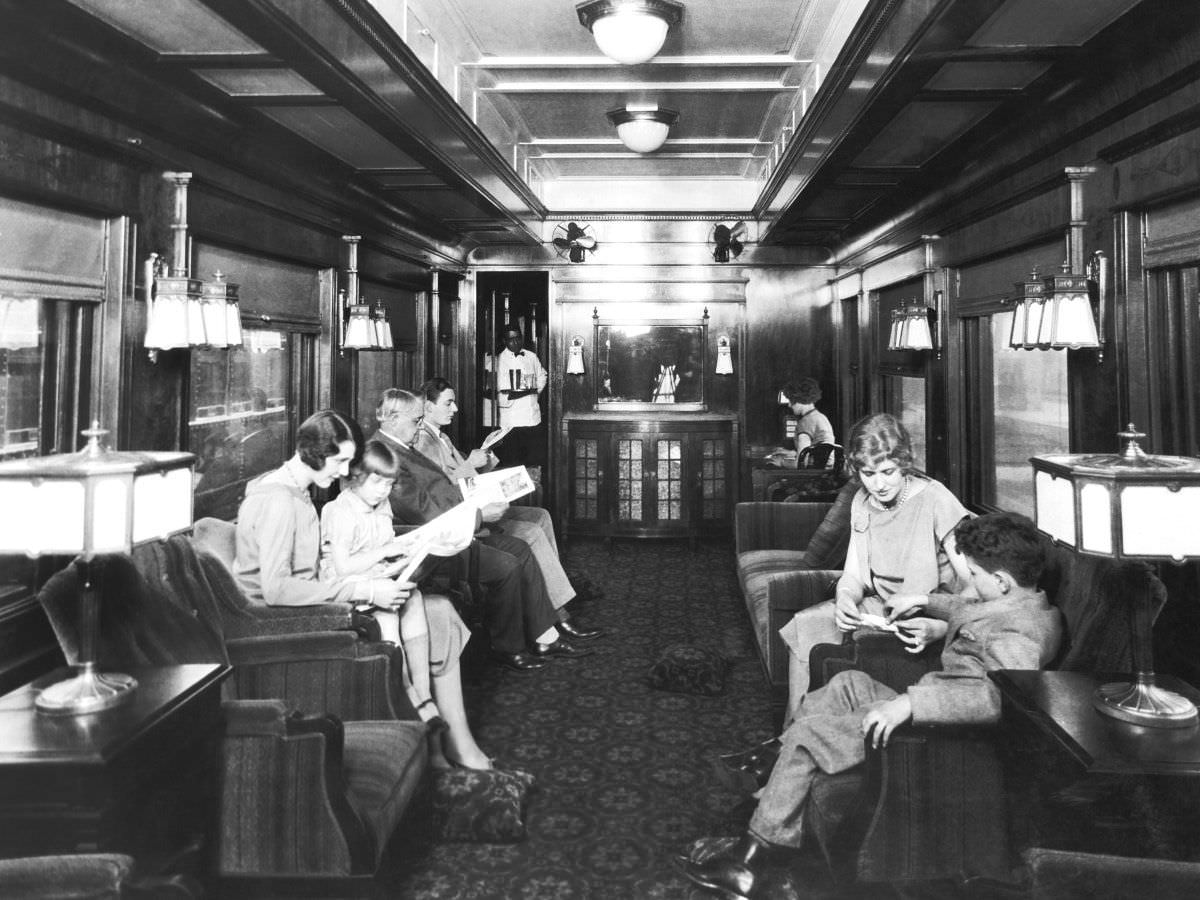
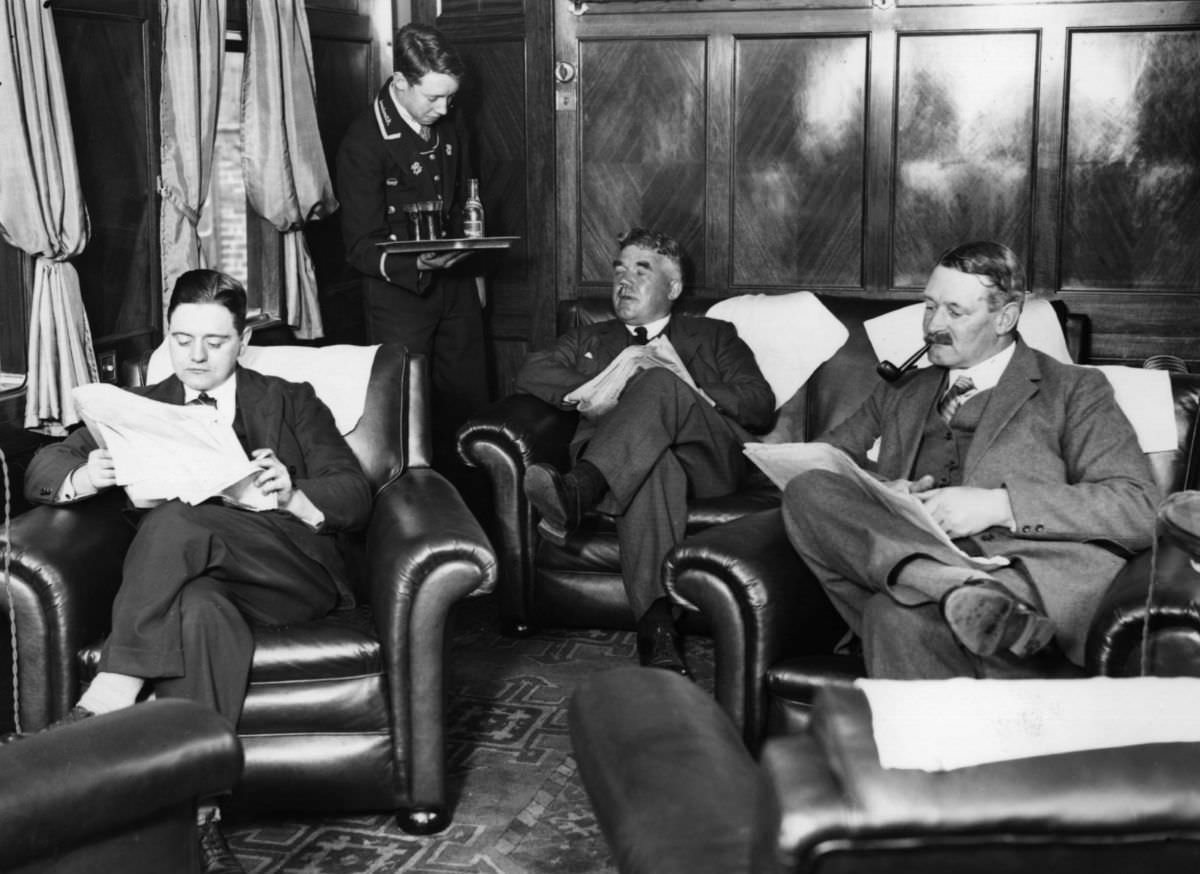
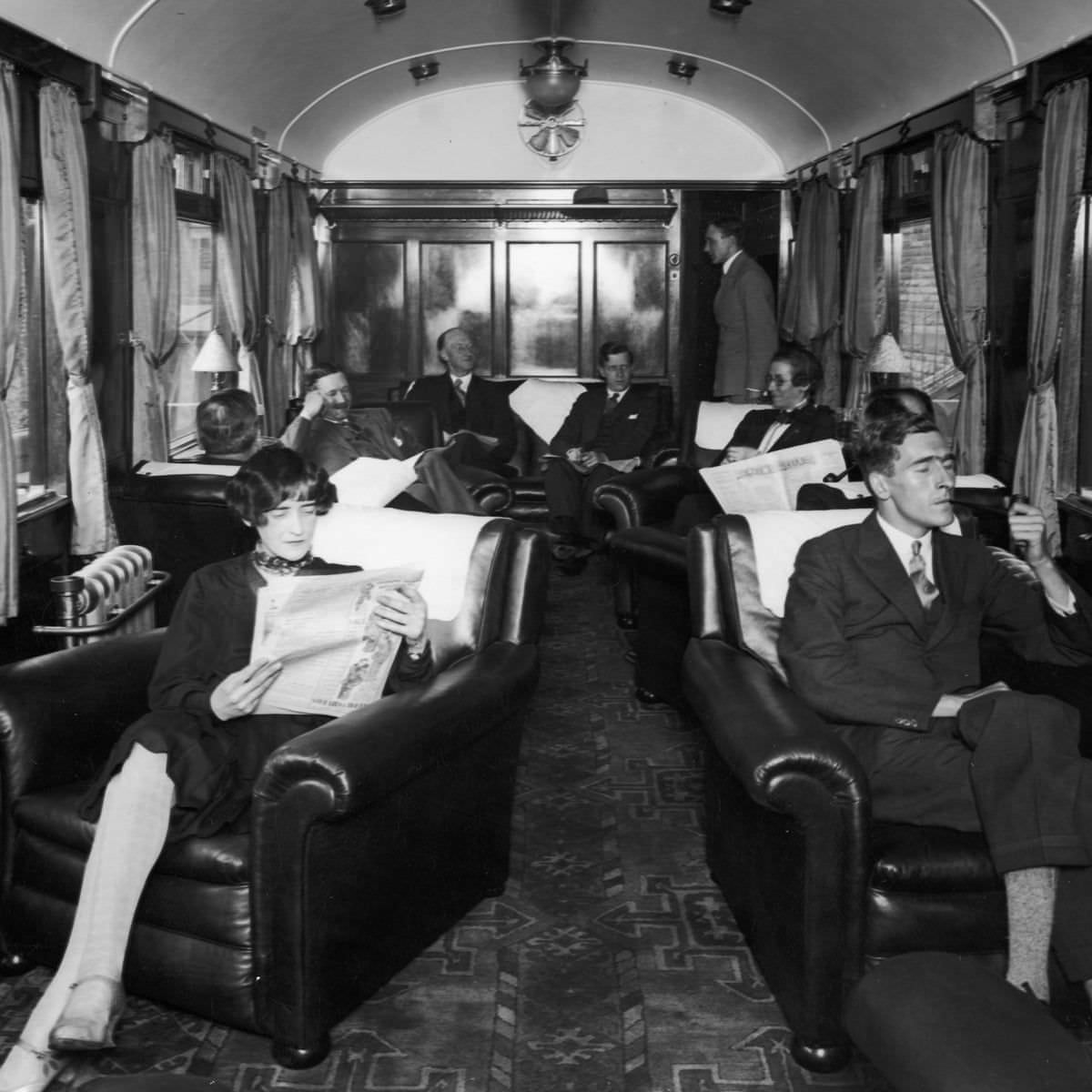
For first-class passengers on flagship routes, train travel in the 1920s was genuinely luxurious. The Royal Scot, operated by the London, Midland and Scottish Railway, offered leather armchairs in its lounges and richly appointed first-class cars. On America’s Northern Pacific line, transcontinental travelers had access to observation and lounge cars where they could watch the landscape roll by in comfort.
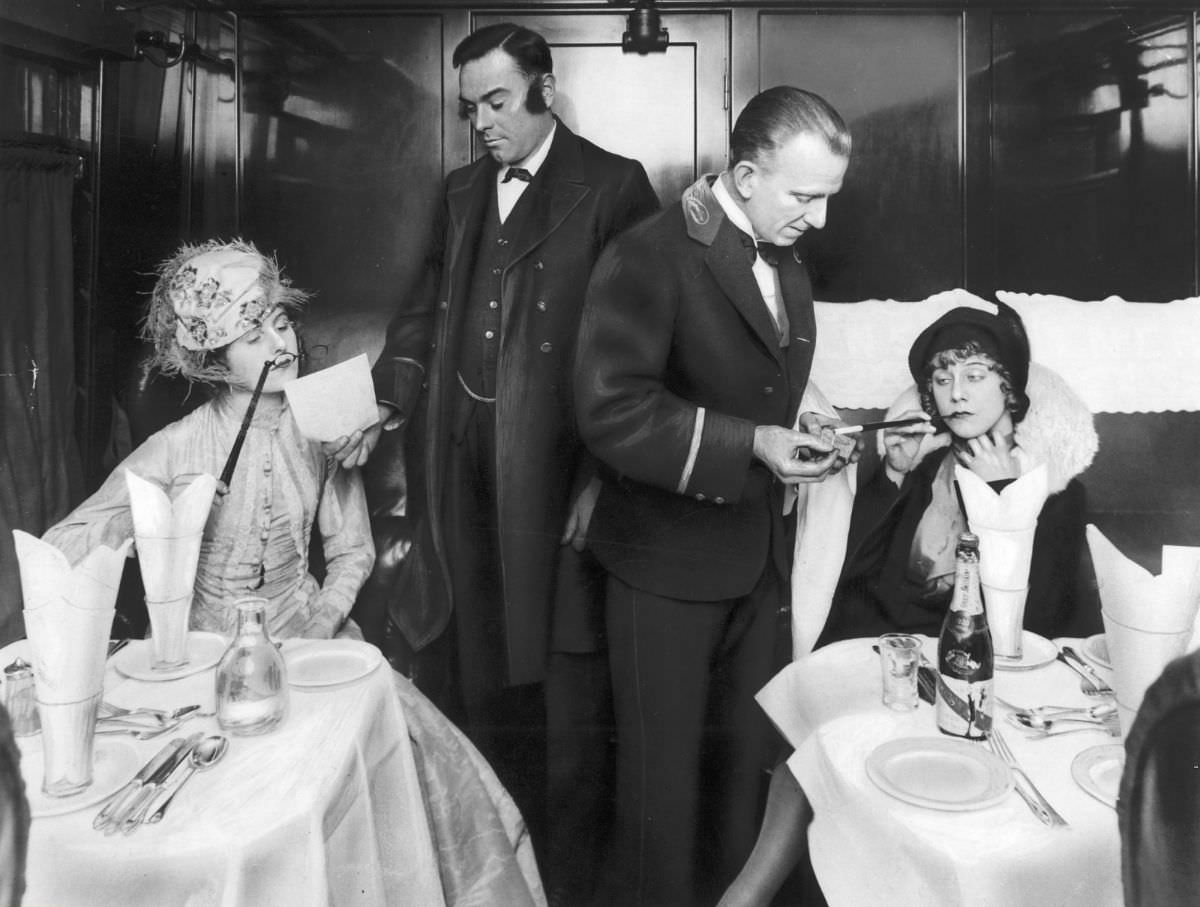
Dining cars were a world of their own. Formally set tables, white-jacketed waiters, and printed menus were standard on premium services across Europe. In Germany, first-class dining on long-distance routes looked more like a fine restaurant than a moving vehicle.
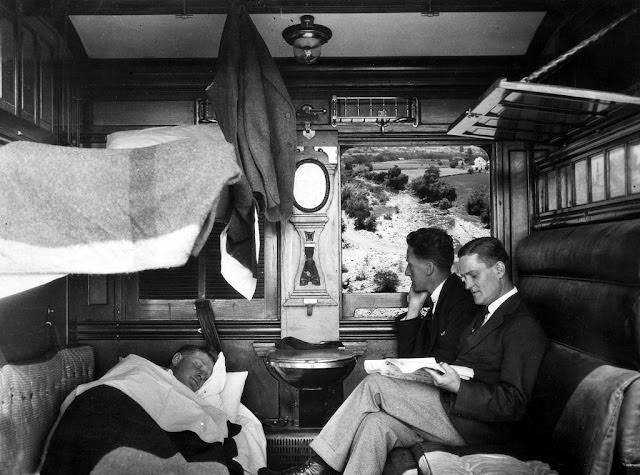
But not every journey was glamorous. Overnight travel, even in a sleeping car, meant adapting to shared spaces and limited privacy. Long-haul passengers made do with reading, napping, and watching the miles pass.
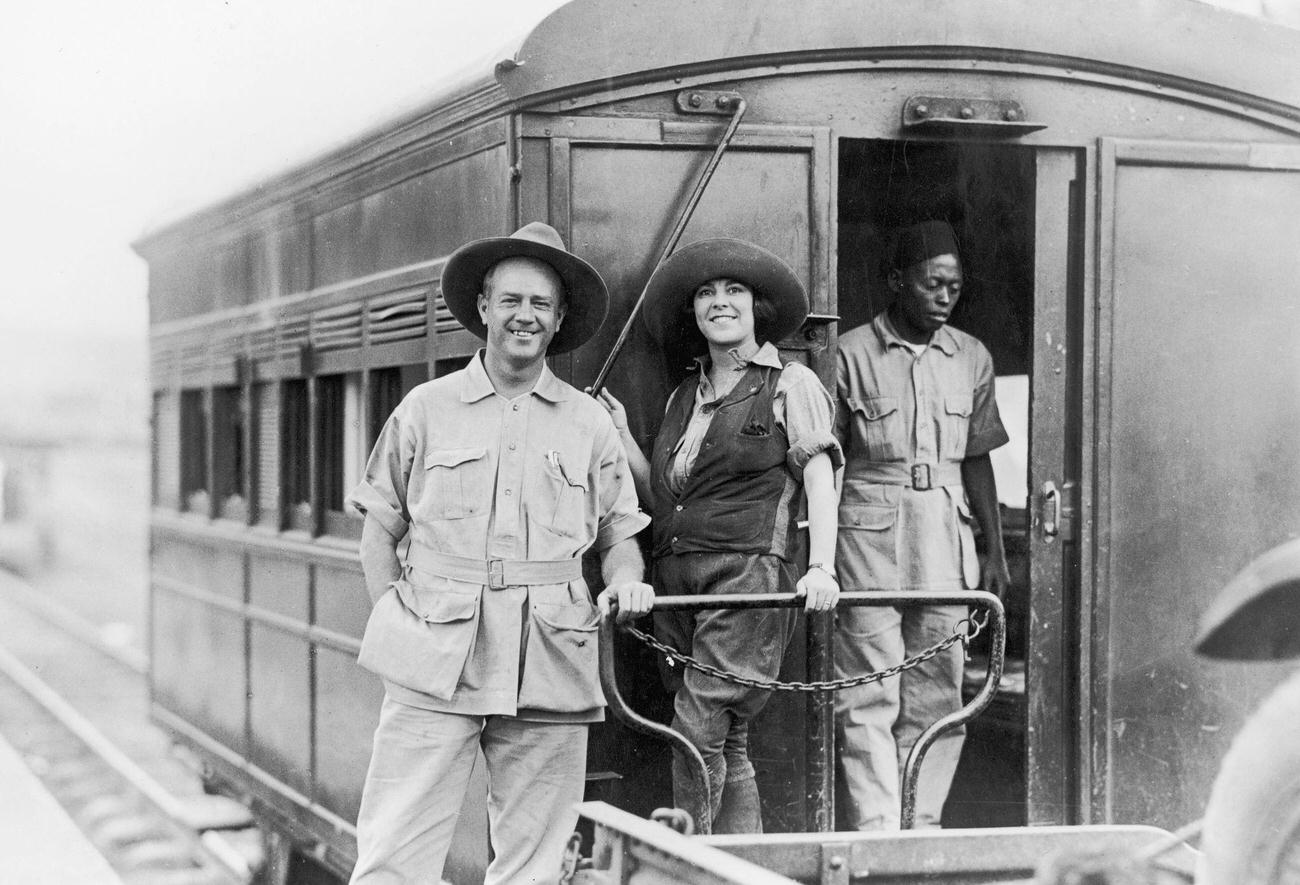
Rail networks in this era also stretched far beyond Europe and North America. In East Africa, the Kenya and Uganda Railroad connected Nairobi to the interior, serving both settlers and travelers moving through the region. Researchers and explorers used these lines to reach remote areas that would have been inaccessible otherwise.
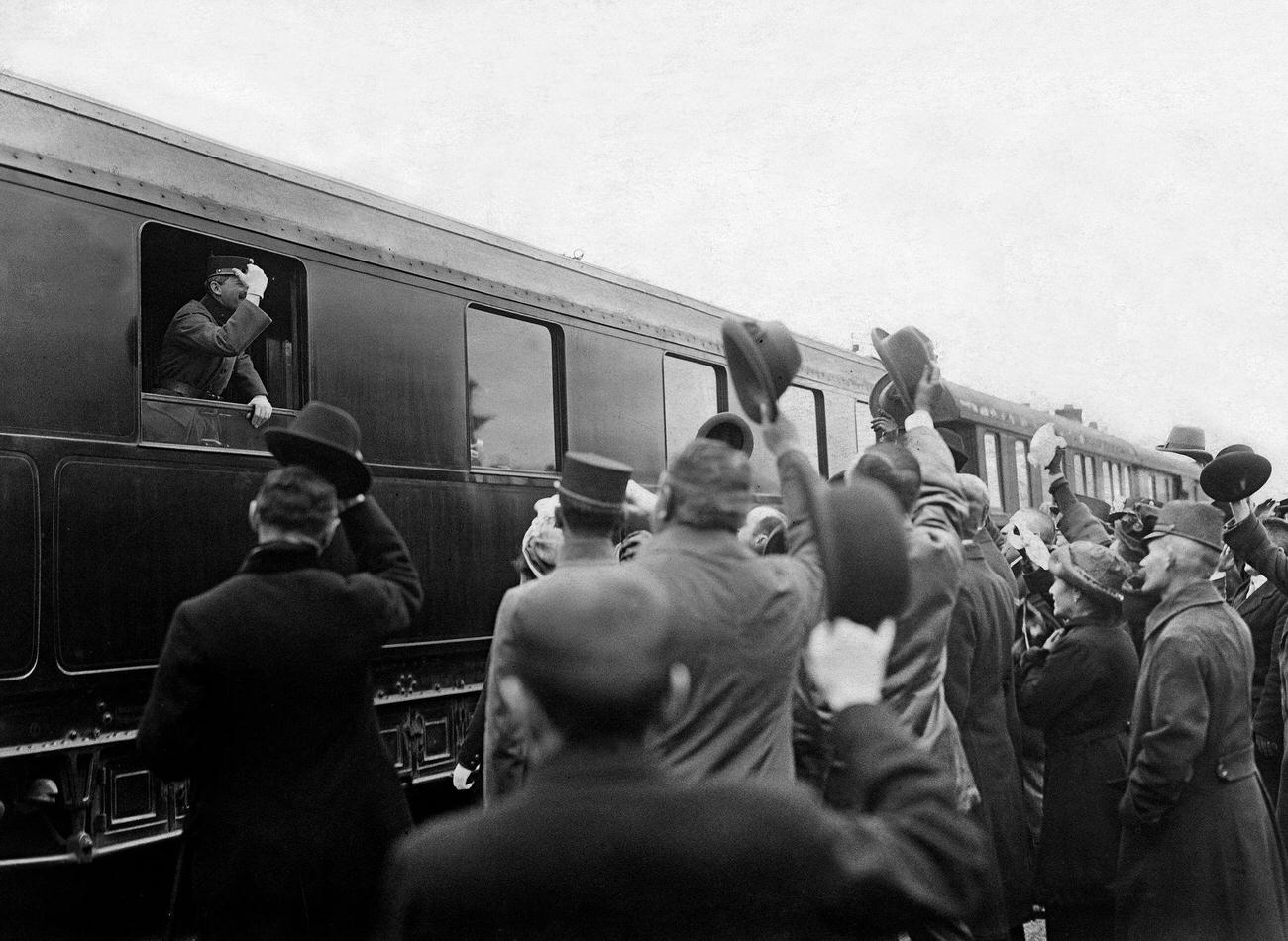
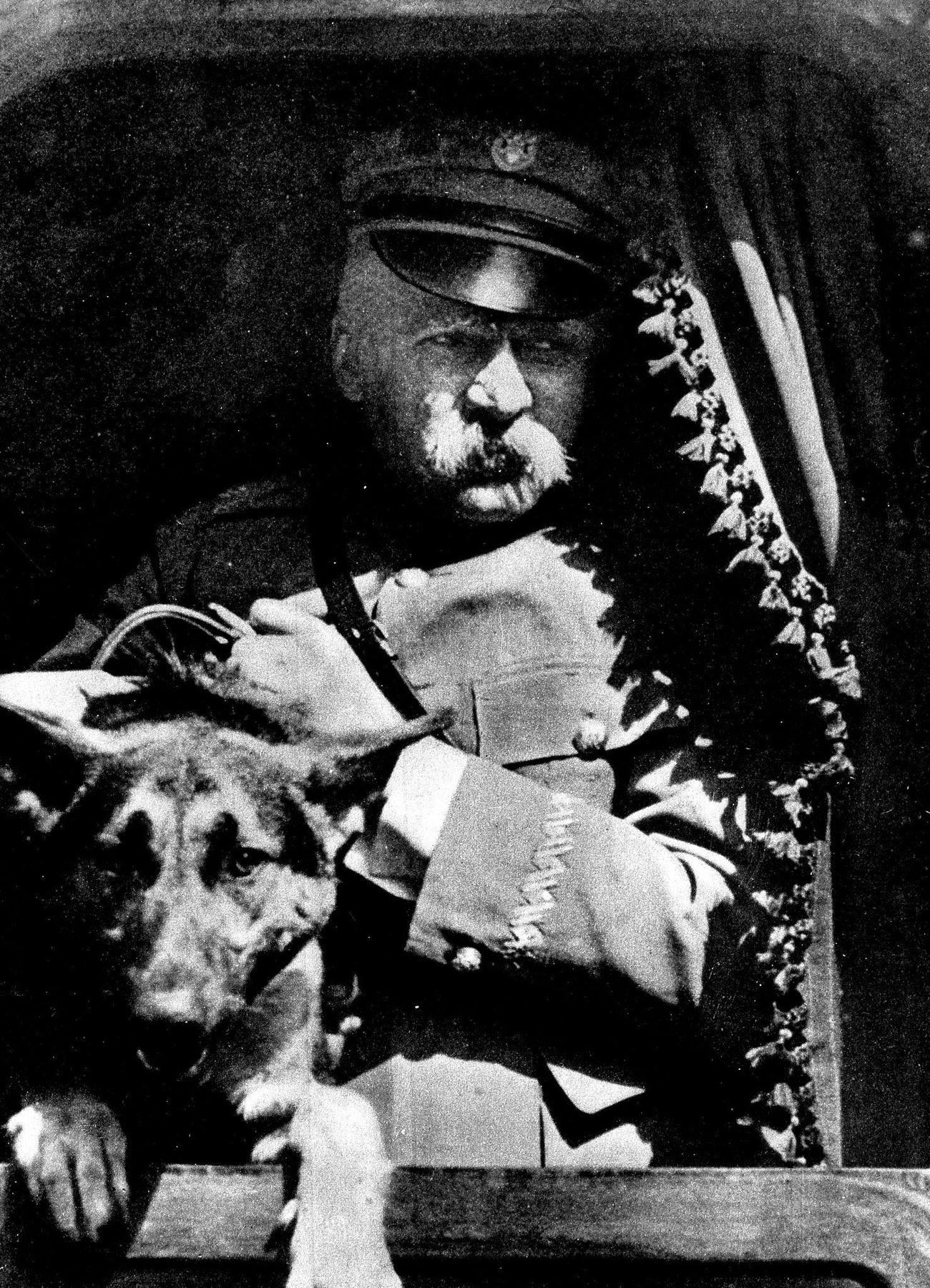
In Europe, the political turbulence of the postwar years played out on the rails as much as anywhere else. Charles I of Austria, stripped of his throne after World War I, made his exit from Hungary by train following a failed attempt to reclaim power. For Józef Piłsudski, the Polish statesman and military leader, the train was both a practical tool and a symbol — a man of action, even at rest.
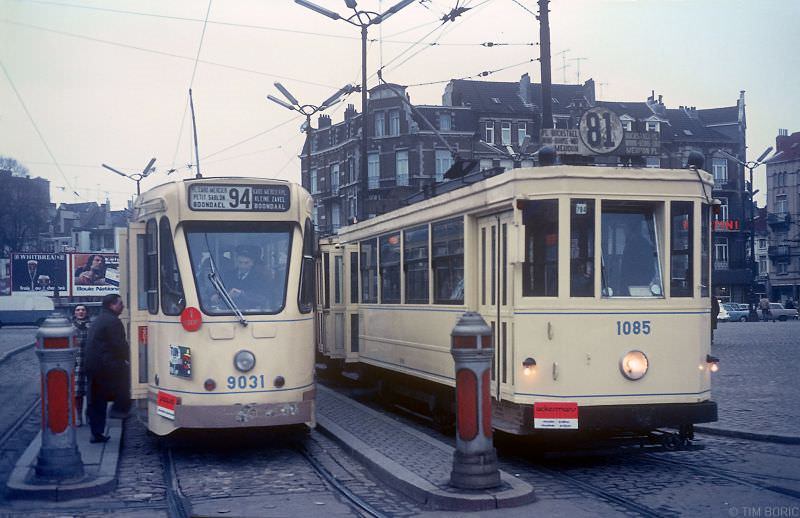
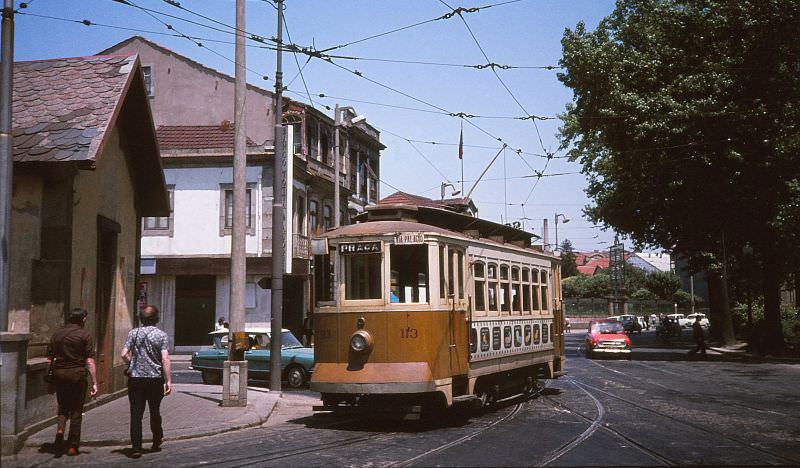
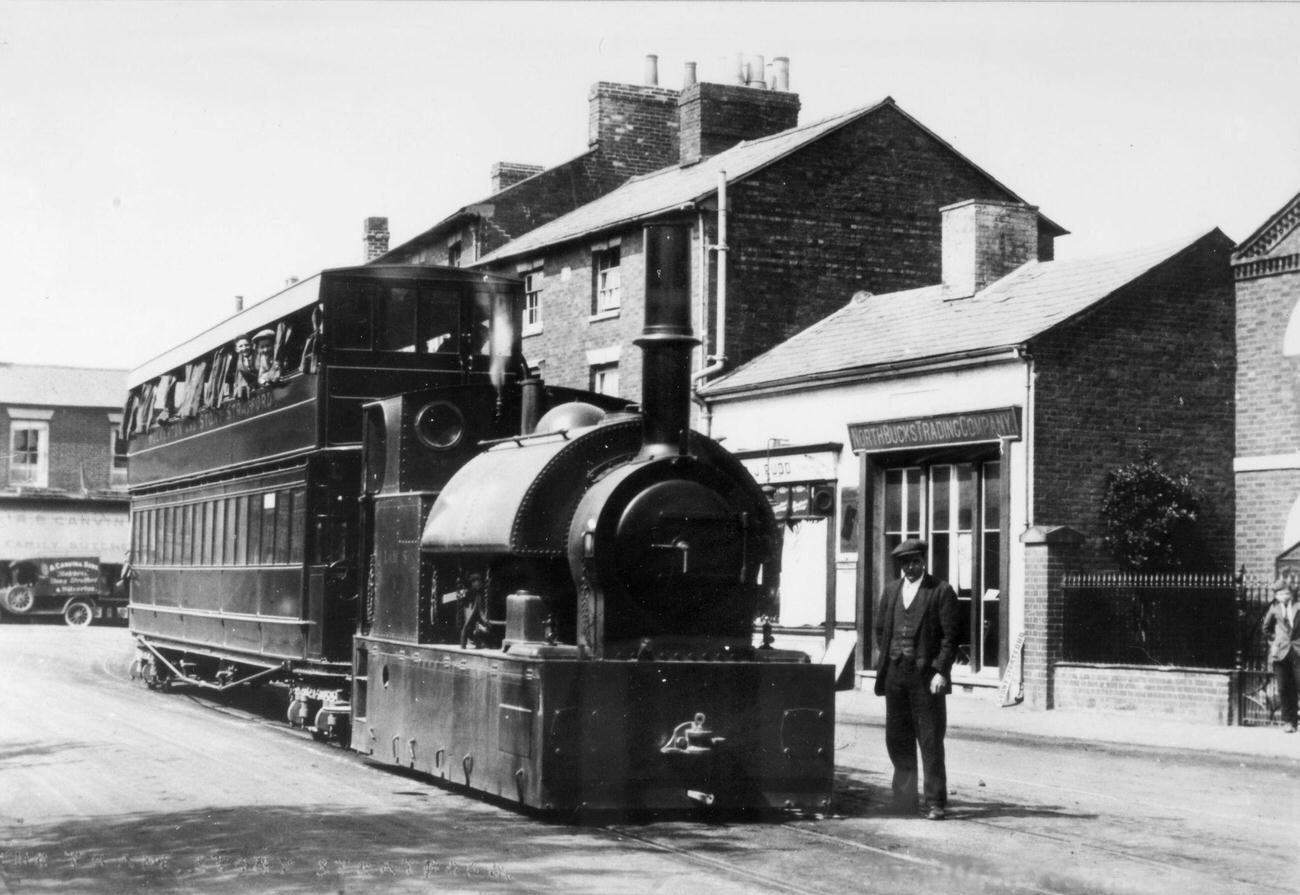
Smaller, local services rounded out the rail landscape of the decade. Trams connected towns that larger express lines skipped entirely, providing everyday transport to communities far from the main routes.
Throughout the 1920s, the rail industry kept building. New lines opened. Existing ones expanded. Freight traffic remained essential to heavy industry, carrying coal, steel, and manufactured goods across continents. The railroad was no longer a novelty or an emerging technology — it was the backbone of modern economies on multiple continents, and the decade only deepened that role.