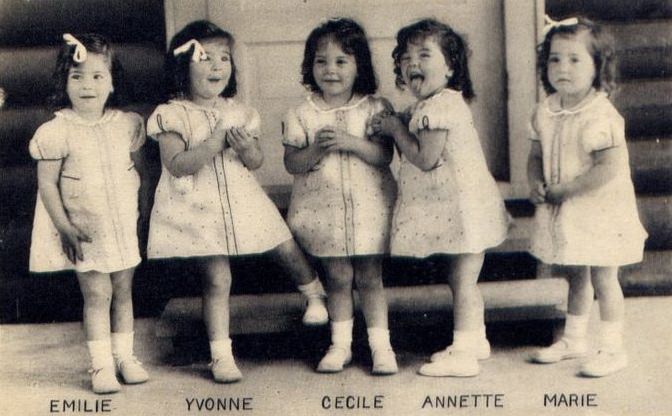
On May 28, 1934, five baby girls were born in a farmhouse near Callander, Ontario, Canada. Their mother, Elzire Dionne, was 24 years old and had suspected she was carrying twins. No one — not Elzire, not her husband Oliva, and not any doctor — had any idea that five babies were coming. A physician had noted a “fetal abnormality” beforehand, but the true scale of the pregnancy was unknown until the births began.
Dr. Allan Roy Dafoe delivered the babies with help from two midwives, Aunt Donalda and Madame Benoît Lebel, who Oliva had summoned at midnight. The five girls arrived into a home that was already crowded — Elzire and Oliva had nine other children from single births, making the quintuplets part of a family of fourteen children total. Together, the five newborns weighed just 13 pounds, 6 ounces (6.07 kg). The heaviest weighed 3 pounds 4 ounces; the lightest, only 2 pounds 4 ounces. Individual weights and measurements beyond those figures were not recorded.
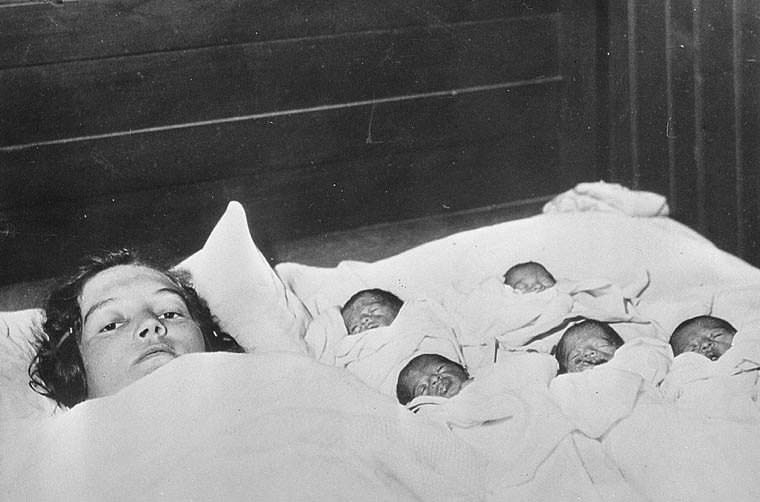
The babies were immediately wrapped in cotton sheets and old napkins and placed in a corner of the bed. Elzire went into shock but recovered within two hours. These five girls had already made history: they were the first set of quintuplets ever to be medically and genetically documented as having survived. No other quintuplet group had lived through birth before them. Biologists at the University of Toronto later studied the girls and determined that all five originated from a single fertilized egg. The embryo had split repeatedly, producing six embryos in total — the sixth was lost to a miscarriage in the third month of pregnancy.
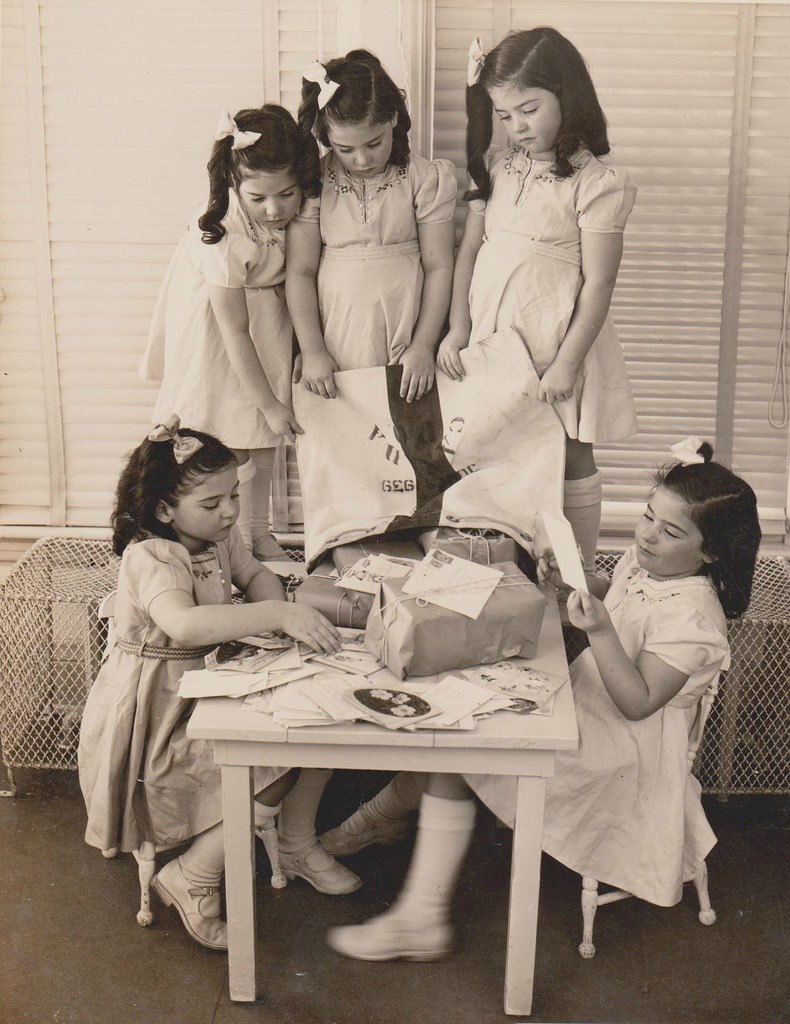
News of the birth spread quickly after Oliva’s brother contacted a local newspaper editor to ask the cost of announcing five births from a single pregnancy. Letters, donations, and supplies began arriving from across North America. One letter from Appalachia recommended a small dose of burnt whiskey to prevent diarrhea. More practically, a hospital sent two incubators. Women from various communities also offered their breast milk to help feed the girls. They were paid ten cents per ounce — a meaningful contribution to household income during the Great Depression. The donated milk was refrigerated, then shipped by train. Every morning, Dr. Alan Brown of Toronto’s Hospital for Sick Children brought 28 ounces of breast milk to the quintuplets.
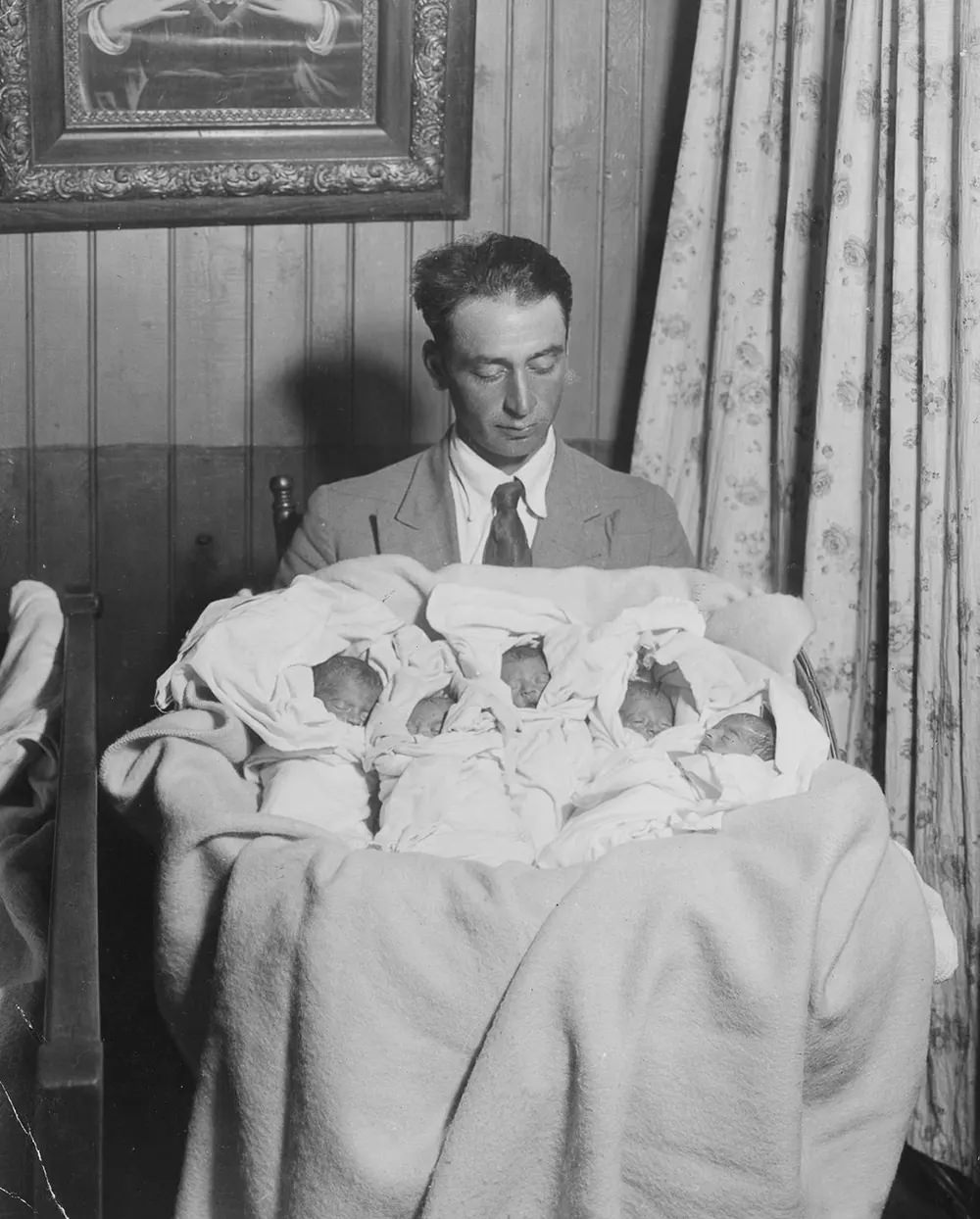
When the girls were four months old, the Red Cross took custody of them and funded their care. Then, in February 1935, Oliva and Elzire made a stage appearance in Chicago billed as the “Parents of the World Famous Babies.” Ontario Premier Mitchell Hepburn used this vaudeville trip as justification to extend government guardianship over the girls. The Dionne Quintuplets Act, passed in March 1935, officially made the five sisters wards of the Crown until the age of eighteen. The stated reason was to protect them from exploitation — though what followed was exploitation on a massive, government-organized scale.
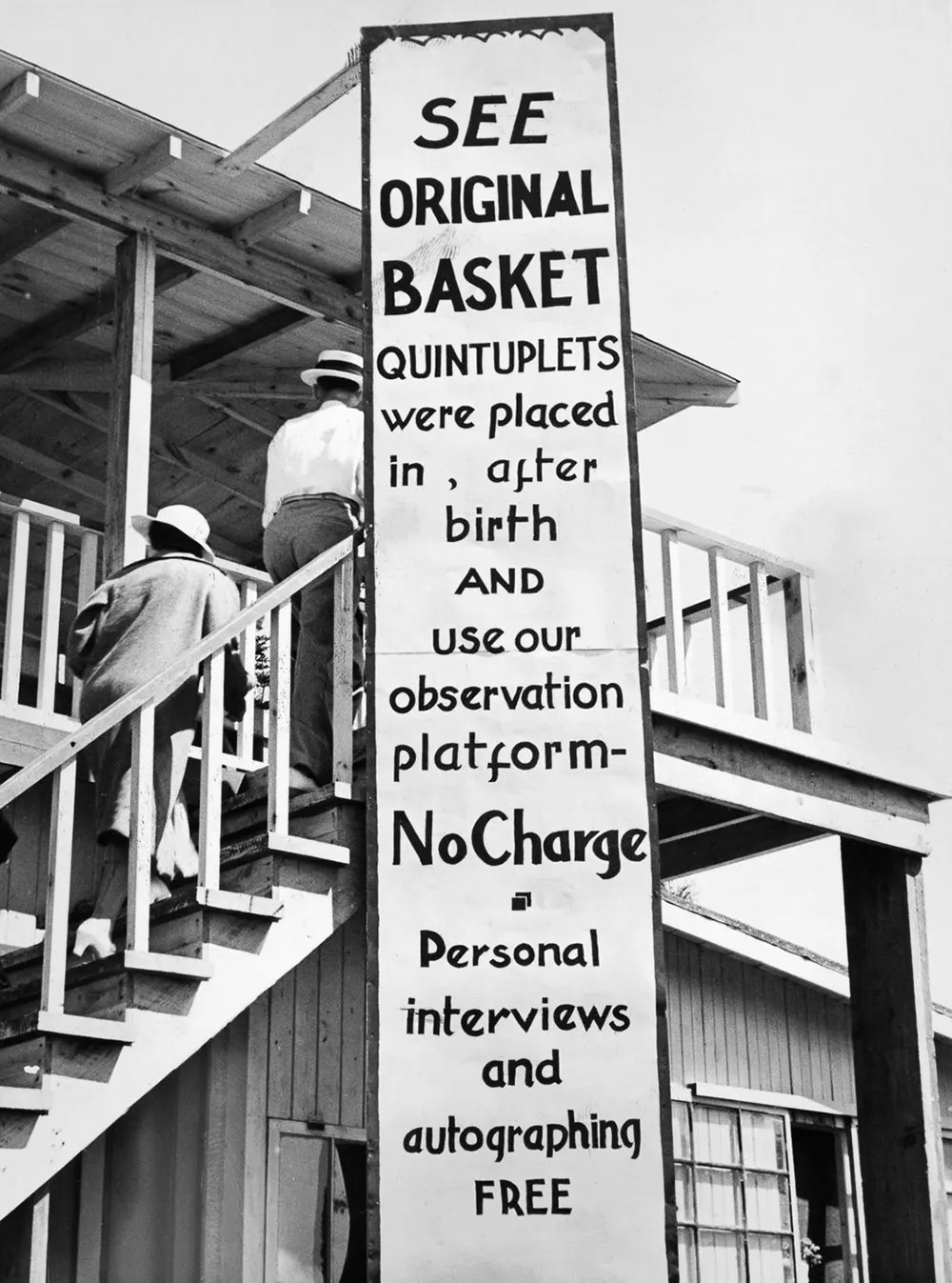
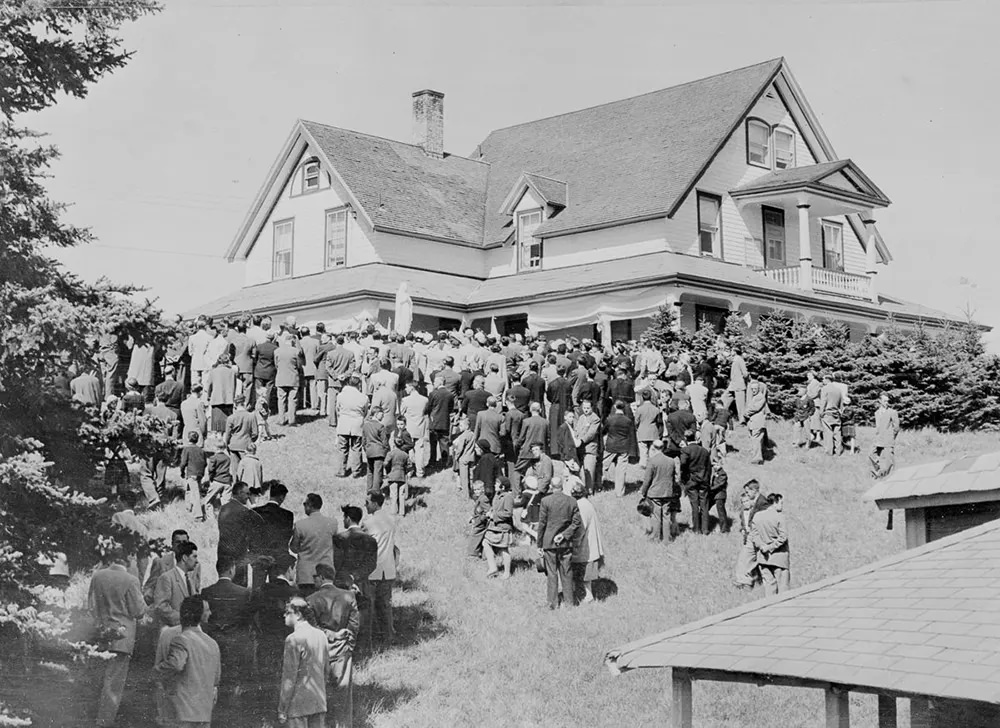
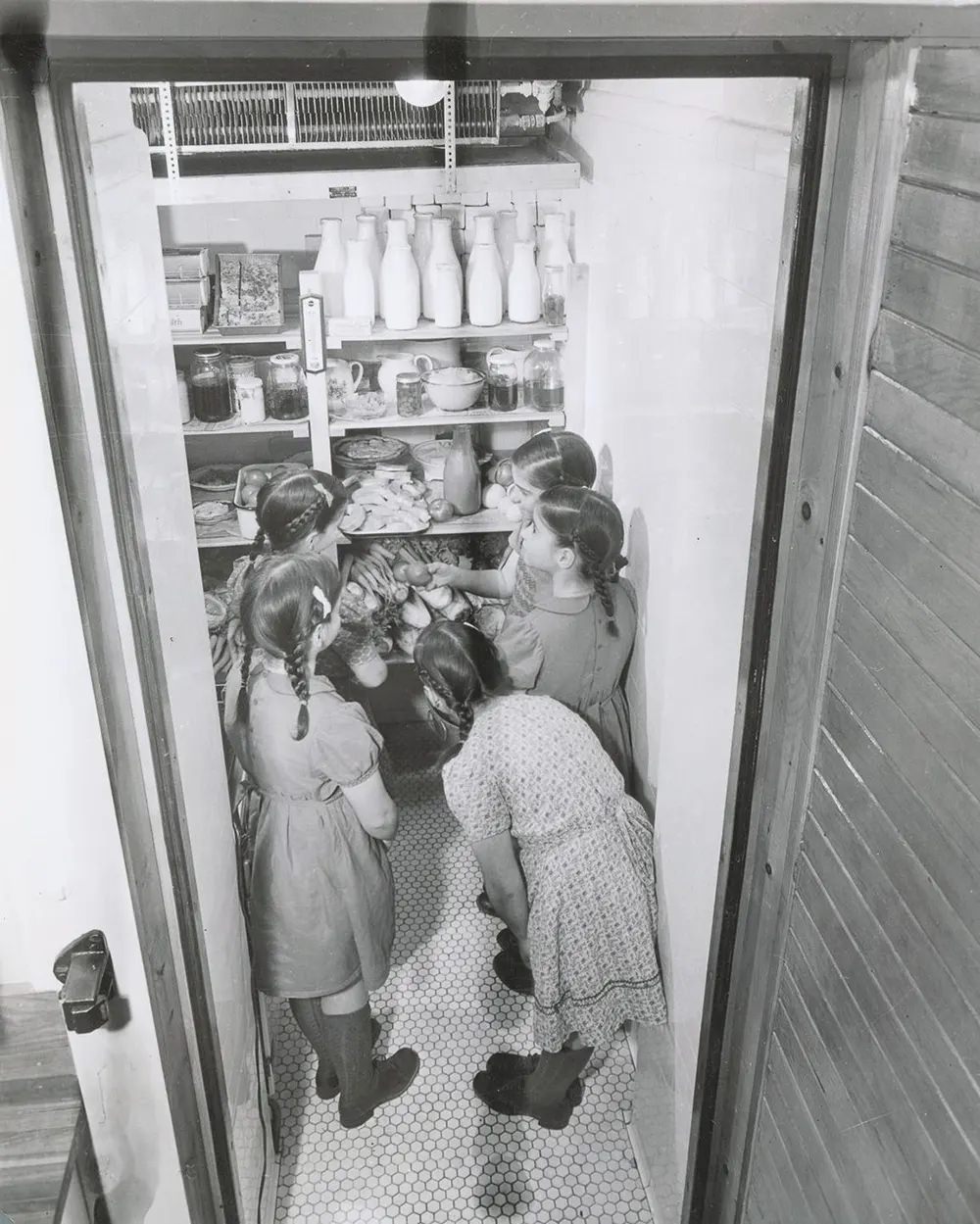
On September 21, 1934, the girls had been moved from the family farmhouse to the Dafoe Hospital and Nursery, built directly across the street from their birthplace. They would live there for nine years. The facility included an outdoor playground specifically designed so that the public could watch the children. Tourists filed through a covered arcade fitted with one-way screens, allowing them to see the girls without the girls seeing or hearing them. The screens blocked noise and visual distractions from the crowd’s side.
The observation gallery officially opened on Canada Day in 1936. Thousands of visitors and hundreds of cars arrived on that first day alone. About 3,000 people passed through the gallery each day during peak years. Between 1936 and 1943, nearly three million people walked through. The surrounding area was renamed Quintland. Oliva Dionne ran a souvenir shop and a woolen store directly opposite the nursery. Visitors could purchase autographs, framed photographs, spoons, cups, plates, plaques, candy bars, books, postcards, and dolls — all bearing the faces of his five daughters.
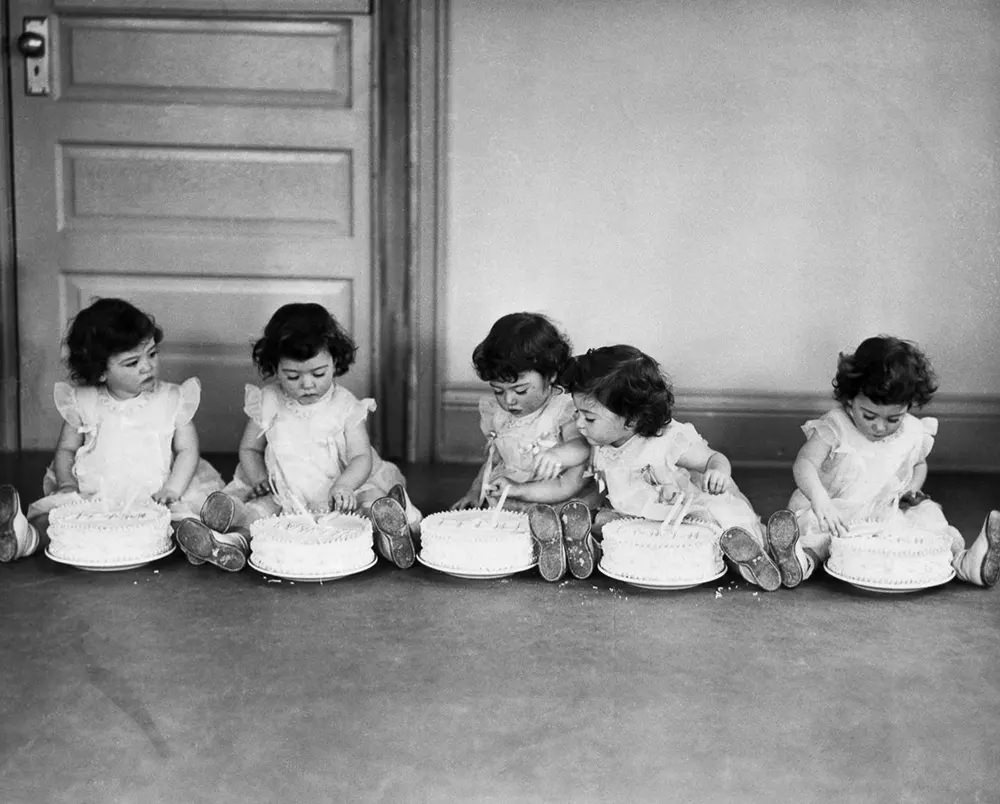
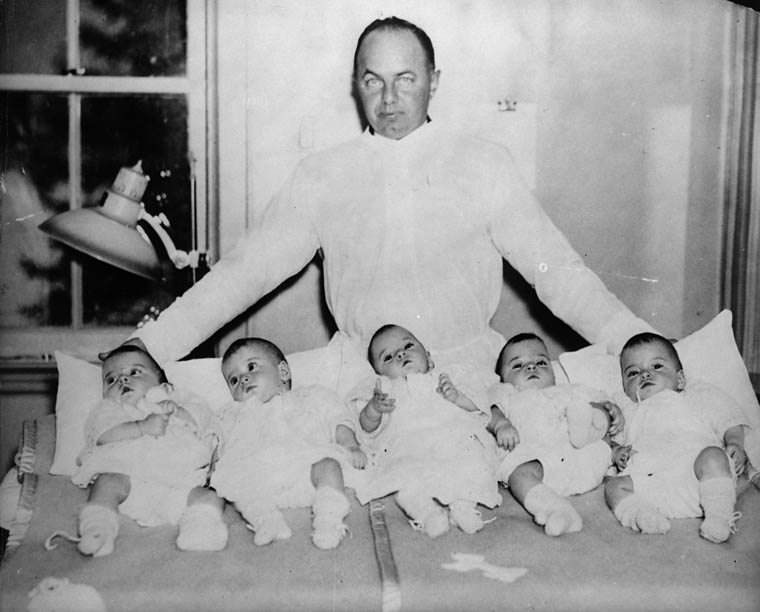
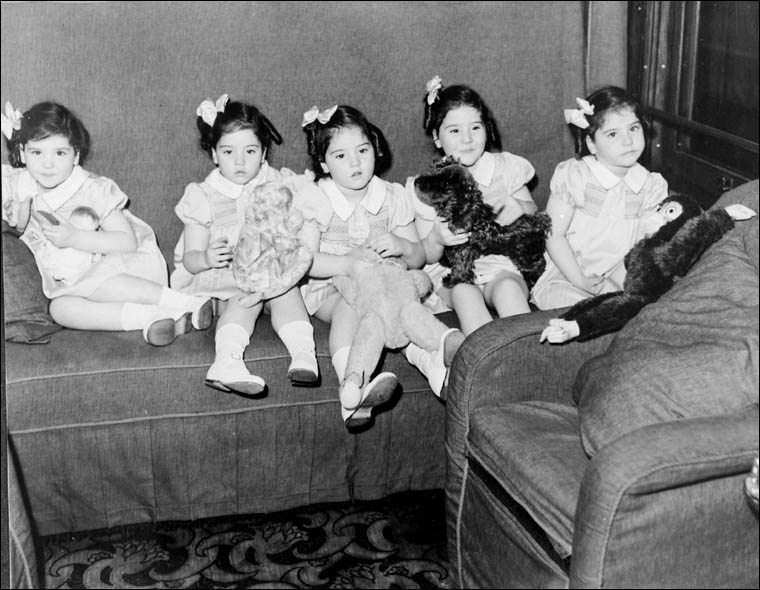
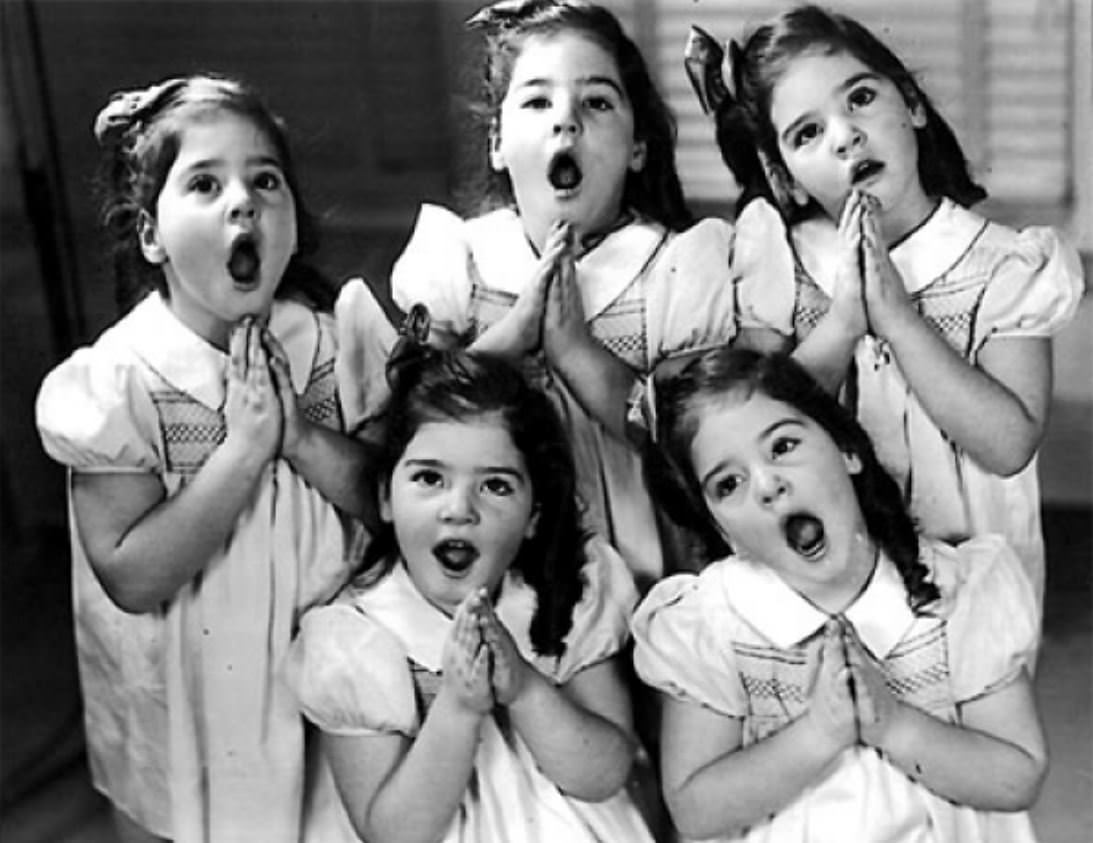
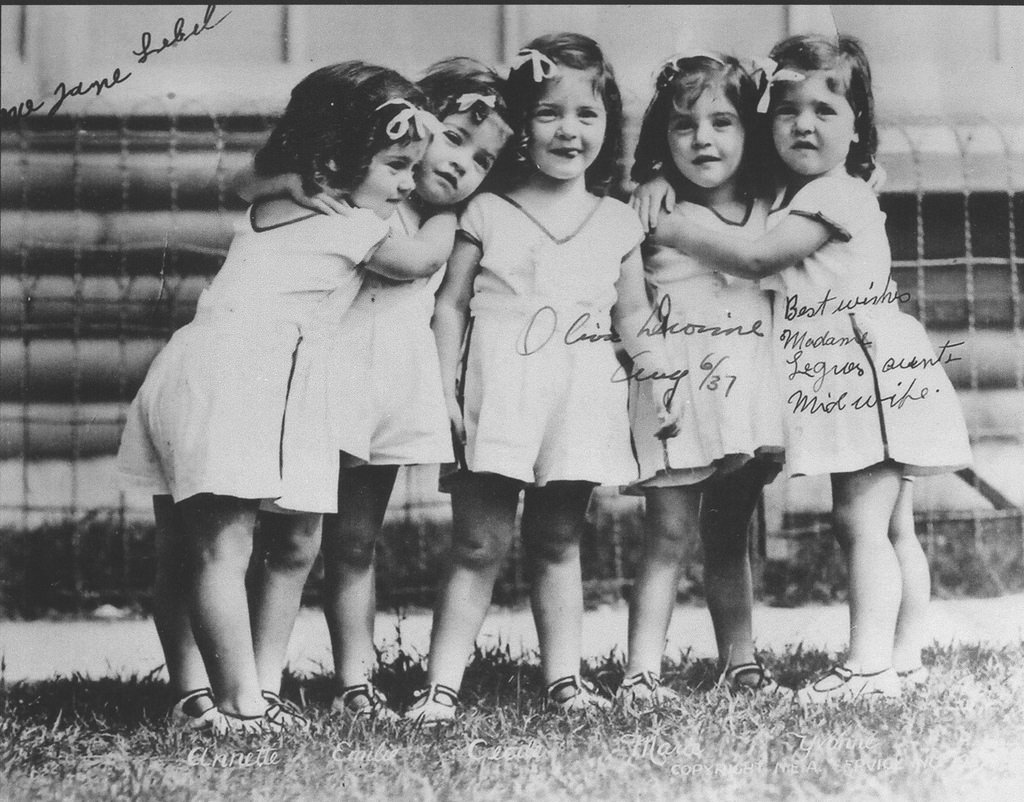
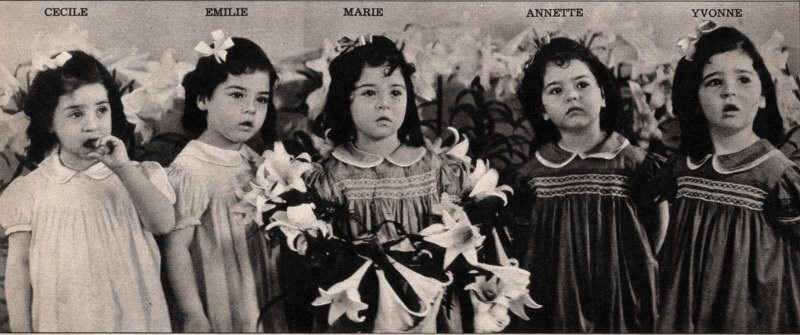
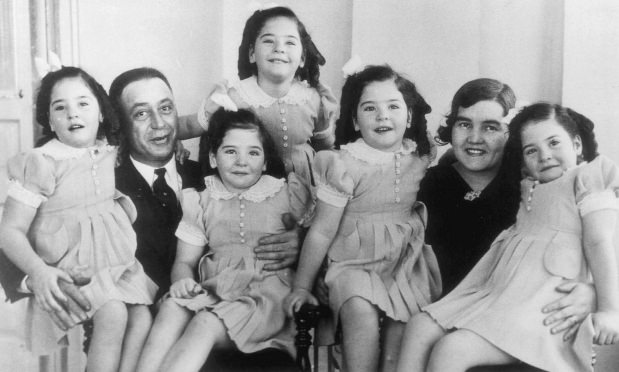
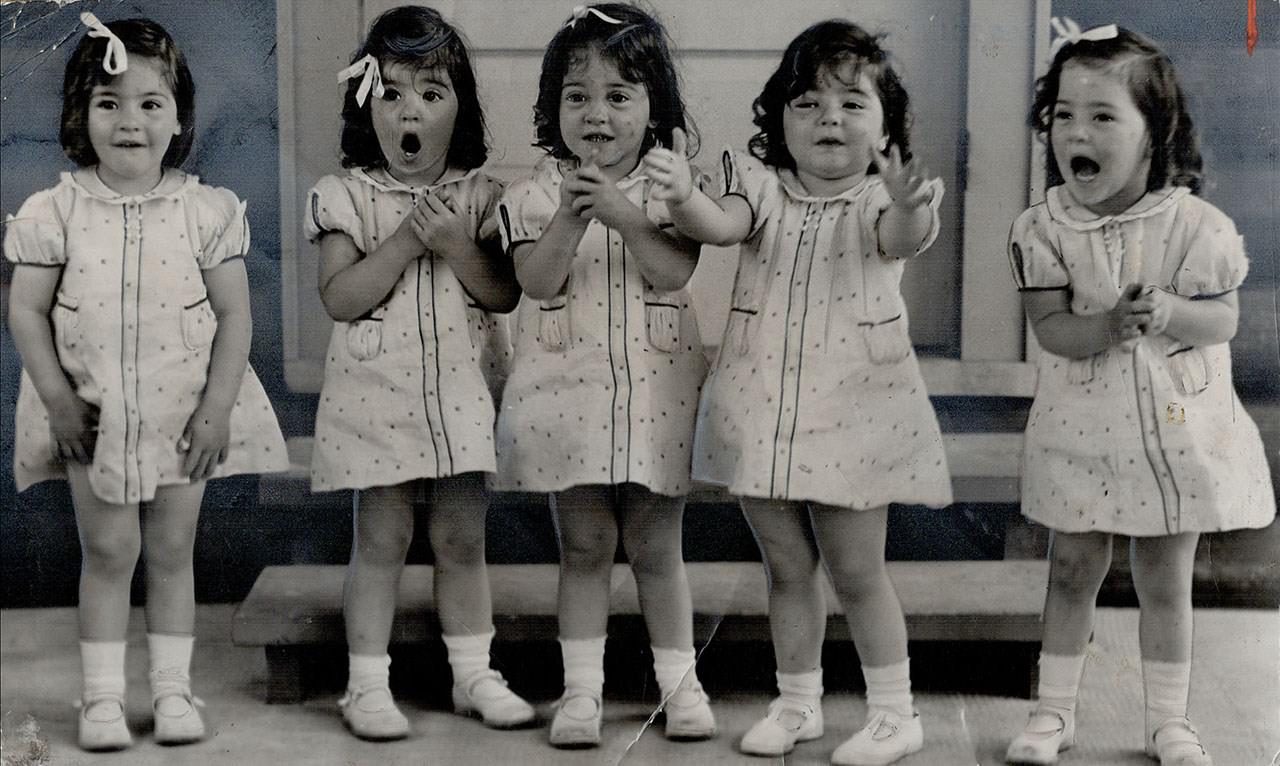
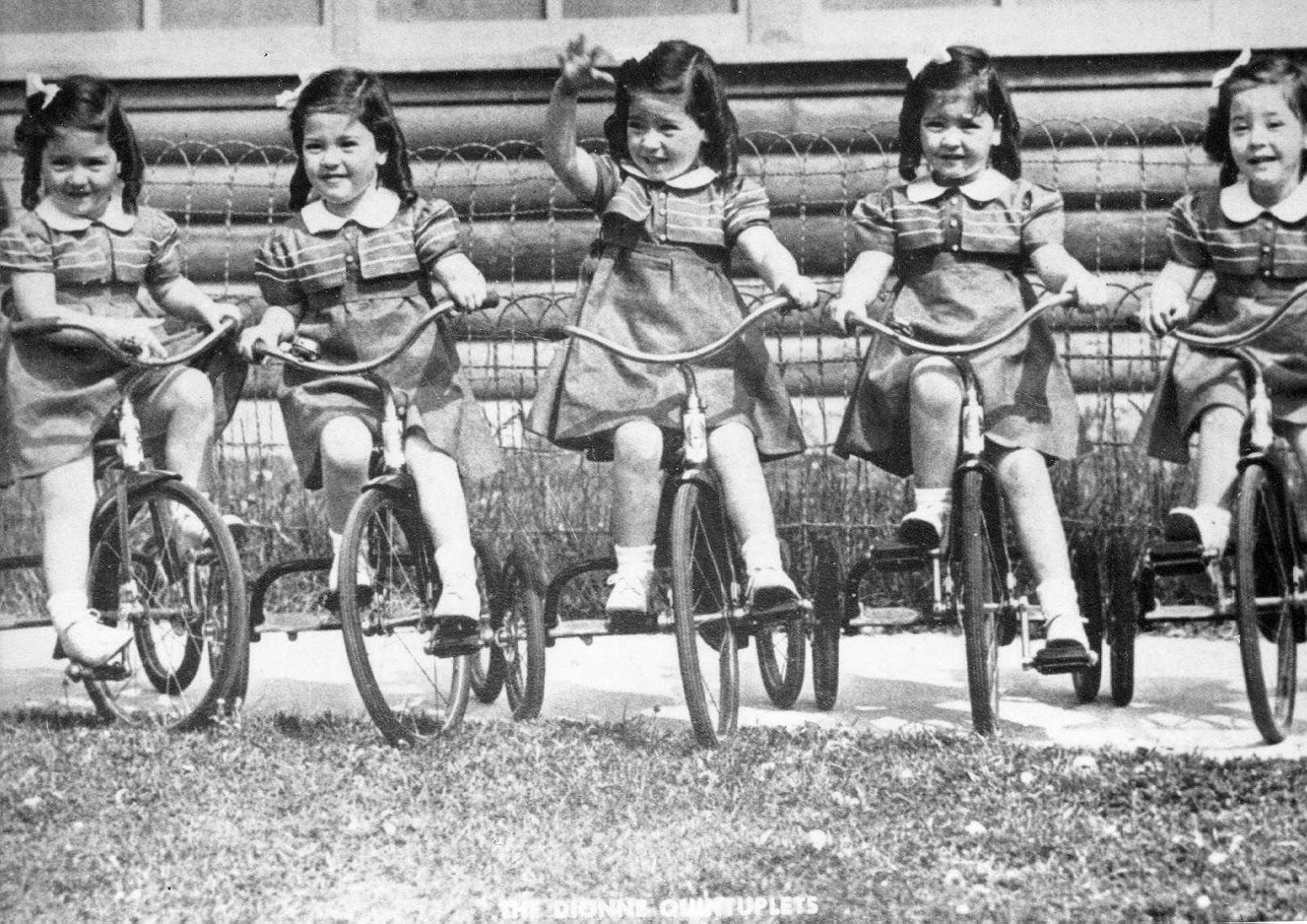
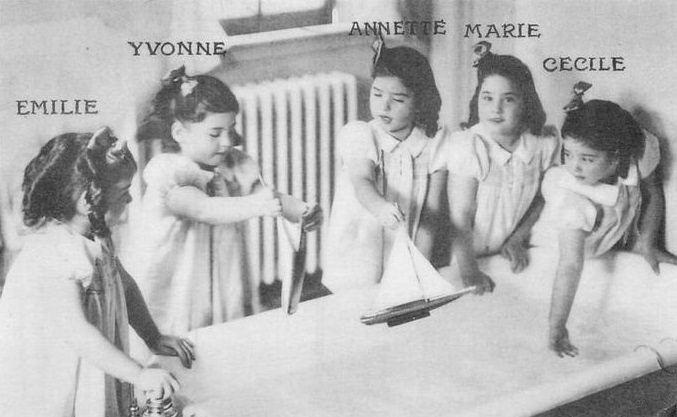
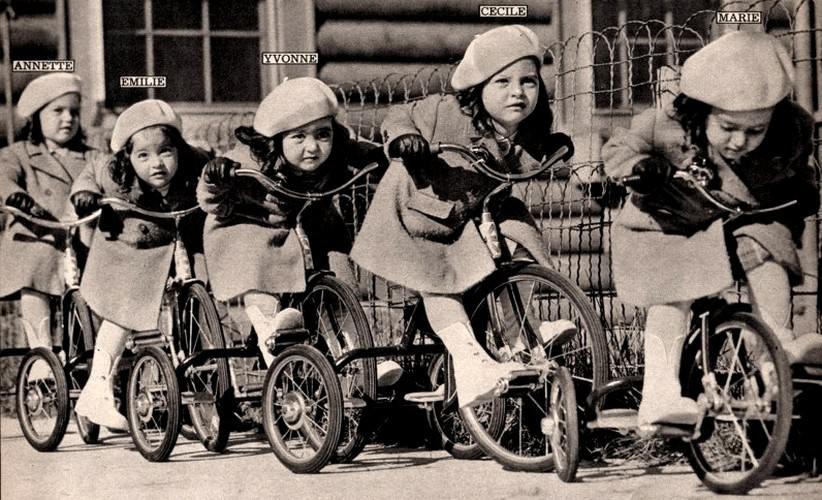
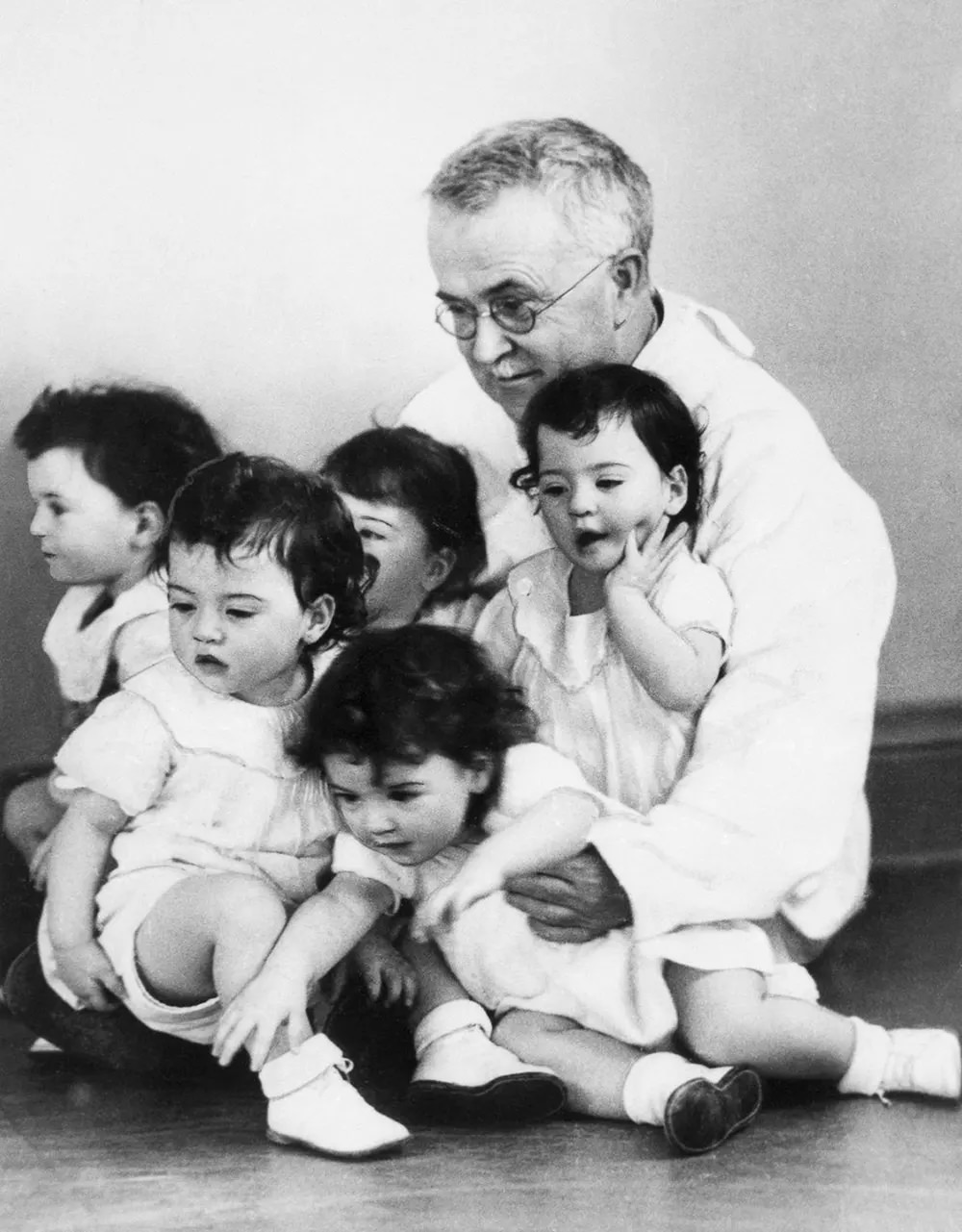
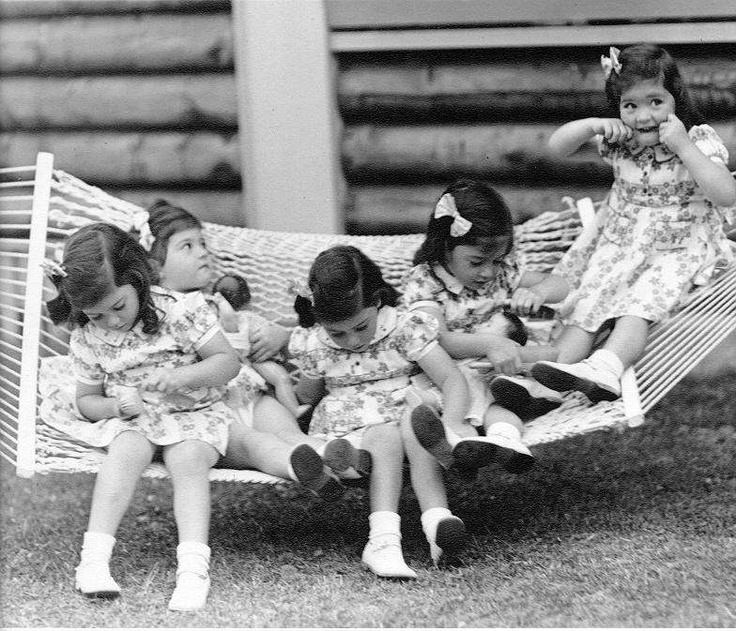
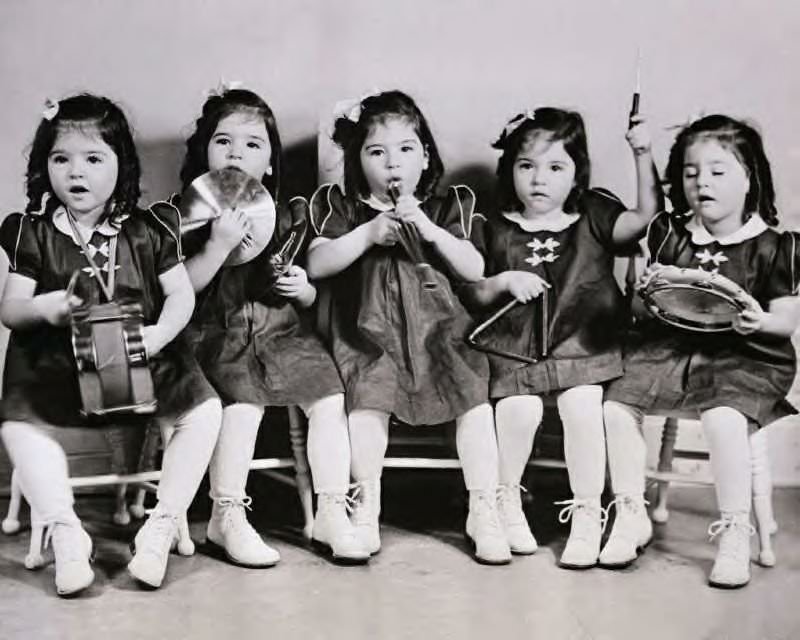
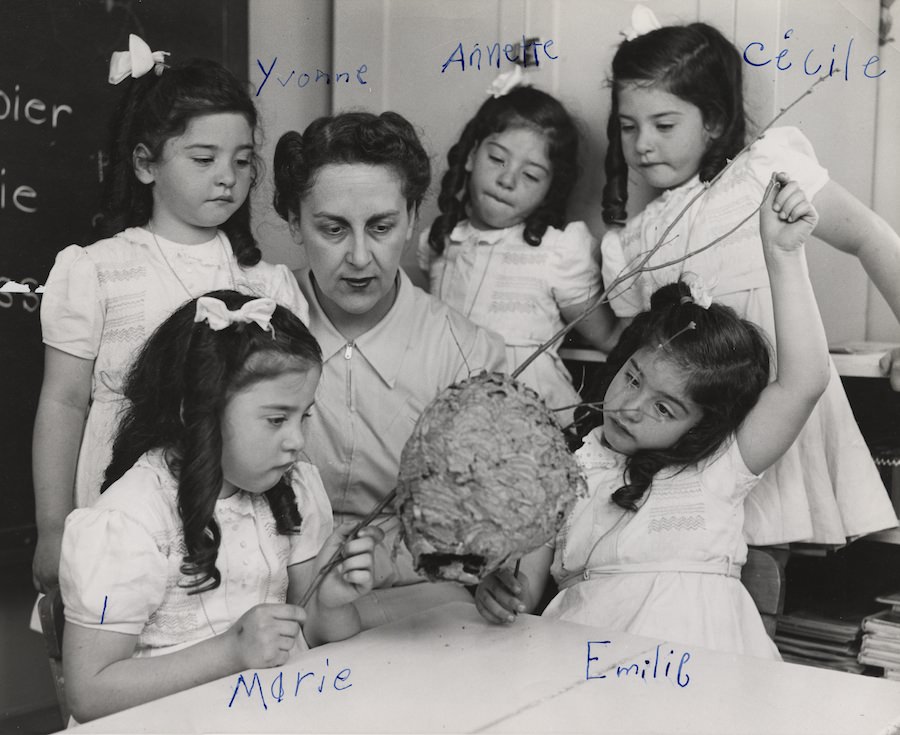
The girls lived under a rigid routine inside the compound. They had no household chores and received private tutoring within the nursery building. Their contact with the outside world was almost entirely limited to the daily parade of tourists — people they could not see or hear, but who watched their every move. Contact with their parents and siblings, who lived just across the street, was occasional and limited. The girls were tested, studied, and examined continuously. Researchers from the University of Toronto monitored them biologically, psychologically, and even dentally. Every observation was documented.
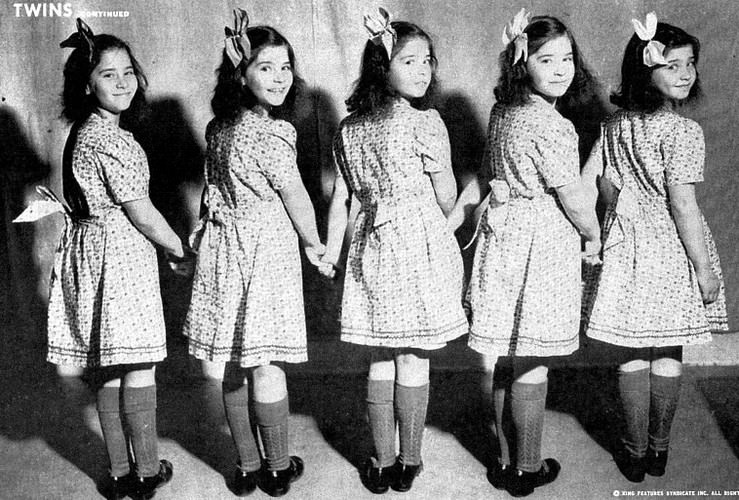
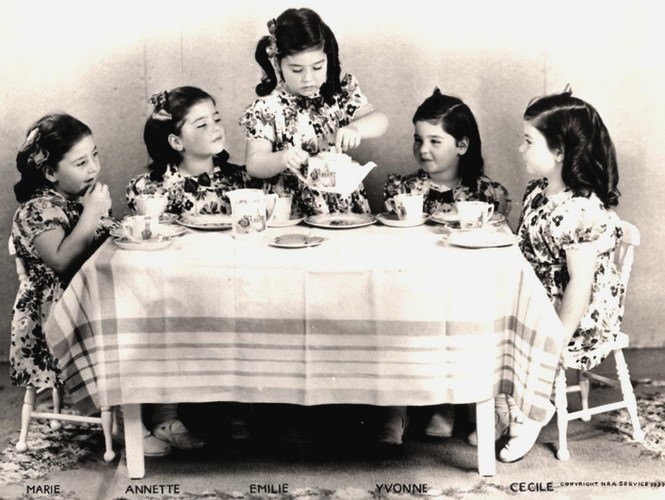
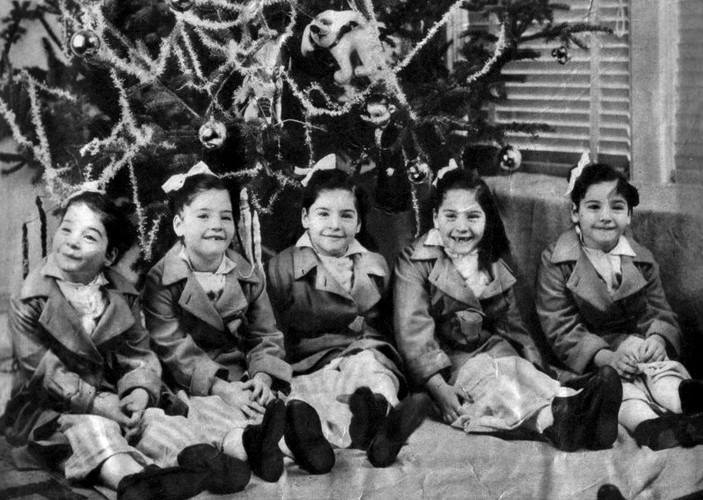
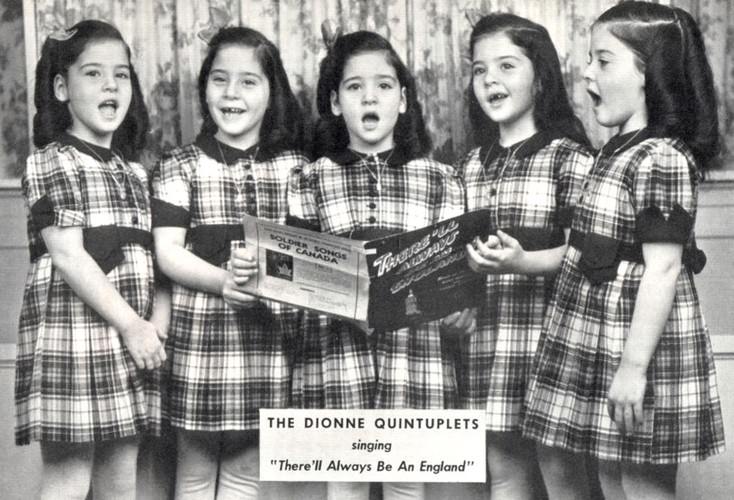
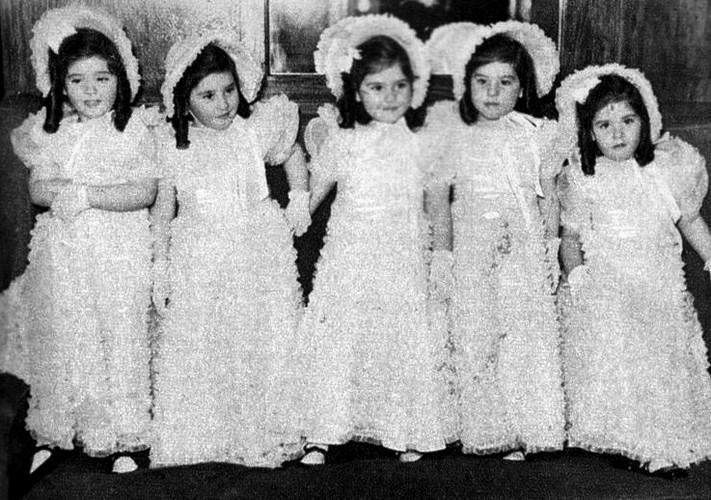
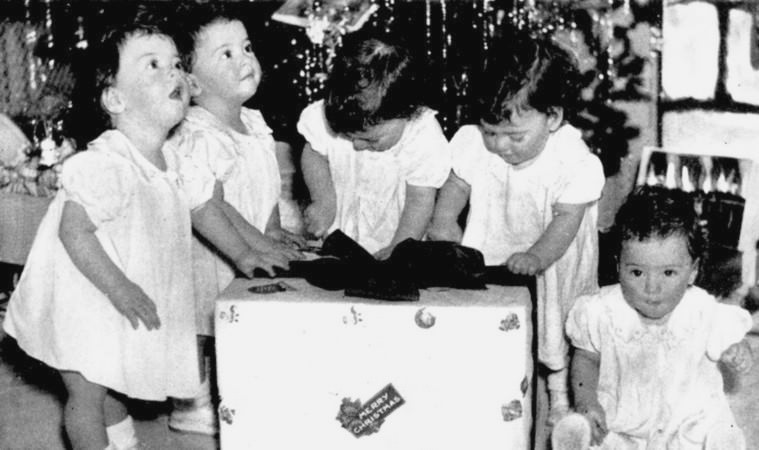
Visitors to the gallery had to follow strict rules: stay silent, keep moving to avoid blocking others, refrain from speaking to the girls, and avoid taking photographs in bad weather. Despite these rules, the girls were aware that they were being watched. Early on, when visitors came to observe them through the hospital window, the quintuplets would grow excited. When the visitors left, they became irritable.
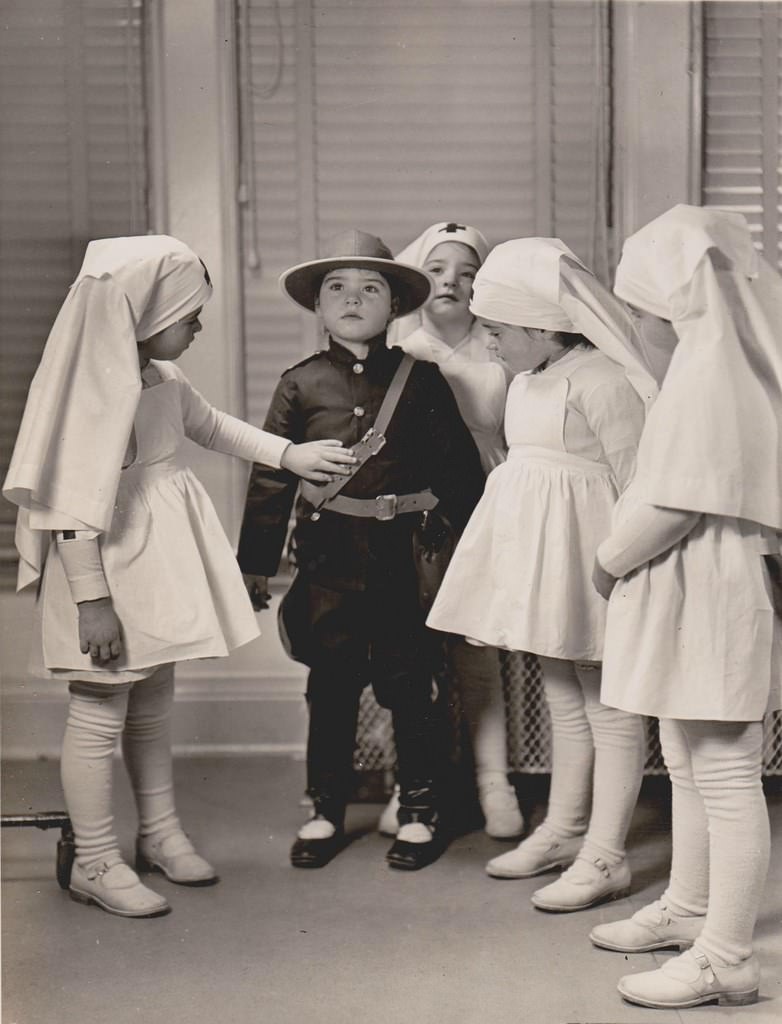
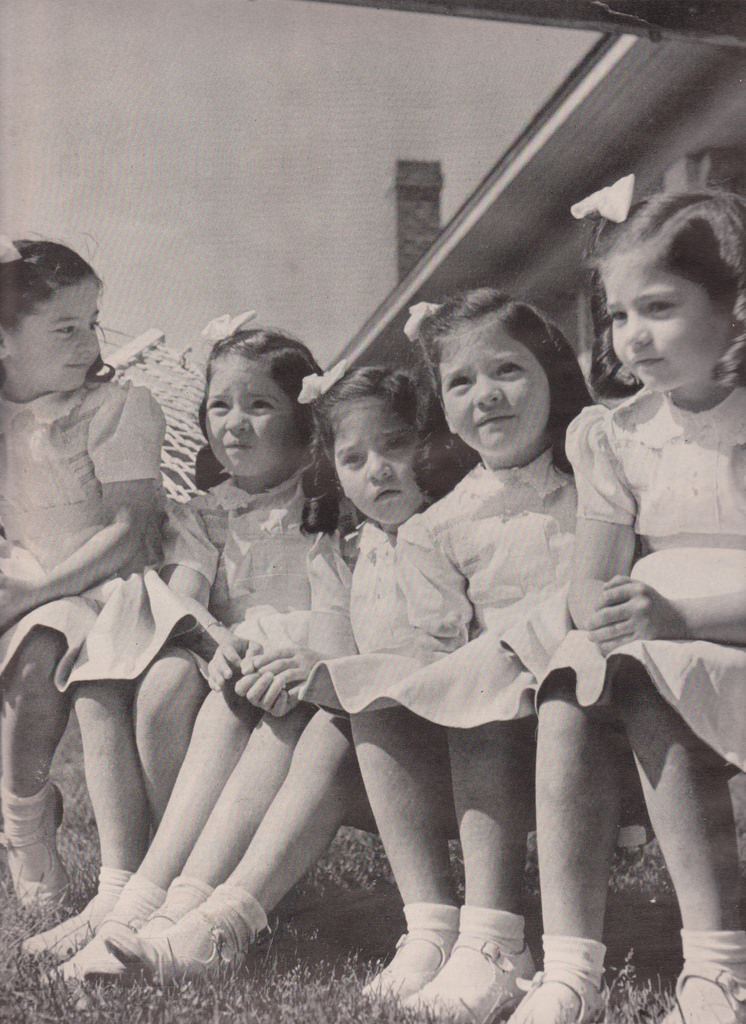
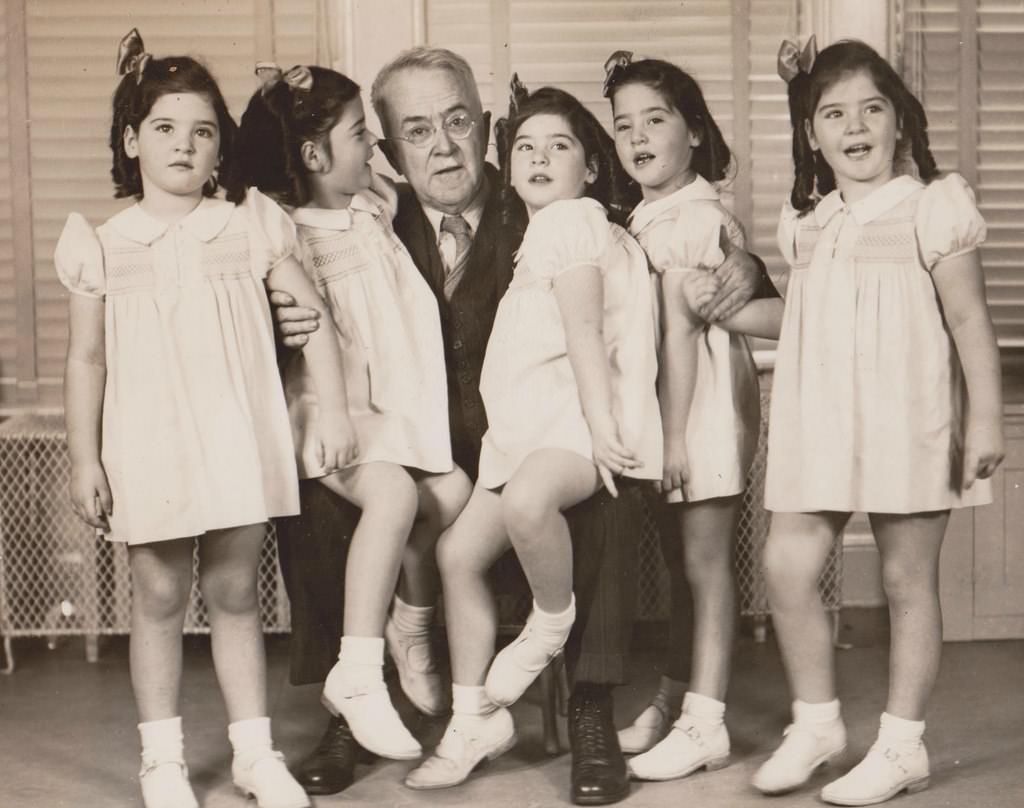
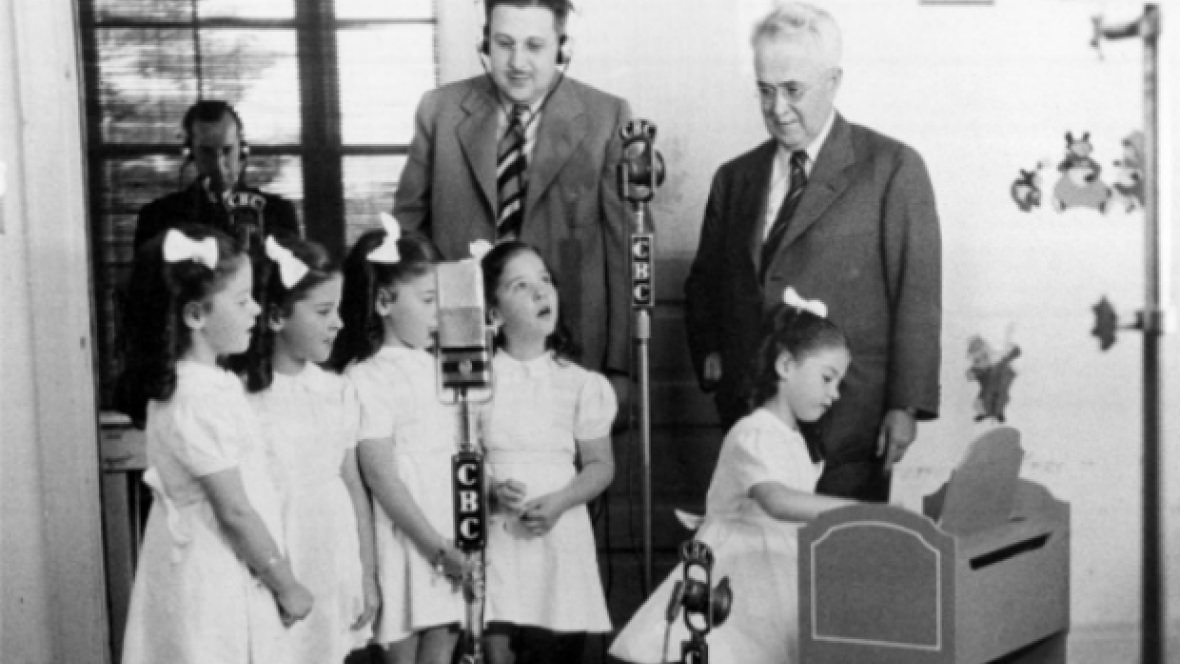
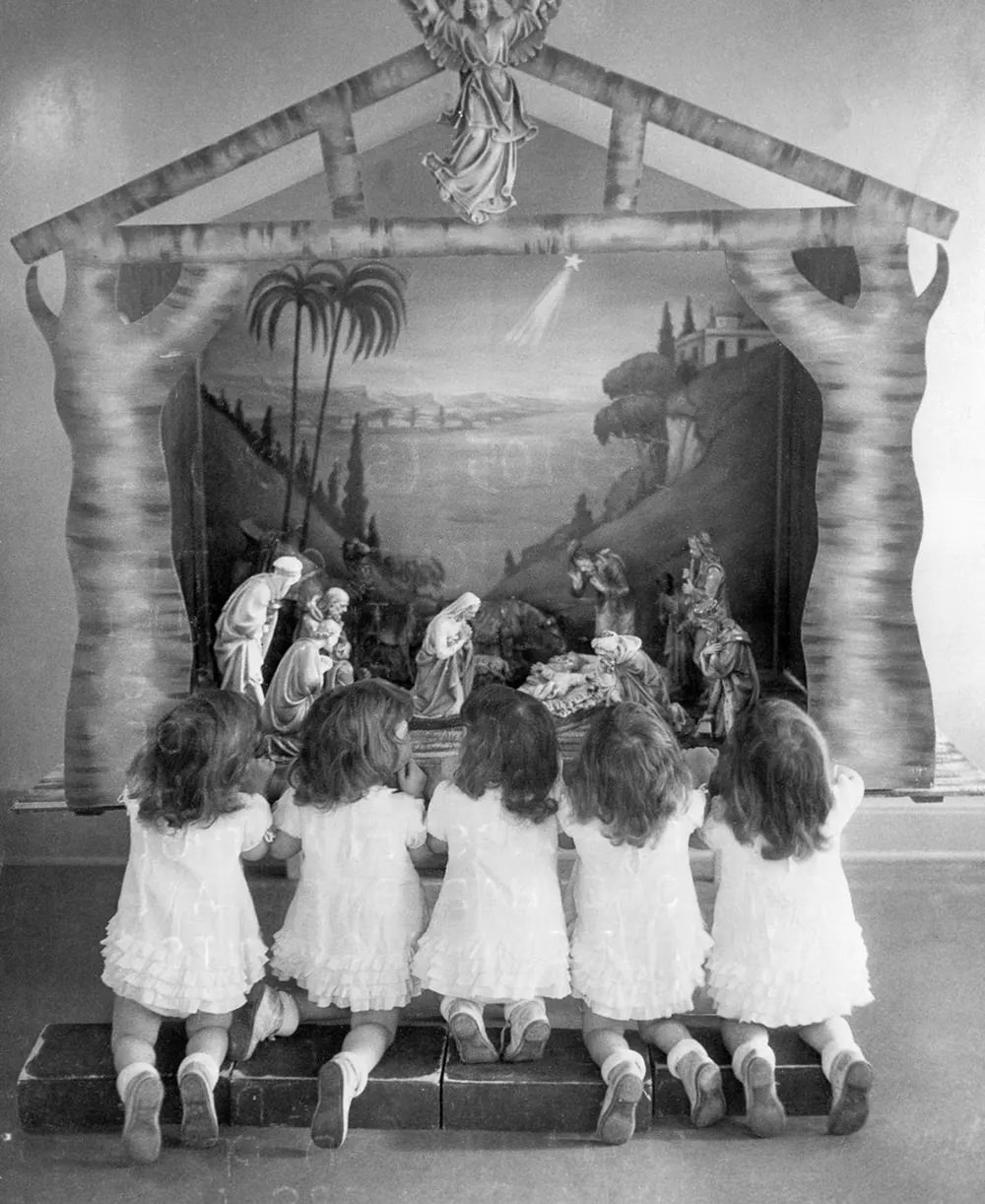
By 1939, Dr. Dafoe had resigned as guardian, and public sentiment was shifting toward reuniting the girls with their family. Oliva and Elzire pushed hard to regain custody of their daughters. In 1942, the Dionne family moved into the nursery while a new home was being built. In November 1943, the entire family relocated to a 20-room yellow brick mansion funded by the girls’ own trust money. The house, nicknamed “The Big House,” was considered luxurious for the era — it had electric lighting, hot running water, and telephones.

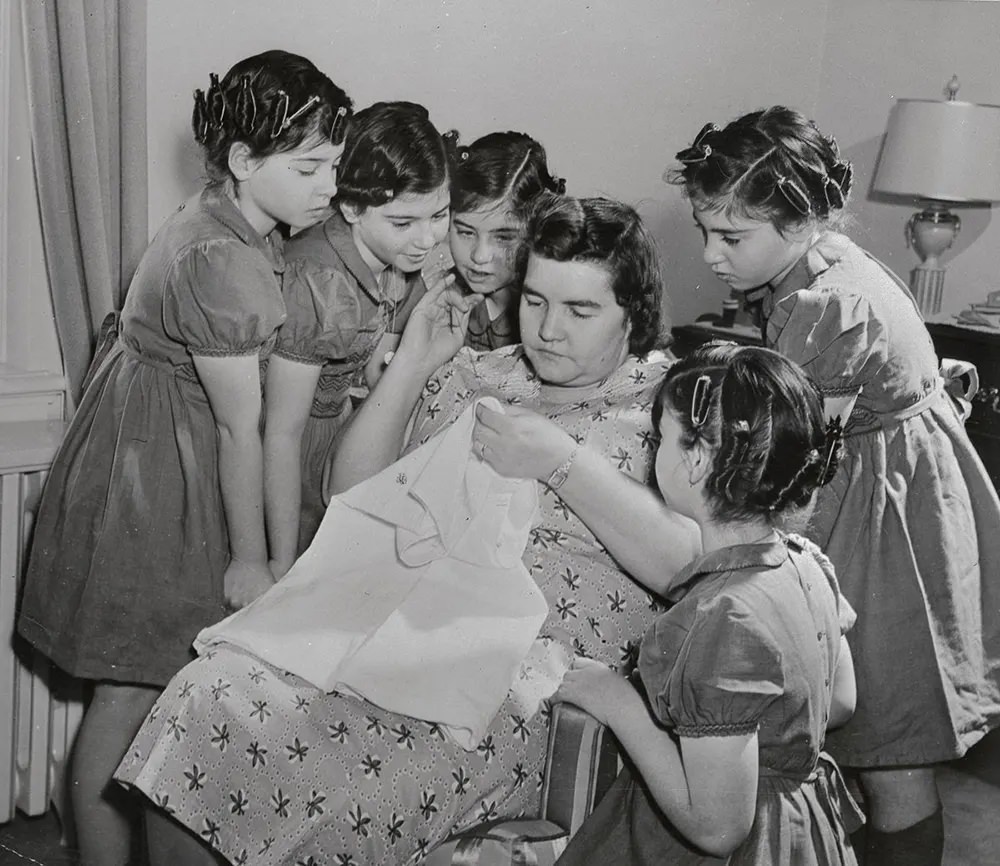
Life inside the family home proved difficult. The quintuplets had grown up largely isolated from their parents and siblings, and the reunion did not bring the warmth one might expect. After turning 18 in 1952, all five sisters left the family home and maintained little contact with their parents afterward.
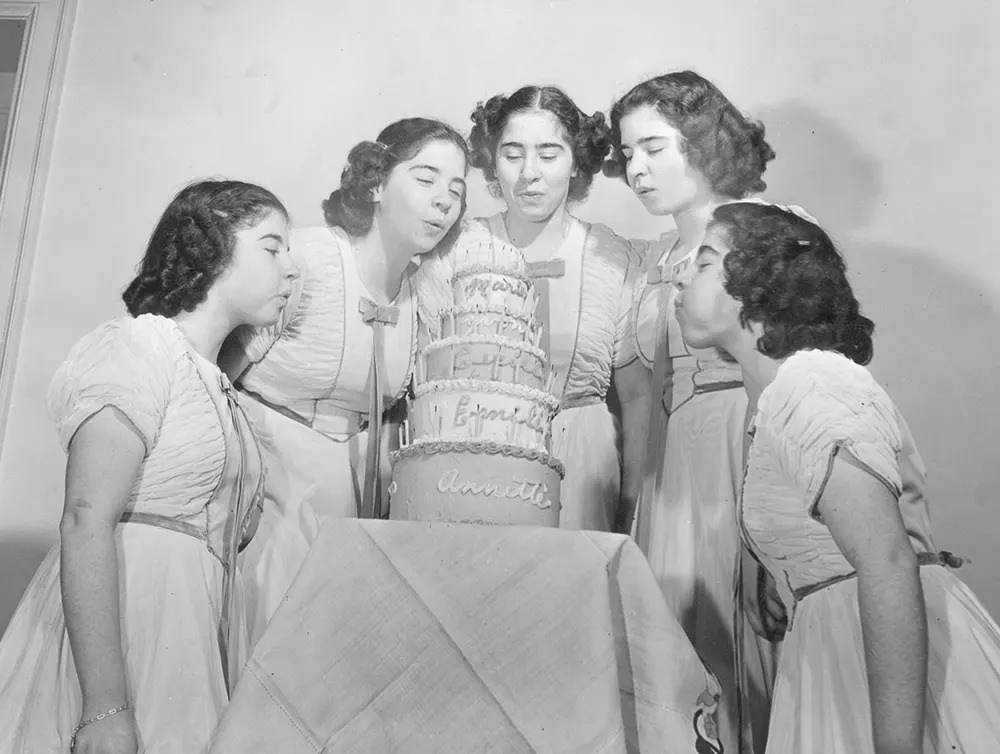
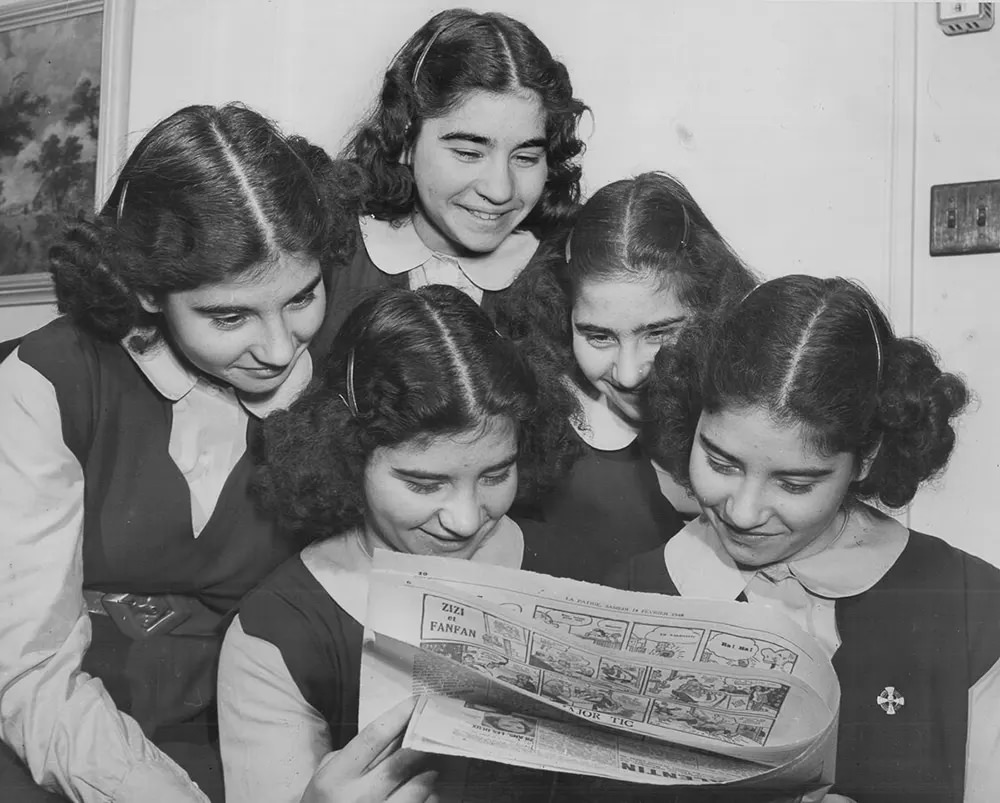
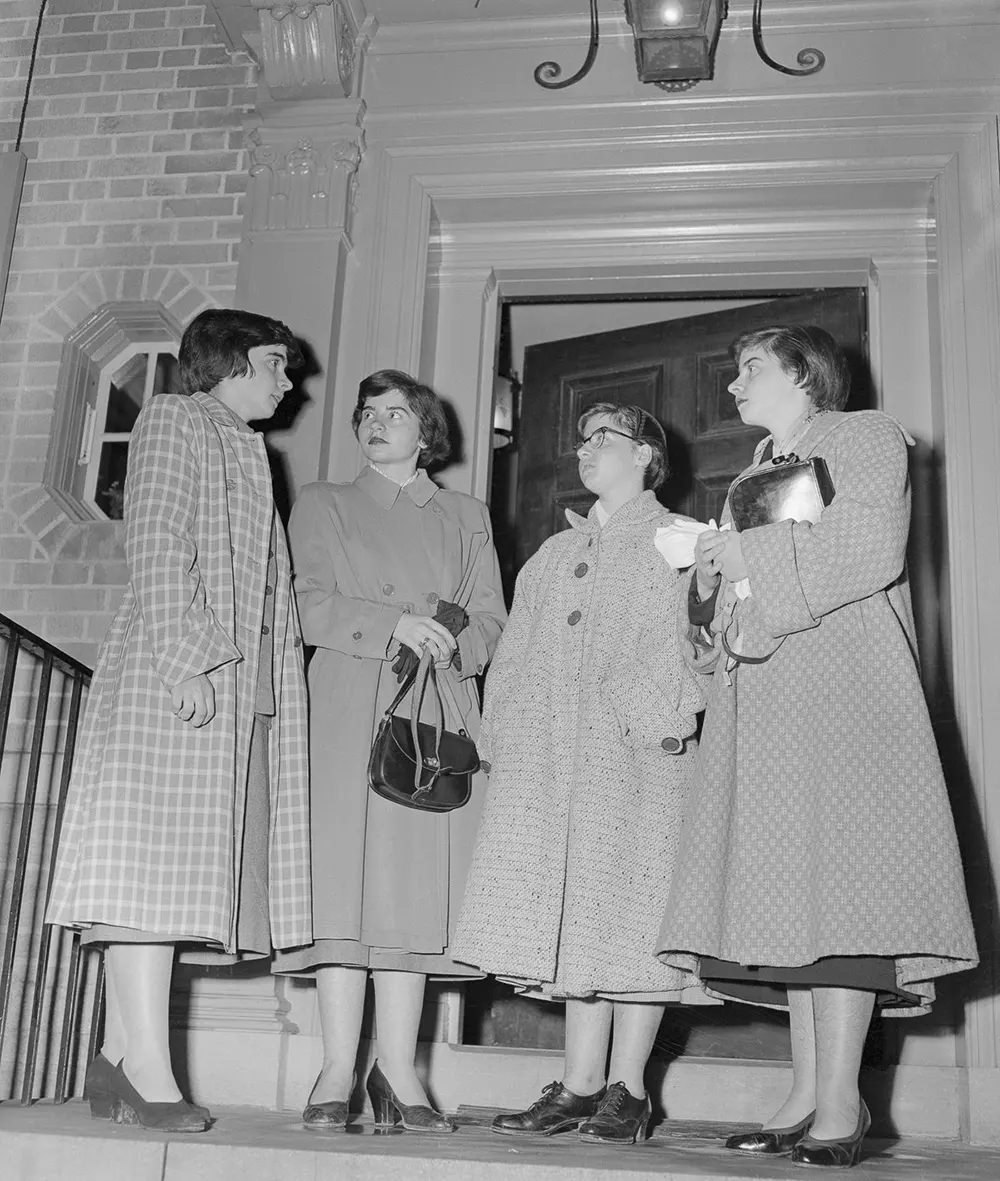
Each of the five women took a different path as an adult. Annette married and had three sons. Marie married and had two daughters. Cécile married, had five children — including twins Bruno and Bertrand — and lost one child in infancy. Yvonne completed nursing school, then turned to sculpture, and later worked as a librarian. Émilie entered a convent and devoted herself to becoming a nun.
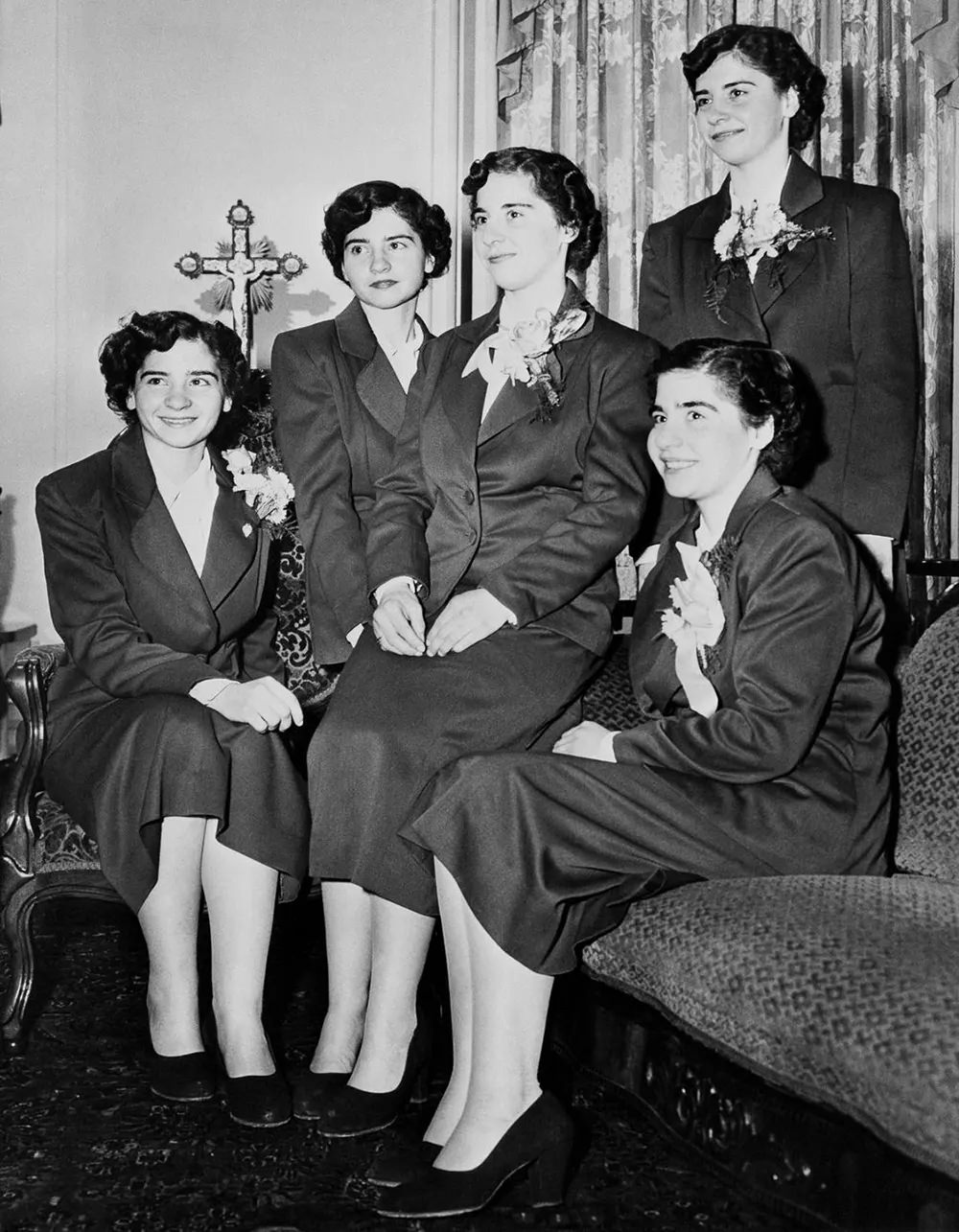
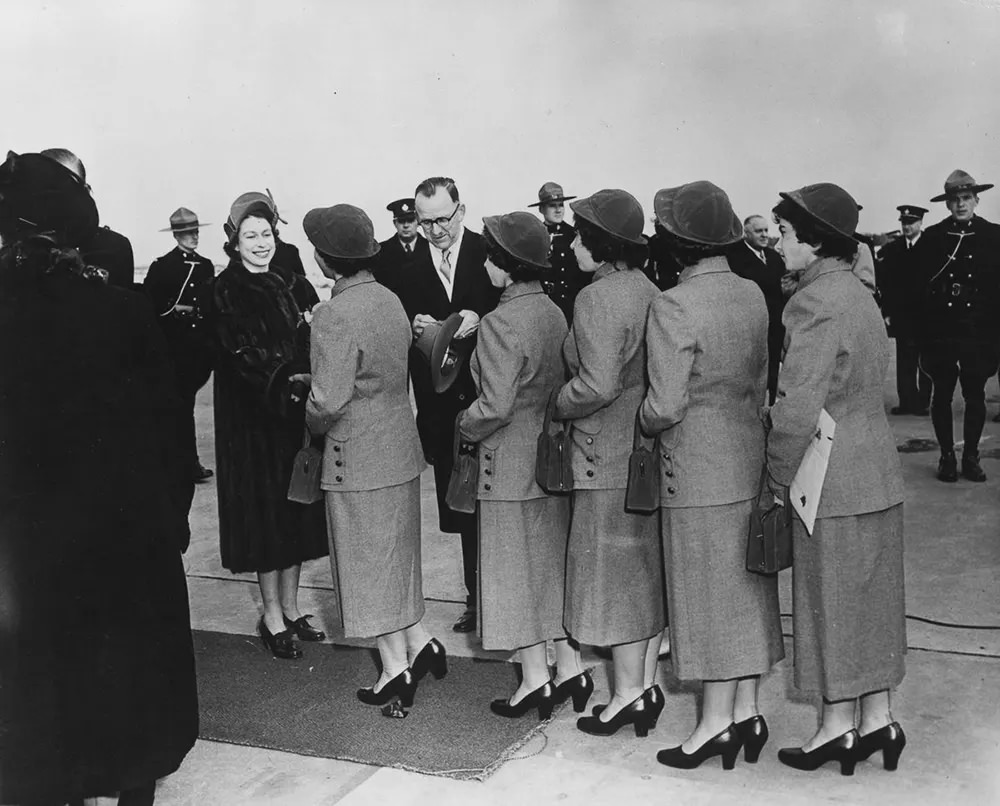
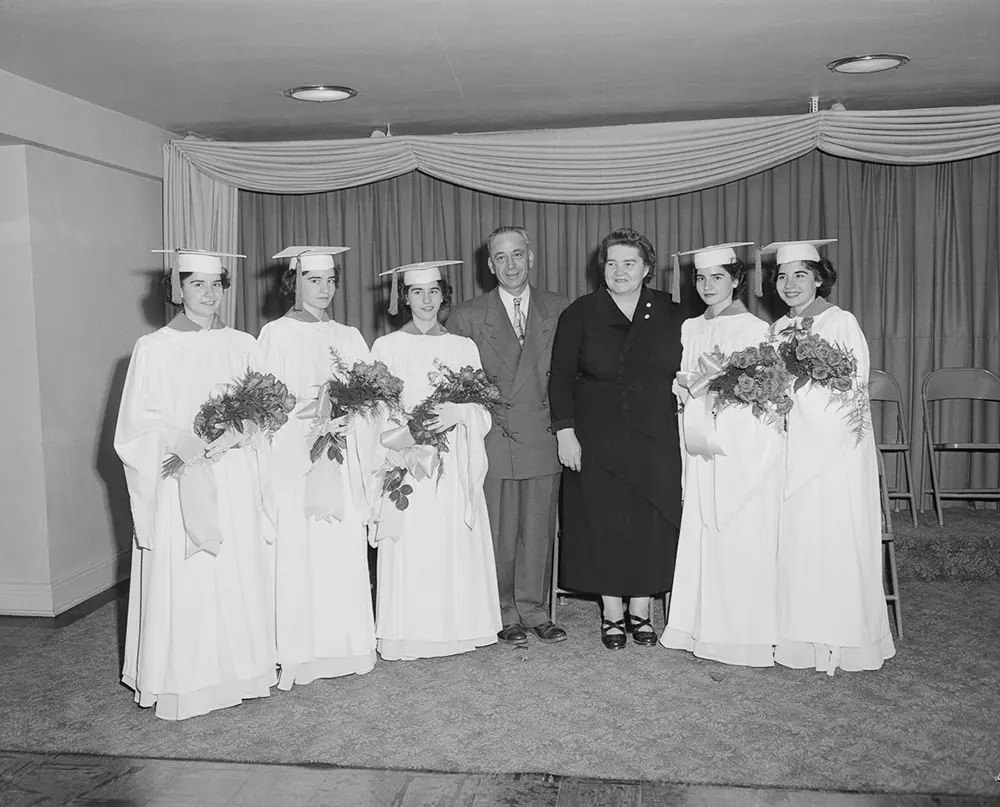
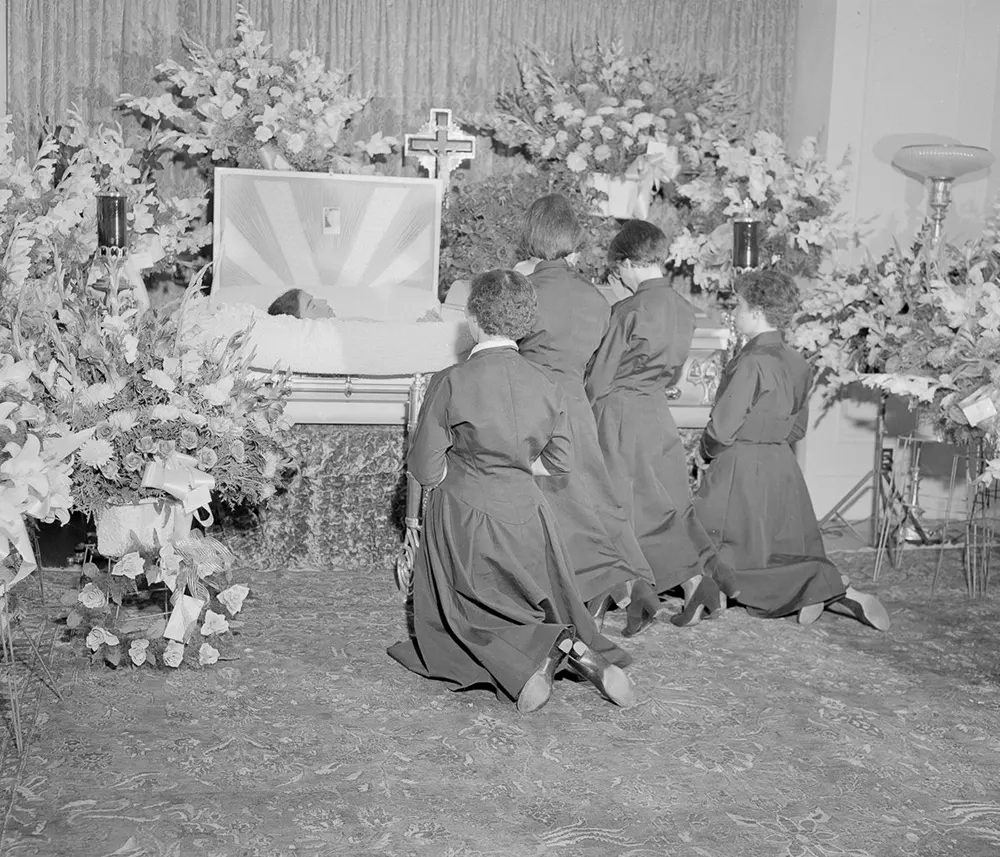
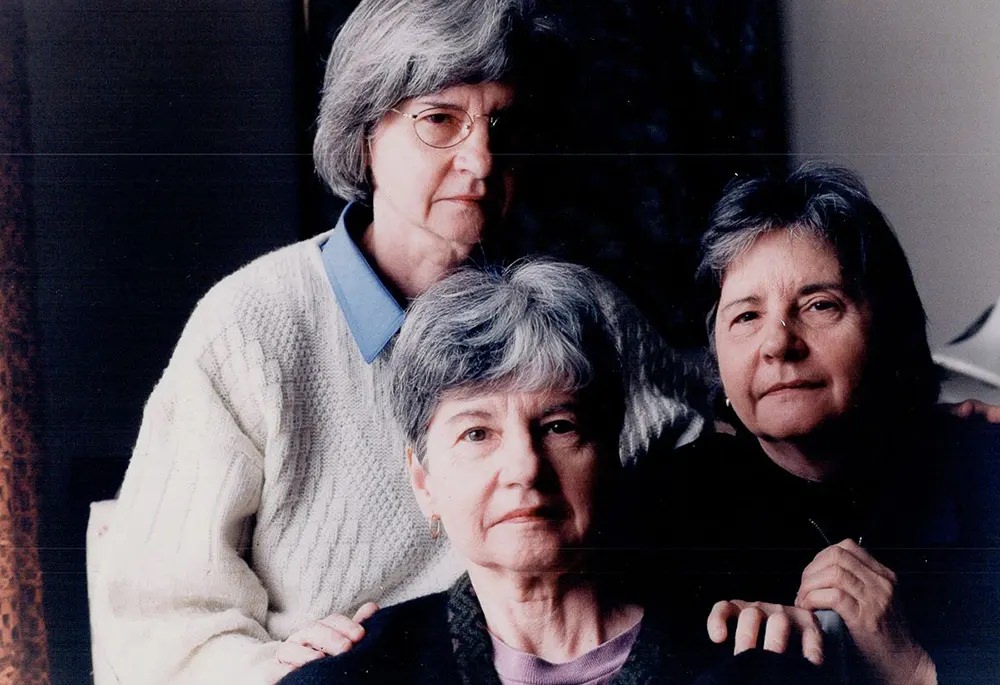
Émilie died at age 20 from a seizure. She was the first of the five to die. Marie lived alone in a Montreal apartment in 1970. When her sisters hadn’t heard from her in several days, they grew worried. Her doctor went to her home and found her dead in bed — she had been there for days. Cécile and Annette both divorced. By the 1990s, the three surviving sisters — Annette, Cécile, and Yvonne — lived together in Saint-Bruno-de-Montarville, a suburb of Montreal.