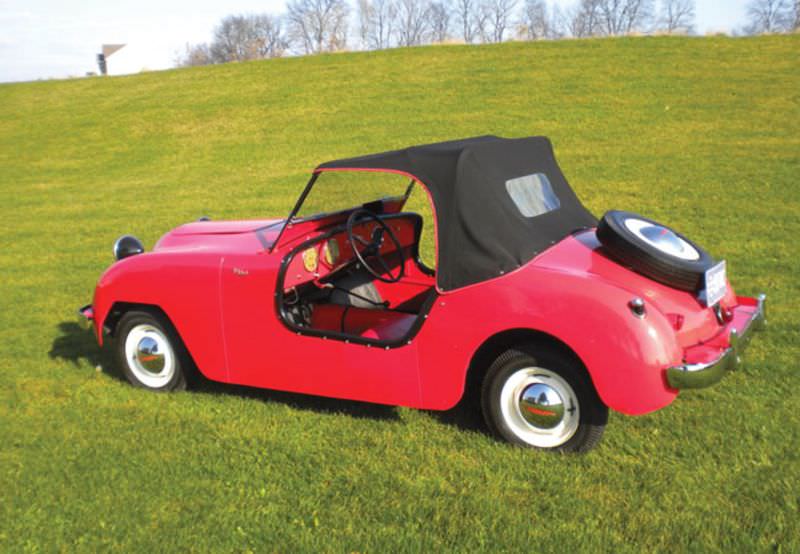
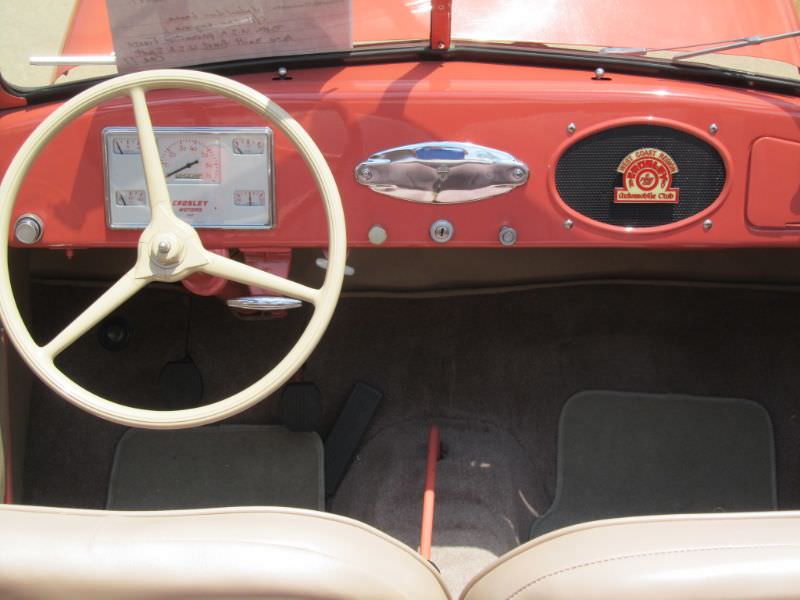
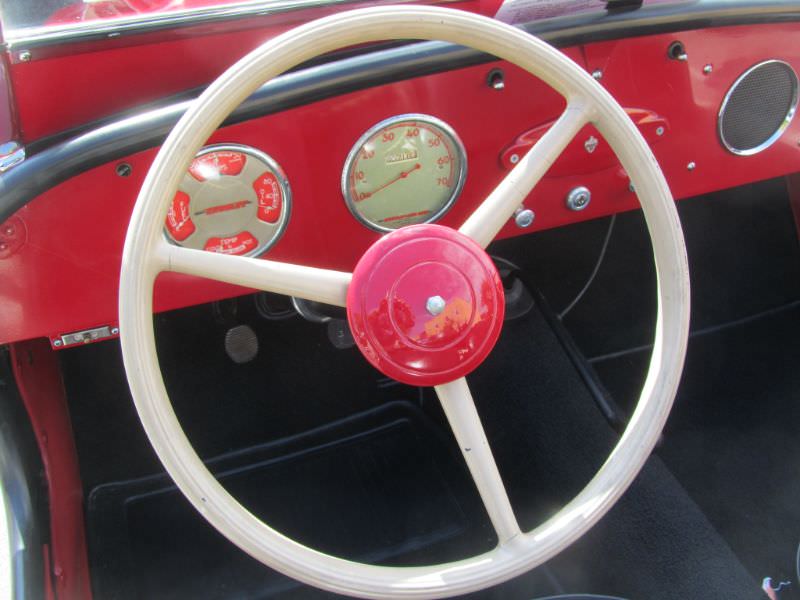
When American soldiers returned home after World War II, many brought back a taste for the nimble, open roadsters they had encountered in Europe. The U.S. auto industry took notice. One of the first to act was Powel Crosley Jr. — founder of Crosley Radio Corp and Crosley Motor Inc., and owner of the Cincinnati Reds baseball team. Working alongside engineer Paul Klotsch, Crosley launched what became America’s first postwar sports car: the 1949 Crosley Hotshot.
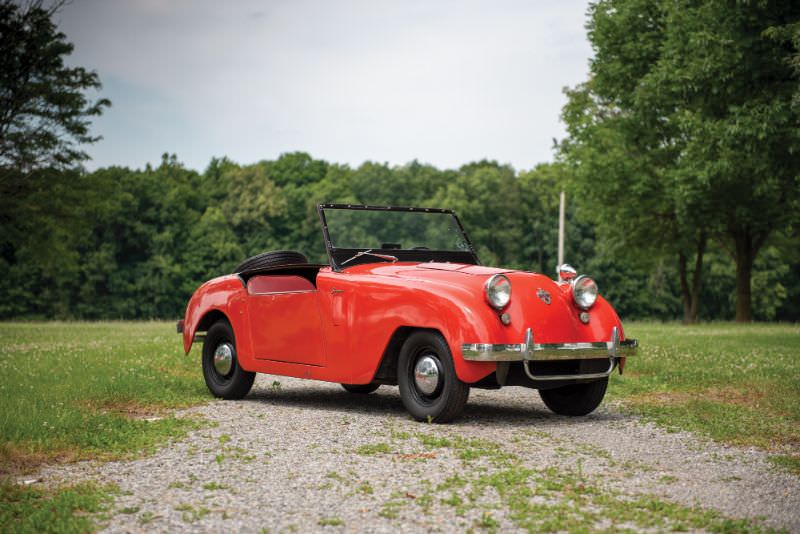
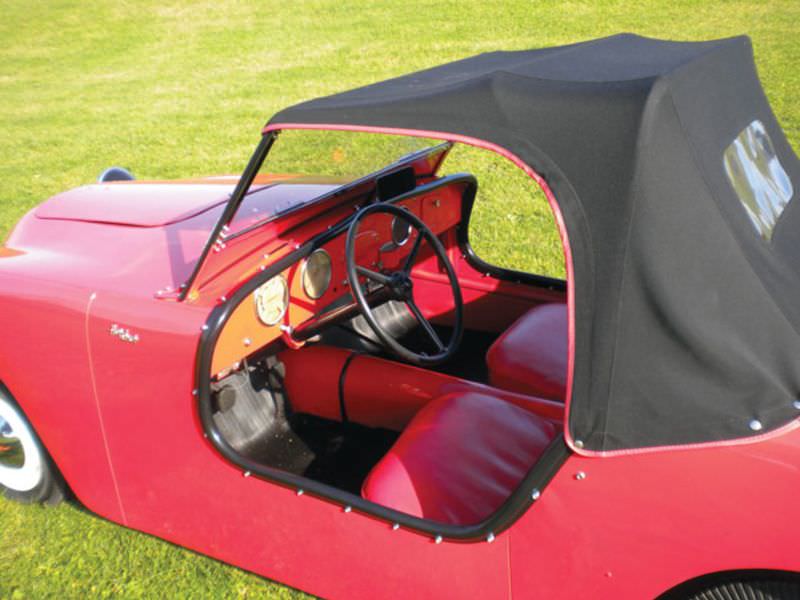
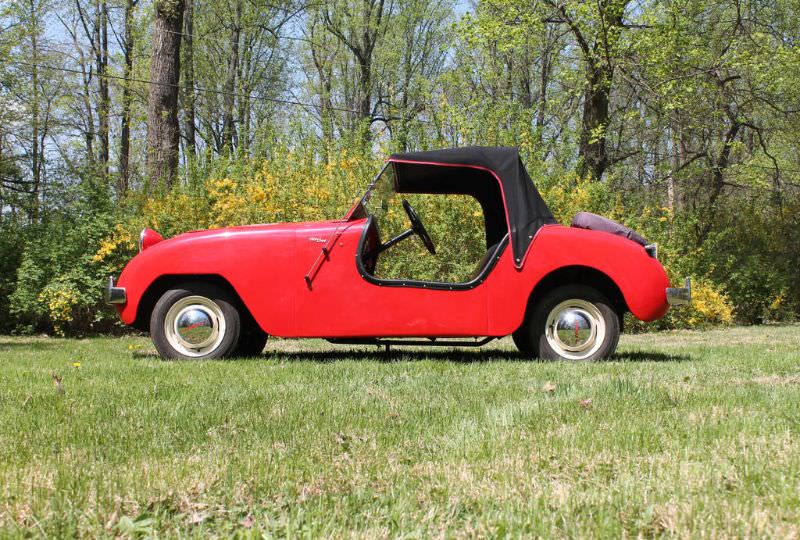
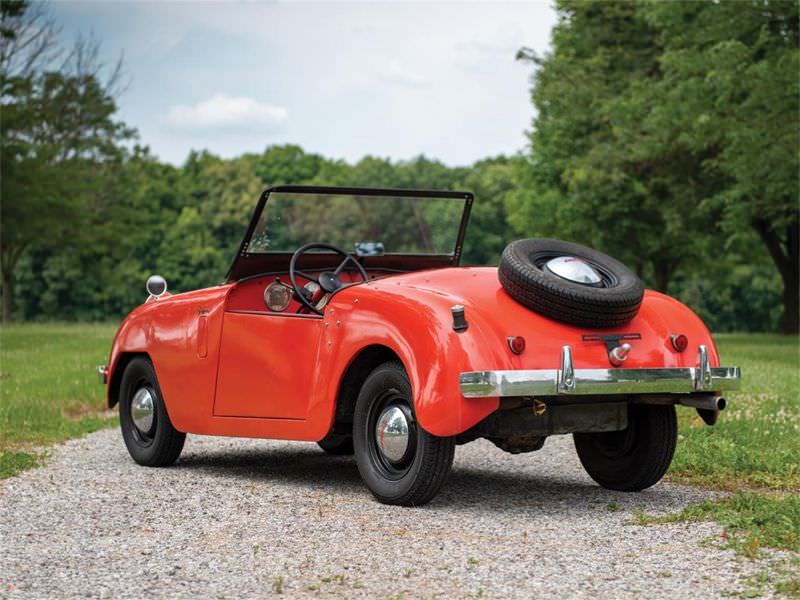
The Hotshot was a deliberate break from Crosley’s usual bare-bones vehicles. It measured five inches longer than other Crosley models and rode on an 85-inch wheelbase. Instead of conventional doors, the sides featured drop-down panels that drivers stepped over to get in. That changed in 1951 and 1952, when the Super Sports variant added full doors. The original Hotshot kept its step-down sides but gained removable half doors as a compromise.
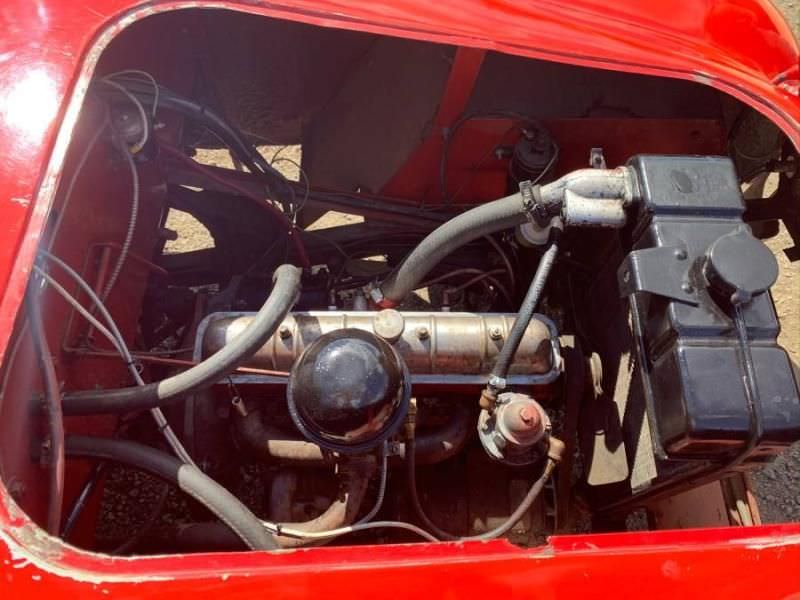
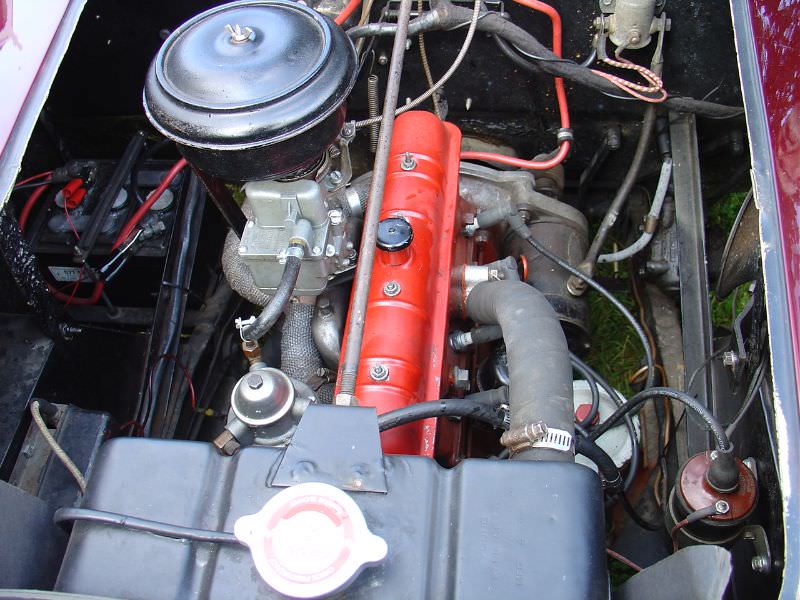
Power came from a brand-new CIBA (cast-iron block assembly) 44-cubic-inch four-cylinder engine producing 26 horsepower. This unit replaced the older COBRA (copper-brazed) engine that Crosley had used since 1946. The CIBA engine was designed to rev freely, giving the little Hotshot a spirited feel despite its modest output.
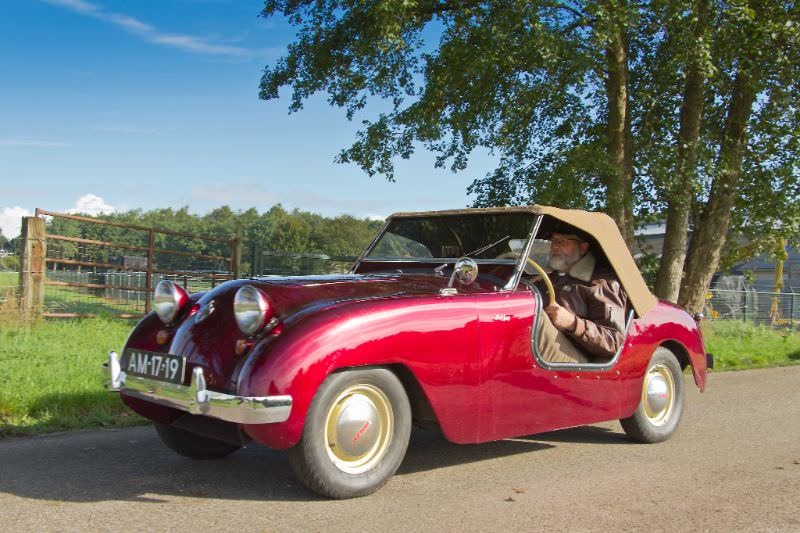
The Hotshot’s base price of just $849 made it one of the most affordable sports cars on the American market. That price also included a genuinely advanced braking system.
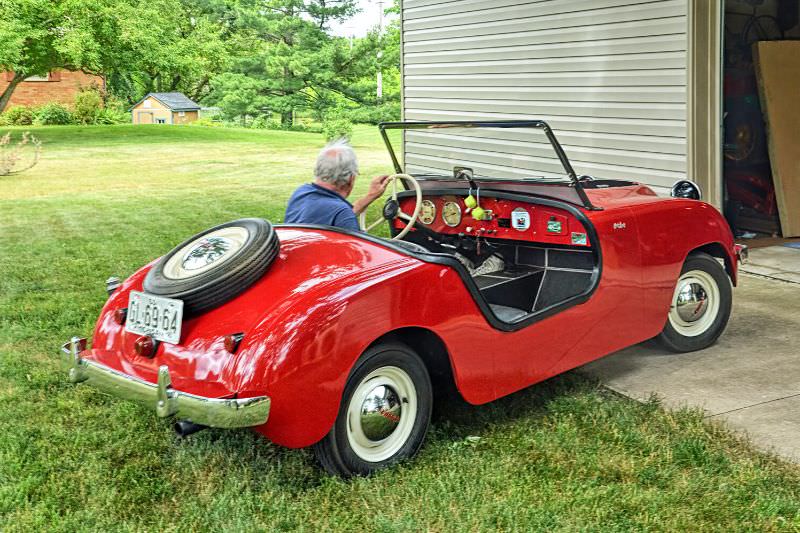
Crosley equipped the Hotshot with “Hydra-disc” brakes — a system inspired by the spot disc brakes used on light aircraft. These became standard across all Crosley models in late 1949 and through 1950. The technology was cutting-edge, but it came with a serious flaw. The alloy components corroded easily and were prone to locking up on roads treated with winter salt. By mid-1950, Crosley replaced them with more reliable 9-inch Bendix hydraulic drum brakes.
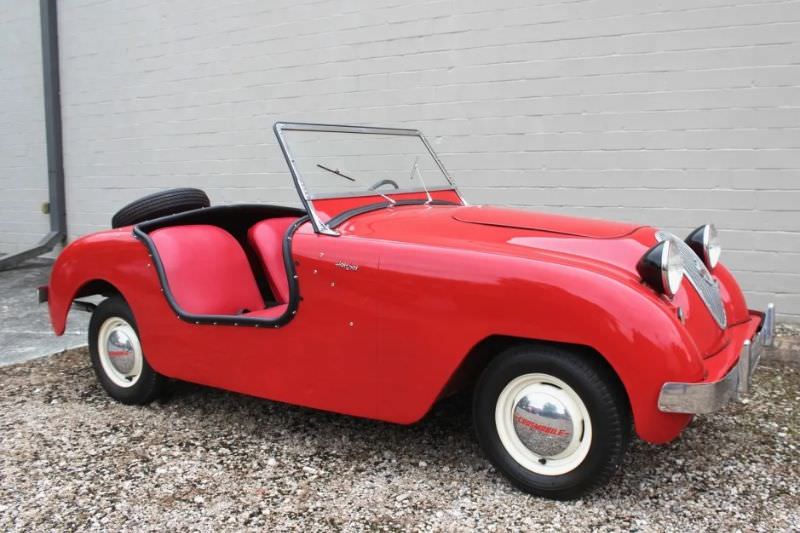
Crosley also pursued international sales, but ran into a naming conflict with England’s Crossley Motors. To sidestep trademark issues, export models were rebranded as Crosmobiles. These cars were mechanically identical to their American counterparts, with only the hood badge, rear badges, and hubcaps changed to reflect the new name.
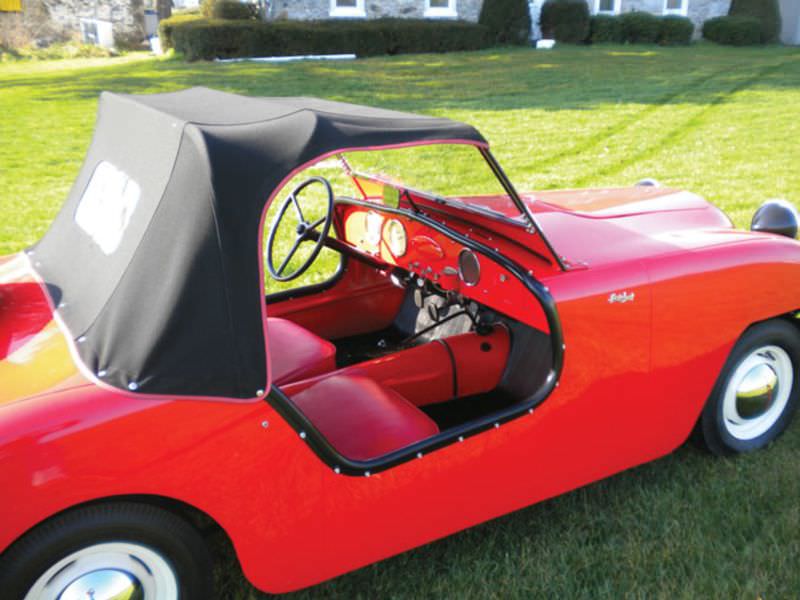
Crosmobiles were sold across Europe, South America, and Cuba. Because so few made it back to the United States, they are extraordinarily rare today. Collectors who come across one are finding a piece of automotive history that most Americans never knew existed.