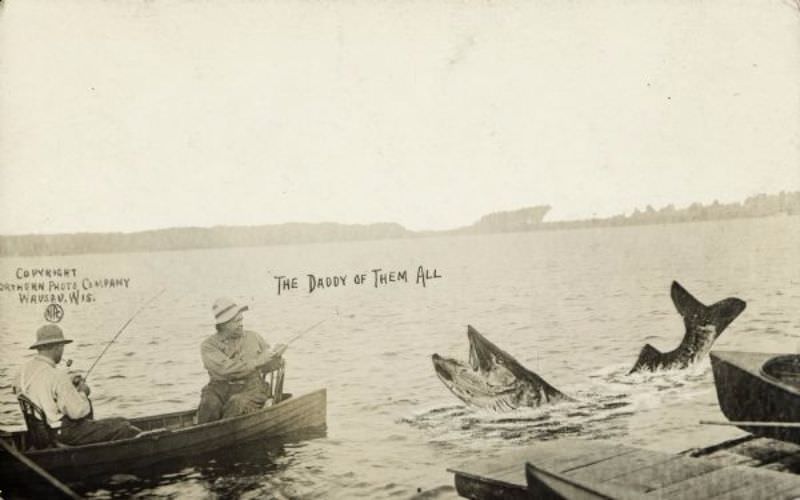
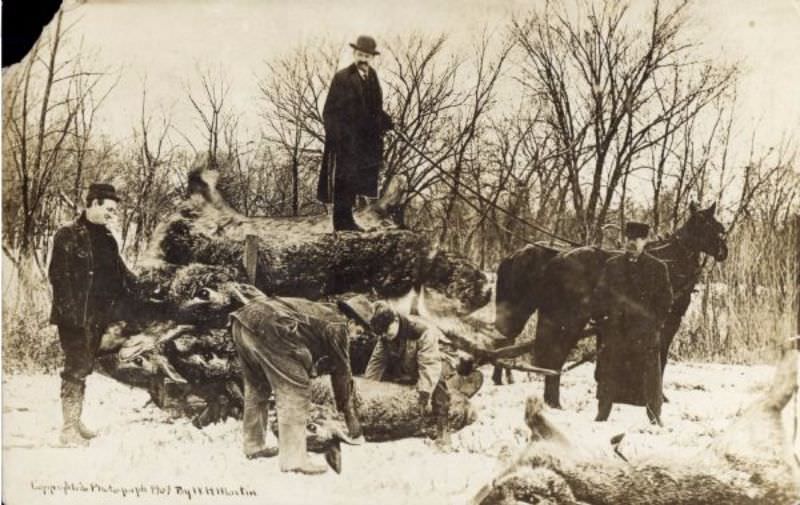
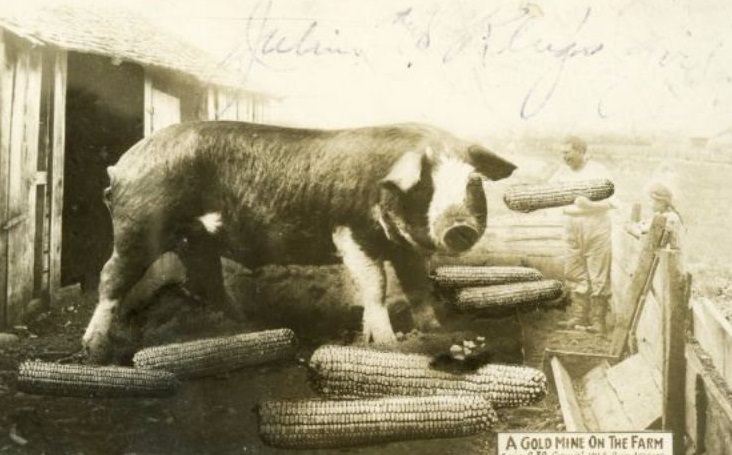
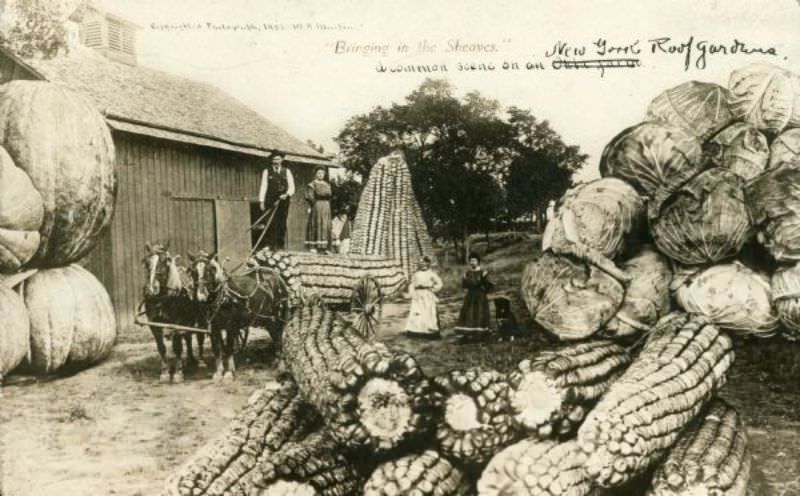
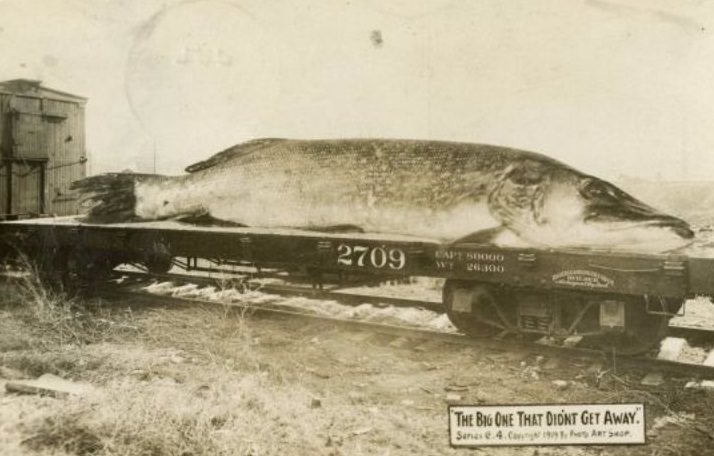
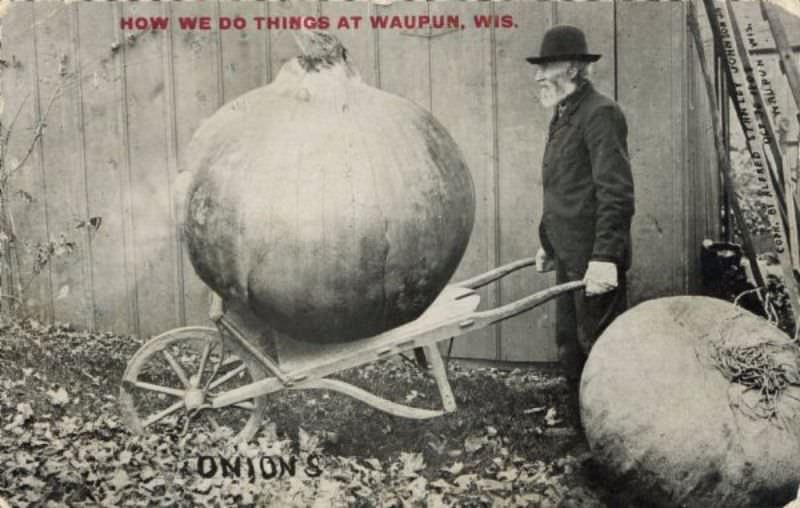
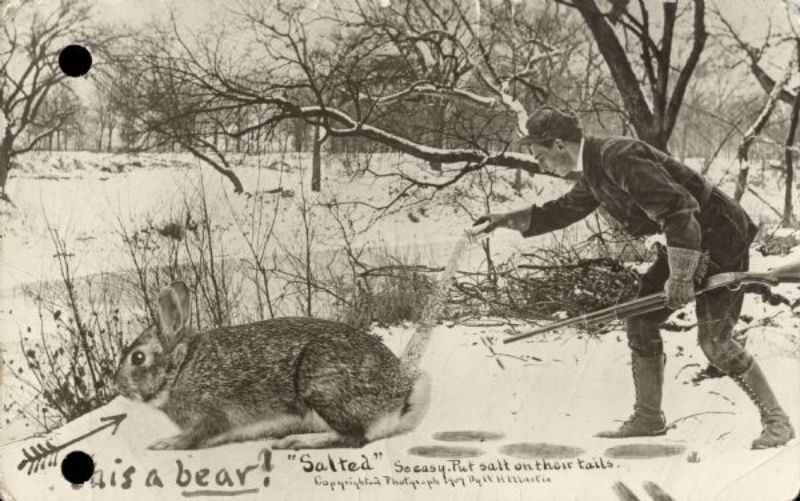
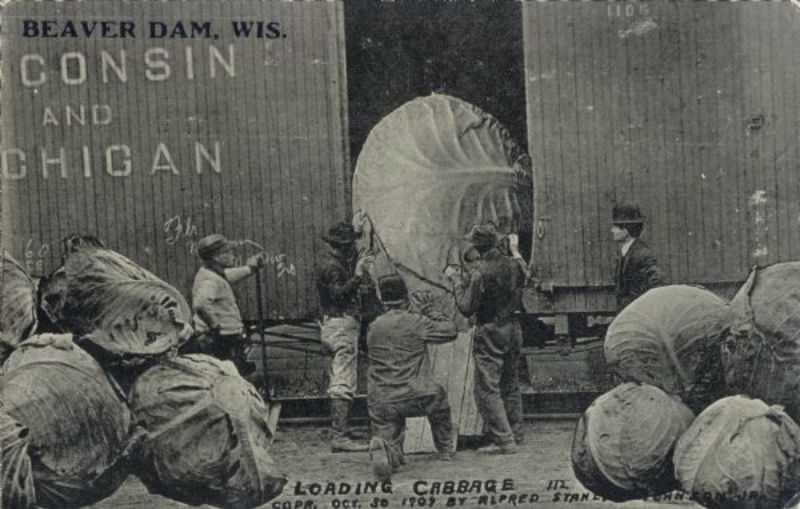
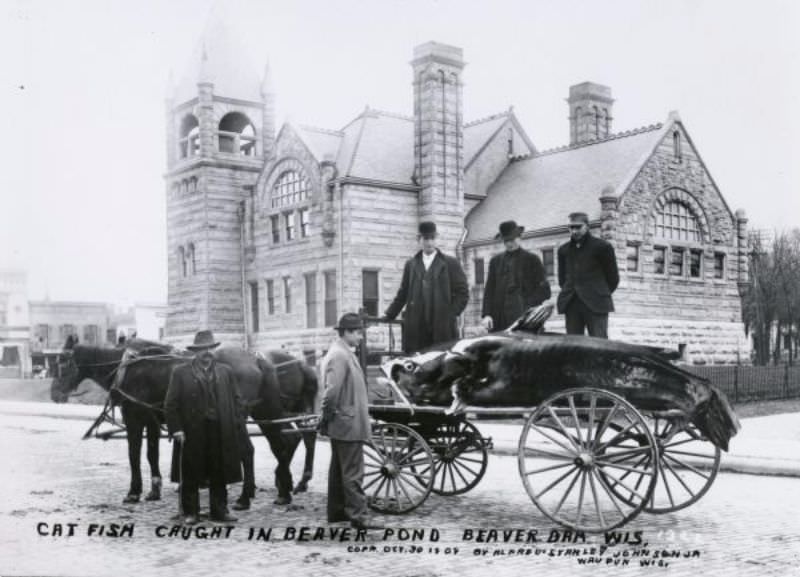
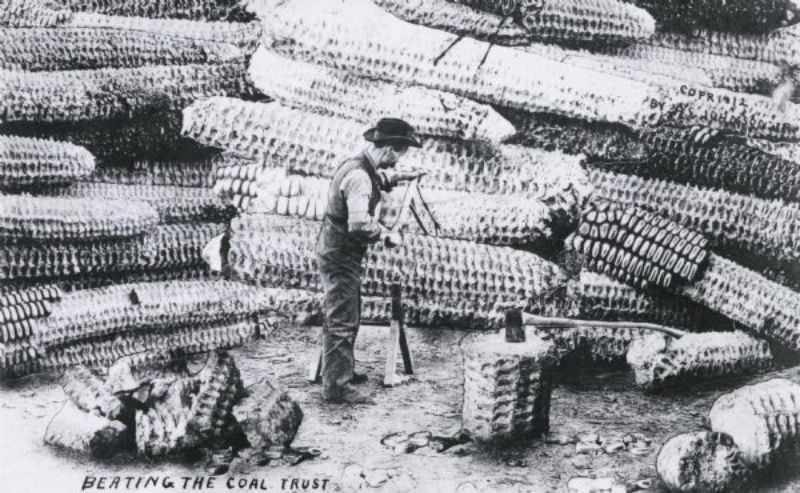
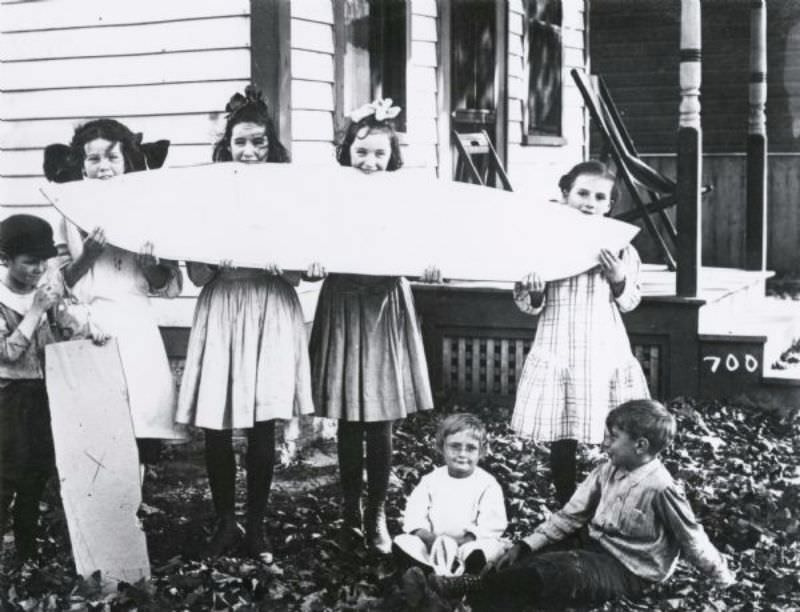
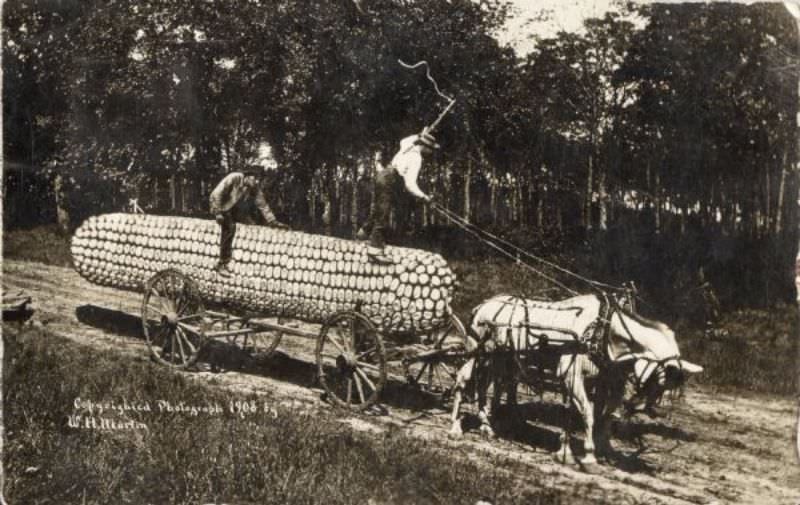
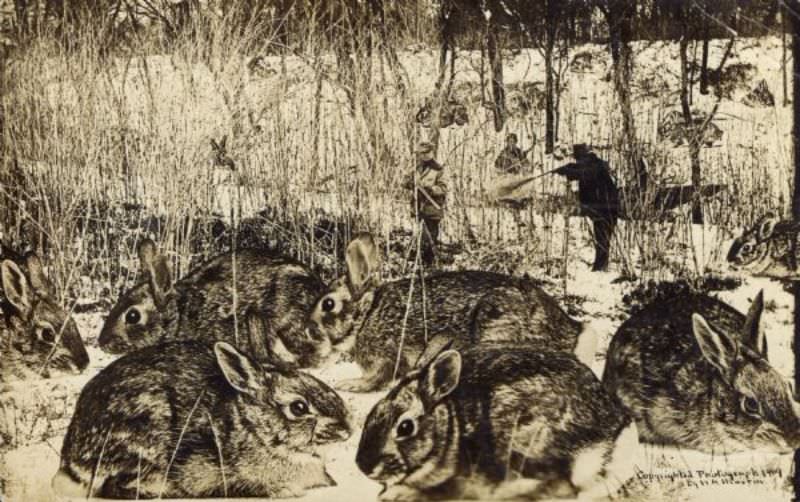
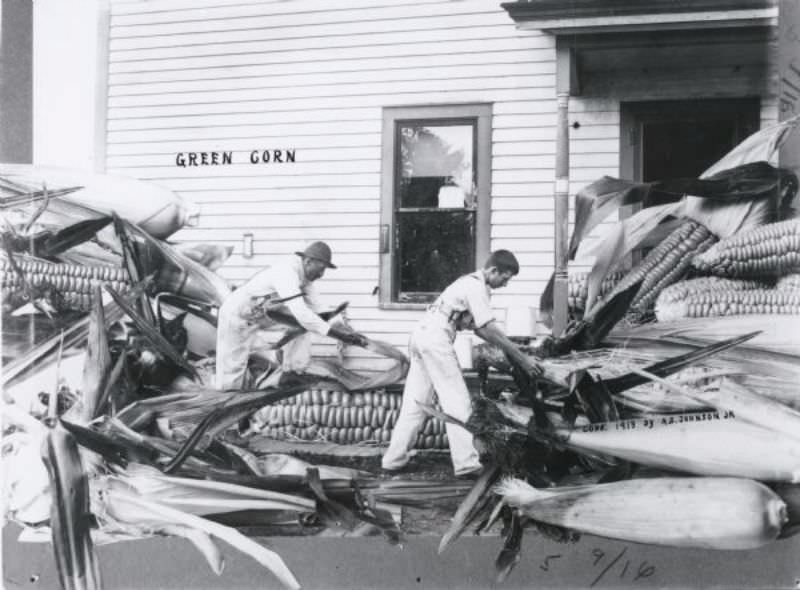
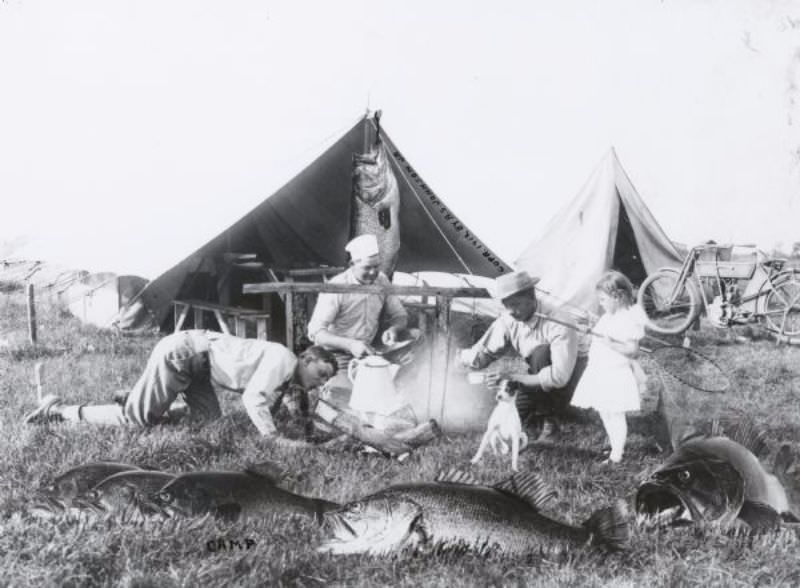
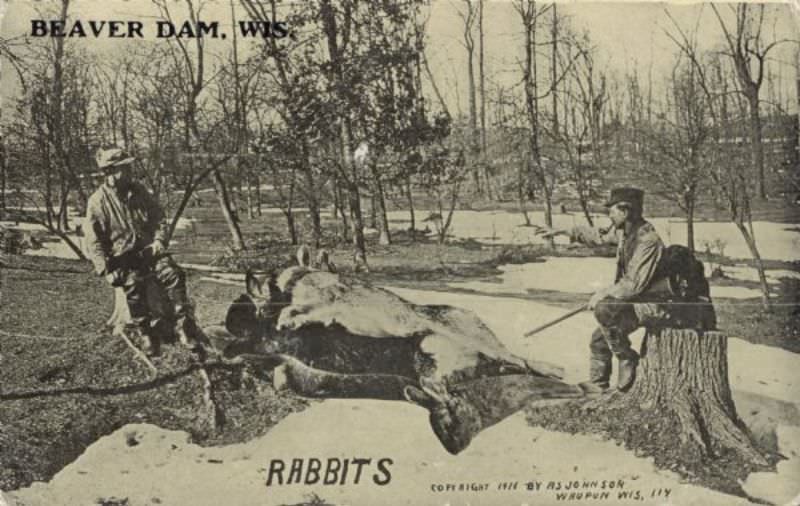
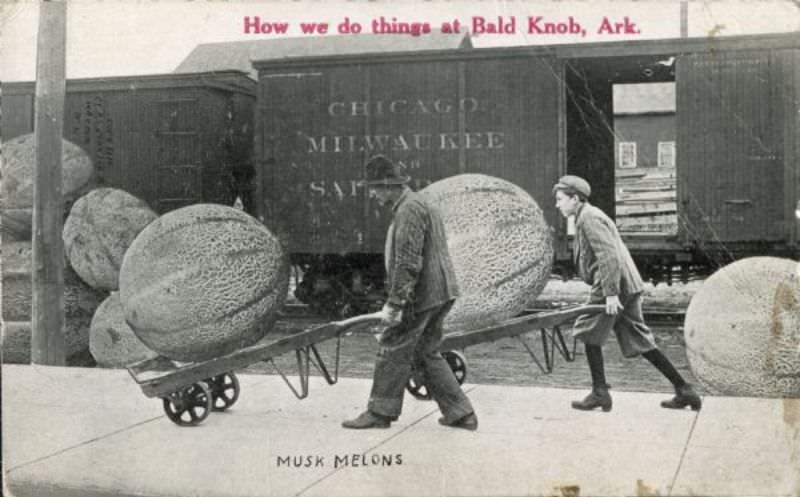
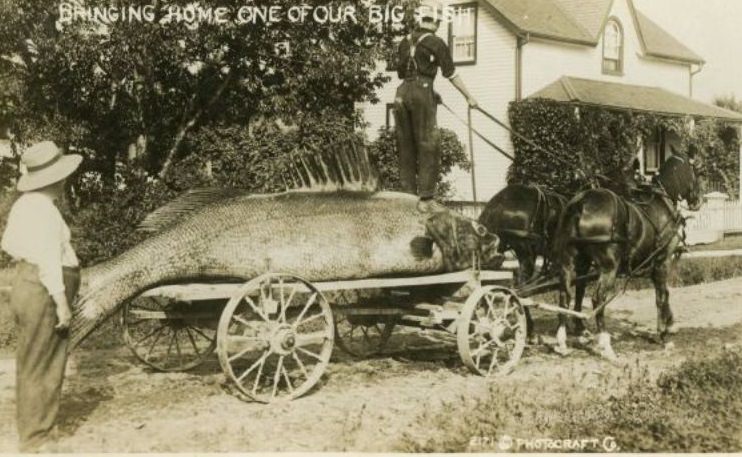
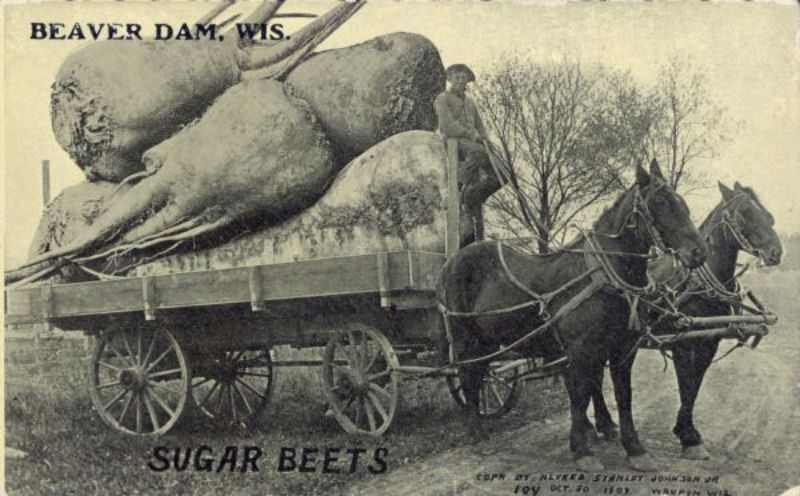
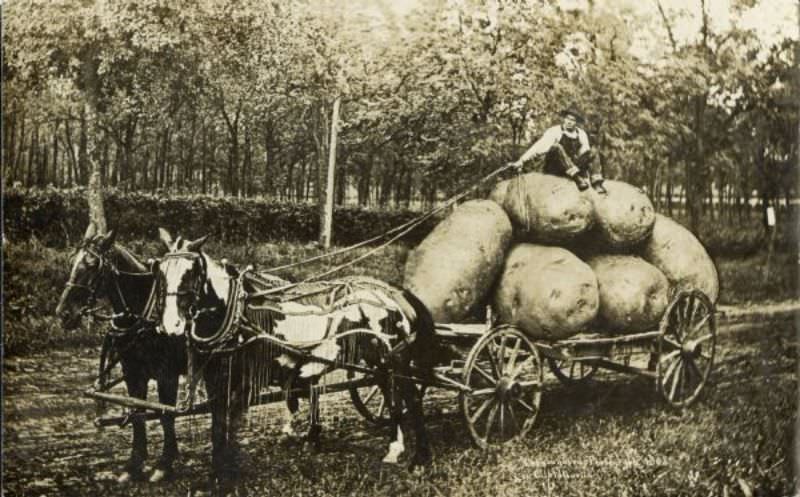
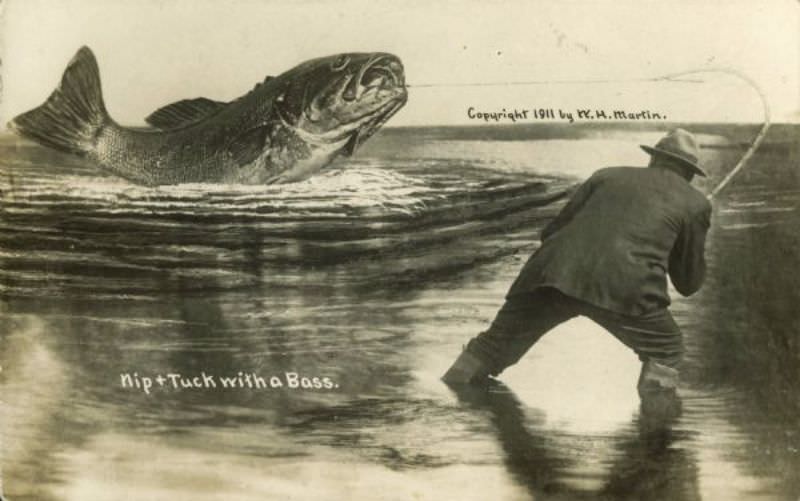
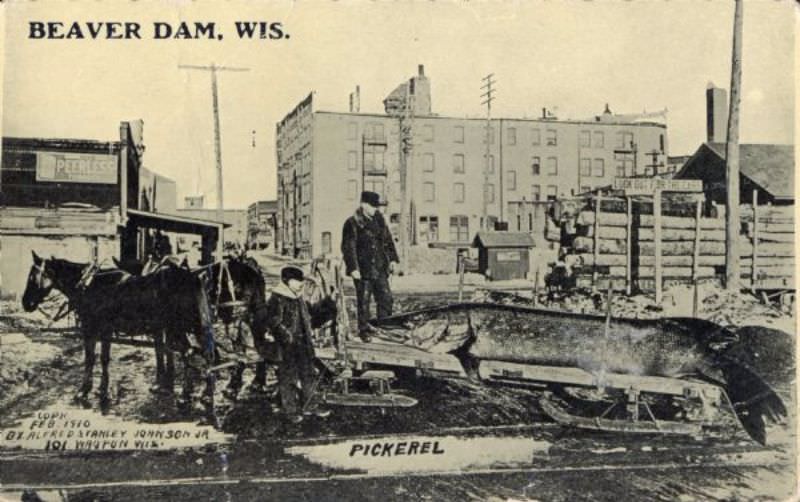
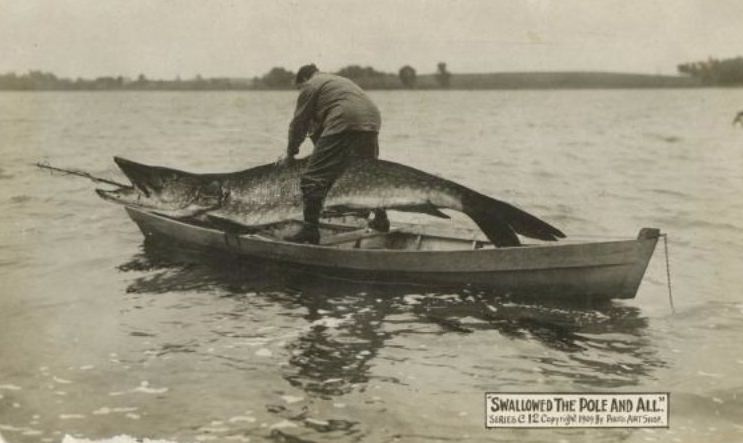
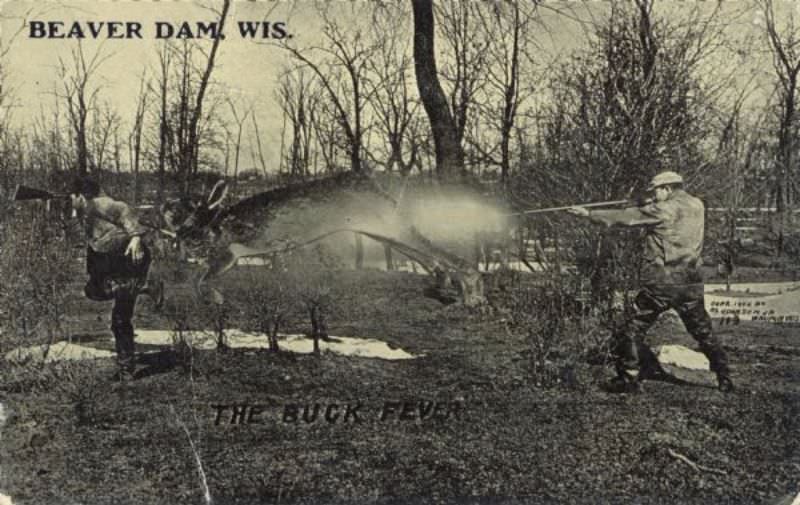
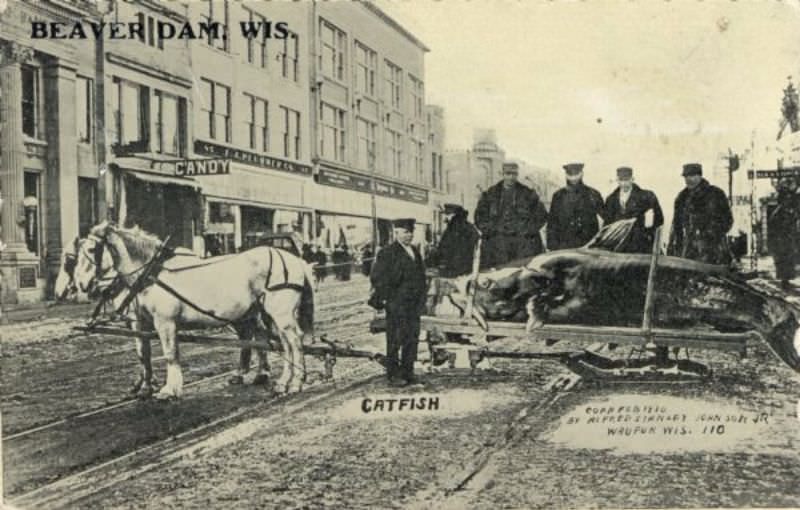
In the late 1800s and early 1900s, a peculiar type of postcard took America by storm. Known as “tall tale postcards” or “exaggeration postcards,” they used manipulated photography to make ordinary things look absurdly oversized. Giant fish, enormous vegetables, and massive farm animals filled the frames — all presented with a straight face.
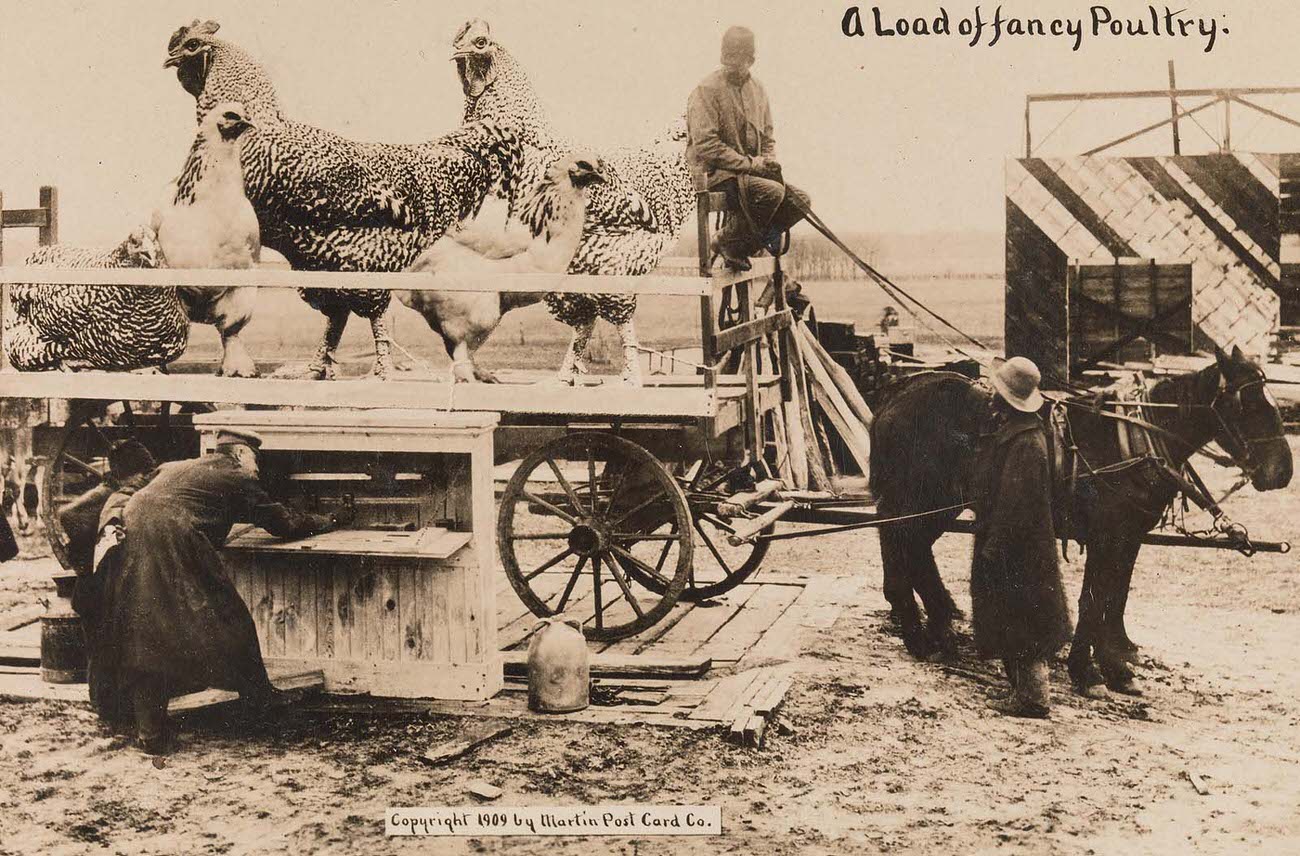
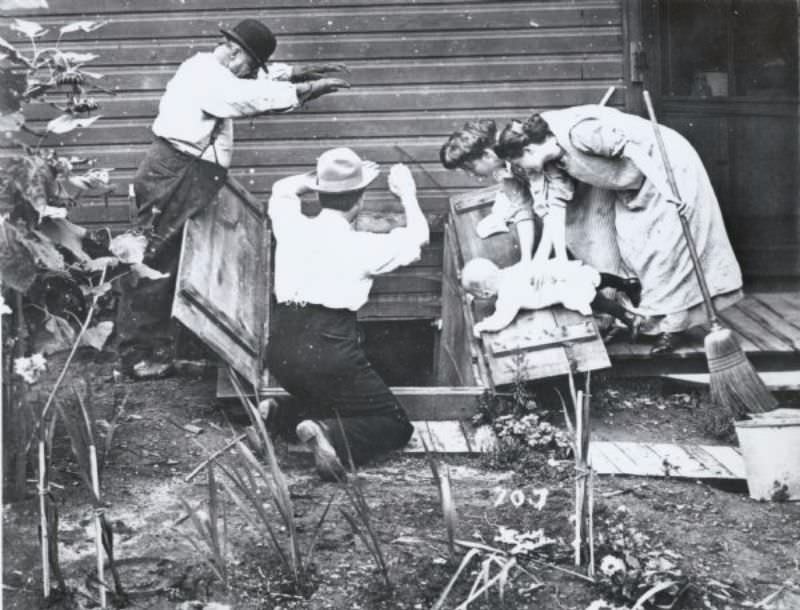
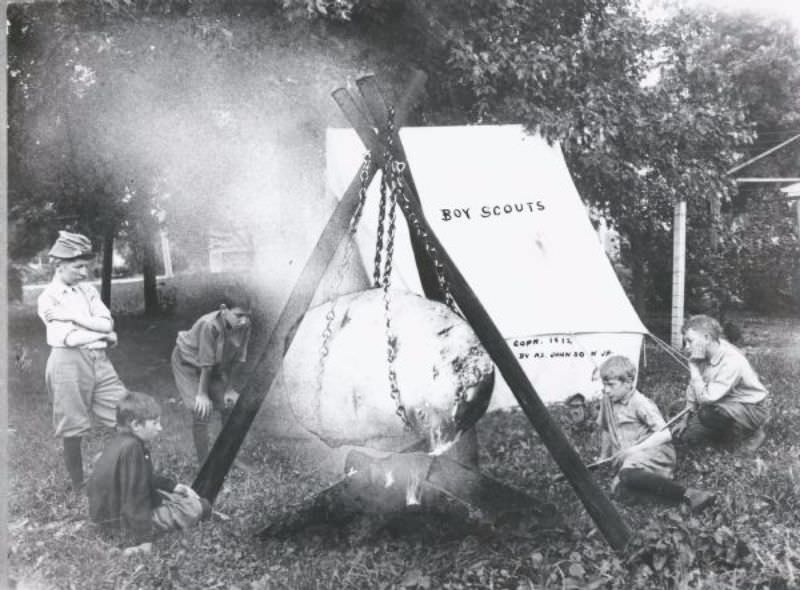
The process was simple but clever. A photographer would take two separate prints — one a background scene, another a close-up of an object — cut one out, layer it over the other, and re-photograph the combination. The result looked surprisingly convincing.
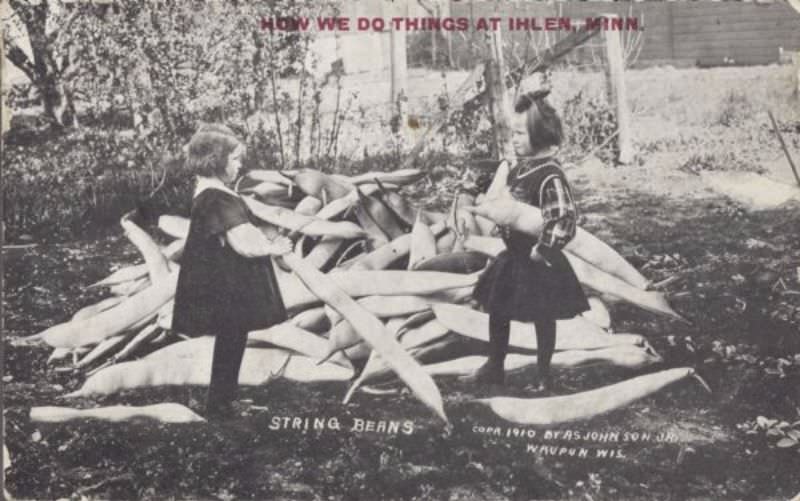
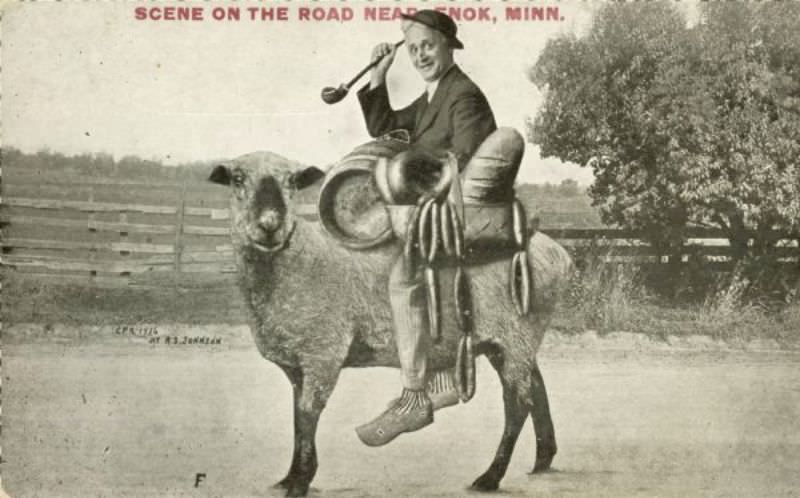
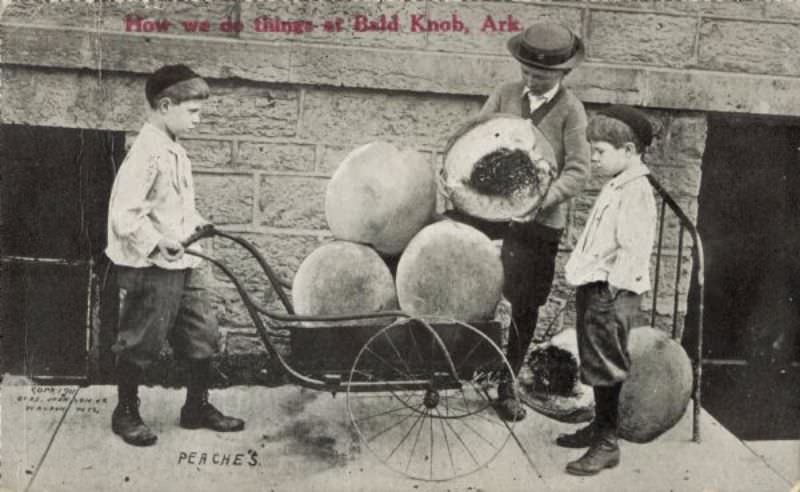
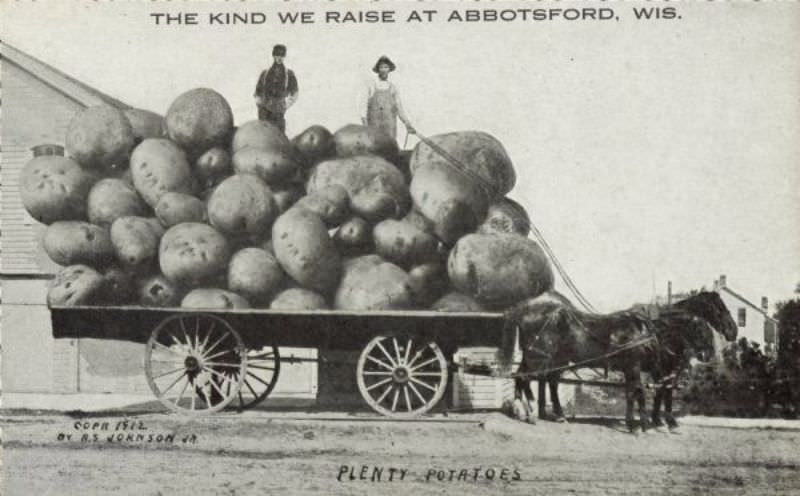
Food was the most popular subject. Regional crops, fish, and livestock were shown at impossible scales — hauled by wagon, loaded onto trains, or dwarfing the people standing next to them. These images played on local pride, making towns seem like places of extraordinary abundance.
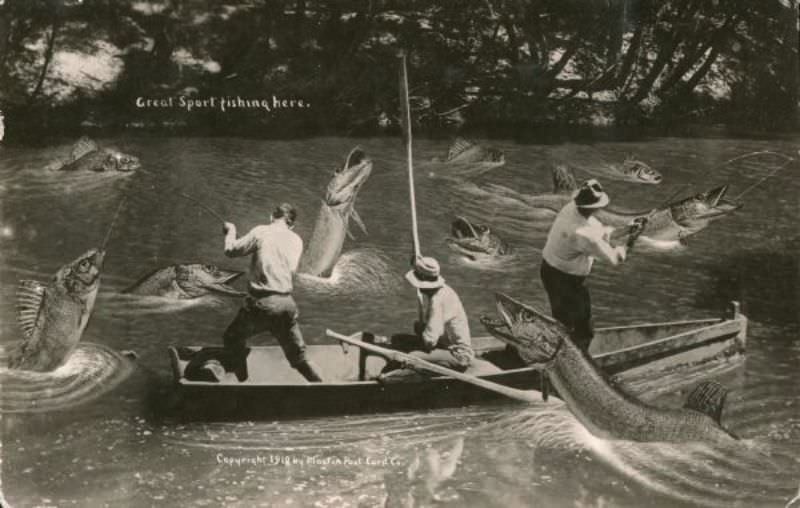
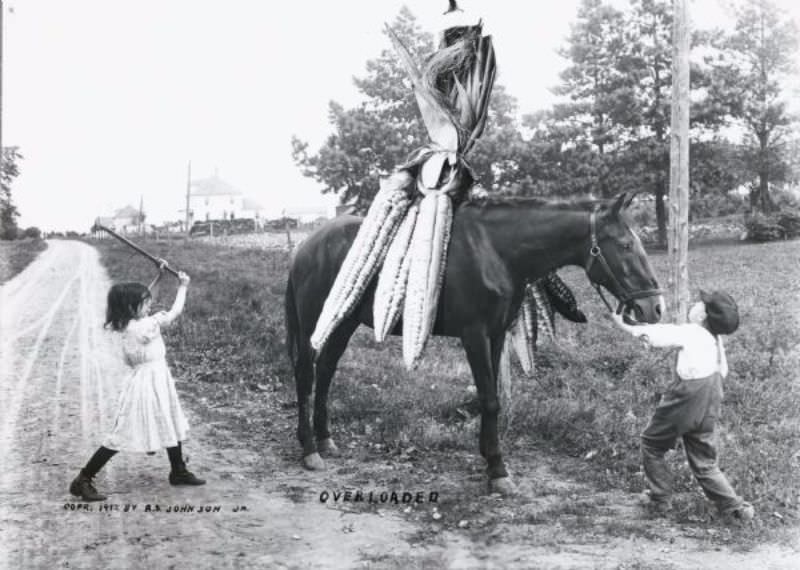
Entire studios were built around producing these cards. William H. Martin became the genre’s most notable name. He moved to Ottawa, Kansas at 21 to study photography under E.H. Corwin, eventually buying Corwin’s studio eight years later. By 1908, Martin was producing tall tale postcards full time.
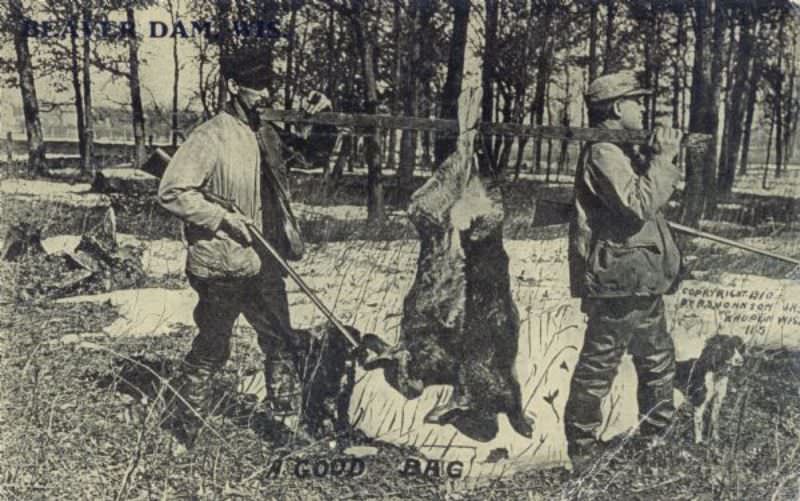
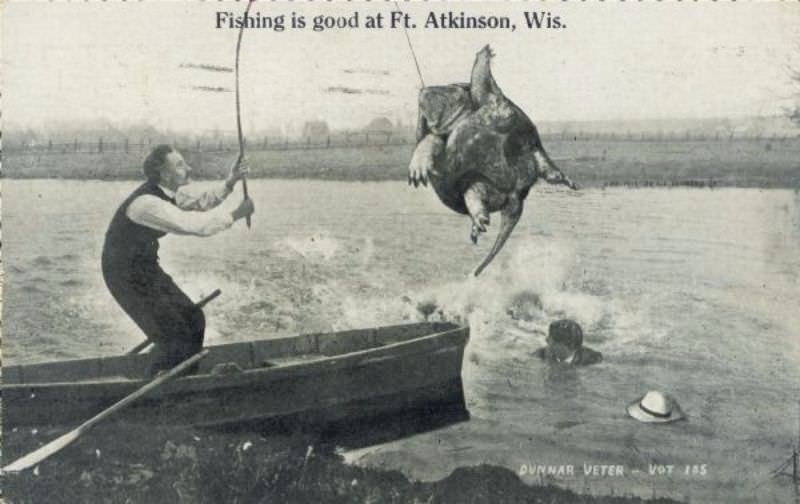
Martin’s work caught on fast. Within a year of starting, his studio was reportedly printing over 10,000 postcards per day. His dynamic compositions set the standard that other photographers would follow for decades.
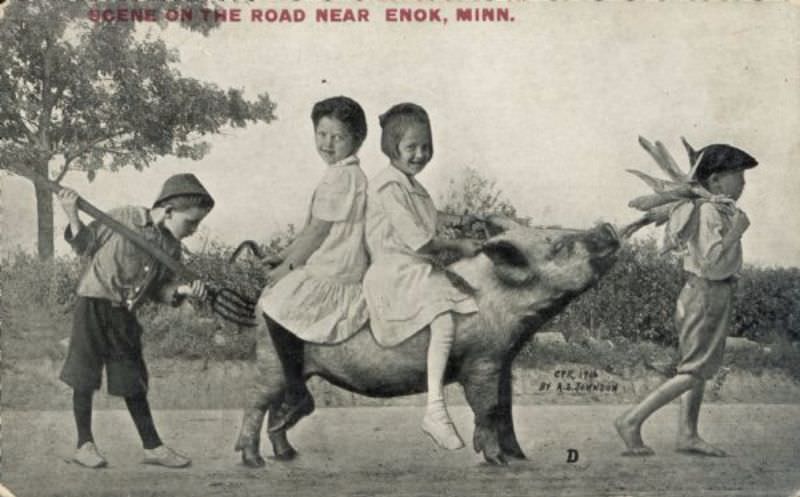
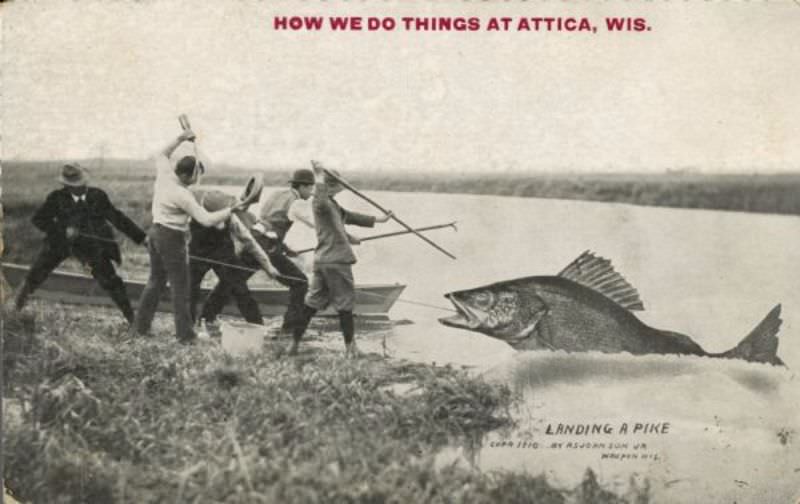
Beyond humor, these postcards served a real purpose. Towns used them to build a reputation — a kind of visual myth about how fertile, productive, or exciting their region was. Sending one was a way of saying: look how good things are here.
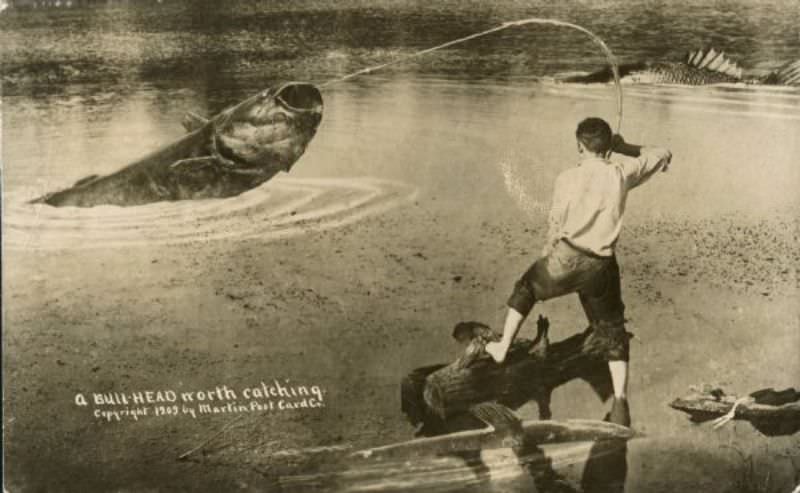
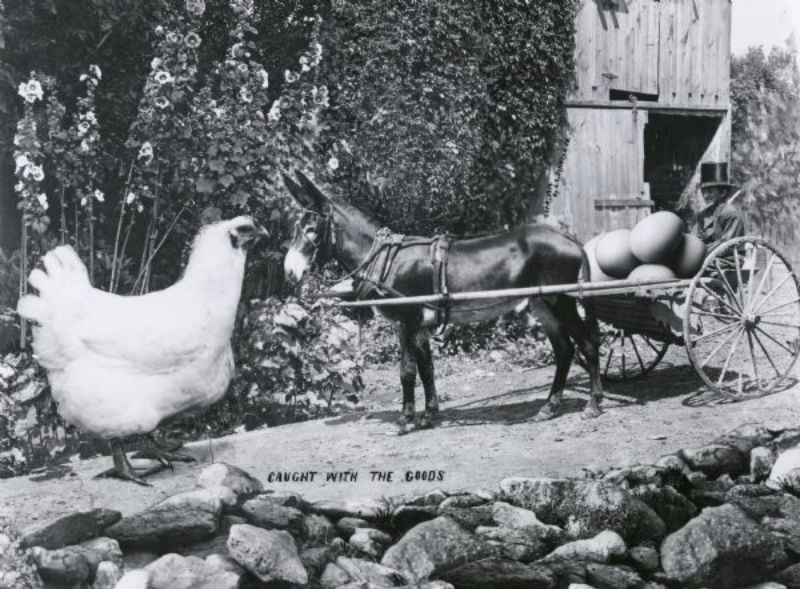
Some themes went beyond crops and fish. Rarer cards featured mythical creatures like the fur-bearing trout, or people riding comically oversized animals. These pushed the genre into outright fantasy.
After World War I, the postcard’s role began to shrink. Affordable cars and telephones changed how people communicated and traveled. The utopian small-town myth these cards relied on started to feel out of step with modern life.
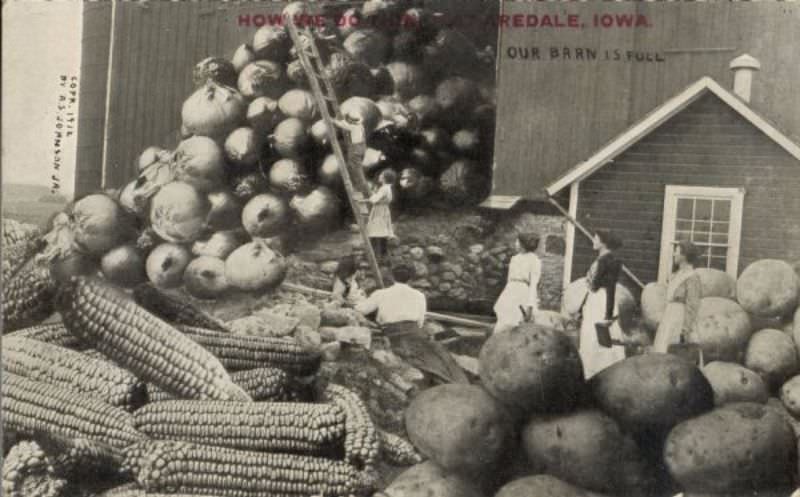
Production slowly wound down, though some studios kept printing exaggeration postcards as late as the 1960s. Today, collectors prize them for their craftsmanship, regional humor, and snapshot of an era when a giant potato on a flatbed wagon was considered peak entertainment.