Soviet propaganda posters were one of the most powerful tools the Communist government used to shape public behavior. Artists across the USSR were commissioned to design bold, printed posters that promoted political goals, military causes, literacy, and public health. From the early twentieth century through World War II and the Cold War, these posters covered factory walls, city streets, and public buildings. Among the most striking examples were those targeting a very specific social problem: excessive drinking.
Alcohol abuse was a genuine crisis in Soviet society. The government responded with a visual campaign that was anything but subtle. Designers used vivid colors, sharp metaphors, and blunt slogans to hammer home a single message — drinking destroys you. One of the most repeated images was the serpent, used to represent alcoholism as a predator living among ordinary people.
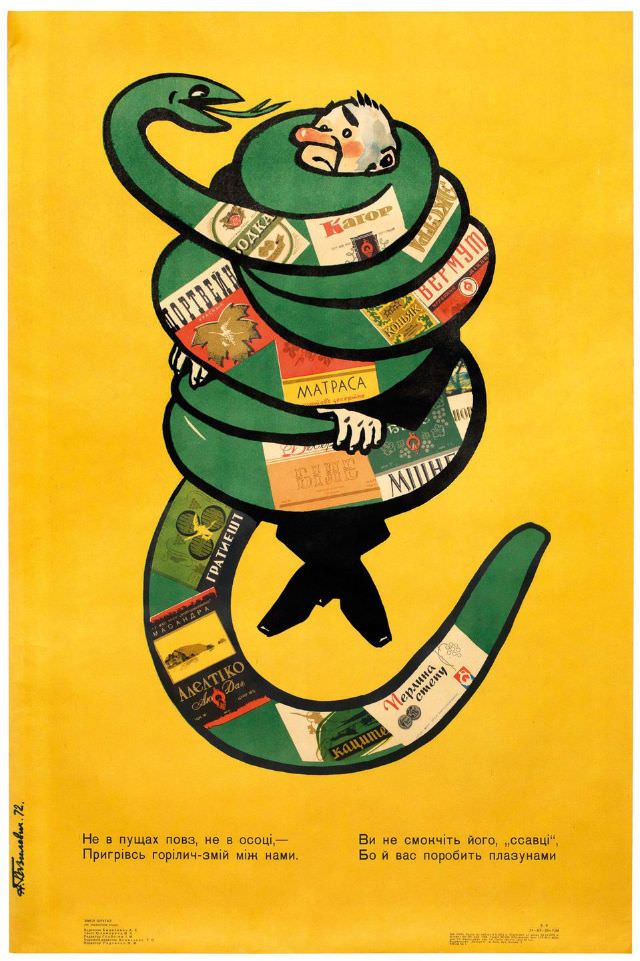
This 1972 poster set the tone for the decade ahead. The serpent was not hiding in nature — it had moved into human society. The warning was direct: engage with it and you become something less than human. Posters like this didn’t ask viewers to think. They told them exactly what alcohol would do to them.
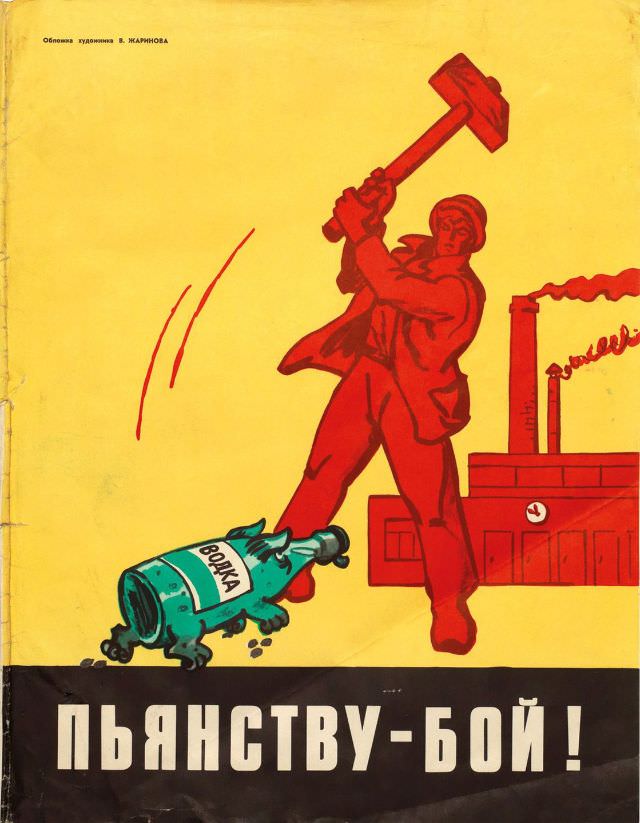
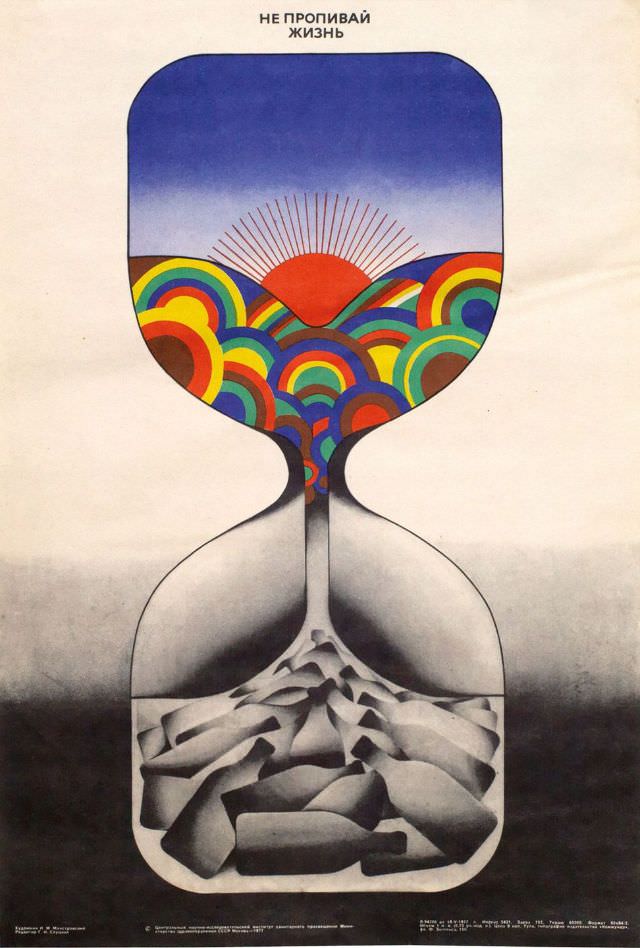
By the mid-1970s, the imagery grew more personal. Posters began showing what alcohol stole from the individual — time, youth, and life itself. The bottle was no longer just a social problem. It became a thief standing right in front of you.
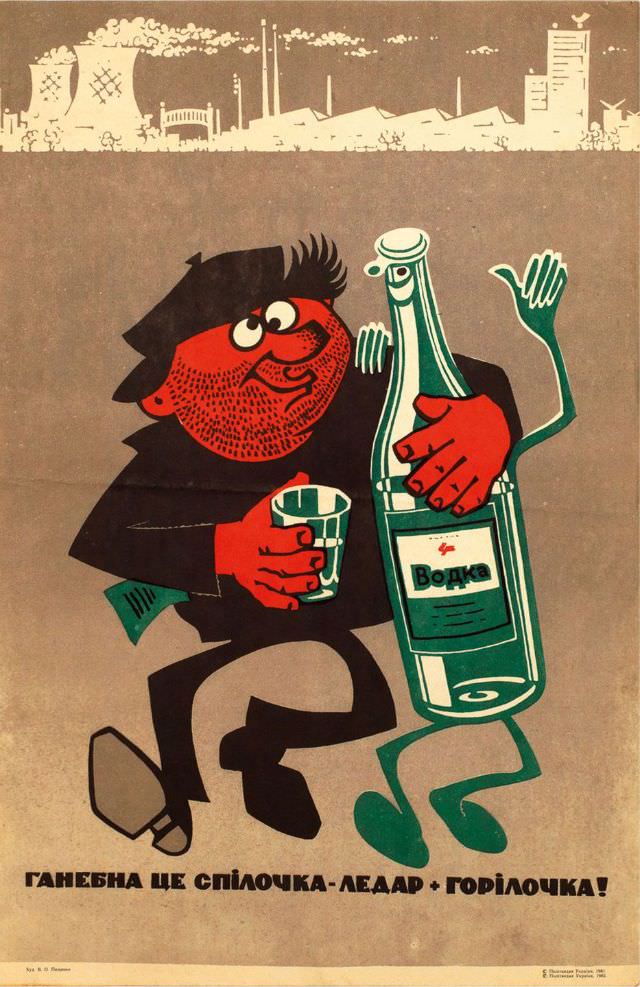
Laziness and wasted potential were also central themes. The Soviet state expected productivity from every citizen. A worker who drank was a worker who failed the collective. This 1980 poster made that connection explicit — pairing the slacker directly with vodka as a shameful partnership.
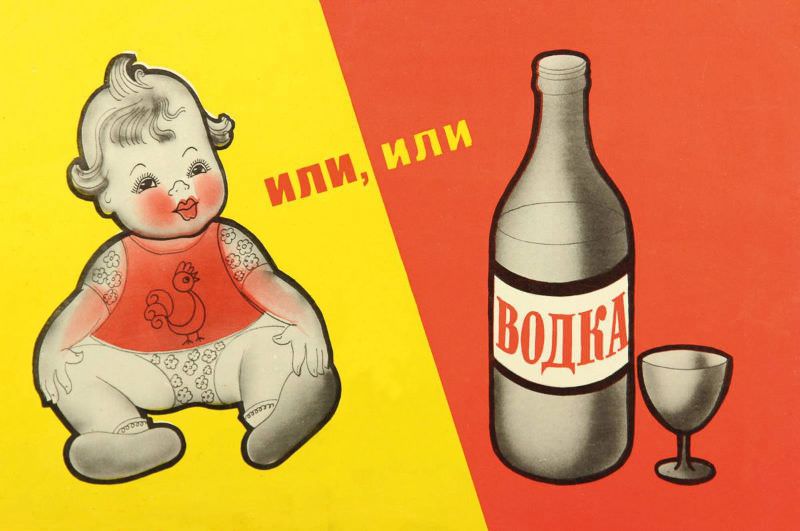
The choice framing appeared repeatedly throughout the campaign. Posters presented drinking as incompatible with a functional life — family, work, and health were on one side, and the bottle was on the other. There was no middle ground in Soviet anti-alcohol messaging.
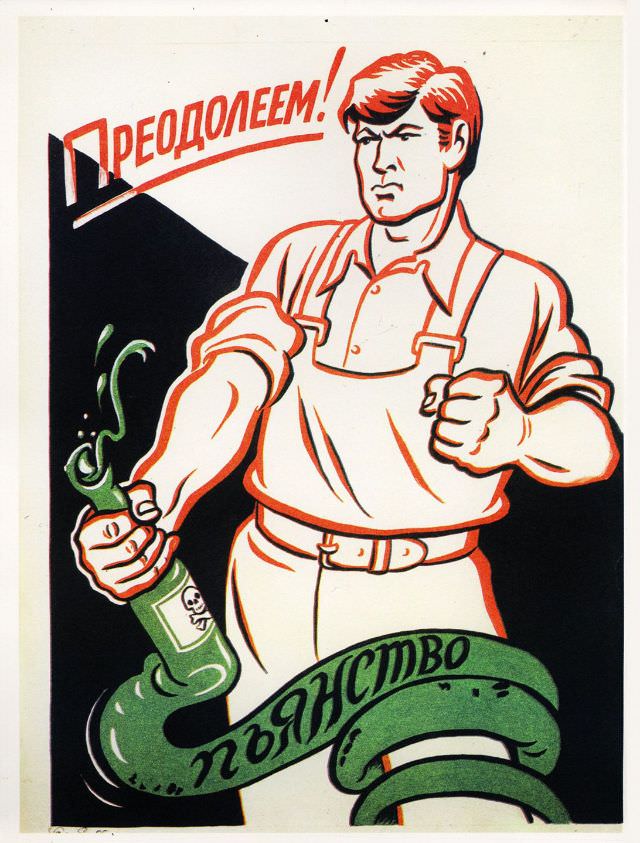
The serpent returned in 1985, this time with a label: “Alcoholism.” The poster declared victory was possible. It reflected Soviet leader Mikhail Gorbachev’s anti-alcohol campaign launched that same year, which included restrictions on alcohol sales and production across the country.
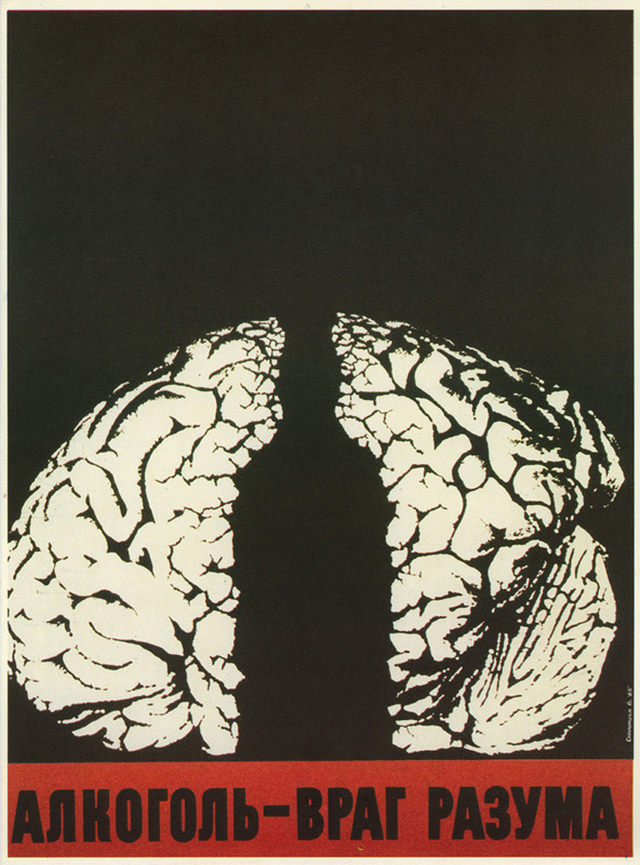
Some posters turned inward, showing the drinker’s mind as an empty or corrupted space. Rather than focusing on outward consequences, these images attacked the idea that drinking was a personal pleasure. The drinker’s “inner world” was shown to be hollow.
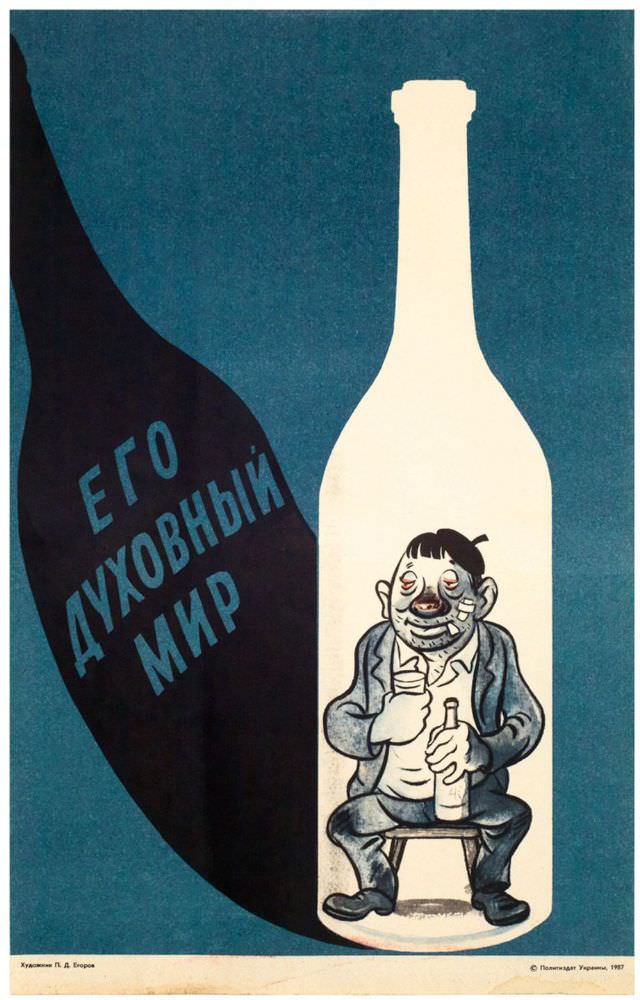
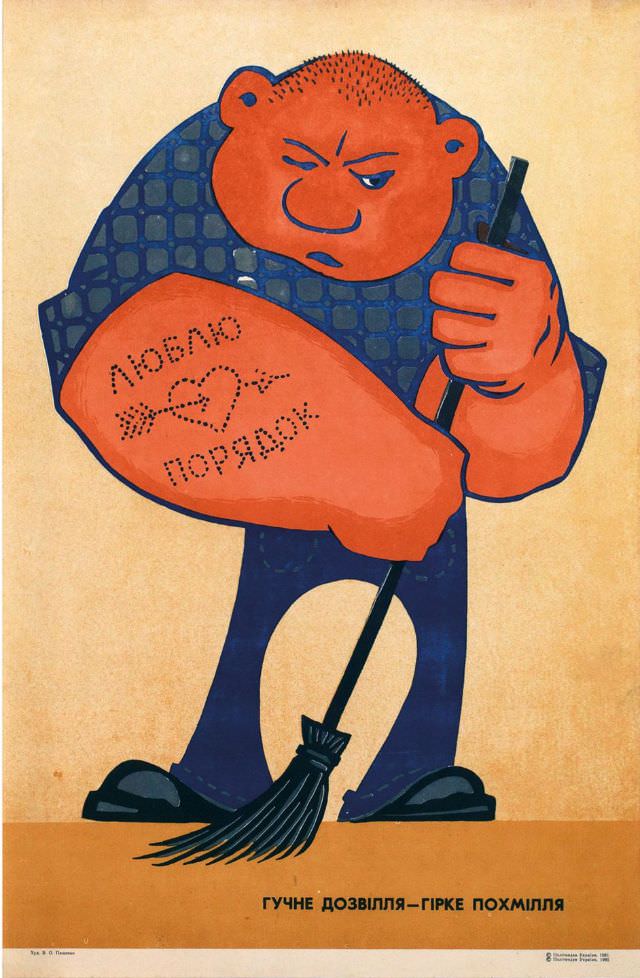
By the late 1980s, designers leaned into irony. A rowdy drunk tattooed with the words “I love order” was a sharp contradiction — and a deliberate one. These posters mocked the drinker rather than simply warning them.
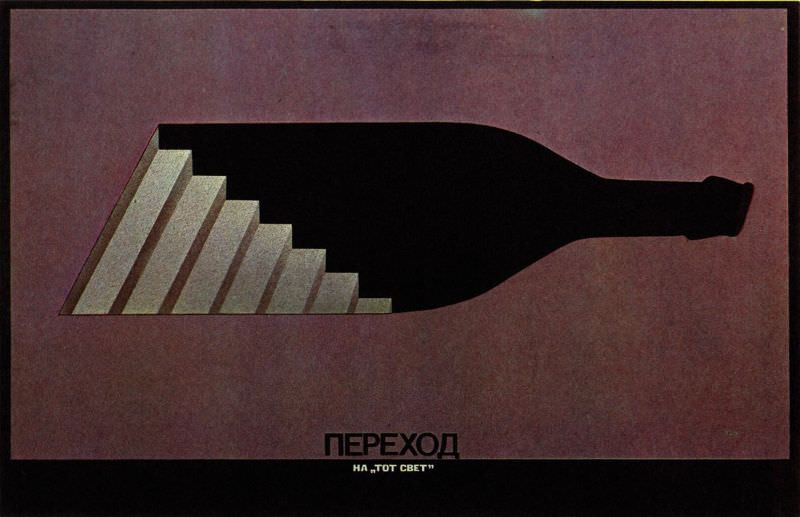
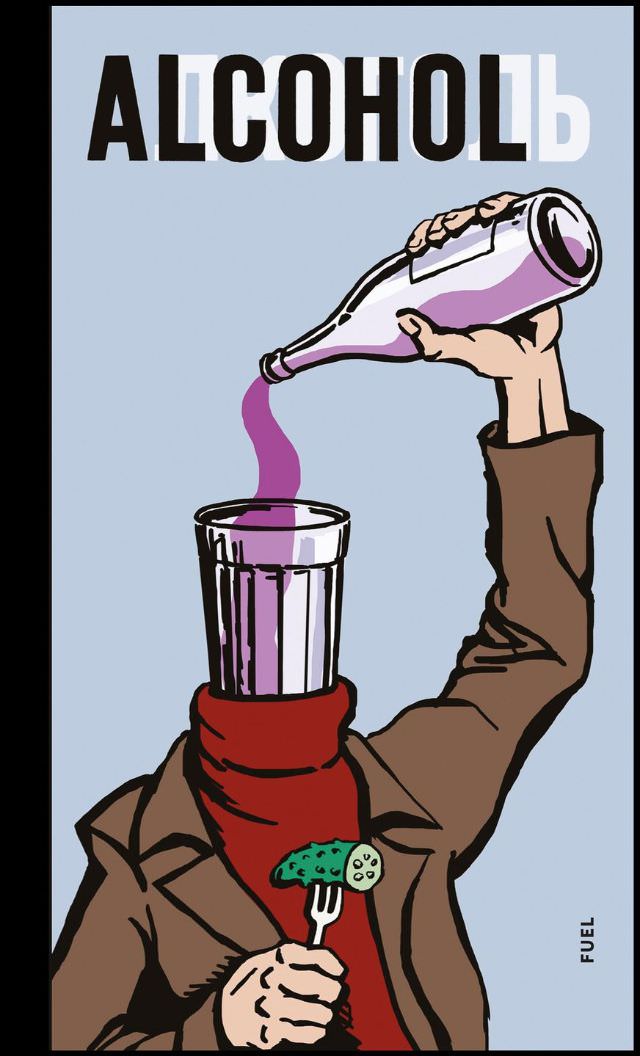
The range of warnings covered nearly every corner of Soviet life. Alcohol was connected to workplace accidents, criminal behavior, broken families, and physical deterioration. No area was left untouched by the campaign’s messaging.
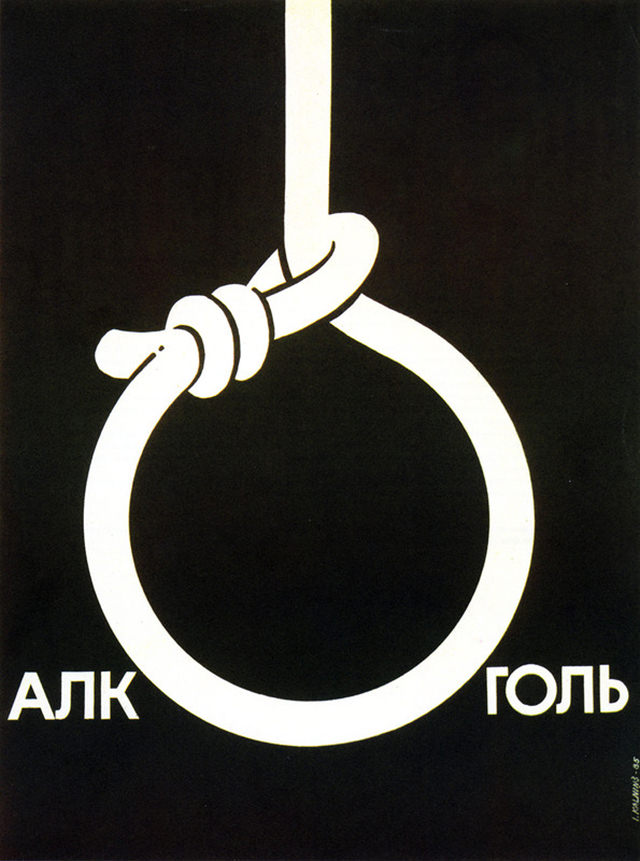
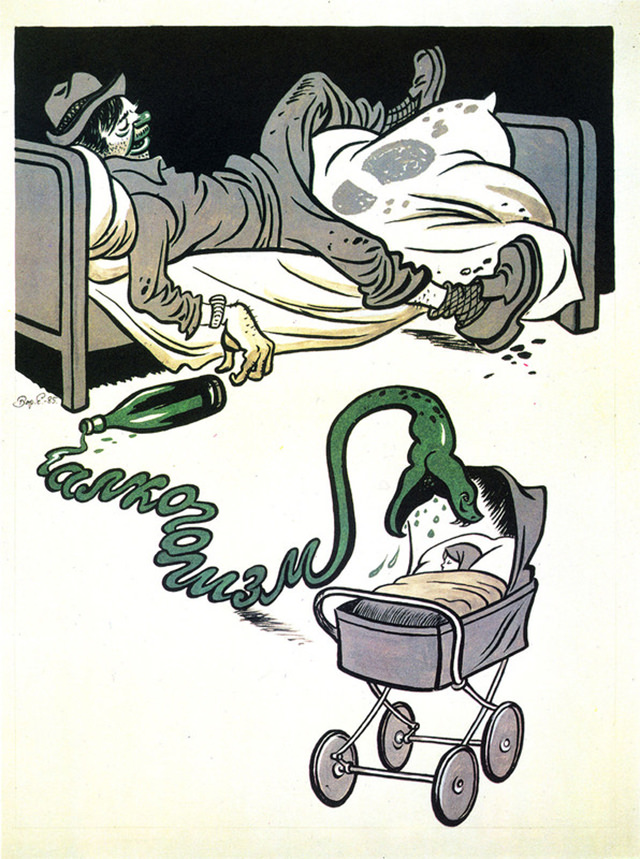
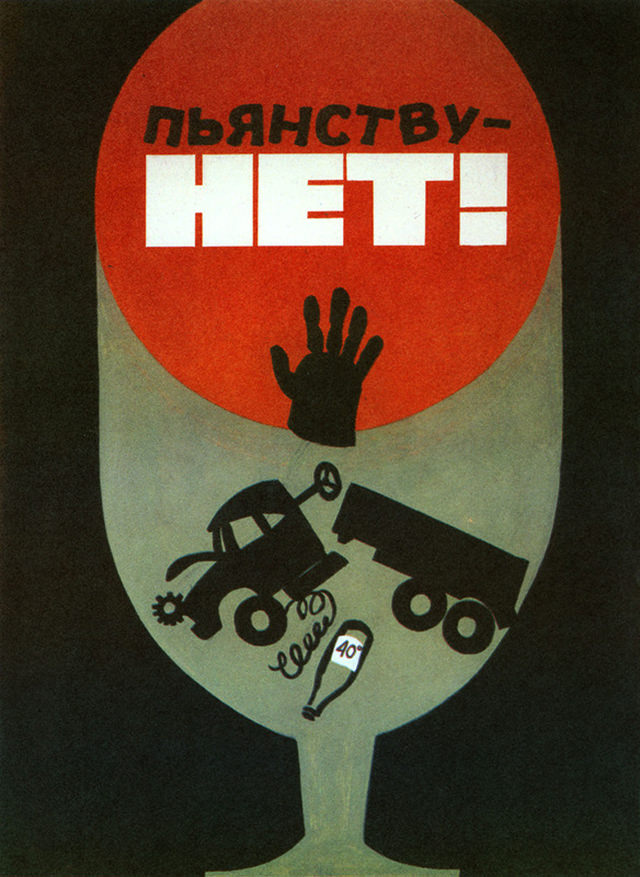
Drunkenness was shown as something that happened to ordinary people — not just society’s outliers. A worker on the job, a man at home, a person at a gathering — any of them could be the subject of these warnings. The posters made the danger feel immediate and close.
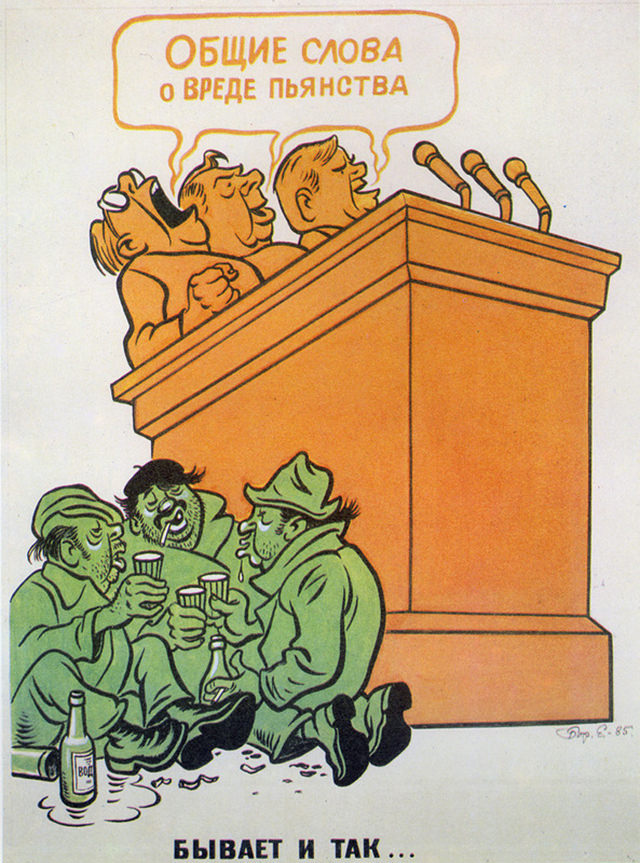
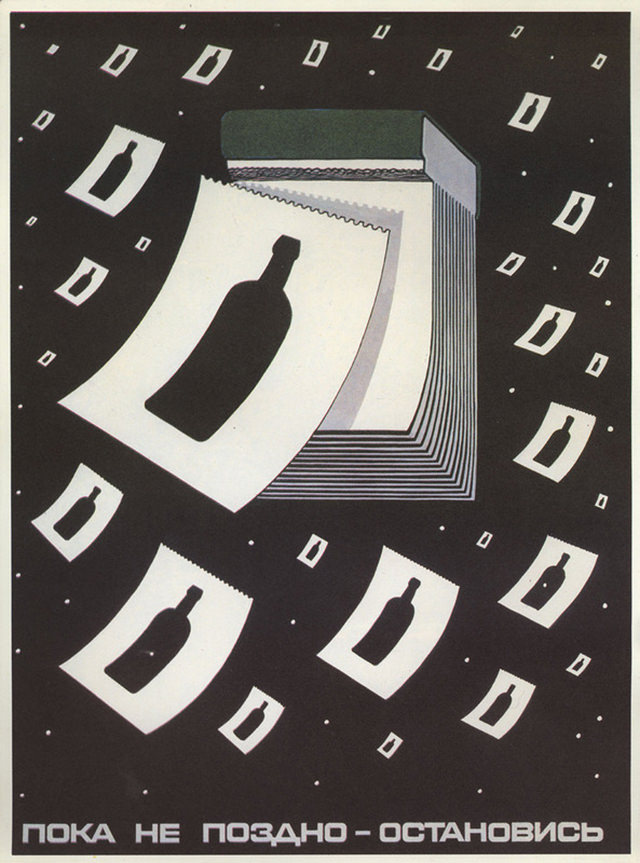
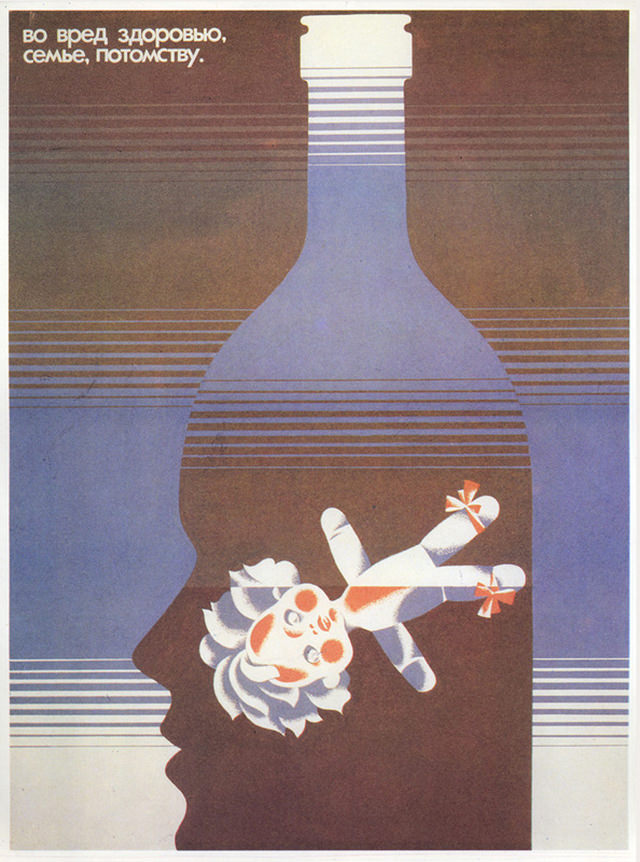
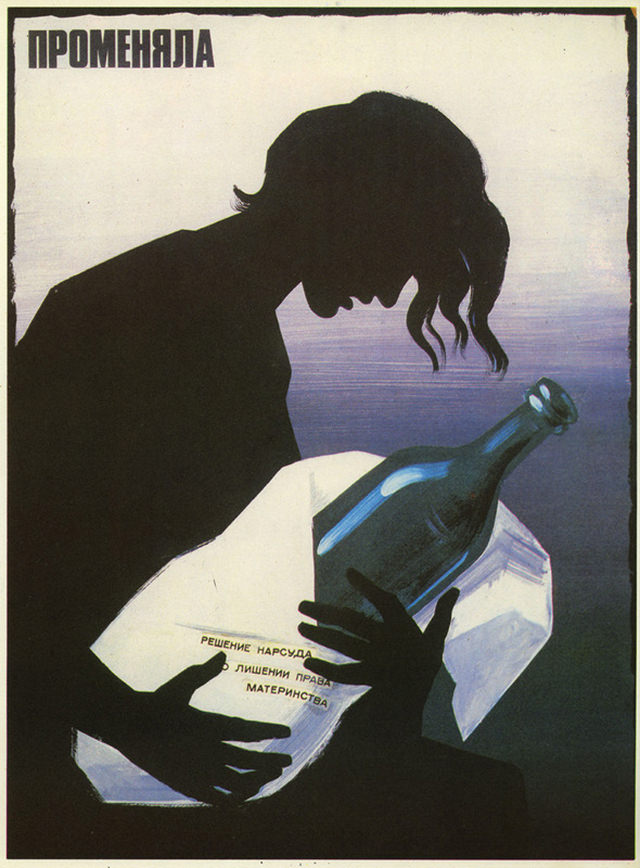
Children and family were recurring subjects. Alcohol didn’t just harm the drinker — it harmed those around them, including children not yet born. The campaign made the damage multigenerational, framing drinking as a threat to the Soviet future itself.
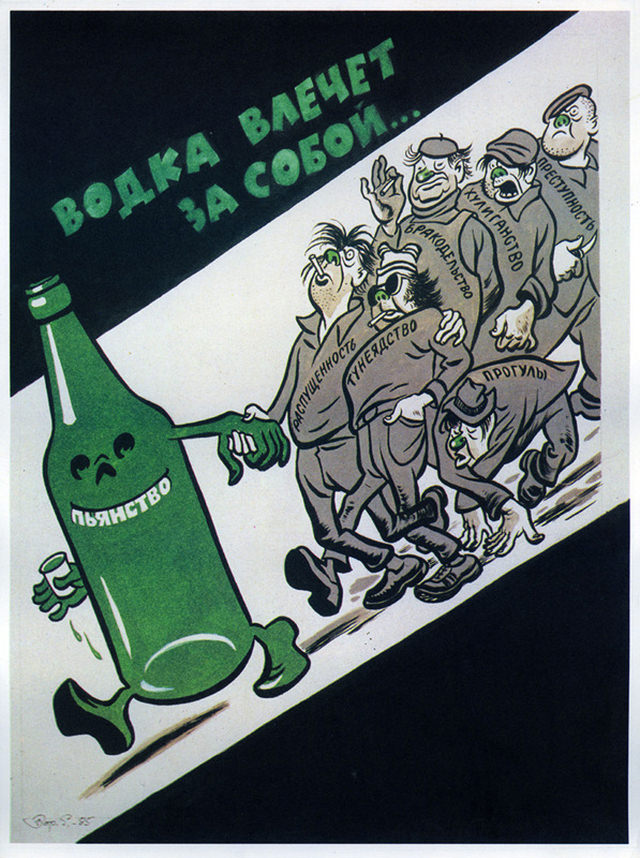
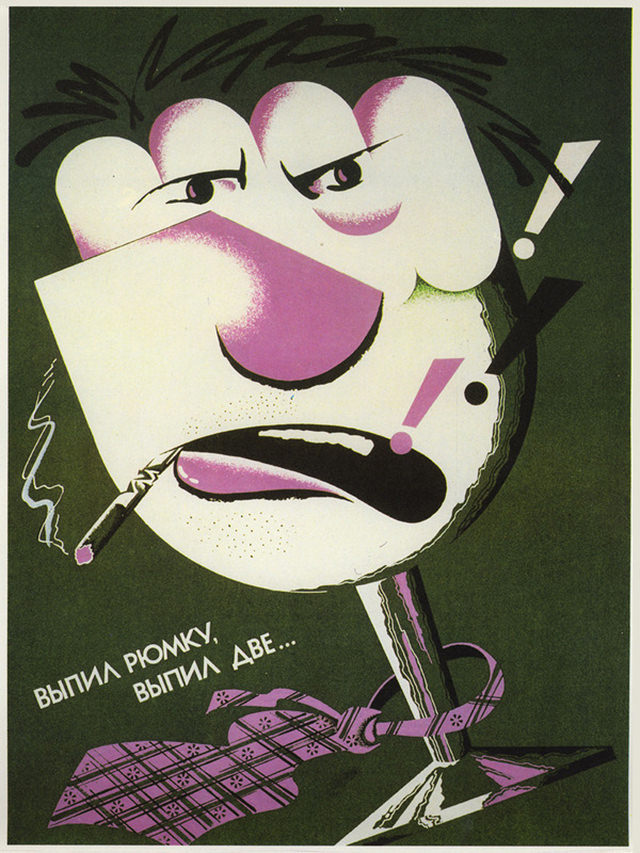
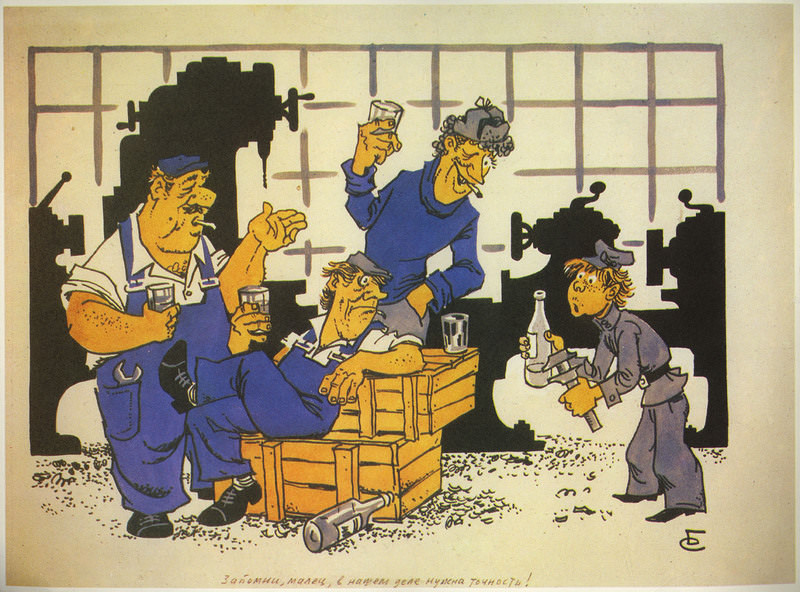
Workplace safety was another major angle. A drunk worker didn’t just harm himself — he endangered everyone around him. These posters were often displayed in factories and industrial sites, where the stakes of impaired judgment were literally life and death.
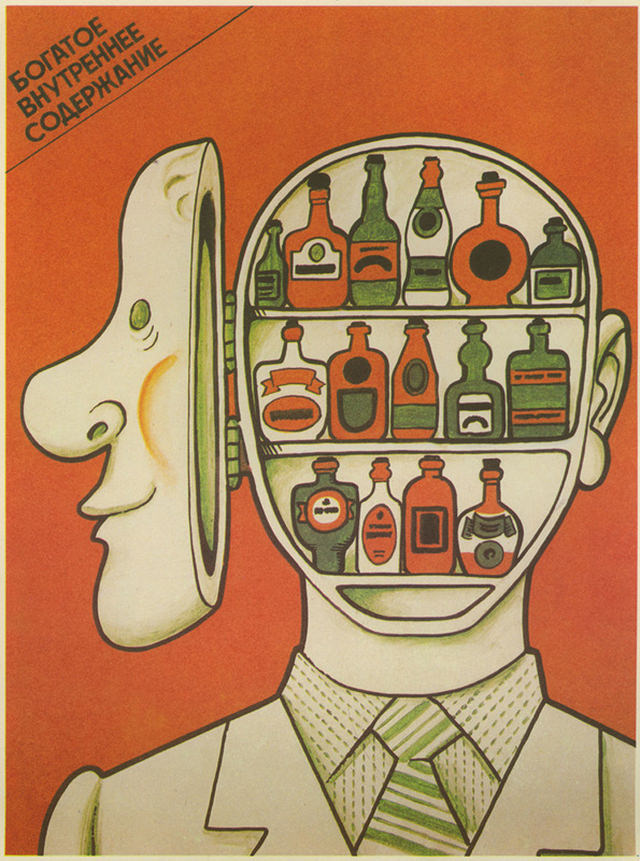
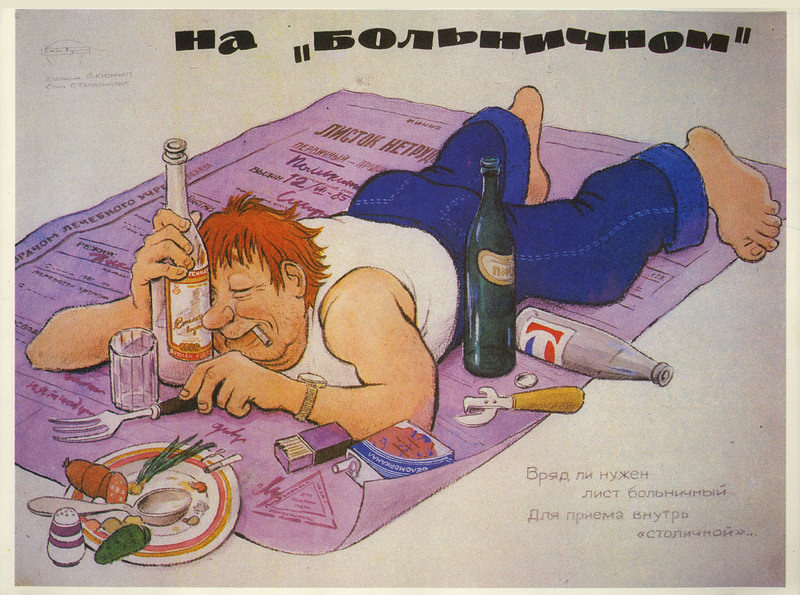
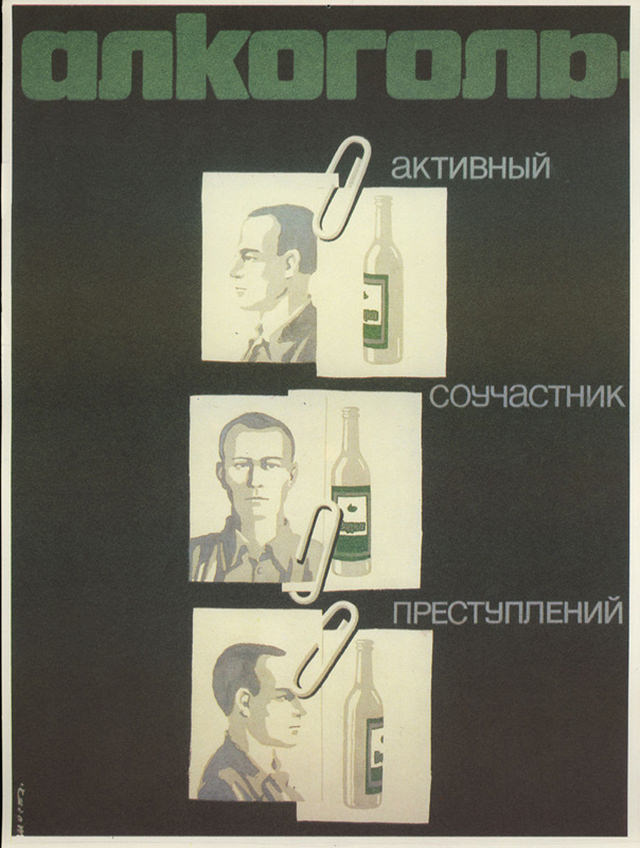
Crime was directly linked to alcohol in several posters. The drunk man was not just a failure — he was a danger. Alcohol made men violent, reckless, and criminal. The state made clear that drinking and lawful Soviet citizenship were incompatible.
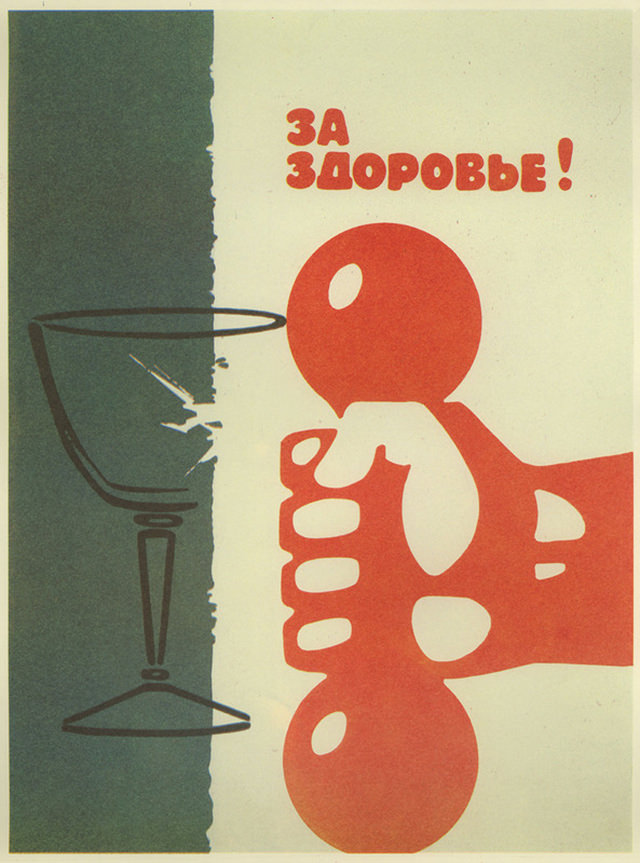
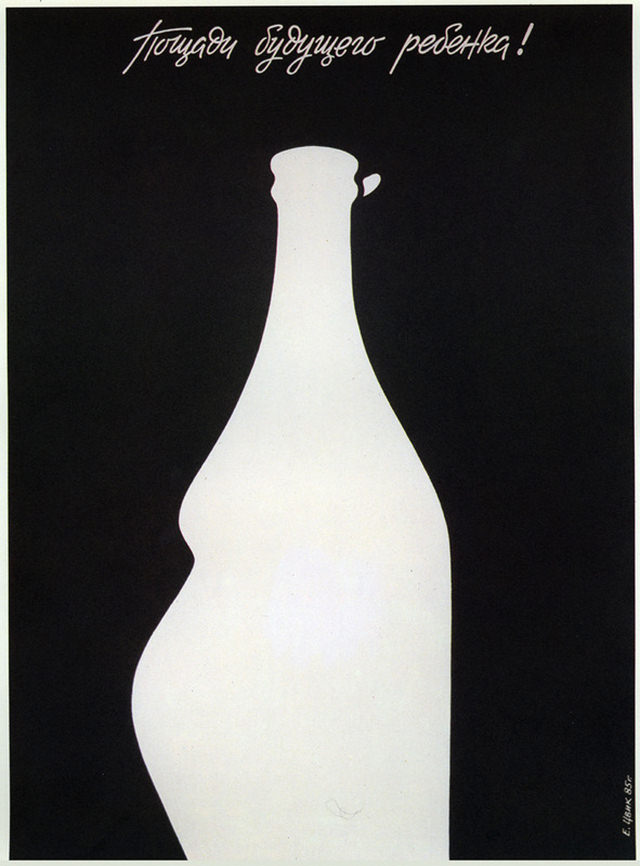
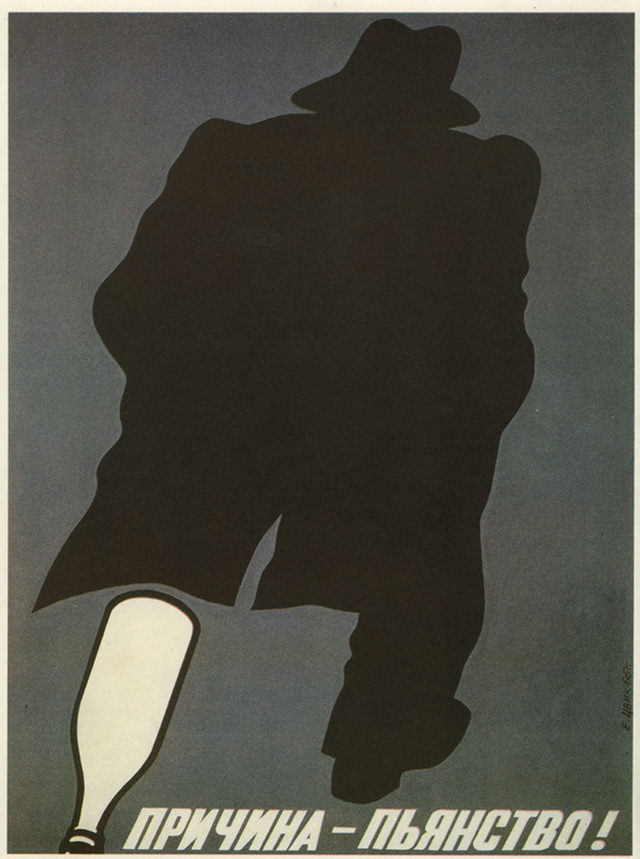
Some of the most blunt posters simply listed outcomes. Drunkenness as the stated reason for an accident, a death, a lost job. No narrative needed. The cause-and-effect was presented as plain fact.
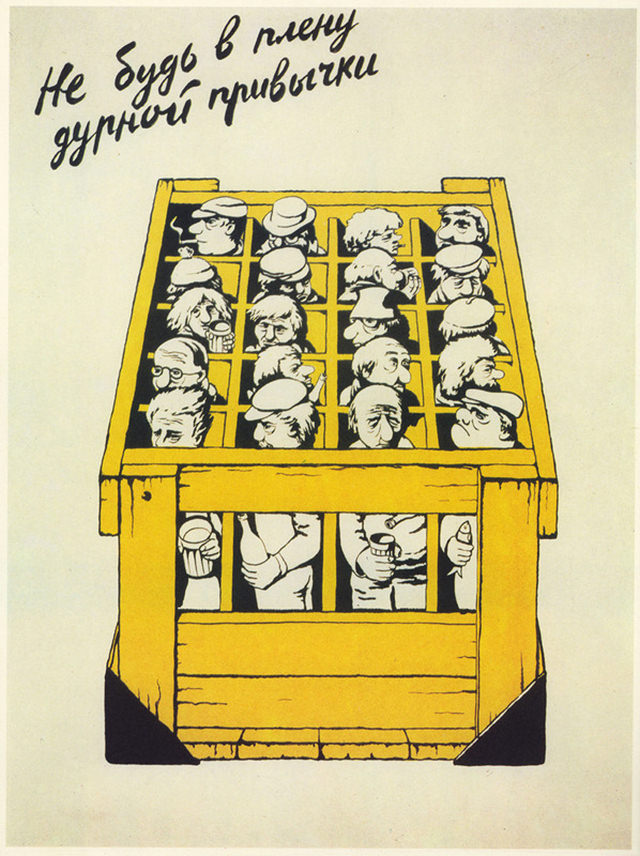
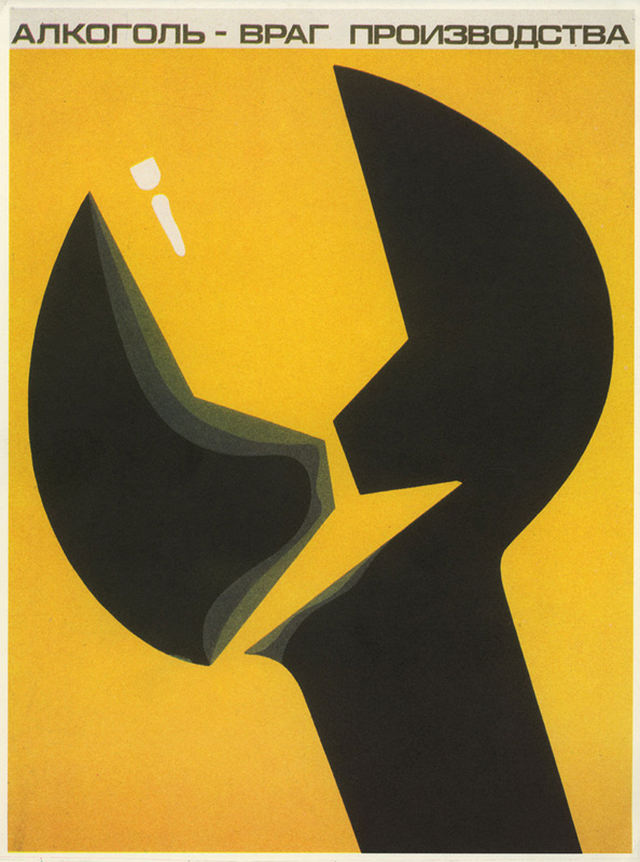
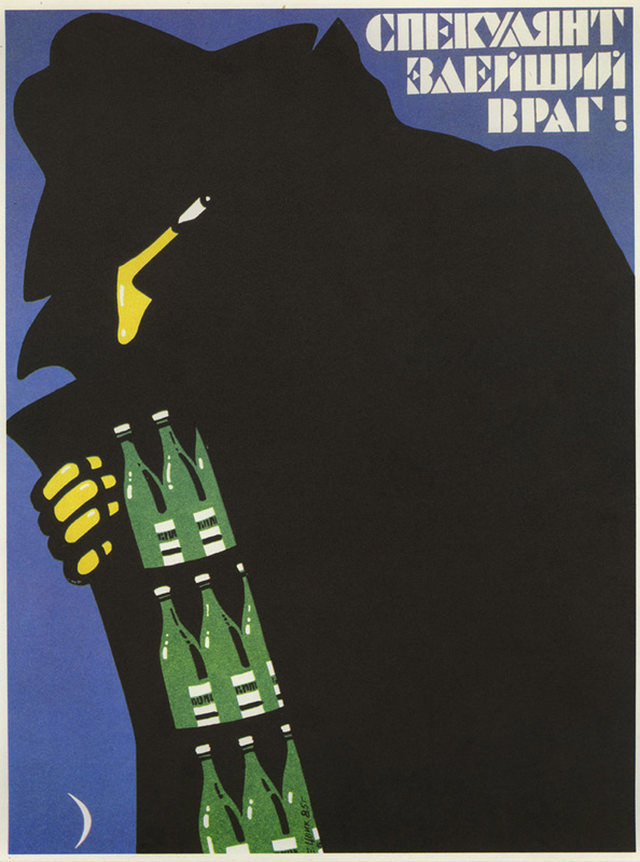
Sellers and suppliers of illegal alcohol were also targeted. The black-market vodka dealer was cast as an enemy of the people — someone profiting from destruction. This framing tied the anti-alcohol campaign directly into broader Soviet rhetoric about enemies within society.