What does it look like when a photographer inserts herself into some of the most recognized paintings in Western art history? For Laura Hofstadter, it looks like a deeply personal project that took years of planning, costume hunting, and careful staging. Her photography series, titled ‘Stages,’ places her front and center inside iconic works — from Vermeer to Picasso to Leonardo da Vinci — and the results are striking.
Hofstadter came to photography in the 1970s after earning a degree in biology. She went on to work as a service writer for Stanford Medical Center’s News Service, where she began taking photographs to accompany her articles. That practical, journalistic start quietly shaped the eye she would later bring to her fine art work.
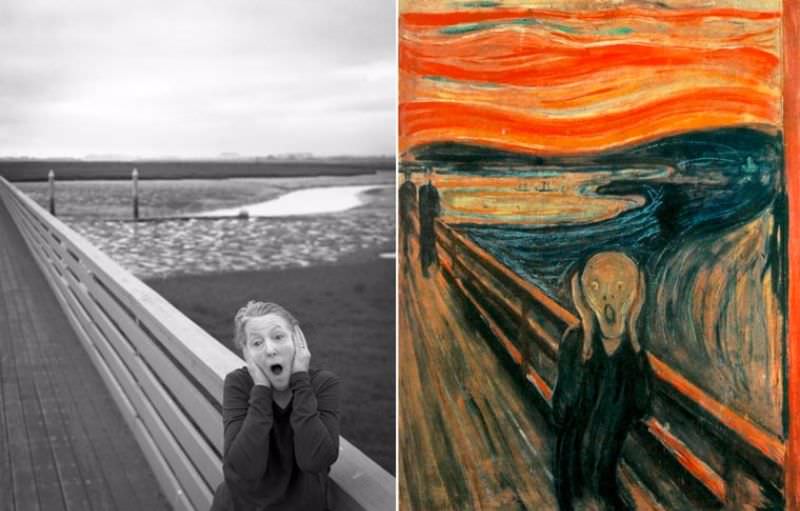
The driving force behind ‘Stages’ is both personal and pointed. Hofstadter created the series as an expression of what it feels like to grow older in a society that is obsessed with youth. Rather than commenting on aging from a distance, she put herself directly into the frame — literally and figuratively. Each painting she chose carries its own emotional weight, and her presence inside them adds a new layer of meaning.
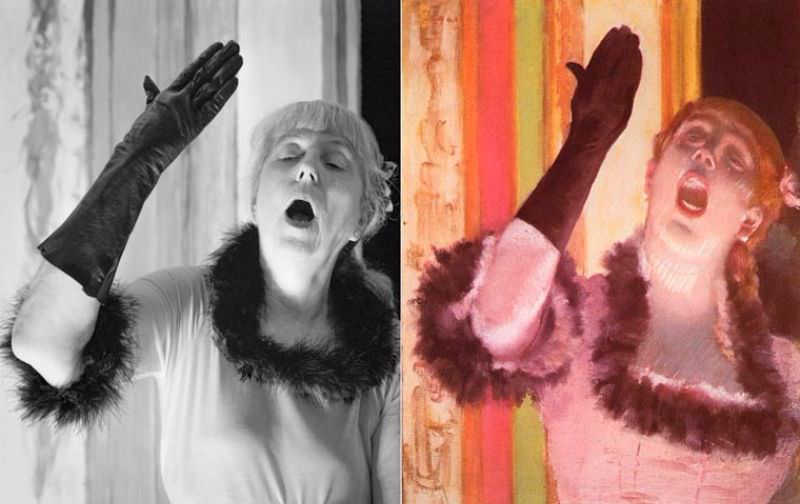
The process behind each image is far from simple. For every recreation, Hofstadter had to track down the right location or build a convincing set from scratch. She sourced period-appropriate costumes, gathered props, and worked out the exact combination of lighting and framing needed to match the original composition. Some paintings required elaborate backgrounds; others demanded very precise posture and expression. Nothing was left to chance.
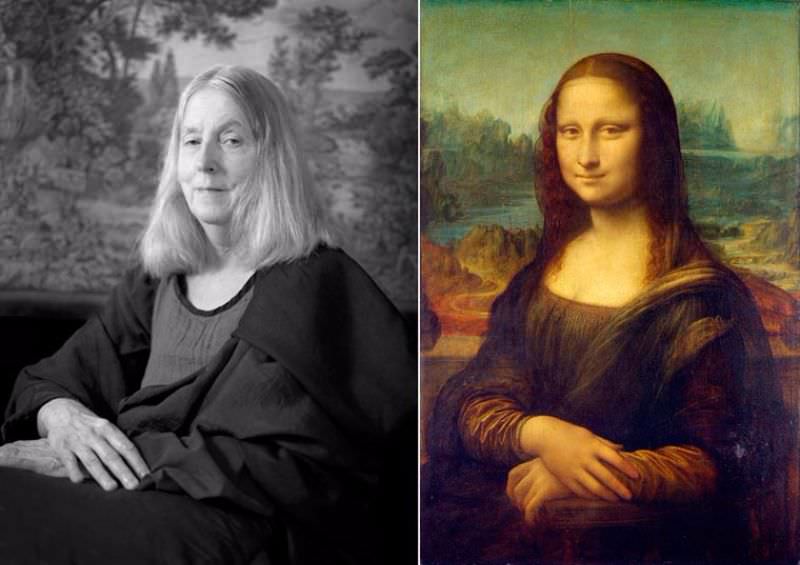
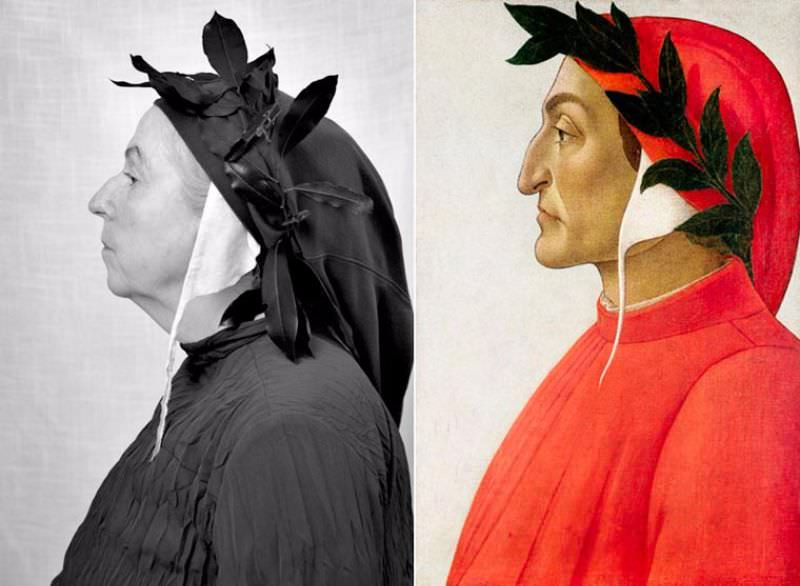
Despite all that meticulous preparation, Hofstadter’s approach leans into humor and playfulness. She kept her styling minimal and avoided heavy digital manipulation. The goal was never to fool anyone into thinking the photographs were the original paintings. Instead, the series works because of the visible tension between the grandeur of the source material and the very human, modern woman stepping into it.
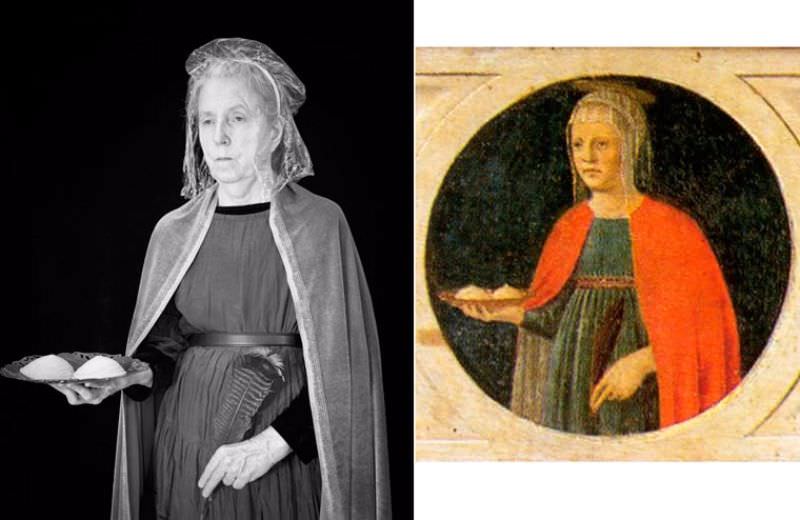
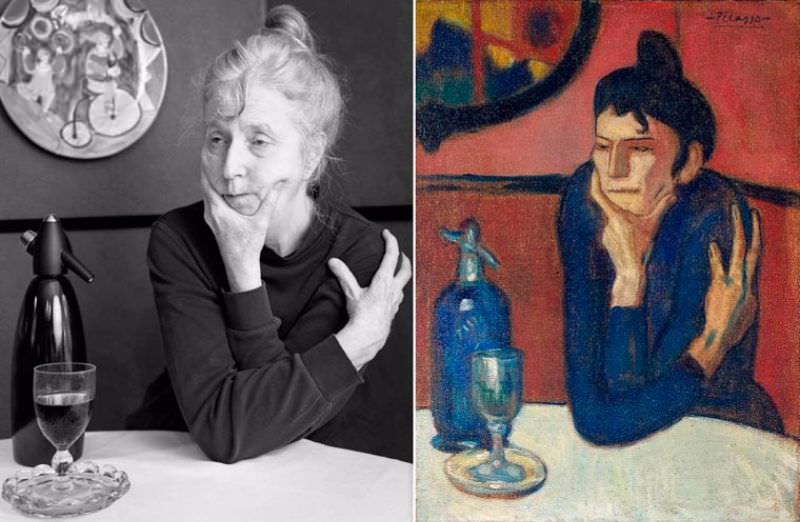
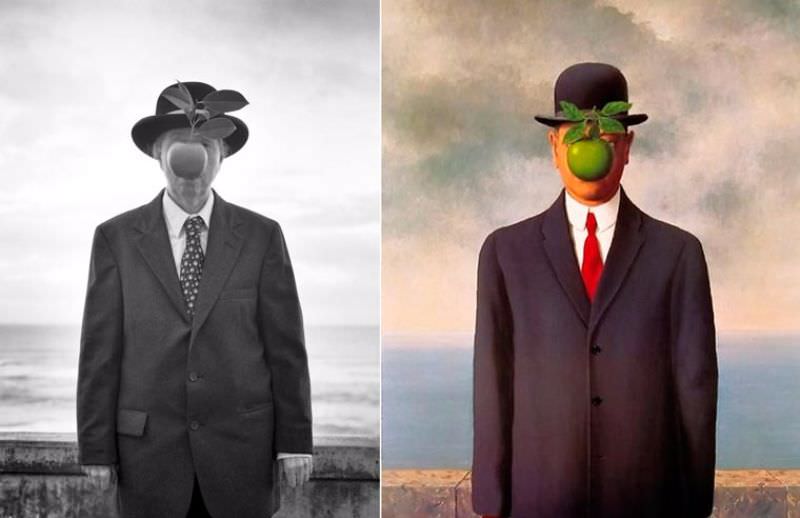
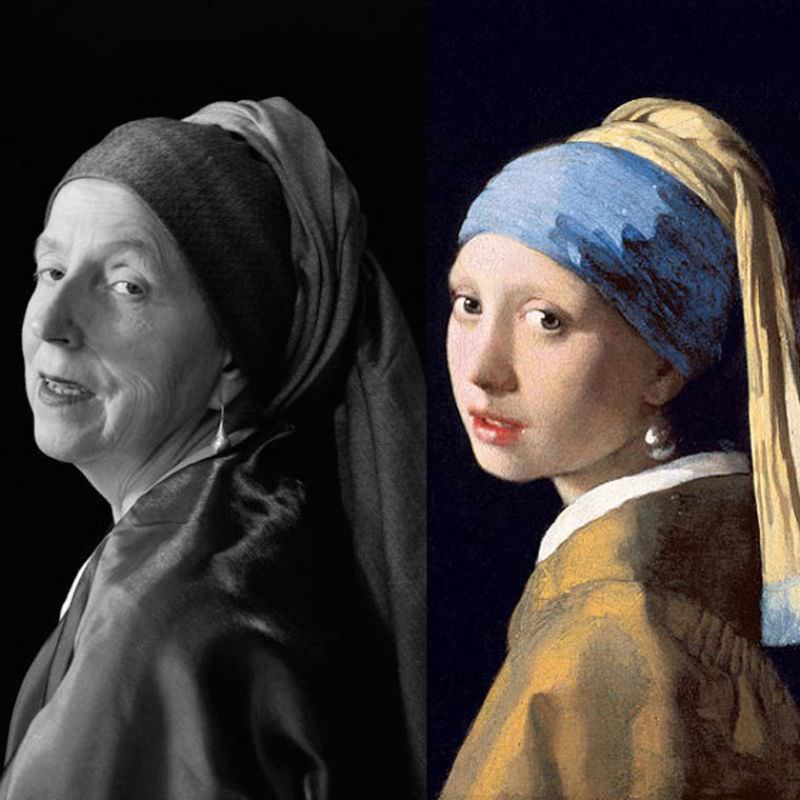
The range of works she chose is remarkable. She tackled Edvard Munch’s anguished ‘The Scream,’ the quiet domesticity of Vermeer’s ‘Girl with a Pearl Earring,’ and the deadpan surrealism of René Magritte’s ‘The Son of Man.’ She stepped into Rembrandt’s brooding self-portrait and then into Judith Leyster’s — a Dutch Golden Age painter who was largely overlooked for centuries before being rediscovered in the 1800s. The selection spans roughly 500 years of Western painting.
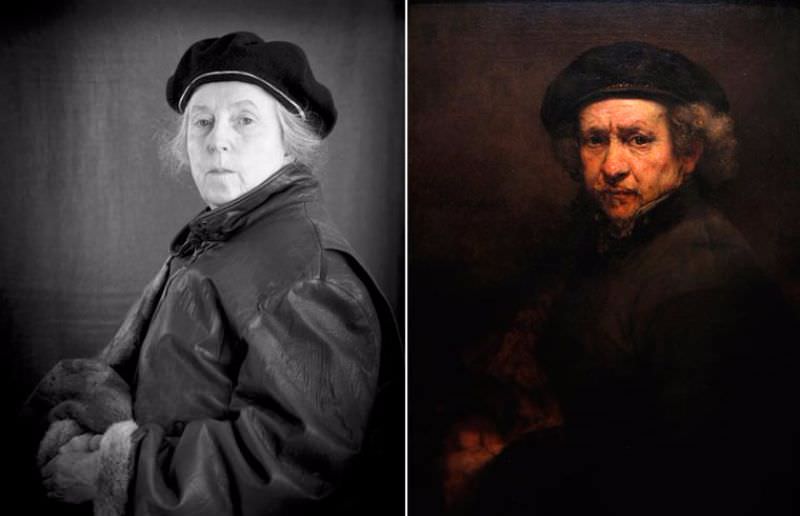
Choosing to recreate self-portraits by Rembrandt and Leyster adds a distinct layer to the project. Both artists made a practice of examining themselves honestly on canvas, at different stages of their own lives. Hofstadter doing the same — through photography rather than paint — creates a direct line between their act of self-examination and hers.
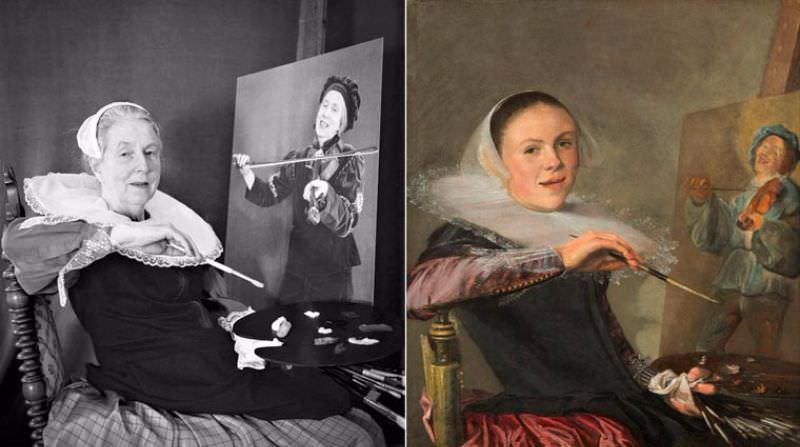
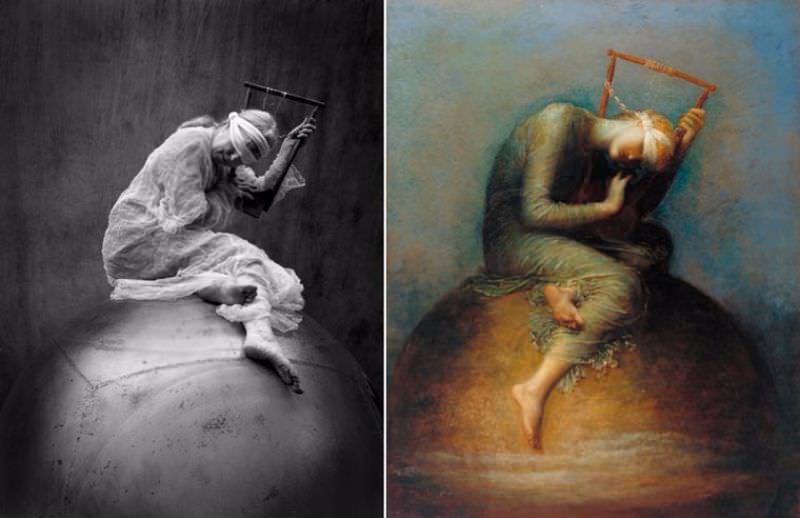
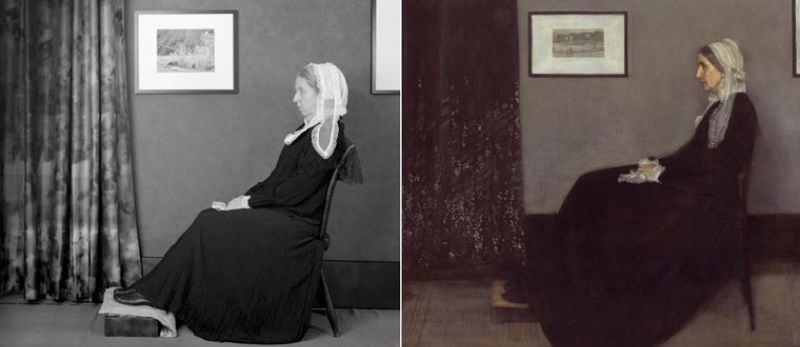
Whistler’s Mother, James McNeill Whistler’s famously somber portrait of a seated older woman in profile, is one of the most fitting choices in the entire series. The original painting, formally titled ‘Arrangement in Grey and Black No. 1,’ has long been associated with ideas about age, stillness, and dignity. Hofstadter stepping into that frame — as an older woman herself — gives the recreation an immediacy that goes beyond simple imitation.
Her recreation of Jean-Antoine Watteau’s ‘Mezzetin’ rounds out the series with a theatrical note. Mezzetin is a character from the Italian commedia dell’arte tradition — a lovesick musician often depicted in costume, performing for an unseen audience. It is a fitting final image for a series that is, at its core, about performance: the performance of identity, of femininity, and of aging on society’s terms.
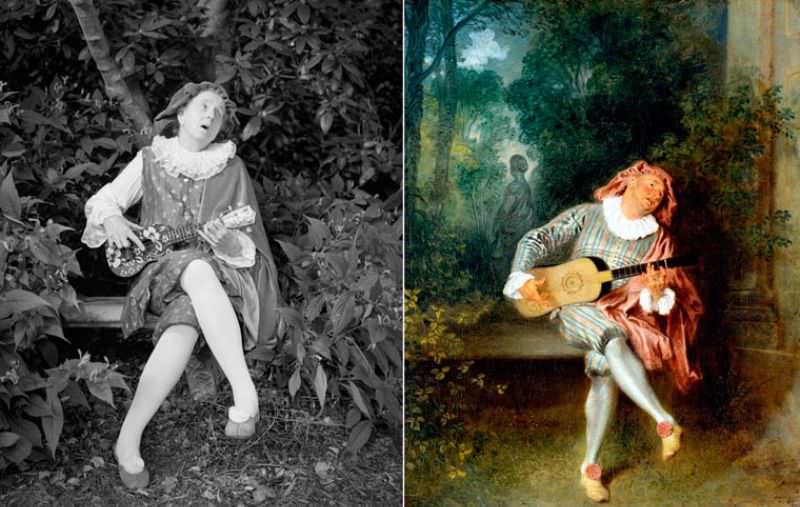
Across all thirteen recreations, what stands out is how much thought went into every detail — and how Hofstadter managed to keep the work feeling light even when the subject matter is heavy. Aging, visibility, and what it means to be a woman in a culture fixated on youth are not small topics. She addresses them not with a manifesto, but with a bowler hat, a pearl earring, and a very well-placed apple.