
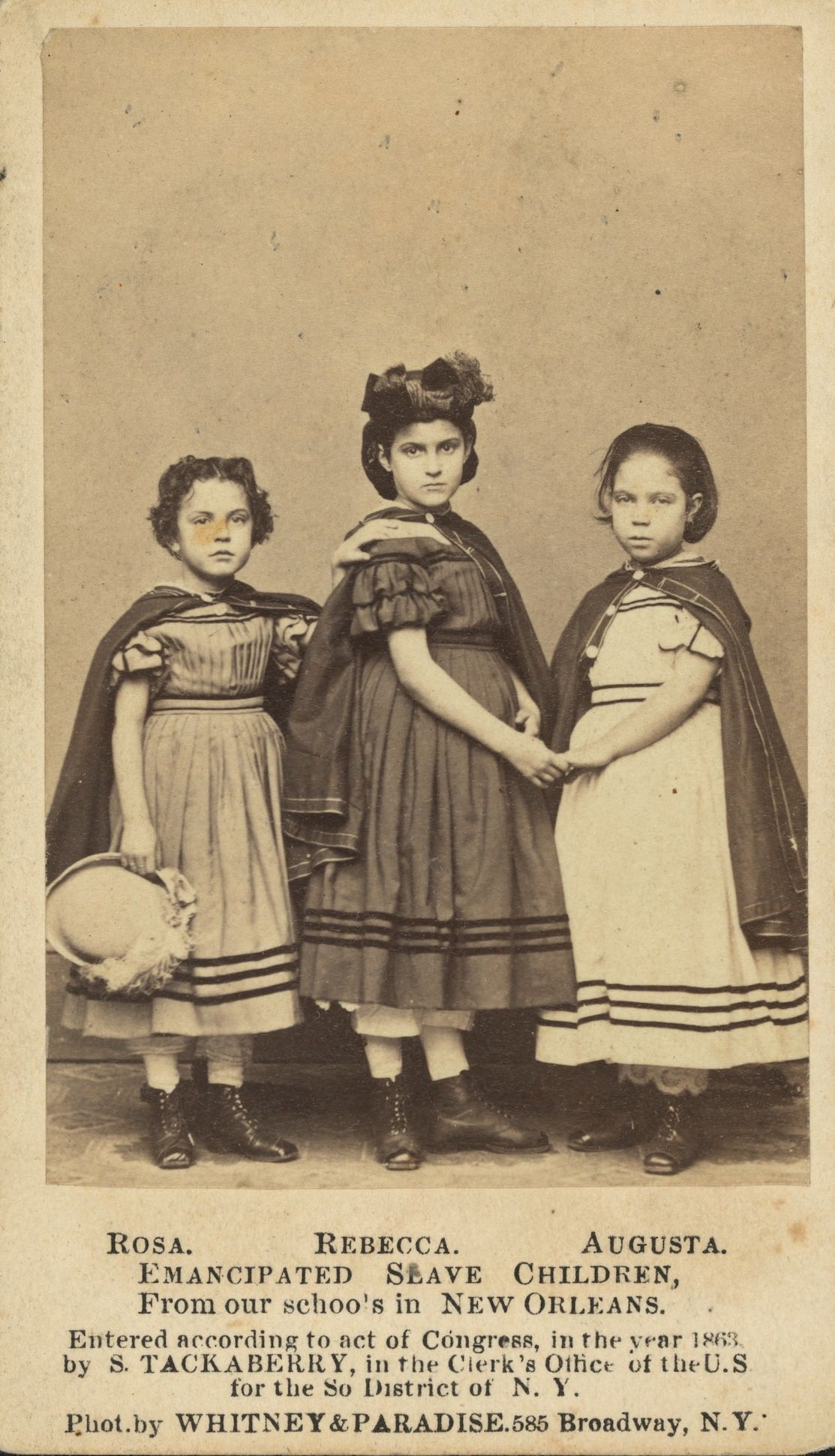
In 1863, a group of photographs taken in New Orleans made their way into Northern living rooms, church halls, and the pages of one of America’s most widely read publications. The subjects were children — some barely old enough for school. What made these images so striking to Northern audiences was that the children looked white. They were not. They were enslaved.
New Orleans, before and during the Civil War, held one of the largest and most complex enslaved populations in the South. Because of generations of sexual violence by white enslavers against Black enslaved women, a significant number of enslaved people in the city had very light skin. These individuals were still legally enslaved. Their appearance offered them no legal protection and no freedom. They were owned as property just like every other enslaved person.
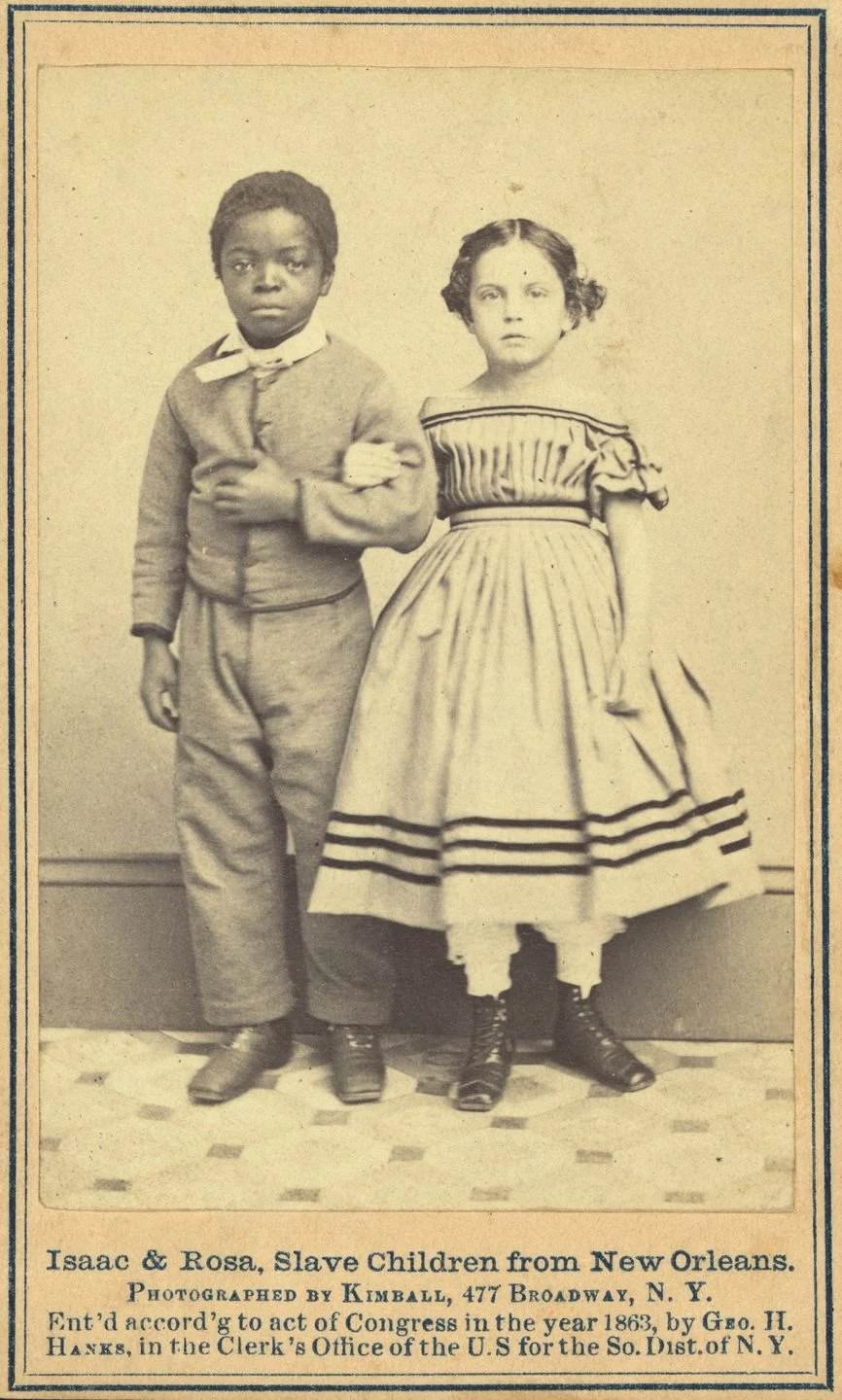
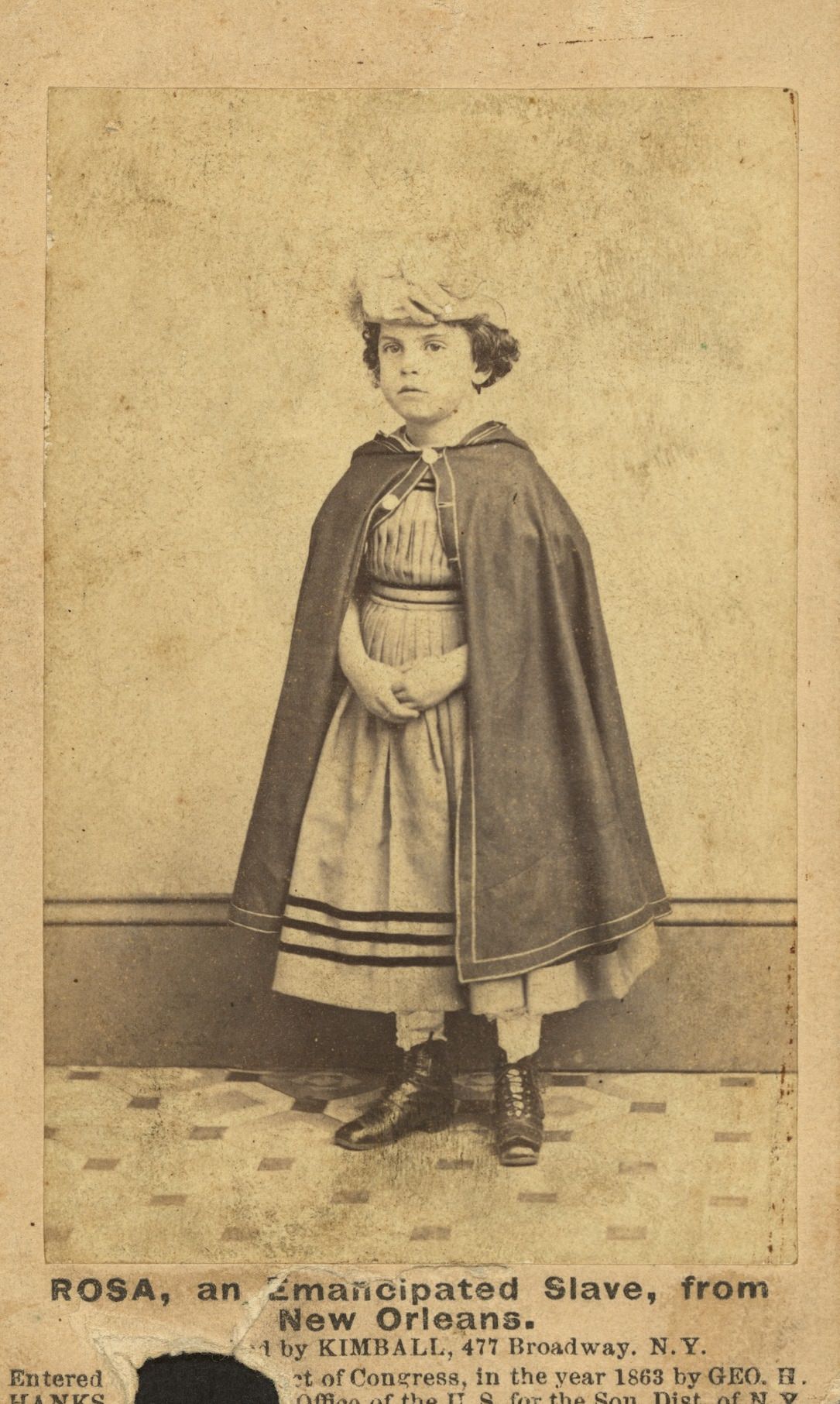
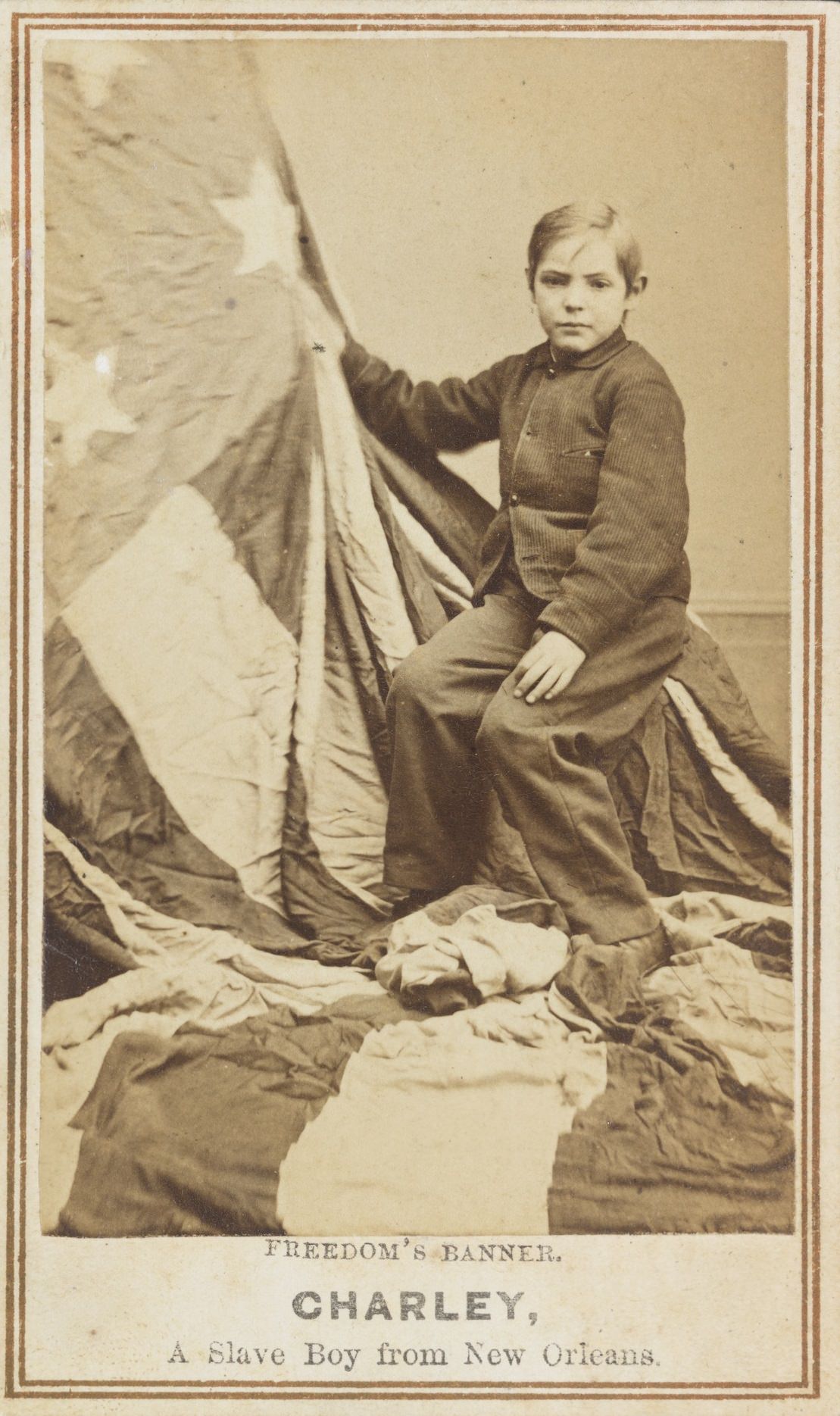
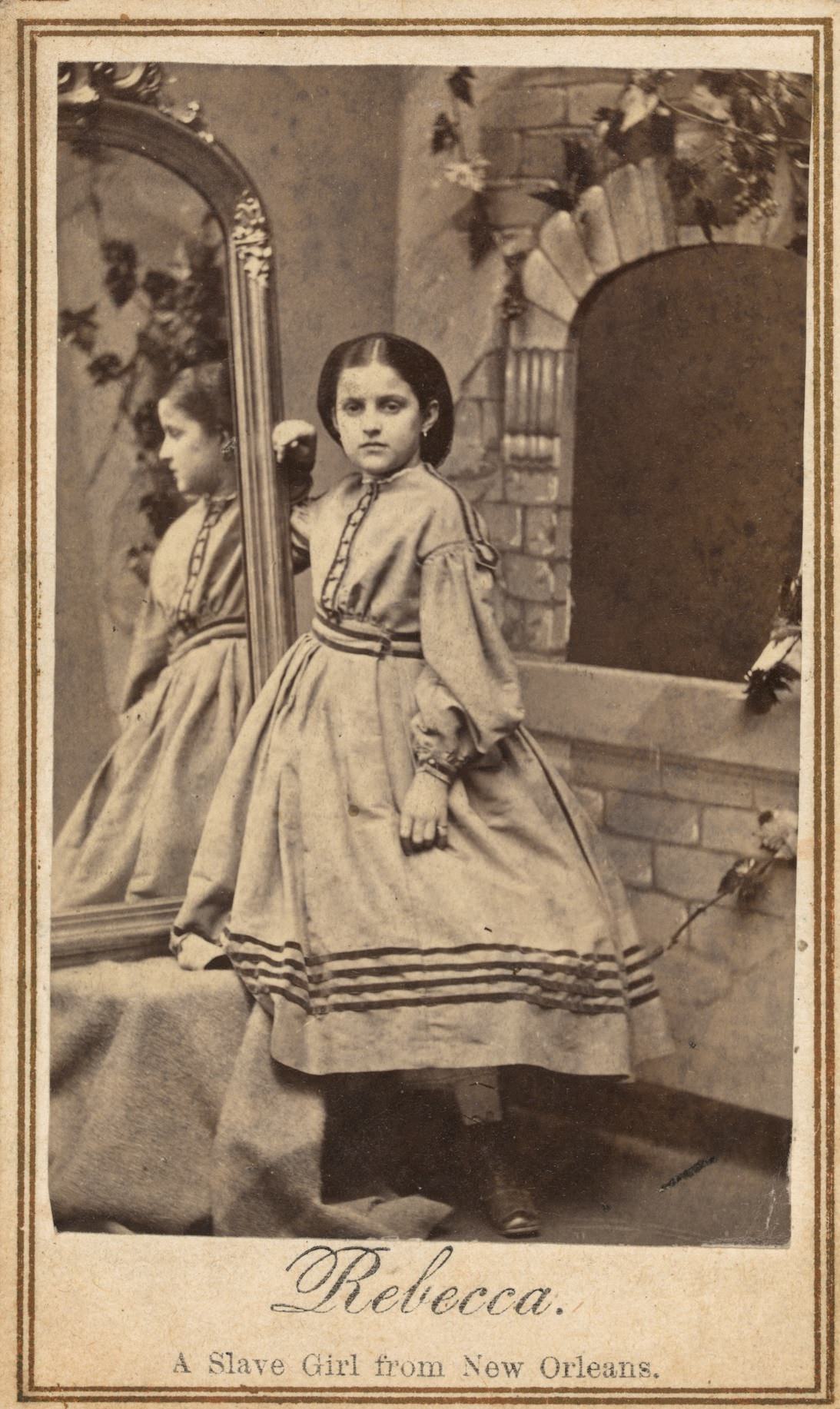
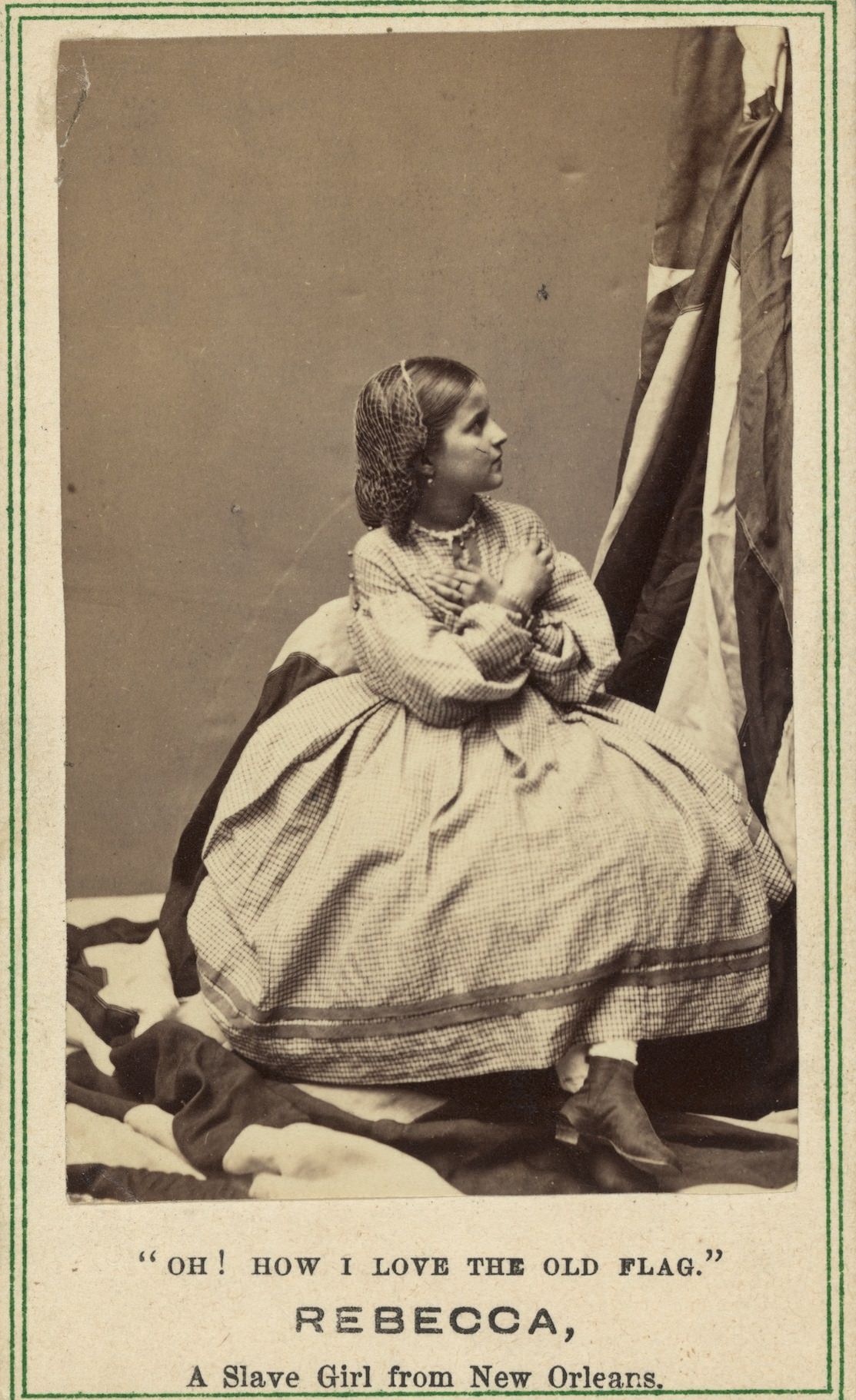
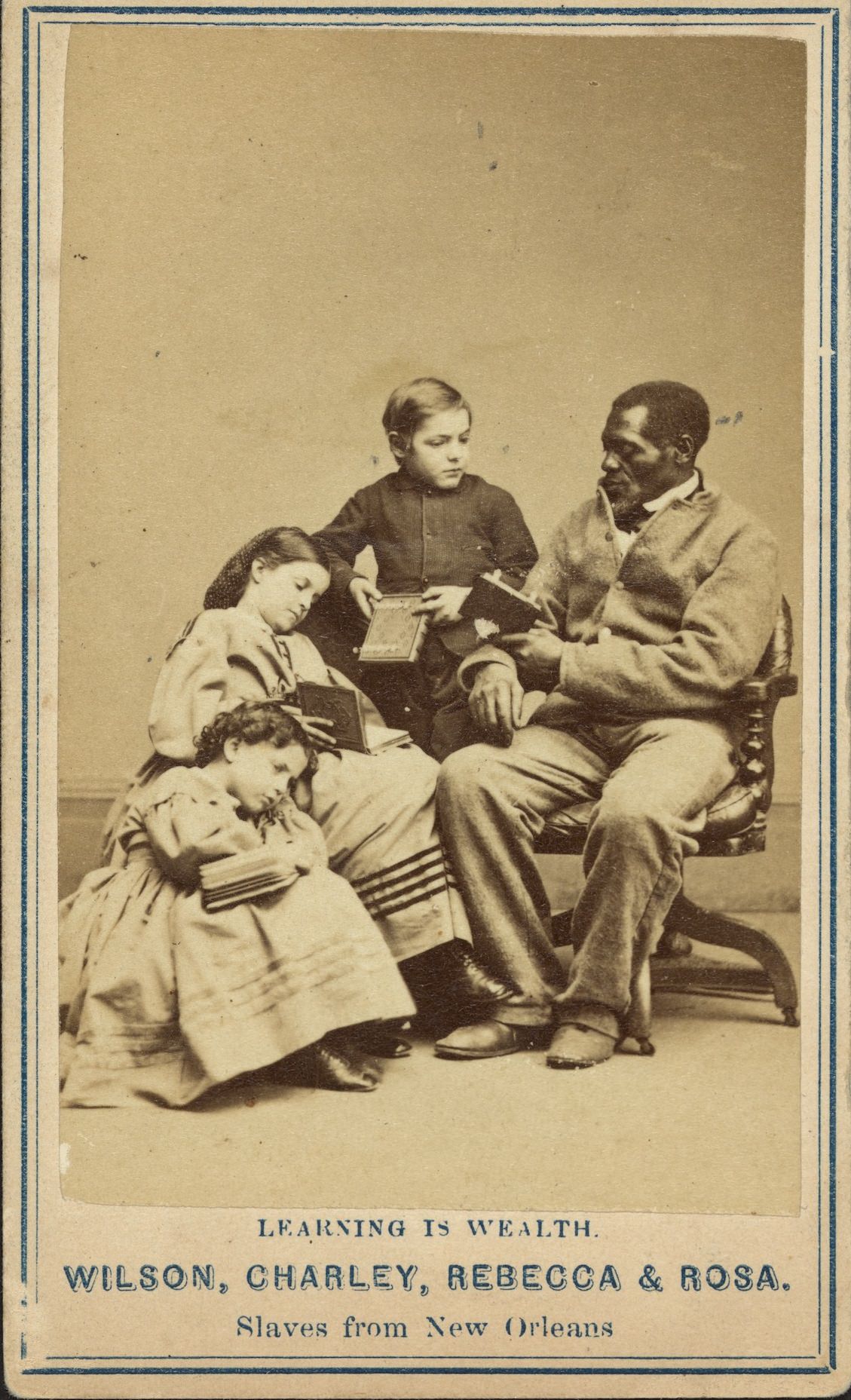
When Union forces captured New Orleans in April 1862, abolitionists and military officials saw an opportunity. They wanted to build stronger anti-slavery sentiment in the North, where many white citizens still felt detached from the realities of slavery. The plan was deliberate: photograph light-skinned enslaved children and circulate those images widely. The children chosen for these portraits were Rosa Downs, Fannie Lawrence, Rebecca Huger, and Charley Taylor.
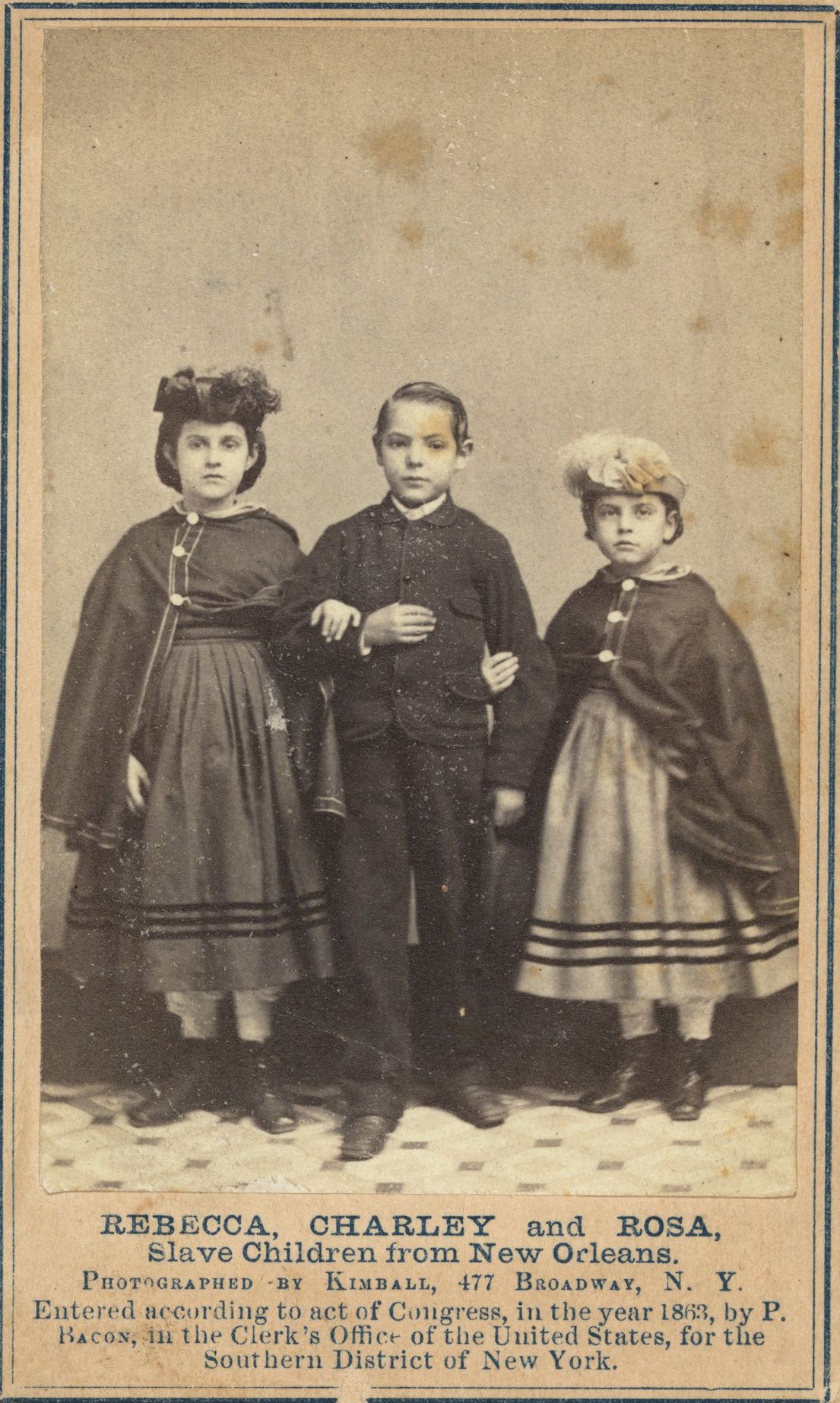
Each of these children was born to a white enslaver and an enslaved Black woman. Under the laws of the time, the status of the mother determined the status of the child. That meant these children, regardless of how they looked, were legally enslaved from birth. Their fathers owned them.
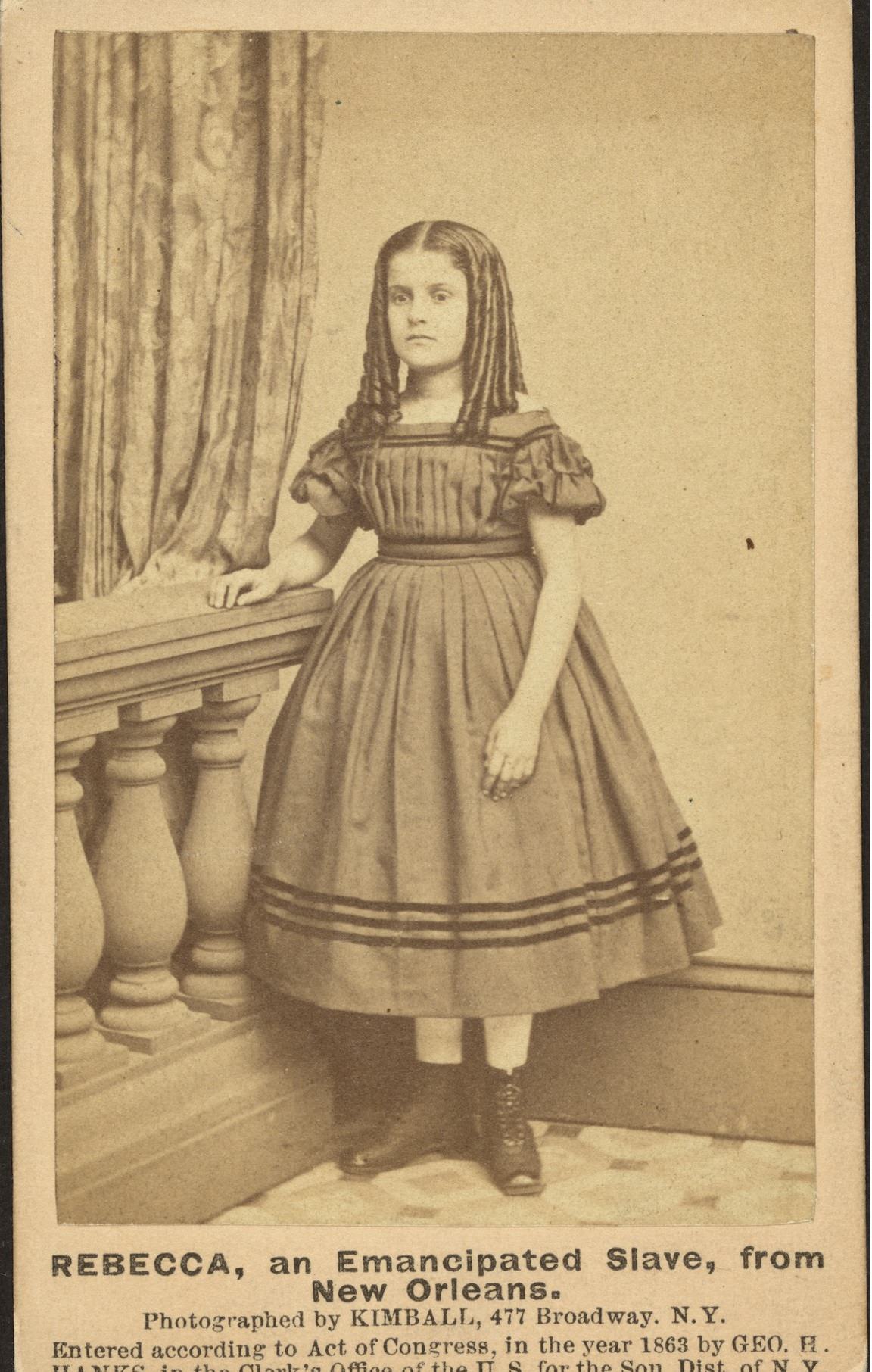
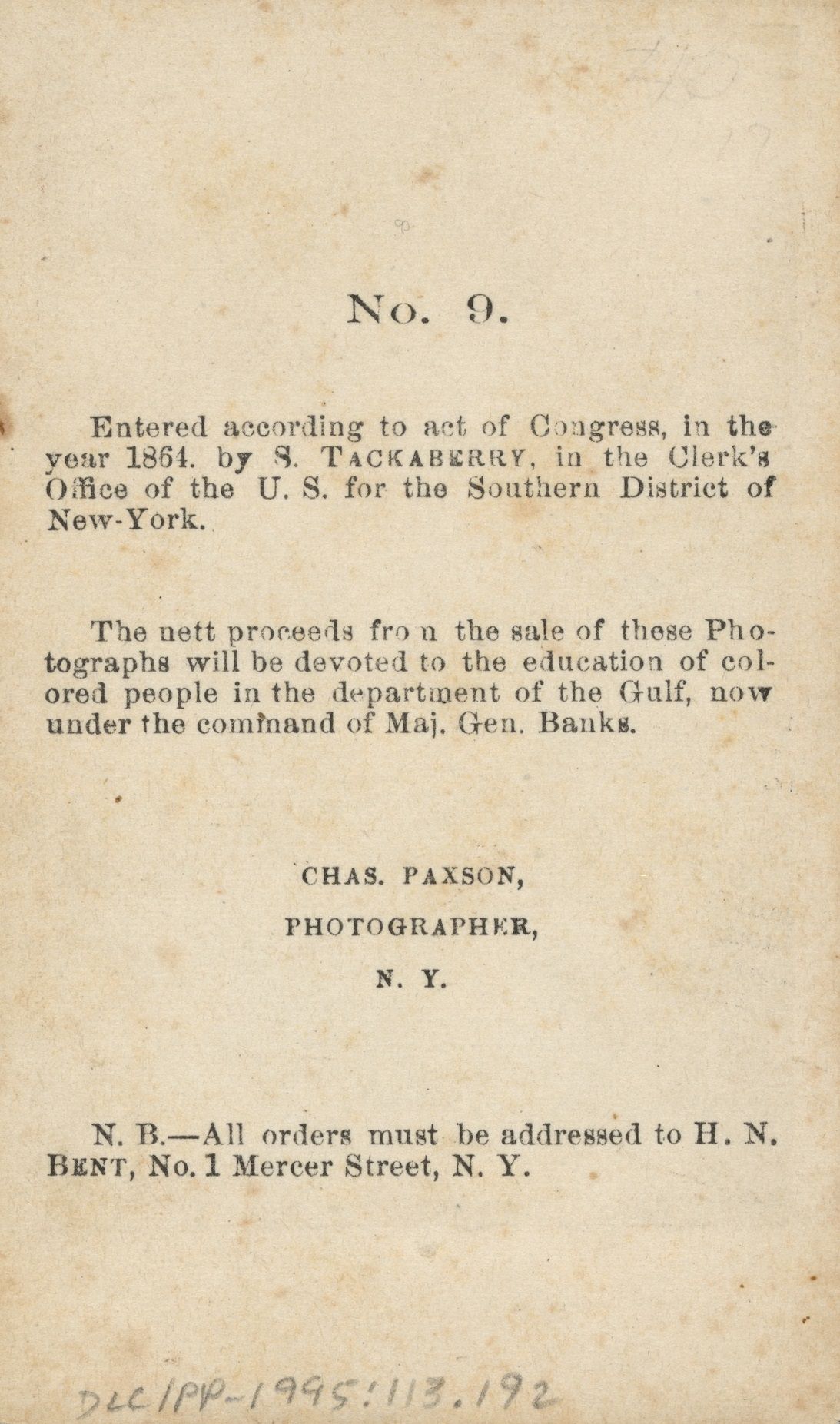
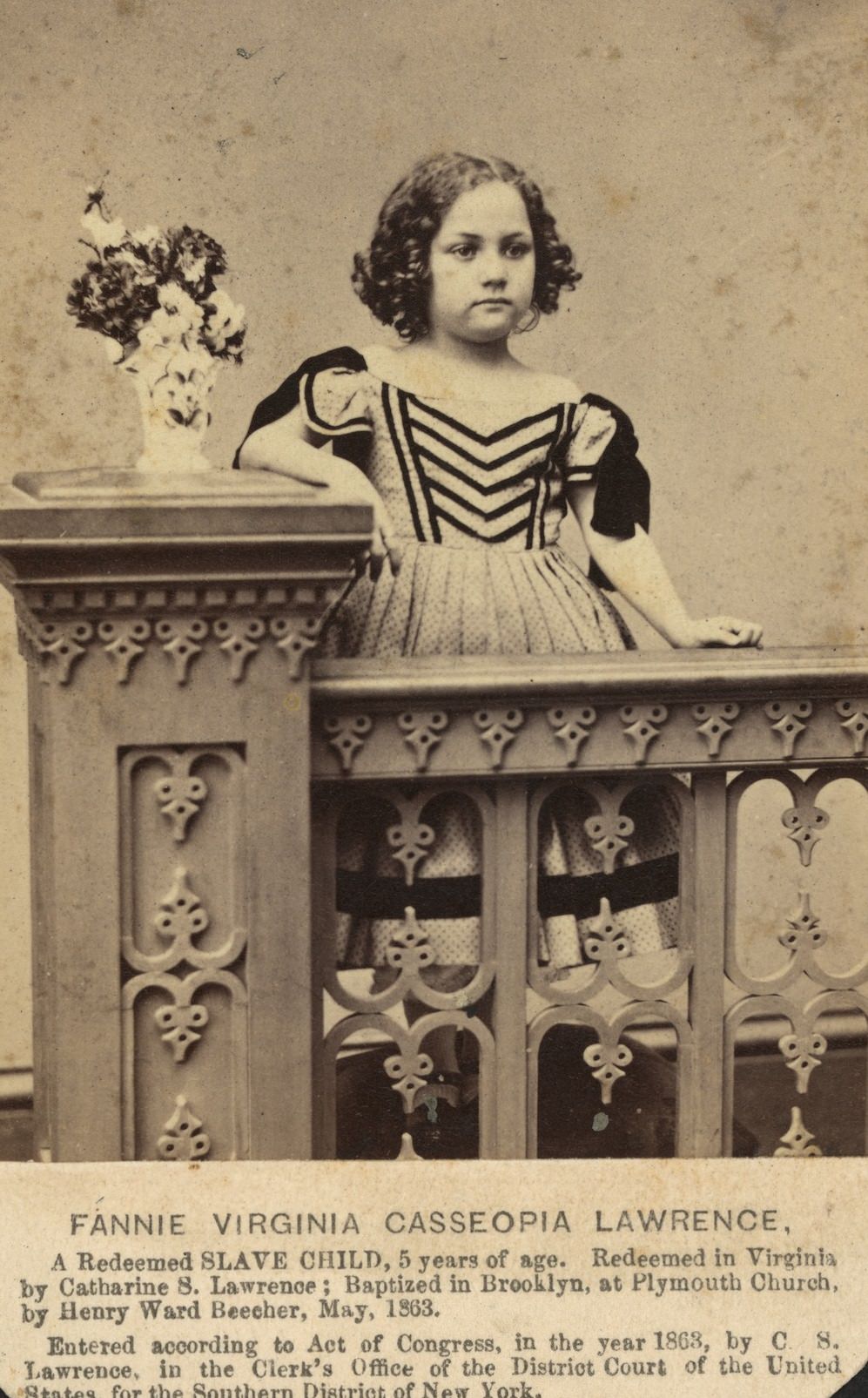
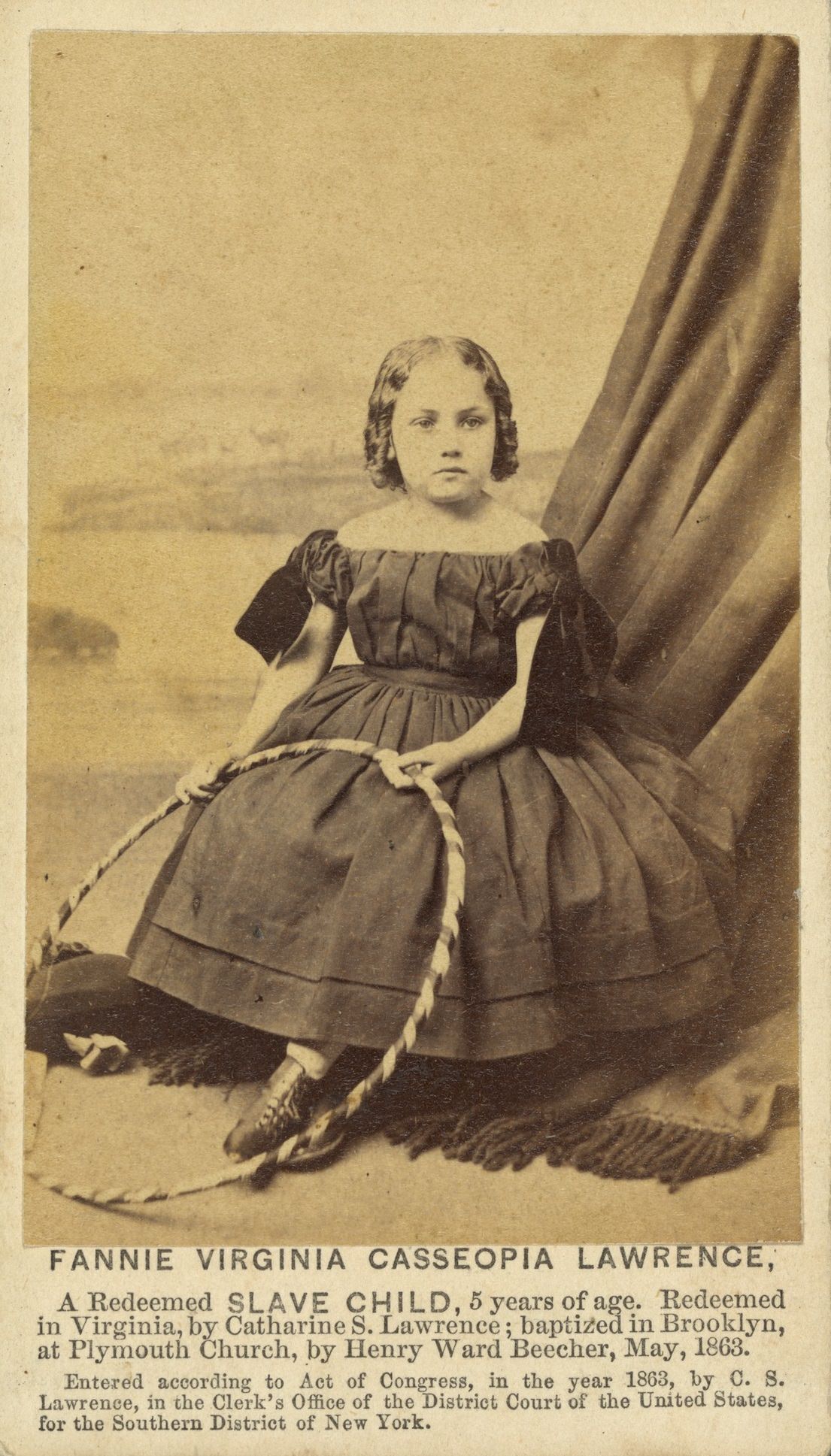
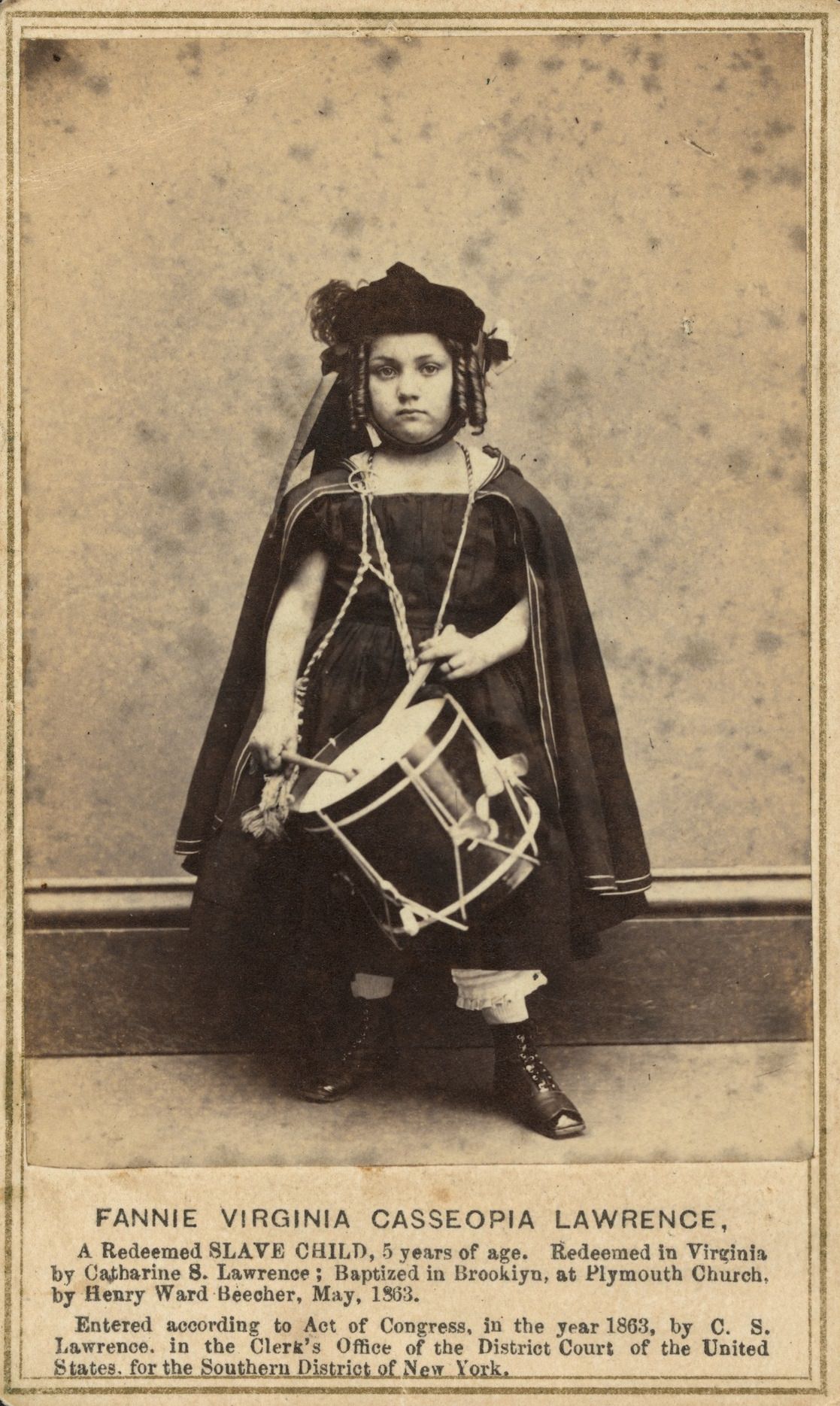
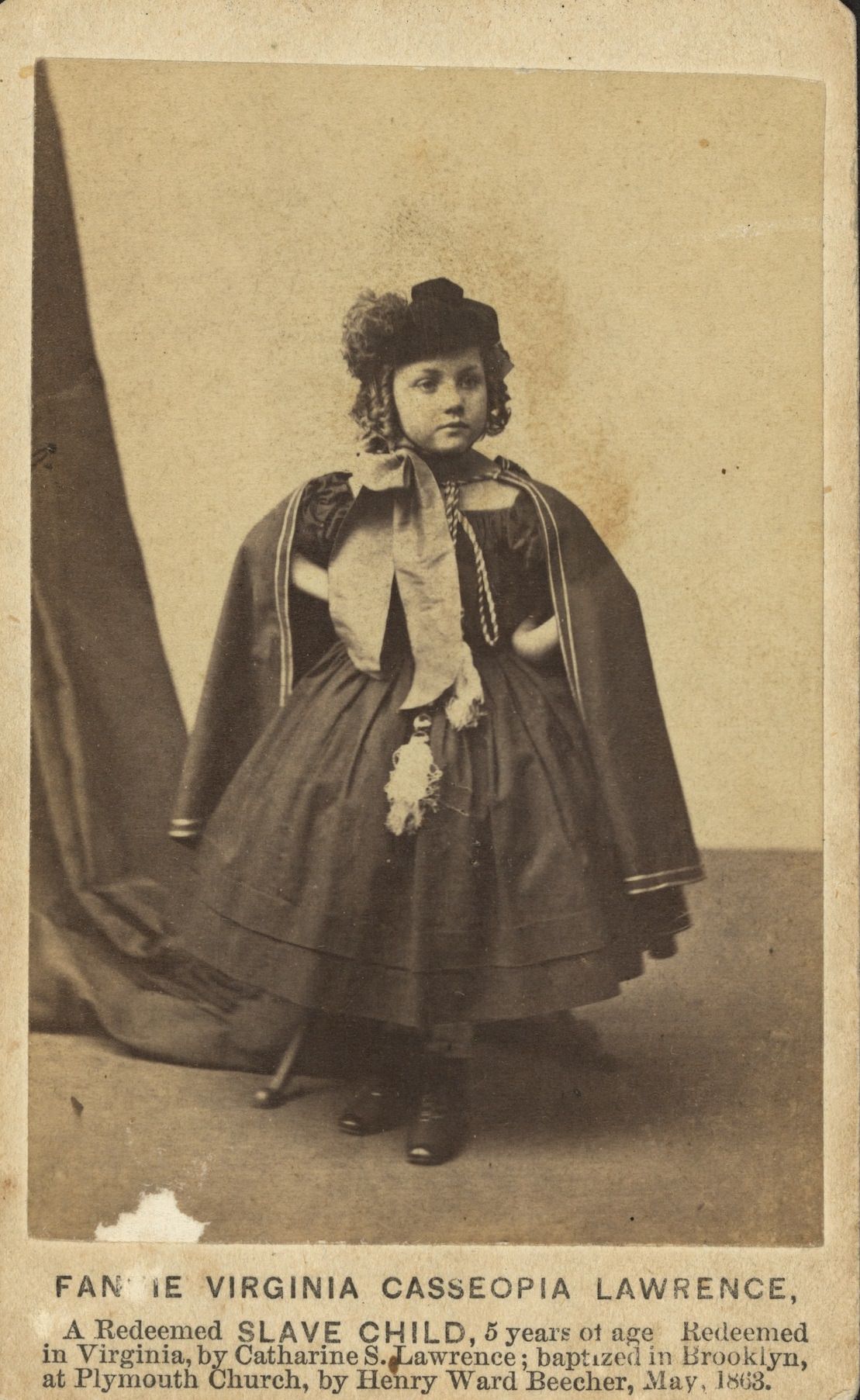
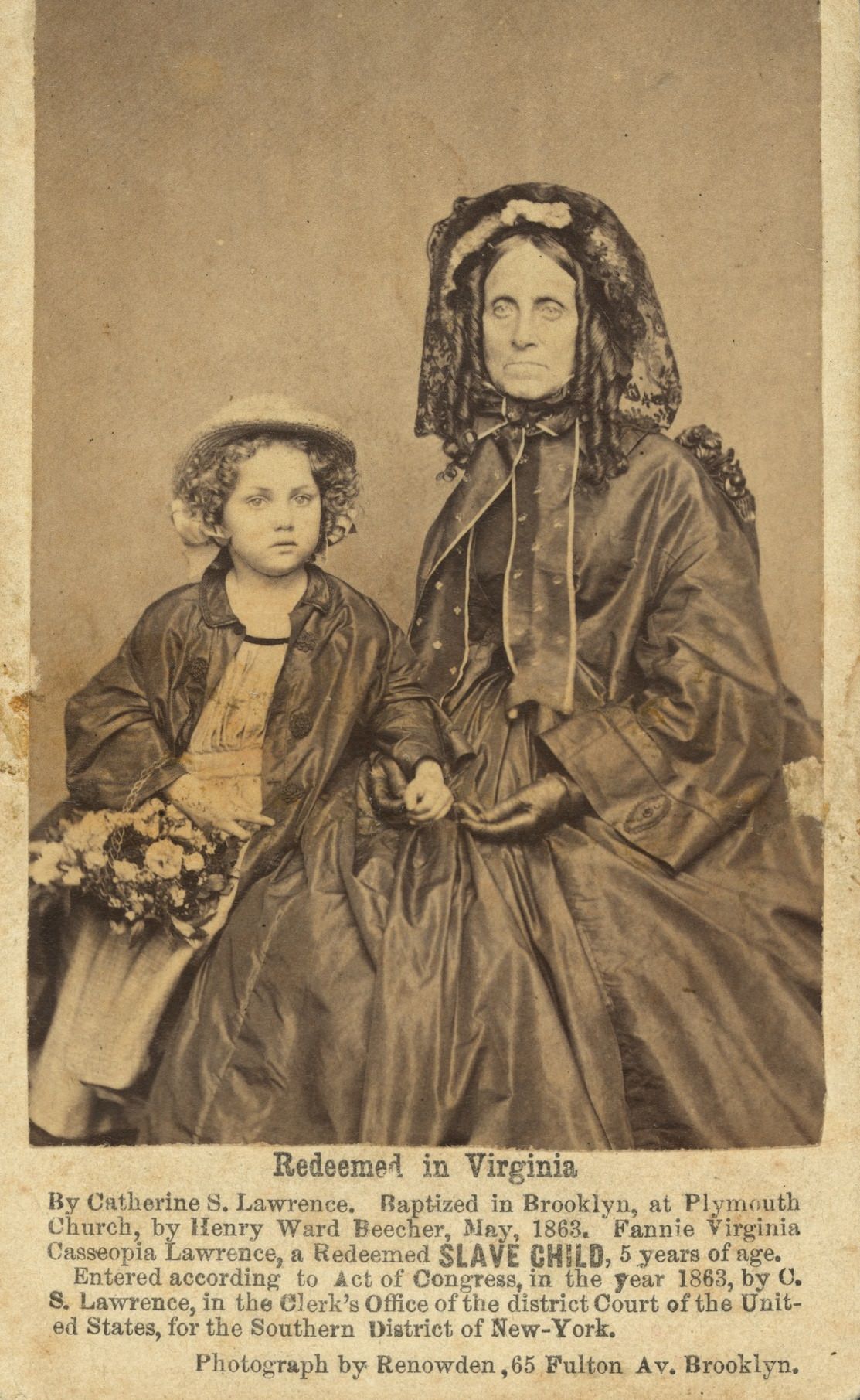
The portraits were taken by photographers working under the direction of Union officials and abolitionist organizations. The children were dressed neatly and photographed in a calm, composed manner. The images were then reproduced in two formats: as full-page illustrations in Harper’s Weekly magazine, and as cartes de visite — small, card-sized photographs that were extremely popular at the time and easy to share, collect, and distribute.
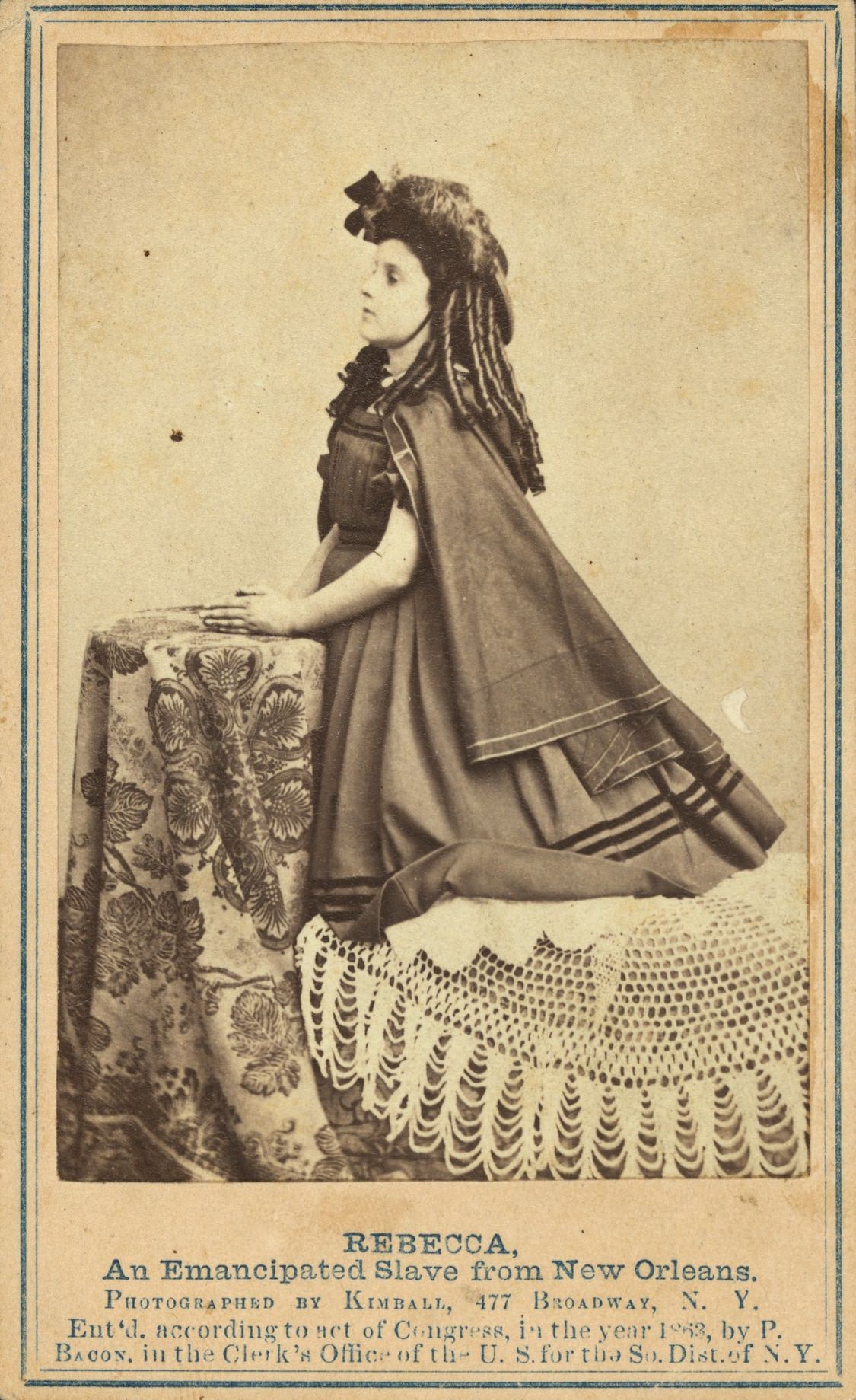
Harper’s Weekly ran the story in January 1864, featuring the portraits alongside text that described the children’s backgrounds and circumstances. The magazine reached hundreds of thousands of readers across the North. For many of them, this was the first time they had seen the face of an enslaved person who looked like their own child or neighbor.
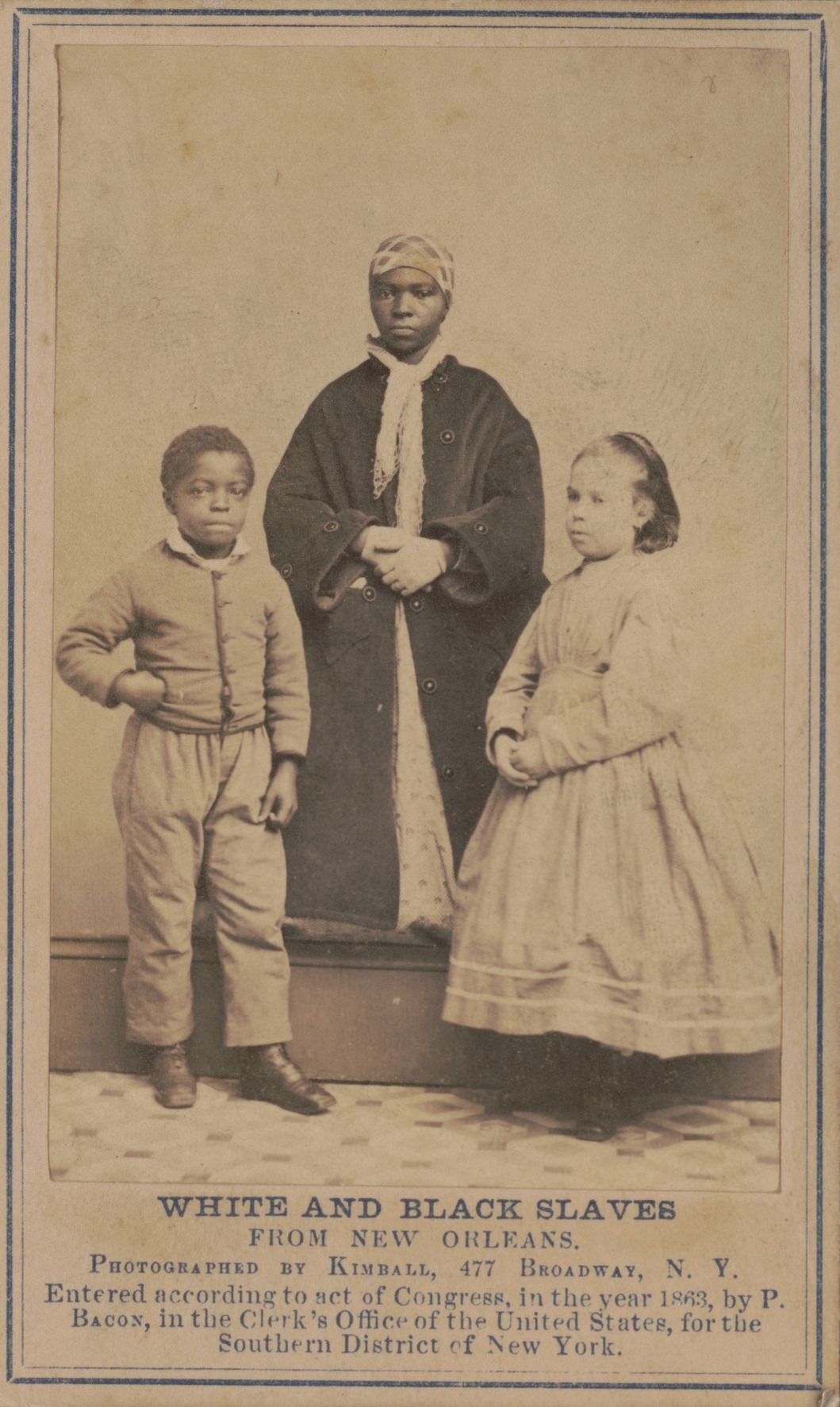
The selection of light-skinned children was not accidental. Union and abolitionist organizers made a calculated choice. They believed that white Northern audiences would feel more emotional connection to children who looked like them. The strategy was openly discussed at the time. The goal was to make slavery feel personal and immediate to people who had never experienced it and lived far from the South.
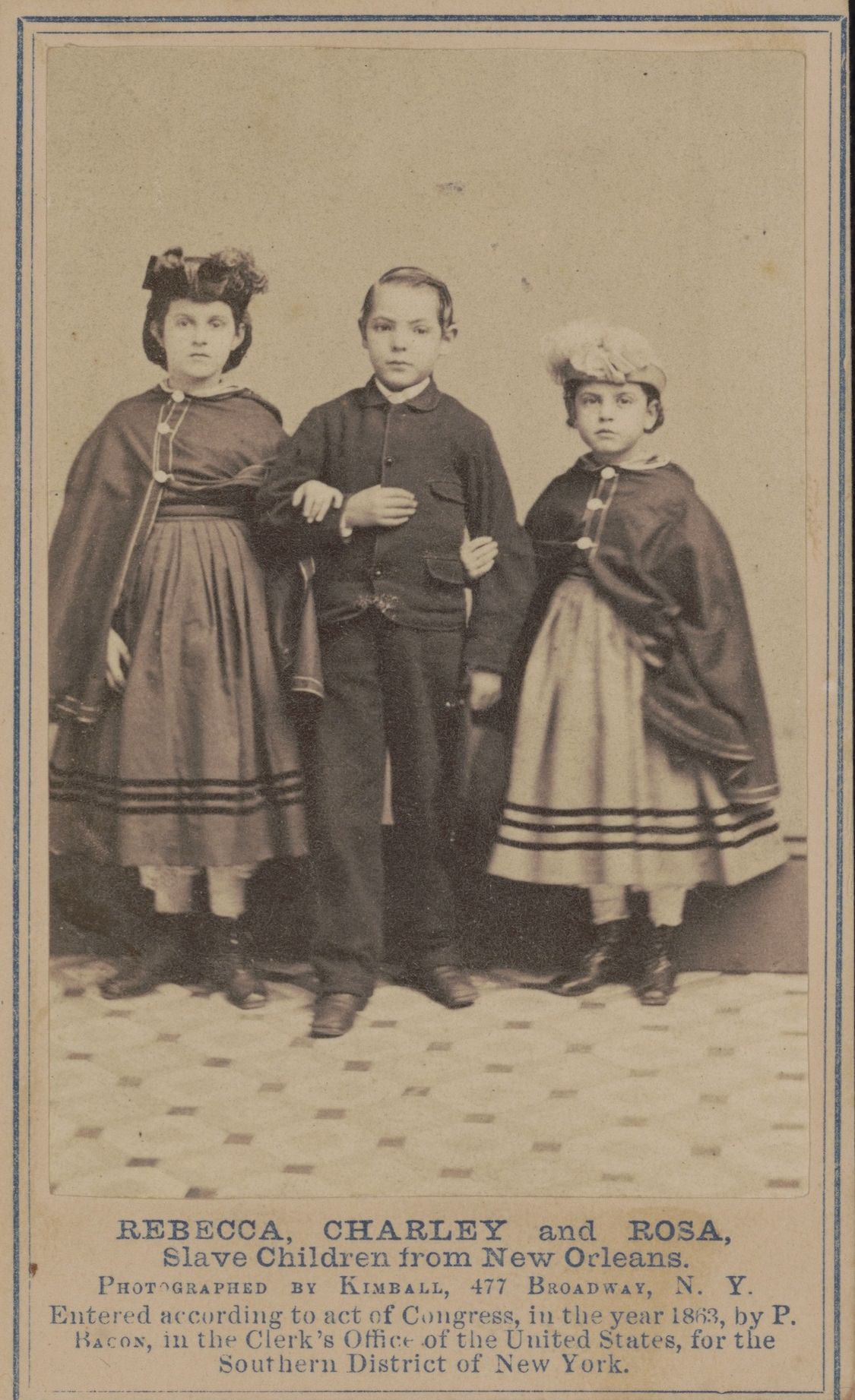
The cartes de visite were sold to raise money for freedmen’s aid organizations — groups that provided food, clothing, education, and shelter to formerly enslaved people who had escaped or been freed during the war. Buyers would pay a small amount for the photographs, and those funds went directly to supporting freed Black communities in the South.
Rosa Downs was one of the four children photographed. She was described in the accompanying text as having been enslaved on a Louisiana plantation. Her features were European, and her hair was light. Nothing about her appearance would have suggested to a Northern viewer that she was enslaved. That contrast was exactly what the organizers wanted to highlight.
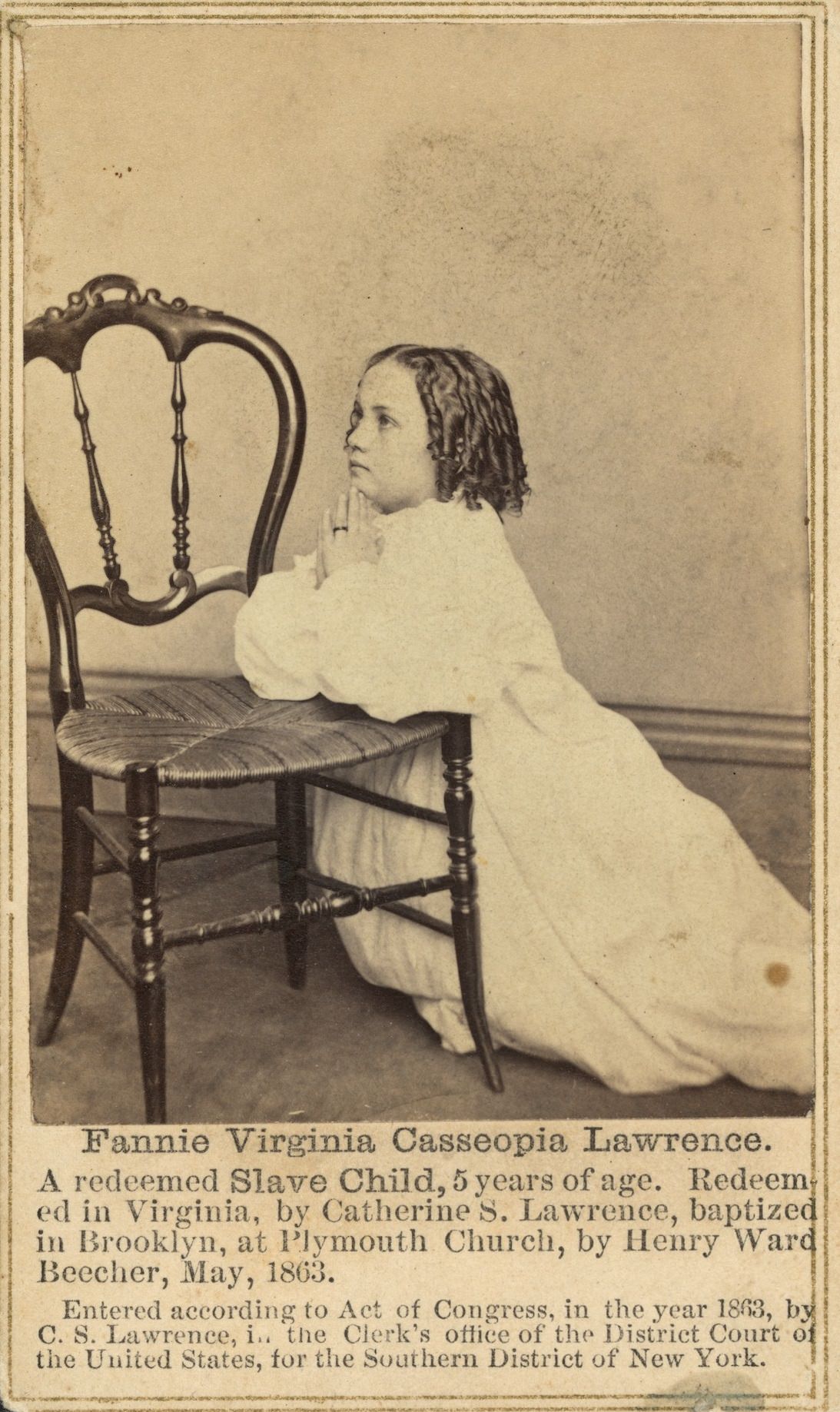
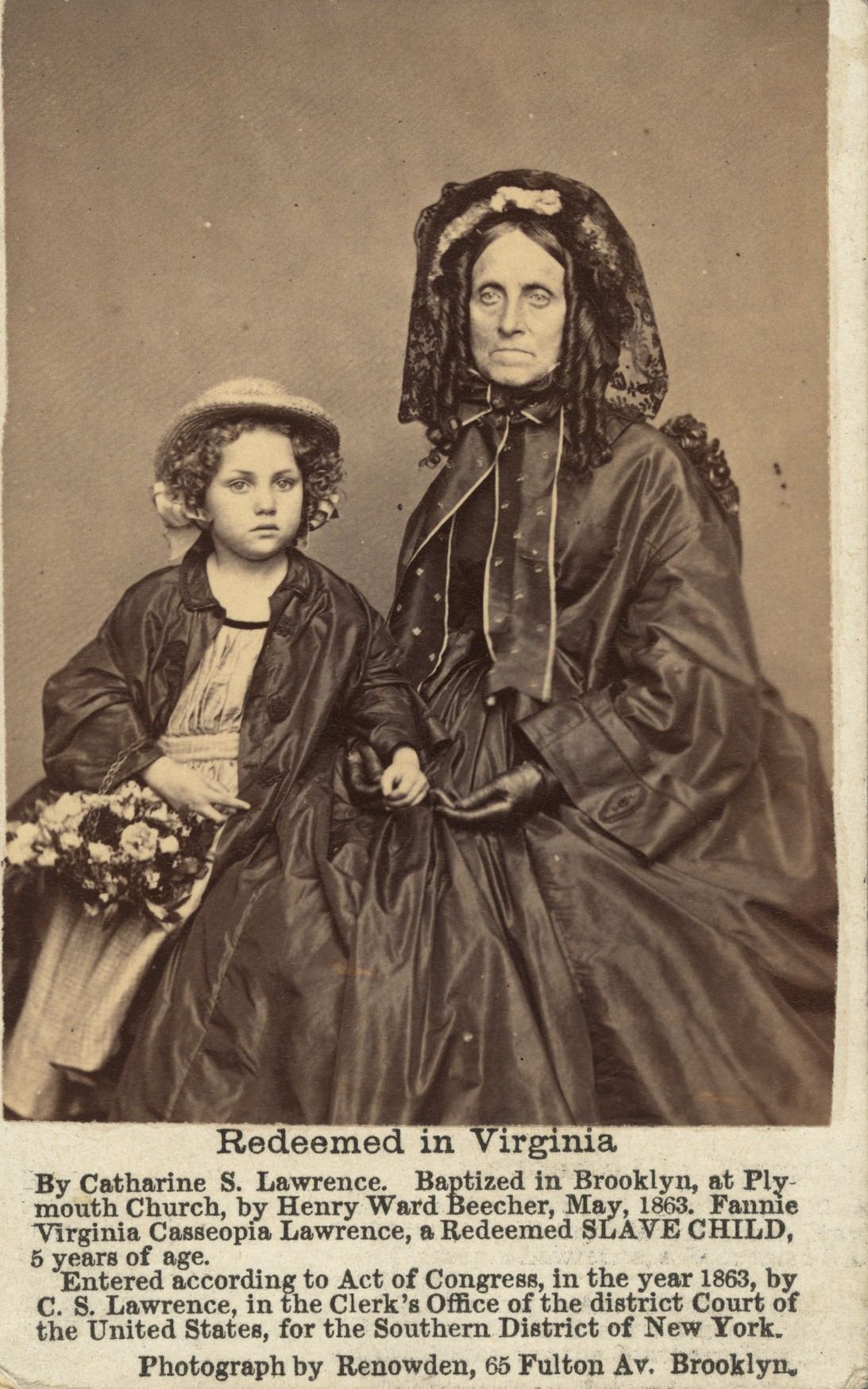
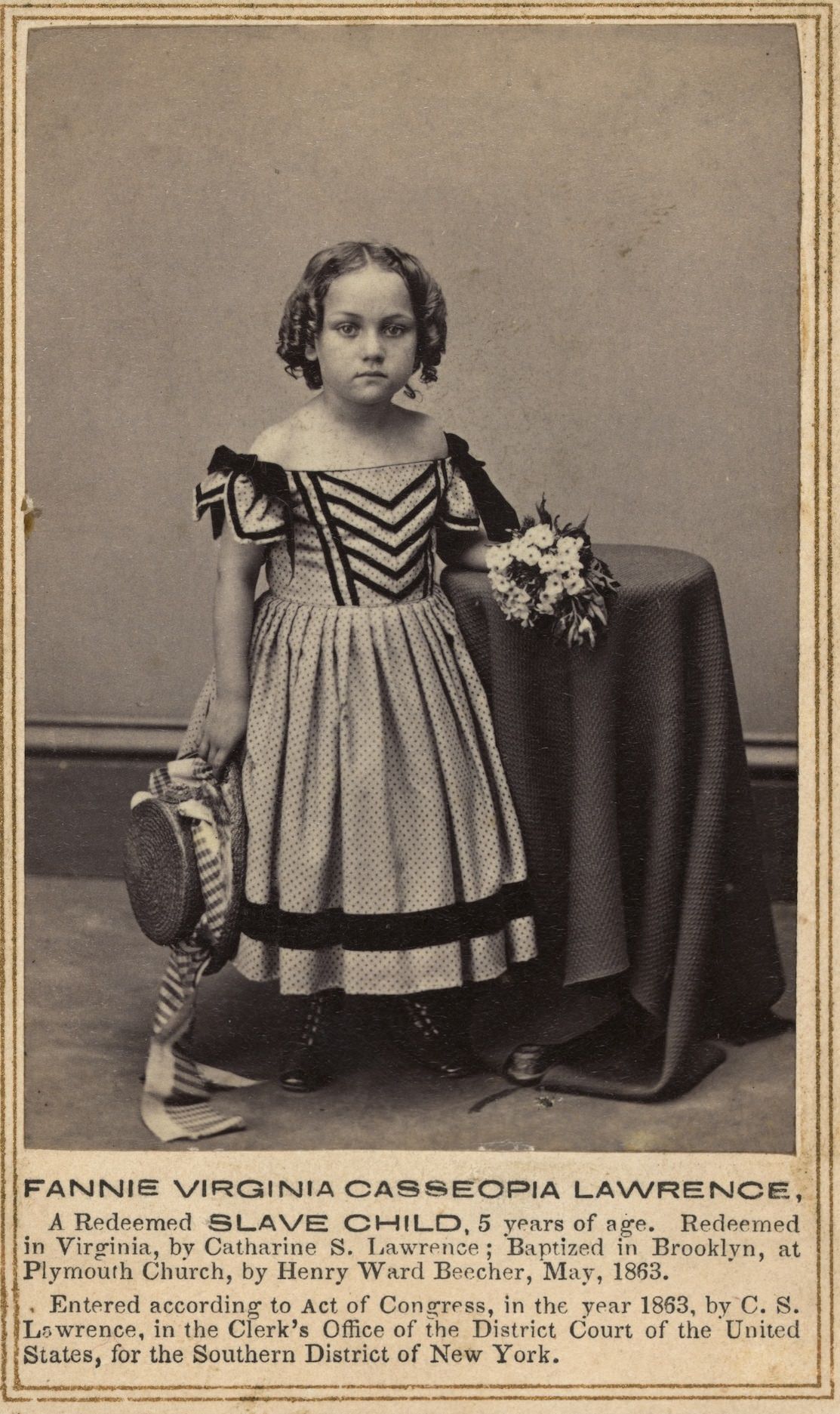
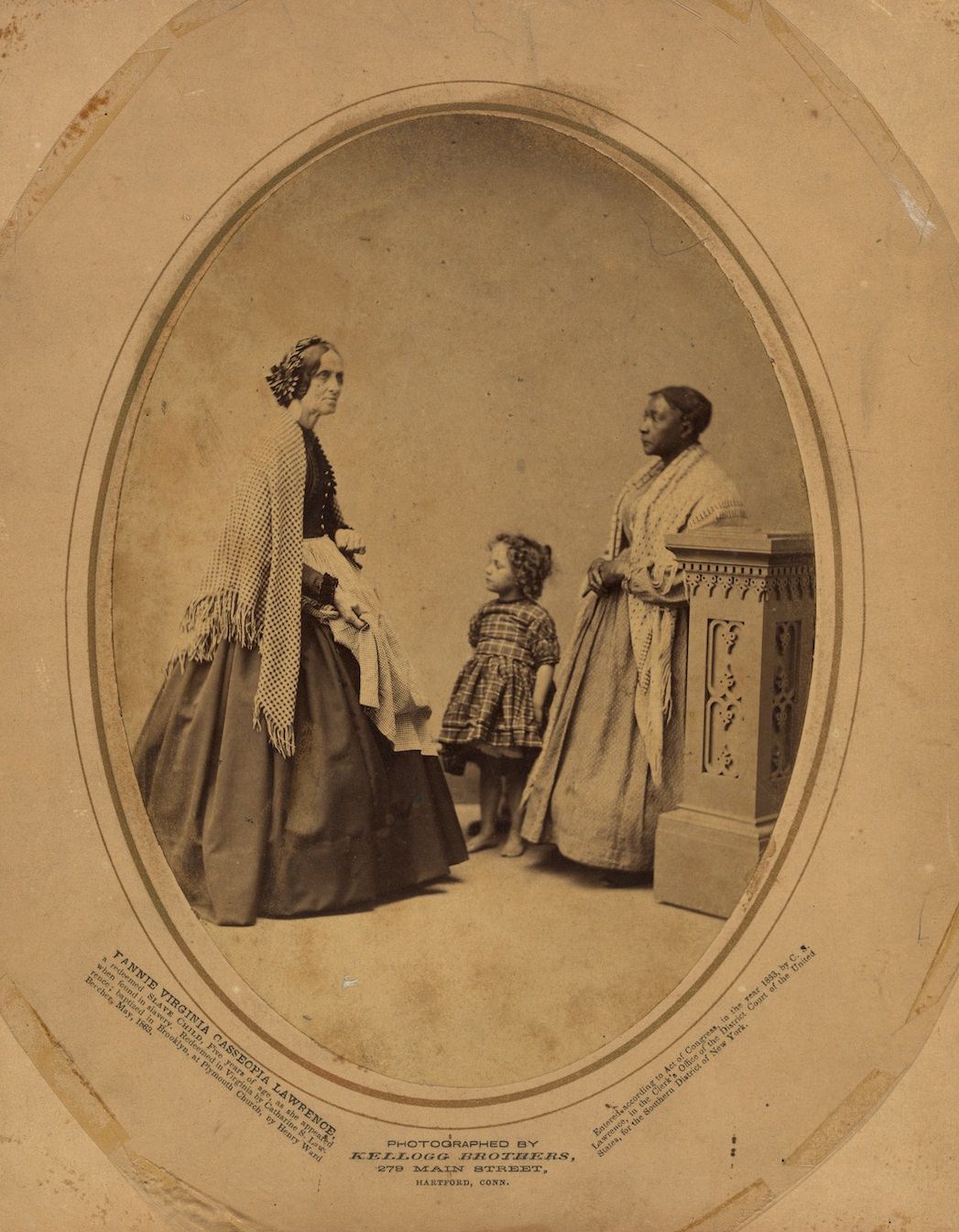
Fannie Lawrence was another child included in the campaign. Like Rosa, she had light skin and hair. Her story, as printed in Harper’s Weekly, described her life on a plantation and the conditions she lived under. These personal narratives were printed alongside the portraits to give readers context and to humanize children who might otherwise have been seen as distant statistics in a political debate.
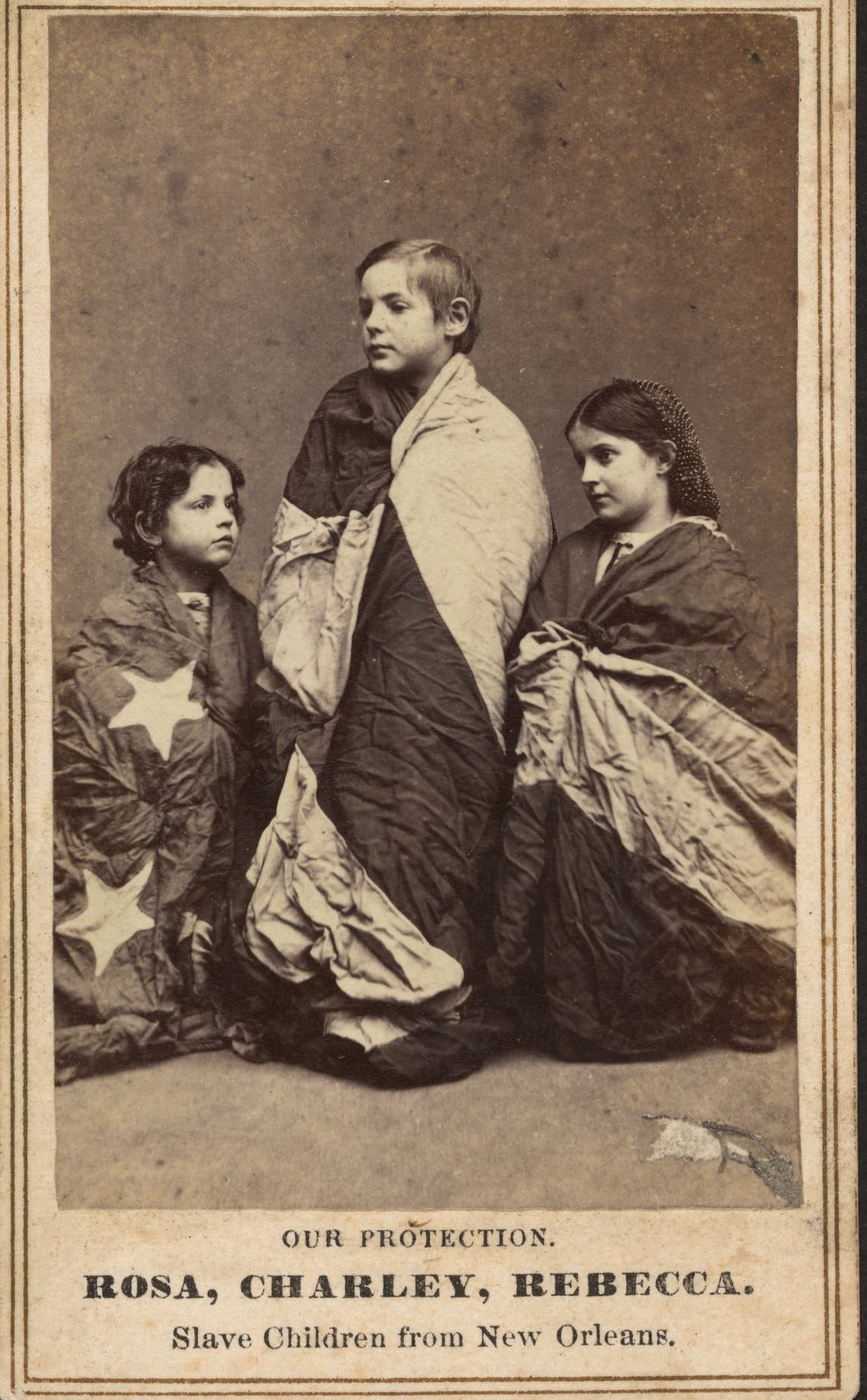
Rebecca Huger’s photograph became one of the most reproduced images of the group. She was around eight years old at the time of the photograph. Her father was her enslaver. Her mother was an enslaved Black woman on the same property. Rebecca was brought to Philadelphia after the Union occupation of New Orleans and enrolled in a school for freed children.
Charley Taylor was the youngest of the four named children. He was described in the Harper’s Weekly article as being approximately five years old. His blond hair and pale complexion were emphasized in both the image and the written description. The article noted that without any prior knowledge, no viewer would identify him as enslaved.
The photographic campaign was part of a broader effort by abolitionist groups to use new media technologies — photography and mass-print journalism — to shift public opinion. Before the 1860s, most Americans had never seen a photograph of an enslaved person. These portraits were among the first widely distributed images that put individual enslaved people in front of a mass Northern audience.
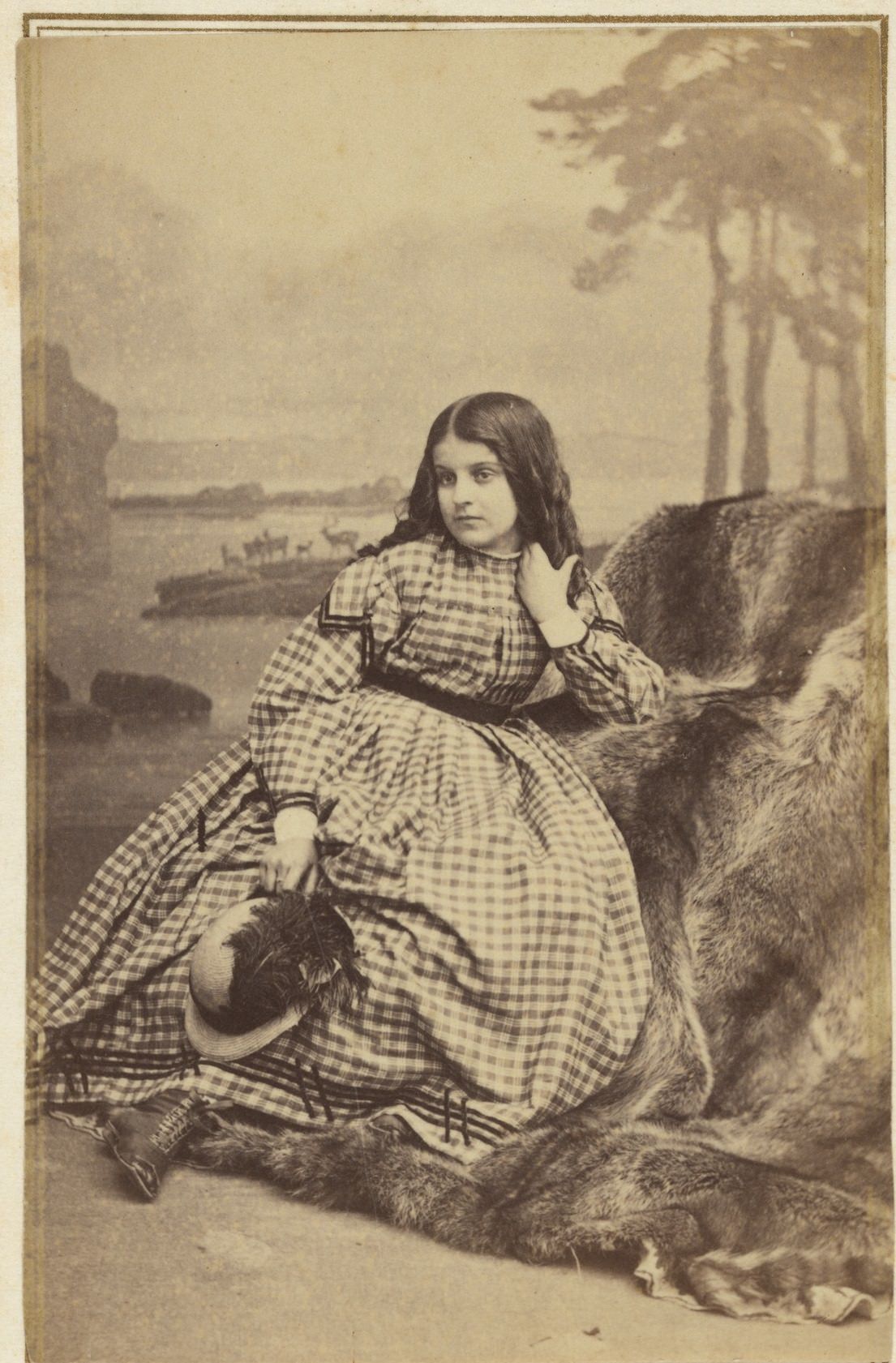
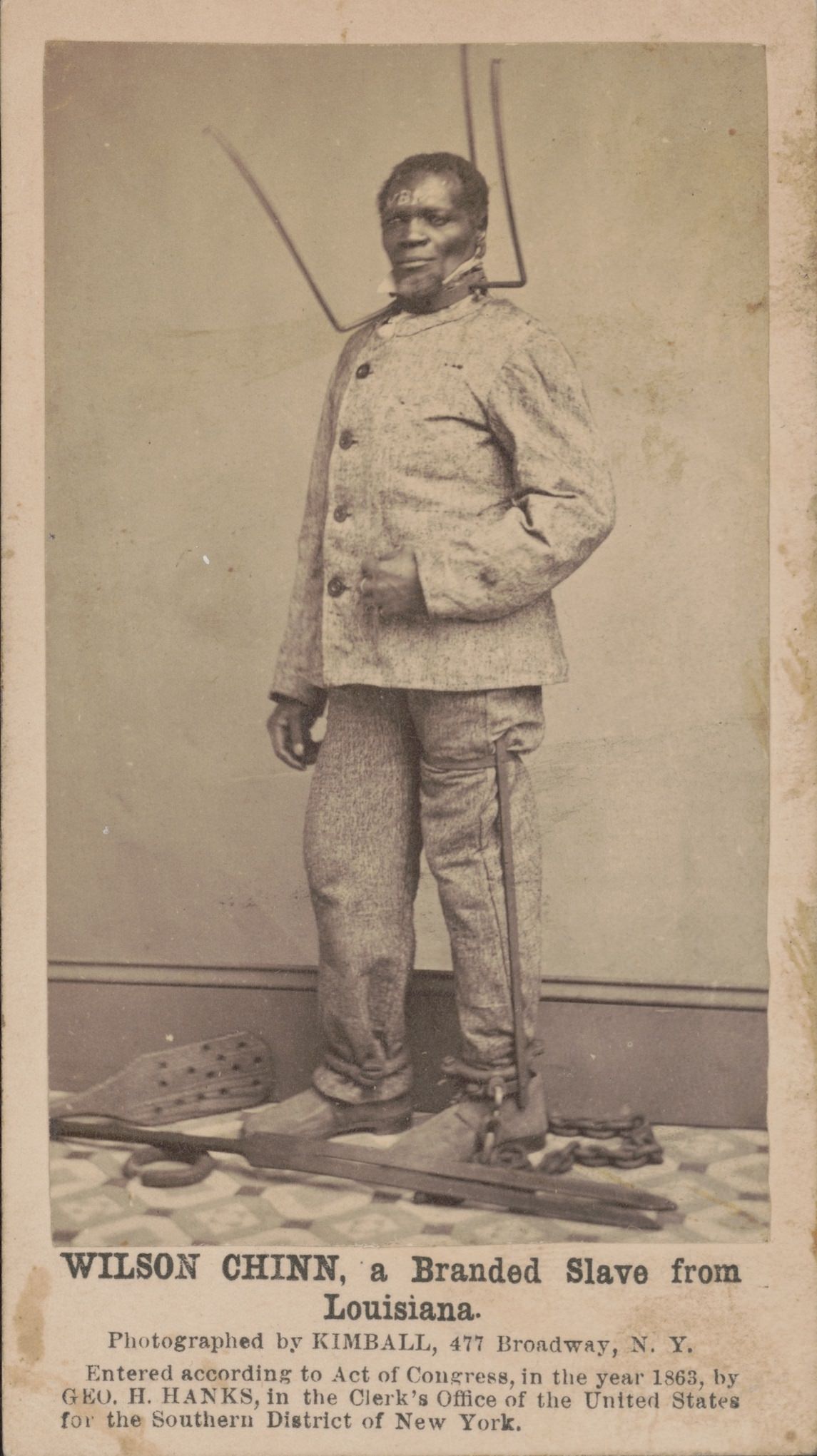
The children were not the only light-skinned enslaved individuals brought north for this purpose. Several adults were also photographed and their images distributed. However, the children drew the most attention and generated the most public response. Letters published in Northern newspapers at the time described readers being shocked and moved by the photographs.
Critics of the campaign, even at the time, pointed out the inherent problem with the strategy. By focusing on light-skinned enslaved people to provoke empathy, the organizers were, whether they intended to or not, suggesting that the suffering of darker-skinned enslaved people was less worthy of attention. The hundreds of thousands of enslaved Black Americans who did not look white were just as enslaved and just as deserving of freedom.
That criticism did not stop the campaign. The images were widely distributed through 1863 and into 1864. Freedmen’s aid societies across the North used them in fundraising drives and public lectures. Some churches displayed the photographs during services. The cartes de visite were sold at fairs, bazaars, and through the mail.
The photographs also appeared in newspapers beyond Harper’s Weekly. Several regional publications reprinted the images or described them in detail. The story of these children reached audiences in cities, small towns, and rural communities across the Northern states.
The children in these photographs lived within a specific legal and social system that defined them entirely by their mother’s status. Louisiana, like all slave states, followed the legal principle of partus sequitur ventrem — a Latin phrase meaning the offspring follows the condition of the mother. This law ensured that even a child fathered by a white enslaver was born into bondage.
New Orleans had a particularly large population of people with mixed racial ancestry, many of whom lived within a three-tiered social system that distinguished between white, free people of color, and enslaved Black people. But legal status was not always tied to appearance. A person could look entirely white and still be legally enslaved if their mother had been enslaved.
The sexual violence that produced children like Rosa, Fannie, Rebecca, and Charley was systematic and common throughout the slave states. Enslaved women had no legal standing to refuse their enslavers. Any child born from these assaults became the legal property of the enslaver — sometimes their own biological father.
After Union forces occupied New Orleans, a large number of formerly enslaved people came under the protection of the army. Many were put to work for wages for the first time. Others were placed in contraband camps — facilities run by the Union Army that housed freed and escaped enslaved people. Conditions in these camps varied widely, and overcrowding and disease were constant problems.
The children photographed in 1863 were part of a group brought north to be educated. Several freedmen’s aid organizations, including the National Freedman’s Relief Association, took responsibility for their schooling and housing. The children were enrolled in schools in Philadelphia and other Northern cities.
The Harper’s Weekly feature ran in January 1864 under the title “Emancipated Slaves, White and Colored.” The article described each child’s background in careful detail, naming their former enslaver and describing the plantation or household where they had lived. The language of the article was designed to draw a clear and direct line between slavery as a legal institution and the children pictured on the page.
The photographer responsible for many of these images was Myron Kimball, a New York-based photographer who worked with the freedmen’s aid organizations to produce the portraits. Kimball’s studio produced both individual portraits and group compositions. The cartes de visite he produced were sold in sets and individually.
The abolitionist movement had used printed images and pamphlets for decades before photography made it possible to put actual faces in front of the public. Organizations like the American Anti-Slavery Society had long relied on written testimonies, woodcut illustrations, and public lectures. The photographs of 1863 represented a shift to a more direct and immediate form of evidence.
The Emancipation Proclamation had taken effect on January 1, 1863, declaring enslaved people in Confederate states to be free. But the Proclamation was a wartime measure and did not immediately free anyone — it required Union military control to be enforceable. The campaign featuring these children’s portraits was timed to support the momentum behind emancipation and to press for stronger federal action.
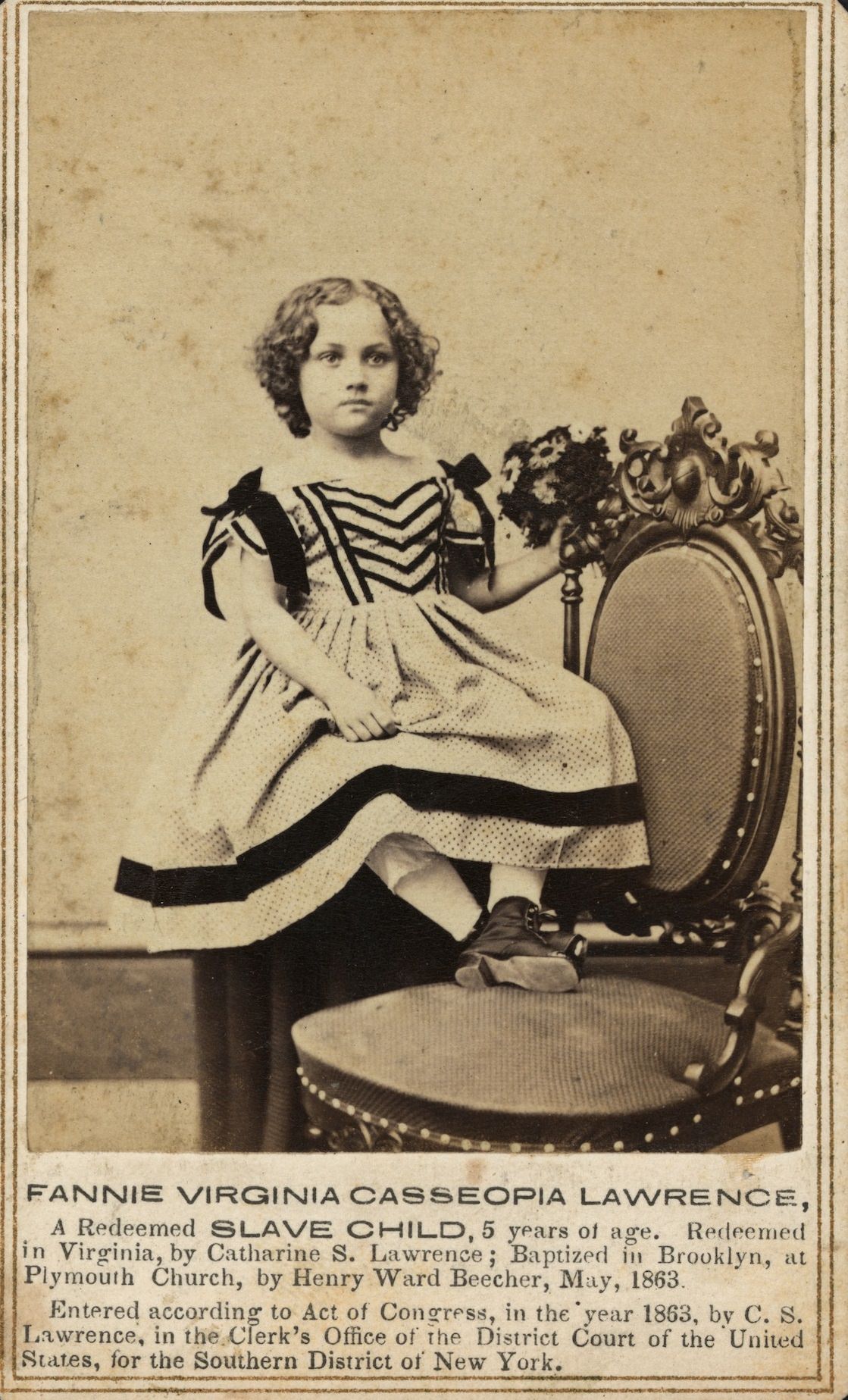
Fundraising from the sale of cartes de visite featuring these children generated thousands of dollars for freedmen’s aid work. The money paid for school supplies, teachers’ salaries, food rations, and clothing in camps and settlements across the South. The images were, in a direct and measurable way, converted into material support for freed people.
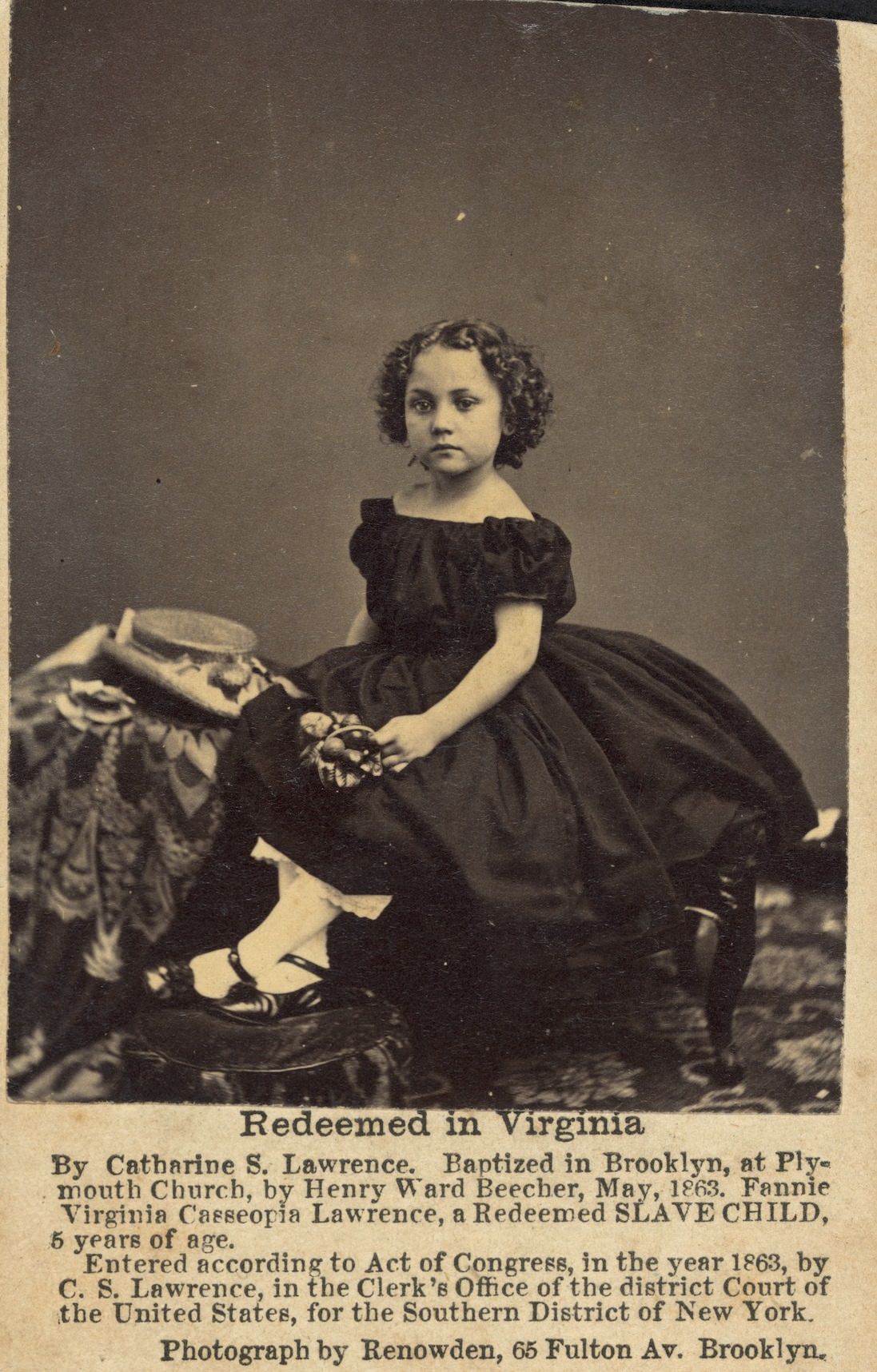
These portraits remain among the most studied photographs from the Civil War era. They document not only the faces of four specific children, but also the methods used by the abolitionist movement to communicate its cause to the public. They show how photography was used as a political tool at a moment when the country was deciding the future of slavery — and they show the children who were placed at the center of that effort, with no say in the matter themselves.





OF COURSE THE BLACKS WON’T SHARE THIS, THEY WOULD NEVER ADMIT THERE WERE WHITE SLAVES, JUST LIKE THEY’D NEVER ADMIT THERE WERE BLACK SLAVE OWNERS THAT TREATED THEIR SLAVES HORRIBLY! AND WHEN ARE BLACK PEOPLE GOING TO QUIT BLAMING WHITE PEOPLE FOR SLAVERY? THEY SHOULD BE THANKING THE WHITE PEOPLE THEY ARE HERE AND NOT BACK IN AFRICA RUNNING BAREFOOT IN THE BUSH AFTER A WARTHOG SO THEY COULD HAVE SOMETHING TO EAT INSTEAD OF GOING TO THE GROCERY WITH THEIR FOOD STAMPS? IF IT WASN’T FOR THE WHITE SHIP CAPTAINS BUYING SLAVES FROM THE WARLORDS IN AFRICA AND BRINGING THEM TO THE NEW WORLD MOST OF THE BLACKS HERE NOW WOULD STILL BE IN AFRICA, IF THEY WOULD EVEN BE ALIVE WITH THE MORTALITY RATES THE WAY THEY WERE AND ARE. AND THEY’D STILL BE SLAVES AS THEY WERE WHEN THEY WERE BROUGHT HERE! WHITE PEOPLE DIDN’T START SLAVERY IN AFRICA, BLACKS WERE ENSLAVED BY THEIR OWN PEOPLE. THEY WERE CAPTURED BY NEIGHBORING TRIBAL WARLORDS, ENSLAVED, WORKED, SOLD TO OTHER TRIBES, WORKED, RAPED, BEATEN, KILLED, THEY WERE SLAVES,AND HAD NO CHANCE OF FREEDOM. AND THEY WERE IGNORANT, NO WRITTEN LANGUAGE, LIVED IN HUTS, AND DIDN’T LIVE LONG LIVES. BLACKS NEED TO THINK LONG AND HARD ON HOW GOOD THEY HAVE IT SINCE THEIR ANCESTORS WERE LUCKY ENOUGH TO BE BROUGHT TO THE NEW WORLD INSTEAD OF BEING A SLAVE IN AFRICA. THE UNITED STATES WOULD PROBABLY BE ABOUT 2 PERCENT BLACK HAD IT NOT BEEN FOR SLAVERY. BLACKS NEED TO MOVE ON, GET OVER IT!
The same way Jews need to get over the Holocaust, presumably, according to your logic?
Taking your logic then, further, shouldn’t every victim of a criminal “Just get over it”? The victims of serial killers, people defrauded by large corporations, families poisoned by toxic waste, according to your logic they should “Just get over it”?
If someone murdered your grandfather and burned down his home, YOU, then should: “Just get over it”?
If someone kidnapped your grandmother and forced her to work, unpaid, and beat her until she died, YOU, then, should: “Just get over it”?