
Shreveport is the third-largest city in Louisiana, with roots stretching back to 1836. That year, the Shreve Town Company established a settlement at the meeting point of the newly navigable Red River and the Texas Trail — a route connecting to the newly independent Republic of Texas. The location was strategic, and the city grew steadily from that foundation. During the Civil War, Shreveport served as the Confederate capital and the headquarters for the Trans-Mississippi forces of the Confederacy, giving it an outsized role in that conflict relative to its size.
By 1900, railways had arrived, and river commerce — long slowed by silt buildup in the Red River — fell off sharply. Then in 1906, oil was discovered in the region, and Shreveport boomed. The city expanded its commercial districts, developed new neighborhoods, and cemented its place as a regional hub for northwest Louisiana. Texas Street became one of its most recognizable corridors, lined with shops, offices, and the kind of street-level activity that defined mid-20th century American downtowns.
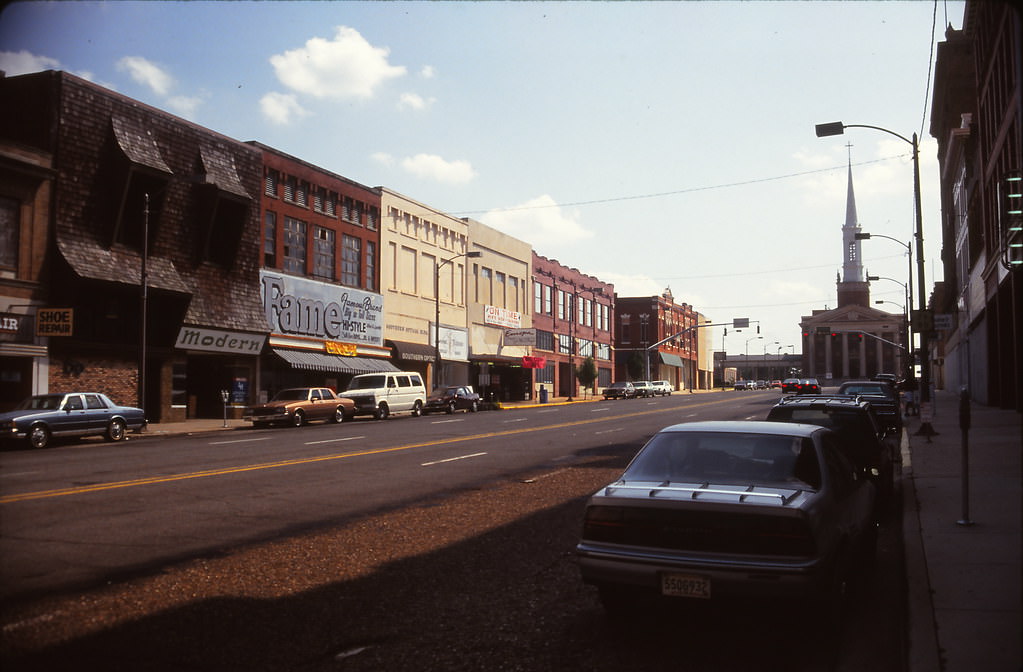
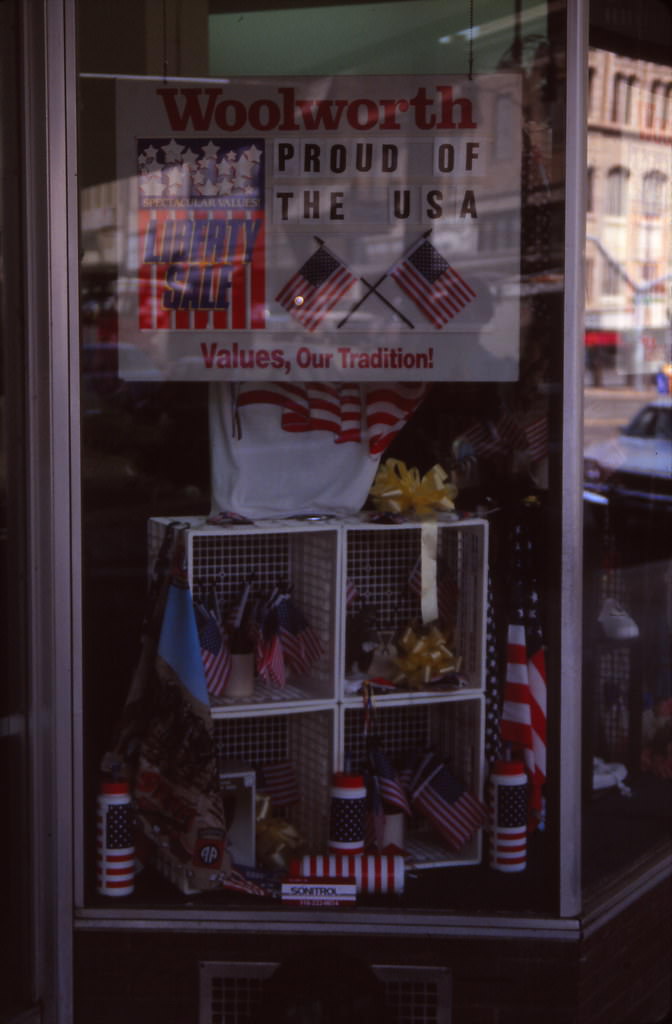
By the time the 1990s arrived, downtown Shreveport still carried echoes of that earlier commercial energy. Retail anchors like Woolworth remained part of the fabric of the city’s shopping scene, even as national trends were pulling customers toward suburban malls. A Woolworth location in Shreveport kept its window displays active well into the decade, a familiar sight for longtime residents.
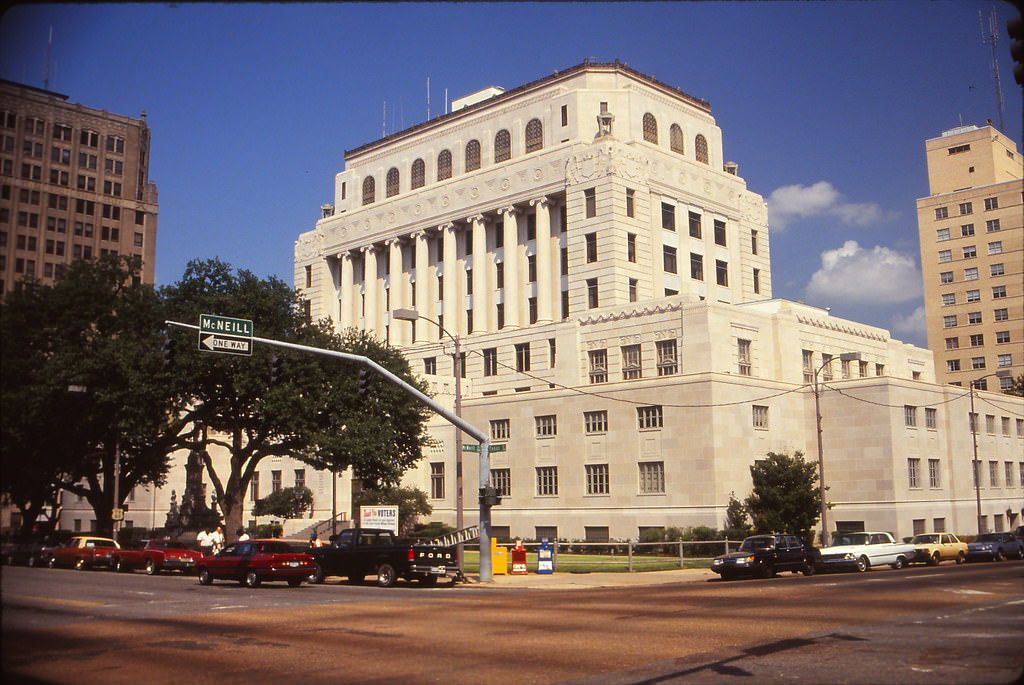
Government and civic architecture anchored the downtown core. The Caddo Parish Building stood as a prominent fixture in the urban landscape, representing the administrative center of the parish that surrounds Shreveport. Its presence along the city’s streets gave downtown a formal, institutional character alongside the commercial activity.
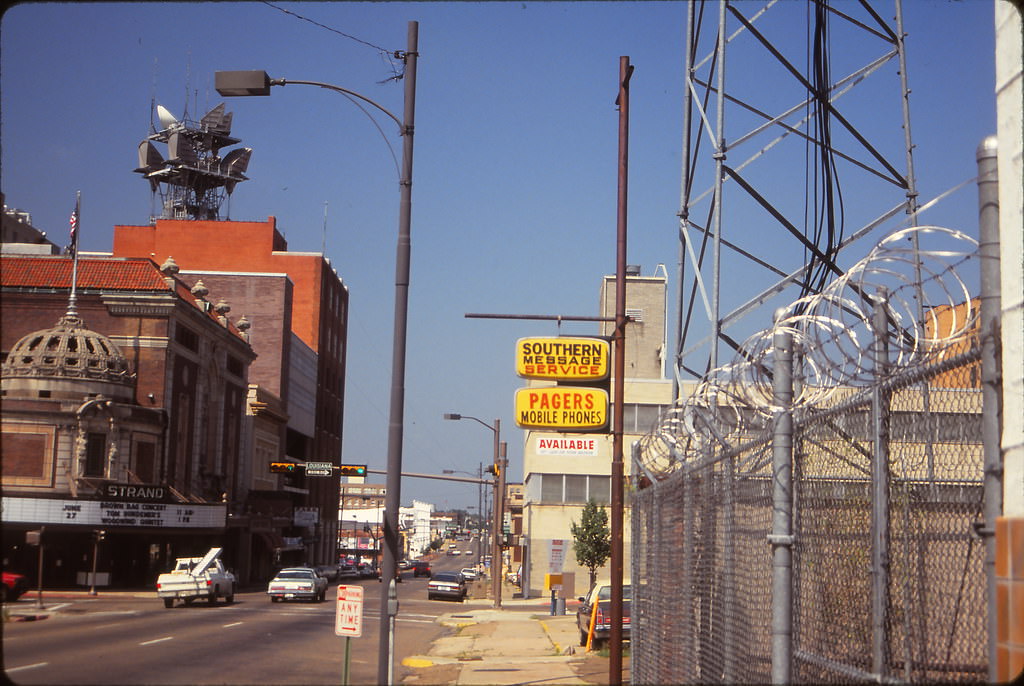
Crockett Street was one of downtown’s most visually layered blocks. The street held a mix of older commercial buildings that dated back decades, many with ornate facades that spoke to Shreveport’s earlier prosperity. Among them stood the Strand Theater, one of the city’s most beloved landmarks and a survivor of the great movie palace era.
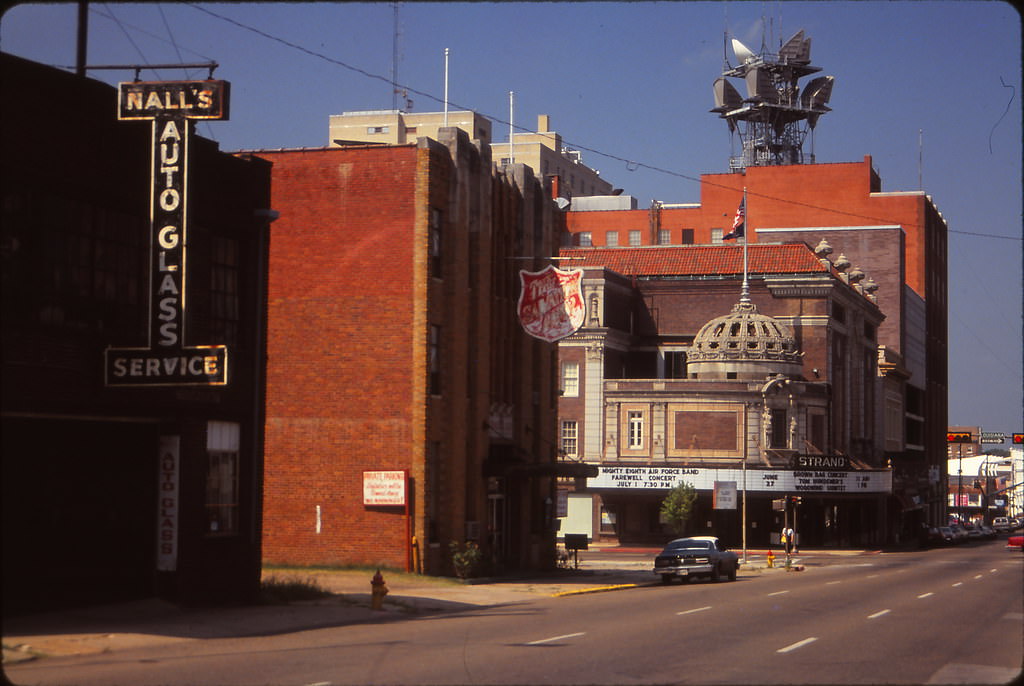
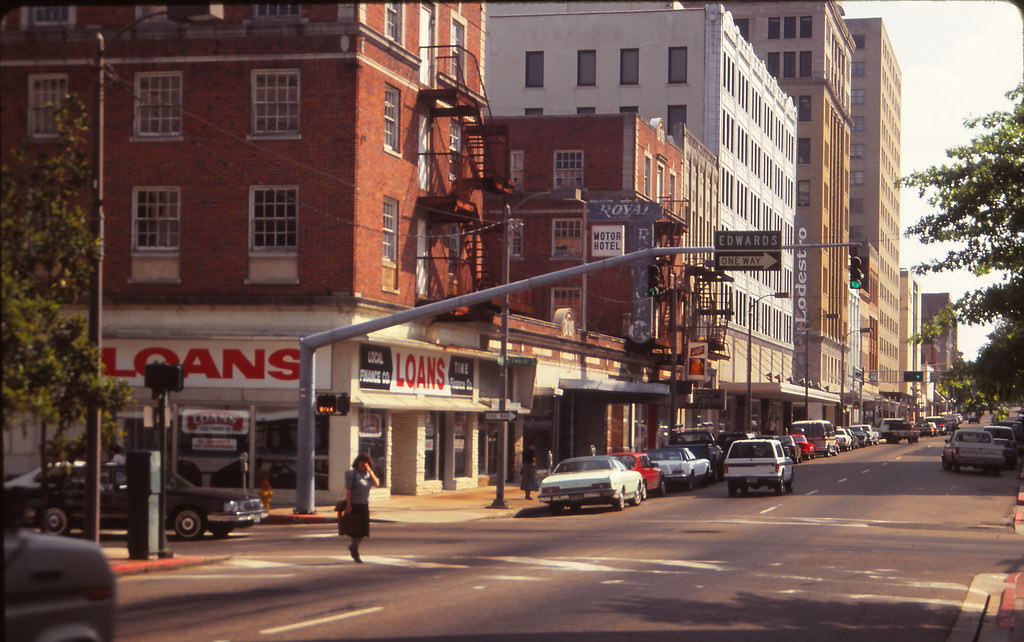
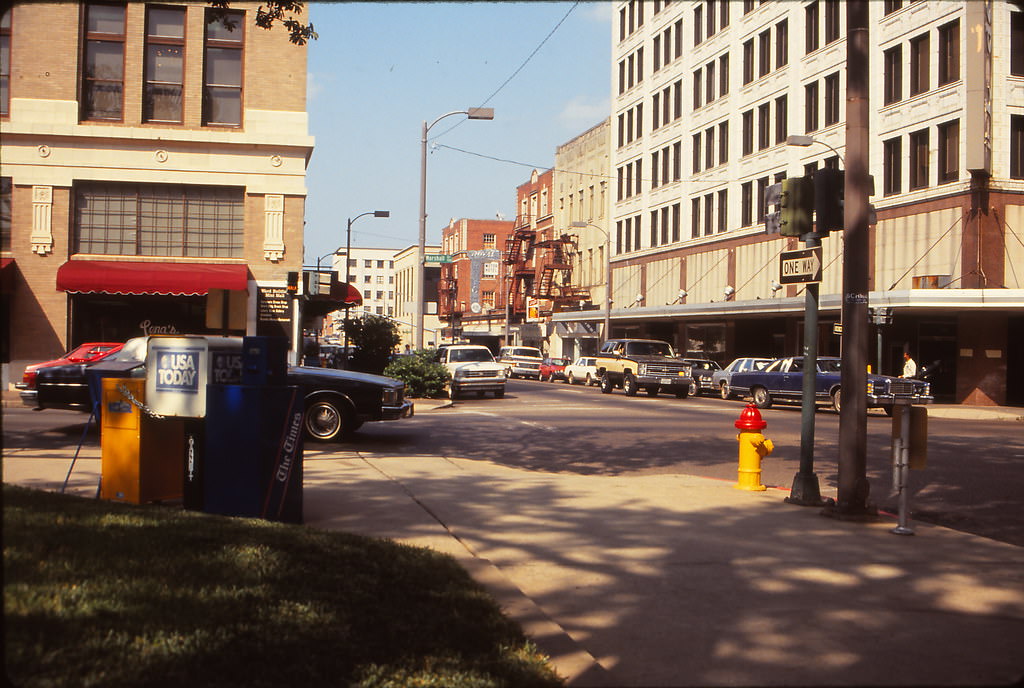
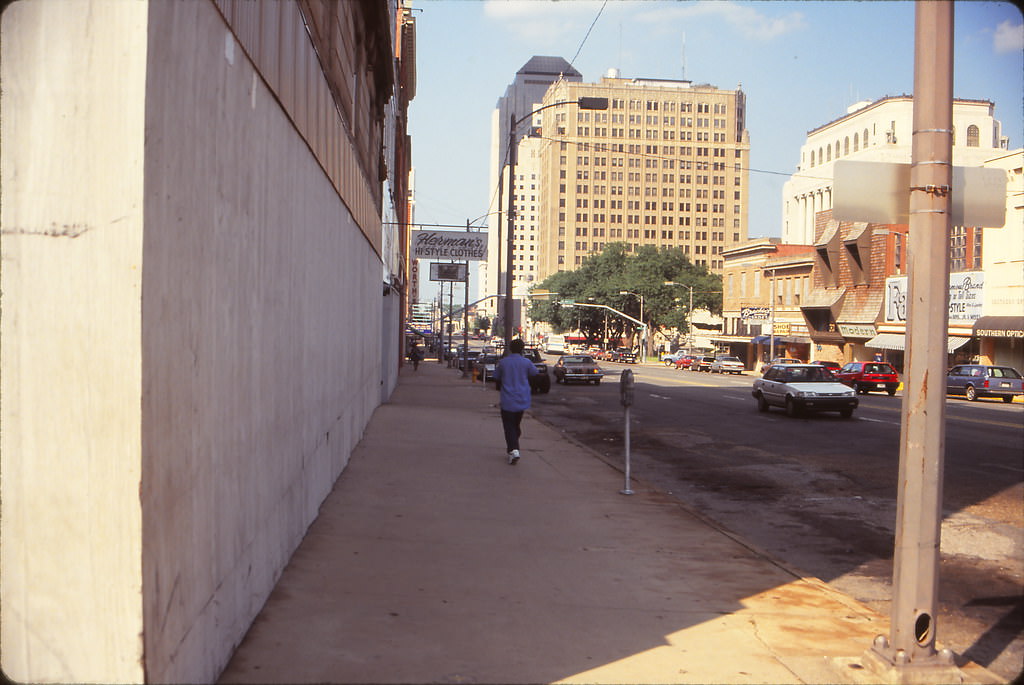
Texas Street remained the spine of downtown activity throughout the decade. Looking east or west along its length, the street presented a mix of mid-century storefronts, taller office buildings, and the occasional vacant lot — a pattern common to many American downtowns in the early 1990s before urban renewal efforts took hold.
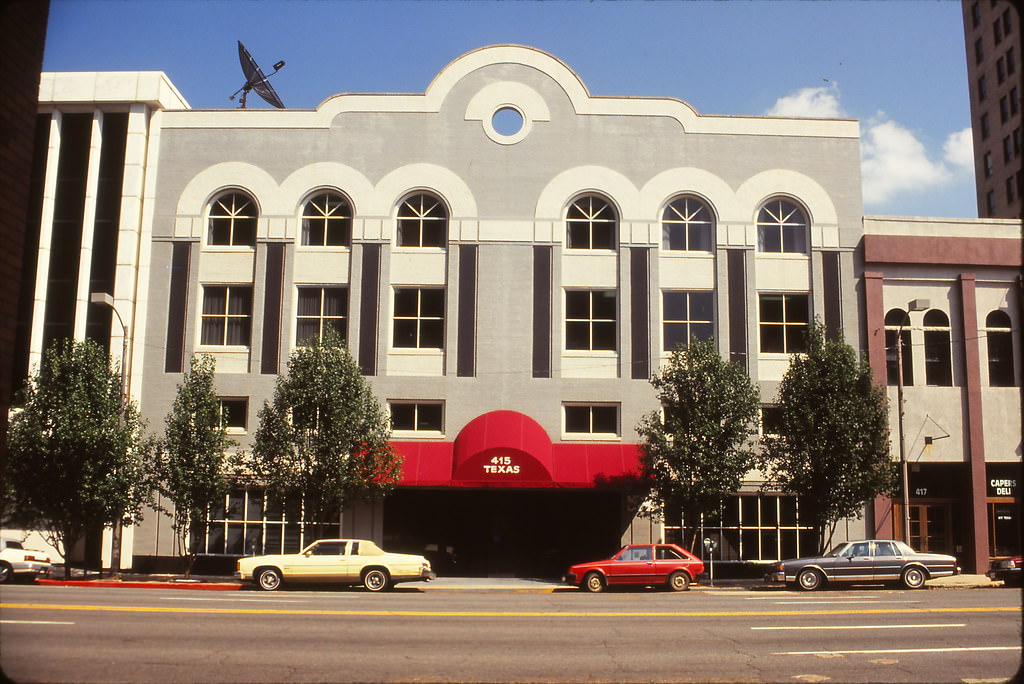
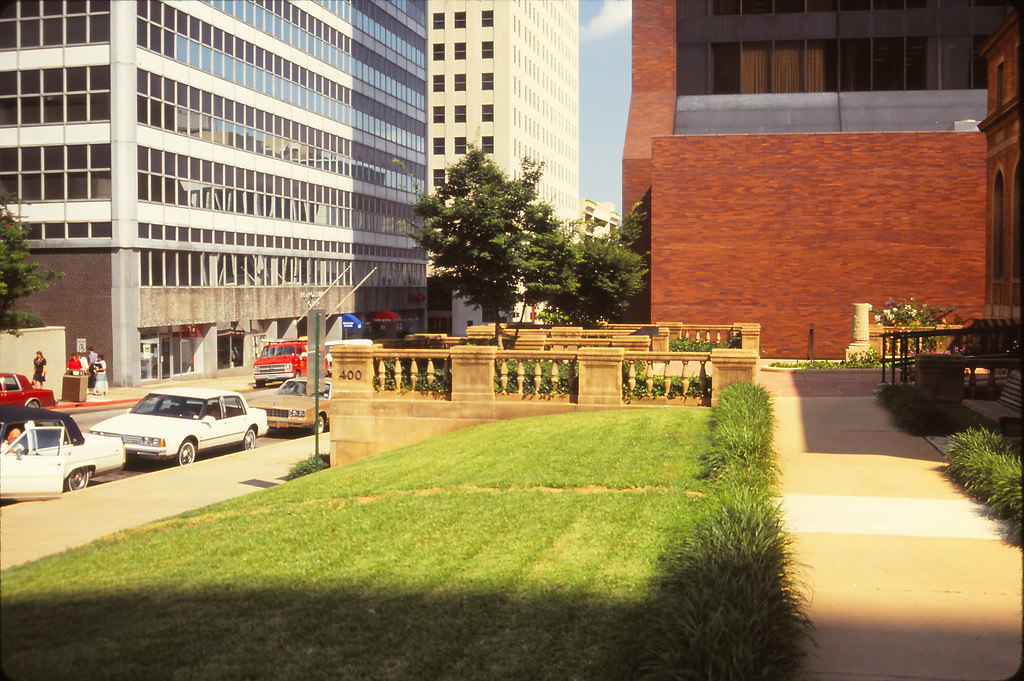
The mid-1990s brought a significant shift to downtown Shreveport. Riverboat gambling arrived on the Red River, drawing large numbers of new visitors to the waterfront. The casinos generated foot traffic that the downtown core had not seen in years. City officials and developers moved quickly to capitalize on this new energy. The “Streetscape” project reshaped many of the central downtown corridors, replacing worn-out sidewalks with traditional brick pavement and adding crosswalks to match. Statues, sculptures, and mosaics were installed throughout the area to make the streets more appealing to pedestrians.
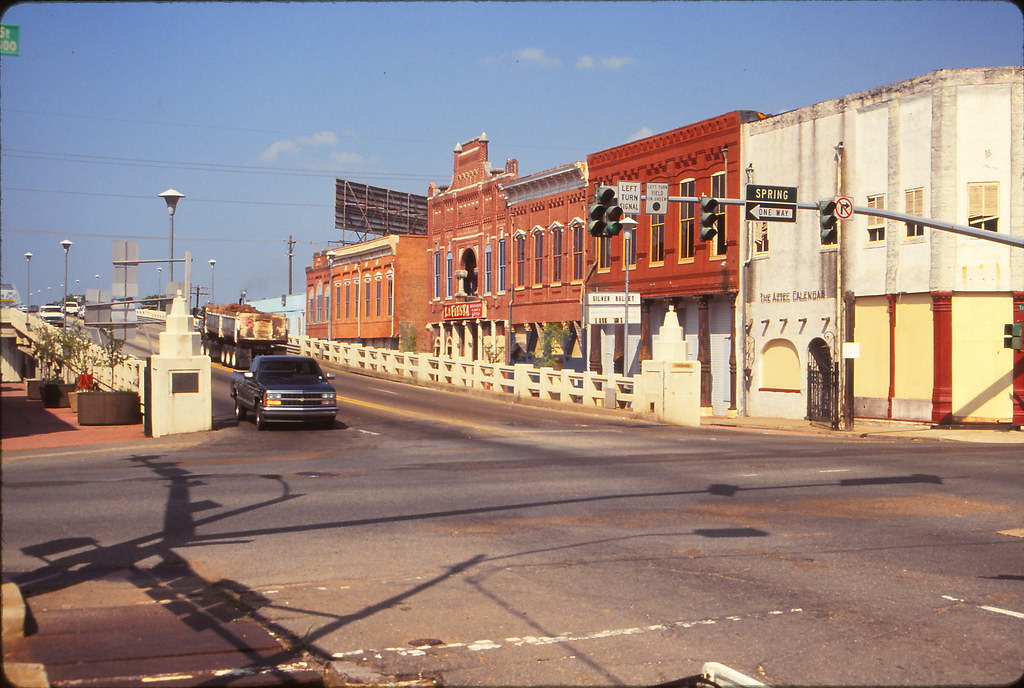
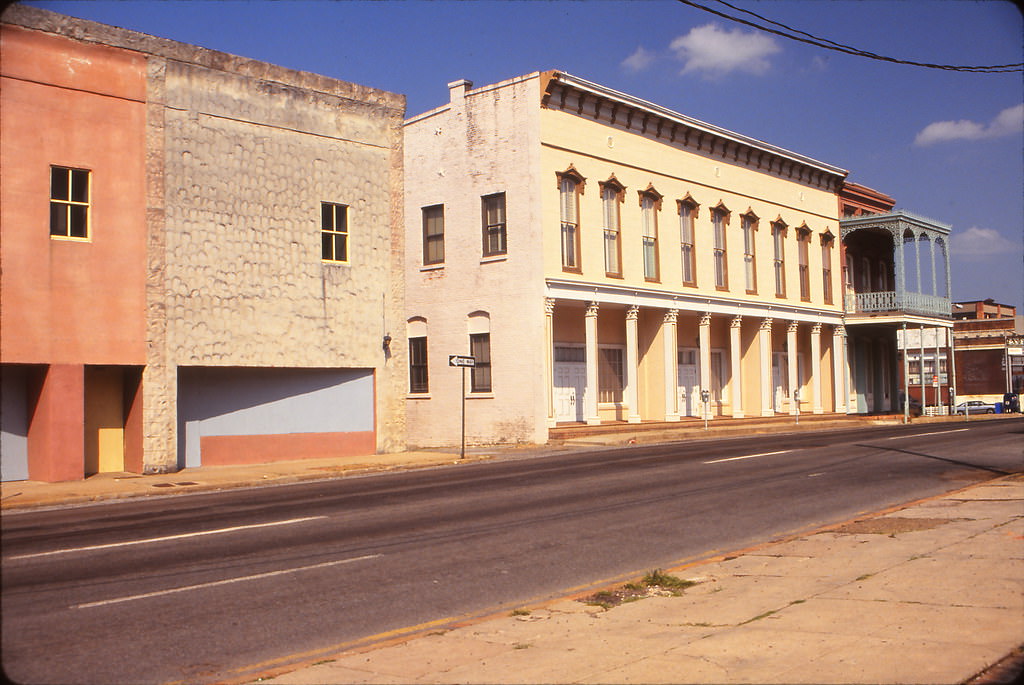
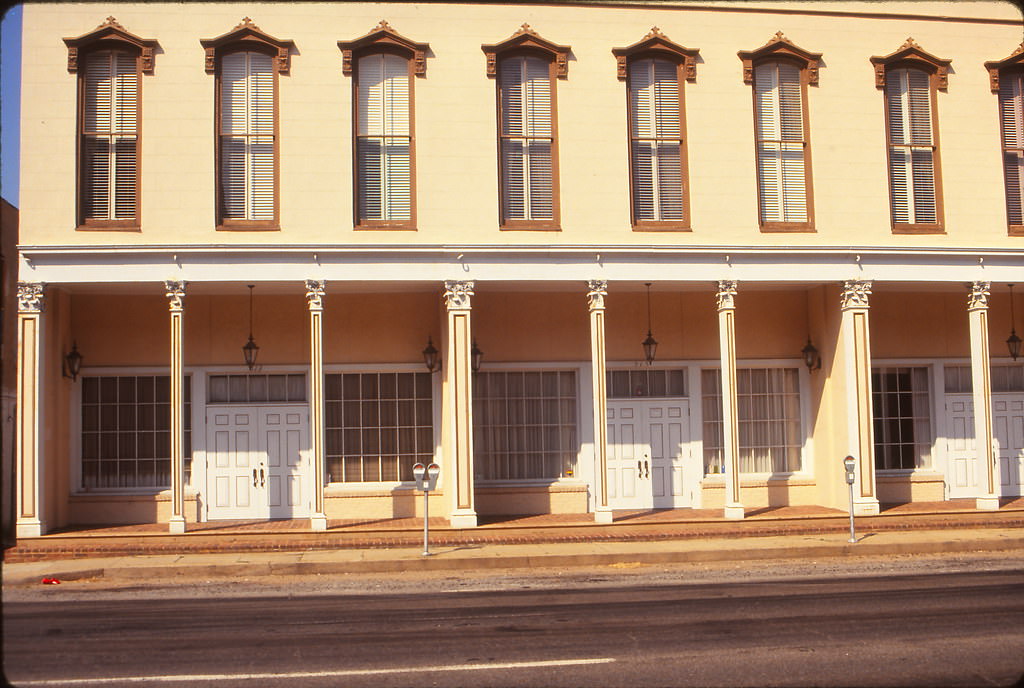
The intersection of Milam Street and Edwards Street captured the texture of everyday downtown life. Modest storefronts, signage from local businesses, and the general rhythm of a working commercial district defined corners like this one. These streets weren’t tourist destinations — they were where Shreveport residents ran errands, had lunch, and went about their daily routines.
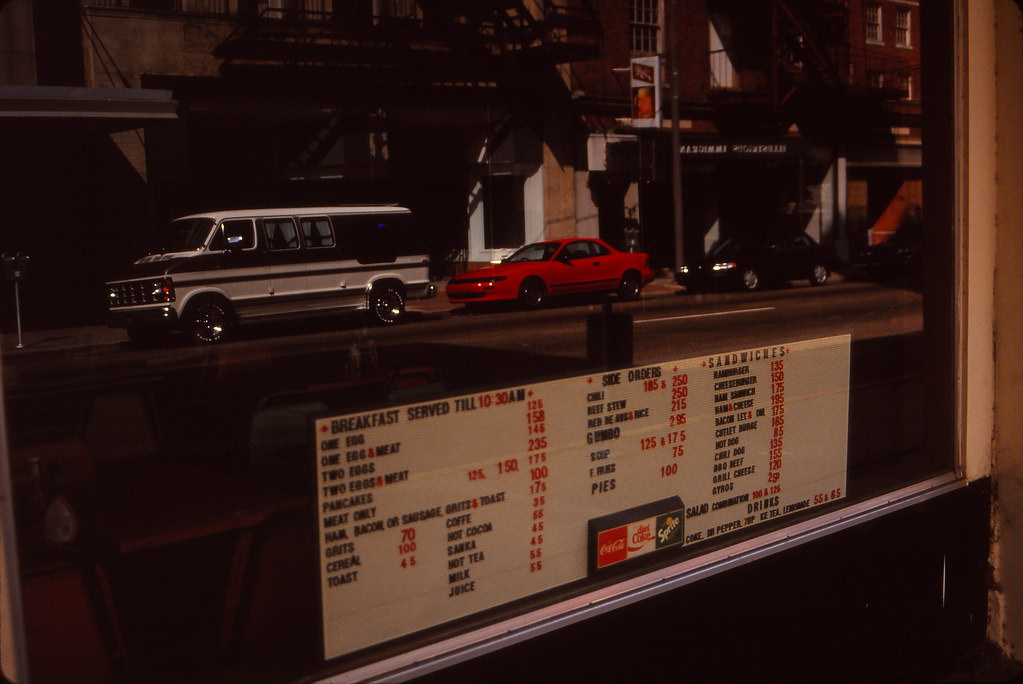
Local dining was a big part of that daily life. Shreveport cafes and diners served the lunch crowds that worked in the surrounding office buildings, and their menus reflected the region’s tastes — Southern staples, affordable plates, and the kind of no-frills food that kept people coming back. A menu from a Shreveport cafe in the 1990s offers a small but telling window into what the city ate and what things cost at the time.
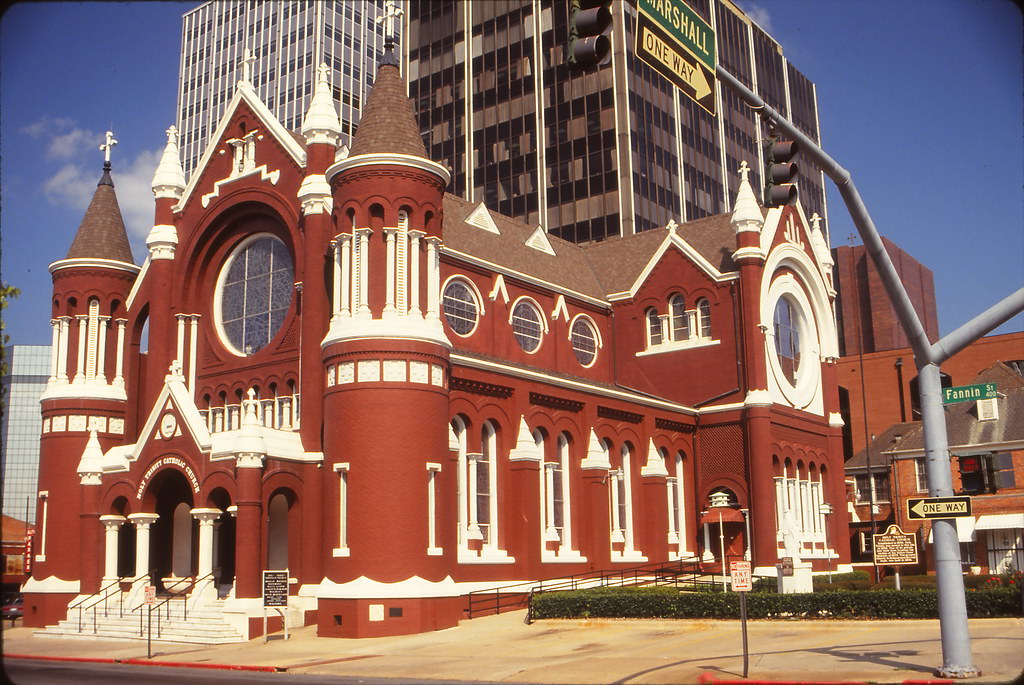
Not far from the commercial bustle stood one of Shreveport’s most enduring architectural landmarks — Holy Trinity Catholic Church on Marshall Street. Built in 1896, the church predated most of the surrounding commercial development and remained a striking presence in the downtown skyline a full century later. Its brick construction and Gothic detailing set it apart from the office buildings and storefronts that had grown up around it over the decades.
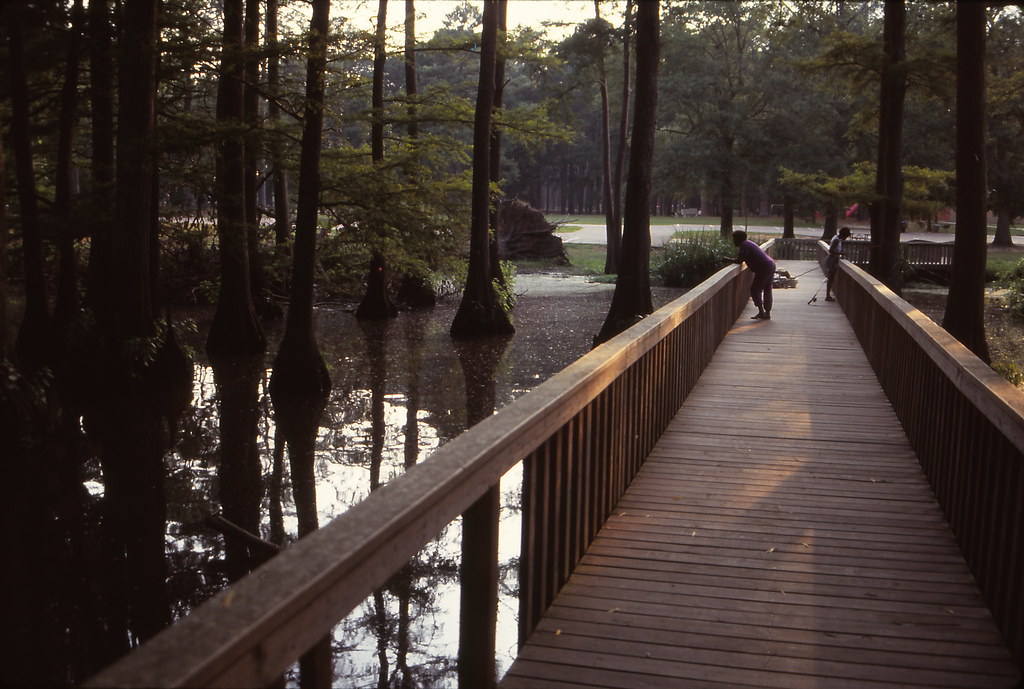
Green spaces also shaped the character of the city. Ford Park provided residents with a public gathering place within reach of the urban core, offering a break from the surrounding streets. Parks like this one served a practical social function in a city where outdoor life was part of the culture year-round, given Louisiana’s mild climate.
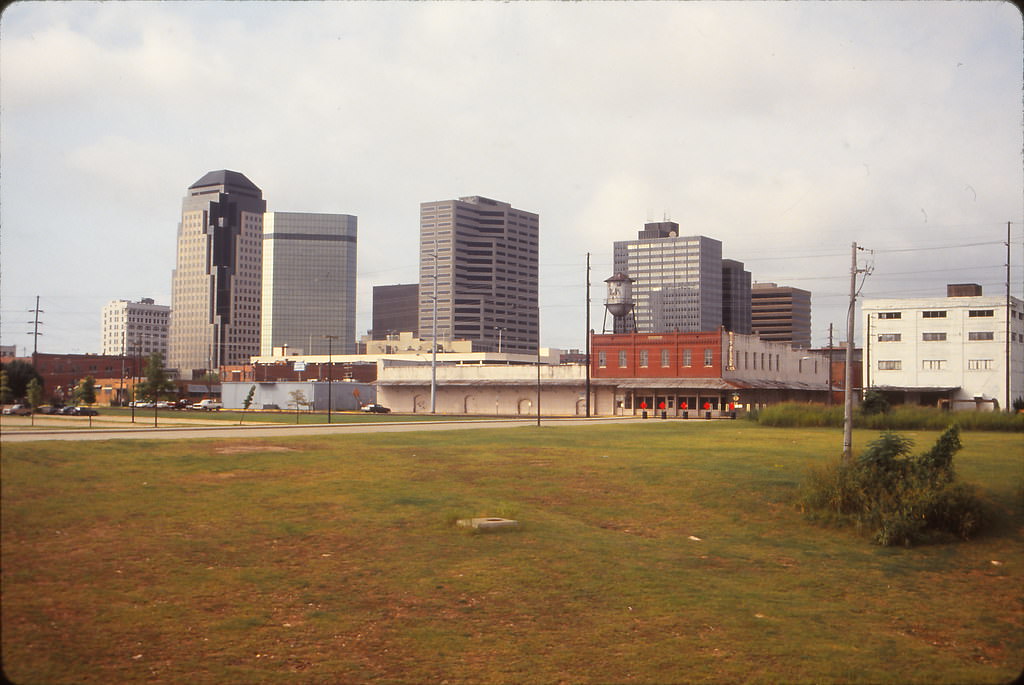
Seen from a distance, the Shreveport skyline in the 1990s reflected a city that had grown in concentrated bursts — first from the oil boom of the early 20th century, then from wartime industry, and finally from the service and commercial economy of the postwar decades. A cluster of mid-rise and high-rise towers rose above the Red River, visible for miles across the flat northwest Louisiana landscape.



Shreve Square buildings still standing is a sight to behold.
I have to get some jeans at Yellen’s. Would you like anything from The Fun Shop?
Photographs of downtown Shreveport in the 1990s would be incomplete without including McDonalds?
There was no life back then, either.
How is there a life now? Crime galore and closed down shops. Bums everywhere and literal rubble in the streets from disrepair.
Sigh same ole same ole but more crime
There should be more pictures of Shreveport in the 90s. Everything has slipped my mind!
The public service commission and Foster Campbell’s office were located in that building, if I remember correctly. I’m not sure about the 90s
Since he was not elected to PSC until after~ 2002 I doubt this housed his office in the 90s.
yes I looked up when Foster Campbell was in office. It may have always been the PSC though
These are great. I am not sure if this is the right place to post, but if I have to make my own post, no problem. However, does anyone remember Quality Machine on Hollywood? There was a time when my mother worked there and met my stepdad, so I’d love to find her a picture or two.
Cool to see all the AT&T long lines transmission and receiving horns on that building behind the Strand. I’ve noticed that platform up there for like half a decade now and knew that at one point that must have been what it was for after seeing some cool YouTube videos about the systems history, very intriguing.
When I come back to Shreveport to visit, I nearly cry. I loved growing up in this community. I just wish it hadn’t fallen into such disrepair and poverty. Just driving in and seeing the water tower and faded signs everywhere is depressing.