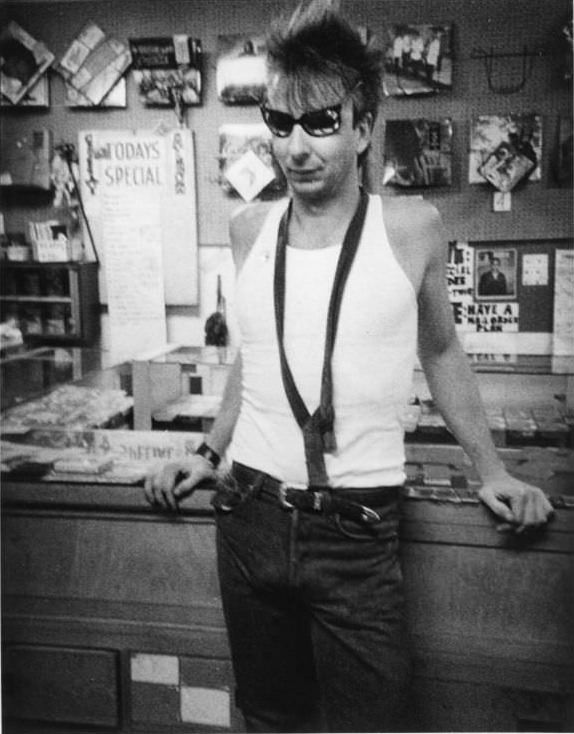
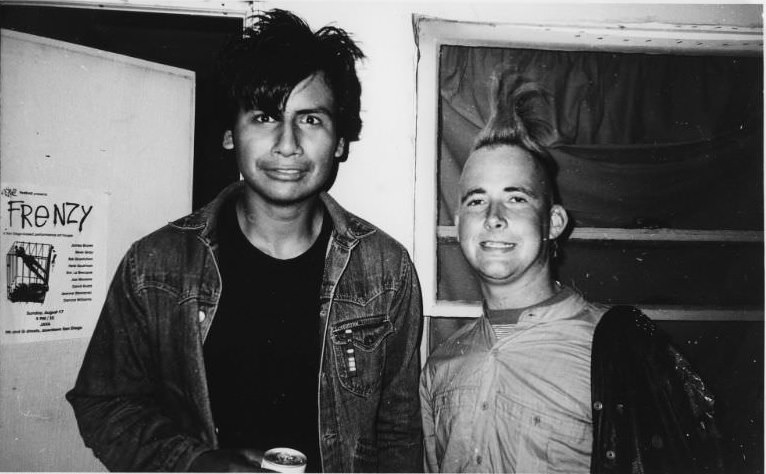
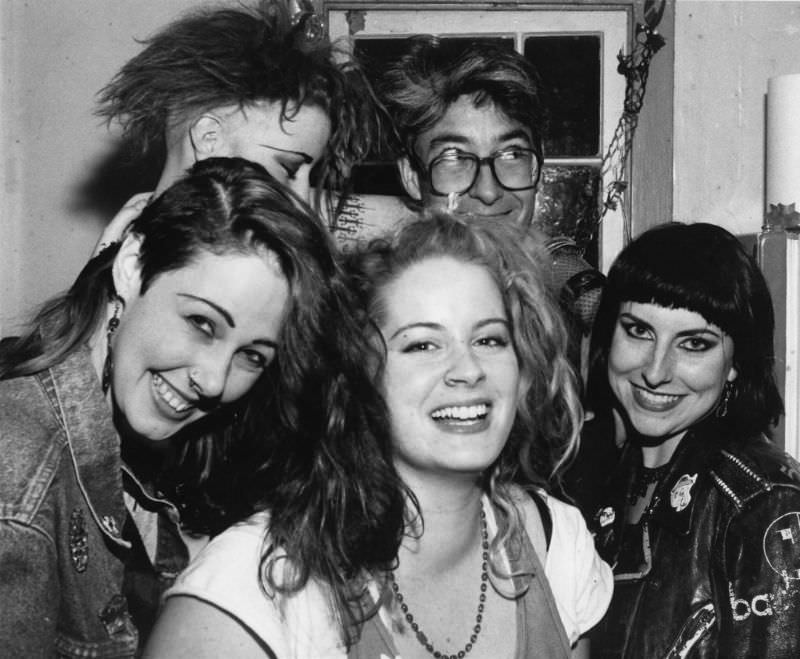
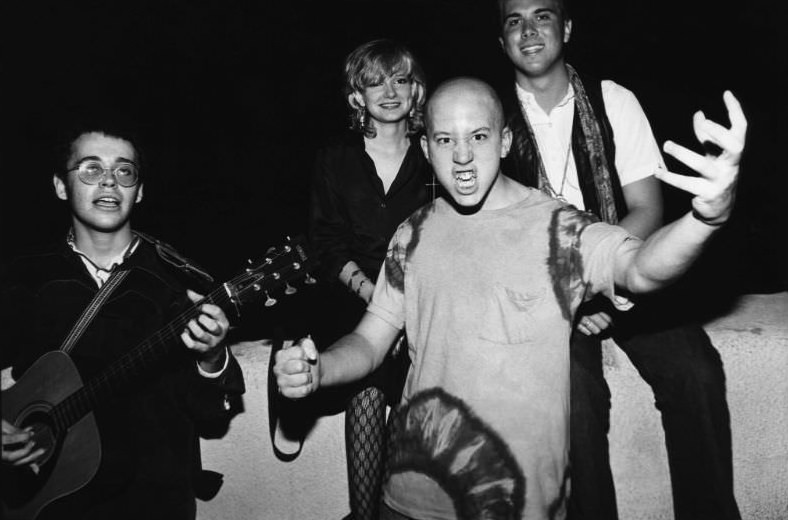
In the early 1980s, San Diego had a punk scene that burned fast and loud. American photographer Harold Gee was right in the middle of it. Armed with his camera, he documented the young men and women who made up that world — their clothes, their hangouts, their faces, and their energy. These were not staged portraits. They were real moments pulled from a real life that Gee was living alongside his subjects.
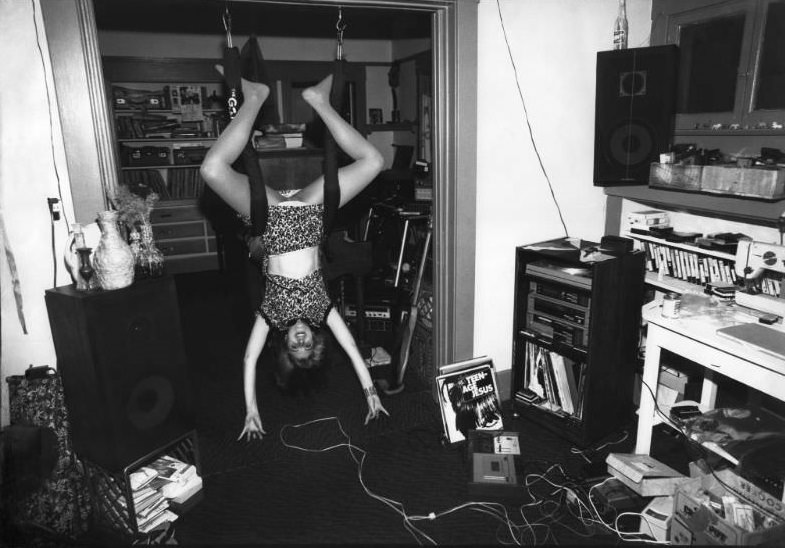
Gee shot everywhere. Clubs, streets, beaches, workplaces, local hangouts, and inside people’s homes. He wasn’t observing from a distance — he was part of the scene. That closeness shows in the photographs. The people in them look comfortable, unselfconscious, and completely themselves. These images capture what it felt like to be young, restless, and somewhere between adolescence and adulthood in Southern California.
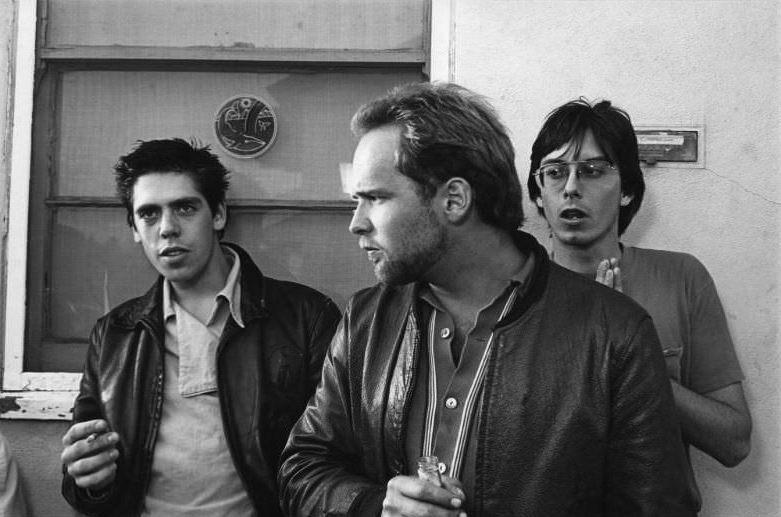
Gee later reflected on the period with a candid admission: “Some photos from my crazy life immediately following the era of the initial punk scene in San Diego. It’s difficult to demarcate where my personal life leaves off during this period.” That blurring of lines between photographer and subject gives the collection its raw, unguarded quality. He wasn’t just documenting — he was living it.
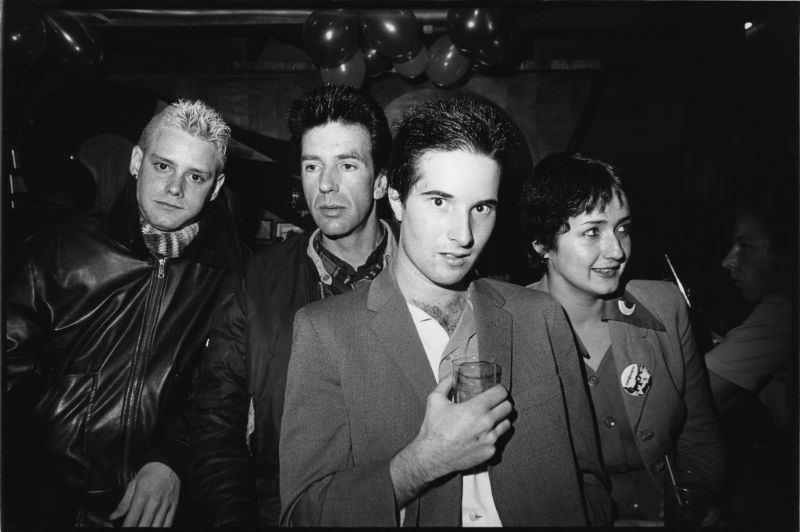
The earliest photographs, from 1980, show a tight-knit group of young people already deep into the scene. Names like Bruce Perrault, Jay Johnson, and Ernie Bornheimer appear in that first year, along with Charles Shields, Mark Di Carlo, and Martha Loy. These were not famous people. They were San Diego locals, and Gee treated them with the same attention a portrait photographer would give to anyone worth remembering.
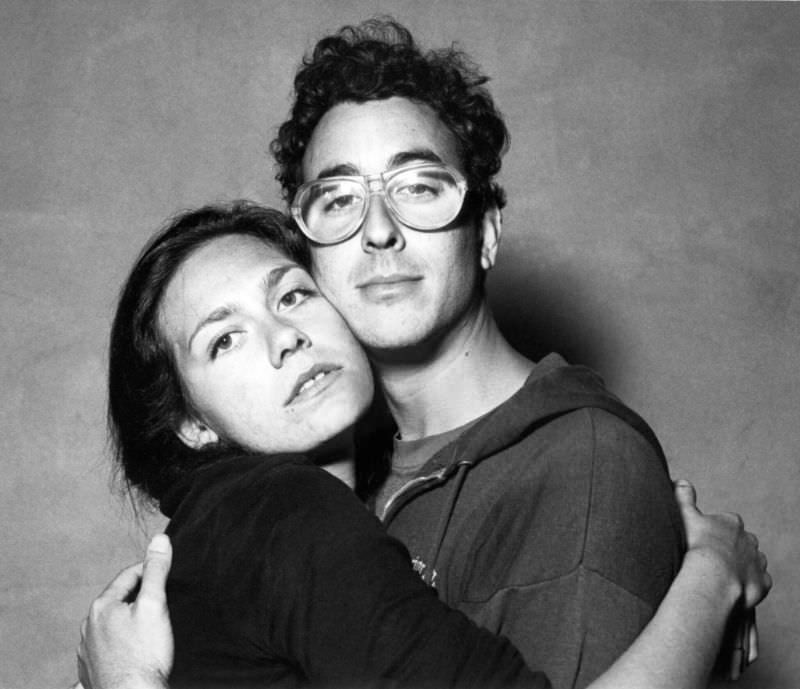
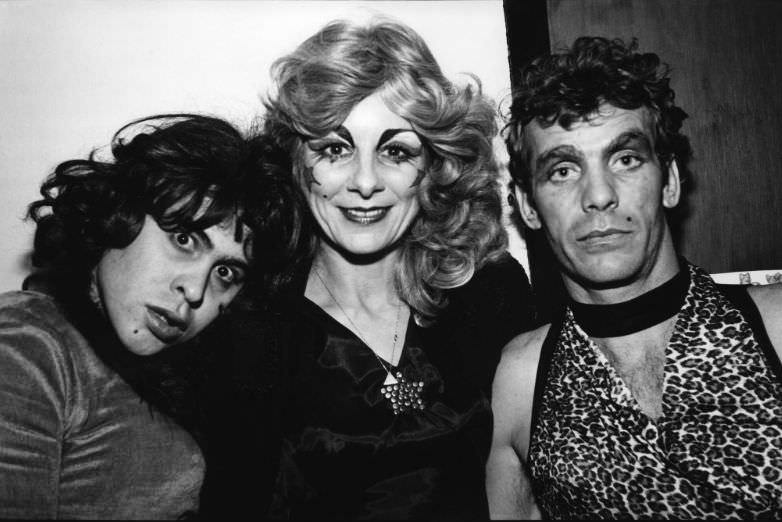
By 1981, Gee’s circle had widened. His lens found groups like the Penetrators, a punk band that represented the harder edge of the San Diego scene. He photographed them alongside everyday figures — friends at gatherings, people on the street, young women and men who defined their own style outside of mainstream fashion. Mohawks, leather, band shirts, and heavy eyeliner were common. So were candid smiles and moments of quiet connection between friends.
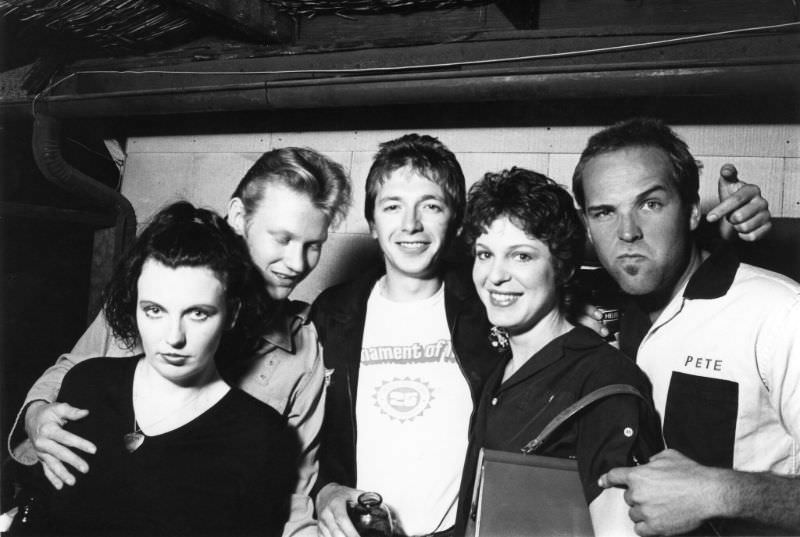
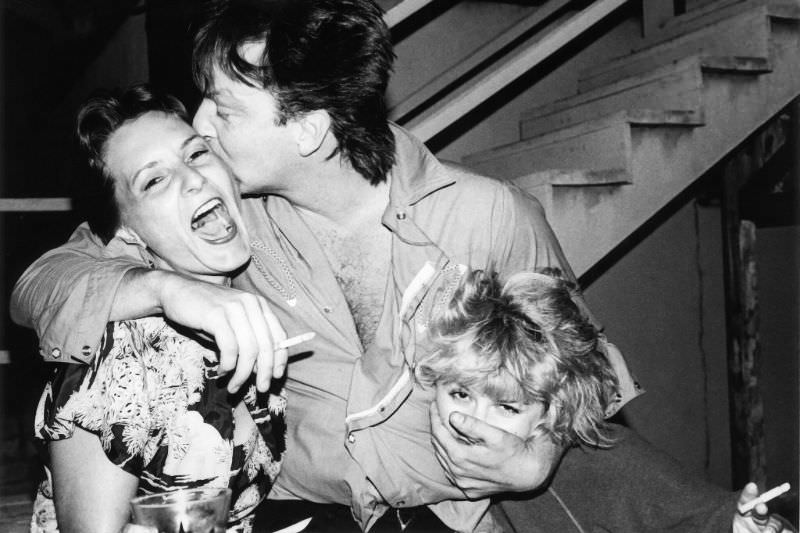
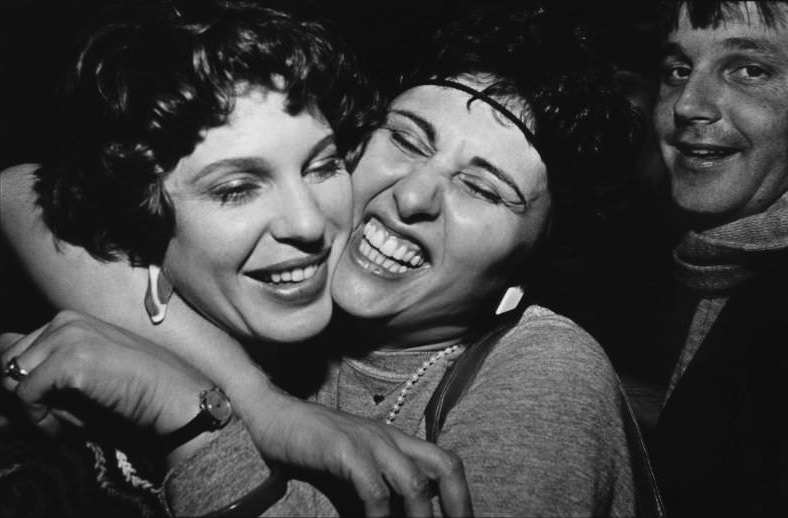
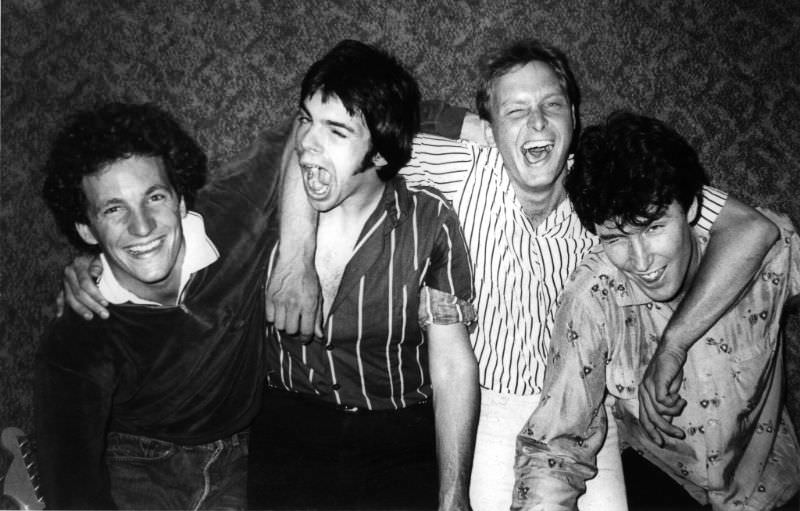
The early 1980s in San Diego were defined by a DIY attitude — do it yourself, make it yourself, be it yourself. Gee’s photographs reflect that ethos. Nothing looks polished or set up. People lean against walls, sit on floors, stand in doorways. The settings are unglamorous: cramped rooms, parking lots, storefronts. But the people in them carry themselves with total confidence.
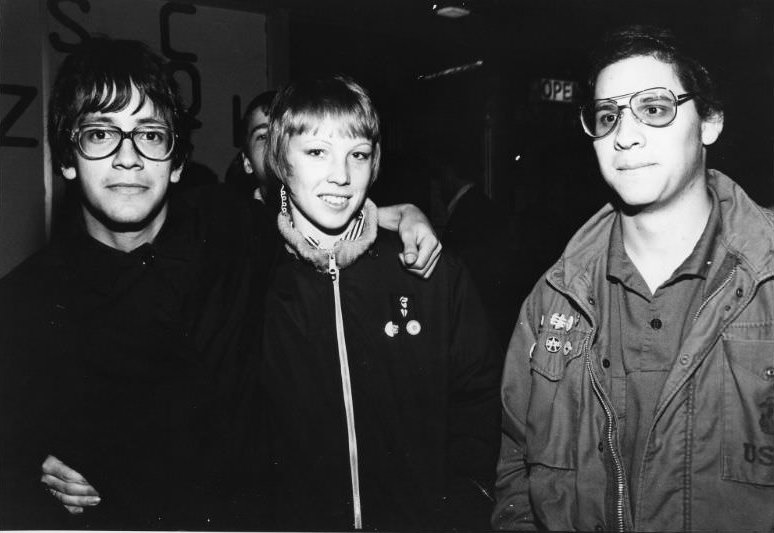
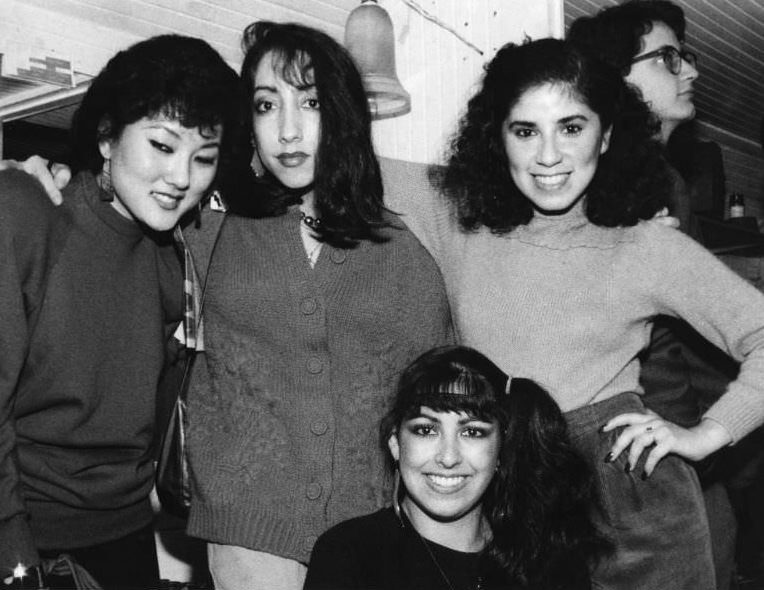
By 1982 and 1983, the photographs show the scene growing and shifting. New faces appear regularly — Juliet Yamada, Theresa Brown, Randy Herr, Monique Esmedina, Fernando Castro. Downtown San Diego became a hub. Gee shot at specific addresses, like 517 4th Avenue, which shows up as a location in multiple photographs. These places were gathering spots, the kind of informal venues where the punk community came together outside of official club spaces.
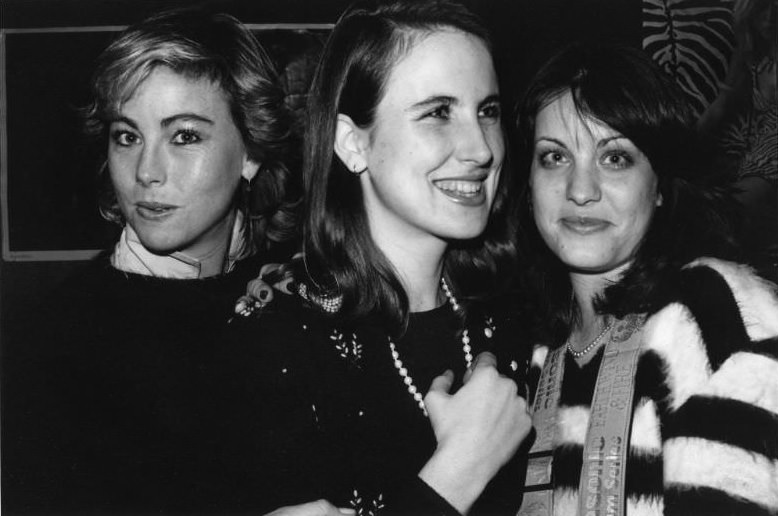
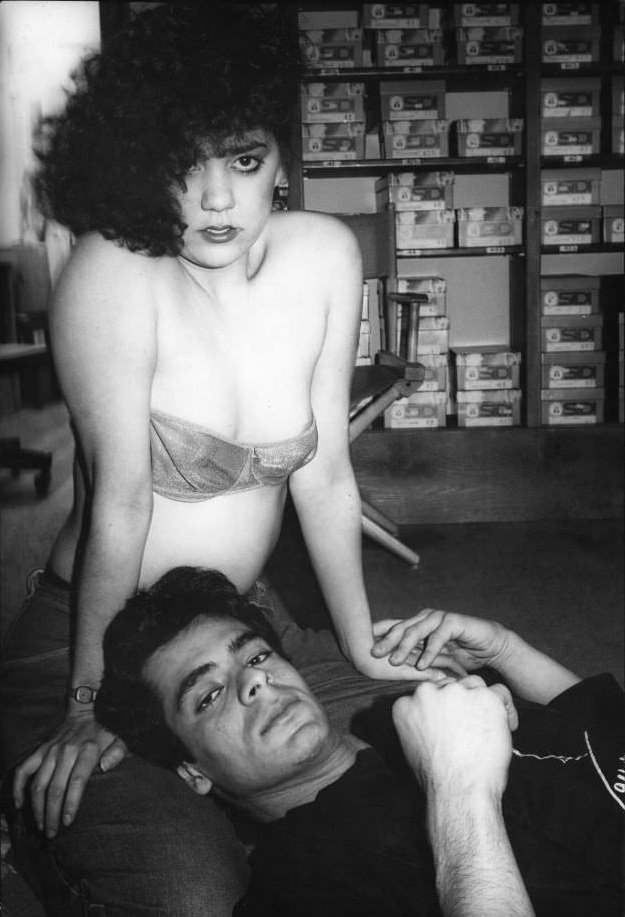
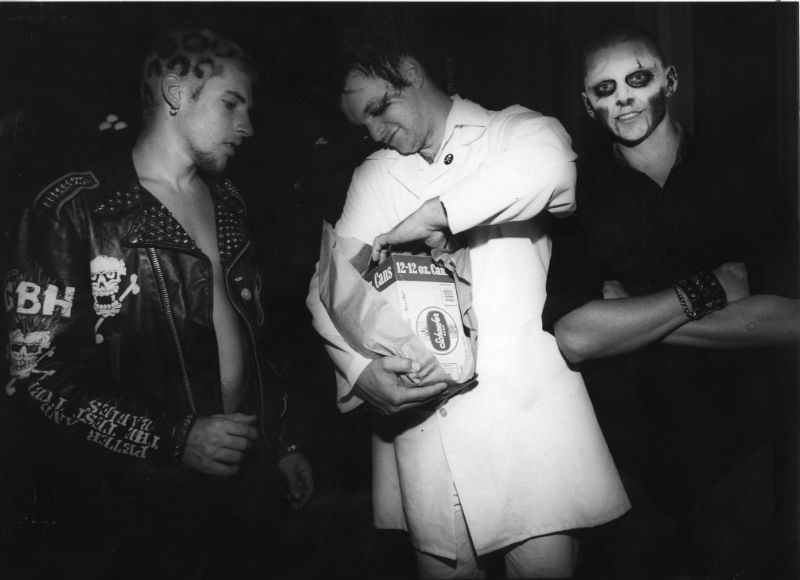
Bands remained a constant presence in Gee’s work. Personal Conflict, a San Diego punk band, appears in multiple 1983 photographs. Members like Lloyd Masing and John Vomit show up alongside friends, partners, and fellow scene regulars. Gee photographed them both on and off stage, treating band members the same way he treated everyone else — as individuals worth looking at closely.
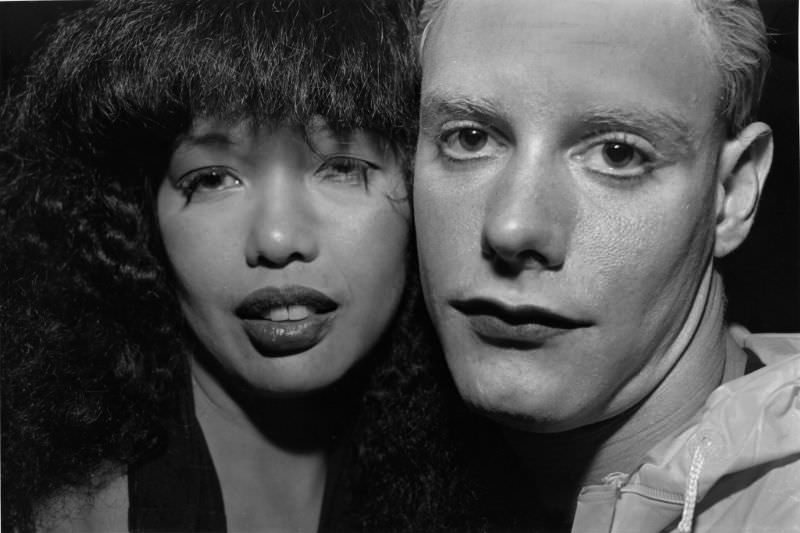
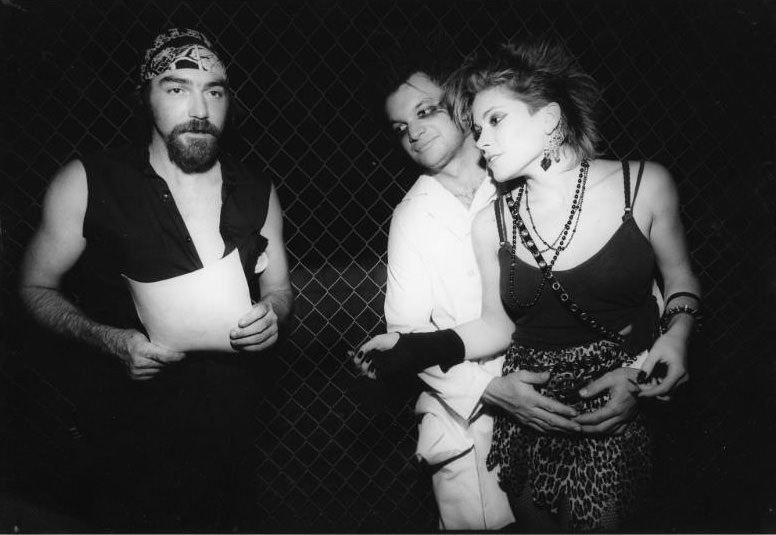
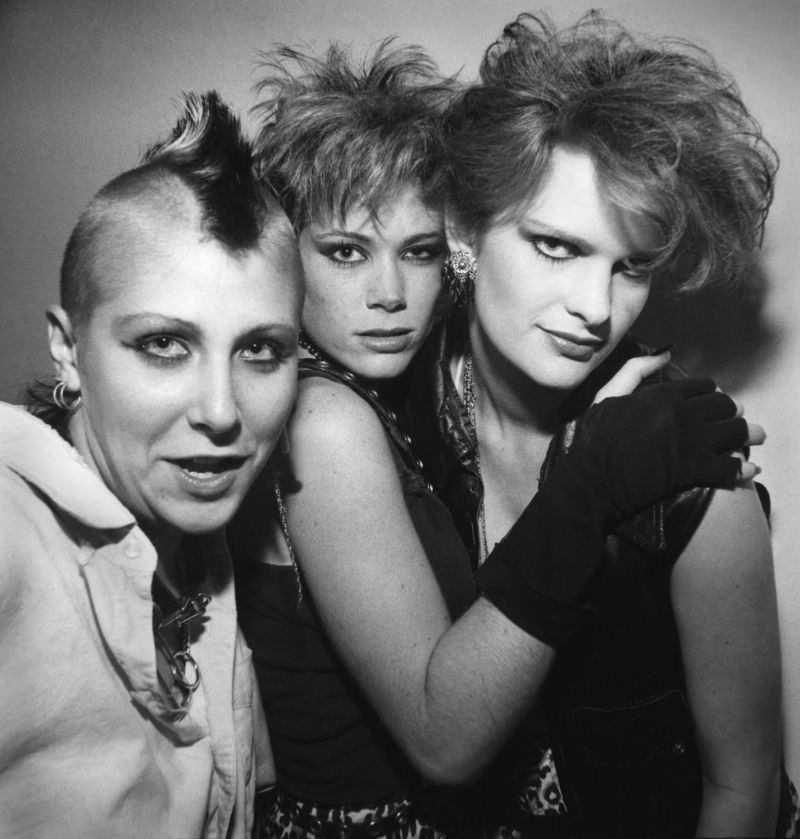
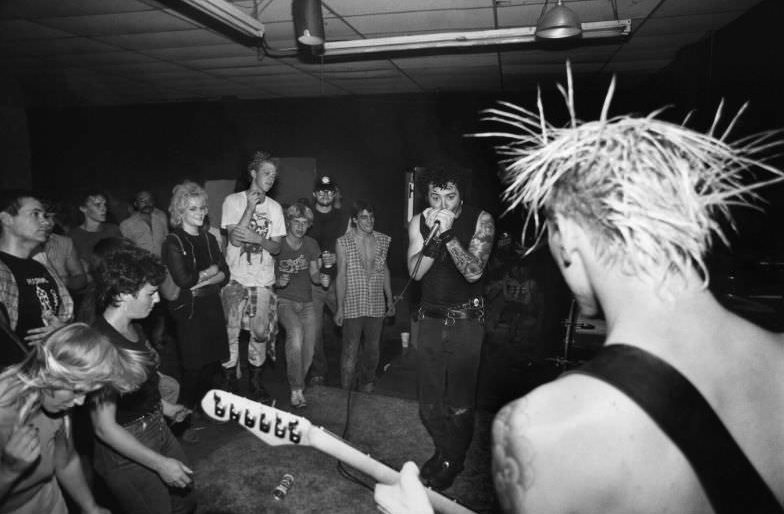
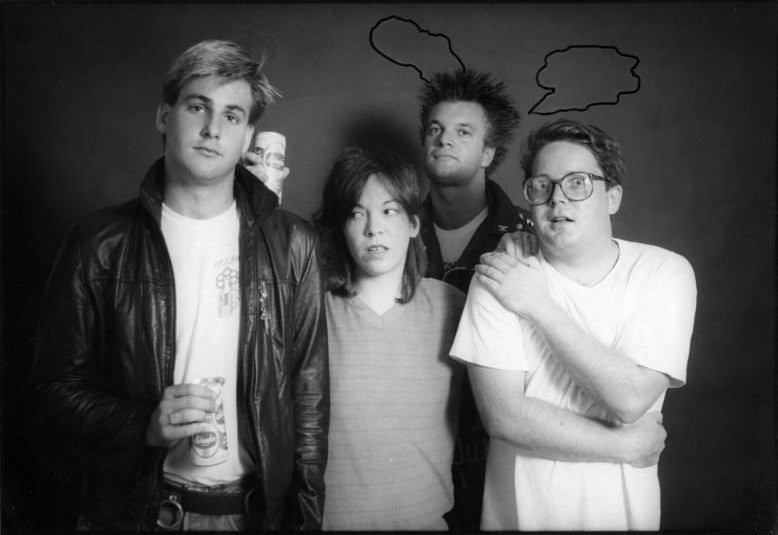
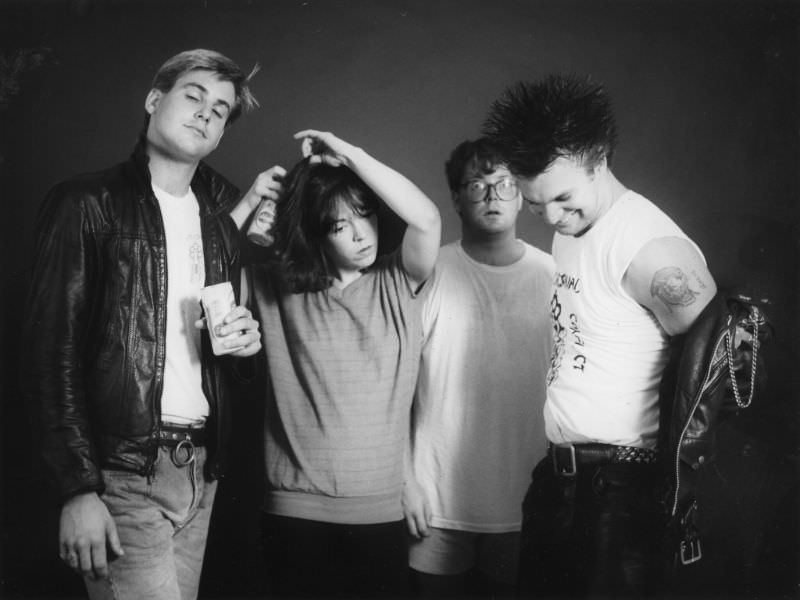
Artists also moved through Gee’s frame. John Penuelas, identified as a painter, appears in 1985 photographs both at work and in social settings. Karen Atkinson is captioned as a Downtown artist. Marc Rude, a visual artist connected to the punk underground, shows up at 517 4th Avenue. The punk world in San Diego was not just about music — it pulled in painters, writers, and visual artists who shared the same anti-establishment outlook.
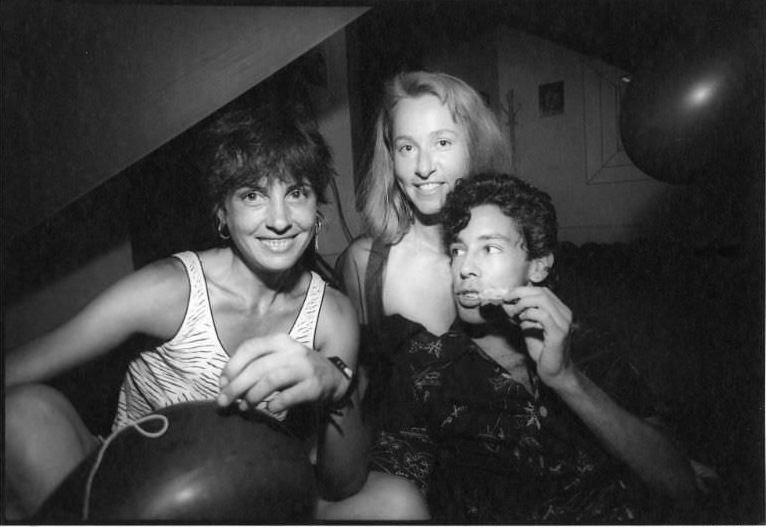
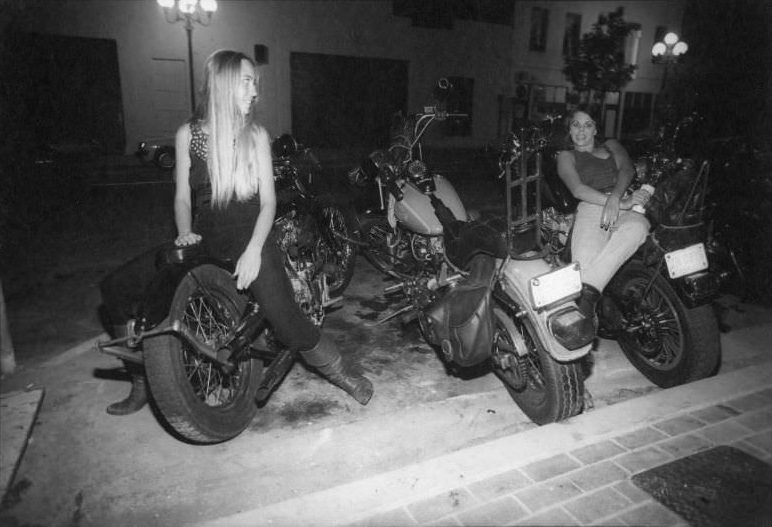
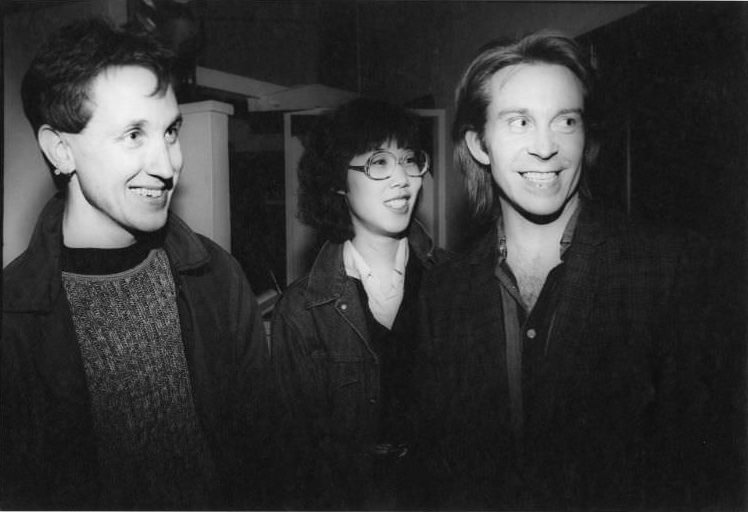
By 1985, Gee’s archive became remarkably diverse. He photographed people at the L.A. County Fair, on 5th Avenue near Market Street in Downtown San Diego, and inside private homes like Greenwich Village West, a building where at least some of this community lived or gathered. The sheer variety of settings — public and private, urban and open-air — shows how thoroughly Gee embedded himself in the daily lives of his subjects.
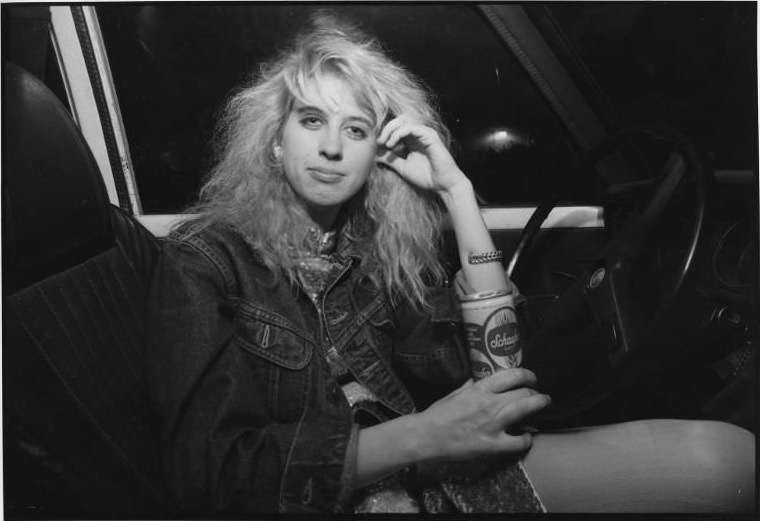
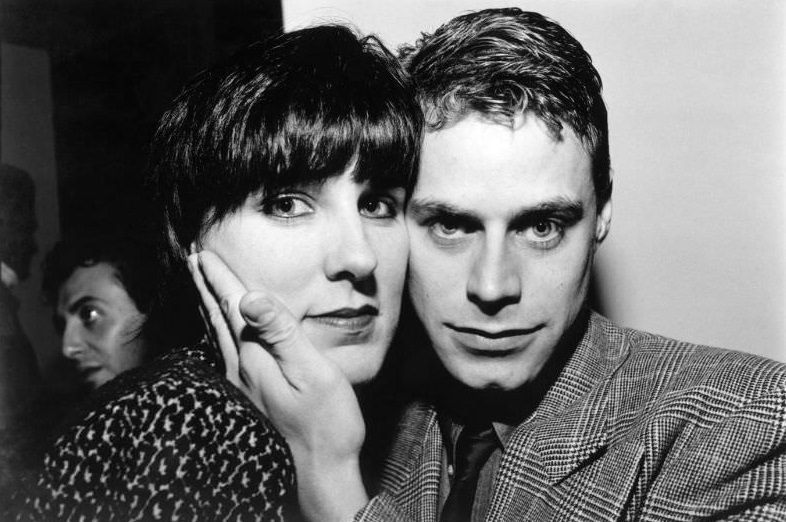
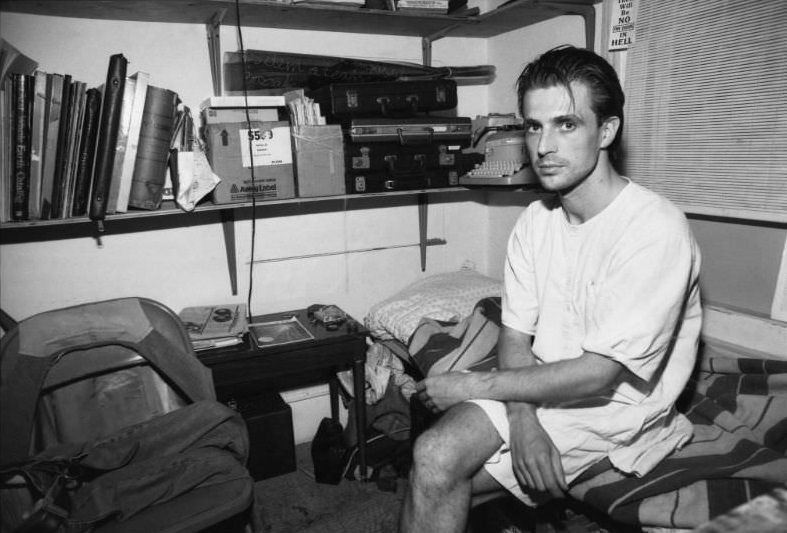
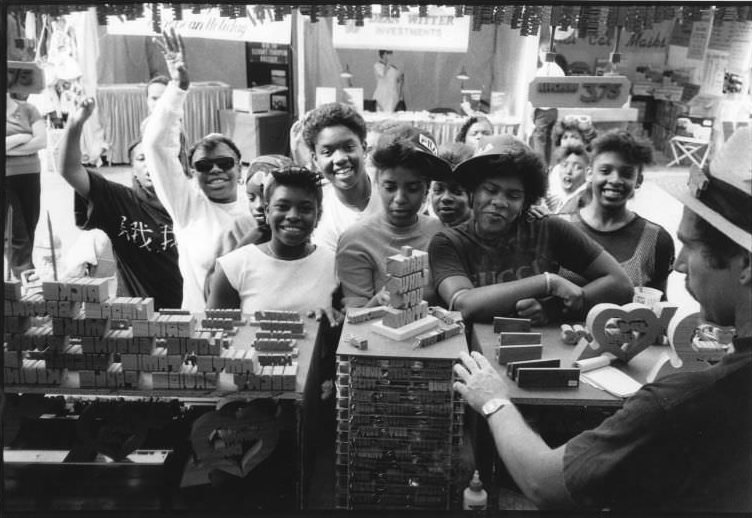
Some faces reappear across multiple years. Peter Von Marenholtz shows up in three separate 1985 photographs, sometimes alone and sometimes with a woman named Sheryll. Gary Rachac, photographed in a group shot in 1981, reappears in 1986 at Tasha’s Music City in Downtown San Diego. These recurring figures give the archive a sense of continuity — a community that stayed together over years, not just a fleeting moment.
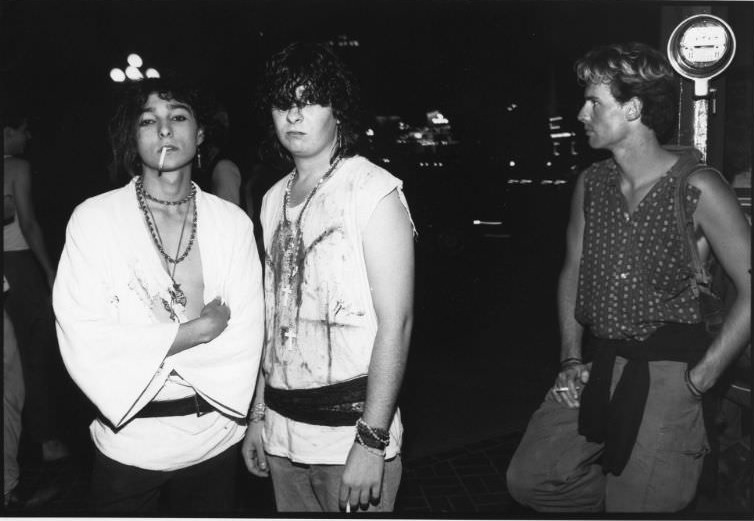
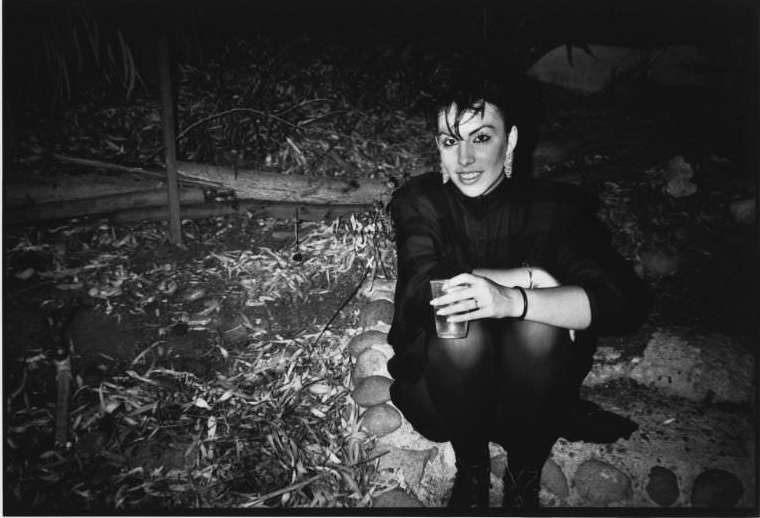
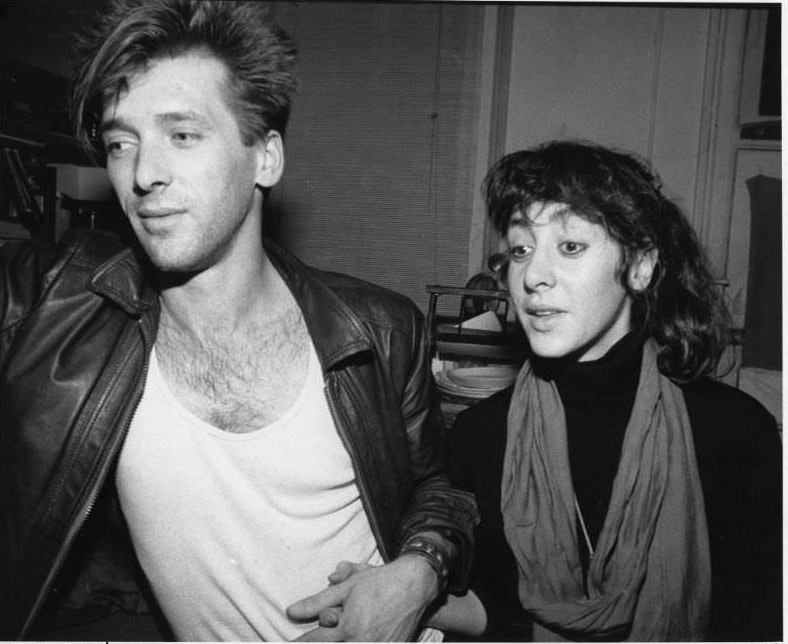
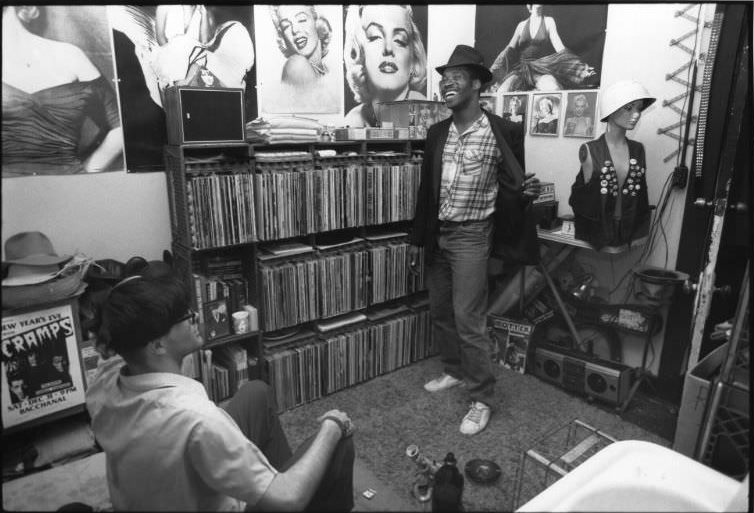
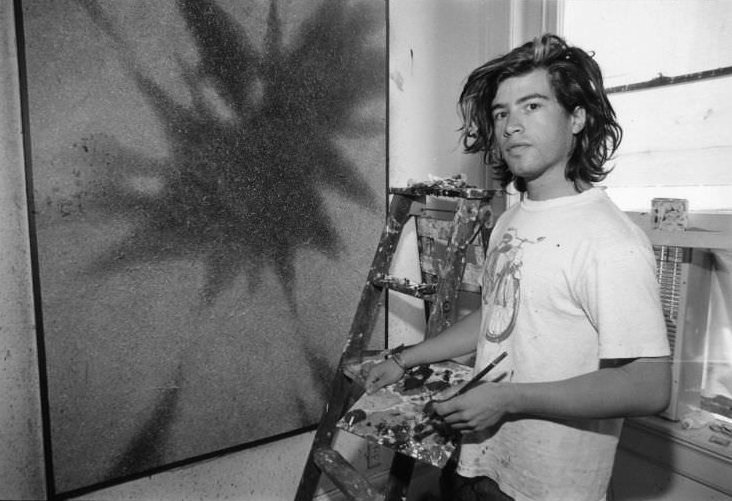
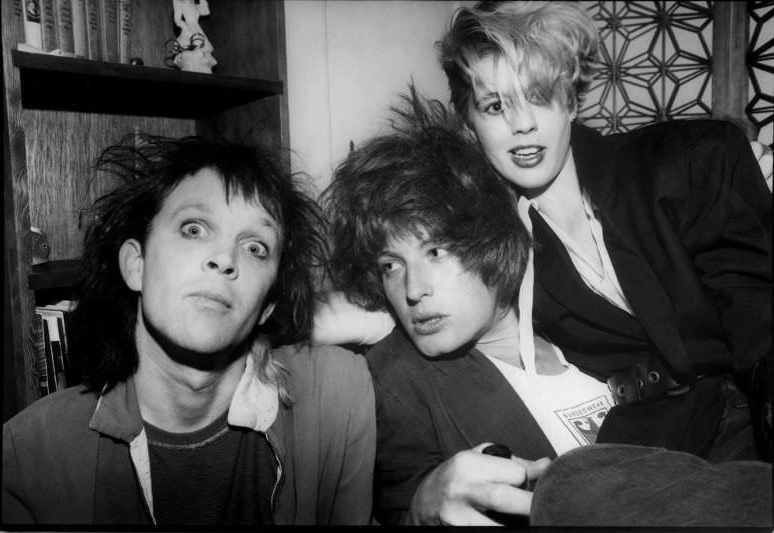
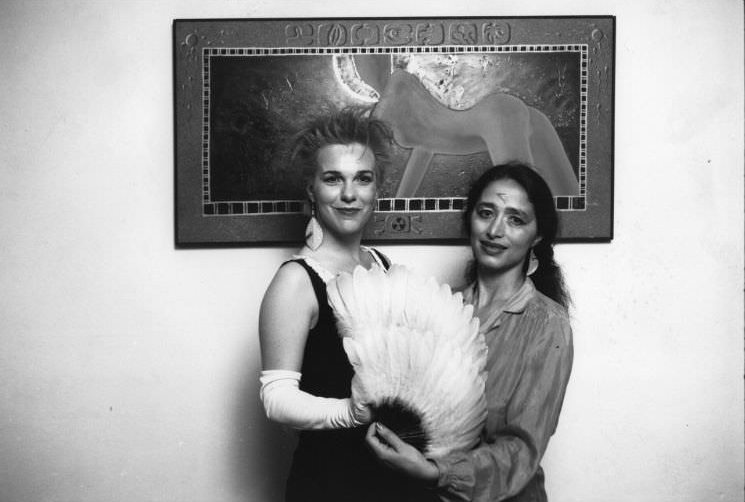
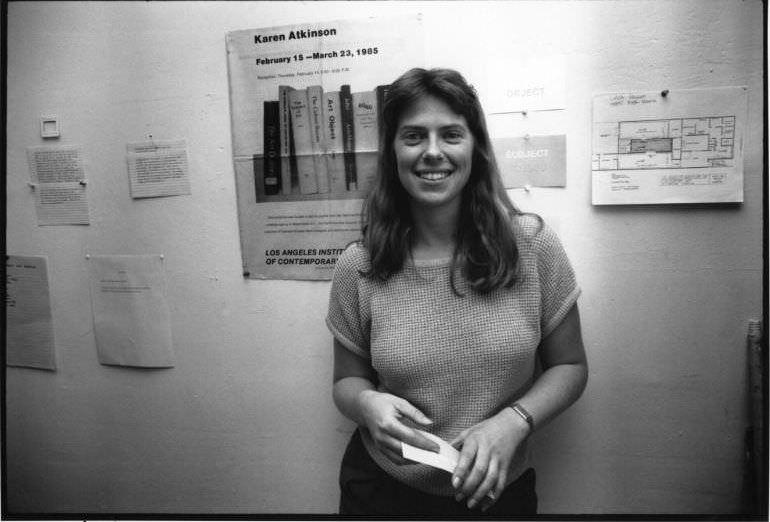
What makes Gee’s work stand out is the specificity. Every photograph is named. These are not anonymous faces in a crowd — they are Bruce, Meryl, Tammy, Andrew, Todd, Kristi, Miriam, Damagia. Gee took the time to record who these people were. For a subculture that mainstream society largely ignored or dismissed, that act of naming carries real weight. It insists that these individuals mattered and deserve to be remembered.
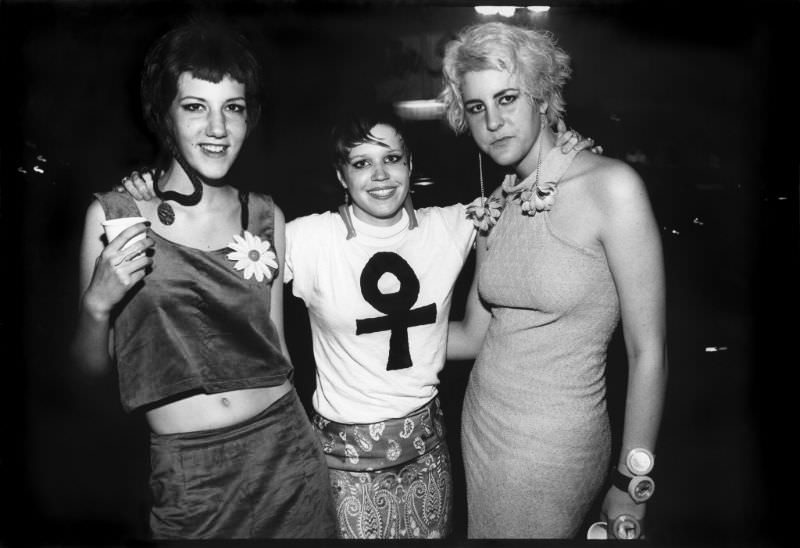
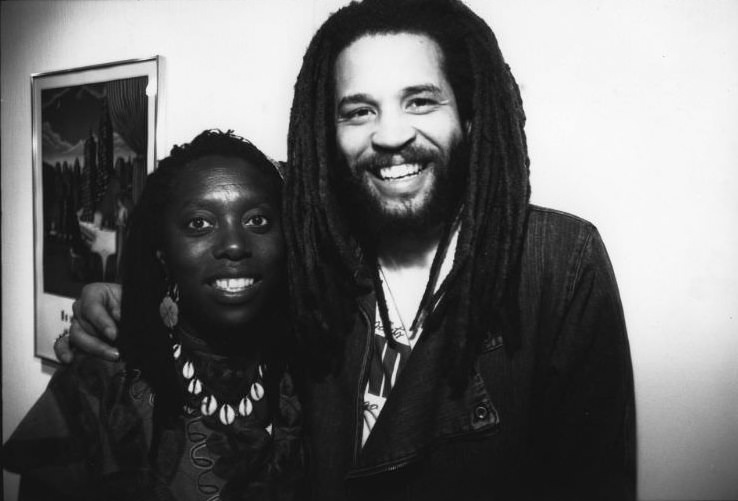
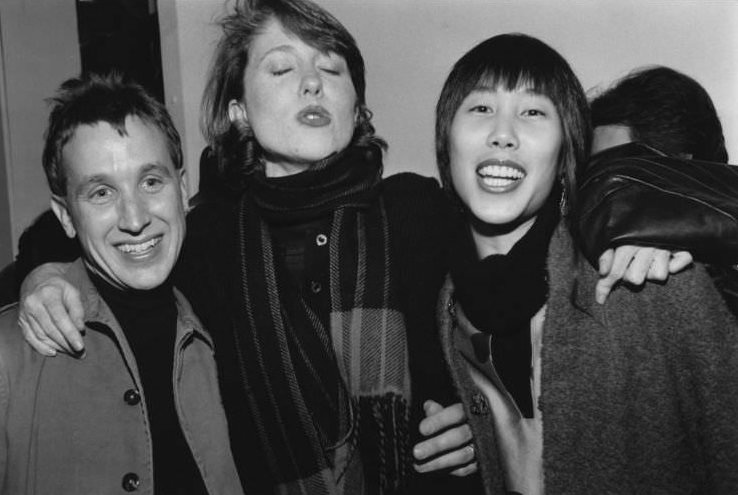
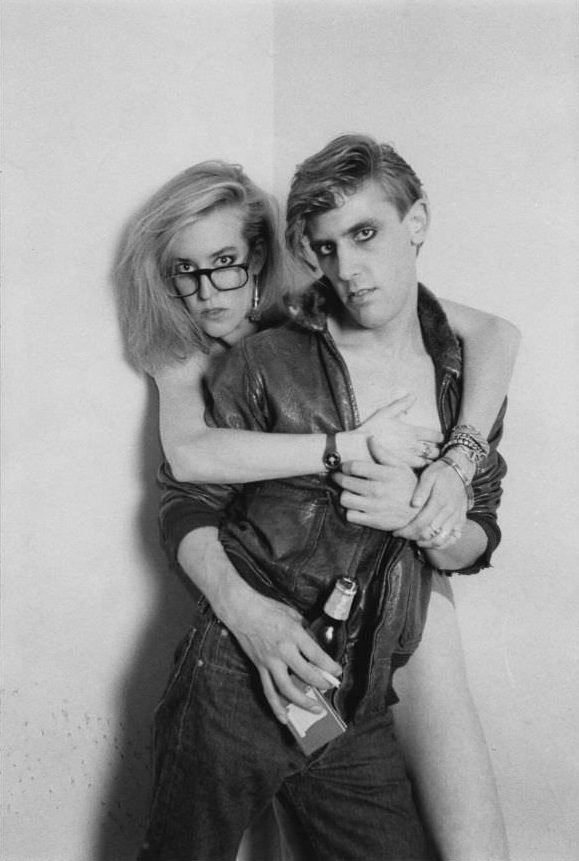
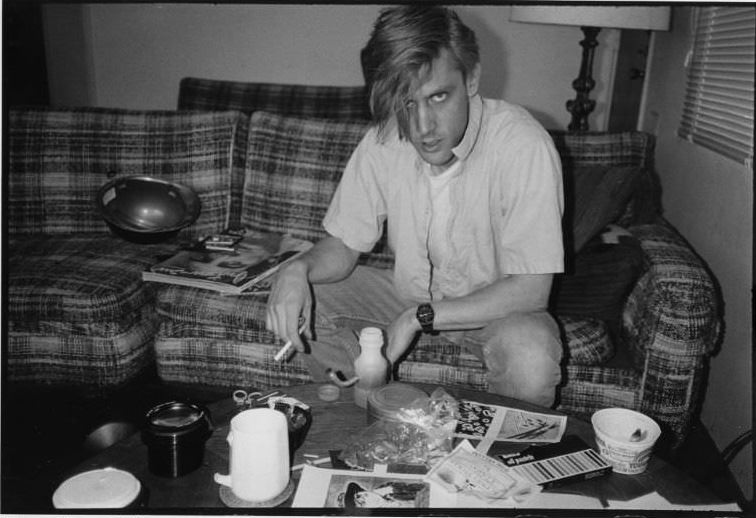
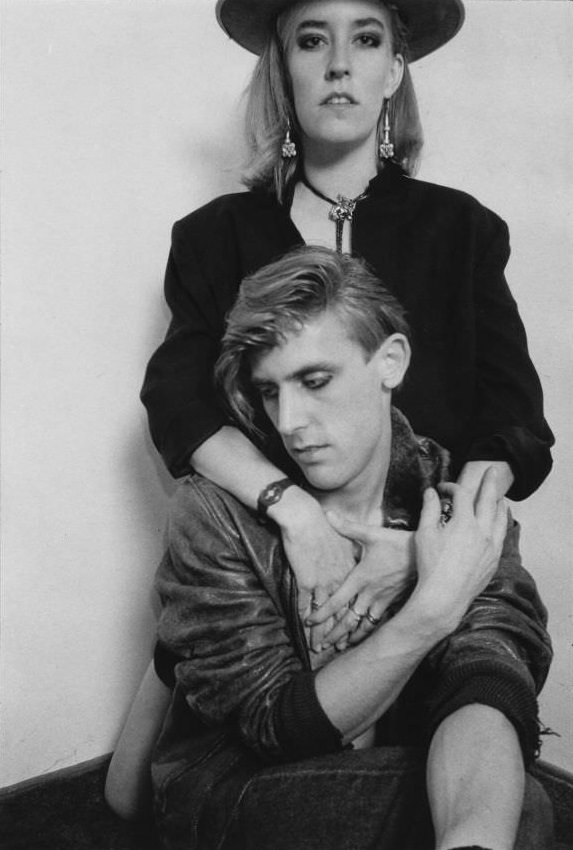
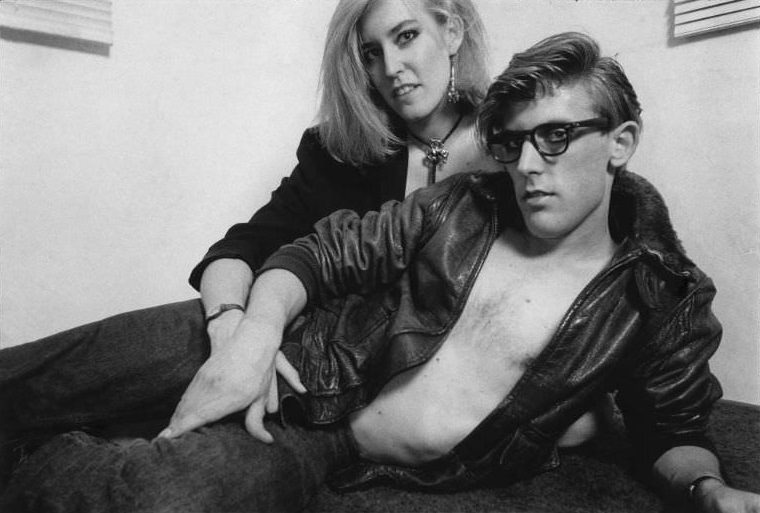
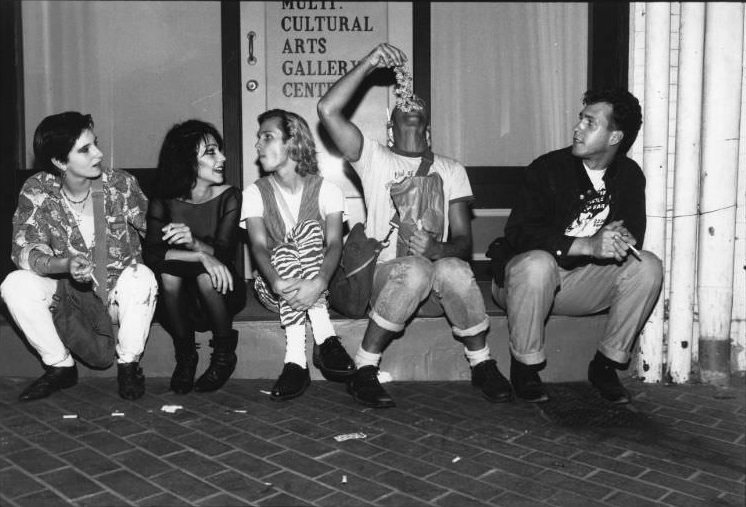
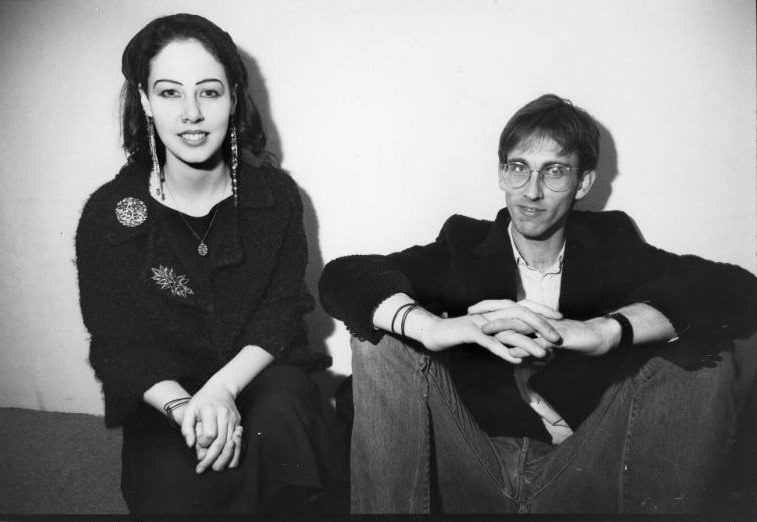
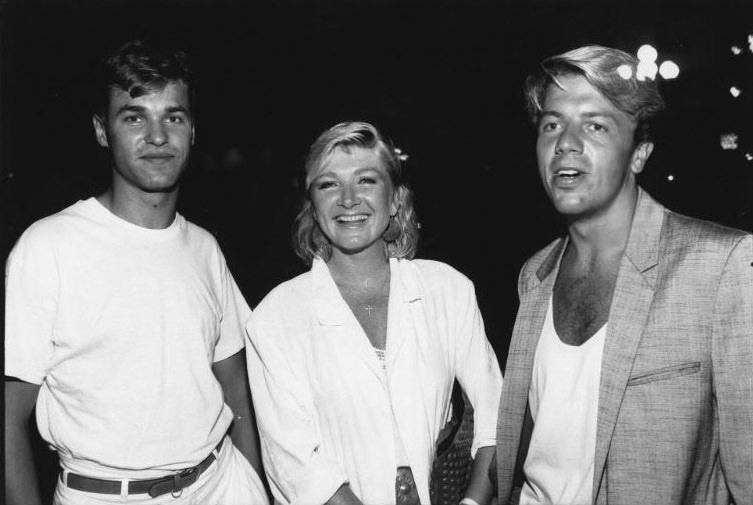
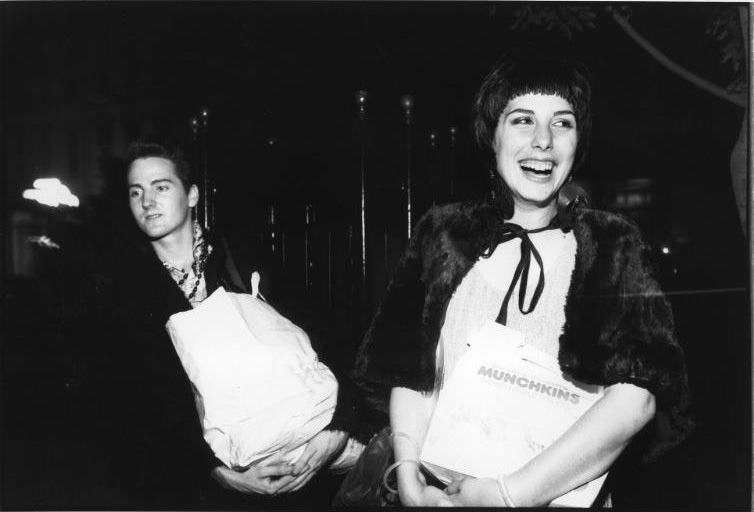
The final photographs in the collection, from 1986, close the decade’s first half on a note that feels both familiar and slightly different. Gary Rachac at Tasha’s Music City looks older than his 1981 appearance. Bobby and Eddie Liddle stand together with the ease of people who have known each other for years. And in the last frame, Gee himself appears — photographed alongside two women — a rare moment where the man behind the camera steps in front of it.