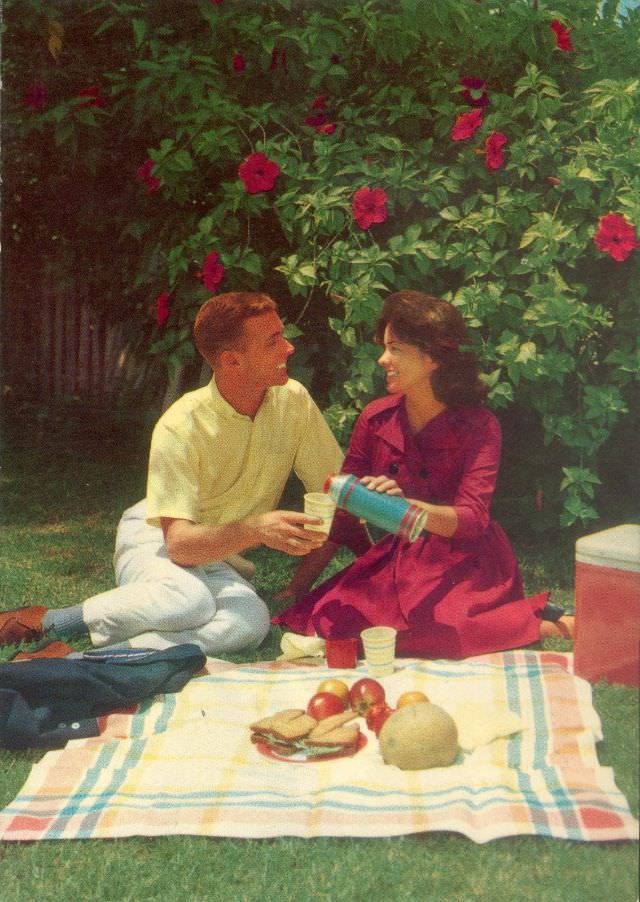
The word “romance” has a long history. It traces back to the Latin word Romanus, meaning “Roman” or “from Rome.” During the Middle Ages, French speakers used the term romanz to describe a style of Latin speech and the literature written in that everyday language. Those stories centered on knights, chivalry, and passion. Over time, “romance” grew to mean dramatic love stories in general. That shift is why romance today carries the sense of grand, heartfelt gestures between two people deeply in love.
Not every romantic gesture has to be dramatic, though. Romance can also live in quiet, steady moments — a shared glance, a gentle touch, or a handwritten note sent across the miles. In the 1950s, one of the most popular ways to express love and affection was through the postcard. Printed in soft, warm colors and often featuring stylized illustrations, these cards carried messages of devotion from one person to another.
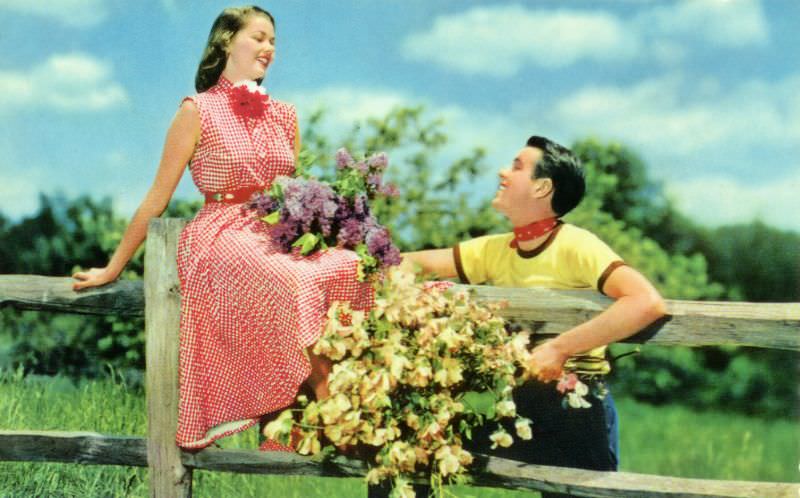
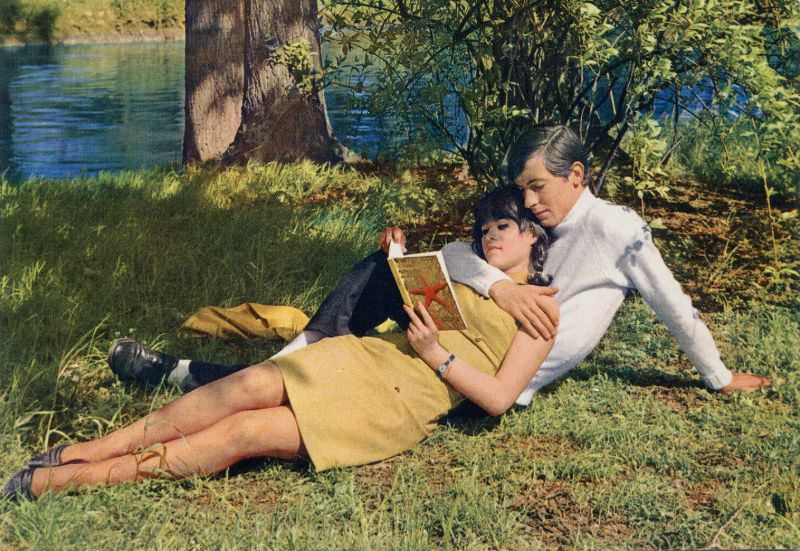
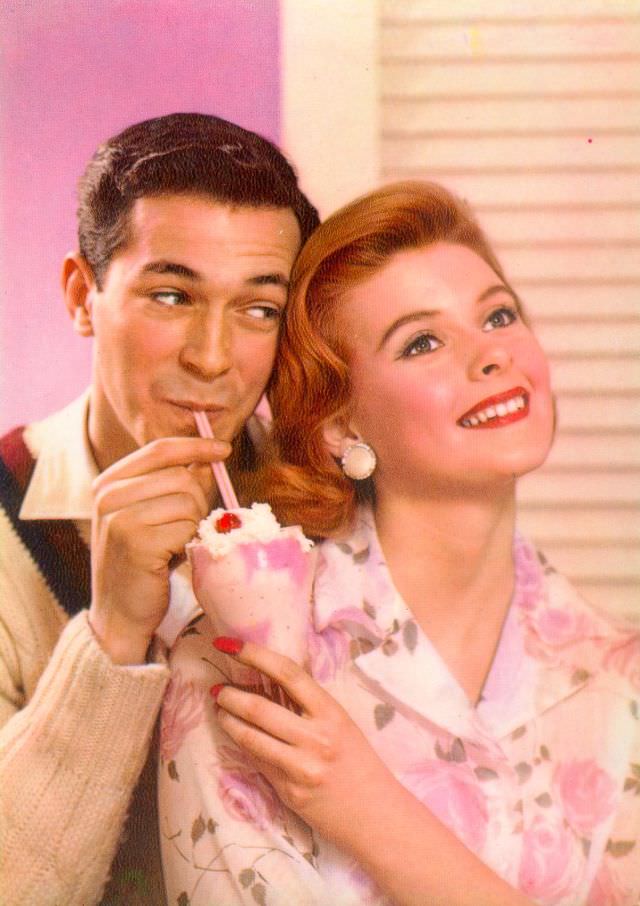
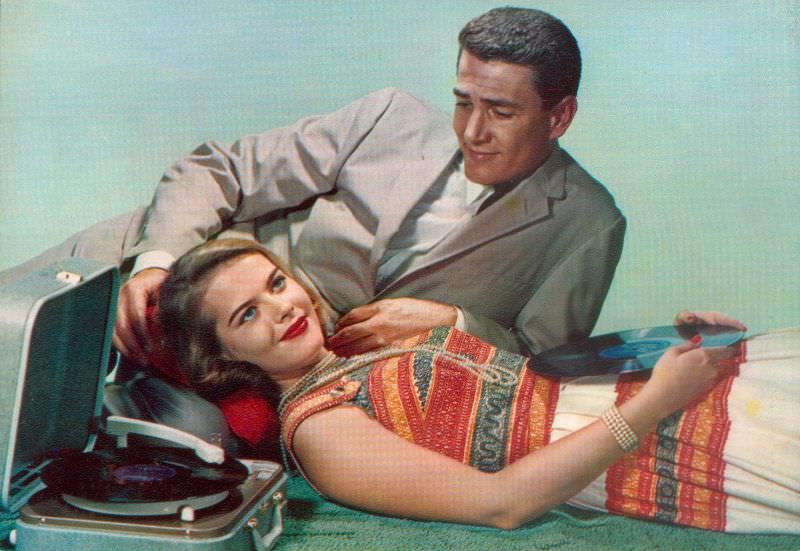
Postcards in the 1950s were an art form in their own right. Artists painted couples in idealized settings — moonlit gardens, cozy fireside scenes, and sun-drenched beaches. The couples in these illustrations were always well-dressed, and their expressions conveyed warmth, tenderness, and joy. These weren’t just greeting cards. They were small windows into how people of that era imagined love should look.
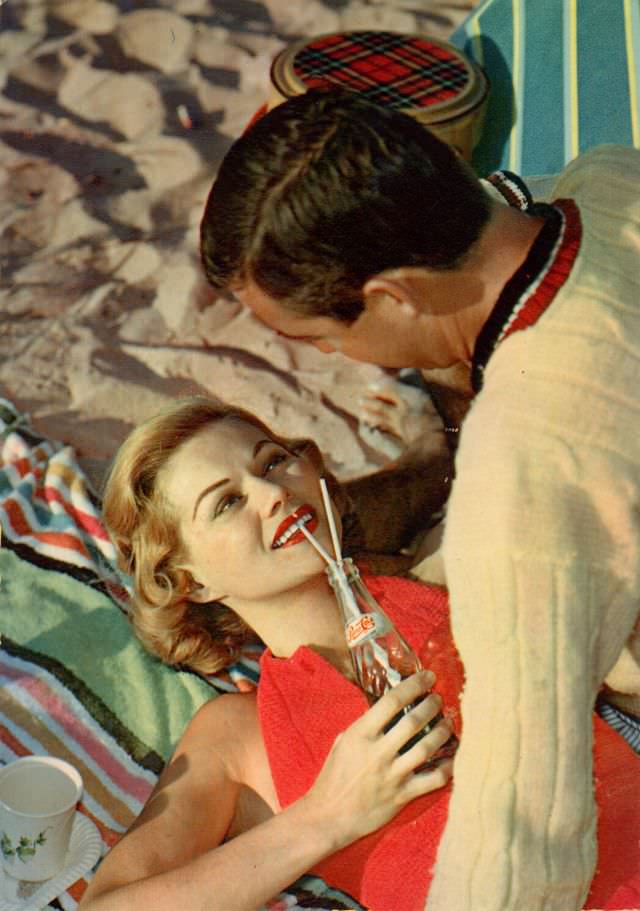
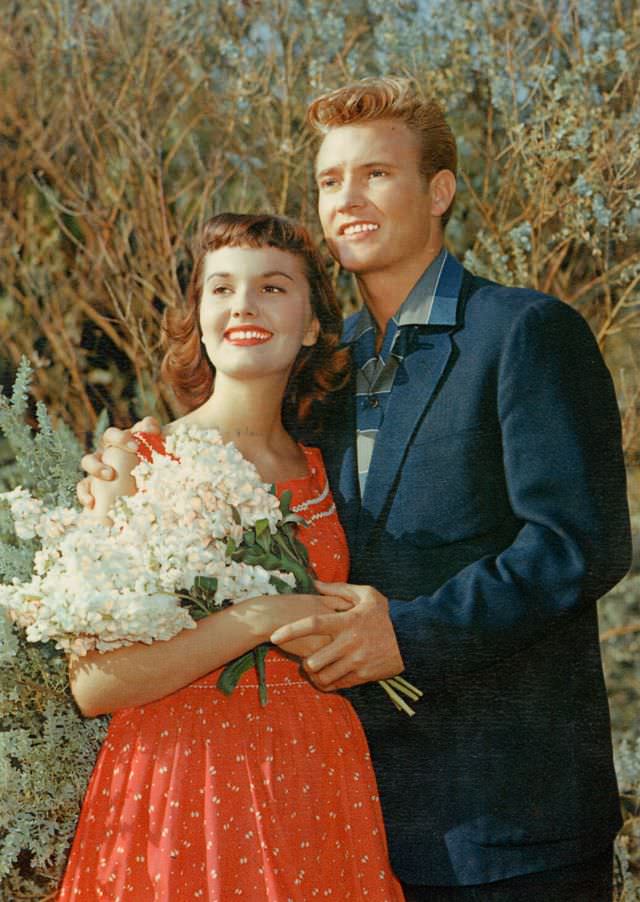
The postcard industry boomed in the postwar years. Soldiers had returned home, families were reuniting, and a new sense of optimism swept through everyday life. Love and courtship were celebrated openly in popular culture — in movies, music, and yes, in postcards. Publishers printed millions of romantic cards each year, and people bought them eagerly for birthdays, Valentine’s Day, anniversaries, and sometimes for no occasion at all.
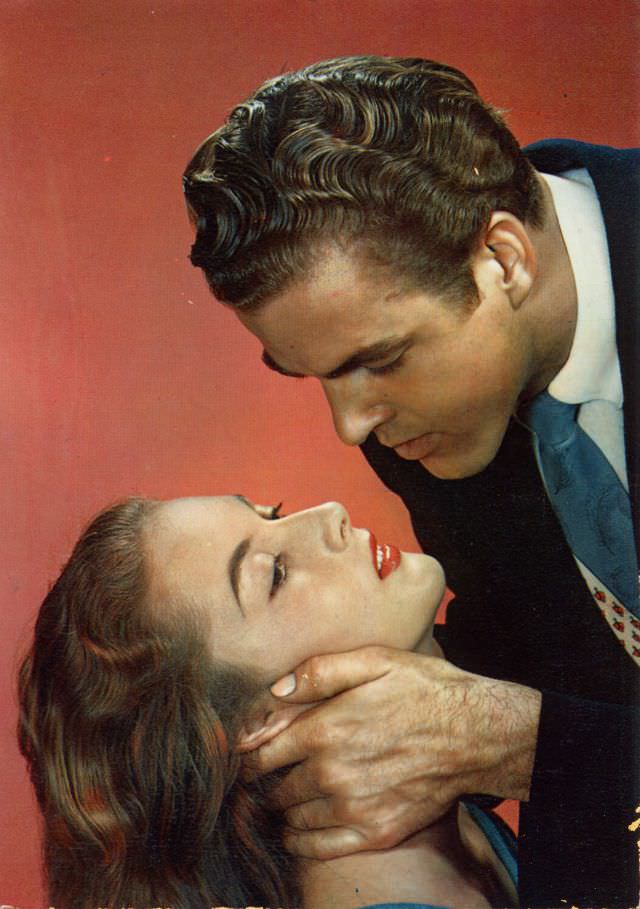
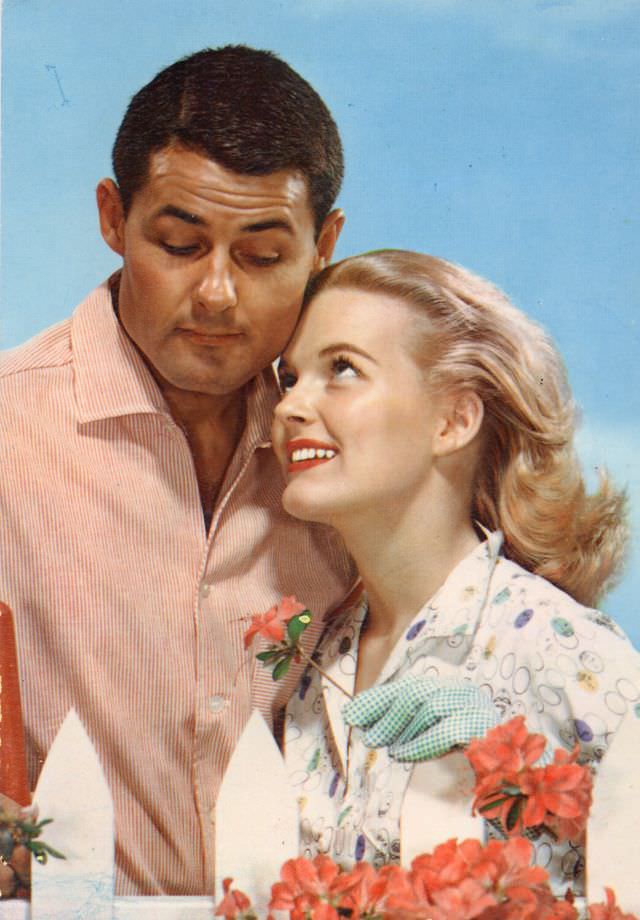
The artwork on these postcards followed the visual style of the era. Soft pastel backgrounds, rosy cheeks, and flowing dresses were standard. Men wore suits or sweaters, and women appeared in full skirts or elegant evening wear. The color printing techniques of the time gave each card a dreamy, almost painterly quality that photographs couldn’t quite match.
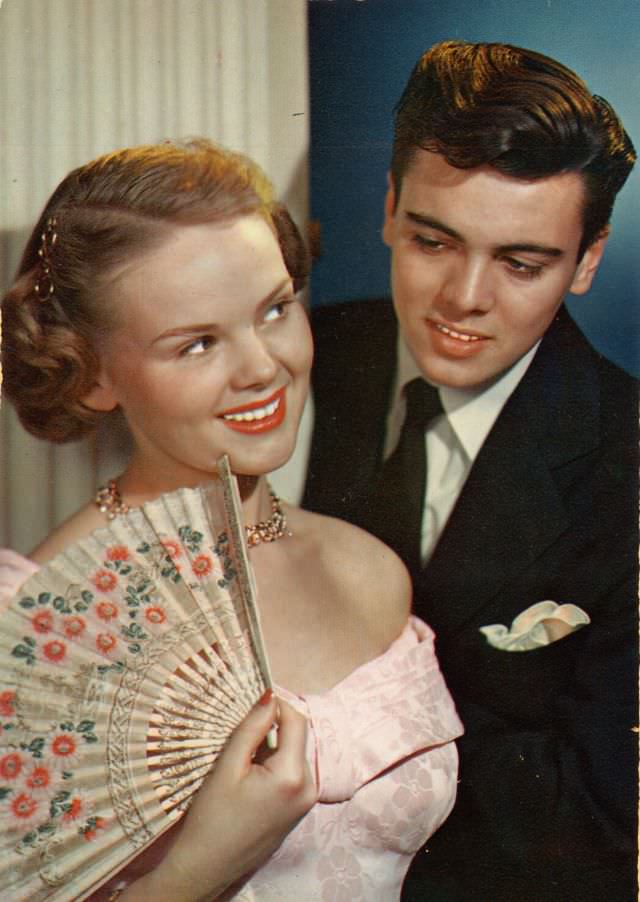
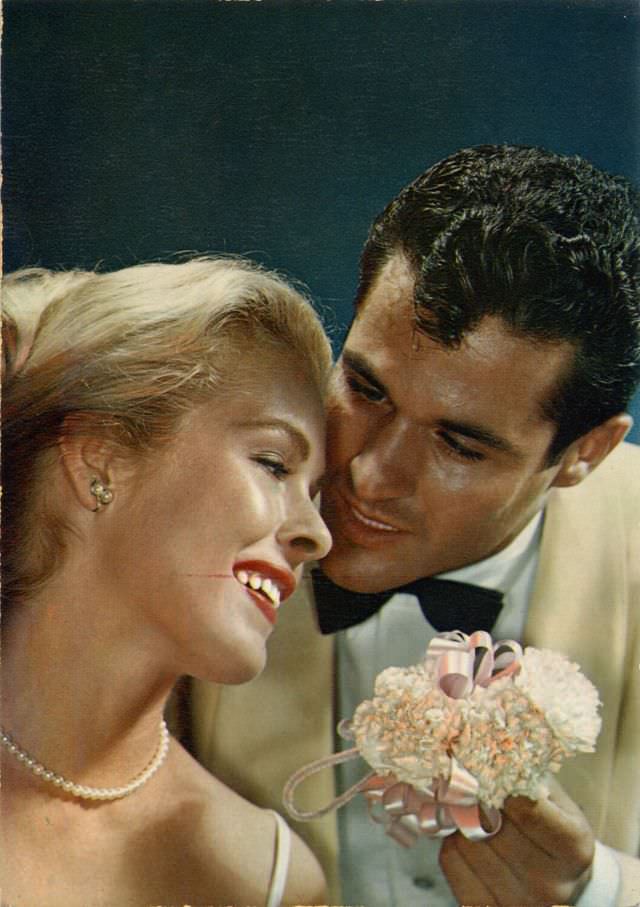

Many of these postcards carried printed verses or short messages about love and devotion. Some were sentimental and poetic. Others were playful and lighthearted. The sender would often add a handwritten note on the back, making each card a personal and unique object. Today, collectors prize these handwritten versions because they offer a direct glimpse into real relationships from decades past.
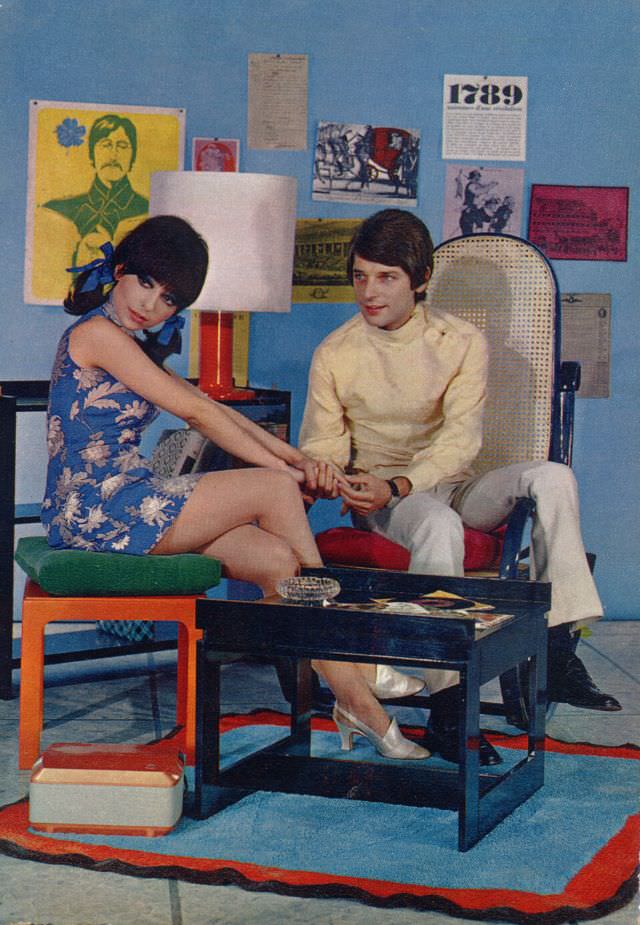
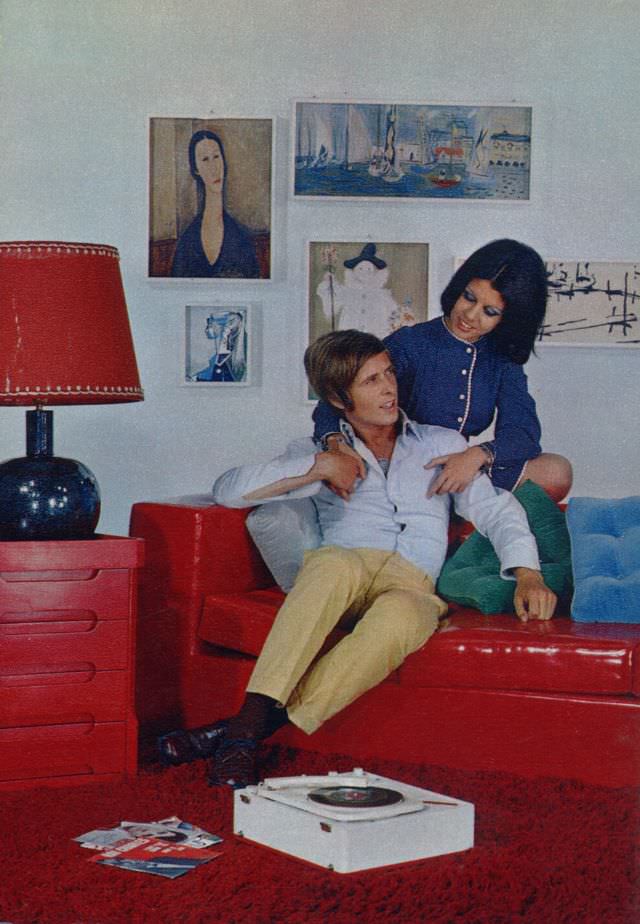
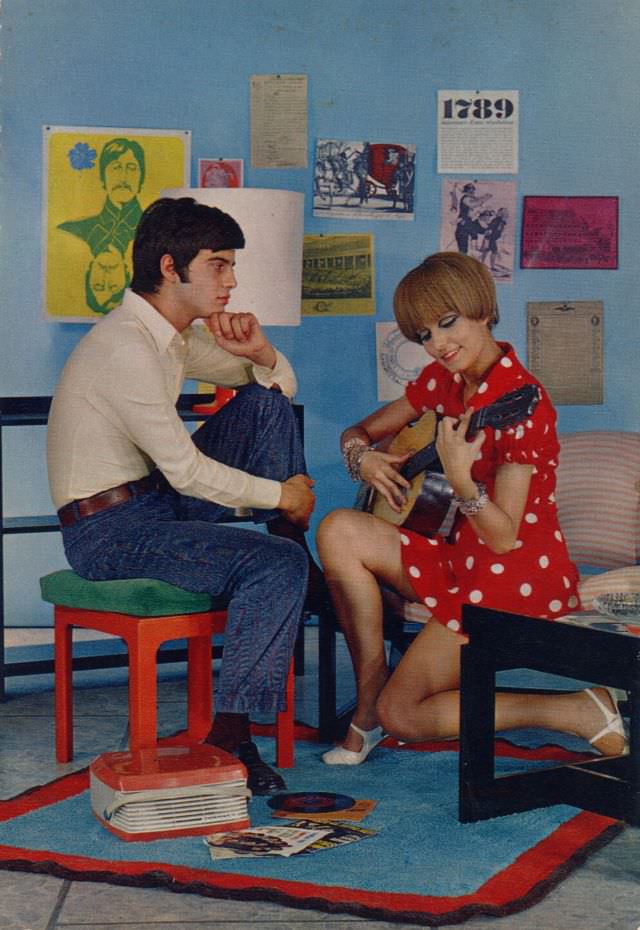
Valentine’s Day cards made up a large portion of the romantic postcard market. But publishers also produced cards tied to no specific holiday — simply illustrations of couples meant to say “I’m thinking of you” or “I love you.” These everyday romance cards show that people in the 1950s didn’t need a calendar date to express their feelings.
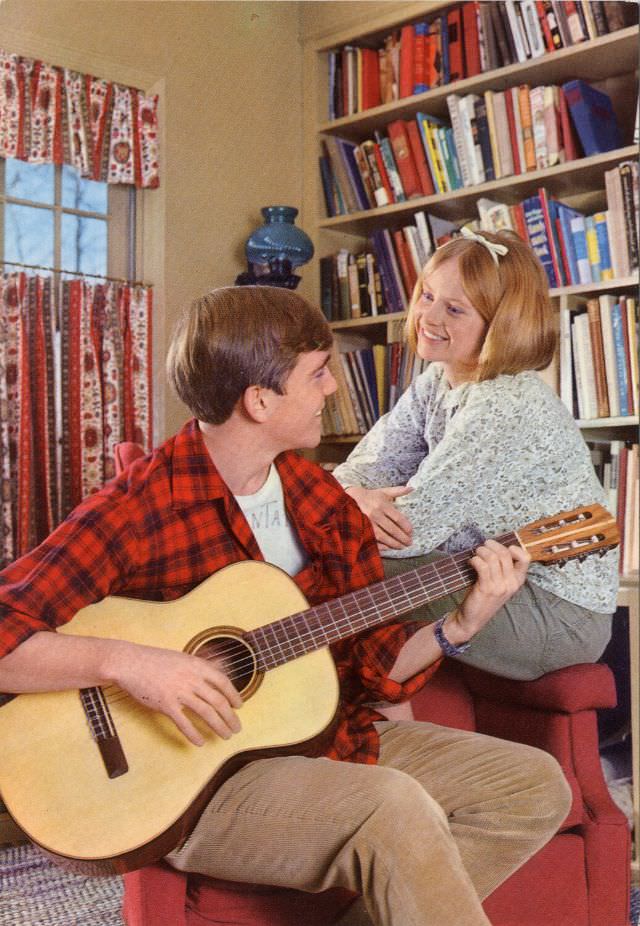
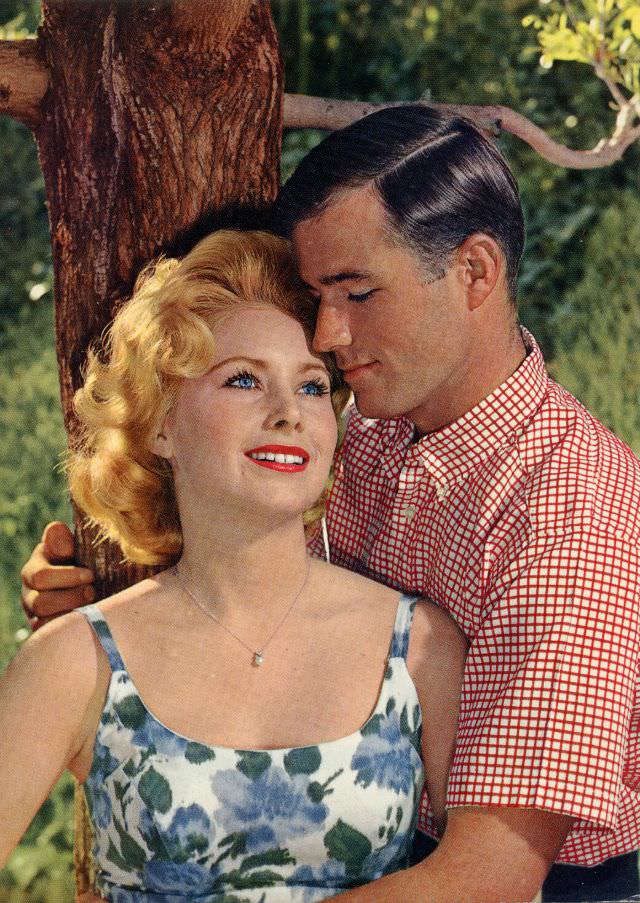
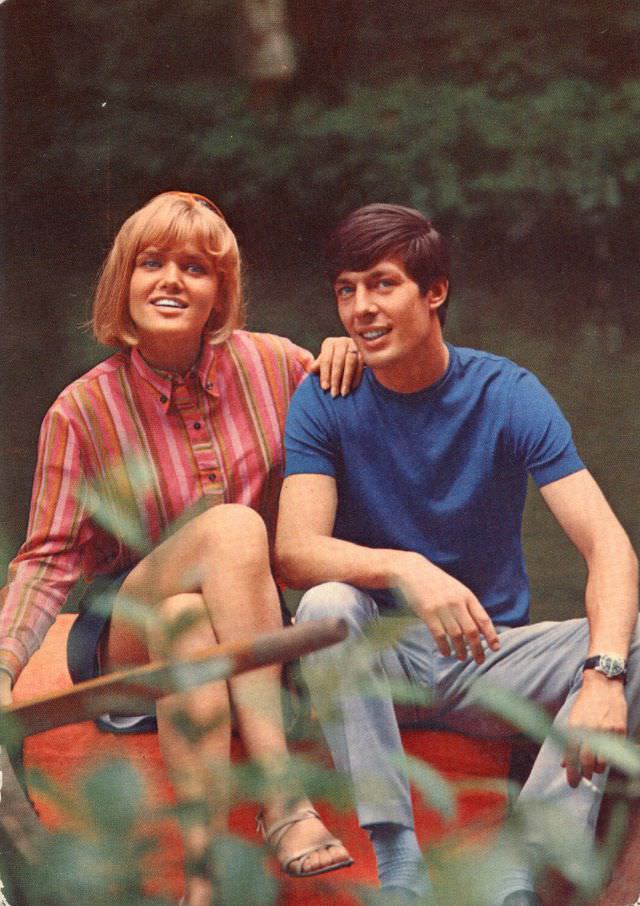
The artists who created these illustrations often worked anonymously. Their names rarely appeared on the cards, yet their work reached millions of homes. Some of the most recognizable styles came from European publishers, particularly from countries like Italy, France, and Germany, which had strong postcard printing traditions going back to the early 1900s.
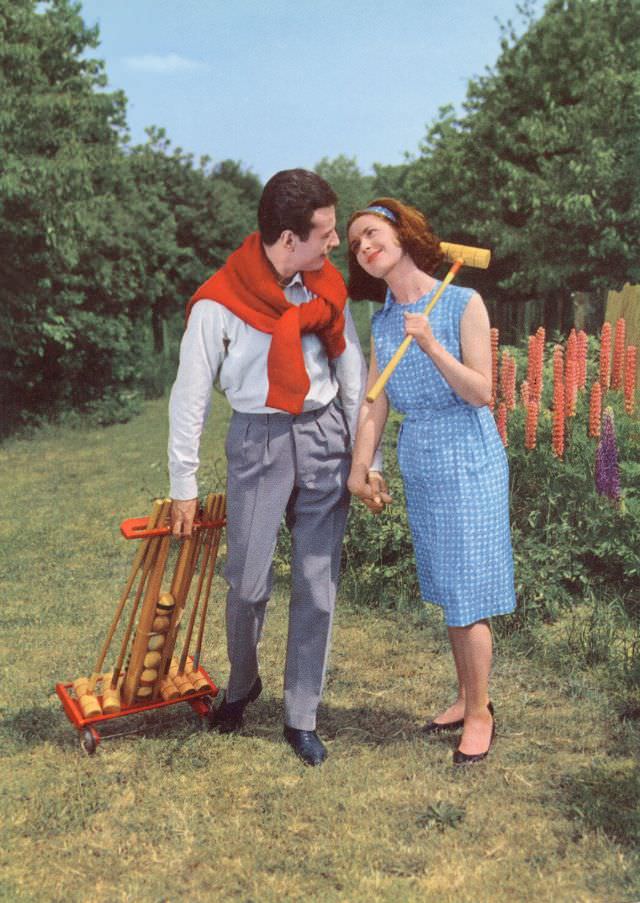
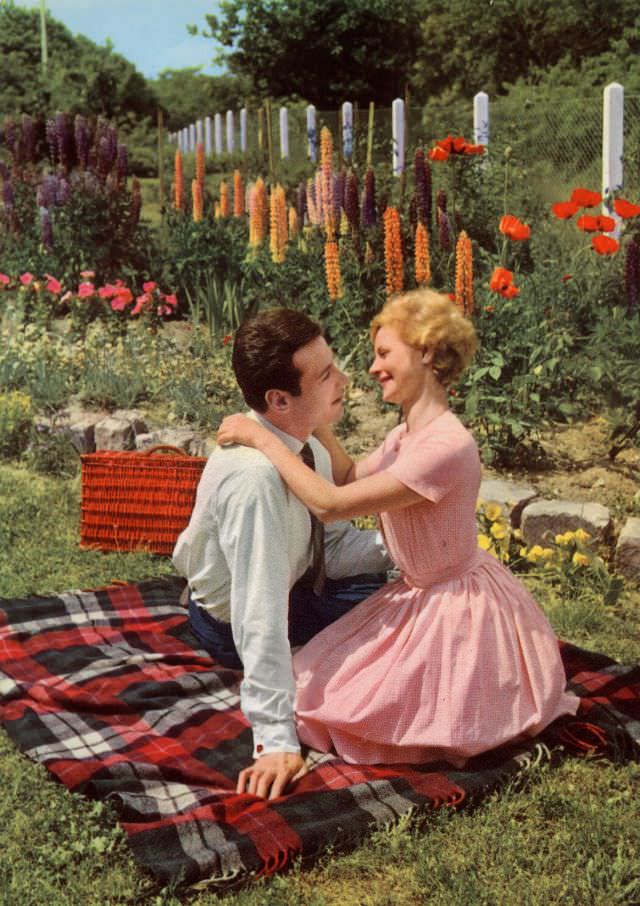
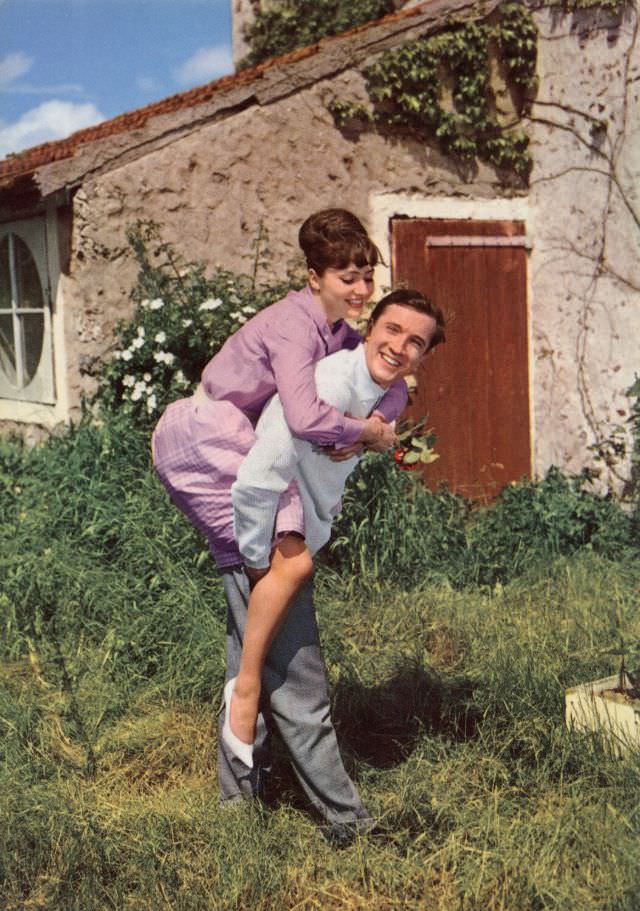
American postcard publishers also produced enormous quantities of romantic cards during this period. Companies like Hallmark and Gibson had been in the greeting card business for decades and understood exactly what their customers wanted — warmth, beauty, and a feeling that love was something worth celebrating every day.
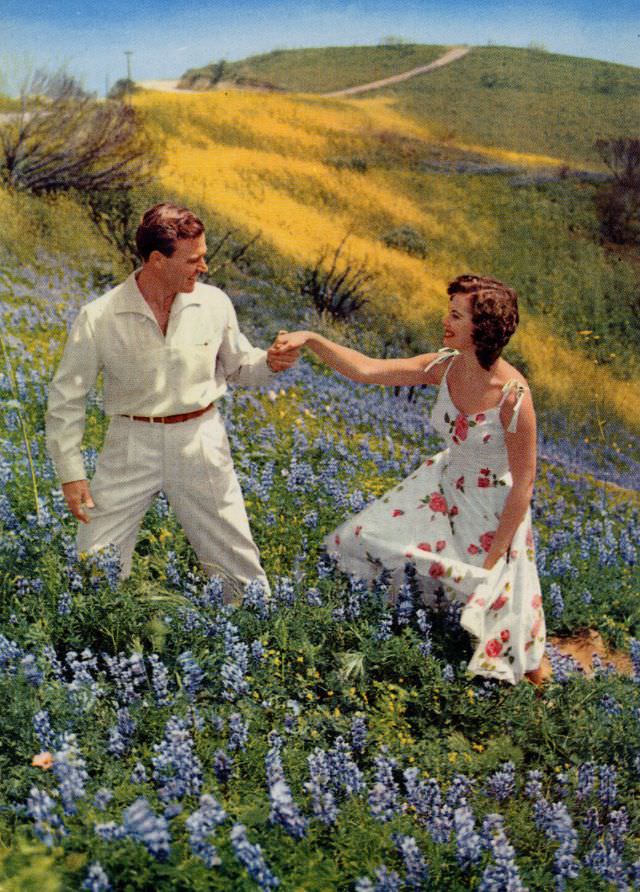
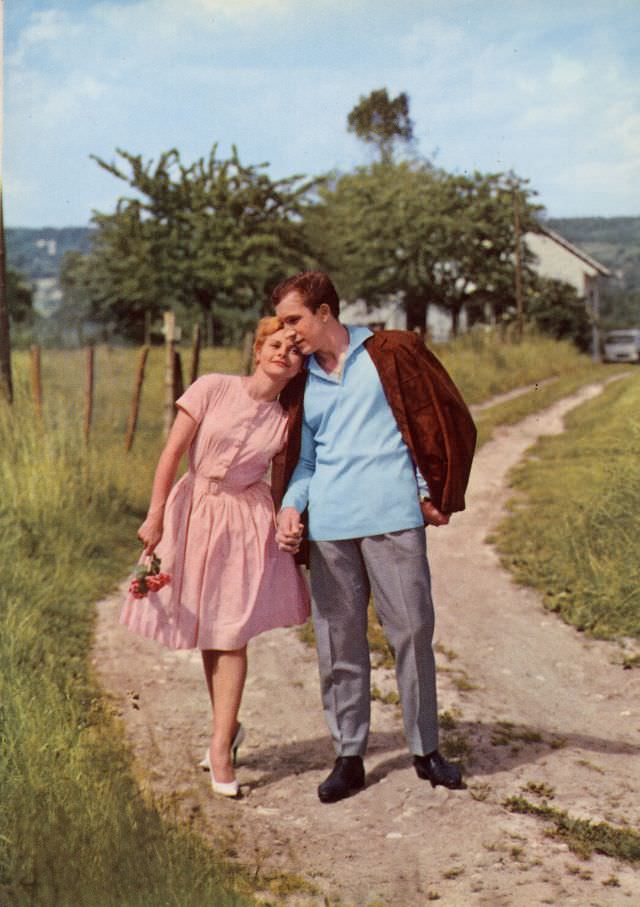
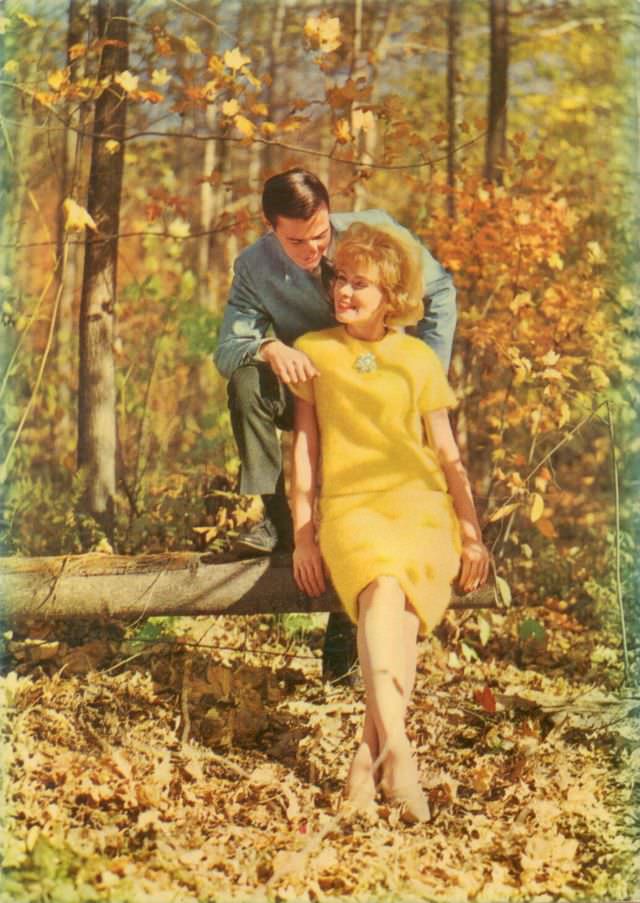
Looking at these postcards today, it’s striking how consistent the imagery is. Couples are always close together — arms linked, hands held, faces near. Body language in the artwork was deliberate. The illustrators knew that proximity and touch communicated affection more powerfully than any printed word.
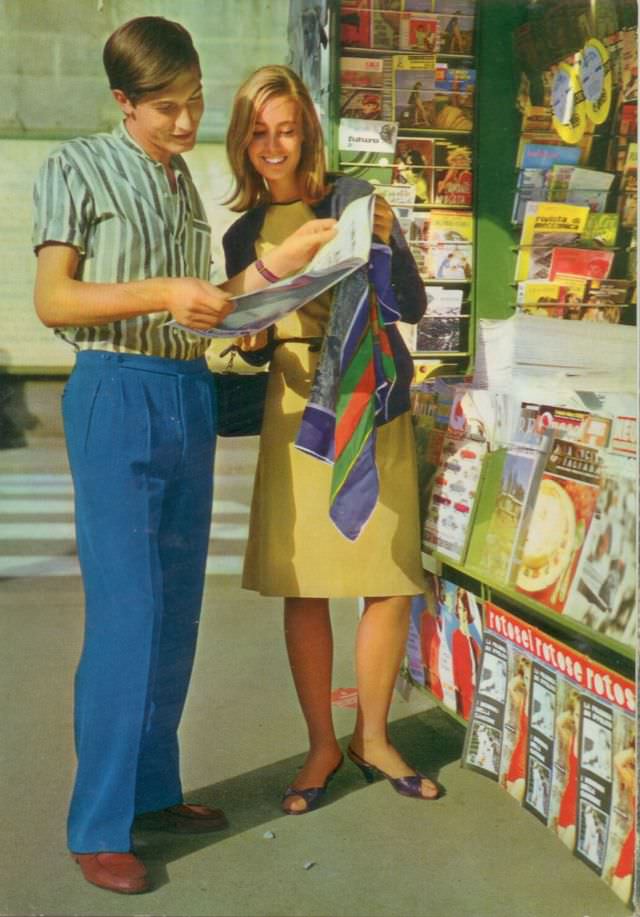
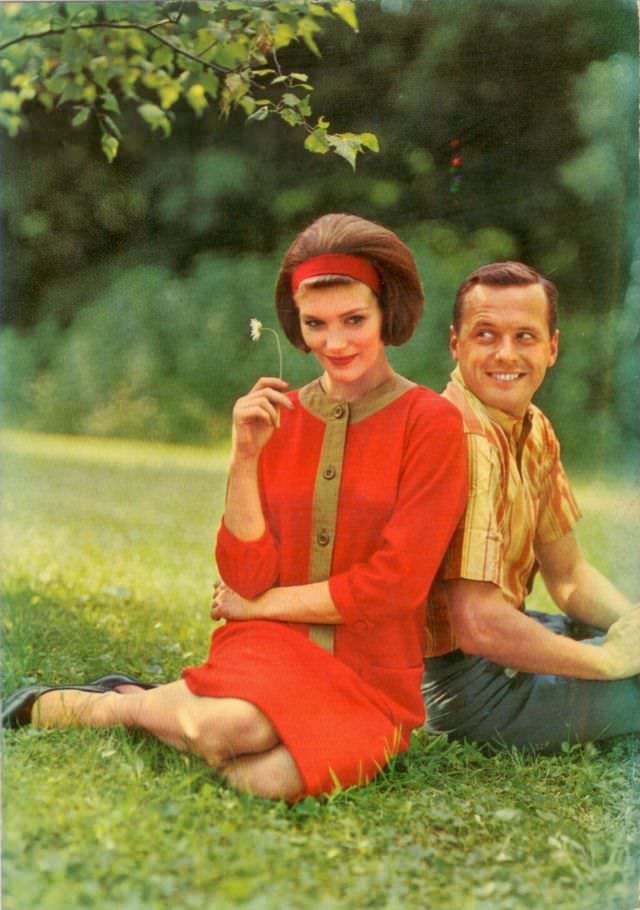
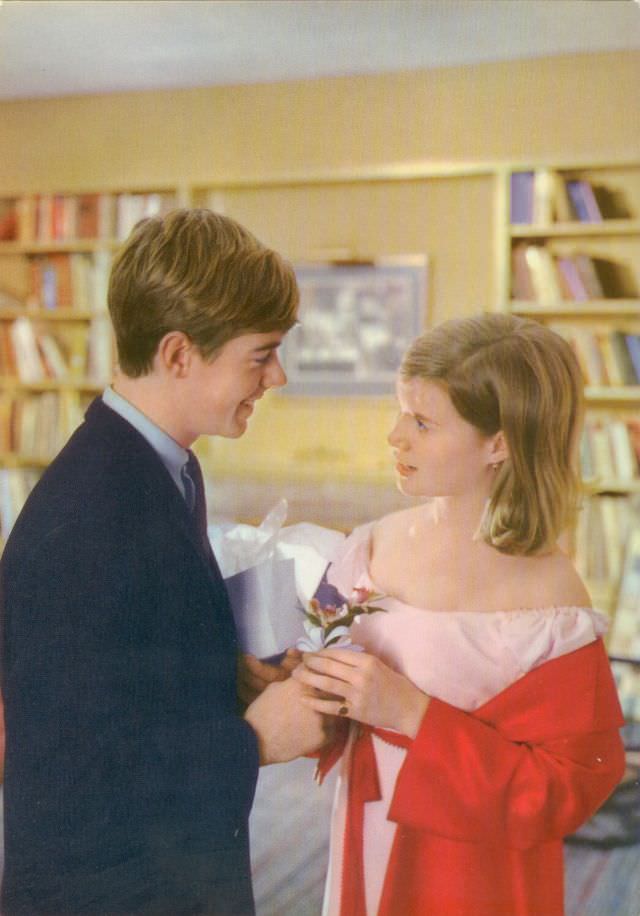
Outdoor settings were common in the artwork. Couples strolled through autumn leaves, sat beneath flowering trees, or watched sunsets from cliffs above the sea. Nature served as a backdrop that made romantic moments feel timeless. These scenes weren’t tied to a specific city or region, which helped the cards feel universal — anyone could see themselves in the picture.
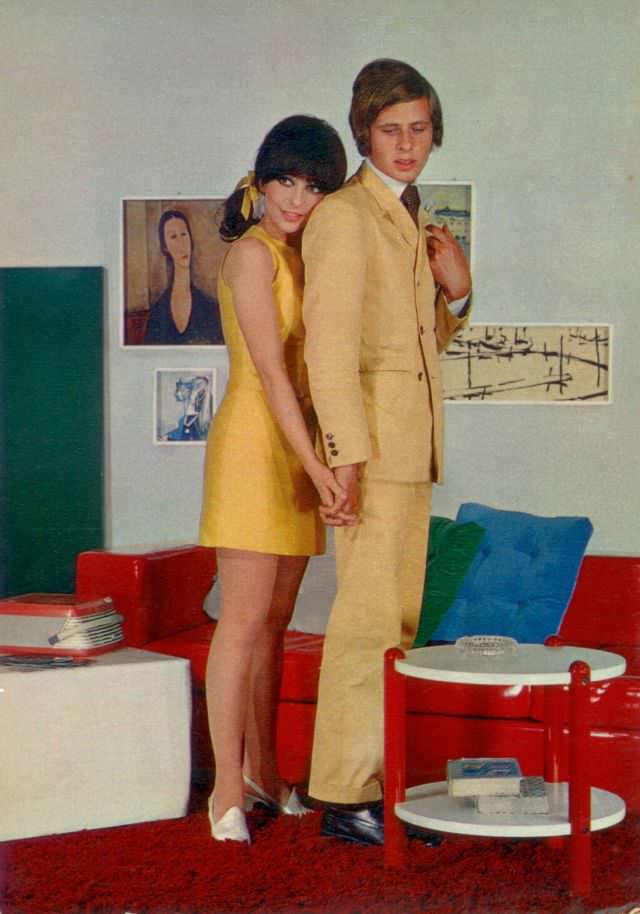
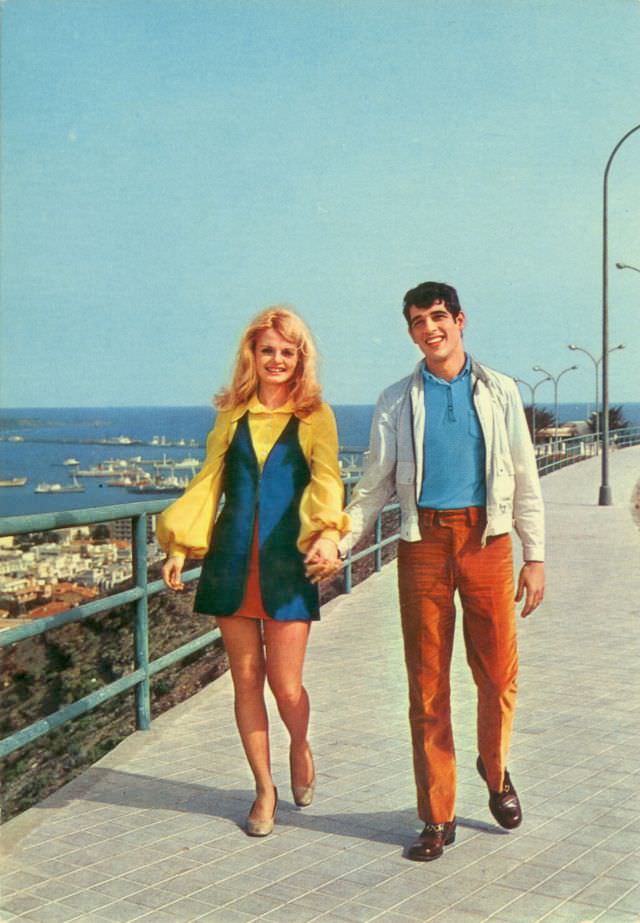
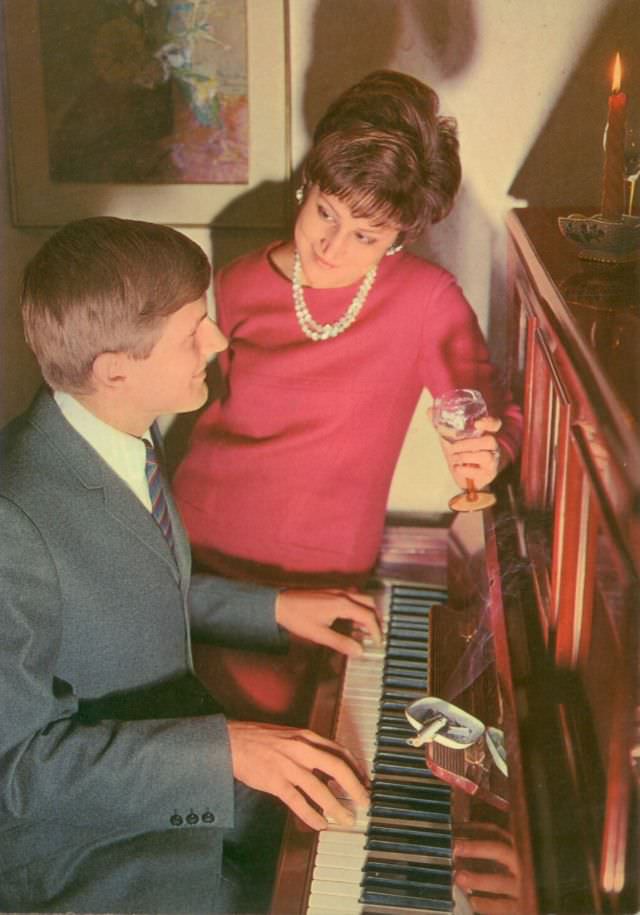
Indoor scenes also appeared frequently. A couple sharing a candlelit dinner, a pair dancing in a parlor, or two people sitting close by a winter fire — these images spoke to the domestic side of romance. In the 1950s, home life was idealized in popular culture, and postcard artists reflected that by framing love within cozy, comfortable spaces.
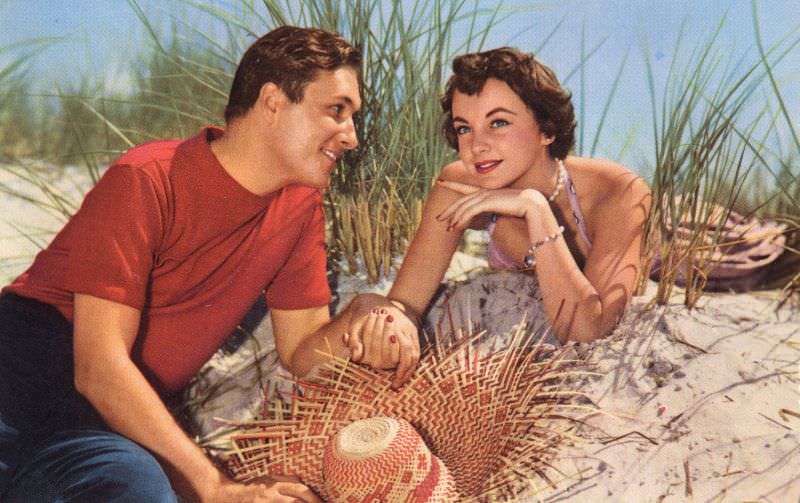
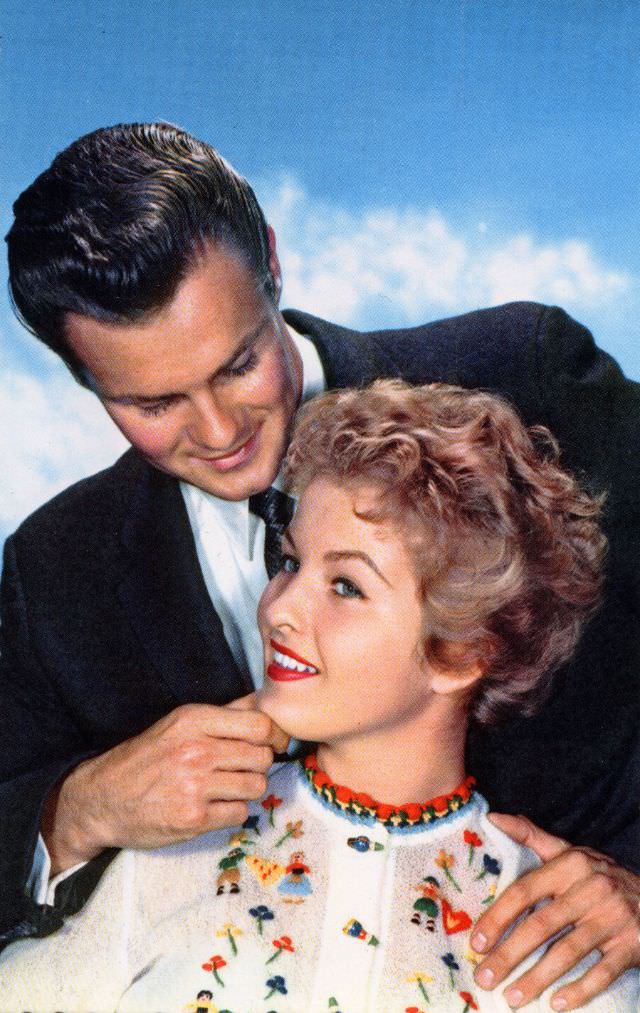
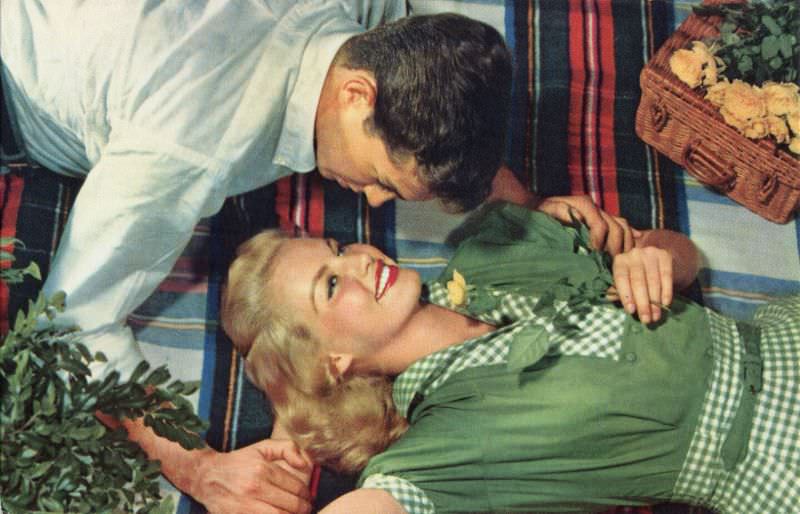
Color played a major role in the emotional tone of these cards. Warm reds and pinks dominated Valentine’s themed cards. Spring collections leaned into soft yellows and greens. Autumn cards used deep golds and russet tones. Each color palette was carefully chosen to match the mood of the season and the feeling the card was meant to convey.
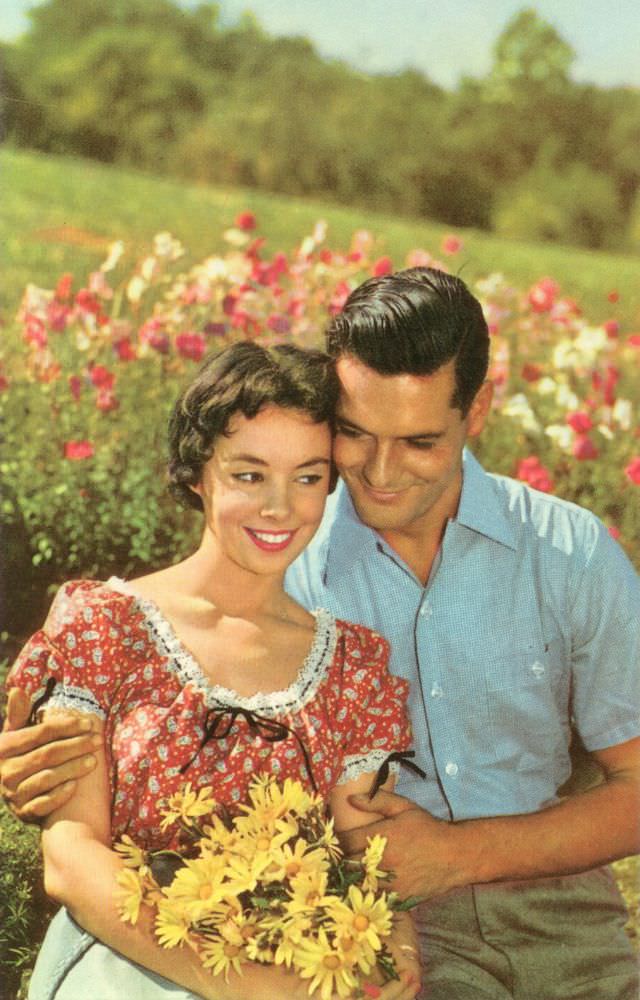
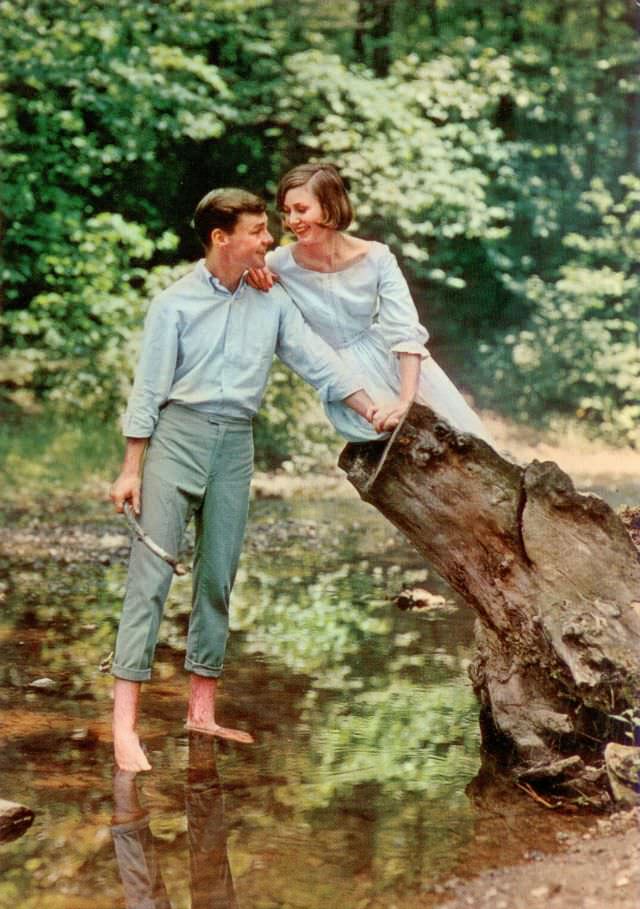
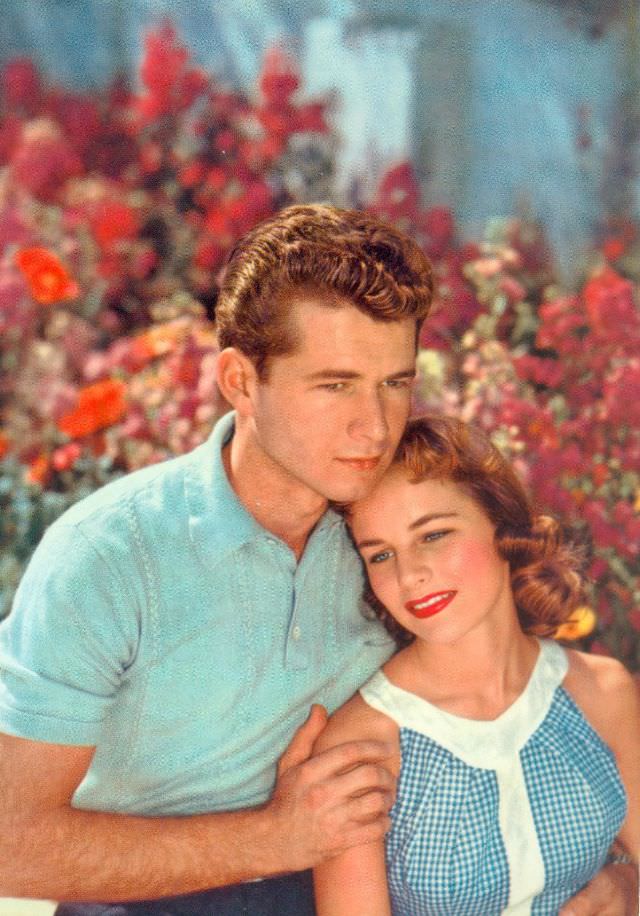
By the early 1960s, the style of romantic postcards began to shift. Illustrations became slightly more modern, with bolder lines and more graphic designs replacing the soft painterly look of the 1950s. The couples in the artwork began to reflect changing fashion — shorter hemlines, narrower ties, and different hairstyles. But the core message remained the same: love is worth expressing, and a small card can carry a very large feeling.
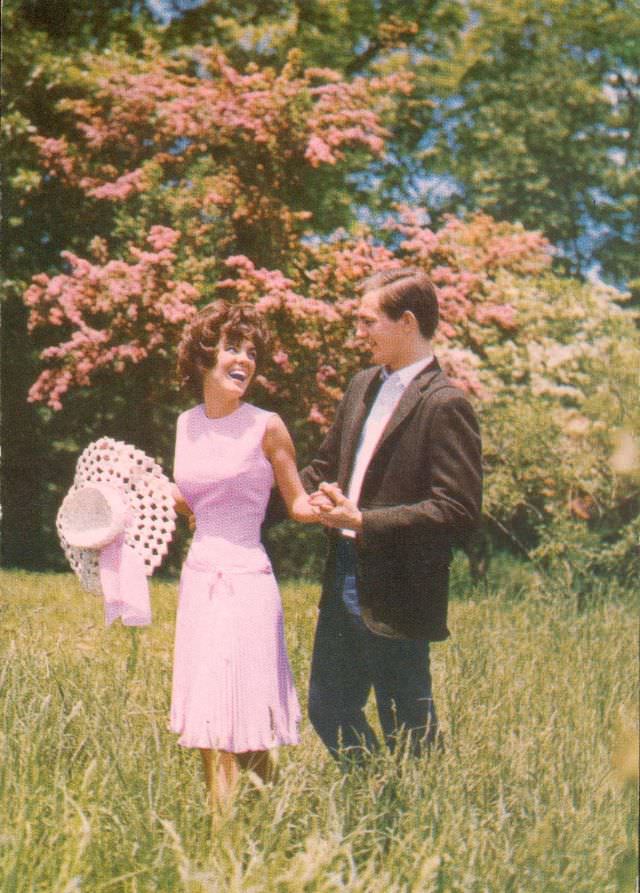
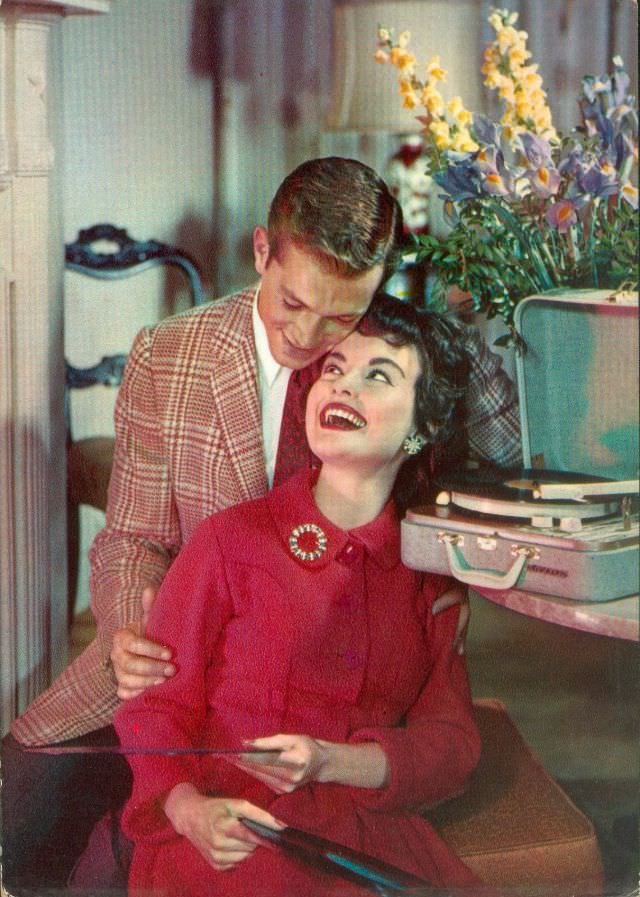

Today, vintage romantic postcards from the 1950s are collected worldwide. Antique markets, estate sales, and online auction sites regularly feature large collections. Some collectors focus on a specific artist’s style, while others seek cards from particular publishers or countries. The best-preserved examples, especially those with original handwritten messages on the back, fetch strong prices among enthusiasts.
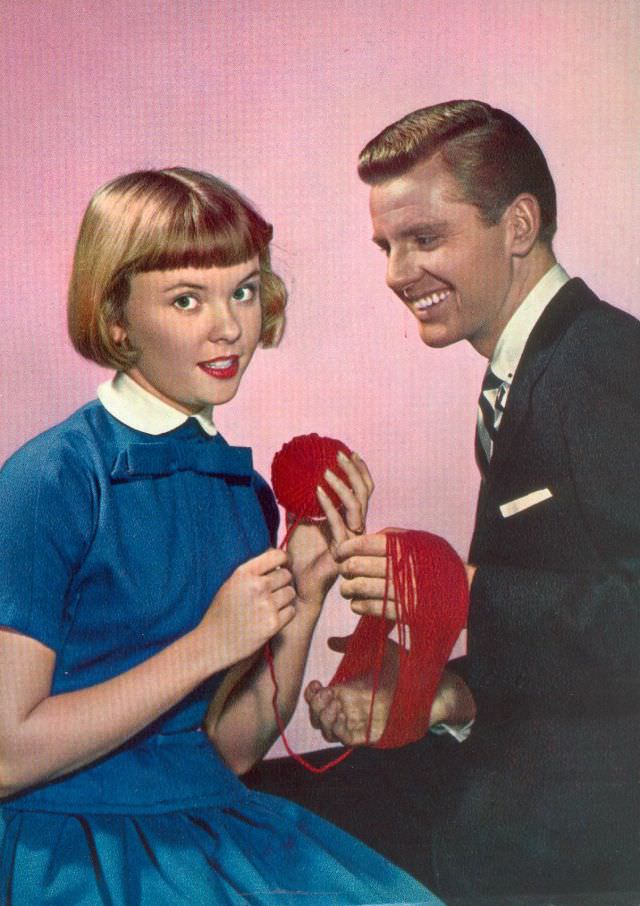
These postcards are more than decorative objects. Each one was produced at a specific moment in time, printed by a real publisher, sold in a real shop, and chosen by a real person who wanted to tell someone else that they mattered. That human chain — from artist to printer to buyer to recipient — makes every surviving card a small but genuine piece of social history.