
By the time the twentieth century arrived, Paris was already changing beyond recognition. The wide boulevards, open parks, and uniform stone façades that define the city today were the result of a massive rebuilding campaign known as Haussmannization—a modernization effort ordered by Emperor Napoleon III and carried out by Baron Georges-Eugène Haussmann from the 1850s onward. Entire medieval neighborhoods were bulldozed. Narrow lanes, crumbling courtyards, and centuries-old market streets were erased to make way for the grand new Paris. One man made it his mission to photograph what was left before it disappeared entirely.
Eugène Atget began photography in the late 1880s, initially selling his prints as reference material to painters, architects, and stage designers who needed accurate visual records of the city’s older architecture and street life. His clients needed details—ironwork on a doorway, the texture of a courtyard wall, the layout of a market stall. Atget supplied all of this, and in doing so, he built an archive of Paris that no one else had thought to create. Around 1900, his focus on Parisian subjects stopped being a side interest and became his primary work. He became a specialist in the city itself.
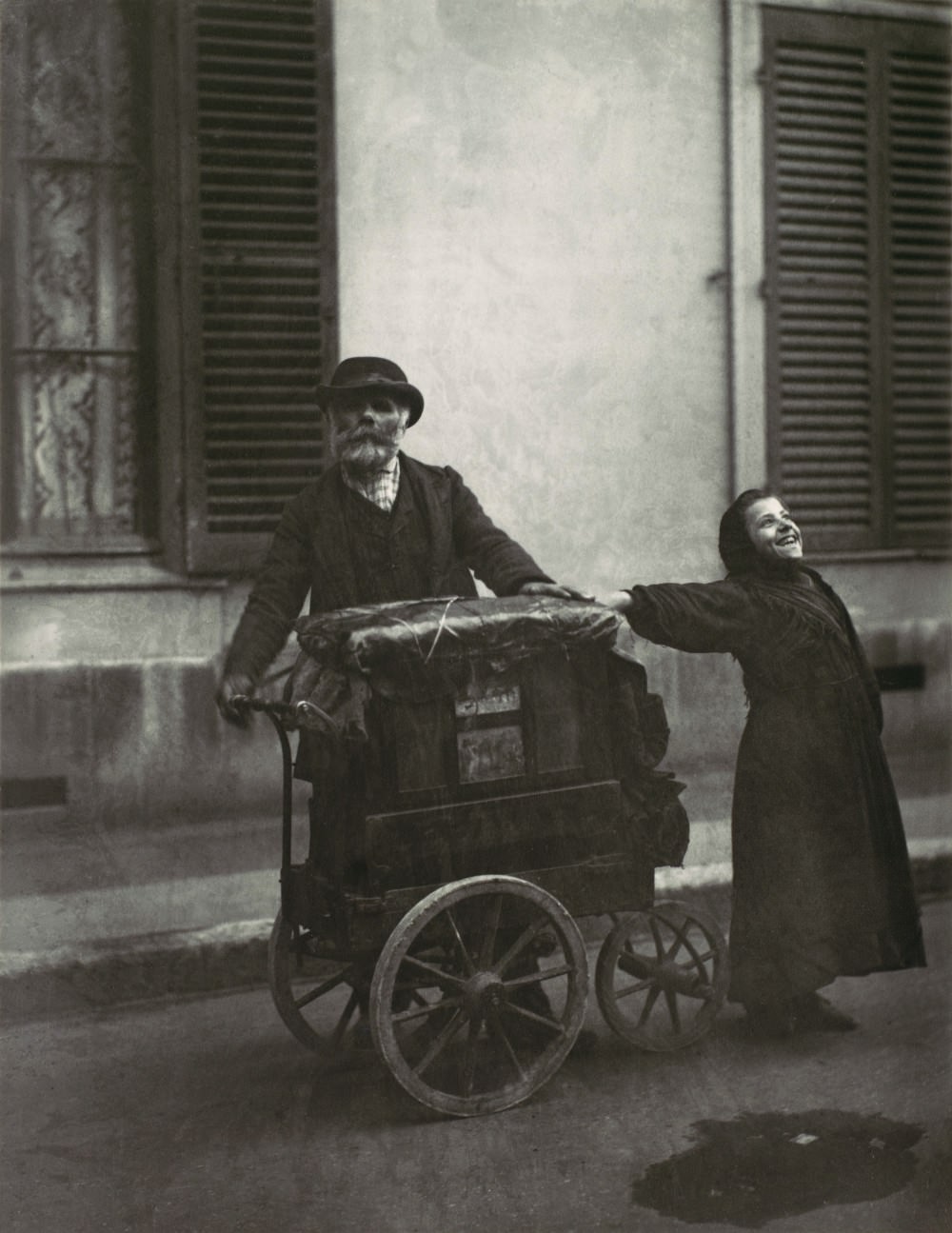
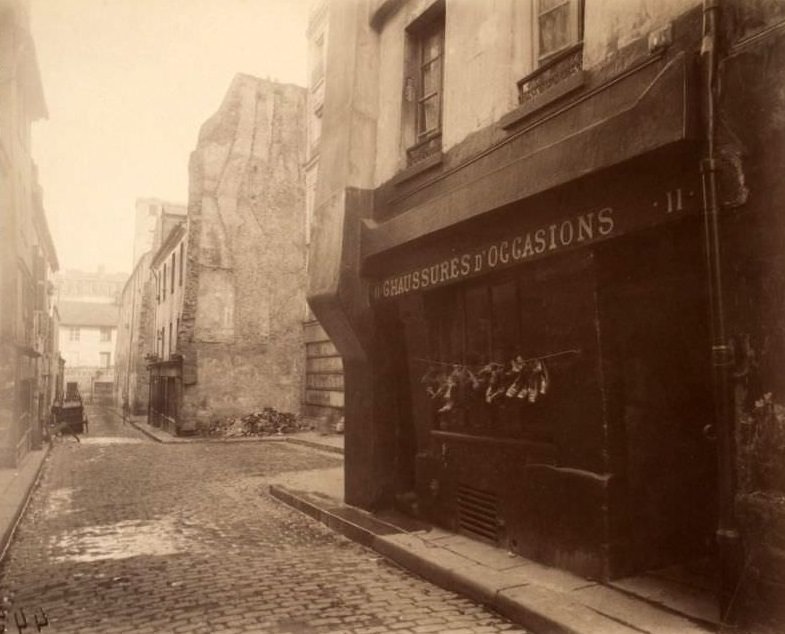
Atget worked with a large-format wooden camera and glass plate negatives—equipment that was already considered old-fashioned by many photographers of his era. He often went out at dawn, before the city’s streets filled with people and traffic. The early morning light gave his photographs a quiet, slightly diffused quality that made even a busy corner look still. That stillness was not an artistic accident. It was a practical result of his technique and timing, but it also gave his images a sense of weight—as if the streets themselves were aware they were being recorded for the last time.
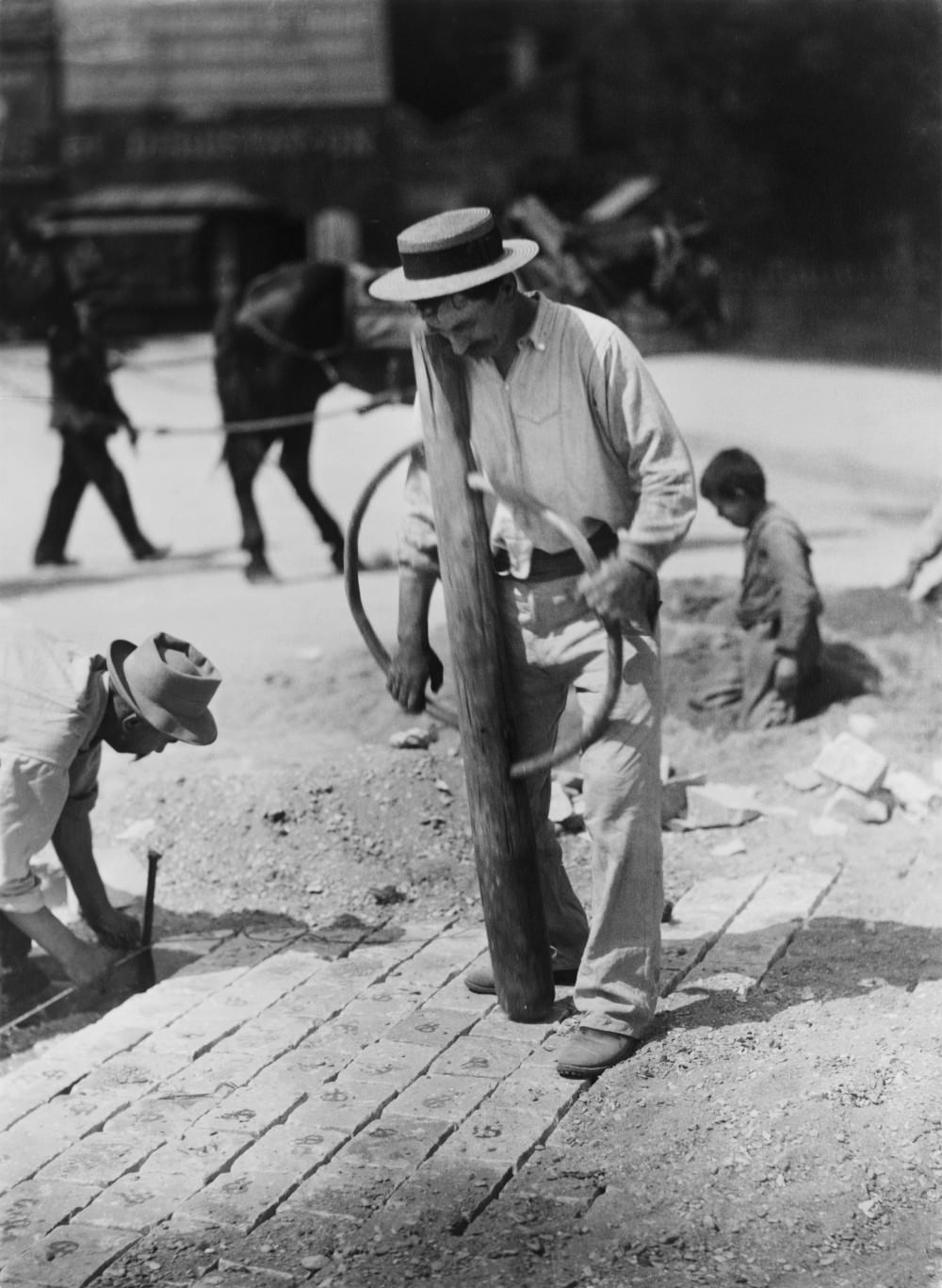
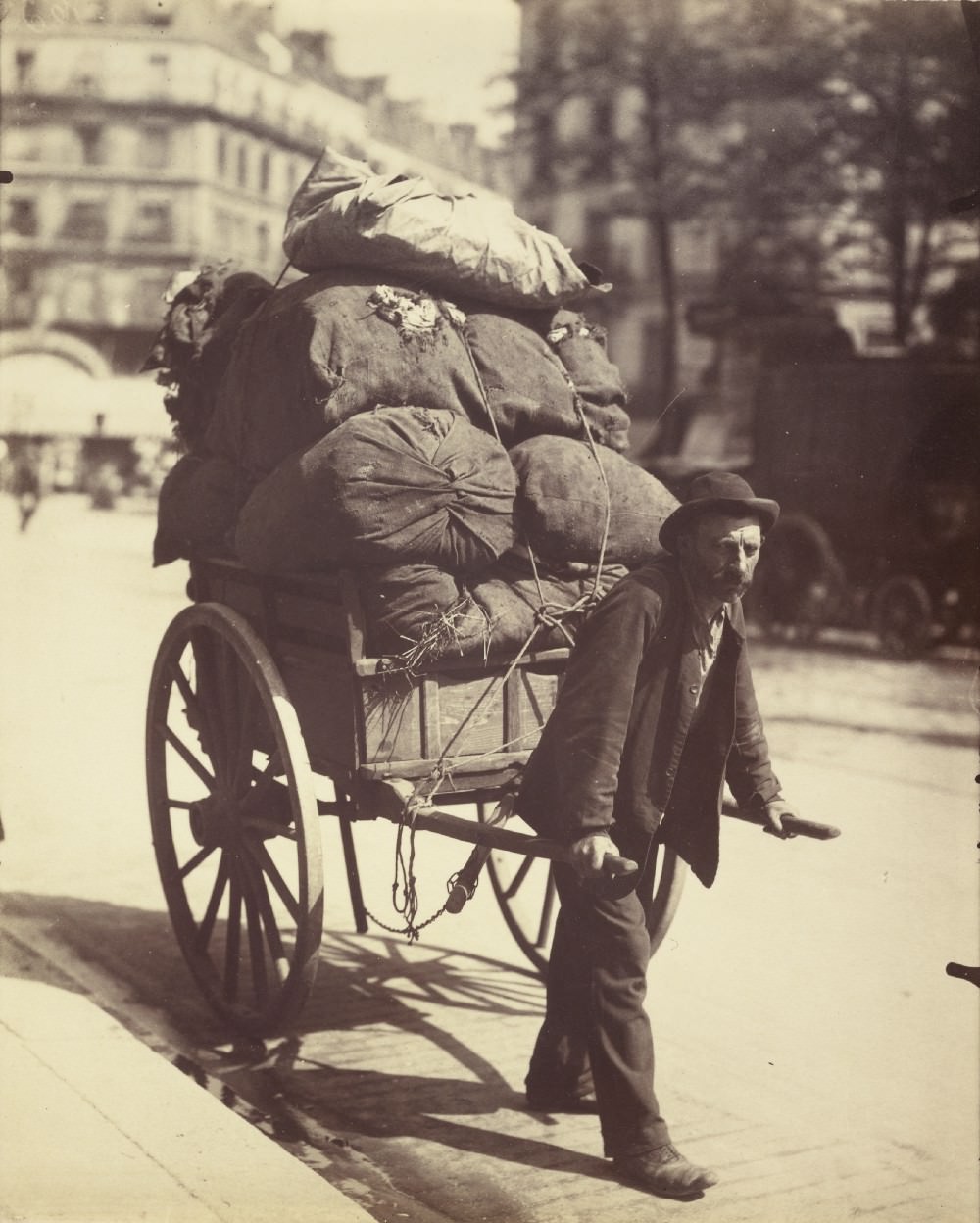
Atget was meticulous about organizing his work. After developing, washing, and fixing each negative, he assigned it to one of his filing categories and wrote a consecutive number in graphite on the back of the negative. He also scratched that number directly into the photographic emulsion. This system kept his growing archive orderly across decades of shooting. In the years following World War I, he worked primarily with matte albumen paper and gelatin-silver printing-out paper, producing contact prints from his large negatives that were rich in tonal detail.
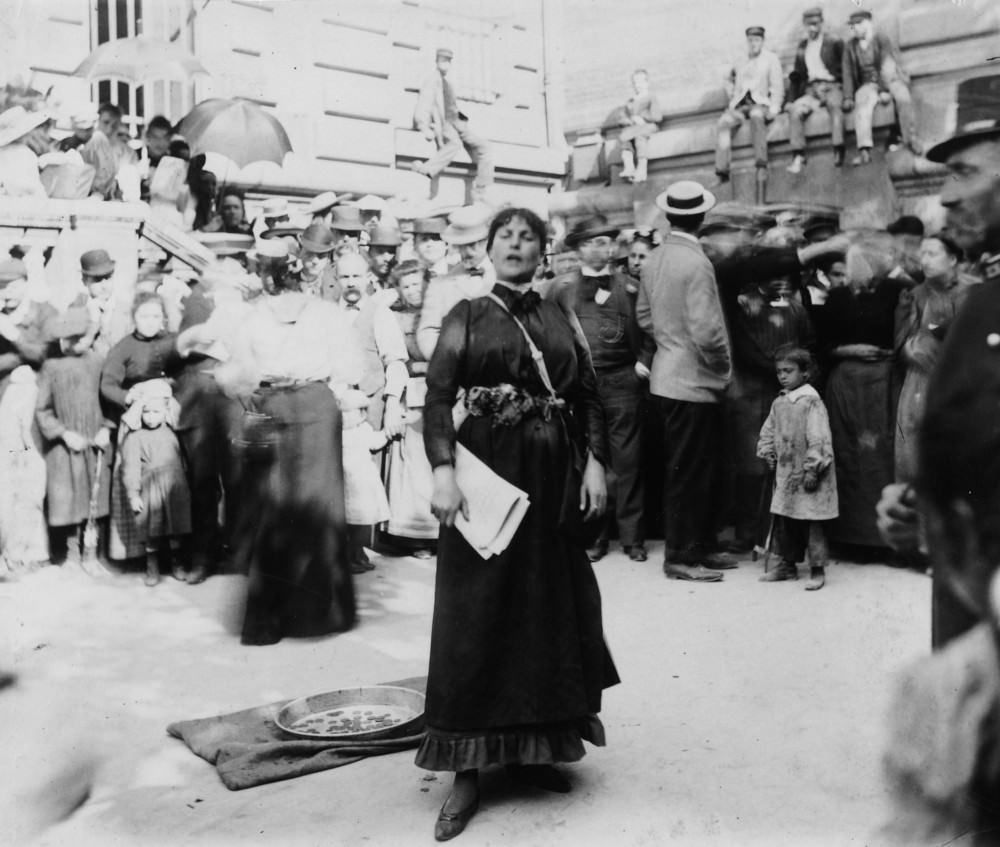
During World War I, Atget nearly stopped photographing altogether. He moved his entire archive to his basement for safekeeping as the war disrupted life in Paris and made his usual work impossible. When the war ended, he resumed his documentation with urgency. Between 1920 and 1921, he sold thousands of negatives to institutions, securing both his archive’s survival and his own financial stability. Once that security was in place, he expanded into new territory—photographing sex workers in the parks of Versailles, Saint-Cloud, and Sceaux, as well as in the streets of working-class Paris neighborhoods like La Villette.
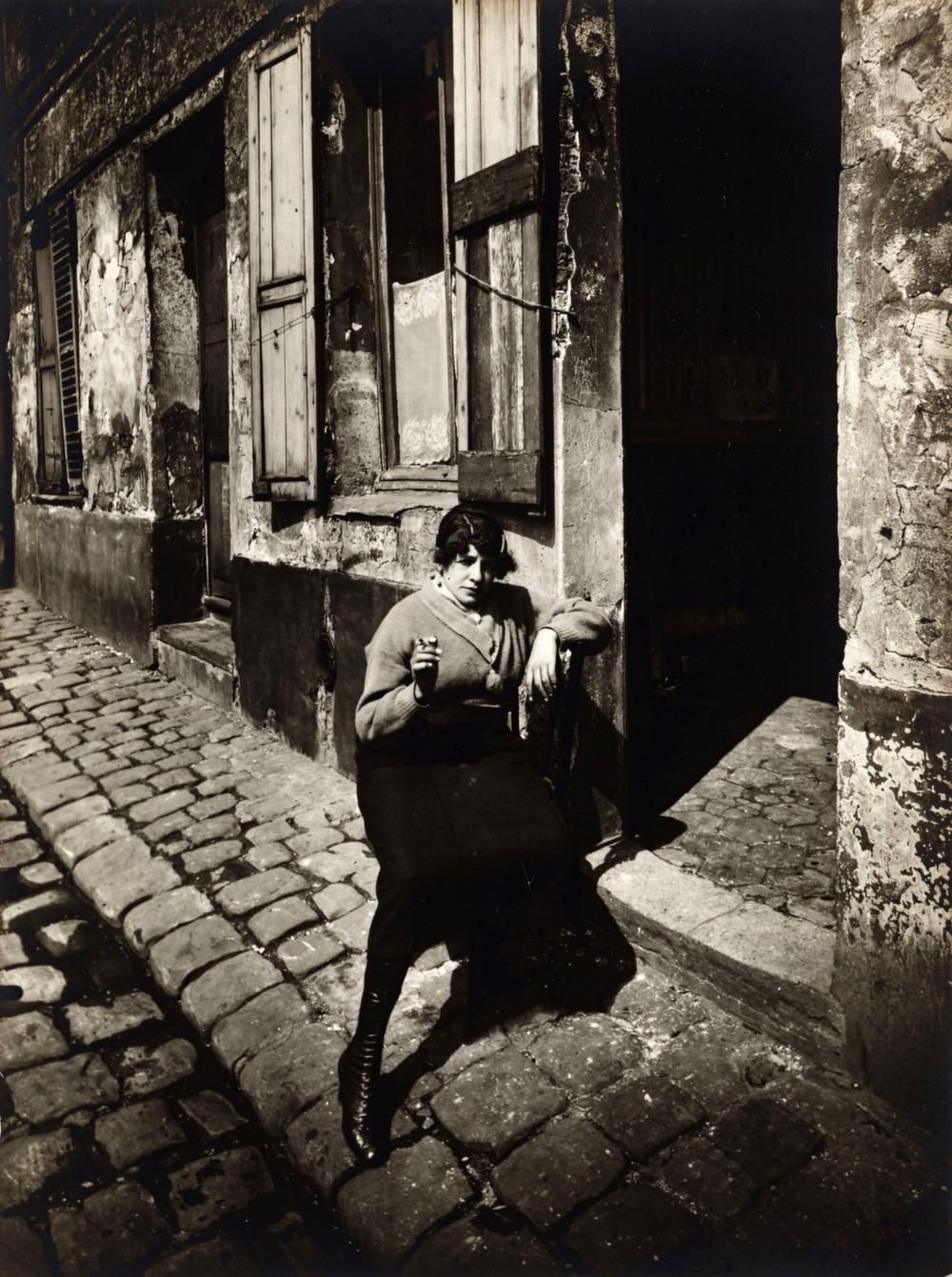
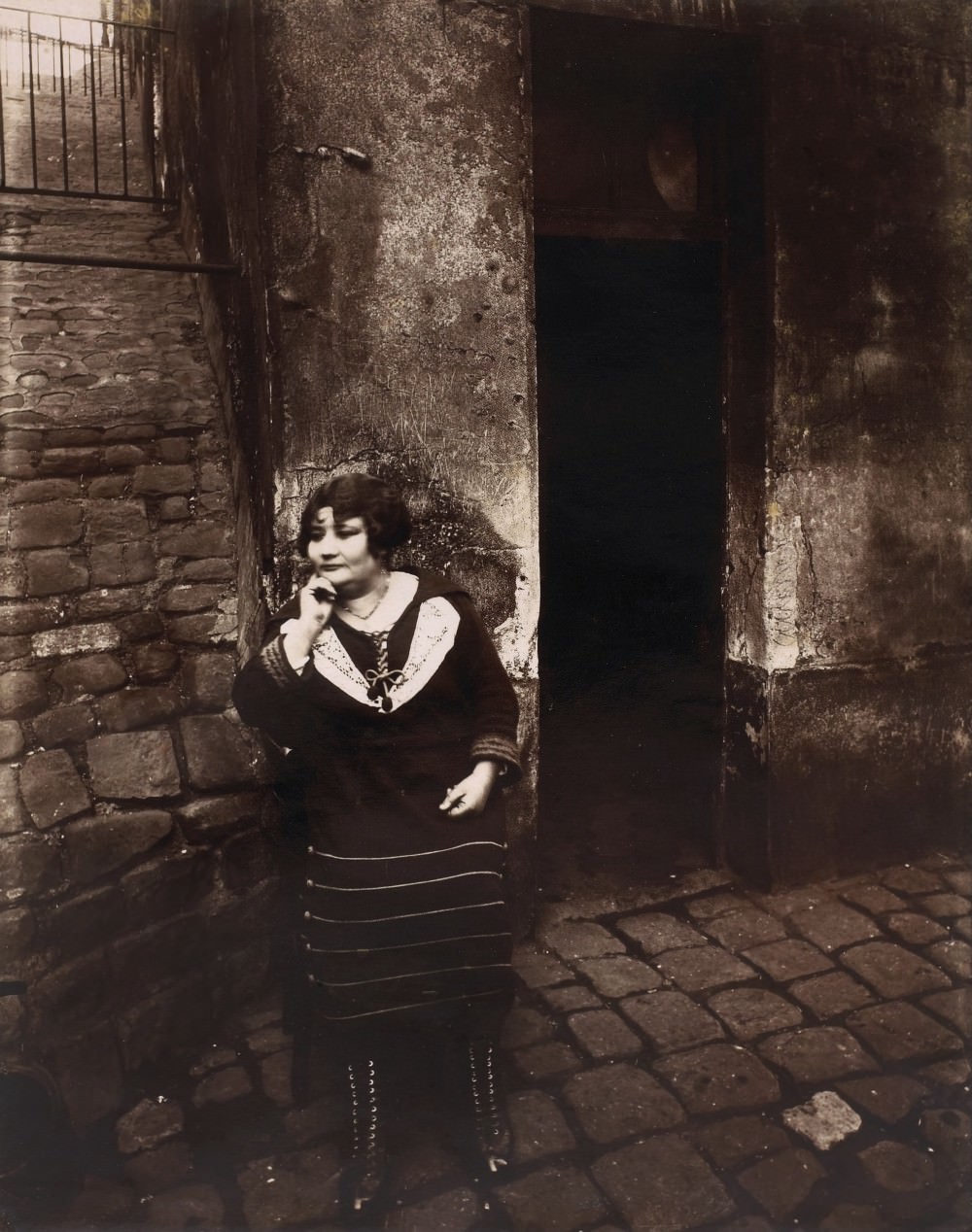
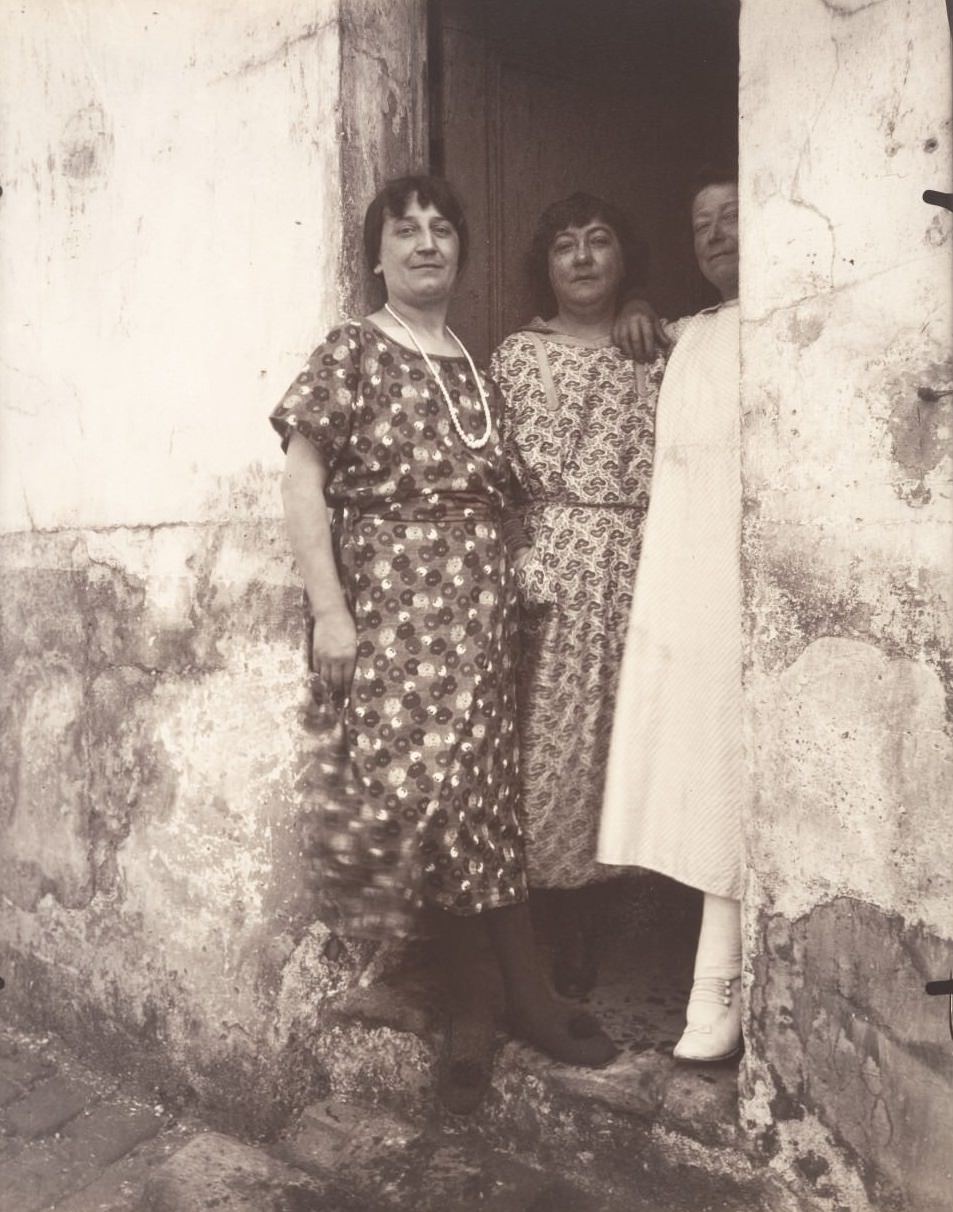
Atget’s photographs of sex workers were made with the same documentary straightforwardness he applied to crumbling courtyards and shop fronts. The women are shown at their doorways, on their shifts, without theatrical staging or moral framing. They are part of the city he was recording, treated with the same factual attention as a stone archway or a lamppost. These images, like all of his work, function as evidence—of a city, a time, and lives that would otherwise go unrecorded.
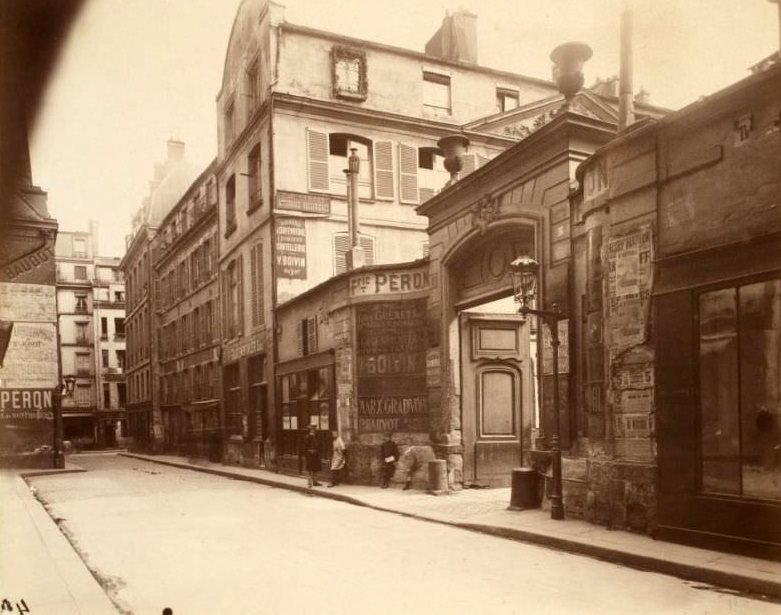
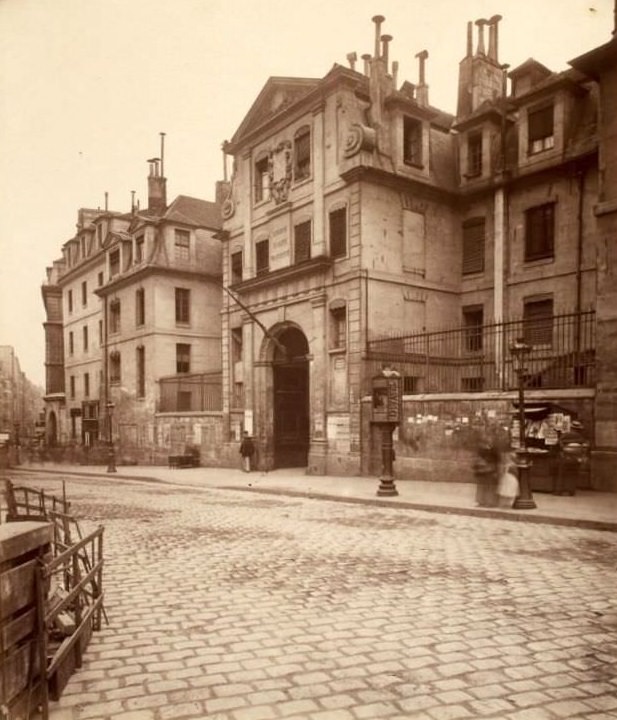
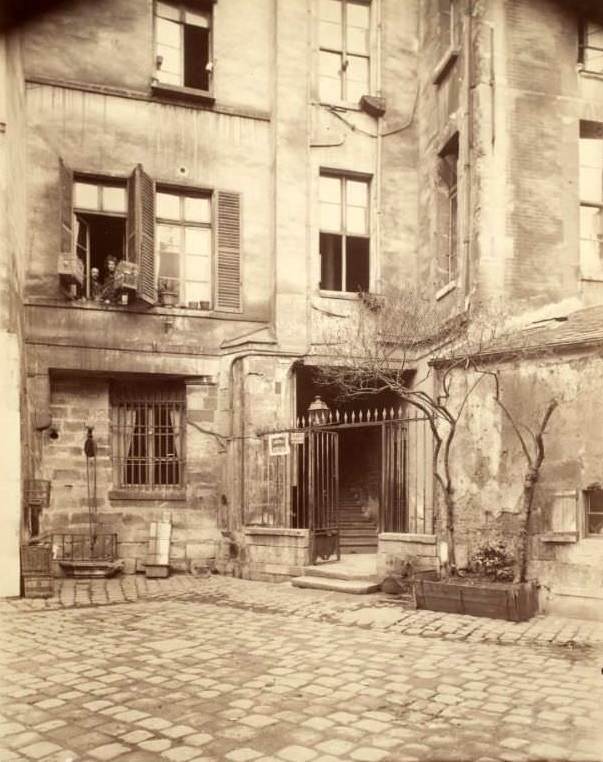
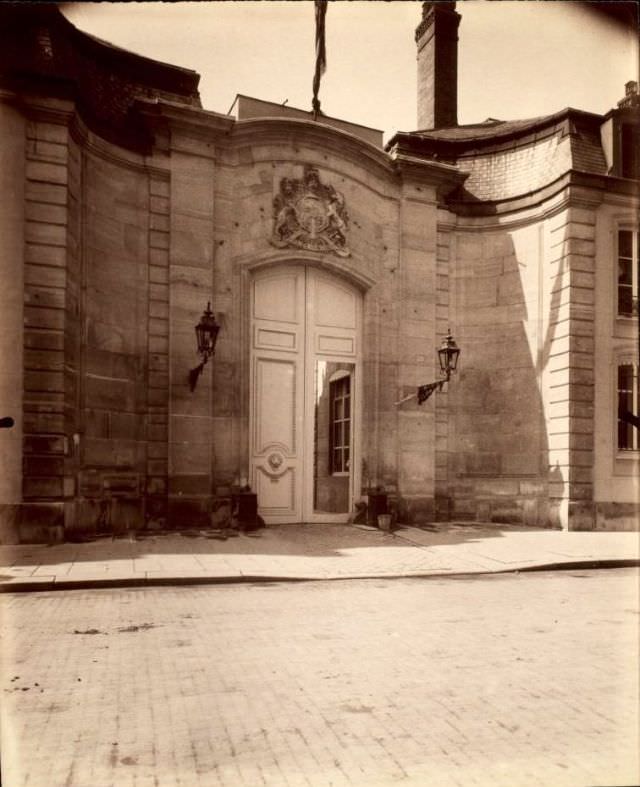
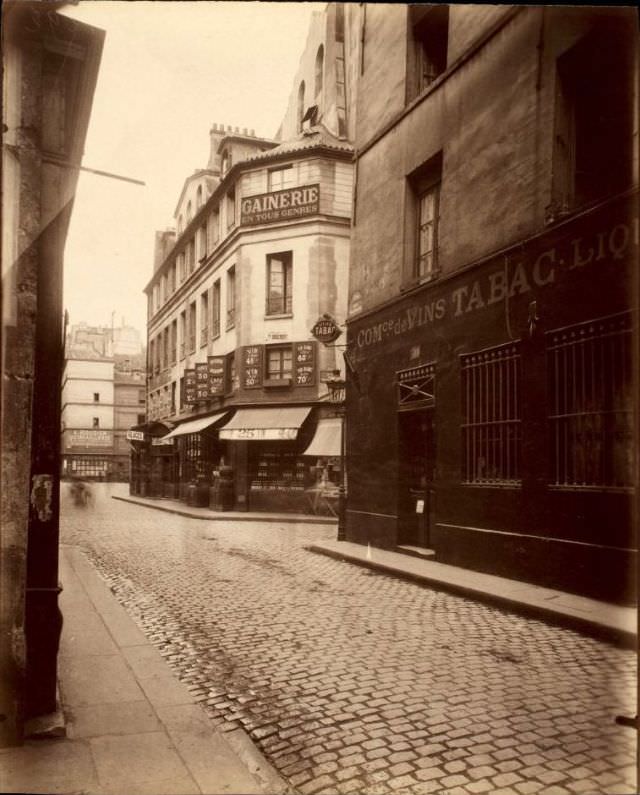
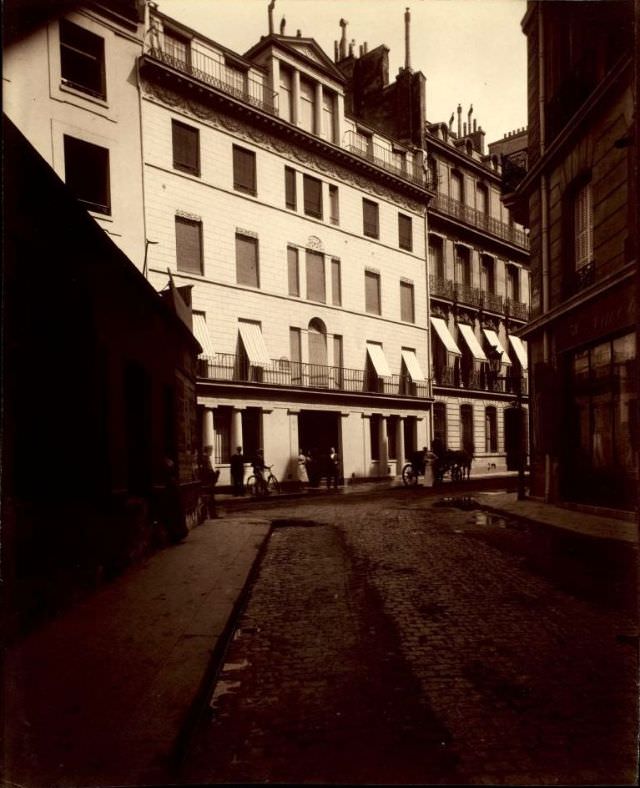
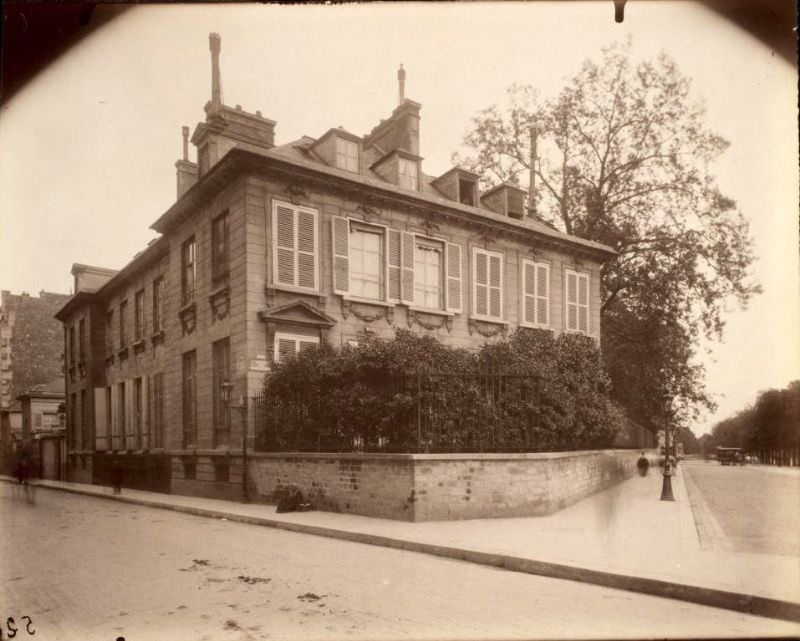
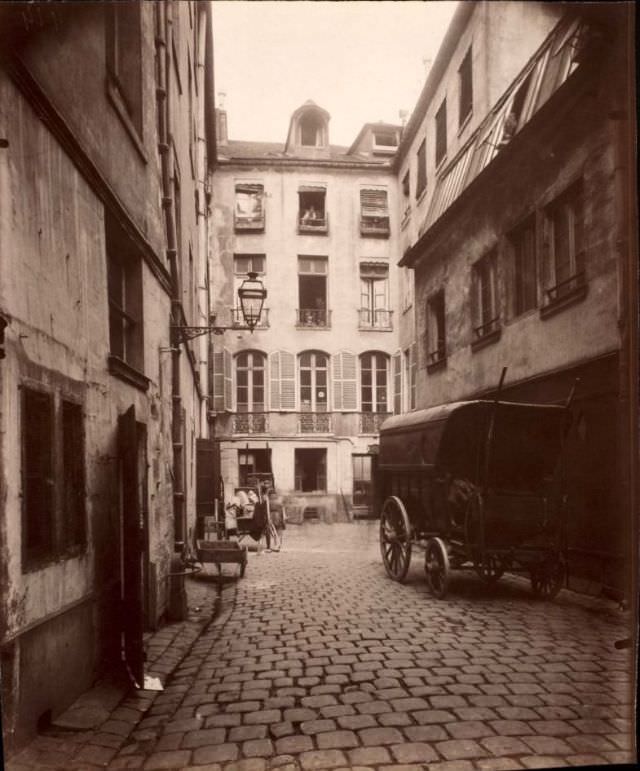
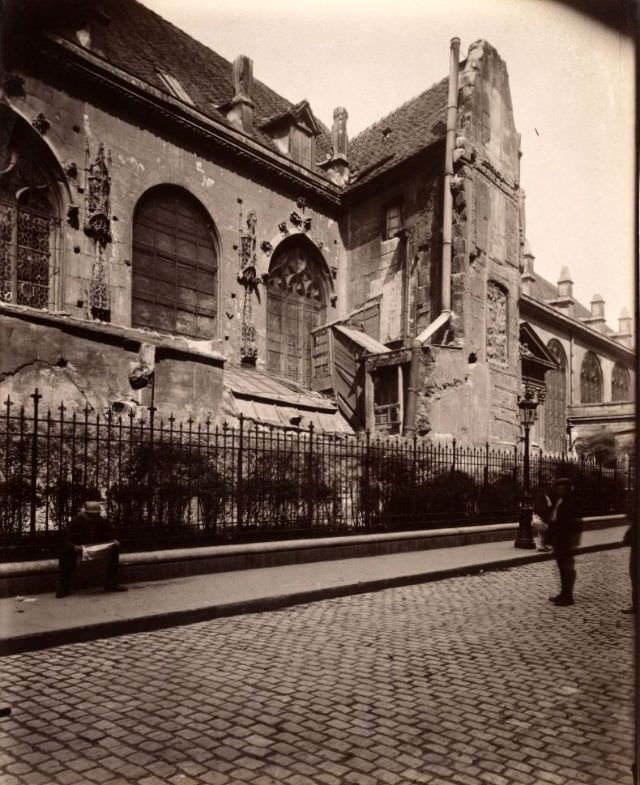
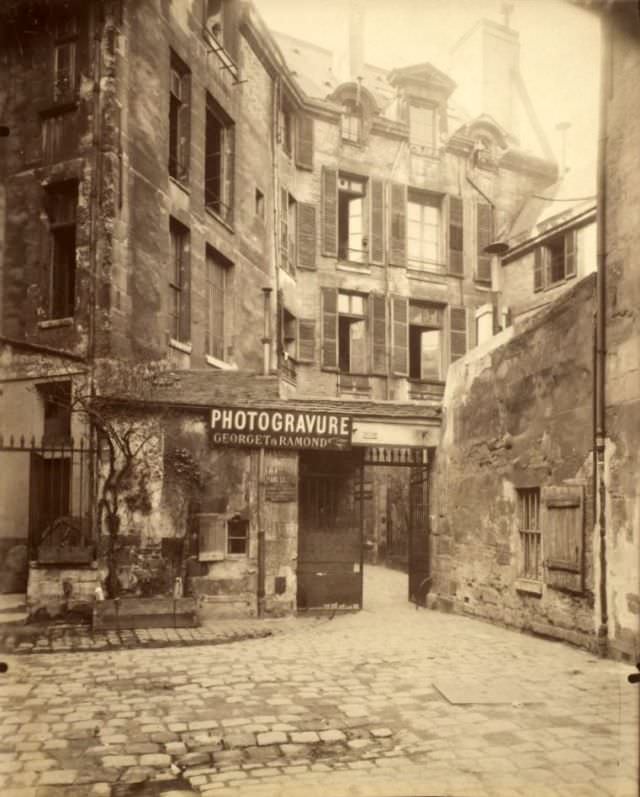
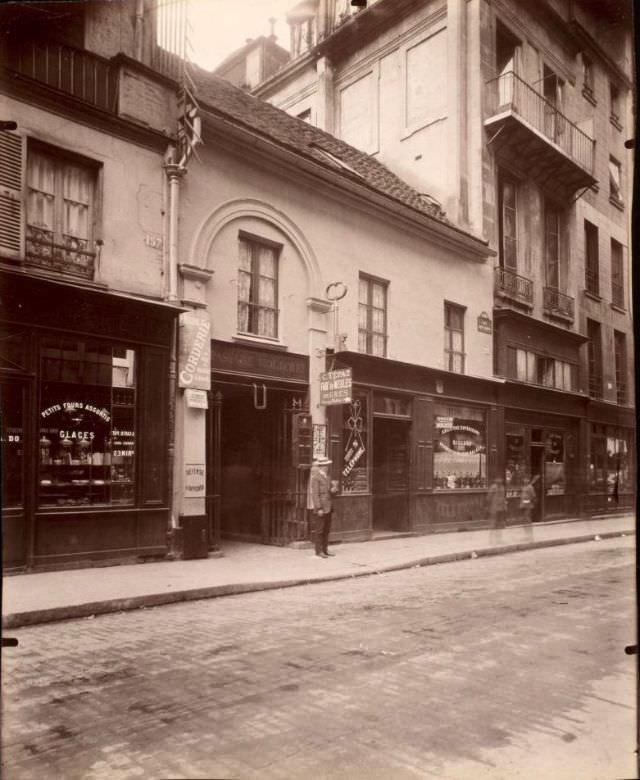
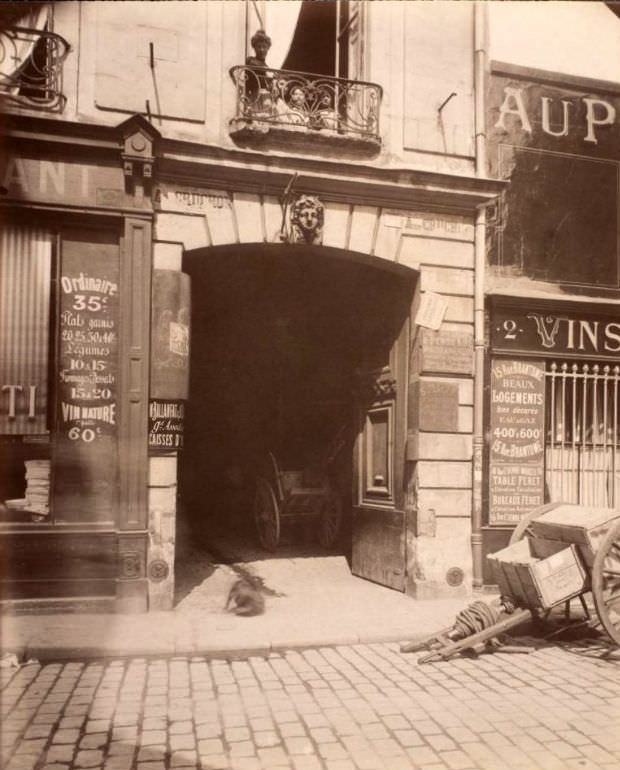
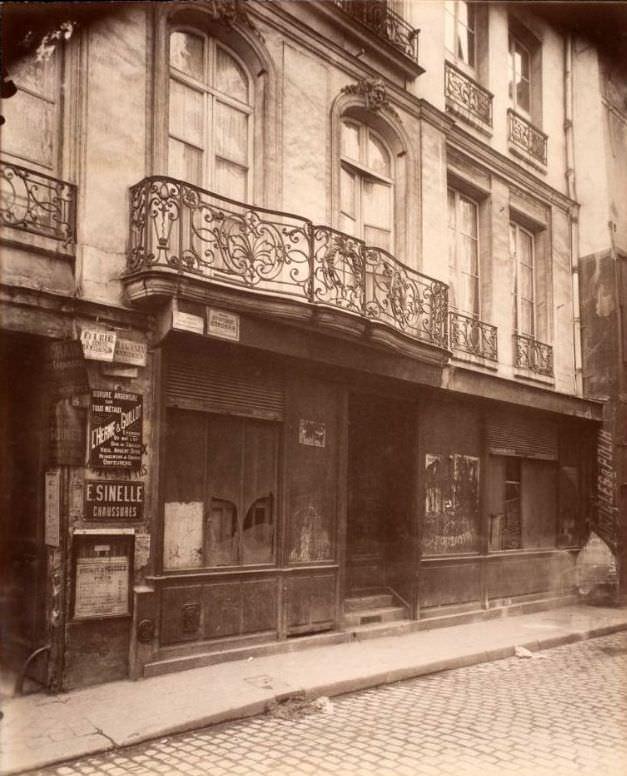
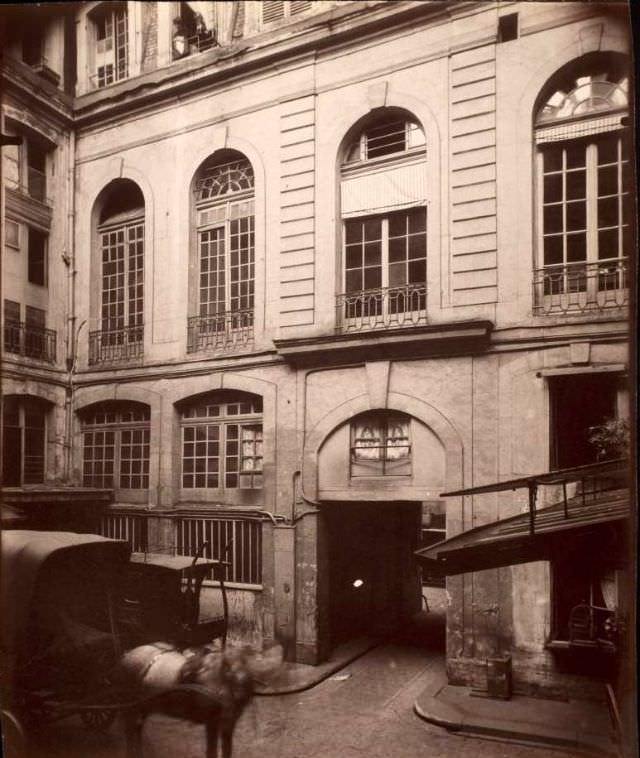
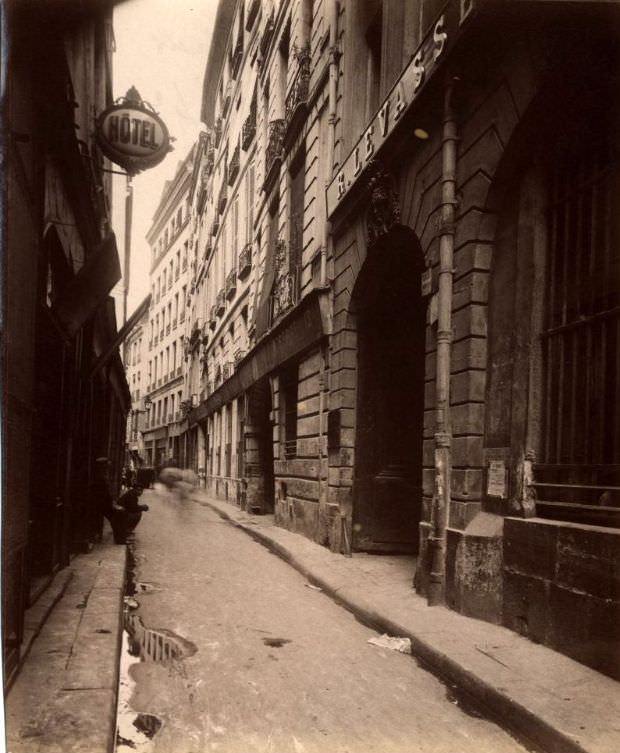
His photographs of old Paris hotels, courtyards, and commercial streets show buildings that were already survivors—structures that had outlasted the Haussmann demolitions simply because the bulldozers had not yet reached them. Some of these buildings dated back centuries. Their carved stone doorways, worn steps, and narrow façades stood in sharp contrast to the broad new avenues being built around them. Atget photographed them with urgency because he understood their time was limited.
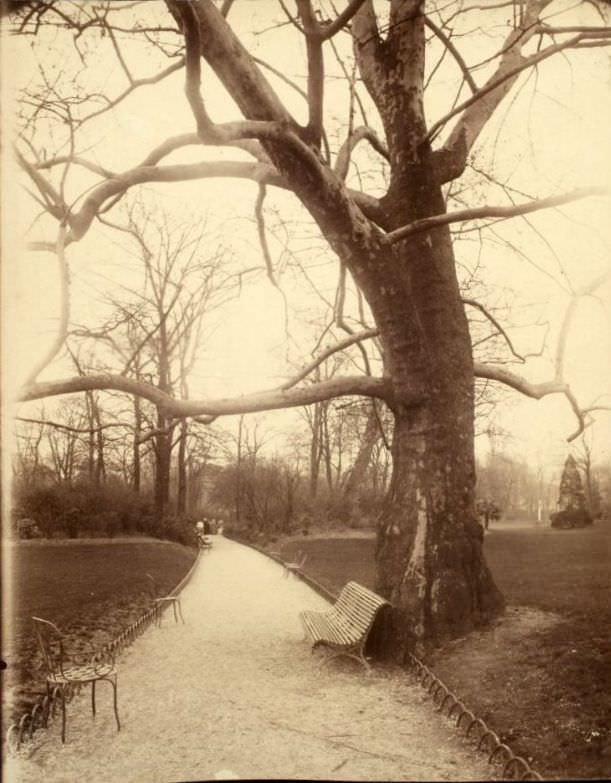
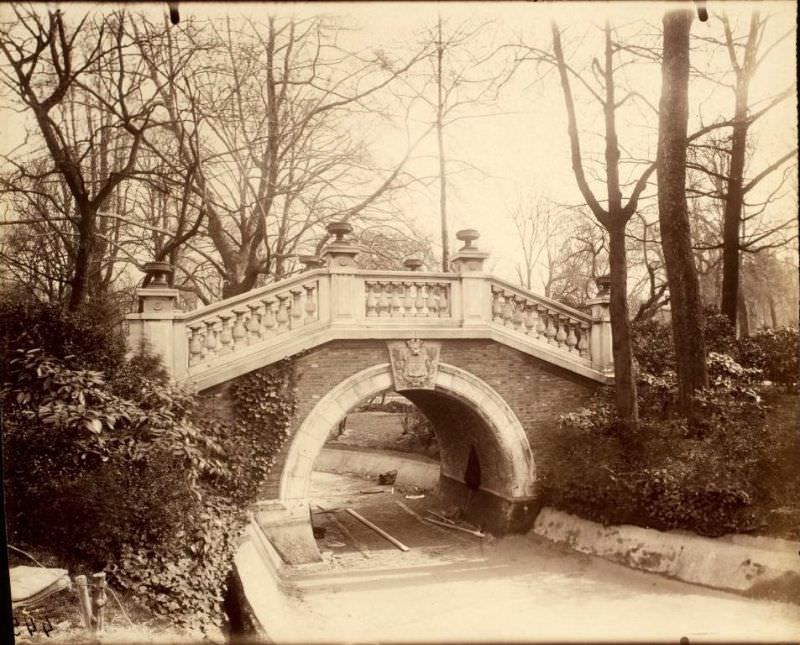
Paris’s parks were another recurring subject. Atget photographed Parc Monceau repeatedly, drawn to its sculptural details, its ornamental lake, and the classical columns that lined its pathways. The park had been redesigned in the English landscape style in the late eighteenth century and retained an air of romantic decay that suited Atget’s eye perfectly. His images of the park capture it in a kind of suspended stillness—early morning light falling on stone and water, no visitors in sight.
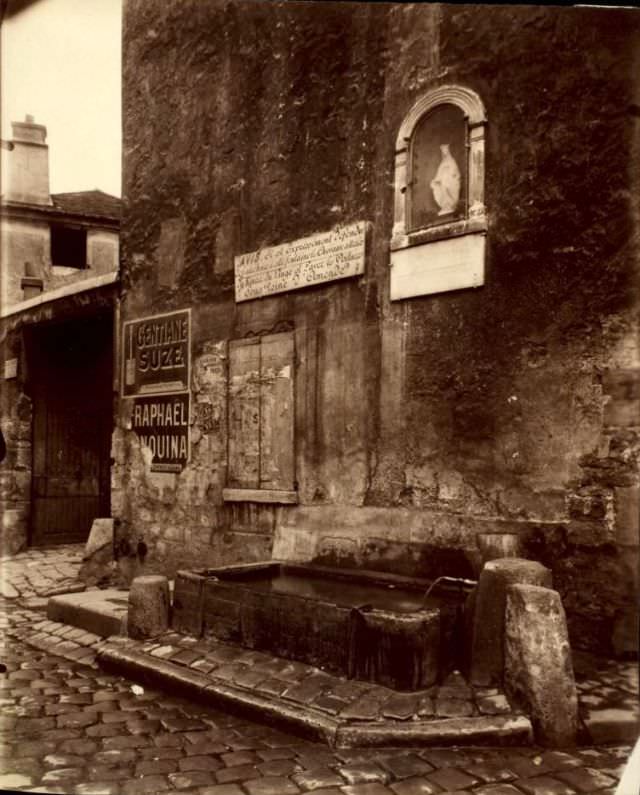
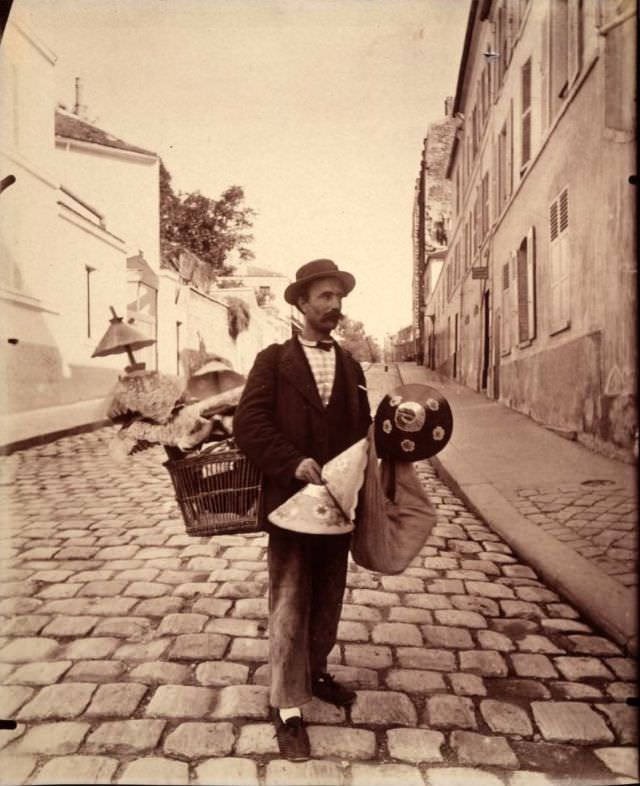
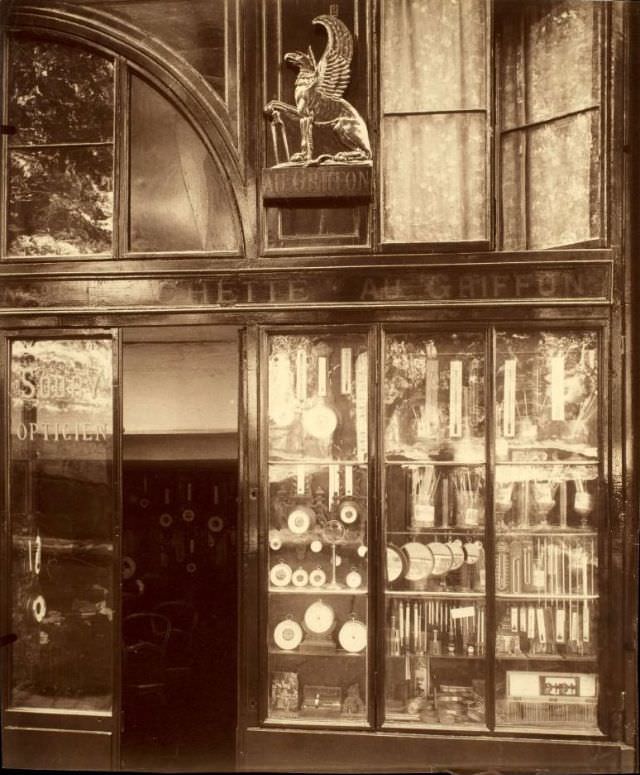
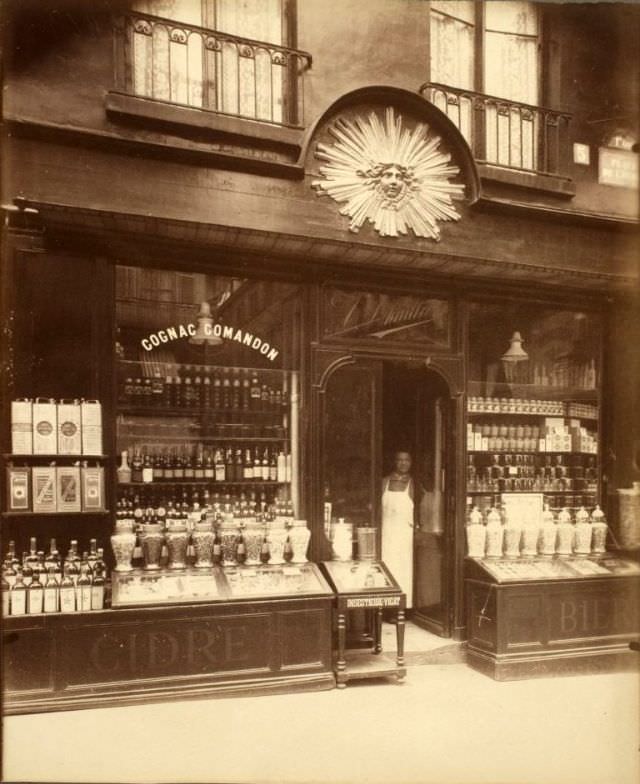
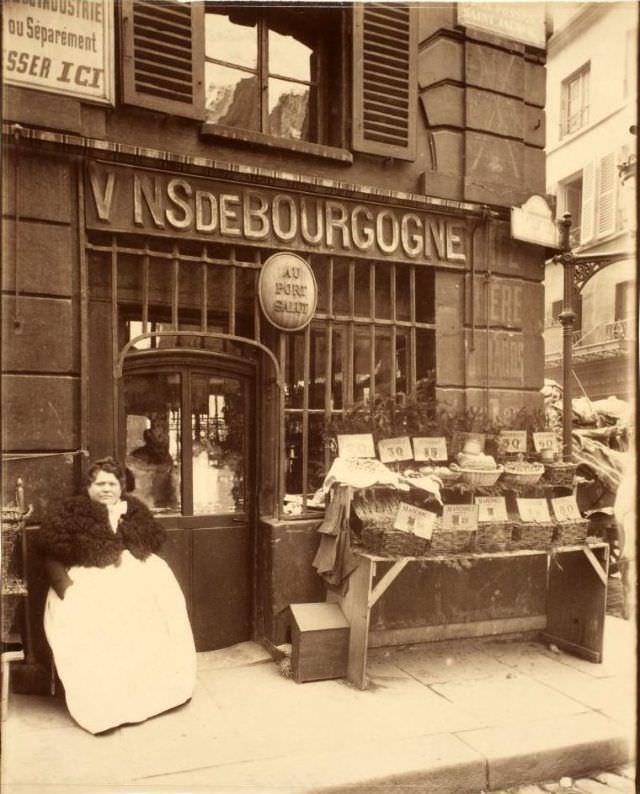
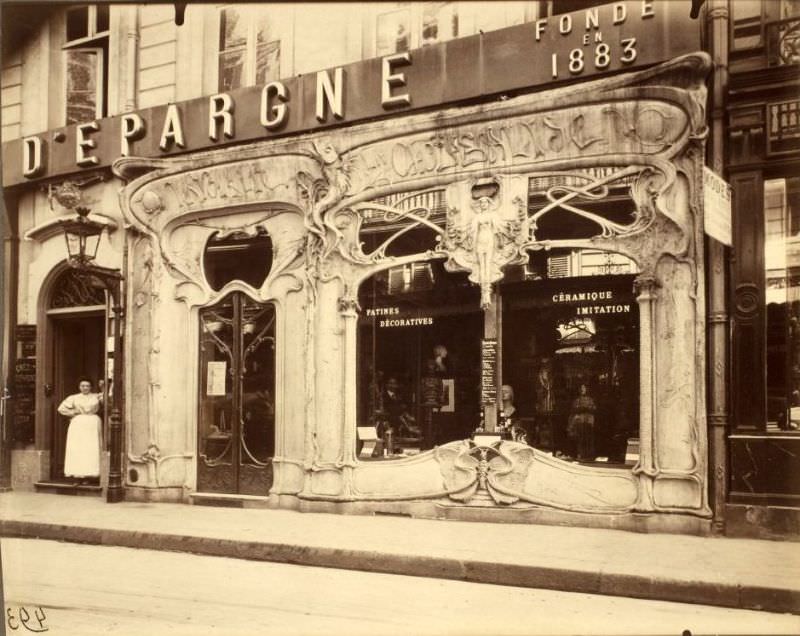
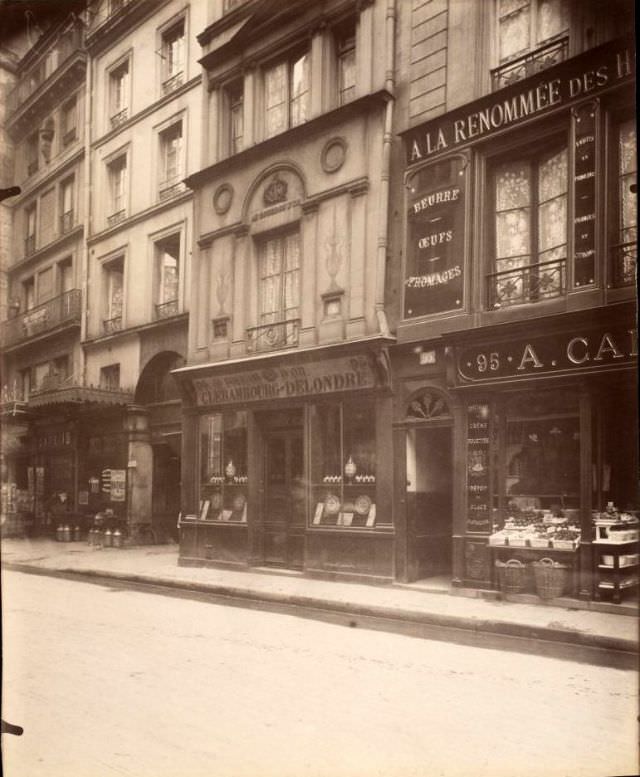
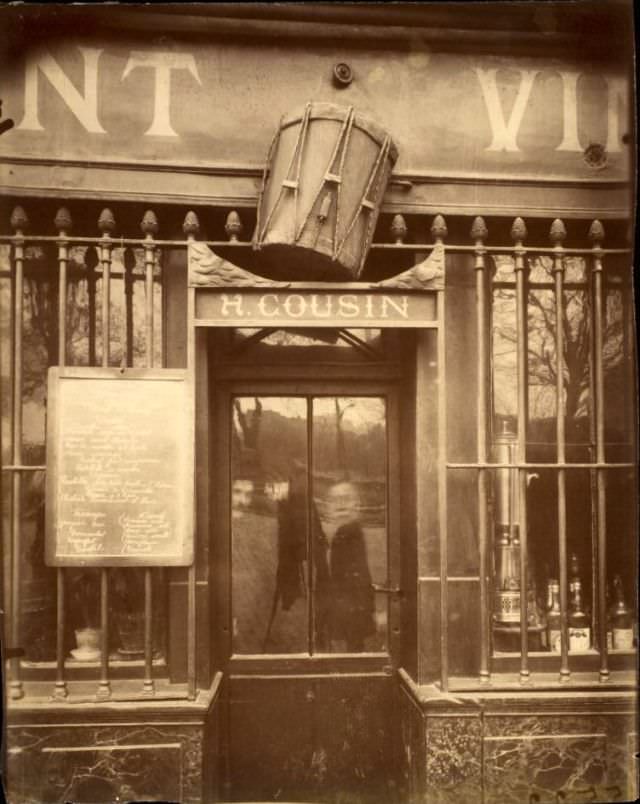
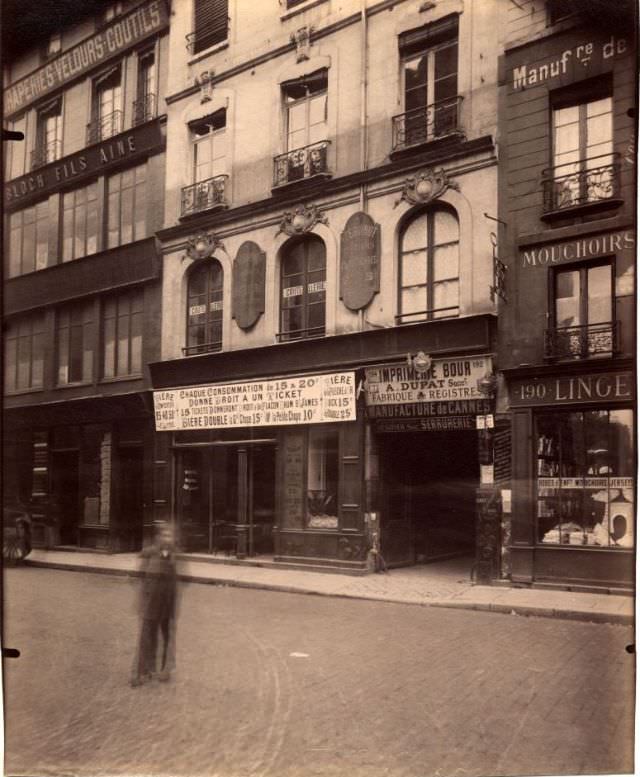
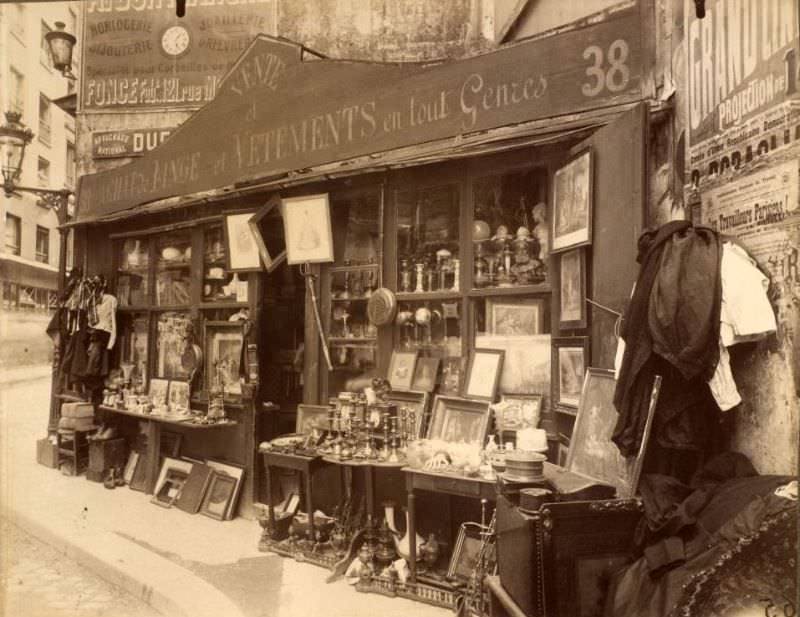
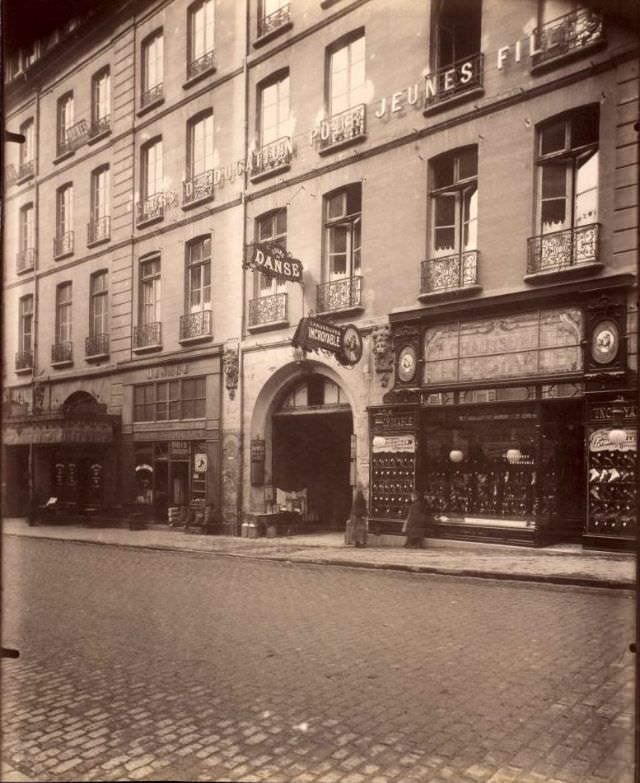
Atget also had a strong interest in the commercial life of old Paris. Shop fronts, signs, and storefronts appear throughout his archive—each one a small record of a business, a trade, or a neighborhood’s economic identity. He photographed wine sellers, lamp merchants, antique dealers, and cabarets. These images preserve the visual language of a commercial city before standardized signage and modern retail transformed how shops looked and announced themselves to the street.
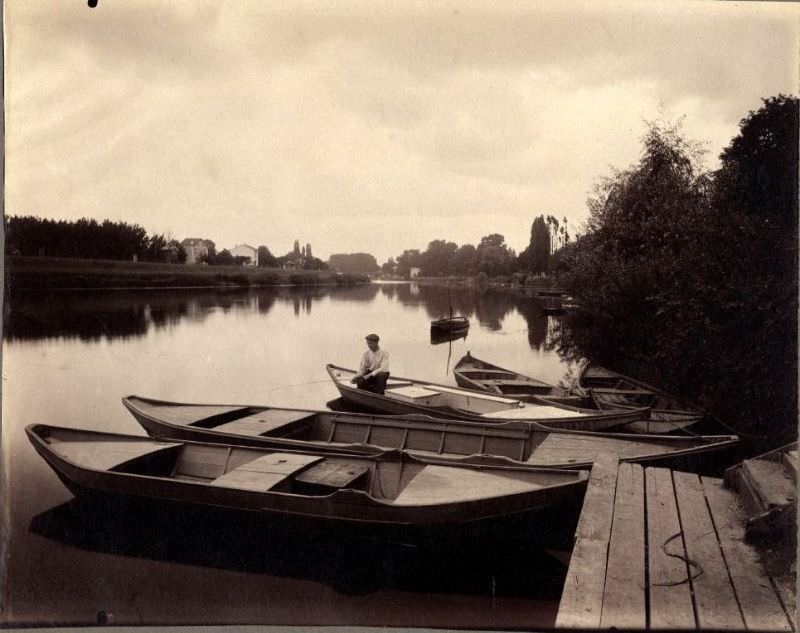
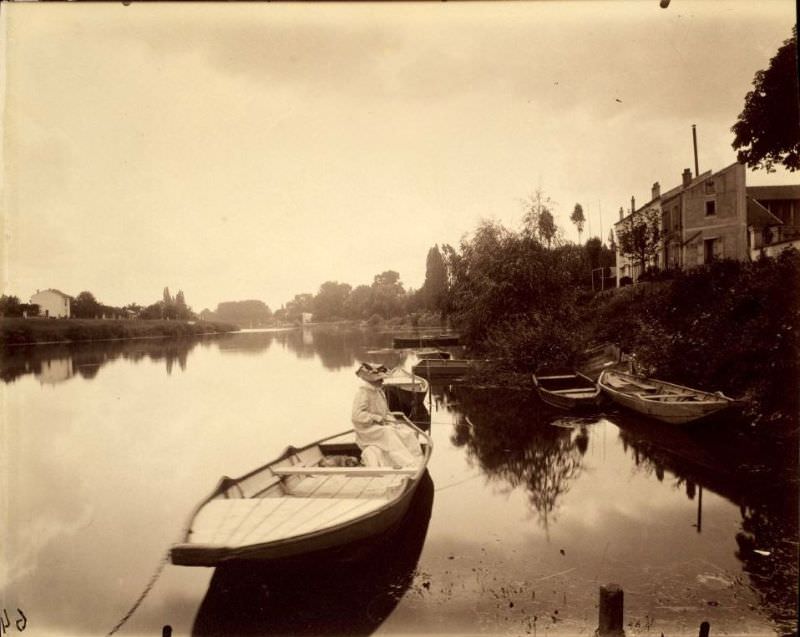
Beyond the city center, Atget ventured to the outskirts and riverbanks where Paris blended into smaller towns and open countryside. The banks of the Marne near Perreux show a quieter world—trees reflected in still water, stone quays, and the slower pace of riverside life just outside the capital. These images remind viewers that early twentieth-century Paris was surrounded by a very different landscape than exists today.
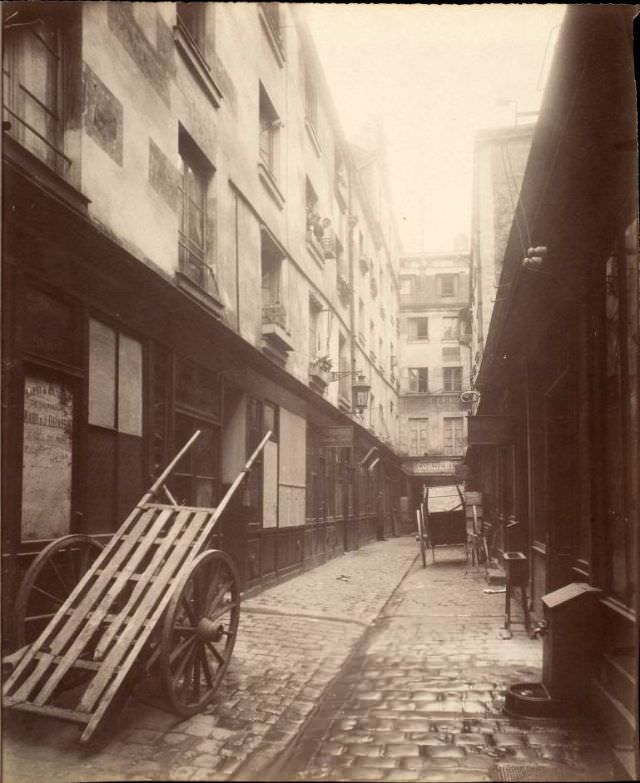
The covered passages of Paris—glass-roofed shopping arcades built in the nineteenth century—were already falling out of fashion by the time Atget photographed them. Passage Molière, with its dim interior and aging shopfronts, was one of dozens of such passages that had once been fashionable places to shop and socialize. By 1906, many had become neglected backstreets under glass. Atget photographed them anyway, as he did everything in old Paris that seemed to be sliding toward disappearance.
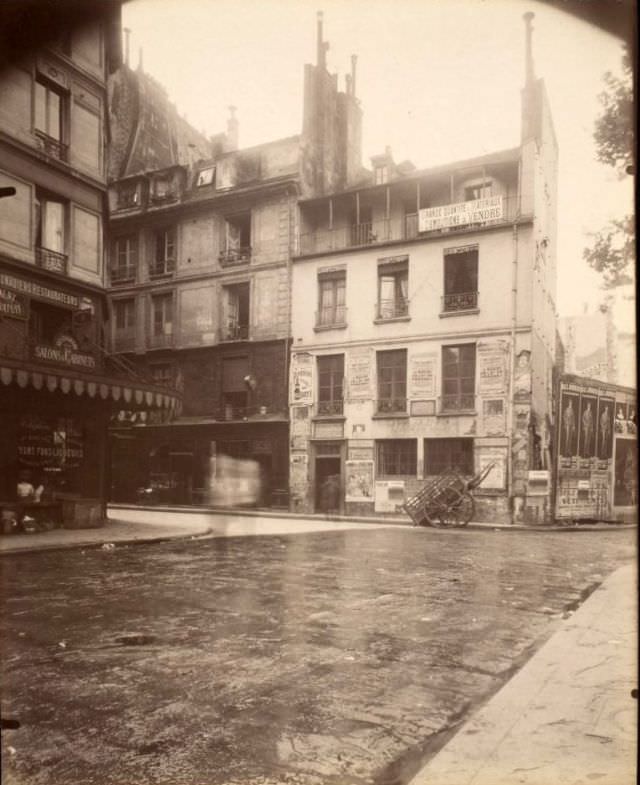
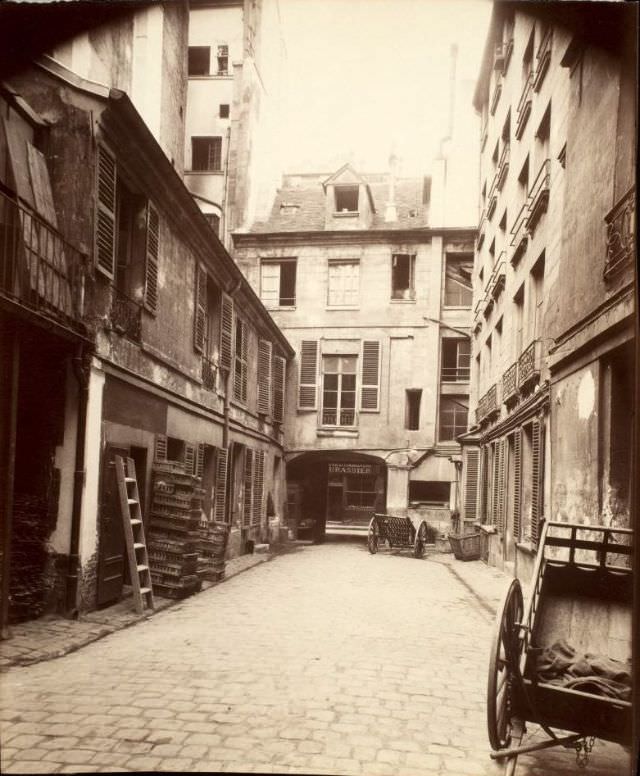
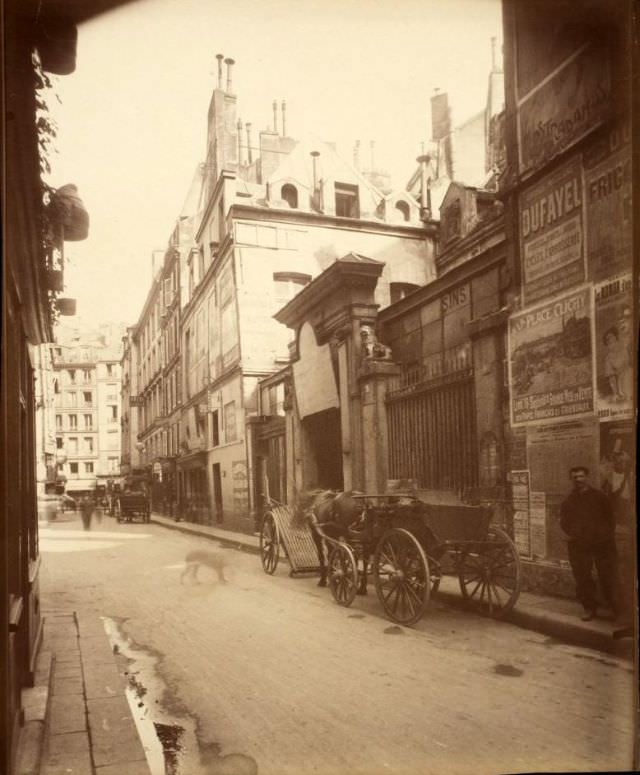
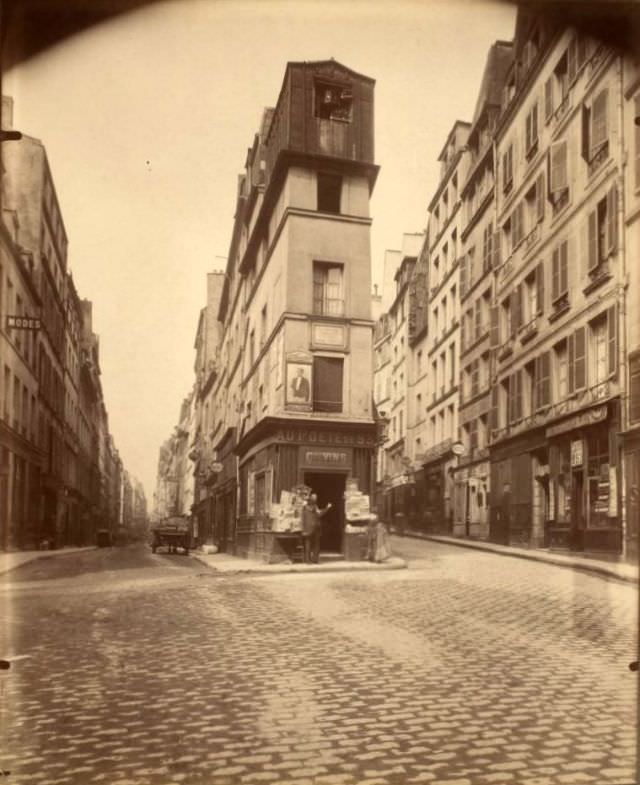
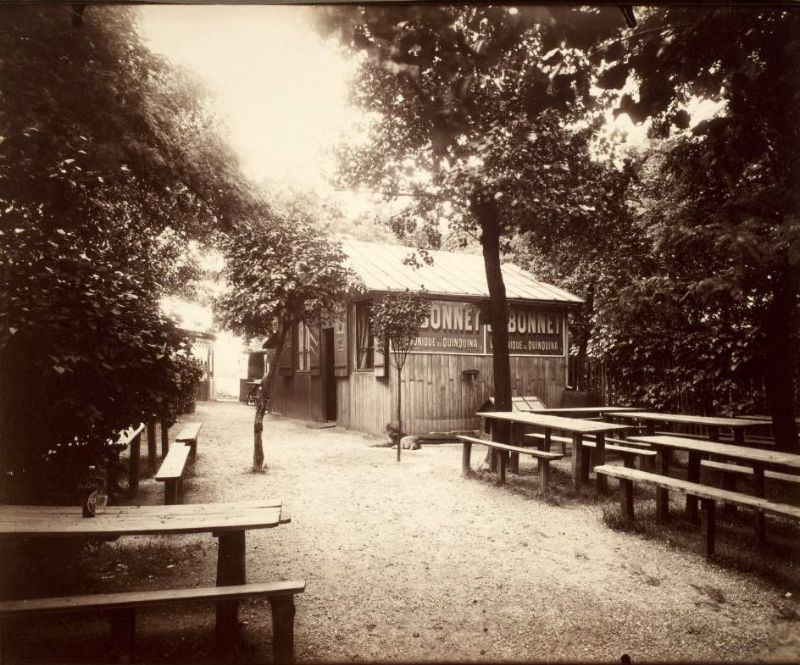
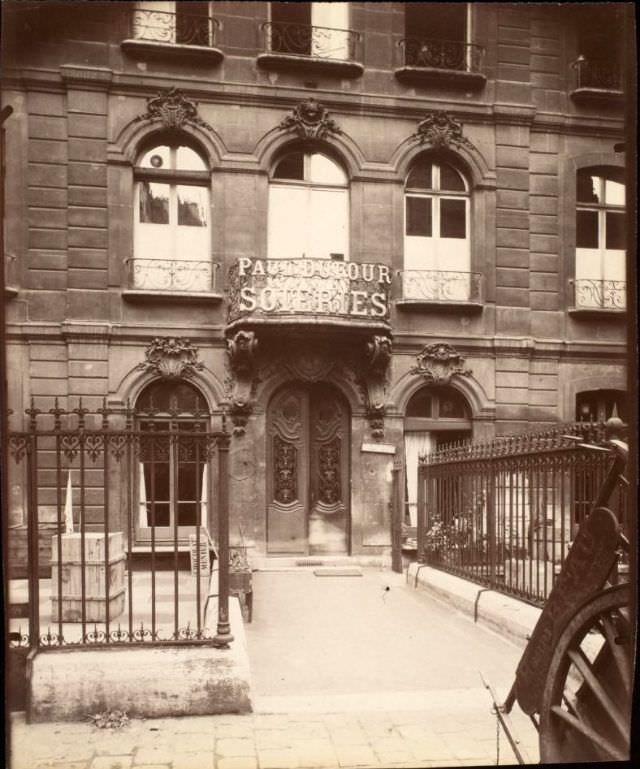
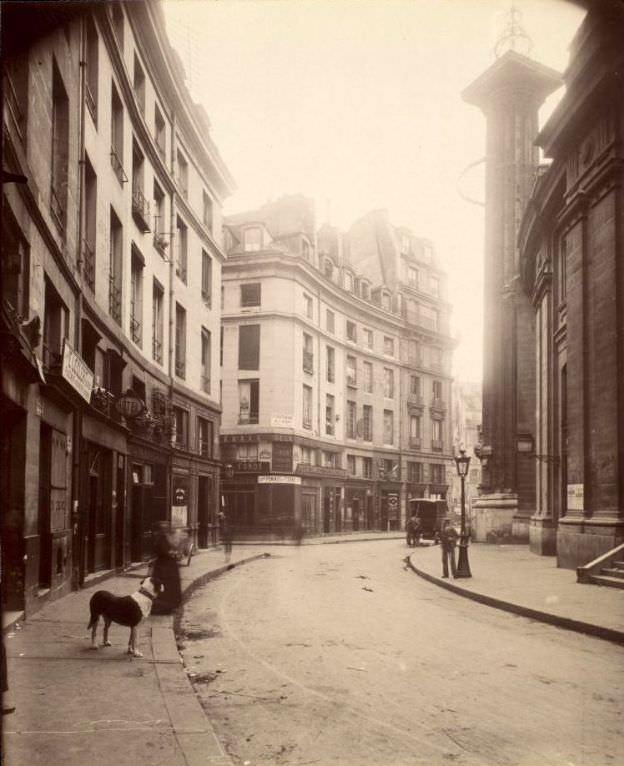
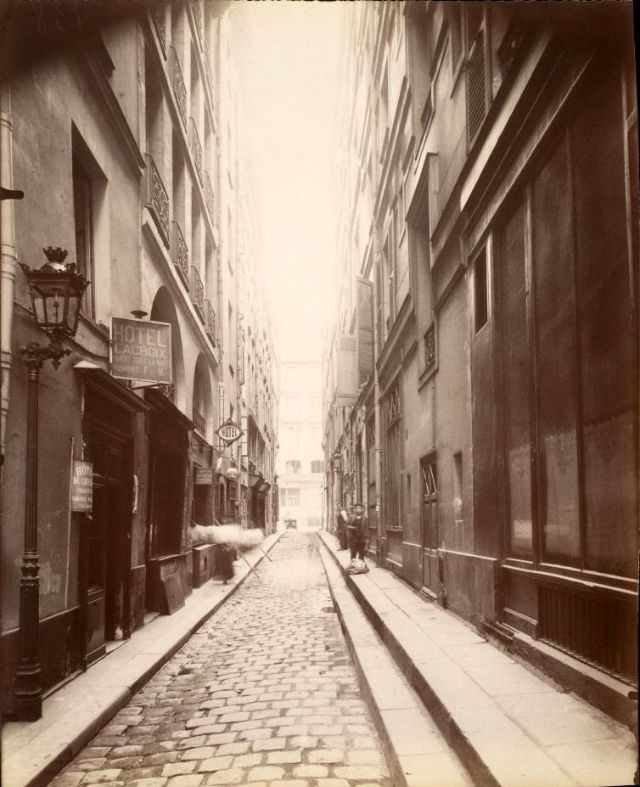
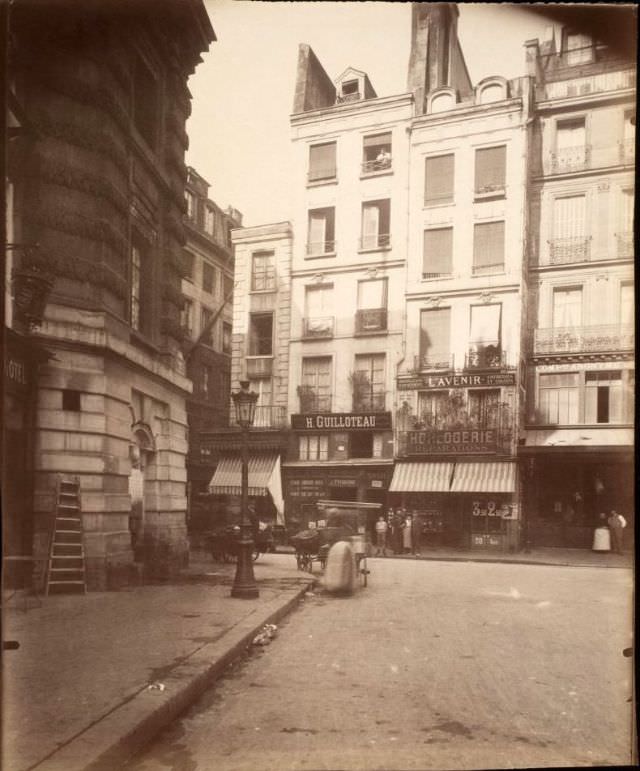
By 1907, Atget was photographing at an intense pace, moving through neighborhoods in the First, Second, Third, and Fourth arrondissements—areas that still held some of Paris’s oldest surviving fabric. He photographed hotels particuliers, the grand private mansions of the seventeenth and eighteenth centuries that had been subdivided into apartments or converted into workshops. He photographed the remains of religious institutions, narrow street corners, and inner courtyards that rarely appeared in tourist images of Paris. His subjects were the overlooked and the ordinary, recorded with the same care others reserved for famous monuments.
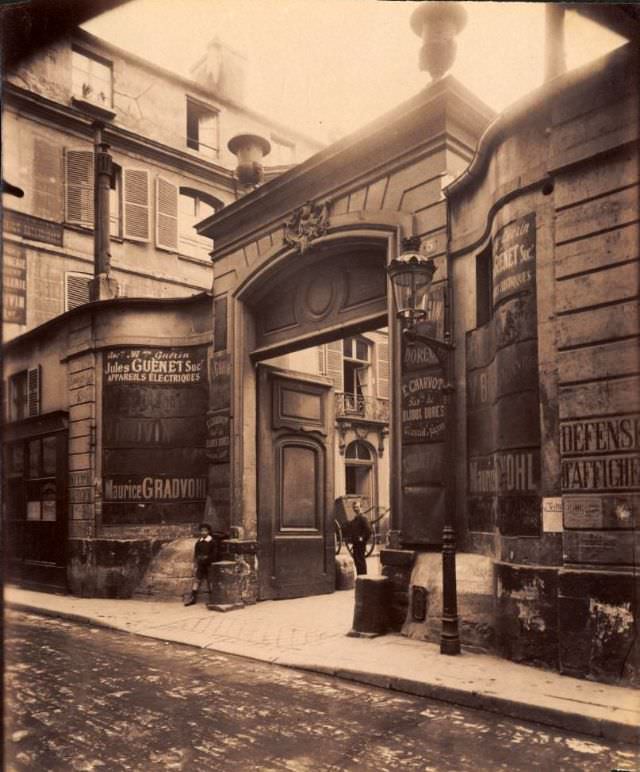
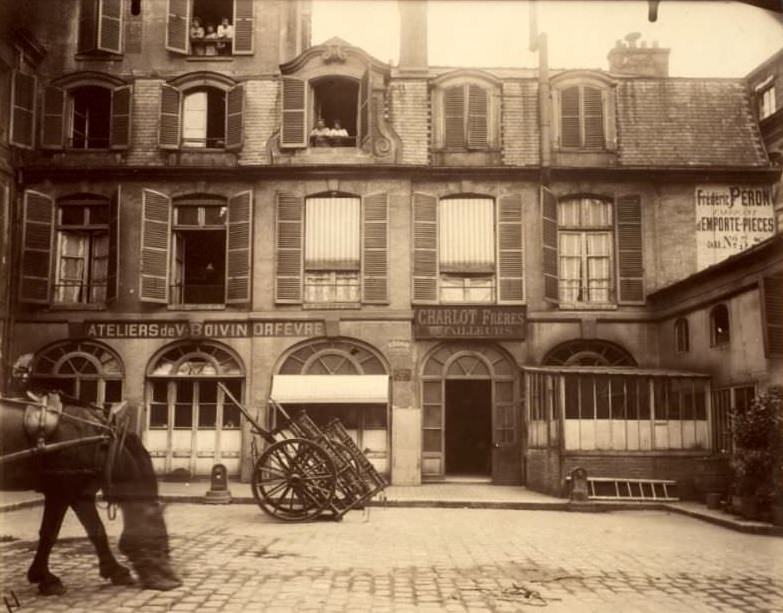
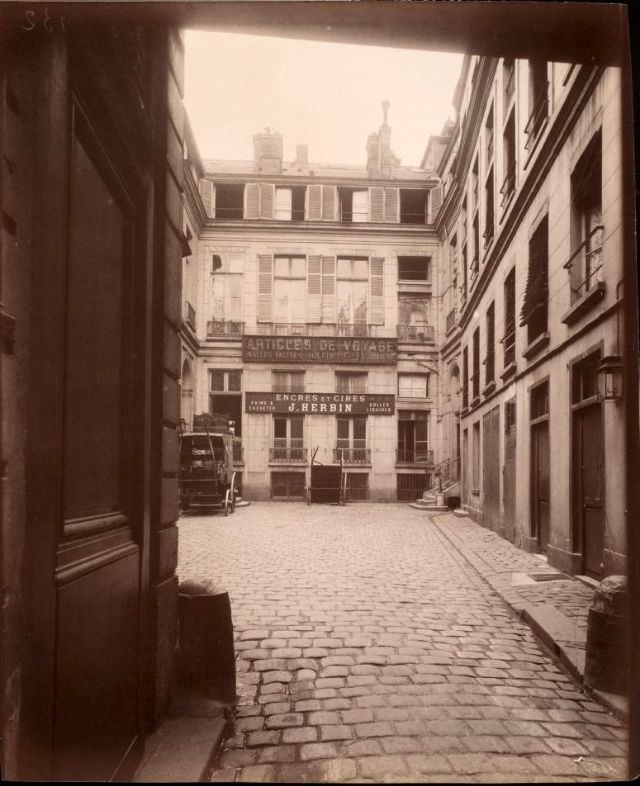
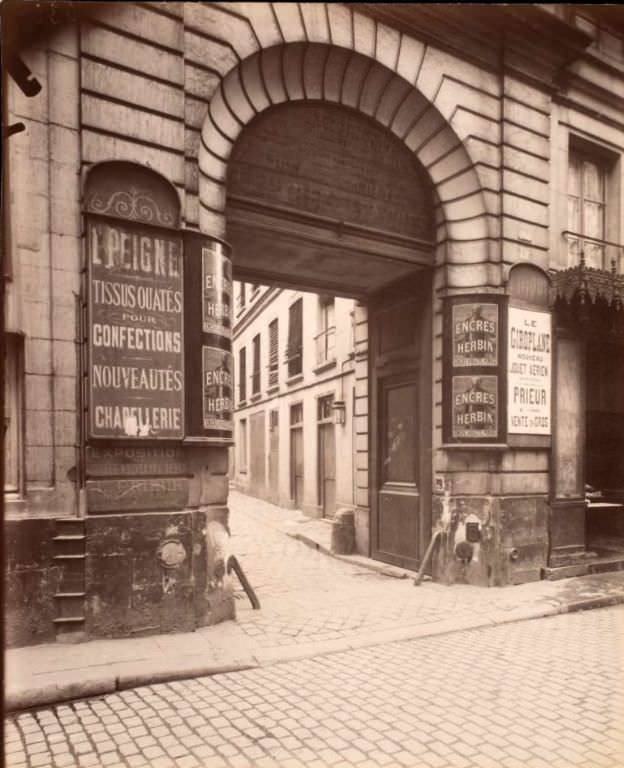
In 1925, the American photographer Berenice Abbott visited Atget while she was working in Paris as an assistant to the artist Man Ray. She immediately recognized the value of what Atget had spent decades building. She bought a number of his prints and began trying to bring his work to the attention of other artists and collectors. At the time, Atget was largely unknown outside a small circle of architects, artists, and archivists. Abbott kept promoting his archive for decades after his death, and in 1968 she sold her collection of his prints to the Museum of Modern Art in New York.
Atget’s work also reached the Surrealist movement. Several of his photographs were published in the journal La Révolution surréaliste in 1926, and one of his images—a crowd gathered to watch a solar eclipse—appeared on the cover. The Surrealists were drawn to the eerie emptiness of his street photographs, the strange atmosphere produced by deserted alleys, shop window reflections, and stairways that seemed to lead nowhere. Atget himself had no interest in Surrealism as a movement, but his images fit its visual language precisely. He was simply photographing Paris as he found it, usually before anyone else was awake.
Eugène Atget died in 1927—not 1931 as sometimes stated in later accounts—leaving behind an archive of roughly 8,500 plates that documented Paris across nearly four decades. Four years after his death, the American photographer Ansel Adams described his prints as “direct and emotionally clean records of a rare and subtle perception” and called them “perhaps the earliest expression of true photographic art.” Walker Evans and Lee Friedlander both acknowledged Atget as a direct influence on their own documentary work—Evans for his photographs of American storefronts and vernacular architecture, Friedlander for his attention to the complexity of everyday urban spaces. What Atget left behind is not simply a historical record. It is a map of a city that no longer exists, made by a man who understood exactly what was being lost.




