On March 17, 1953, the United States detonated a 16-kiloton nuclear bomb over a fully constructed fake town in the Nevada desert. The test was called Operation Doorstep, and its purpose was direct: measure exactly what a nuclear blast does to buildings, vehicles, and people. Since actual people could not be used, the military built the next best thing.
The site became known as “Doom Town.” It included wooden-frame houses, brick structures, shops, and gas stations — all built to the scale of a real American neighborhood. Cars were parked in driveways. Furniture filled the rooms. Nothing about the layout was random; every detail was placed to generate useful data.
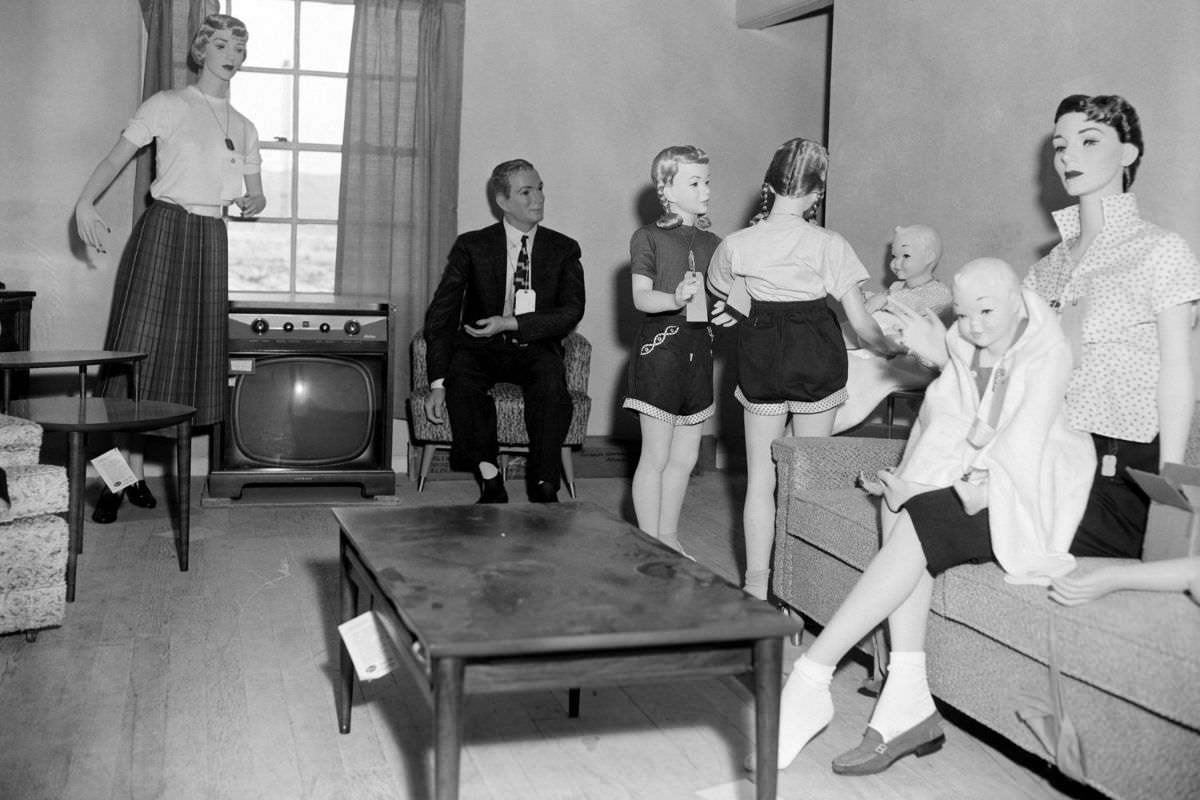
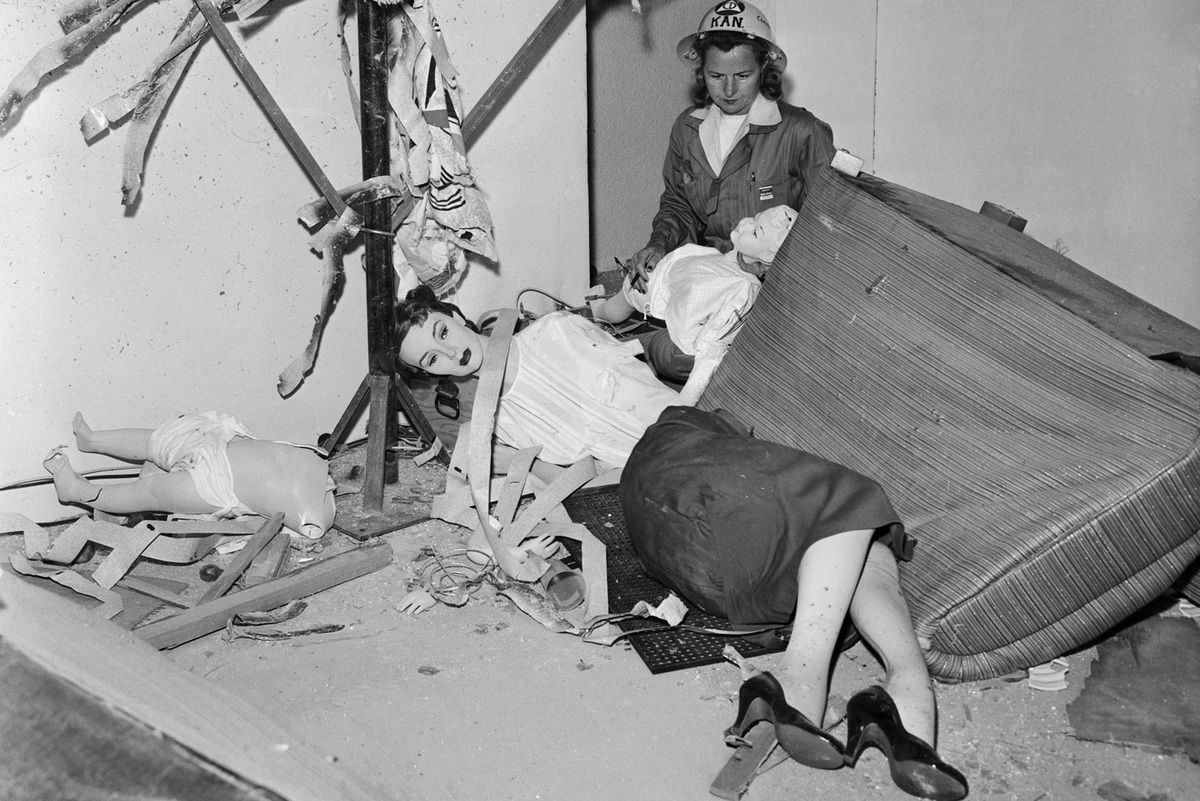
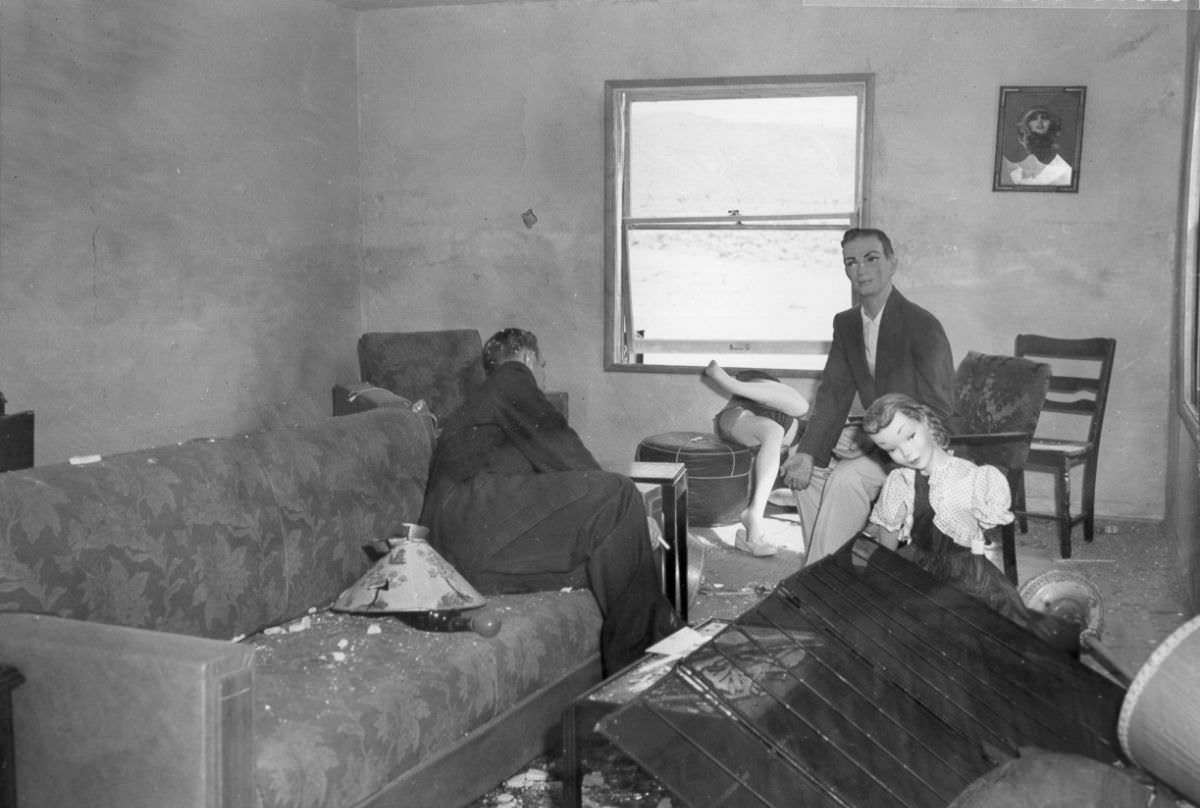
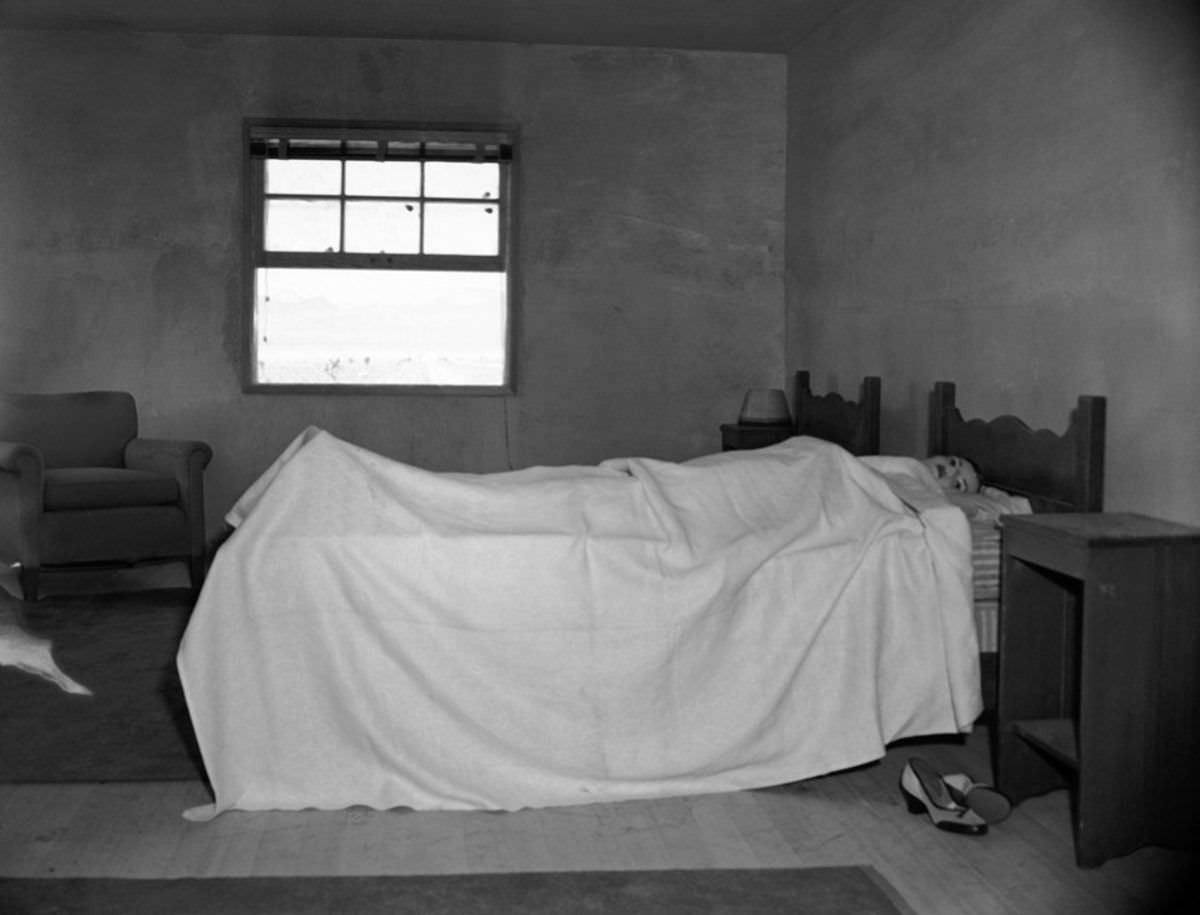
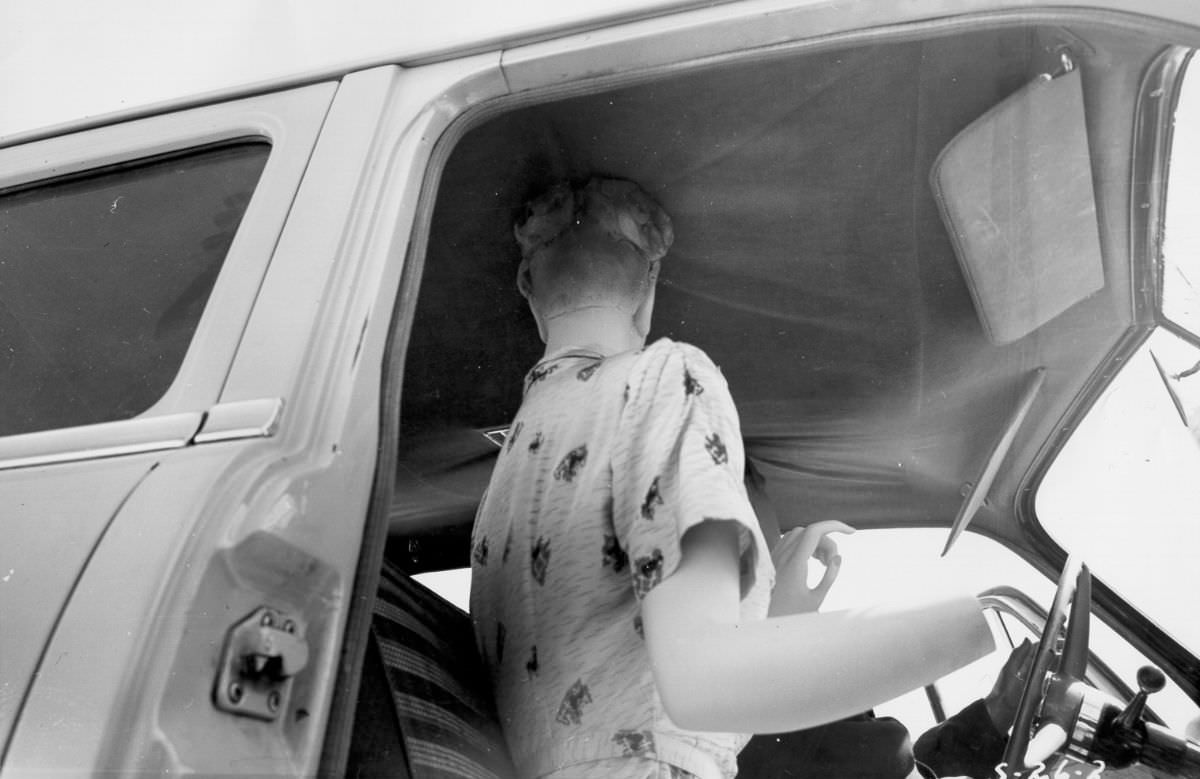
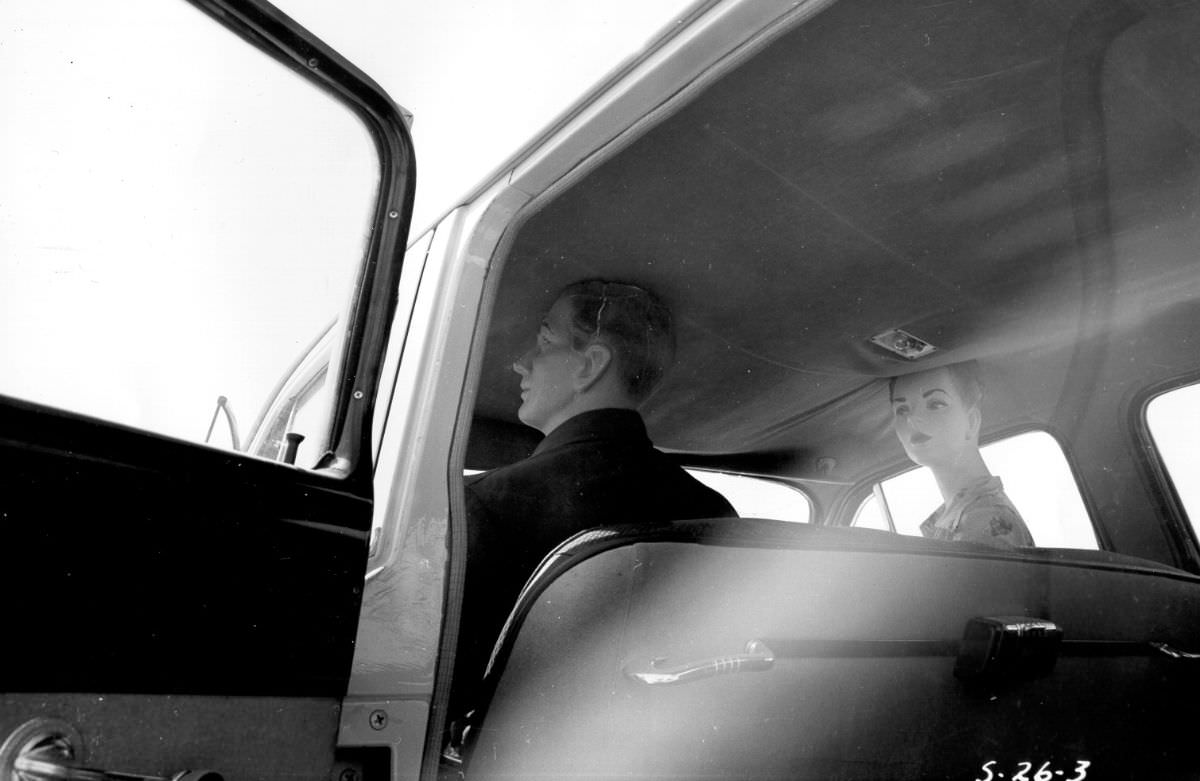
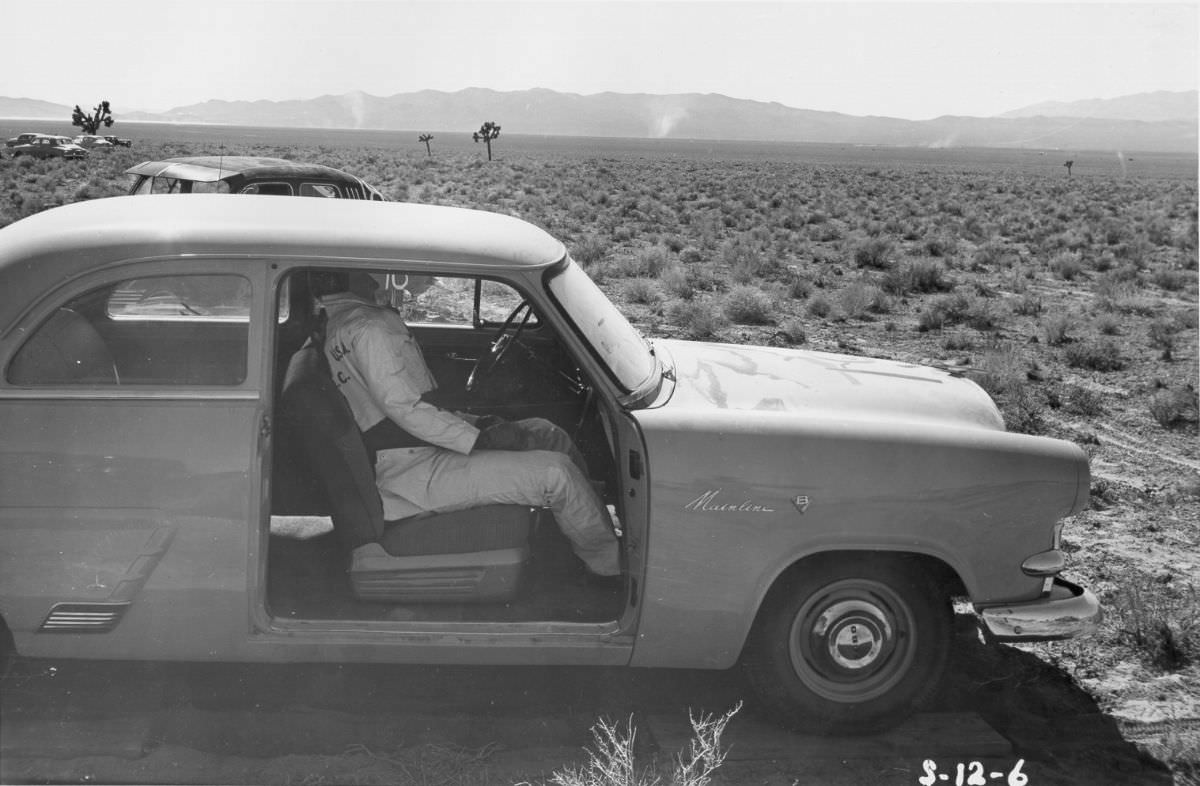
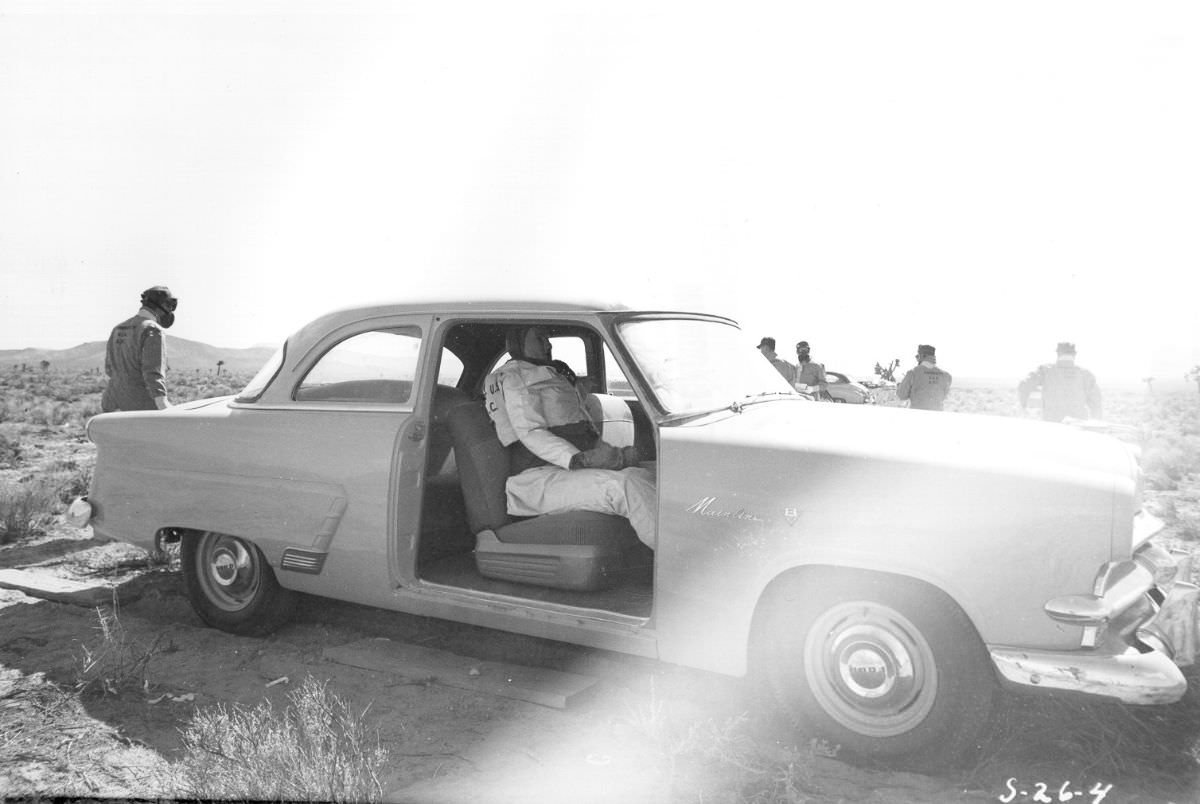
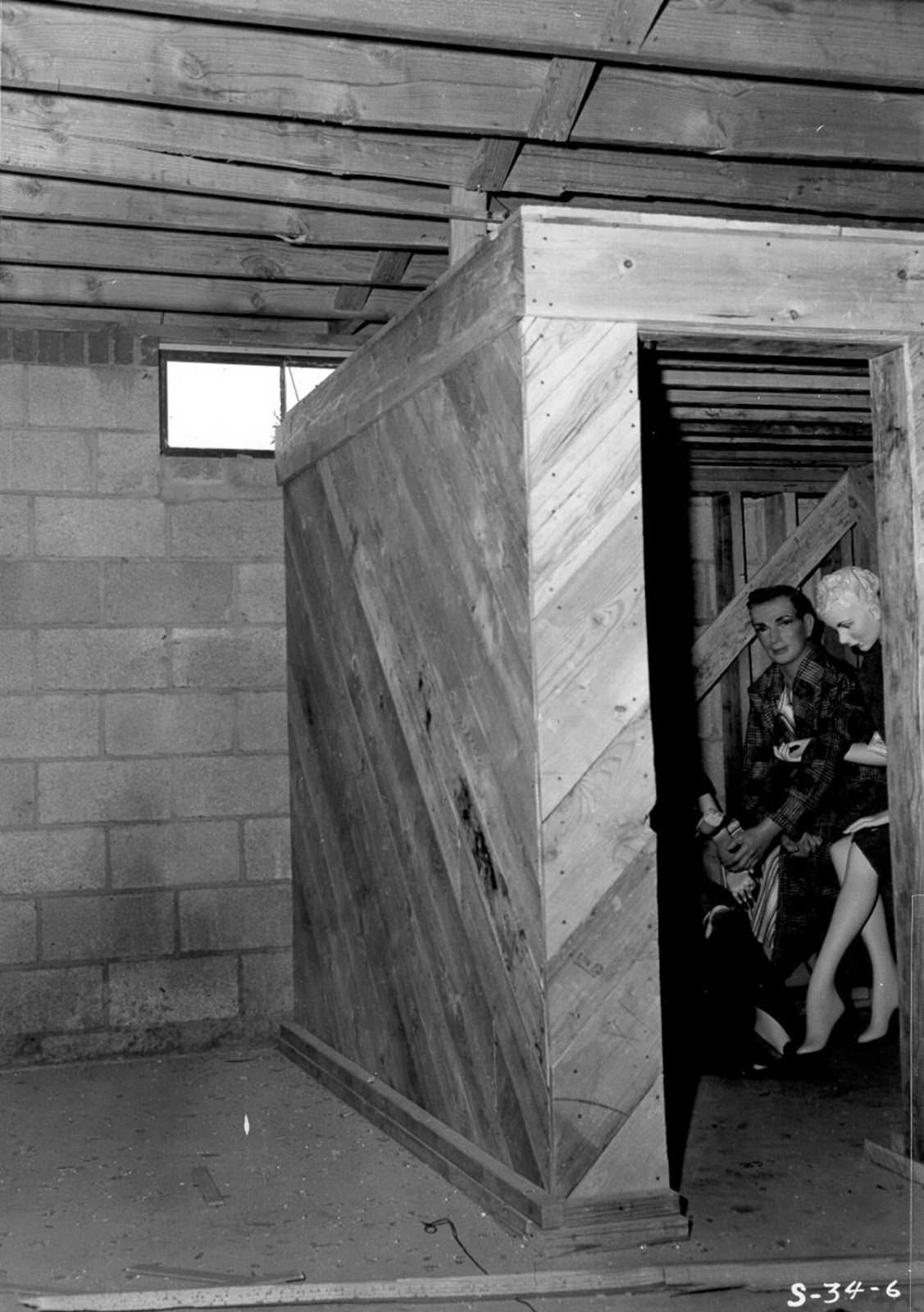
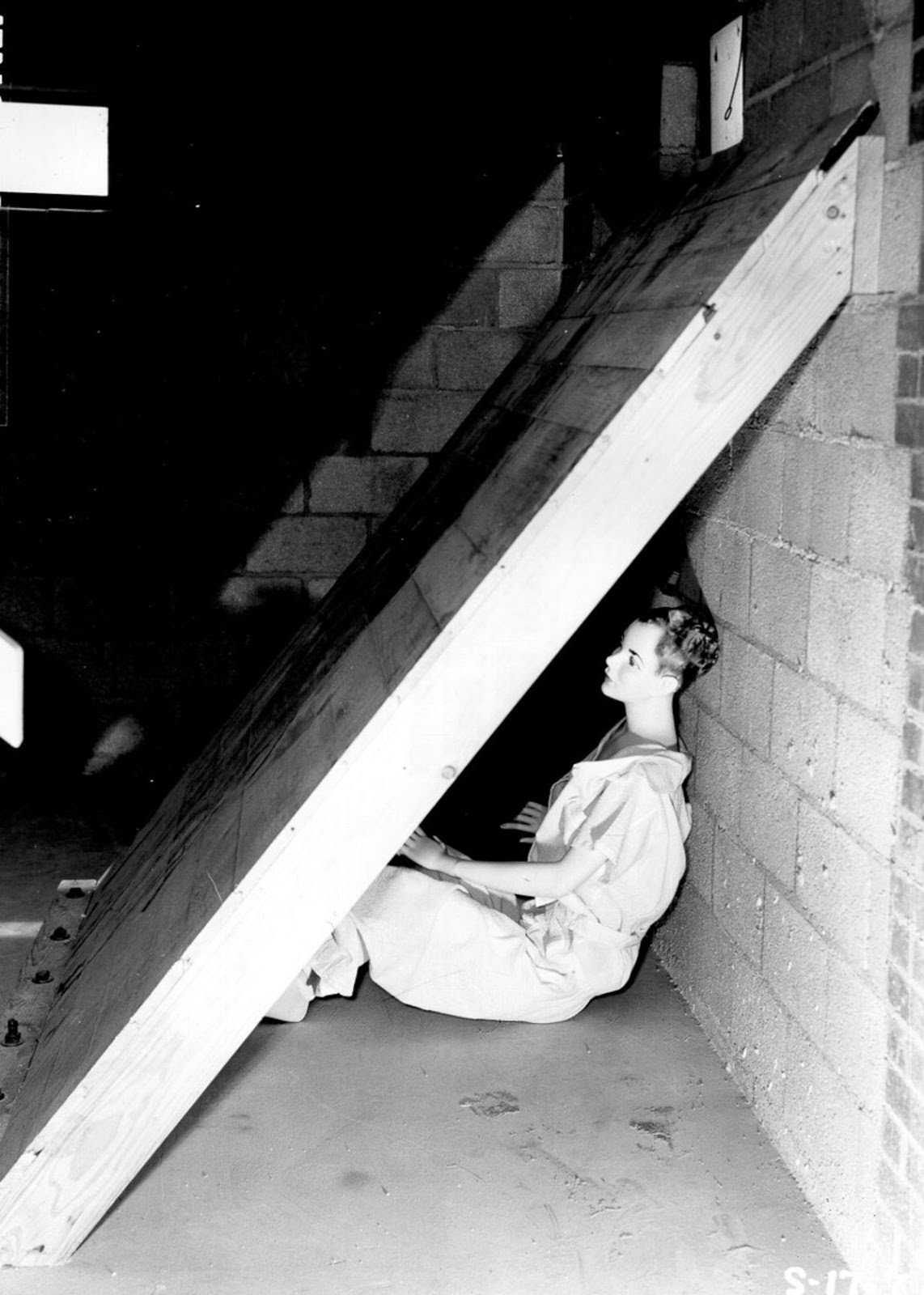
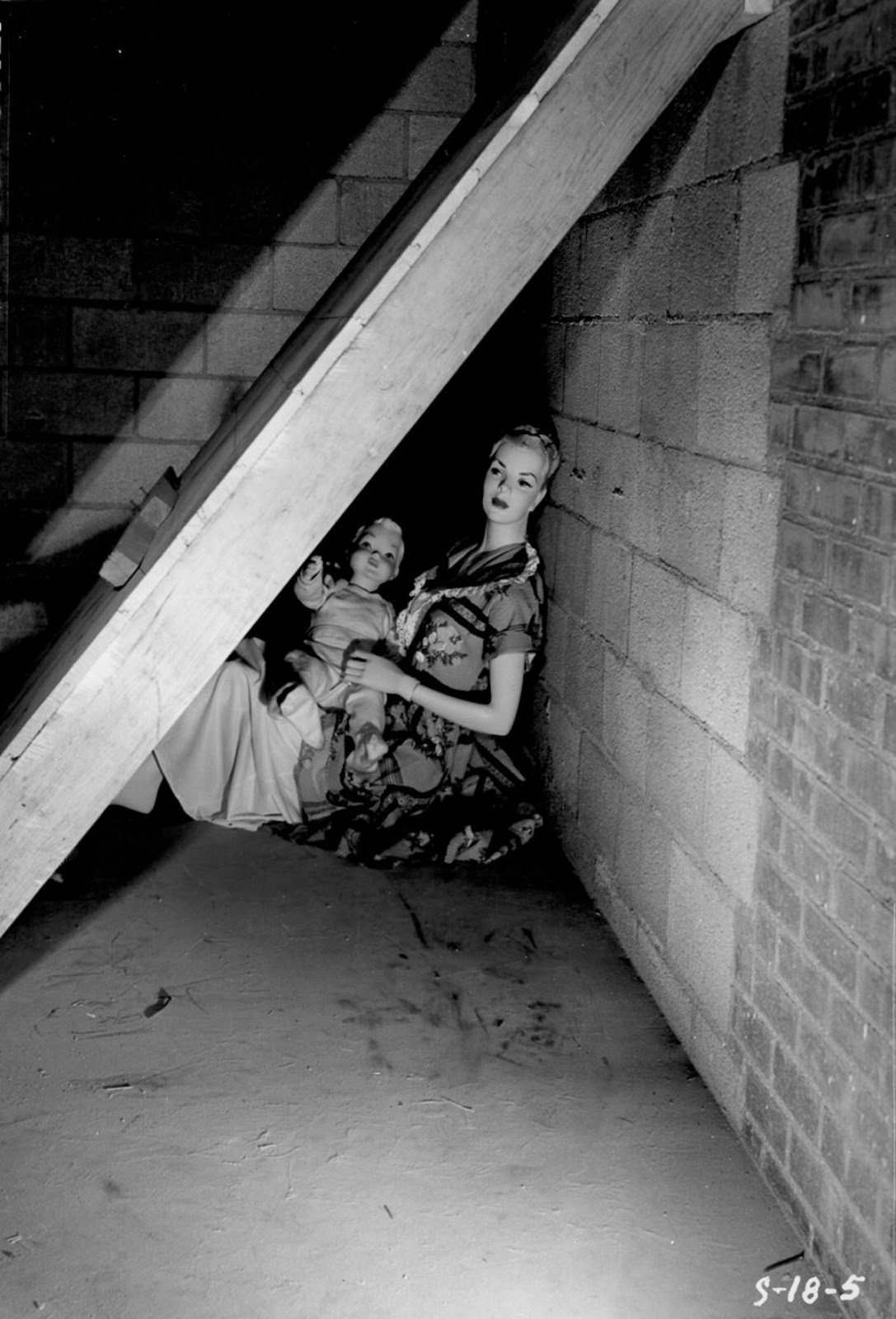
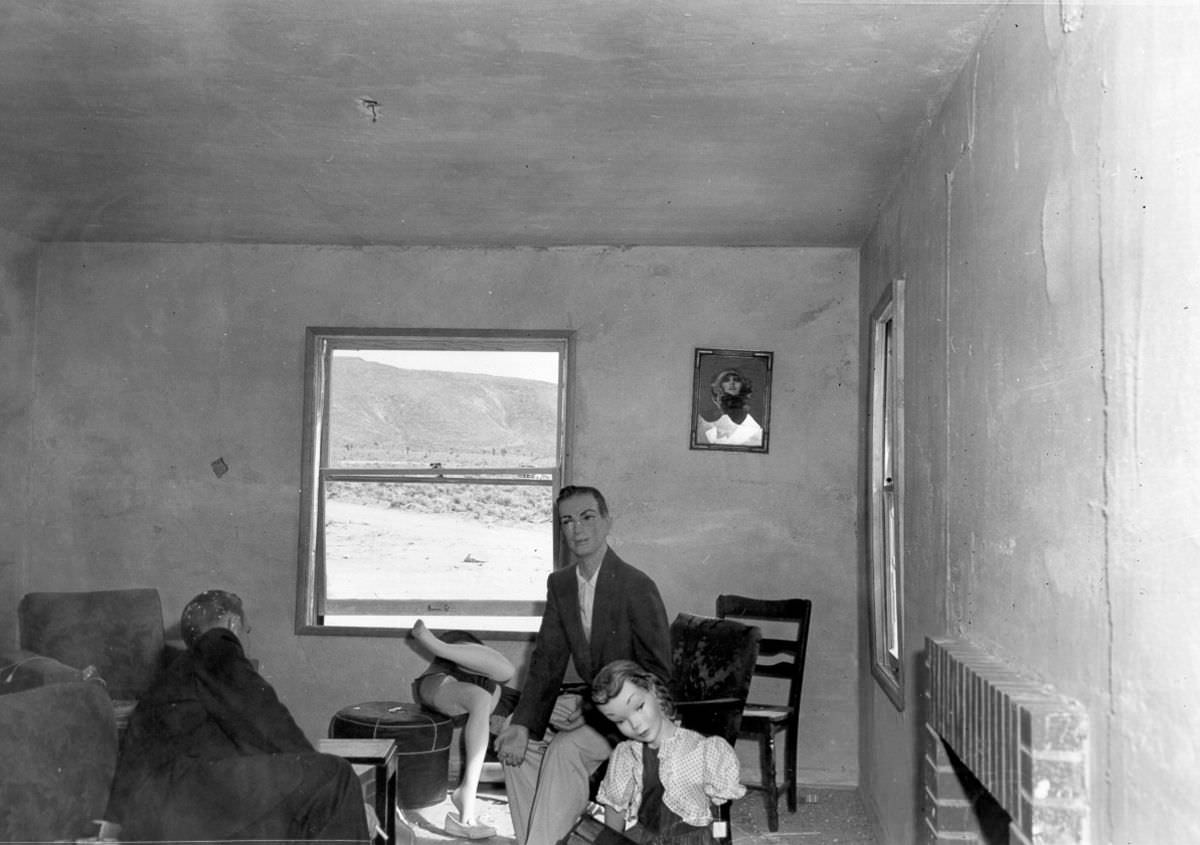
Full-size mannequins stood in for human residents. They were dressed in different types of clothing on purpose. Researchers wanted to know how various fabrics would hold up against the intense heat and energy released by a nuclear detonation. Some mannequins were placed inside rooms, others near windows, and some in open areas — each position designed to test a specific exposure scenario.
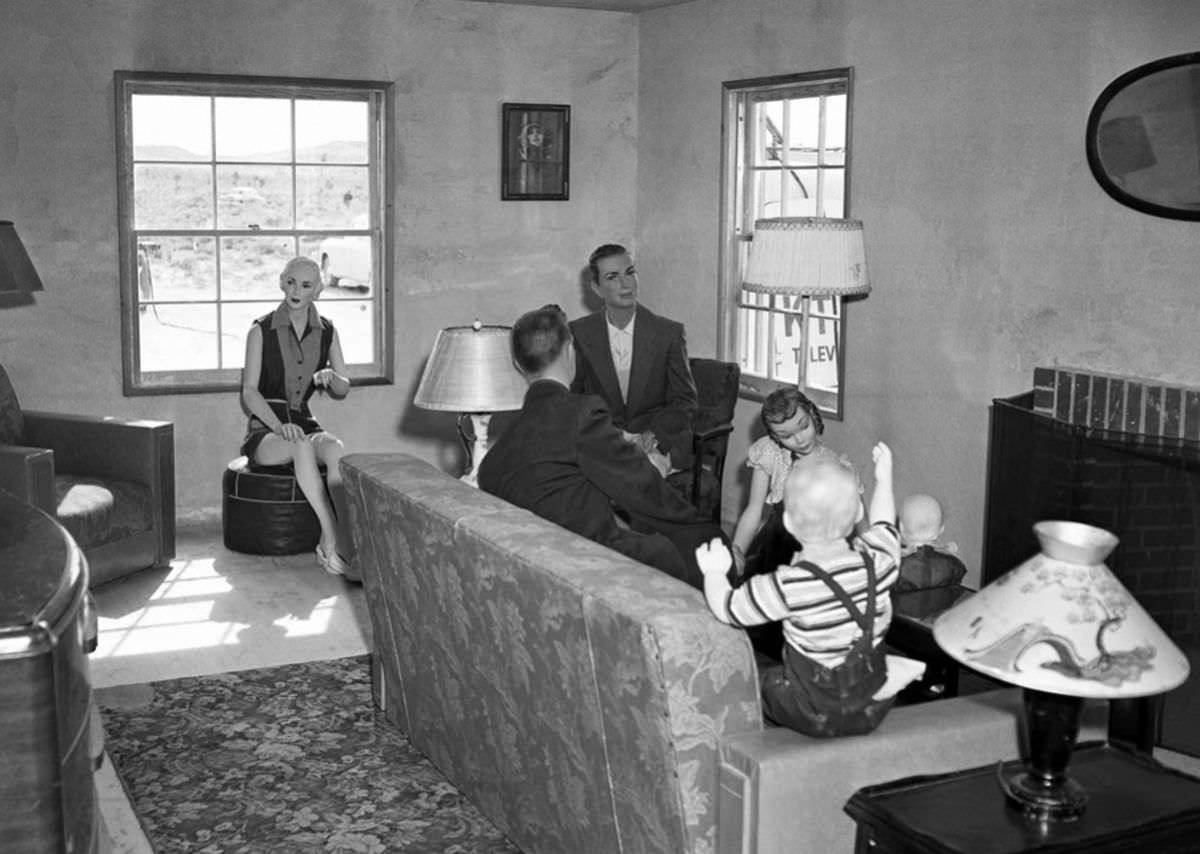
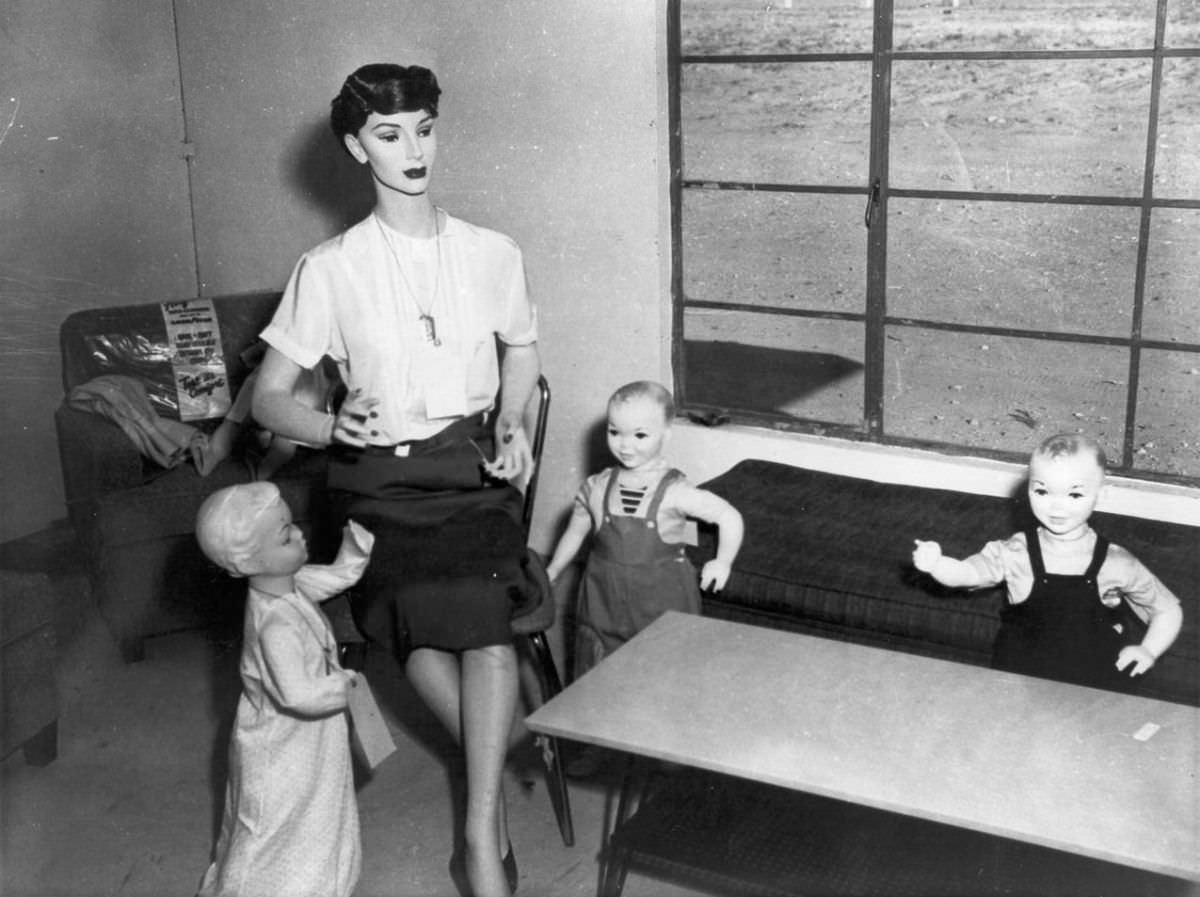
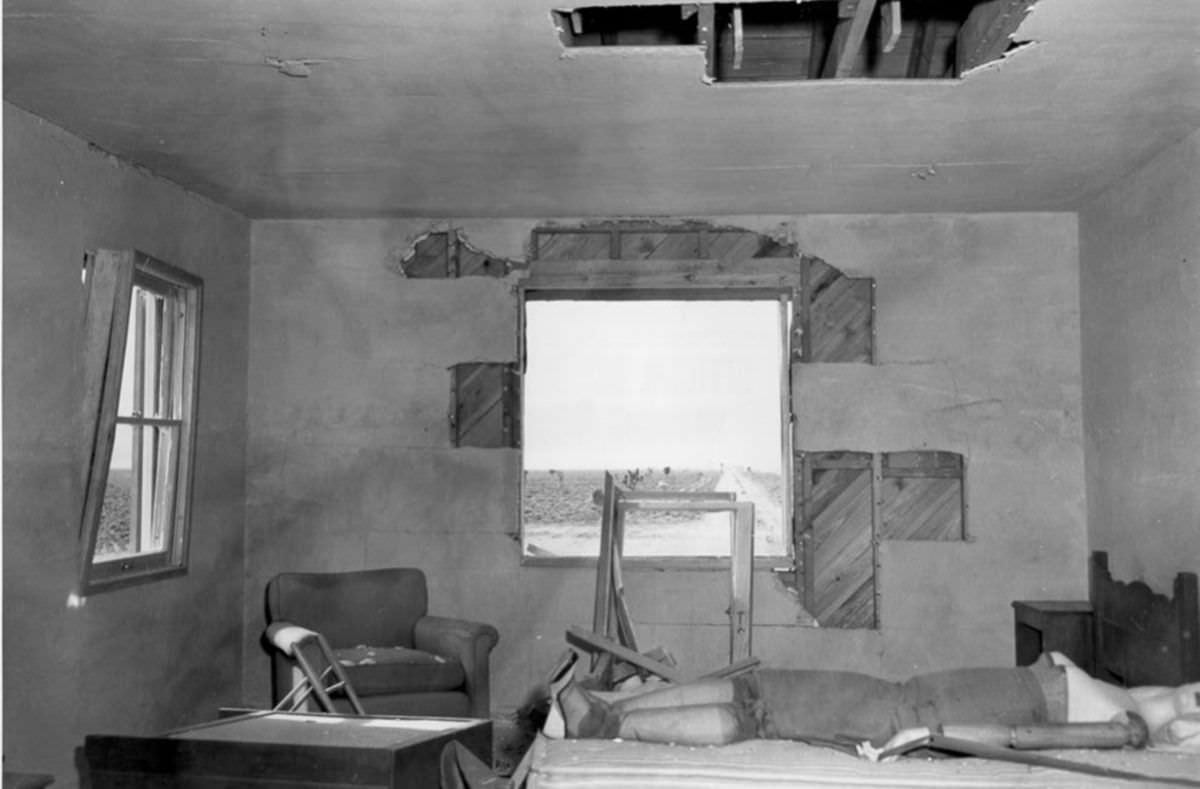
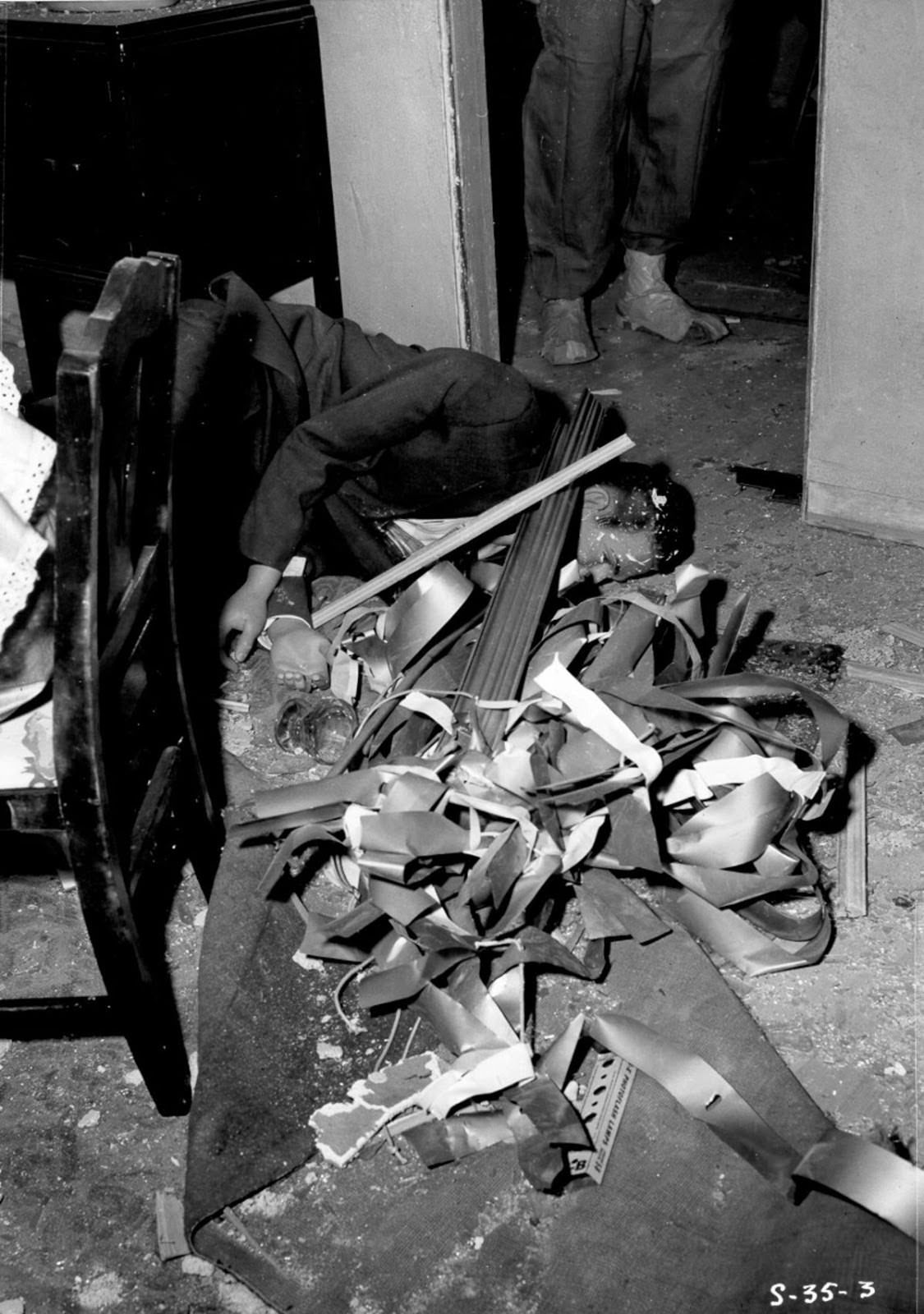
The results were precise and severe. Homes within 6,000 feet of ground zero lost their rooftops almost instantly. Windows shattered across the entire site. Multiple layers of exterior paint blistered and peeled away within seconds of the blast wave hitting. Structures that appeared solid beforehand were reduced to wreckage in moments.
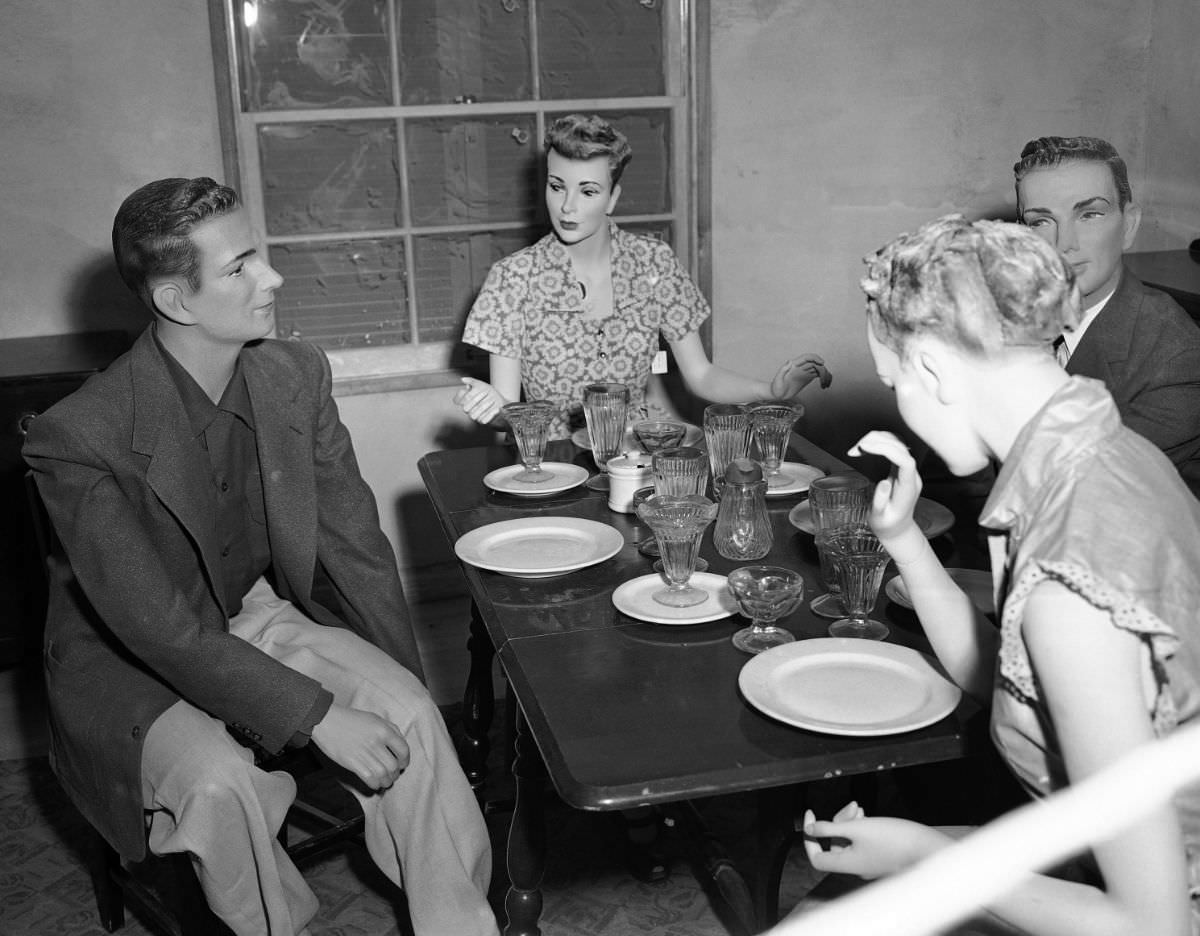
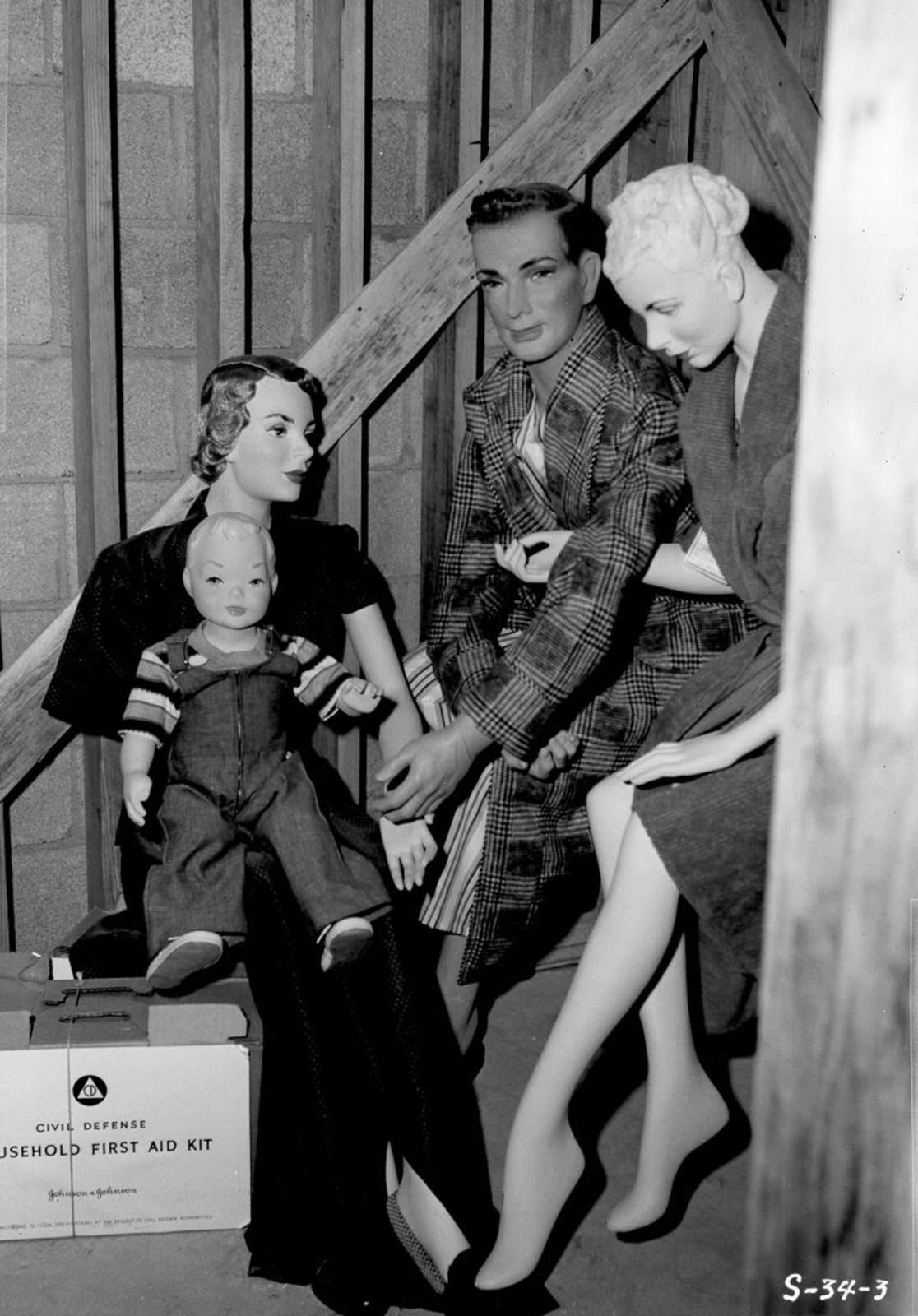
The thermal effects were just as destructive as the physical blast. The bomb released a massive burst of heat energy that traveled outward from the detonation point. This is why the clothing worn by the mannequins mattered — lighter or darker fabrics absorbed heat differently, and those differences translated into real data about burn injuries a human would have sustained.
Brick structures fared somewhat better than wooden-frame homes but still suffered significant damage at close range. The comparison between the two building types was one of the key pieces of data the military was collecting. Engineers and civil defense planners needed to know whether building materials made any meaningful difference in a nuclear scenario.
Operation Doorstep was part of a larger series of nuclear tests conducted at the Nevada Test Site during the early 1950s. The United States was deep in the Cold War arms race, and understanding the destructive mechanics of nuclear weapons was considered essential to both military strategy and civilian defense planning.
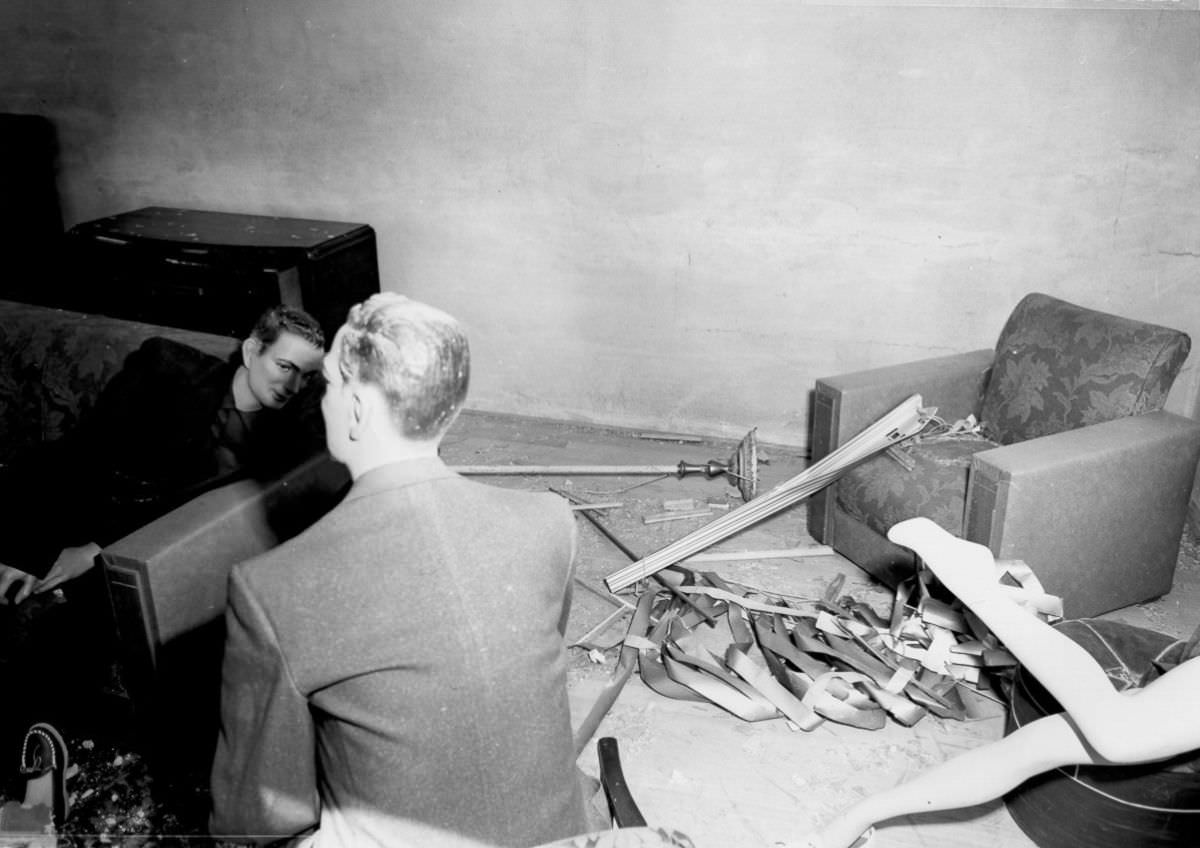
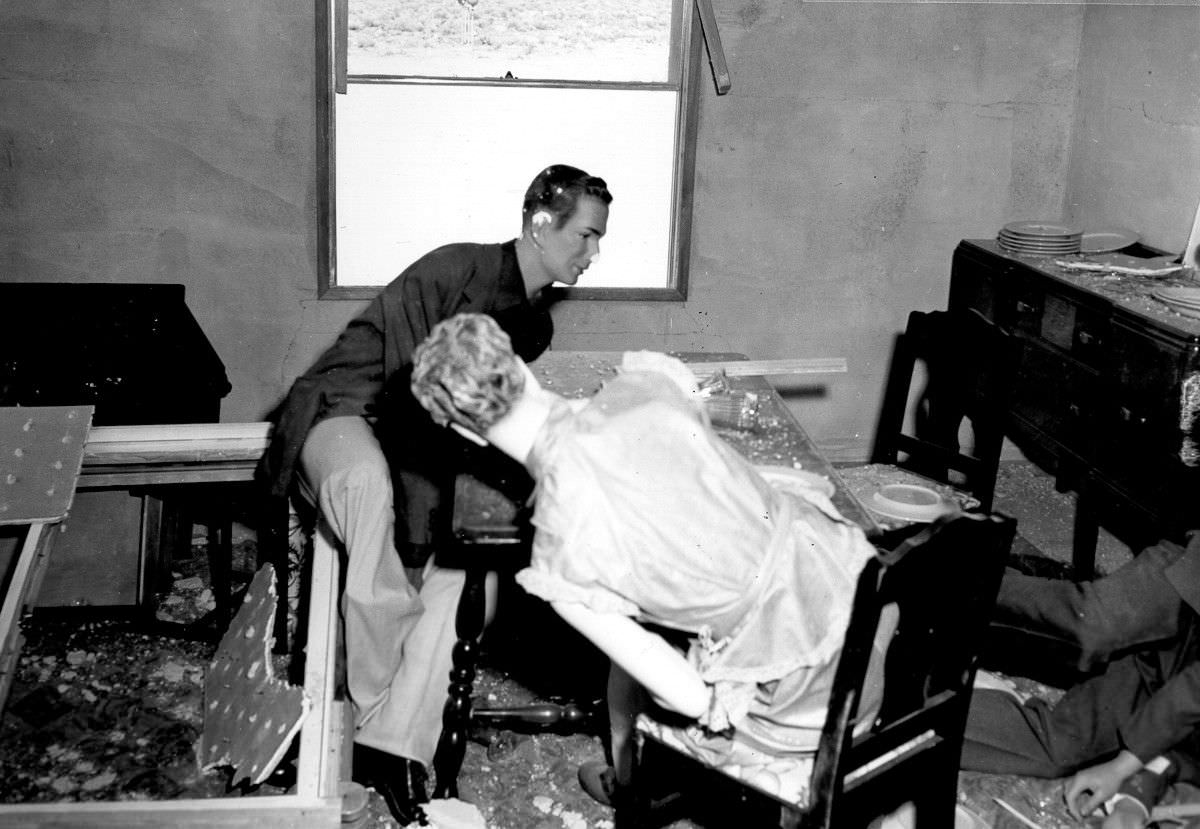
The mannequins scattered throughout the houses gave researchers a visual record of what happened to occupants at various distances from the blast. Their positions, the state of their clothing, and the damage to the rooms around them all fed into post-test analysis. Photographers and film crews documented everything before and after the detonation.
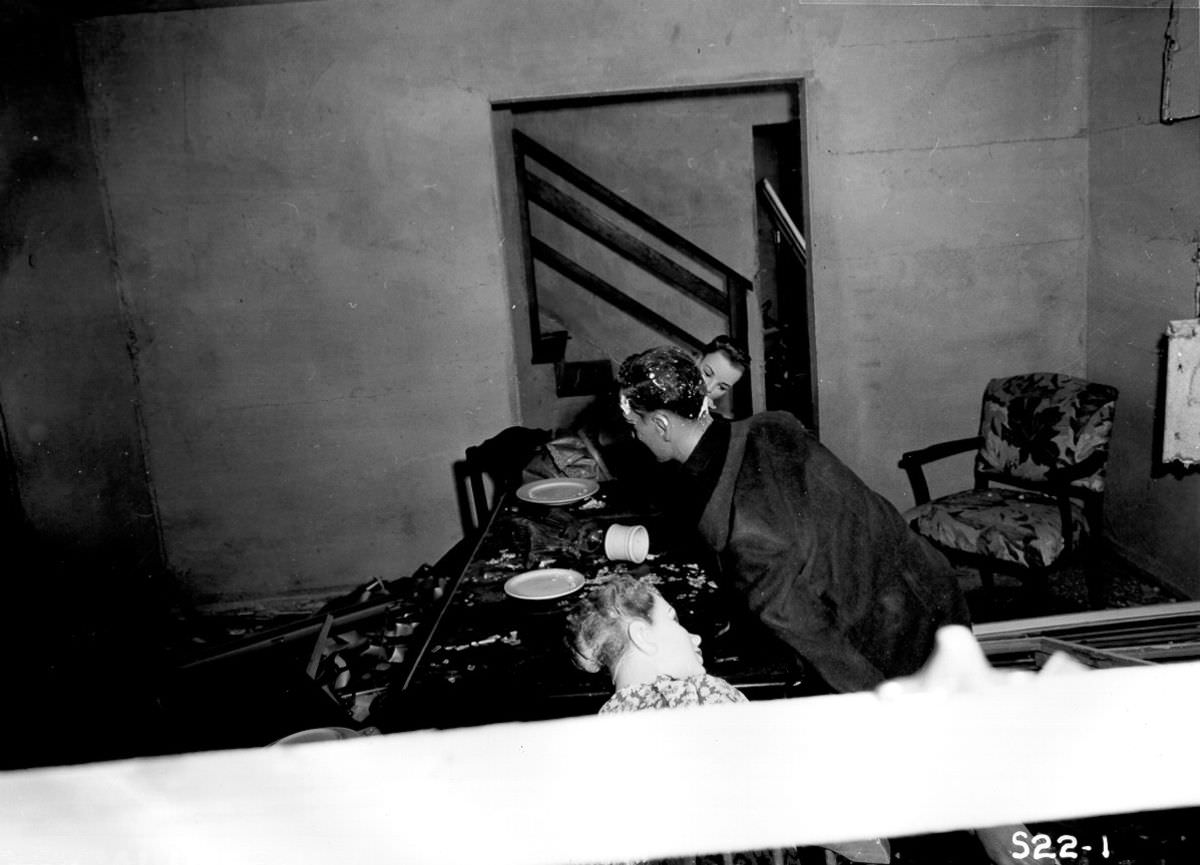
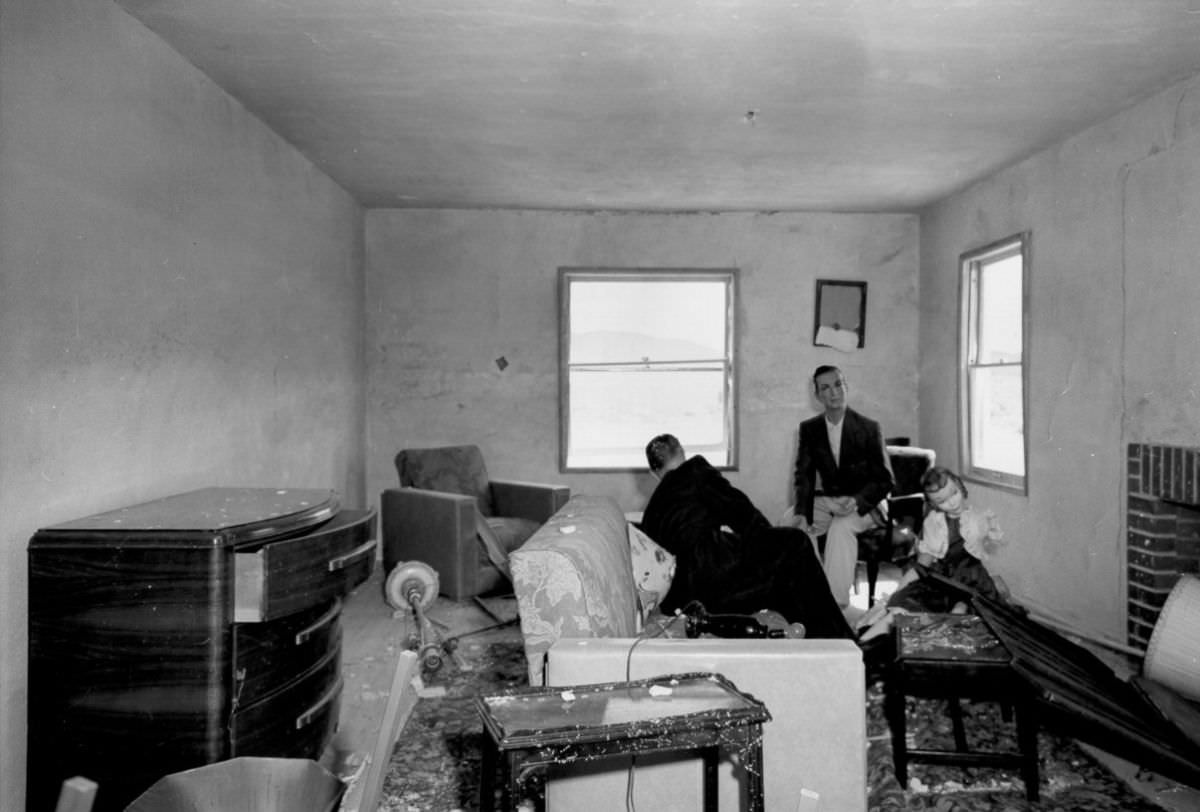
The 16-kiloton yield used in Operation Doorstep was comparable to the bomb dropped on Hiroshima in 1945. Planners chose this yield deliberately, as it represented a realistic threat level that American cities might face. The test was not hypothetical — it was built around a specific and documented destructive benchmark.
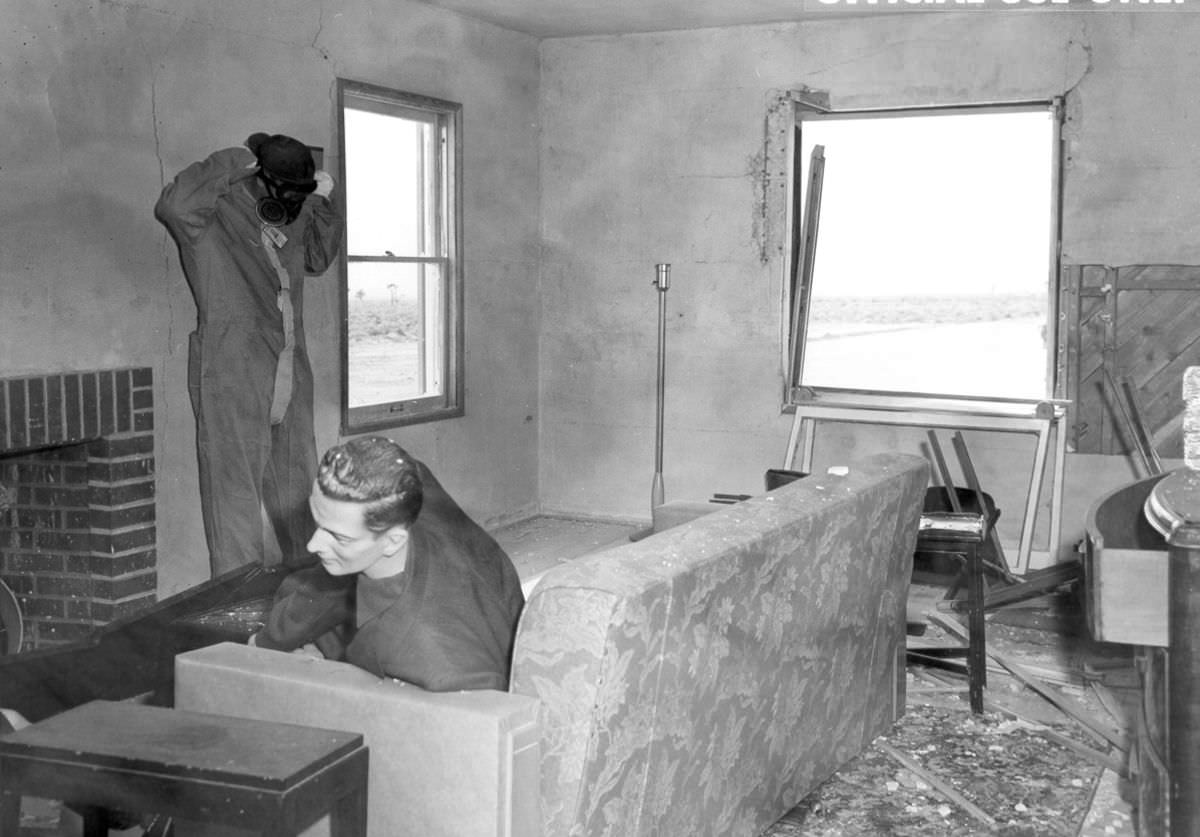
After the blast, teams moved through the ruins to assess the damage in detail. Every collapsed wall, every scorched mannequin, and every stripped car finish was catalogued. The wreckage of Doom Town told a clear story about what a nuclear weapon does to an ordinary neighborhood at close range — and the findings shaped how America thought about civil defense for years to come.