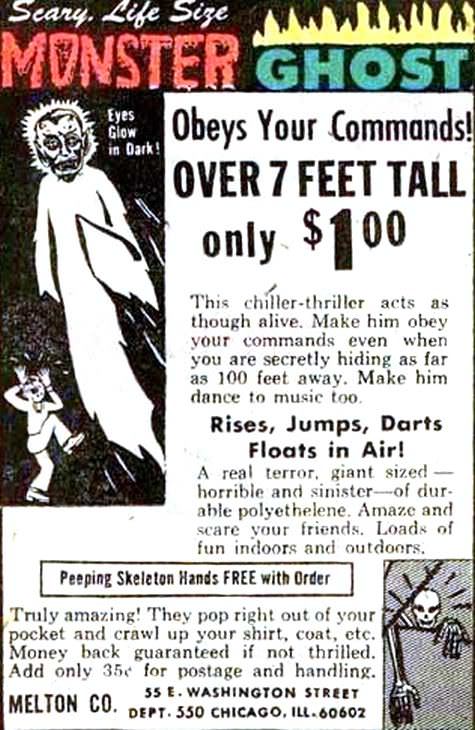
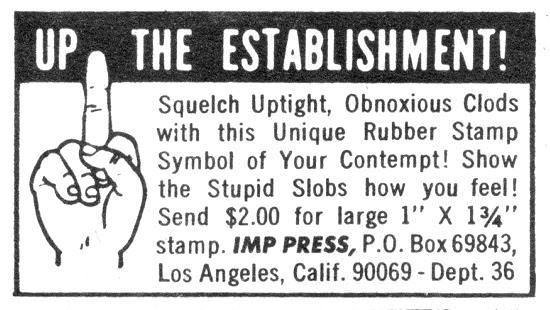
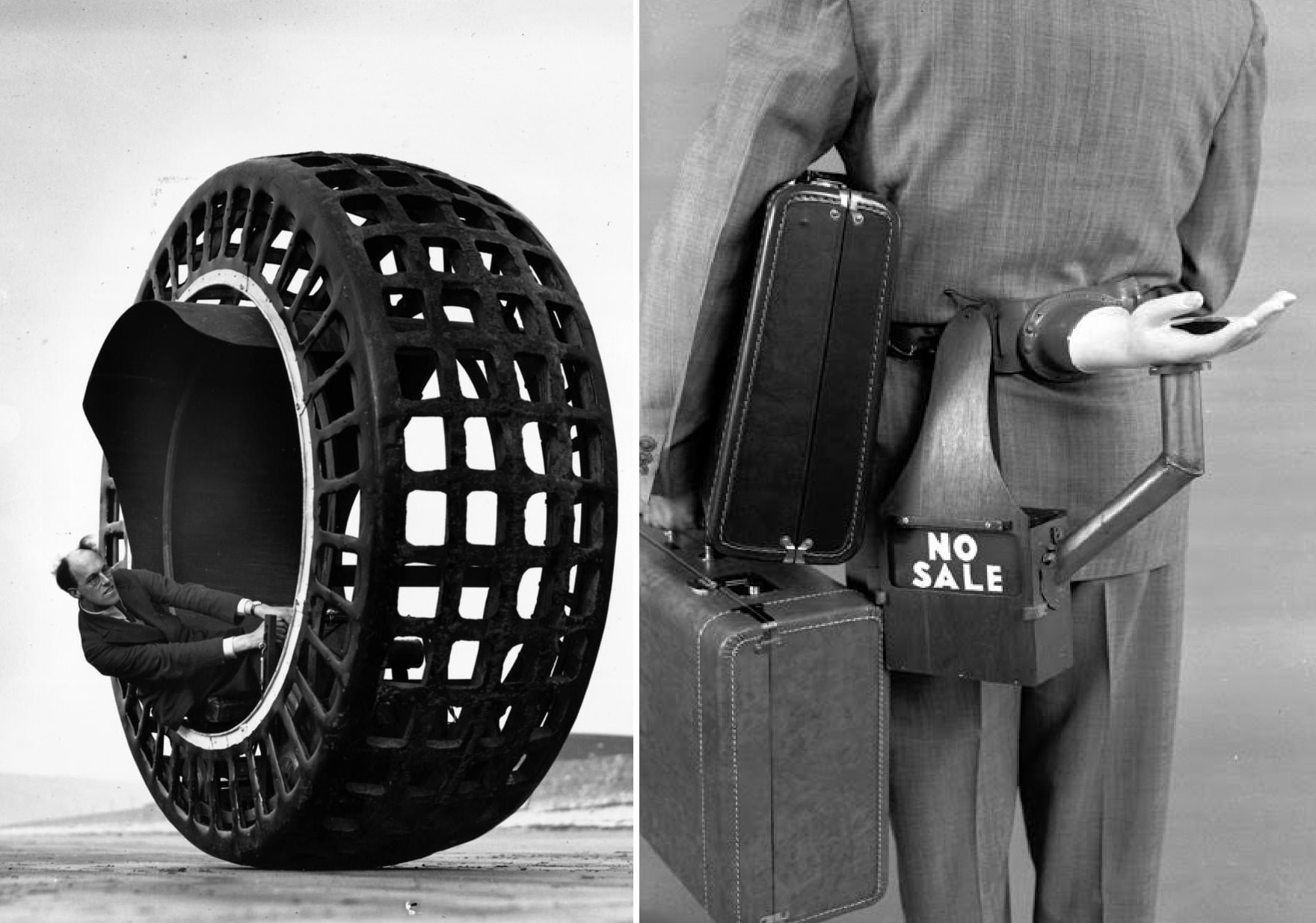
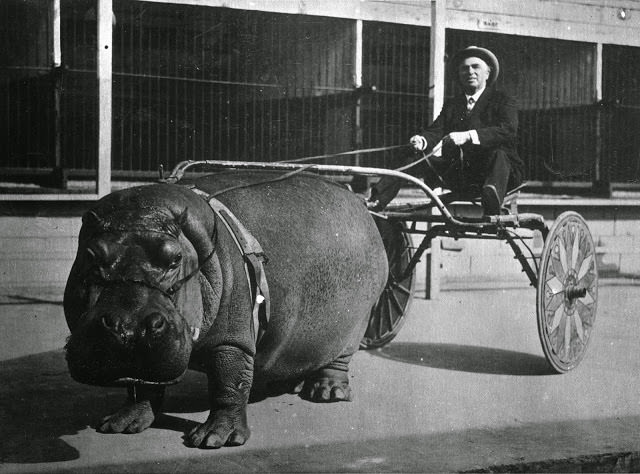
Postwar America ran on a simple promise: buy the right things and life would be perfect. Advertisers sold that promise hard, and the products they pushed were often jaw-dropping in their audacity. From toy armadas to hypnosis kits, the objects of mid-century Americana told a very specific story about who Americans were supposed to be — and what they were supposed to want.
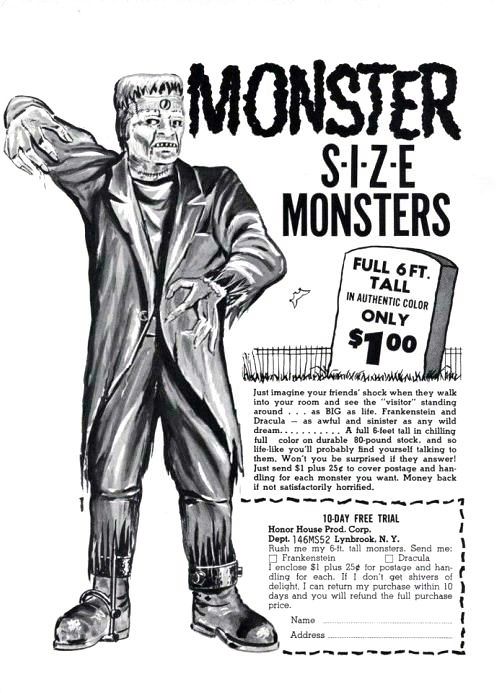
The ads themselves were a spectacle. Bold colors, breathless copy, and promises that no product could ever keep. Copywriters treated every item — no matter how absurd — as a life-changing invention.
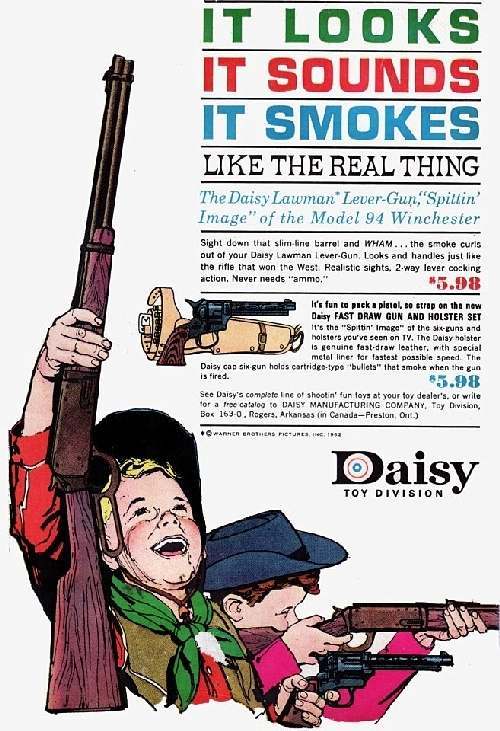
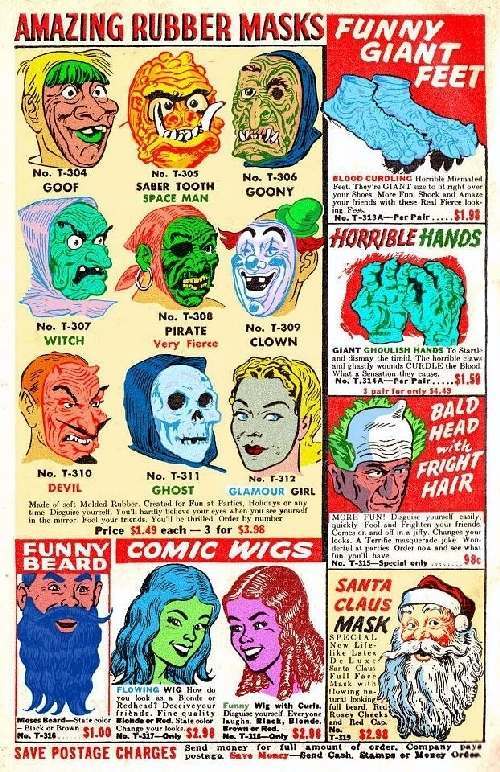
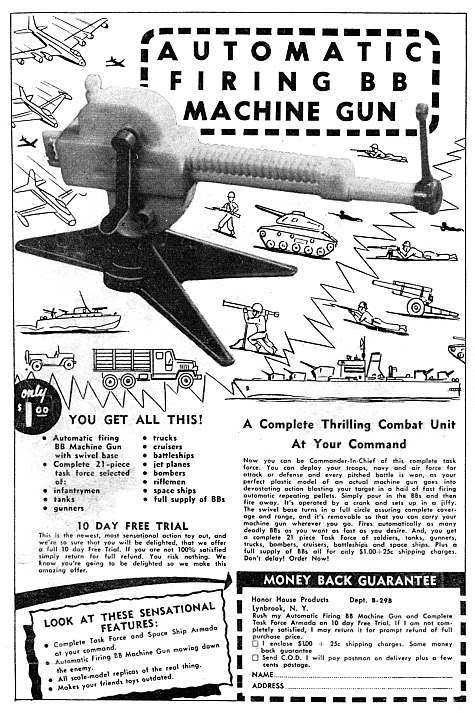
The toy market was where the fantasy went into overdrive. Boys were handed weapons. Girls were handed “harmless fun.” The double standard was built directly into the packaging.
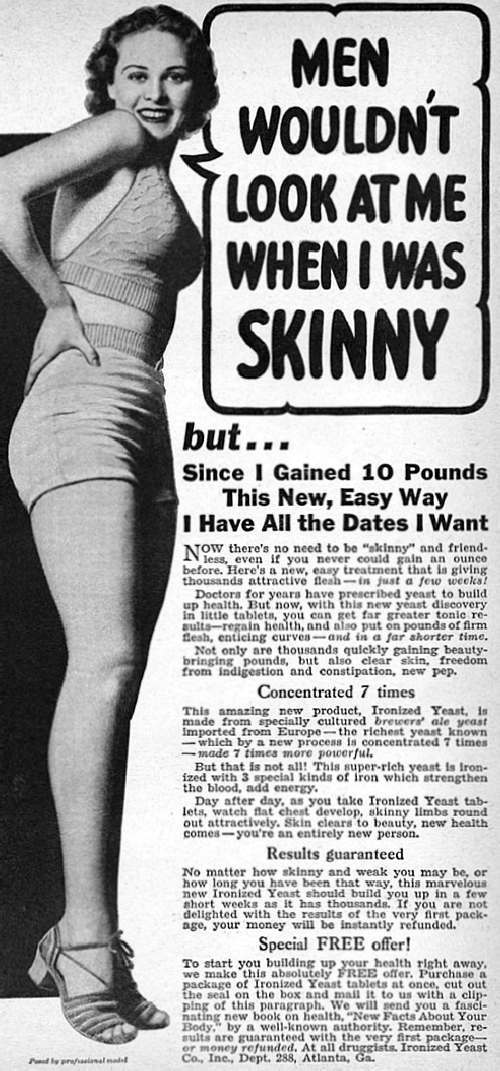
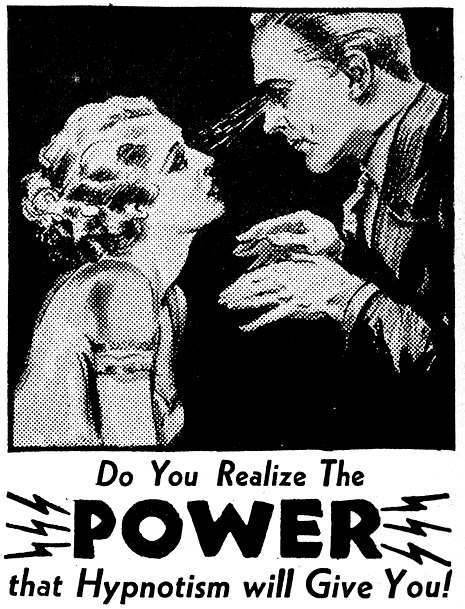
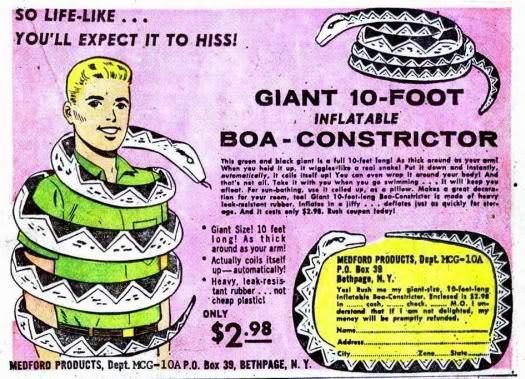
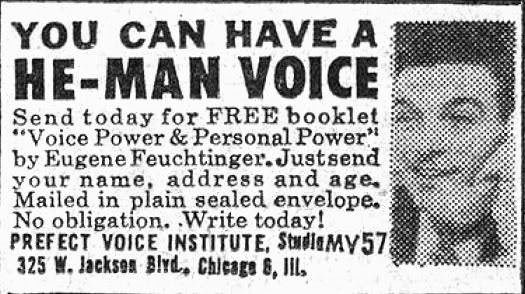
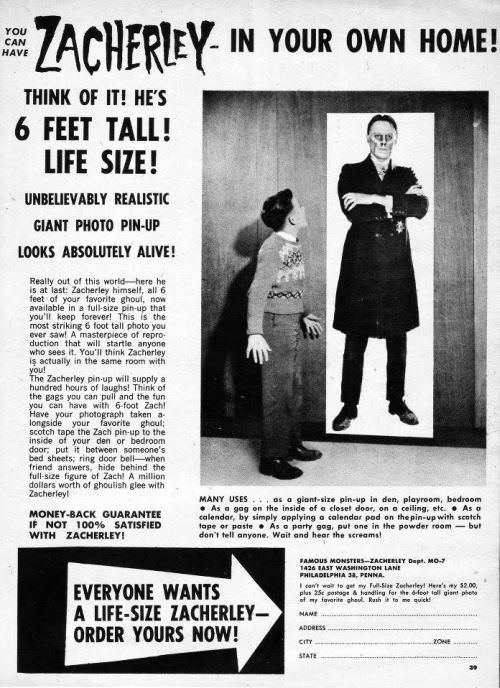
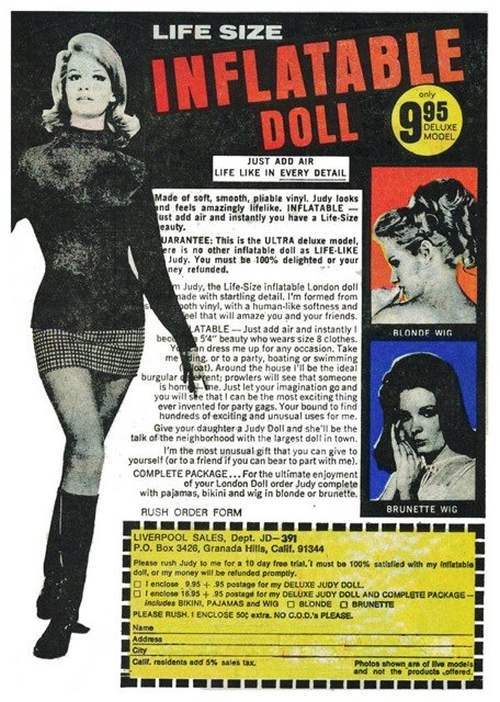
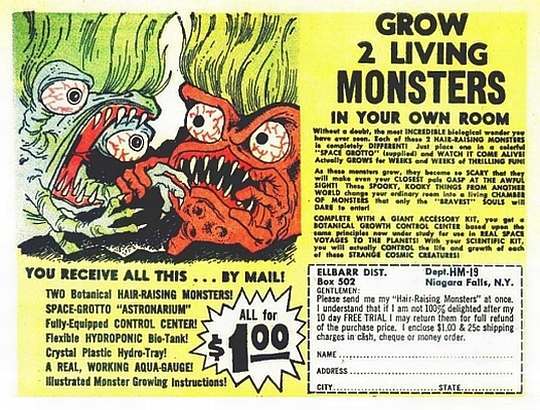
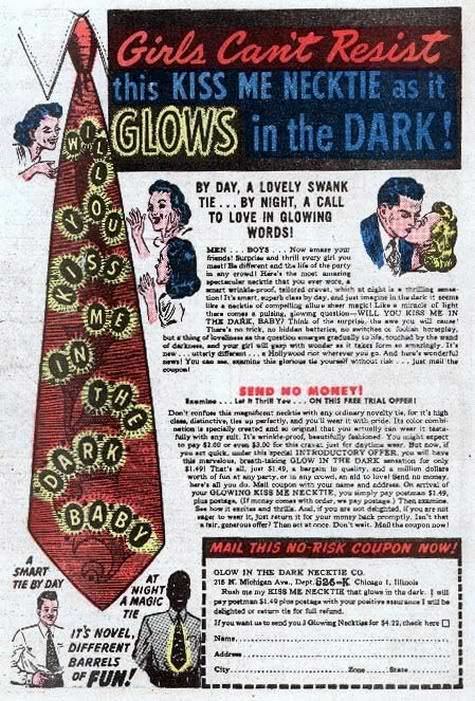
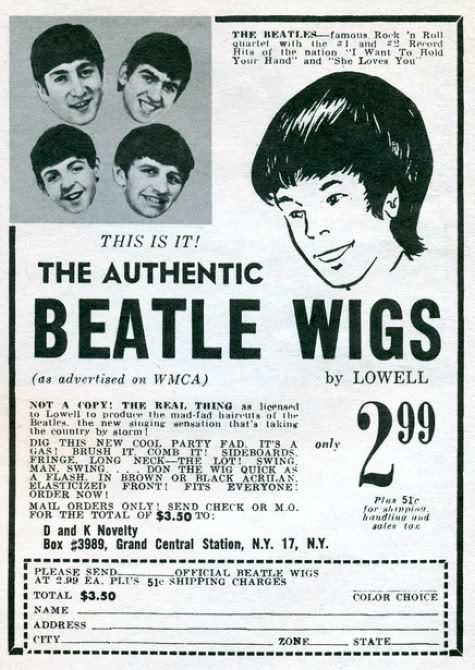
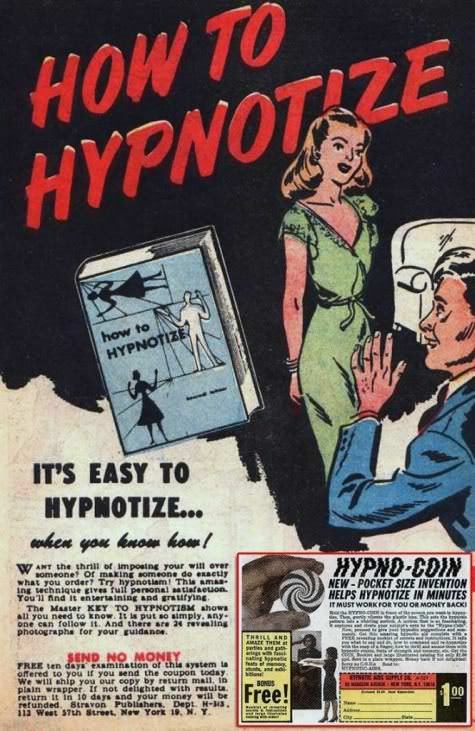
Novelty products aimed at adults were no less strange. Hypnosis kits, inflatable companions, and mail-order certificates for invented courses were all pitched with total sincerity. The copy promised transformation. The product delivered cardboard.

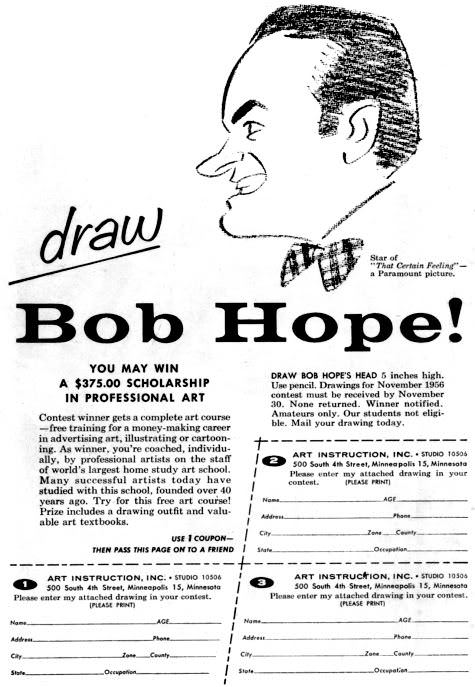
Higher education got the same treatment. Correspondence schools offered certificates in subjects of questionable academic value — and for top performers, a frame to put the certificate in.
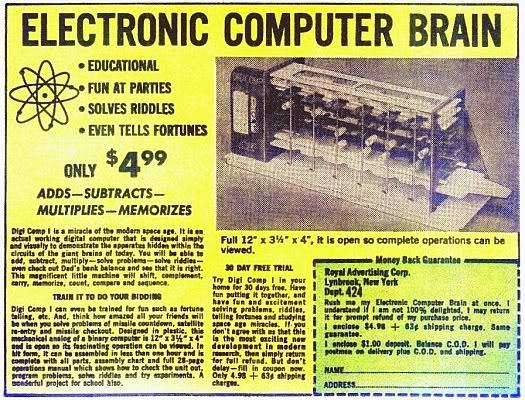
The space age gave advertisers a whole new vocabulary. Anything could be “a miracle of the modern space age” — including a novelty brain toy marketed as the solution to a dull social life.
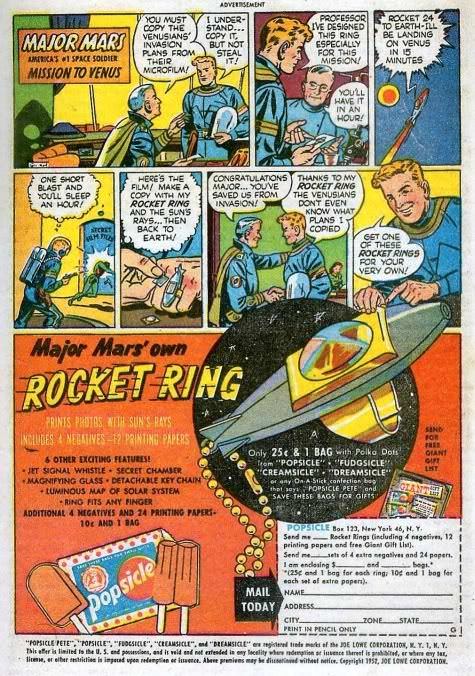
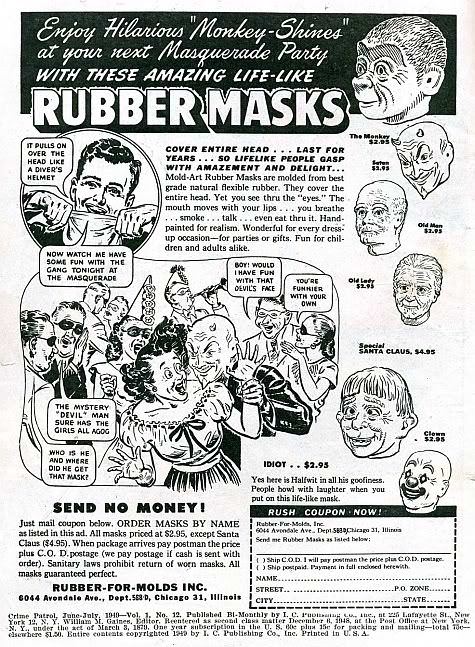
“Send No Money” was perhaps the era’s greatest marketing invention — a way to get a product into someone’s hands before they had time to think about whether they actually wanted it.
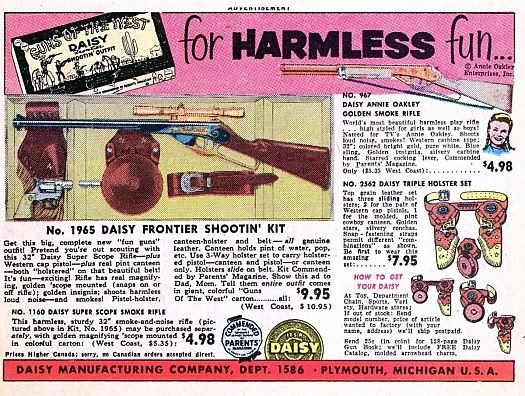
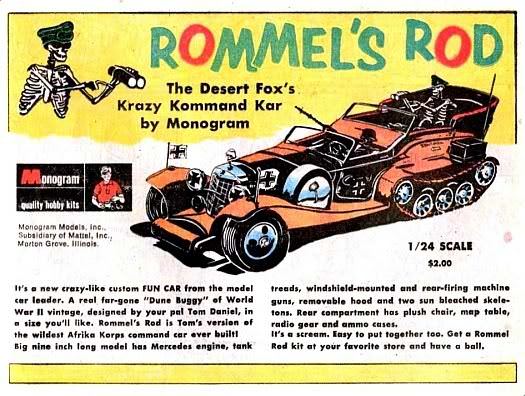
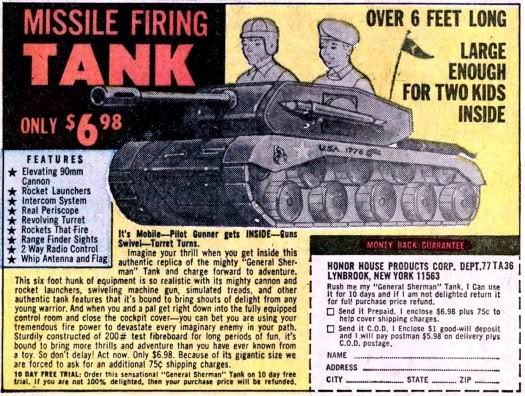
War imagery saturated the children’s toy aisle throughout the 1950s and 60s. Rommel’s Rod, missile-firing tanks over six feet long, and full combat armadas were sold as standard bedroom furniture for American boys.
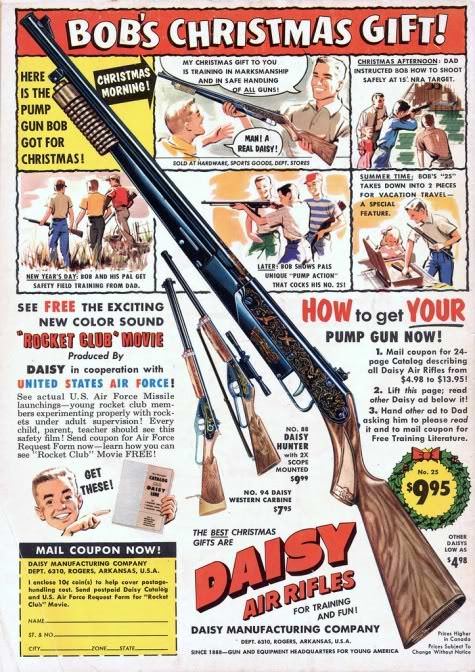
The Daisy BB gun was marketed to fathers as a tool for teaching boys responsibility and safety. The same gun, in the hands of a girl, was described in ads as “harmless.”
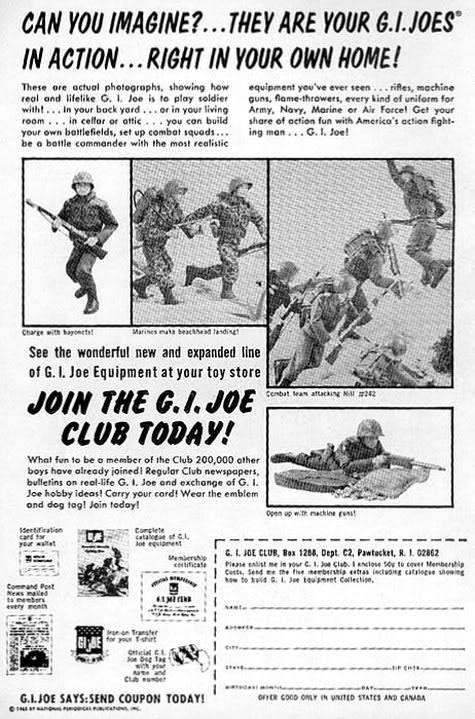
GI Joe figures brought the military directly into the living room. Scaled to intimidate, dressed for combat, they were sold across America — a fact that carried a very different charge in European countries that had lived through occupation.
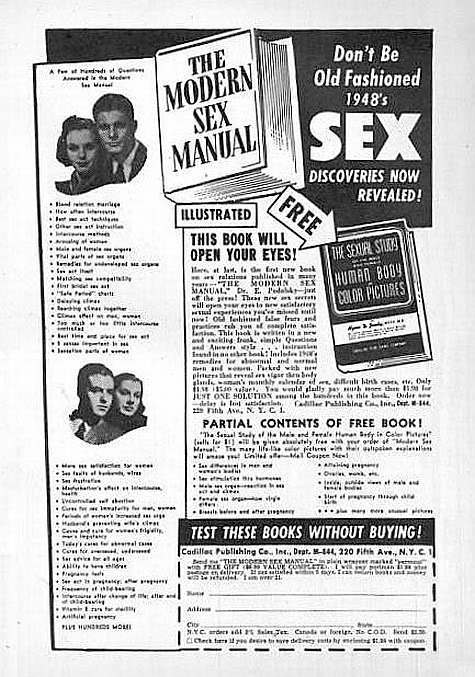
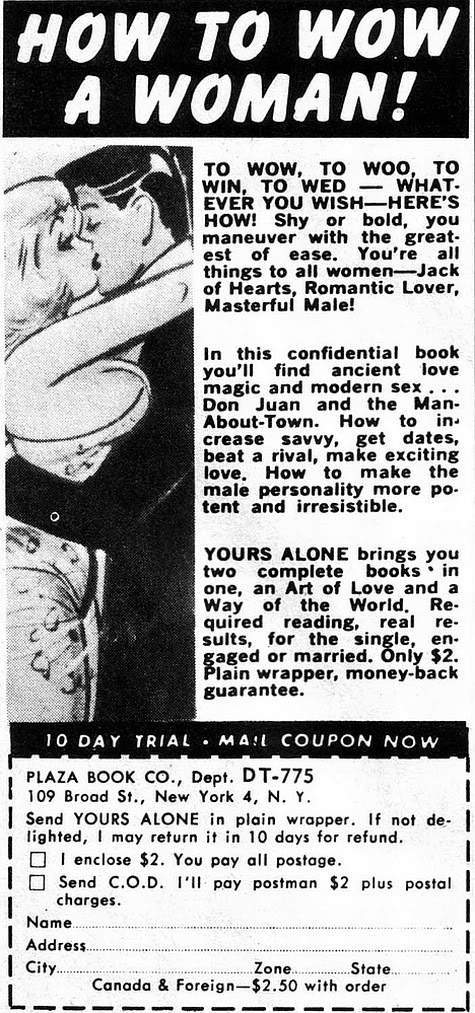
Sex sold everything in postwar advertising — cars, soap, cigarettes, and appliances alike. The formula was consistent: a woman, a product, and a man who benefited from both.
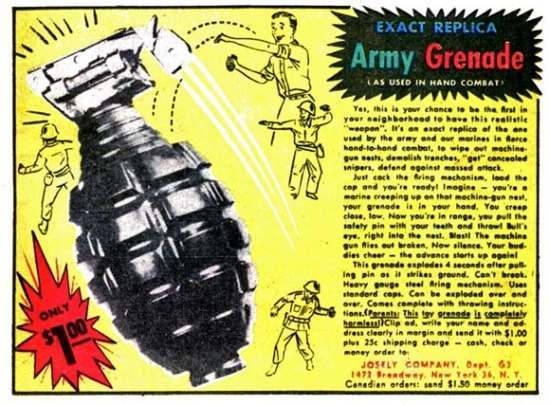
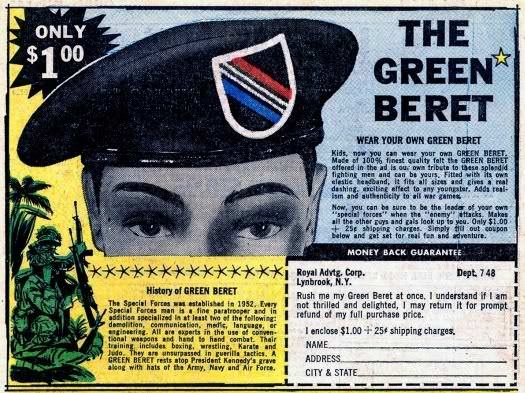
The complete kit for the ideal American boy required a Green Beret, a Daisy gun, a space armada, and a grenade. All available by mail order. All promised to make you the envy of your neighborhood.