When World War II ended in 1945, the United States and its allies were left with a problem that was almost as staggering as the war itself: what to do with everything they had built. Estimates of the total value of surplus military equipment ranged from $25 billion to $150 billion. Factories that had been running around the clock for years didn’t simply shut off. Warehouses, airfields, and depots across the world were packed with guns, vehicles, planes, and ships that no longer had a mission.
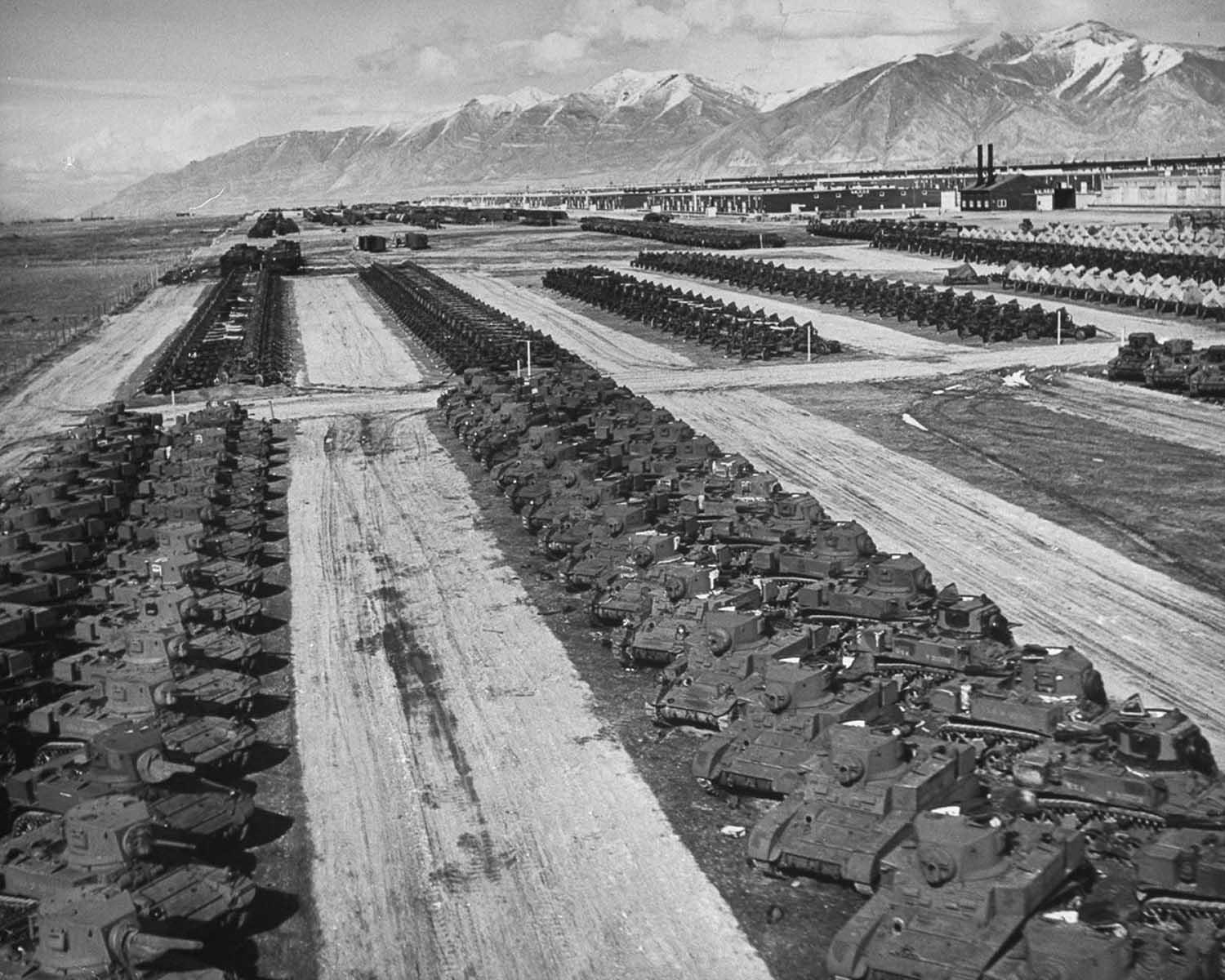
The sheer scale of what had been stockpiled was almost impossible to process. Hundreds of thousands of tons of equipment sat in open fields and storage lots, waiting to be sorted, sold, or destroyed. Much of it was brass, steel, and aluminum — raw materials that had been shaped into weapons and now needed to find a new form.
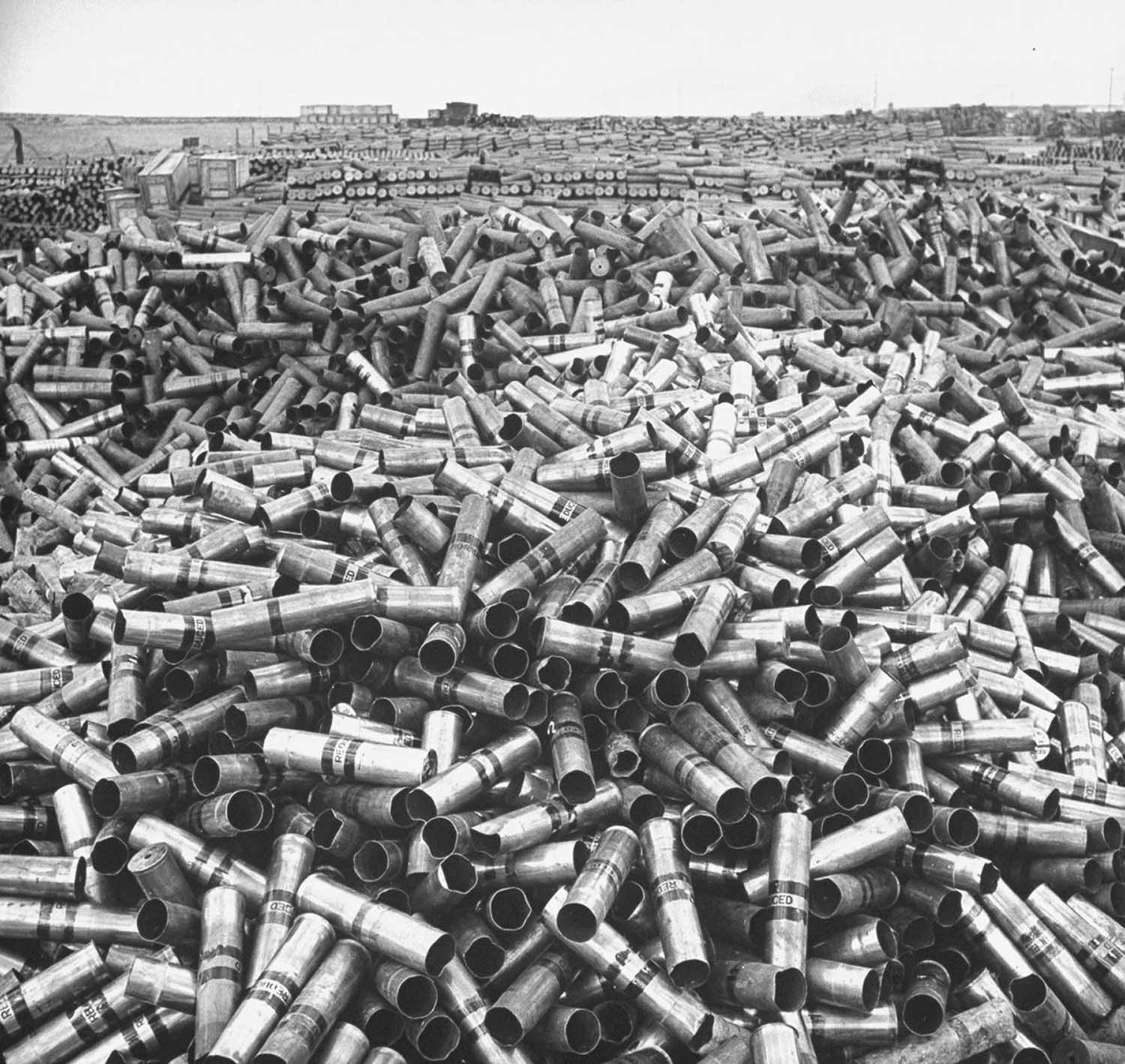
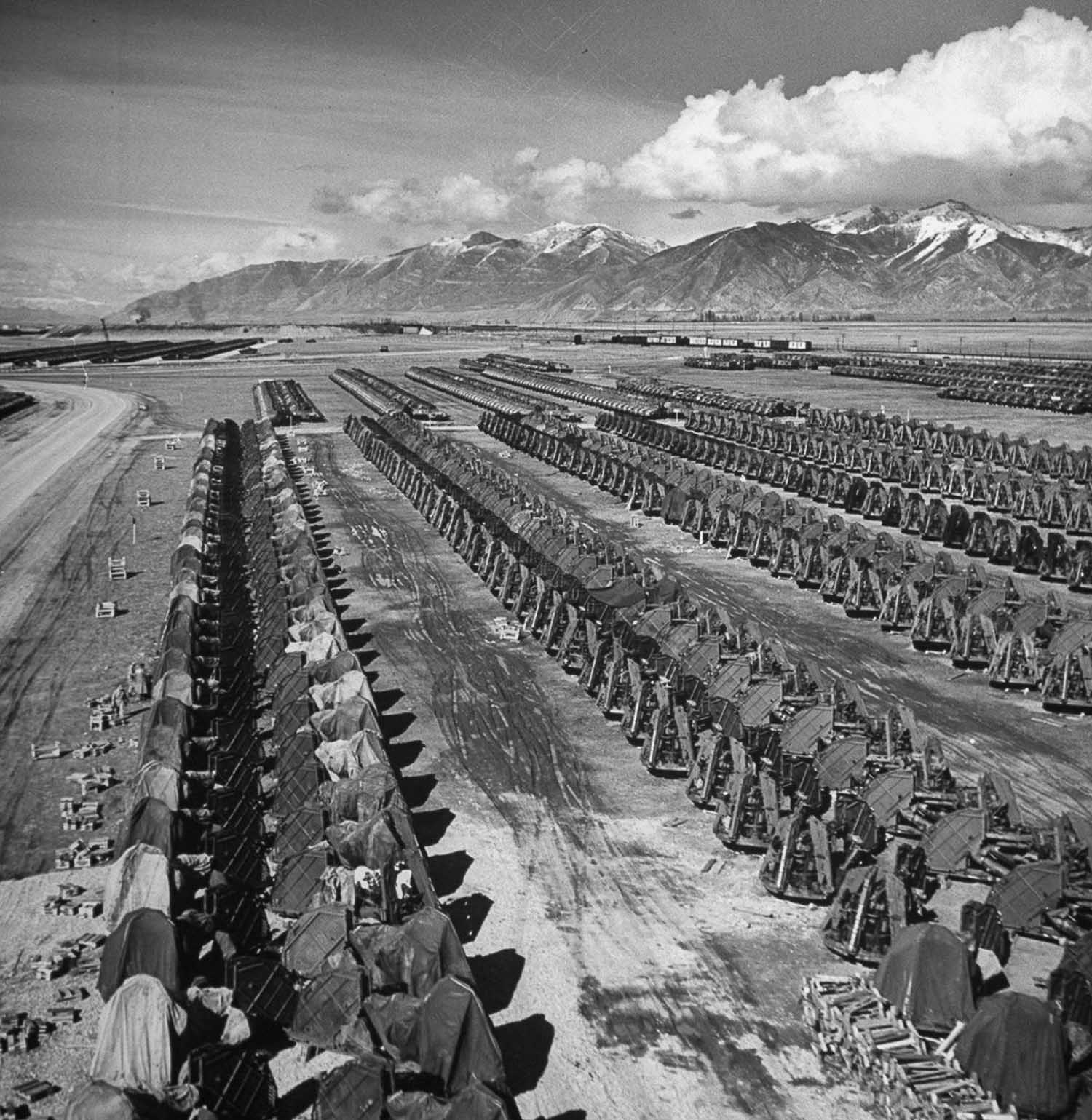
Tanks were among the most difficult pieces of equipment to repurpose. Older models like the M3A1 Light Tank had already been replaced by newer designs before the war even ended. These obsolete machines were pulled from service and moved into Army depots, where they sat in long rows waiting to be stripped for parts or melted down entirely.
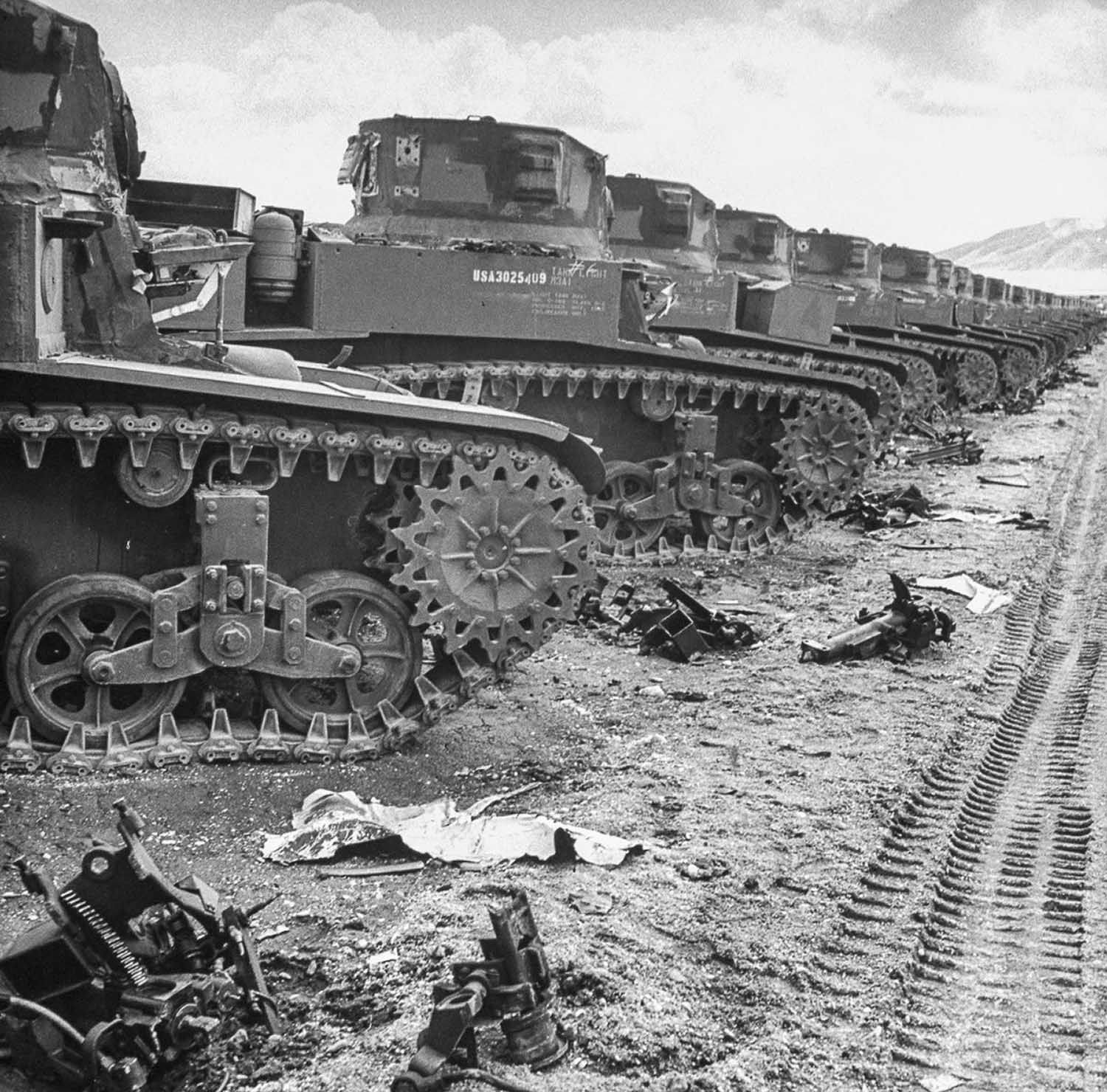
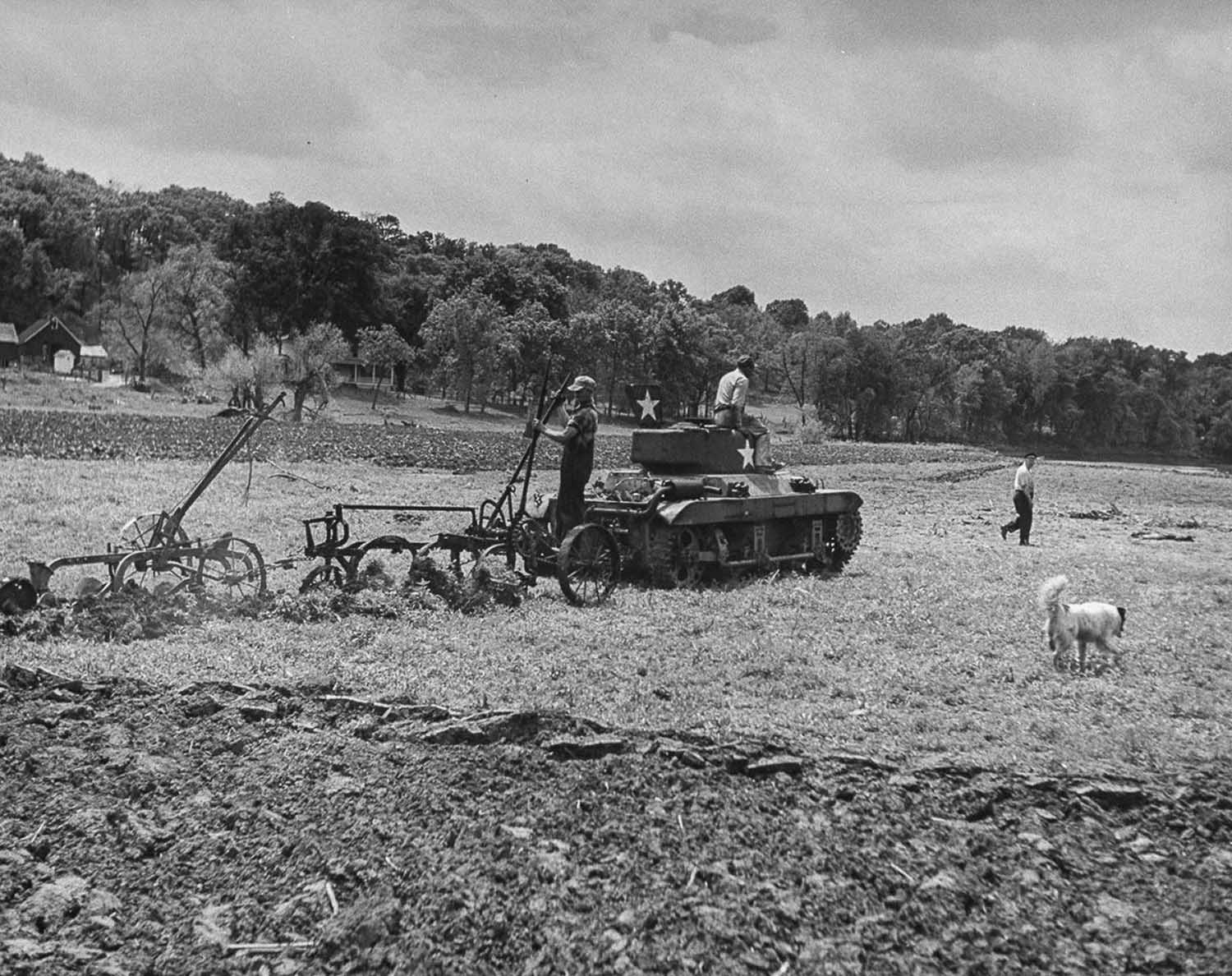
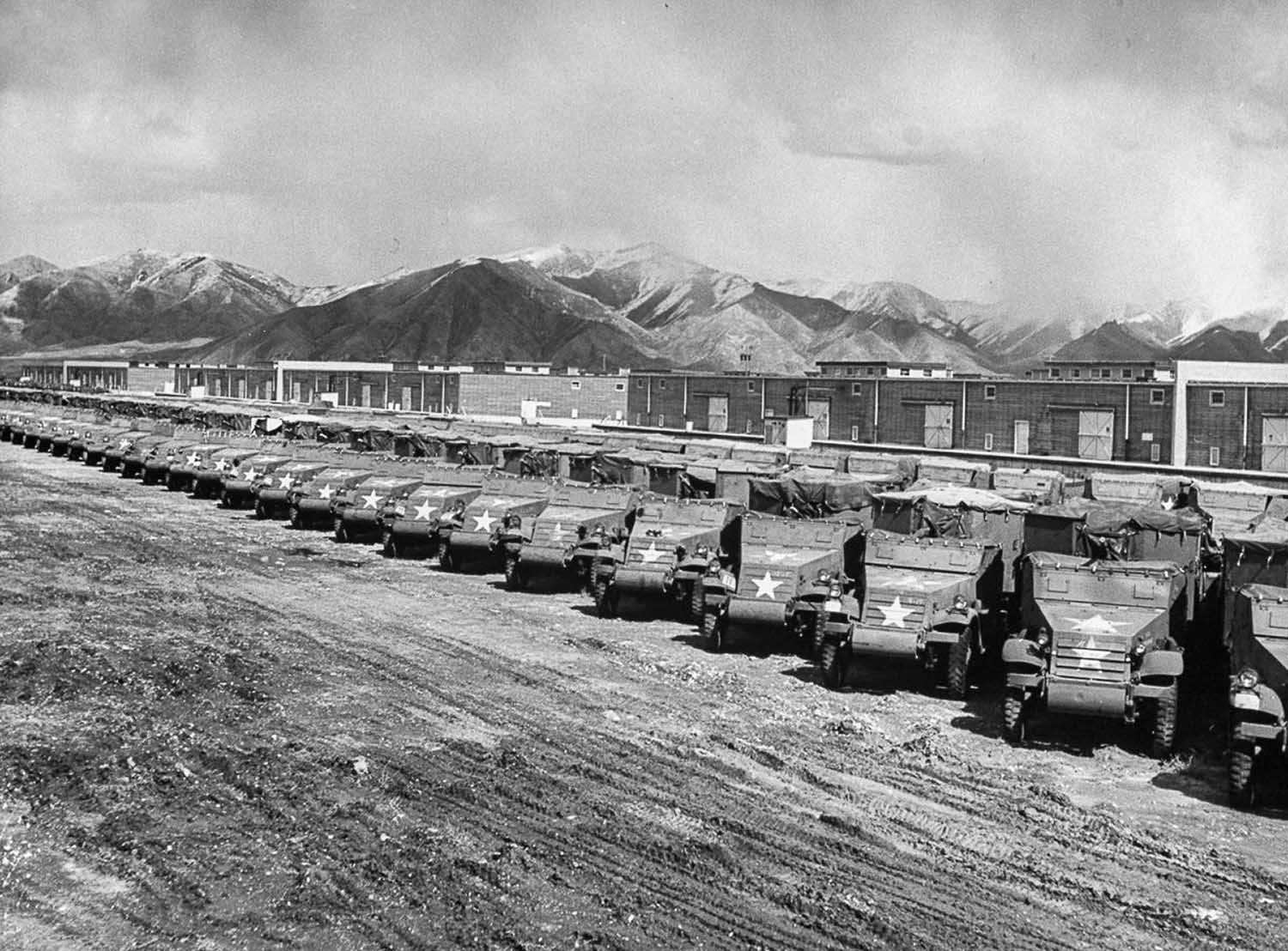
Some armored vehicles did find a second life. Tanks and half-tracks that were stripped of their weapons were handed over to civilian use as bulldozers and tractors. Farmers and construction crews put the heavy machines to work in fields and on job sites. The military hardware that had crossed battlefields in North Africa and Europe was now grading roads and pulling plows.
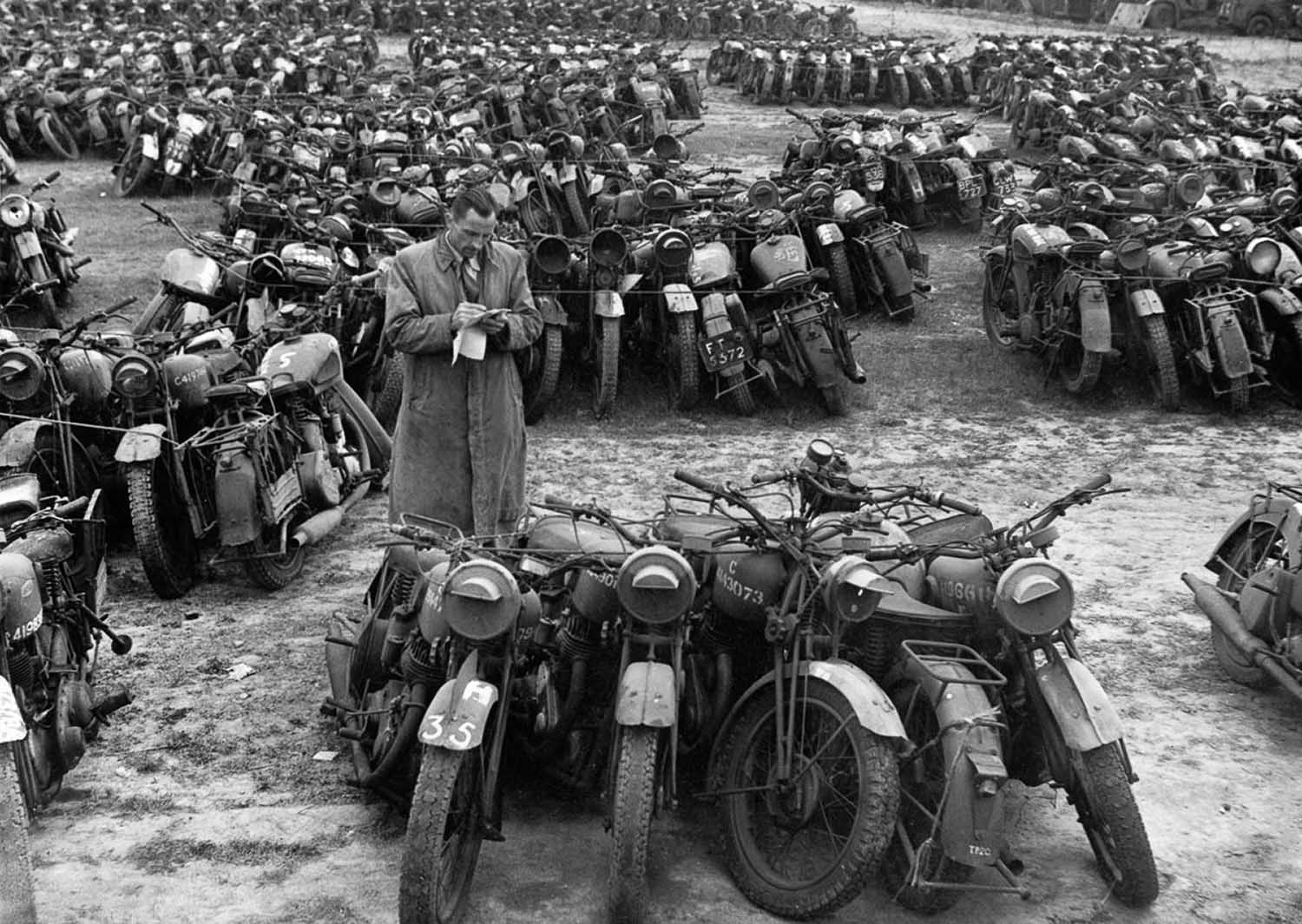
The surplus problem wasn’t limited to the United States. Across the Atlantic, Britain was dealing with its own mountains of leftover gear. Motorcycles that had served as dispatch runners and scouts across European battlefronts were bundled together and sold off as scrap metal.
The aircraft surplus was on a scale unlike anything seen before or since. The United States alone produced approximately 294,000 aircraft during the war. Of those, 21,583 were lost in the United States during test flights, ferrying, and training accidents. Another 43,581 were lost in combat or overseas operations. That still left an estimated 150,000 surplus planes when the fighting stopped. Some were considered for long-term storage, but the cost of keeping them maintained and housed was enormous. Most were brought back home to be sold or scrapped.
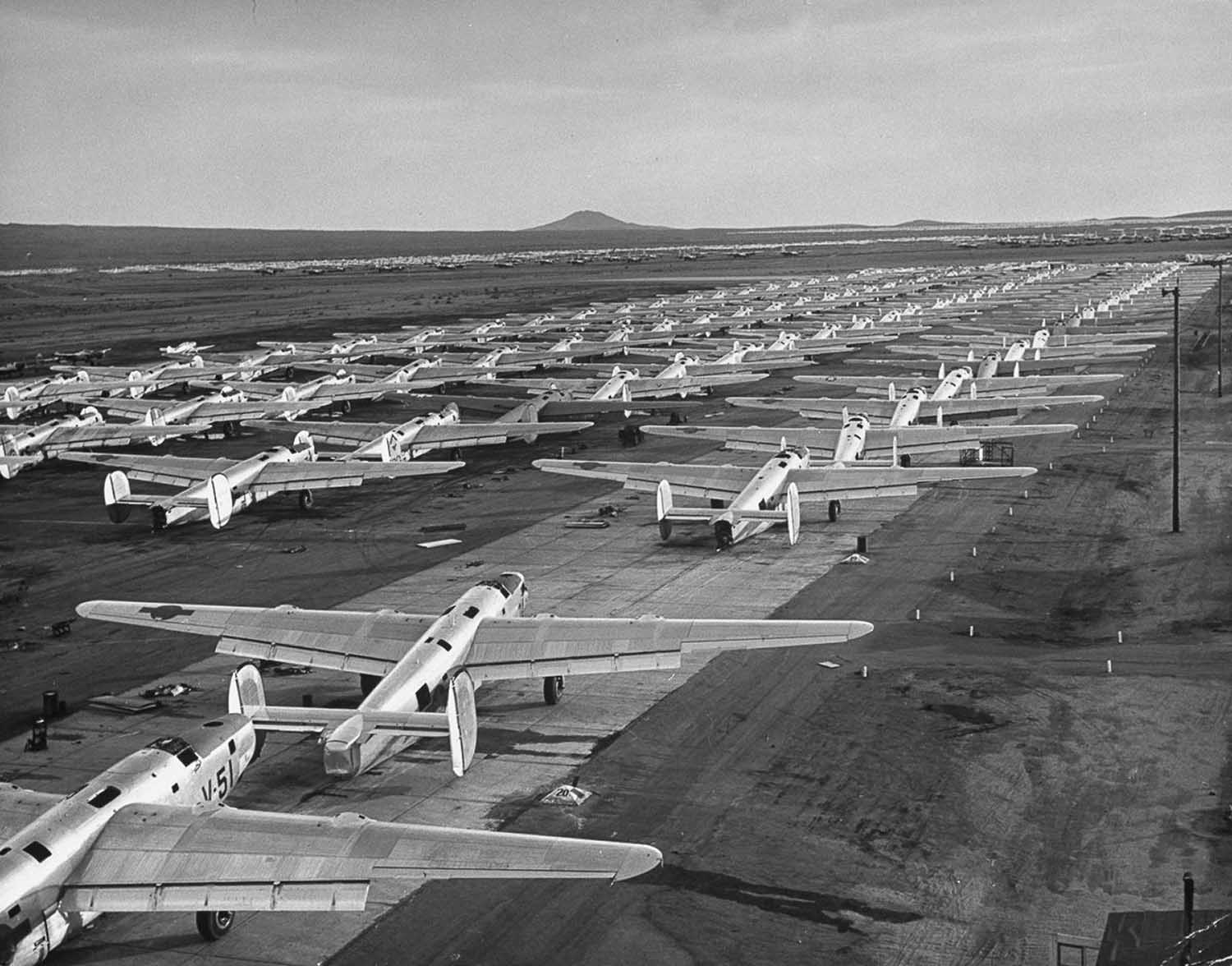
Kingman Army Air Field in Arizona became one of the largest aircraft graveyards in the world. Between 1945 and 1946, an estimated 5,500 aircraft were stored and processed there. Workers pulled engines, instruments, and usable parts from the planes before the airframes were smelted down. The valuable aluminum was recovered and fed back into the postwar economy.
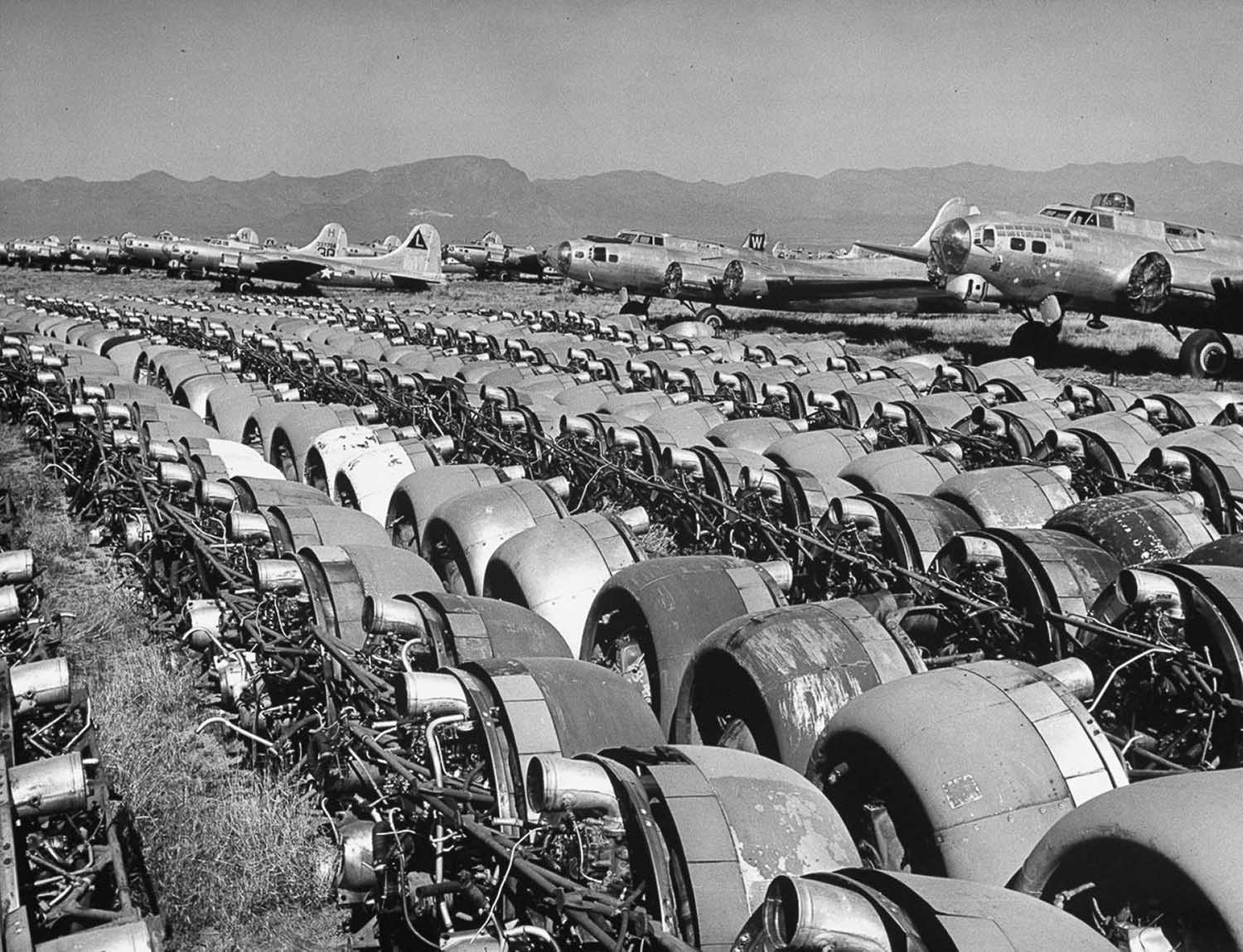
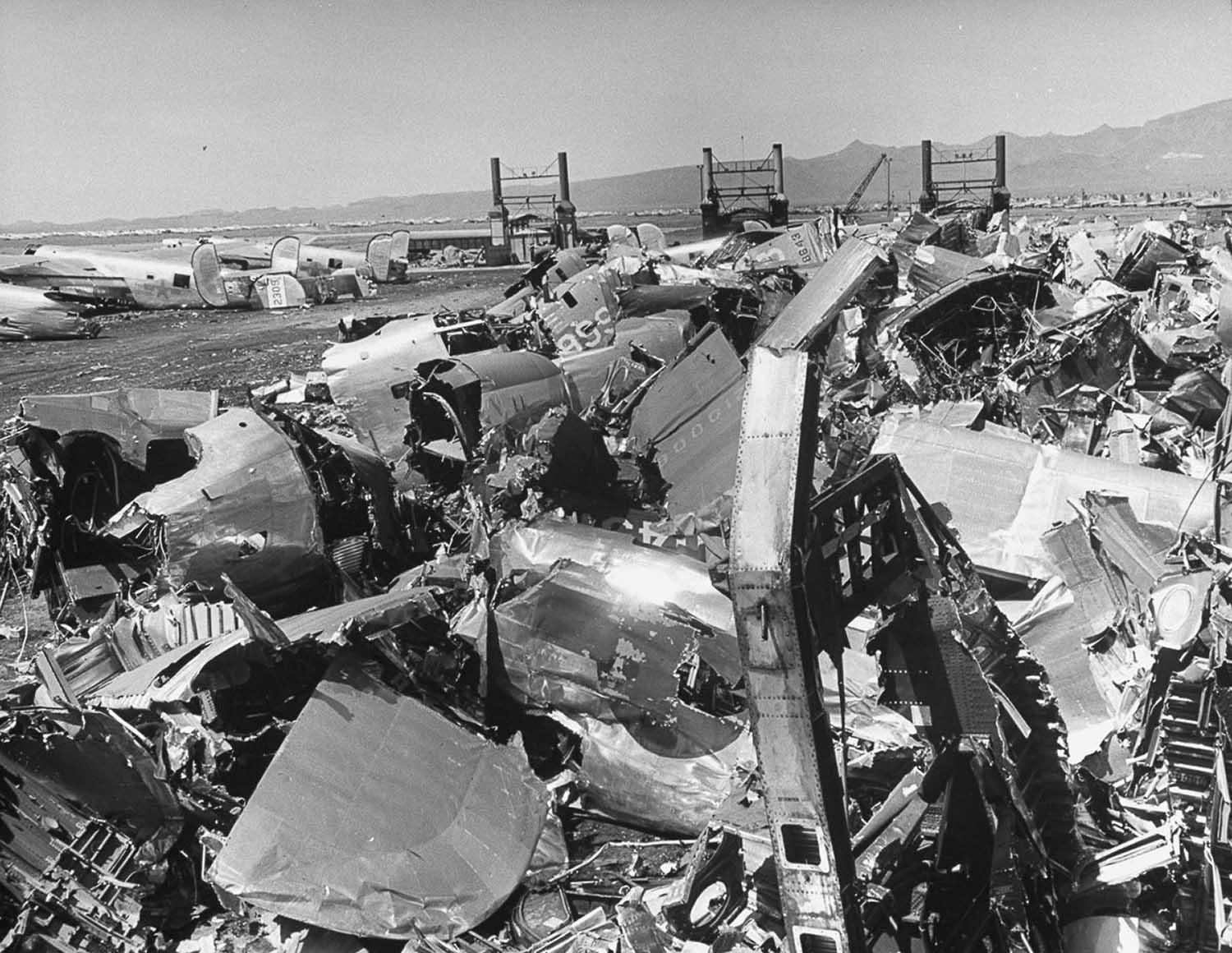
Once the engines and components were removed, all that remained of a once-powerful bomber or fighter was a pile of crumpled metal. The transformation was total. Aircraft that had flown bombing runs over Germany or the Pacific were reduced to raw material within weeks of arriving at Kingman.
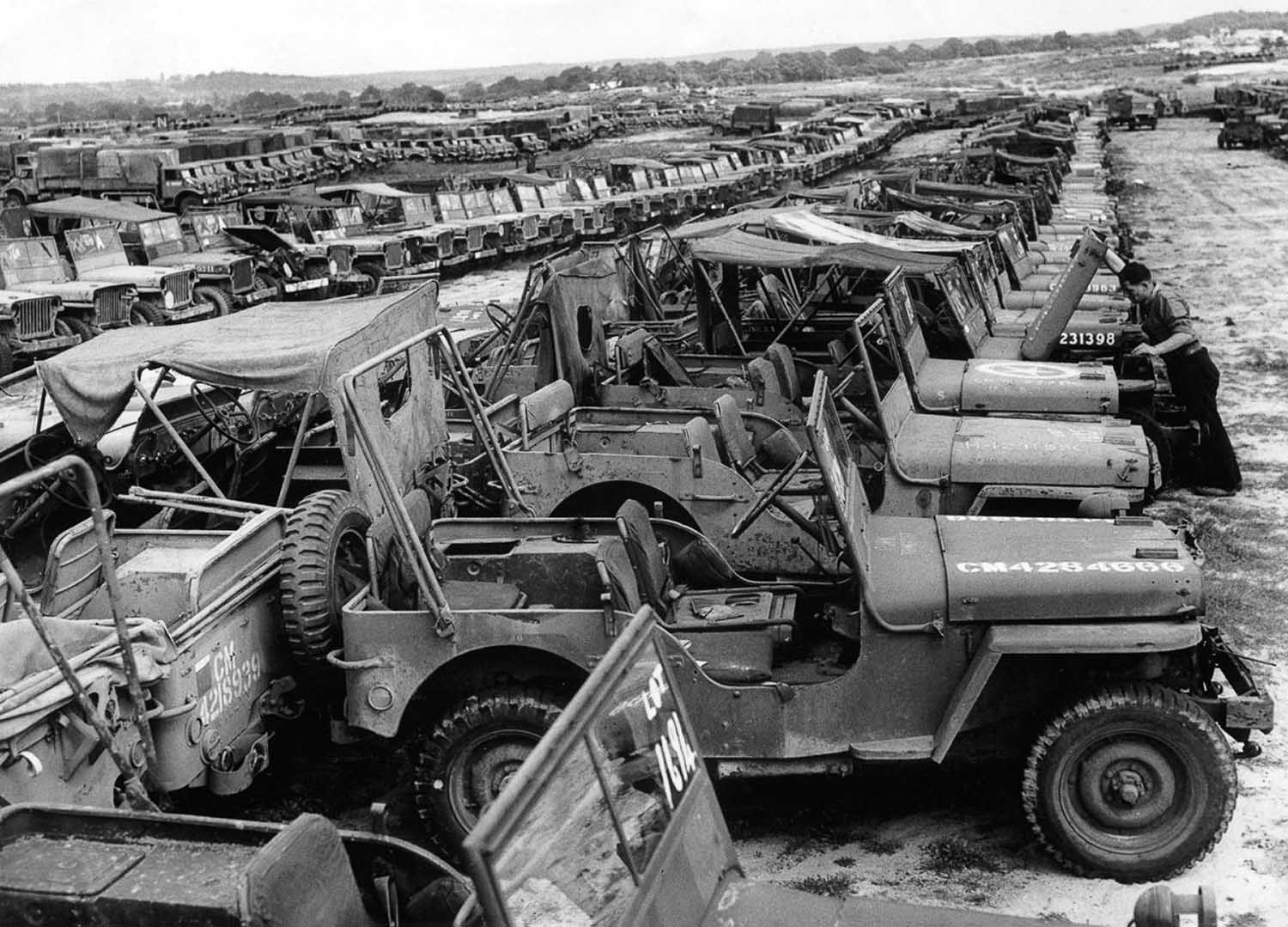
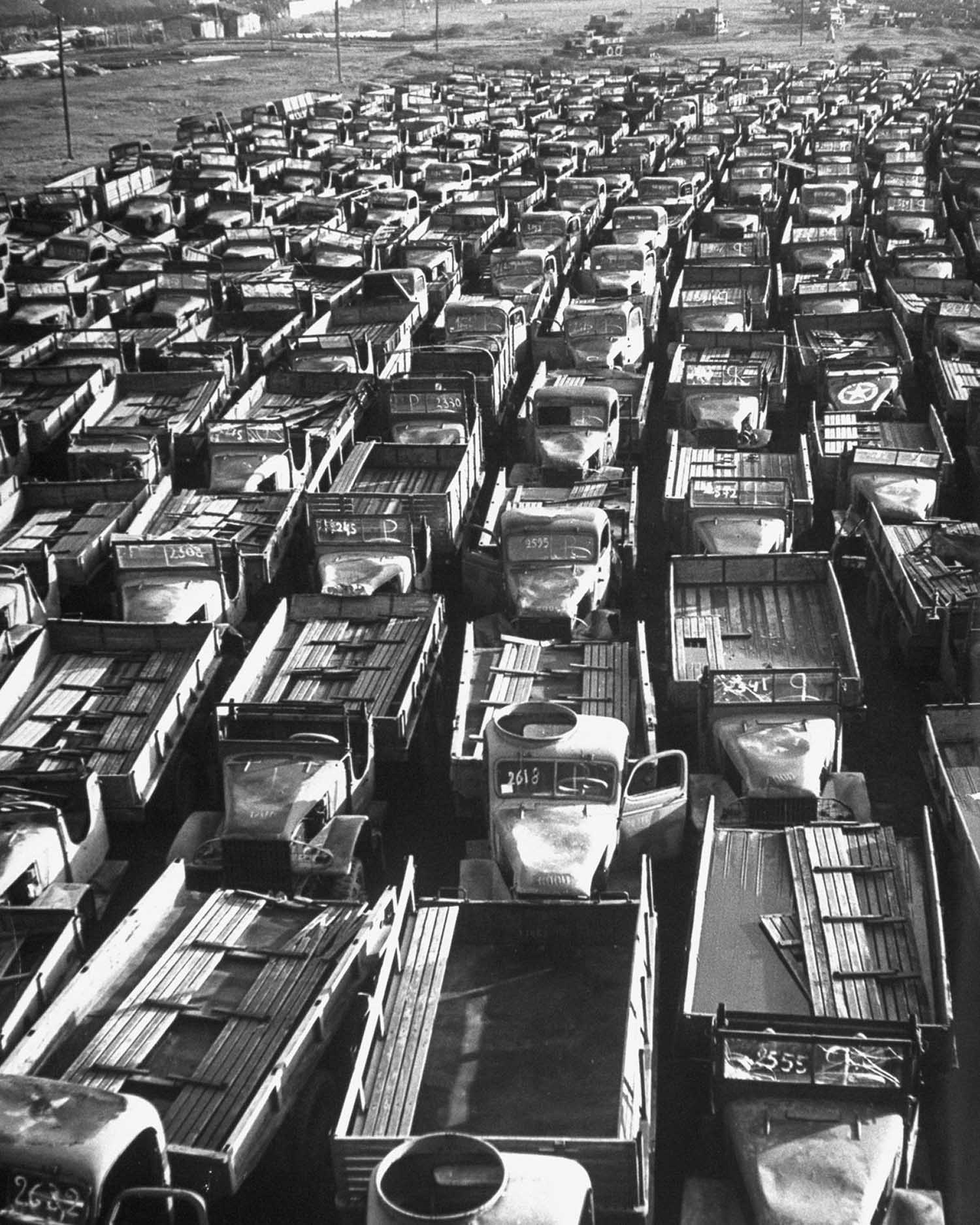
Over 600,000 Jeeps were manufactured during the war, and they ended up on every major front — Africa, Europe, and Asia. After the surrender, transporting all of them back to the United States was simply not worth the cost. Many were auctioned off to civilians, sold to local governments, or left behind entirely. In England, large lots of Jeeps were gathered and put up for auction, drawing buyers who saw them as practical and affordable vehicles.
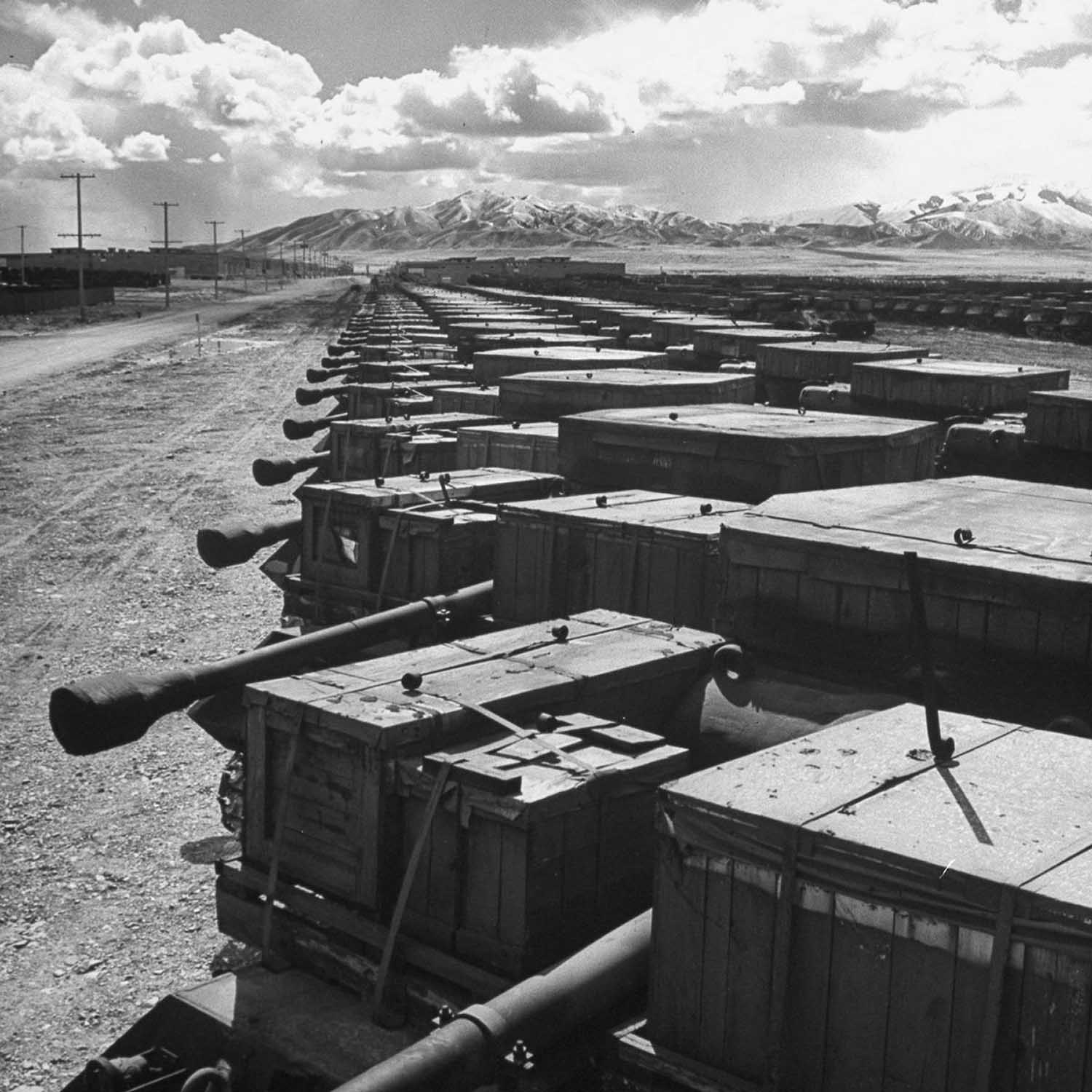
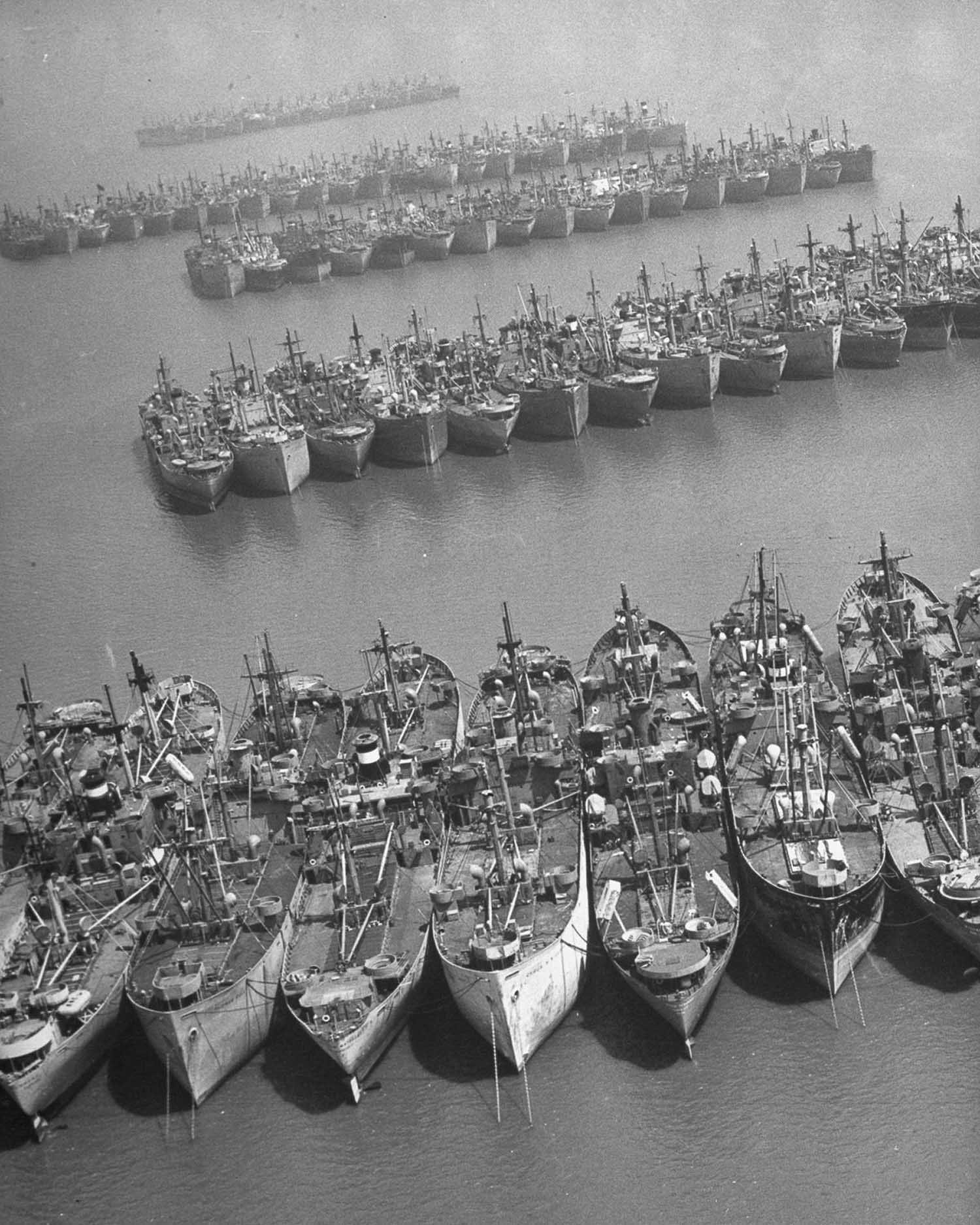
The Navy faced its own version of the surplus crisis. Hundreds of warships that had patrolled the Atlantic and Pacific suddenly had no enemy to chase. Some were placed in reserve fleets. Others were broken apart for scrap. A number were deliberately sunk to serve as artificial reefs. Several ships were used as target vessels in nuclear weapons tests, including the famous Operation Crossroads tests at Bikini Atoll in 1946. Meanwhile, on dry land, some of the war’s most powerful fighting machines found entirely new careers. Tanks that had once rolled through combat zones ended up on farms, their guns removed and their engines harnessed to agricultural work.