
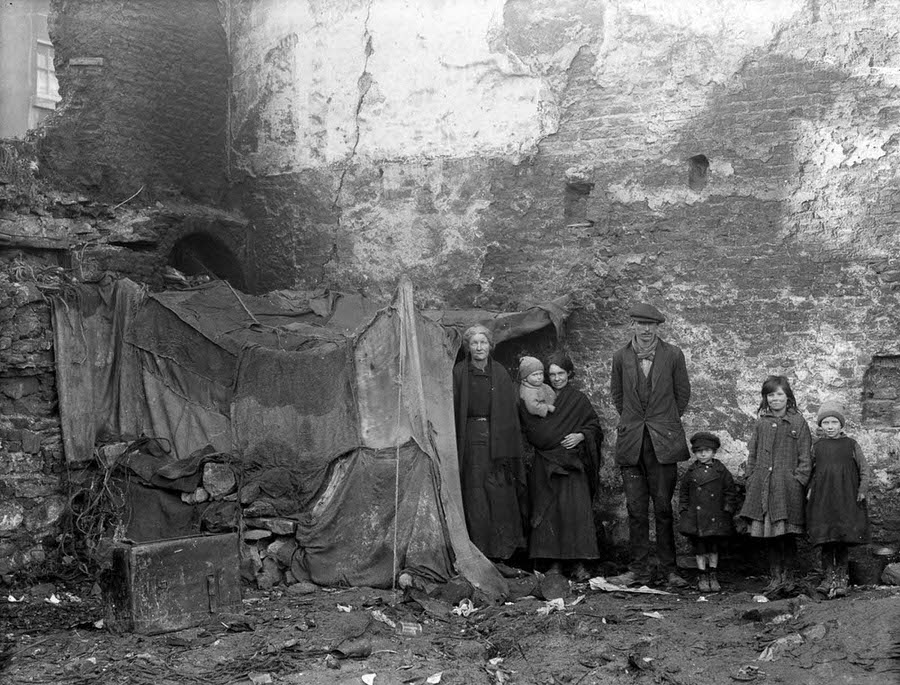
The decades between 1885 and 1920 were some of the most turbulent in Irish history. The shadow of the Great Famine had not fully lifted. Potato crops continued to fail periodically, pushing rural families deeper into poverty. People lived in mud cabins in the countryside and cramped, filthy tenements in the cities. In 1899 alone, more than 32,000 people left Ireland in search of seasonal labor abroad, sending whatever wages they could back to their families.
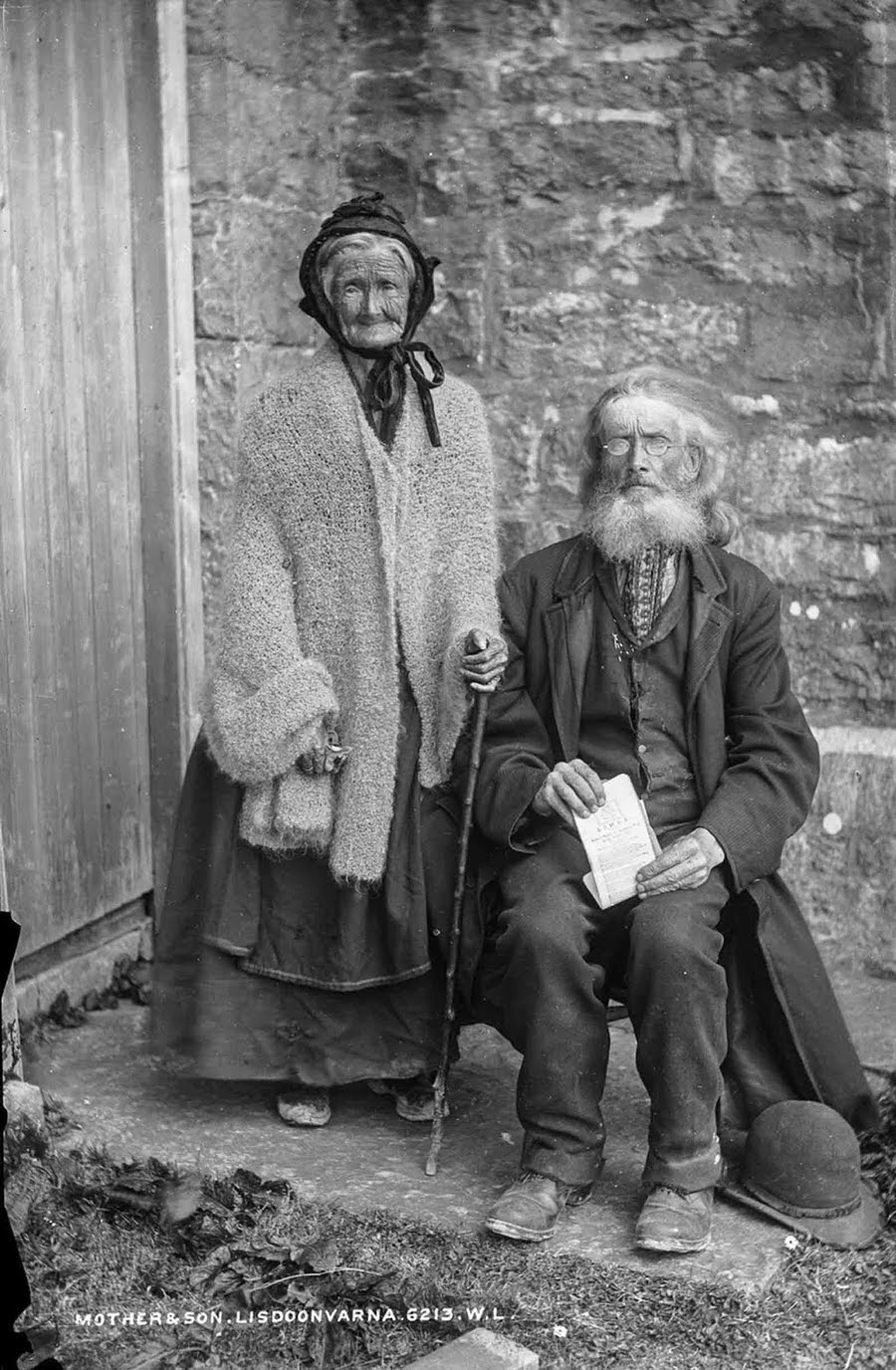
Child mortality was devastating. In Dublin, nearly one in every four children died before reaching their first birthday. In Belfast, during a single four-week period in 1900, the number of deaths among children under one year old matched the number of deaths among adults over sixty. These were not rare tragedies — they were routine facts of life for working-class Irish families.
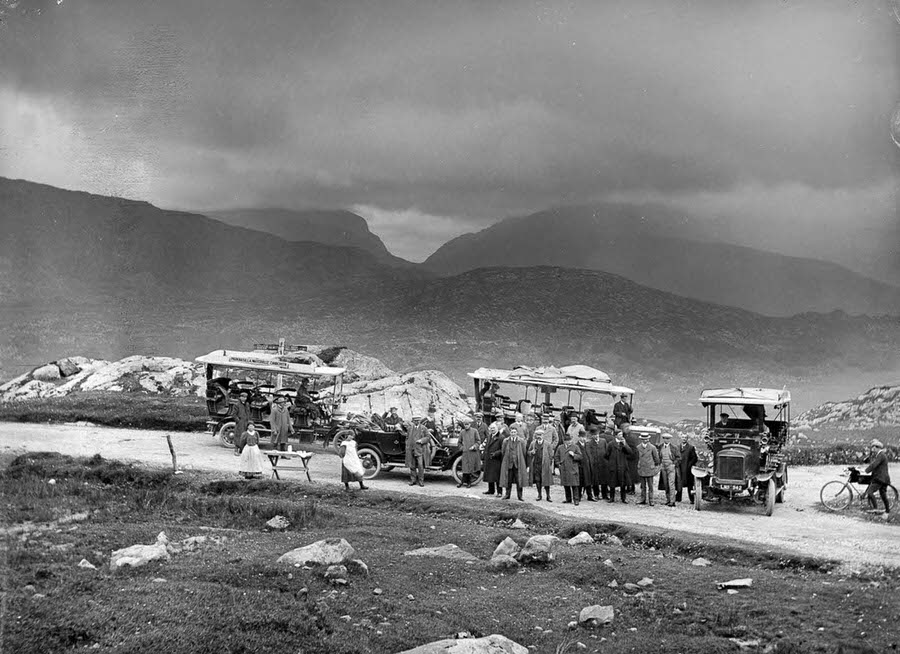
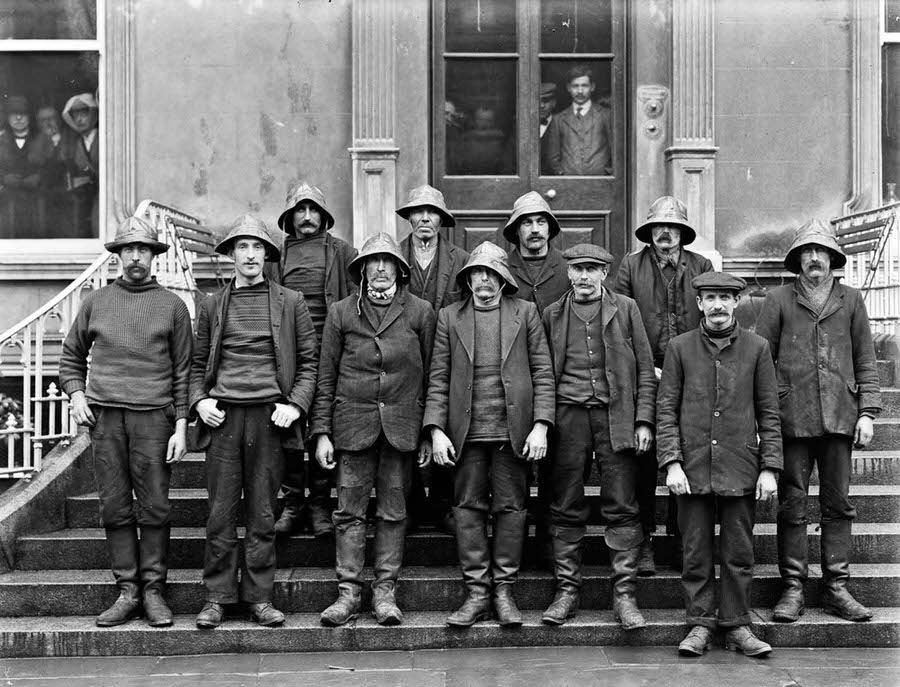
Not all of Irish life in this period was defined by hardship. Coastal communities relied on the sea for their livelihoods, and lifeboatmen were among the most respected figures in those towns. Their work was dangerous — storms could claim lives in minutes.
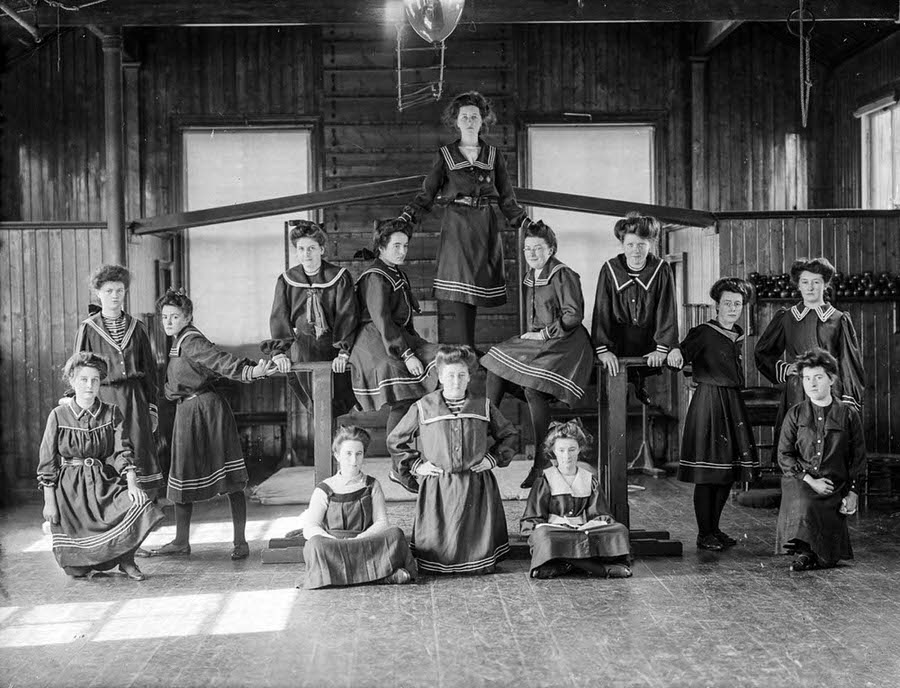
Education and religion were deeply intertwined in Irish society. Catholic institutions ran schools across the country, and convent schools educated thousands of girls. Life for the middle class looked noticeably different from life in the tenements — structured, formal, and shaped by Church influence.
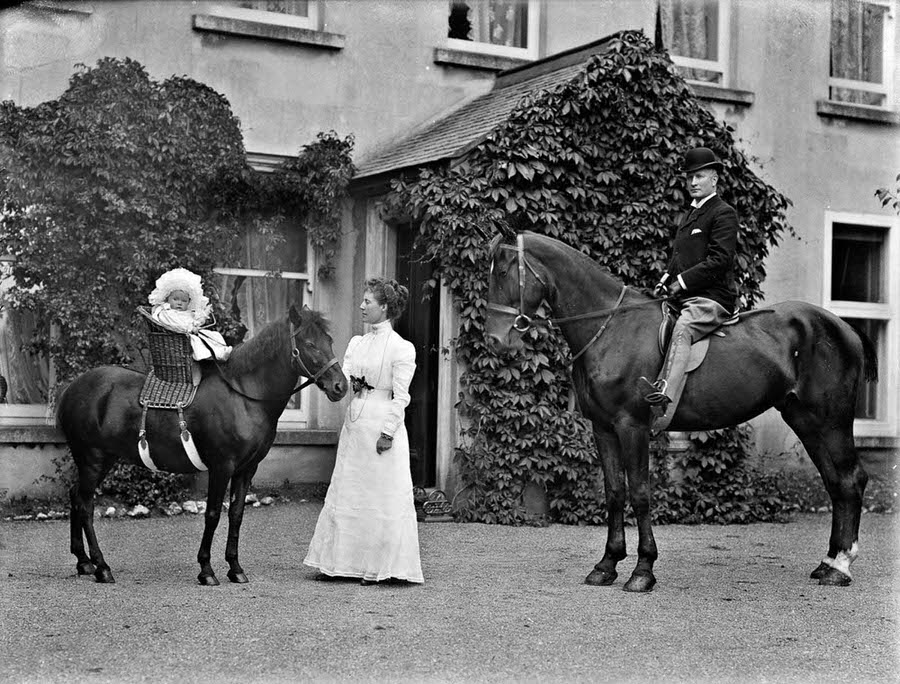
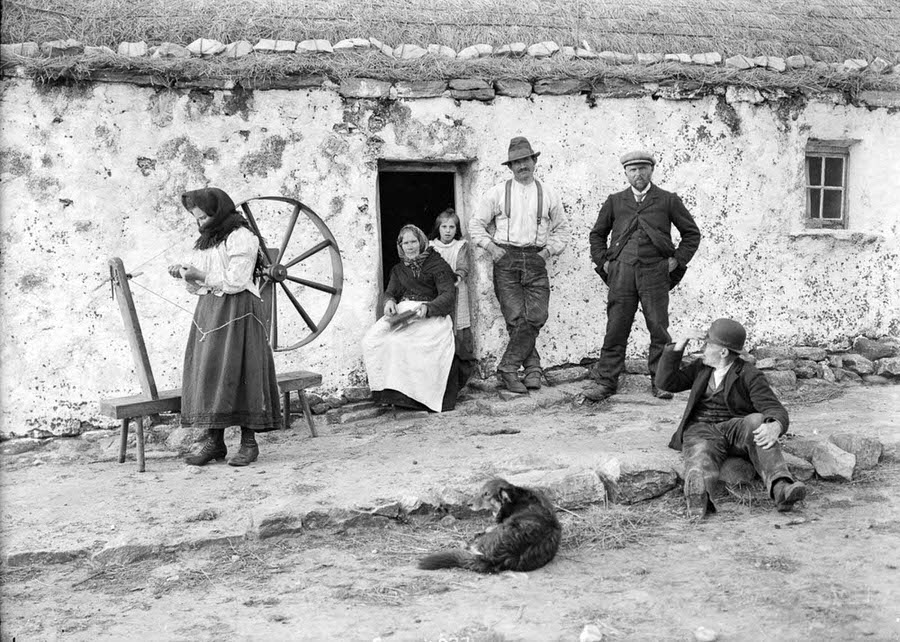
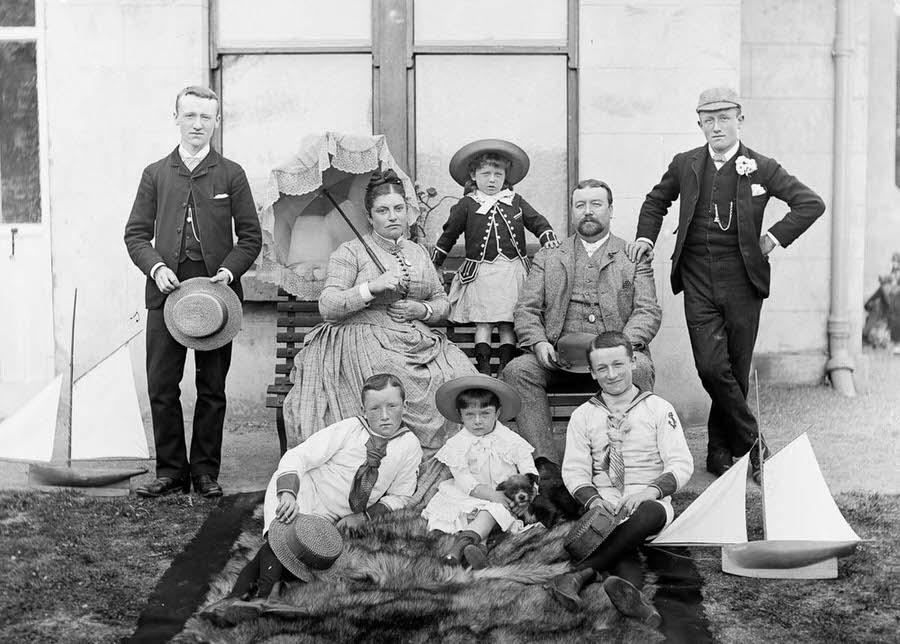
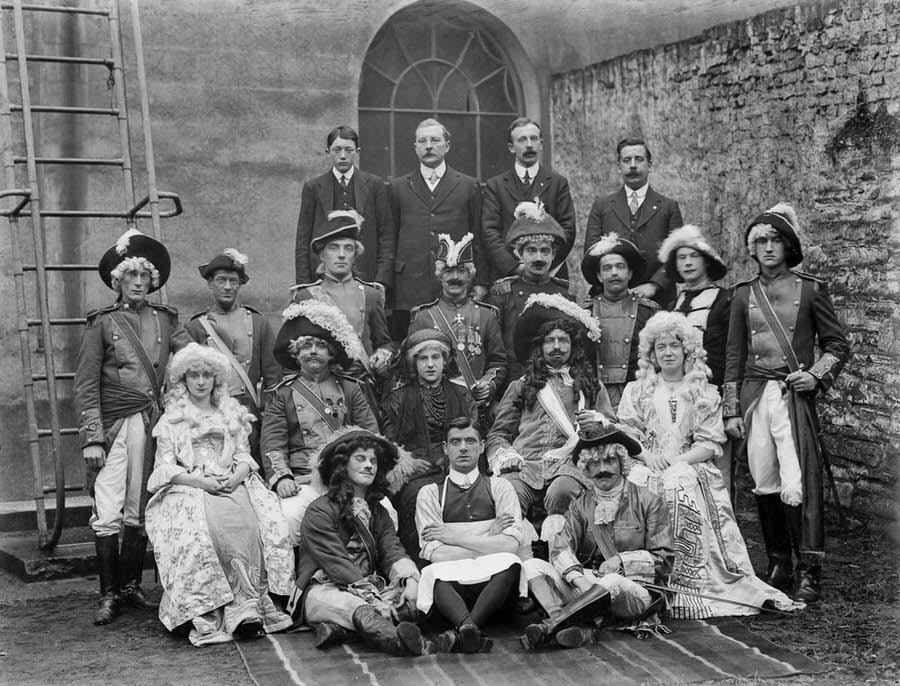
Family portraits from this era reveal a lot about social standing. Clothing, posture, and setting were carefully chosen. A formal photograph was a significant event, often marking the only time a family would appear together on record. Working-class families dressed in their best, while wealthier households projected confidence and stability.
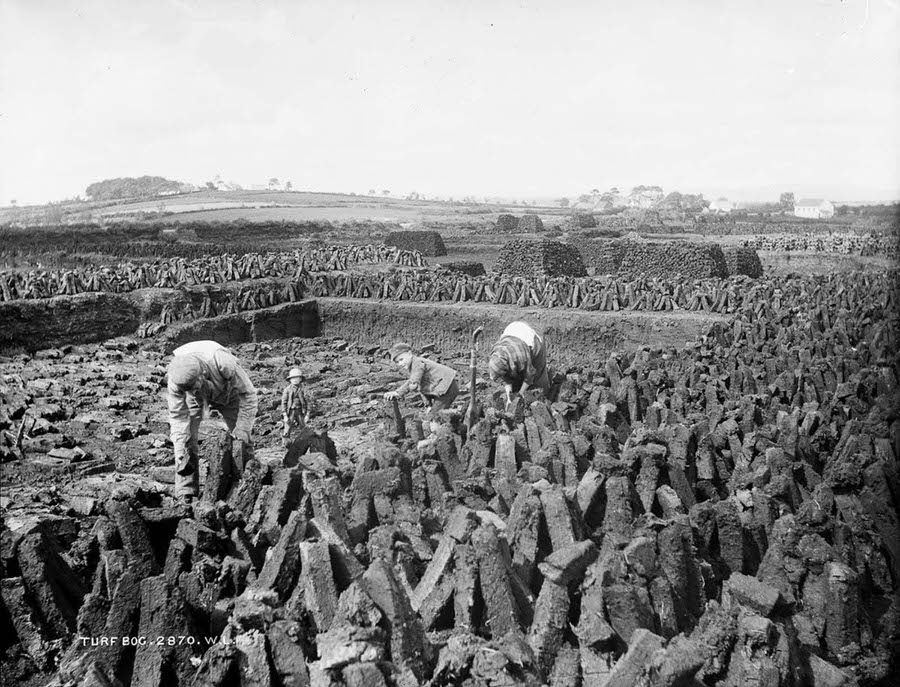
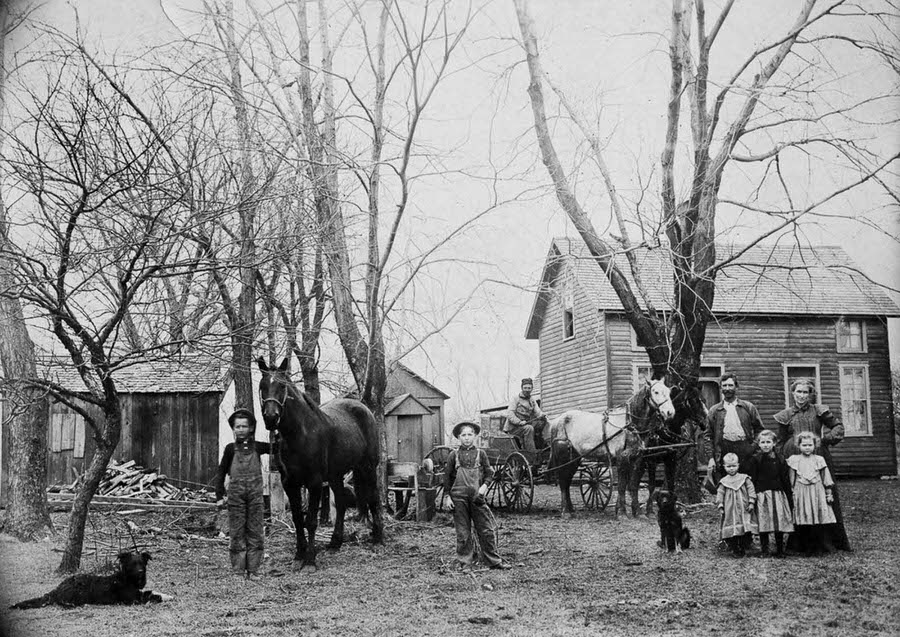
In rural areas, turf-cutting was essential. Turf — or peat — was dug from bogland and dried for use as fuel. It heated homes across the west and midlands of Ireland, and entire families took part in cutting and stacking it each year.
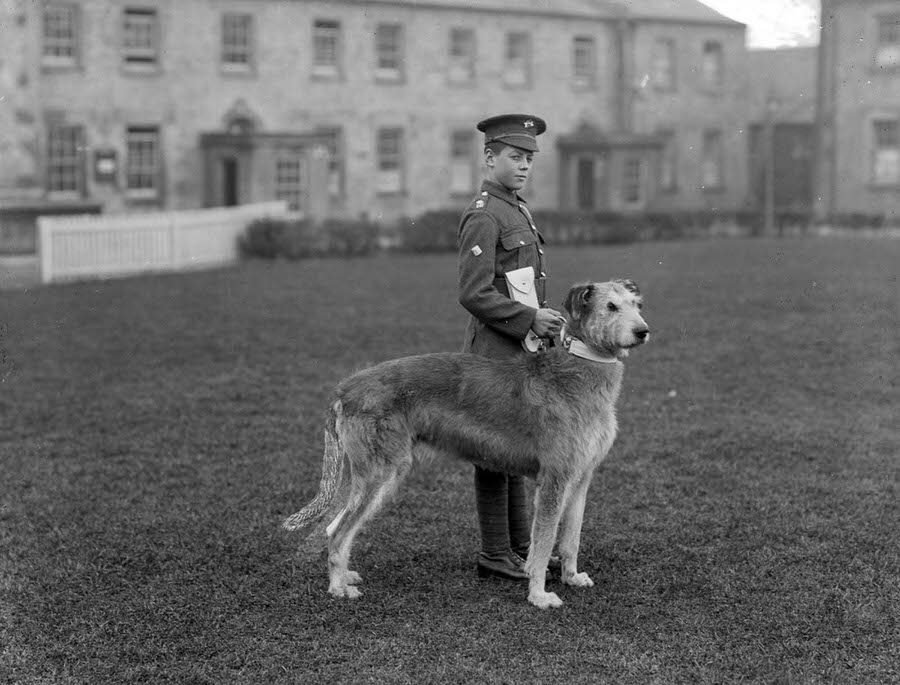
The British Army maintained a strong presence in Ireland throughout this period. Irish soldiers served in British regiments, and barracks were a common feature of Irish towns. During World War One, thousands of Irishmen enlisted — some out of loyalty to Britain, others in the hope that service would advance the cause of Irish Home Rule.
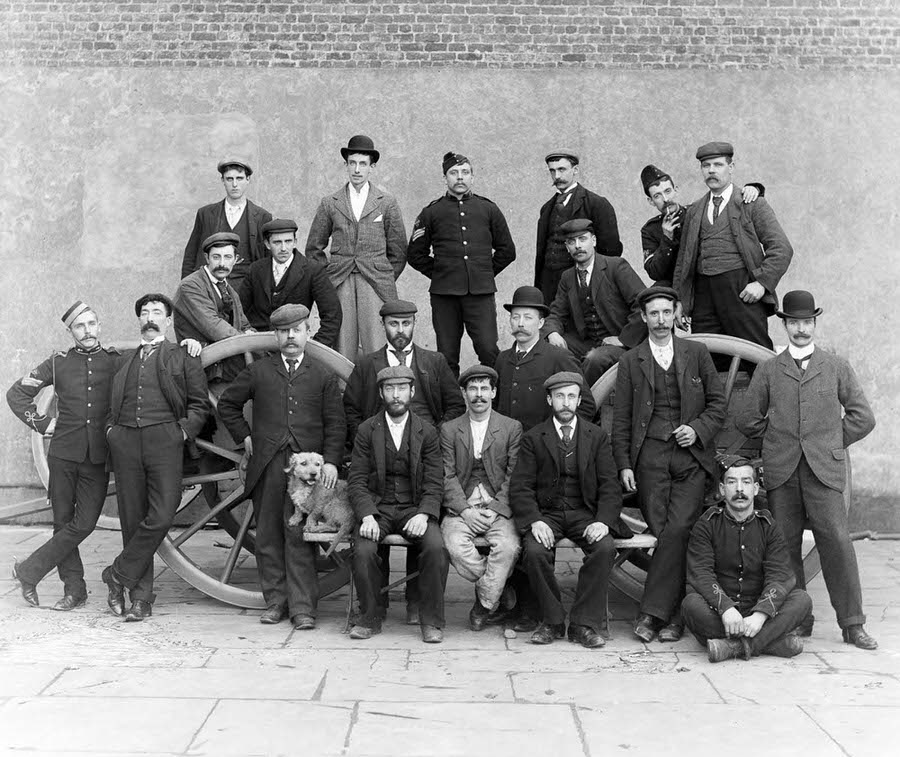
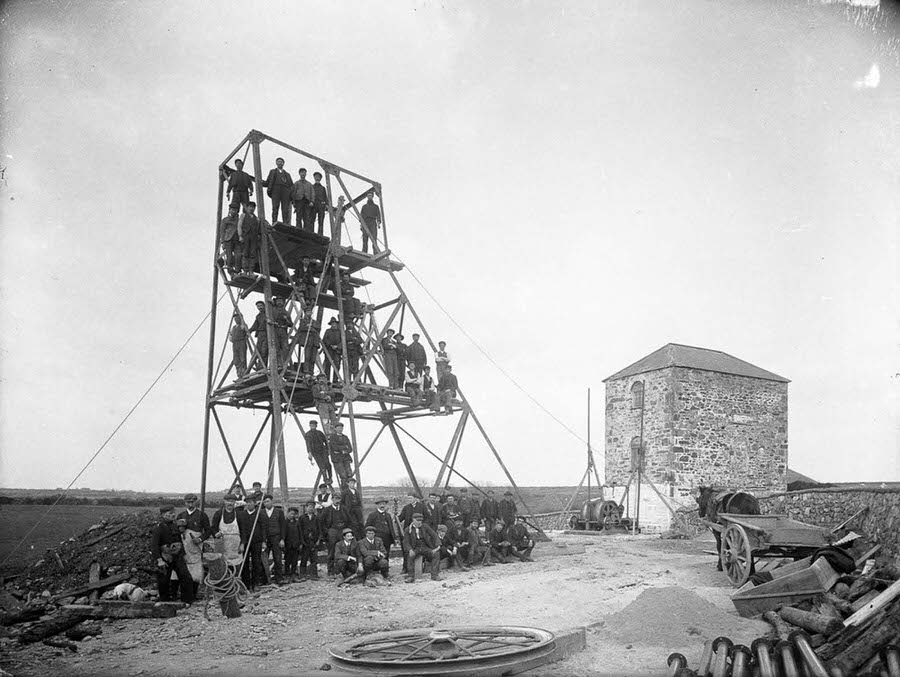
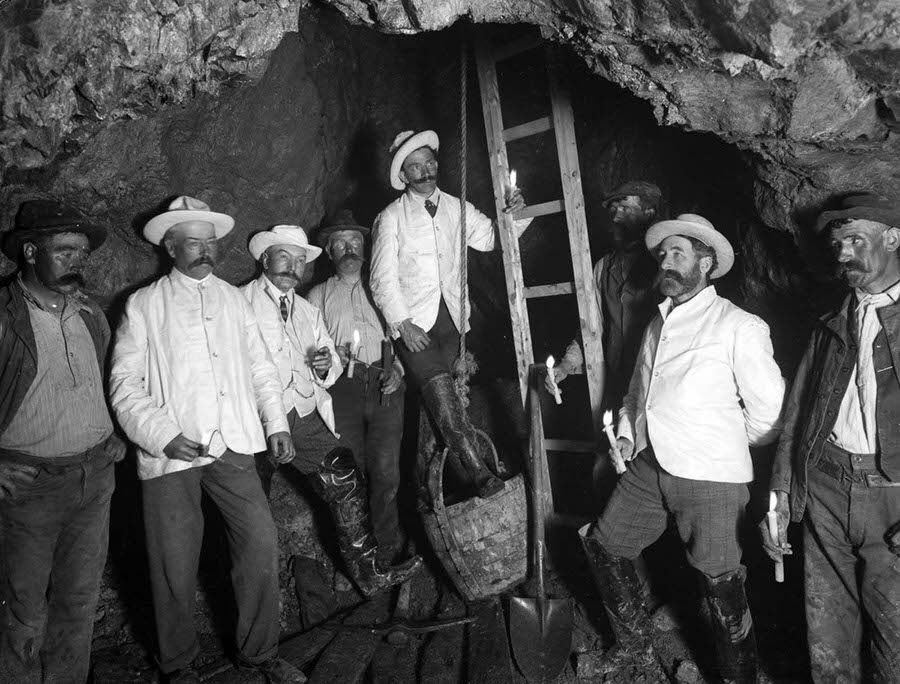
Industrial work was concentrated in mines and mills. The copper mines at Knockmahon in County Waterford employed many local men in dangerous underground conditions. Mining communities were tight-knit, shaped by the shared risks of the work.
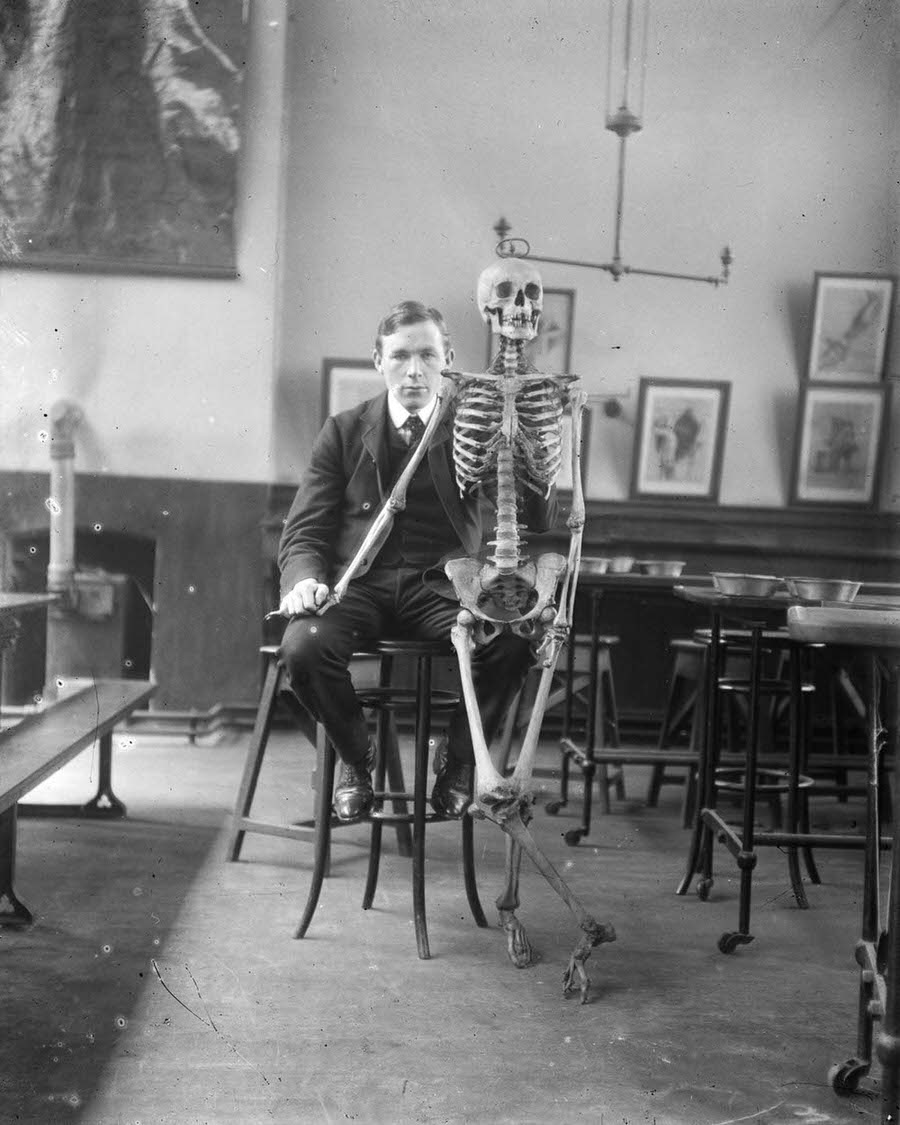
The early 1900s also saw a slow but real rise in professional opportunities for some. Medical schools produced graduates who would go on to serve communities across Ireland and abroad. A formal portrait like this one marked years of study and sacrifice.
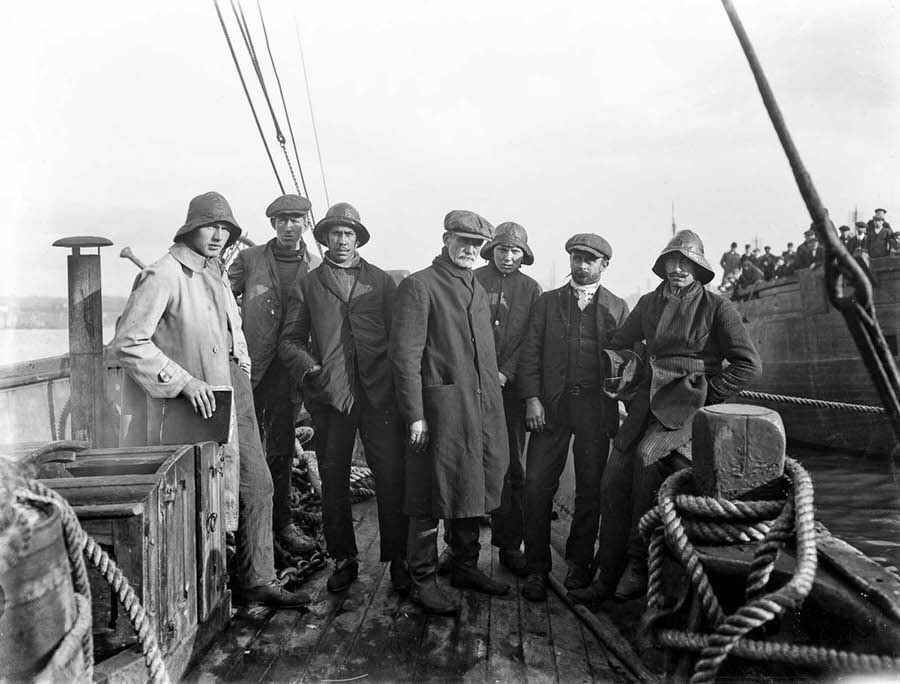
One of the darkest maritime disasters connected to Ireland in this period involved the Norwegian vessel The Mexican, which ran aground on the Keragh Islands in 1914. The Fethard Lifeboat Helen Blake set out in a storm to rescue the crew. The lifeboat was destroyed, and nine of the fourteen lifeboatmen aboard were killed. The survivors of The Mexican’s crew were photographed after being brought ashore.
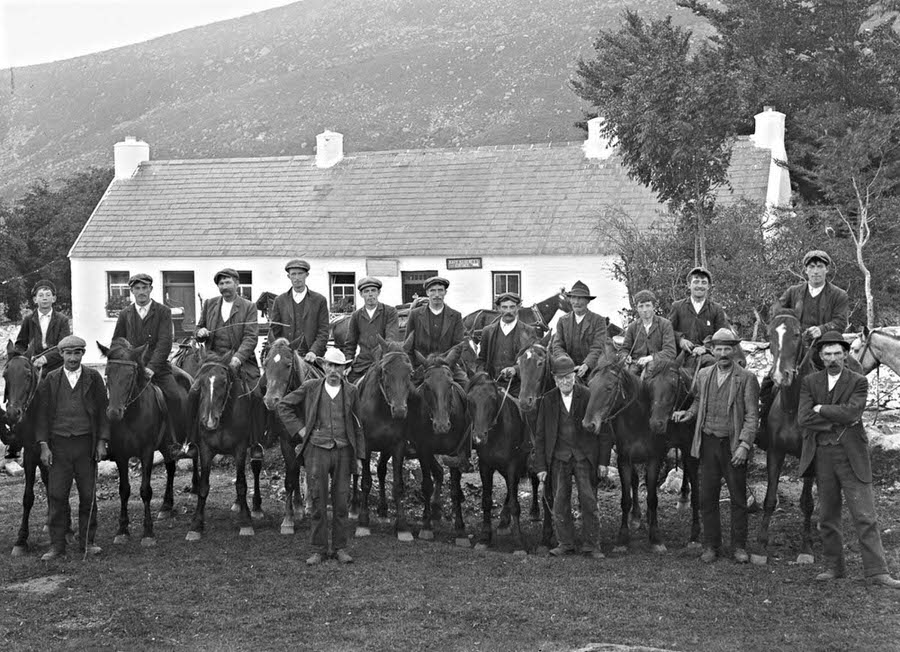
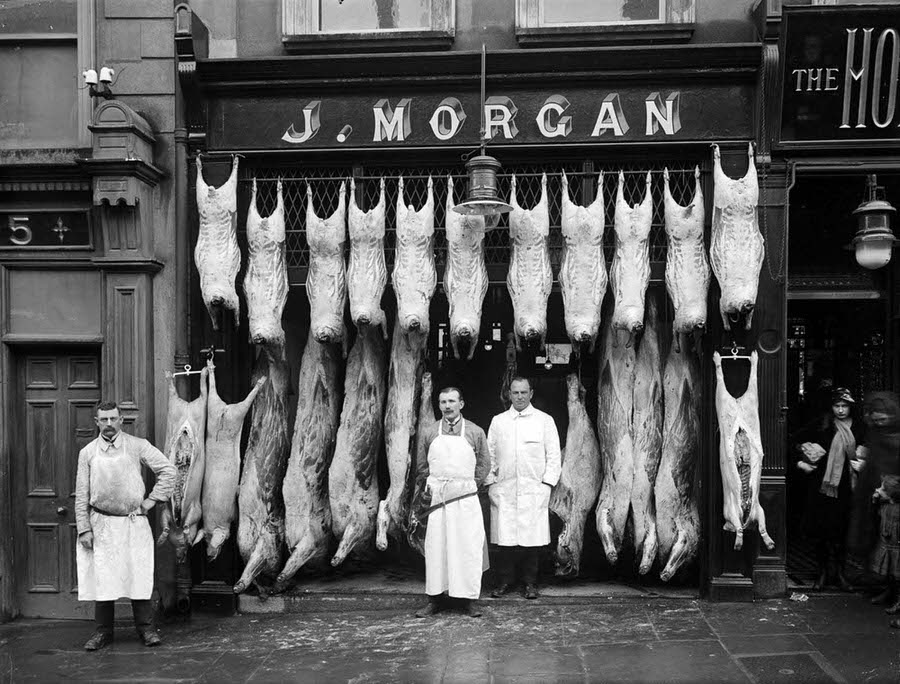
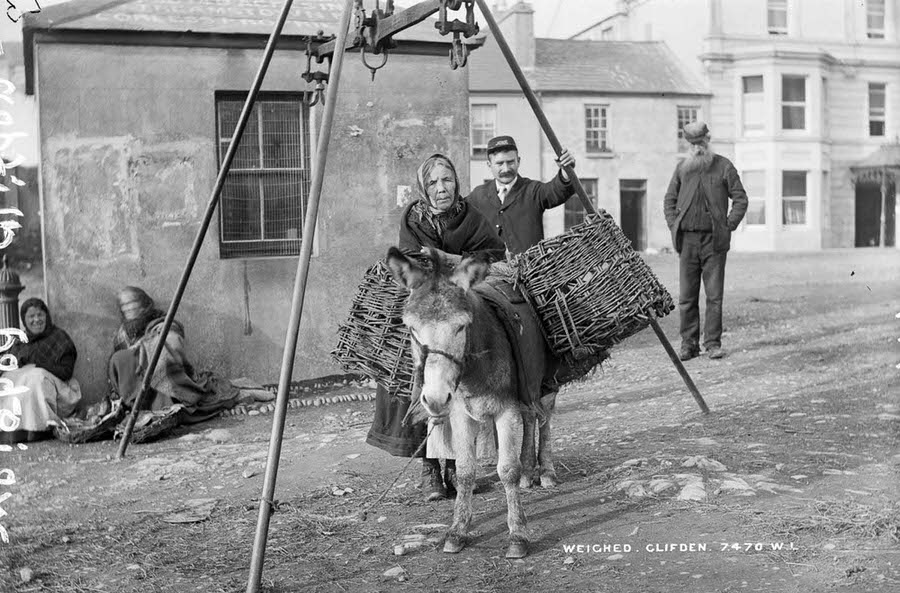
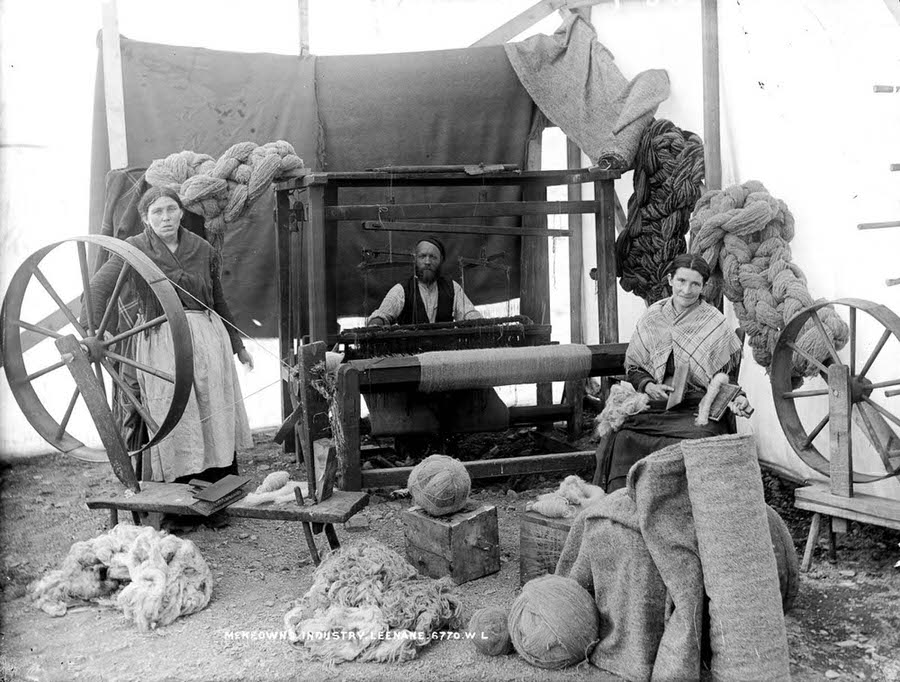
Commerce and trade continued in towns and villages regardless of political unrest. Market weigh stations, wool operations, and local shops were the backbone of rural economies. These businesses connected farming families to wider trade networks.
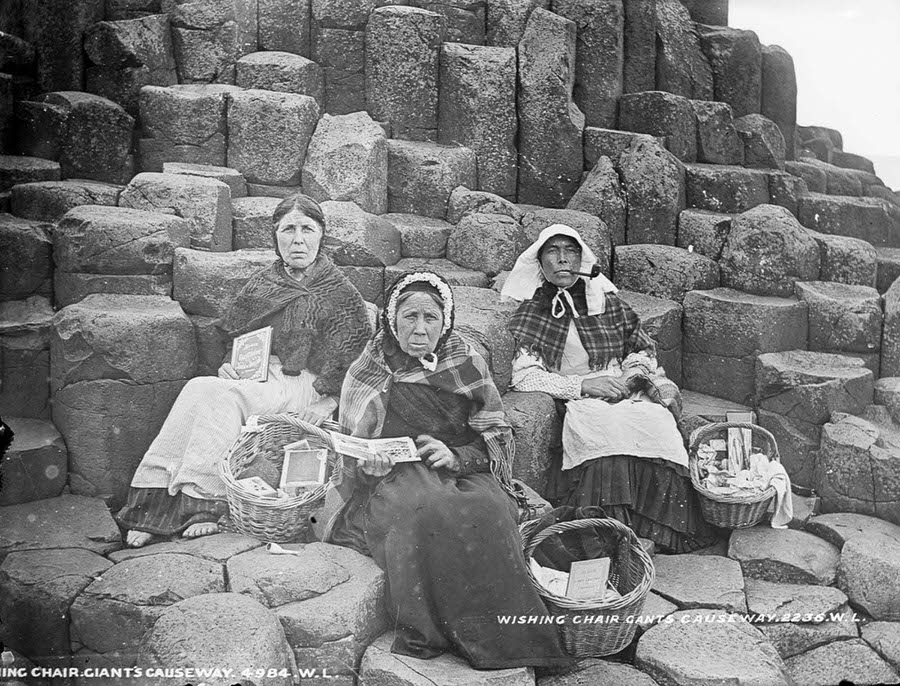
Tourism, though modest by modern standards, existed in Ireland by the turn of the century. Scenic spots like the Giant’s Causeway in County Antrim drew visitors, and local women set up stalls selling trinkets and books to those who came to see the ancient rock formations.

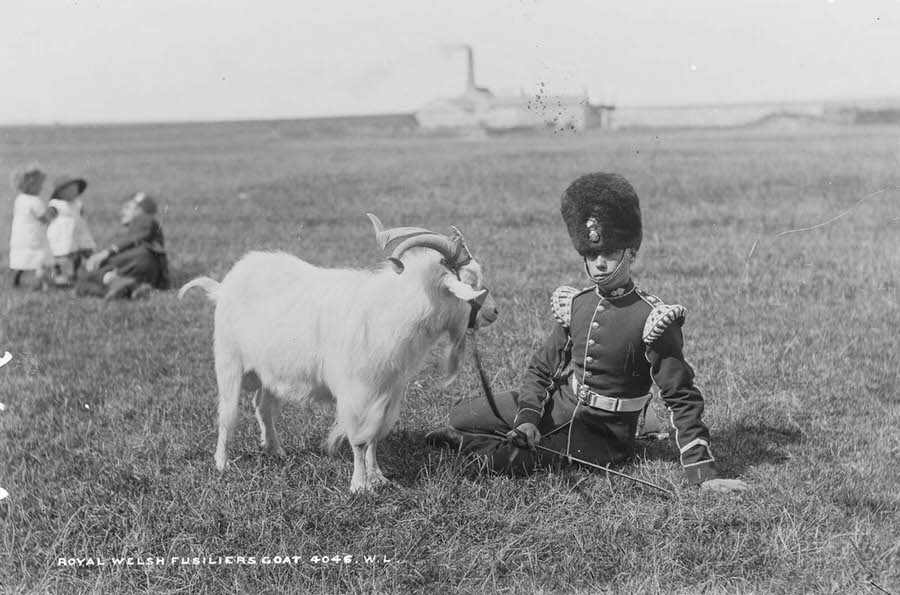
The British military presence extended beyond Irish regiments. The Royal Welsh Fusiliers, for example, kept a regimental goat as their mascot — a long-standing tradition that continued through the period. Such images reflect the layered British institutional culture that shaped daily life in Ireland.
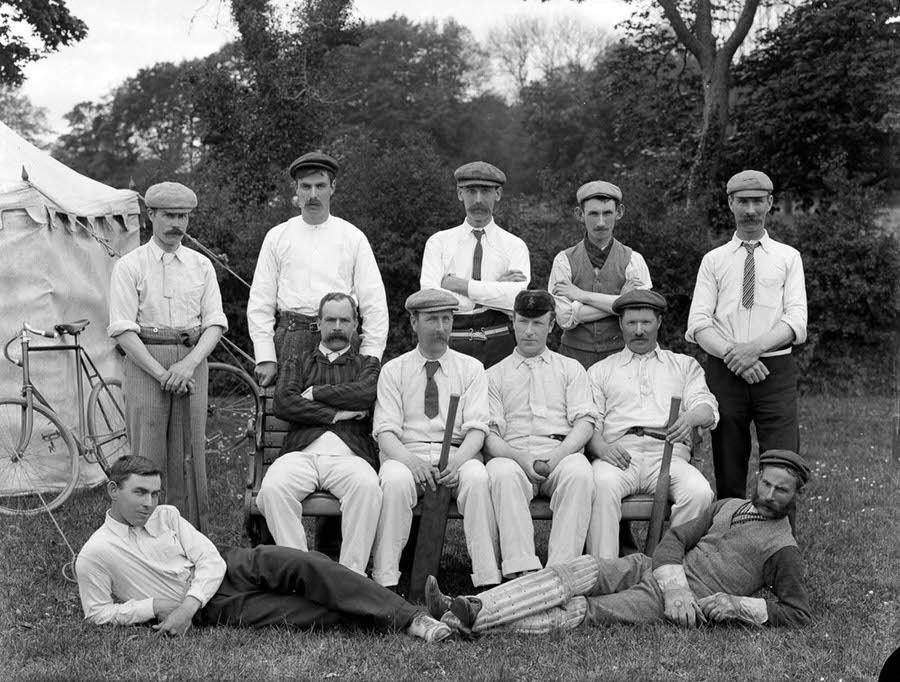
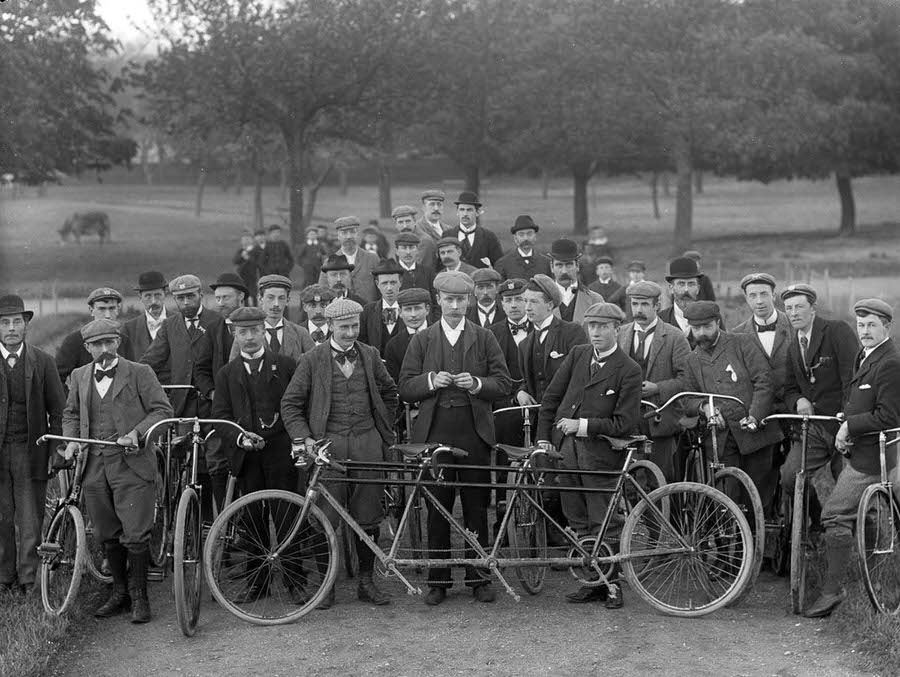
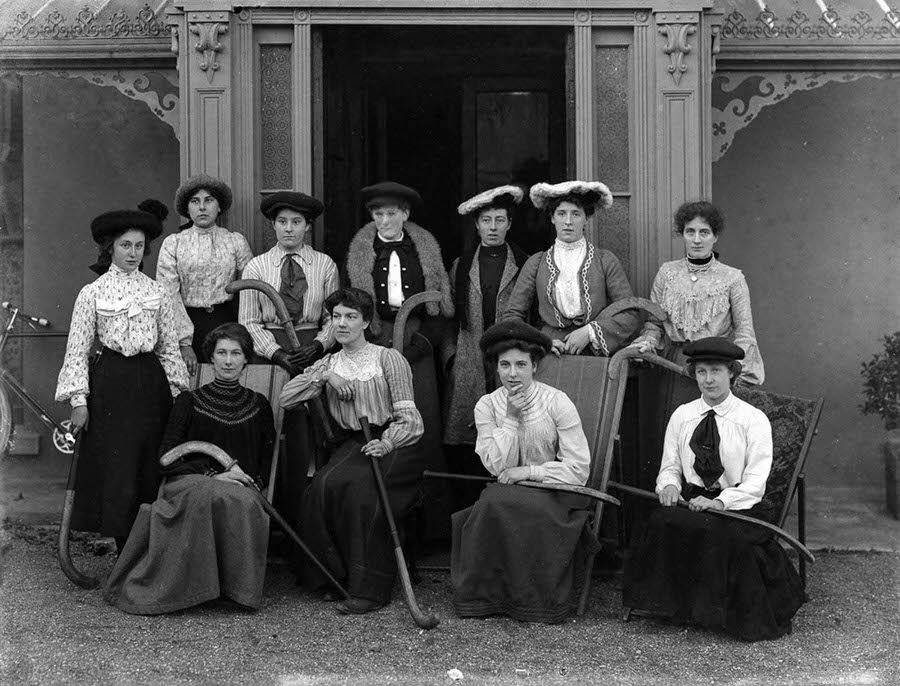
Leisure and recreation reflected class divisions. Cycling clubs, cricket teams, and field hockey players were largely middle- and upper-class pursuits. The Waterford Bicycle Club, photographed in 1897, shows smartly dressed men and women gathered around their machines — a new technology that was still a luxury for most Irish people.
Wool production was a vital industry in the west of Ireland. Operations in places like Leenane in County Galway processed fleece from sheep grazed on the surrounding hillsides, providing work and income to communities in an otherwise economically fragile region.
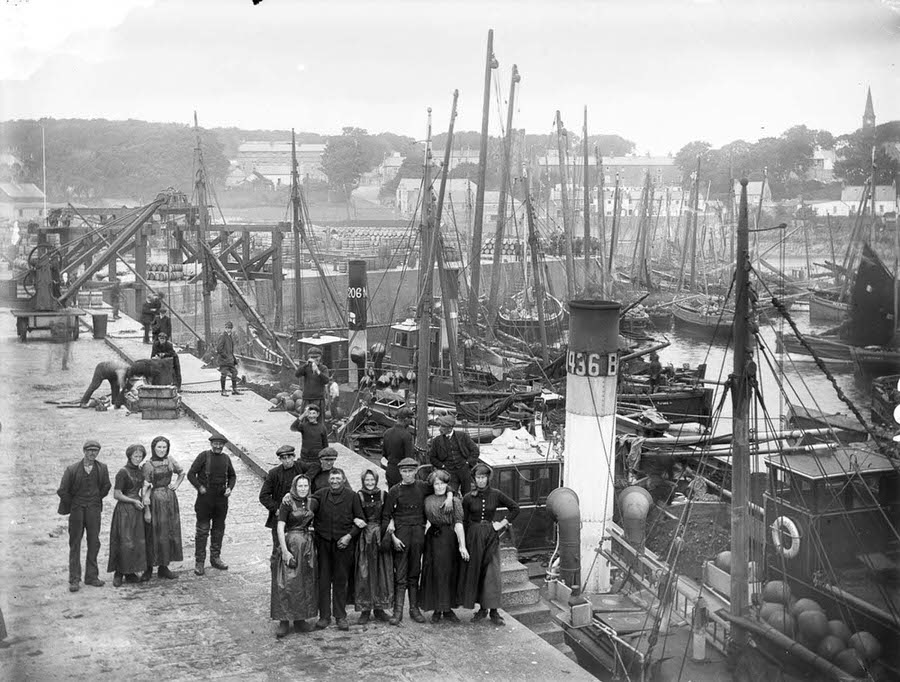
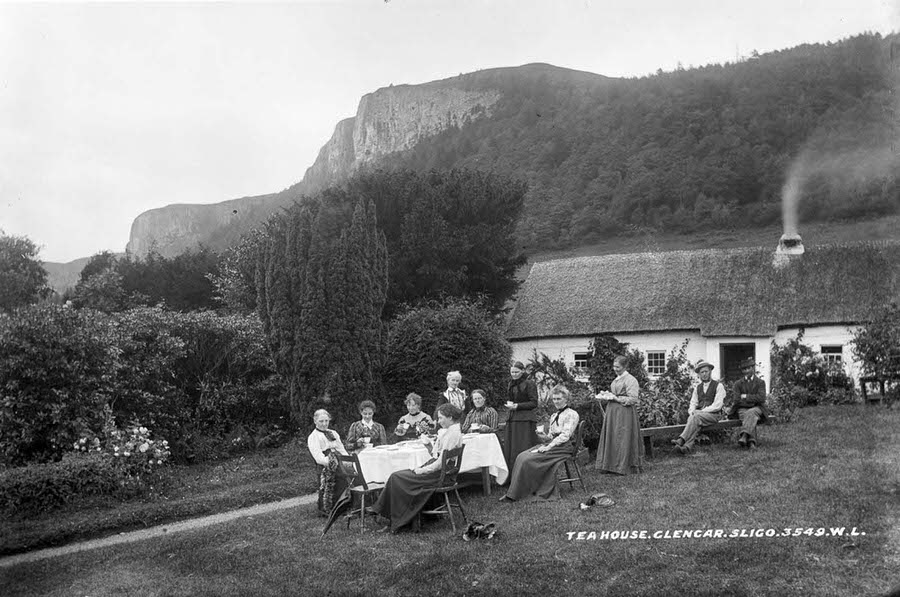
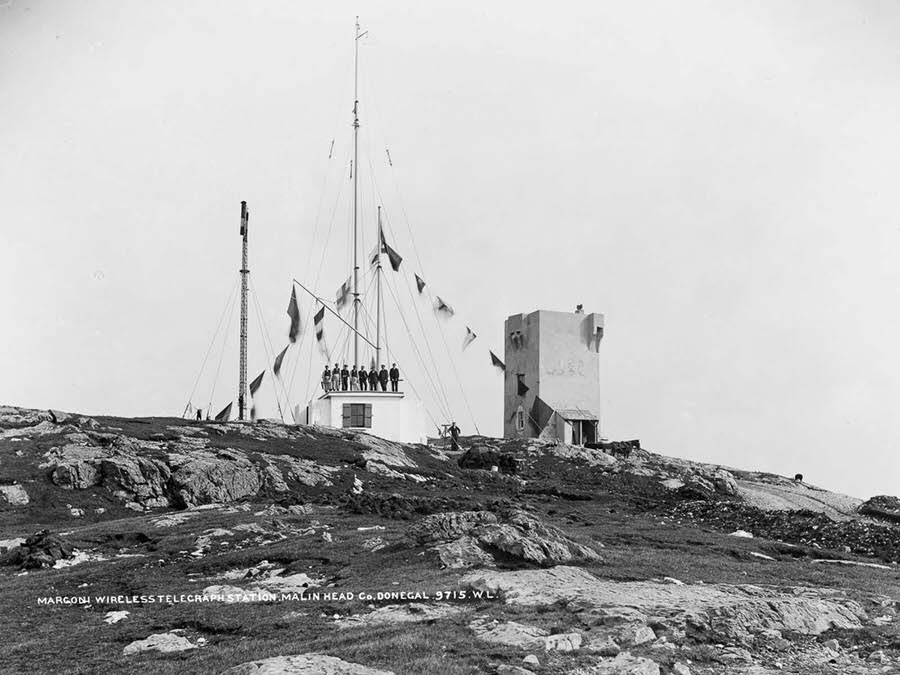
By 1902, the Marconi Wireless Telegraph Station at Malin Head in County Donegal was operational — placed at Ireland’s most northerly point to communicate with ships crossing the Atlantic. Technology was slowly reaching even the most remote corners of the island. Meanwhile, sailors and merchant crews continued to pass through Irish ports, connecting the country to the wider world.
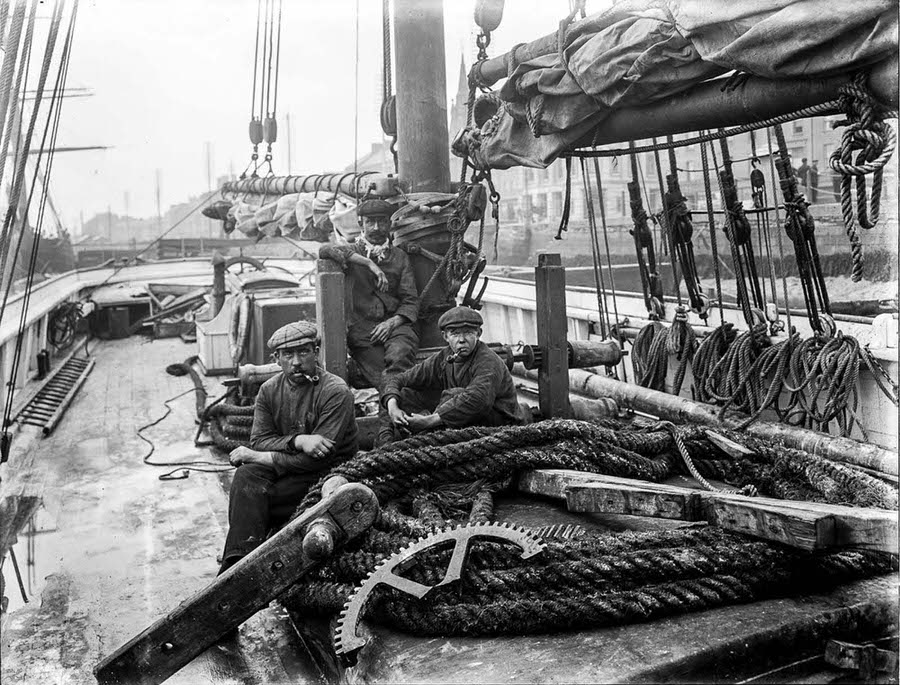
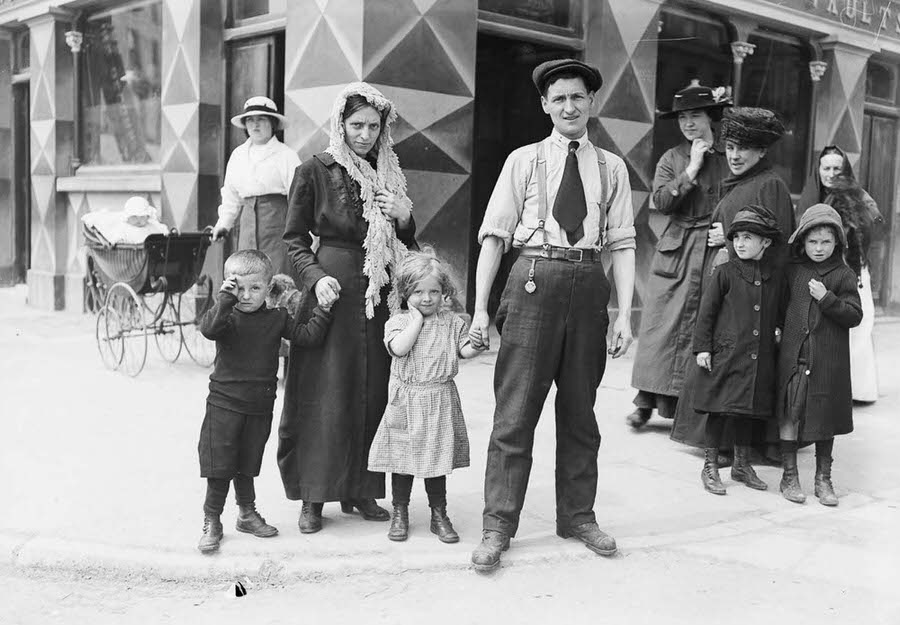
The sinking of the RMS Lusitania in May 1915 — torpedoed by a German submarine off the coast of Cork — killed 1,198 people. Survivors were brought ashore at Cobh. The Riley family was among those who made it out alive, their rescue photographed as part of the widespread media coverage of the disaster.
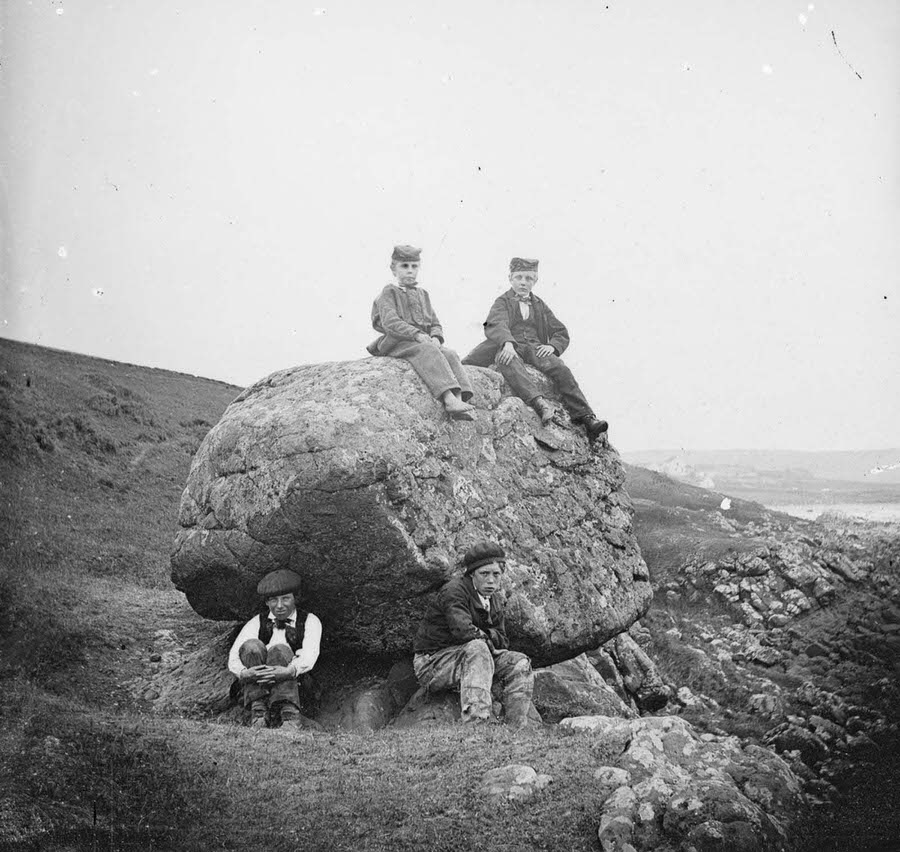
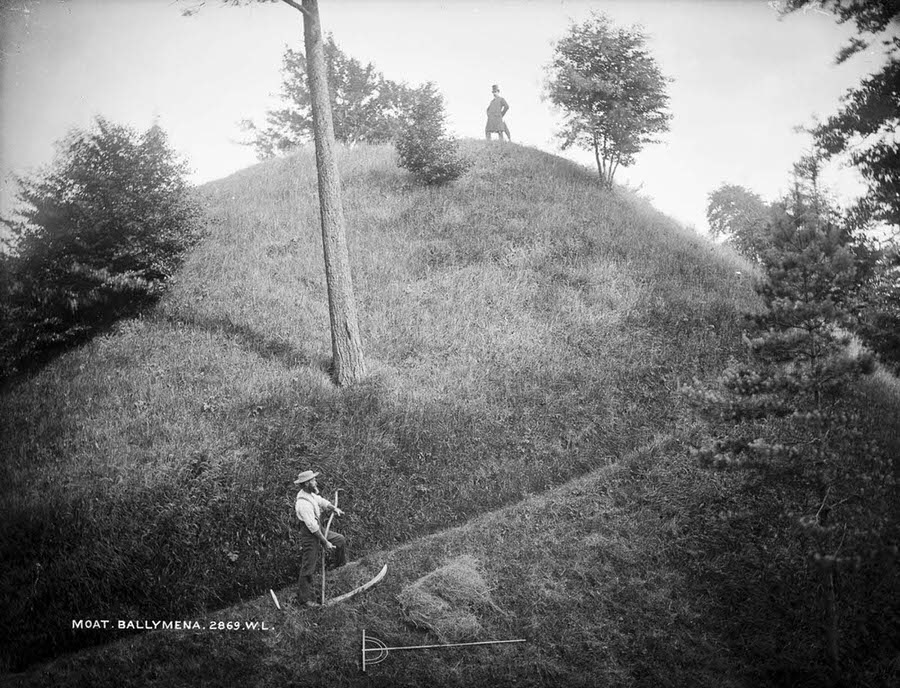
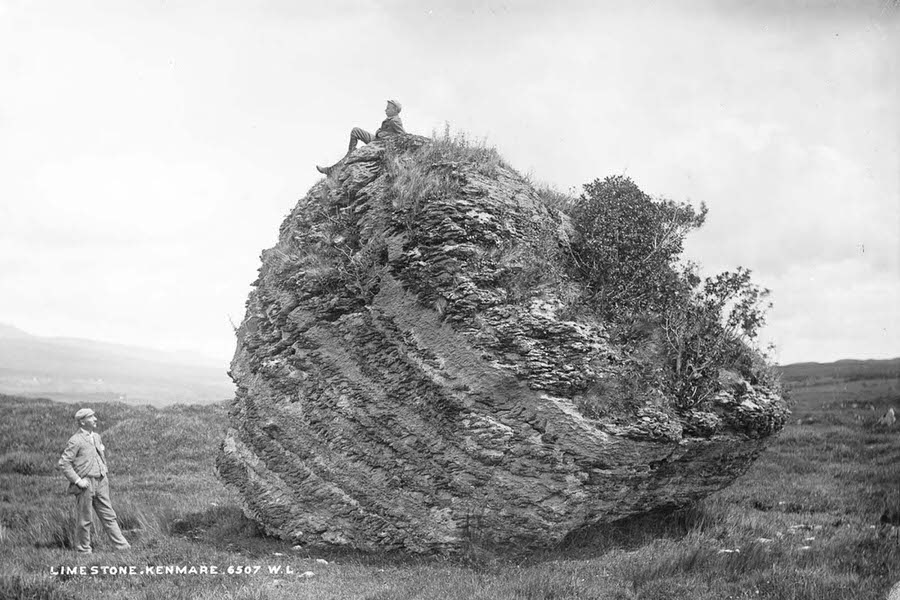
Across the island, ancient stone monuments stood as silent markers of a history stretching back thousands of years. Landmarks like the Cloghvorra Stone near Kenmare were photographed as curiosities — recorded at a time when Ireland itself was being documented with new urgency, its people caught between a difficult past and an uncertain future. In 1919, war broke out between republican separatists and British forces. By 1921, the Anglo-Irish Treaty was signed, and five-sixths of Ireland separated from the United Kingdom. These photographs capture the world that existed just before that break.





Crazy seeing Moll’s gap
These are beautiful; thank you for sharing! Gorgeous pictures from all over Ireland