
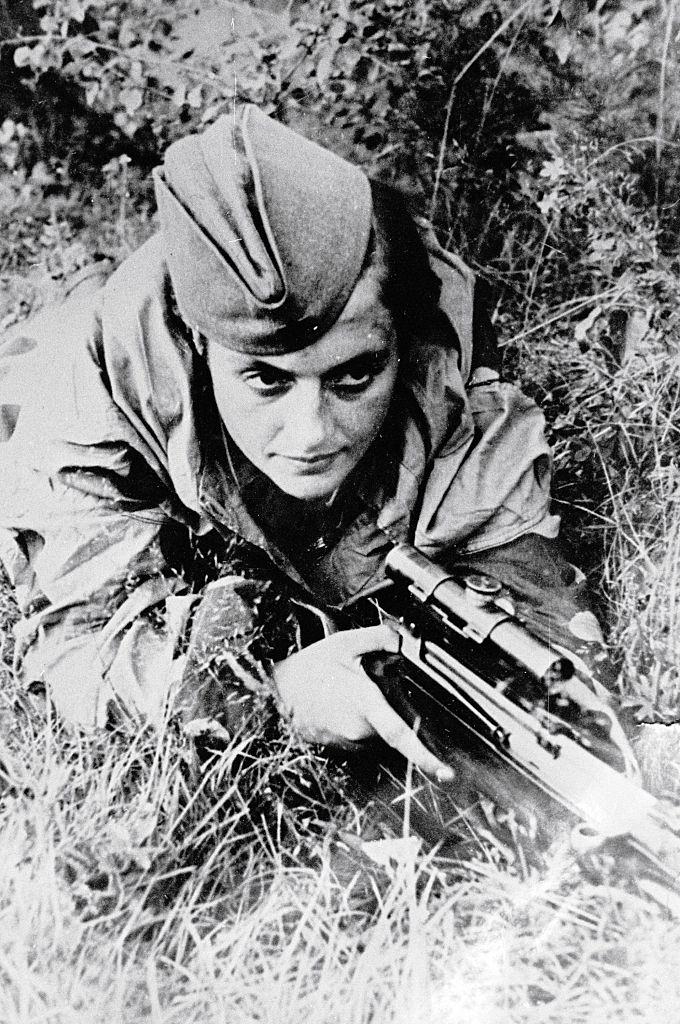
By the time World War II ended, Lyudmila Pavlichenko had killed 309 German soldiers — more than any other female sniper in recorded history. The Soviet Red Army called her one of their finest marksmen. Enemy soldiers called her ‘Lady Death.’ She was 25 years old when she reached that count. Her story cuts across battlefields, politics, and the very different ways men and women were treated on both sides of the Atlantic.
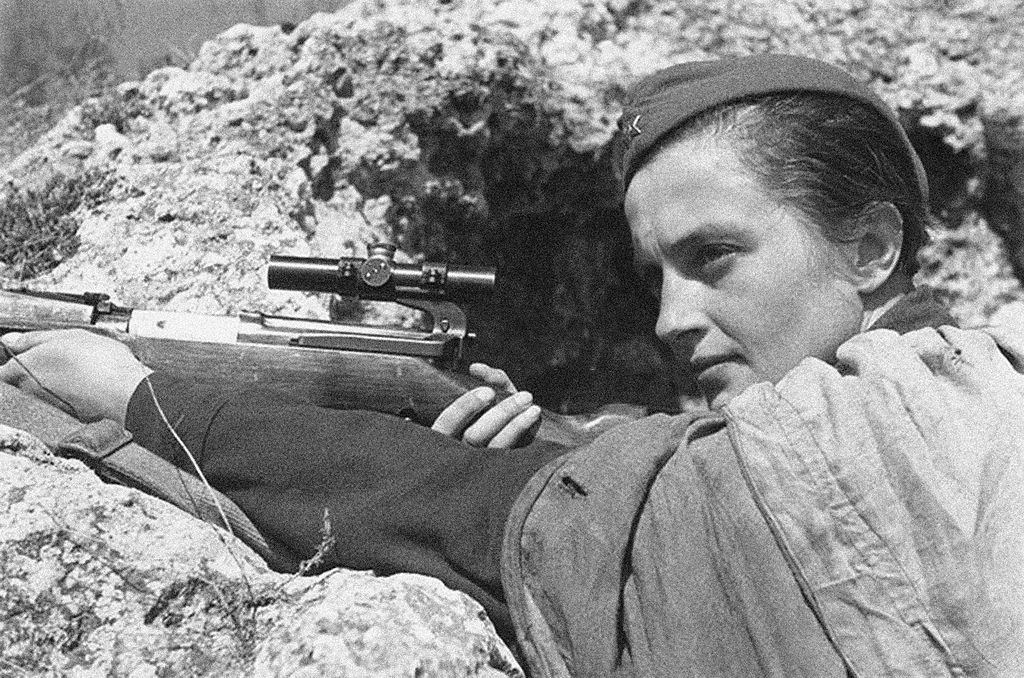
Pavlichenko was born in 1916 in Ukraine. As a teenager, she joined a shooting club and developed strong marksmanship skills early. She also worked in an arms factory, giving her a close familiarity with weapons before she ever set foot on a battlefield. At 16, she married and had a son, but the marriage ended within a few years. After the divorce, she refocused on her education and enrolled at Kyiv University. In 1937, she took a further step and signed up for a sniper school, sharpening the skills she had been building since childhood.
When Germany invaded the Soviet Union in 1941, Pavlichenko left her university studies and volunteered for the Red Army. The military’s first instinct was to assign her to nursing. Women in the Soviet armed forces were mostly placed in support roles, and the idea of a female combat sniper was not an easy sell to commanders. It took a demonstration of her shooting ability to change their minds. Once they saw what she could do, she was accepted as a sniper — one of roughly 2,000 women who would serve the Red Army in that role during the war.
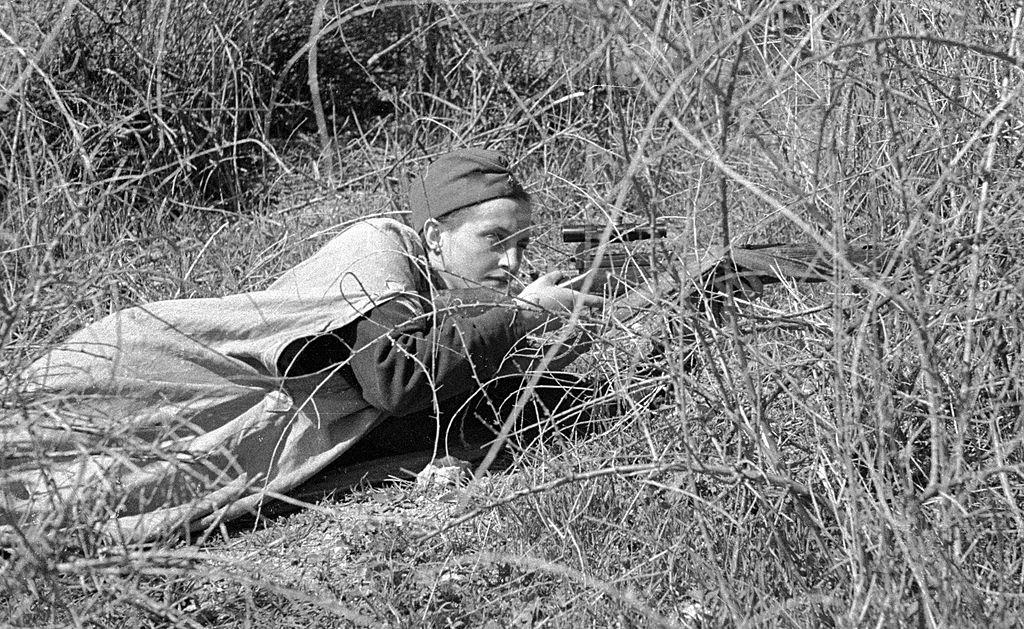
Her first days at the front did not involve a rifle at all. A shortage of weapons meant she was put to work digging trenches instead. That changed when a fellow soldier was struck by shell splinters and, before losing consciousness, handed his rifle to Pavlichenko. She used it to shoot two Romanian soldiers at a quarter-mile distance. That was the start of a kill count that would grow to define her entire wartime career.
She fought in intense combat around Odesa, Moldavia, and Sevastopol. Her tally climbed steadily, and the Red Army promoted her as she went. She reached the rank of sergeant after confirming 100 kills, then rose to lieutenant when the count passed 200. She described her mindset in the field plainly: ‘The only feeling I have is the great satisfaction a hunter feels who has killed a beast of prey.’ The Germans took notice. They attempted to bribe her into defecting, offering her an officer’s rank in the German Army. She refused. They then switched to threats, warning her: ‘If we catch you, we will tear you into 309 pieces and scatter them to the winds.’
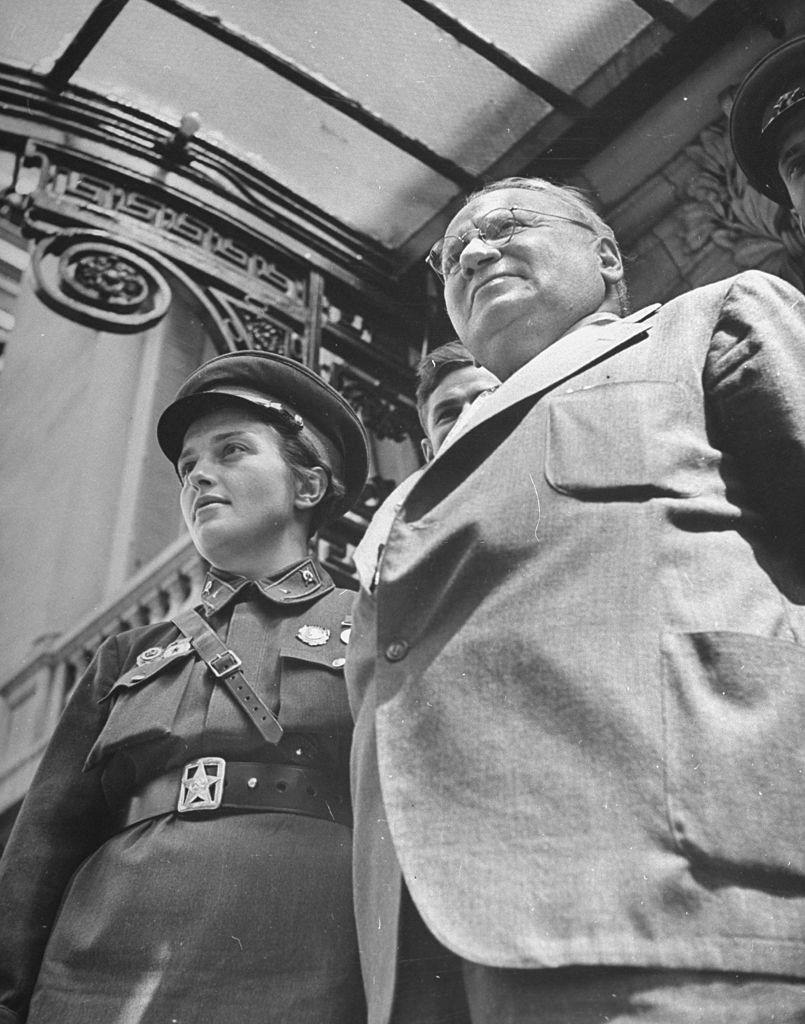
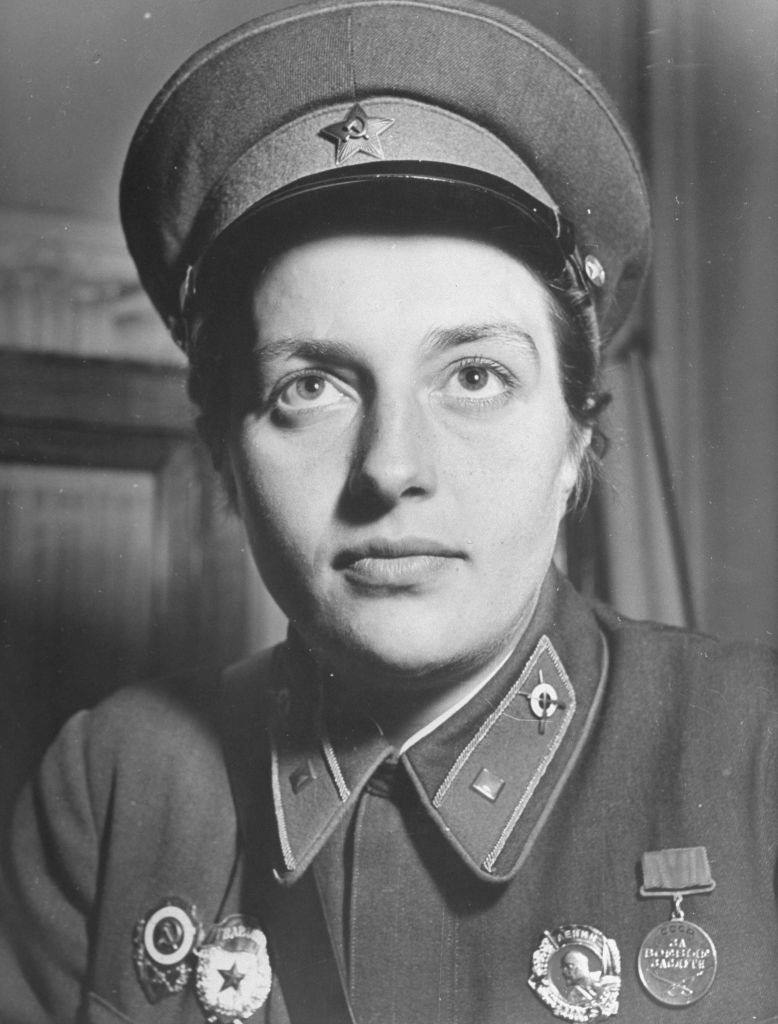
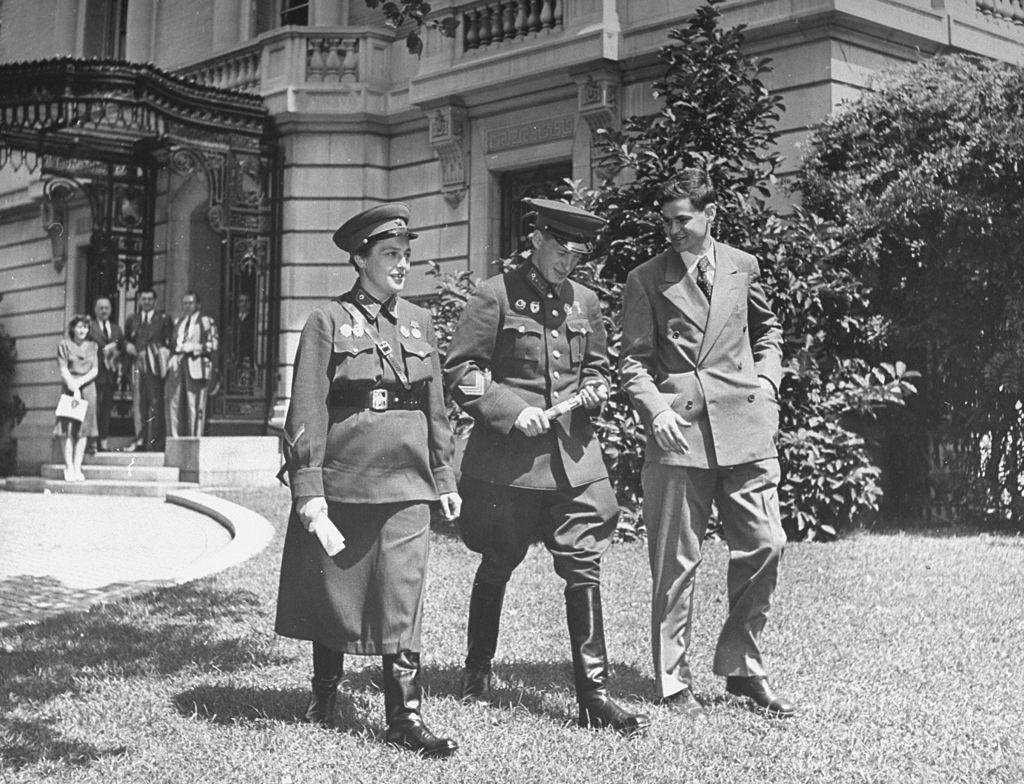
In the summer of 1942, shrapnel tore into her face near Sevastopol, ending her time on the front lines. She was pulled from combat and assigned two new roles: training new snipers and serving as a wartime propagandist. The Soviet leadership sent her to Canada, the United States, and Great Britain to drum up support for the Red Army’s fight against Germany. She visited the White House, where she met President Franklin D. Roosevelt and First Lady Eleanor Roosevelt. It was the first time a Soviet citizen had been received as a guest of the White House.
Her reception in the United States was complicated. Crowds turned out to see her, but the American press focused almost entirely on her appearance rather than her combat record. Reporters asked about her nail polish, her hairstyle, her makeup, and the length of her uniform skirt. One journalist complained that her uniform made her look fat. Pavlichenko was direct about her frustration: ‘I am amazed at the kind of questions put to me by the women press correspondents in Washington. Don’t they know there is a war? They asked me silly questions such as do I use powder and rouge and nail polish and do I curl my hair?’
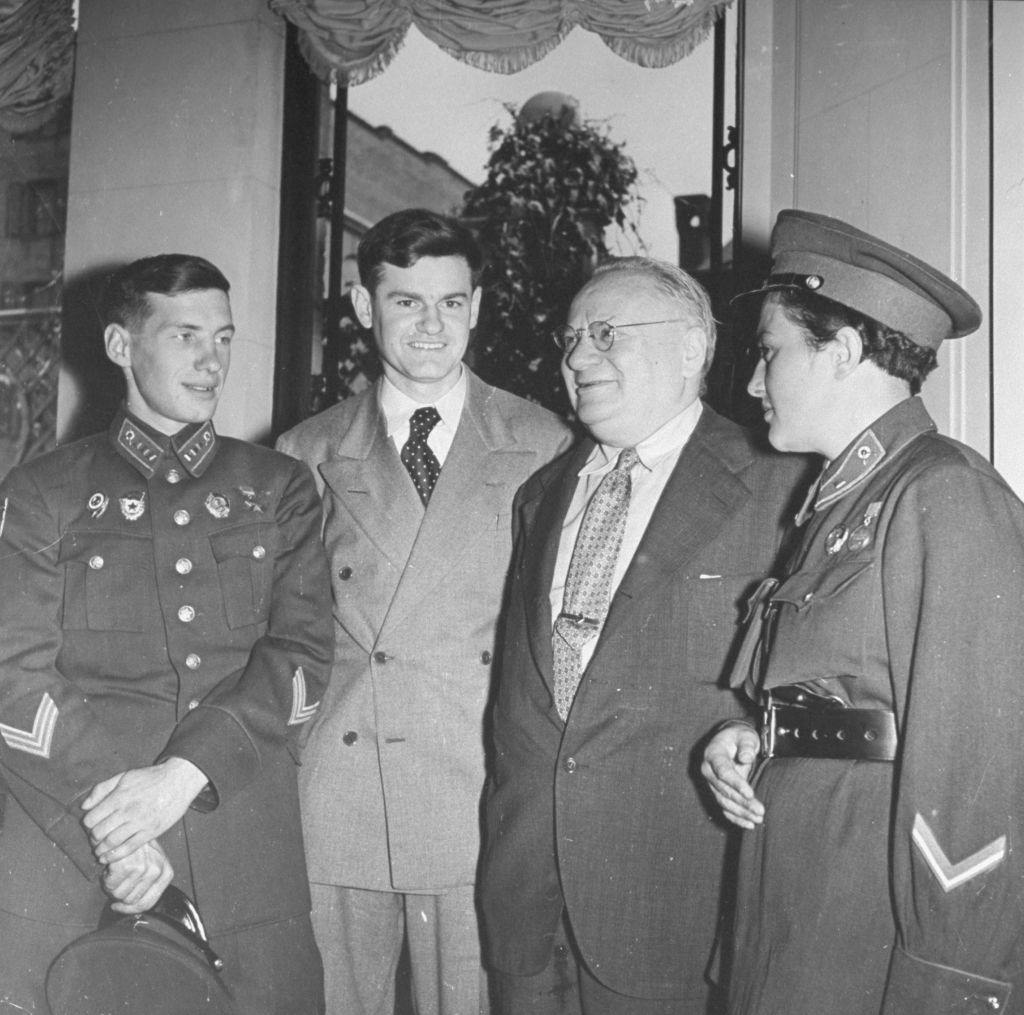
She pushed back on the criticism of her uniform with particular force: ‘I wear my uniform with honor. It has the Order of Lenin on it. It has been covered with blood in battle. It is plain to see that with American women what is important is whether they wear silk underwear under their uniforms. What the uniform stands for, they have yet to learn.’ She also drew a sharp contrast between how she was seen in the United States and how she was treated at home. ‘Now I am looked upon a little as a curiosity, a subject for newspaper headlines, for anecdotes,’ she told audiences. ‘In the Soviet Union, I am looked upon as a citizen, as a fighter, as a soldier for my country.’
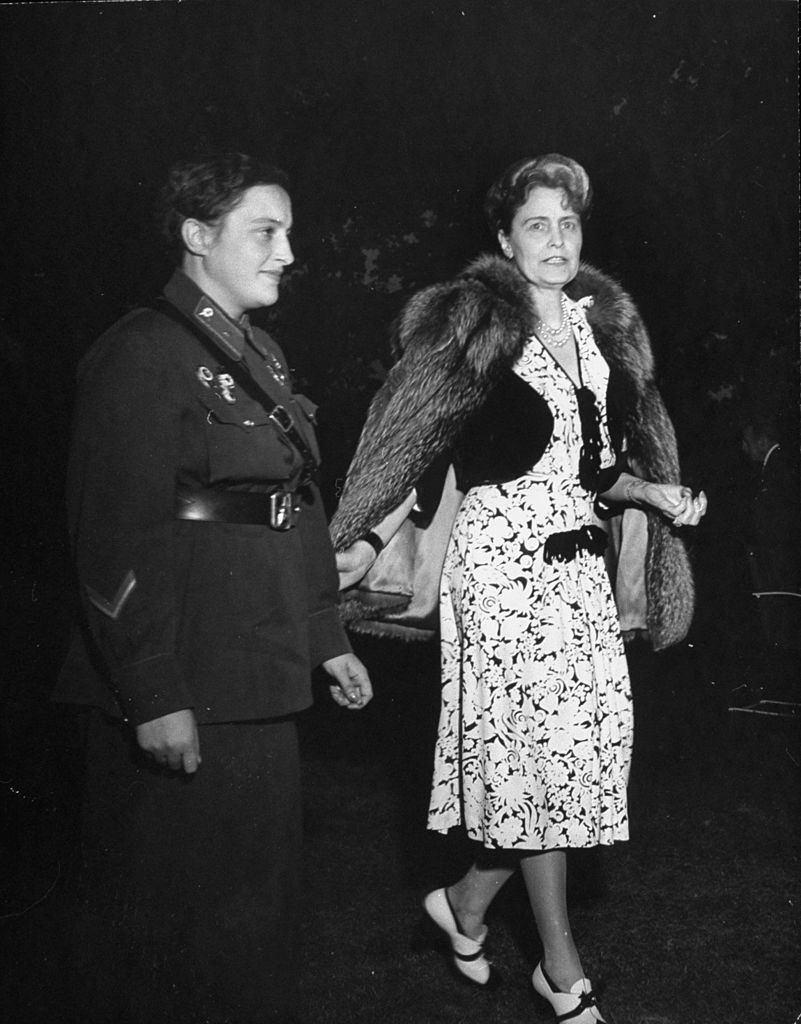
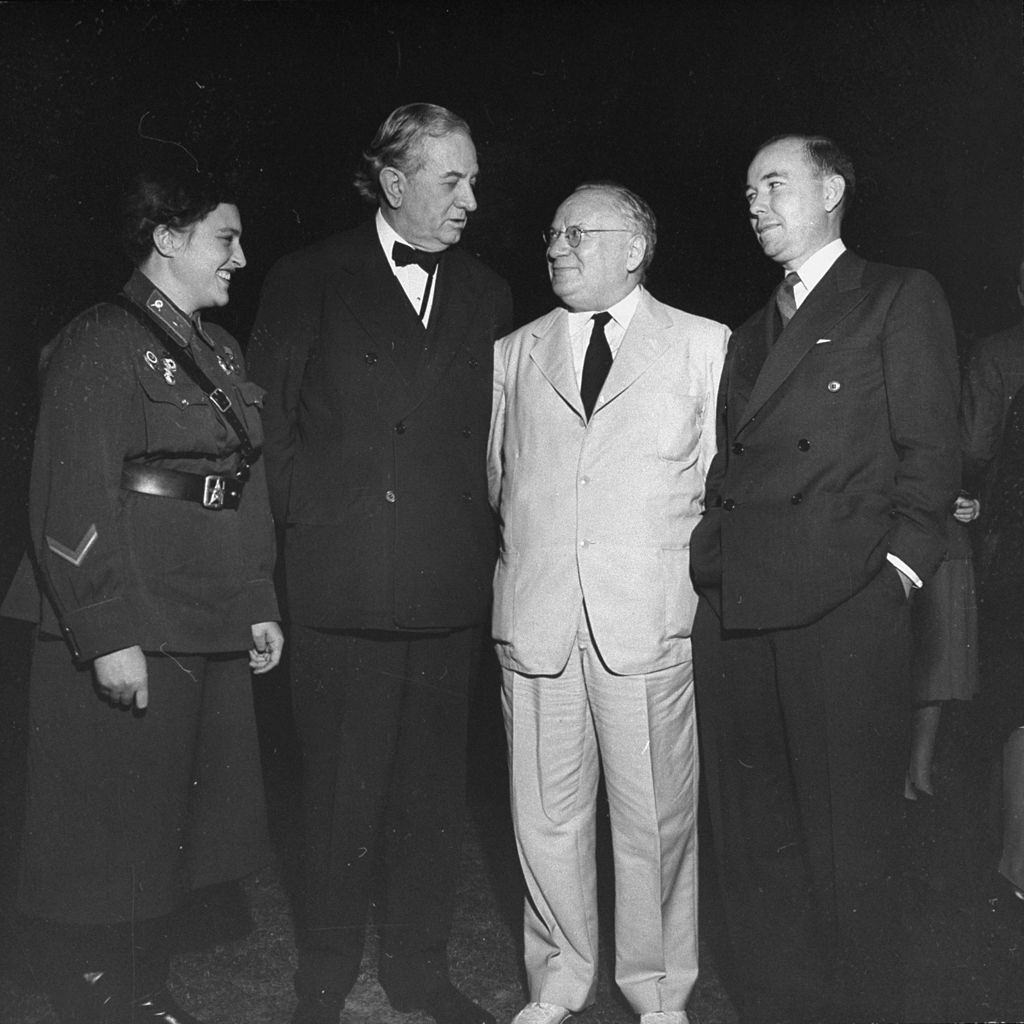
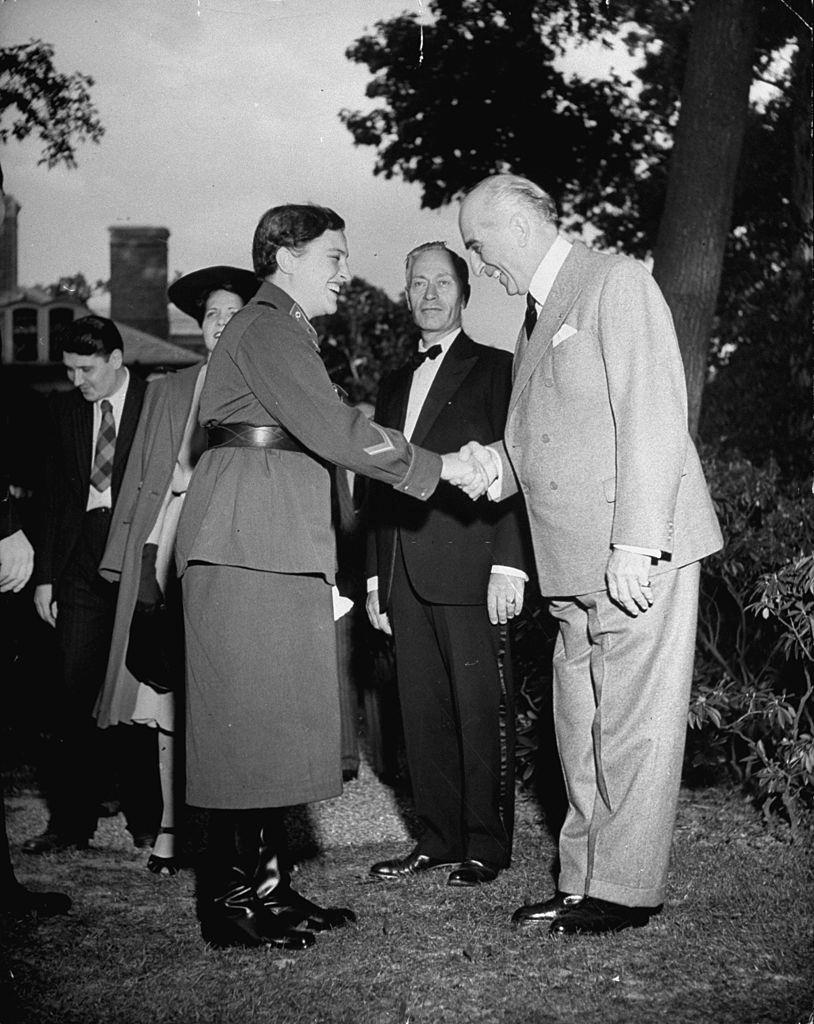
Despite the frustrations of the press tour, Pavlichenko spoke to large audiences across North America and Britain, making the case for Allied support of the Soviet Union. Her speeches were direct, her delivery was serious, and she made no effort to soften the reality of the war she had lived through.
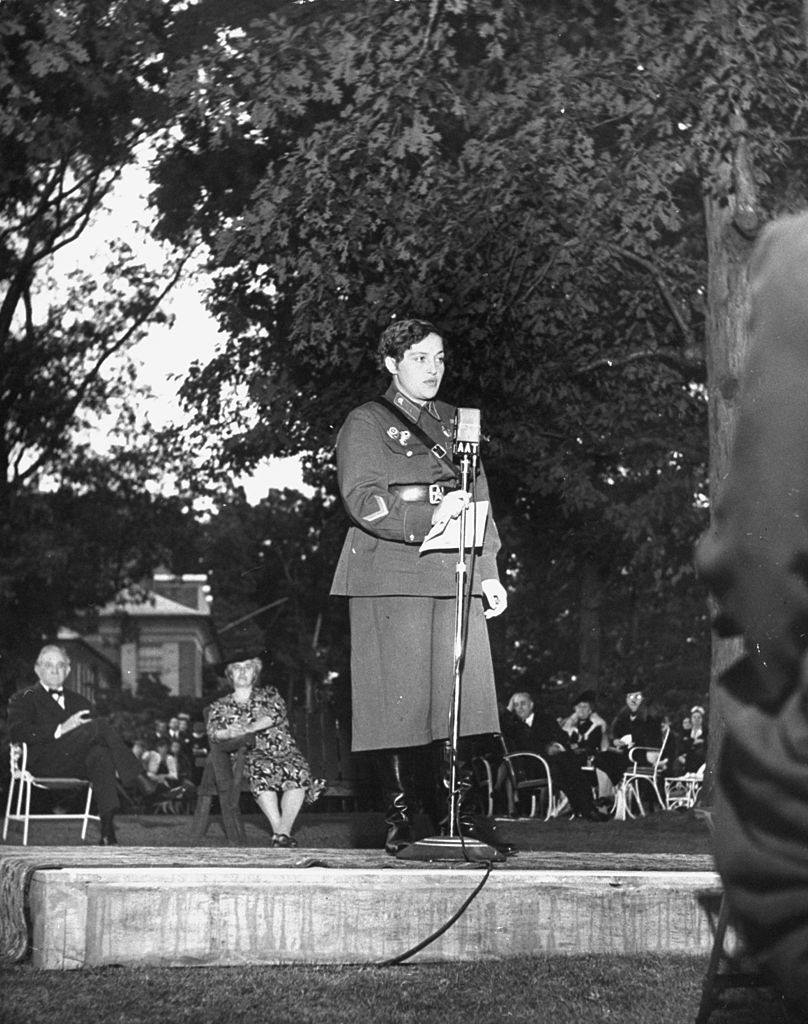
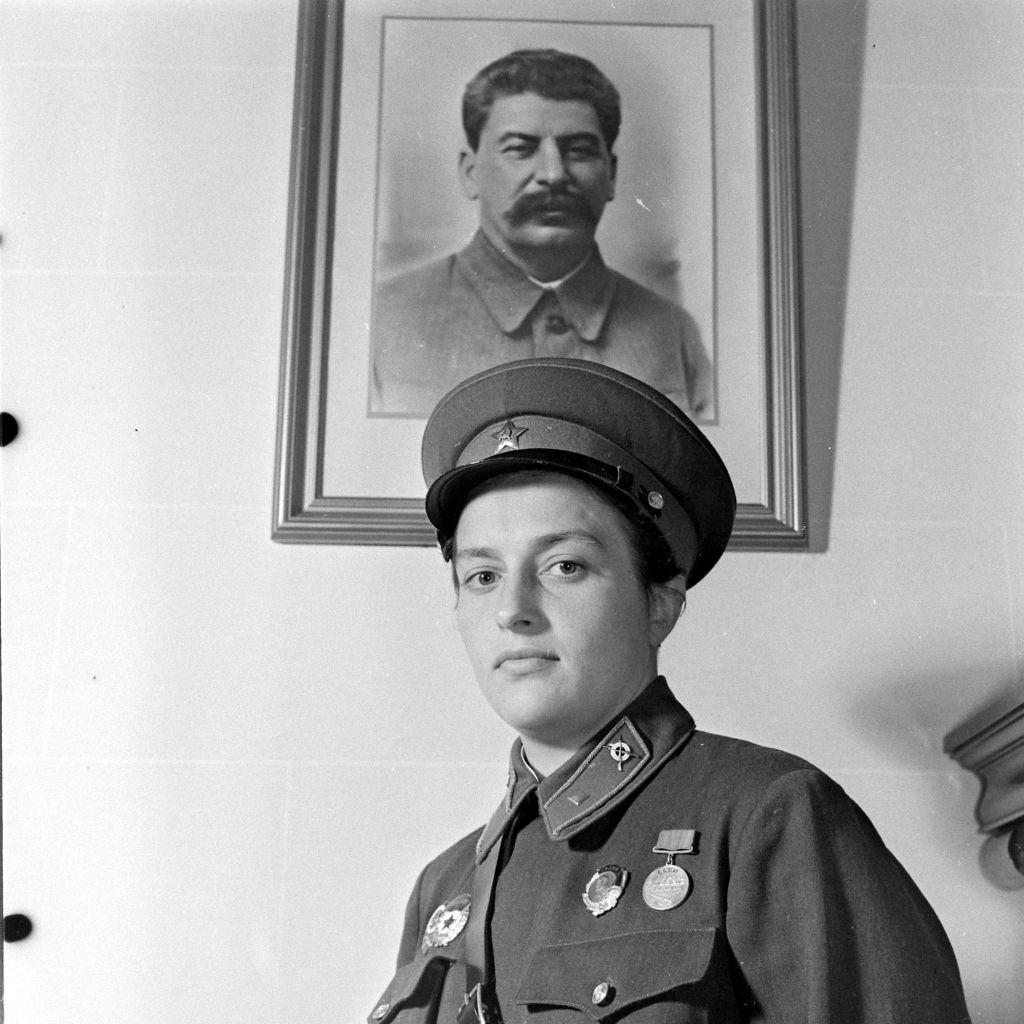
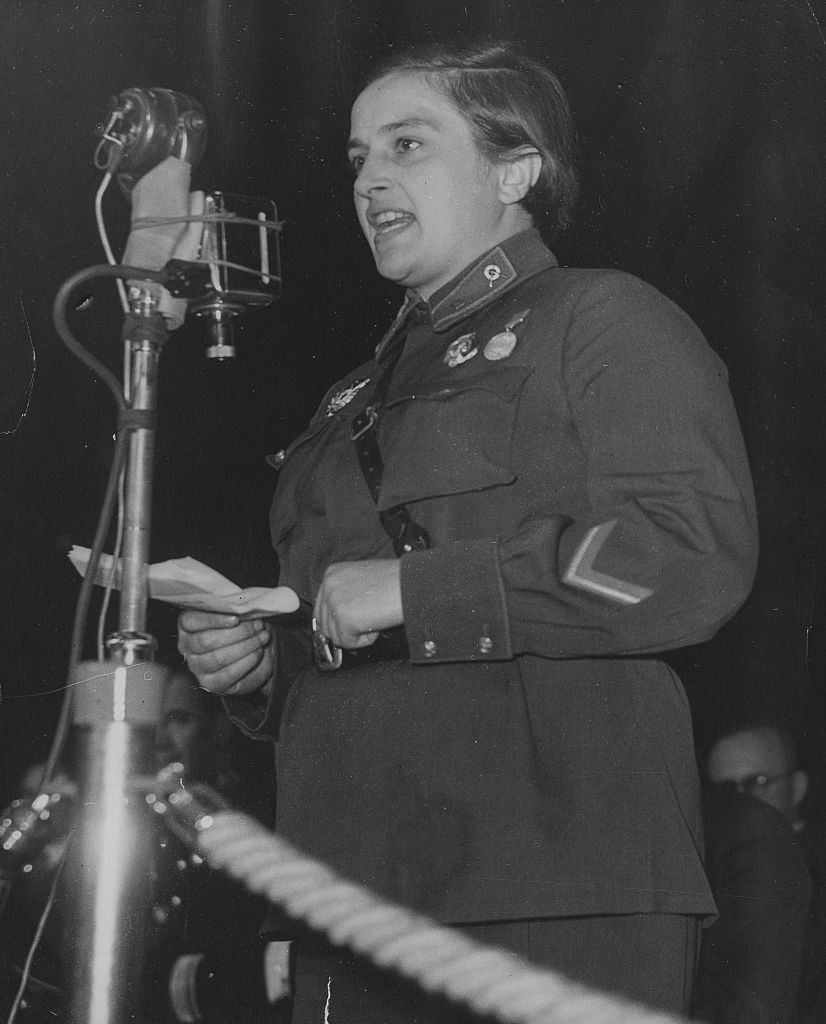
Her tour took her across the Atlantic to Britain as well, where she addressed crowds at major public events in London.
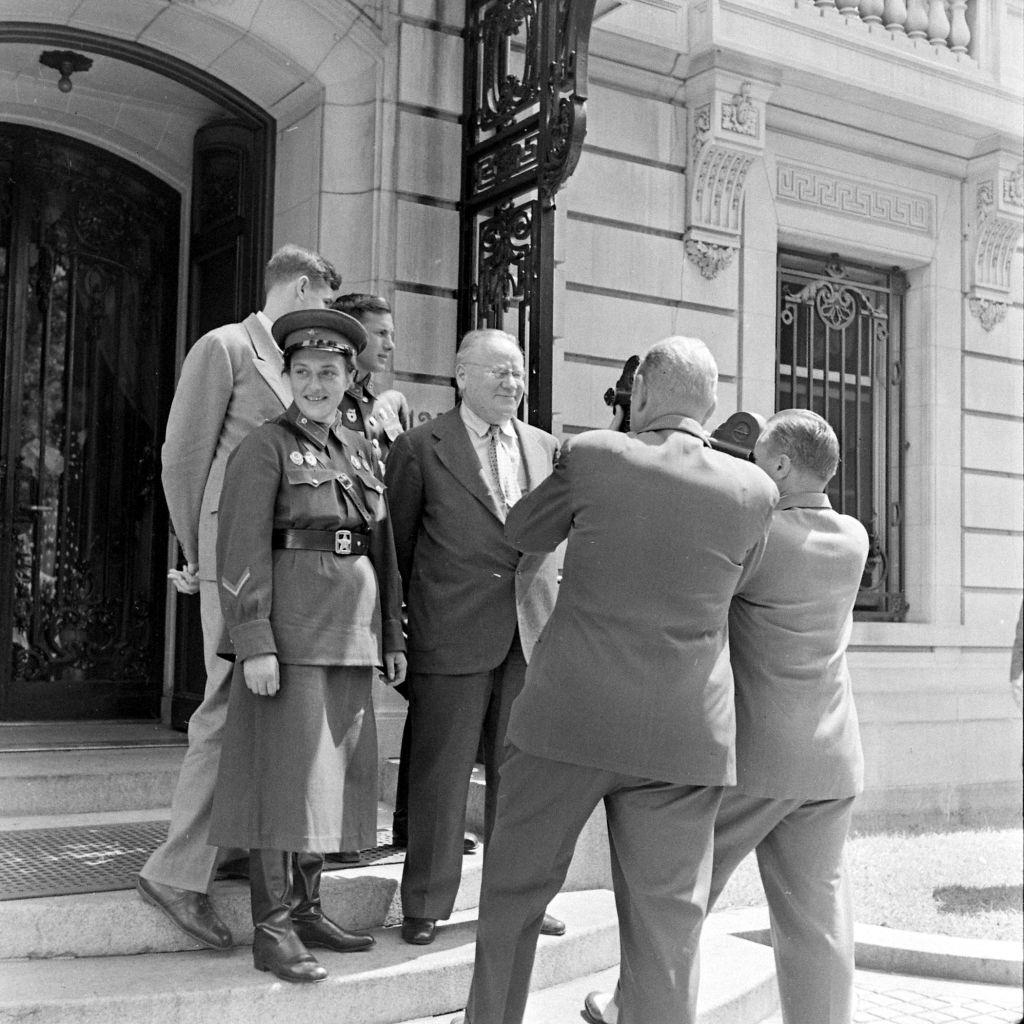
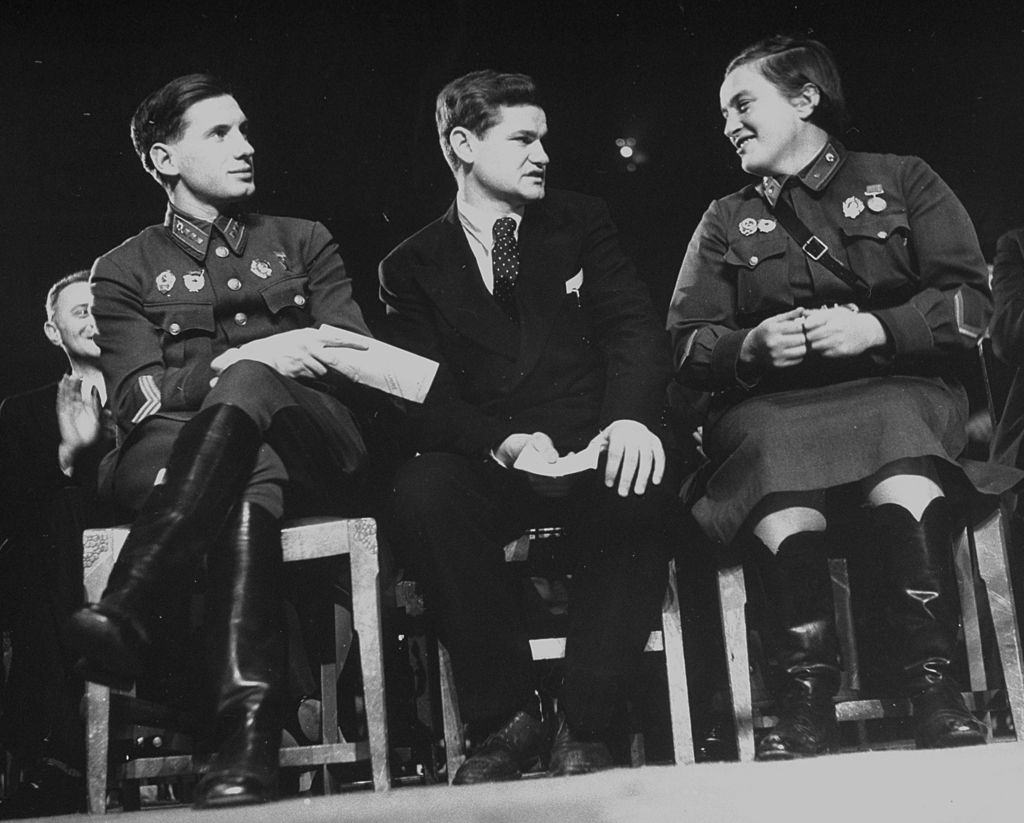
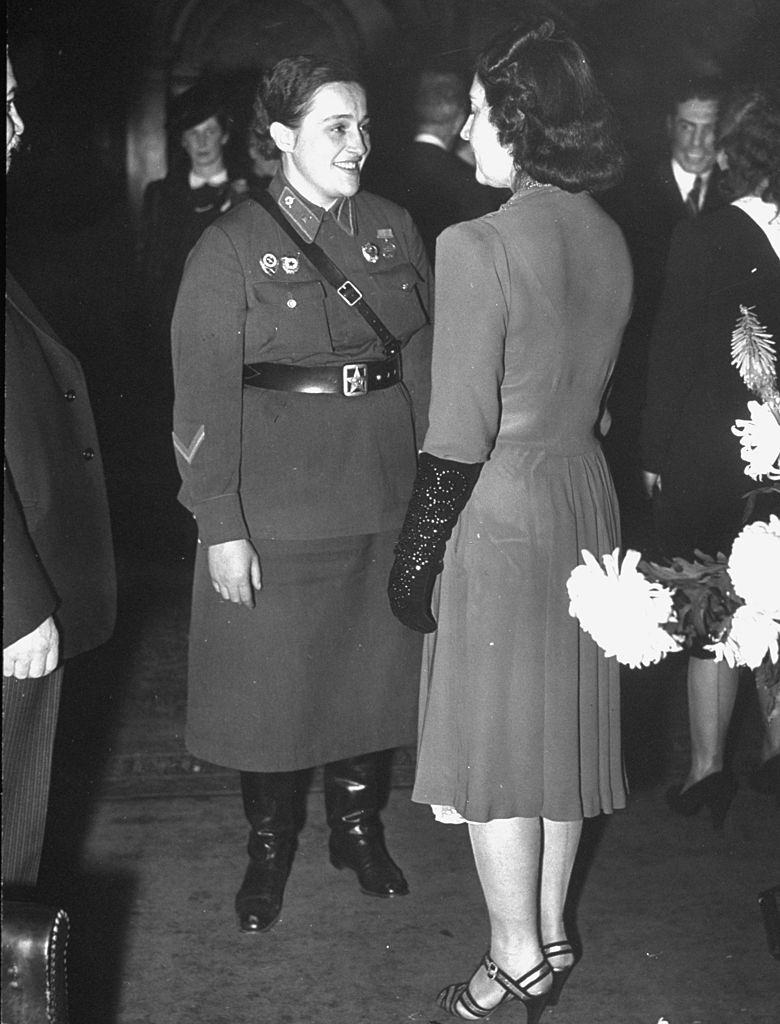
After the tour concluded, Pavlichenko returned to the Soviet Union and continued her work training new snipers. When the war ended, she completed her history degree at Kyiv University and went on to work as a historian for the Soviet Navy. The connection she had formed with Eleanor Roosevelt proved lasting — when Roosevelt visited Moscow in 1957, she and Pavlichenko met again.
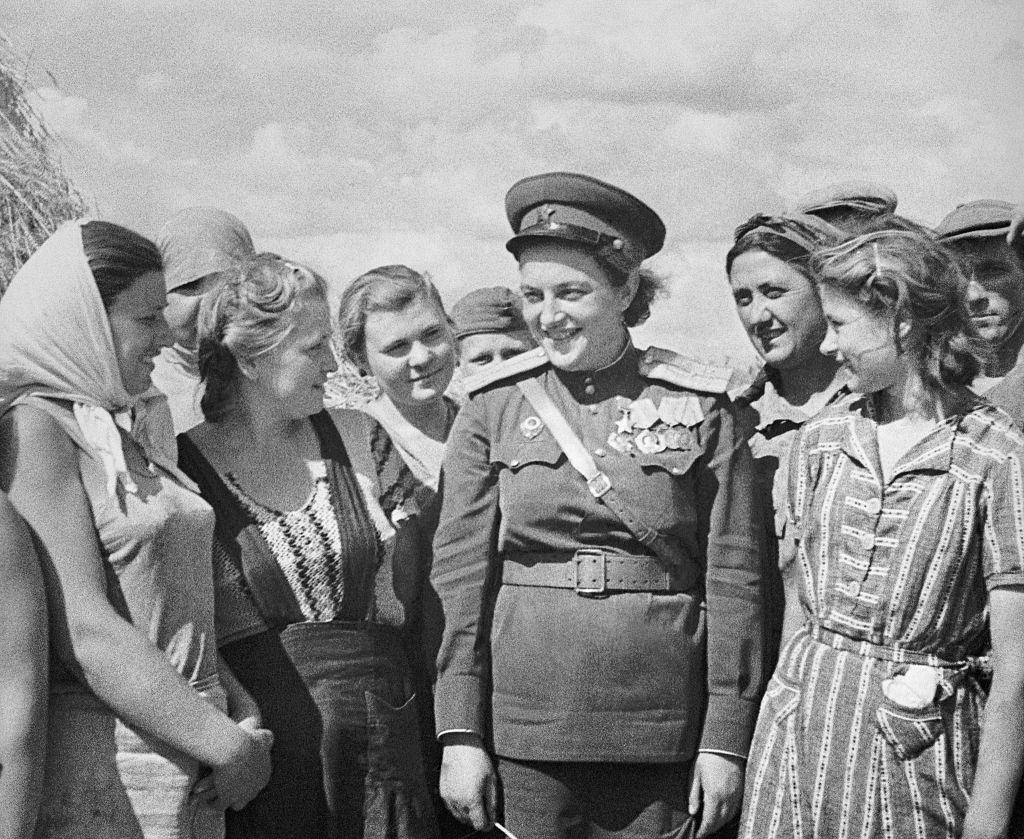
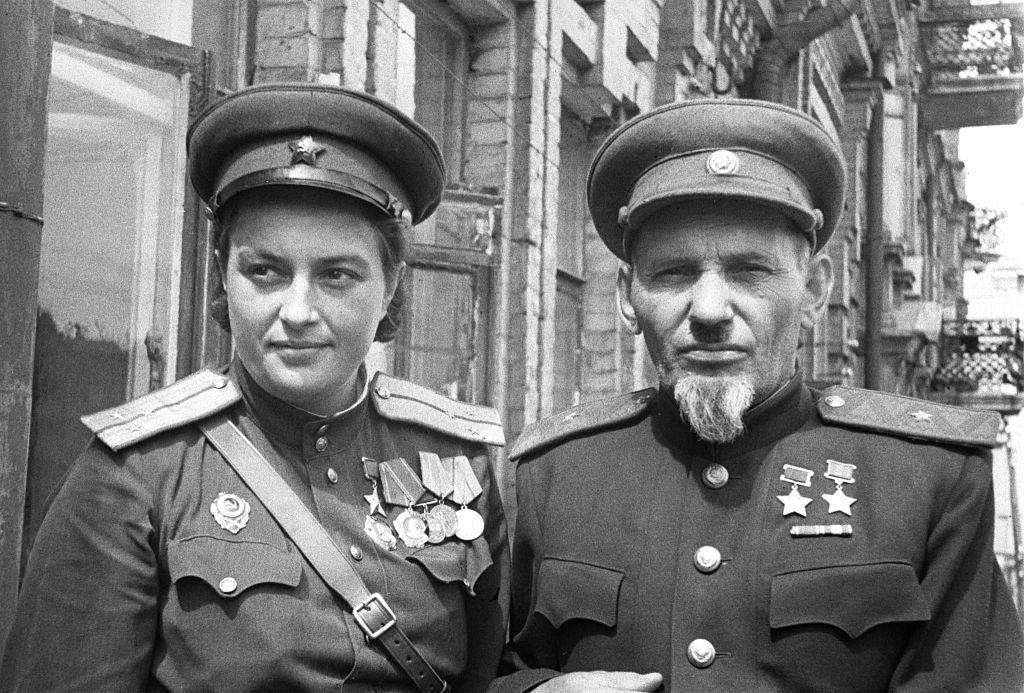
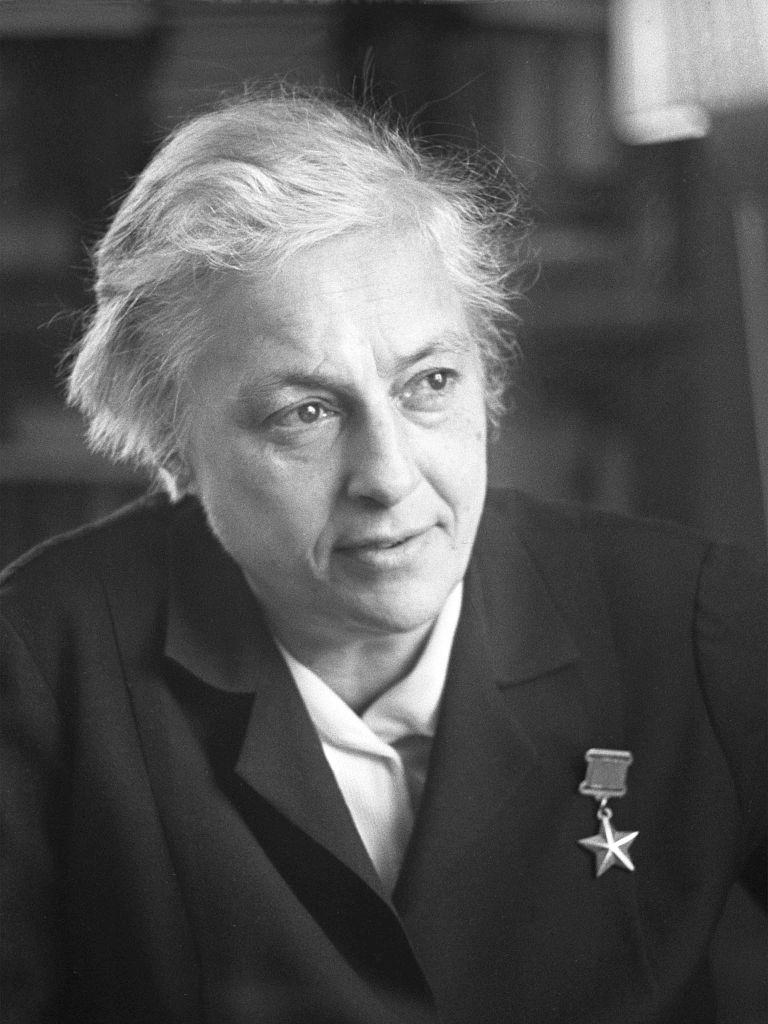
The war left deep marks on Pavlichenko beyond her physical wounds. She lost her husband during the fighting and spent her postwar years battling PTSD, depression, and alcoholism. The Soviet Union awarded her multiple medals and honored her on two postage stamps. She died from a stroke on October 10, 1974, at the age of 58, and was buried alongside her son at Novodevichy Cemetery in Moscow.
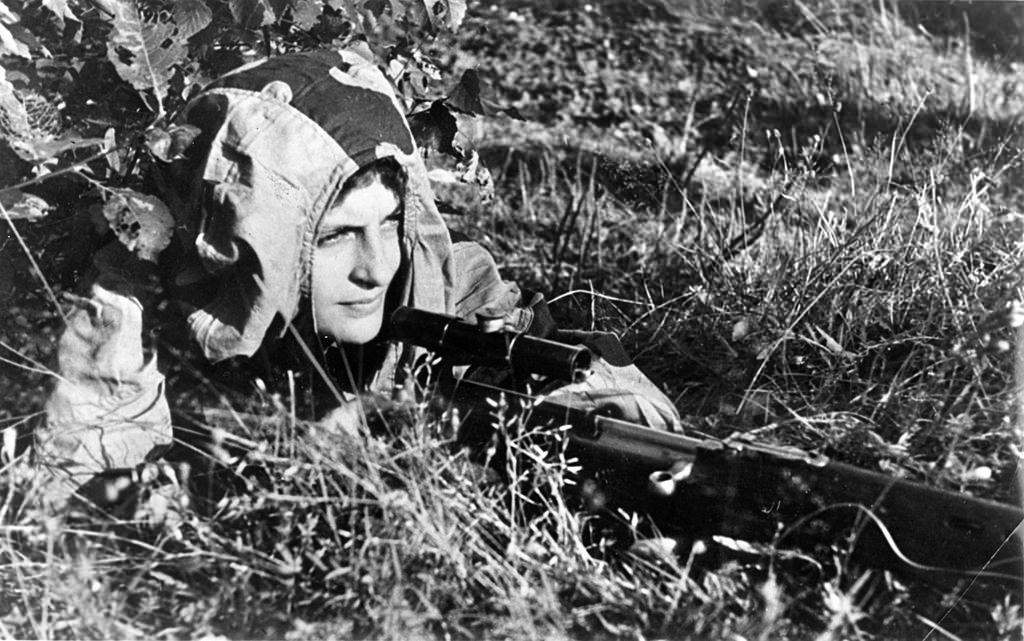
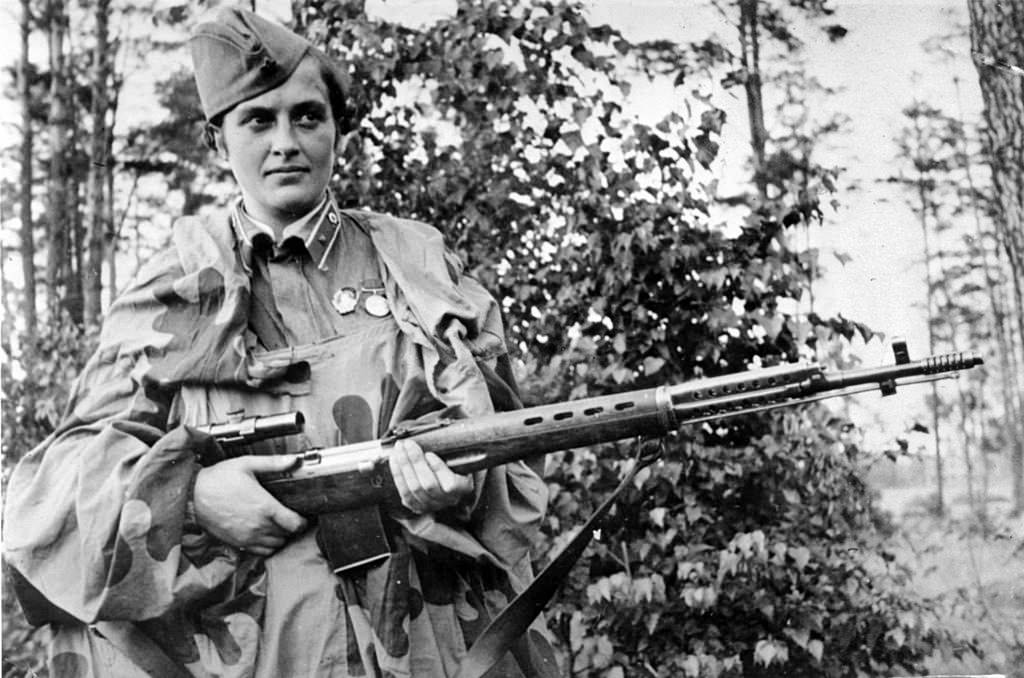



And now she’s a skin in Sniper Elite 4. A great honor
Capitalists always underrate Soviet soldiers