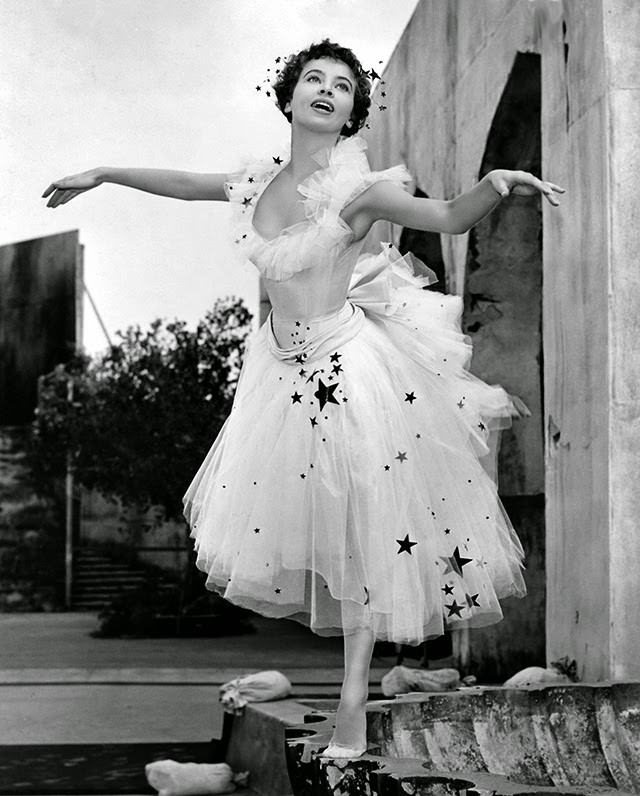
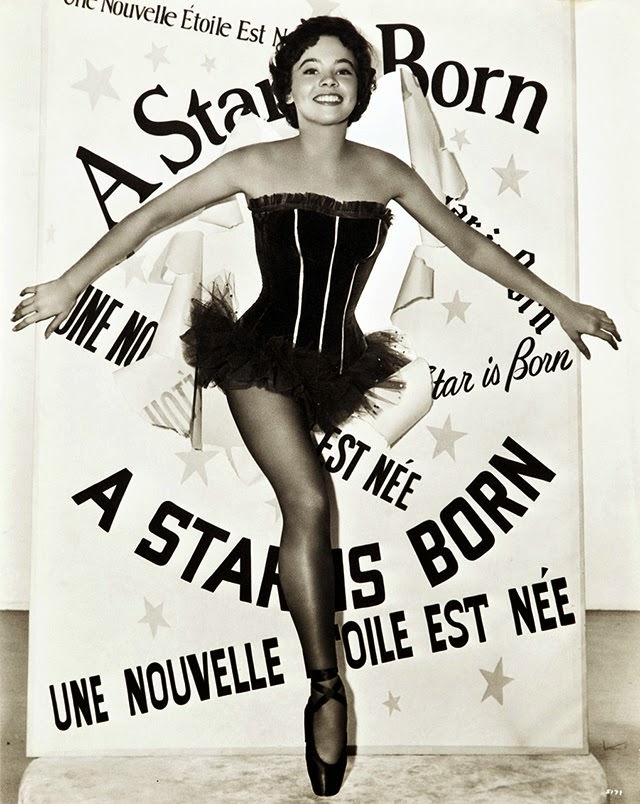
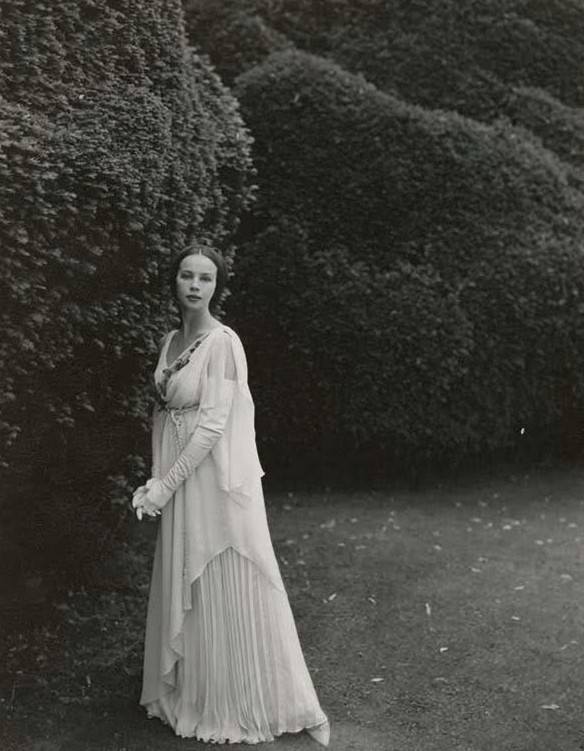
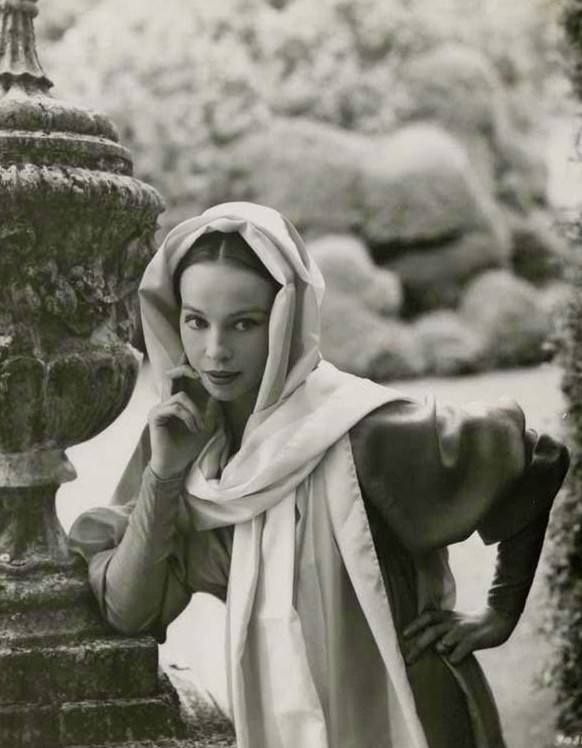
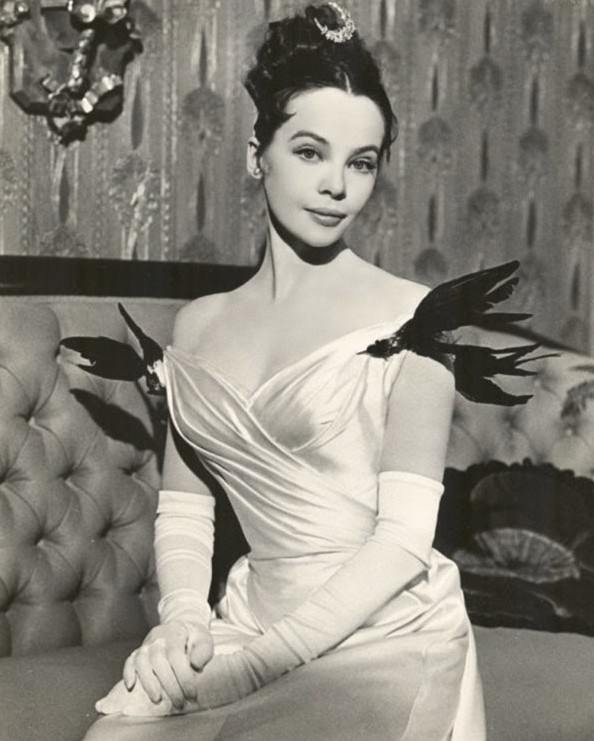
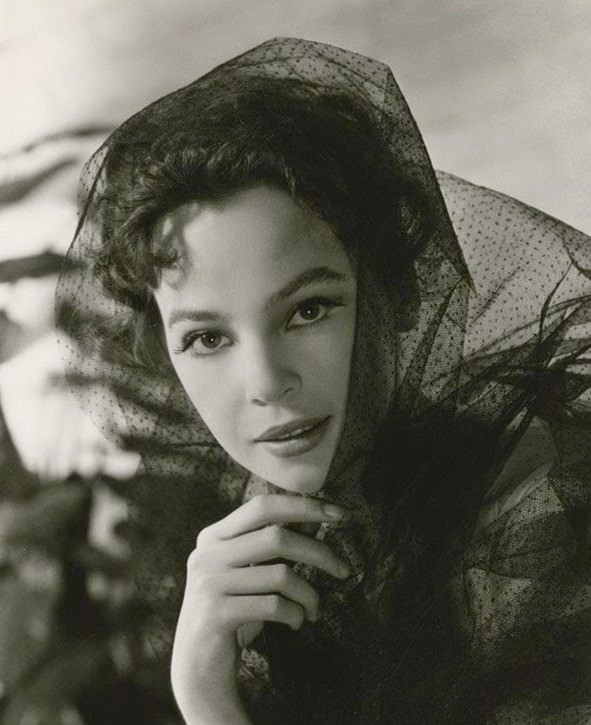
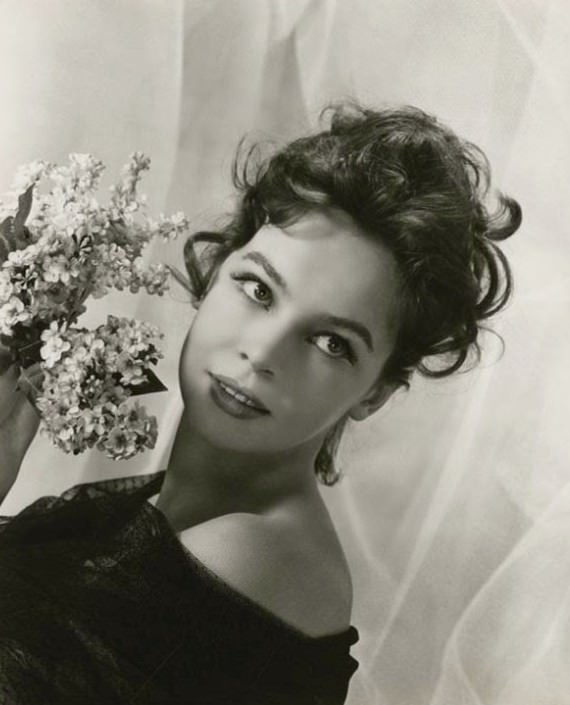
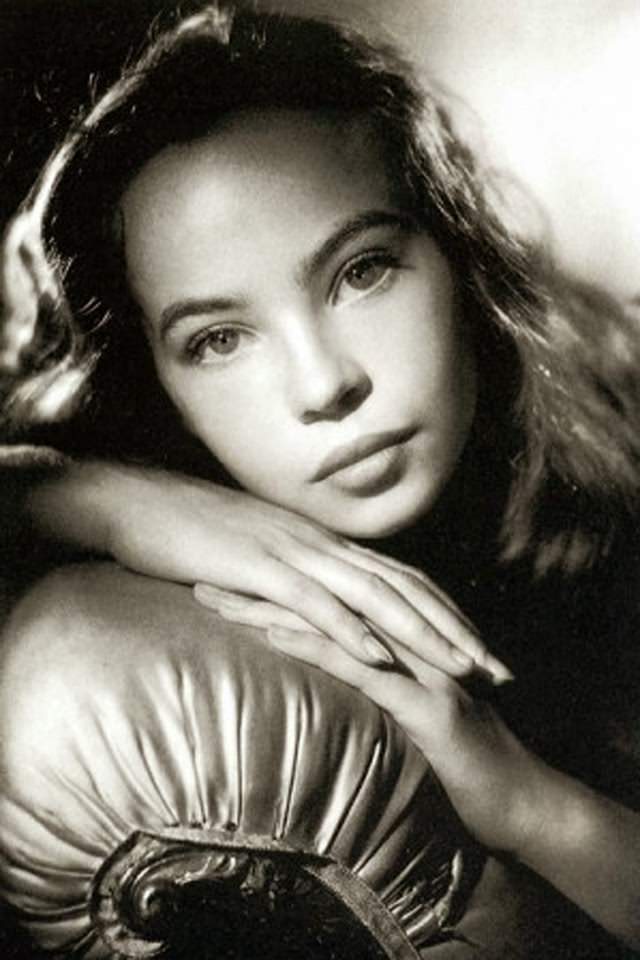
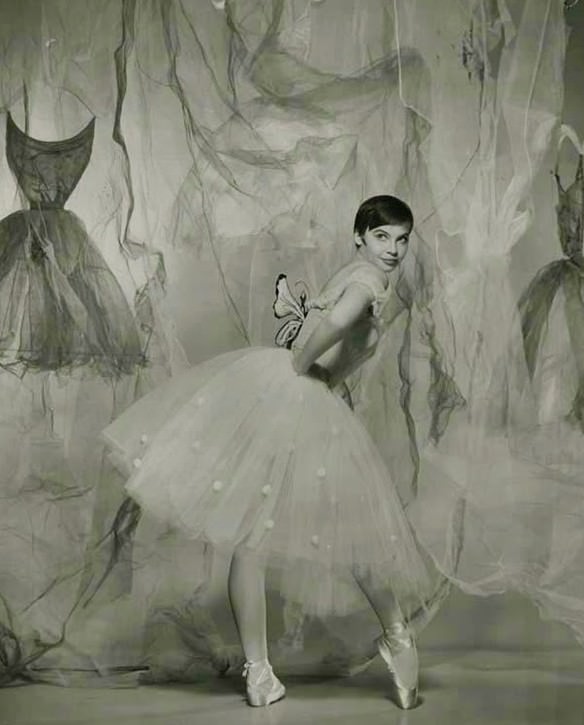
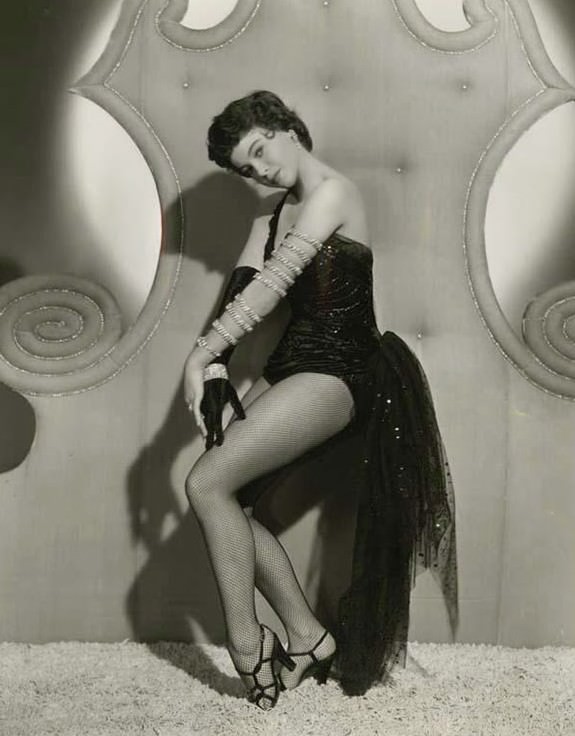
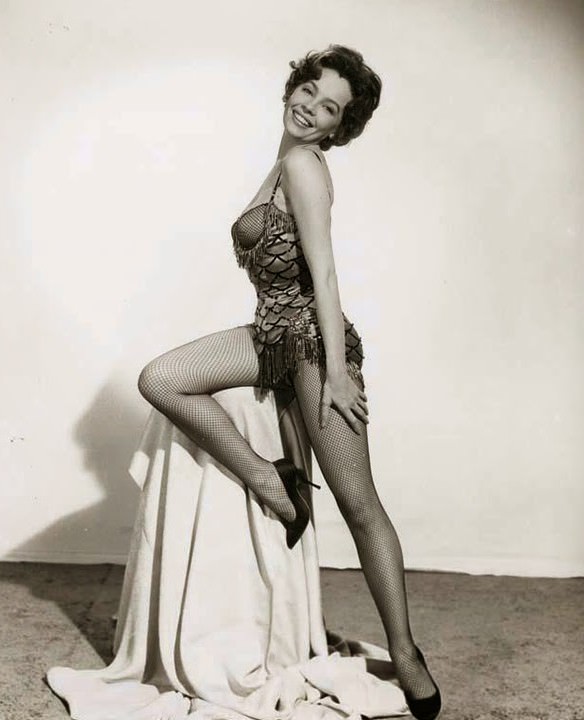
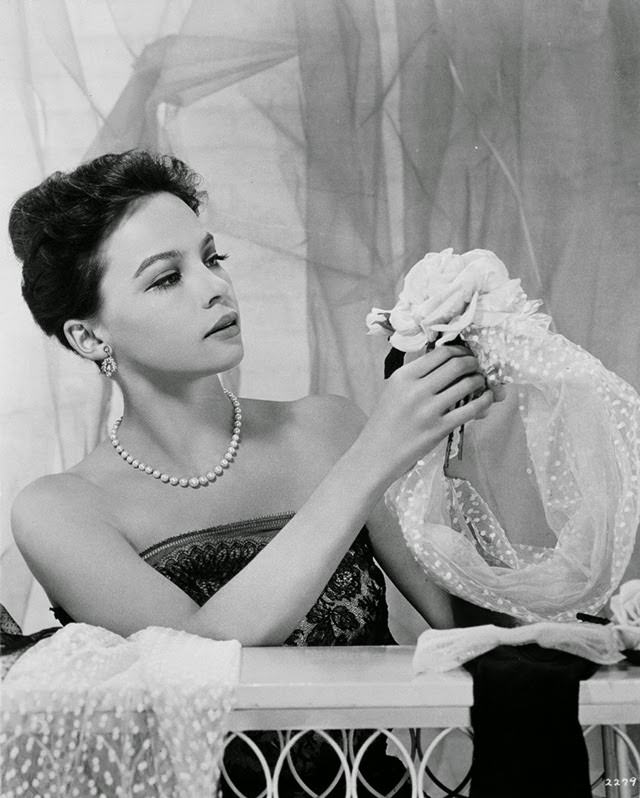
Leslie Caron began her career in the ballet halls of post-war France. In the late 1940s, the American movie star Gene Kelly spotted her performing with the Ballet des Champs-Élysées. He was searching for a fresh face to star opposite him in his upcoming project. Although she was only a teenager and spoke very little English, Kelly selected her for the role of Lise Bouvier. This choice led to her film debut in the 1951 classic An American in Paris. The movie showcased her classical training through a lengthy, elaborate ballet sequence that served as the film’s climax.
The Gamine Image
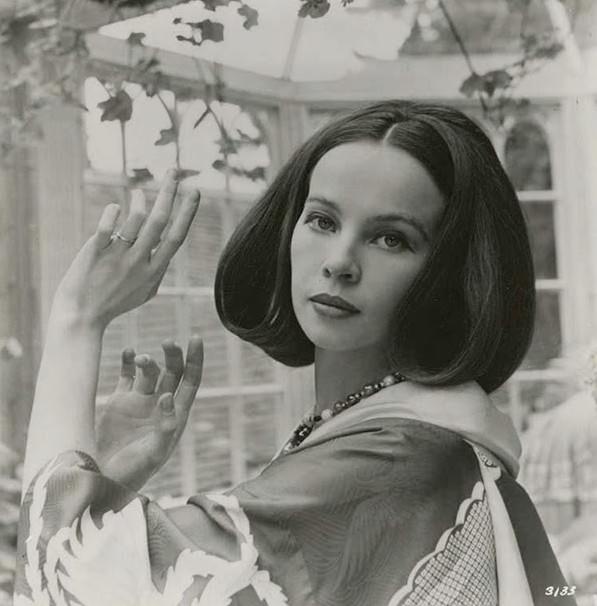
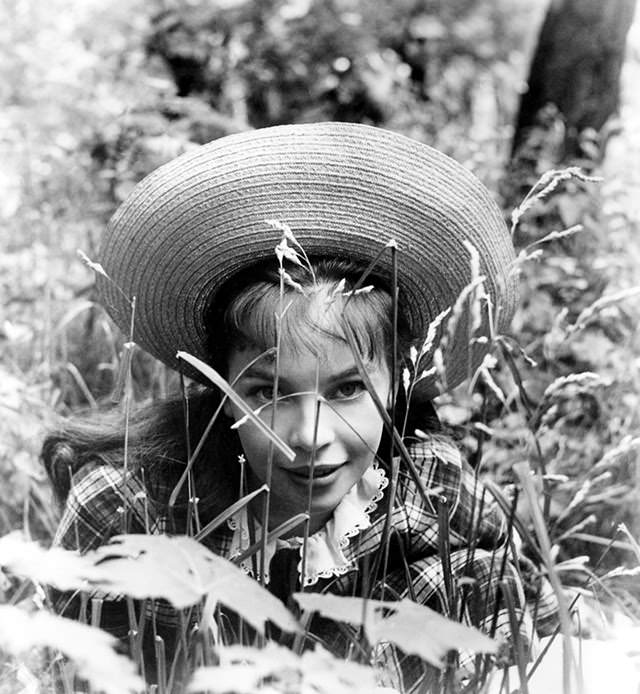
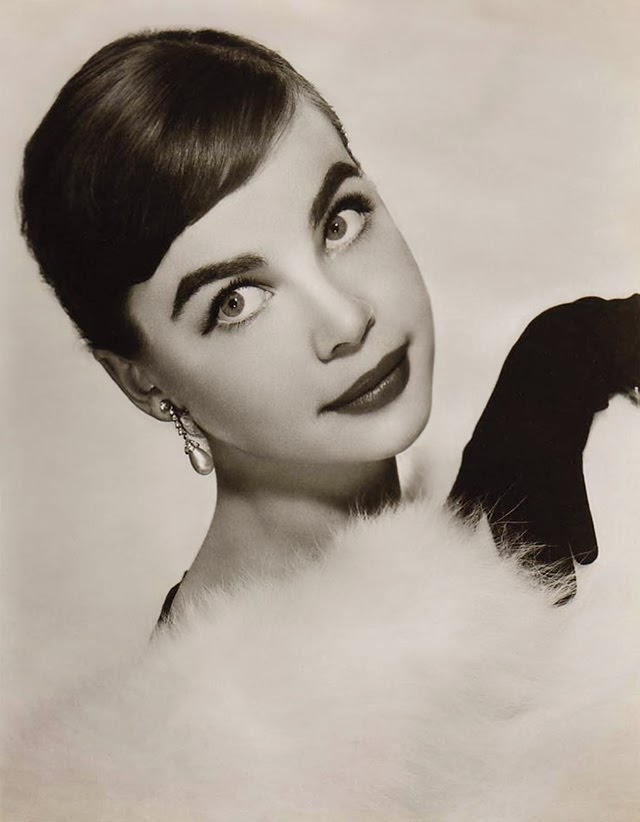
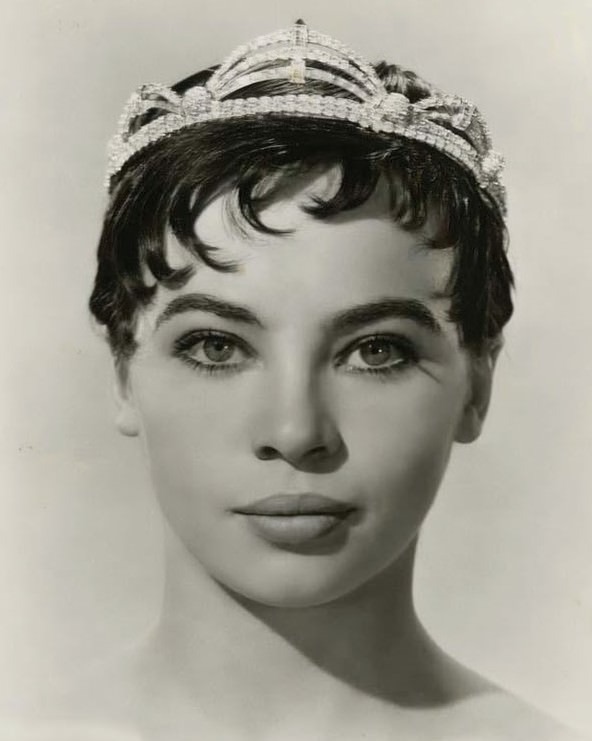
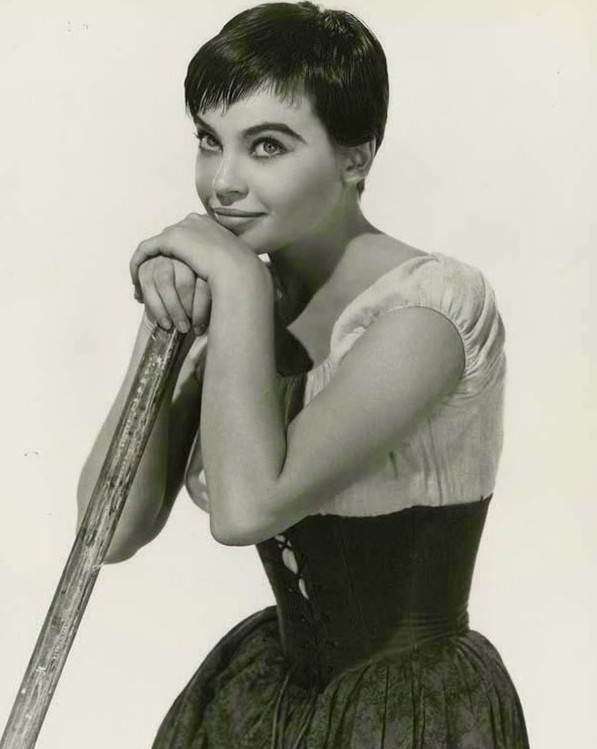
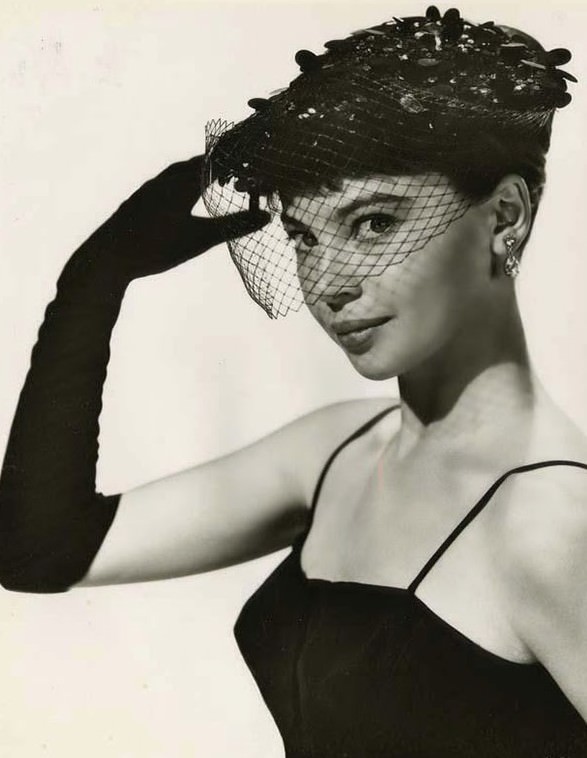
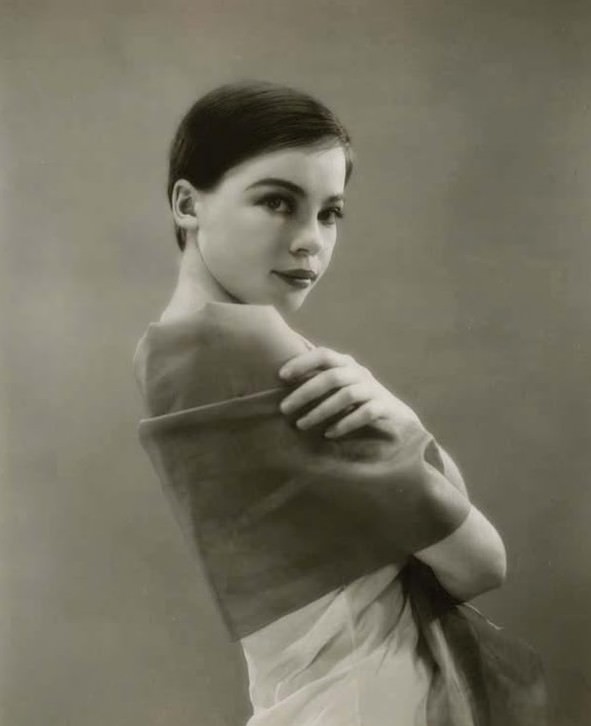
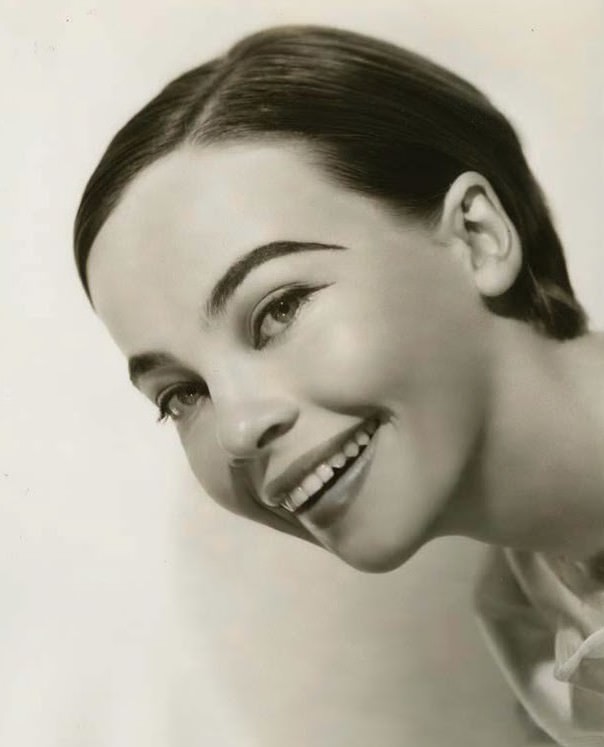
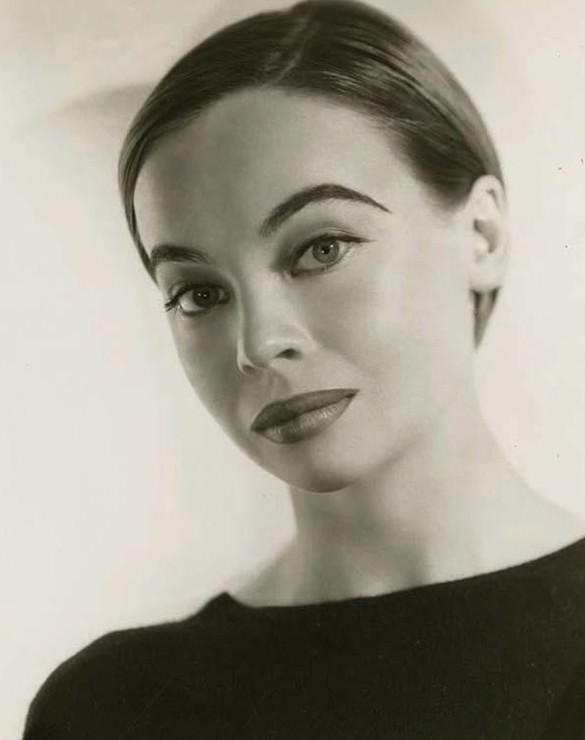
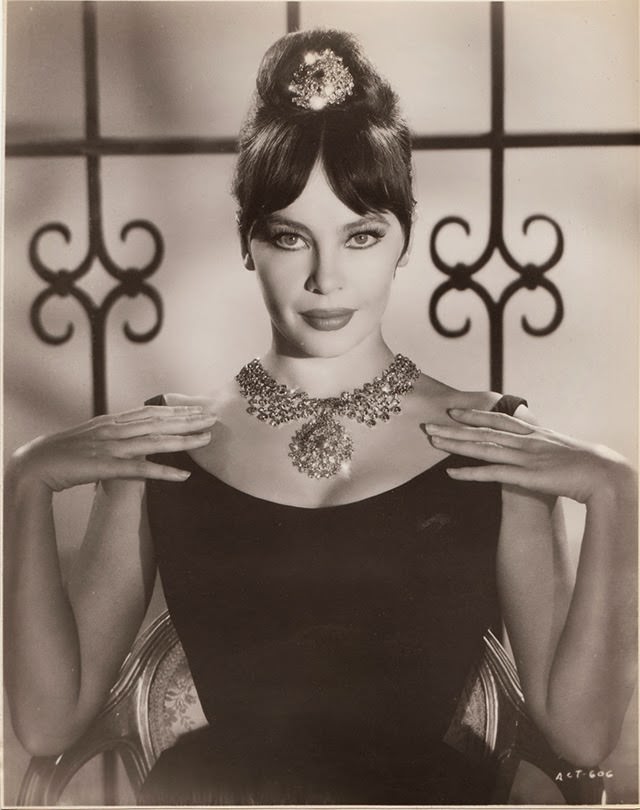
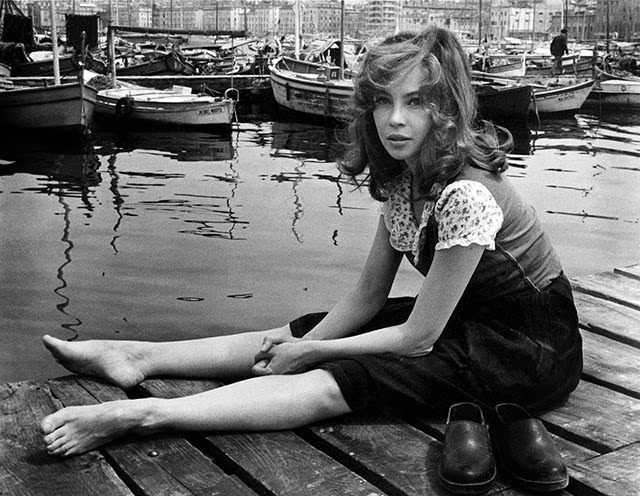
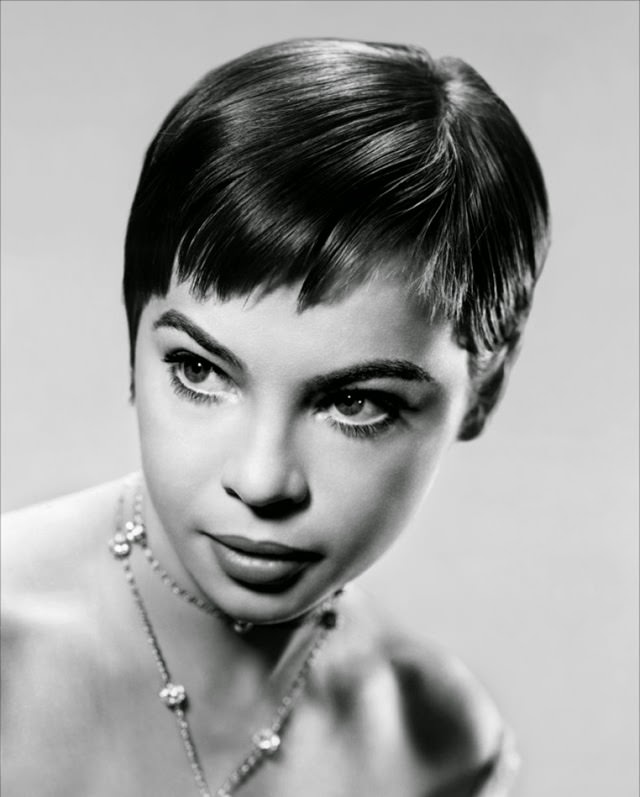
Caron possessed a unique look that set her apart from other Hollywood actresses of the era. With her short hair, large eyes, and slender frame, she embodied the “gamine” style—a French term for a playful, waif-like young woman. This specific appearance was perfect for her role in the 1953 film Lili. She played a lonely, naive orphan who joins a traveling carnival and forms a bond with a group of puppets. The performance required her to express complex emotions through simple interactions. It earned Caron her first Academy Award nomination for Best Actress.
Dancing with Legends
Caron holds the distinction of dancing with the two biggest male stars of the musical genre. After her debut with Gene Kelly, she partnered with Fred Astaire in the 1955 film Daddy Long Legs. The plot focused on an older American millionaire anonymously sponsoring the education of a French orphan. Despite the significant age difference between Caron and Astaire, they performed intricate dance numbers together. Caron adapted her style to match Astaire’s smooth, ballroom technique, which differed greatly from Kelly’s more athletic and muscular approach.
Read more
The Success of Gigi
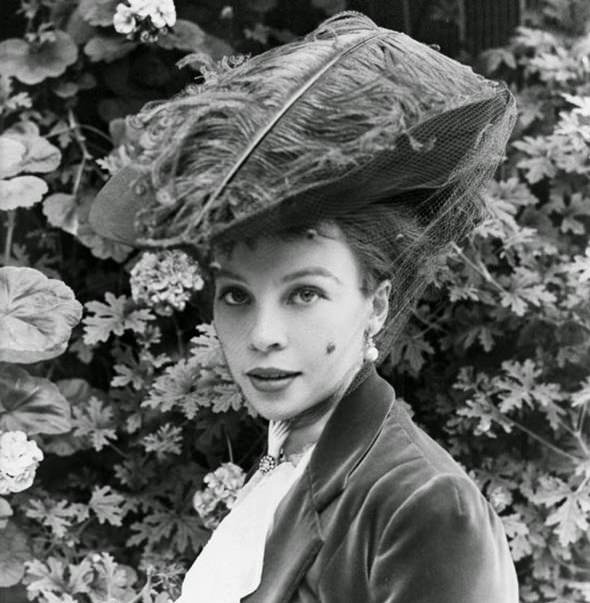
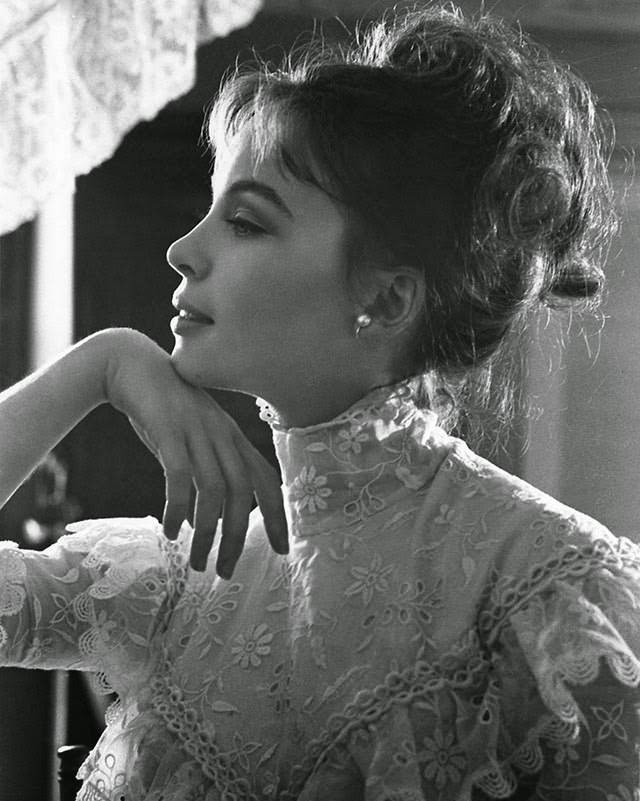
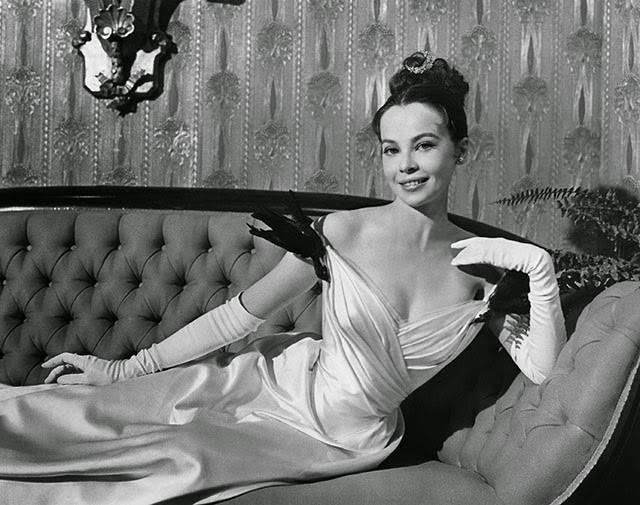
In 1958, Caron starred in her most famous film, Gigi. Set in Paris during the early 1900s, the story follows a young girl being trained by her aunt to become a courtesan for wealthy men. Caron played the title character, transforming on screen from an awkward tomboy into a sophisticated lady. The film was a massive critical and commercial hit, winning nine Academy Awards including Best Picture. Although a professional singer named Betty Wand dubbed Caron’s singing voice for the soundtrack, Caron’s acting carried the film’s narrative arc.
Transition to Drama
As the popularity of musicals faded in the 1960s, Caron successfully shifted her focus to dramatic acting. She took the lead role in Fanny (1961), a non-musical adaptation of a famous French play. shortly after, she starred in the 1962 British film The L-Shaped Room. In this gritty drama, she played a pregnant, unmarried woman living in a rundown London boarding house. The role was a stark contrast to her cheerful musical characters. Her realistic portrayal earned her a Golden Globe Award and her second Academy Award nomination.
Comedy with Cary Grant
Caron further proved her versatility by stepping into American comedy. In 1964, she starred opposite Cary Grant in the World War II film Father Goose. She played a strict, proper schoolteacher stranded on a Pacific island with a scruffy, unkempt coast watcher played by Grant. The film relied on the friction between their opposing personalities to generate humor. This role demonstrated that Caron could command the screen and deliver sharp comedic timing without relying on dance.