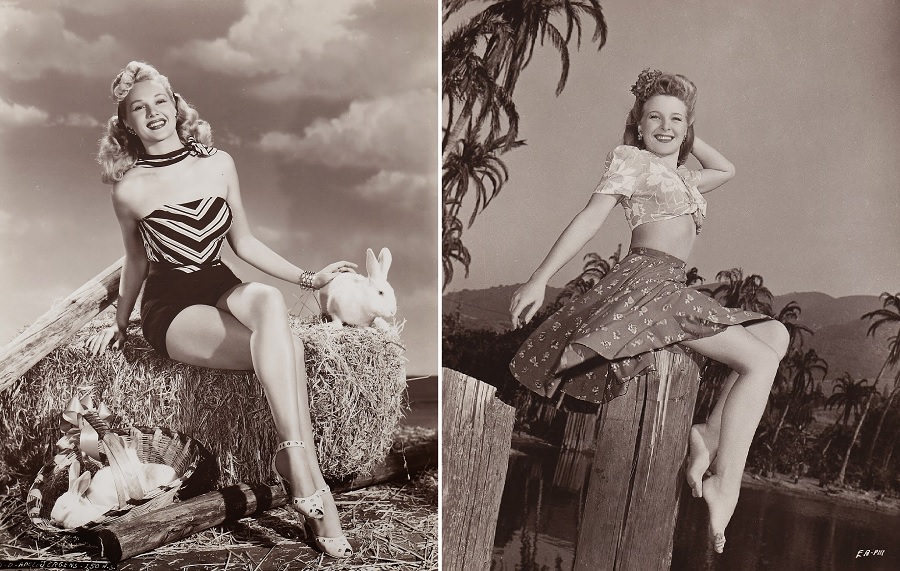
Allan Grant joined LIFE magazine as a staff photographer in 1947 and stayed through the late 1960s, building one of the most intimate visual records of mid-century celebrity culture ever assembled. His assignments took him to movie sets, recording studios, private homes, and backstage dressing rooms — anywhere the famous gathered. What set Grant apart was his refusal to settle for staged publicity shots. He waited for the unguarded moment, the sideways glance, the laugh between takes.
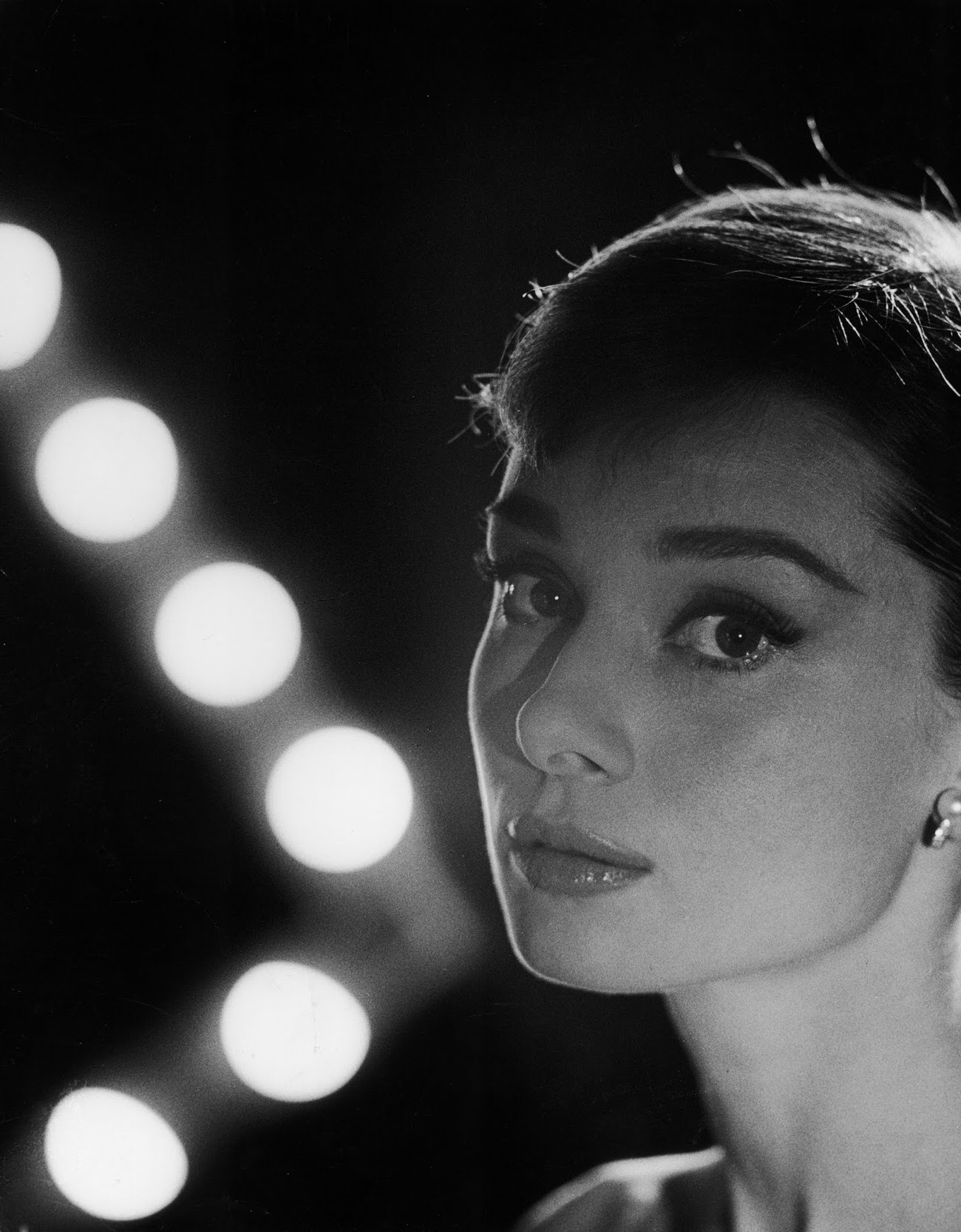
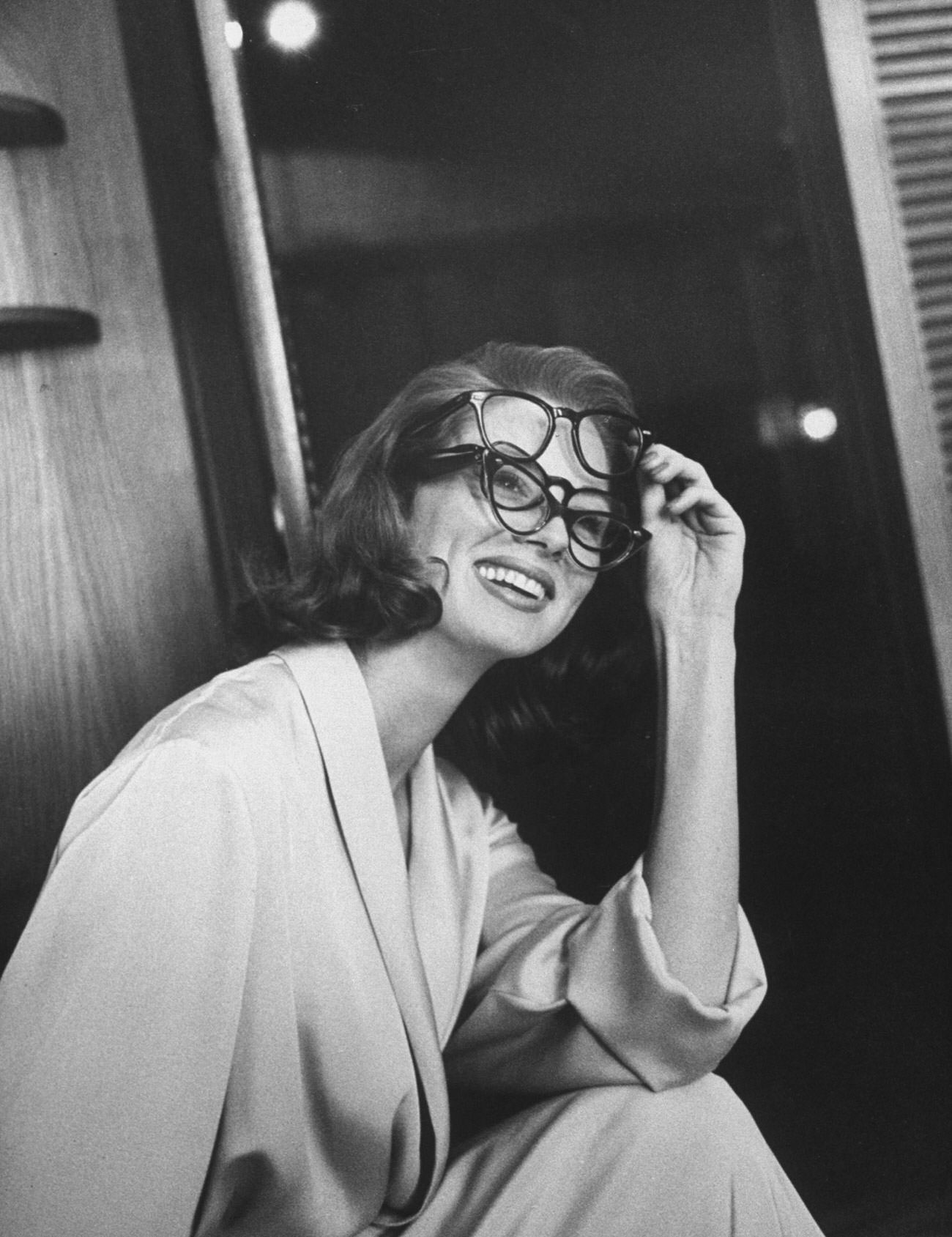
LIFE was one of the most widely read magazines in America during this era, and its photo-driven format gave Grant remarkable access. Editors trusted him to deliver images that told a story without a word of text. His portraits of Audrey Hepburn show the same composed elegance she projected on screen, yet with a quietness that publicity photographers rarely caught.
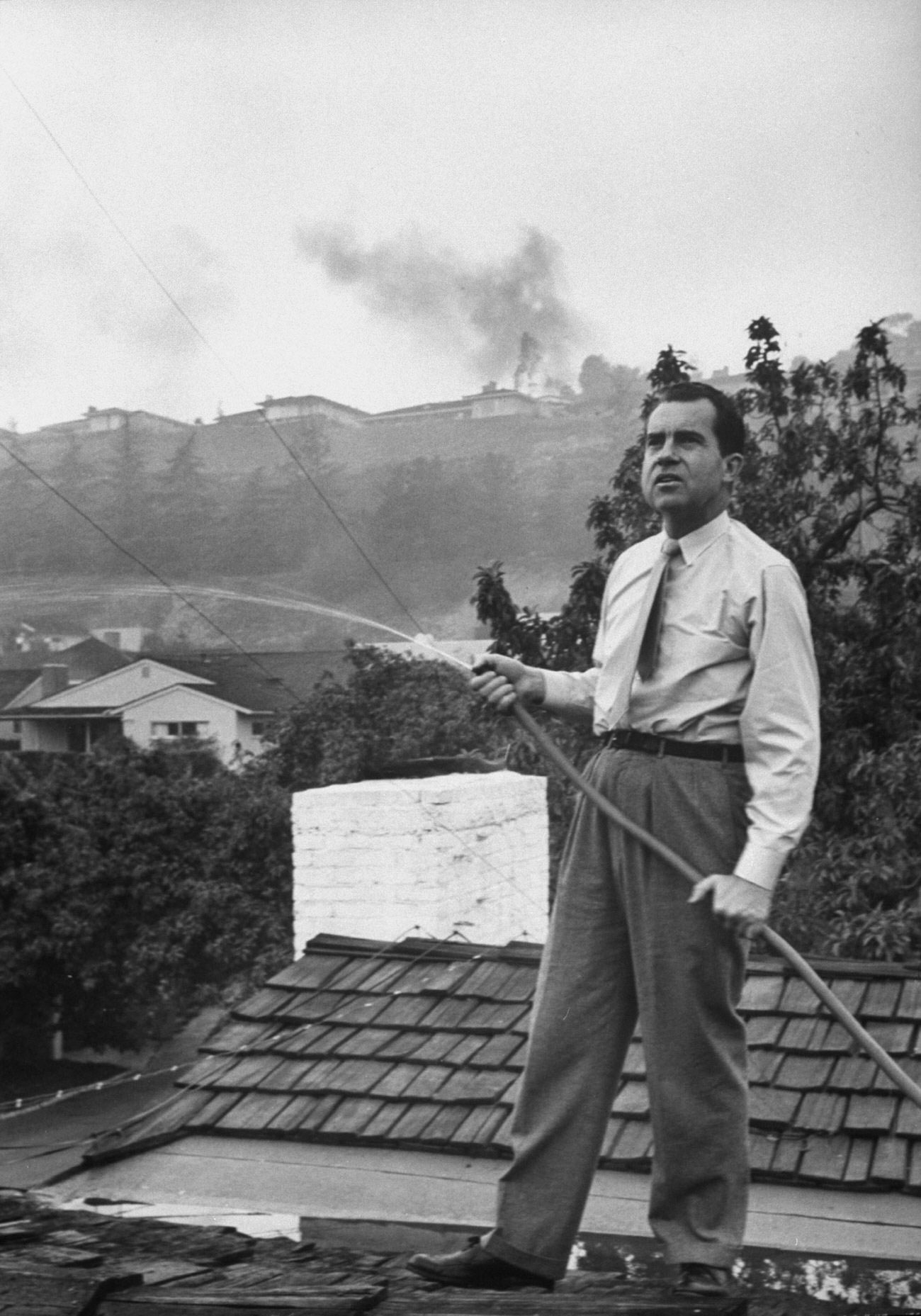
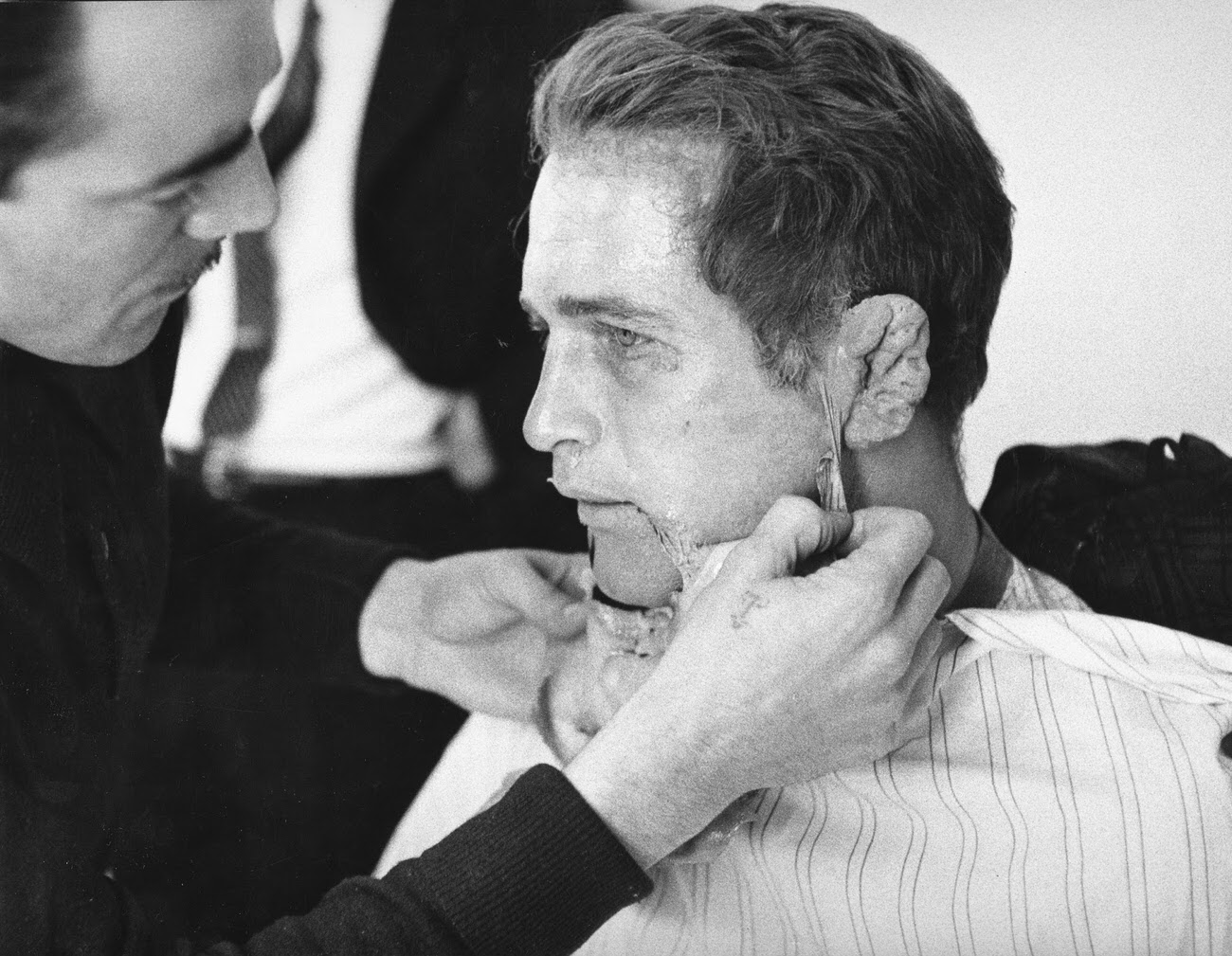
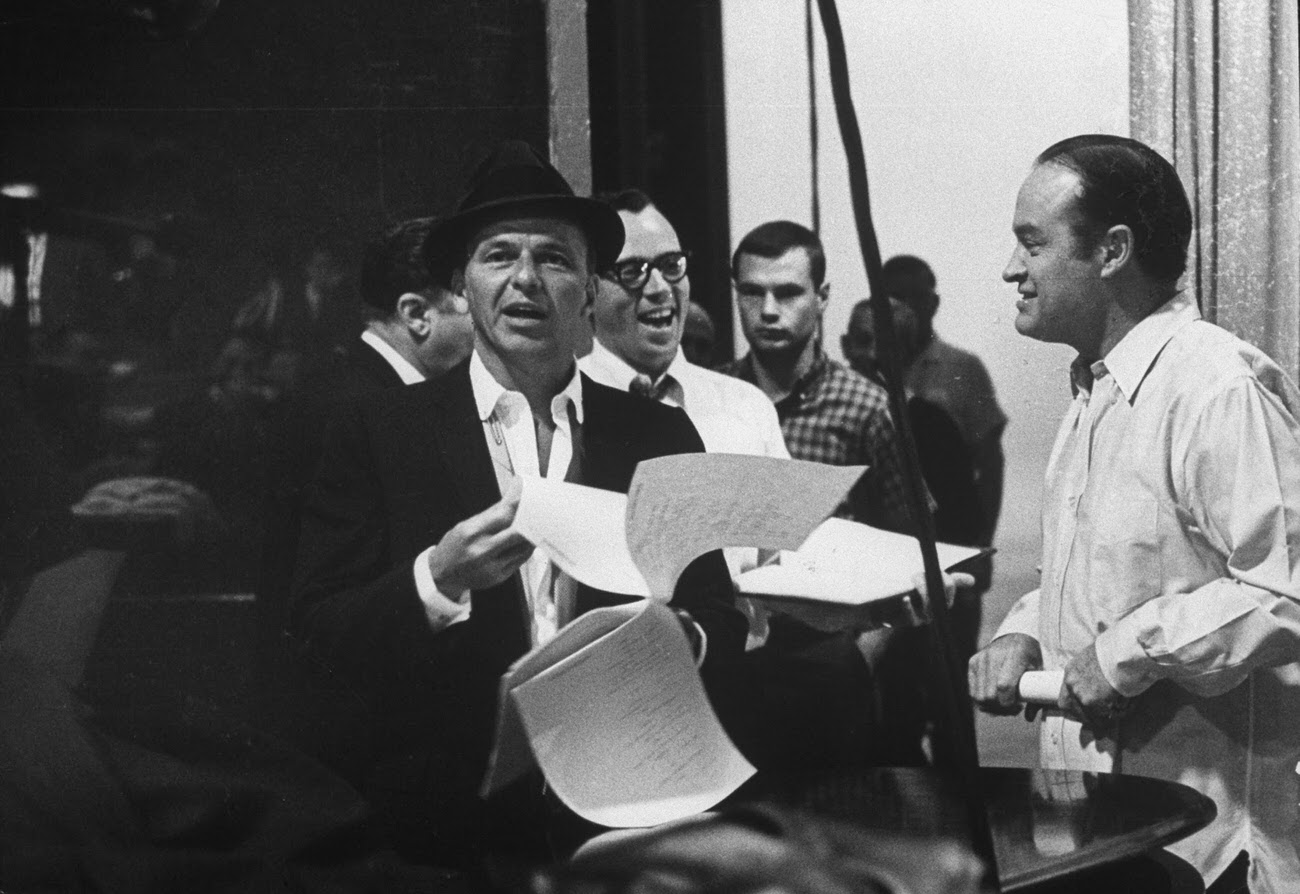
Grant’s lens wasn’t limited to entertainment. His access extended to political figures in surprisingly ordinary situations. On the film side, he documented working actors in the middle of their craft — rehearsing lines, sitting in the makeup chair, or simply killing time between shots.
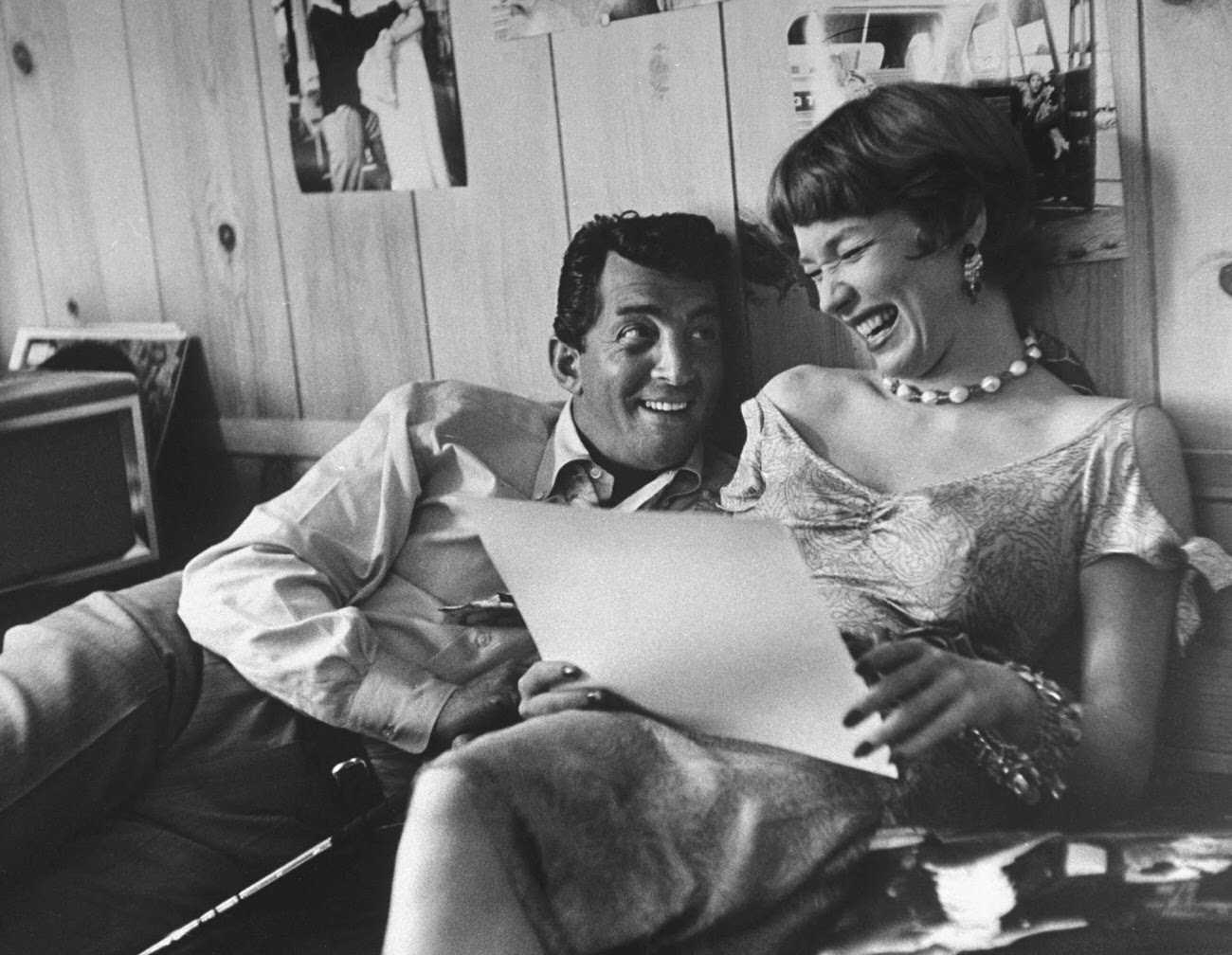
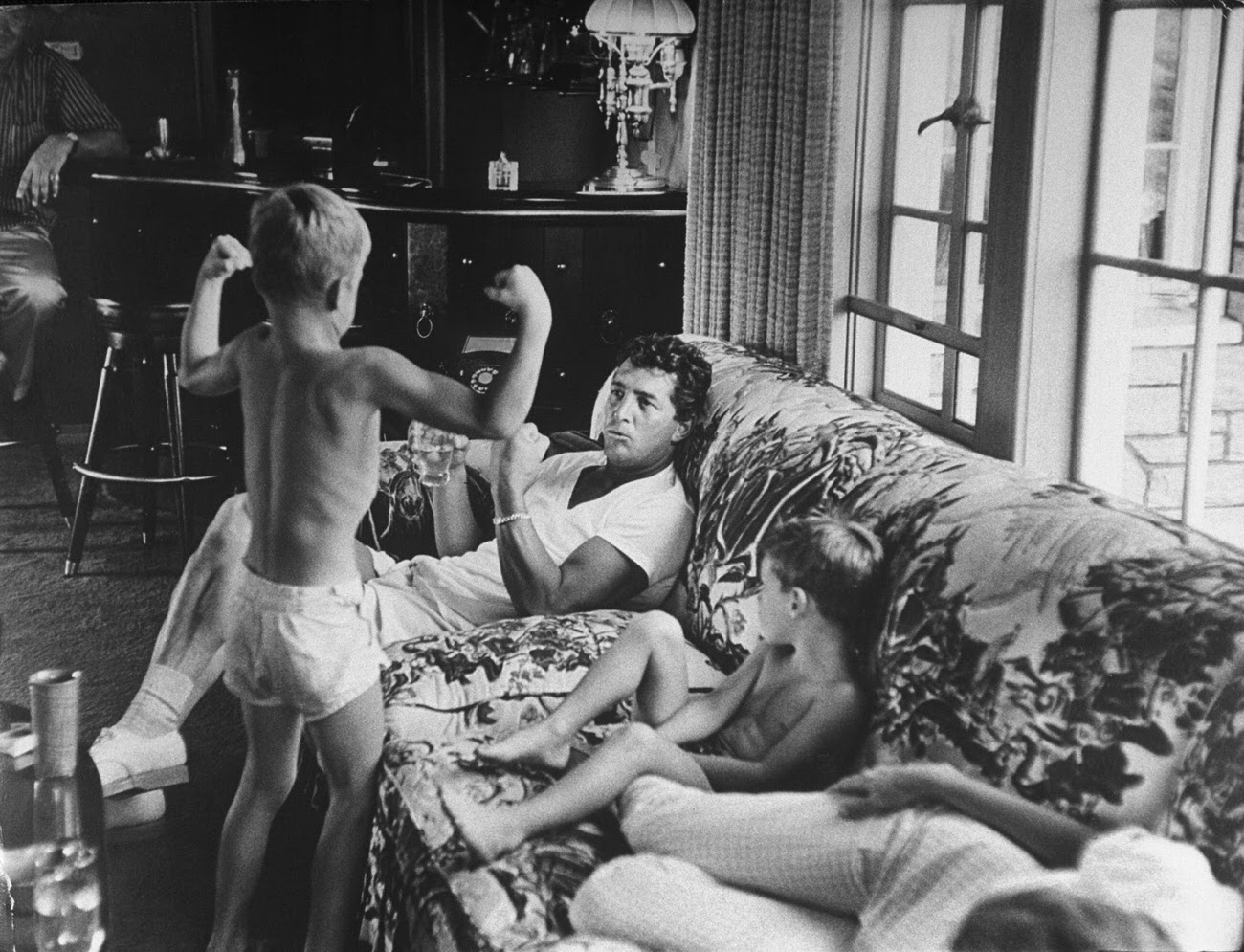
The contrast between Dean Martin on a film set and Dean Martin at home with his children shows exactly what Grant was after — the full person, not just the performer. That same quality runs through his on-set work, where he caught actors in the middle of real creative work.
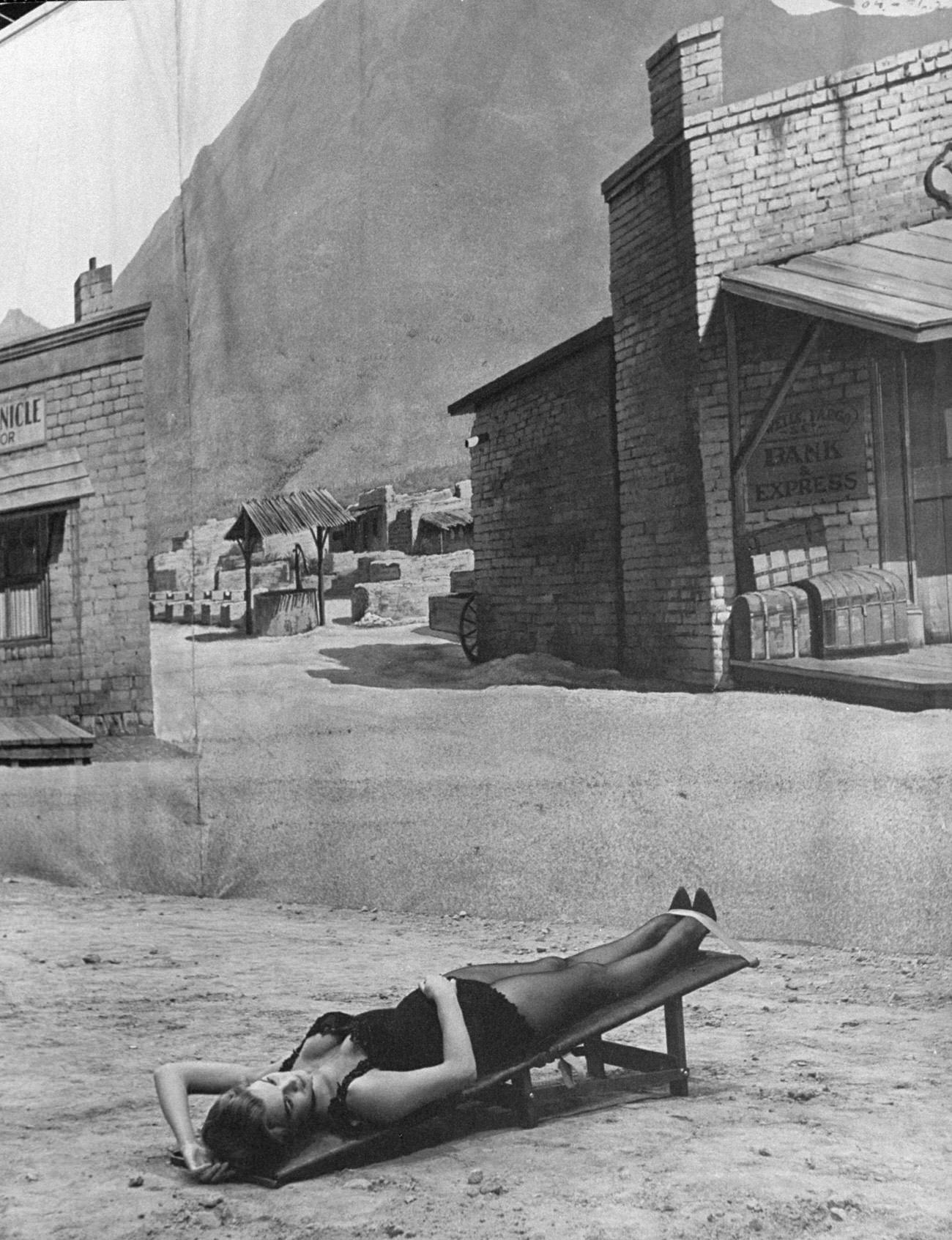
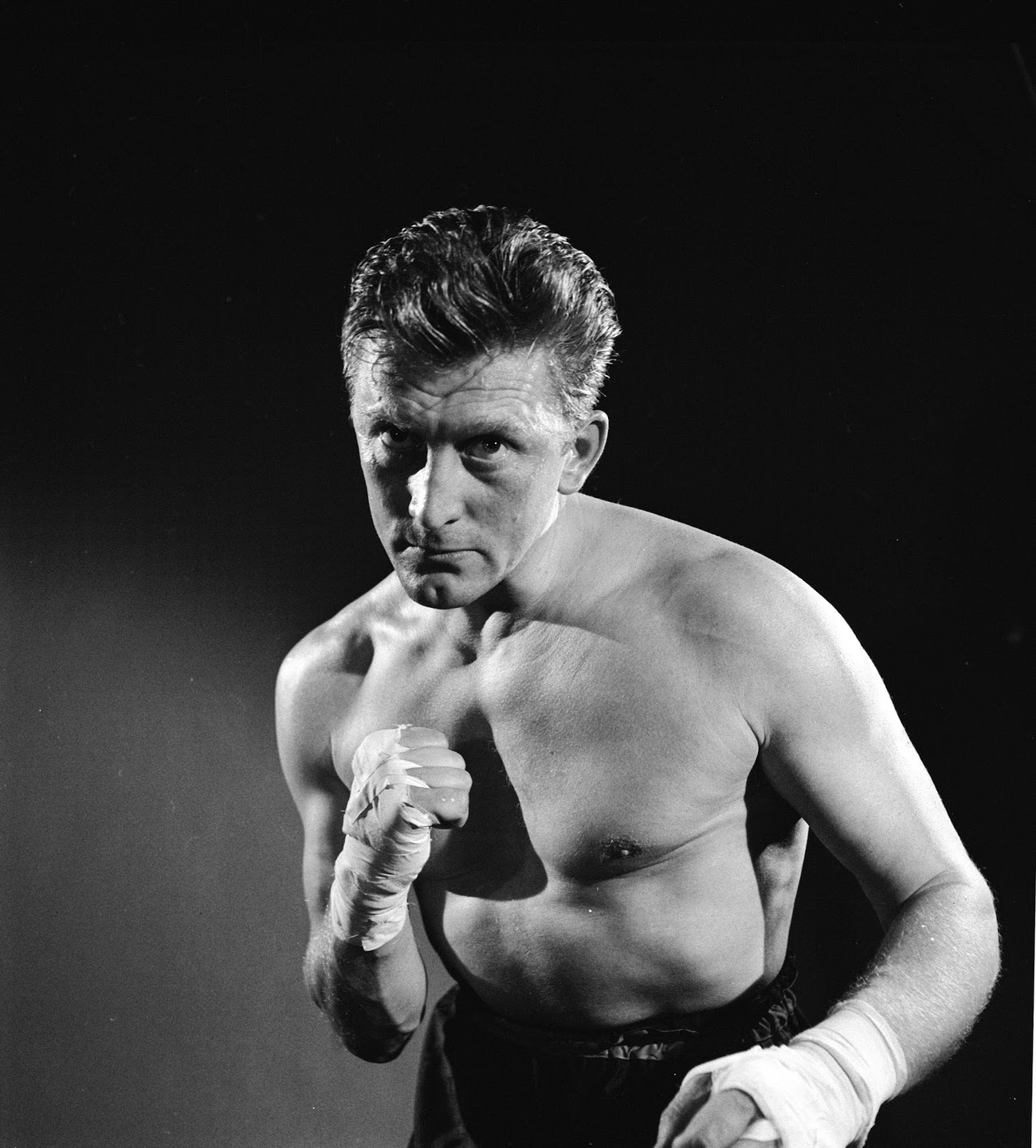
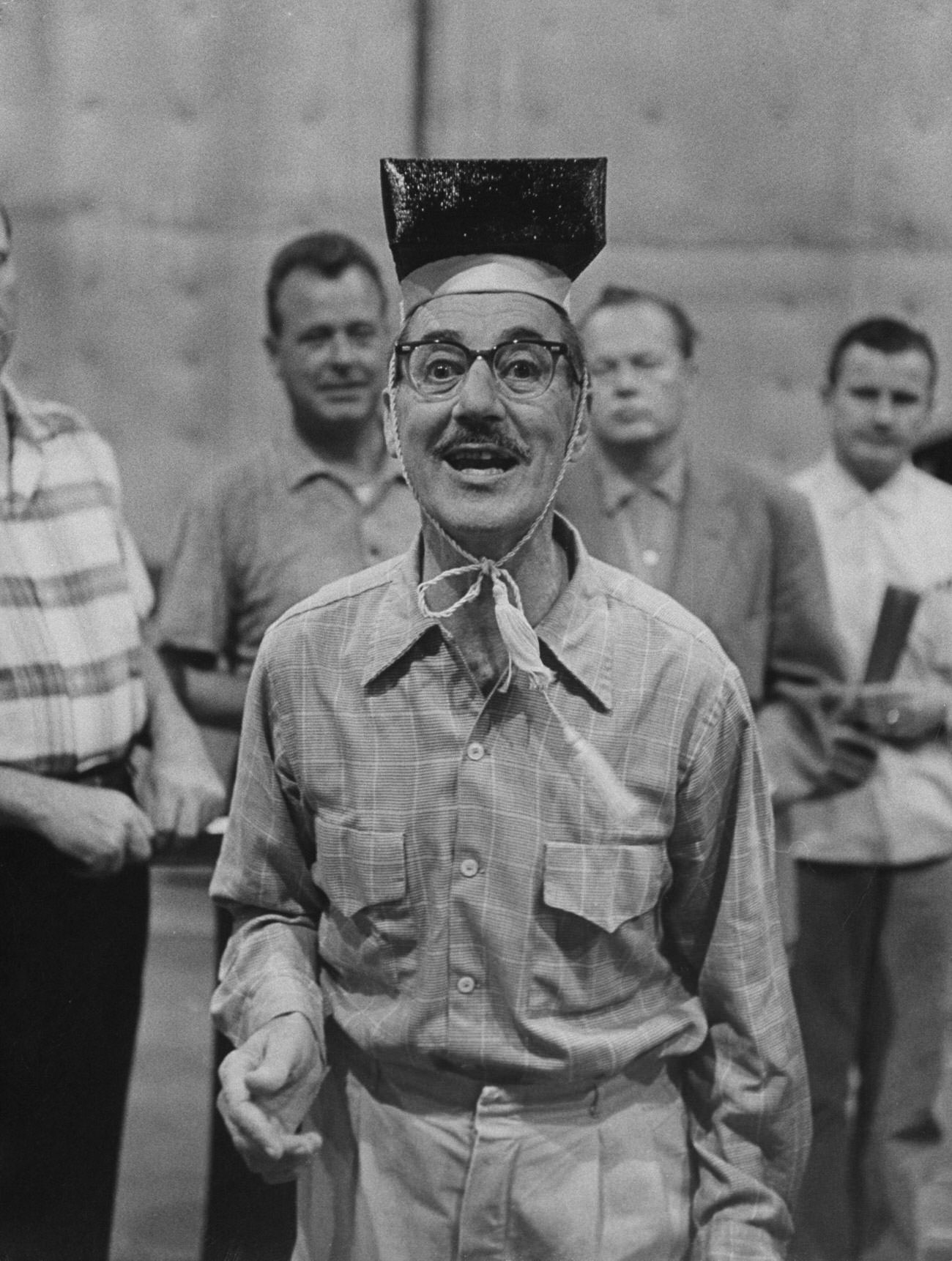
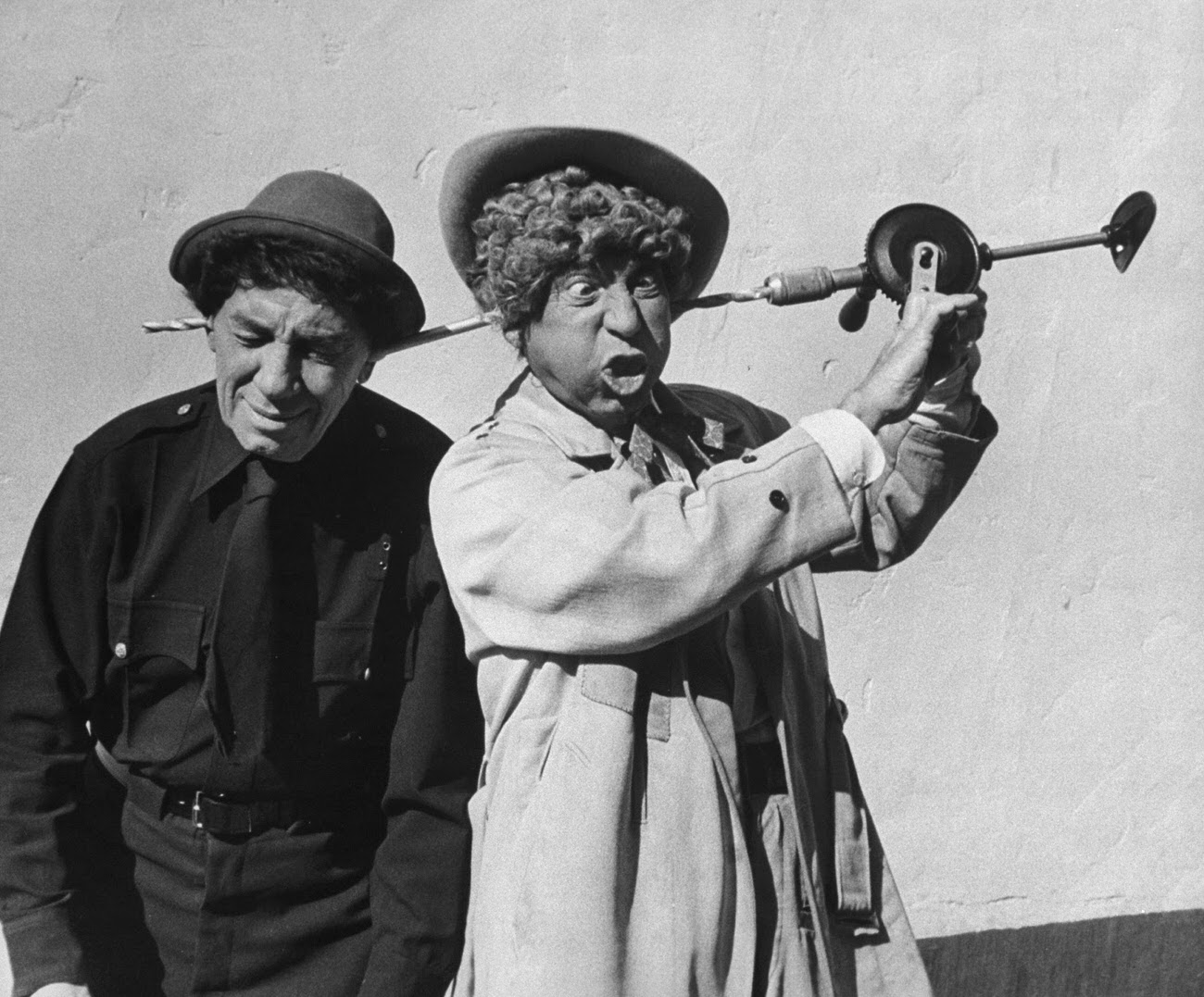
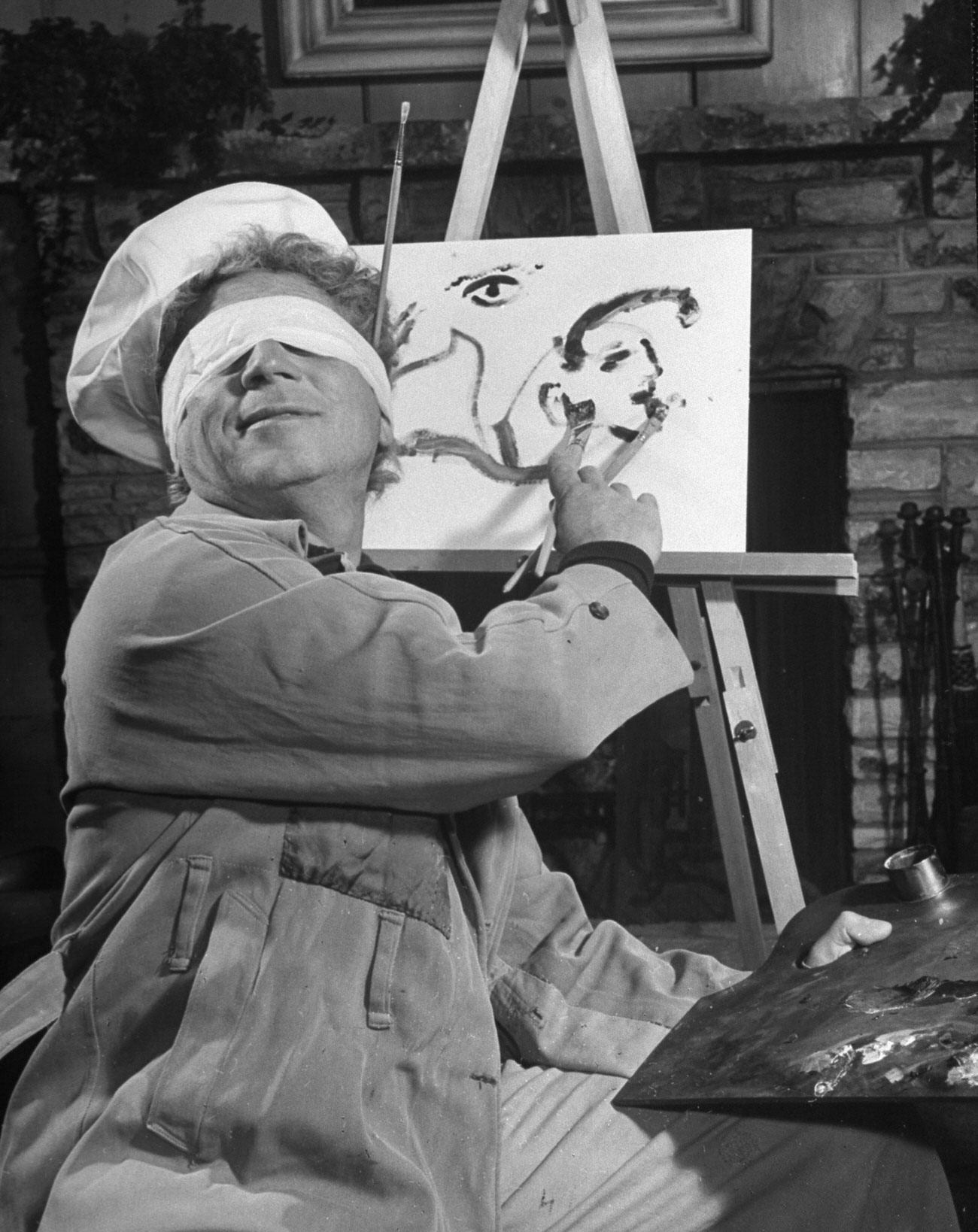
Comedy legends were a recurring subject. Grant photographed the Marx Brothers across multiple sessions, catching Groucho in rehearsal and Chico and Harpo together in a rare late-career image. His photo of Harpo from 1948 stands as one of the earliest in the archive.
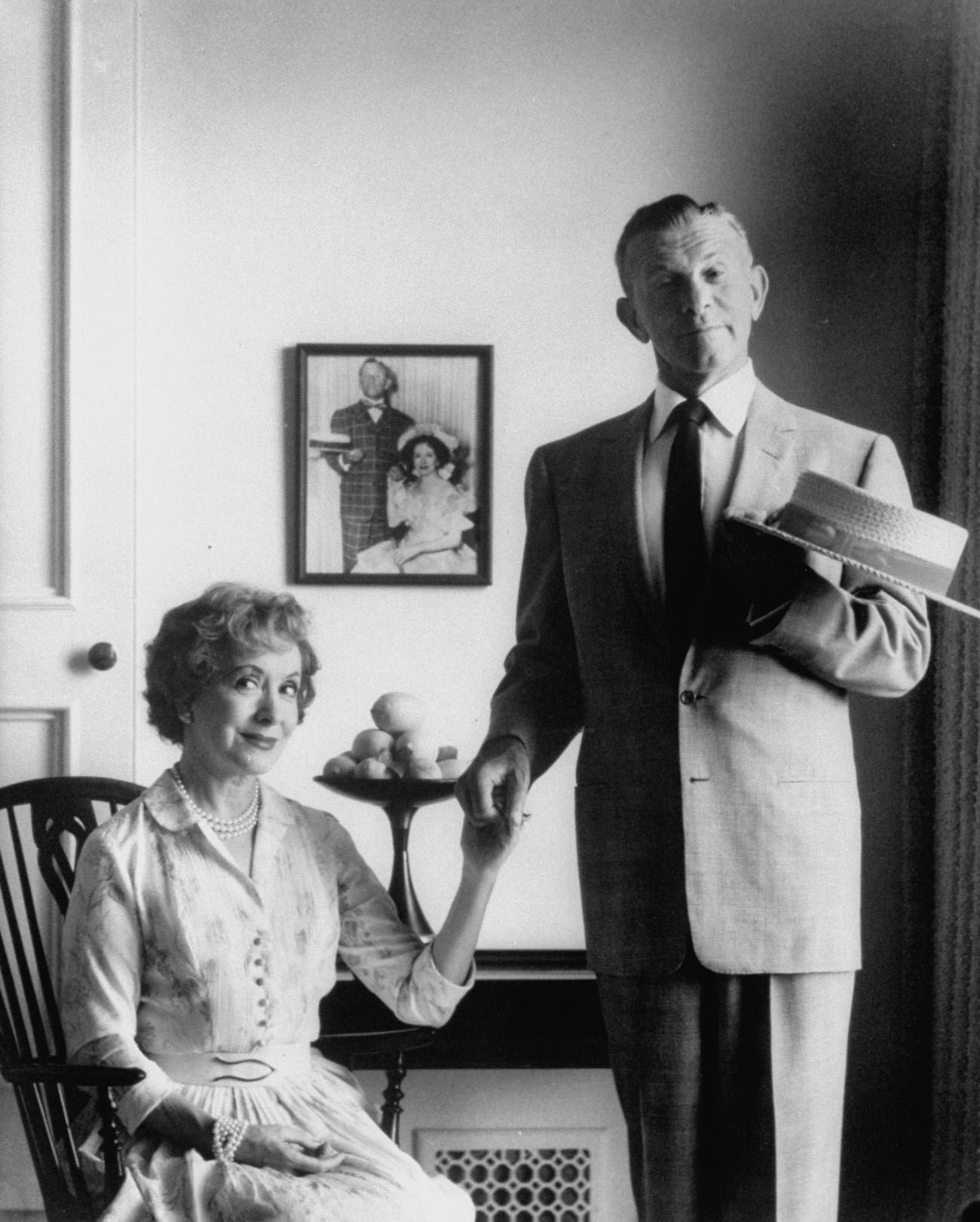
Broadcasting royalty also appeared in front of Grant’s camera. George Burns and Gracie Allen, longtime partners in life and comedy, were photographed together in 1958, just two years before Allen retired from performing due to ill health.
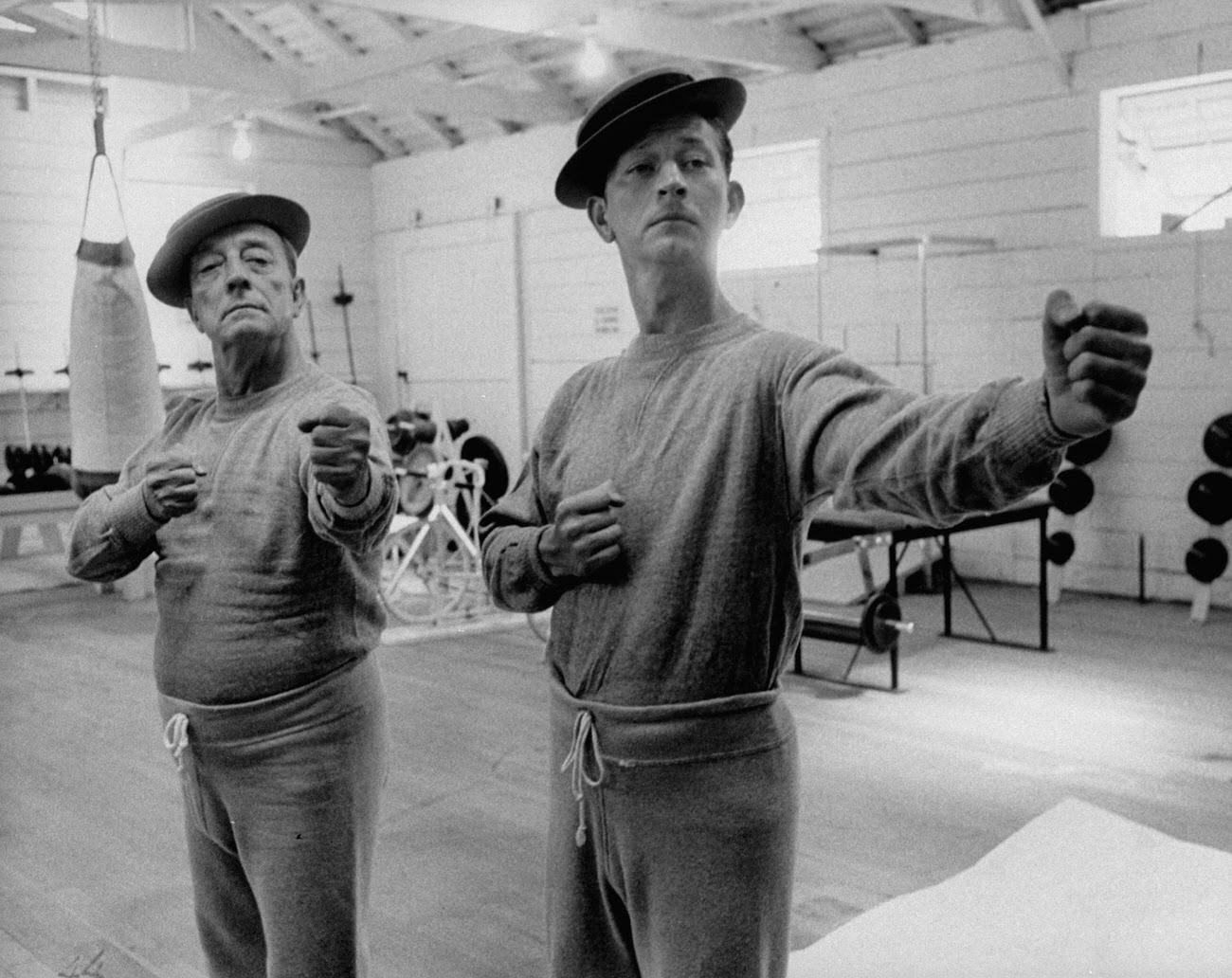
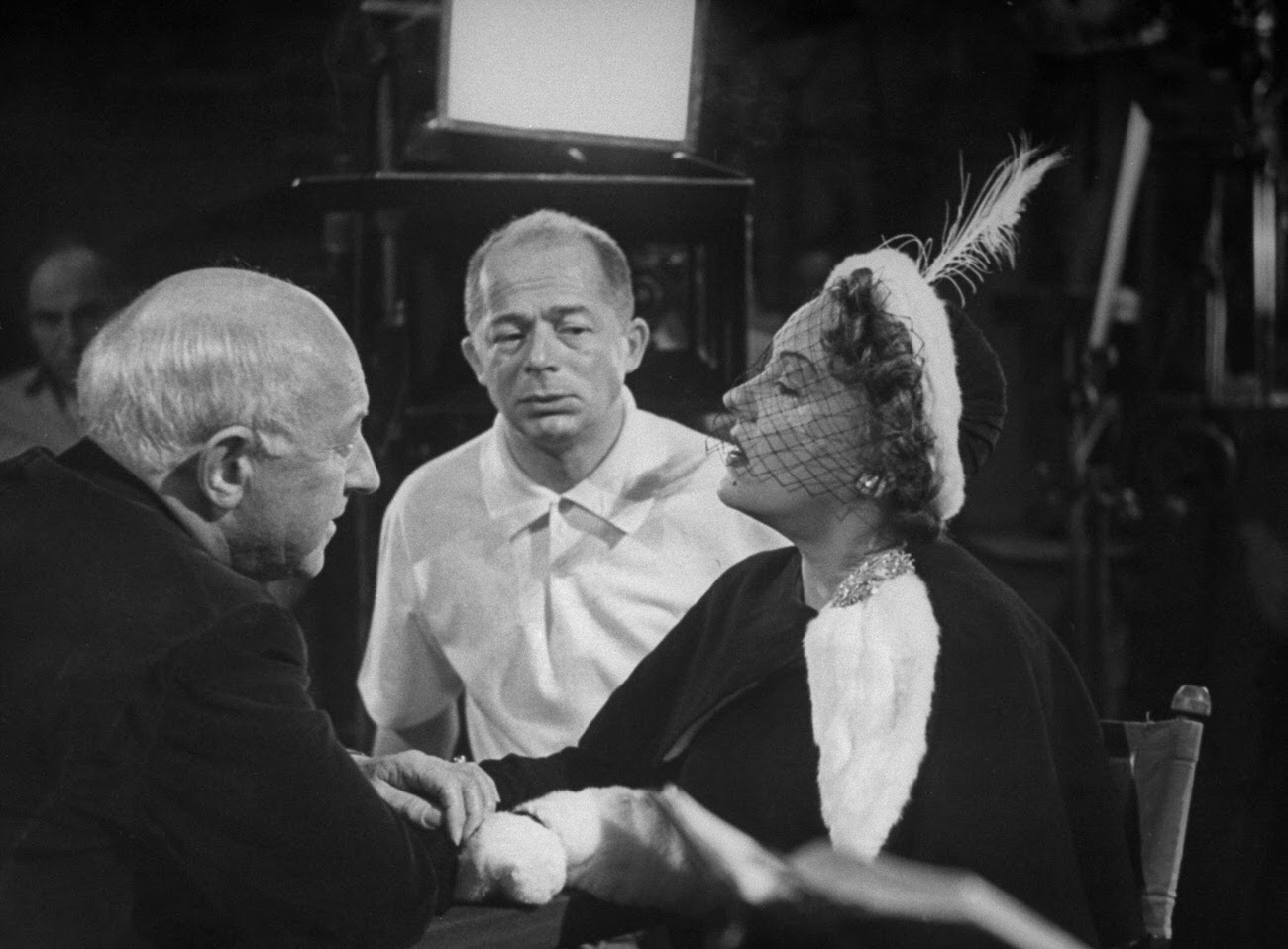
Hollywood’s past and present often appeared in the same frame. Grant was on set for Sunset Boulevard in 1949, photographing Cecil B. DeMille, Billy Wilder, and Gloria Swanson — a meeting of three generations of filmmaking in a single shot. He also documented Buster Keaton rehearsing alongside Donald O’Connor for a film based on Keaton’s own life.
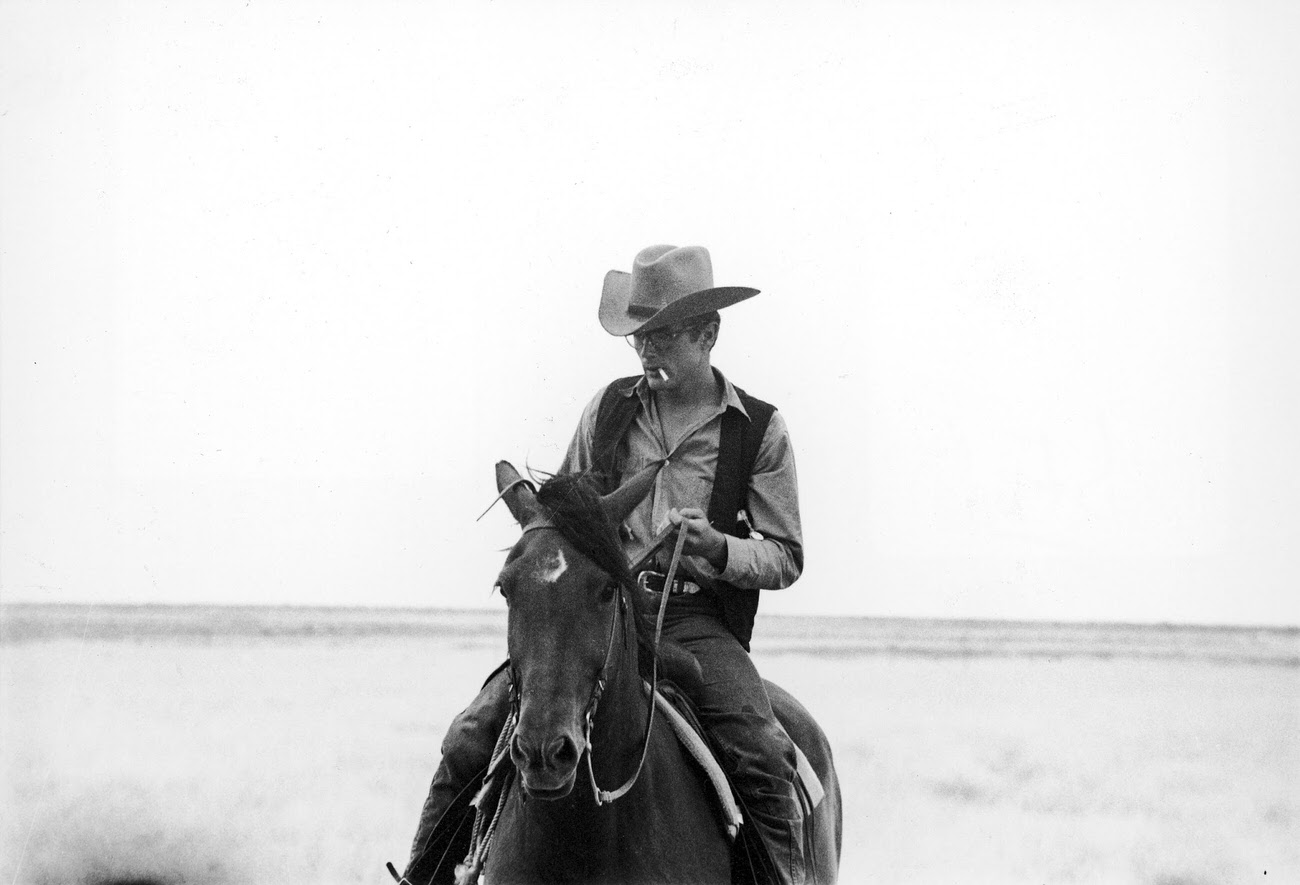
James Dean appeared in Grant’s archive during the filming of Giant in 1956 — one of Dean’s final projects before his death that September. The photograph captures Dean on location, relaxed and present, with no sign of what was weeks away.
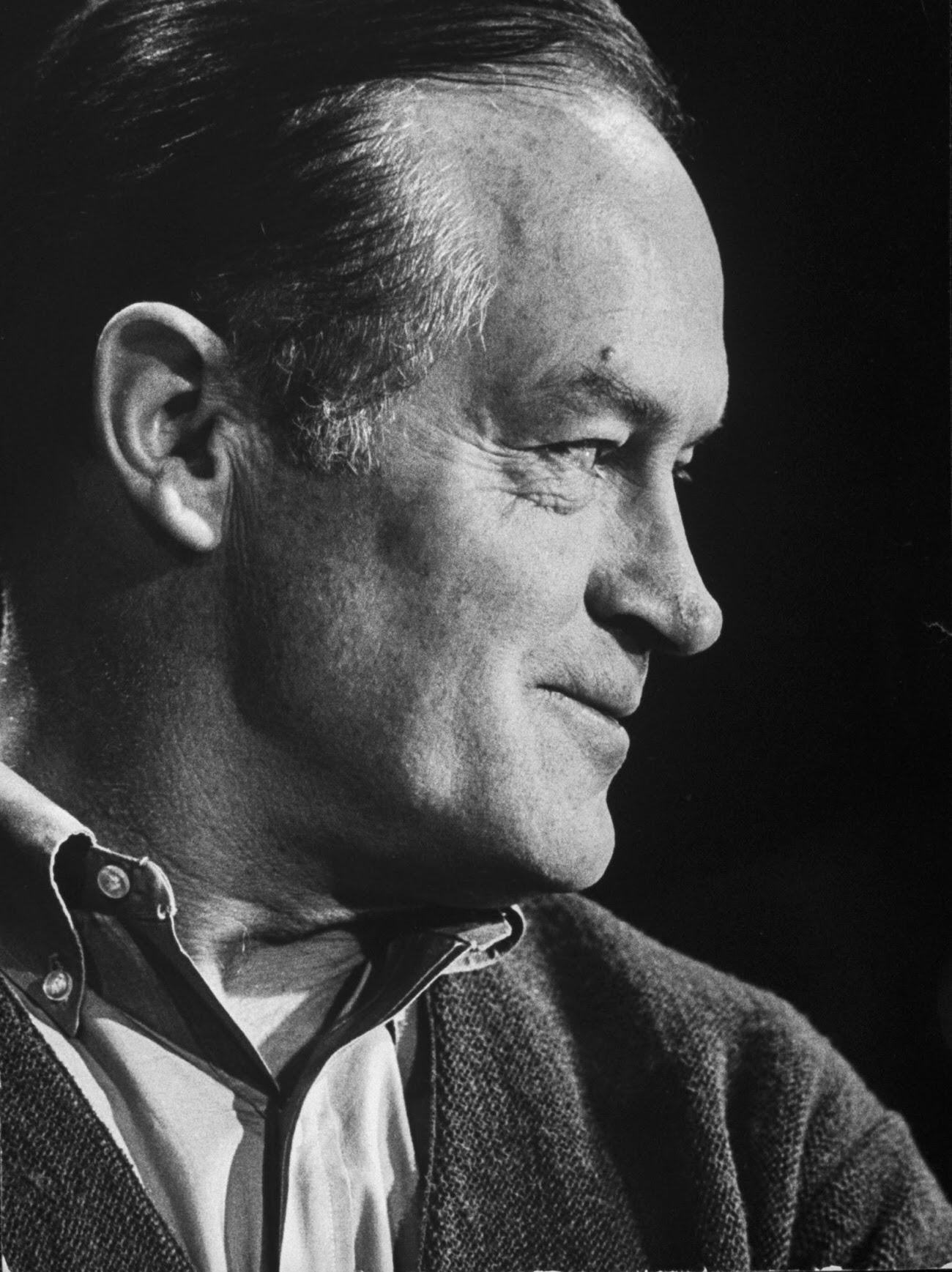
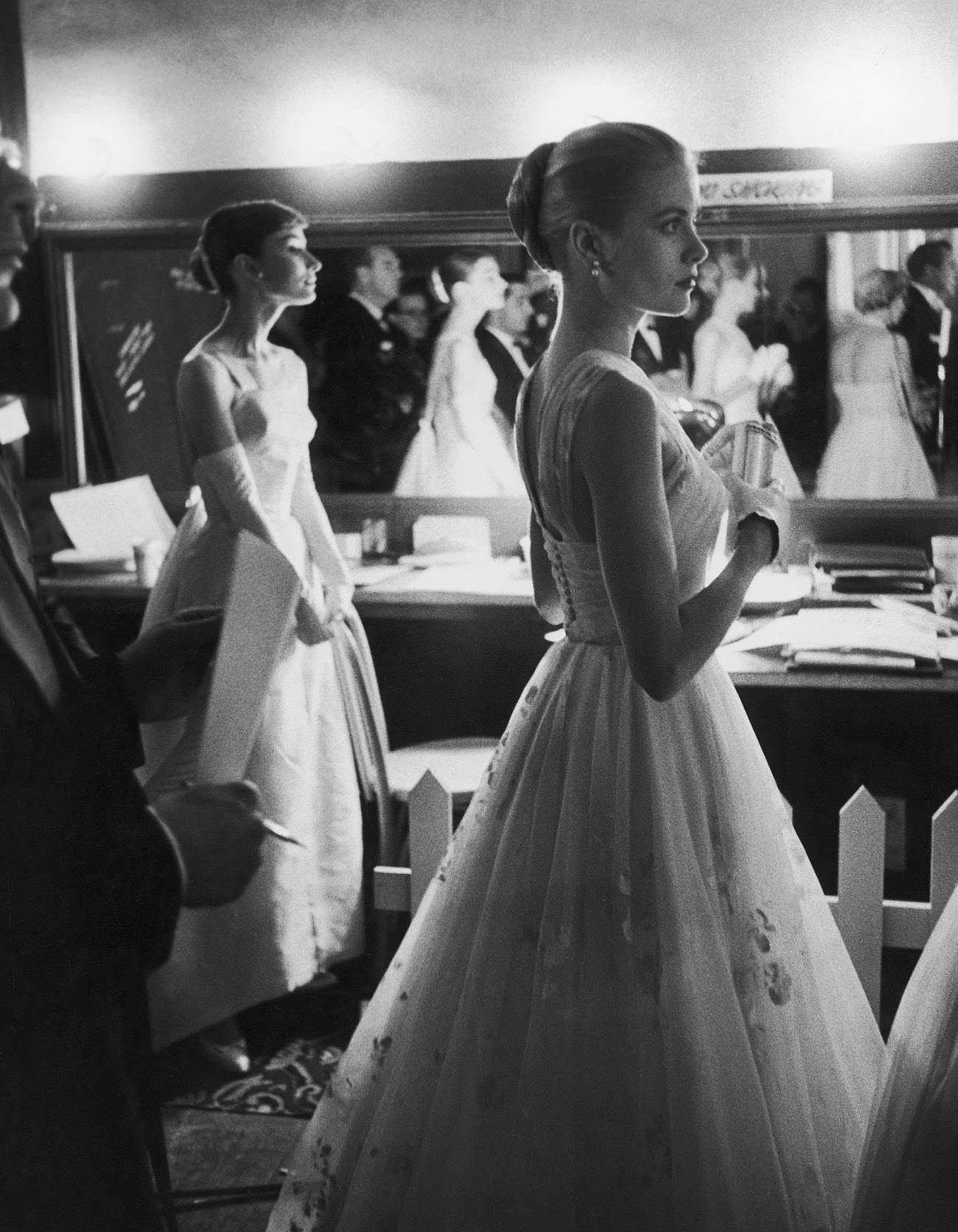
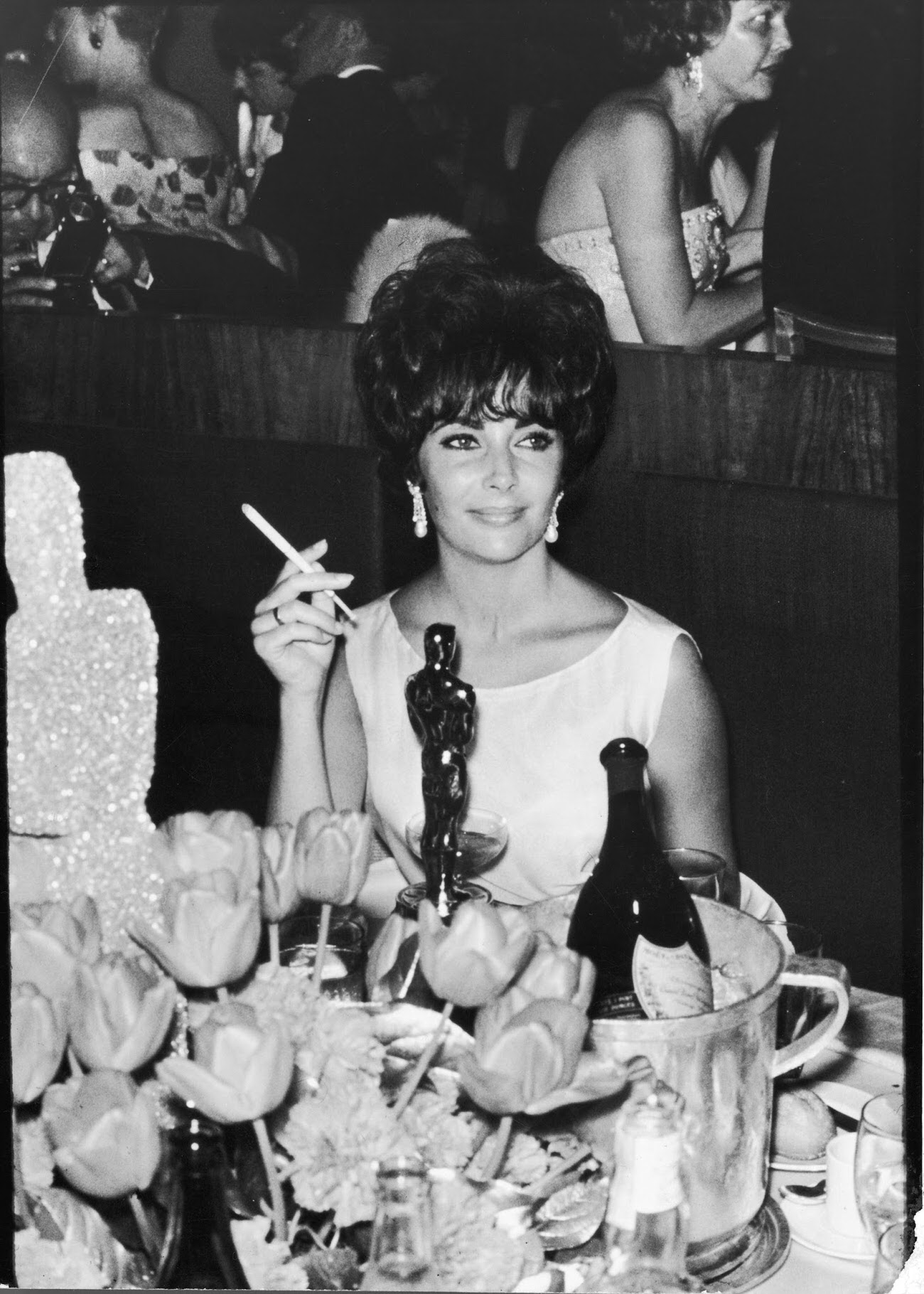
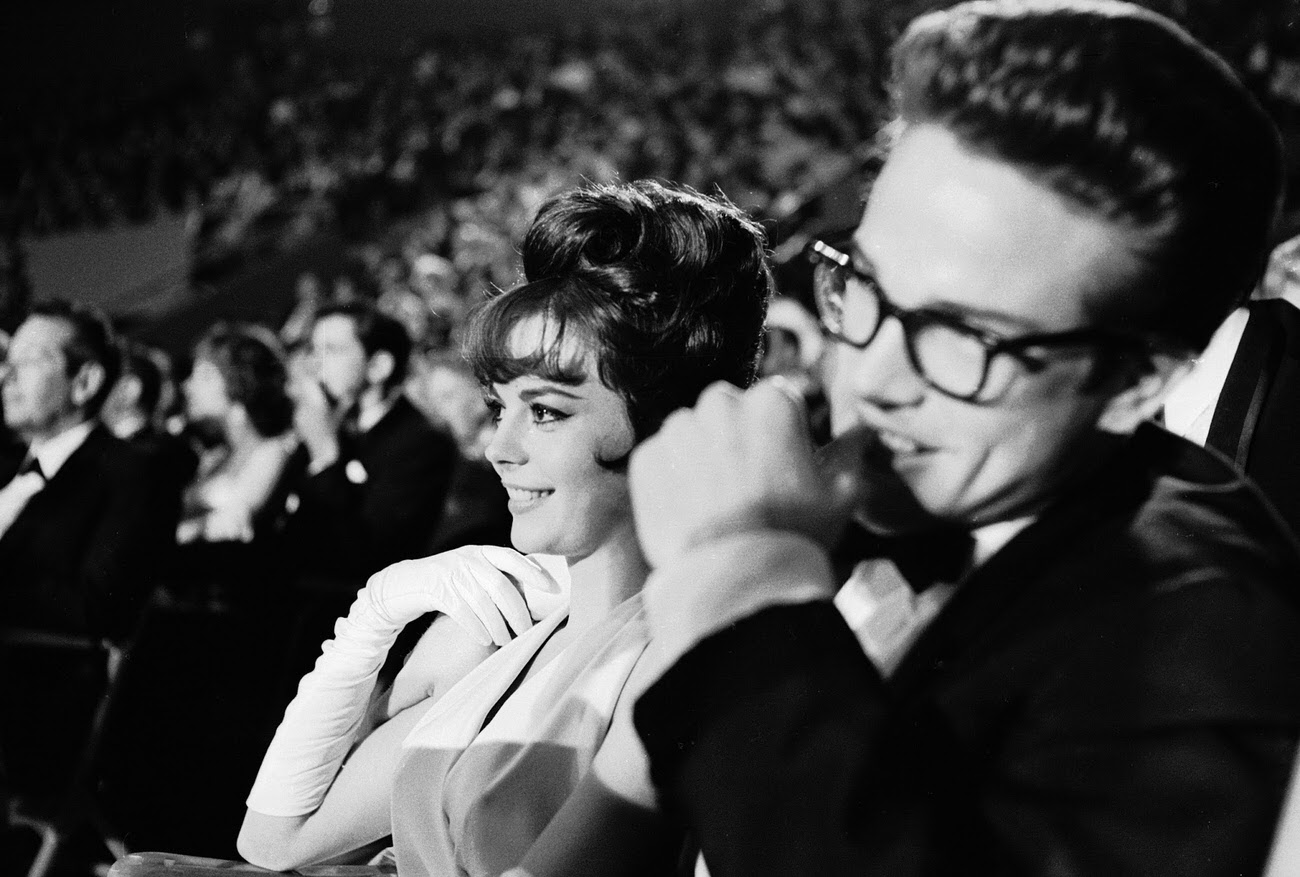
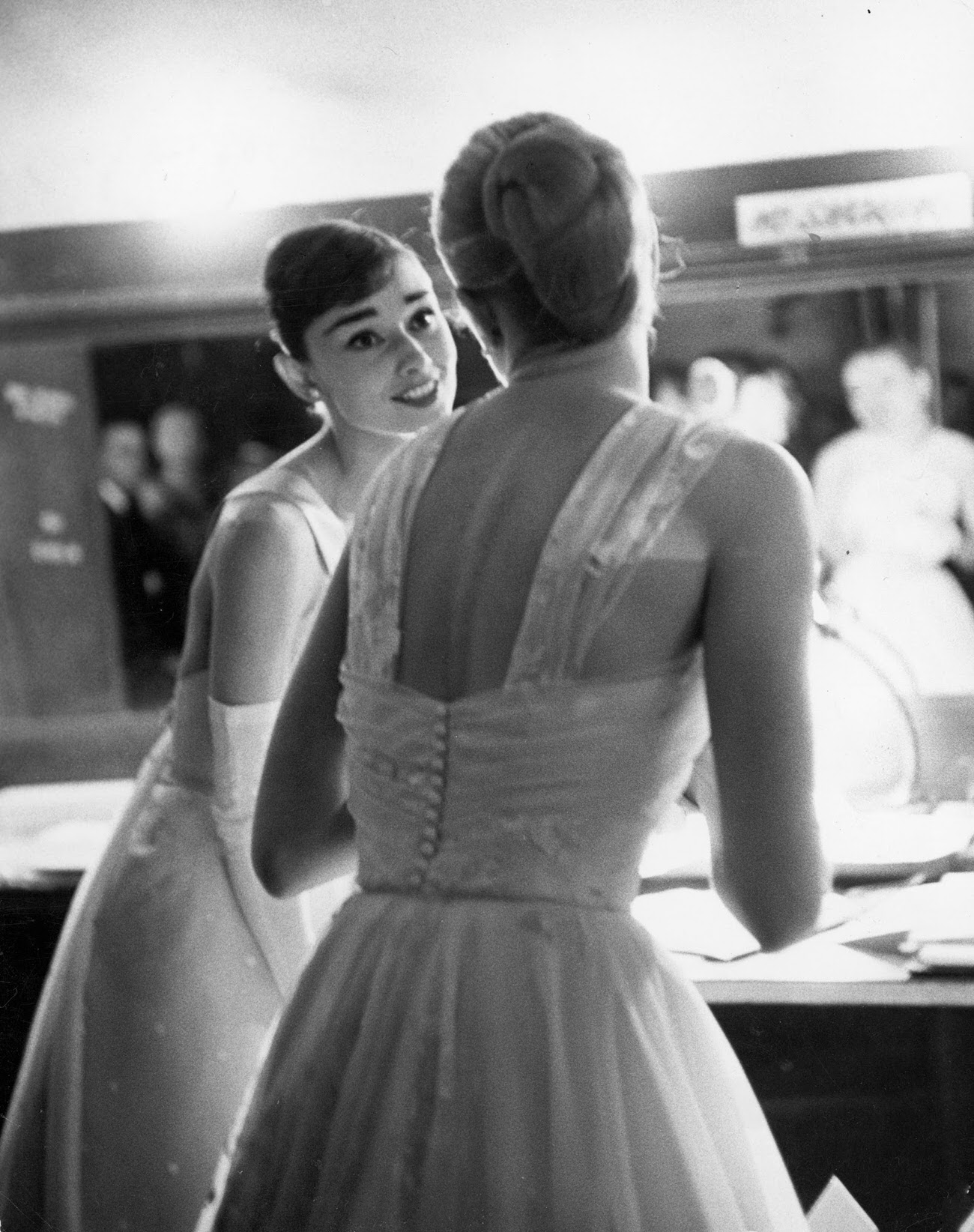
Award ceremonies gave Grant some of his most charged images. Elizabeth Taylor’s Oscar win for Butterfield 8 in 1961, Natalie Wood and Warren Beatty at the 1962 Academy Awards, and the famous backstage shot of Hepburn and Grace Kelly at the 1956 ceremony all came from his work at these high-profile events.
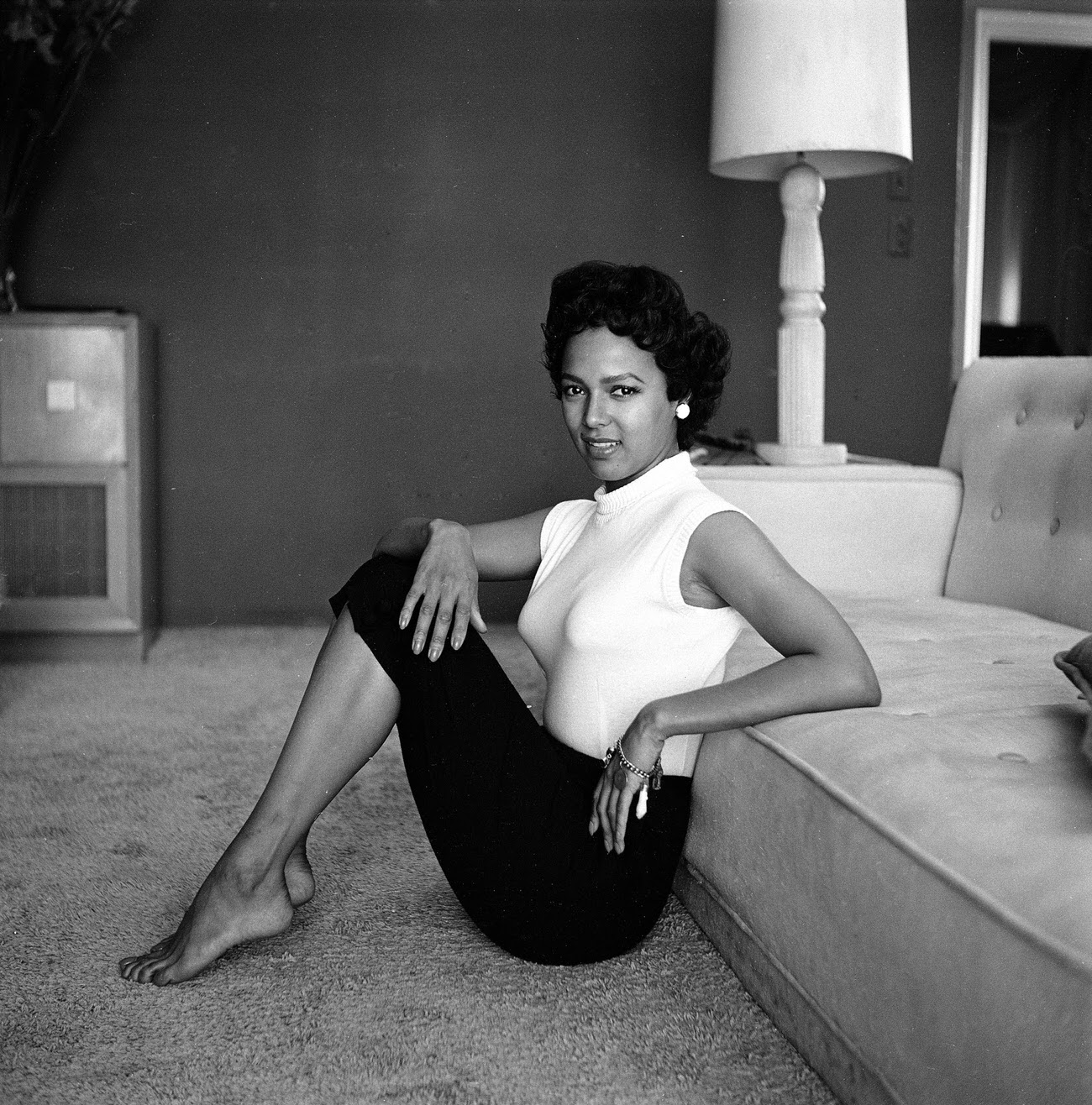
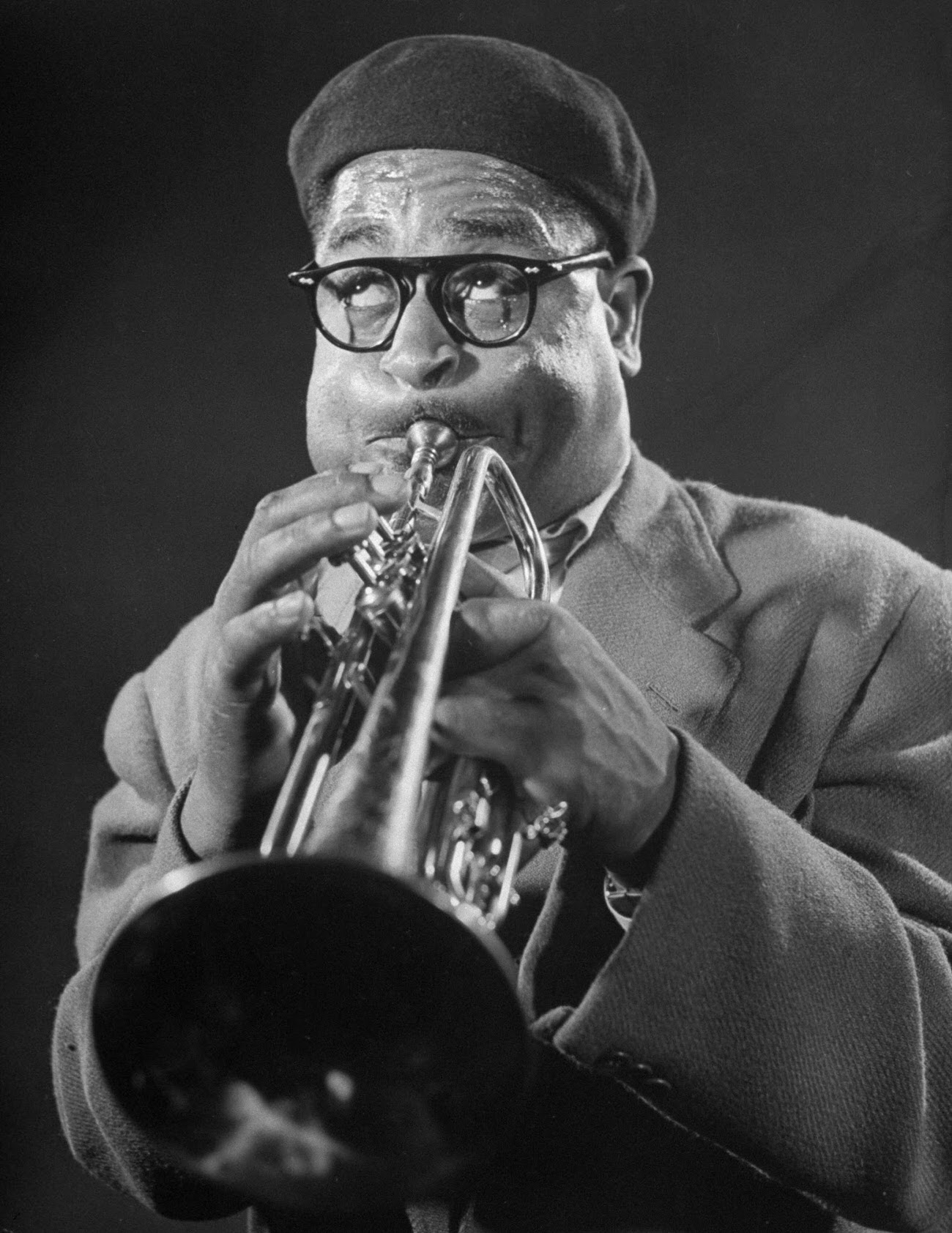
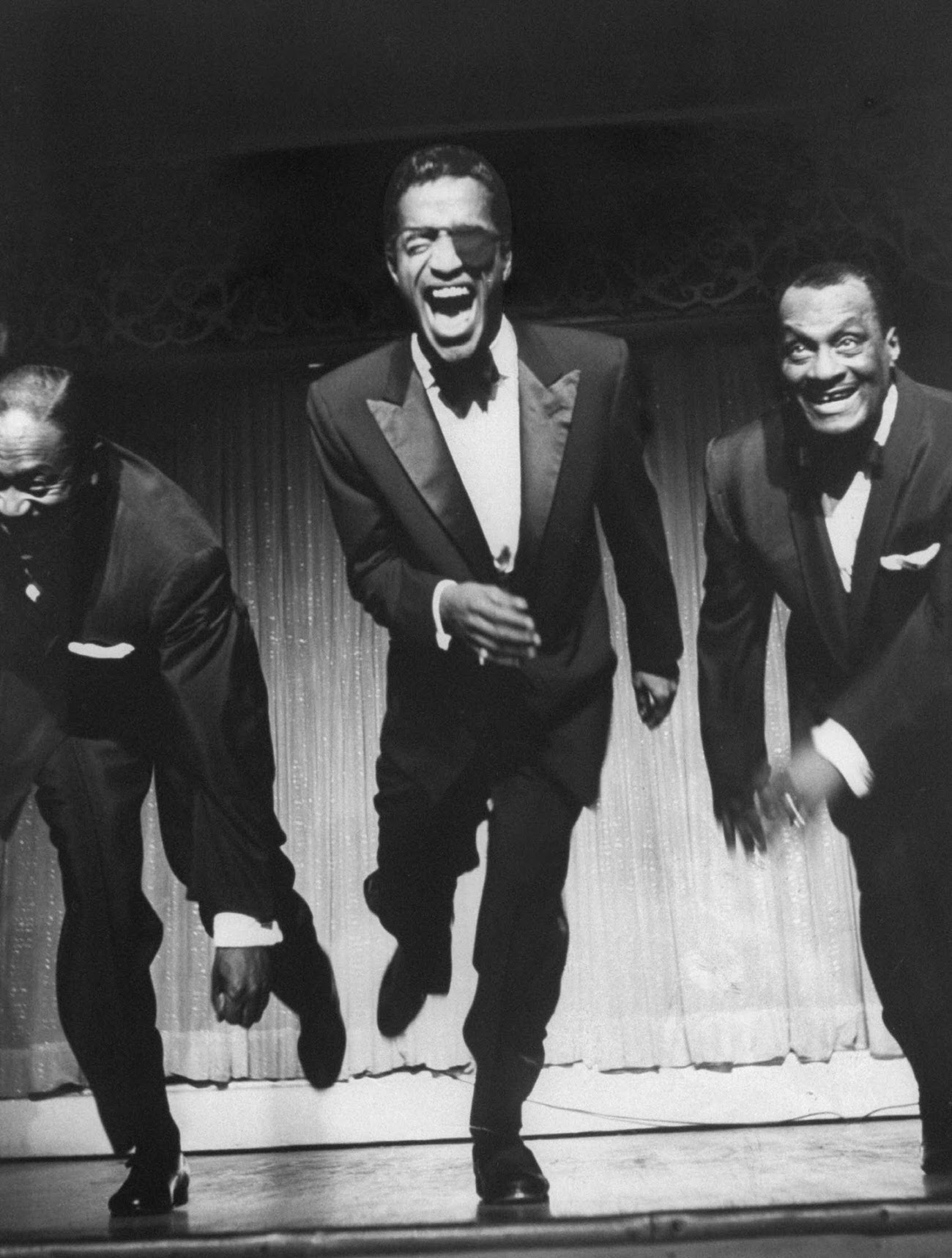
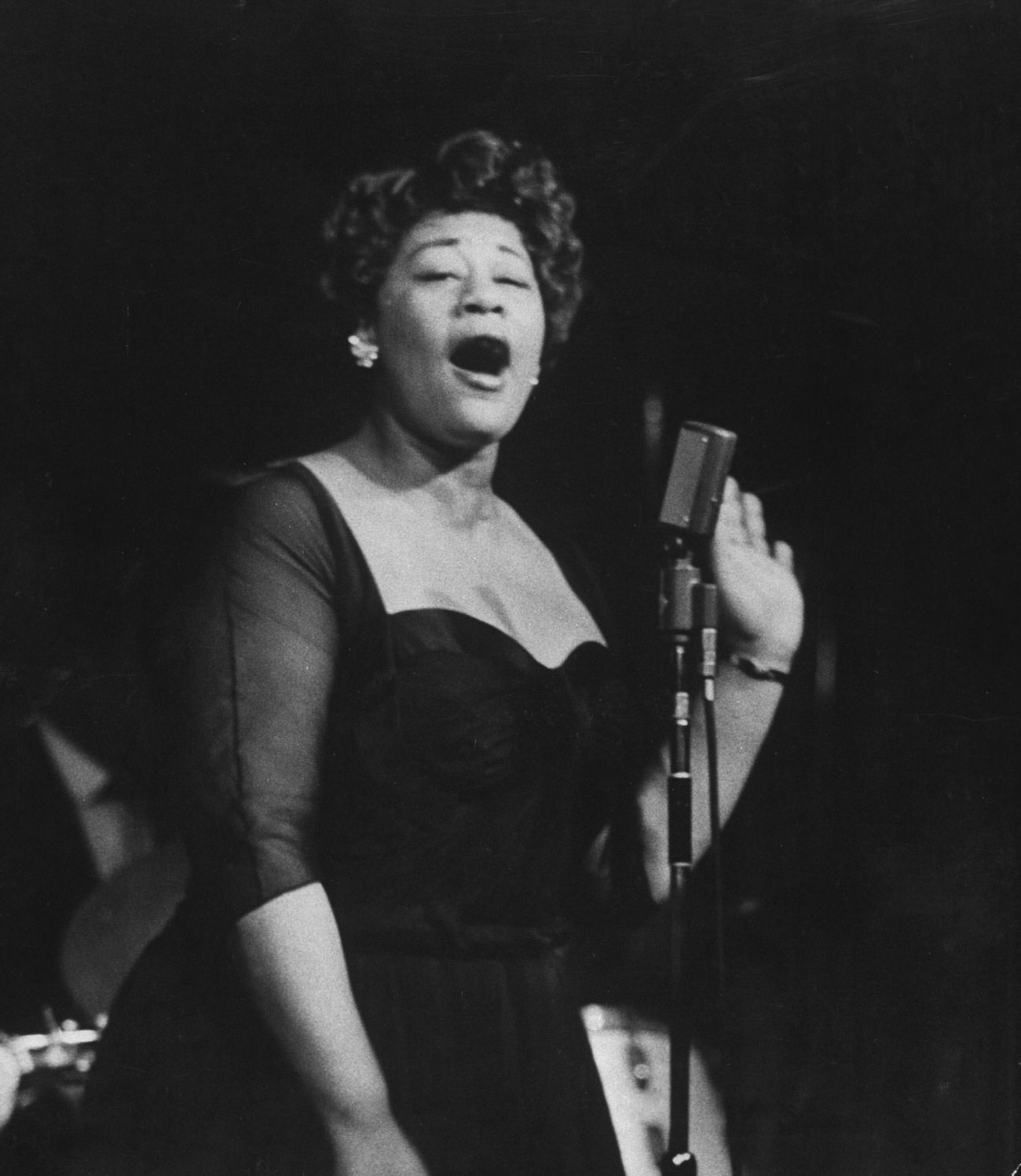
Grant documented Black entertainers with the same attentiveness he brought to his other subjects. Dorothy Dandridge at home in 1954, Dizzy Gillespie mid-jam session in 1948, Ella Fitzgerald in 1958, and the Will Mastin Trio — featuring Sammy Davis Jr. alongside his father and uncle — performing at Ciro’s in West Hollywood in 1955 all appear in his archive.
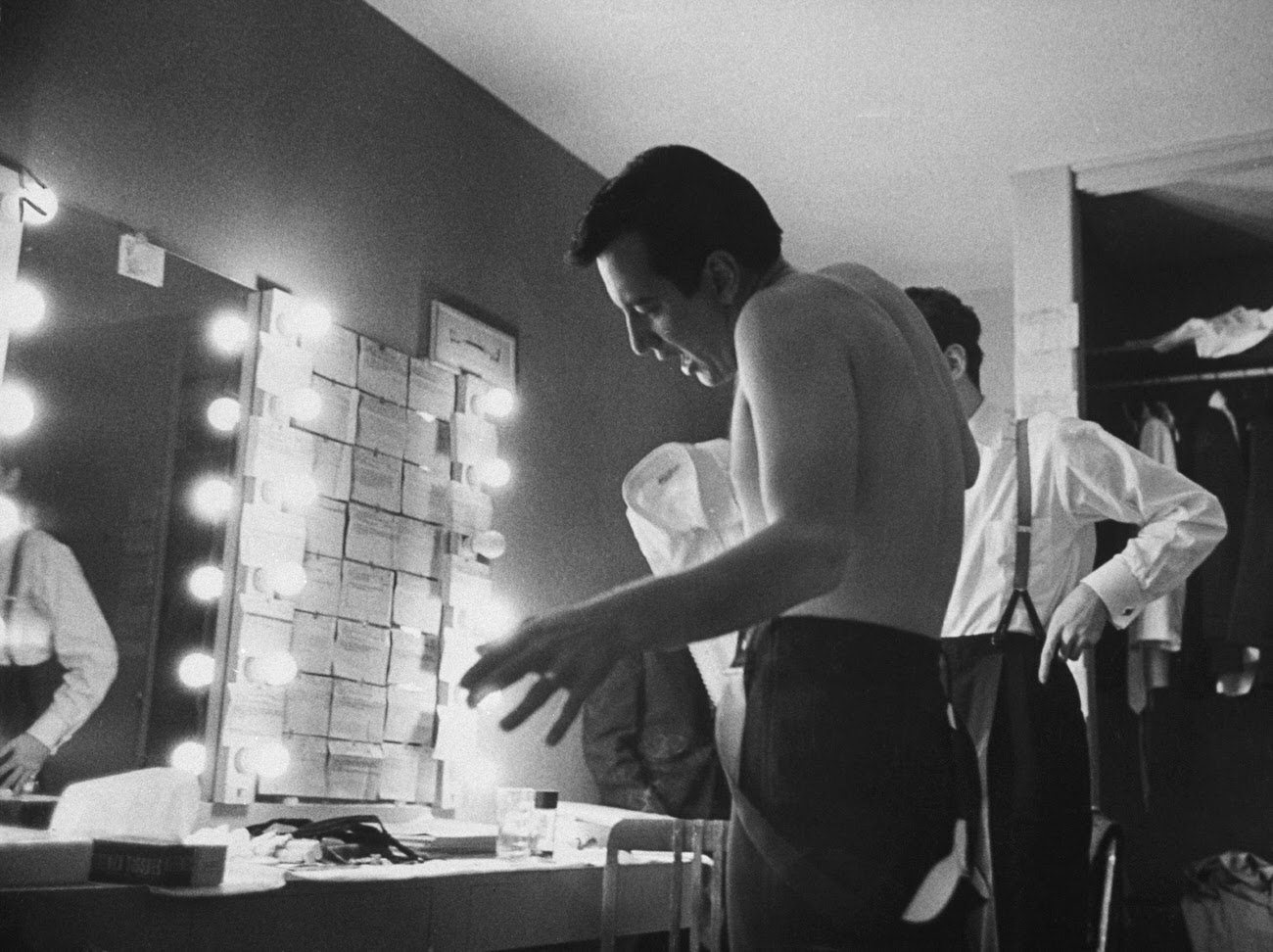
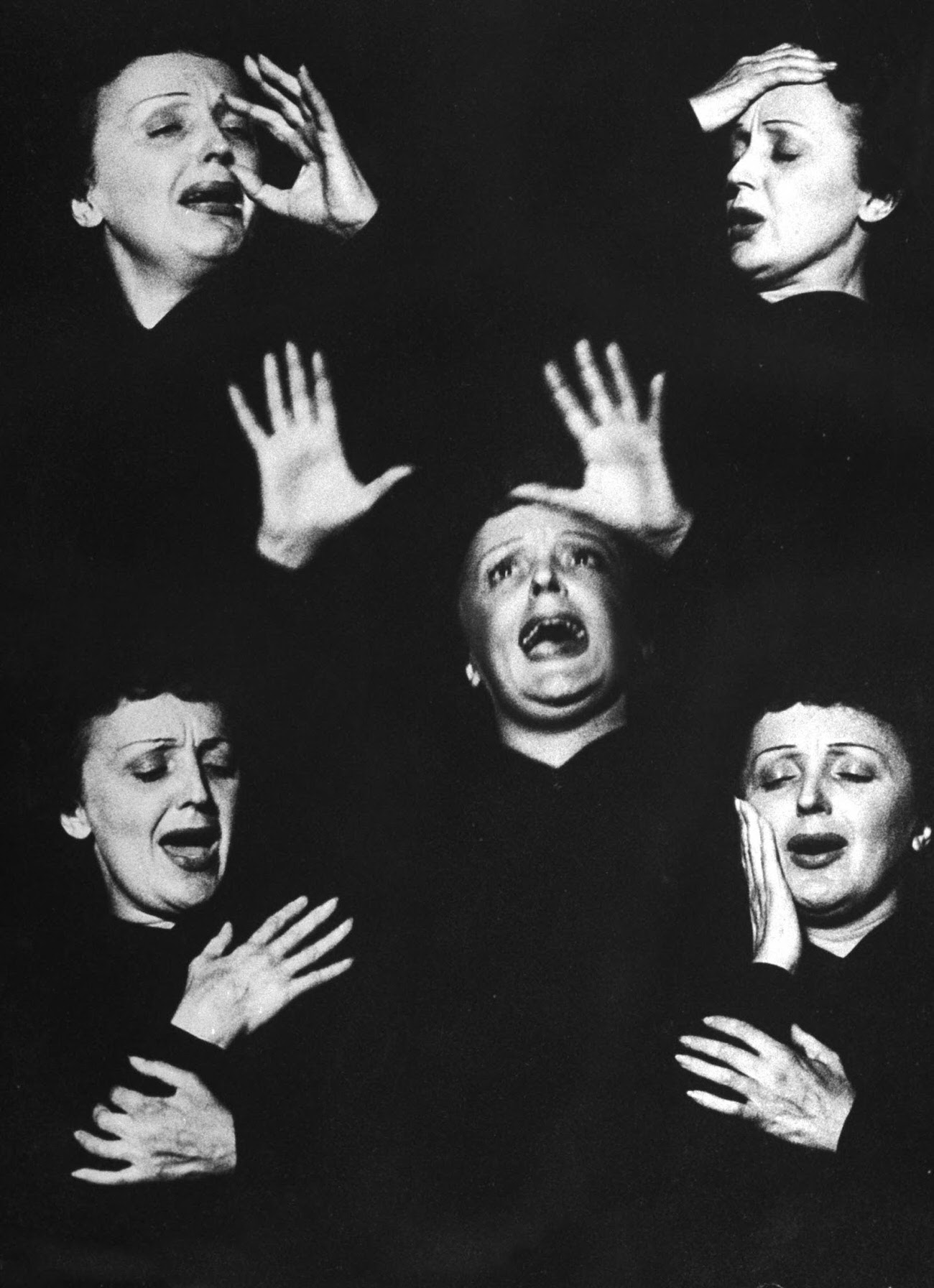
Pop and rock performers added a different energy to Grant’s portfolio. Bobby Darin in his dressing room in 1959 and Edith Piaf caught mid-performance at New York’s Versailles nightclub in 1952 show the range of musical worlds he moved through. His image of Piaf — a montage of expressions and gestures — shows the raw physicality of her stage presence.
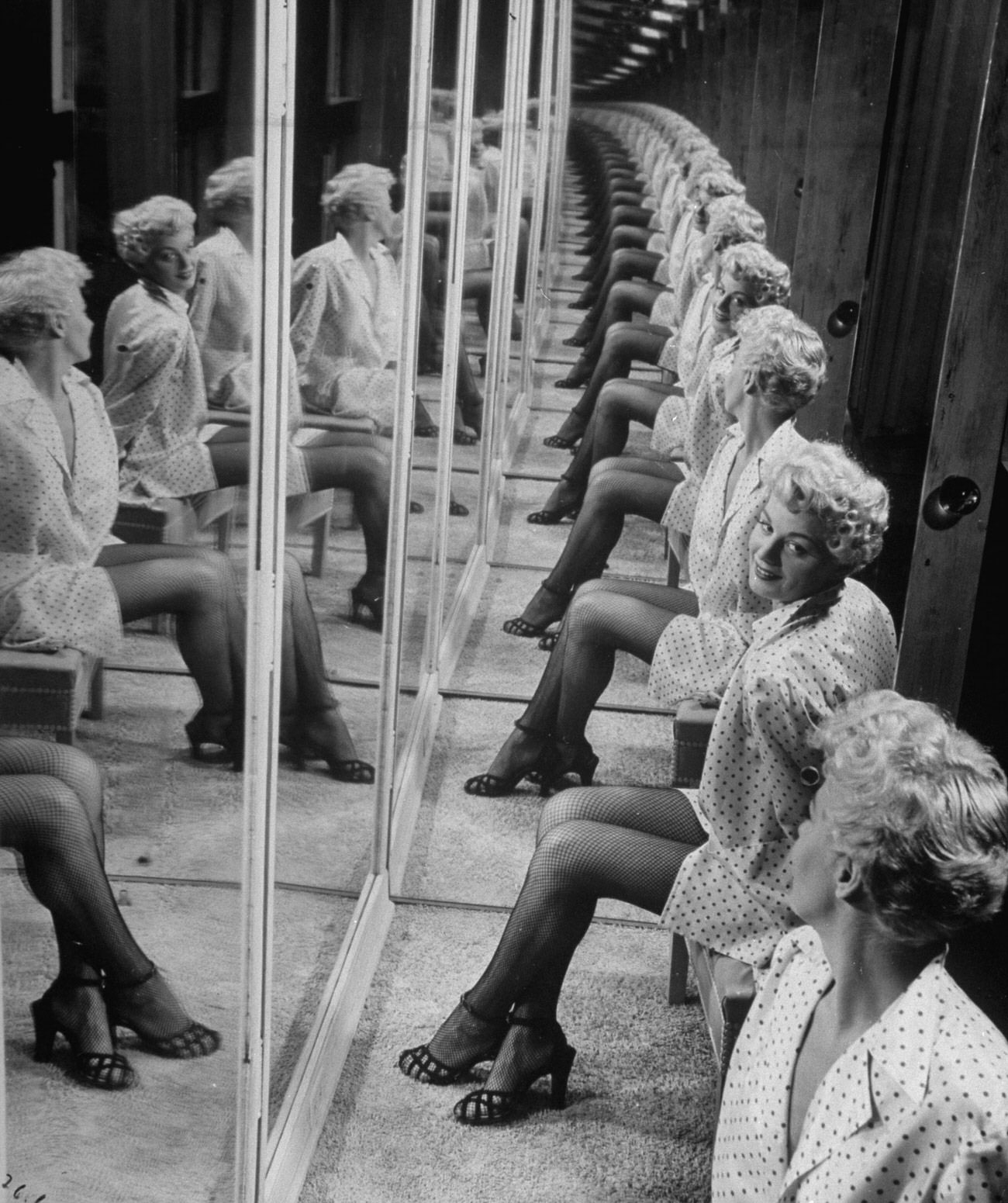
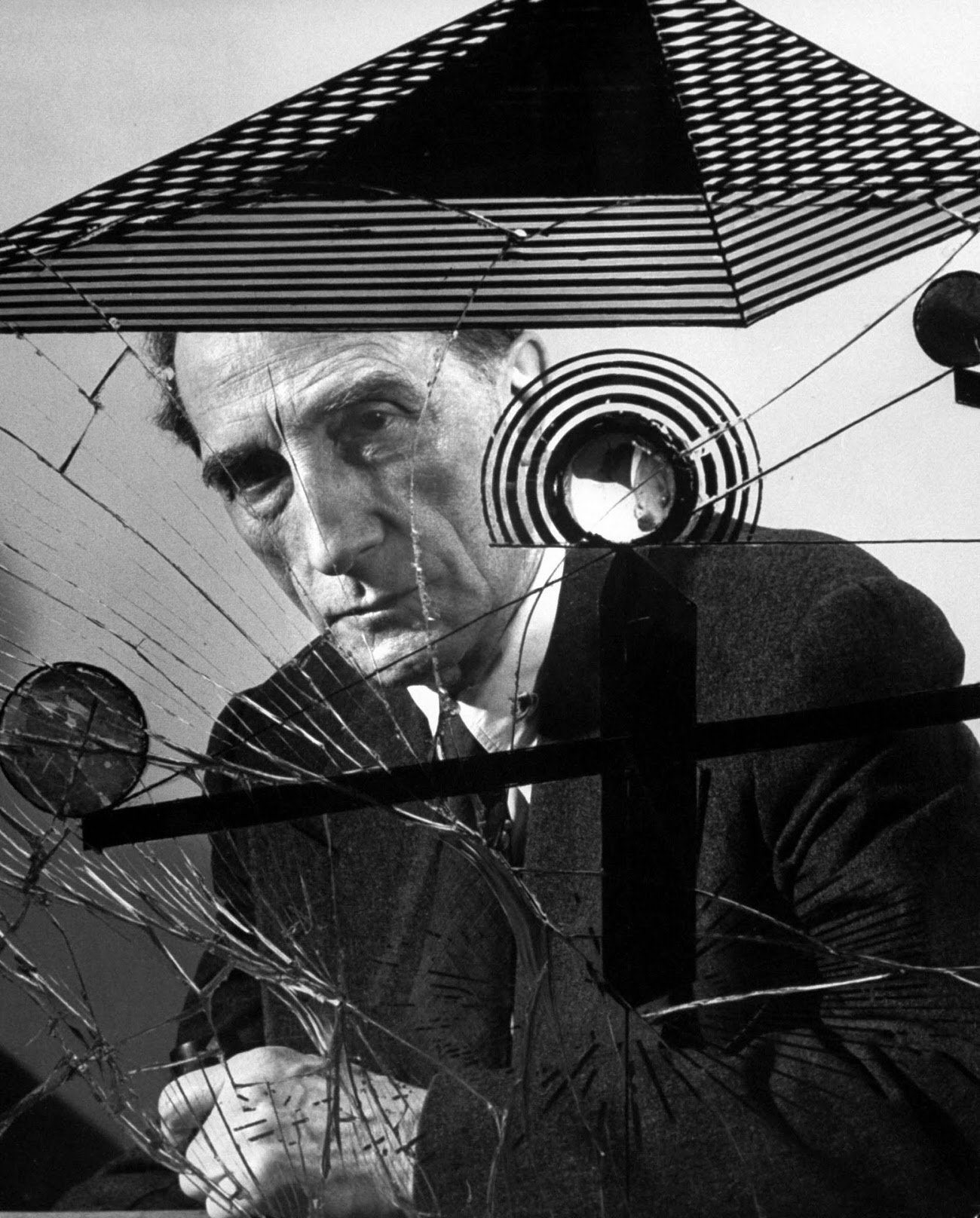
Grant’s subjects extended beyond performers. His 1953 photograph of Marcel Duchamp with Dada artwork placed him squarely inside the art world as well. Shelley Winters, photographed in a mirrored booth in 1949, shows the kind of visually inventive framing Grant used to reflect both subject and setting at once.