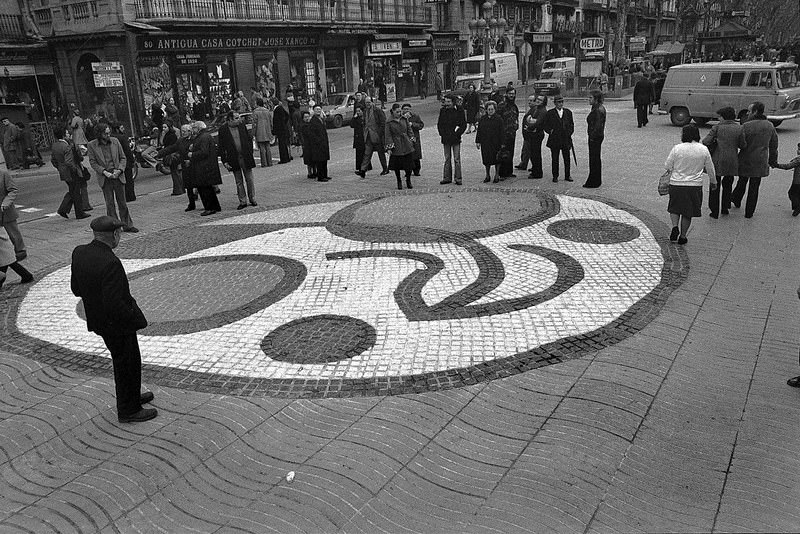
Barcelona in the 1970s was a city caught between two worlds. On the surface, life moved at a familiar rhythm — street vendors lined Las Ramblas, families filled the plazas, and workers clocked in at factories across the city. But underneath it all, enormous political pressure was building. These vintage photographs capture both sides of that decade: the everyday texture of Barcelona’s streets and the social forces reshaping the entire country.
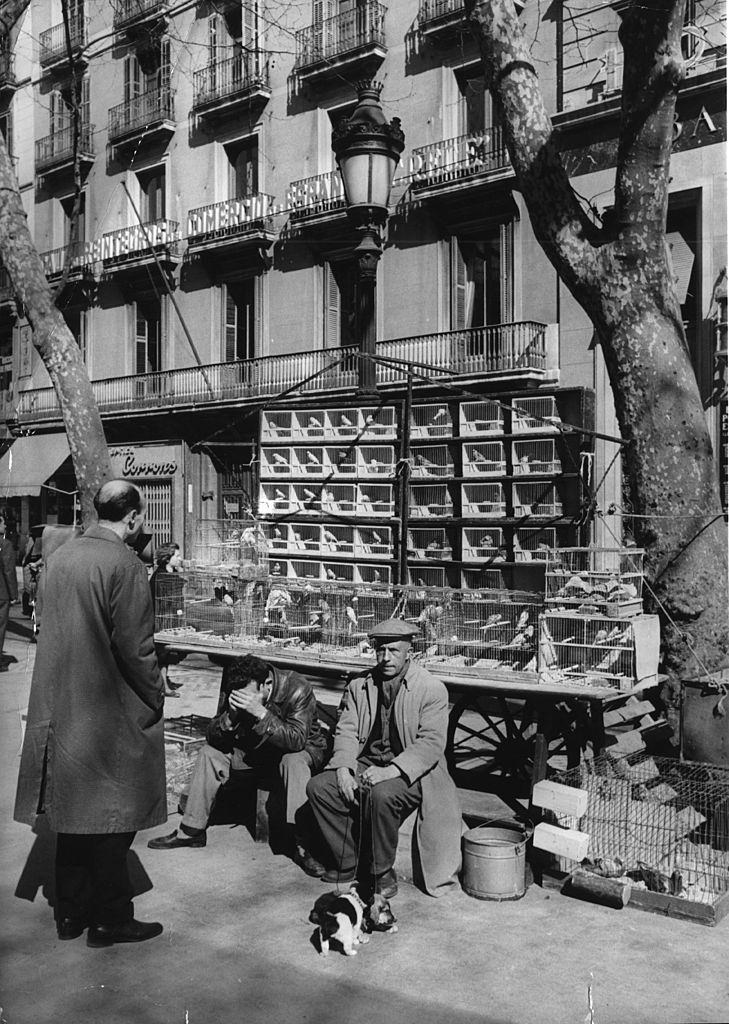
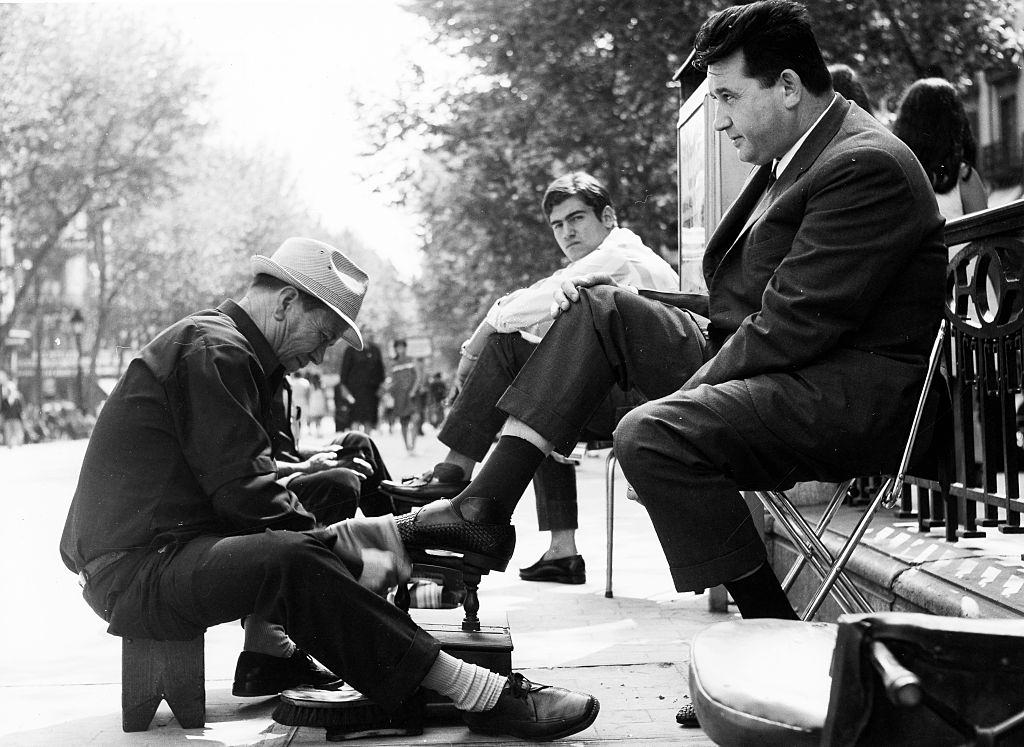
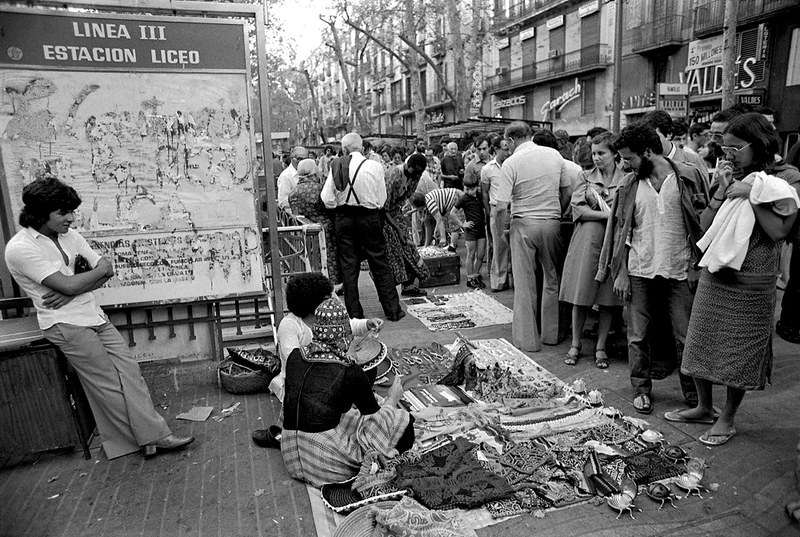
Las Ramblas was the beating heart of Barcelona throughout the decade. Bird sellers, shoe shiners, newspaper stands, and strolling couples made it one of the most lively pedestrian streets in Europe. It wasn’t a tourist attraction so much as a daily backdrop for ordinary life.
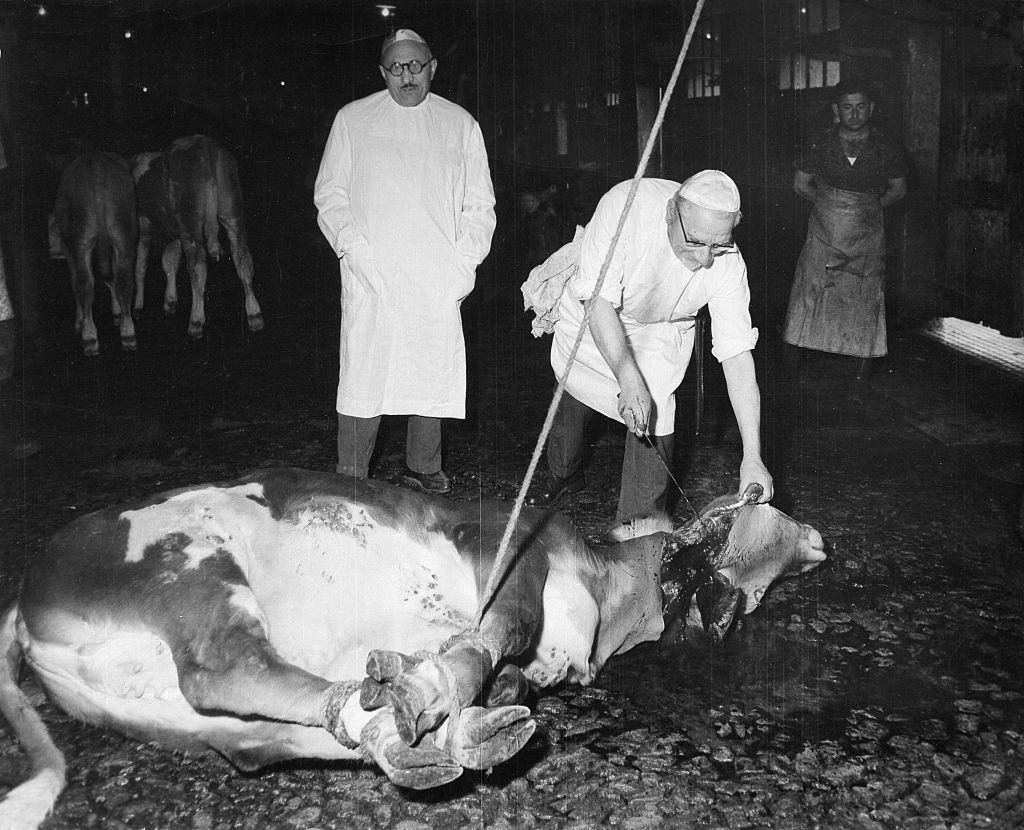
Religious and cultural communities maintained their traditions throughout the city. In 1970, the Jewish community of Barcelona carried out a ritual slaughter in the presence of its community leader — a reminder that Barcelona, even under Franco’s Spain, was home to distinct cultural and religious groups with their own practices and institutions.
Street trades were a common sight in early 1970s Barcelona. A shoe shiner working near the city’s busiest thoroughfares could count on a steady stream of customers. These jobs were part of an informal economy that kept many working-class residents employed before industrial wages became more widely accessible.
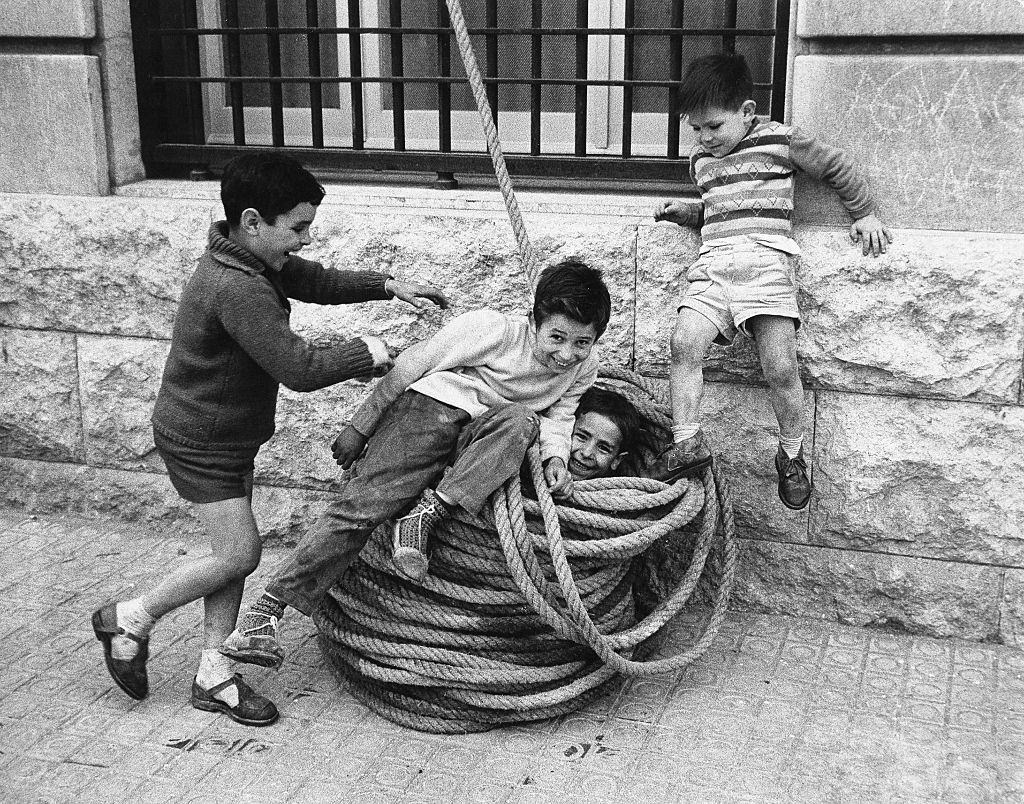
Children played freely in the streets and open spaces of the city’s neighborhoods. Barcelona’s urban blocks and narrow lanes served as playgrounds for a generation growing up in a Spain still under authoritarian rule, though that rule was beginning to show its first serious cracks.
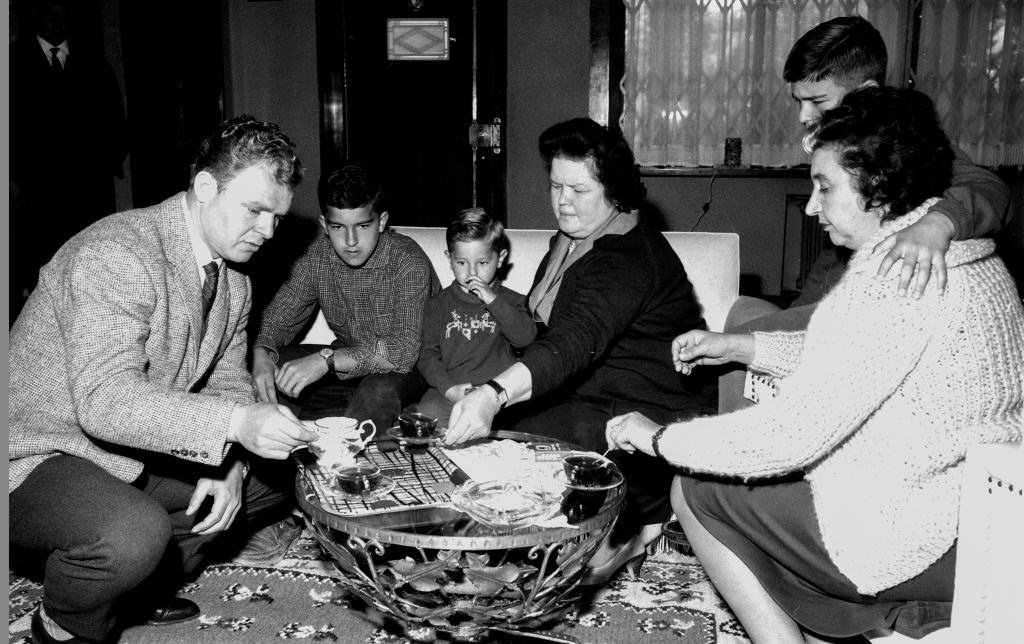
Sports were a major part of Barcelona’s identity. Hungarian-born footballer Ladislao Kubala had made the city his home after a remarkable career at FC Barcelona in the 1950s. By 1972, he was a beloved public figure — a symbol of the club’s international reach and of the way sport transcended political borders.
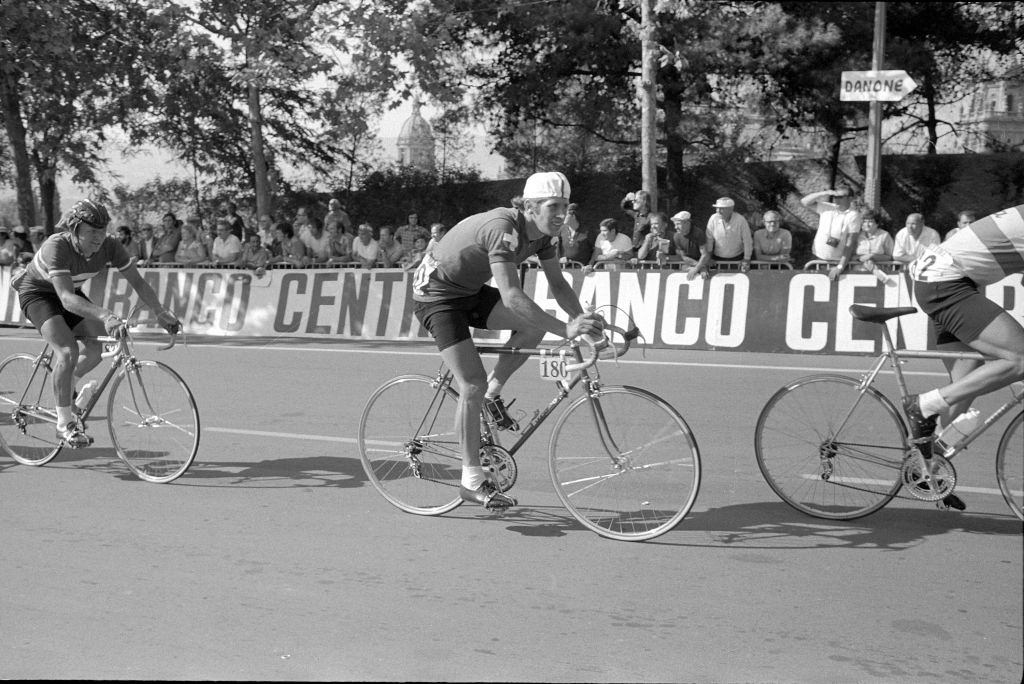
Barcelona also hosted the 1973 UCI Road World Championships, bringing international cycling to the streets of the city. It was one of the most watched sporting events of the year and drew competitors and spectators from across Europe.
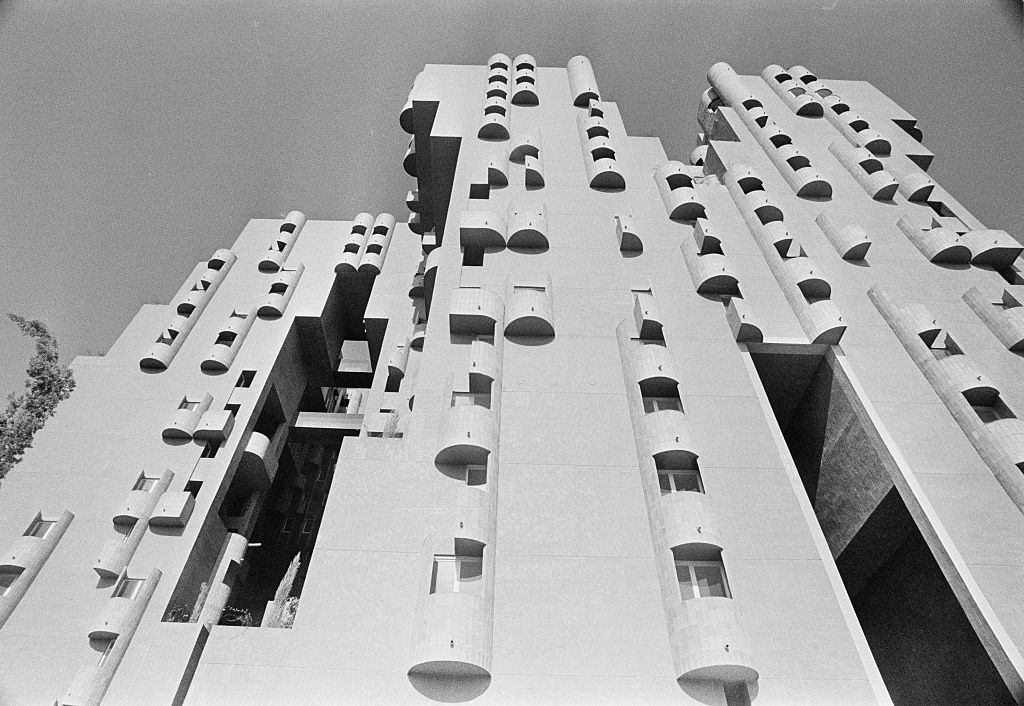
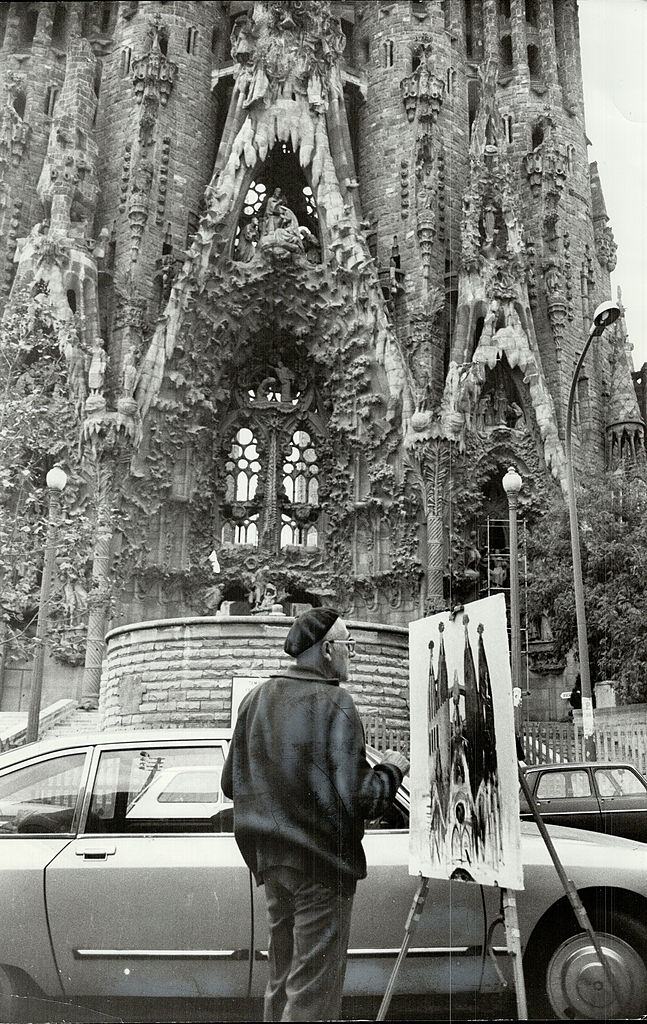
Architecture was never far from the conversation in Barcelona. Ricardo Bofill, one of Spain’s most prominent architects, was already making his mark on the city’s skyline by the mid-1970s. His designs blended bold geometric forms with references to Catalan and Mediterranean traditions, standing apart from the plain functionalist buildings going up elsewhere in Spain.
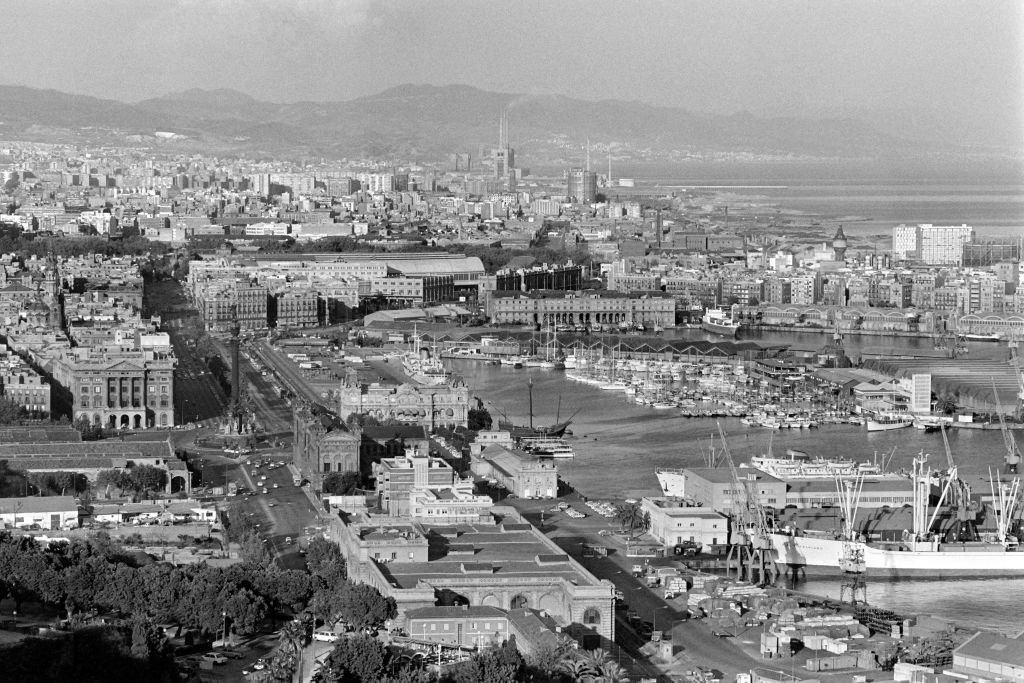
Barcelona’s harbour remained a vital hub of trade and movement throughout the decade. The port connected the city to the rest of the Mediterranean world, handling goods, passengers, and cargo that kept the regional economy running.
Franco died on November 20, 1975. His death ended nearly four decades of dictatorship and immediately changed the political atmosphere across Spain. In Barcelona and throughout Catalonia, the shift was felt with particular intensity. Catalans had been forbidden from using their language in public life and had seen their regional identity systematically suppressed. The demand for change did not wait long to make itself heard.
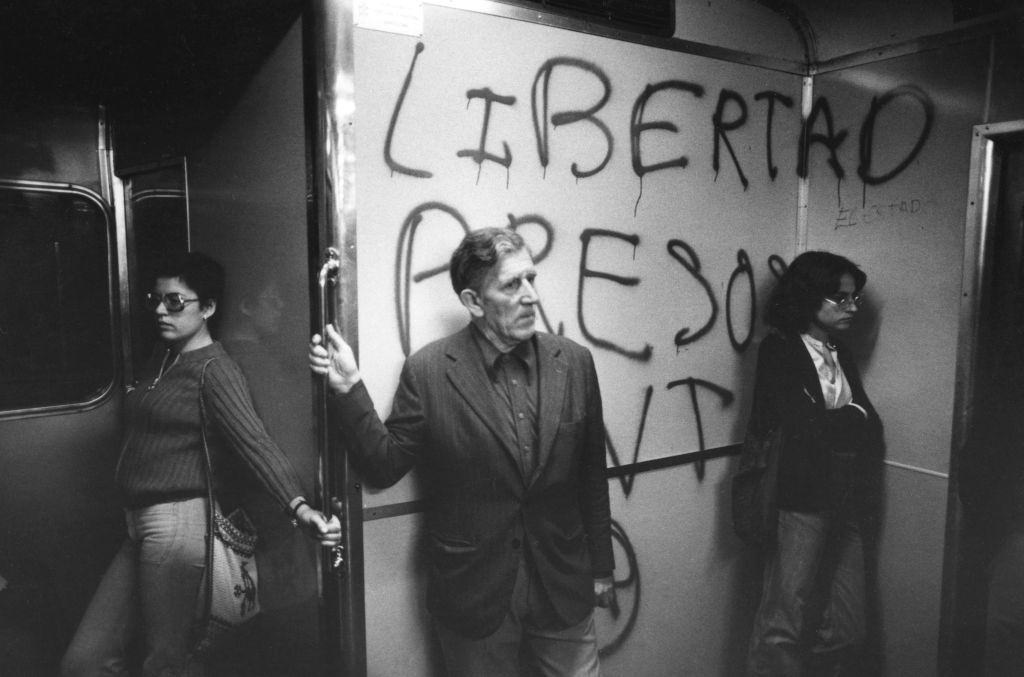
By 1977, political expression was appearing across the city in new and visible ways. Independence graffiti showed up in the Barcelona metro system — a direct challenge to the centralized Spanish state and a sign of how openly Catalan identity politics were being expressed.
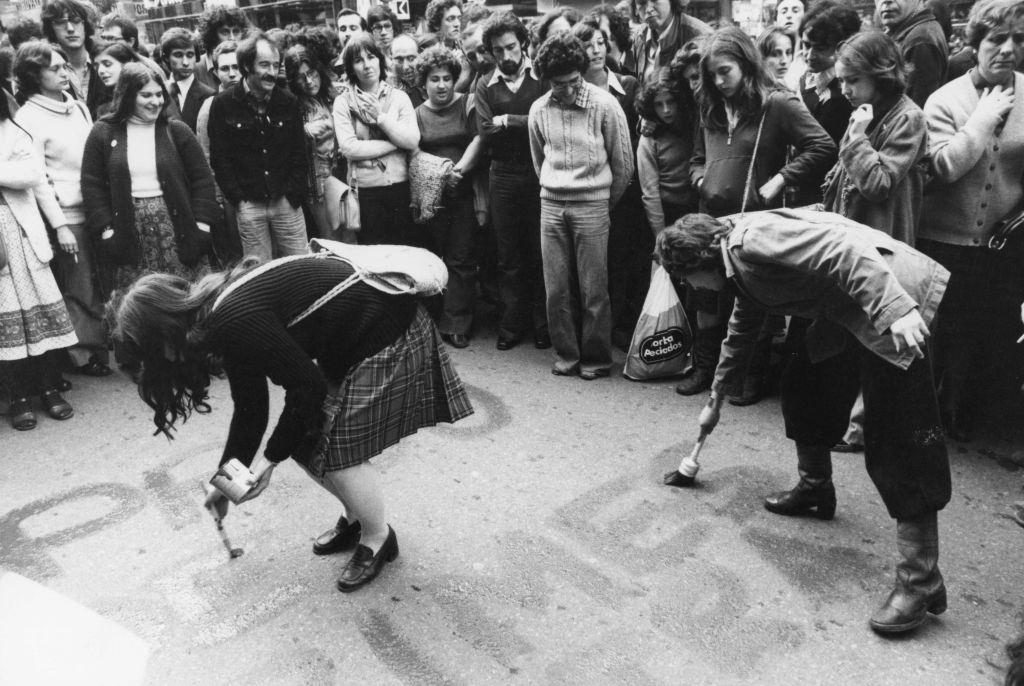
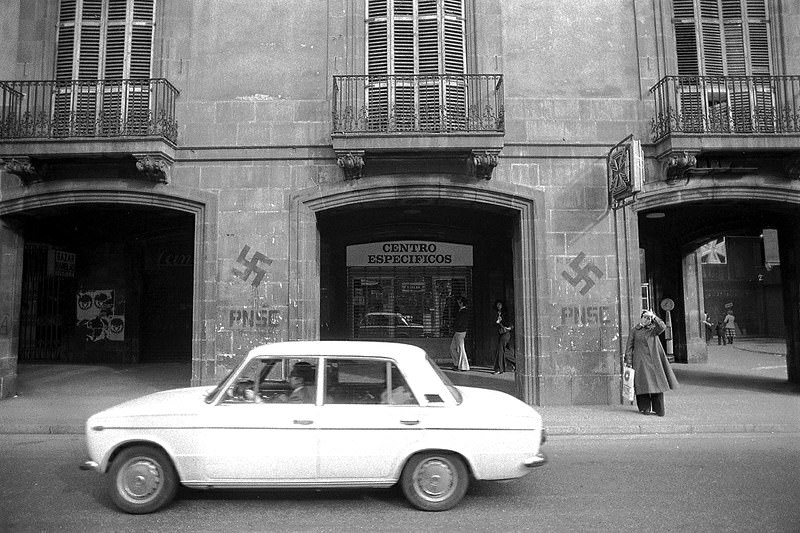
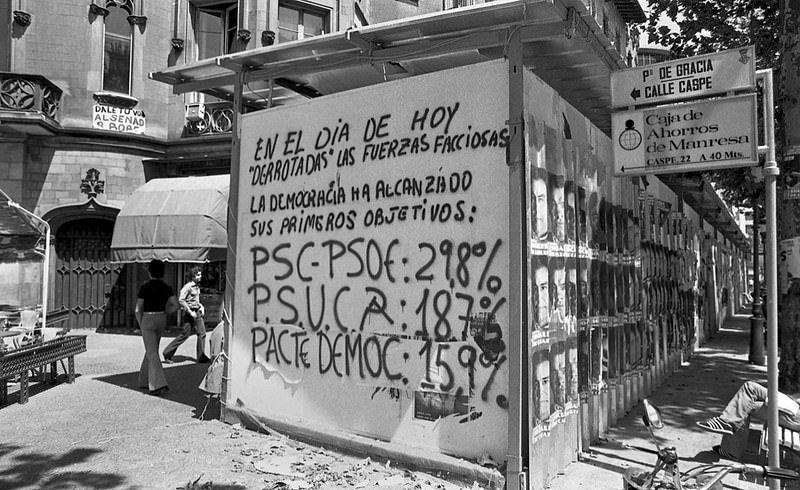
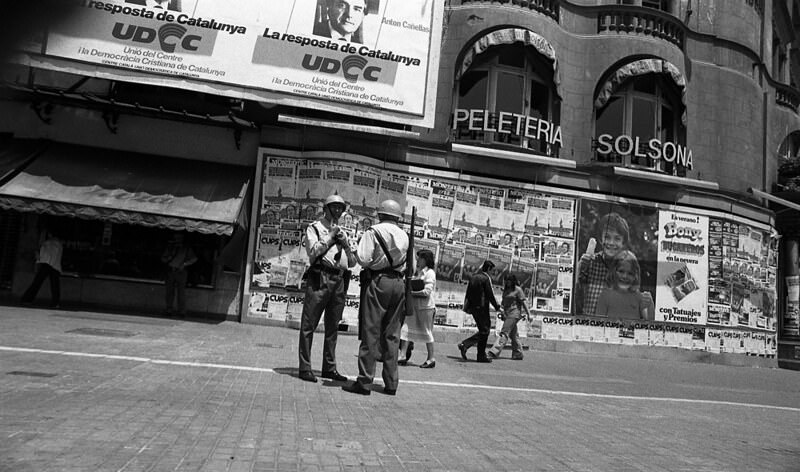
Spain held its first democratic general elections in June 1977 — the first since 1936. Political parties scrambled to campaign in public for the first time in decades. On Barcelona’s streets, activists painted slogans on the ground, plastered walls with posters, and organized rallies. The Workers’ Party of Spain (PTE) was among the groups competing for votes.
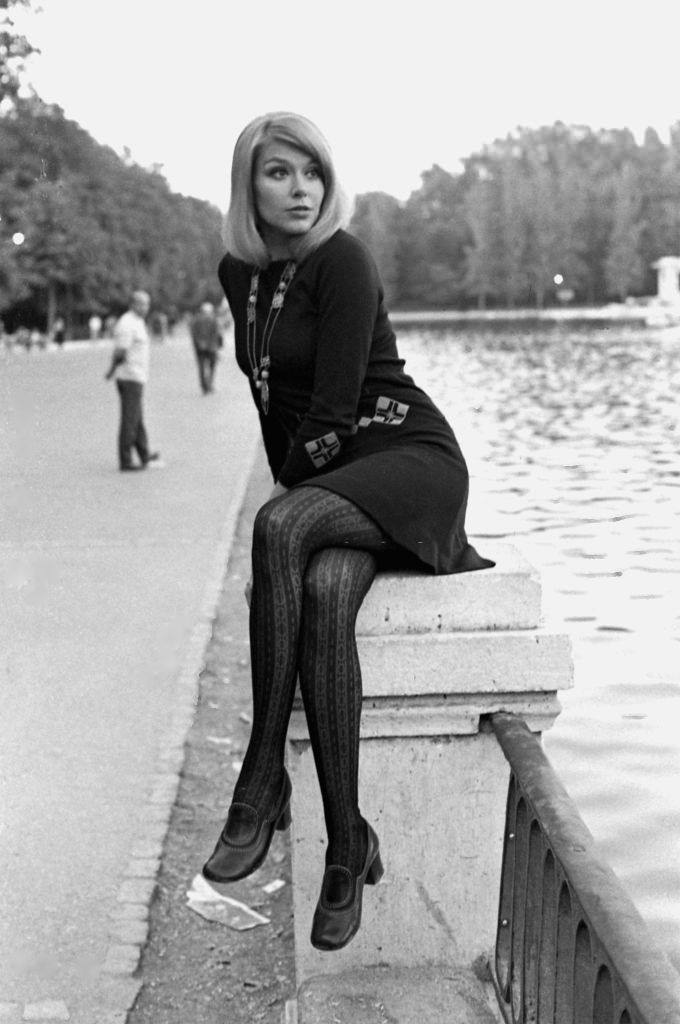
Culture and public life were also opening up. Spanish actress and model Teresa Gimpera had been one of the defining faces of Barcelona’s cultural scene since the late 1960s. Her presence in the city helped shape an image of a modern, cosmopolitan Barcelona that contrasted with the austere image of Francoist Spain.
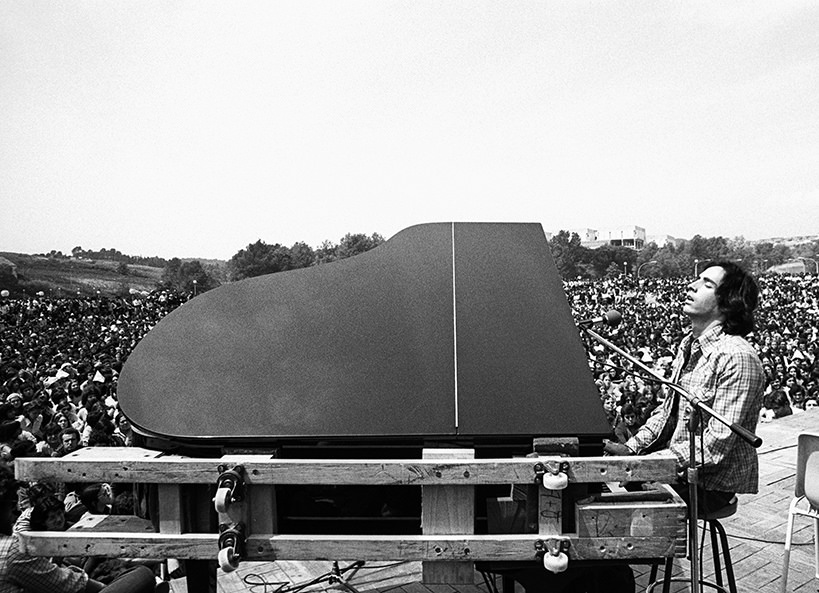
Catalan singer Lluís Llach was another towering cultural figure of the era. His music carried political weight during the Franco years, when singing in Catalan was itself an act of resistance. By 1976, with Franco dead, Llach performed to massive audiences who heard his songs as both art and political declaration.
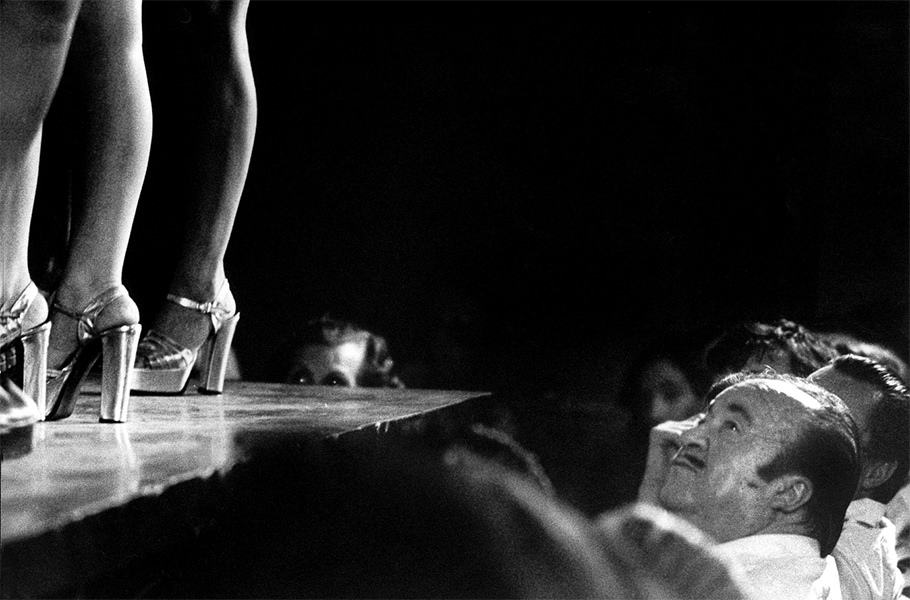
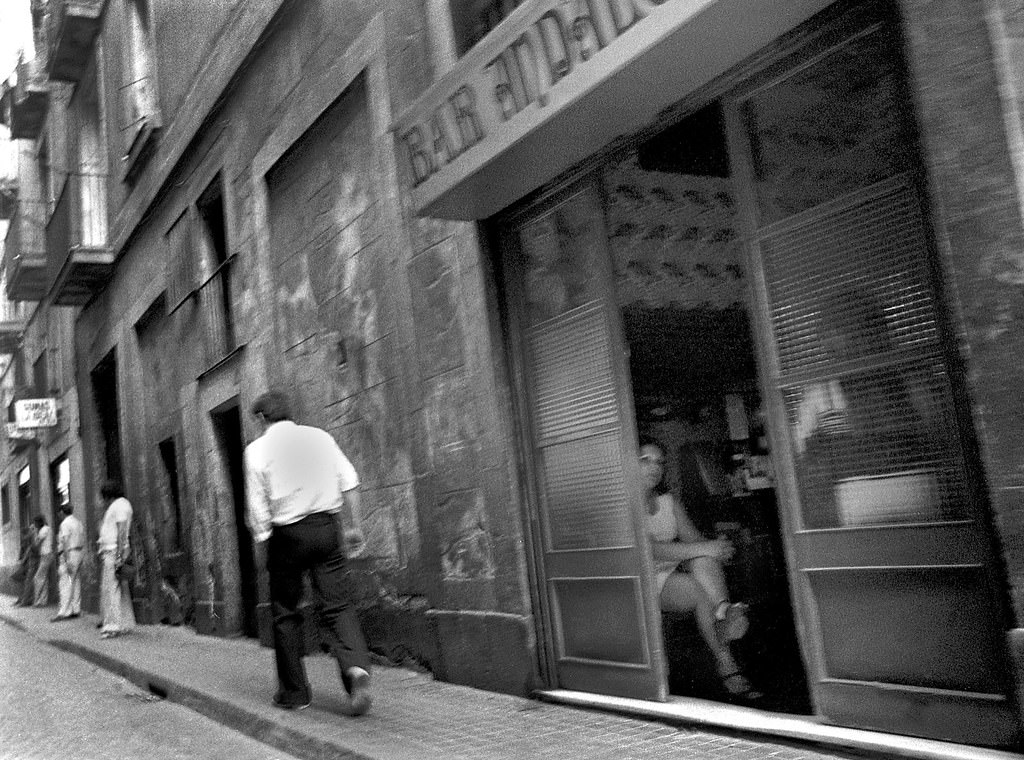
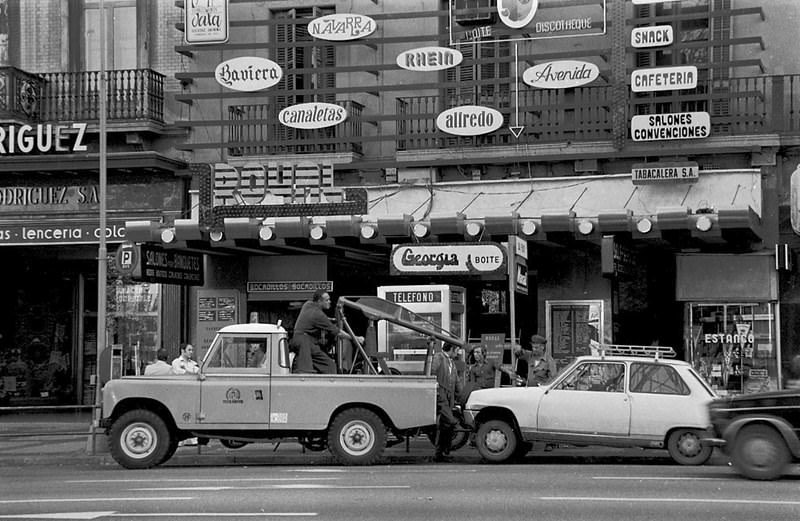
Nightlife in Barcelona was changing rapidly. Strip clubs and adult entertainment venues operated openly in 1975 in ways that had been restricted in earlier years of the dictatorship. The loosening of social controls was visible in the city’s entertainment districts.
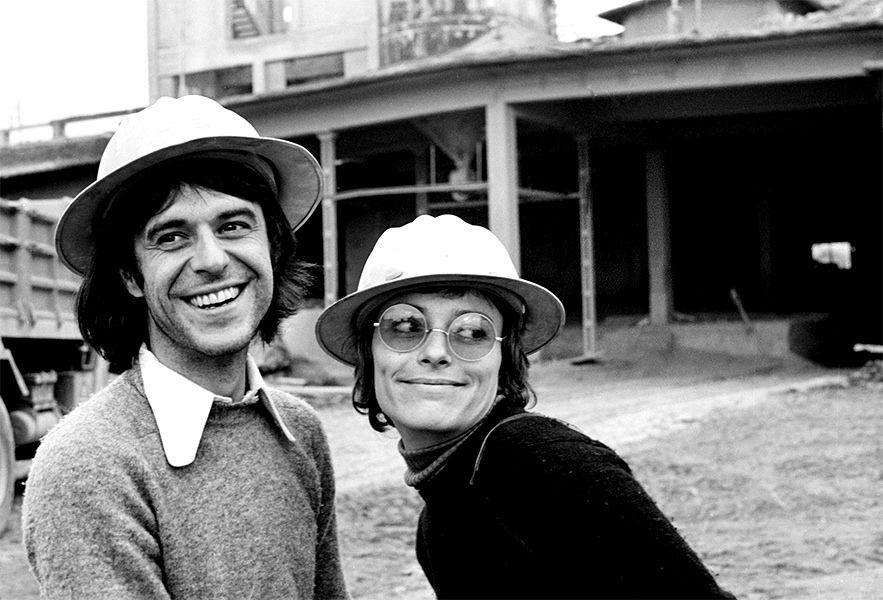
Ricardo Bofill’s presence in Barcelona extended beyond his buildings. In 1970, he was already a well-connected figure in the city’s creative circles, photographed alongside Italian actress Serena Vergano. His Taller de Arquitectura studio was producing work that drew attention across Europe.
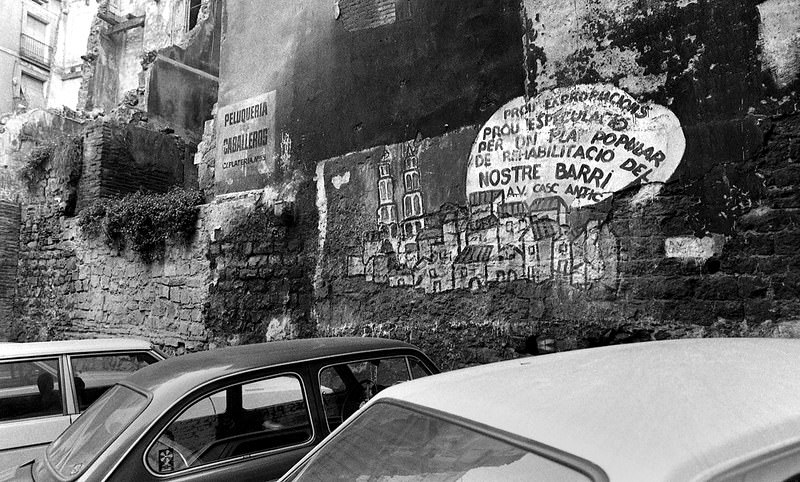
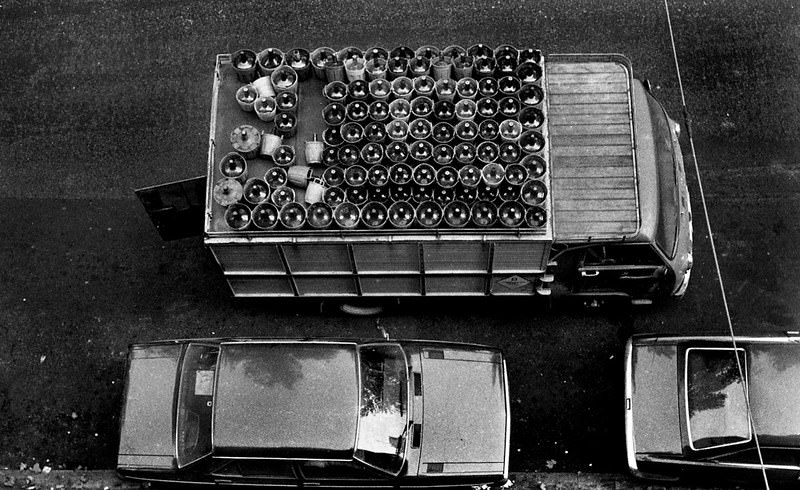
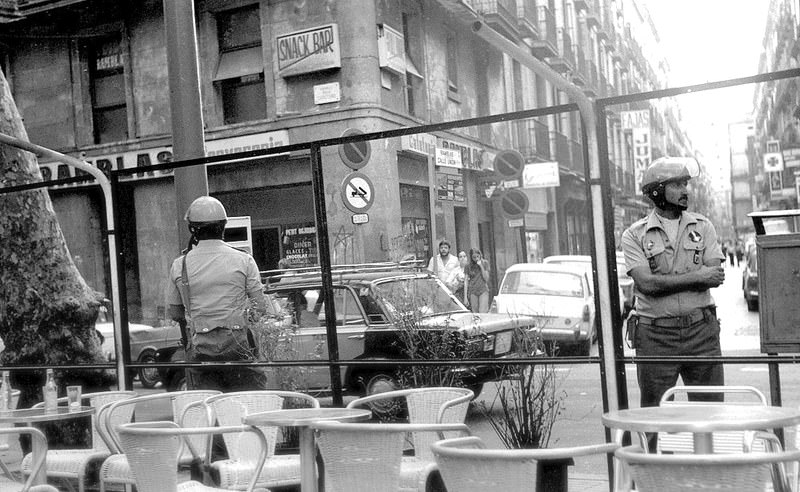
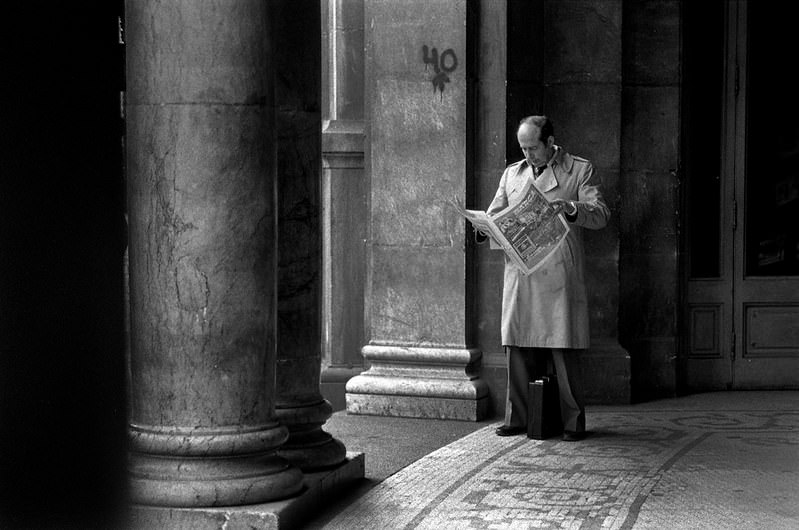
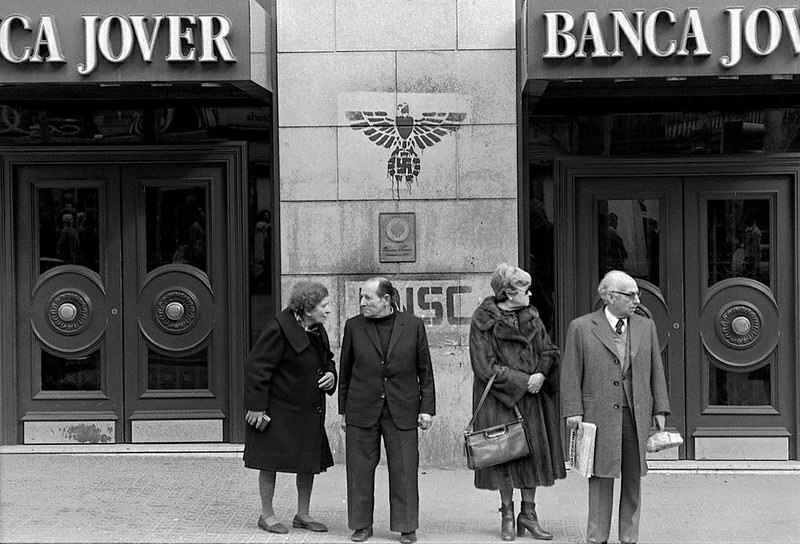
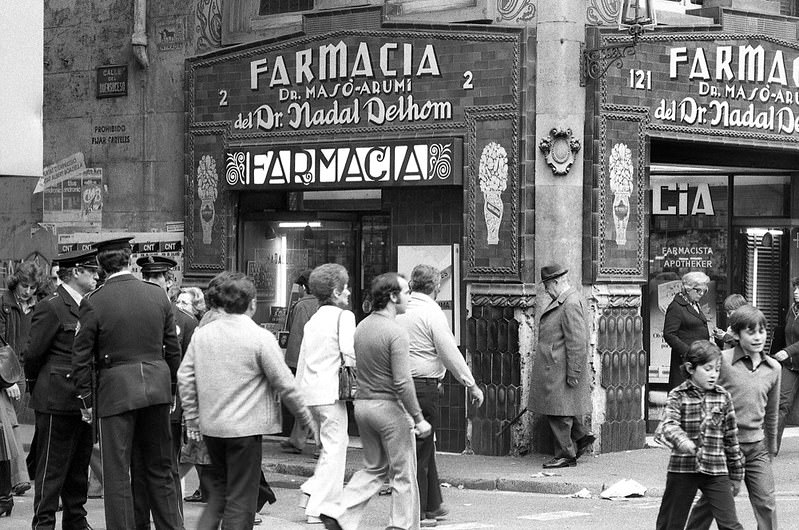
By 1979, Barcelona’s streets documented a city deep in transition. The Plaça de la Garduña, the transport of wines and oils through the city, police presence in public spaces, and advertising on the streets all reflected a metropolis adapting to a new democratic era while holding onto the rhythms of its past.
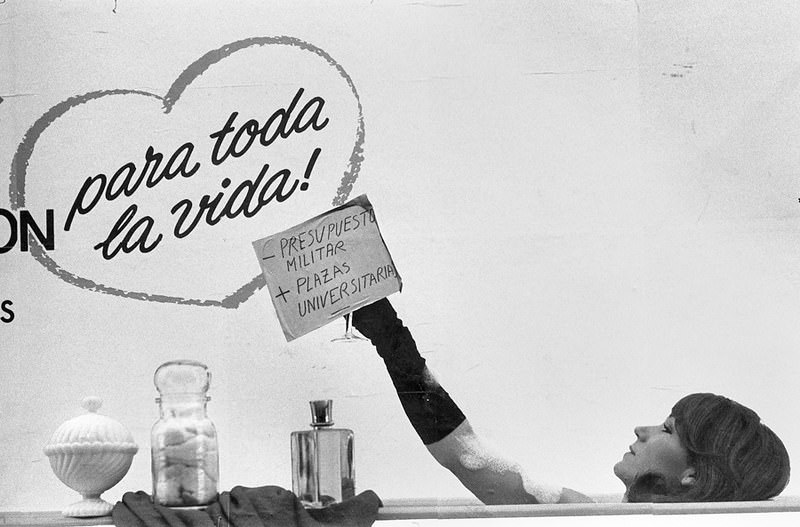
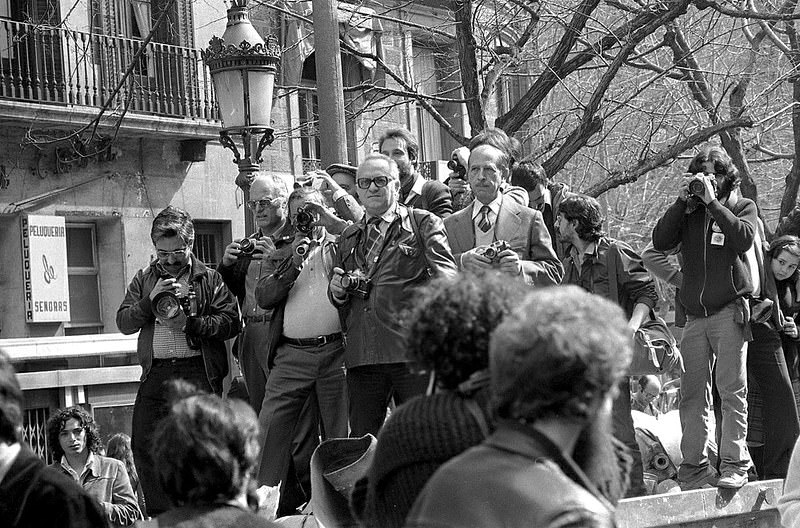
Anti-nuclear demonstrations drew photographers and protesters alike to Barcelona’s streets in 1979. The movement was part of a broader wave of civic activism that flourished once political organizing was no longer illegal. People who had spent years keeping their opinions private now marched openly.
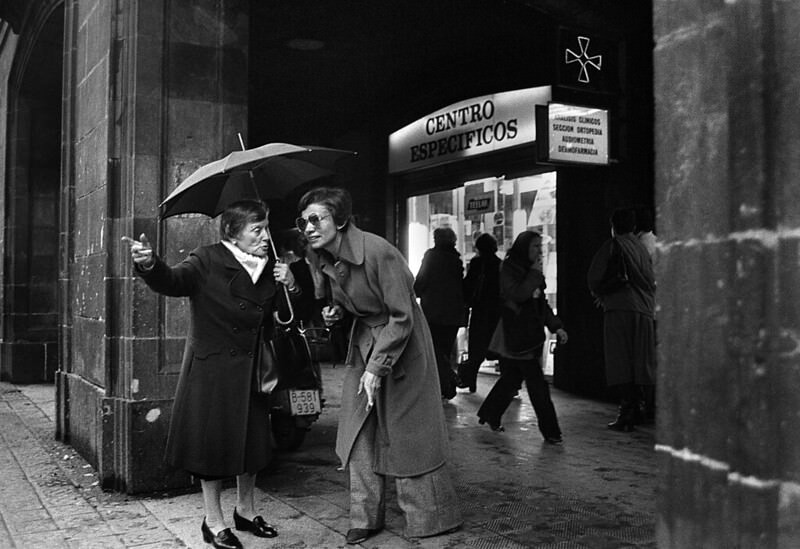
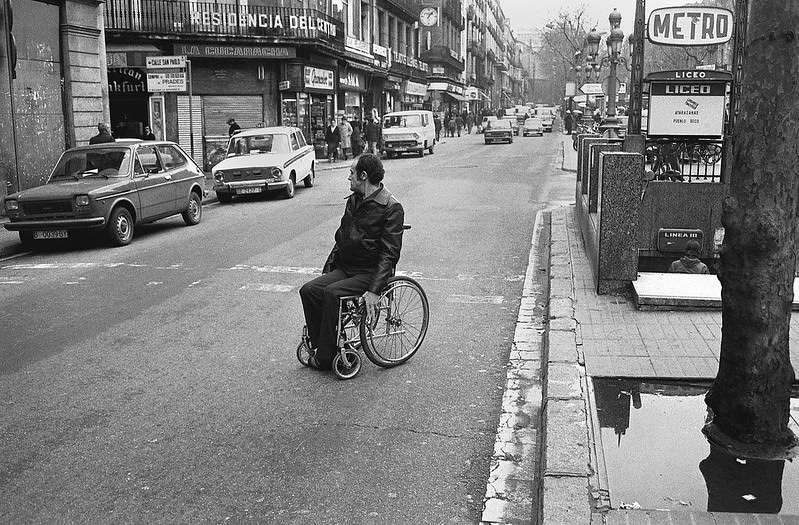
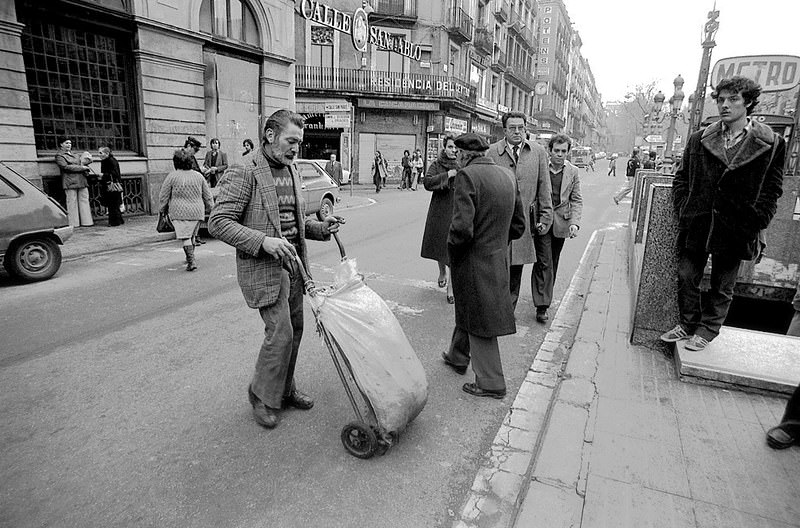
Barcelona’s Three Kings celebrations — the Night of Kings on January 5th — remained one of the city’s most beloved traditions throughout the decade. Families lined the streets to watch the procession, and children received gifts in honor of the Magi. Even during years of political tension, these cultural celebrations continued.
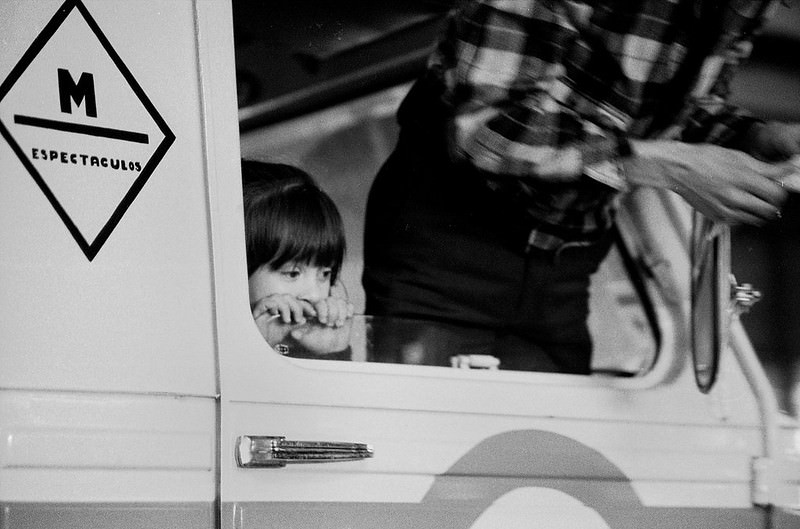
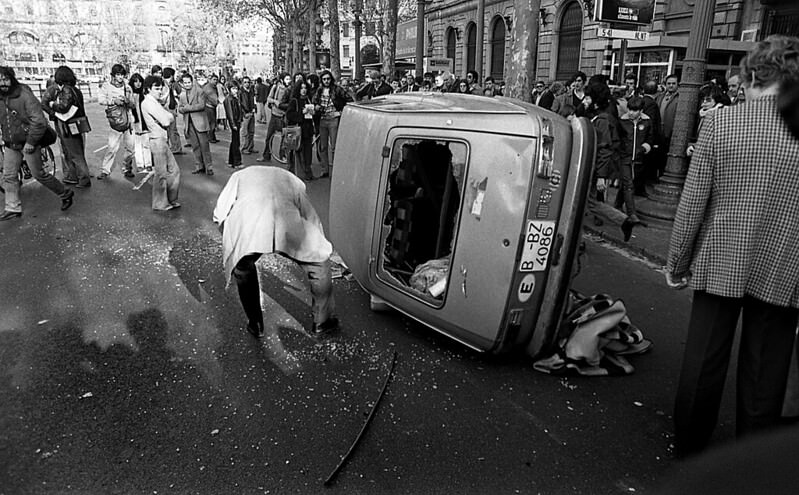
Not all of the decade’s energy was peaceful. Protests turned destructive at times, with vehicles burned and property damaged during confrontations between demonstrators and authorities. The transition to democracy was not smooth, and Barcelona was among the cities where that friction showed most clearly.
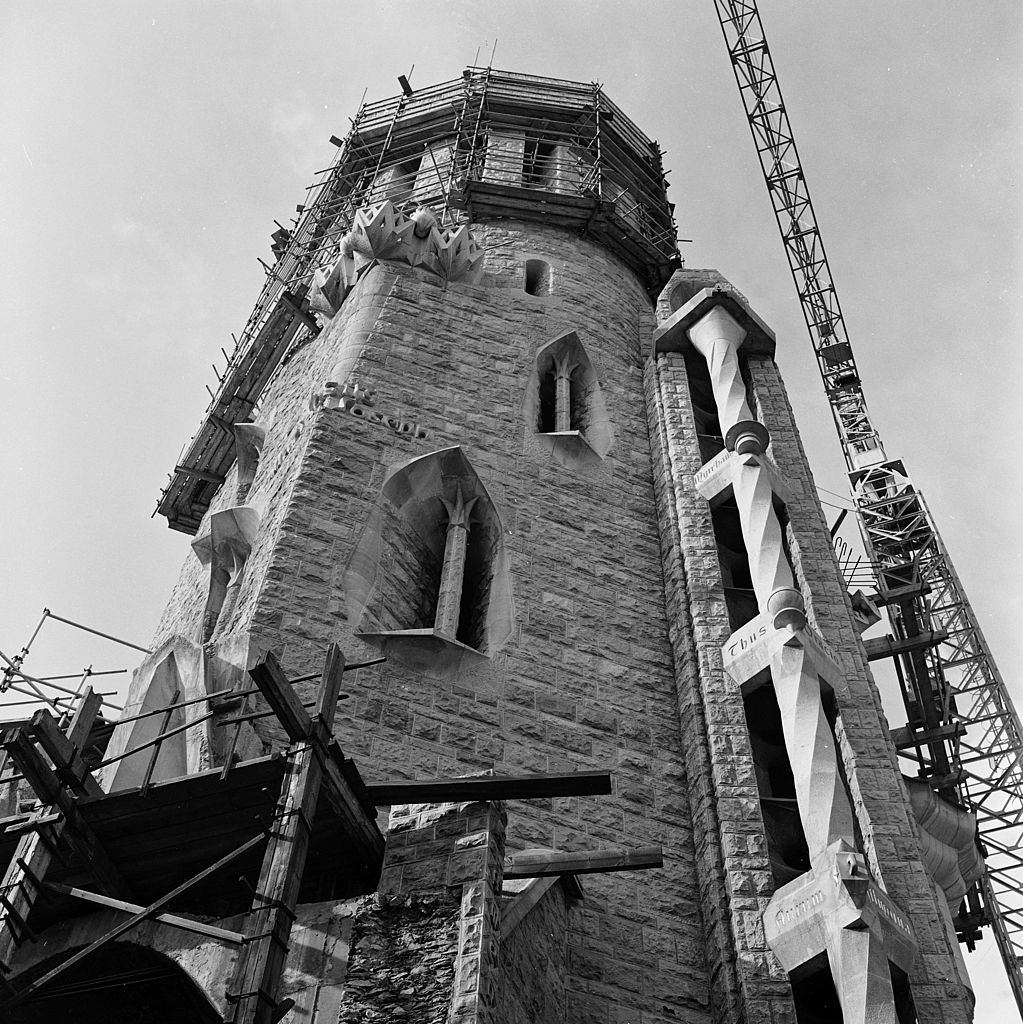
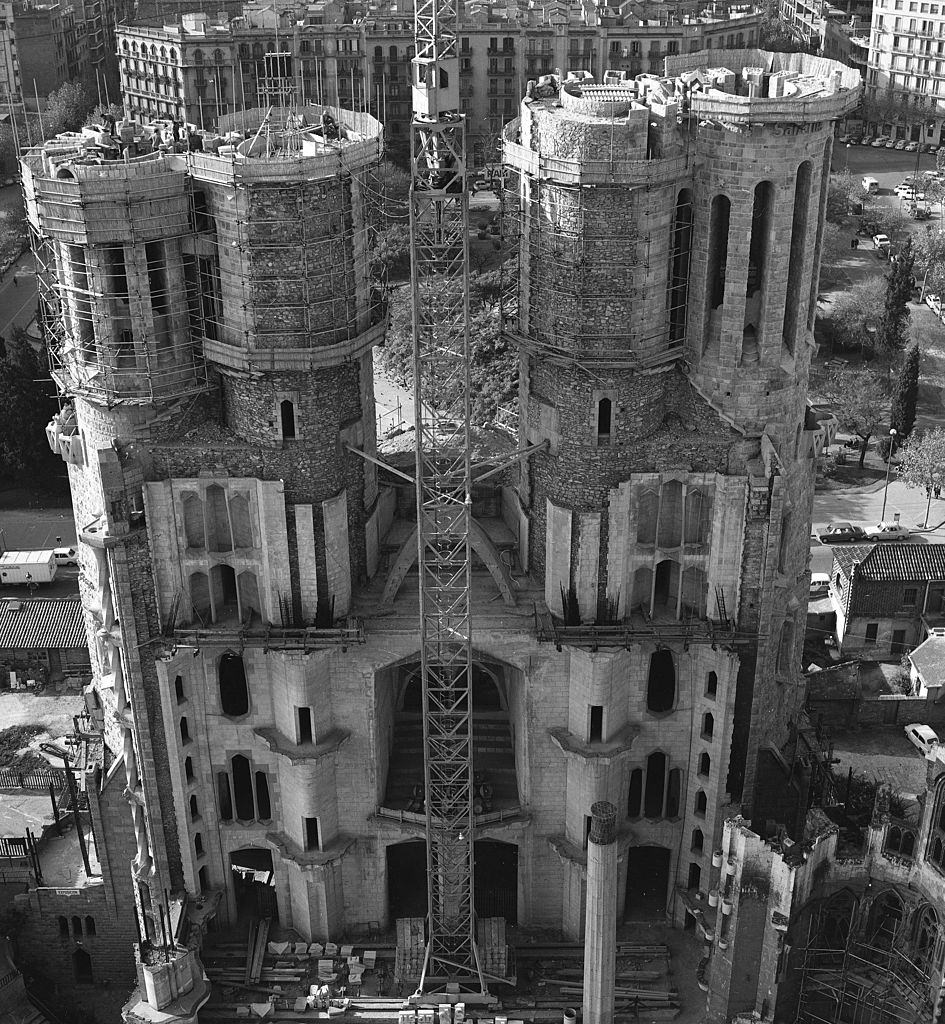
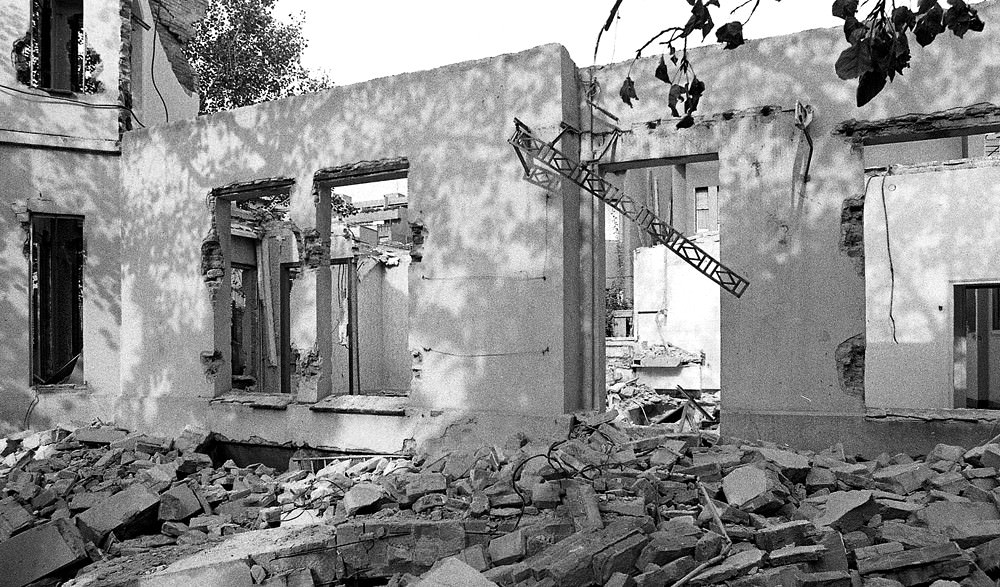
Construction and demolition were constants in late-decade Barcelona. Old buildings came down as the city modernized and expanded. New projects replaced structures that had stood for generations, reshaping entire neighborhoods in the process.
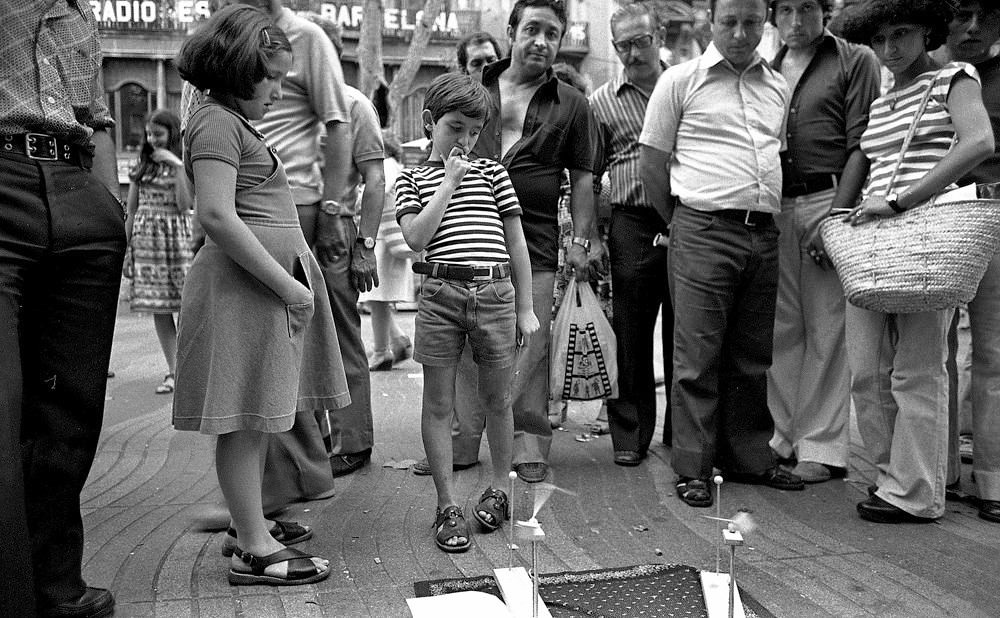
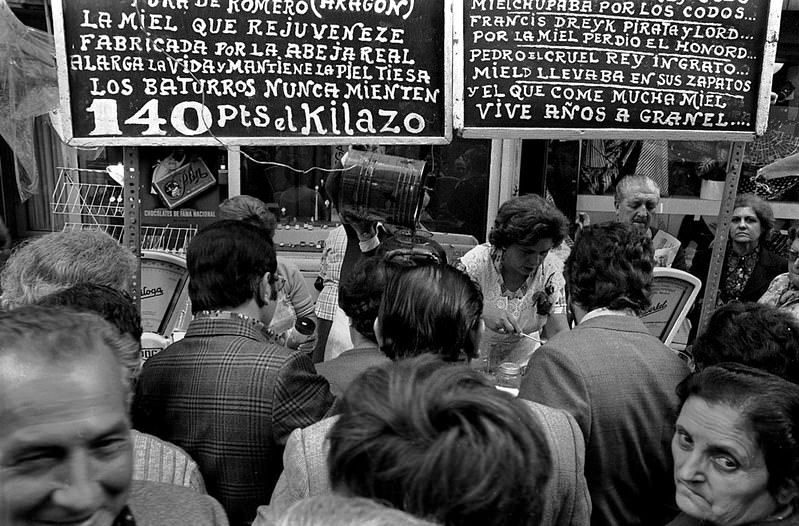
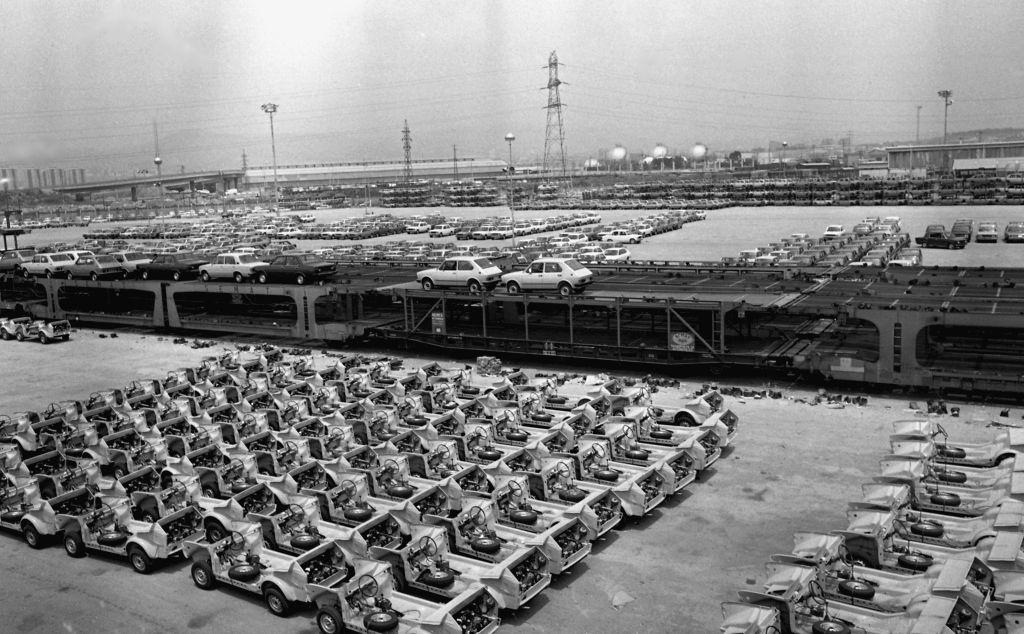
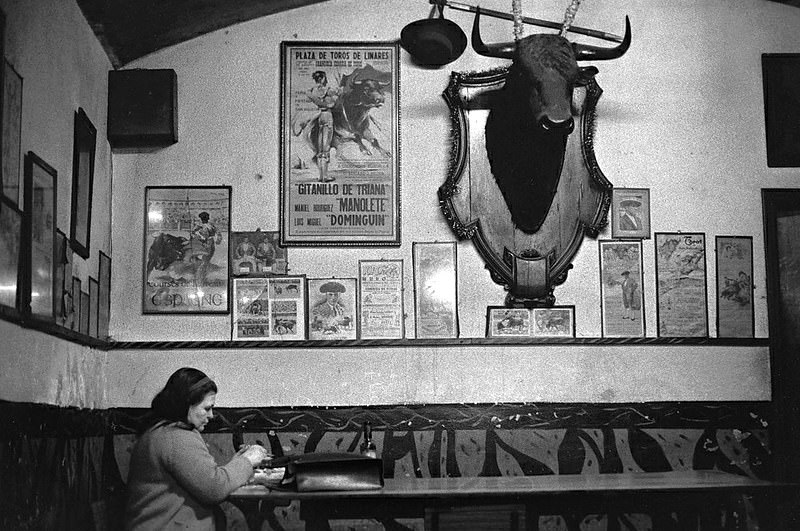
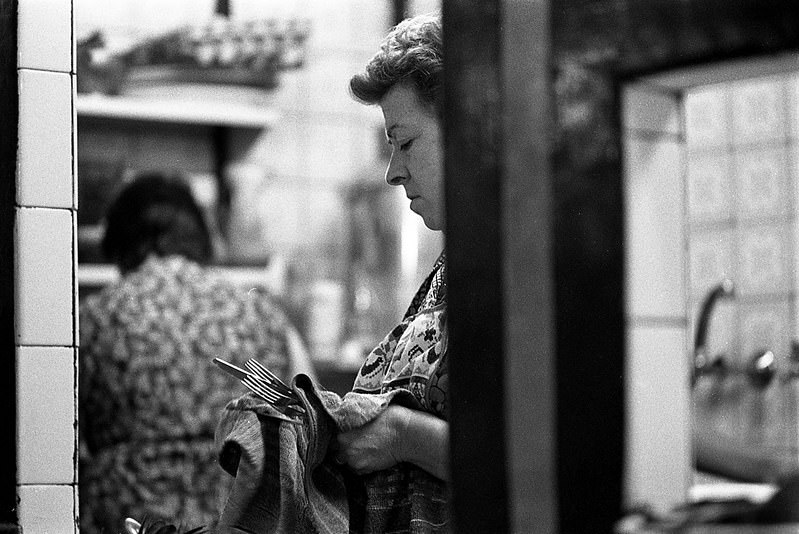
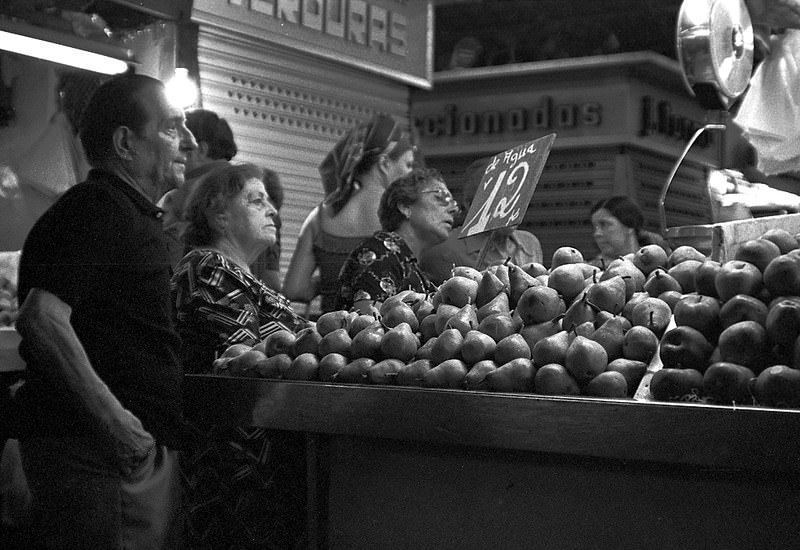
Inside Barcelona’s restaurants and markets, daily life continued regardless of the political calendar. Women working in restaurant kitchens, vendors selling produce at Les Rambles, and workers moving through the Zona Franca cargo port all formed the economic backbone of a city of millions.
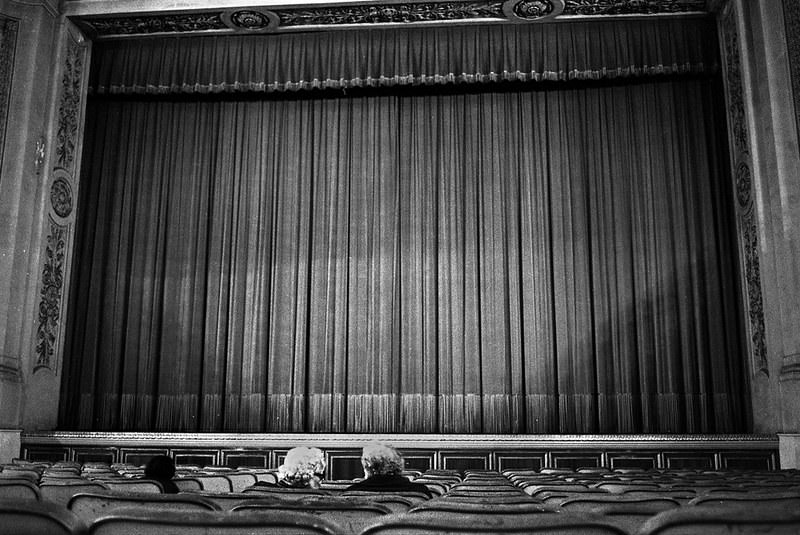
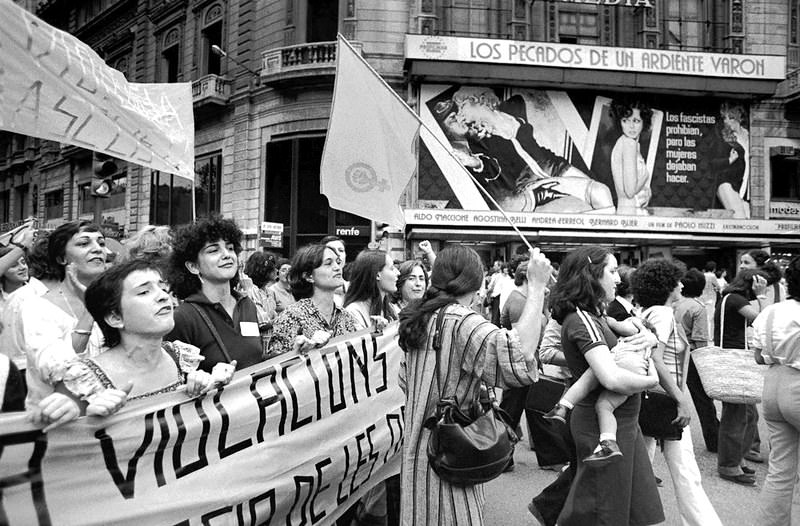
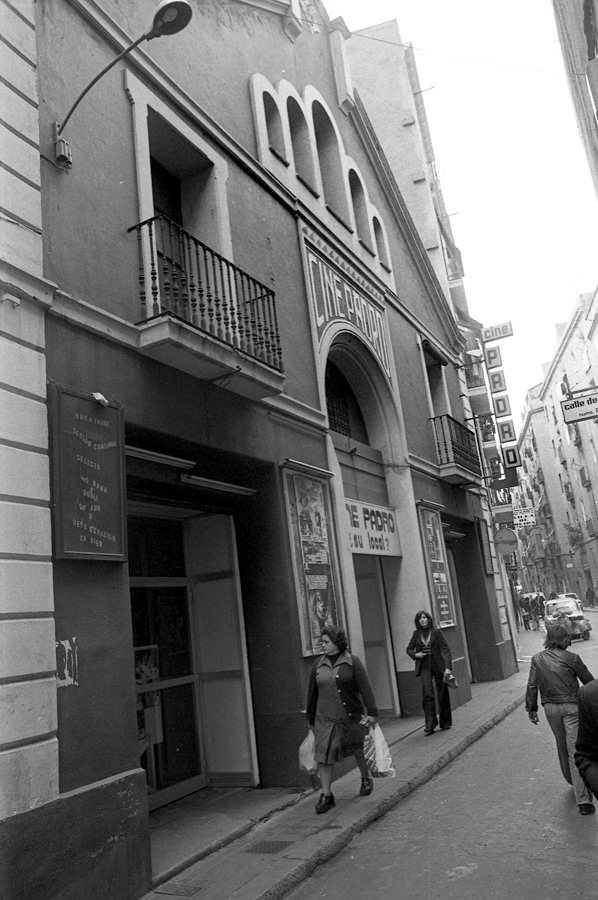
In September 1977, a feminist demonstration against rape took place outside a cinema screening a film that protesters found offensive. The protest was one of many signs that women in Barcelona were organizing publicly around issues of gender and safety — topics that had been impossible to raise openly under Franco.
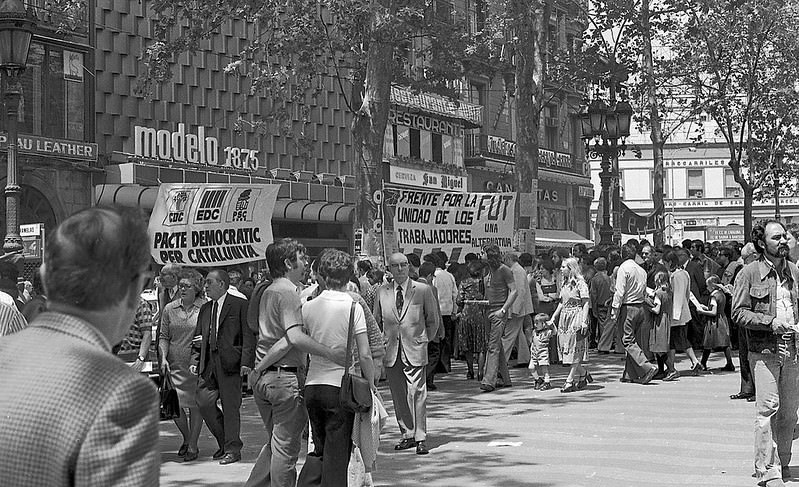
The June 1977 elections were a watershed moment. Voters lined up across Barcelona to cast ballots for the first time in four decades. The pre-electoral atmosphere on Las Ramblas in the weeks before was charged with energy — posters, debates, and rallies competed for attention on every block.
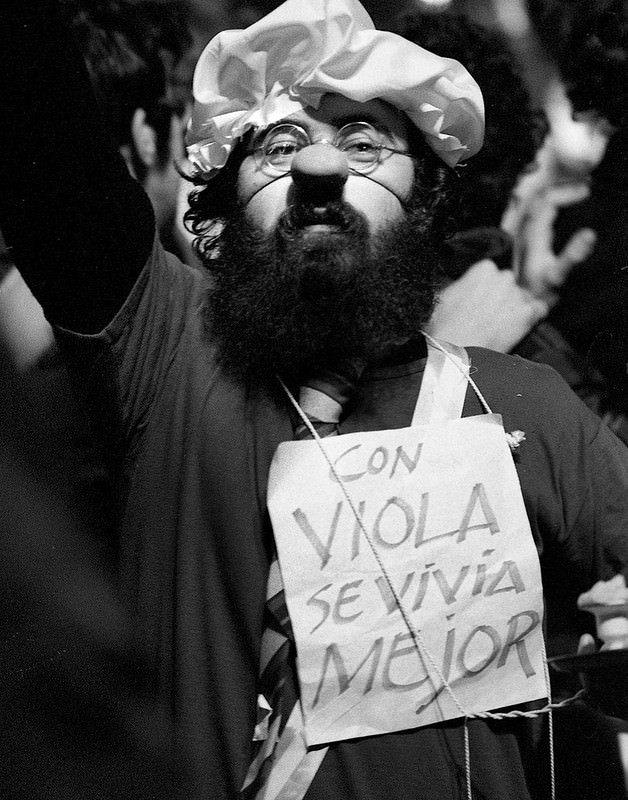
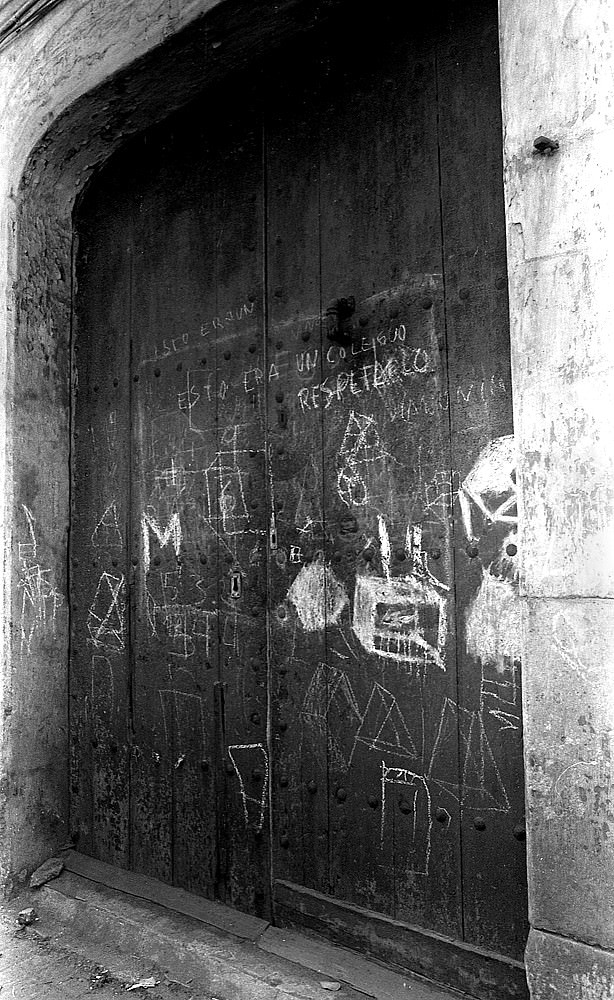
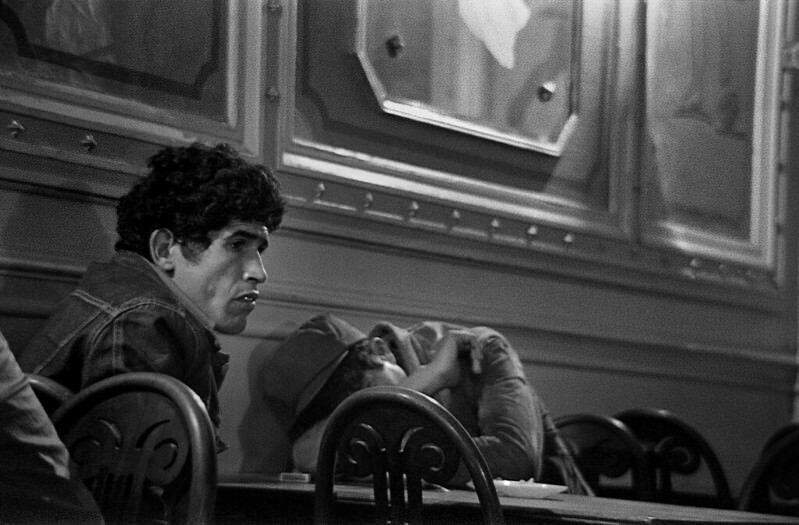
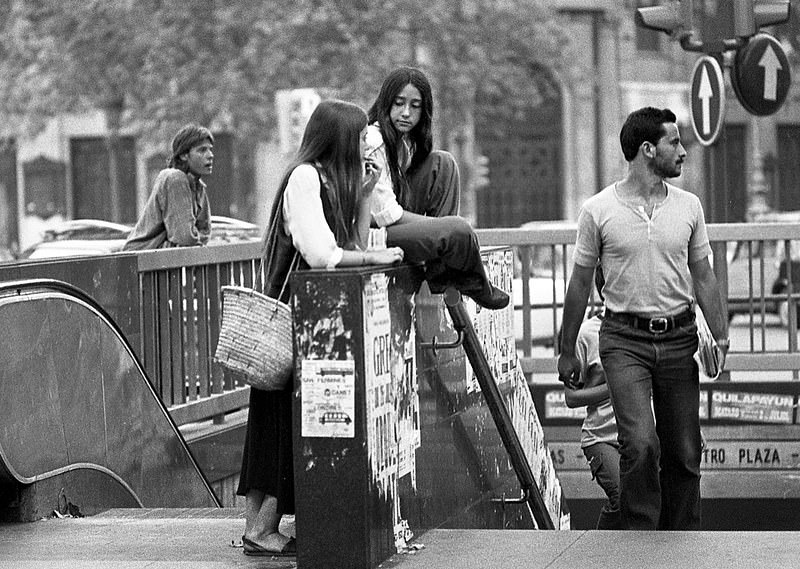
On September 11, 1977 — the Diada Nacional de Catalunya — over one million people filled Barcelona’s streets to demand the restoration of Catalan autonomy. It was the largest political demonstration in Spain since the end of the Civil War. Less than a month later, the Spanish government granted Catalonia its statute of autonomy, restoring the Generalitat that Franco had abolished. A funeral held in 1977 at the Church of the Conception for the murder of G. Freiche underscored that the transition period carried real human cost alongside its political milestones.
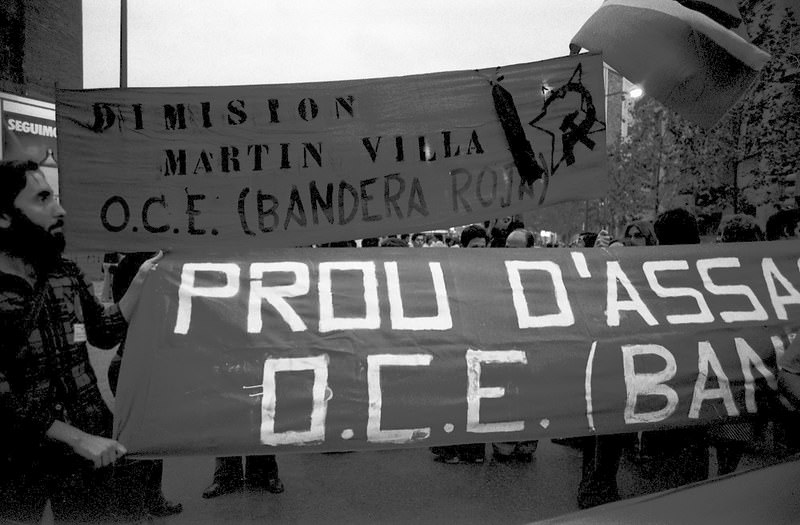
The Plaça de Catalunya and Las Ramblas in 1976 were already sites where political and everyday life overlapped. Catalan flags appeared more openly. Public gatherings grew in size. The city’s most iconic public spaces became arenas for a population asserting an identity that had been suppressed for decades.
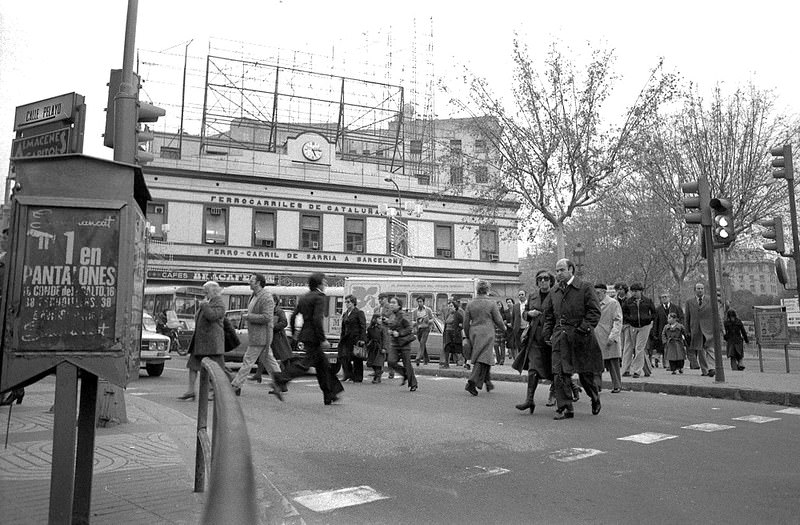
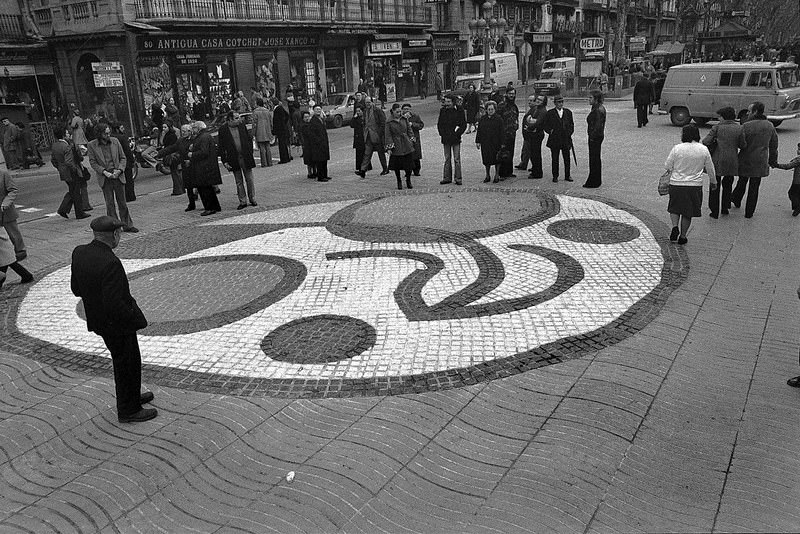
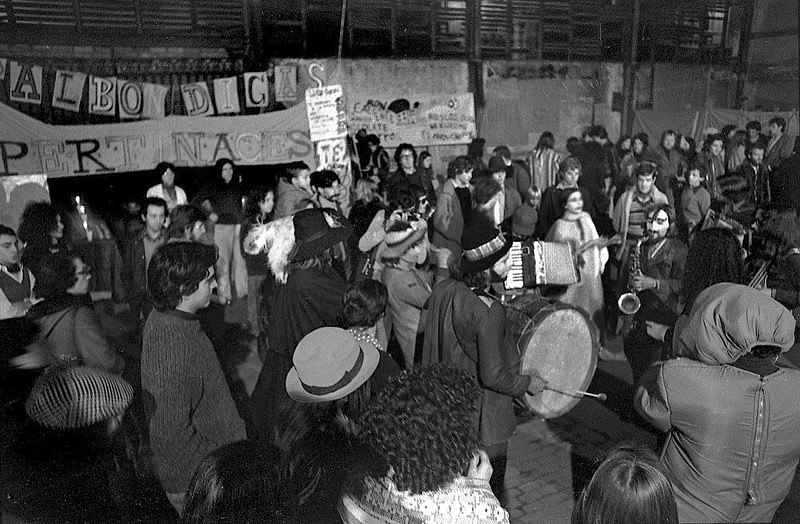
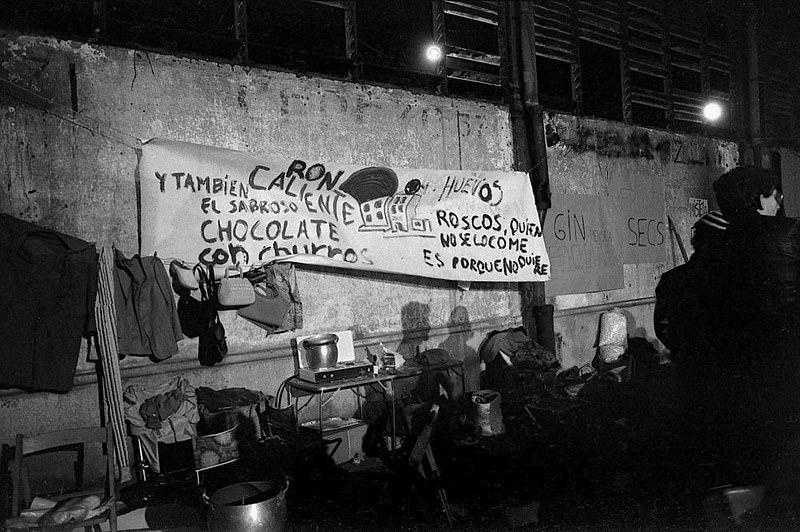
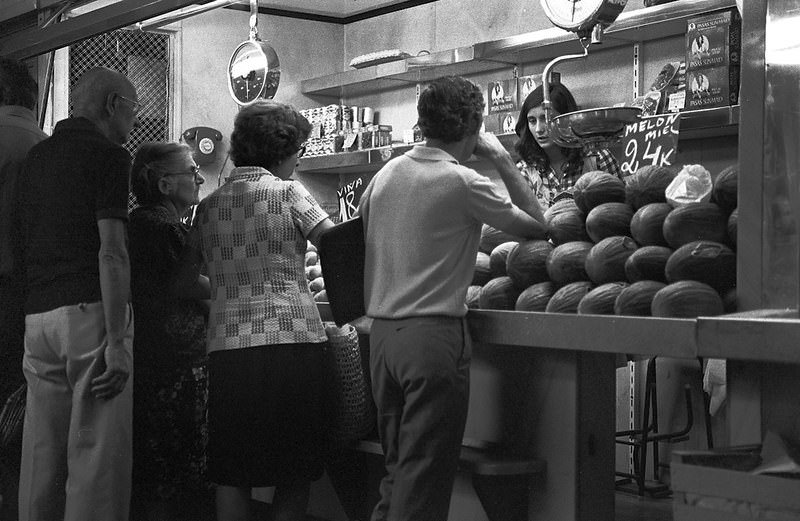
Barcelona’s markets were central to neighborhood life in 1976. The Born Market hosted both commerce and celebration. The Boqueria on Las Ramblas drew shoppers every day of the week. El Raval — still commonly called the Barri Xino — was a dense, working-class district with its own distinct social world.
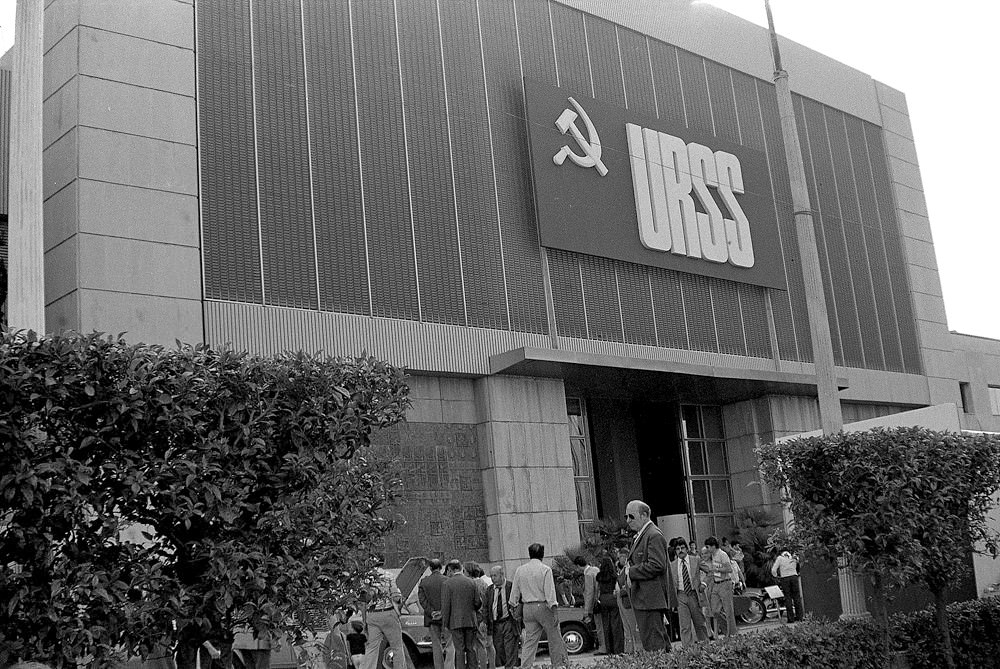
International presence in Barcelona was visible even in 1976. The USSR Pavilion at a Barcelona trade fair reflected the city’s role as a meeting point for commerce beyond Spain’s borders. Trade fairs drew exhibitors from across Europe and beyond, and Barcelona’s port and commercial infrastructure made it a natural venue.