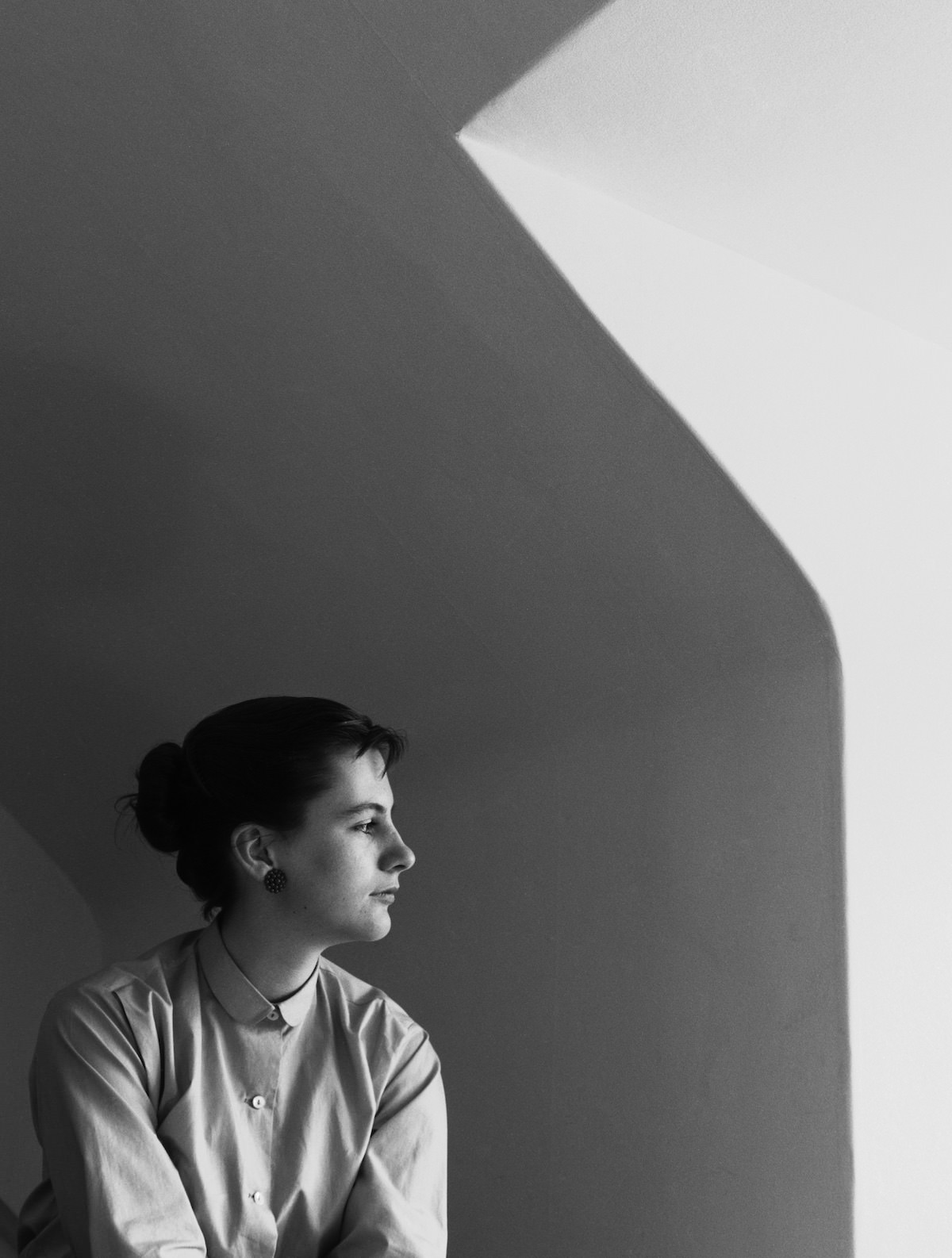
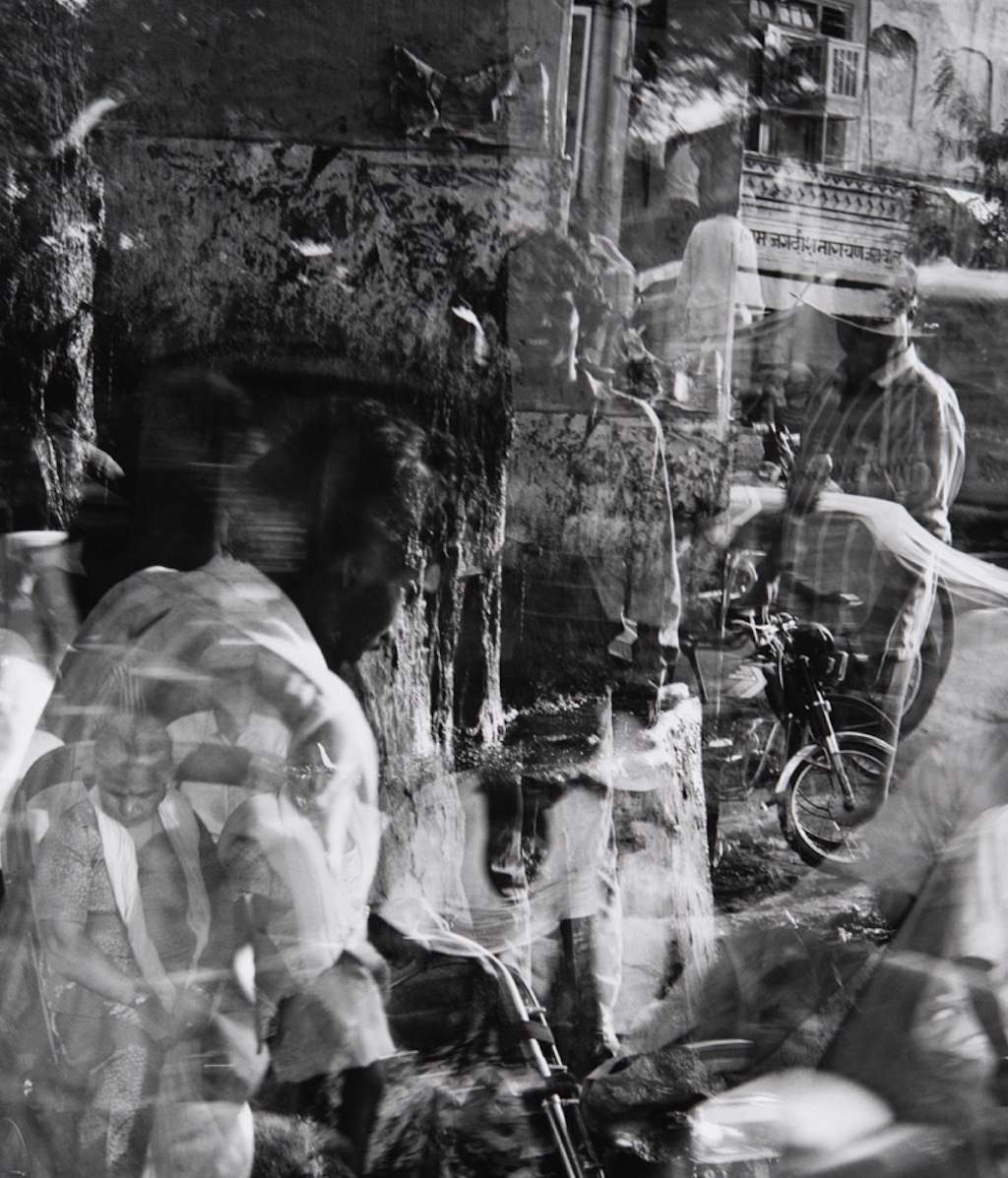
Johan van der Keuken was born in Amsterdam in 1938, and from an early age, he saw the world differently through a lens. He wasn’t interested in tidy narratives or comfortable truths. He wanted his audiences to see, feel, and question — not simply watch and accept.
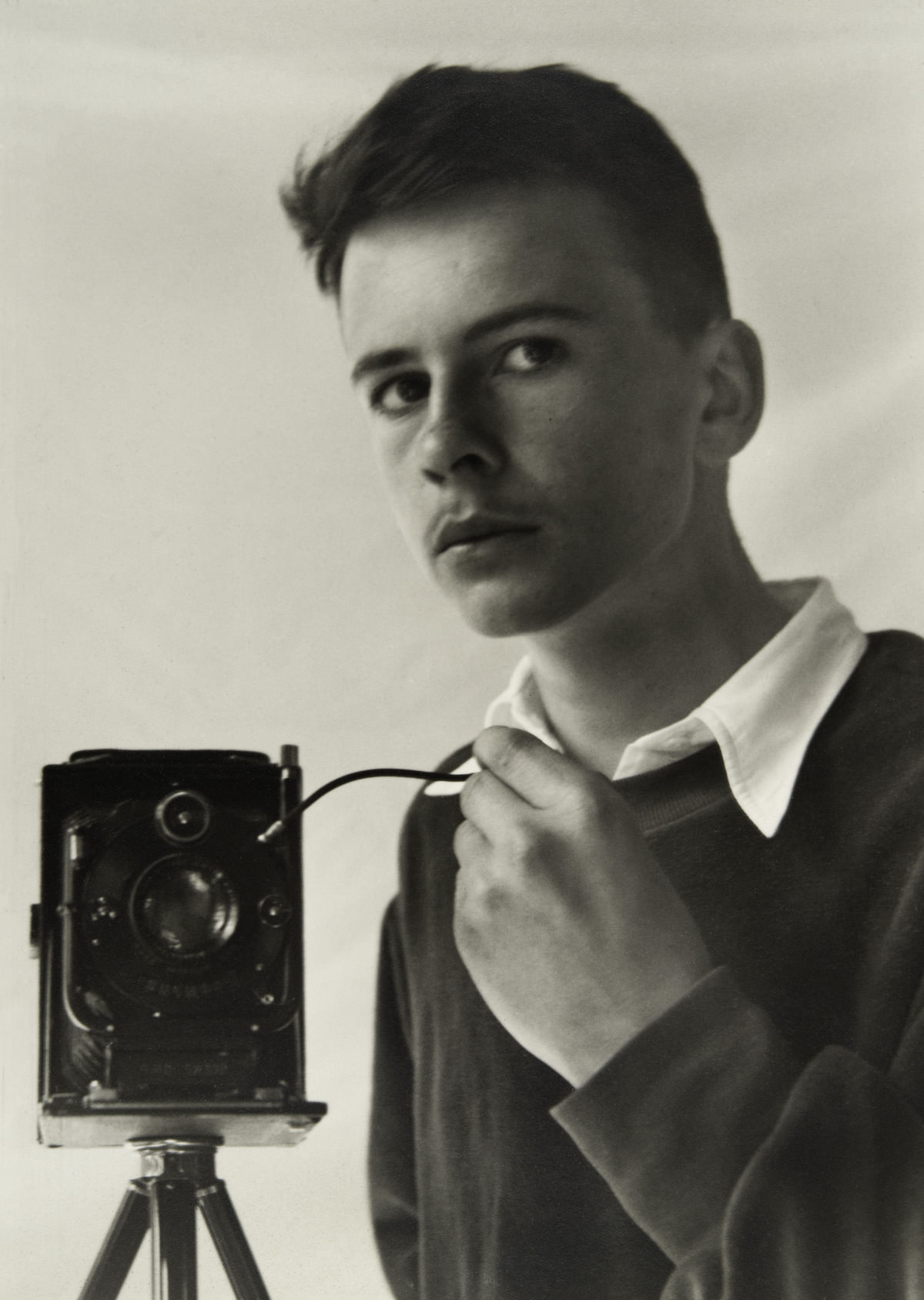
By the age of 17, van der Keuken had already published his first photo book, “We Are Seventeen.” That early work signaled his lifelong focus: documenting the raw, unfiltered textures of society. He was drawn especially to people on the margins — the disabled, the displaced, and those caught in cultural struggles.
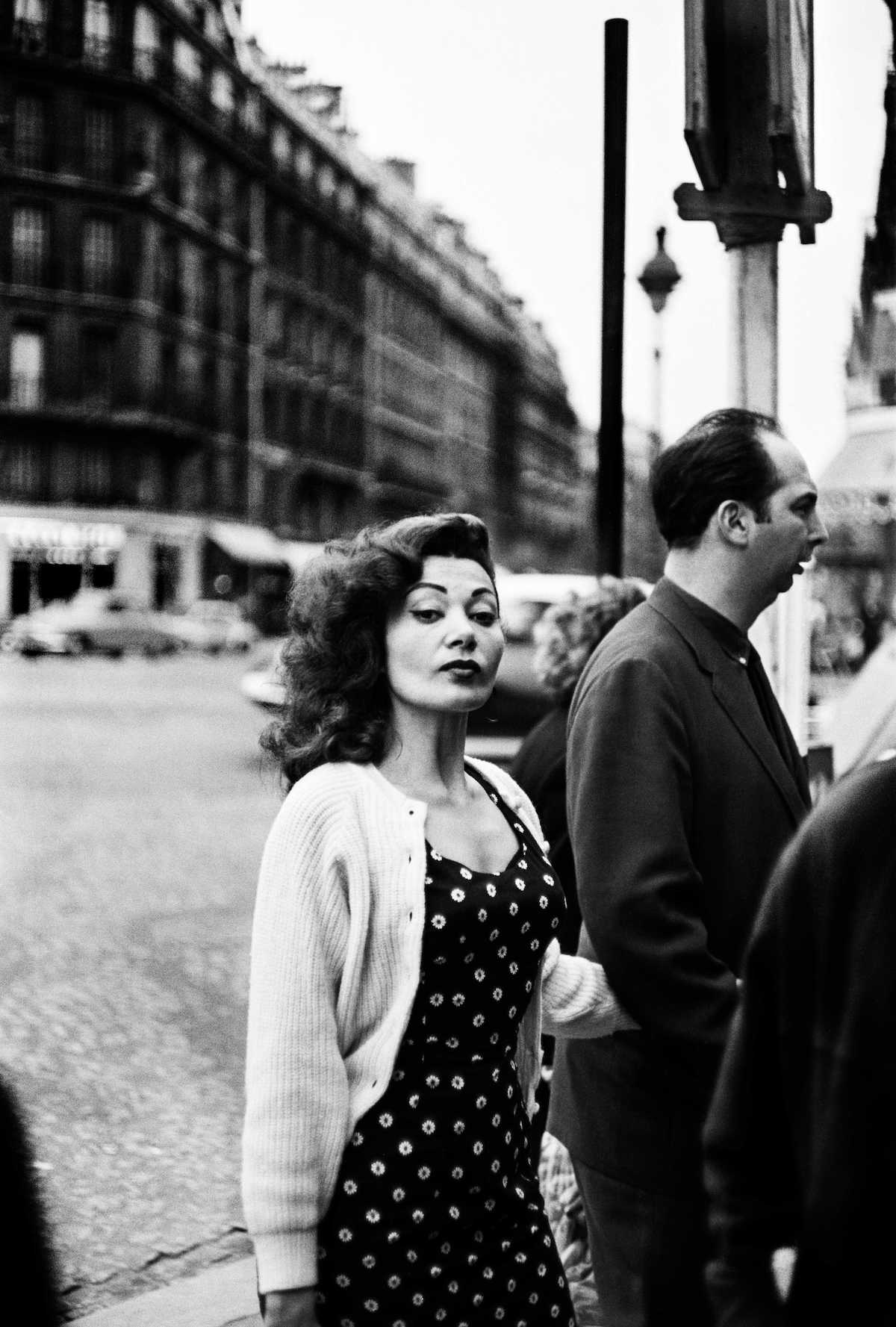
![dance scene on the Ile Saint-Louis in Paris, taken during the 'Quatorze Juillet' [Bastille Day] celebration in 1958.](https://www.bygonely.com/wp-content/uploads/2024/04/Johan_van_der_Keuken_photography_3.jpg)
Traditional documentaries frustrated him. He felt they stripped away context and handed viewers a simplified version of reality. News media did the same — reducing complex human situations to clean, digestible headlines. Van der Keuken believed people deserved more than that.
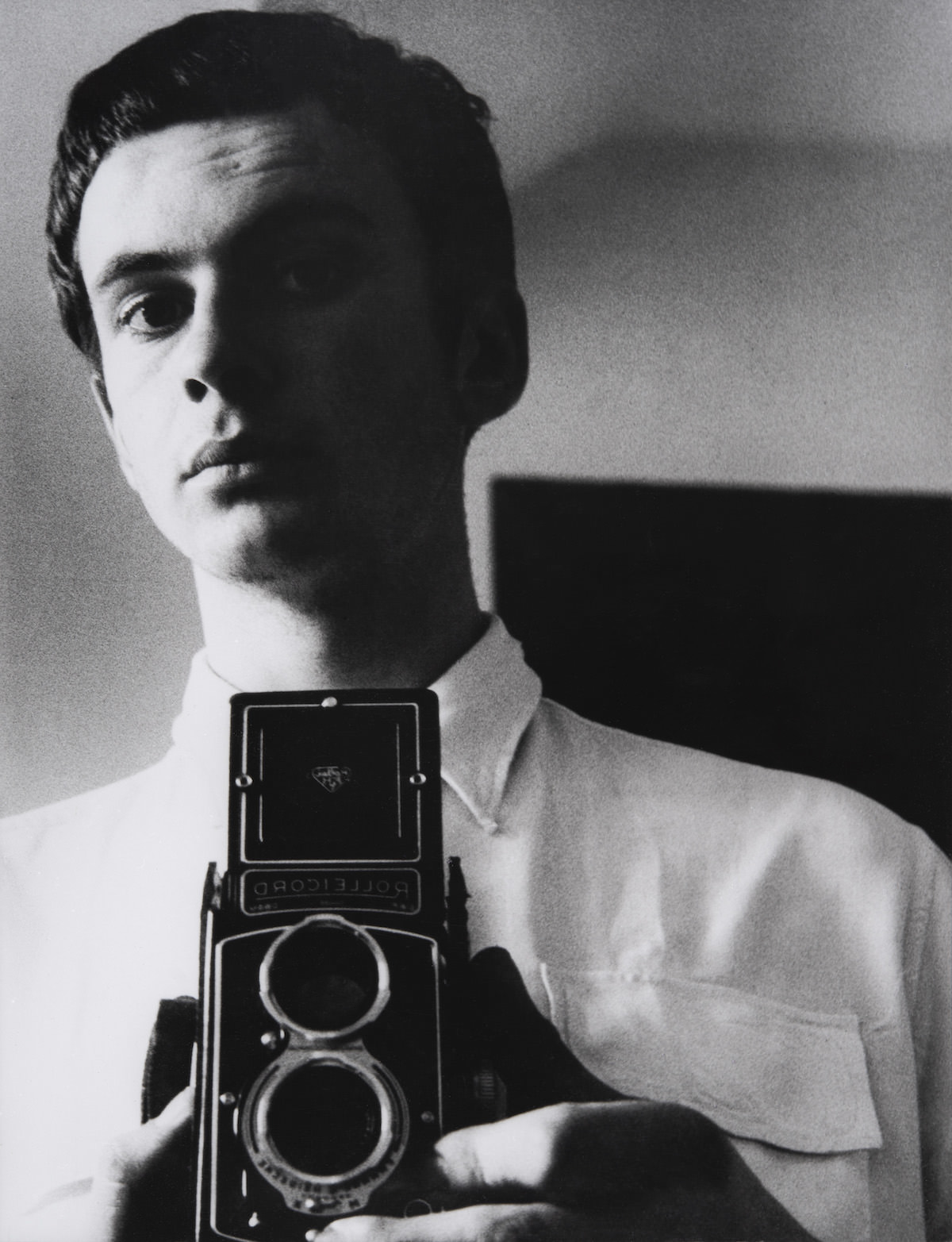
In a 1978 interview, he described his philosophy plainly. Films, like any finished product, only show the strongest moments — the highlights of a long, messy process. Van der Keuken wanted to expose the full journey: the doubts, the wrong turns, and the moments of uncertainty that filmmakers usually cut away.
He understood that audiences naturally crave certainty — a clear message they can take home. But van der Keuken pushed back against that instinct. He wanted viewers to see the world through his perspective while also recognizing that his perspective was exactly that: one point of view, not absolute truth.
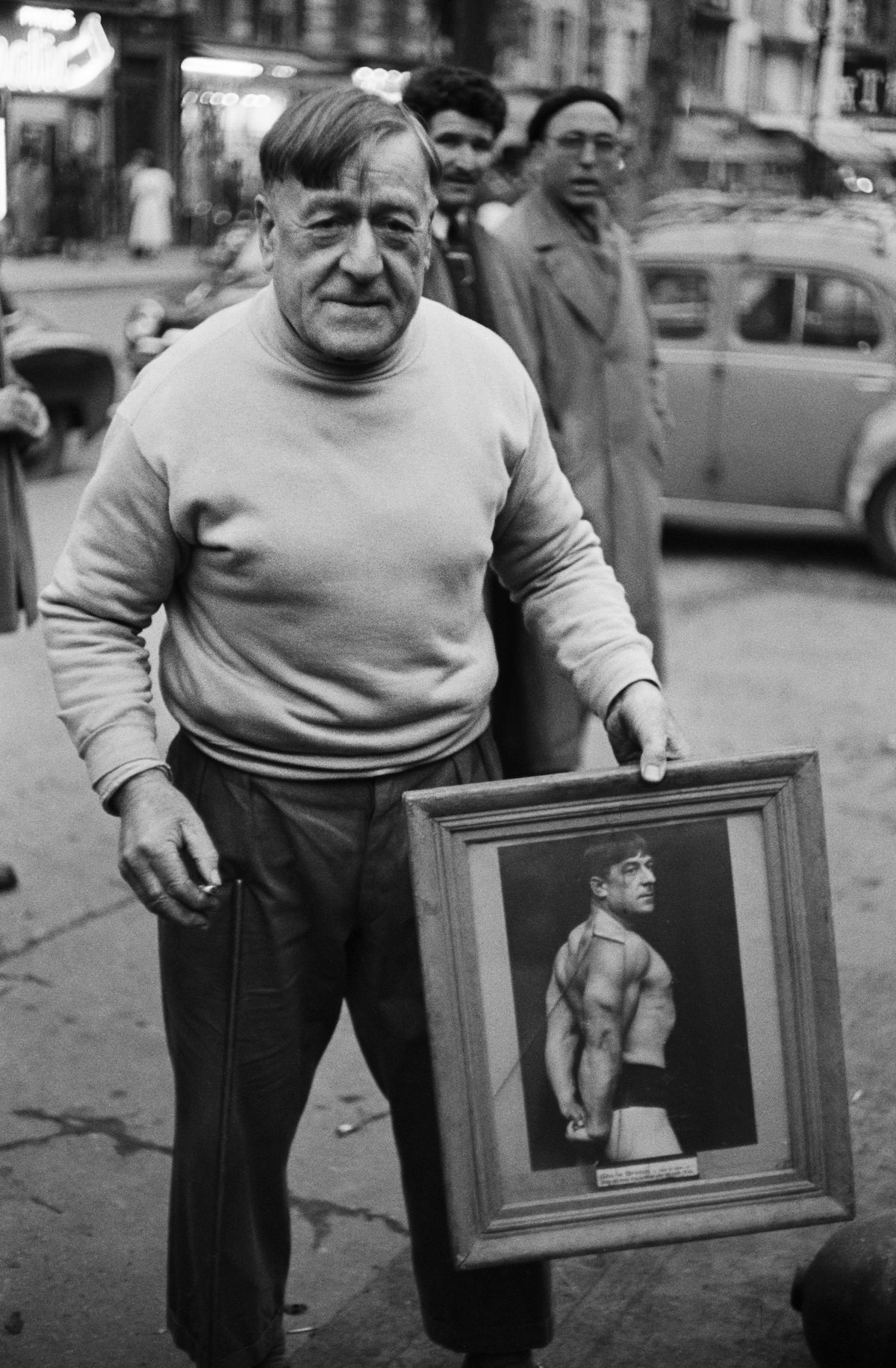
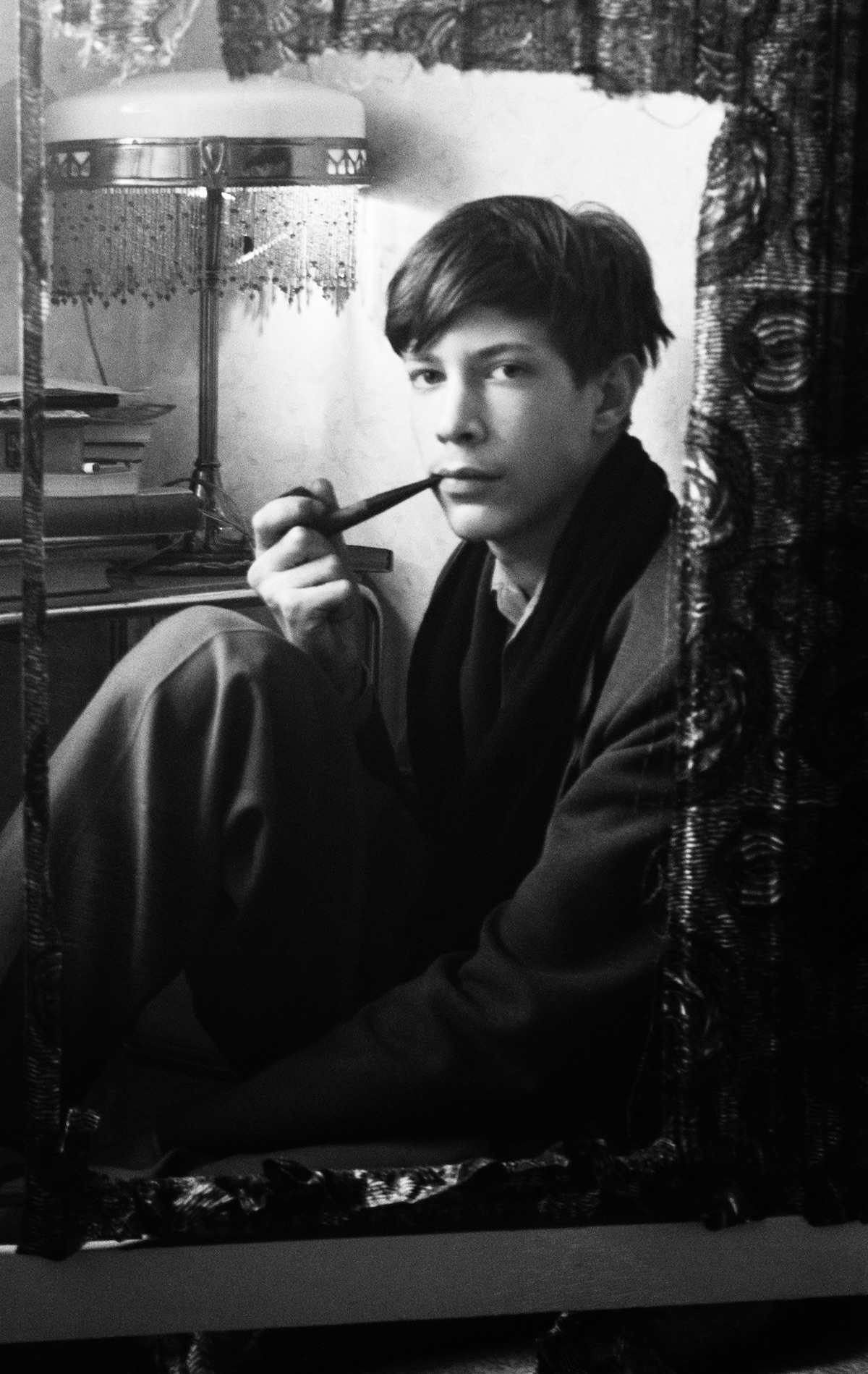
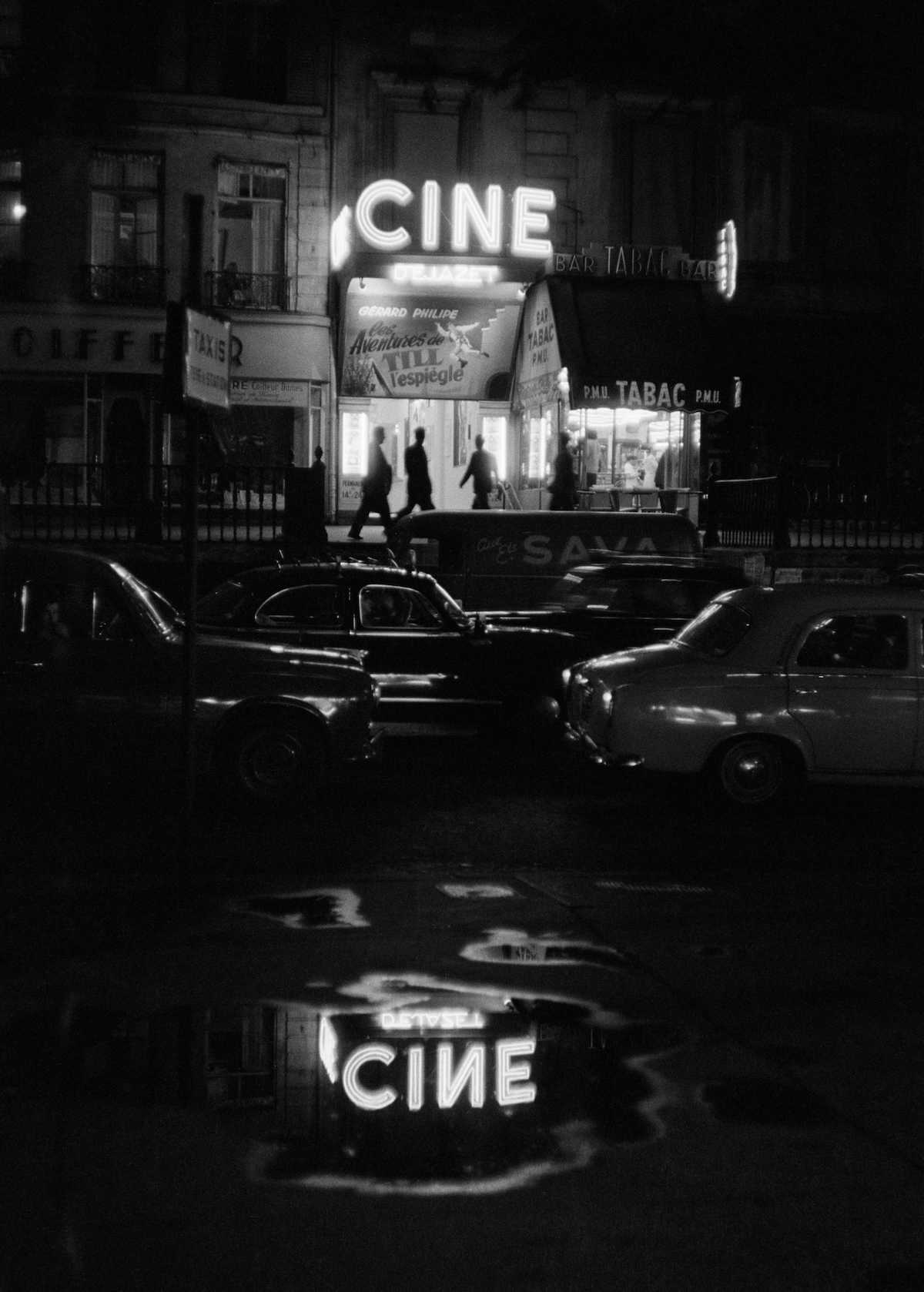
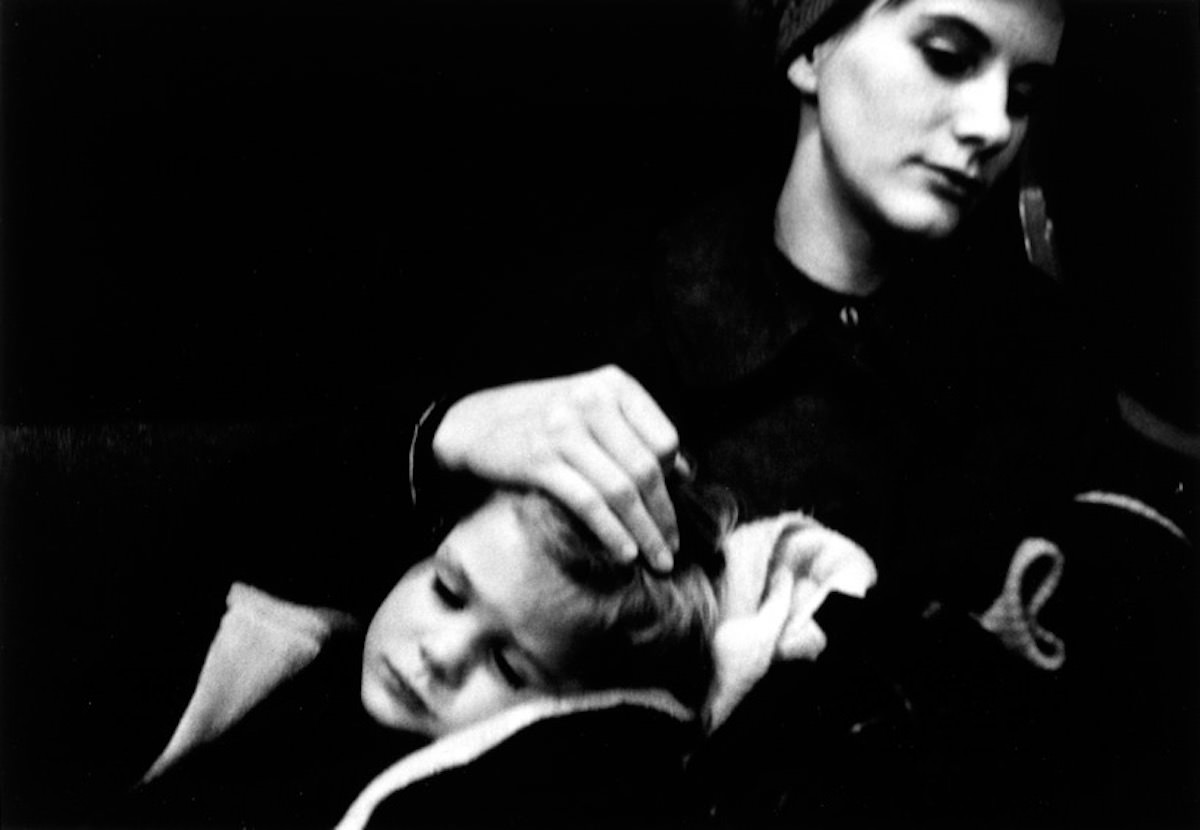
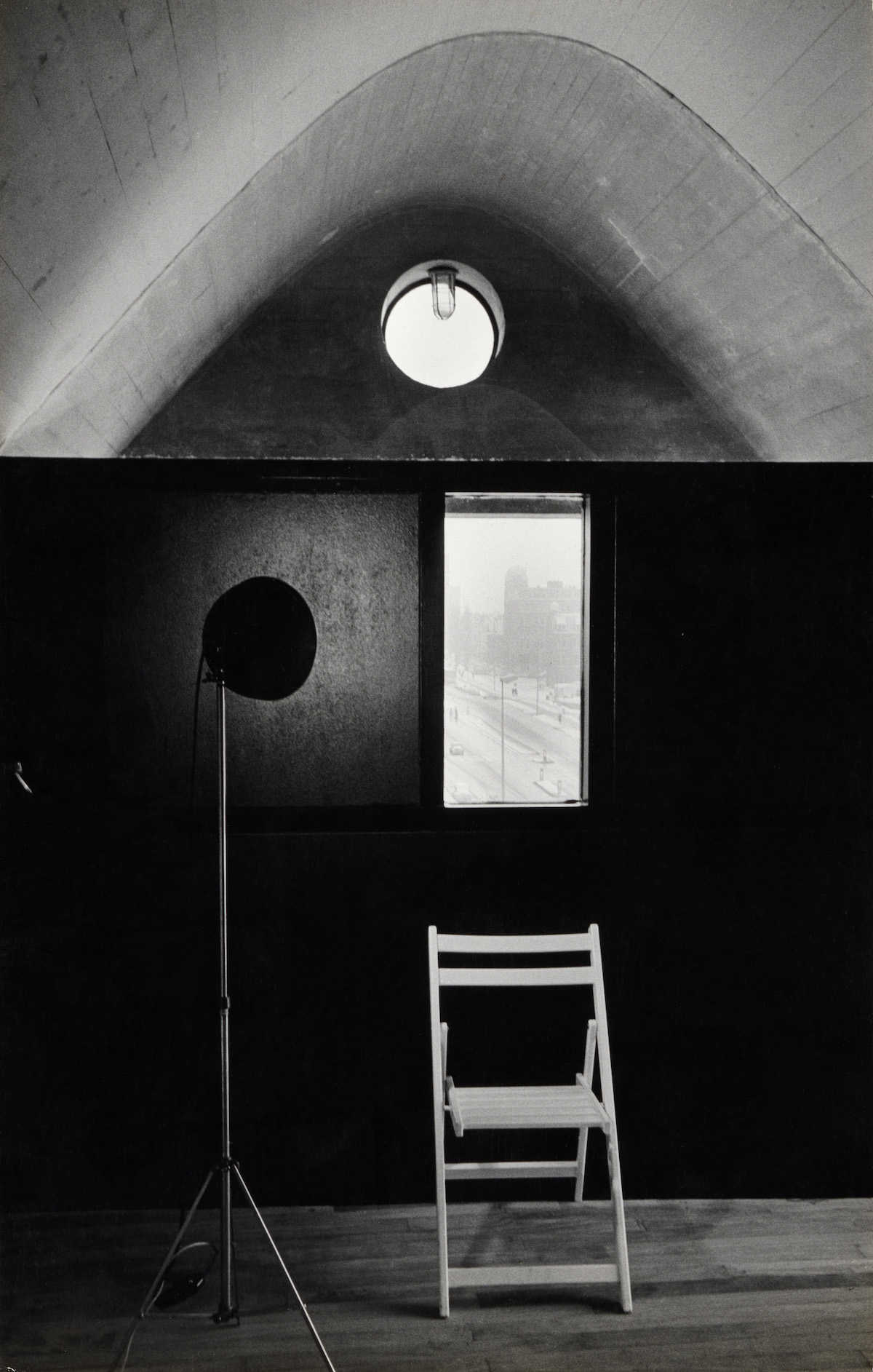
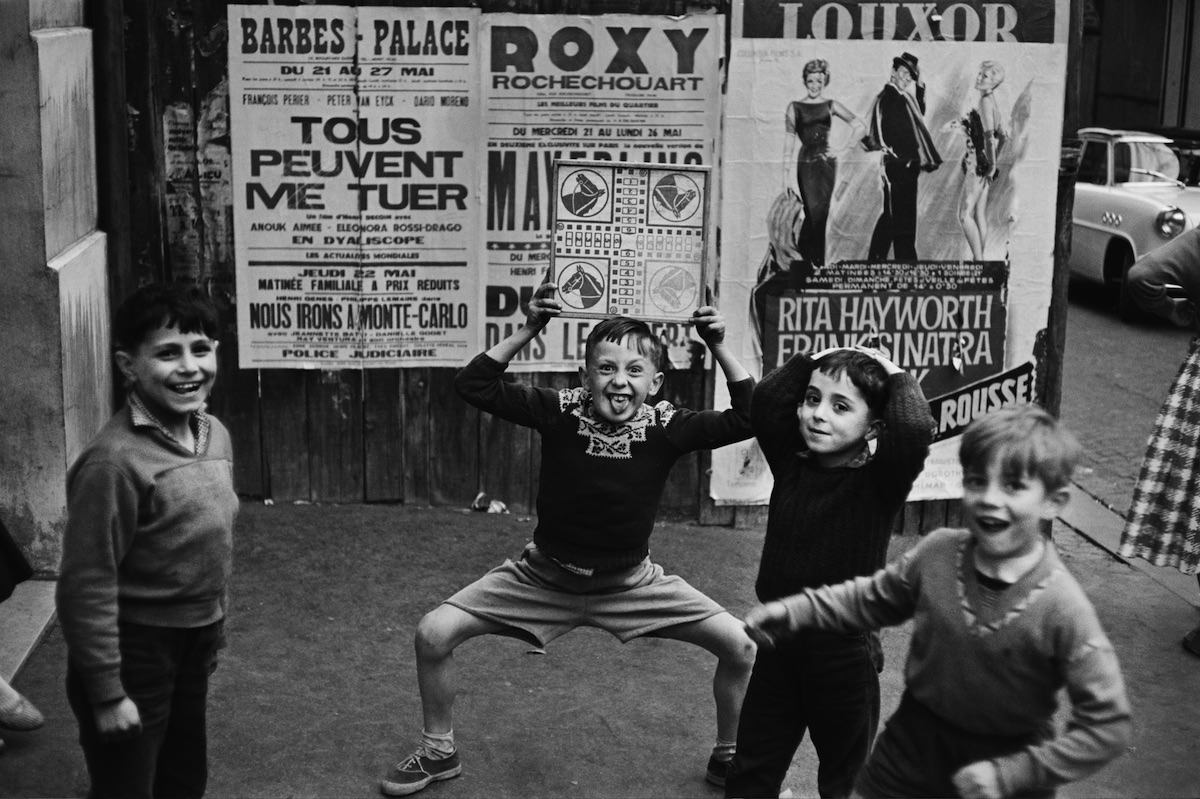
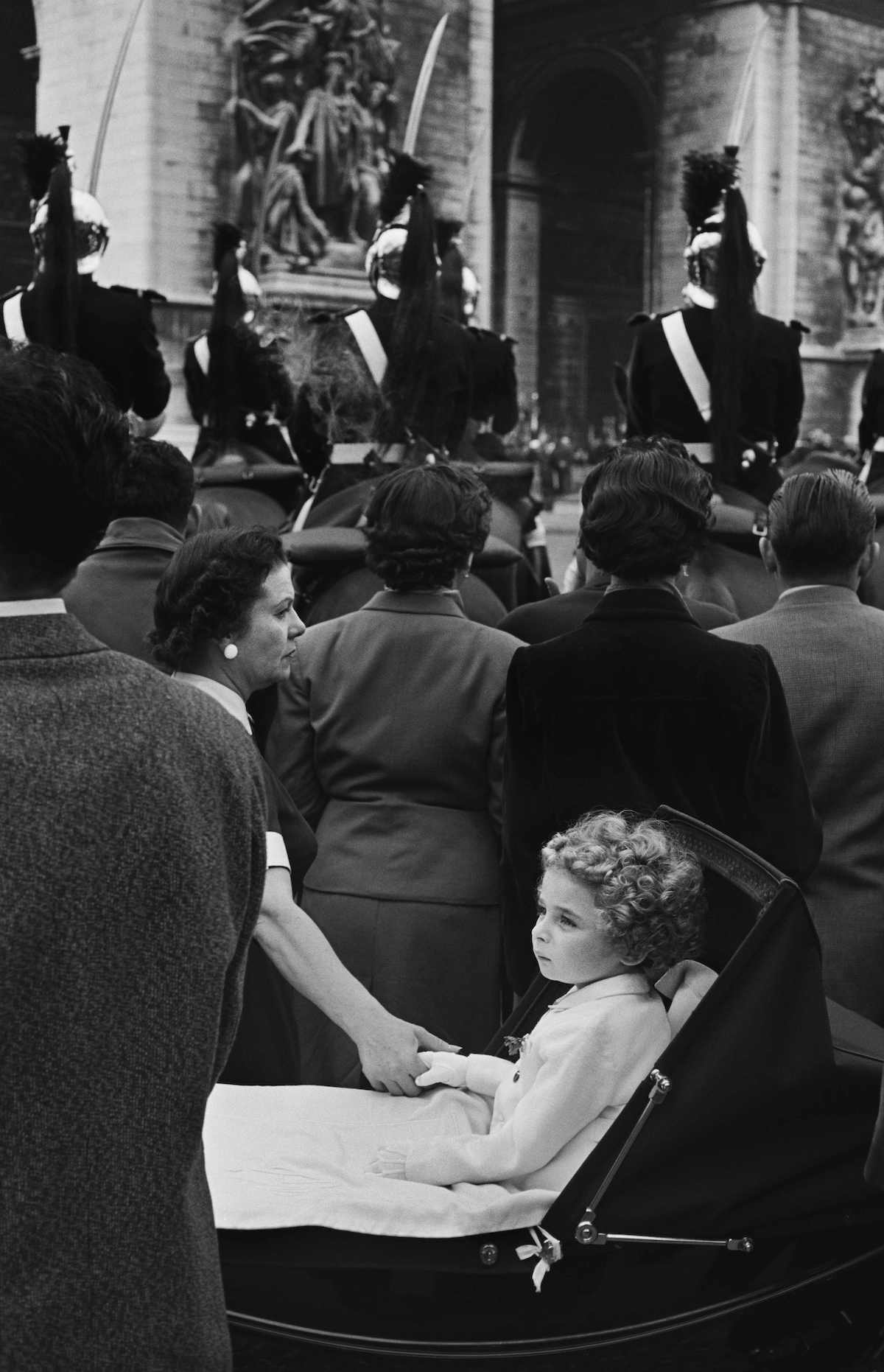
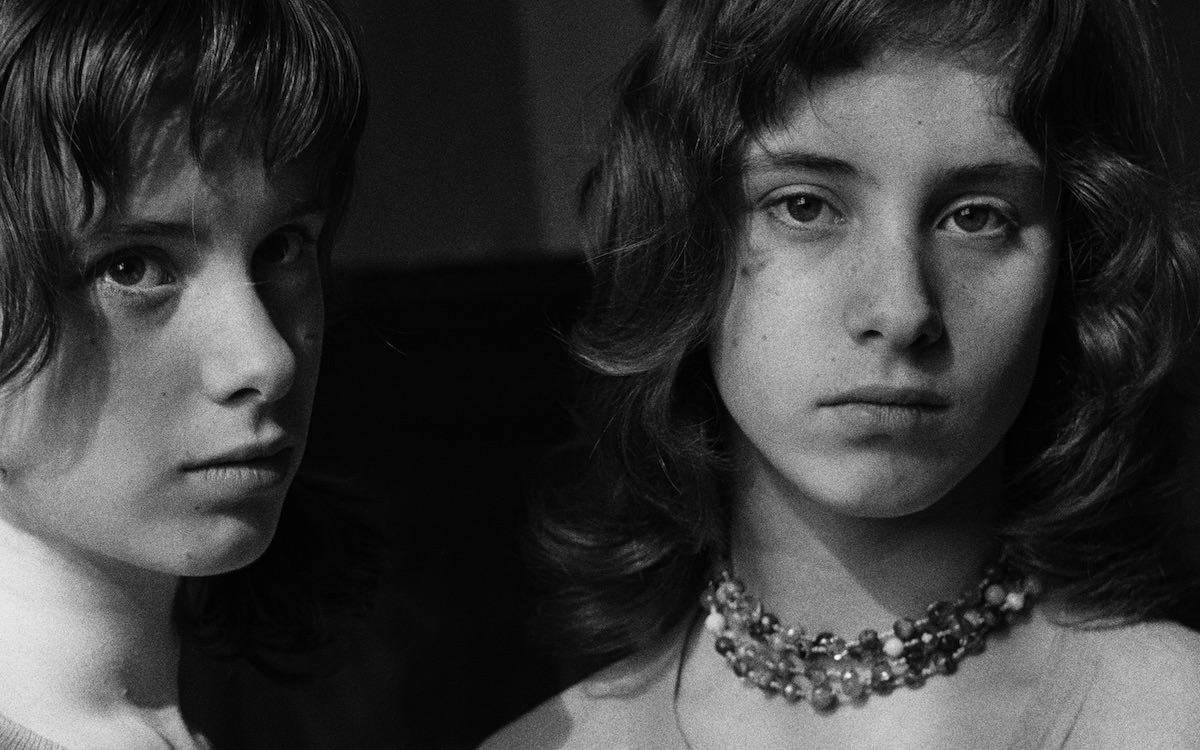
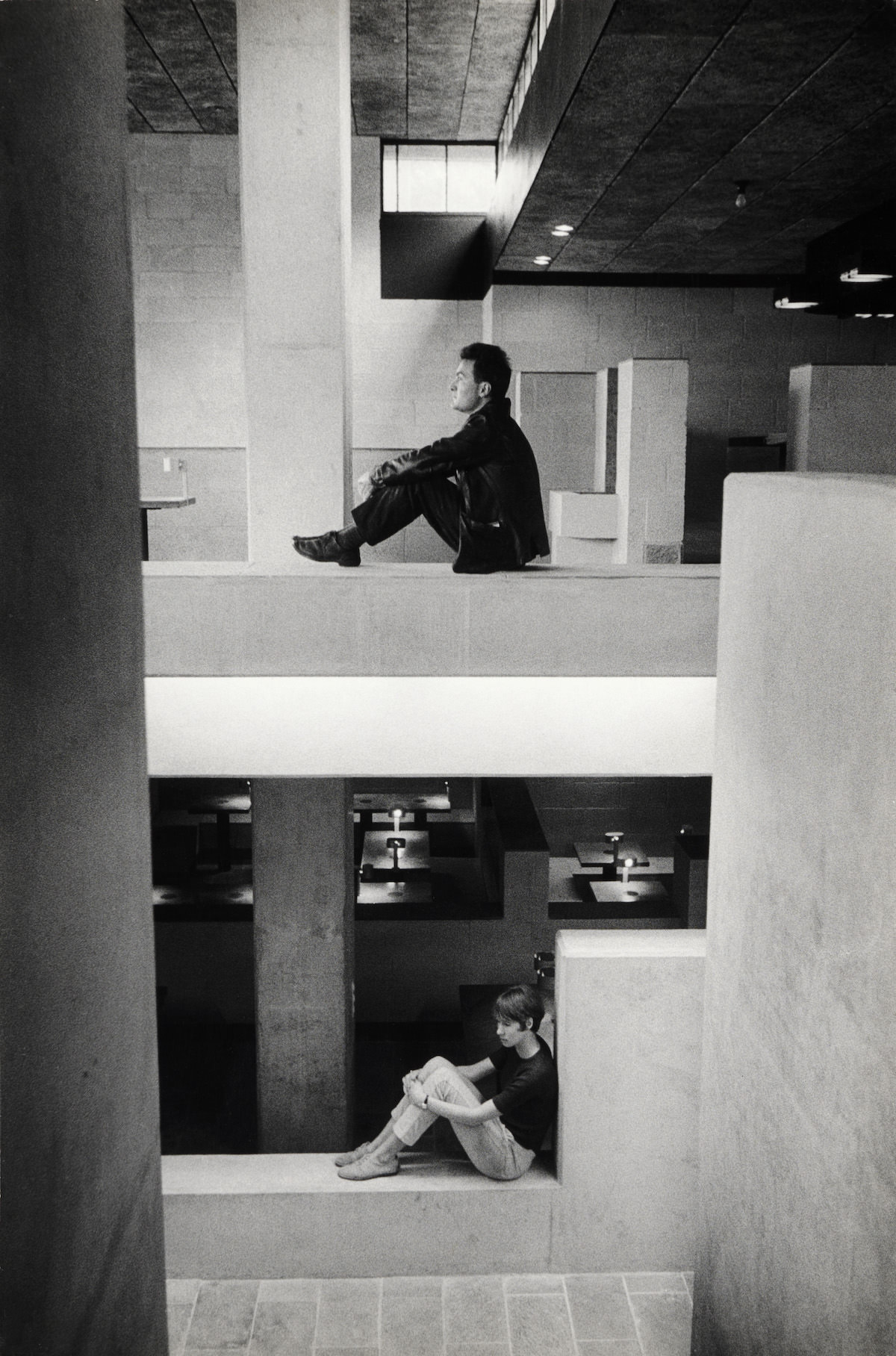
His photographs carry the same quality as his films — an honest, unguarded look at everyday life. Whether capturing a student’s cramped Amsterdam apartment or a street scene in Paris, he resisted glamour in favor of truth.
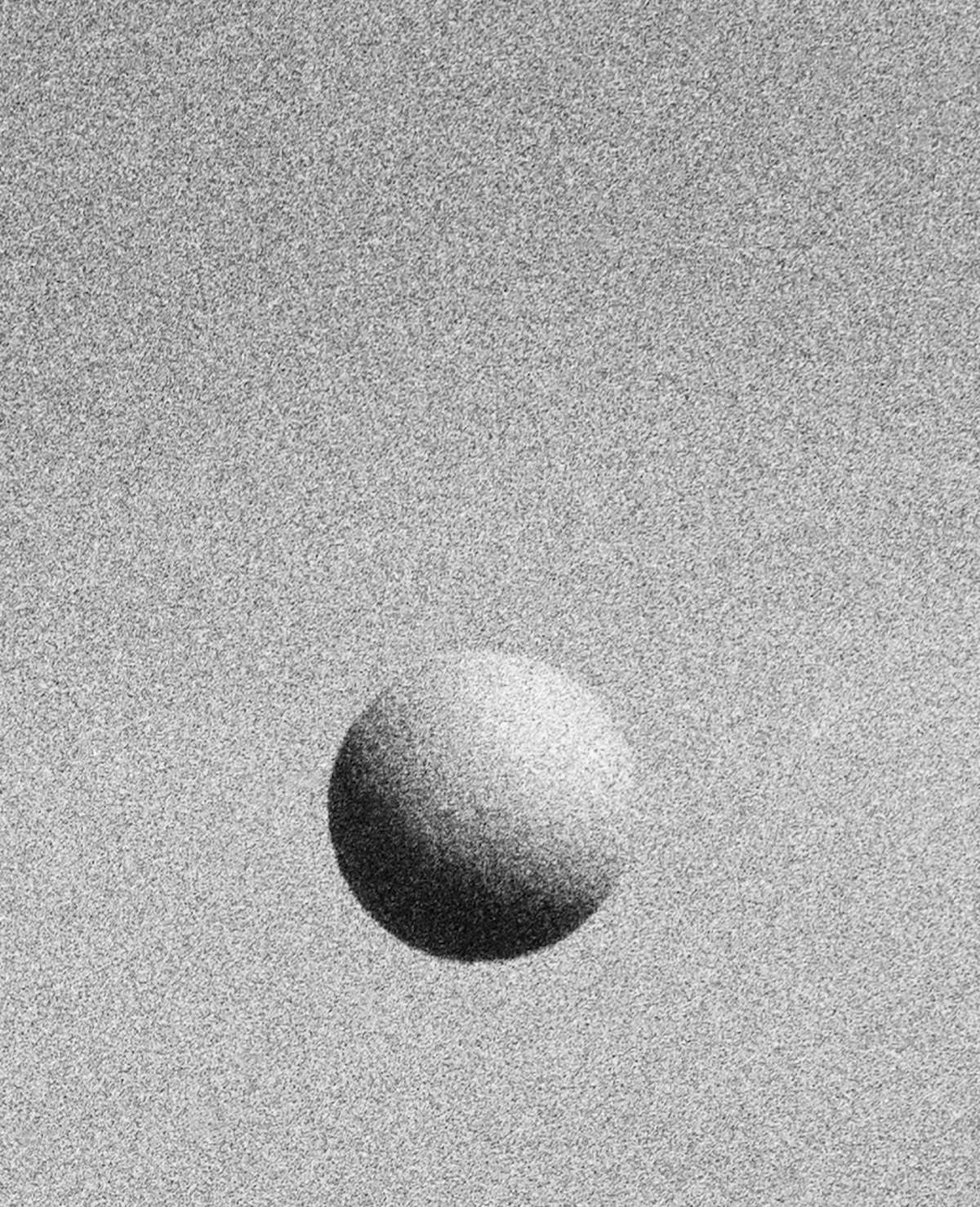
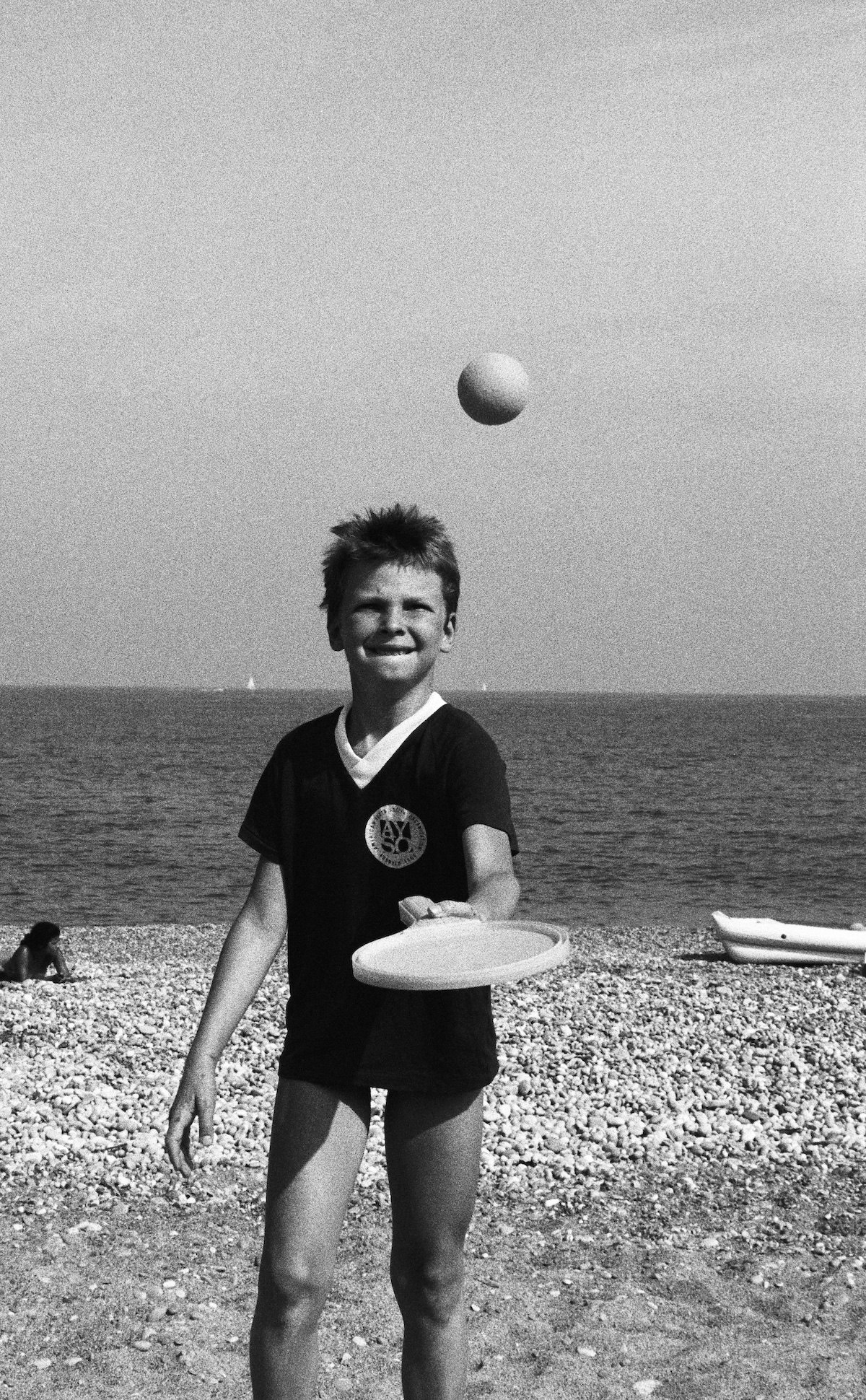
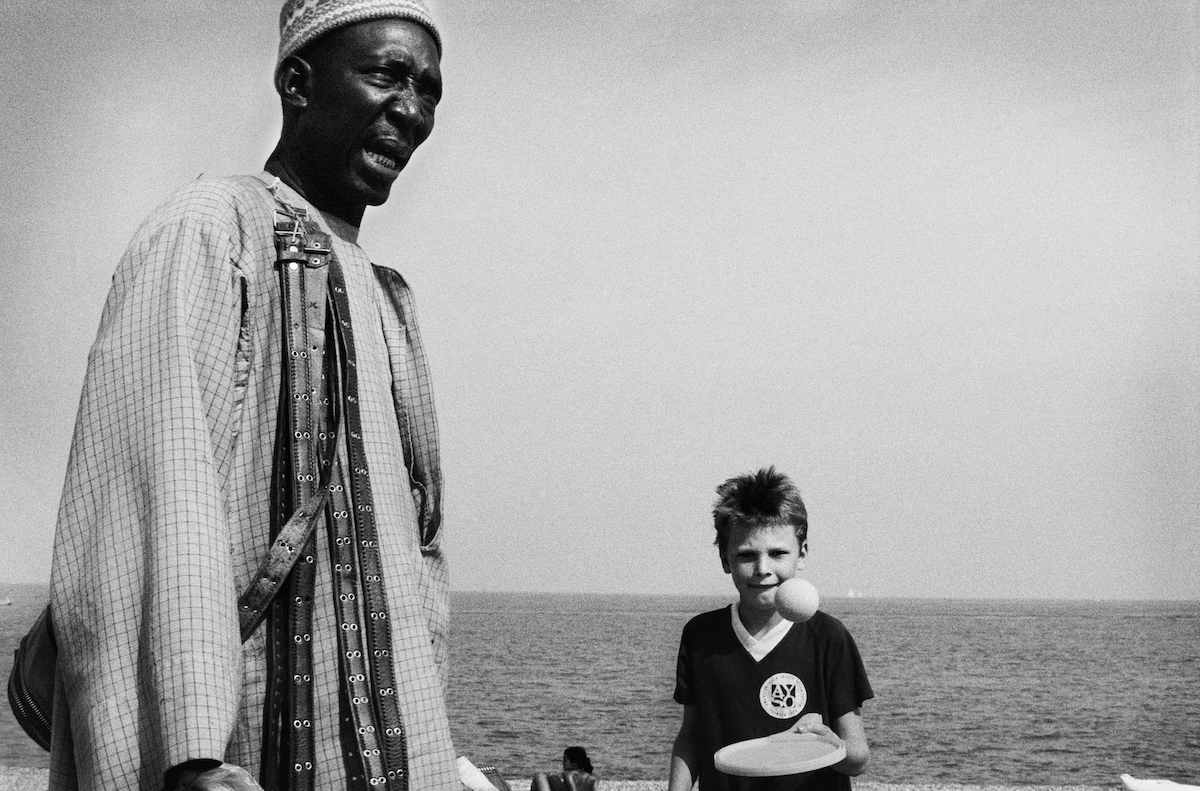
His early years in Paris between 1956 and 1958 were particularly formative. The city’s streets gave him both subjects and freedom, and his images from that period show a young photographer already confident in his instinct to record life as it actually was.
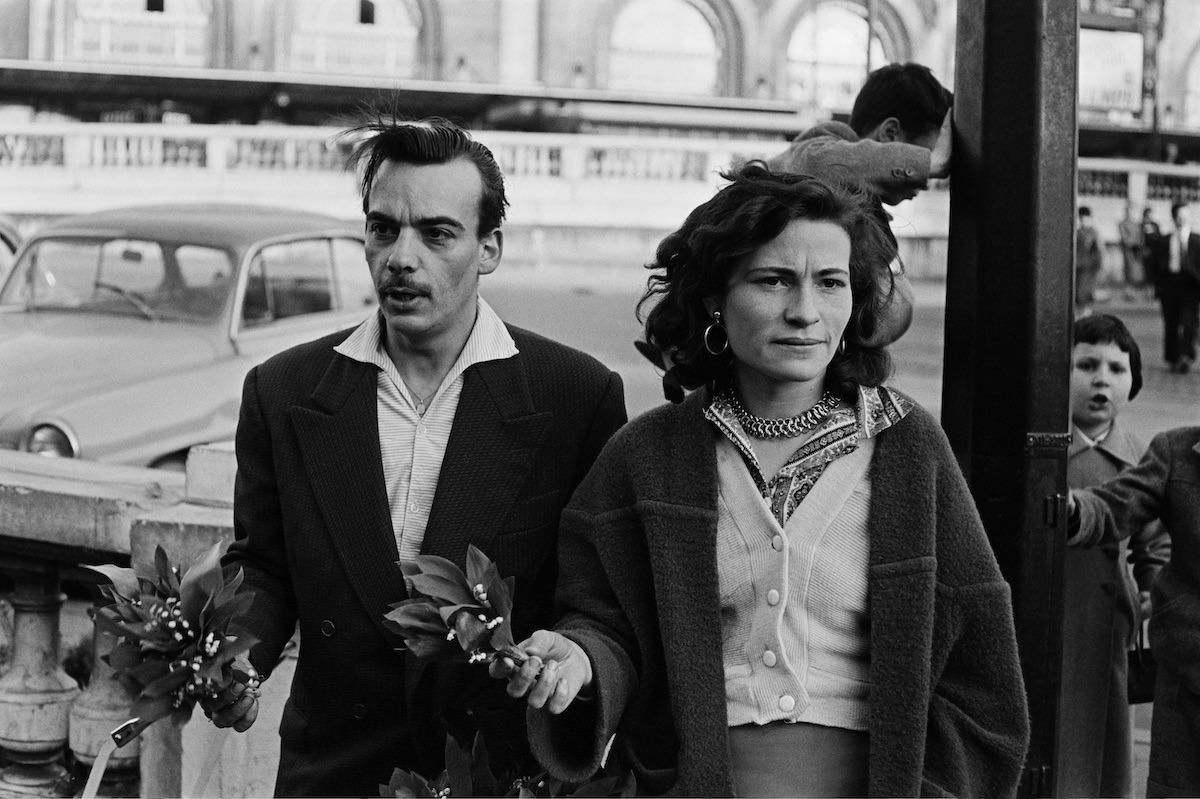
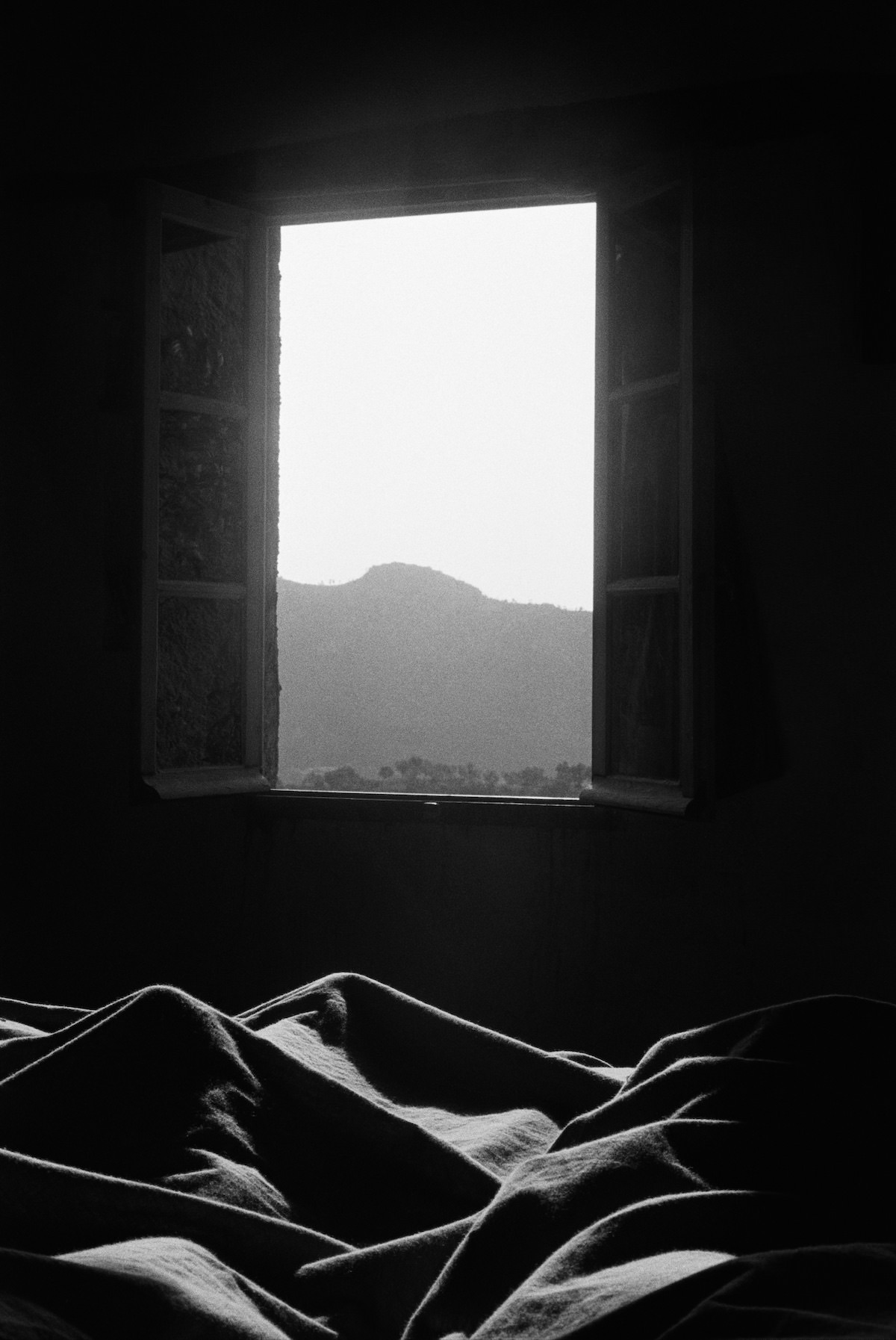
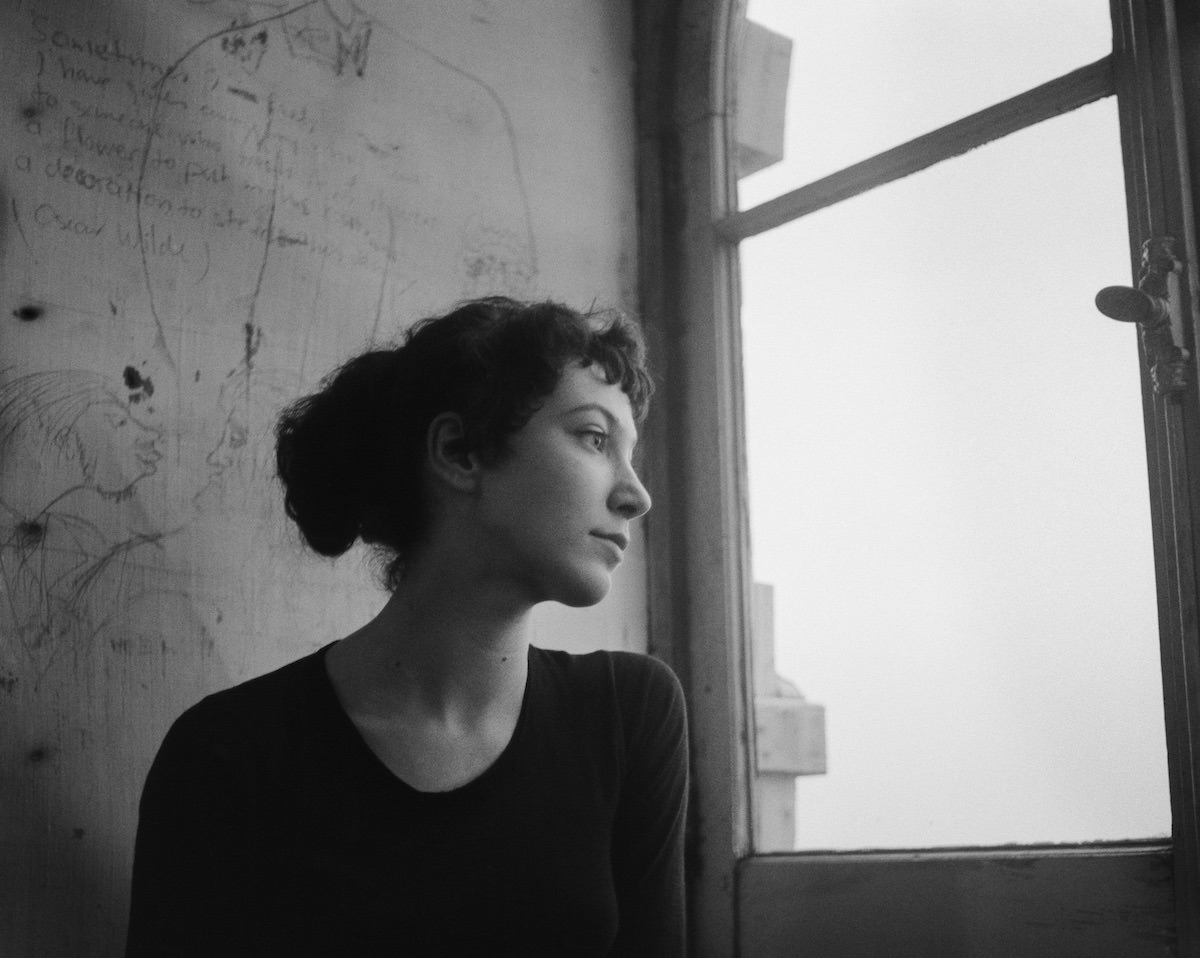
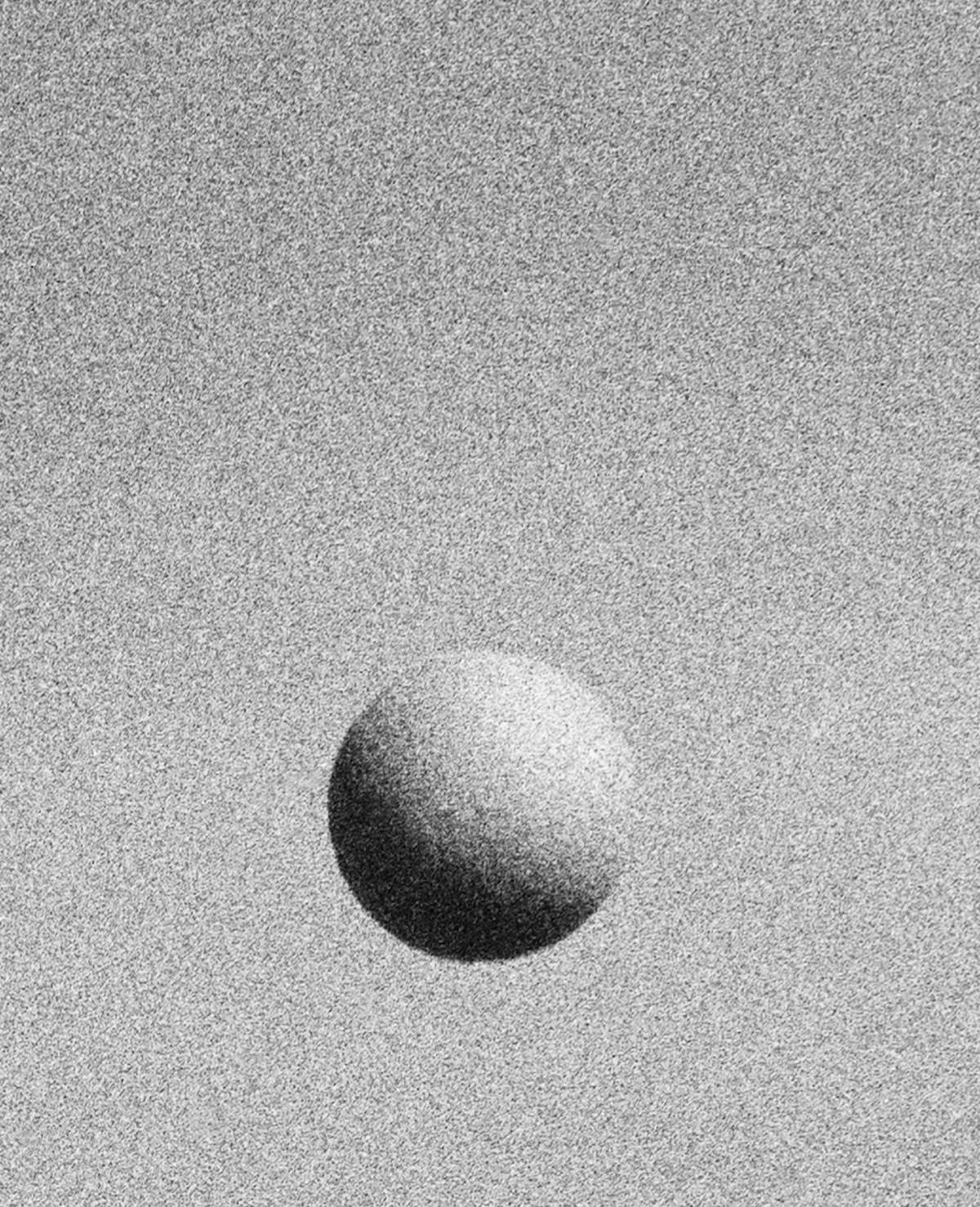
Van der Keuken’s subjects ranged widely — from two women photographed behind glass in 1956 to mountain landscapes in 1975. Each frame reflects a filmmaker and photographer who refused to let a single genre define him.
![Dancing scene on the Ile Saint-Louis in Paris, taken during the 'Quatorze Juillet' [Bastille Day] celebration in 1958.](https://www.bygonely.com/wp-content/uploads/2024/04/Johan_van_der_Keuken_photography_18.jpg)
What set van der Keuken apart was his willingness to be present in his own work — not as the authority, but as the searcher. His lens was never a claim of certainty. It was an invitation to look harder.